Are You A Welcome Sight?
You probably have a favorite mechanic. But have you ever wondered whether your mechanic has favorite customers—and whether you’re one of them? Technicians and repair shops have offered plenty of clues. Some habits seem obvious. Others involve little things most drivers wouldn’t think twice about.

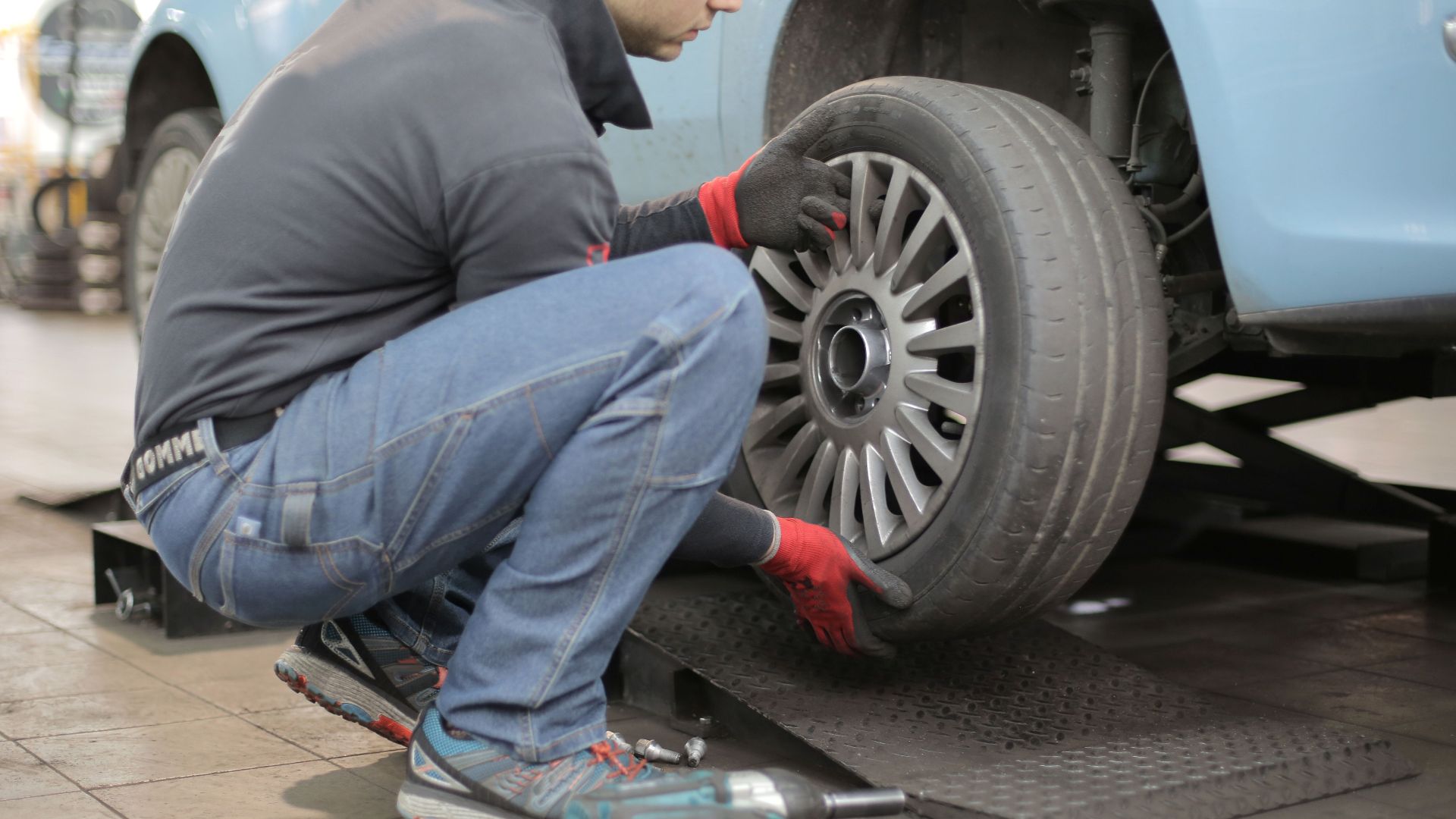
You Leave The Wheel-Lock Key Where They Can Find It
If your wheels have locking lug nuts, leave the matching key somewhere obvious and tell the service advisor where it is. One Toyota technician publicly praised a customer who put it in the cup holder. Apparently, making someone’s day can be that simple.
You Leave The Warning Codes Alone
Clearing a warning code before the appointment can erase stored information that helps explain what happened. Disconnecting the battery can also remove useful clues on some vehicles. Unless the shop directs otherwise, leave that information available. Turning the light off hasn’t necessarily fixed anything.

You Bring A Recording Of The Disappearing Noise
Your car rattles all week, then becomes suspiciously quiet at the garage. A short recording can help explain what the mechanic couldn’t reproduce. Record while safely parked, or have a passenger capture it without distracting you. Photos of dashboard messages can also preserve useful clues.

You Admit What You Already Tried
Replaced a sensor? Added a treatment? Attempted a weekend repair? Tell the mechanic. Mention modifications and aftermarket accessories, too, especially wiring changes or engine tunes. Those details can affect diagnosis. An unsuccessful DIY attempt is useful history, even if you’d rather forget the entire Saturday.

You Describe The Problem In Plain English
“The steering wheel shakes when I brake on the highway” gives a mechanic something useful to investigate. “The front end is bad” leaves considerably more guessing. You don’t need the correct technical term. Describing what you hear, feel, see, or smell is a good start.

You Tell Them When It Happens
Does the noise happen only on cold mornings? After twenty minutes of driving? When turning into your driveway? Those details help a technician recreate the problem. A car that behaves perfectly at the shop becomes much less mysterious when you explain its particular performance schedule.

You Clear The Driver’s Seat
Your mechanic needs to sit in your car, reach the pedals, and sometimes work underneath the dashboard. Removing food wrappers, empty cups, and whatever has been living in the footwell makes that considerably more pleasant. A professional detailing isn’t necessary. Somewhere reasonable to work will do.

You Make The Trunk Accessible
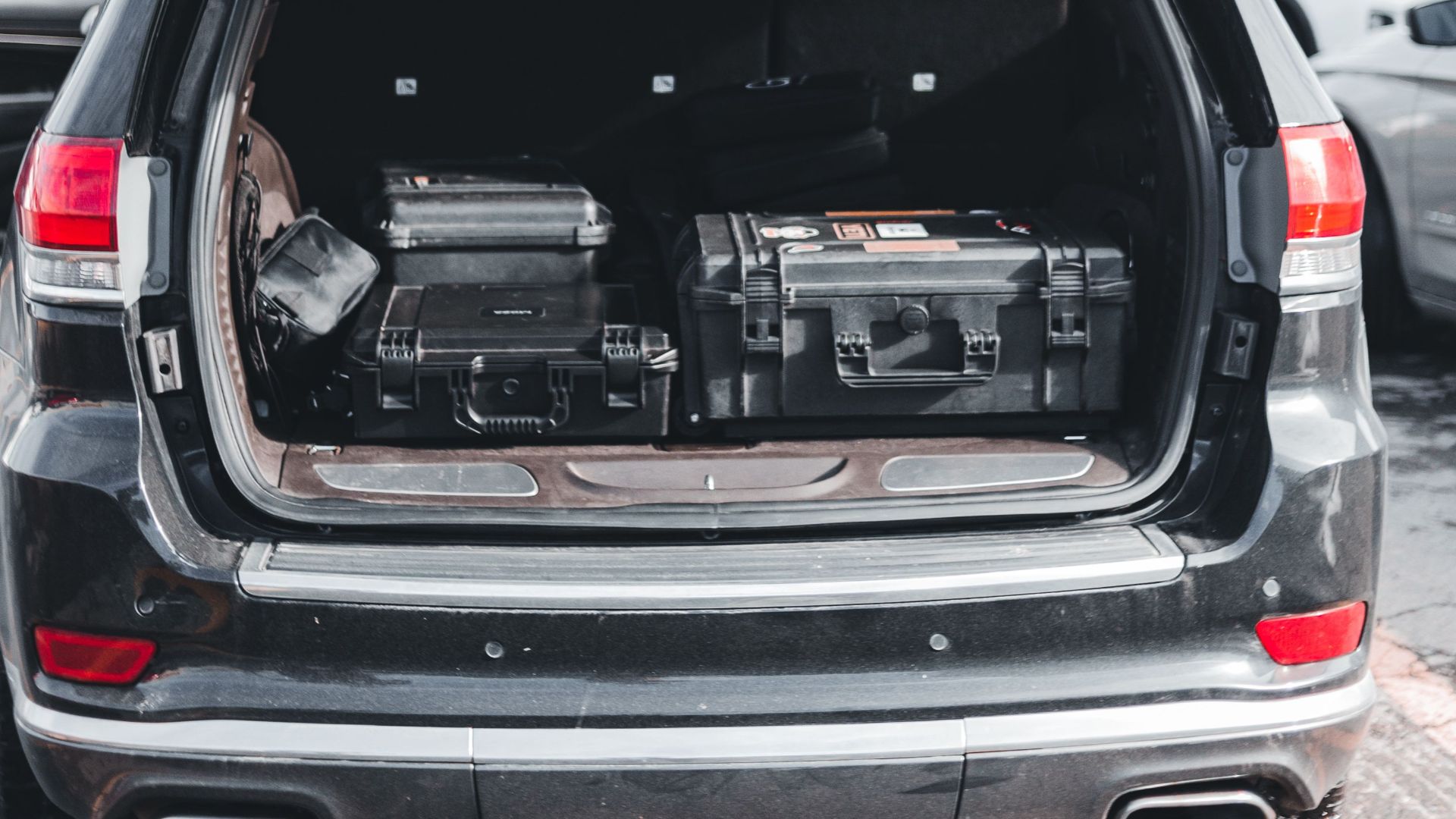
Technicians may need access to the spare tire, battery, or other components behind your belongings. Clear unnecessary clutter, but mention if a problem happens only when the car carries a particular load. That detail could matter more than having an impressively empty trunk.
You Bring The Relevant Repair Records
An invoice showing what another shop replaced last month can be more useful than remembering that they did “something with the engine.” Relevant records help your mechanic understand what has already been checked or changed. A photo of the paperwork can keep the conversation moving.

You Leave Enough Gas For Testing
For a scheduled visit, enough fuel to run the engine and road-test the car helps avoid delays. But this assumes the vehicle is safe to drive. A car with a potentially serious problem shouldn’t make an extra gas-station trip just to earn courtesy points.
You Call Before Dropping The Car Off
A repair shop’s parking lot can look spacious while its schedule is completely full. Calling ahead lets staff explain when they can inspect your vehicle. Leaving the keys at the counter doesn’t automatically create an opening on a technician’s calendar. If only it worked that way.

You Explain The Whole Reason For The Visit
When booking, mention the brake noise, warning light, and difficult starting you want investigated. That gives the shop a better picture of the visit. An appointment arranged for an oil change becomes something quite different when three additional concerns arrive along with the keys.

You Cancel Instead Of Becoming A No-Show
If your plans change, call to cancel or reschedule as early as possible. That gives the shop a chance to offer the opening to another customer. A quick conversation is much more useful than leaving everyone wondering whether you and your car are still coming.

You Explain Your Deadline Early
If you need the car for work tomorrow or a family trip Friday, say so when arranging the appointment. Mechanics can then discuss what is realistic. Discovering your nonnegotiable departure time after the car is already apart puts everyone in a difficult position.

You Understand What The Timeline Includes
An hour-long repair doesn’t always mean your car will be ready an hour after arrival. Other vehicles may be ahead of yours, and parts might need ordering. Ask about the expected completion time so you’re both working from the same schedule.

You Answer When The Shop Calls
The technician may have found the problem and be ready for the next step—but need your approval first. Leaving a working number and checking messages helps prevent unnecessary delays. If you’ll be unavailable, arrange a practical way to communicate before handing over the keys.

You Explain Your Spending Limit Upfront
Agree on what diagnostic work is authorized, what it costs, and when the shop must contact you again. If your budget is tight, say so and ask about priorities. A clear dollar limit helps everyone understand what you’ve approved before the bill becomes an uncomfortable surprise.

You Understand That Diagnosis Is Work
A scan tool can identify a trouble code without identifying the failed part. Finding the actual cause may require testing wiring, checking components, and reproducing the fault. Ask about diagnostic charges upfront. The answer isn’t always waiting inside a computer, ready to print.

You Ask Questions Before Agreeing
A good mechanic should be willing to explain what needs attention, why it matters, and what your options are. Asking those questions before authorizing the repair helps everyone understand the plan. You can be an informed customer without turning the conversation into a confrontation.

You Give Them Room To Work
Explaining a problem beside the car is helpful. Following the technician around while they work is another matter. Mechanics interviewed by AutoMD described hovering customers as distracting, and sometimes a safety concern. Once the explanation is finished, give them space to get on with it.

You Follow The Maintenance Schedule
Keeping up with the manufacturer’s recommended maintenance helps prevent problems caused by neglect. It also gives the shop a clearer service history to work with. That doesn’t mean buying every extra service suggested. Ask why anything beyond the recommended schedule is necessary for your particular car.

You Arrange To Pick Up The Car
When the shop says your car is ready, confirm when you can collect it. If your plans change, call. Finished vehicles still take up parking space, and staff have closing times to consider. A quick update is considerably more helpful than simply disappearing until tomorrow.

You Speak Up If Something Still Seems Wrong
If the original symptom returns, contact the shop and explain exactly what happened. ASE recommends speaking with the owner or manager when a repair visit goes wrong. Keeping receipts and notes helps that discussion. Clear information gives them a chance to address the problem.

You Remember To Say Thanks
The Toyota customer who earned that technician’s enthusiastic praise also left a thank-you note and snacks. Bringing refreshments is entirely optional, and professional service shouldn’t depend on gifts. Still, a sincere thank-you after someone solves a frustrating problem is a small gesture worth remembering.

How Many Do You Already Do?
Count them up. Are you already leaving the wheel-lock key out, explaining the mysterious rattle, and answering the phone? Then you may be making your mechanic’s day easier without realizing it. And if the trunk still contains everything you meant to donate last spring—there’s your starting point.

You Might Also Like:
Car Features Drivers Paid Extra For 20 Years Ago That You'd Struggle To Find On A New Car Today