The Rim Upgrade That Can Show Up On Your Insurance Bill
Switching from factory wheels to aftermarket rims can feel like a simple style upgrade. Insurance companies often see more than that. If the new wheels raise the car’s replacement cost or make it a bigger theft target, your insurance could go up. In short, yes, changing rims can make coverage more expensive, and it usually comes down to value, risk, and whether you told your insurer.
Why Insurers Ask About Wheels
Car insurance is built around risk and repair costs. If your car has parts that cost more to replace than the original equipment, the insurer may factor that into your premium or require extra coverage. Consumer guidance from GEICO, Progressive, and Allstate all says modifications can affect rates or coverage, and custom wheels are a common example.
 I Believe I Can Fly, Shutterstock
Aftermarket Wheels Can Raise The Insured Value
When an insurer says new rims increase your car’s value, they usually mean the value of the car as it sits with those parts on it, not necessarily what a buyer would pay you for it. Expensive wheels can raise the cost to repair or replace the car after a covered loss. If the insurer agrees to cover those parts, that can mean a higher premium.
Replacement Cost Is Usually The Biggest Reason
A factory wheel on a basic sedan may cost far less to replace than a high-end forged aftermarket wheel. If one gets cracked in a pothole or all four are stolen, the claim can get expensive fast. That bigger possible payout is one of the clearest reasons insurance may cost more.

The Theft Risk Is Real
Custom rims can make a car stand out, and that can attract the wrong kind of attention. The National Insurance Crime Bureau has long warned drivers about theft risks tied to valuable parts and accessories, and wheels are still a target because they can be removed and resold. If a modification makes the car more tempting to thieves, insurers may price that in.

Performance Changes Can Matter Too
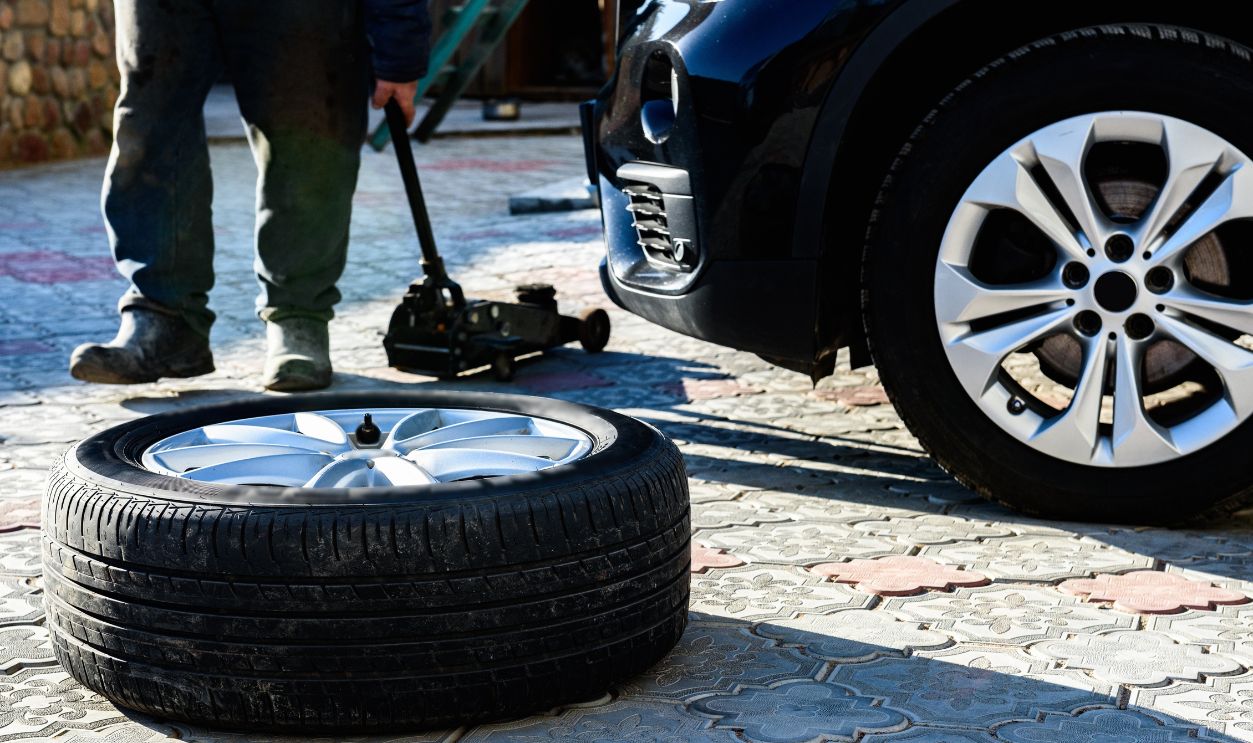
Not every wheel swap is just about looks. Larger wheels, lower-profile tires, and fitments that change handling can affect braking, ride quality, and the chance of damage from potholes or curbs. Insurers may not care much about style alone, but they do care if a change affects how the car drives or how often claims happen.
 Natallia Ploskaya, Shutterstock
Some Policies Do Not Cover Mods Well By Default
This is where a lot of owners get caught off guard. A standard auto policy may cover the car, but it may not automatically pay full replacement cost for every custom part added later. Progressive says custom parts and equipment coverage is available for modifications like stereo systems, custom wheels, and paint, which shows that the industry often treats these items separately from stock equipment.

If You Do Not Tell The Insurer, Problems Can Follow
Not disclosing aftermarket rims can cause trouble when it is time to file a claim. The insurer may only pay for stock replacements if the policy was never updated to include custom equipment. In more serious cases, incorrect application details can lead to disputes over coverage.

What Insurers Mean By “Custom Parts And Equipment”
This usually means permanently installed items that were not part of the original manufacturer package. Progressive specifically lists custom wheels as an example. That matters because these parts may need extra coverage instead of being automatically included under your basic collision or comprehensive policy.
GEICO Says Modifications Can Affect Cost
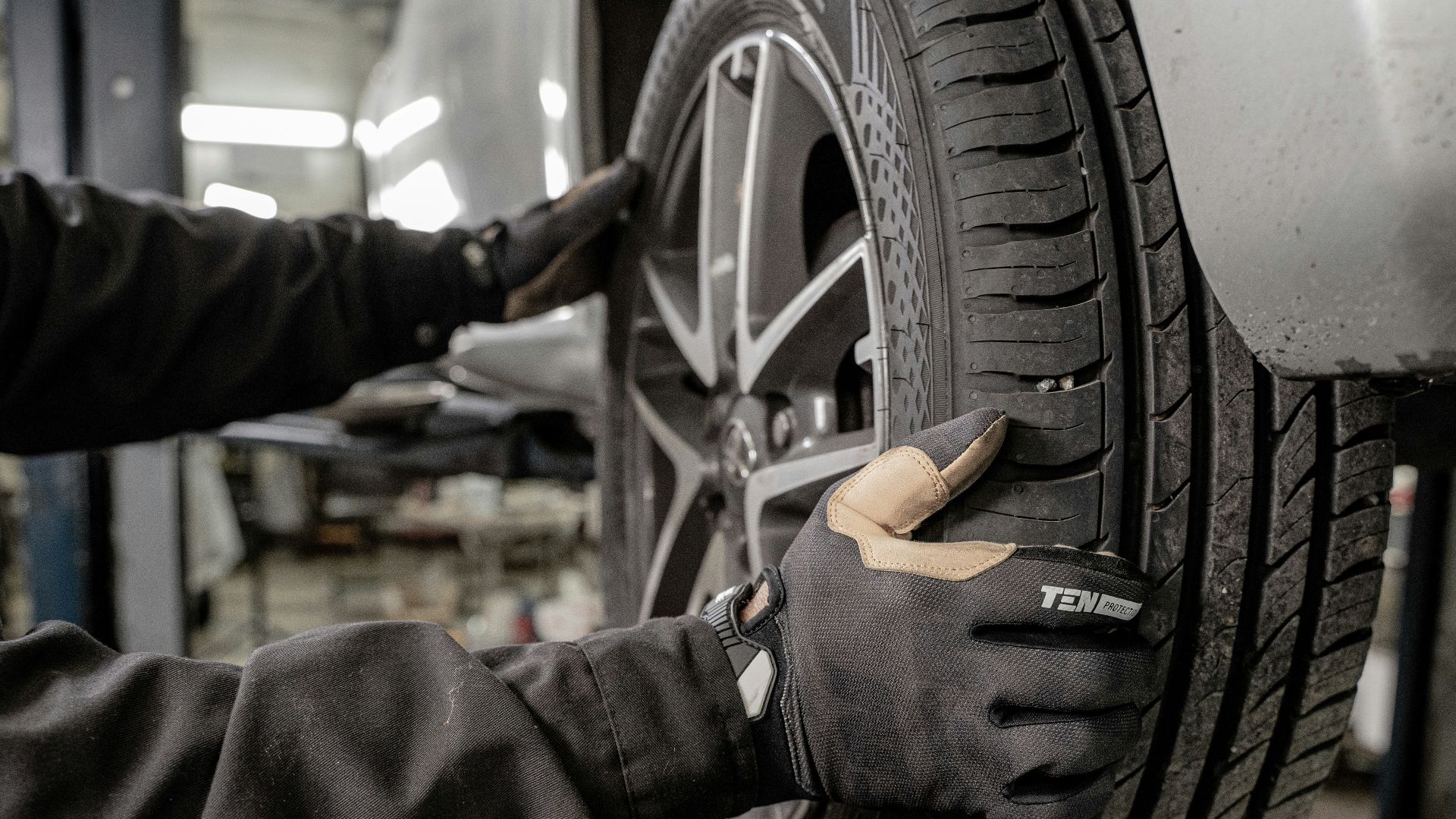
GEICO’s consumer guidance says customizations and modifications may increase your premium because they raise the vehicle’s value and replacement cost. The company also warns that some changes may not be covered unless you disclose them. Wheels fit that logic because they are visible, valuable, and often expensive to replace.
Allstate Says Much The Same
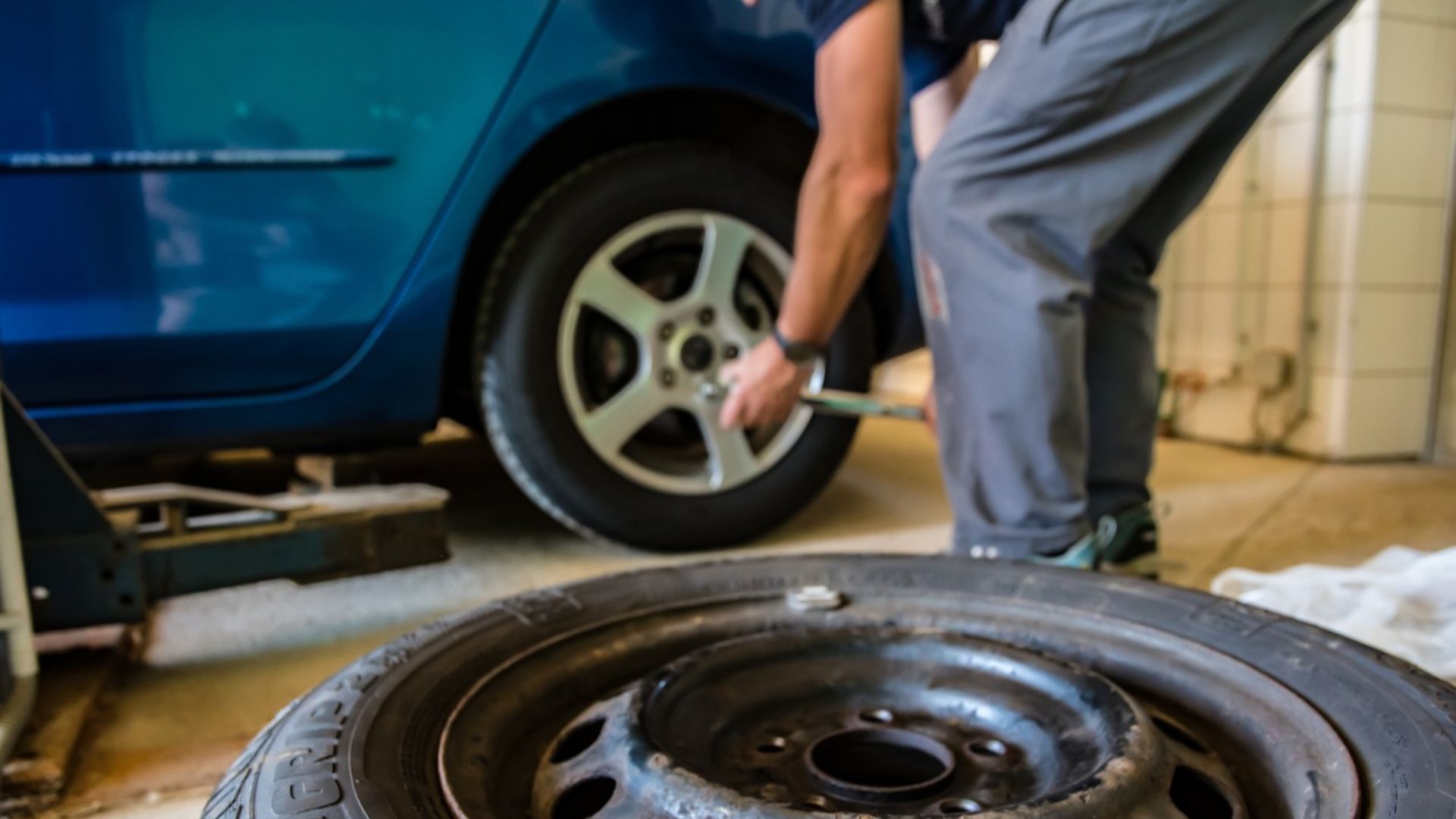
Allstate’s guidance also says custom parts and features can change your insurance needs. The company notes that aftermarket modifications may require extra coverage if you want them insured for their full value. That is another sign that wheel upgrades are not just a style choice in the eyes of insurers.
 Hryshchyshen Serhii, Shutterstock
State Farm Adds Another Key Detail
State Farm says custom parts and equipment coverage can help protect aftermarket additions to a vehicle. That includes items not installed by the original manufacturer. If your new rims cost much more than the stock set, this is the kind of policy wording worth reading before you assume you are fully covered.

Premium Increases Are Not Guaranteed
There is some good news here. A modest wheel swap on an older daily driver may have little or no effect on your premium, especially if the wheels are cheap and do not change performance. The result depends on the insurer, the value of the wheels, where you live, and your overall risk profile.
Wheel Size Can Affect More Than Looks
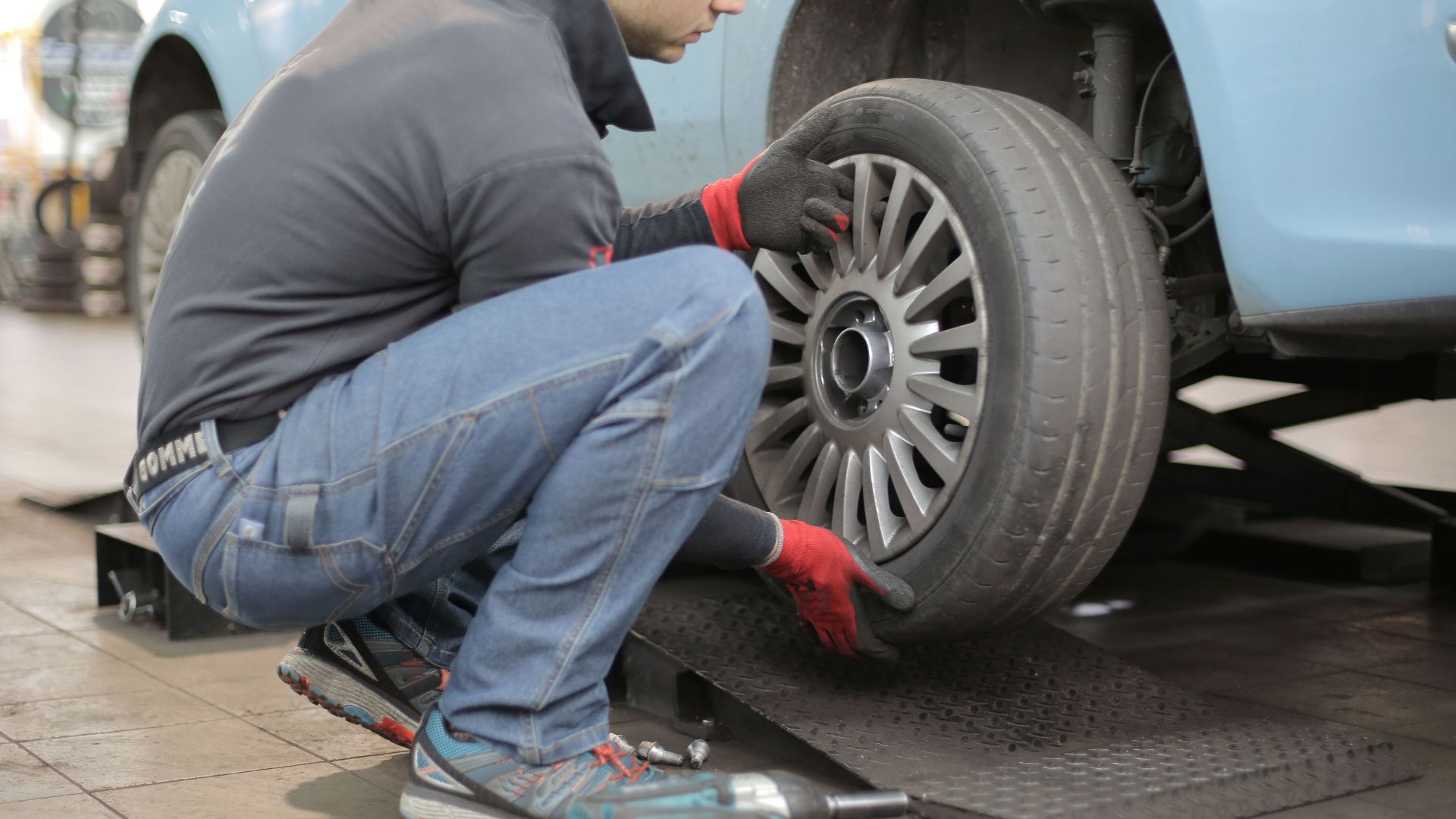
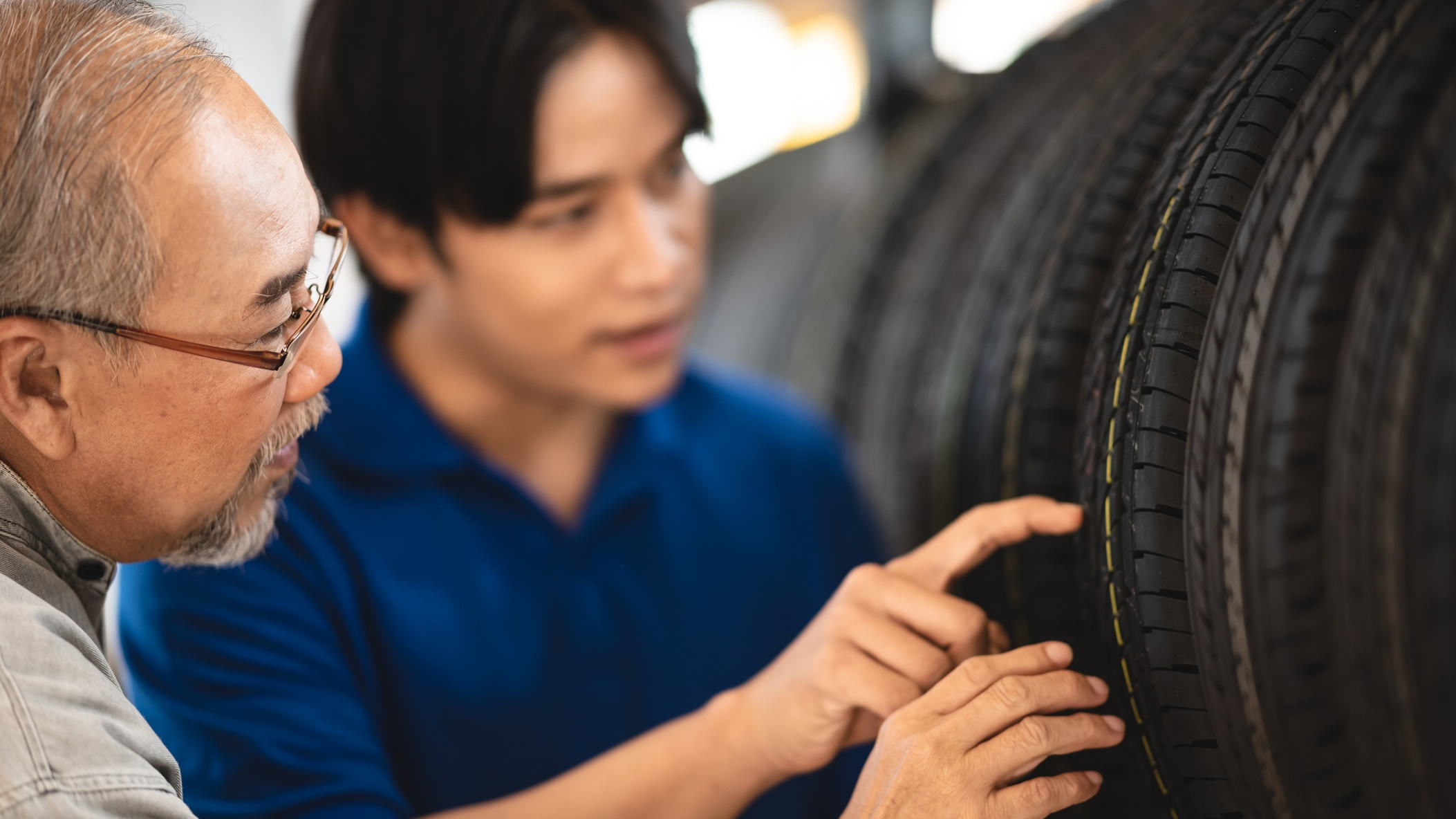
Going far beyond the factory wheel size can create side effects that insurers and claims adjusters notice. Bigger wheels with thin tires can be more likely to take road damage, and replacement tires usually cost more as well. That can raise the cost of a claim even if the wheel itself survives.
 Chokniti-Studio , Shutterstock
Luxury Rims Usually Get More Attention
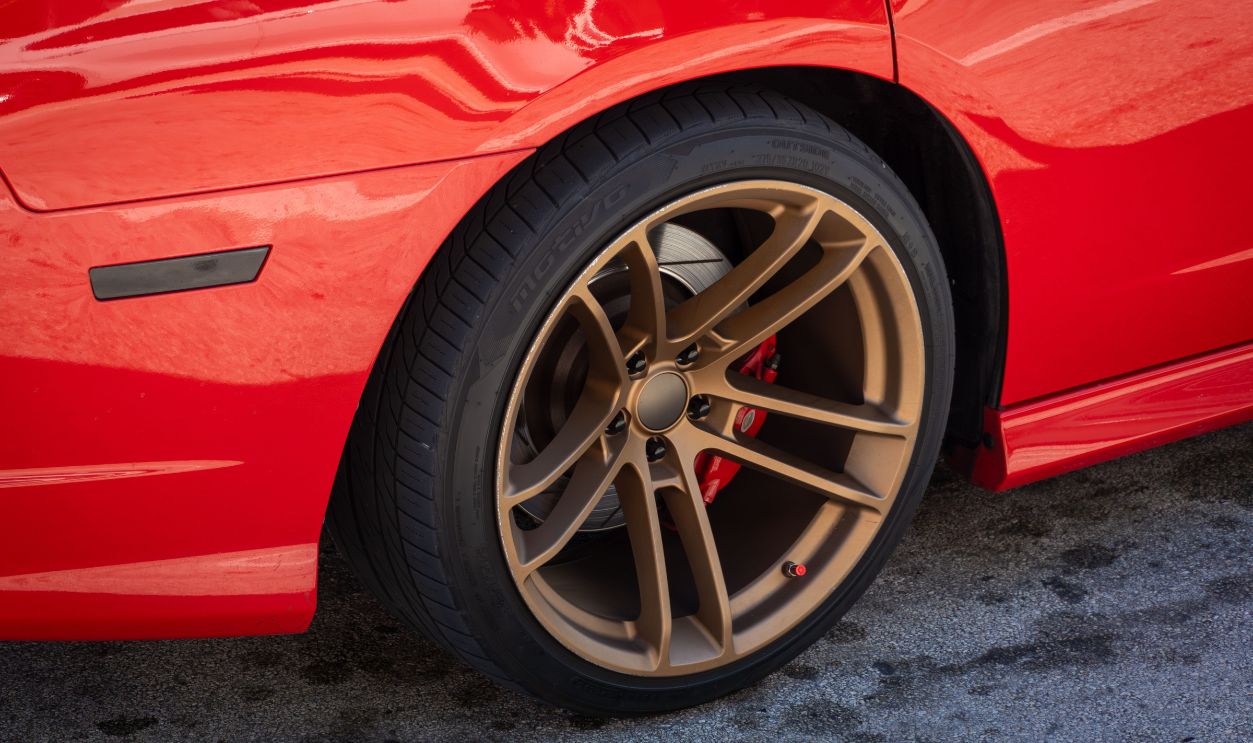
A budget set of aftermarket alloys is one thing. A premium set from a high-end brand can cost thousands of dollars, and that changes the insurance math quickly. The more money tied up in the upgrade, the more likely the insurer is to treat it as a major change worth rating or insuring separately.
 Wirestock Creators, Shutterstock
Declared Value And Actual Cash Value Are Different
Many drivers assume that if they spent big money on wheels, the insurer will automatically pay that amount after a loss. That is not always how it works. Insurance payouts often depend on the policy terms, depreciation, and whether the custom parts were specifically listed or covered by a separate endorsement.

Your Lender Or Lease Company May Care Too
If you finance or lease your car, custom wheels can add another layer of hassle. Lease agreements often limit modifications, and lenders may expect the car to be returned or restored in stock condition. Even if your insurer is fine with the wheels, your contract might not be.

The Smart Move Is To Call Before You Buy
The easiest way to avoid a bad surprise is to ask first. Call your insurer and find out whether the wheels need to be declared, whether they would change your premium, and whether you need custom parts coverage. A quick phone call before you buy is much easier than arguing over a claim after theft or curb damage.

Keep Receipts And Installation Records
If you want your rims covered the right way, keep good records. Save receipts, brand and model details, installation invoices, and clear photos of the wheels on the car. That paperwork can help prove value and speed up a claim if the wheels are stolen or damaged.
 Evgeny Atamanenko, Shutterstock
Photos Matter More Than You Think
Good photos can help show the condition of the wheels and confirm they were installed before a loss happened. Take pictures from several angles and store copies somewhere safe, like cloud storage or email. It is dull prep work, but it can make a big difference when dates and details start getting blurry.

Do Not Forget The Tires
Wheel upgrades often come with pricier tires, and that can affect claim costs too. Ultra-high-performance or run-flat tires can cost much more to replace than standard ones. Even if the insurer focuses on the rims, the full wheel-and-tire package may affect the premium.
Coverage And Rate Are Not The Same Thing
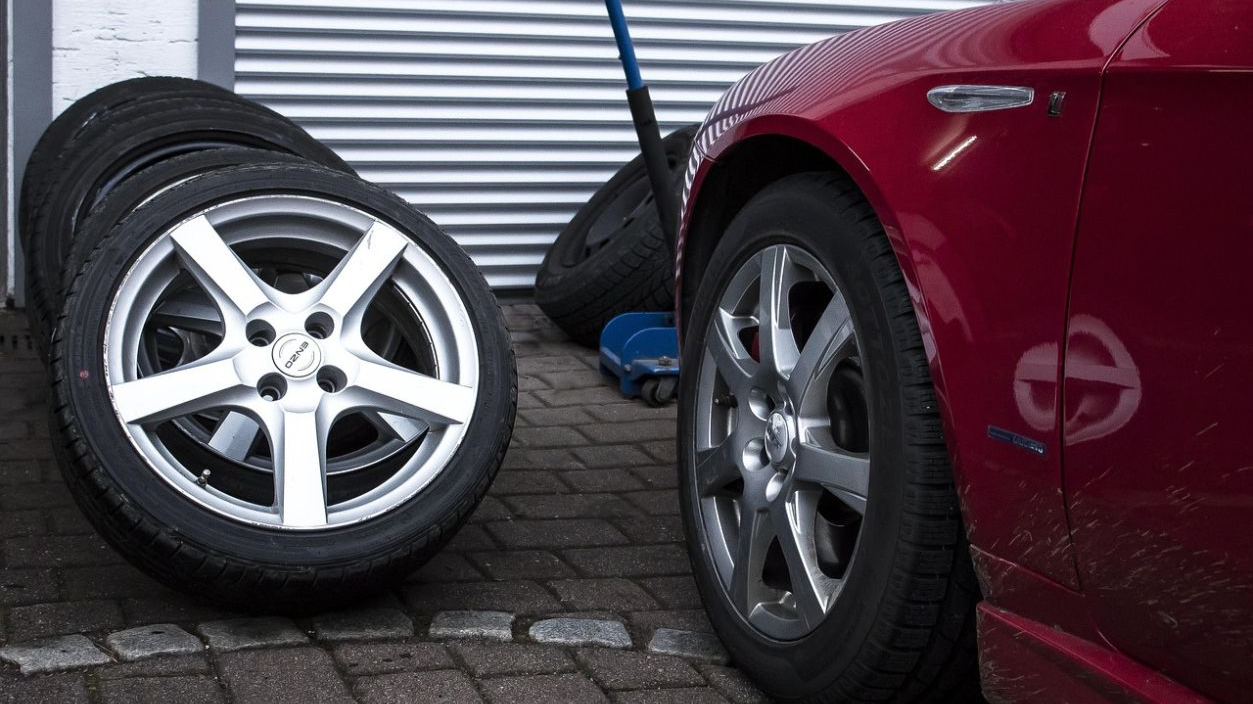
Some insurers may not raise your premium by much, but they still may require an endorsement if you want the aftermarket wheels covered. Others may automatically include a limited amount of custom equipment and only charge more above that cap. That is why two drivers with the same rims can get very different answers from different companies.

Regional Risk Can Change The Answer
Where you live matters. Areas with higher theft rates, rougher roads, or expensive repair markets can make custom wheels cost more to insure. The same set of rims may barely matter in one ZIP code and lead to a noticeable premium change in another.
Claims History Still Matters A Lot
If you already have tickets, accidents, or prior comprehensive claims, expensive wheel upgrades may be treated differently than they would for a low-risk driver. Insurers look at the full picture, not just the parts on the car. The wheels are only one factor in a much bigger pricing model.
 Amnaj Khetsamtip, Shutterstock
What Happens If The Car Is Totaled
If the car is declared a total loss, aftermarket rims can become a sticking point. Without proper disclosure or custom equipment coverage, the insurer may value the car closer to its stock form. That can leave owners frustrated when they find out their expensive wheels did not lead to a larger payout.
 Quality Stock Arts, Shutterstock
Can Wheels Ever Lower Insurance Costs
In real life, that is uncommon. Lighter wheels can improve handling or braking in some setups, but insurers do not usually give discounts for rim upgrades the way they might for some anti-theft or safety features. Most of the insurance effect goes in one direction: higher replacement cost or added risk.

The Bottom Line For Drivers
Yes, changing rims really can make insurance more expensive, but it depends on the cost of the wheels, how they affect risk, and whether you want them fully covered. The biggest mistake is assuming the insurer will treat expensive aftermarket rims exactly like factory wheels. If you are upgrading, tell your insurer, ask clear coverage questions, and get the answer in writing.