Decades Of Change
Cars still need mechanics, but what happens inside the service bay has changed dramatically over the years. A routine tune-up once involved an almost ritualistic sequence of adjustments, lubrication and cleaning. Electronic ignition, fuel injection, sealed components and computerized controls have since made many once-common jobs virtually disappear.
Replacing Ignition Points
Before electronic ignition became standard, breaker points inside the distributor cap physically opened and closed to control the ignition coil. Those contacts gradually burned and wore, changing the engine's dwell and timing. Inspecting, adjusting and periodically replacing points was consequently a bread-and-butter tune-up job.

Changing The Condenser
Points were commonly serviced along with a small electrical capacitor called a condenser. Its job included limiting arcing across the points. Mechanics routinely replaced points and condensers together, so older drivers still remember buying them as basic tune-up parts. Electronic ignition largely sent both components into retirement.

Setting The Dwell
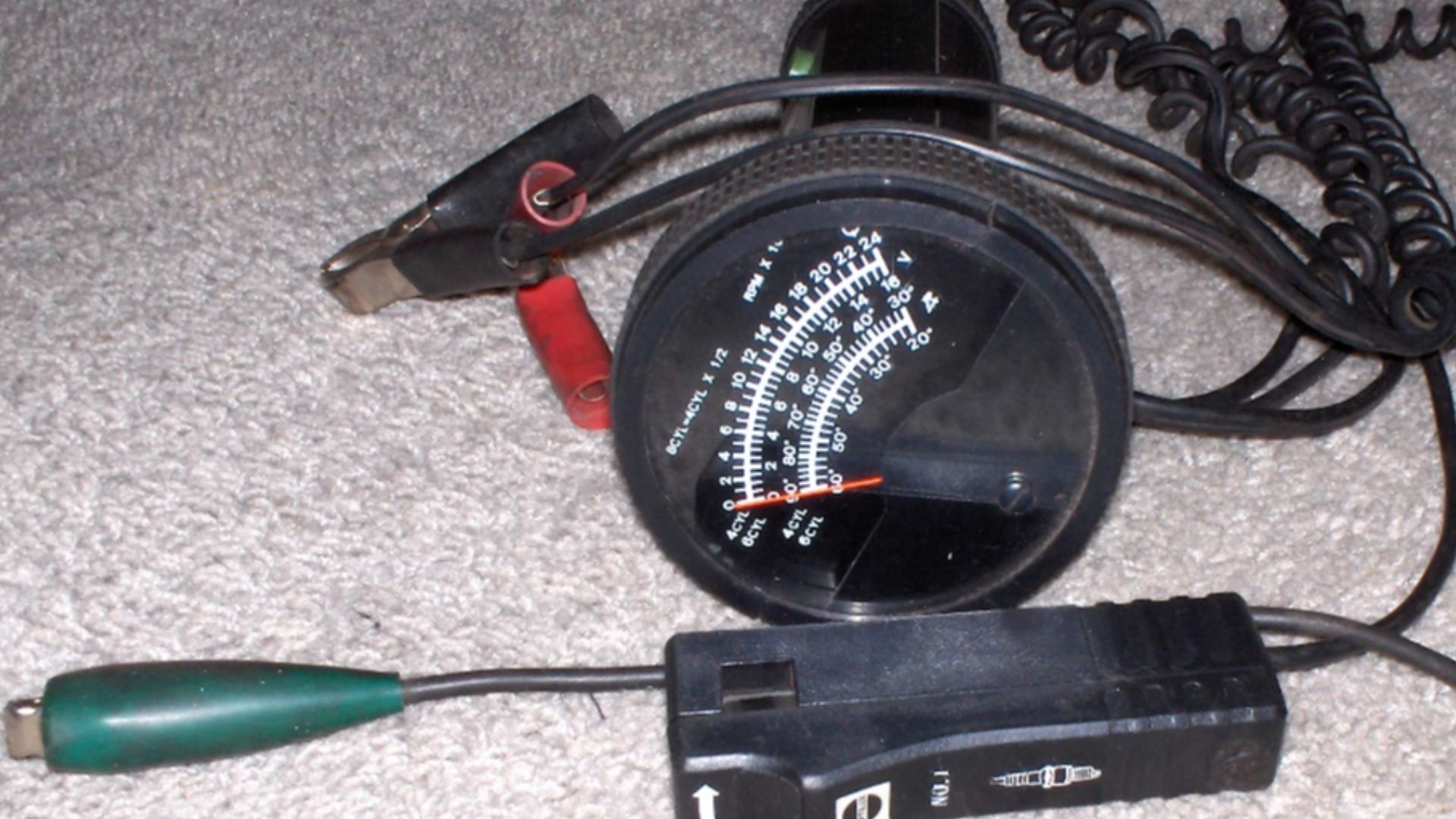
Installing points wasn't enough. Mechanics used a dwell meter to measure how long the points remained closed during distributor rotation, then adjusted them to specification. Changing dwell could also alter ignition timing. Eliminate mechanical breaker points, and you eliminate one of the classic tune-up adjustments.
Adjusting Ignition Timing
Timing lights were once among the most familiar tools in a garage. A mechanic aimed the flashing light at timing marks while adjusting the distributor until the spark occurred at the specified moment. Modern engine computers control ignition timing electronically, leaving little or nothing for a mechanic to adjust.
 Sonett72 at English Wikipedia, Wikimedia Commons
Servicing Distributor Caps
The distributor cap routed high-voltage electricity to each spark plug, while a rotor spun beneath it. Mechanics inspected caps for cracks, corrosion and burned terminals and replaced caps and rotors regularly. Distributorless ignition and individual coil-on-plug systems have removed the entire assembly from most modern engine bays.
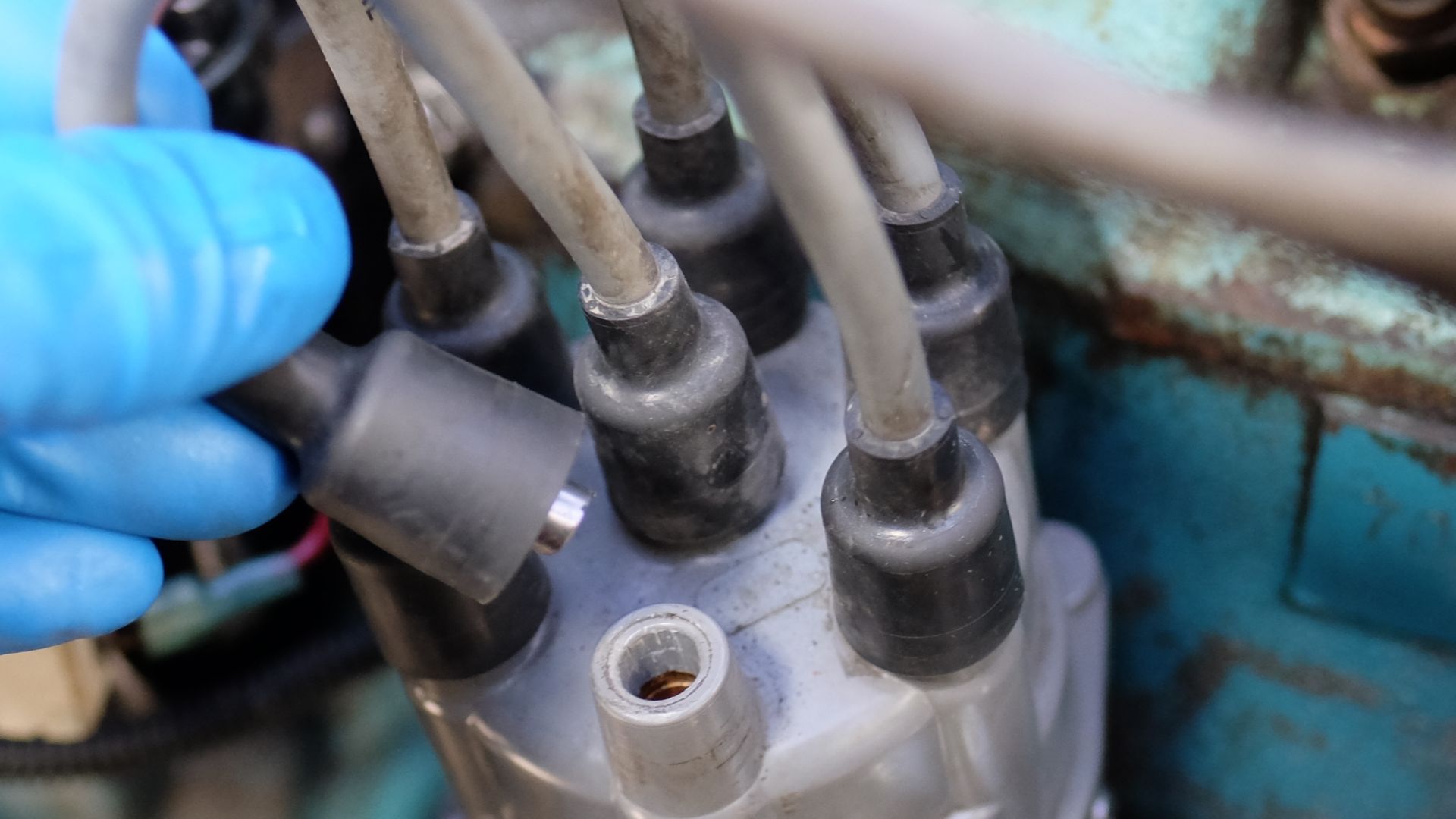 Dennis Bratland, Wikimedia Commons
Adjusting Carburetors
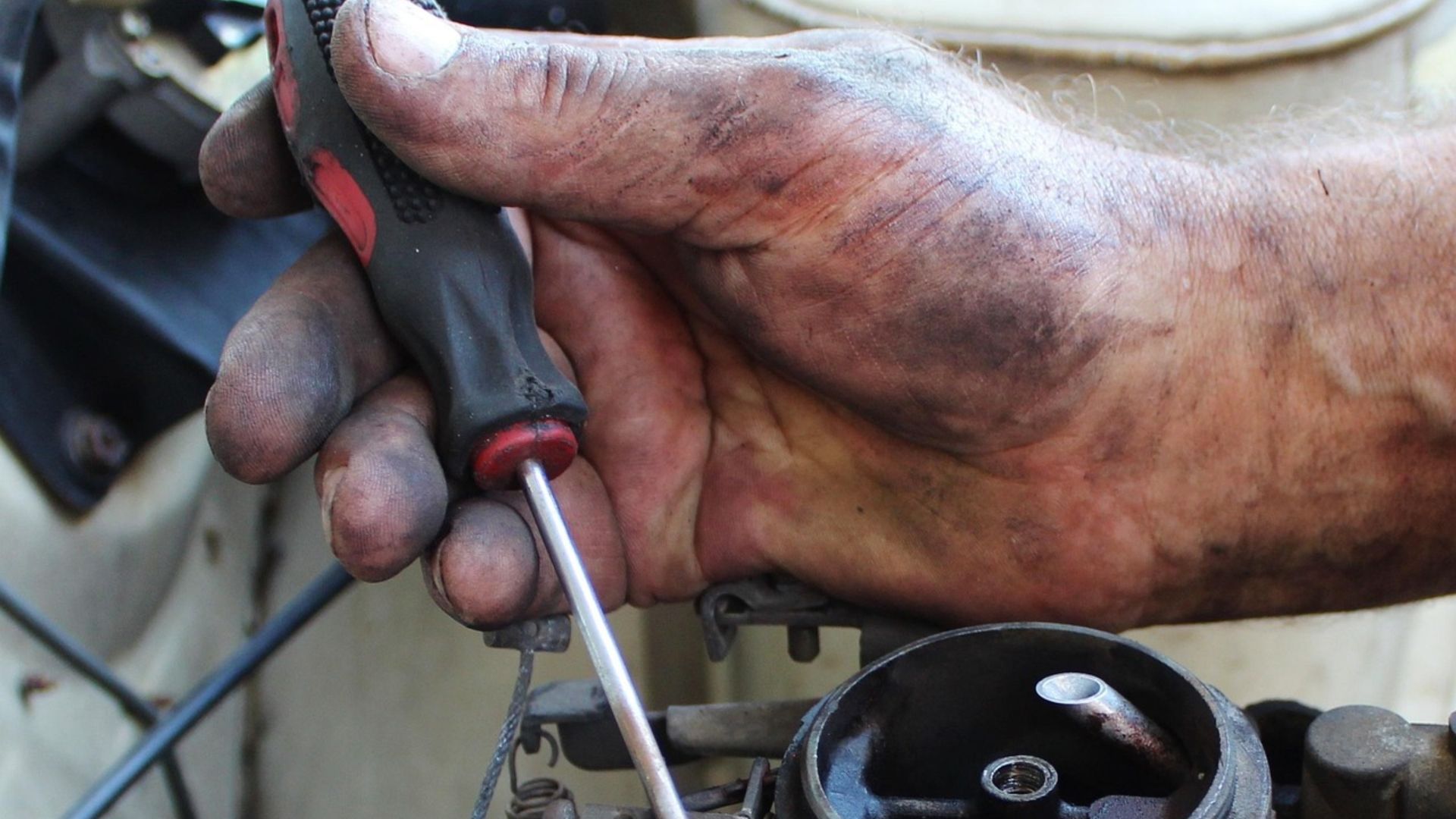
A mechanic once needed a good ear and considerable experience to make an engine idle beautifully. Carburetors provided numerous opportunities for adjustment, including idle speed and mixture. Electronic fuel injection now measures operating conditions and adjusts fueling automatically, making routine carburetor tweaking a specialty of the classic-car world.
Rebuilding Carburetors
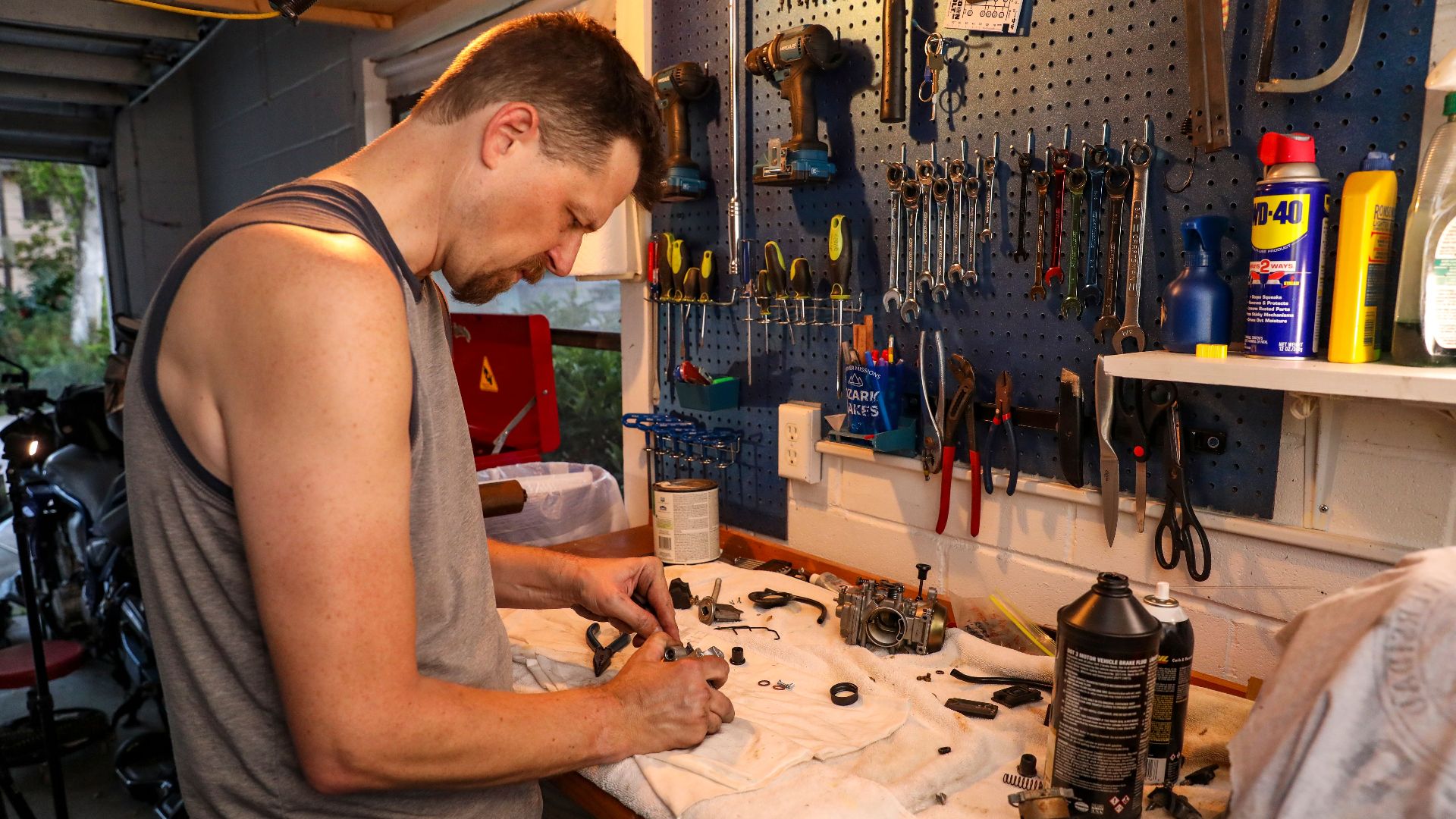
Sometimes adjustment couldn't save one. Mechanics regularly disassembled carburetors to replace gaskets, floats, needle-and-seat assemblies and other components, then cleaned passages before carefully putting everything back together. Fuel injectors eventually displaced carburetors, and rebuilding one today usually means somebody has brought a vintage vehicle into the shop.
Adjusting The Choke
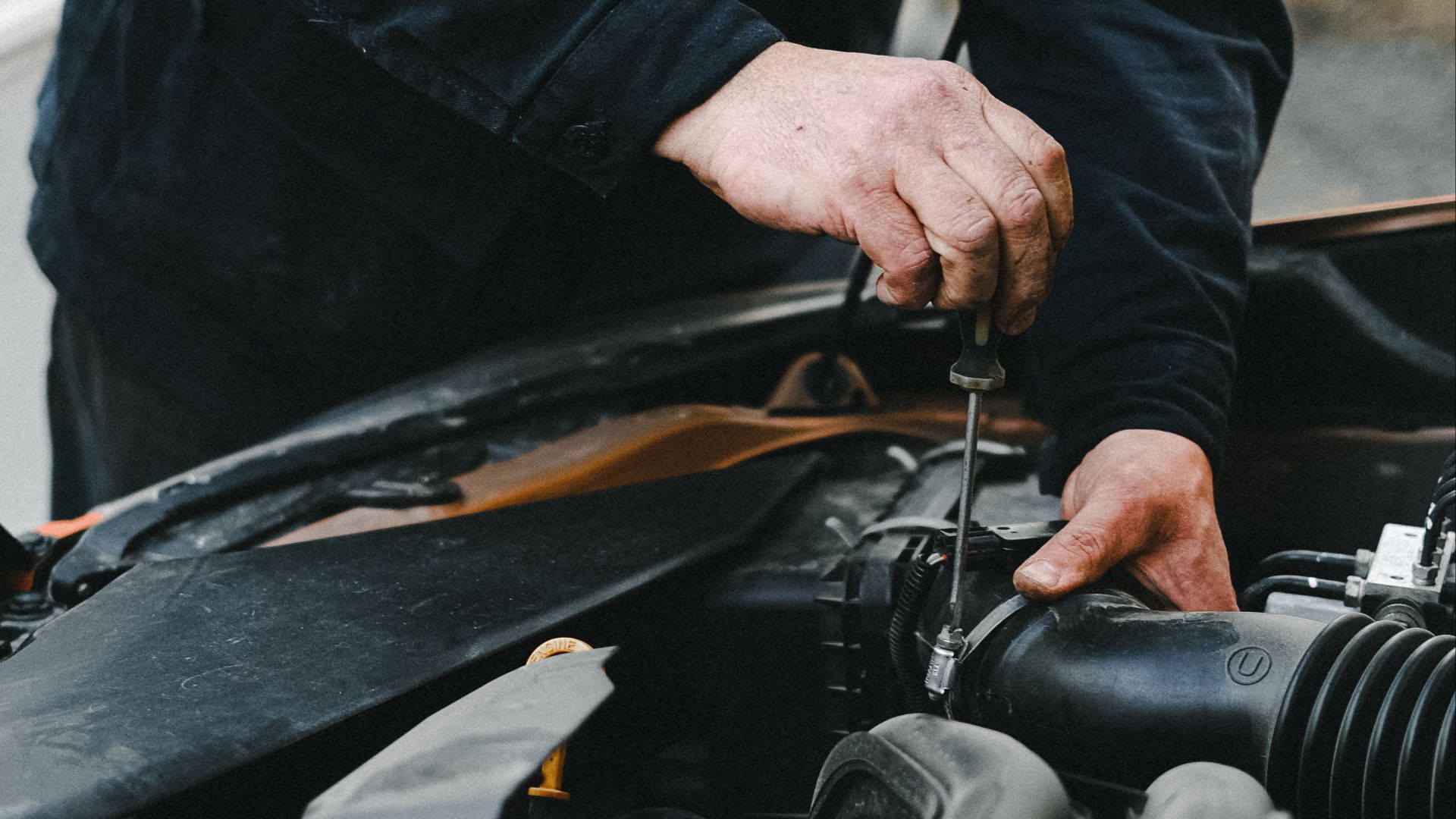
Cold carbureted engines needed a richer fuel mixture, supplied partly through a choke. Automatic chokes incorporated mechanical and vacuum-operated components that sometimes required adjustment, while earlier vehicles could have driver-operated manual chokes. Routine choke inspection and adjustment vanished along with the carburetor itself.
Cleaning Spark Plugs
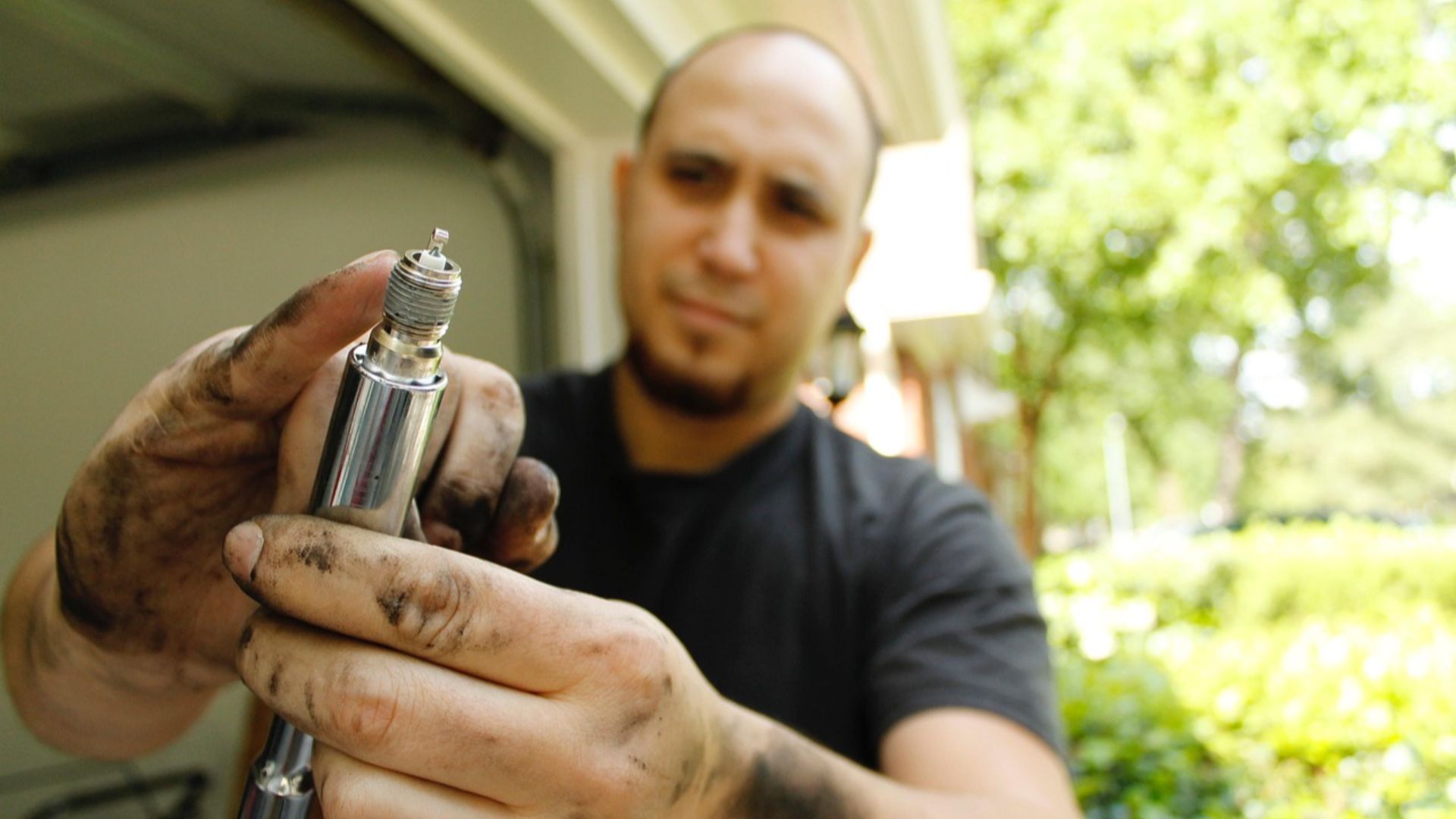
Spark plugs weren't always automatically thrown away. Mechanics could remove fouled plugs, clean them, inspect the electrodes, reset the gap and put them back into service. Modern plugs can last tens of thousands of miles, making the old ritual of routinely cleaning a set seem remarkably labor-intensive.
Adjusting Drum Brakes
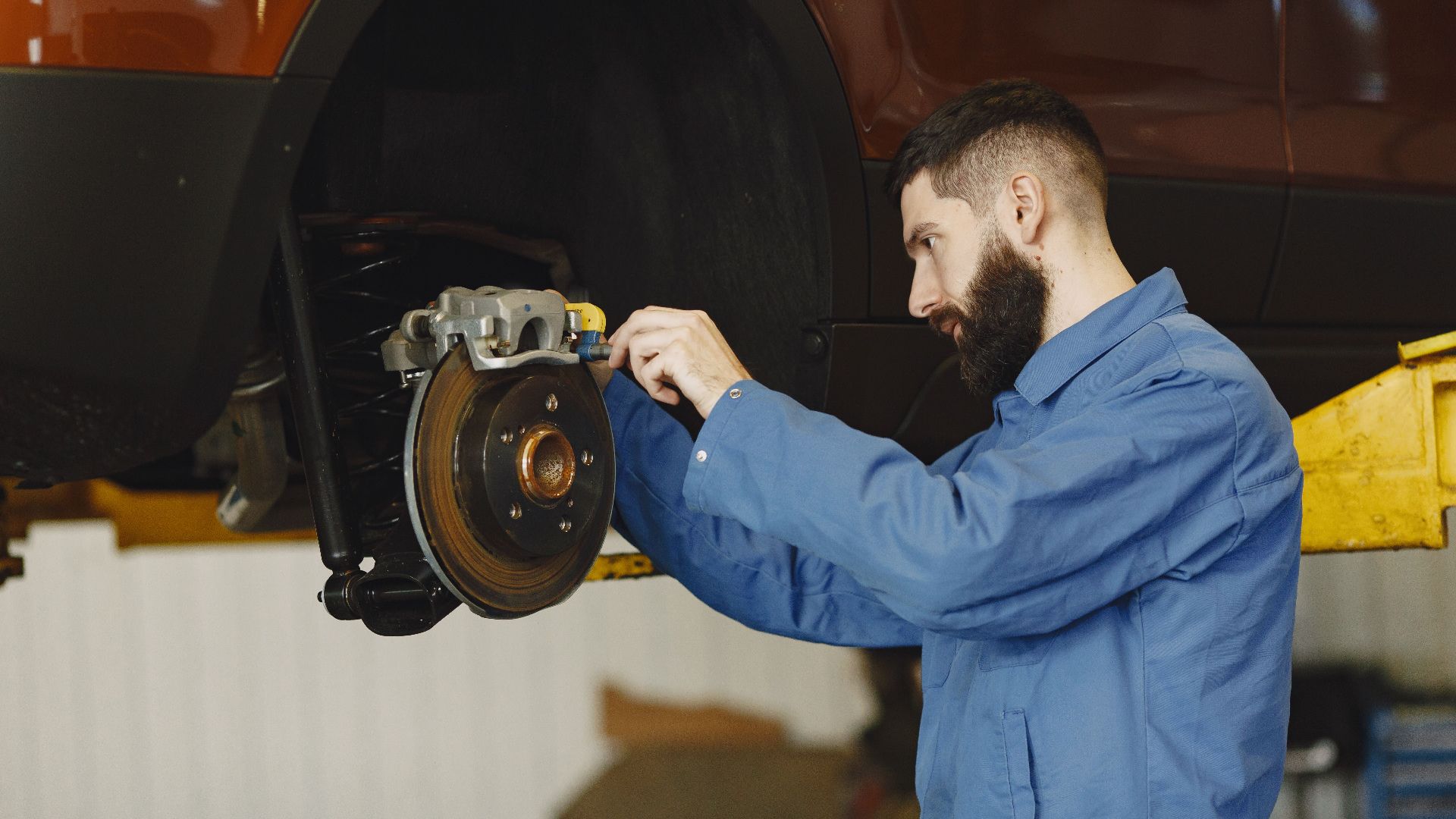
Four-wheel drum brakes once required periodic adjustment as their shoes wore. Mechanics used a brake spoon or screwdriver to turn the star-wheel adjusters until shoe clearance was correct. Self-adjusters reduced the workload, while front disc brakes eventually made the procedure far less common. Rear drums still survive on some vehicles.
Arcing Brake Shoes
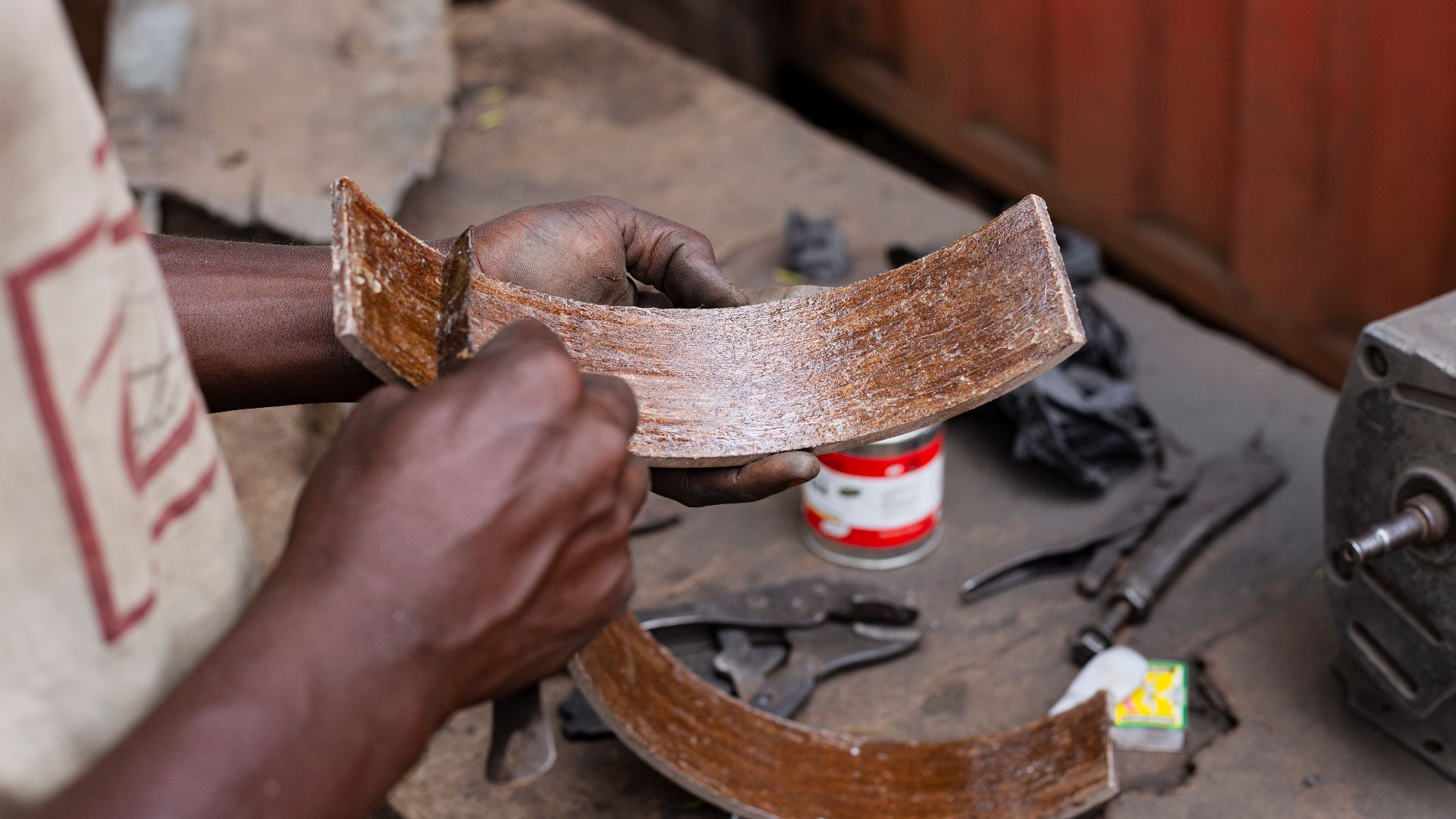
Brake shoes and drums weren't necessarily a perfectly matched pair right out of the box. Shops once used specialized machinery to grind, or "arc," replacement brake linings so their curvature matched a particular drum. Improved components, changing brake technology and serious concerns surrounding asbestos dust helped consign this procedure to history.
Turning Brake Drums
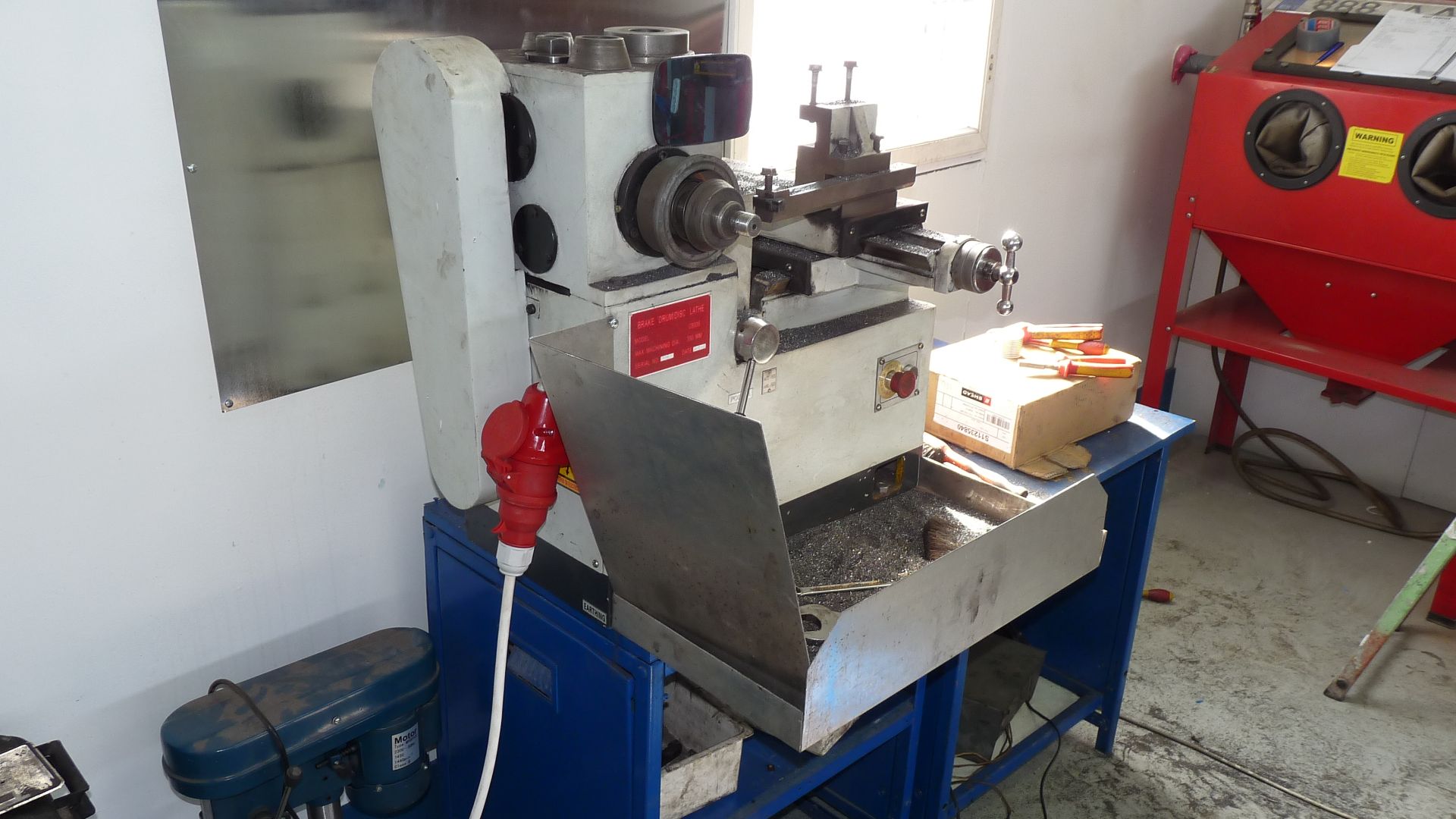
Replacing a worn drum wasn't always the first choice. Mechanics routinely mounted brake drums on a lathe and machined their friction surfaces smooth, provided enough material remained to stay within specifications. Drums still can be resurfaced, but replacement parts and shrinking drum-brake use have made the sight increasingly uncommon.
Turning Brake Rotors
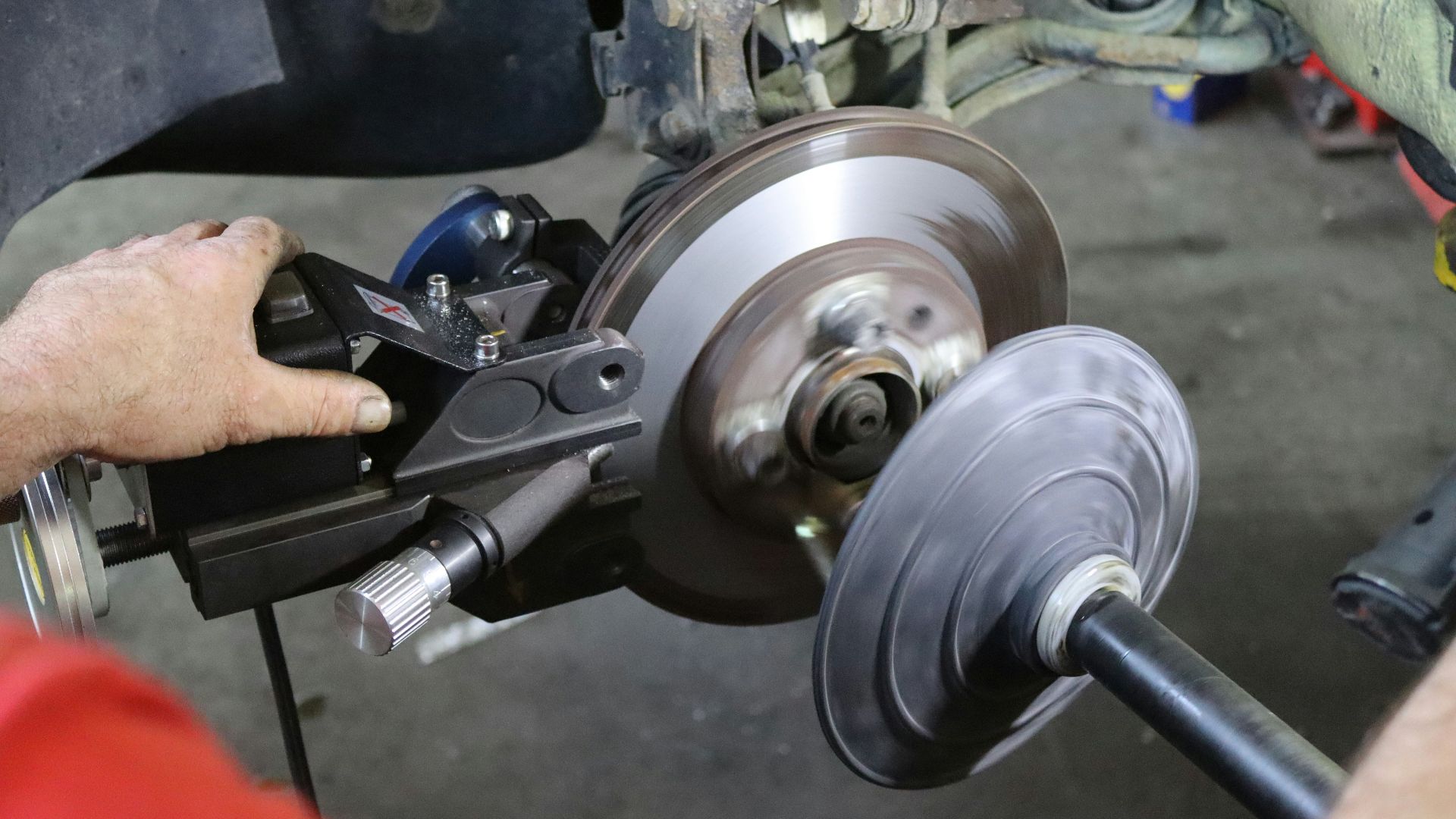
Brake rotors received similar treatment. A pulsating or scored rotor could be machined on a brake lathe rather than immediately discarded. Resurfacing certainly hasn't vanished, but inexpensive replacement rotors and thinner modern designs mean many shops now simply install new ones rather than putting the old ones on a lathe.
Repacking Wheel Bearings
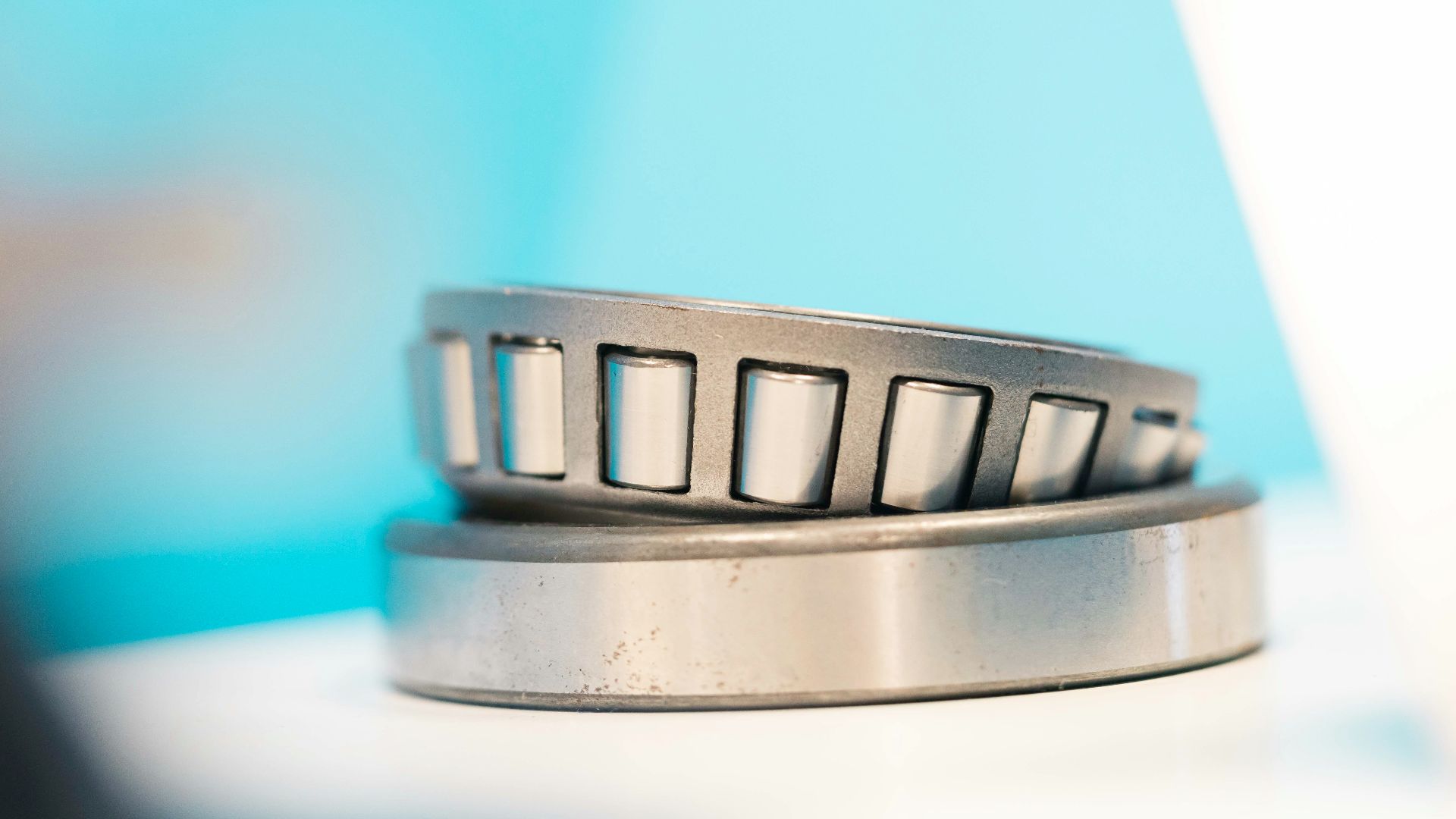
Older service schedules commonly called for front wheel bearings to be removed, cleaned, inspected and packed with fresh grease. Modern sealed hub-and-bearing assemblies generally aren't serviceable that way. When they develop play or noise, mechanics usually replace the assembly instead of sitting at a bench working grease through individual bearings.
Greasing The Chassis
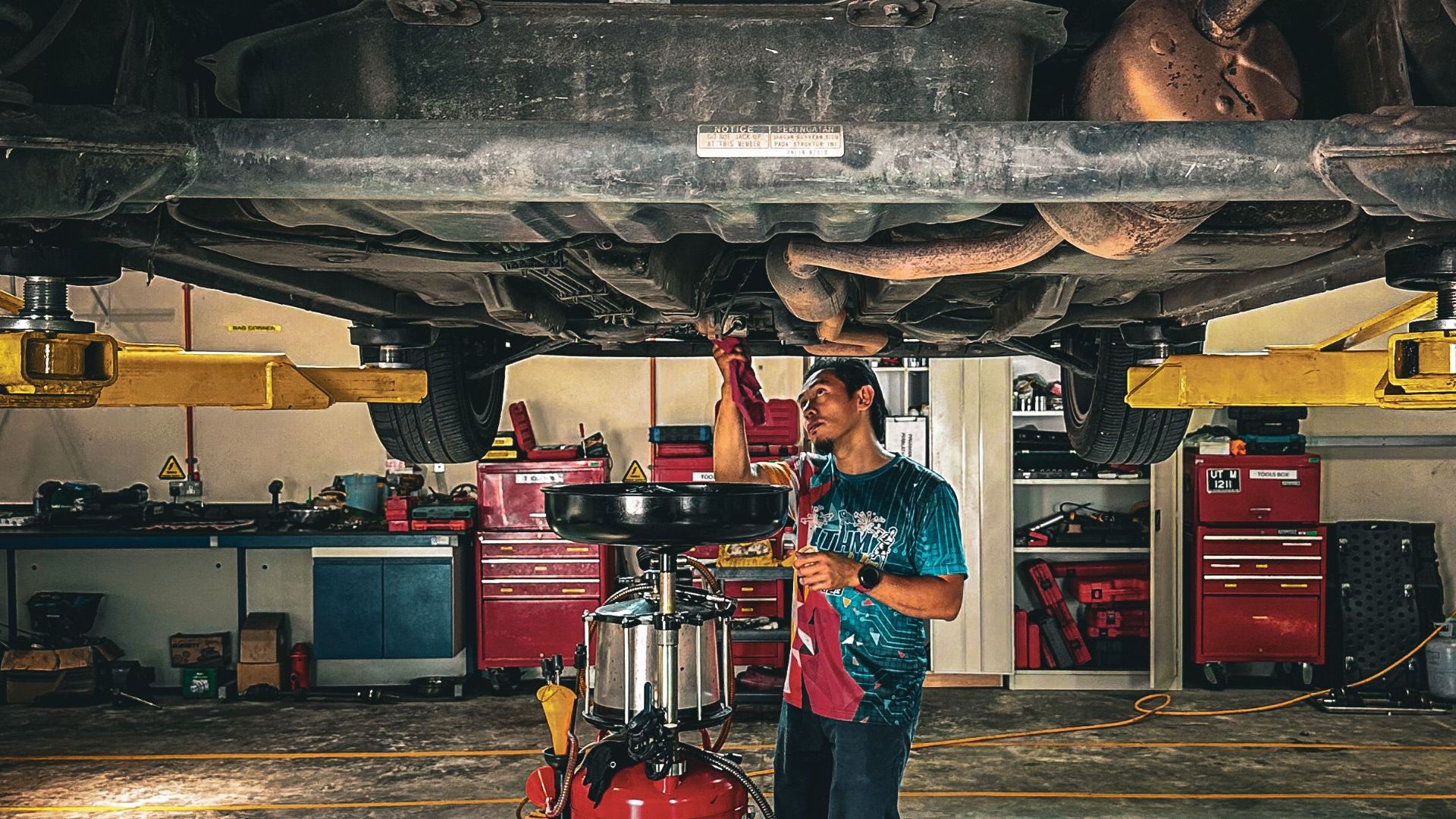
A lubrication job once meant considerably more than changing engine oil. Mechanics crawled underneath with grease guns and serviced fittings on steering and suspension components. Historical maintenance schedules routinely included chassis lubrication. Many modern joints and bearings are permanently lubricated and sealed, leaving few grease fittings to find.
Lubricating The Body
Even the body could appear on the lubrication schedule. Hinges, latches and other moving points received periodic attention, and historical maintenance data actually lists "body lubrication" as a scheduled procedure. Better materials and designs haven't eliminated occasional lubrication, but the comprehensive routine service largely disappeared.

Adjusting Valve Lash
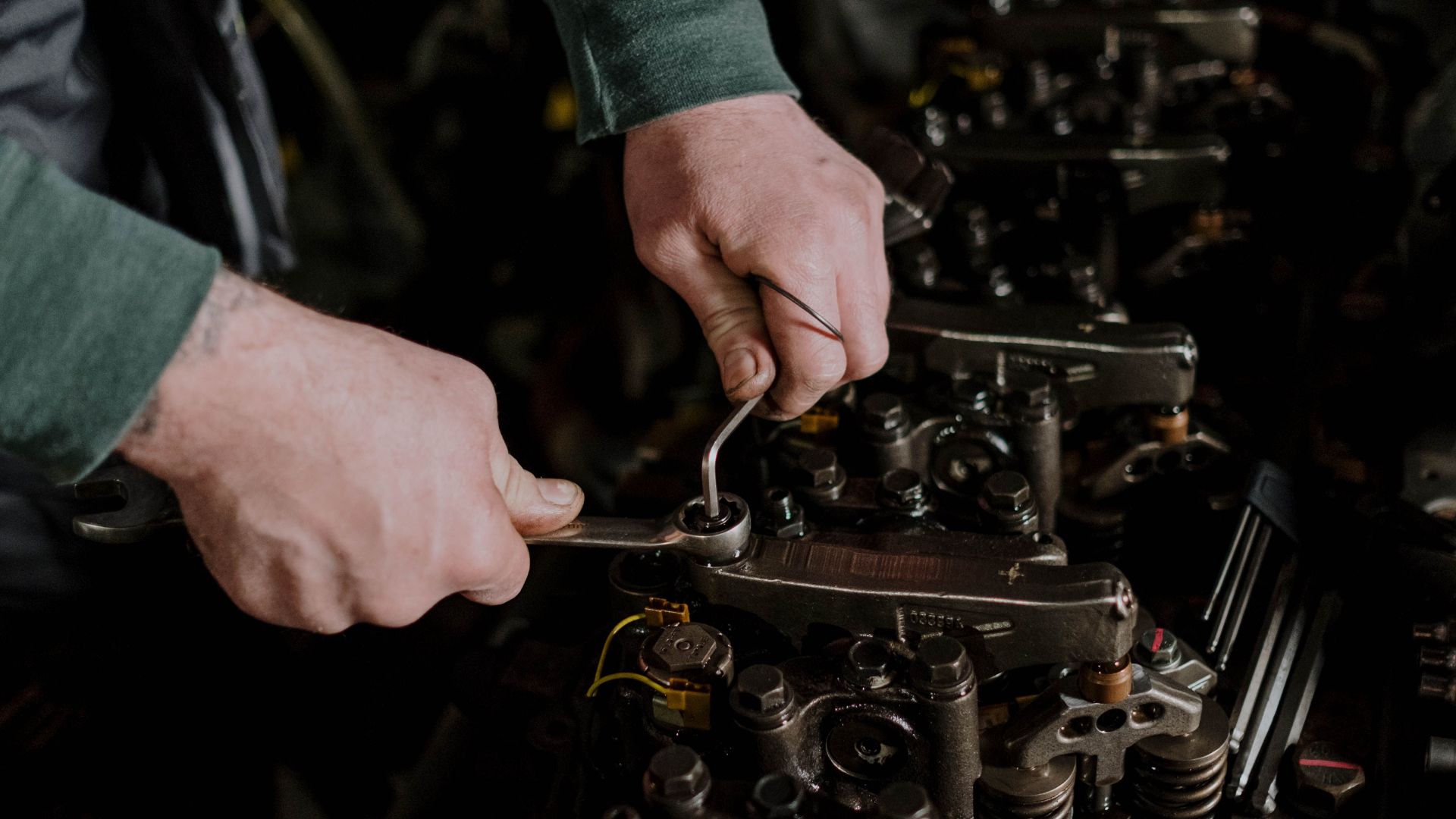
Some engines required mechanics to periodically measure and adjust the clearance between components in the valvetrain. Hydraulic lifters and other designs greatly reduced that requirement on mainstream American vehicles. Valve-clearance adjustment still exists on certain engines, but it is nothing like the broadly familiar maintenance operation it once was.
Adjusting Clutch Linkage
Before hydraulic and self-adjusting clutch mechanisms became widespread, mechanics periodically checked and adjusted mechanical clutch linkage or cables to maintain correct pedal free play. It was another little adjustment that could make a car feel dramatically better without replacing anything. Modern systems have largely removed it from routine service.
Topping Up Batteries
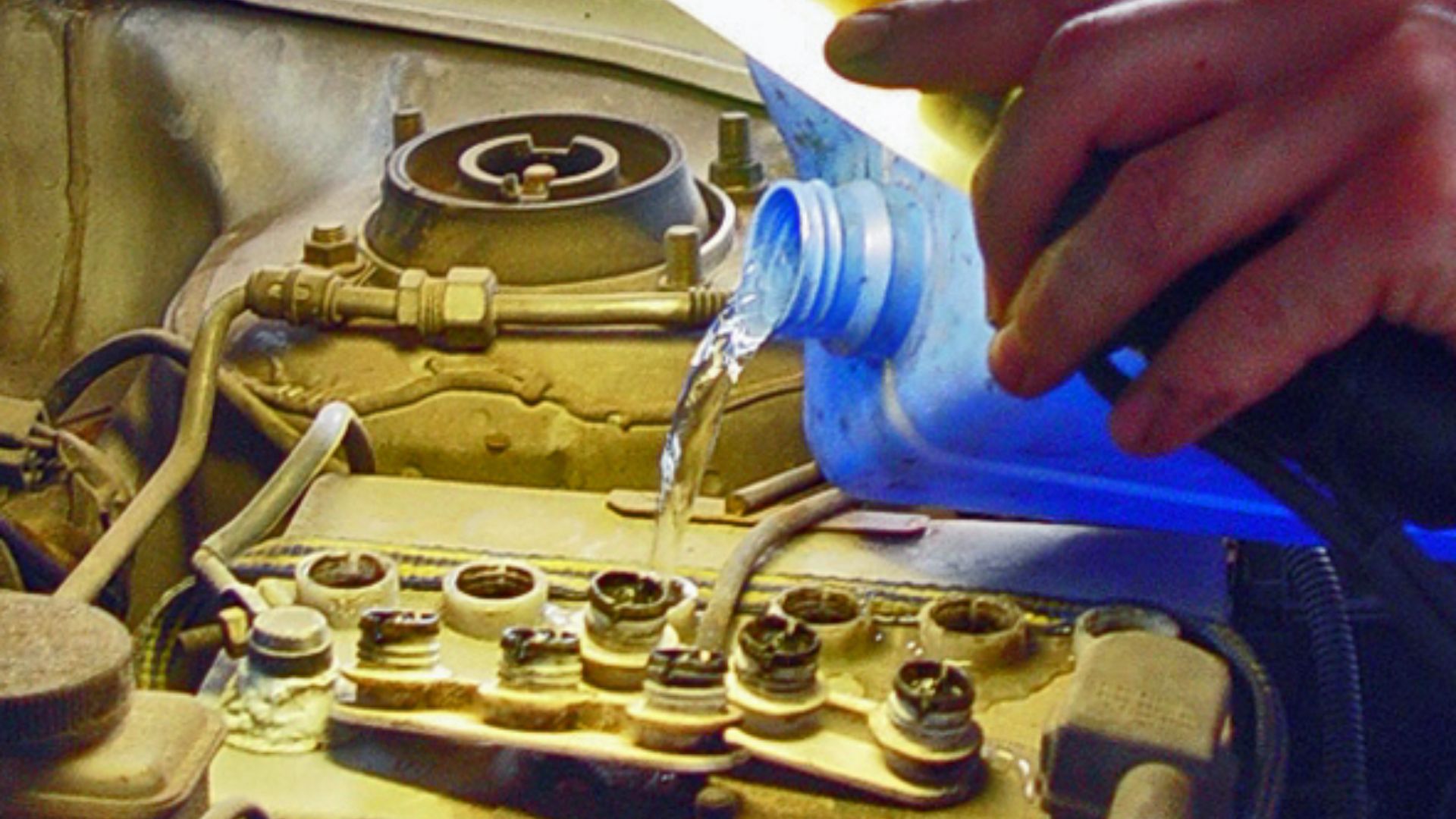
Pop the caps off an old-fashioned automotive battery and you could inspect the electrolyte level in each cell, adding distilled water when necessary. Classic-car maintenance checklists still include the procedure. Maintenance-free and sealed battery designs mean most drivers today have never watched a mechanic peer into individual battery cells.
 איתן טלEtan Tal, Wikimedia Commons
Adjusting Generator Regulators
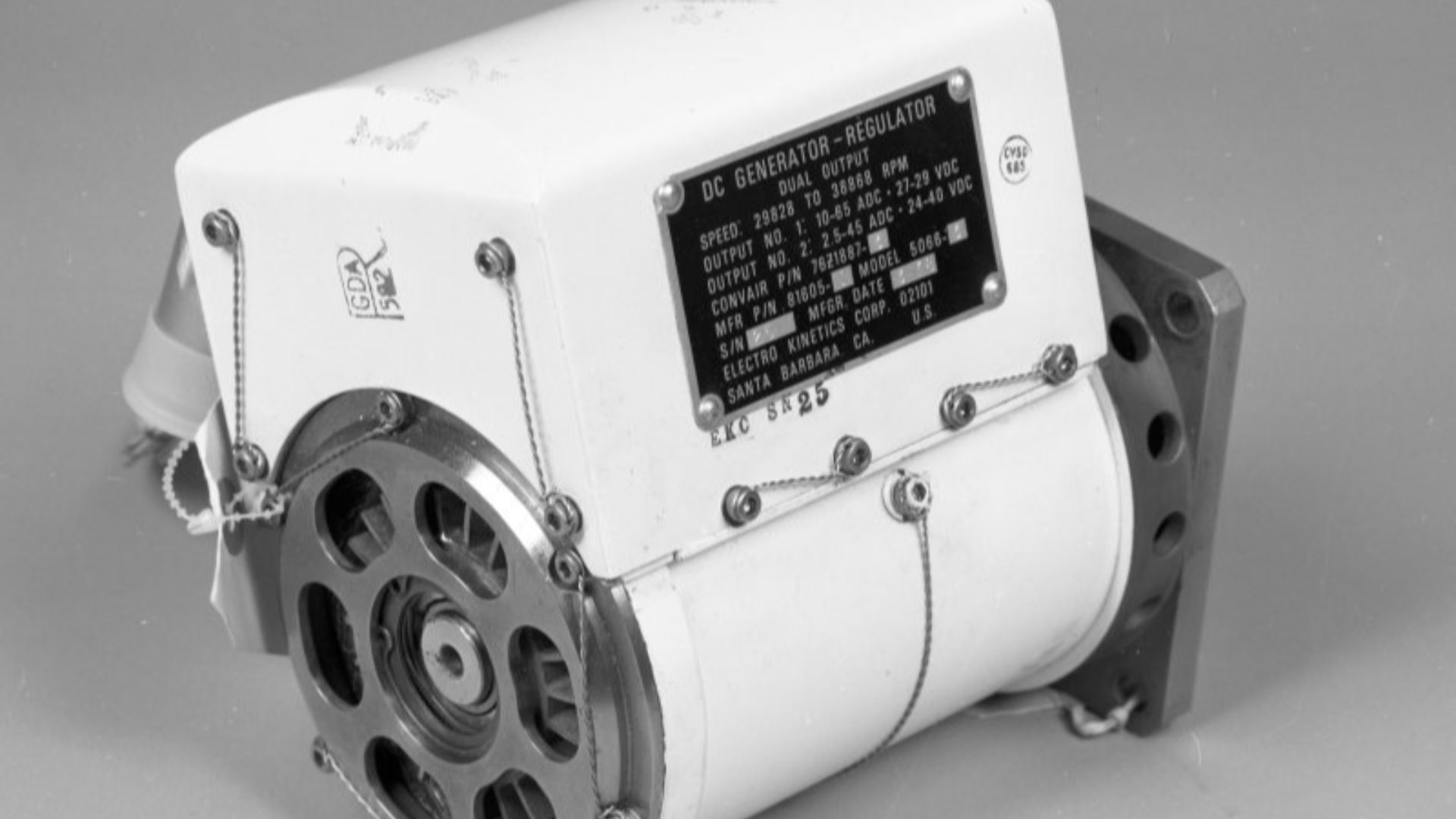
Before alternators and solid-state electronics took over, charging systems could employ generators and electromechanical voltage regulators. Diagnosing charging problems might involve inspecting and adjusting regulator contacts. Even early automotive training materials treated generator and regulator testing and repair as ordinary shop work.
 San Diego Air & Space Museum Archives, Wikimedia Commons
Replacing Generator Brushes
Generators and some older electrical components were expected to be serviced rather than discarded as assemblies. Worn brushes, bearings and other internal parts could be replaced by a mechanic or automotive electrical specialist. Modern charging components can still be rebuilt, but ordinary repair shops commonly replace complete alternators instead.
Repairing Radiators
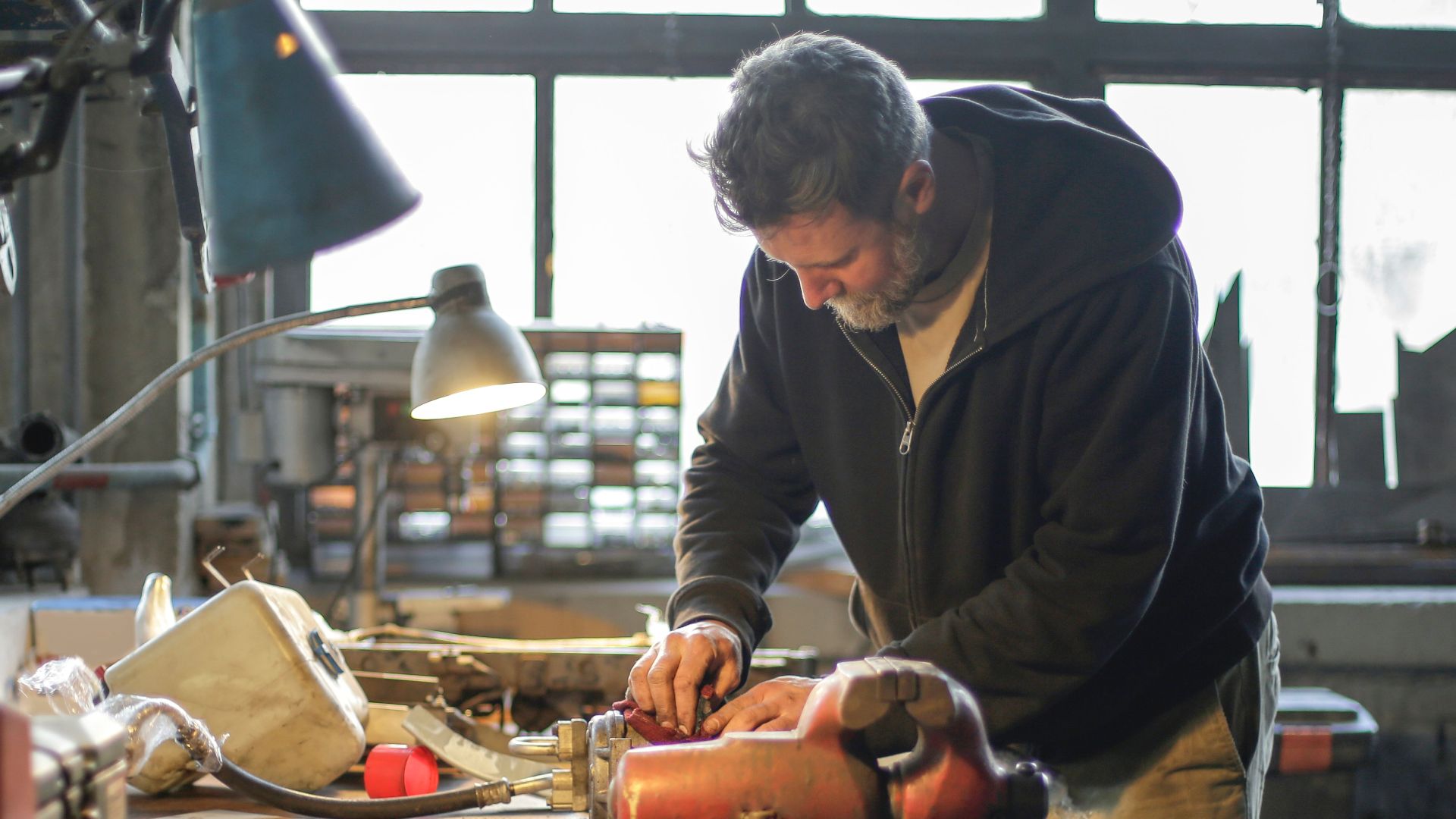
A leaking copper-and-brass radiator could be removed, soldered, rodded out, recored and returned to service by a radiator shop. Modern aluminum-and-plastic radiators are inexpensive and often constructed in ways that make replacement more practical. The neighborhood radiator repair specialist consequently became a much rarer sight.
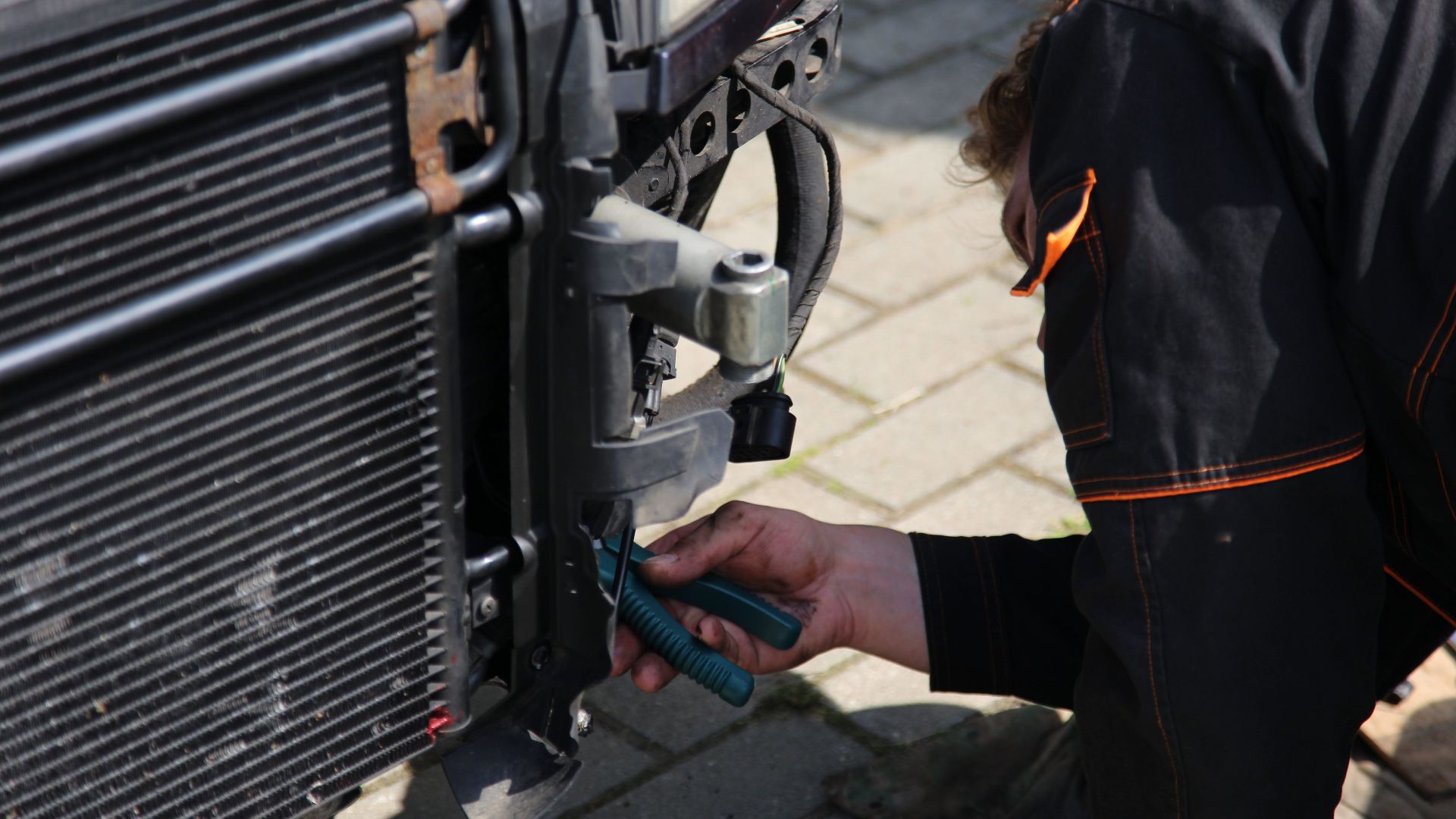
Adjusting Steering Gearboxes
Older recirculating-ball steering boxes could develop increasing play as they wore, and adjustment procedures existed to restore proper clearances within limits. Modern rack-and-pinion steering, sealed assemblies and electric power steering have dramatically changed the job. Steering looseness today is more likely to trigger diagnosis and parts replacement than routine adjustment.
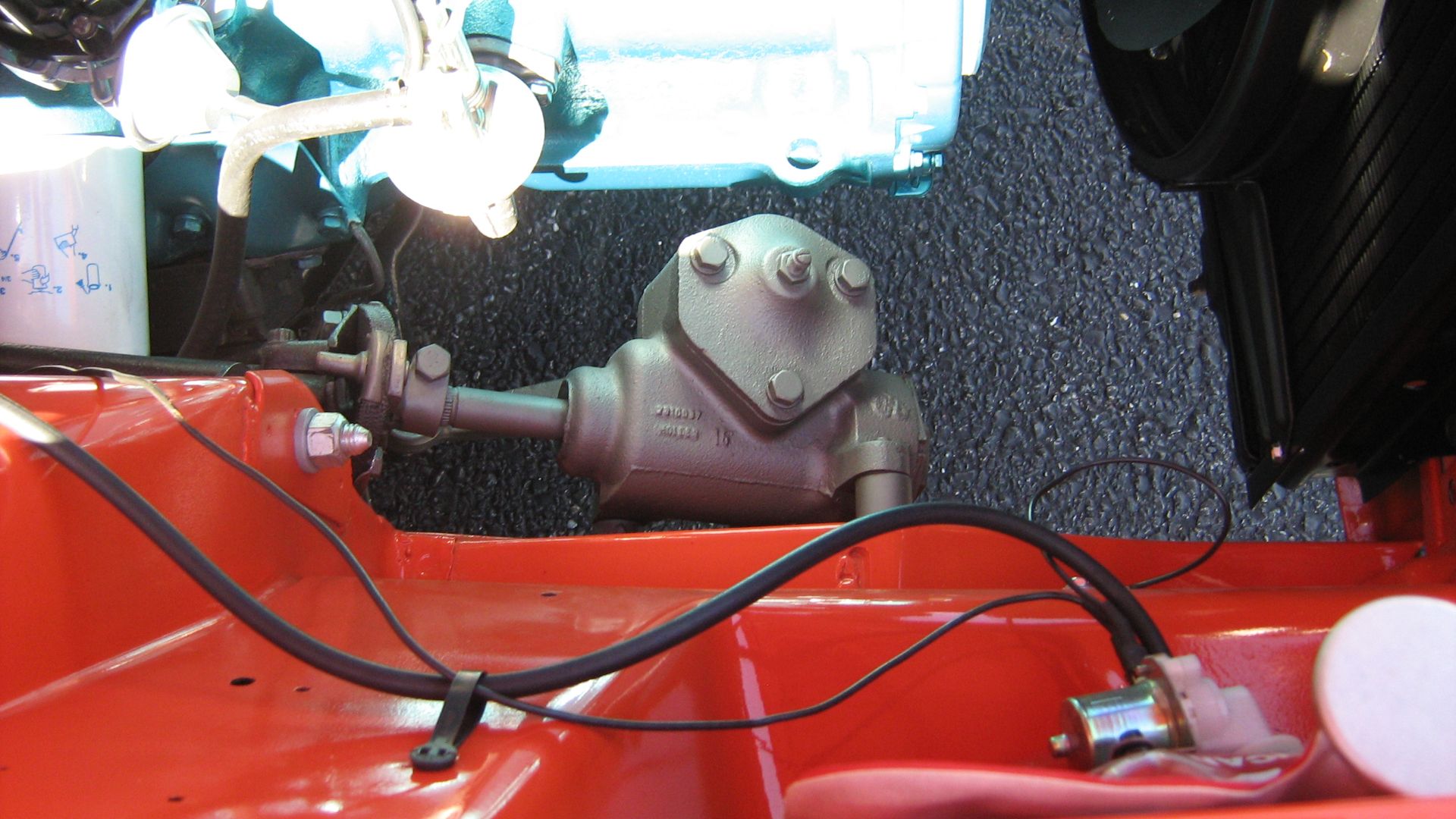
Cleaning Oil-Bath Air Cleaners
Before disposable paper air-filter elements became dominant, many cars used oil-bath air cleaners. Incoming air passed through an oil-wetted filtering arrangement that periodically had to be removed, cleaned and refilled with fresh oil. It worked, but swapping a disposable filter is considerably cleaner and faster.
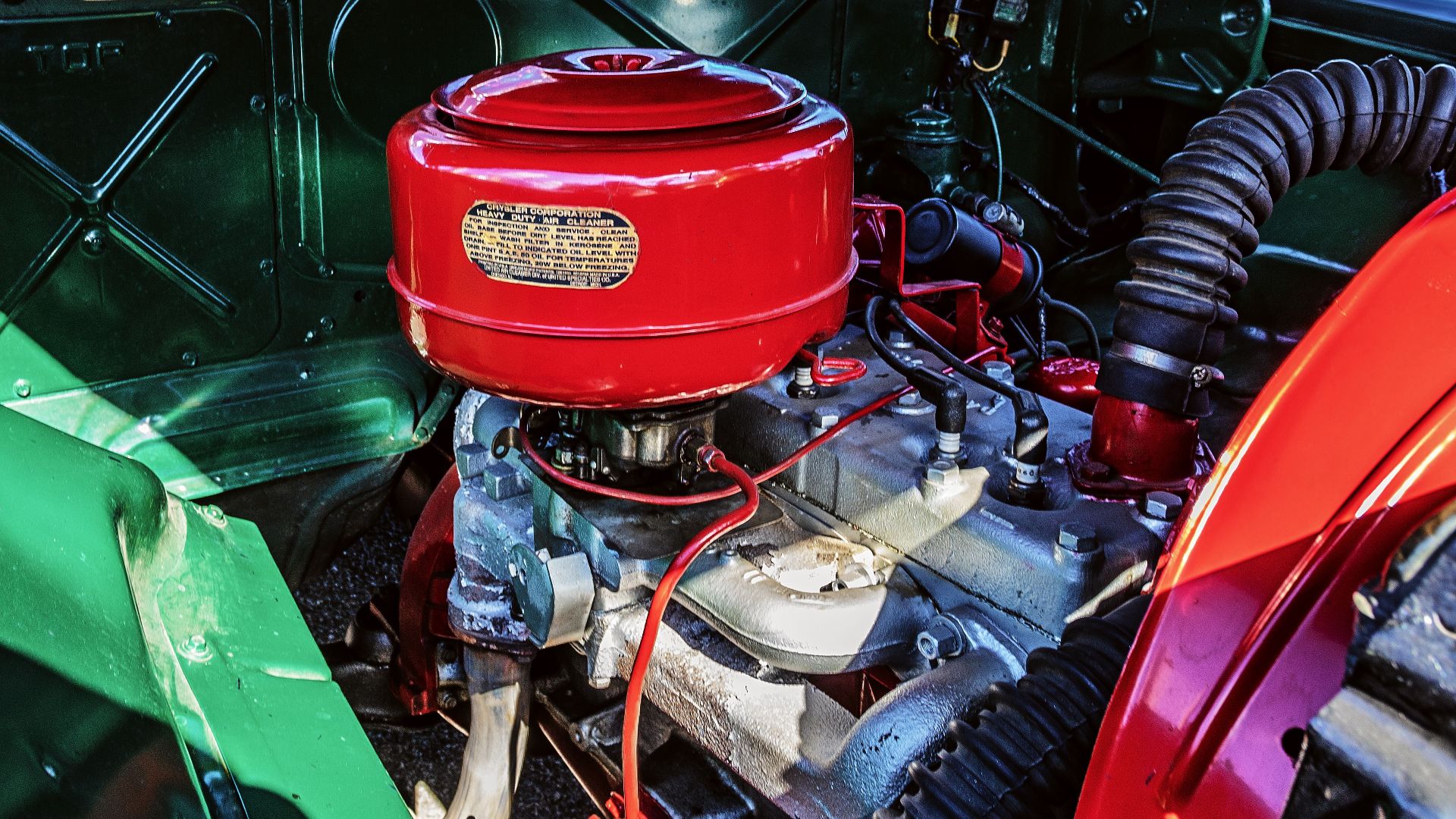
Repairing Parts Instead
Perhaps the biggest disappearance isn't one procedure but an entire philosophy. Mechanics once rebuilt carburetors, generators, starters, wheel cylinders, fuel pumps and other assemblies at the workbench. Increasingly complex, sealed and relatively inexpensive replacement components have shifted modern repair toward replacing modules and assemblies rather than rebuilding them.
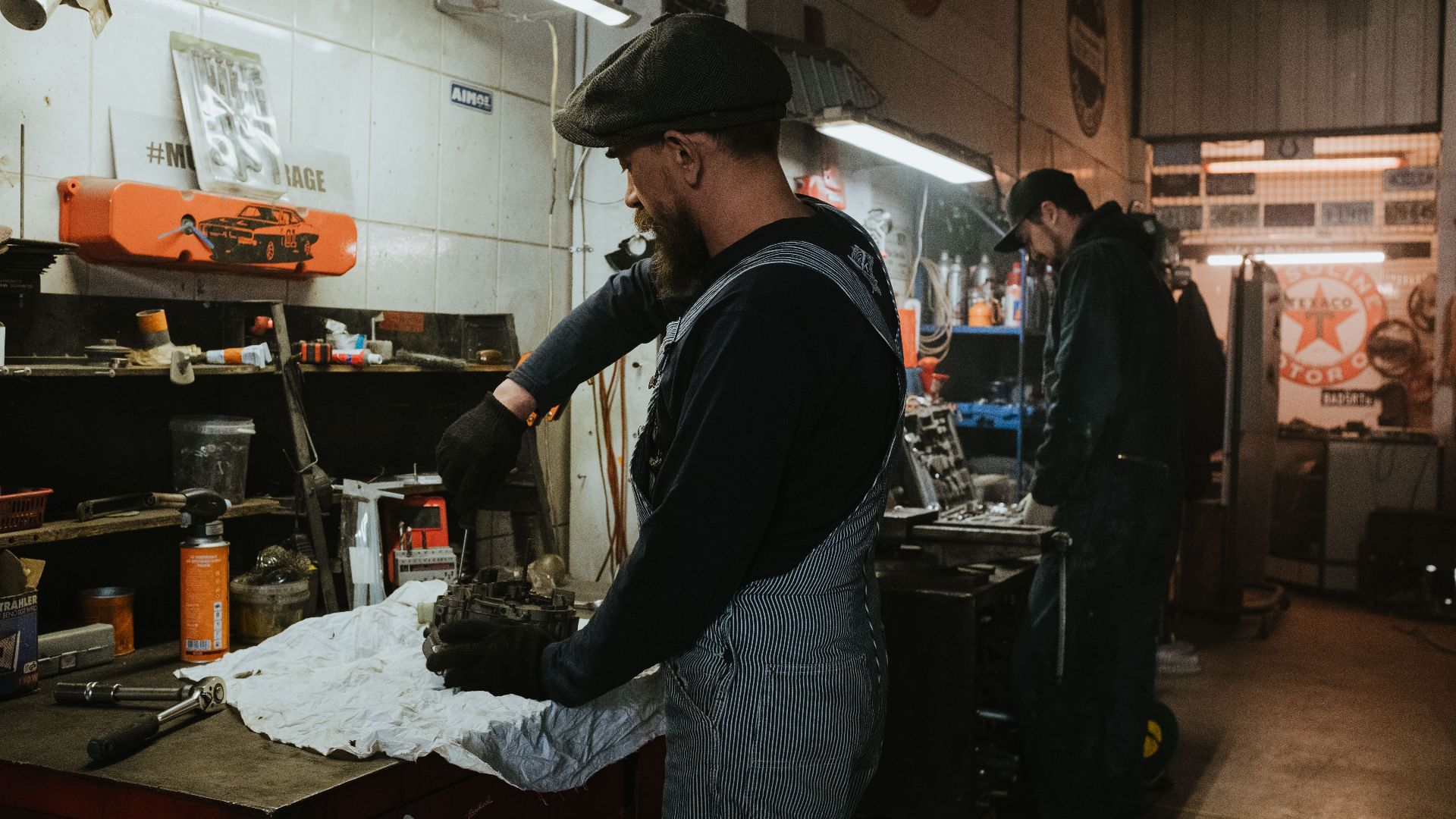
The Tune-Up Disappeared
Ask for a "tune-up" in 1975 and the phrase described real adjustments: points, condenser, dwell, timing, plugs, carburetor settings and more. Today there often isn't anything to tune in the traditional sense. Computers continually alter ignition and fueling while long-life components dramatically extend service intervals.
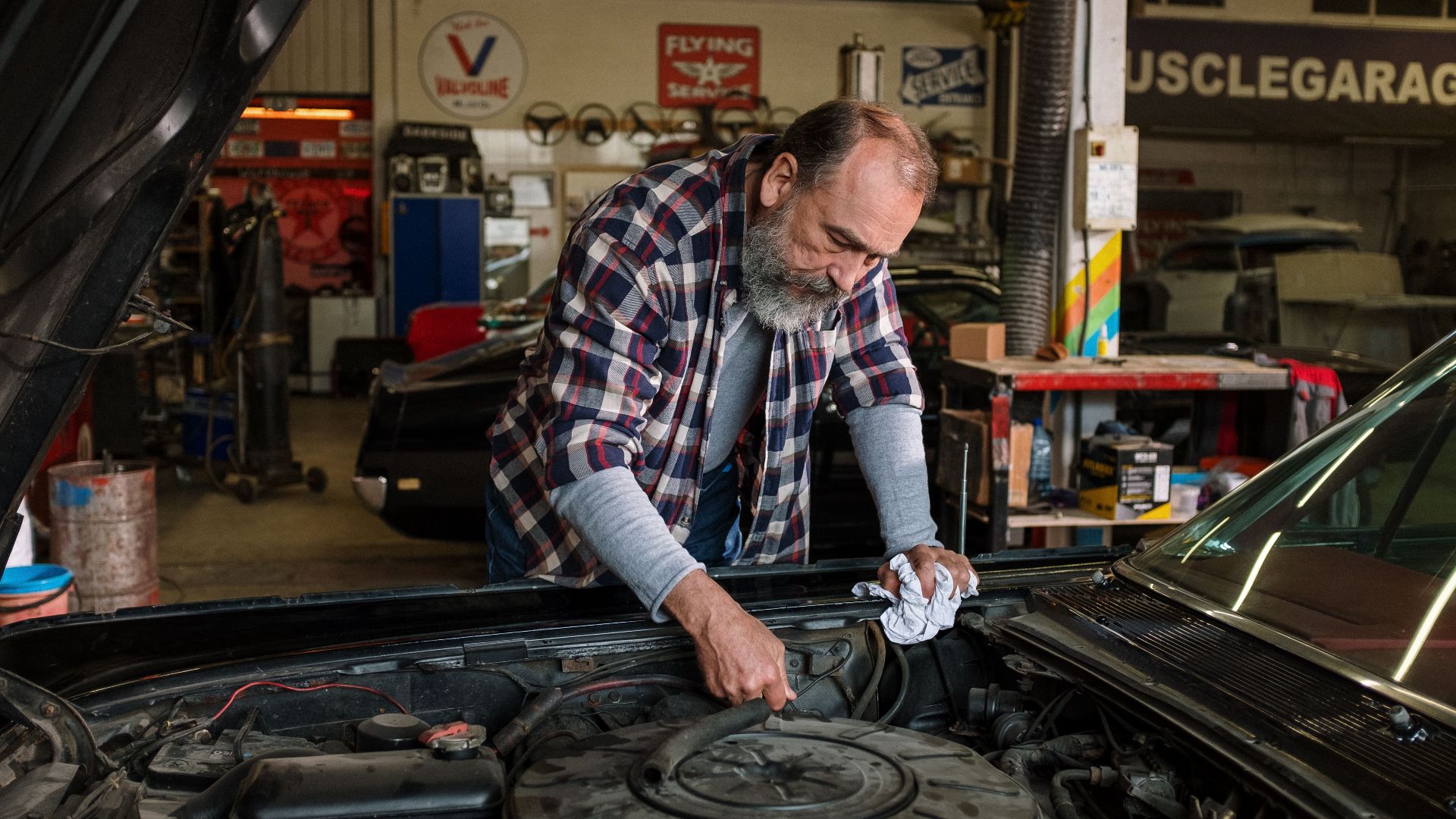
Cars Became Self-Adjusting
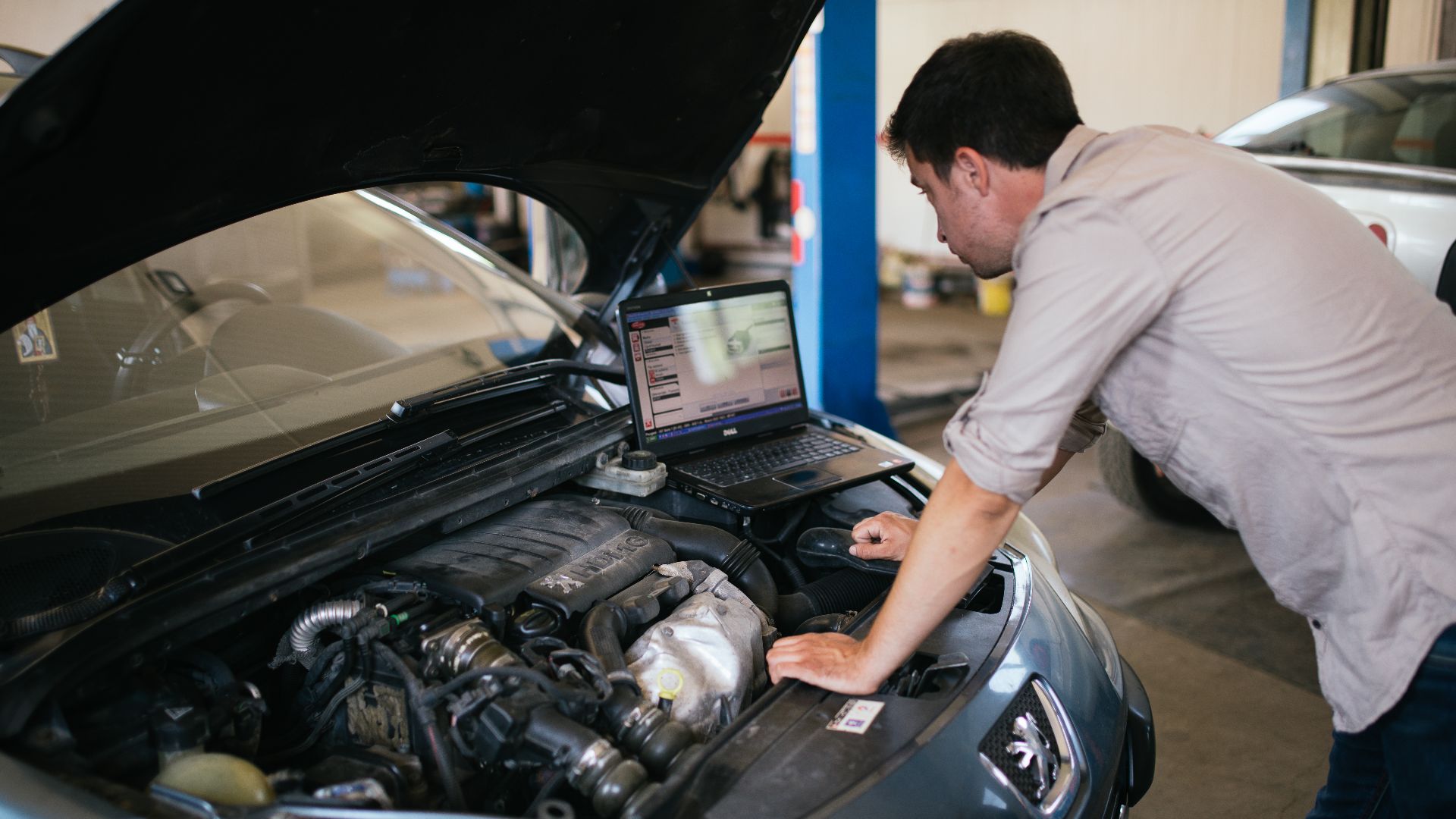
The common thread is that automobiles gradually learned to perform many of these jobs themselves. Electronic engine management adjusts fuel and spark, hydraulic components compensate for wear, and sealed bearings eliminate periodic lubrication. Cars became enormously more complicated to diagnose, yet ironically require far fewer routine adjustments than their supposedly "simple" ancestors.
 Shixart1985, Wikimedia Commons
You May Also Like:
Mechanics Say They Hate It When Customers Do These Things—So Don’t Do Them
Skip The Mechanic: Surprisingly Easy Car Repairs You Can Do At Home