
Living Quietly… Until The Rules Catch Up
You’ve been living in your RV on your own property for a while now without any issues. It felt simple, practical, and completely under your control. Then out of nowhere, the county contacts you and says it’s not allowed. It’s frustrating and confusing, especially when nothing seemed wrong before. So why now, and what are you actually supposed to do about it?

Why Rural Doesn’t Always Mean Unregulated
It’s easy to assume that rural property comes with fewer restrictions, but that’s not always the case. Counties still enforce zoning bylaws, land use rules, and building codes, even outside cities. Just because enforcement feels less visible doesn’t mean the rules don’t exist.
RV Living Is Often Restricted By Zoning Laws
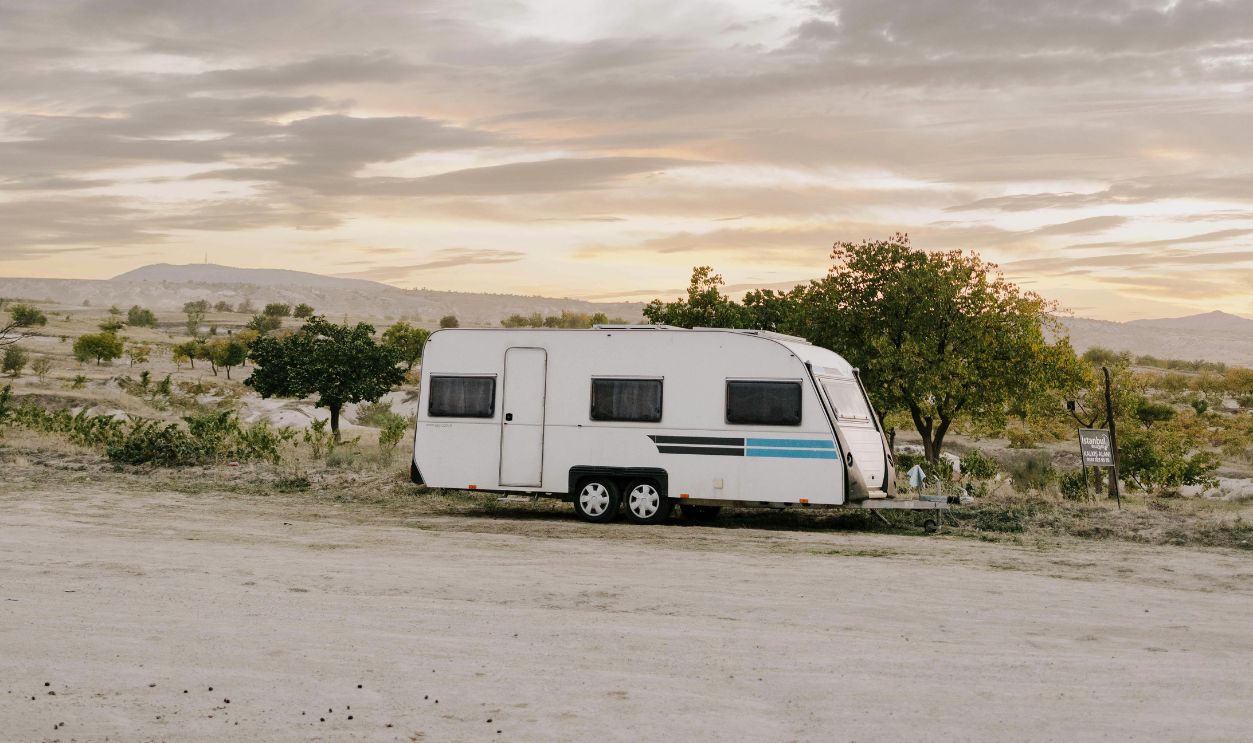
Many counties have specific rules about using RVs as permanent residences. In some areas, RVs are only allowed for temporary use, such as during travel or short stays. Long-term living may require special permits or may not be allowed at all under local zoning.

Enforcement Often Starts With A Complaint
In a lot of cases, enforcement doesn’t happen until someone reports it. That could be a neighbor, a passerby, or even a routine inspection related to something else. Once the county becomes aware, they’re usually obligated to investigate.

Just Because It Wasn’t Enforced Doesn’t Make It Legal
One of the most frustrating parts is feeling like you were “getting away with it” and now suddenly you’re not. But legally, lack of enforcement doesn’t mean approval. The county can still act once the situation comes to their attention.

Counties Don’t Monitor Everything Constantly
Especially in rural areas, enforcement is often reactive rather than proactive. There simply aren’t enough resources to monitor every property. That’s why something can go unnoticed for a long time before being flagged.

Changes In Policy Or Priorities Can Trigger Action
Sometimes enforcement increases because of policy changes, staffing shifts, or new priorities. What may have been overlooked before can suddenly become something the county focuses on more strictly.

The Type Of RV Setup Matters
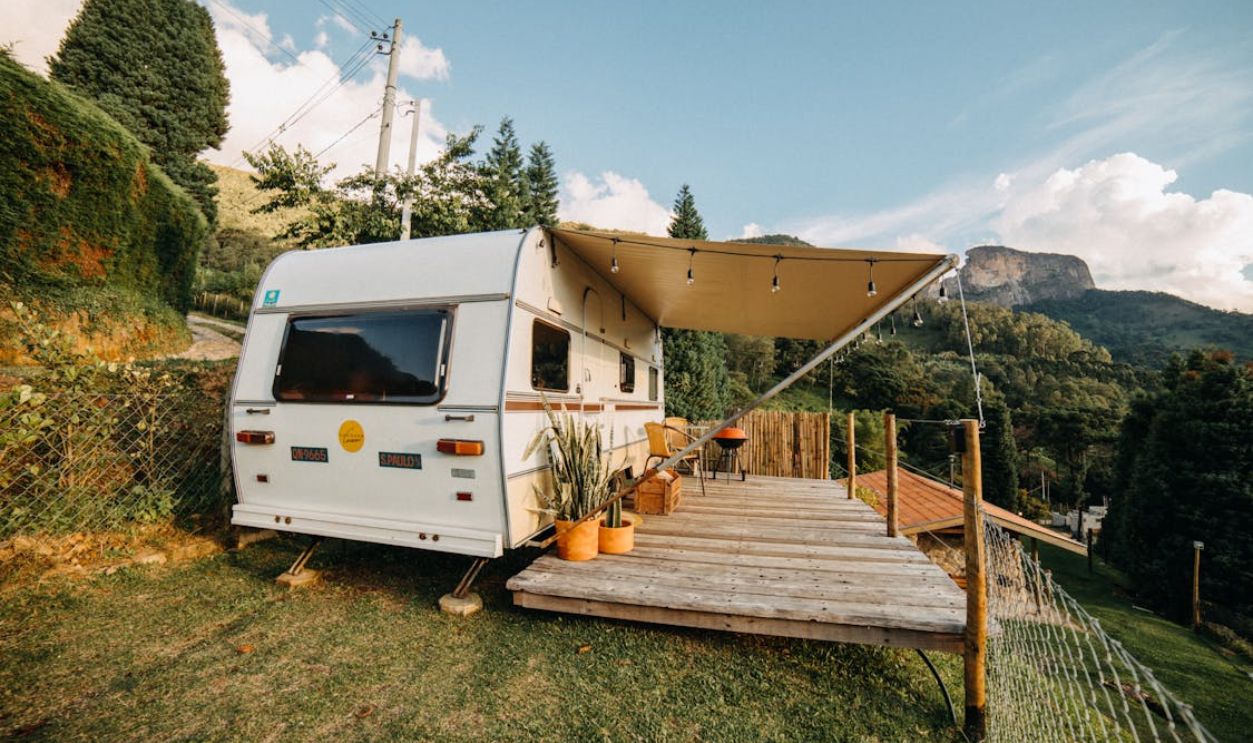
How your RV is set up can affect how the county views it. If it’s hooked up to utilities, has a permanent deck, or appears to be a fixed dwelling, it may be more likely to be treated as an unauthorized residence rather than a temporary vehicle.
Health And Safety Concerns Play A Role
Counties often justify restrictions based on health and safety. Issues like wastewater disposal, electrical hookups, and fire safety are common concerns. Even if your setup works fine, the county may still require it to meet certain standards.
You May Have Received A Notice Or Order
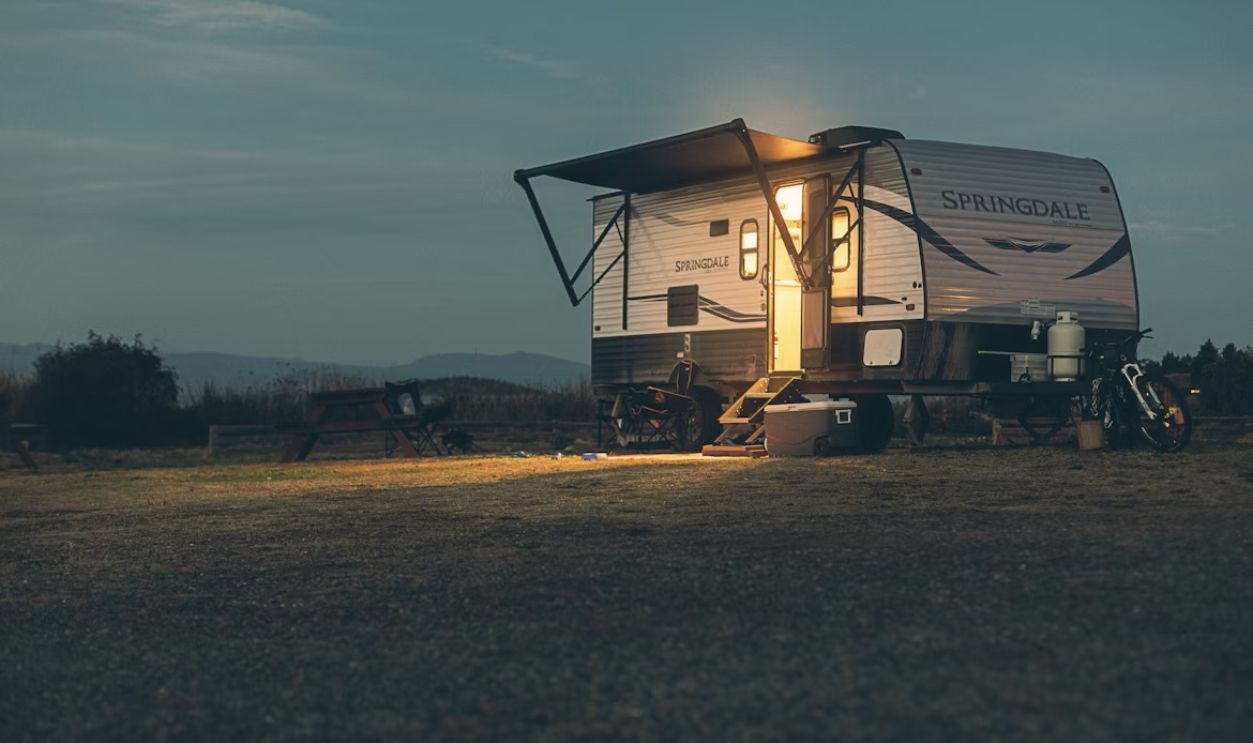
Typically, the county will issue a notice of violation or compliance order. This document should explain what rule is being violated and what steps you need to take. It’s important to read it carefully and note any deadlines.

Start By Understanding The Exact Rule
Before reacting, take time to understand the specific bylaw or zoning rule the county is enforcing. Knowing exactly what’s prohibited or required can help you figure out whether there’s a way to comply without completely giving up your setup.

Talk To The County Directly
It’s worth having a conversation with the county office to clarify your options. Ask whether there are permits, temporary allowances, or alternative solutions that could make your situation acceptable.

Some Areas Allow Temporary Or Conditional Use
In certain places, RV living may be allowed temporarily, such as during construction of a home or under special permits. If that applies in your area, you may be able to adjust your situation rather than eliminate it entirely.
Applying For A Variance Might Be Possible
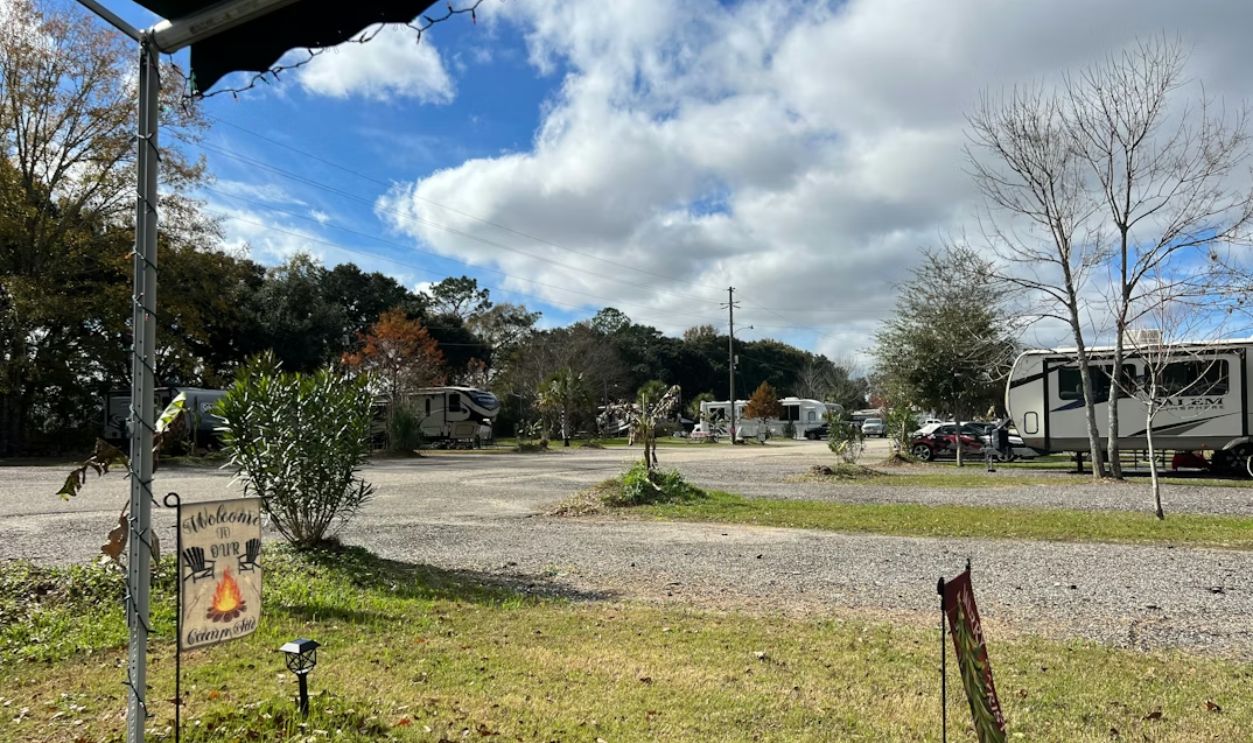
If your use doesn’t meet current zoning rules, you may be able to apply for a variance. This is a request for an exception based on your specific circumstances. Approval isn’t guaranteed, but it can be a path worth exploring.

You May Need To Transition To A Compliant Structure
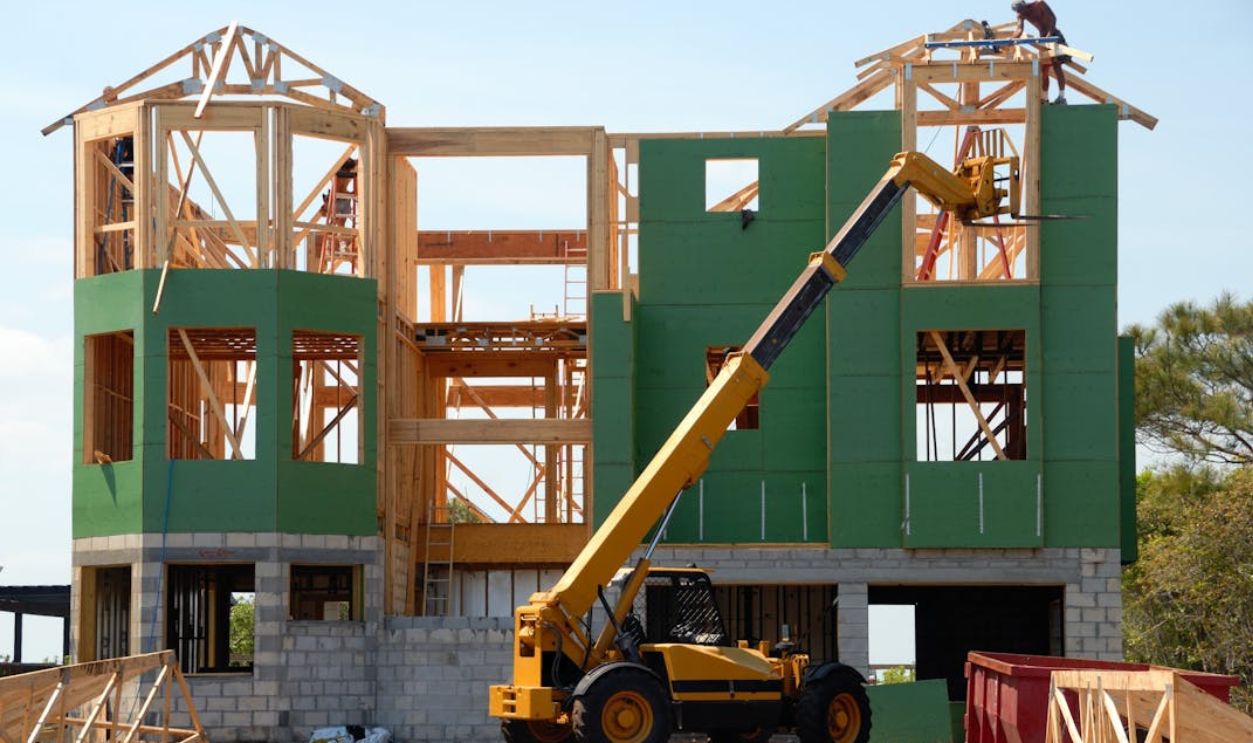
In some cases, the county’s expectation is that you move toward a permanent, code-compliant dwelling. That could mean building a small home, installing a permitted structure, or changing how the property is used.
Ignoring The Issue Can Make Things Worse
It might be tempting to ignore the notice and hope it goes away, but that can lead to fines, escalating penalties, or further legal action. Addressing the issue early usually gives you more flexibility in how it’s resolved.

Documentation Can Help Your Case
Keep records of your setup, including photos, receipts, and any improvements you’ve made. If you’re applying for a permit or variance, this information can help show that your setup is responsible and well-maintained.

Legal Advice Can Be Useful In Some Cases
If the county is demanding immediate removal or issuing penalties, speaking with a lawyer familiar with local land use laws can help you understand your rights and options. They may also help you navigate appeals or applications.

Think About Long-Term Plans For The Property
Even if you resolve the immediate issue, it’s worth considering your long-term plans. Whether that means building, relocating, or adjusting how you use the property, having a plan can prevent future conflicts.

You Didn’t Do Anything “Wrong”… But It Still Matters
A lot of people in this situation weren’t trying to break the rules, they just assumed what they were doing was fine, especially in a rural area. But zoning laws don’t depend on intent, and even well-meaning setups can still fall outside what’s allowed. That disconnect is what catches many property owners off guard.

Final Thoughts
The best thing you can do is understand the rules, explore your options, and work toward a solution that keeps you as close as possible to your current setup. It may require changes, but being proactive gives you the best chance of finding a workable outcome.

You May Also Like: