
The Camaro Cough Heard Round The Block
You’re cruising your dad’s 1967 Chevy Camaro, feeling like the hero of a drive-in movie, when flashing lights appear behind you. The officer says the exhaust is too loud. Your first thought is fair enough: “Isn’t that just what old muscle cars sound like?”
 AN stockphotography, Shutterstock
Old Does Not Always Mean Exempt
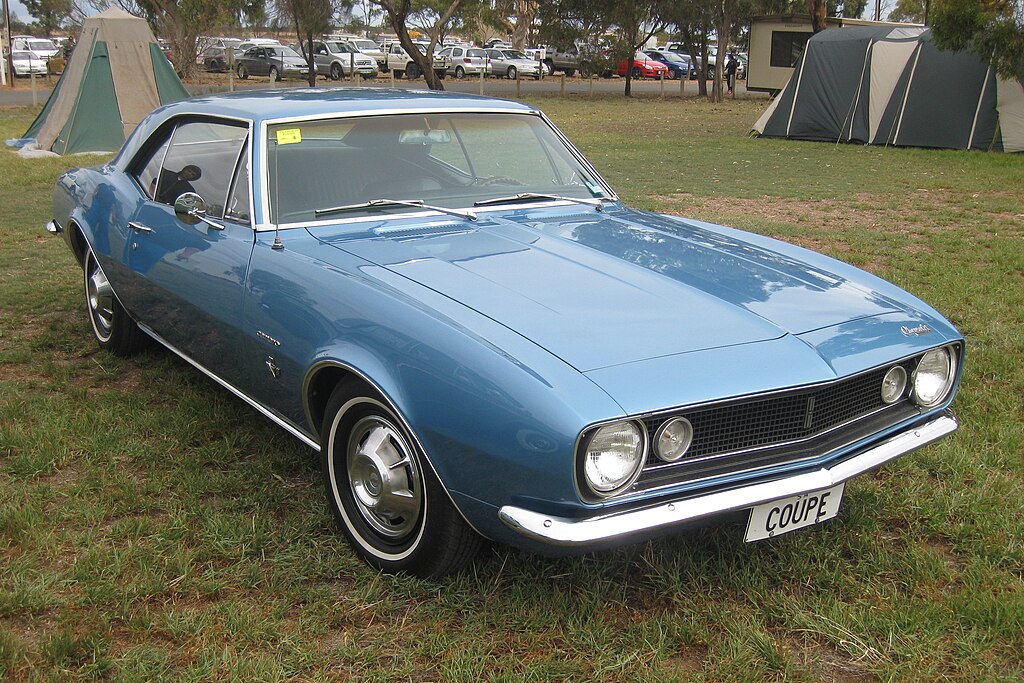
A 1967 Camaro can sound rowdy even when it is running properly. Big V8, old-school pipes, and fewer layers of modern sound-deadening all help. But “old car” usually does not equal “free pass.” If the law says the vehicle is too loud, age alone may not save you.
 GTHO, CC BY-SA 3.0, Wikimedia Commons
Why Classic Cars Sound Different
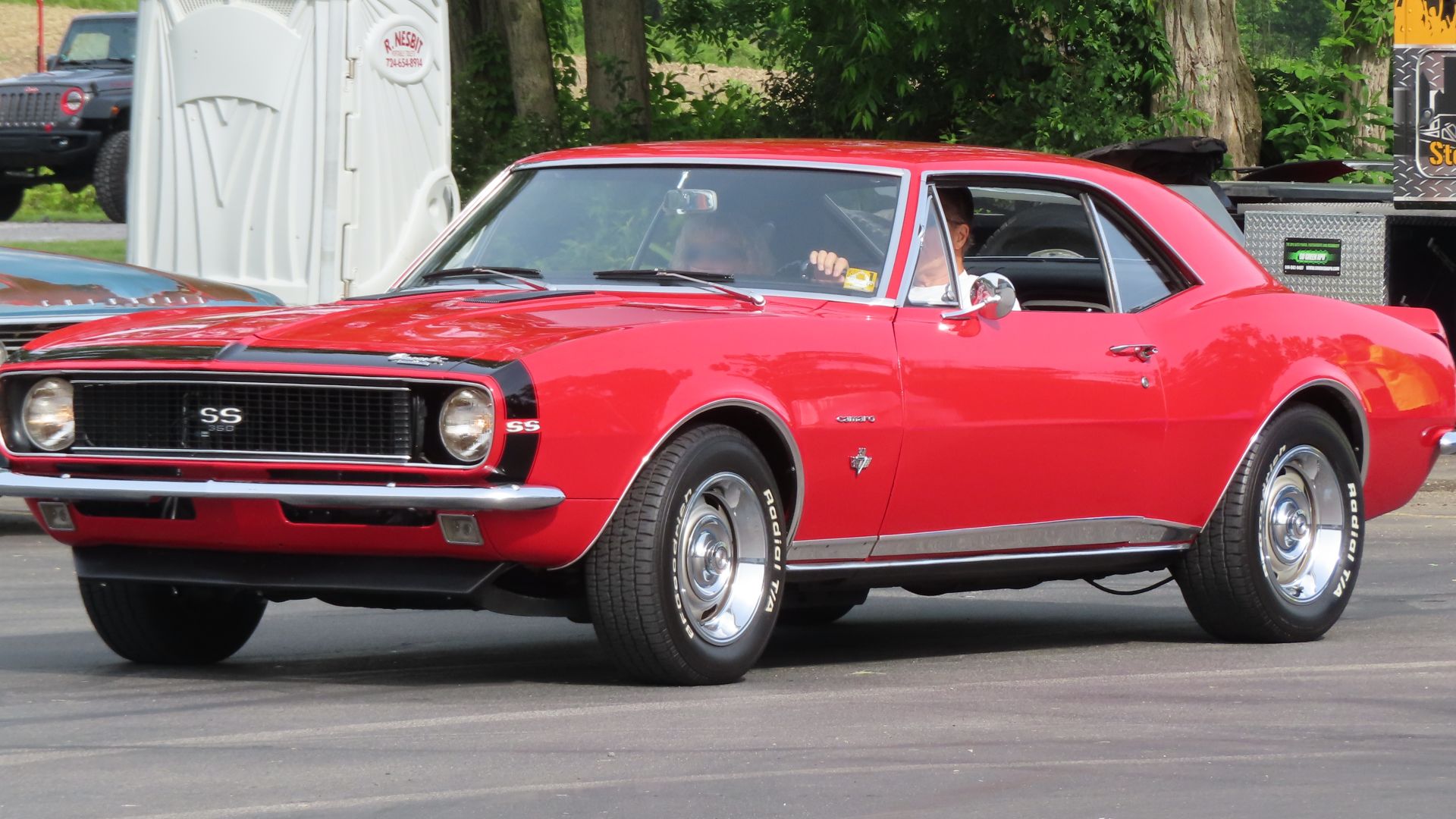
Classic muscle cars were built in a different world. They often had simpler exhaust routing, less cabin insulation, and engines tuned for character rather than quiet manners. That rumble is part of the charm. Unfortunately, charm does not always impress a traffic court judge.
 MercurySable99, Wikimedia Commons
The Ticket Is About The Law, Not The Vibe
Your Camaro may sound glorious to you and terrifying to a sleeping baby three blocks away. Exhaust laws are usually written around “excessive,” “unusual,” or measured noise levels. That means the officer is not judging your taste in cars. They are judging whether the sound crosses a legal line.

Read The Ticket Like A Treasure Map
Before planning your courtroom speech, read the ticket carefully. Look for the exact statute, code section, location, date, time, and officer notes. A loud-exhaust ticket can depend heavily on wording. “Defective muffler,” “modified exhaust,” and “excessive noise” may all mean different things.

Find Out What The Rule Actually Says
Do not rely on garage gossip. Look up the law named on the ticket. Some places use decibel limits. Others use broader language about unnecessary noise. Some focus on modified exhausts. Others require a muffler in good working order. The exact wording is your starting line.

Stock Exhaust Can Be Your Best Friend
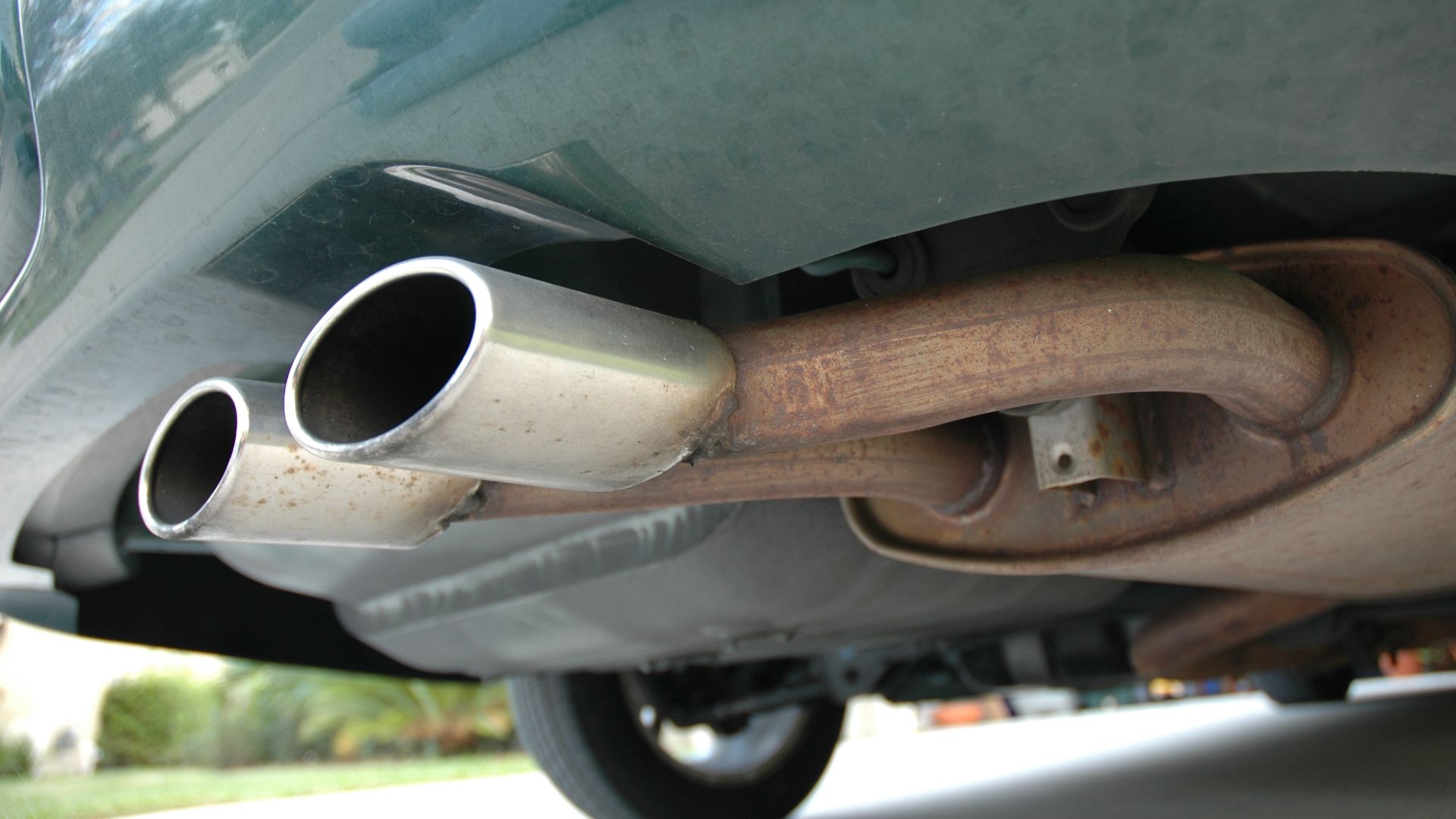
If the Camaro still has a stock-style muffler and exhaust system, that may help. A factory-correct or replacement system that matches original design can show you were not trying to build a rolling thunderstorm. Receipts, part numbers, and photos can make that argument stronger.
 The original uploader was Steevven1 at English Wikipedia., Wikimedia Commons
Modified Pipes Change The Conversation
Headers, straight pipes, glasspacks, cutouts, missing resonators, and “muffler delete” setups can make a classic sound incredible. They can also make the ticket harder to fight. If the exhaust was modified to be louder, the “it’s just old” argument gets weaker fast.
A Mechanic’s Inspection Can Help
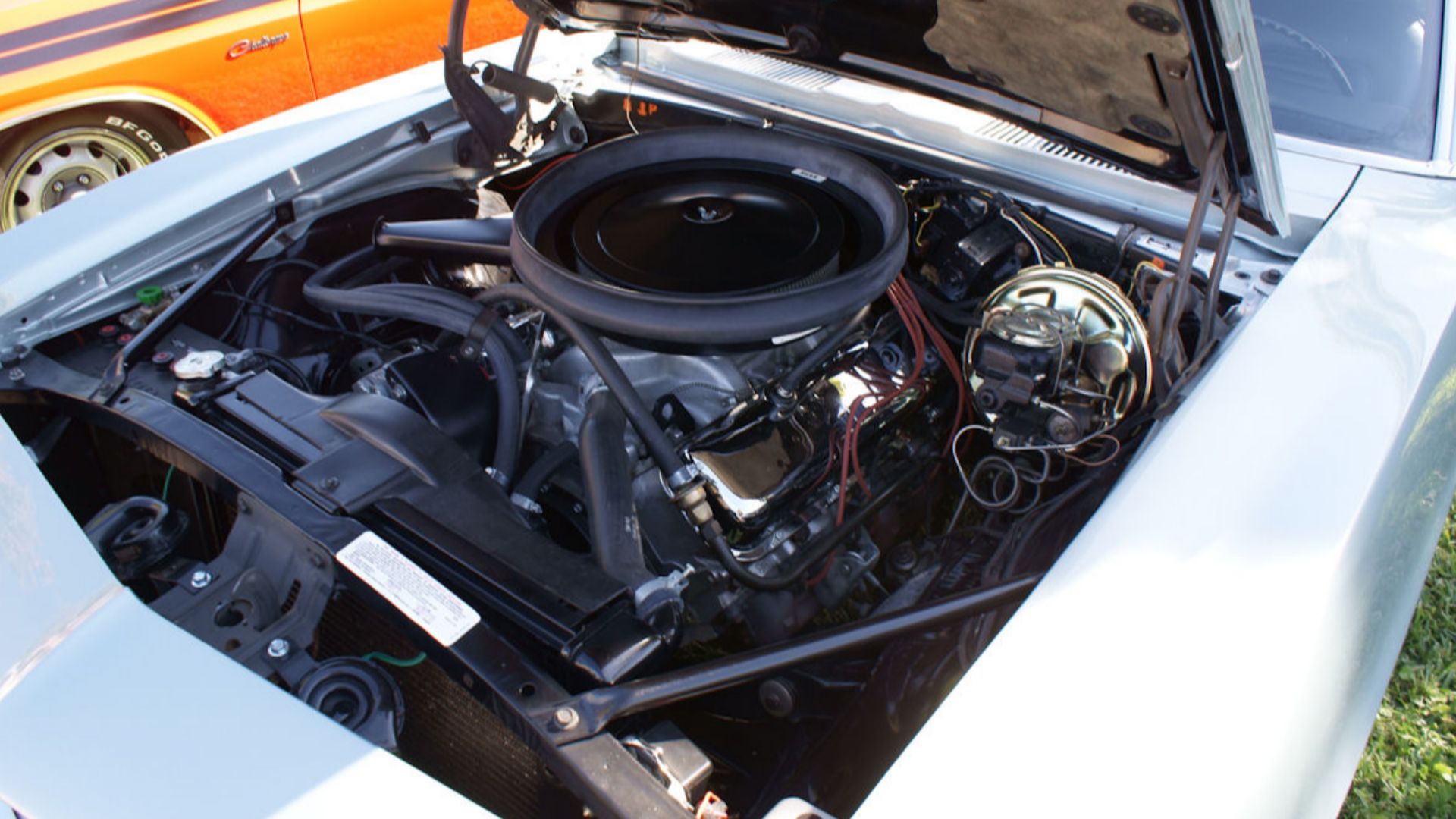
Have a reputable shop inspect the exhaust. Ask for a written note explaining whether the muffler is installed, intact, leak-free, and appropriate for the car. A judge may not care that your buddy says it sounds “healthy.” A mechanic’s paperwork carries more weight.

Leaks Can Make You Look Guilty
A cracked manifold, loose flange, rust hole, or failed gasket can make a normal Camaro sound like it is announcing the end of civilization. If the noise came from a repair issue, fix it. Then bring proof. Courts often like seeing that the problem was corrected.

Decibel Tests Are Tricky
Some laws require a proper sound test. Others do not. If the ticket claims the car exceeded a decibel limit, ask how it was measured. Was a sound meter used? From what distance? At what engine speed? Under what testing standard? Details matter when noise becomes a number.

Officer Judgment Can Still Count
In many places, an officer does not need a laboratory-grade test to write a loud-exhaust ticket. Their observation may be enough to start the case. That does not mean you automatically lose, but it means your defense should be organized, polite, and backed by evidence.

Your Dad’s Story Is Not Evidence
“Dad bought it this way” is a good family story, but not a complete legal defense. The court usually cares about the car’s condition when you were stopped. Still, your dad may help by providing maintenance records, restoration receipts, or proof the exhaust has not been recently altered.

Take Photos Before Changing Anything
Photograph the exhaust from front to back. Get the mufflers, tailpipes, clamps, hangers, and any manufacturer markings. If you repair something later, take photos before and after. You want to show what was there, what was wrong, and what was fixed.
Bring Receipts, Not Attitude
Courts have seen every version of “but it sounds cool.” Skip that speech. Bring receipts for the muffler, installation, repair, inspection, or sound test. Be respectful. Your goal is not to prove muscle cars are awesome. Your goal is to show the ticket should be reduced or dismissed.

Ask About A Fix-It Option
Some loud-exhaust tickets can be handled like equipment violations. That may mean you repair the problem, get it inspected, and submit proof. Not every place offers this, and not every violation qualifies, but it is worth asking the court clerk or reading the ticket instructions.

Do Not Make It Louder Before Court
This should be obvious, but car people are creative. Do not show up to court after installing louder pipes, open cutouts, or a “temporary” race setup. If the court asks for proof the car is legal, you want the Camaro to purr, not startle birds off the courthouse roof.

Consider A Sound Test
A professional sound test may help if your local law uses a decibel limit. Make sure the test follows the rule that applies where you were ticketed. A random phone app reading from your driveway may be interesting, but it may not impress a judge.

Compare To Original Equipment
For a classic car, originality can be a useful angle. If the exhaust is close to factory spec, say so and prove it. Restoration manuals, parts catalogs, and receipts can help show the car is not illegally modified, just naturally old-school and a little grumbly.

Know The Difference Between Loud And Illegal
A Camaro can be loud without being illegal, and illegal without being cartoonishly loud. The question is not whether people notice it. The question is whether it violates the specific rule on your ticket. That distinction can keep your argument focused.

Local Rules Can Be Extra Strict
Cities and towns may have noise ordinances on top of state or provincial vehicle rules. That means a car that seems fine on a rural highway could draw attention downtown at midnight. Where you were stopped can matter almost as much as what you were driving.

Your Driving Behavior Matters
Were you idling gently, or did you blip the throttle under an overpass like a teenager in a movie trailer? Even a legal exhaust can attract attention if you drive aggressively. In court, calm driving helps your story. Loud revving does not.

When Fighting Makes Sense
Fighting the ticket may be worth it if the exhaust is stock, recently inspected, repaired, or clearly within legal limits. It may also make sense if the ticket has errors or no proper measurement was taken where measurement is required. Evidence turns “I disagree” into a real defense.

When Paying May Be Smarter
If the Camaro has straight pipes, no mufflers, or an obviously illegal setup, fighting may cost more than fixing it. Sometimes the smartest move is to repair the car, ask for a reduction, and keep the classic on the road without turning every traffic stop into a sequel.

What To Say In Court
Keep it simple: “Your Honor, this is a 1967 vehicle, but I understand it still must comply. I had the exhaust inspected, repaired if needed, and brought documentation.” That sounds responsible. “It’s a muscle car, bro” does not.

The Real Answer
Yes, you can usually contest the ticket. No, “older cars are just loud” is probably not enough by itself. Your best defense is proof: stock-style parts, good mufflers, no leaks, repair records, and, where useful, a proper sound reading.

Keep The Rumble, Lose The Risk
A 1967 Camaro should still sound like a 1967 Camaro. Nobody is asking it to whisper like an electric commuter pod. But the sweet spot is classic rumble without legal trouble. Fix what needs fixing, gather your paperwork, and let the car’s history speak quieter than its tailpipes.

You May Also Like:
I was charged for partial damages when I wasn't at fault in the accident. Is that really legal?