You Own The House… So Why Can’t You Park There?
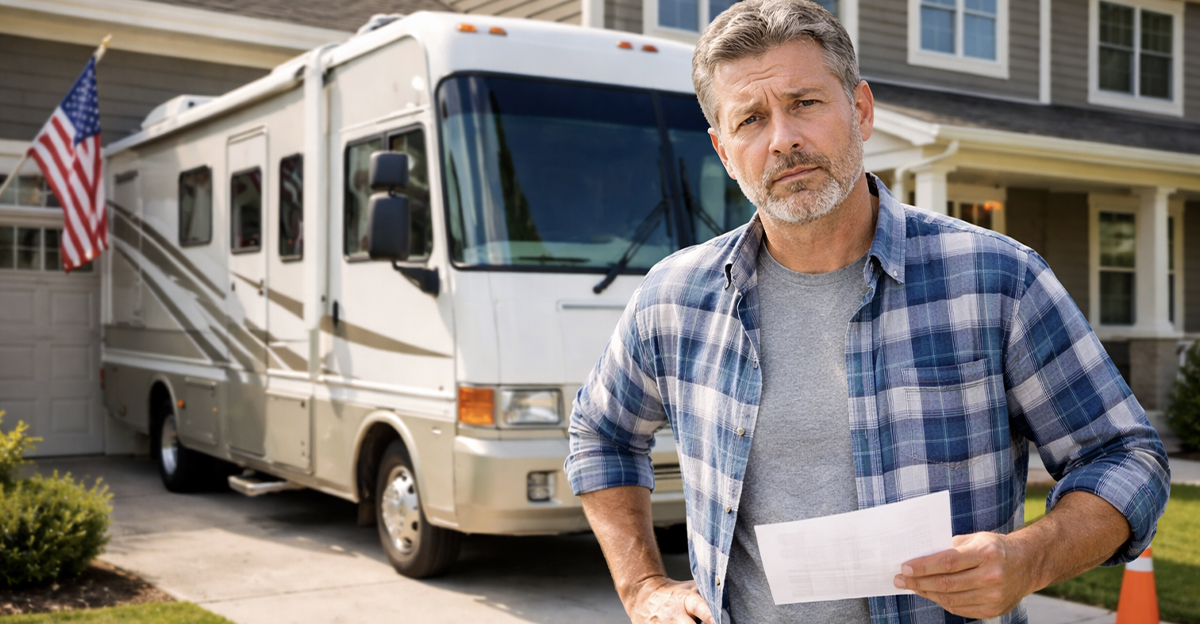
You bought the home, you pay the mortgage, and now your HOA says your RV can’t sit in your own driveway. Sounds ridiculous, right? Before you brush it off, there’s a legal twist here that surprises a lot of homeowners.
So… Can an HOA Really Do That?
Short answer: yes, they often can. Homeowners associations have legal authority through rules you agreed to when buying the property. These rules can regulate things like parking, even on your own driveway.

Wait—You Agreed To This?
Most people don’t realize it, but when you buy in an HOA community, you agree to follow its governing documents. These are called CC&Rs (Covenants, Conditions, and Restrictions), and they’re legally binding.

Why RVs Get Targeted So Often
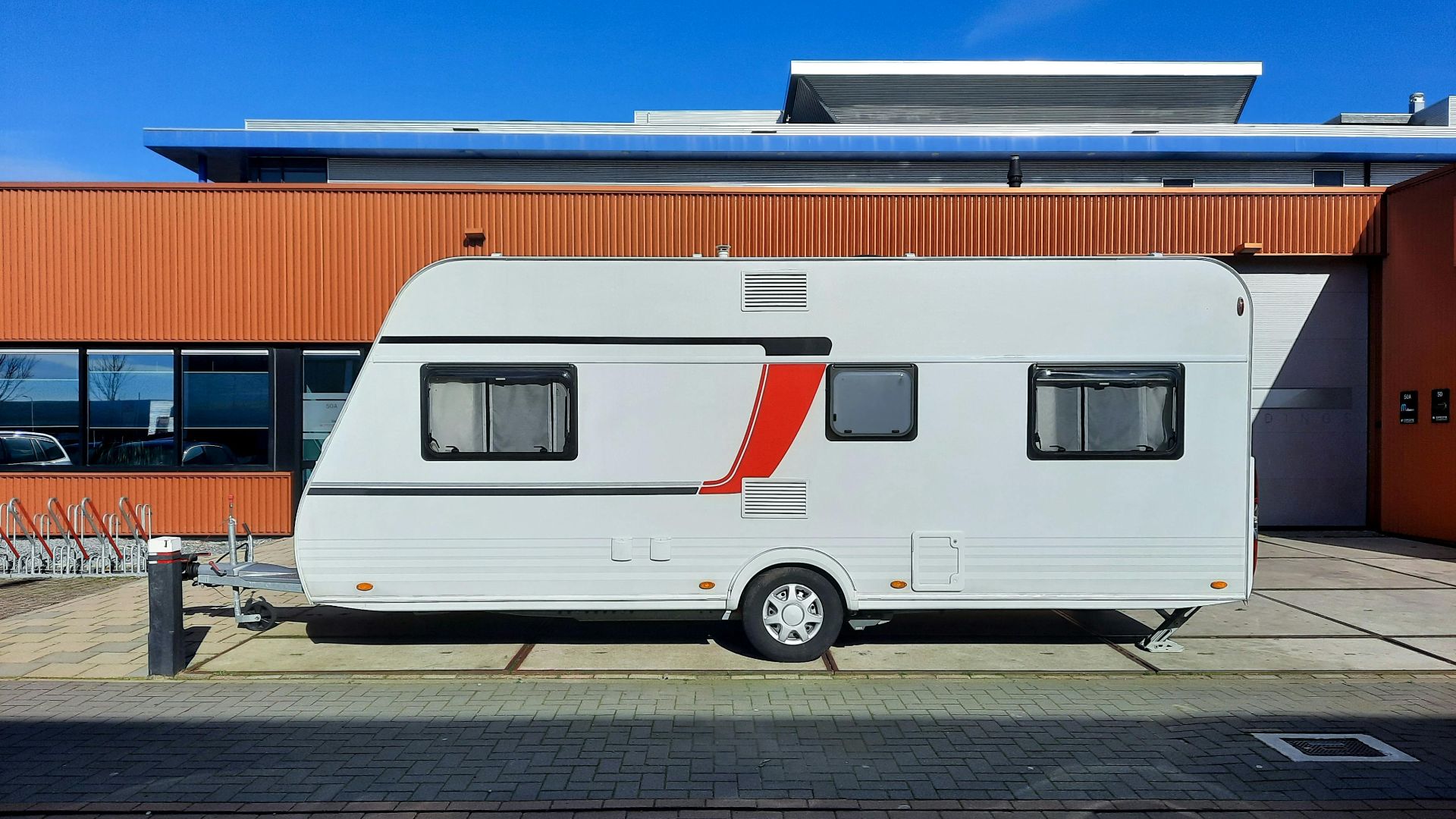
RVs, boats, and trailers are common HOA targets. Why? They’re large, highly visible, and can affect the “uniform look” of a neighborhood. HOAs often argue they hurt property values or curb appeal.
It’s Not About Ownership—It’s About Rules
Owning your home doesn’t mean unlimited freedom. HOAs exist specifically to set shared standards. So while you own the driveway, you still have to follow the agreed-upon community restrictions.
What Do The Rules Usually Say?
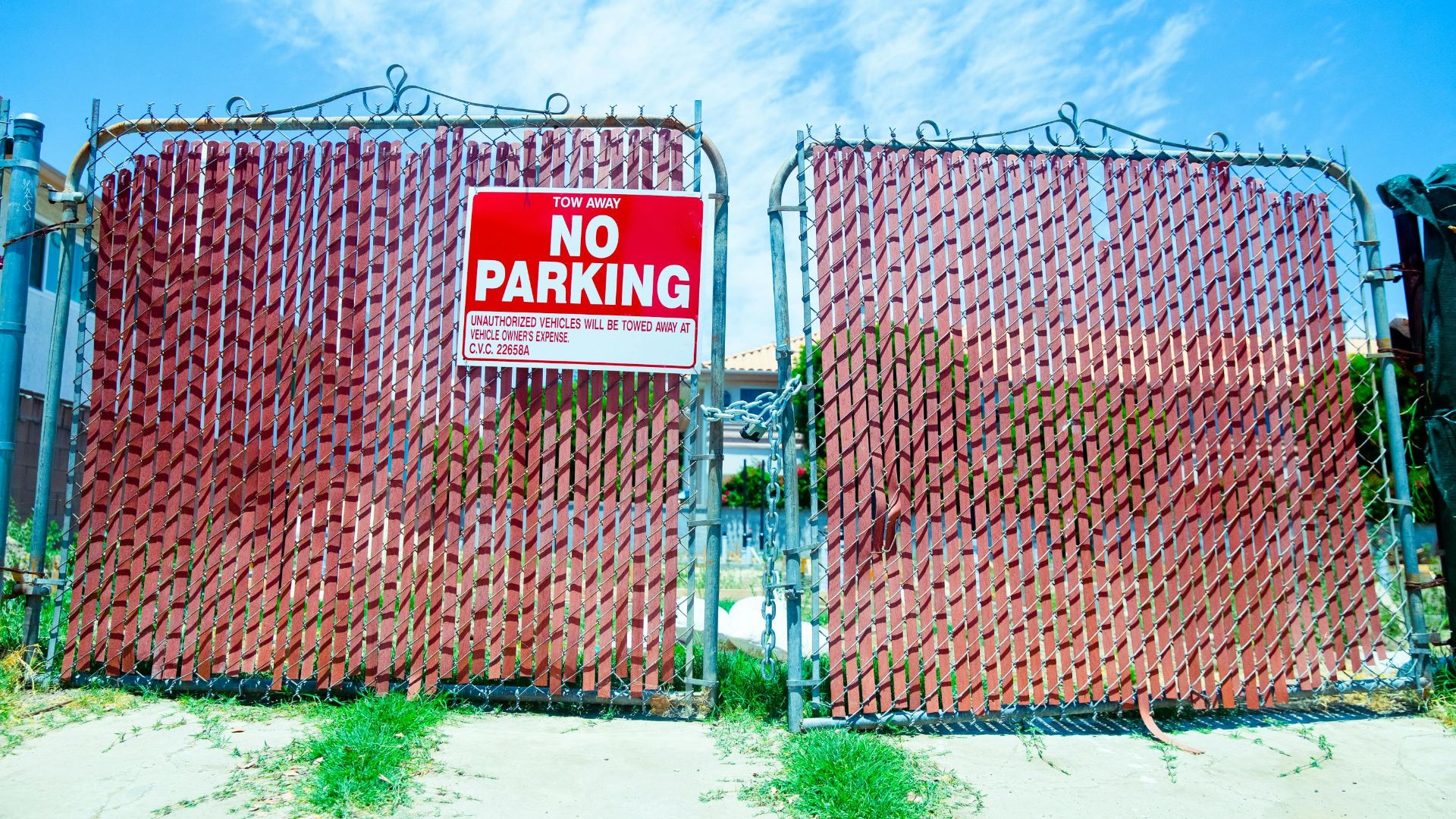
Many HOA rules specifically ban “recreational vehicles” from being parked in driveways or visible areas. Some allow short-term parking for loading or unloading, but not long-term storage.

The “Temporary Parking” Loophole
Here’s where things get interesting. Some HOAs allow RVs for a limited time—like 24 to 72 hours—for packing or cleaning. After that, it has to go. That’s often your only built-in flexibility.

Can They Fine You For It?
Yes—and they usually will. If you violate HOA rules, you can receive warnings, fines, or even legal notices. These fines can add up quickly if you ignore them.

What Happens If You Refuse To Comply?
Ignoring the HOA isn’t a great strategy. They can escalate enforcement, place liens on your property, or even take legal action. It sounds extreme, but it does happen in some cases.

Are These Rules Actually Enforceable?
In most cases, yes. Courts generally uphold HOA rules as long as they’re clearly written, consistently enforced, and not discriminatory. That means your “but it’s my house” argument won’t usually hold up.

When HOAs Cross The Line
That said, HOAs aren’t all-powerful. If a rule is vague, unfairly applied, or conflicts with local laws, it can sometimes be challenged. But that takes time, effort, and often legal help.

Local Laws Can Override HOA Rules
Here’s a key twist: city or state laws sometimes limit what HOAs can enforce. In some areas, there are protections for RV parking, especially for short-term use. It varies widely by location.

What About Street Parking Instead?
Some homeowners try parking their RV on the street to get around HOA rules. That can work—but only if local laws allow it. Otherwise, you could trade one problem for another.
Storage Lots—The Common Workaround
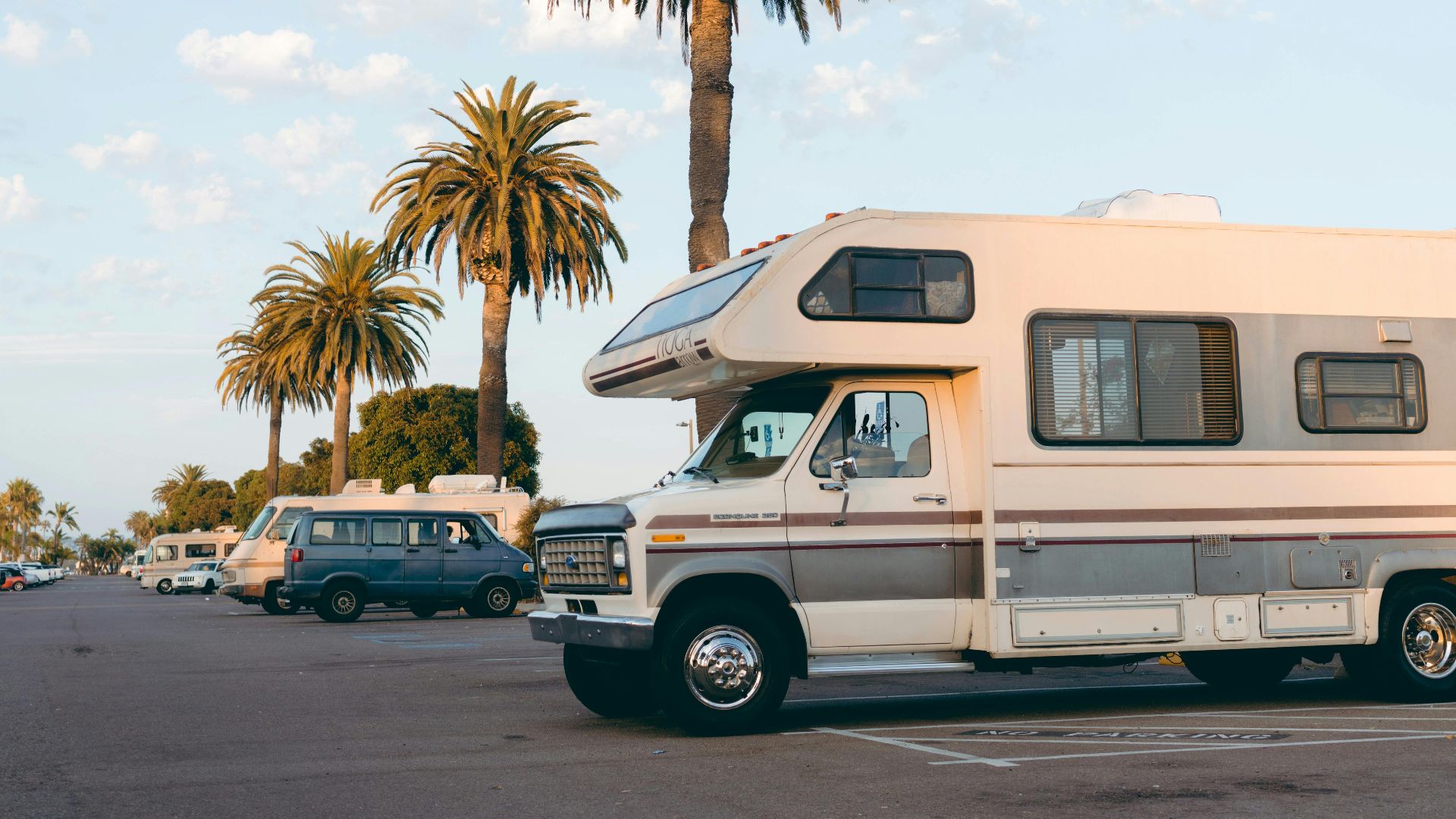
Because of these restrictions, many RV owners use off-site storage. It’s not ideal, but it’s often the easiest way to stay compliant and avoid HOA headaches.
Can You Get an Exception?
Sometimes, yes—but don’t count on it. You can request a variance or exception from your HOA board, especially for temporary situations. Approval isn’t guaranteed, but it’s worth asking.

What If Your Neighbor Has One?
This is where things get frustrating. If someone else seems to get away with it, it could be inconsistent enforcement. That might give you grounds to push back—but you’ll need proof.

The Fine Print Matters More Than You Think
Every HOA is different. Some are strict, others are more relaxed. The exact wording in your CC&Rs determines what’s allowed, so it’s worth reviewing them carefully before making any assumptions.

Why HOAs Care So Much About Appearance
HOAs are built around maintaining a certain look and feel. Large vehicles like RVs can disrupt that image. Whether you agree or not, that’s the reasoning behind most of these rules.

Can You Fight It Successfully?
You can challenge HOA rules, but it’s not easy. It often involves legal action or community votes to change rules. For most people, it’s more effort than it’s worth unless the rule is clearly unreasonable.

So… Are They Actually Right?
Unfortunately, yes—your HOA likely has the authority to restrict RV parking in your driveway. It feels counterintuitive, but it’s part of the agreement that comes with living in an HOA community.

The Bottom Line Before You Park
If your HOA says no RVs in the driveway, assume they can enforce it unless proven otherwise. Your best move is to check your rules, explore exceptions, and avoid costly fines while figuring out your options.

You May Also Like:
Rookie Mistakes Every First-Time RVer Learns The Hard Way
Best RVs For First-Time Buyers, According To Industry Experts
The Most Reliable RV Brands—Ranked