

Chrome Sweet Chrome
This quiz isn’t for casual fans who can spot a Mustang from across the street. This one’s for the people who know what a Hemi is without Googling it, think hidden headlights improve every car, and have probably argued about muscle cars at least once in public.
If you can get 8 out of 20, you officially know your stuff.

1: What does GTO stand for in Pontiac GTO?
Back in the muscle car era, automakers loved borrowing European-sounding performance terminology to make their cars sound more exotic and sophisticated. One famous American manufacturer even used a name that upset a few Ferrari fans.
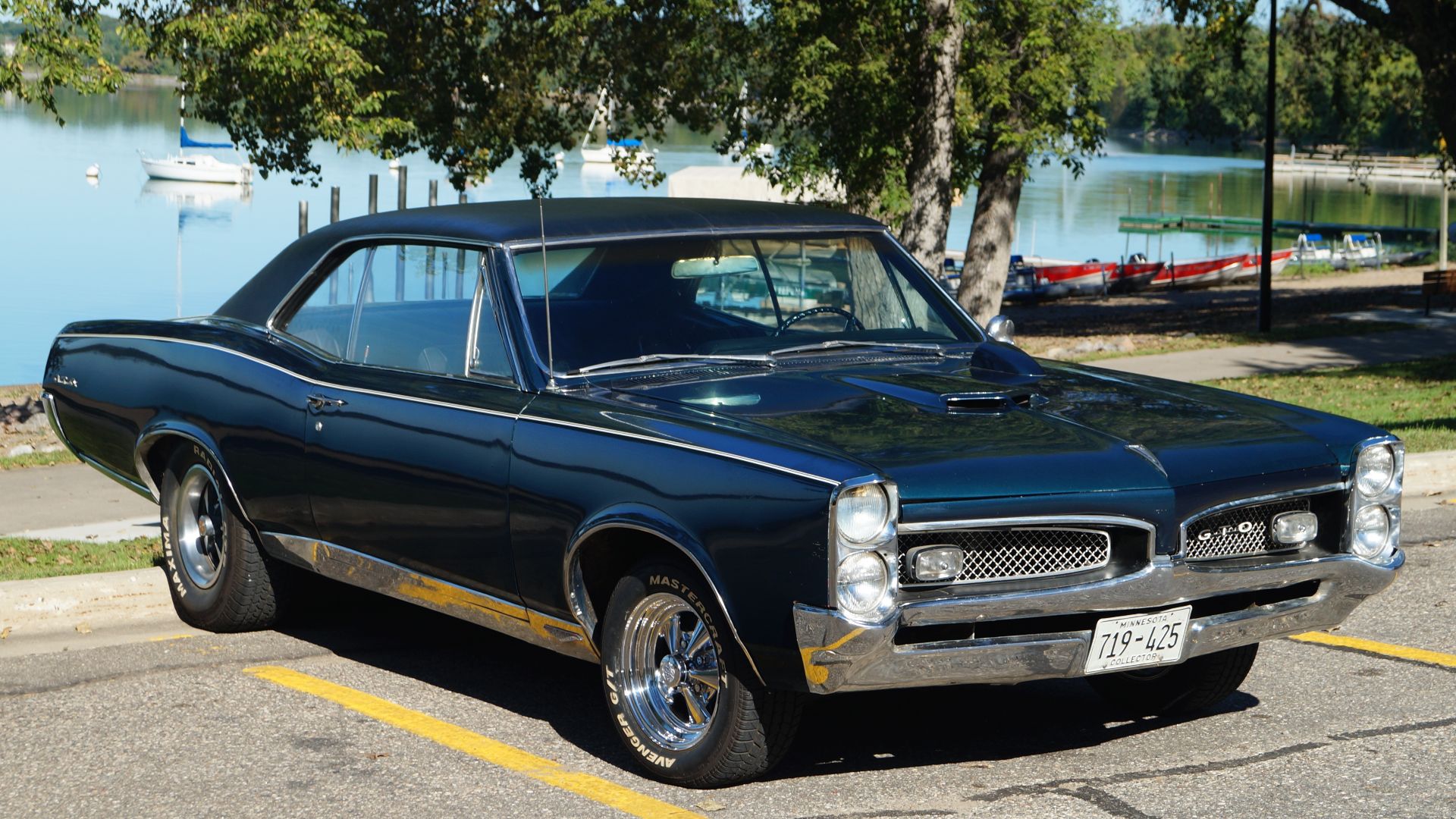 Greg Gjerdingen from Willmar, USA, Wikimedia Commons
A: Gran Turismo Omologato
Pontiac borrowed the phrase directly from Ferrari, which was either incredibly bold or completely ridiculous depending on who you ask. Somehow, the gamble worked perfectly, and the GTO became one of the defining muscle cars of the 1960s.
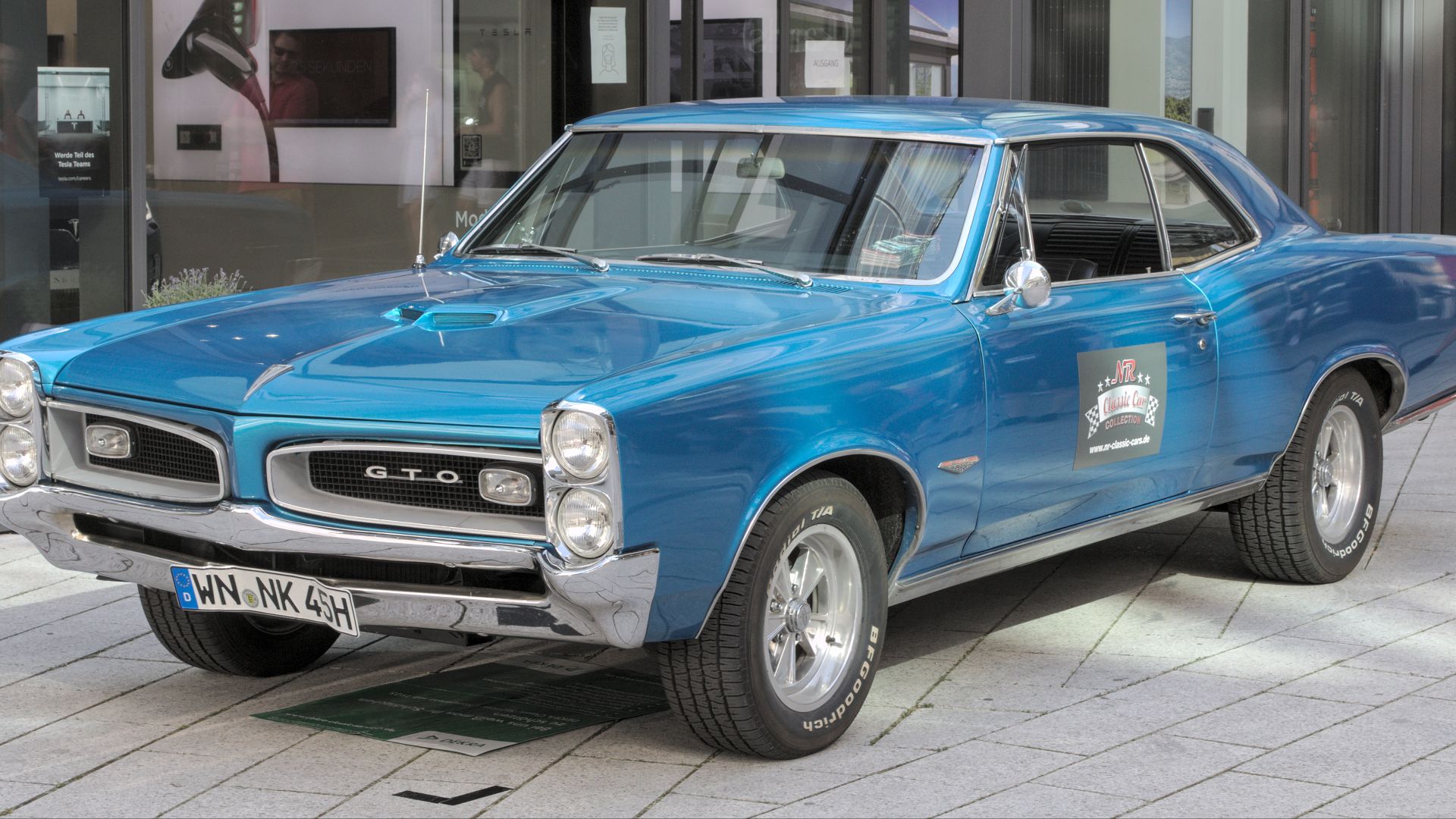 Alexander Migl, Wikimedia Commons
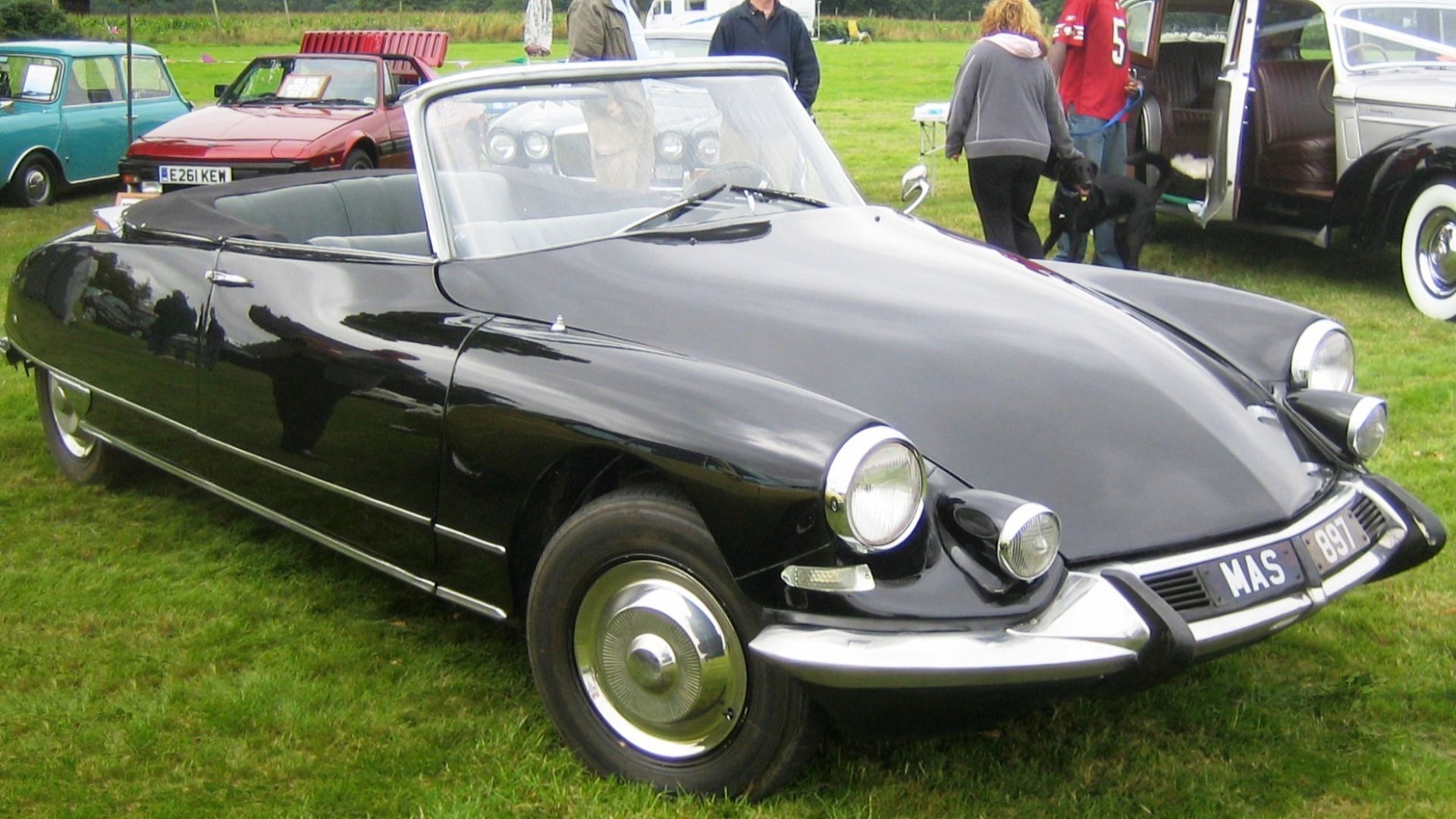
2: Which classic French luxury car became famous for its futuristic single-spoke steering wheel and wildly advanced technology during the 1950s?
A. Peugeot 404
B. Citroën DS
C. Renault Dauphine
D. Facel Vega HK500
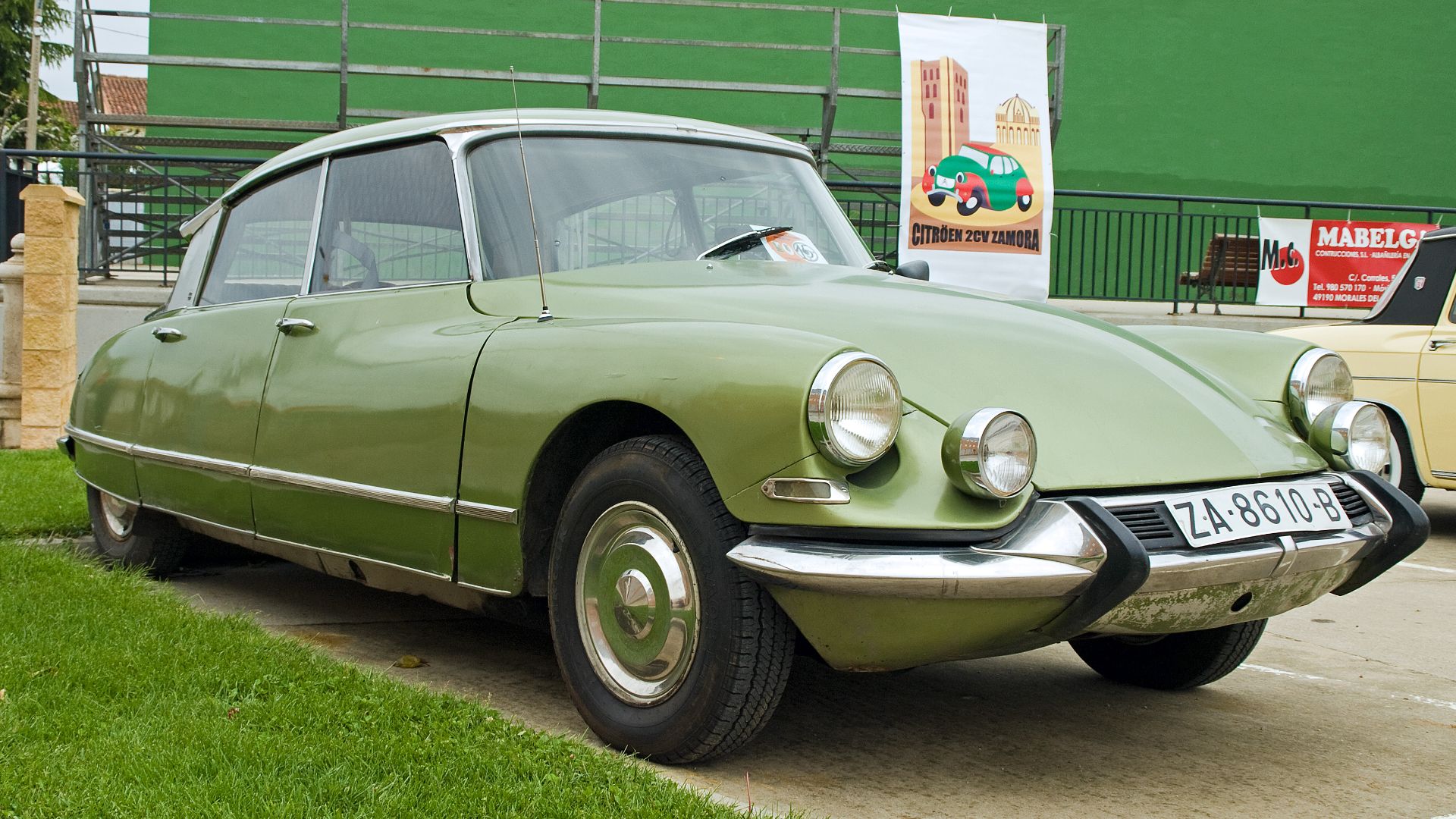
A: Citroën DS
The Citroën DS looked so futuristic when it debuted that people genuinely thought it seemed imported from another century. Between the hydropneumatic suspension, unusual styling, and single-spoke steering wheel, it completely shocked the automotive world.
 Lothar Spurzem, Wikimedia Commons
3: True or False
The original BMW M1 was built with help from Lamborghini during its development.
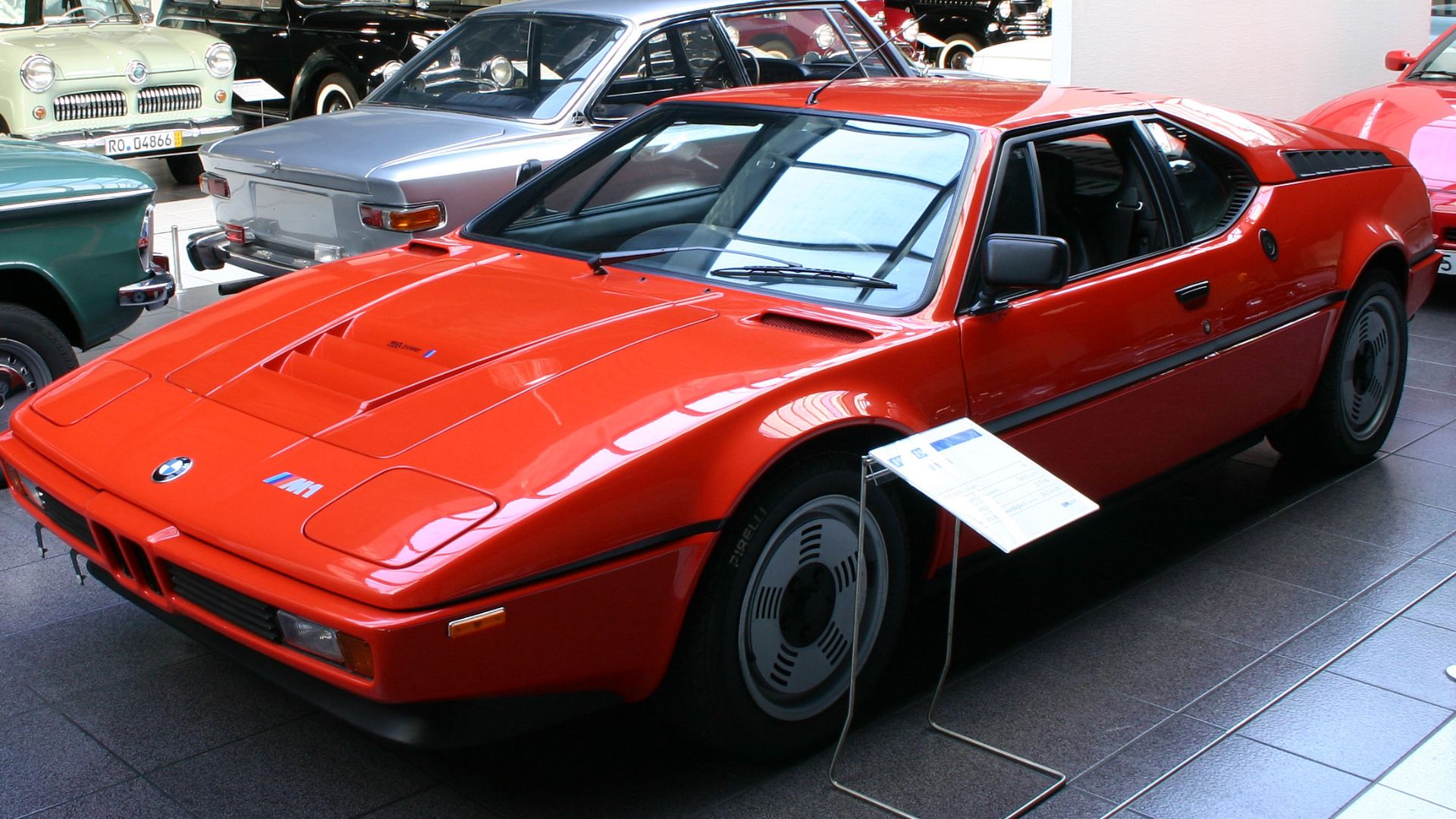 Softeis~commonswiki, Wikimedia Commons
A: True
BMW originally partnered with Lamborghini to help develop the M1, but the arrangement quickly fell apart behind the scenes. The result was one of the strangest collaborations in sports car history and one seriously underrated supercar.
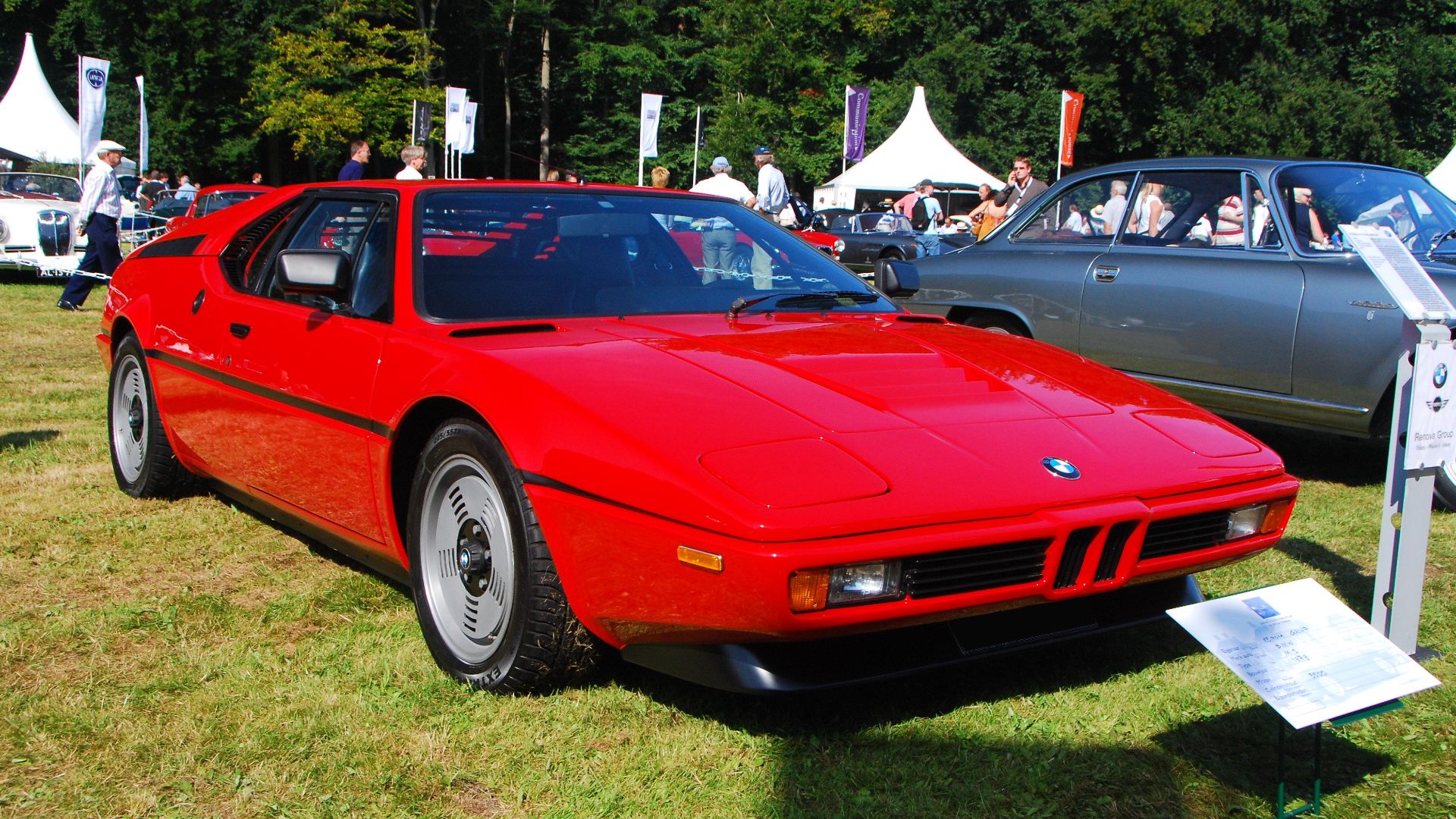 Janderk1968, Wikimedia Commons
4: Which European automaker built the world’s first production Wankel rotary-powered car?
One manufacturer became heavily associated with an unusual engine design that used spinning rotors instead of traditional pistons. The technology sounded futuristic, impressed engineers, and occasionally frightened mechanics.
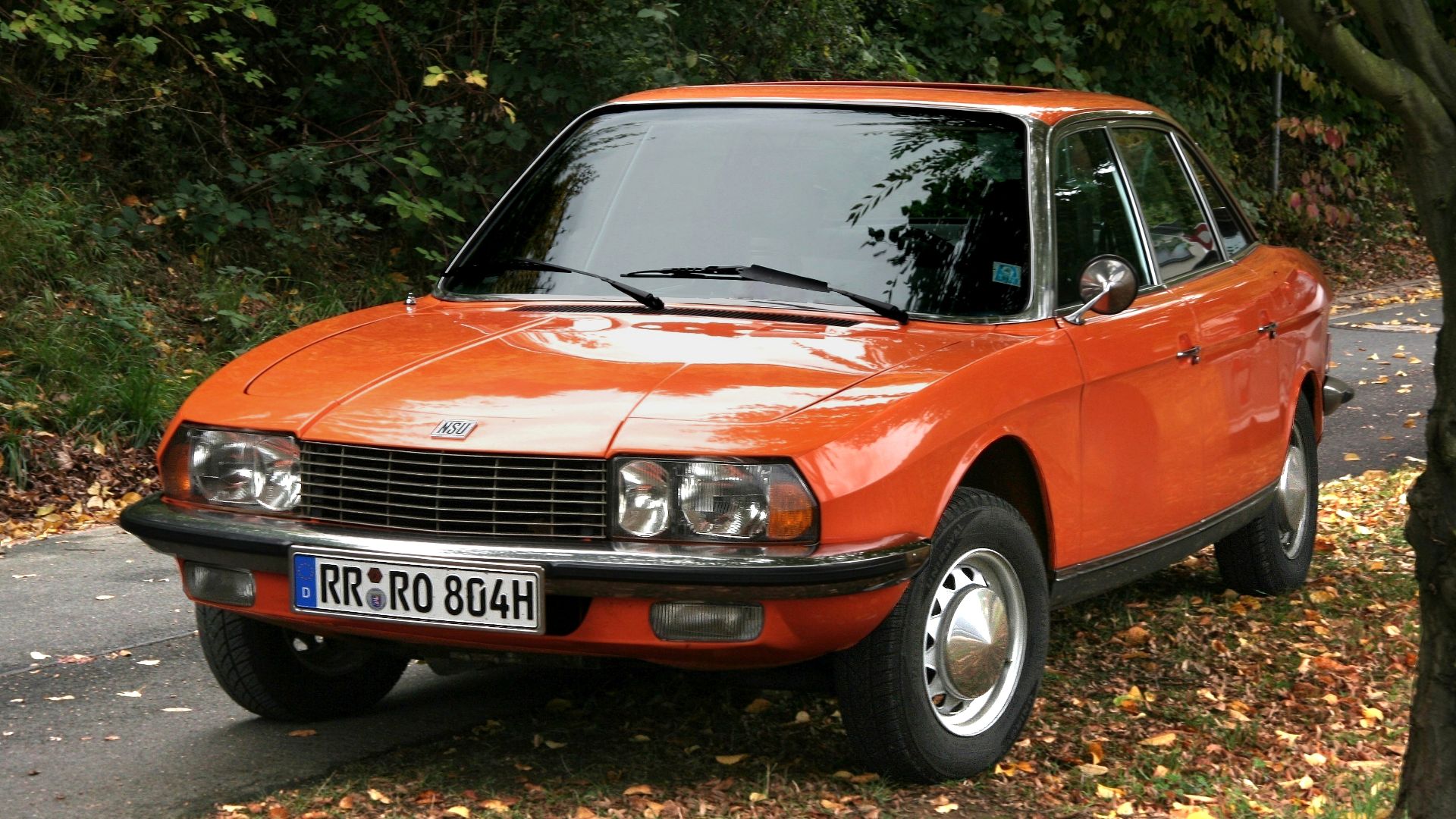 Spurzem - Lothar Spurzem, Wikimedia Commons
A: NSU
NSU became one of the earliest companies to heavily pursue rotary engine technology before eventually merging into what became Audi. The company’s ambitious engineering ideas were fascinating, even if reliability occasionally became more of a suggestion than a guarantee.
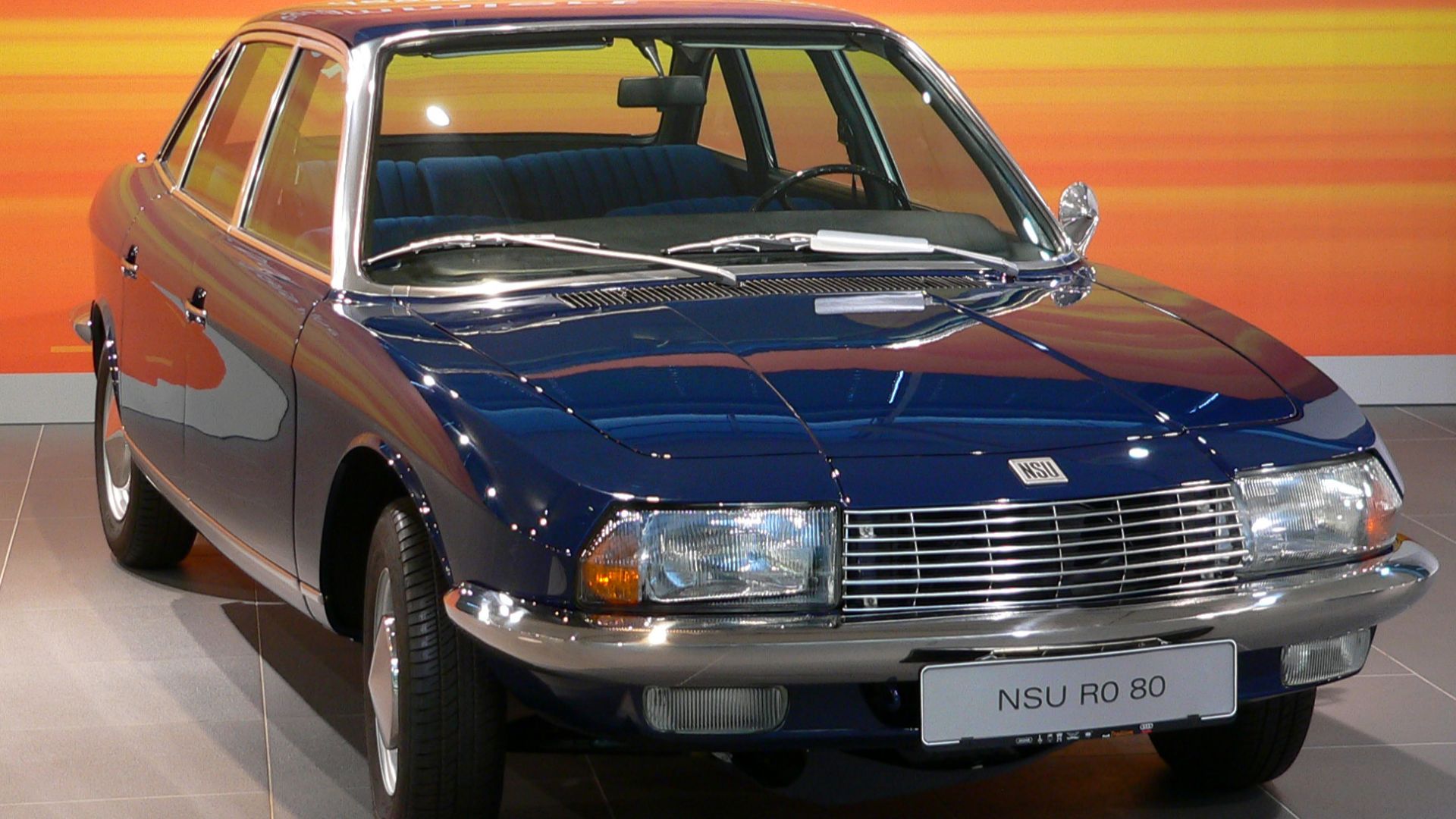 Joachim Köhler, Wikimedia Commons
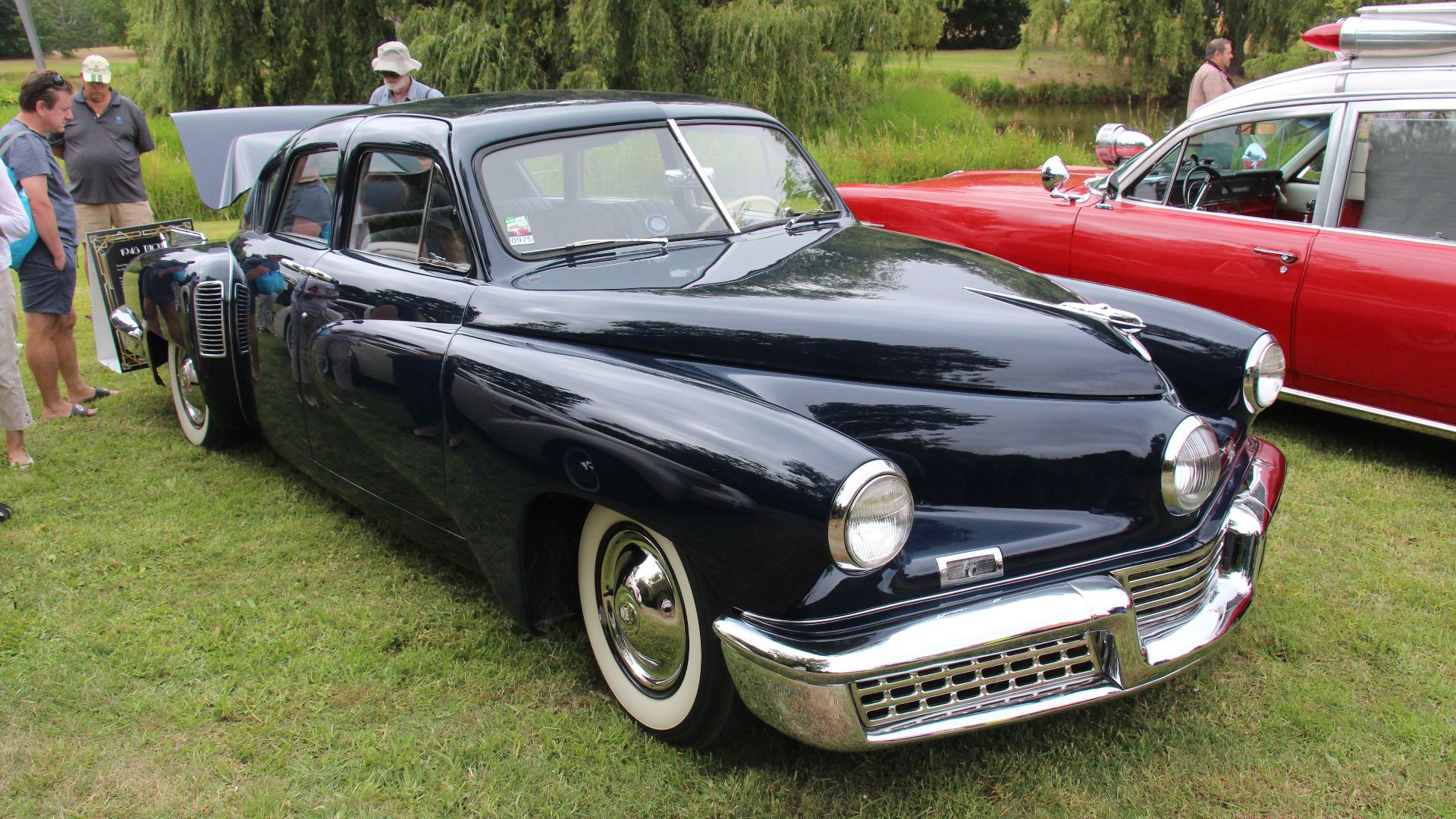
5: What unusual feature made the Tucker 48 famous?
A. A rear-mounted V12 engine
B. A center-mounted third headlight
C. Four-wheel steering
D. Twin superchargers
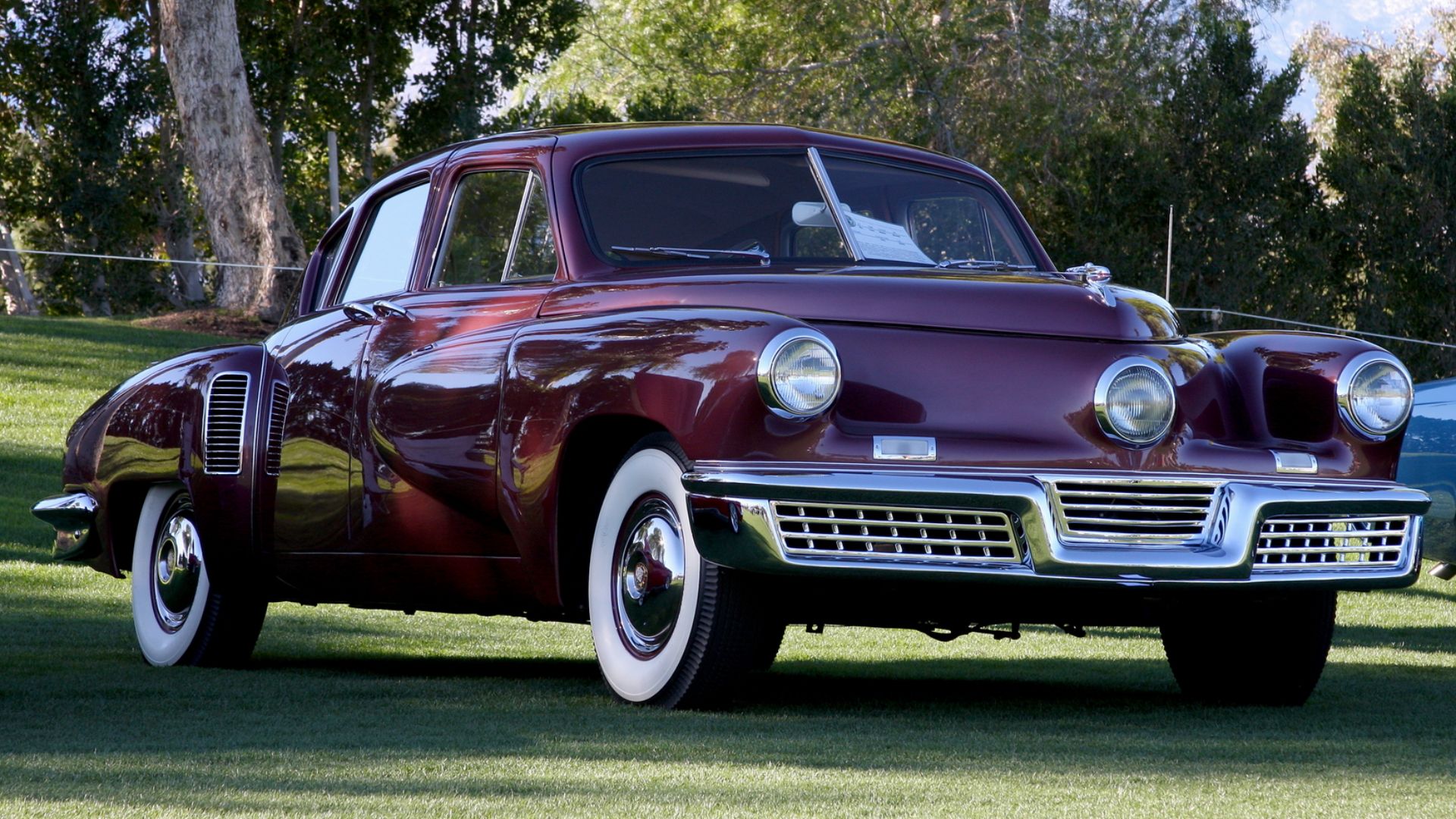
A: A center-mounted third headlight
The Tucker 48 looked wildly futuristic compared to almost everything else on the road at the time. Its famous third headlight turned with the steering wheel to improve visibility around corners. The company disappeared quickly, but the car itself became an automotive legend.
6: Which classic American muscle car was originally created by fitting a massive engine into a midsize car as a secret internal experiment?
During the early 1960s, one famous performance model began almost accidentally when engineers placed a much larger engine into a smaller platform than management originally intended. The experiment helped launch the entire muscle car era.
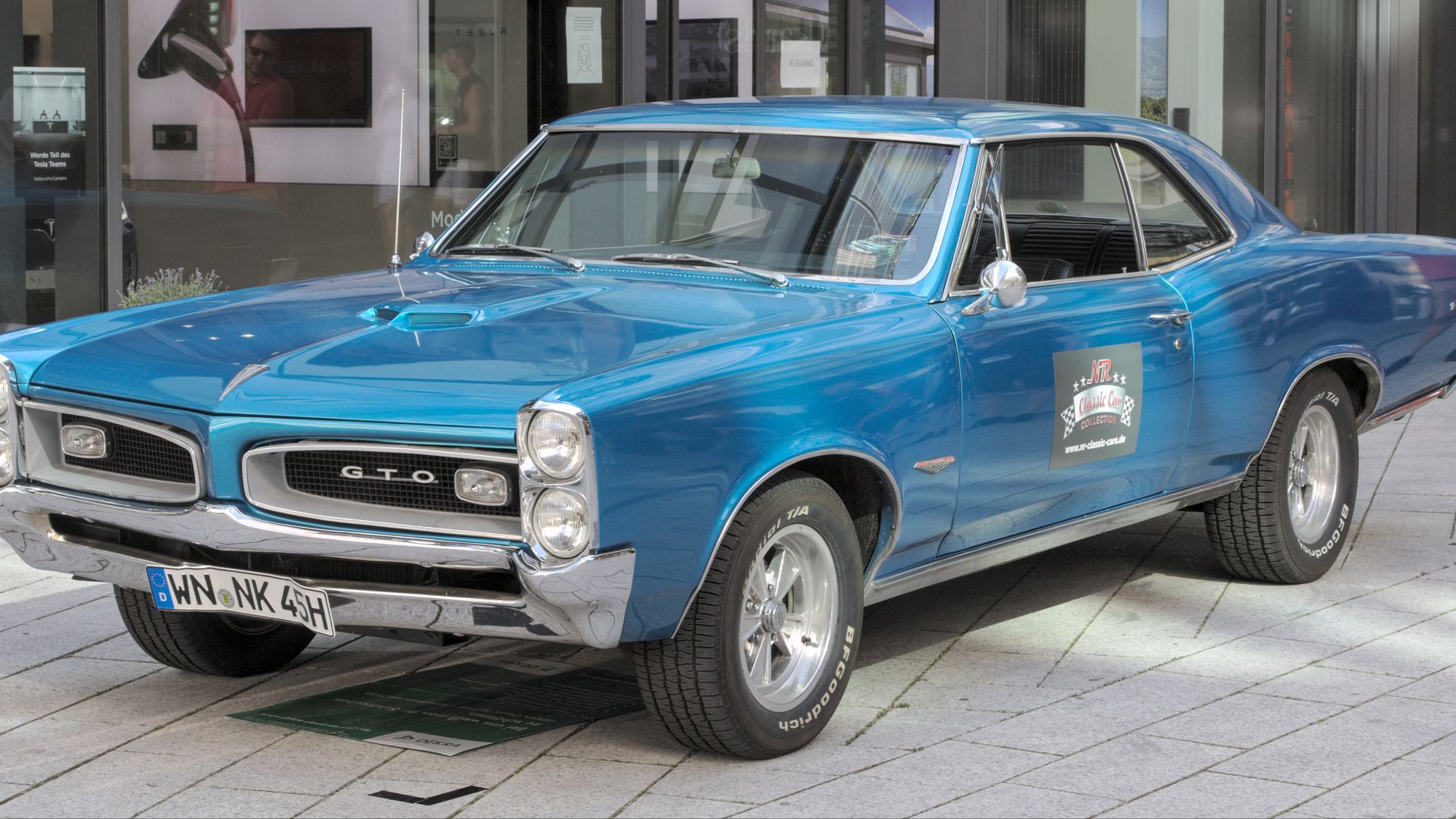 Alexander Migl, Wikimedia Commons
A: Pontiac GTO
The Pontiac GTO started as an unofficial engineering experiment before becoming a massive hit. Once buyers realized they could get huge V8 power in a smaller car, the muscle car wars officially began.
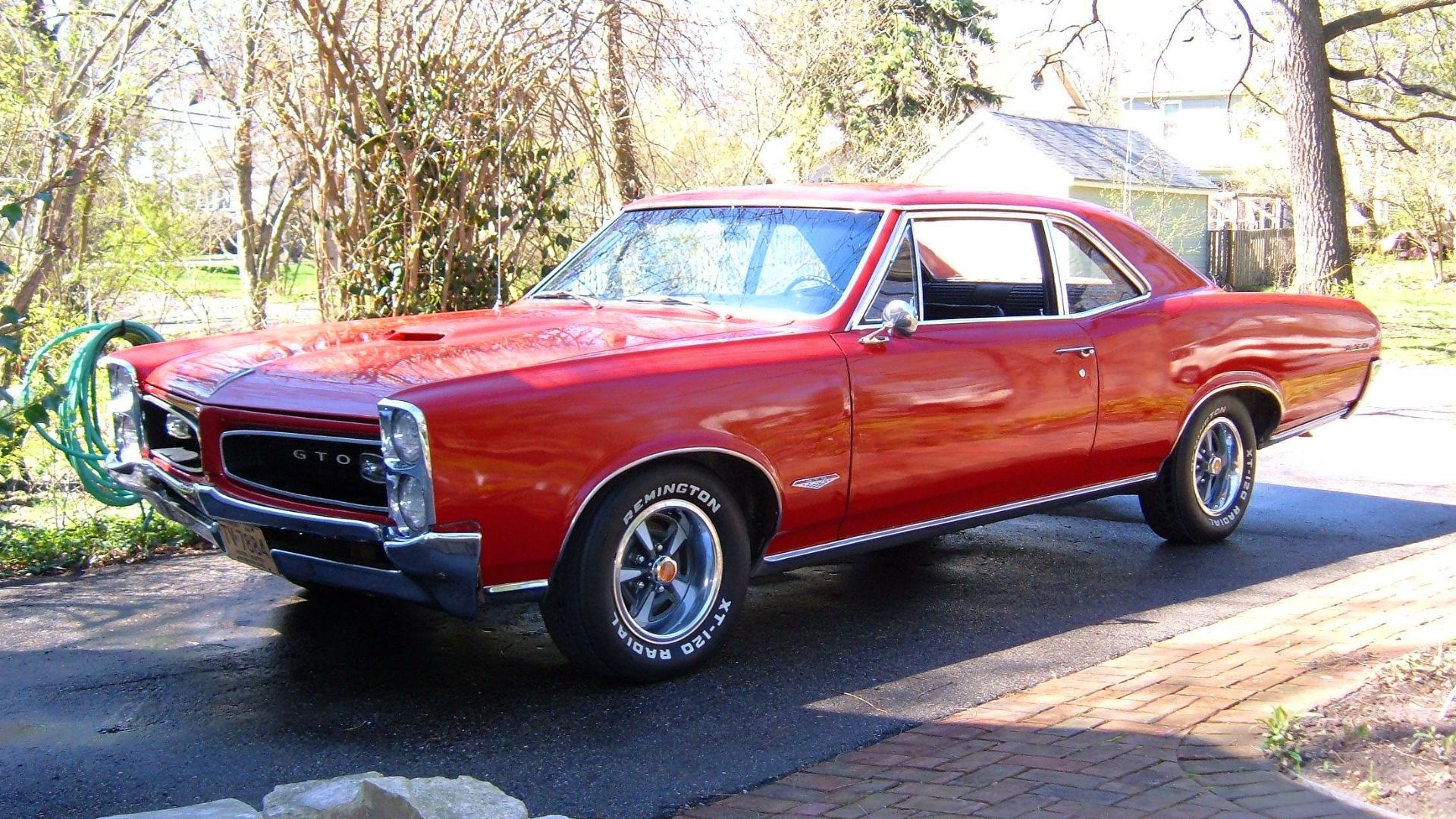 Freesek from En-Wikipedia, Wikimedia Commons
7: True or False
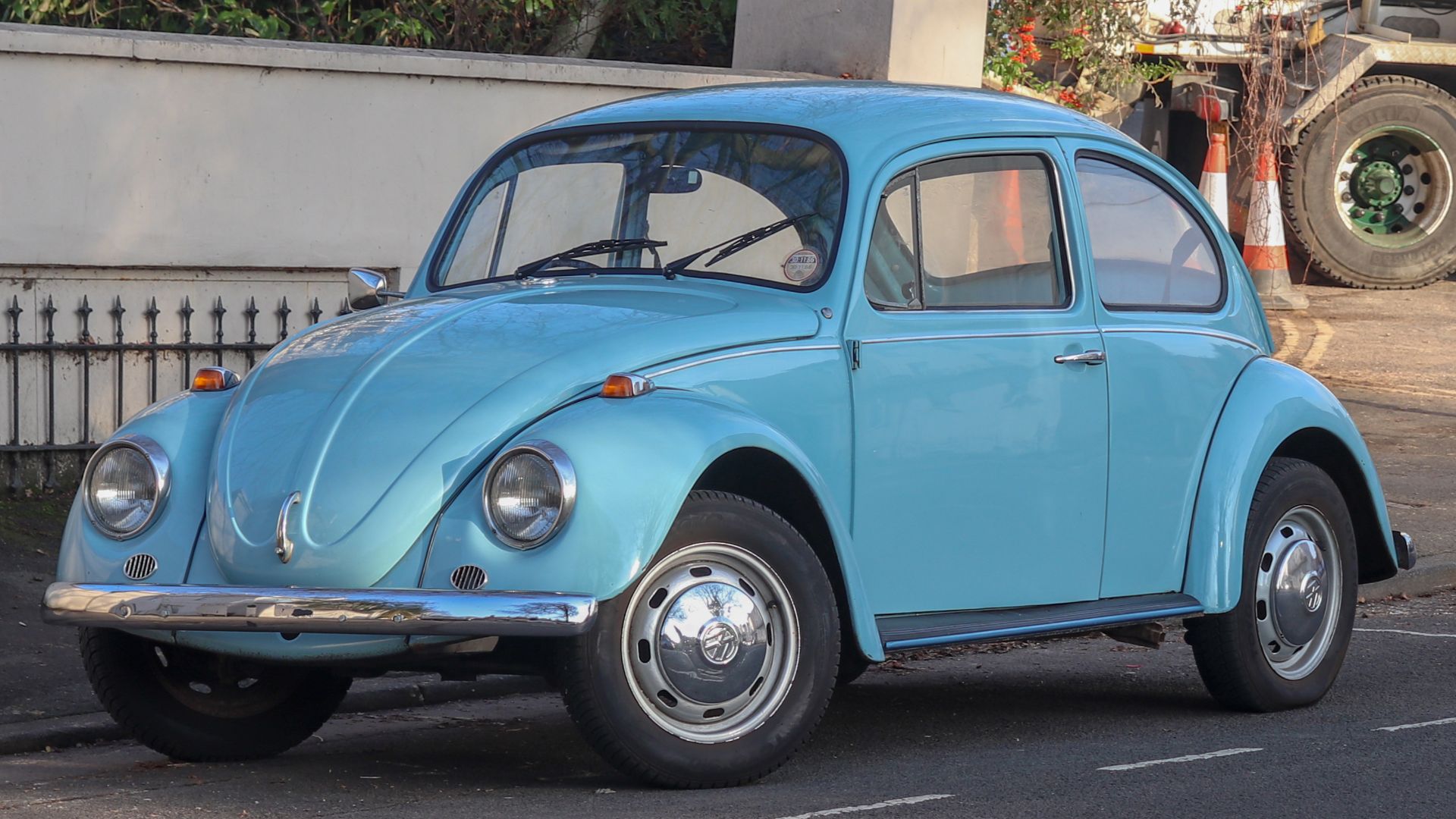
The Volkswagen Beetle used a front-mounted water-cooled engine.
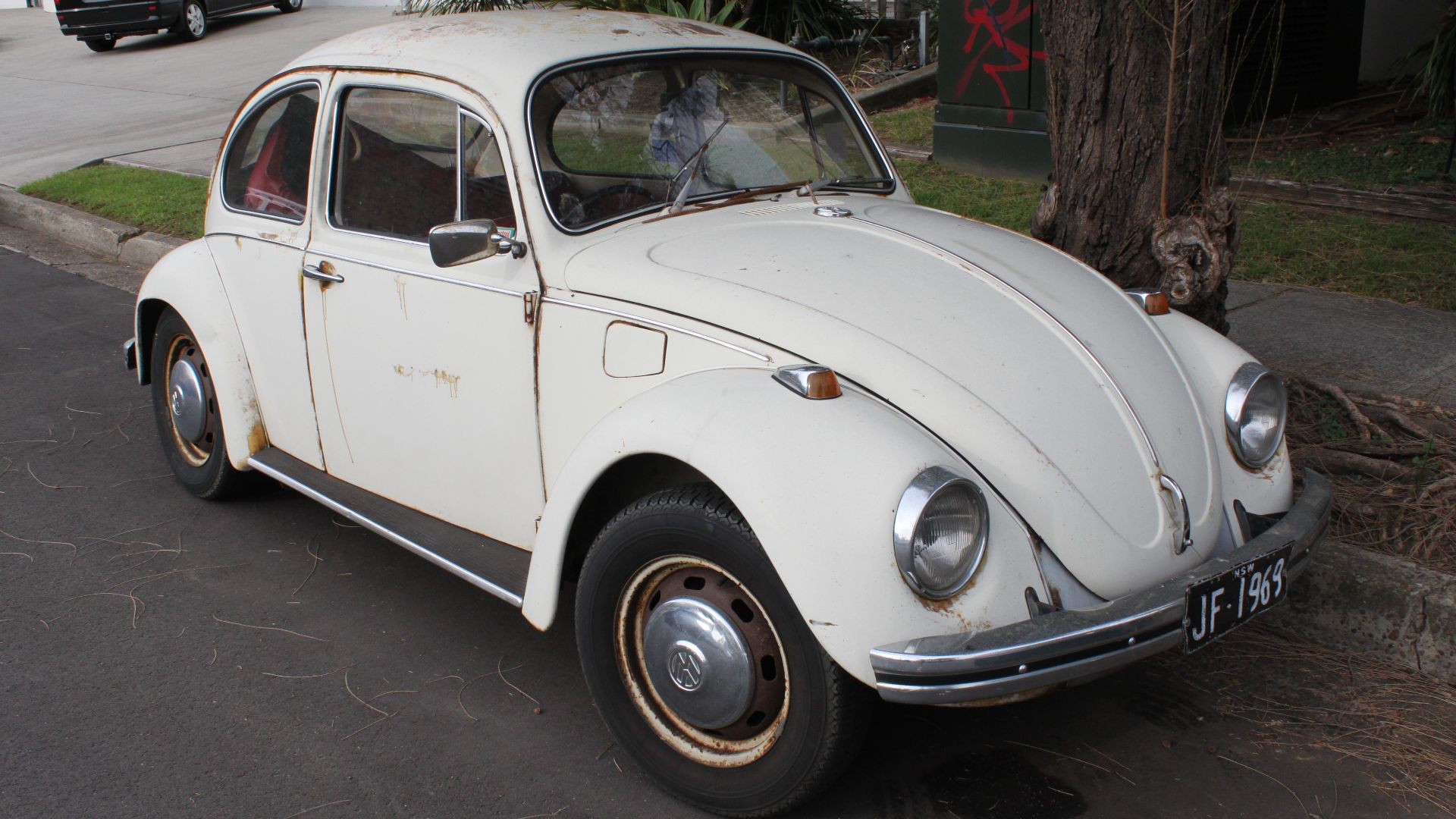 Jeremy from Sydney, Australia, Wikimedia Commons
A: False
The Beetle used a rear-mounted air-cooled flat-four engine, which made it unusual even during its own era. The quirky setup became one of the car’s defining traits and helped make the Beetle instantly recognizable worldwide.
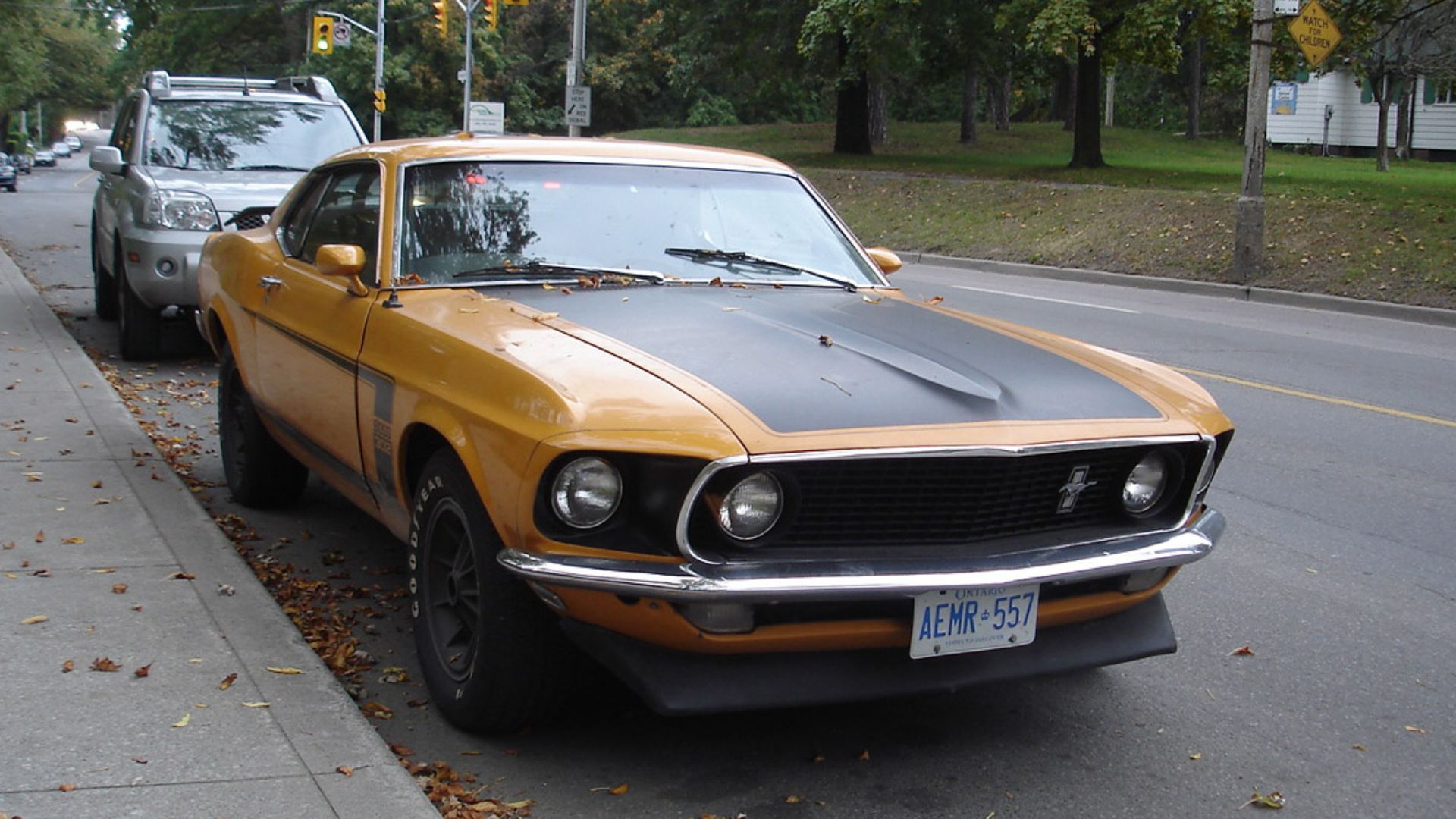
8: Which rare homologation special was created by Ford specifically so the Mustang could compete in Trans-Am racing during the late 1960s?
A. Mustang Boss 429
B. Mustang Mach 1
C. Mustang Boss 302
D. Mustang Cobra II
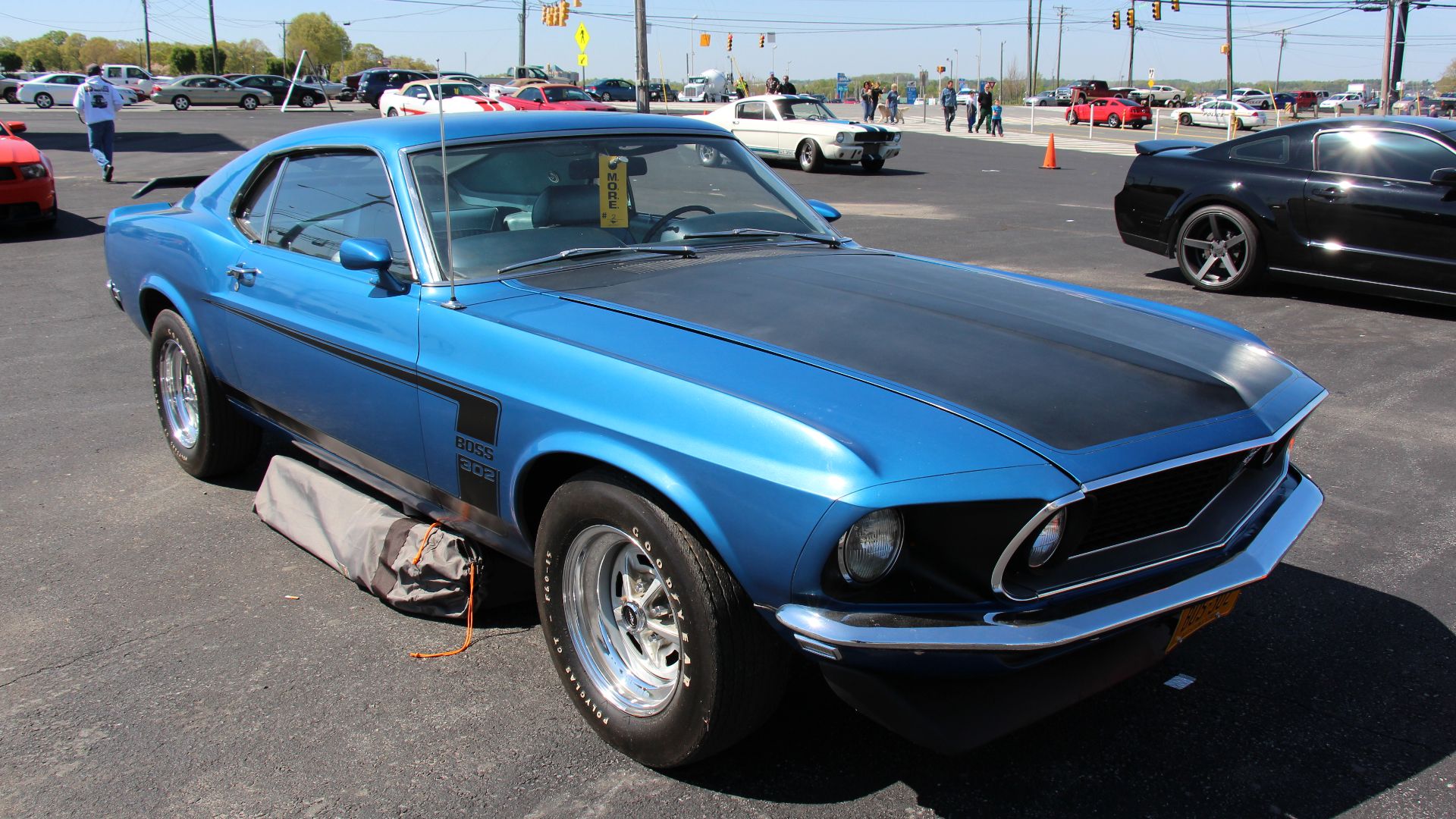
A: Mustang Boss 302
The Boss 302 existed largely because Ford wanted to dominate Trans-Am racing. It combined aggressive styling with serious track capability and remains one of the most respected Mustangs ever built among hardcore enthusiasts today.
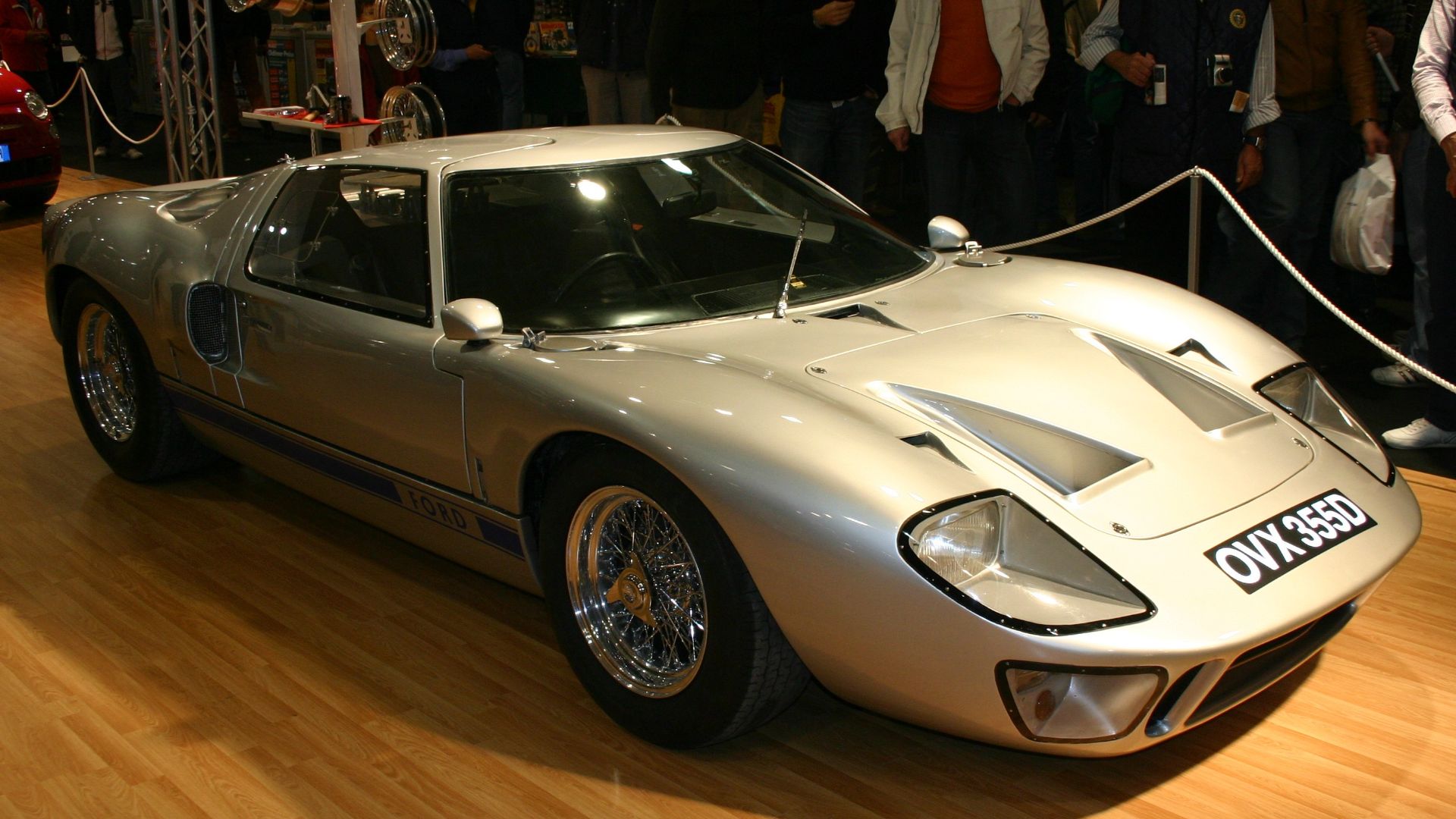
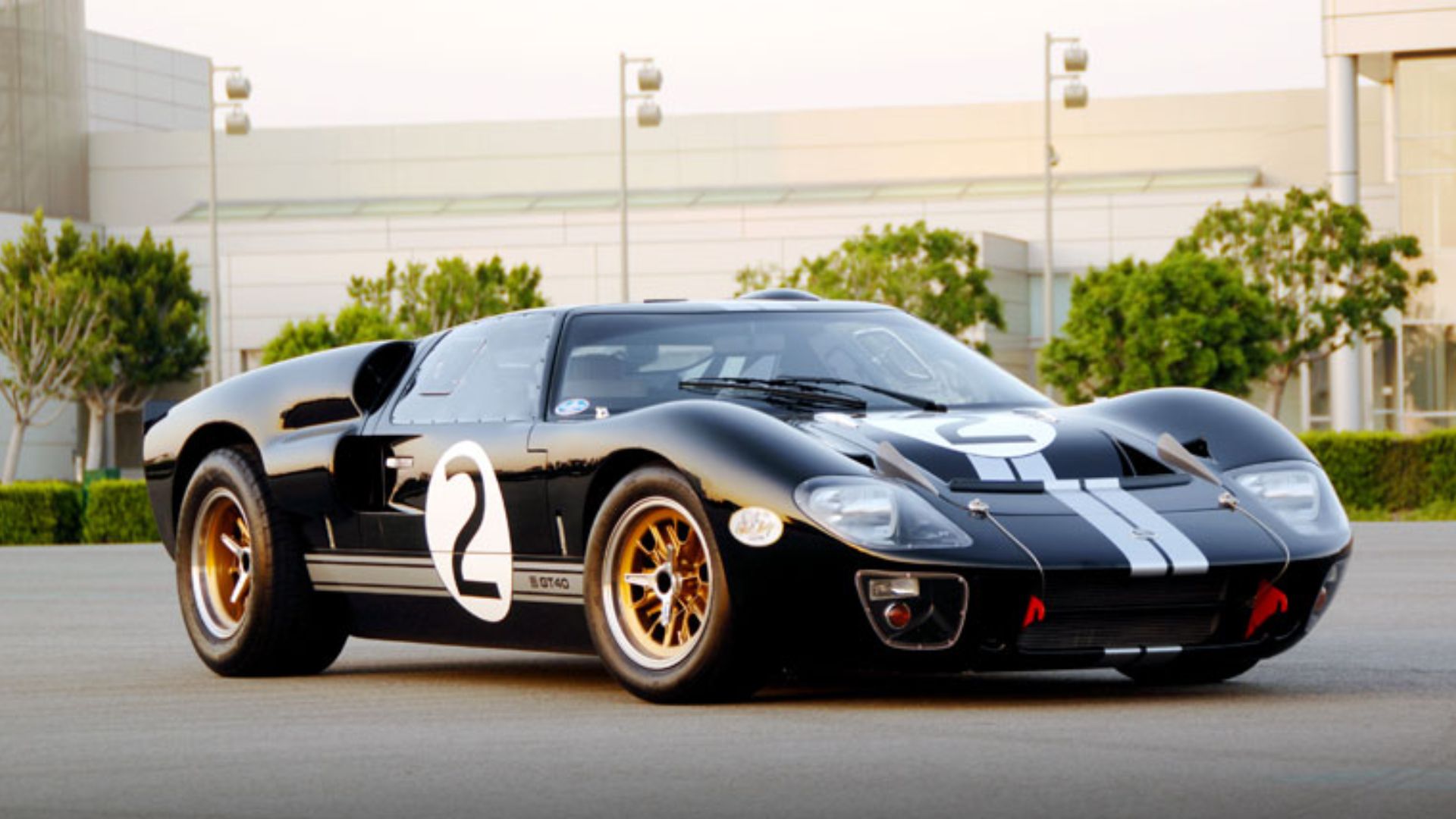
9: Which classic racing car became the first American-built vehicle to win the 24 Hours of Le Mans?
One legendary American performance machine shocked the automotive world during the 1960s by defeating dominant European competition at one of the most famous endurance races ever created.
 Adriano C. / Adriano, Wikimedia Commons
A: Ford GT40
The Ford GT40 famously defeated Ferrari at Le Mans after Henry Ford II became obsessed with beating the Italian automaker. Few things in automotive history have ever been fueled more aggressively by pure spite.
 Shelby American Inc., Wikimedia Commons
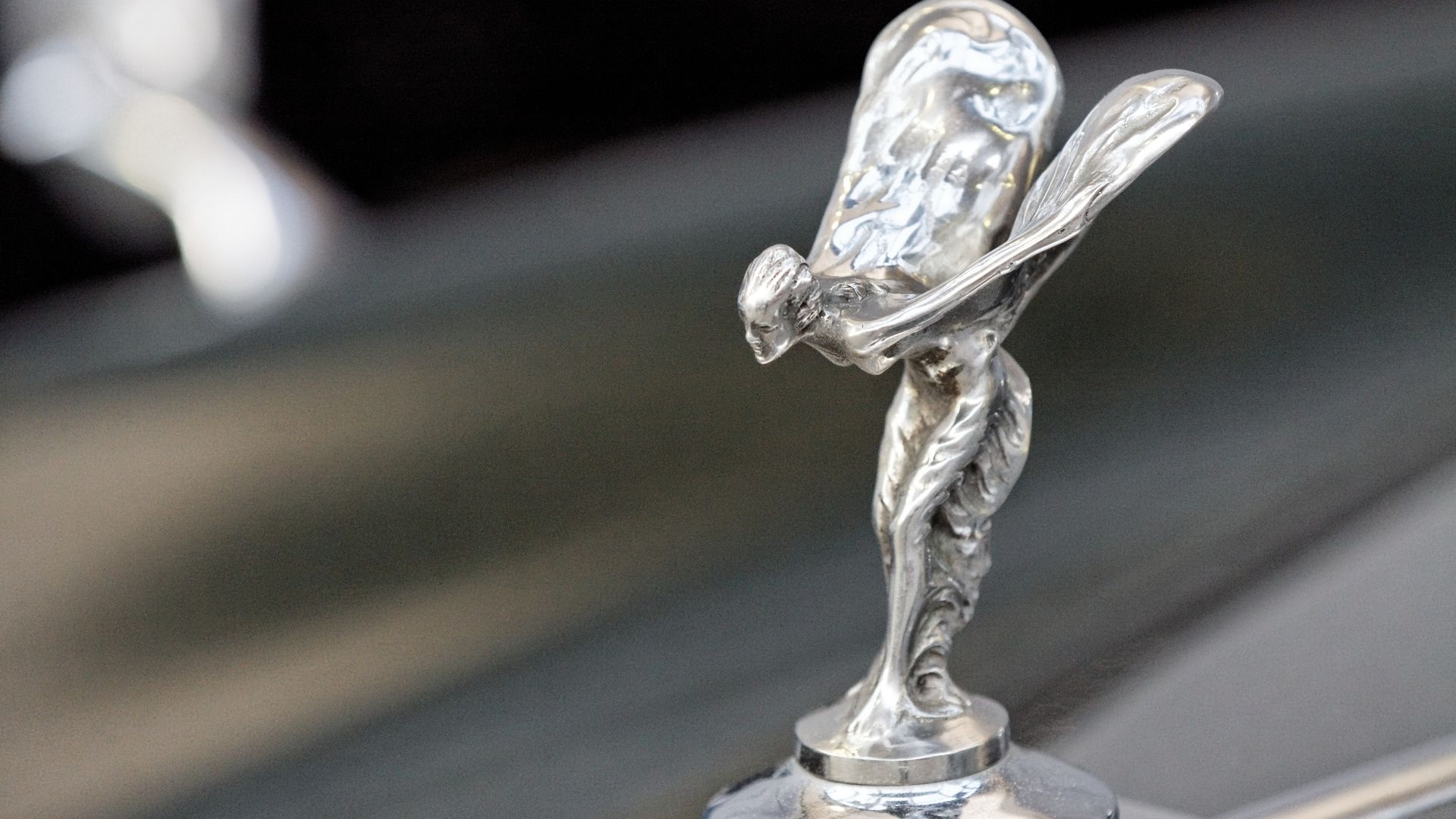
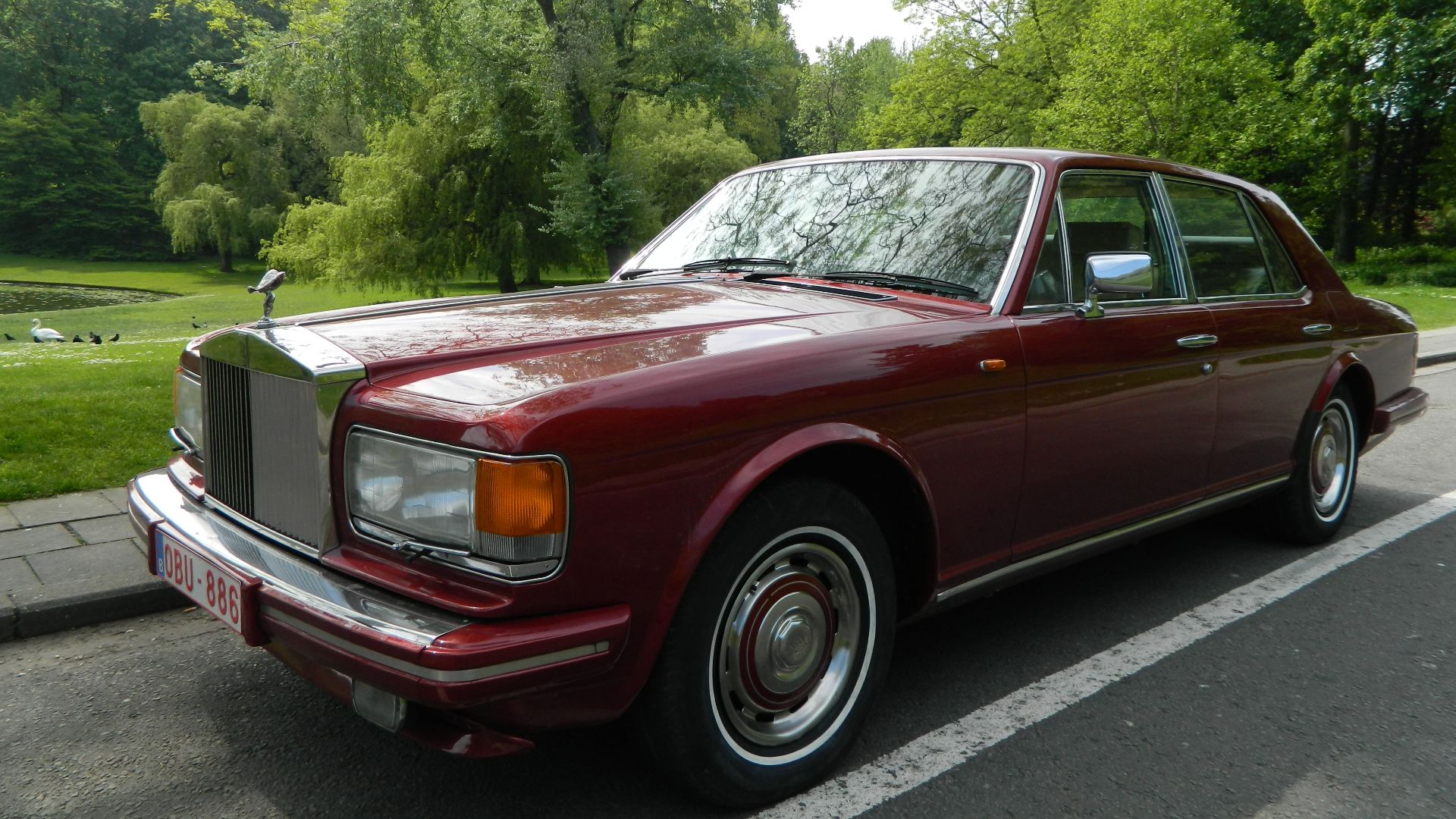
10: Which classic luxury automaker became famous for using a hood ornament known as the “Spirit of Ecstasy”?
One famous European luxury brand became instantly recognizable thanks to an elegant hood ornament that appeared on some of the world’s most expensive and prestigious automobiles for decades.
 Charles Robinson Sykes, Wikimedia Commons
A: Rolls-Royce
The “Spirit of Ecstasy” became one of the most iconic hood ornaments ever created. Rolls-Royce owners loved it, while car thieves apparently loved it slightly more for a while.
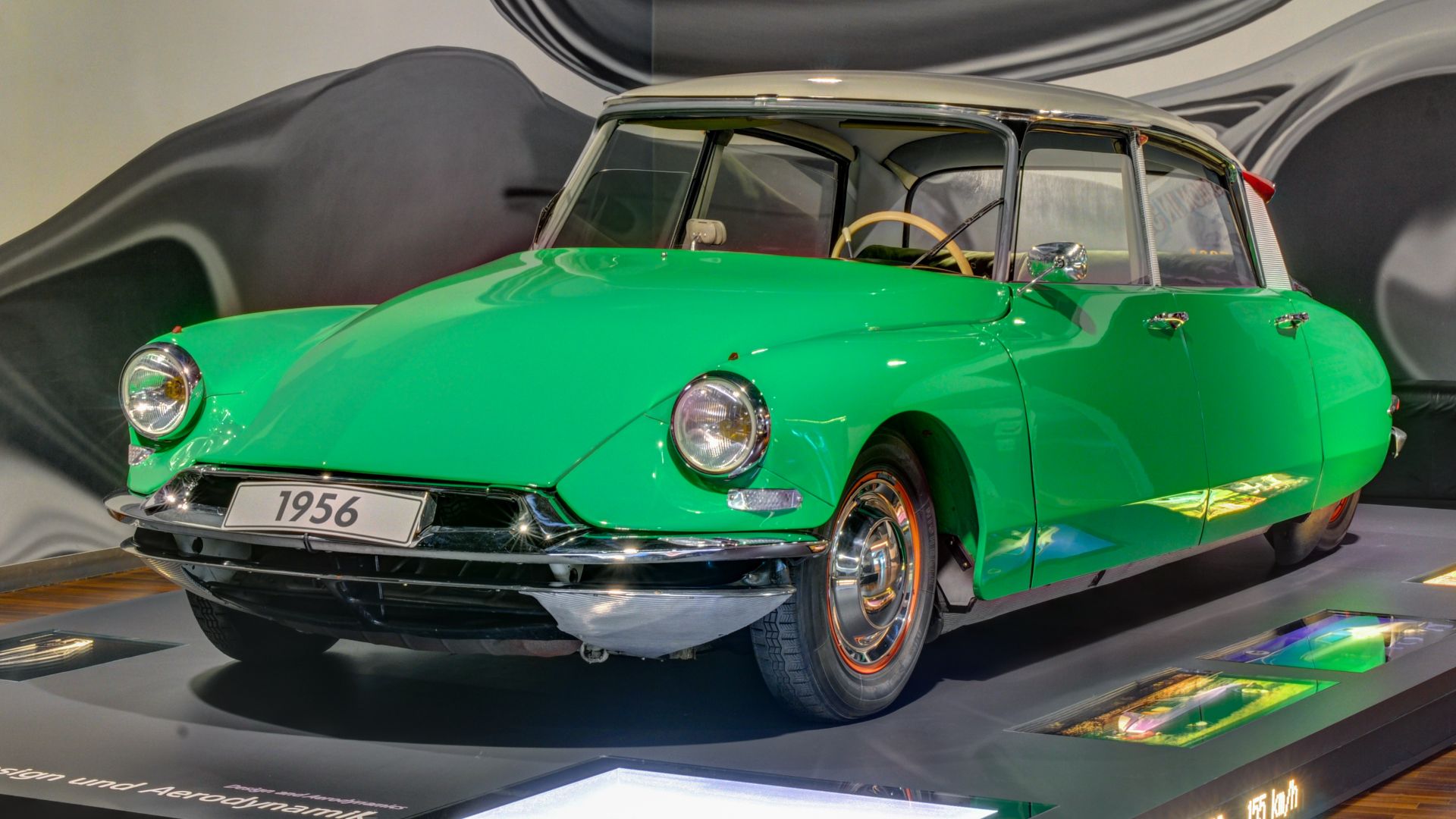
11: Which classic European luxury car became famous for hydropneumatic suspension that could raise and lower the vehicle automatically?
When this futuristic French car debuted in the 1950s, it looked and felt unlike almost anything else on the road. Its unusual suspension system gave it an incredibly smooth ride and made the car seem decades ahead of its competitors.
 Ralf Roletschek, Wikimedia Commons
A: Citroën DS
The Citroën DS looked so futuristic at launch that people genuinely thought it seemed imported from another century. Its famous suspension system made the car ride almost unnervingly smoothly, like a luxury sedan floating slightly above the road.
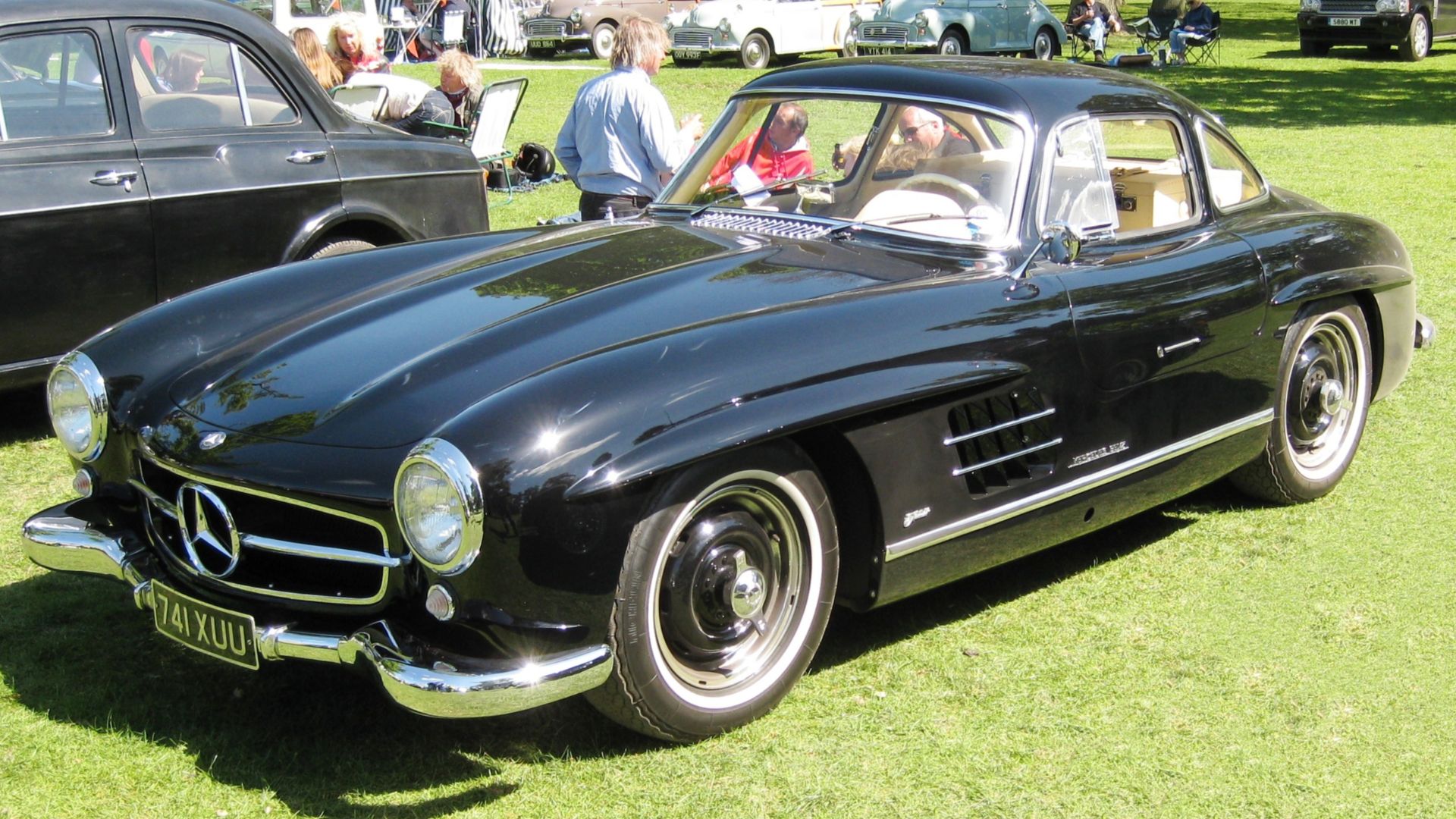
12: Which automaker produced the 300SL Gullwing?
One iconic European sports car became famous worldwide thanks to a unique door design created almost accidentally during development. Decades later, it remains one of the coolest-looking vehicles ever built.
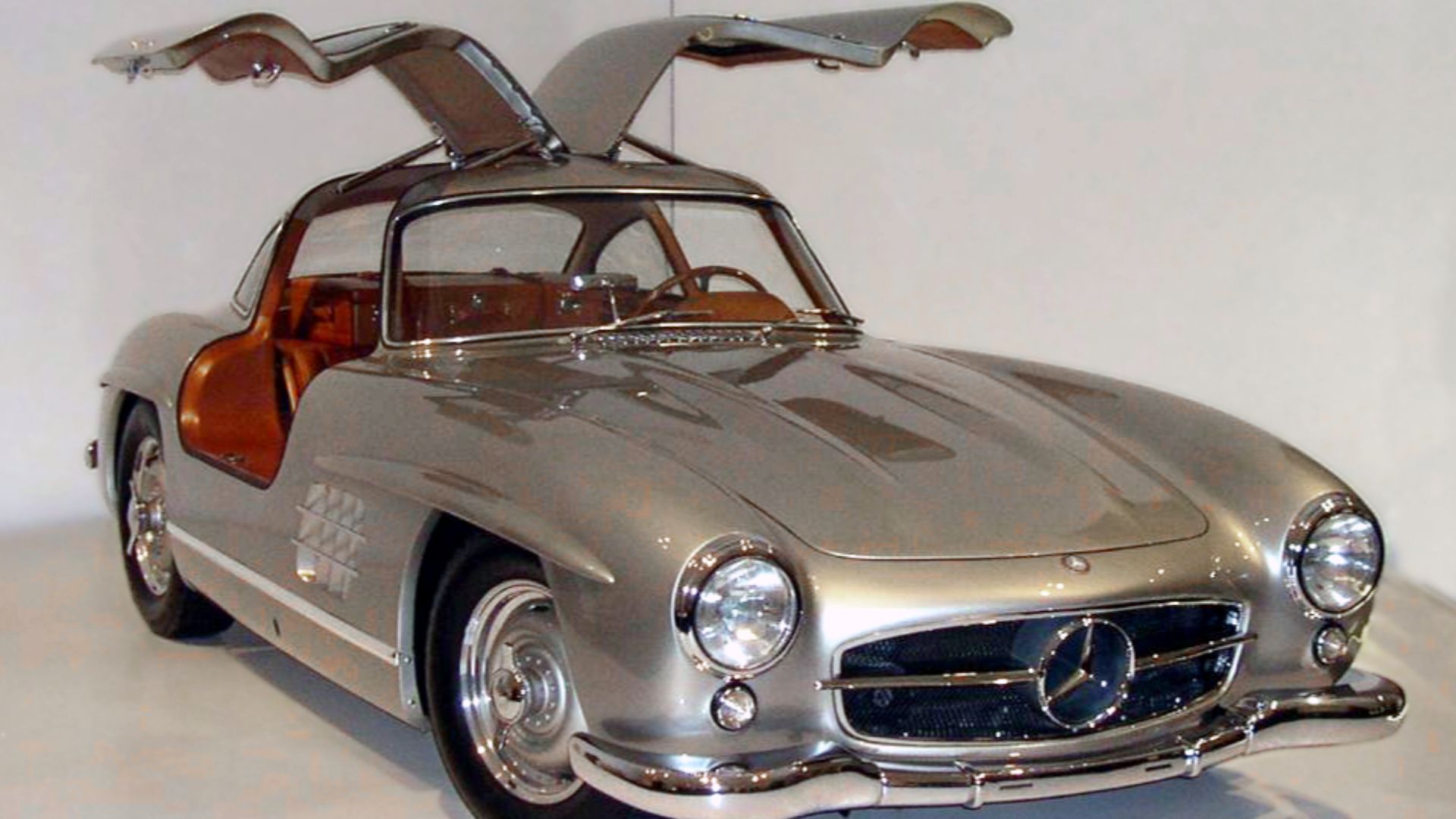
A: Mercedes-Benz
The famous gullwing doors existed because normal doors wouldn’t work with the car’s racing-inspired frame design. Mercedes accidentally solved an engineering problem while simultaneously creating one of the most iconic cars in automotive history.
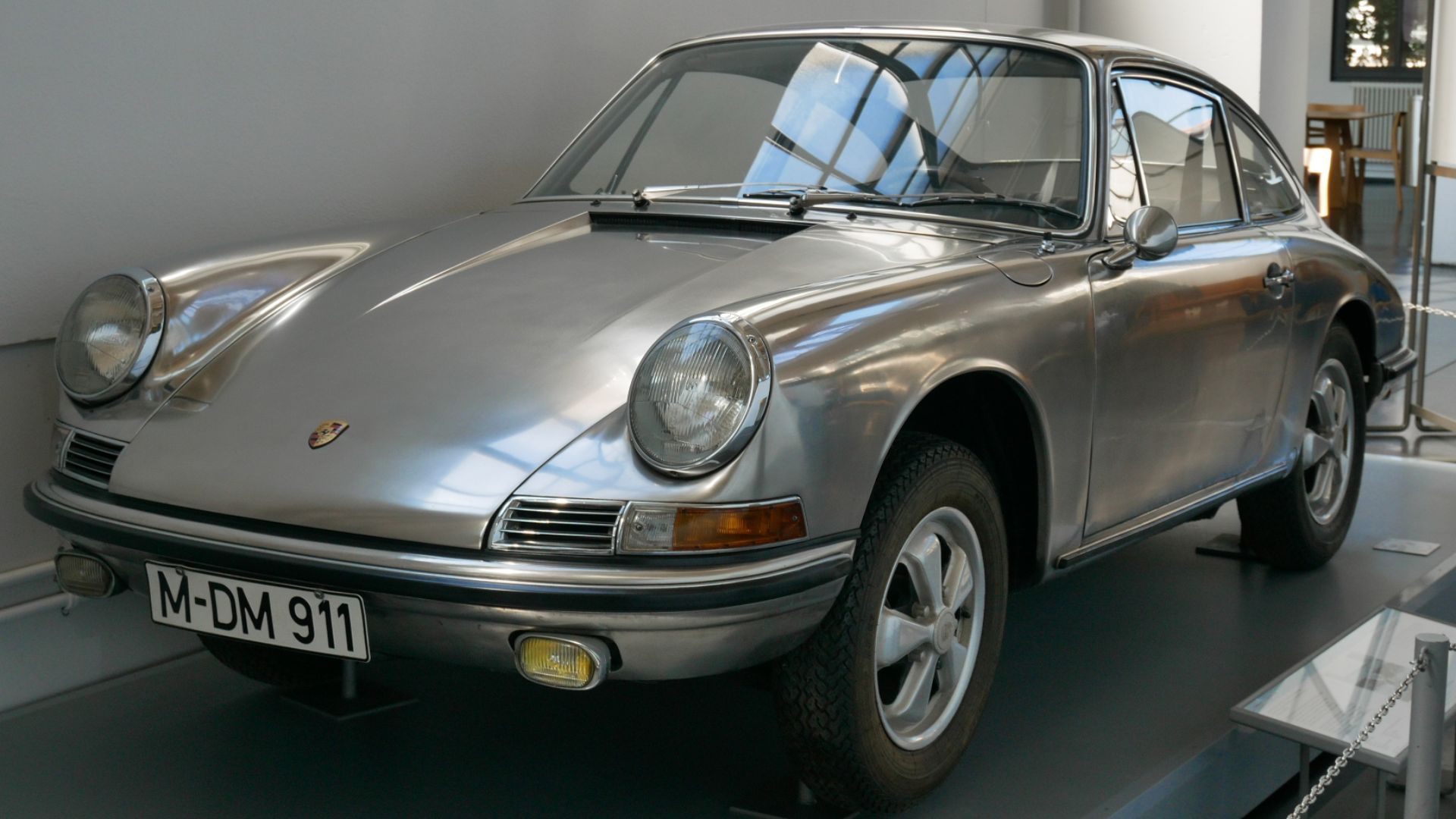
13: True or False
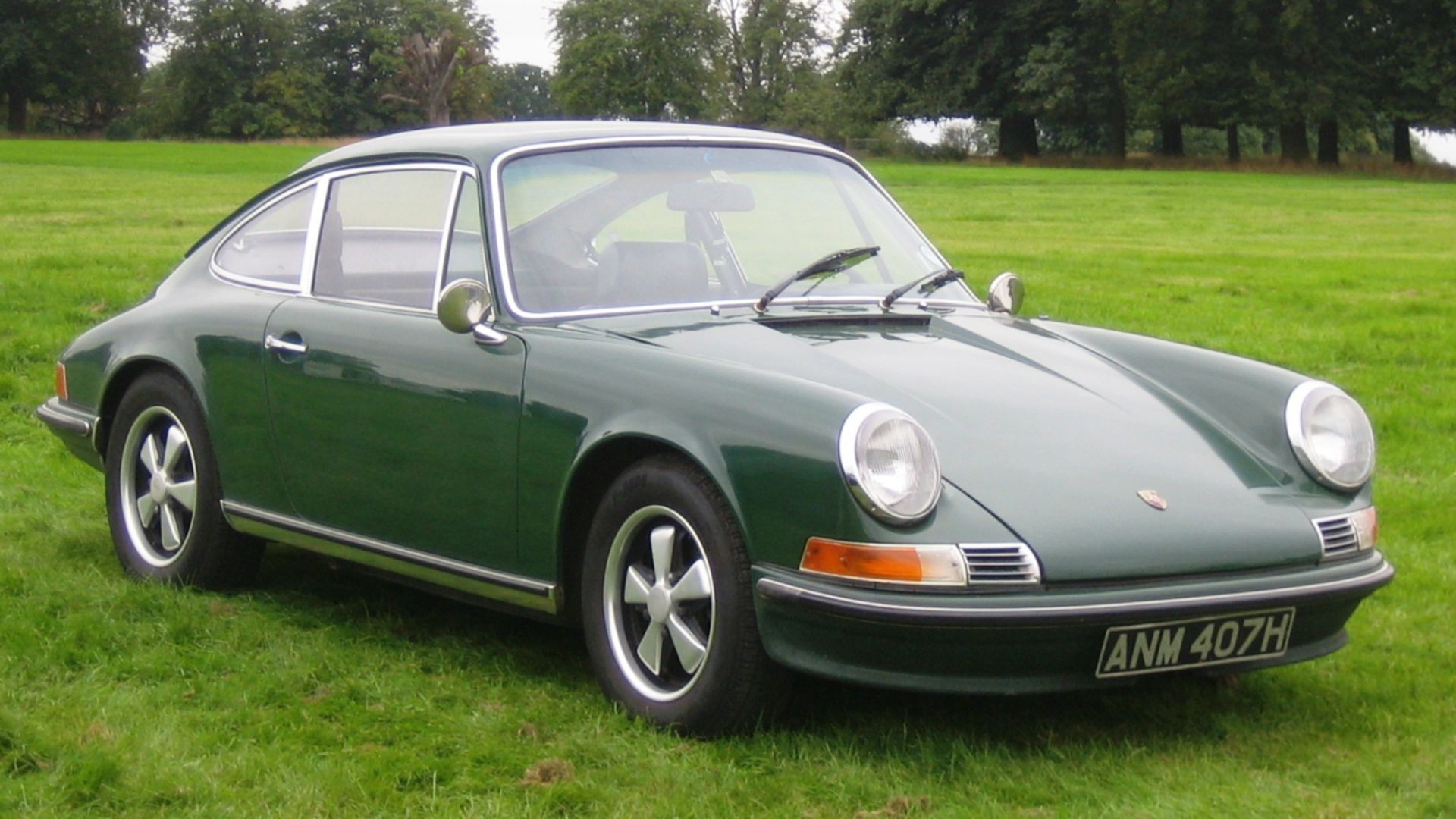
The original Porsche 911 used a rear-engine layout instead of a mid-engine layout.
 Austin Ring, Wikimedia Commons
A: True
The Porsche 911 famously used a rear-engine design, which gave it unique handling characteristics compared to most sports cars. Somehow Porsche turned a layout that sounded questionable on paper into an automotive legend.
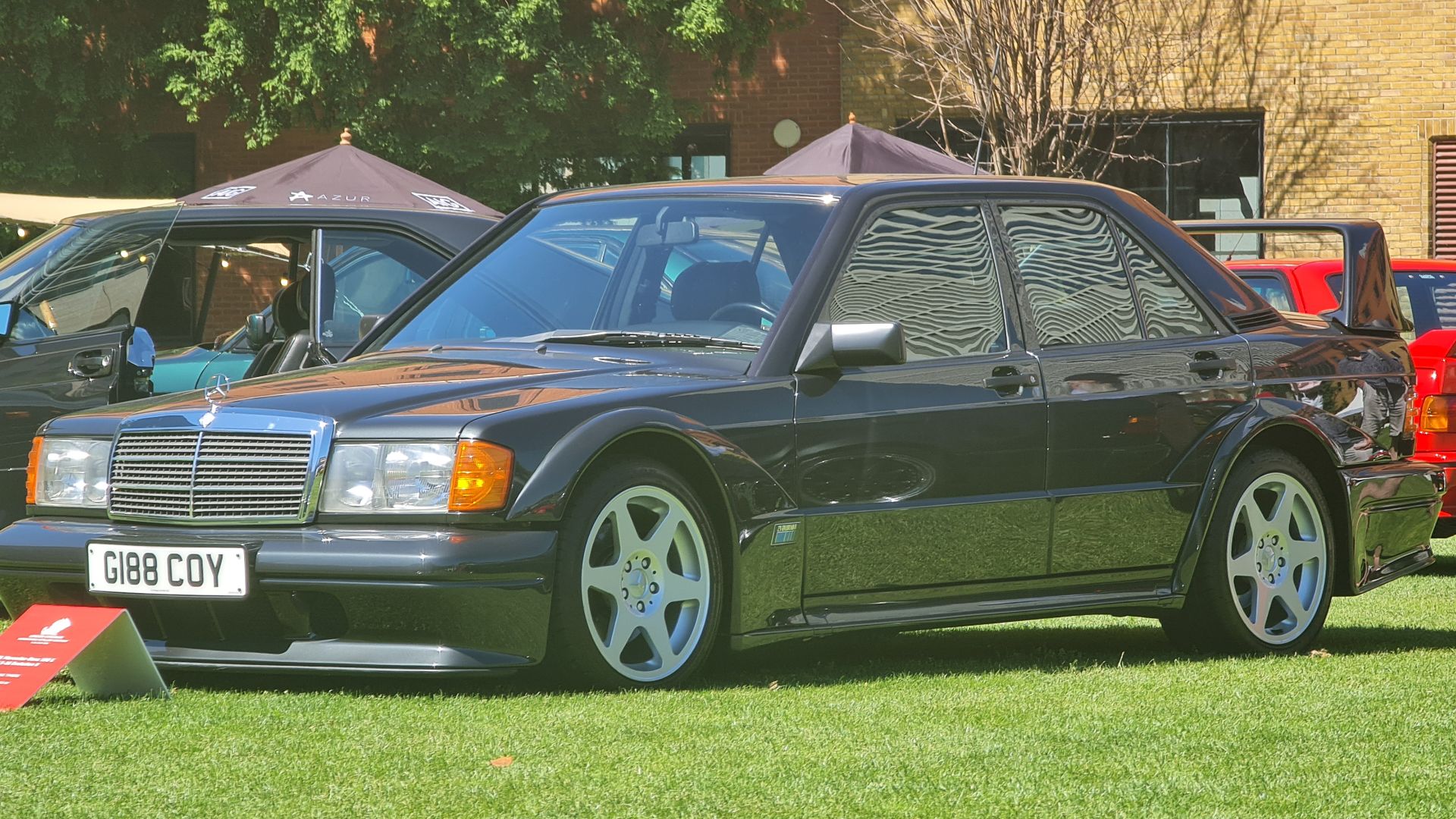
14: Which rare homologation special did Mercedes-Benz build in extremely limited numbers so it could compete in Group A touring car racing during 1990?
A. Mercedes-Benz 190E 2.5-16 Evolution II
B. Mercedes-Benz 560SEC AMG
C. Mercedes-Benz C36 AMG
D. Mercedes-Benz CLK GTR
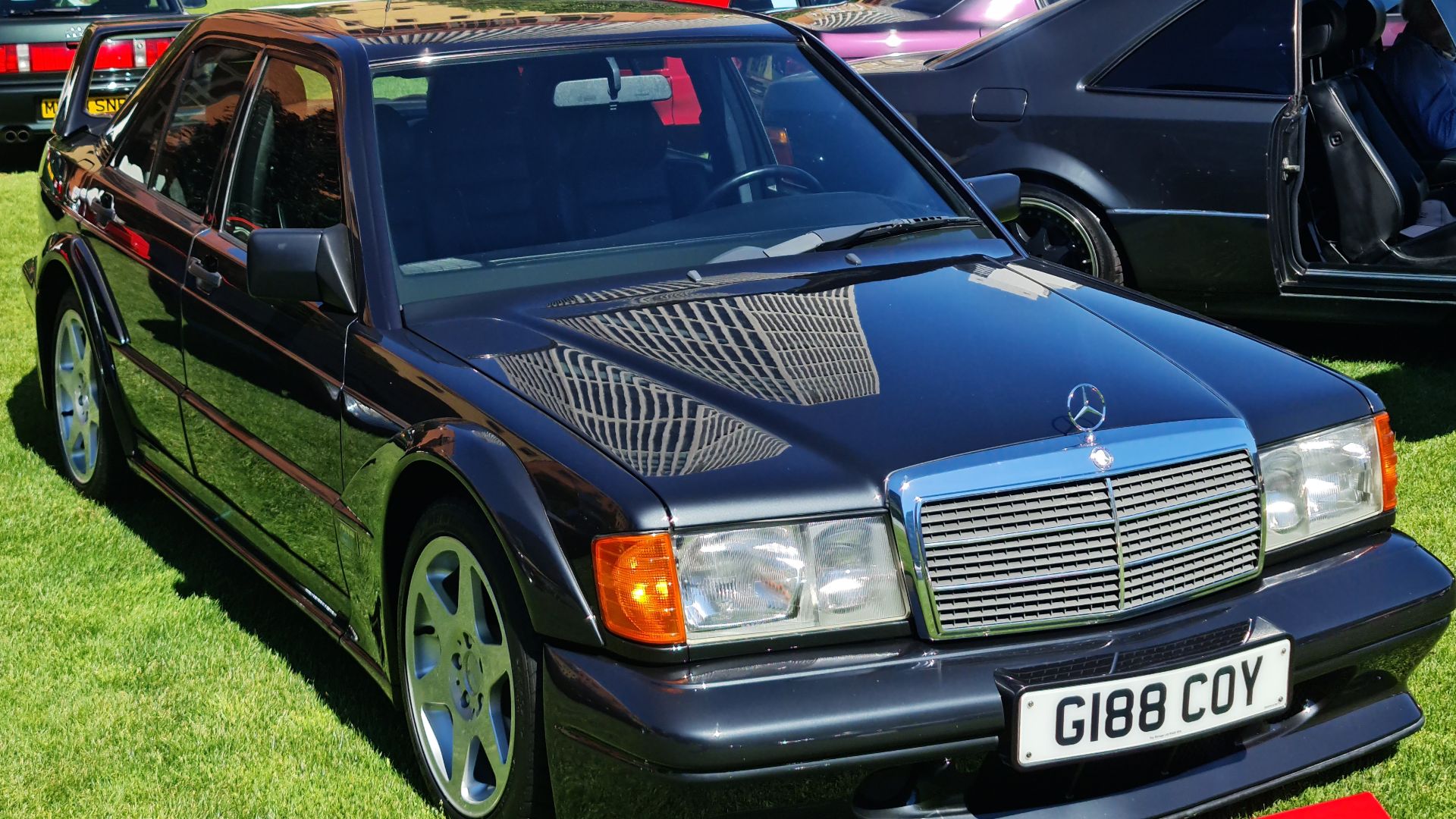
A: Mercedes-Benz 190E 2.5-16 Evolution II
The Evolution II looked completely unhinged for a compact sedan, thanks to its giant rear wing and aggressive aero kit. Mercedes built it specifically for racing homologation, accidentally creating one of the coolest sedans of the entire era.
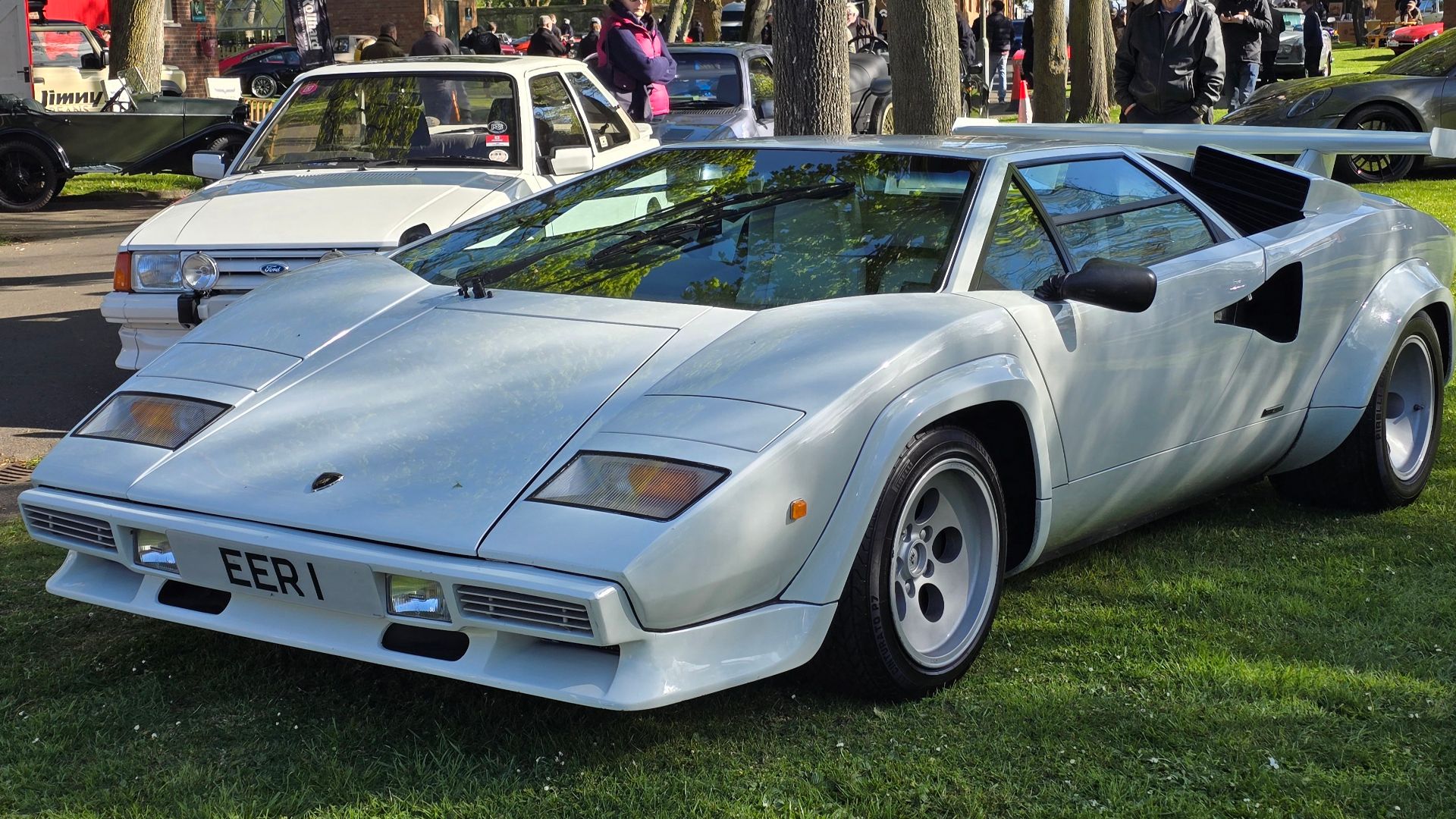
15: Which classic supercar became famous for its dramatic scissor doors during the 1970s?
One wedge-shaped Italian supercar looked so futuristic when it debuted that it practically seemed imported from another planet. Its door design became one of the most copied exotic-car features ever created.
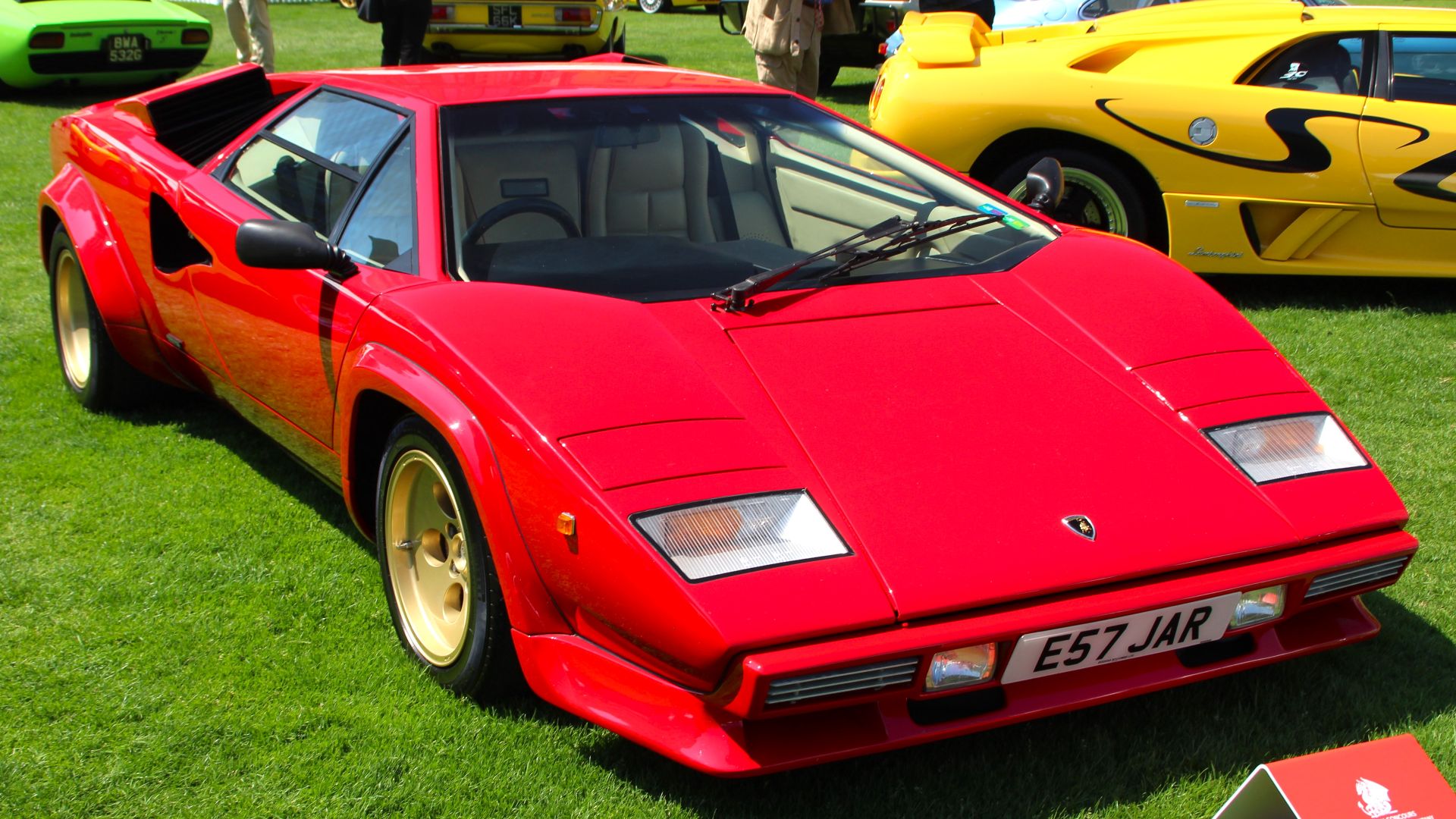
A: Lamborghini Countach
The Lamborghini Countach looked absolutely insane when it debuted. Between the sharp angles, impossible visibility, and dramatic scissor doors, it became the poster car for basically every kid obsessed with supercars in the 80s.
16: Which Ferrari appeared in Ferris Bueller’s Day Off?
One extremely rare European convertible became even more legendary after appearing in a beloved 1980s comedy. Real versions are now worth so much money that collectors get nervous just hearing the movie mentioned.
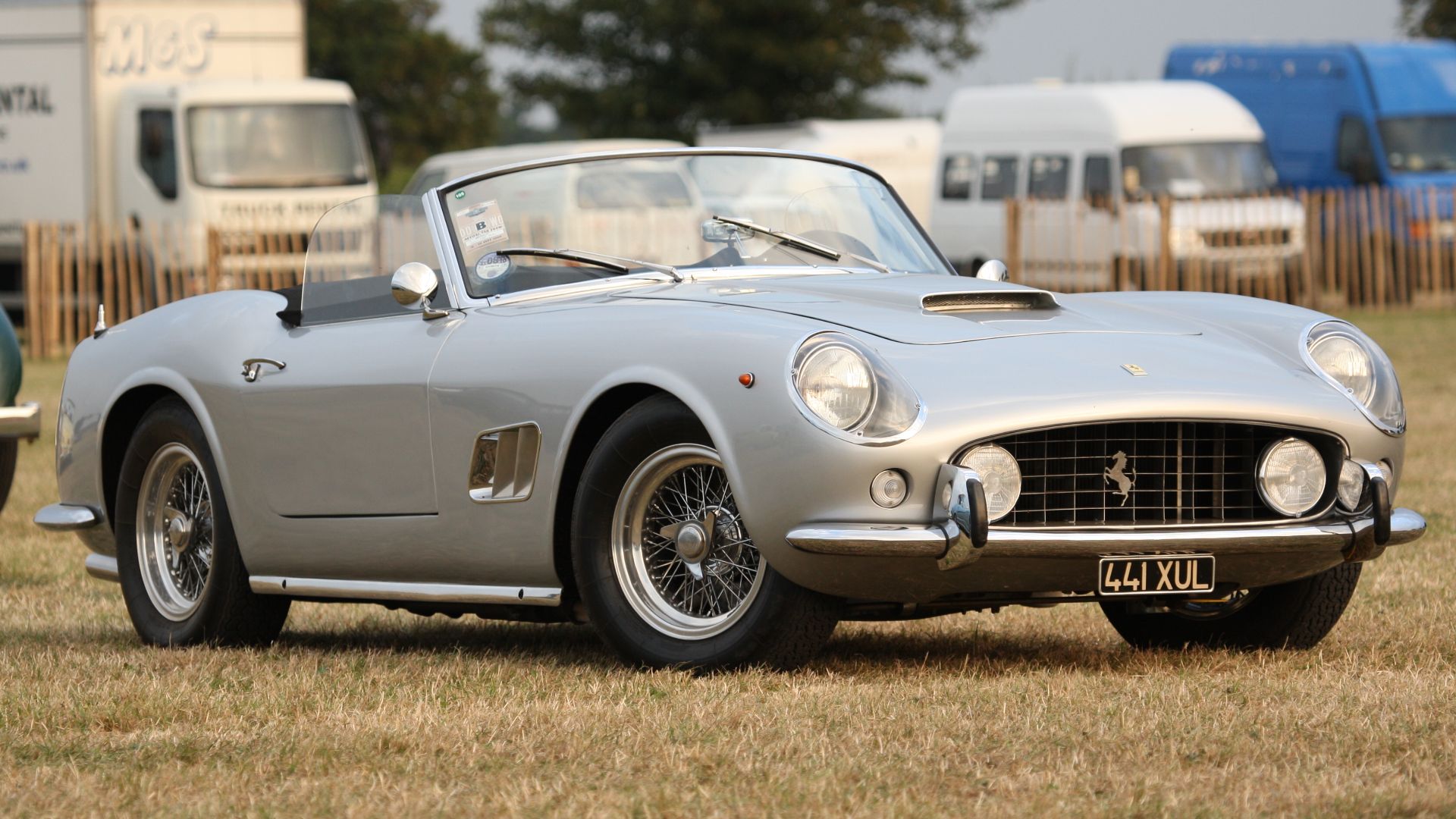
A: Ferrari 250 GT California
The movie famously used replicas because destroying a real Ferrari 250 GT California would’ve caused automotive collectors worldwide to collapse dramatically onto expensive furniture. Authentic versions now sell for staggering amounts of money.
![Ferrari 250 GT California Spyder s/n 1451GT, here at the RM Auction at Monterrey om August 18, 2007, where it was auctioned for USD 5 million.[1]](https://www.factinate.com/storage/app/media/driversdaily/2026/5/14/1778784504fcb4430e03777a370a10f942b5171ae49208b979.jpg) Simon Davison, Wikimedia Commons
Simon Davison, Wikimedia Commons
17: What was the first mass-produced V8-powered car?
A. Cadillac Type 51
B. Ford Model A
C. Packard Twin Six
D. Chrysler Imperial
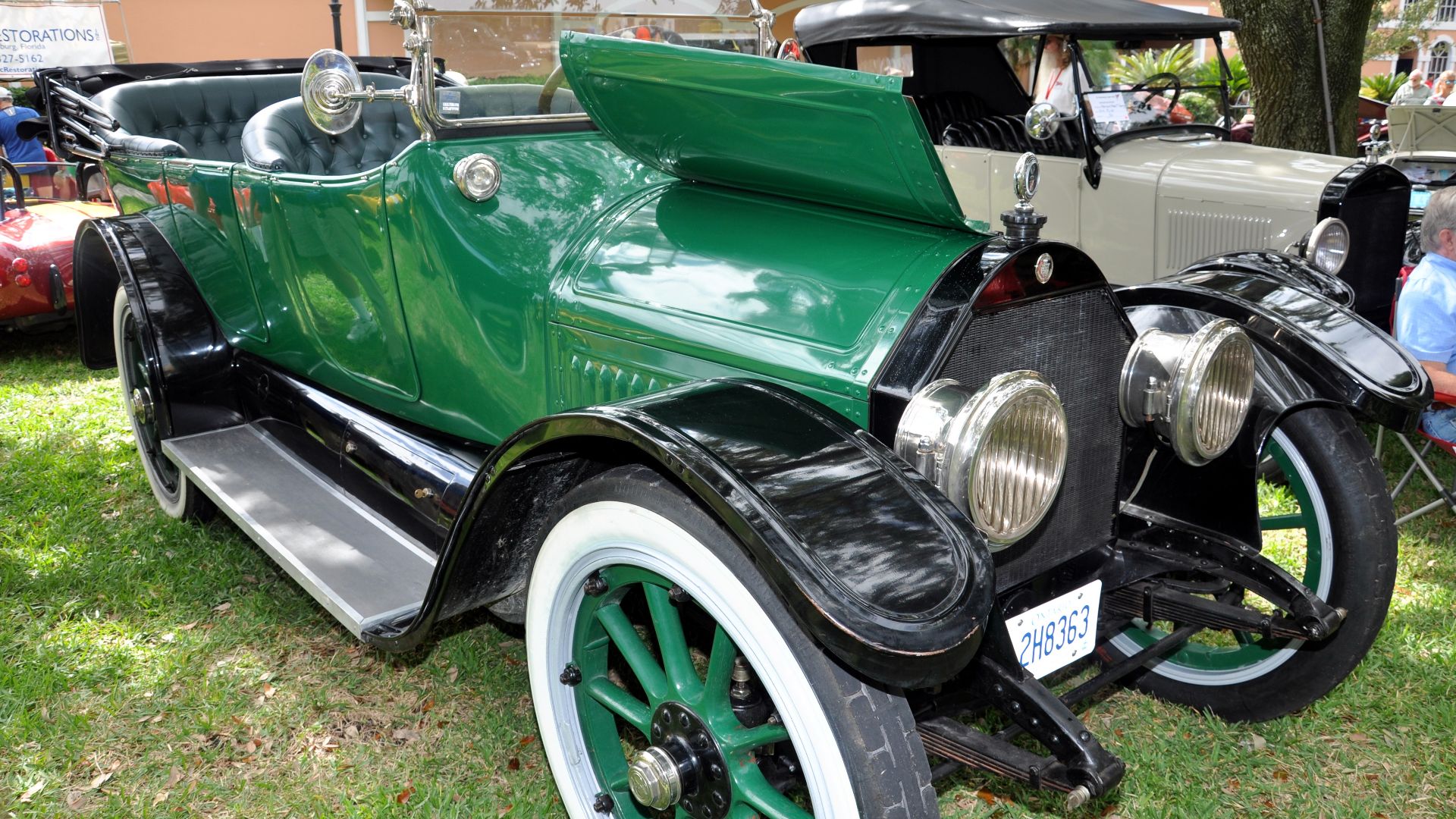 Walter from Tampa/St Petersburg, Florida, Wikimedia Commons
A: Cadillac Type 51
Cadillac introduced the Type 51 in 1915 and completely changed automotive engineering forever. Today V8 engines feel normal, but back then the technology was groundbreaking and helped establish Cadillac as a serious luxury-performance brand.
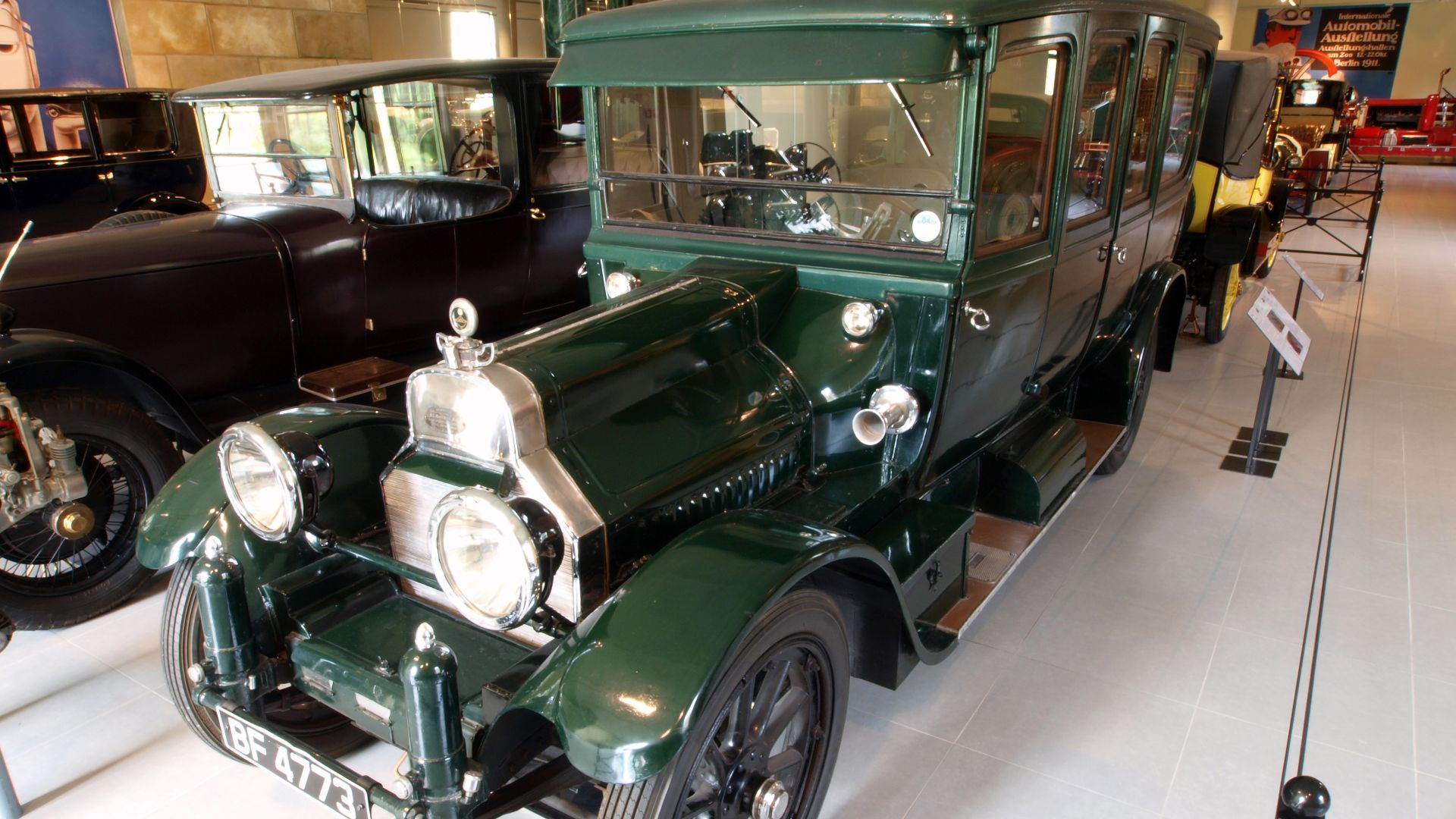
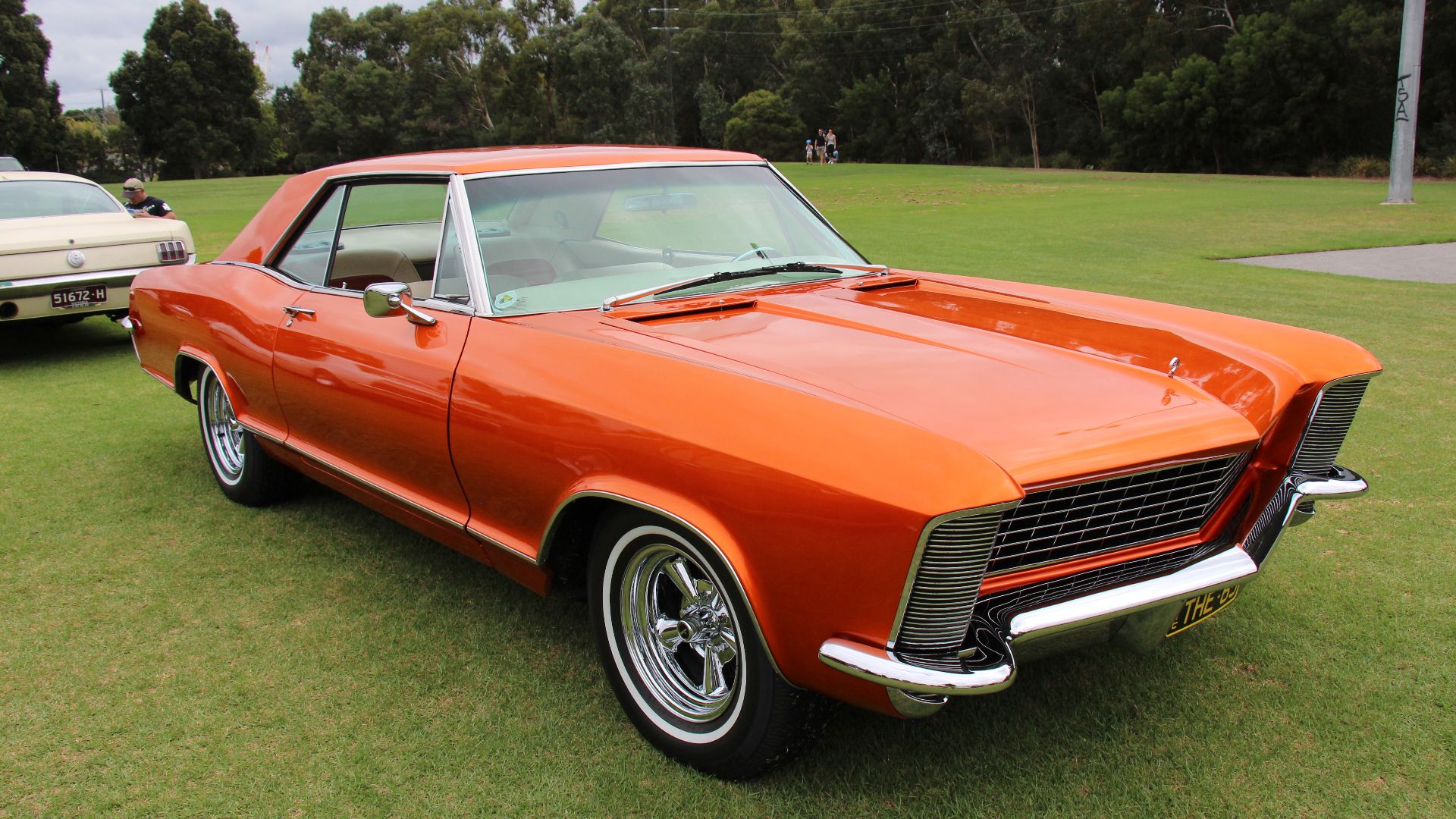
18: Which 1965 American luxury coupe featured famous rotating hidden headlights?
For a while, hidden headlights became one of the coolest styling trends in the industry. One particular luxury coupe became especially famous for a dramatic rotating headlight setup unlike almost anything else on the road.
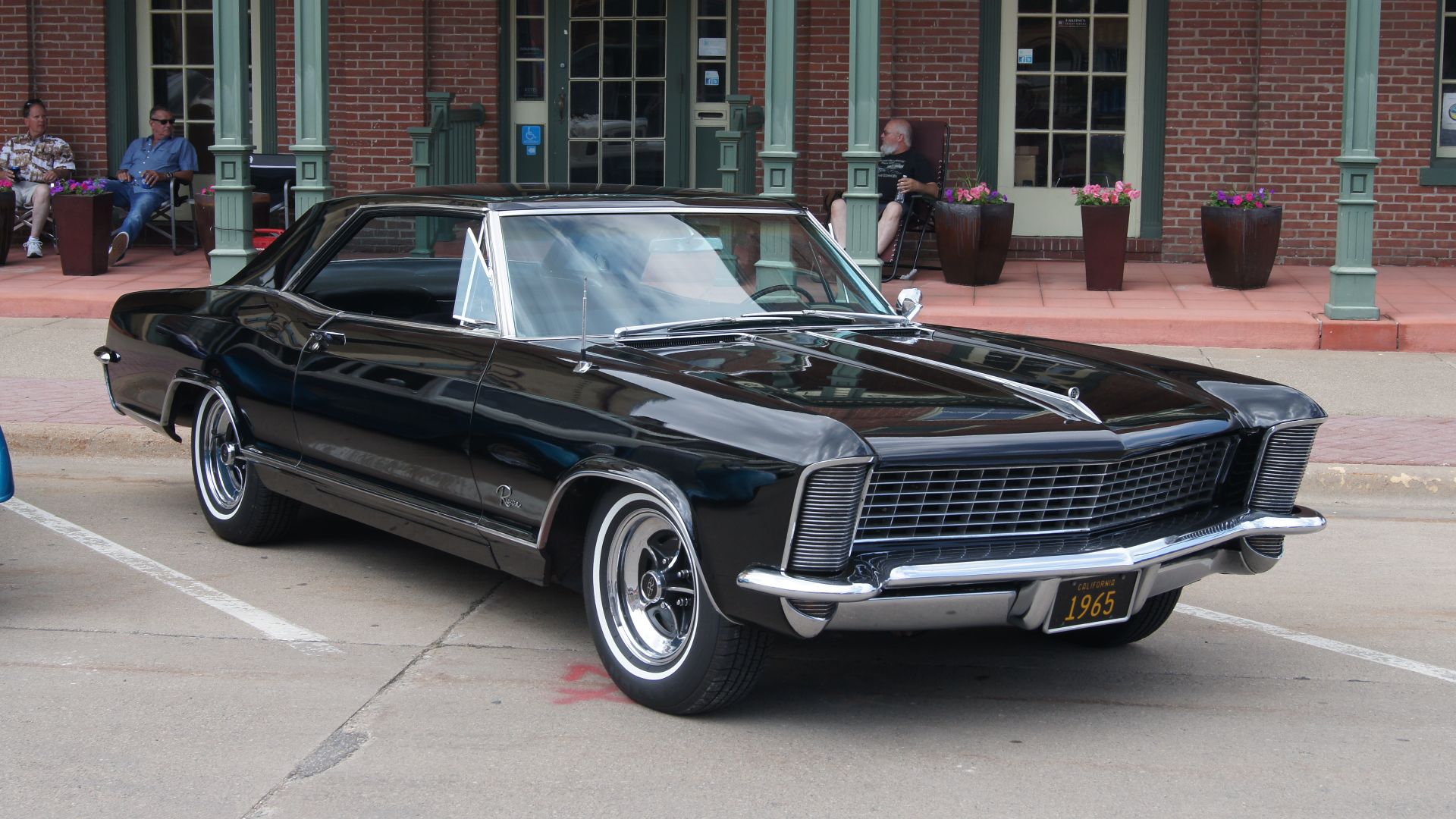 Greg Gjerdingen from Willmar, USA, Wikimedia Commons
A: Buick Riviera
The Riviera’s rotating hidden headlights looked incredibly futuristic during the 1960s. Carmakers became obsessed with hidden headlights for years afterward because apparently every designer collectively decided headlights should make dramatic entrances.
19: True or False
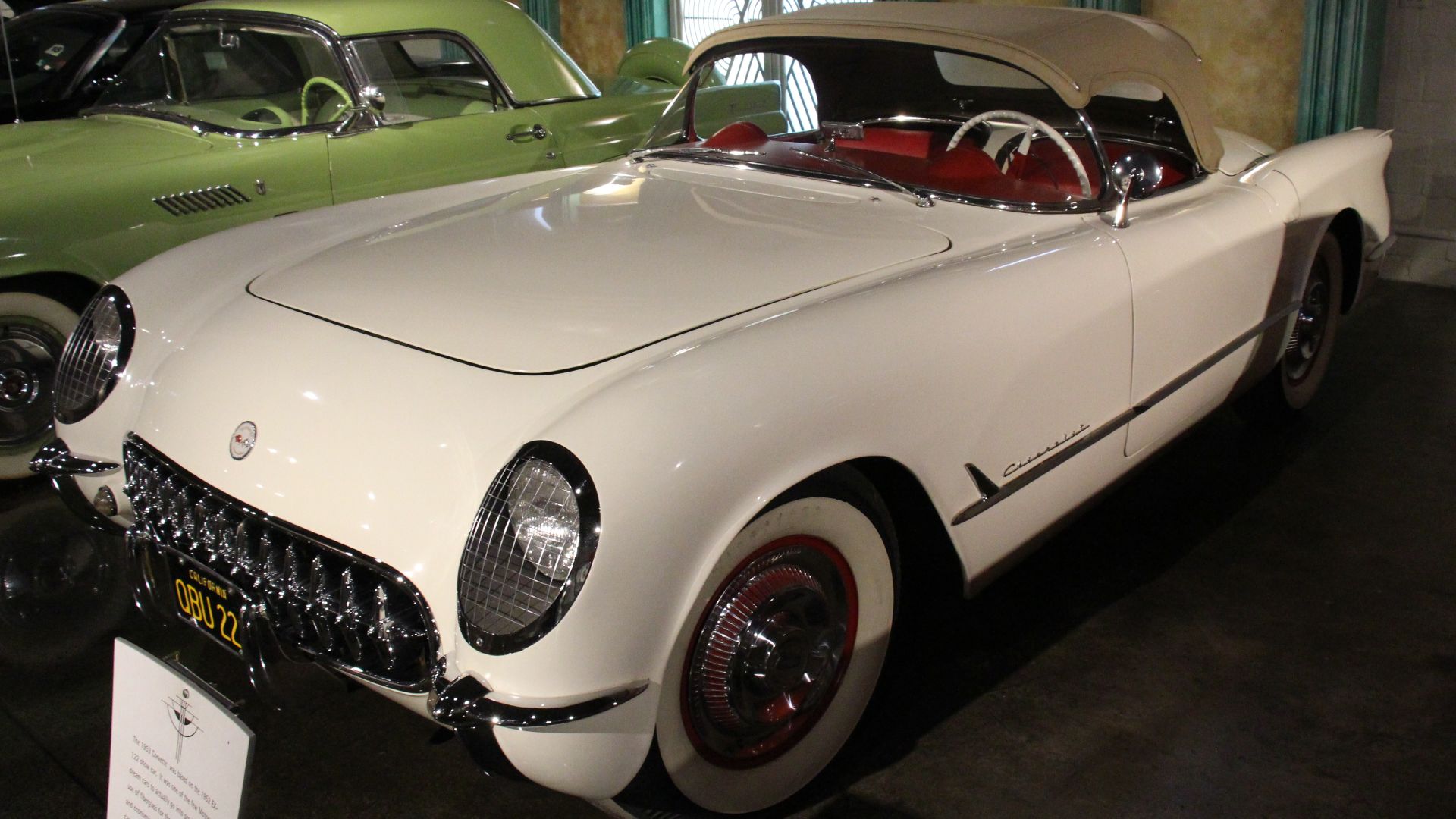
The first-generation Chevrolet Corvette was only available with an automatic transmission when it originally launched.
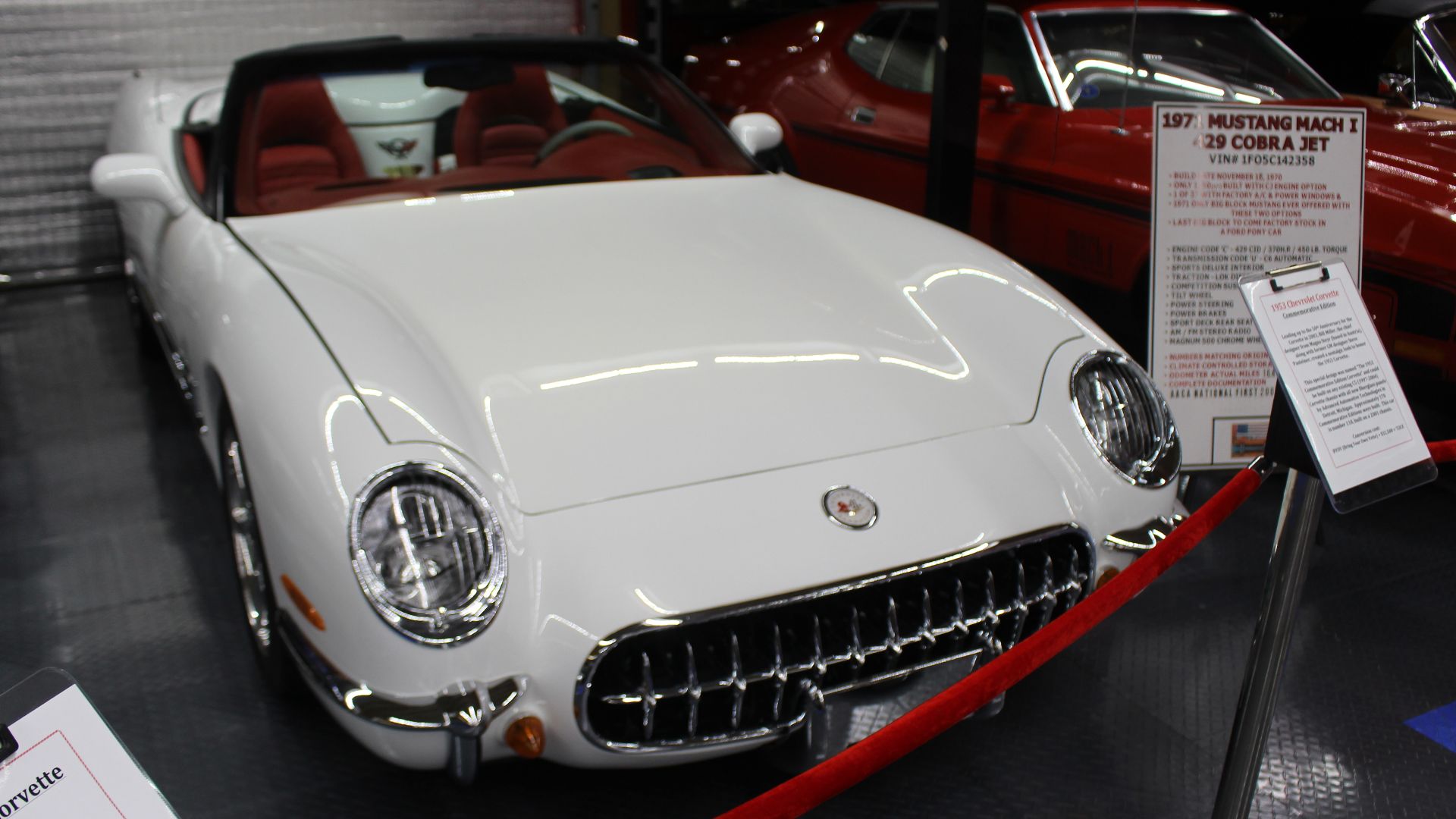 Michael Rivera, Wikimedia Commons
A: True
When the Corvette debuted in 1953, it came only with a two-speed automatic transmission and an inline-six engine. Sports car fans weren’t exactly thrilled, which helps explain why Chevy upgraded things pretty quickly afterward.
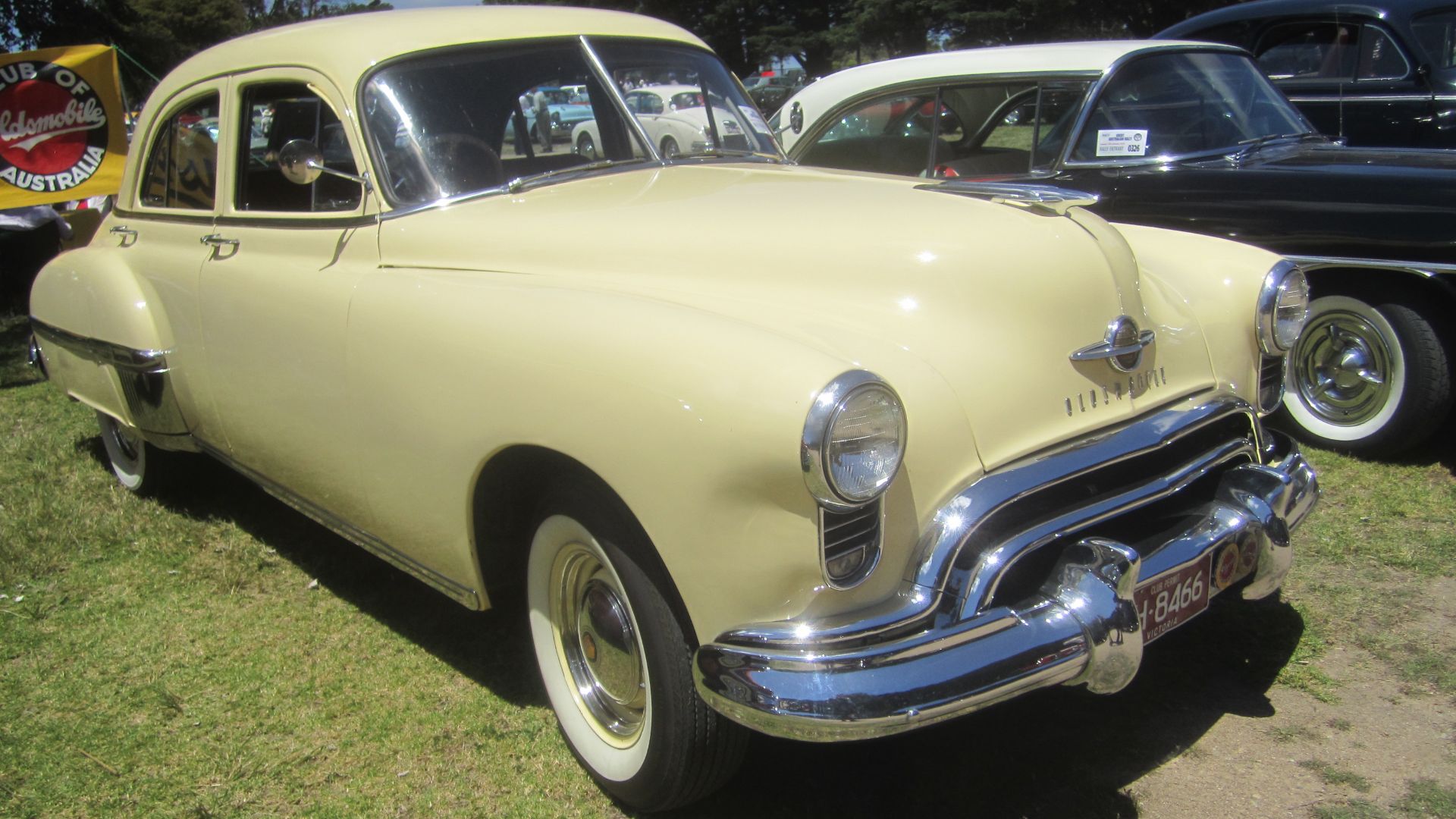
20: Which classic American automaker created the “Rocket” V8 engine?
A. Studebaker
B. Oldsmobile
C. Packard
D. Mercury
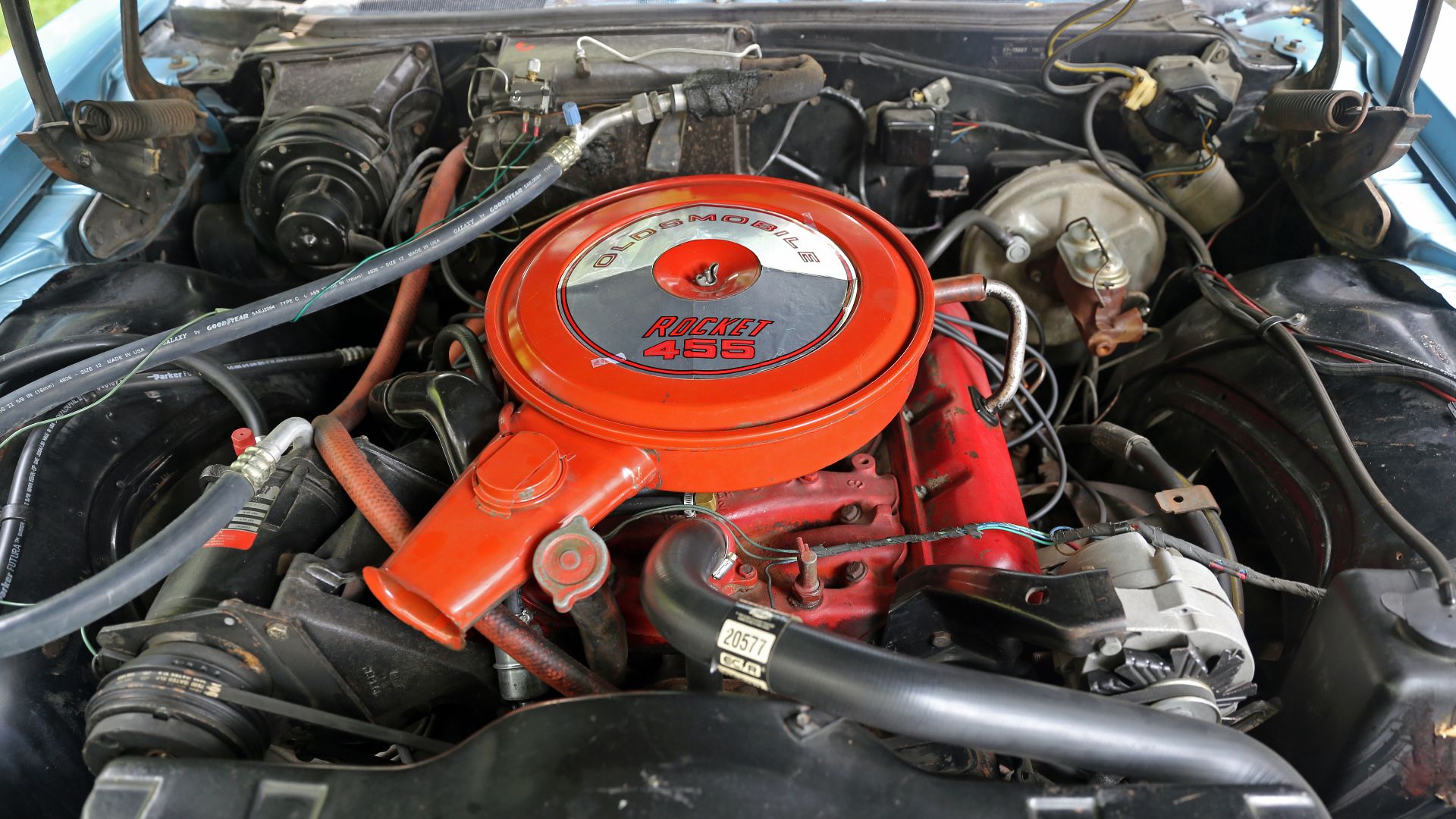 Mr.choppers, Wikimedia Commons
A: Oldsmobile
Oldsmobile’s Rocket V8 became one of the most important early performance engines in American automotive history. It helped kick off the horsepower race years before muscle cars officially took over American streets and highways.
Final Score
0–4 Correct: You think carburetors are kitchen appliances.
5–7 Correct: Respectable. You’d survive a classic car conversation.
8–12 Correct: Nice work. You officially know your classic cars.
13–16 Correct: You probably slow down to admire old cars in random parking lots.
17–20 Correct: Congratulations. Carroll Shelby would absolutely toss you the keys.
 Christian Velitchkov, Unsplash
You Might Also Like:
Classic Muscle Cars That Are Impossible To Find Now—According To Collectors
Pickup Trucks That Were Ahead Of Their Time—Years Before Anyone Noticed






.jpg)