The Surprising Fight Over A Simple Car Wash
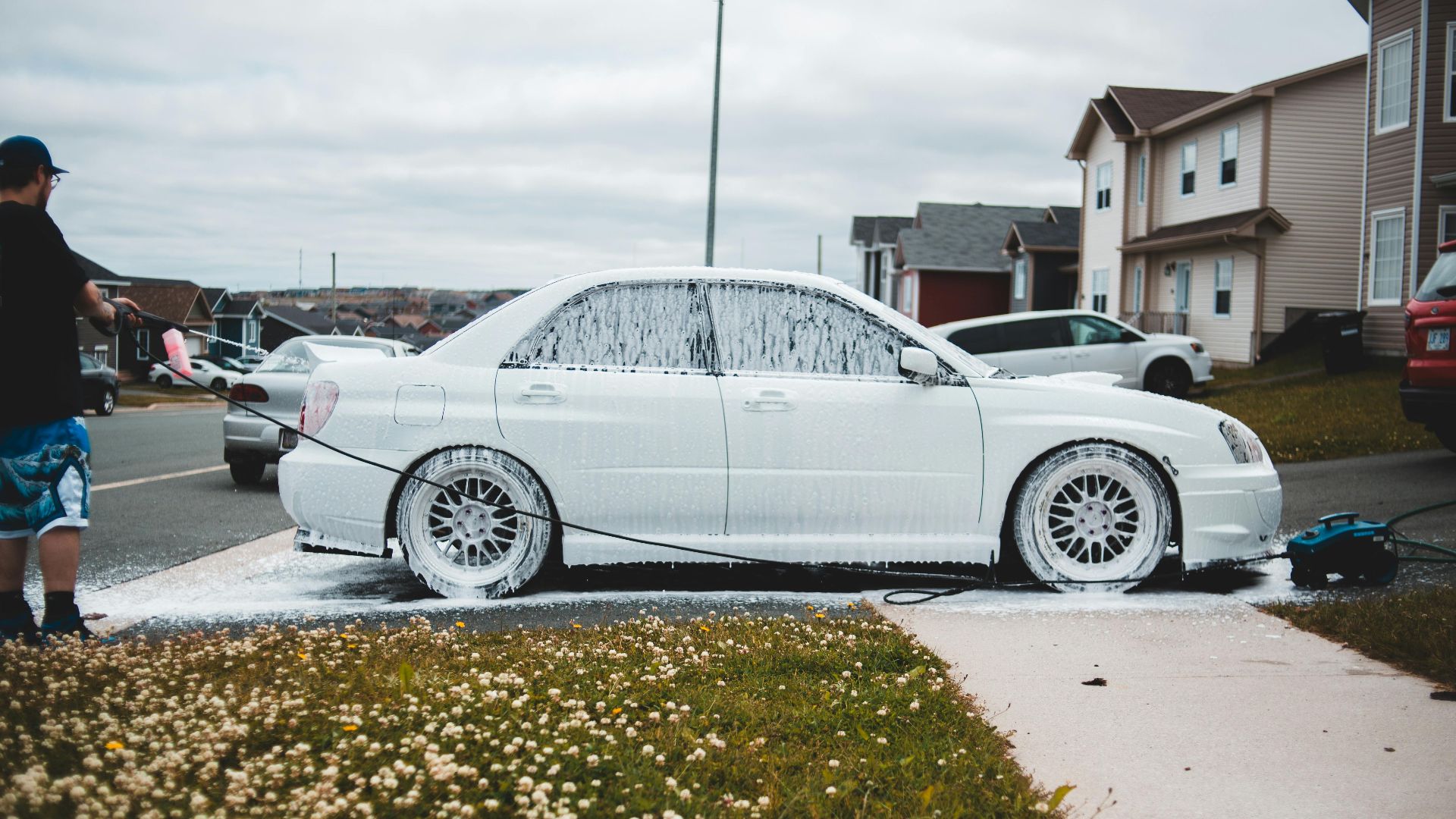
A lot of us who care about our cars know that a hand wash is the most reliable way to get it clean. But what if your HOA suddenly says no? It sounds petty, but unfortunately, in many cases, there isn't actually anything you can do.
Why This Question Comes Up So Often
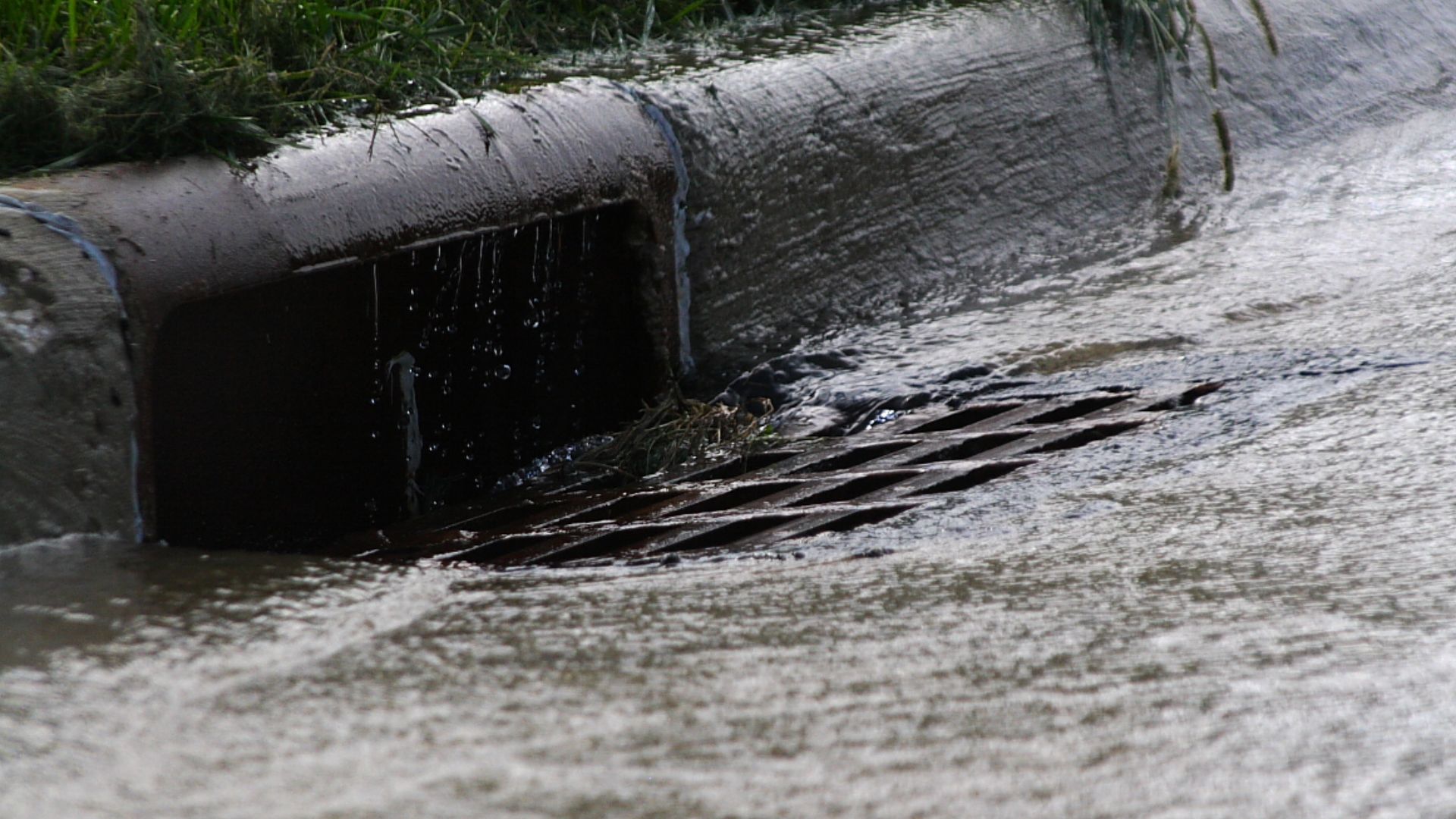
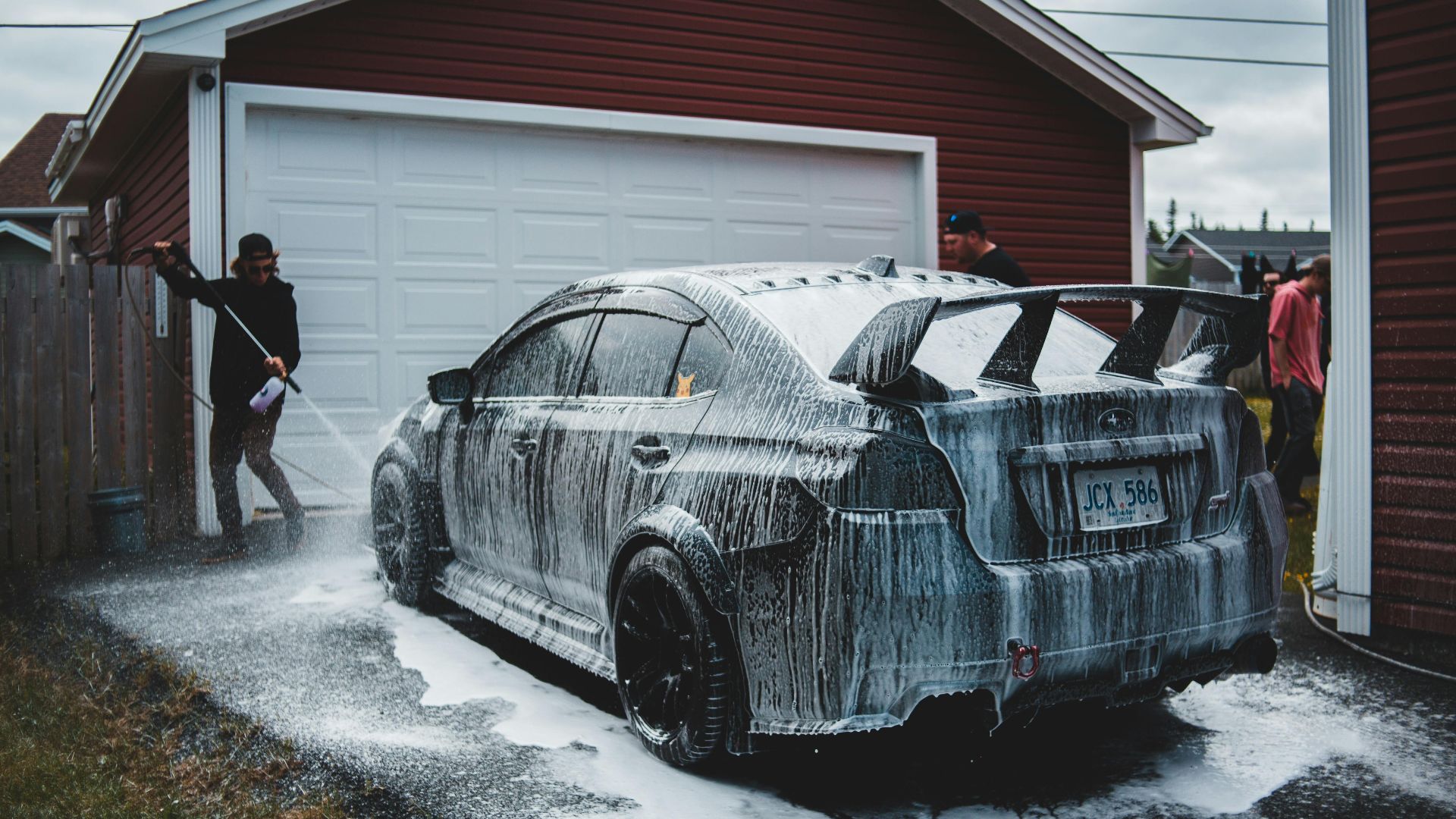
A lot of homeowners assume their driveway is their business. But HOAs often regulate visible activity on private property if their governing documents let them. Car washing becomes a common flashpoint because the water rarely stays put. It usually runs into the street and then into storm drains.
What Runoff Rules Are Really About
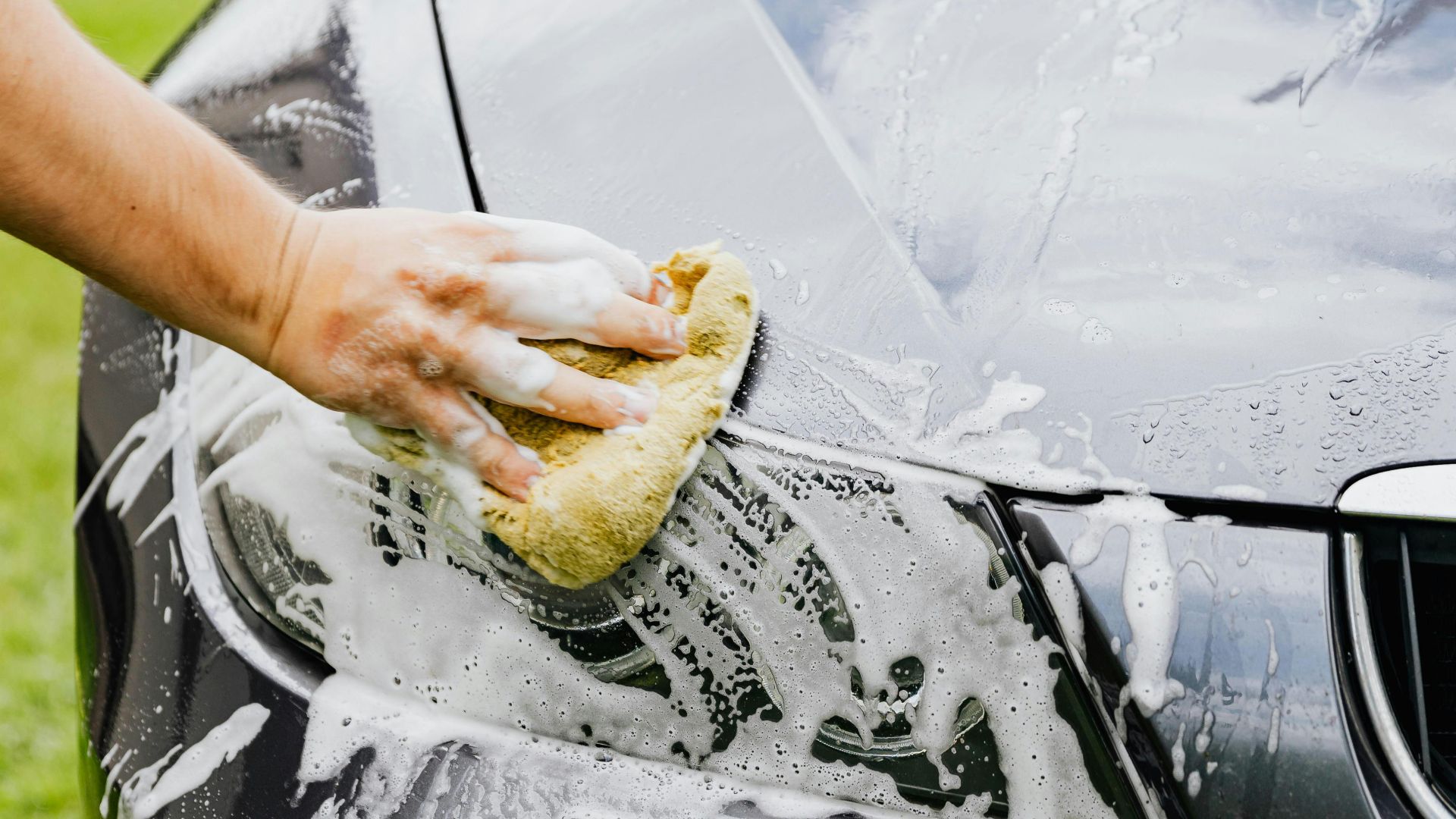
In most communities, storm drains do not send water to a treatment plant. They often empty straight into local creeks, rivers, lakes, or coastal waters. The U.S. Environmental Protection Agency has long warned that car wash runoff can carry detergents, oil, grease, metals, and dirt into those waterways.
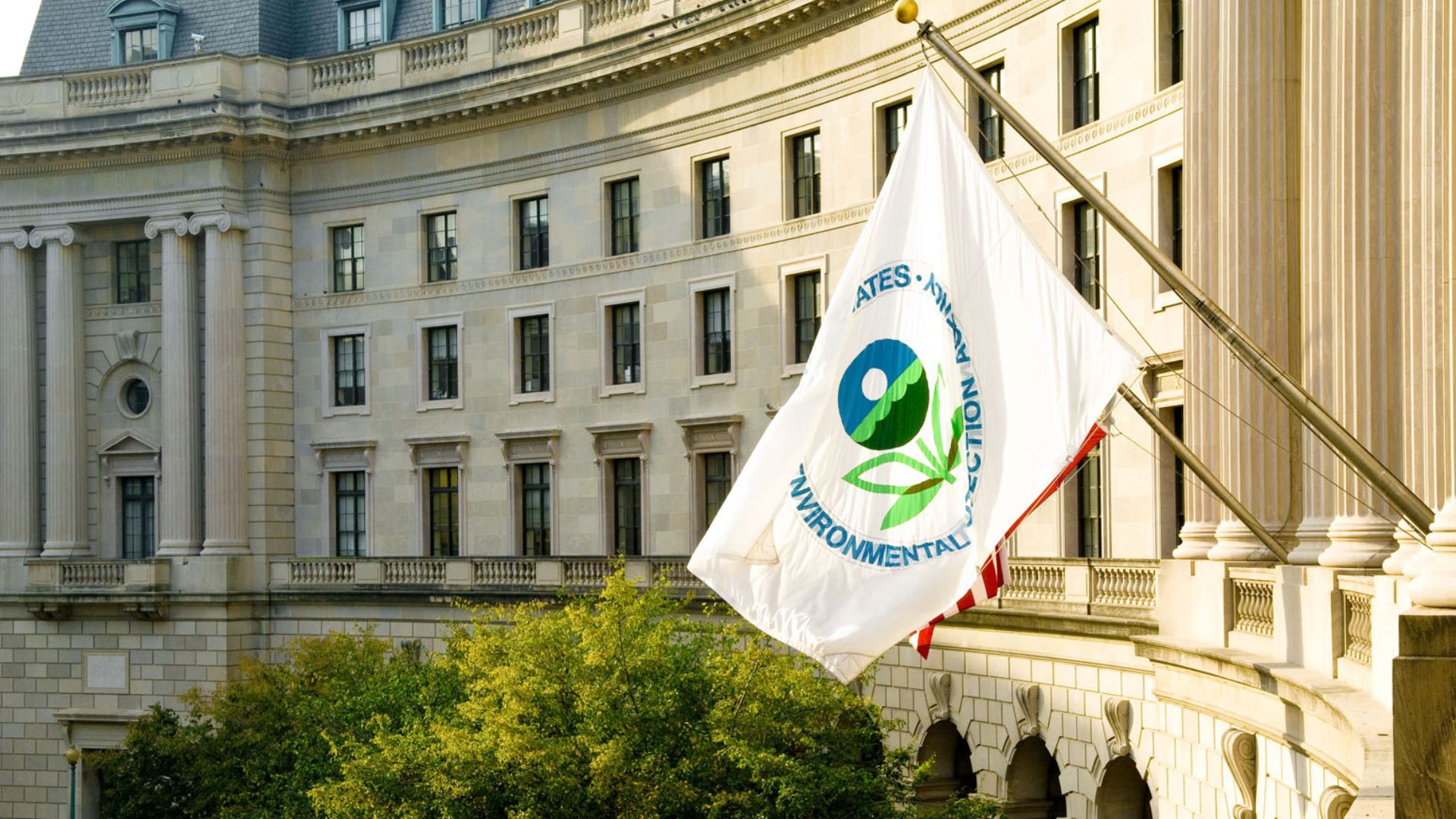 USEPA Environmental-Protection-Agency, Wikimedia Commons
The Federal Rule In The Background
The Clean Water Act is the big federal law behind many local runoff restrictions. The modern stormwater permit system grew through EPA rules in the early 1990s, including the National Pollutant Discharge Elimination System program for municipal separate storm sewer systems. That matters because cities and counties are required to control what goes into storm drains, and HOAs often copy or back up those restrictions.
 eberhard grossgasteiger, Pexels
EPA Has Been Clear About Car Wash Runoff
EPA guidance on pollution prevention has specifically flagged vehicle washing as a source of polluted runoff. The agency recommends using commercial car washes when possible because many of those facilities send water to sanitary sewers or recycle it. That guidance reflects years of stormwater enforcement by federal, state, and local agencies.

Commercial Car Washes Usually Have An Edge
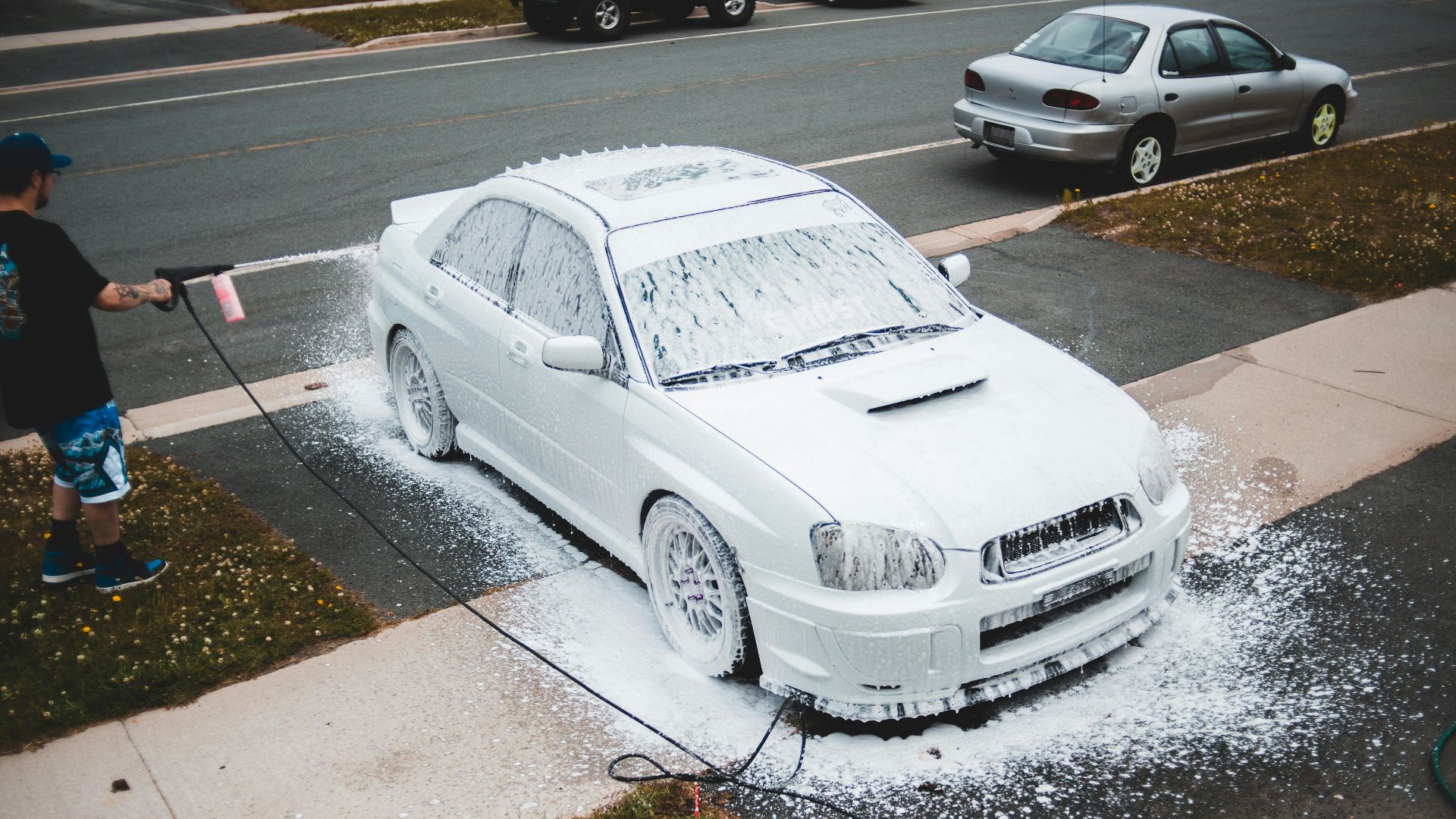
The International Carwash Association has long pointed to one key difference between driveway washing and professional facilities. Professional car washes often send wastewater into sanitary sewer systems, where it can be treated under local sewer rules. A driveway wash that runs into the gutter can skip treatment entirely.
Why HOAs Care Even If The City Has The Main Rule
An HOA does not need to invent environmental law to make this an issue. If the recorded covenants, conditions, and restrictions, or the association rules, ban activities that create nuisance conditions, break the law, or cause drainage problems, the HOA may try to enforce those provisions. Whether it can actually do that depends on the exact wording in the documents and whether the rule was properly adopted.

Enforceable Usually Starts With The Governing Documents
The first place to look is your HOA declaration, CC&Rs, bylaws, and rules handbook. In many states, those documents work like a contract between owners and the association. If they clearly restrict vehicle washing, discharge into streets, or activities that violate environmental rules, enforcement is much more likely to hold up.

State HOA Laws Matter Too
States often have laws that govern common-interest communities and homeowner associations. Those laws usually cover notice, rulemaking, hearings, fines, and owner rights. So the question is not just whether the HOA dislikes driveway washing. It is whether the association followed the procedures required by state law and its own documents.

A Rule Cannot Be Made Up On The Spot
If the HOA board or a manager simply announced a ban without authority, that is a warning sign. Many associations have to adopt rules at an open meeting, give notice, and tie the rule to powers already granted in the declaration or bylaws. If that process did not happen, the rule may be much harder to enforce.

General Clauses Can Still Have Teeth
Some HOAs do not mention car washing by name. Instead, they rely on broad clauses about nuisances, environmental compliance, or actions that damage common property or neighboring lots. Courts often look at whether a rule is reasonable and tied to a legitimate association interest, not just whether the exact activity is spelled out.
Local Law Can Make The HOA's Case Stronger
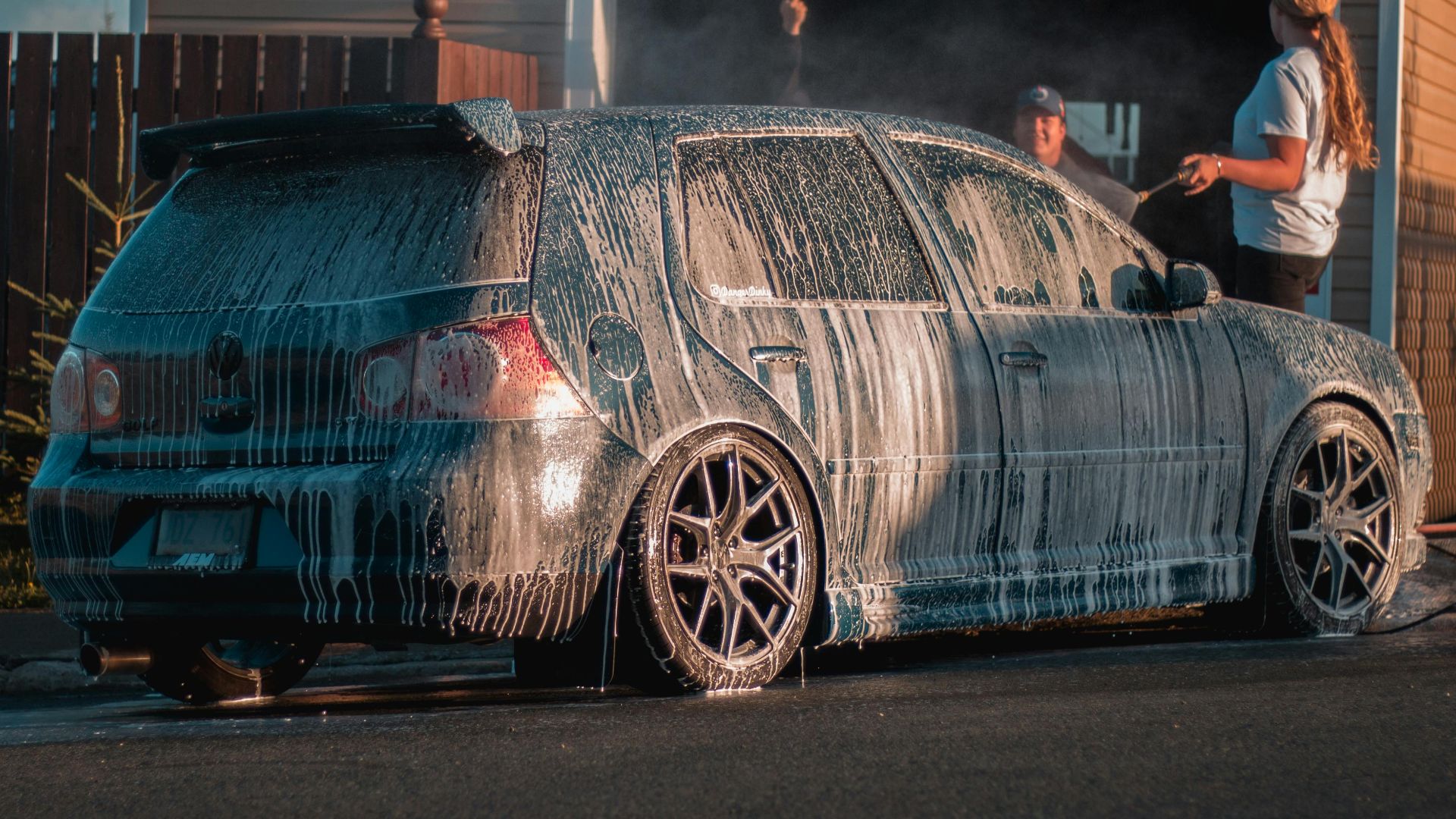
If your city or county already restricts wash water from entering storm drains, the HOA has a stronger argument. In that situation, the association can say it is not making up a random lifestyle rule. It is trying to enforce compliance with local law and protect the community from violations or liability.

Some Cities Spell It Out Plainly
Stormwater programs around the country tell residents not to let soapy wash water flow into streets or storm drains. Local public works and environmental agencies often advise people to wash vehicles on permeable surfaces like lawns or take them to a commercial car wash. The reason is simple: storm drains often lead directly to natural waterways.
California Is A Good Example Of The Trend
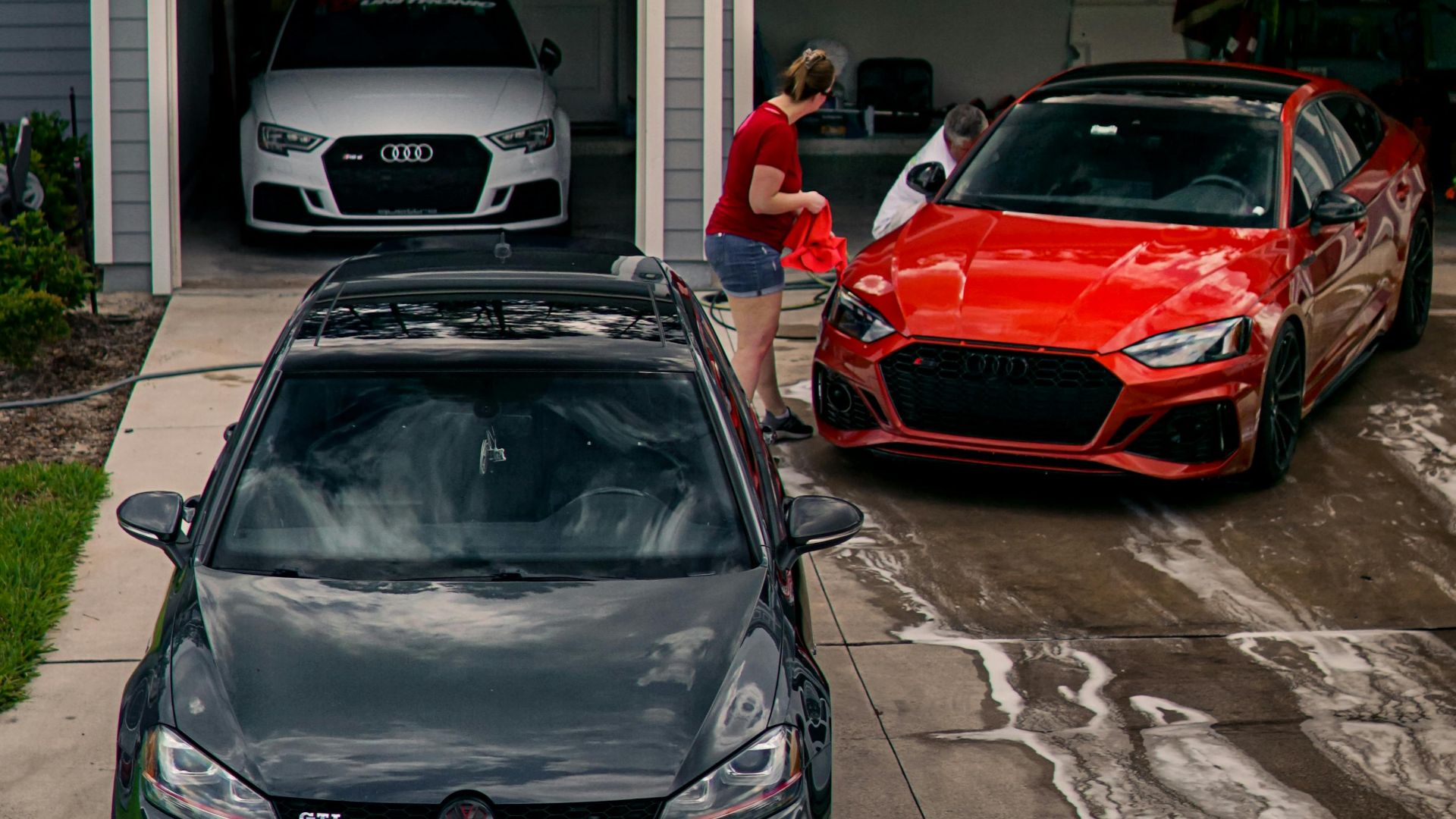
California water boards and many local stormwater agencies have spent years discouraging driveway car washing that sends water into the gutter. In many places, residents are told to use a commercial facility or wash on a surface that absorbs water. That does not automatically mean every HOA ban is valid, but it helps explain why many of them exist.

Florida Communities Often See Similar Rules
Florida stormwater guidance also stresses that anything entering a storm drain can reach natural waters without treatment. Because of that, local codes and community rules often target soaps, chemicals, and runoff from vehicle washing. In an HOA dispute, that wider legal backdrop can matter a lot.
 Robert Lawton, Wikimedia Commons
What If The HOA Mentions Water Conservation Too
Sometimes runoff is only part of the issue. During droughts or local water restrictions, associations may also point to city or utility limits on hose use or outdoor water waste. If local water-use restrictions are in effect, the HOA may have more support for its position.

But Enforceable Does Not Mean Unlimited
HOAs are not all-powerful. Courts and state laws often require rules to be reasonable, consistently enforced, and within the authority granted by the governing documents. A vague demand from a board member is not the same as a valid, enforceable restriction.

Selectively Enforced Rules Can Be Challenged
If your HOA penalizes you but ignores identical driveway washing by other residents, that could matter. Selective enforcement arguments come up often in HOA disputes. The facts need to be strong, but inconsistent enforcement can weaken the association's case.

Look Closely At The Exact Wording
There is a big difference between a rule that says no vehicle washing anywhere on a lot and a rule that says no discharge into streets, gutters, or storm drains. The first is broader and more intrusive. The second is easier for an HOA to defend because it directly targets the runoff problem.

Your Driveway Surface Could Change The Analysis
Some environmental guidance draws a line between washing on an impermeable driveway and washing on gravel or another permeable area where water can soak in. If your method keeps water out of the gutter, the HOA's argument may be less persuasive. Still, the governing documents may allow a broader restriction than local law would require on its own.

Soap Choice Is Not A Magic Loophole
People often assume biodegradable soap solves the problem. It does not necessarily make storm drain discharge acceptable. Stormwater guidance regularly warns that even biodegradable products, along with dirt, oil, and metals from the vehicle itself, can harm waterways.
Can The HOA Fine You Over It
Often yes, but only if the governing documents and state law allow fines and the association follows the required steps. That usually means notice of the claimed violation and a chance for a hearing or response. An HOA that skips those steps may have trouble collecting the fine or defending it later.

Can They Force You To Stop Immediately
They may send a violation letter or demand compliance right away, but stronger enforcement usually takes a process. In more serious cases, an association can seek an injunction in court if its documents and state law allow that remedy. Whether that happens over occasional driveway washing depends on the facts and how aggressive the HOA wants to be.

What To Do Before You Push Back
Start by asking for the exact rule in writing. Request the specific section of the declaration, rules, architectural guidelines, or local ordinance the HOA says you violated. That is the fastest way to find out whether you are dealing with a real enforceable policy or a bluff dressed up as authority.

Check The City's Stormwater Rules Yourself
Do not stop with the HOA letter. Look up your city or county stormwater pages and any municipal code language on illicit discharges, non-stormwater discharge, or vehicle washing. If local law clearly bans runoff into the street, compliance may be smarter than a drawn-out fight.

Try A Practical Middle Ground
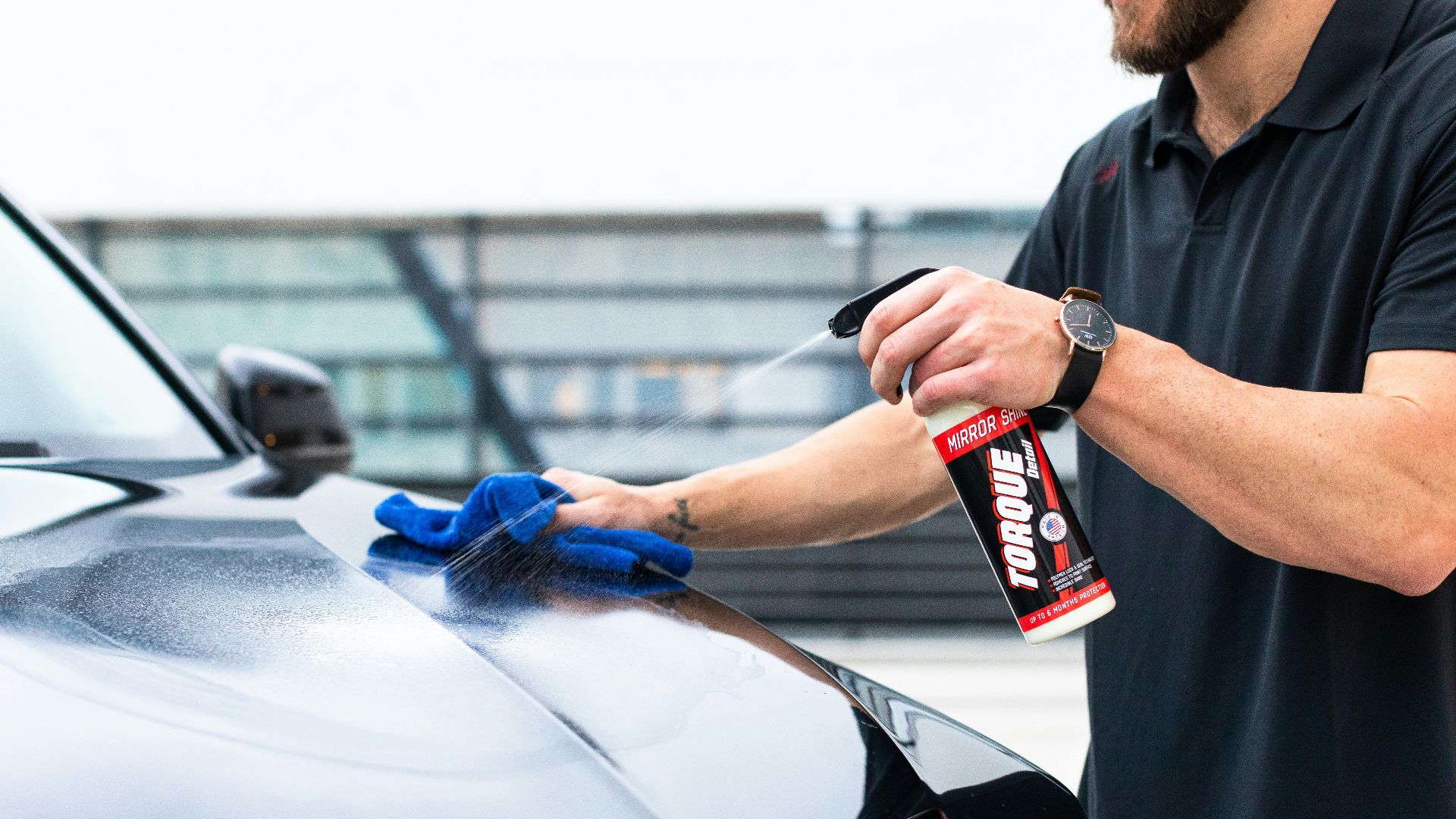
If runoff is the real issue, offer a runoff-free method. You might use a commercial car wash, a rinseless wash product, or wash on a surface where water does not reach the storm drain, if local rules allow it. A practical fix often ends the dispute faster than a legal showdown.
When It Makes Sense To Challenge The HOA
A challenge may be worth it if the HOA cannot point to a valid rule, adopted the rule the wrong way, or is enforcing it unevenly. It may also make sense to push back if the demand goes beyond local law and beyond the association's actual powers. In those cases, talking with a local HOA attorney may save time, money, and frustration.

The Bottom Line On Whether It Is Enforceable
Yes, an HOA rule against washing your car in your own driveway can be enforceable, but not automatically and not in every version. The strongest cases are the ones where the governing documents authorize the rule, the HOA adopted it properly, and local stormwater laws support it. The weakest cases are vague threats with no written rule, no process, and no legal basis beyond somebody's personal preference.