
You Sold The House… So Where Do You “Live” Now?
You ditched the house, hit the road, and now your home has wheels. Sounds freeing—until someone asks where you actually live. Do you still have residency somewhere, or does that disappear the second you go full-time RV?

So… Do You Automatically Lose Residency?
Short answer: no, you don’t automatically lose residency. Selling your house doesn’t instantly cancel your legal residence. But—and this is where it gets tricky—residency depends on what state you claim and maintain ties to.

Residency Isn’t Just About Property
Owning a home helps, but it’s not required for residency. States look at things like your driver’s license, voter registration, and where you receive mail. Your “paper trail” matters more than your physical address.

What States Actually Care About
States want to know where you legally belong for taxes, voting, and licensing. If you’re living in an RV, they’ll look at your official connections—not where you parked last night.

The Concept of “Domicile”
Here’s the key term: domicile. That’s your permanent legal home base, even if you’re traveling. You can only have one domicile at a time, and it’s what determines your residency status.

You Have To Choose a Home Base
Full-time RVers usually pick a state to call home. This becomes your domicile, even if you’re rarely there. It’s a deliberate choice—not something that happens automatically.

Popular States for RV Residency
Some states are RV-friendly, like Texas, Florida, and South Dakota. They make it easier to establish residency without a traditional home, often with simple requirements and lower taxes.
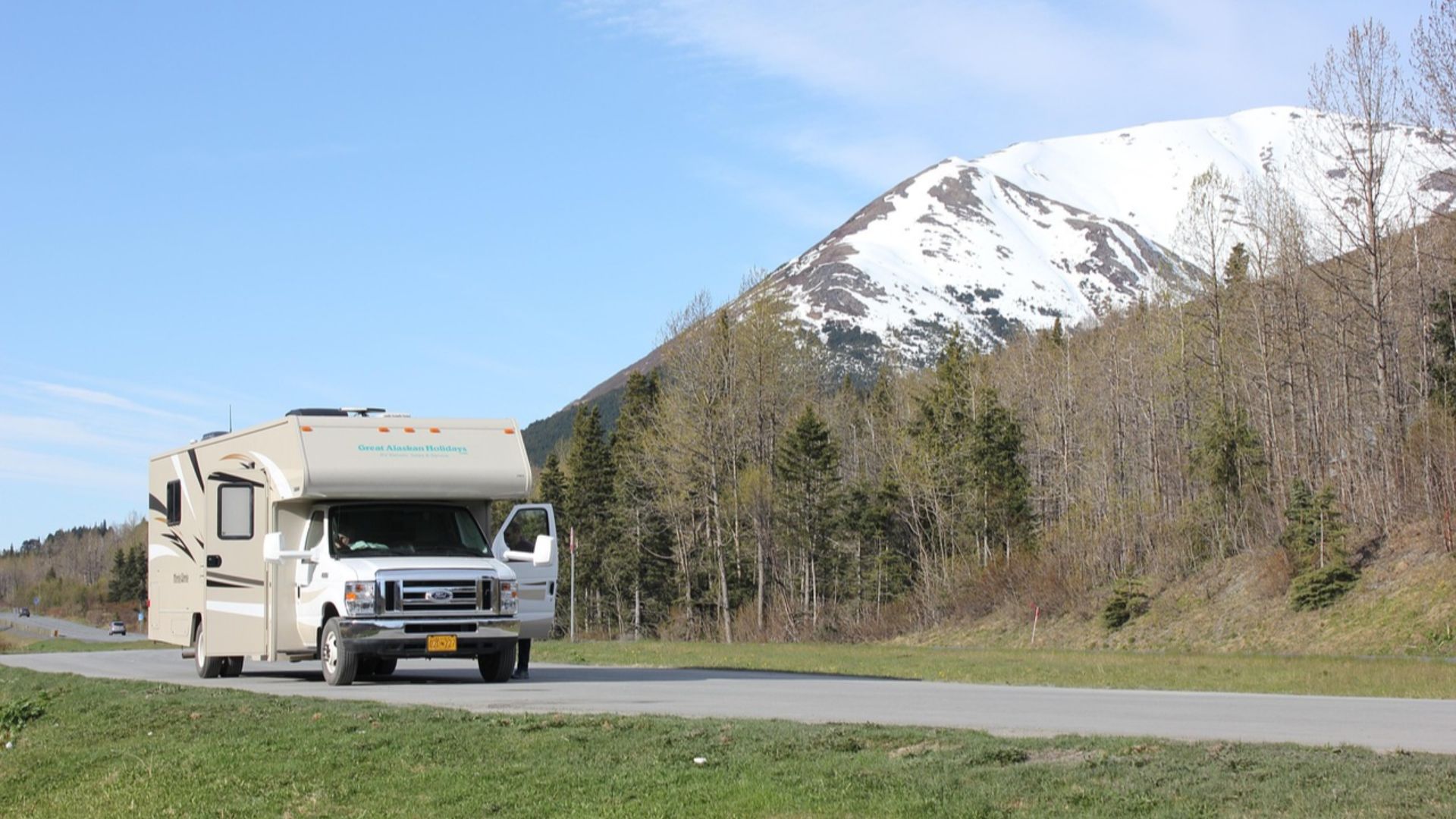
Mail Forwarding Services—The RV Hack
Many RVers use mail forwarding services as their legal address. These services give you a physical address you can use for licenses, registration, and banking—without owning property.

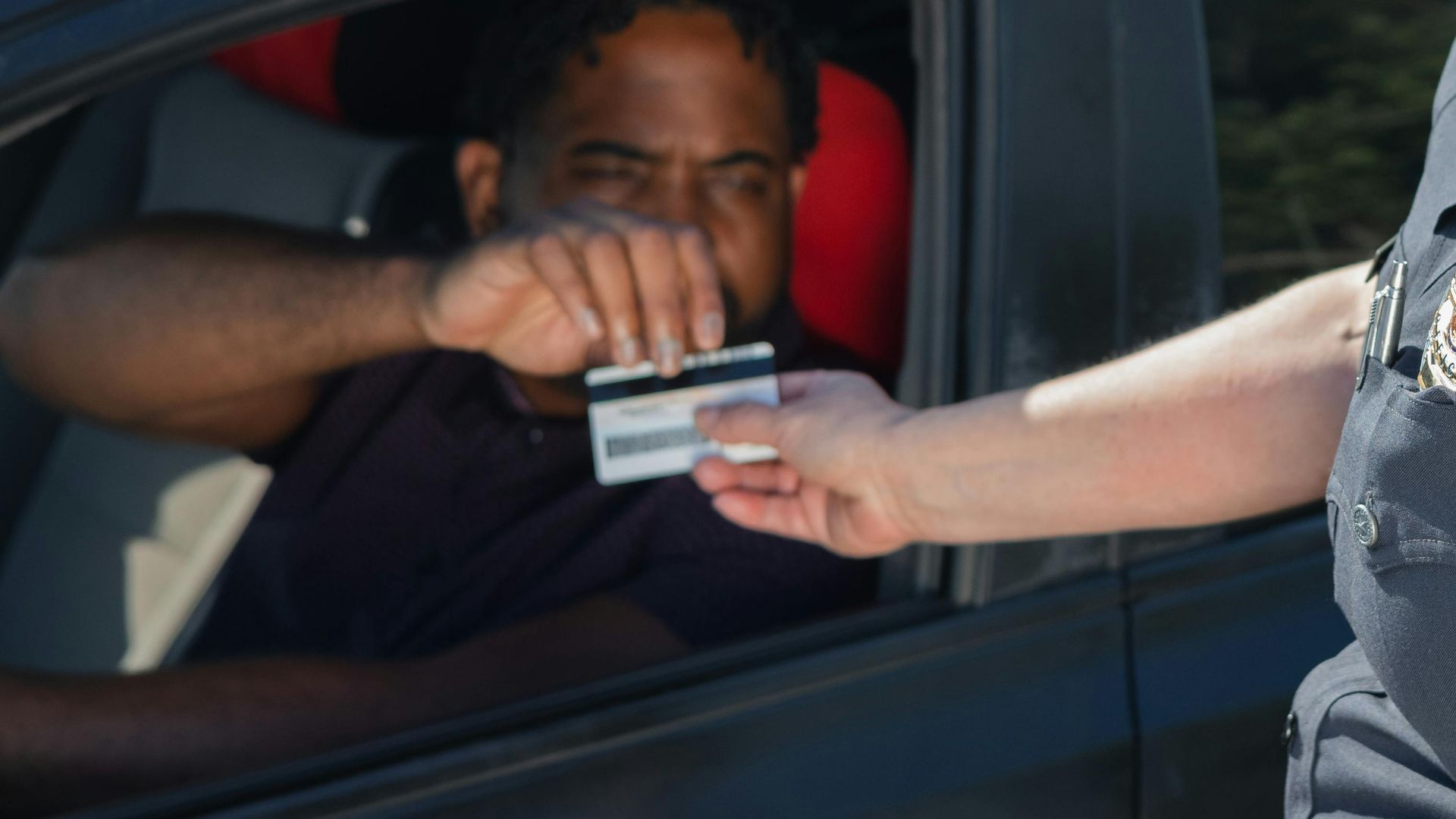
Driver’s License Is a Big Clue
Your driver’s license is one of the strongest indicators of residency. If you update it to your chosen state, you’re signaling where you legally reside—even if your “home” moves daily.
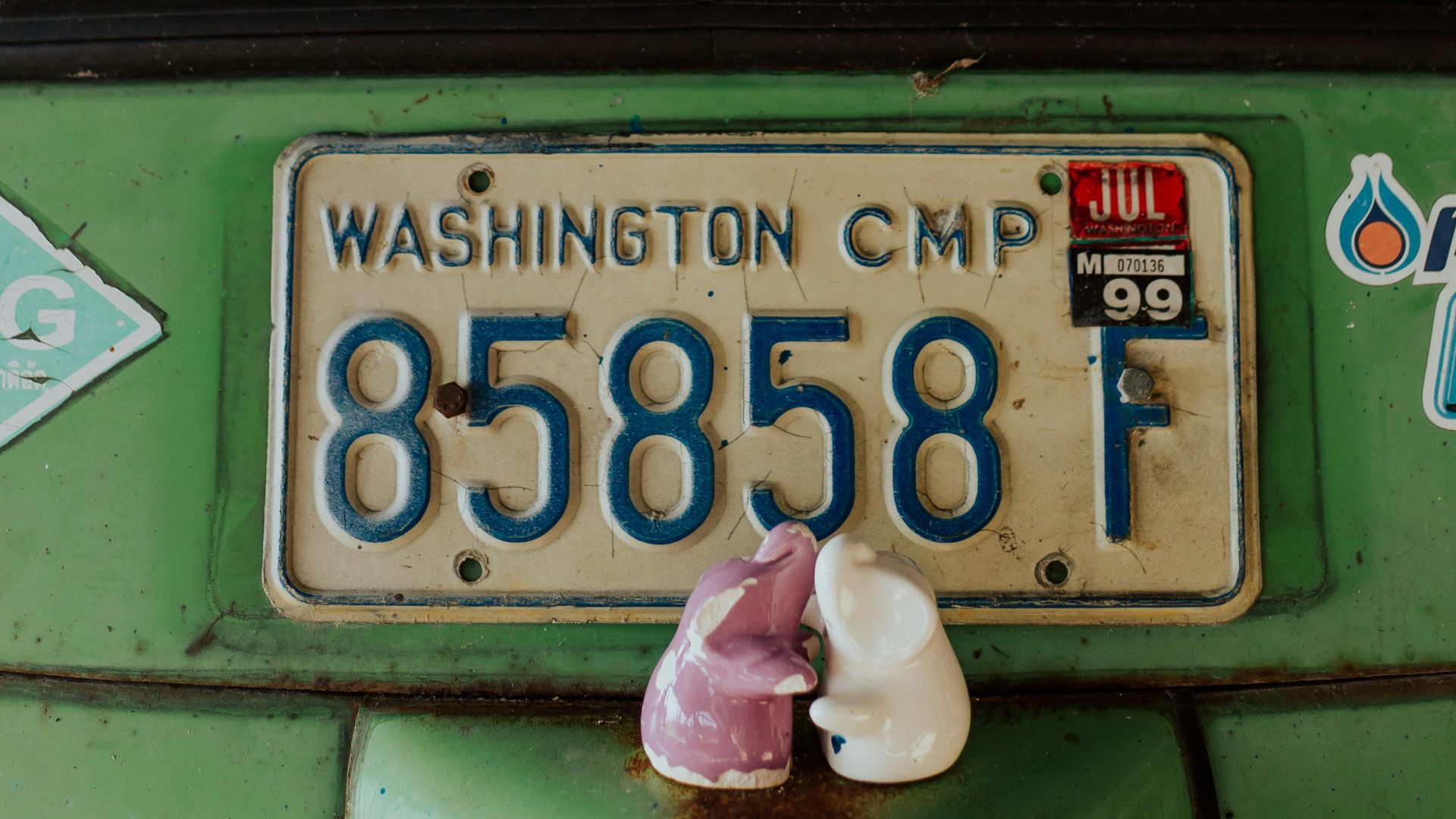
Vehicle Registration Matters Too
Where your RV is registered also plays a role. States expect your primary vehicle to be registered where you claim residency. This helps reinforce your domicile choice.
Taxes—The Real Reason This Matters
Residency determines which state you pay income taxes to. That’s why this isn’t just paperwork—it can directly affect your finances, especially if you choose a state with no income tax.

Can You Just Drift Without Residency?
Not really. Living without a legal residence creates problems. You’ll run into issues with taxes, insurance, banking, and even basic identification. Having a clear domicile keeps everything running smoothly.

What If You Do Nothing After Selling?
If you sell your home and don’t establish a new domicile, things get messy. Your previous state might still consider you a resident, especially if you keep ties like licenses or registrations there.

States Don’t Let Go Easily
Here’s the catch: some states are aggressive about residency. If you previously lived in a high-tax state, they may still consider you a resident unless you clearly establish domicile somewhere else.

Time Spent in a State Can Matter
Spending too much time in one state can trigger residency rules. Some states track how many days you stay, especially if you’re trying to avoid taxes. It’s not just about where you say you live.
Voting Ties You Down Legally
Where you’re registered to vote is another big factor. It signals your official home base. Full-time RVers usually update their voter registration to match their chosen domicile state.

Insurance and Healthcare Connections
Your residency affects your insurance options too. Health insurance, vehicle coverage, and even rates can depend on your legal state of residence—not where you physically travel.

Can You Change Residency Easily?
Yes—but you have to do it properly. That usually means getting a new driver’s license, registering vehicles, updating your address, and cutting ties with your old state.

Why RVers Plan This Carefully
Full-time RV living sounds spontaneous, but residency is one thing you can’t wing. Most experienced RVers set this up before hitting the road to avoid legal and financial headaches later.

So… Do You Lose Residency Automatically?
No—you don’t lose it automatically. But you do need to actively establish a new one. Otherwise, your old state may still claim you, even if you haven’t lived there in months.
The Bottom Line Before You Hit The Road
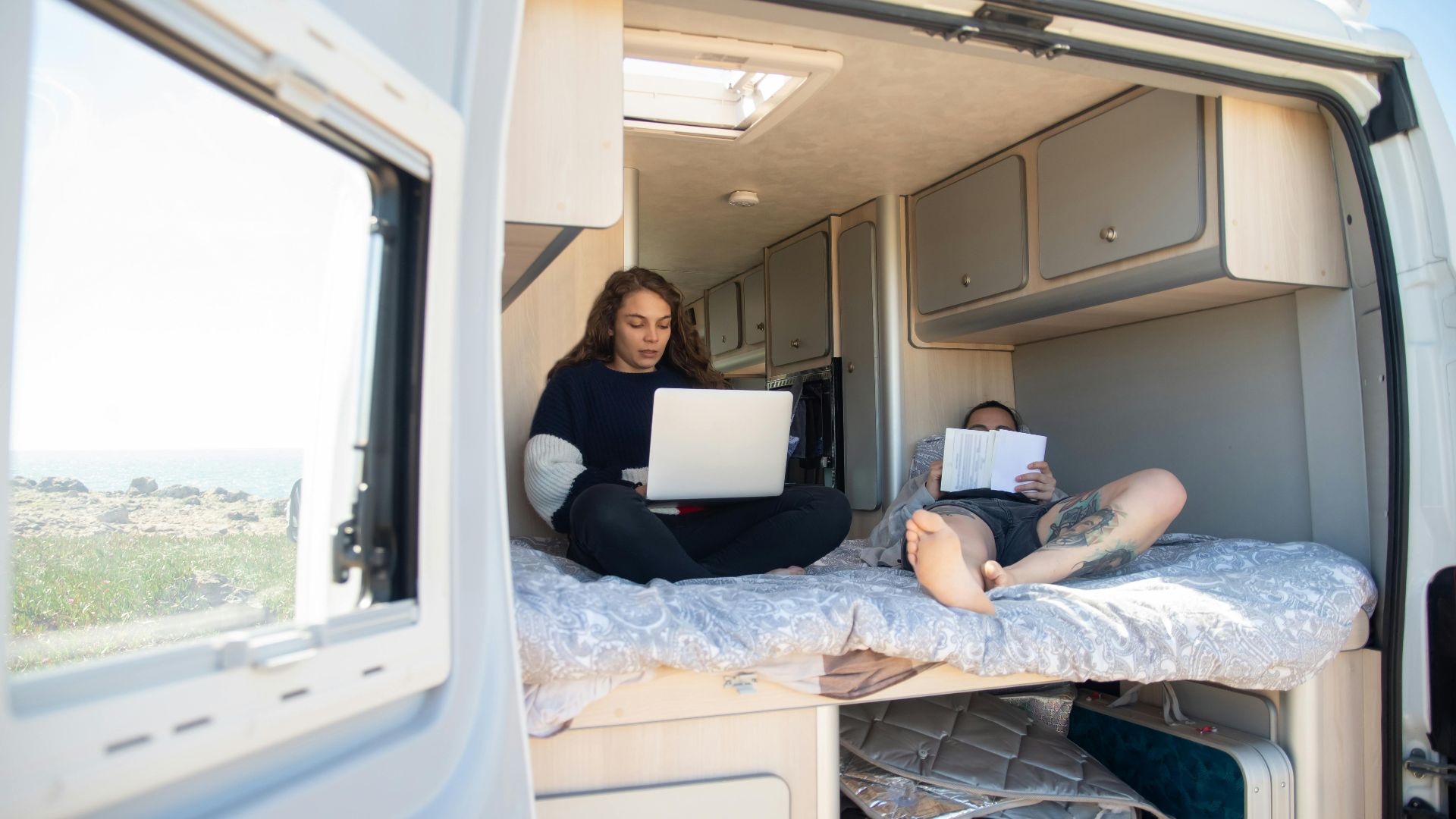
Selling your house doesn’t erase your residency—but it does force a decision. Pick a state, set up your domicile properly, and keep your paperwork consistent. That’s hhow full-time RV life stays simple instead of stressful.
You May Also Like:
Rookie Mistakes Every First-Time RVer Learns The Hard Way
Best RVs For First-Time Buyers, According To Industry Experts
The Most Reliable RV Brands—Ranked