I Hit A Car With No Taillights—Now I’m Being Sued?!
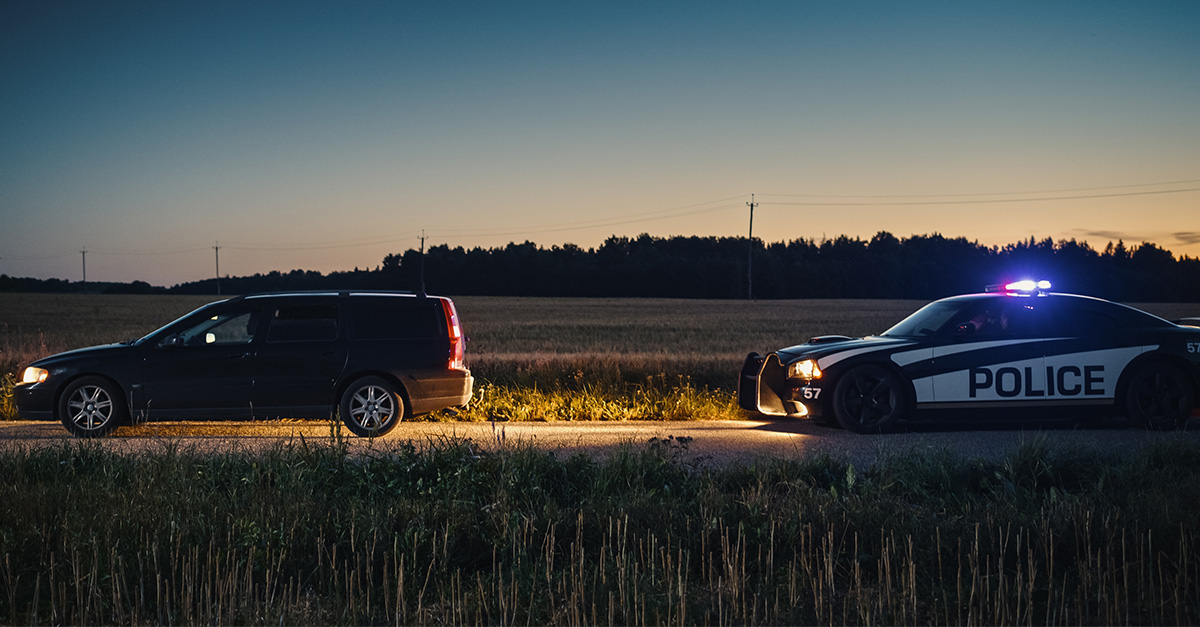
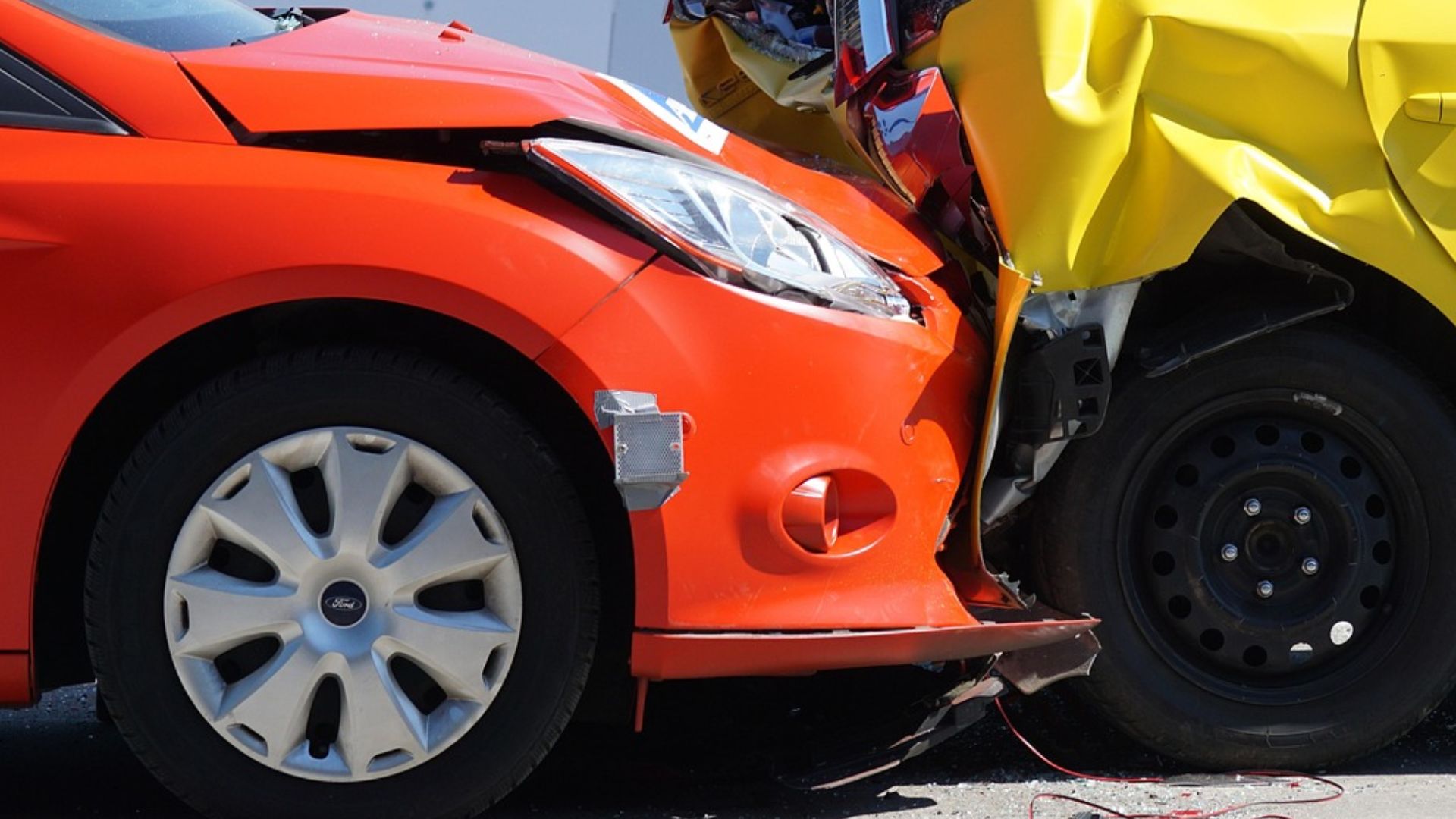
It’s the kind of story that makes your stomach drop. You’re driving at night, minding your own business, when suddenly—bam—you rear-end another car. But here’s the twist: the other vehicle didn’t have working taillights. Now the other driver is suing you for $5,000 in damages. Is this open-and-shut? Or do you actually have a fighting chance? Let’s break it down.
Why Rear-End Collisions Usually Blame The Driver Behind
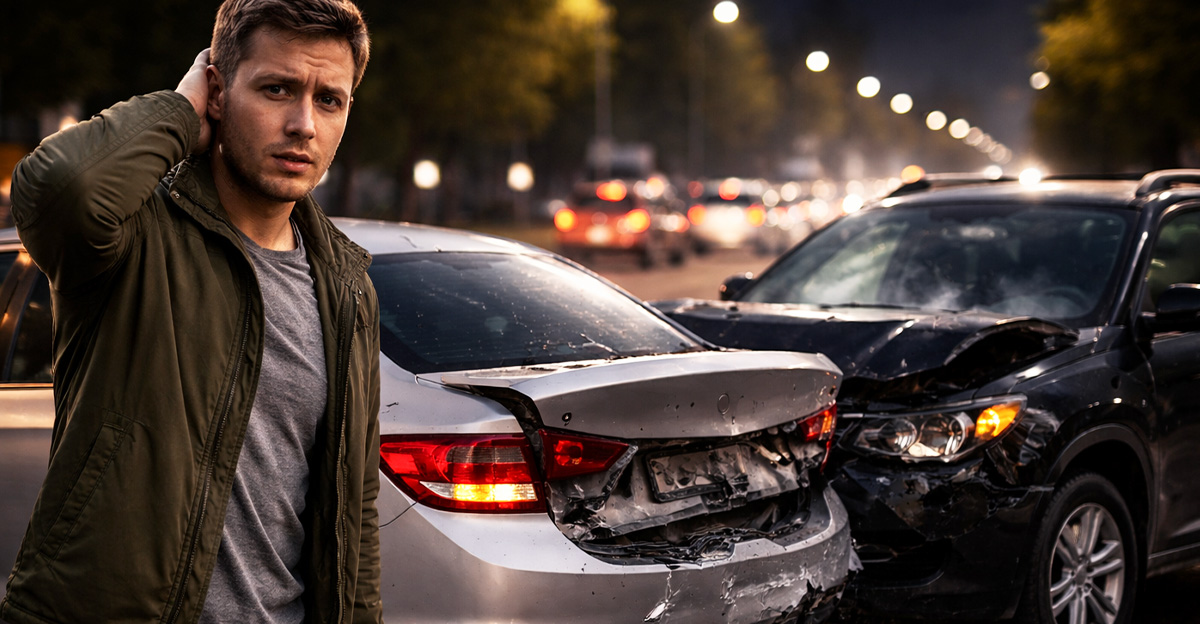
In most states, rear-end collisions come with a built-in assumption: the driver in the back is at fault. The reasoning is simple—drivers are expected to maintain a safe following distance and be prepared to stop. Insurance companies and courts often start with this presumption, which can make your situation feel like an uphill battle right away.
The Big Taillight Question
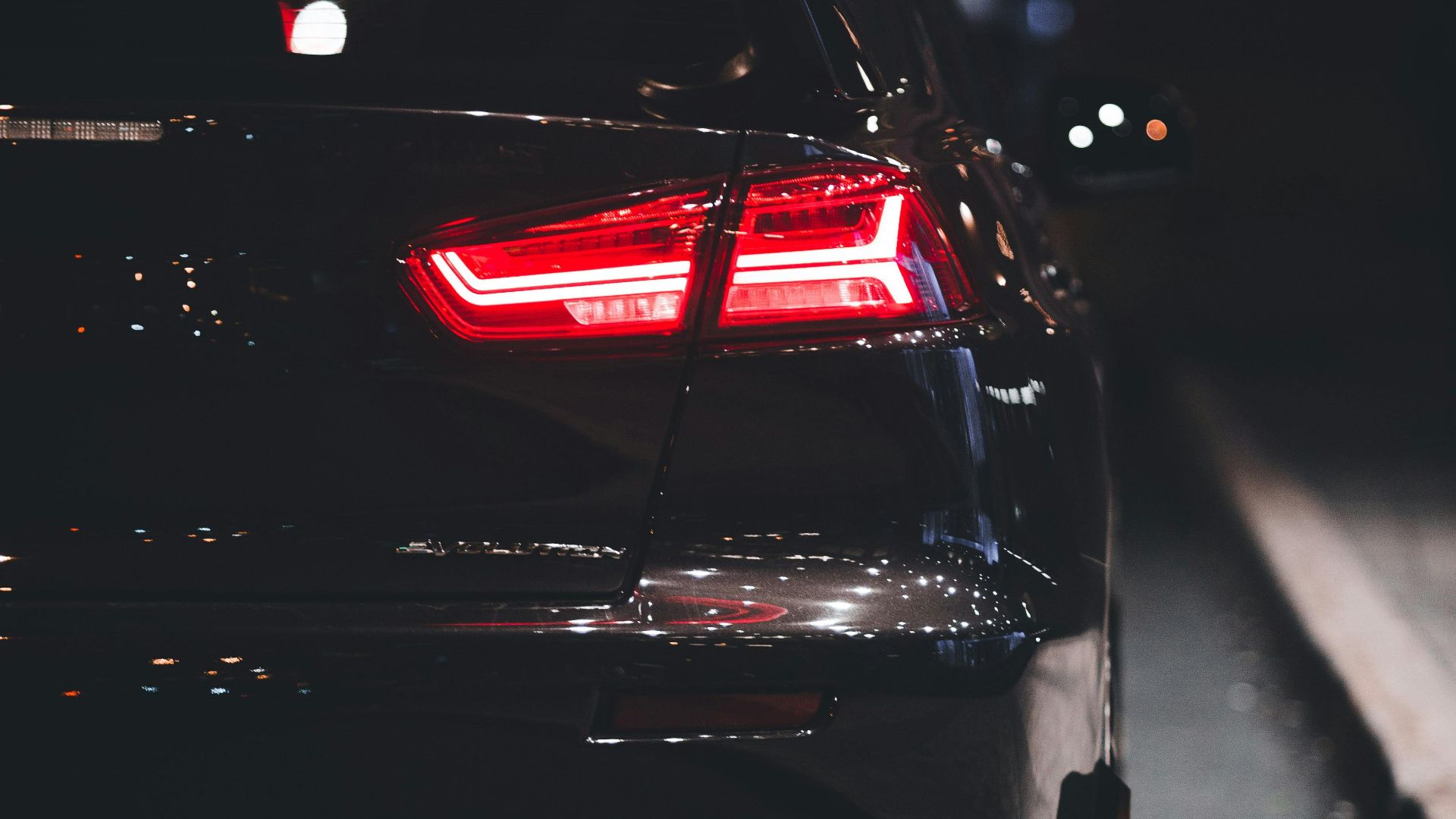
Here’s where things get interesting. Taillights aren’t optional accessories—they’re required safety equipment. Every state requires vehicles driven at night to have functioning rear lights so other drivers can see them. If the car you hit had no working taillights, that’s not just inconvenient—it could be a violation of traffic law.
Visibility Changes Everything
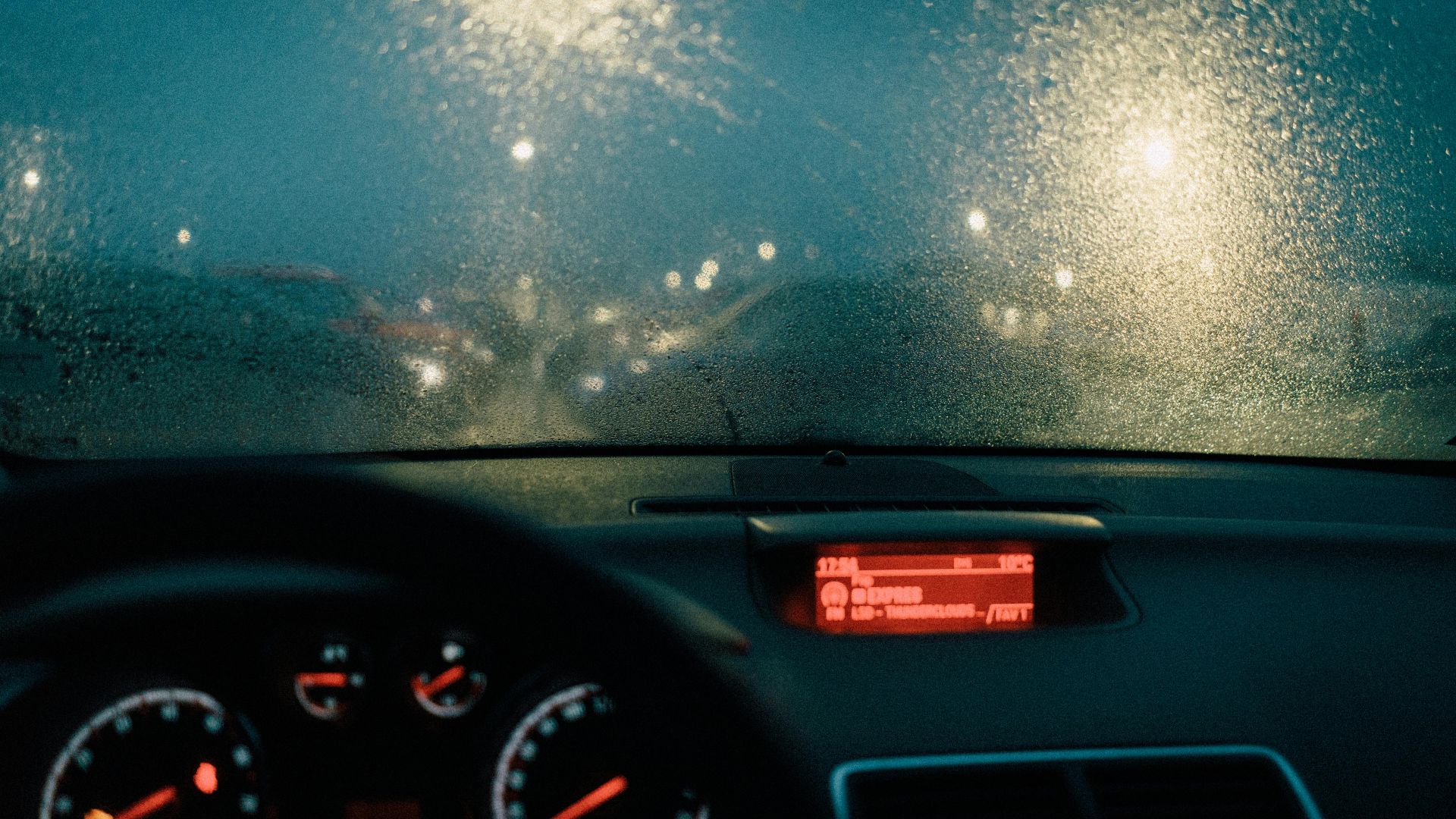
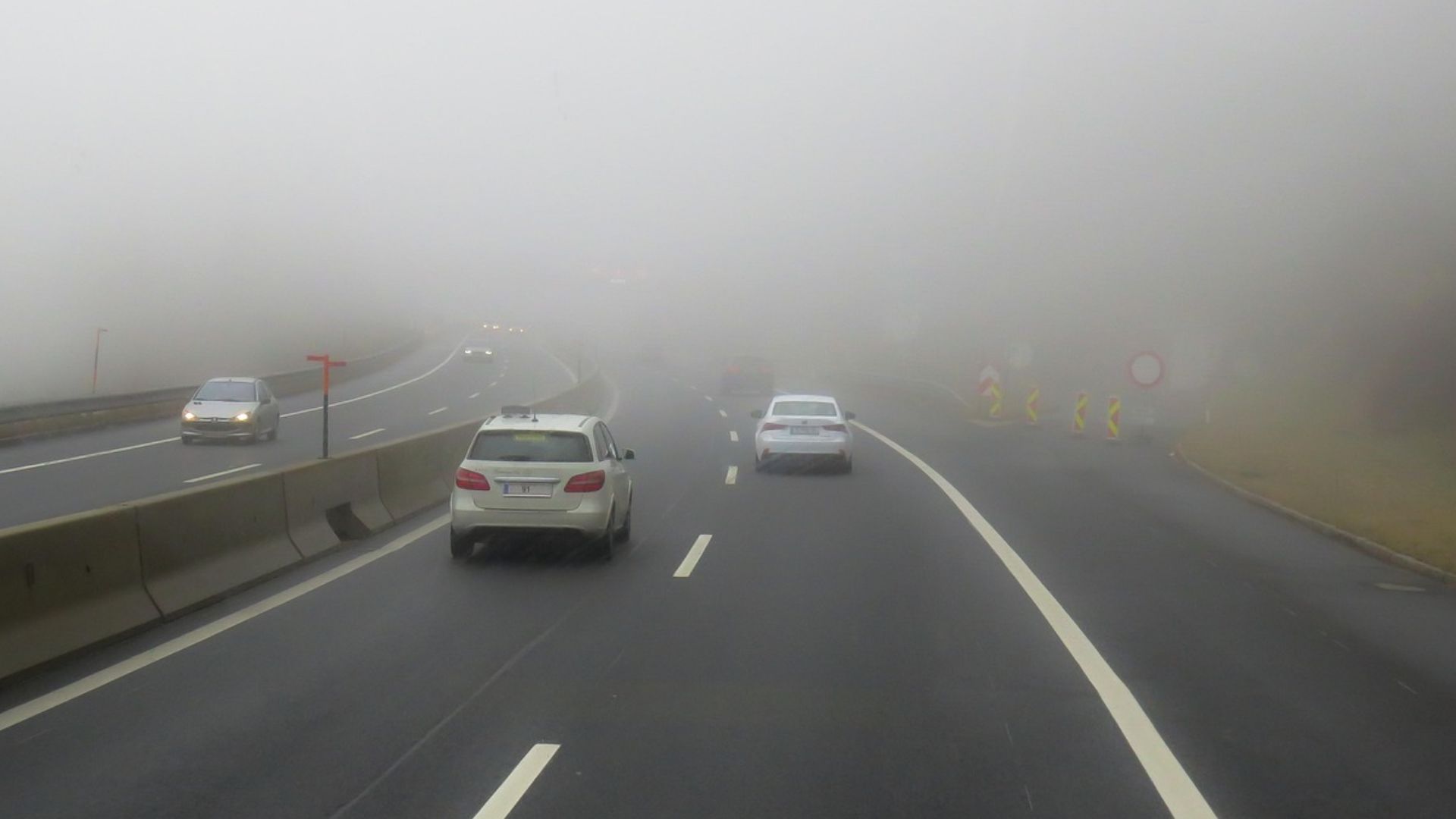
Night driving is already harder. Depth perception drops, reaction times increase, and glare from other headlights can mess with your vision. If the vehicle ahead of you was effectively “invisible” because it lacked taillights, that’s a major factor. Courts look closely at visibility when determining fault.

Negligence 101: Who Was Careless?
Car accident lawsuits revolve around negligence. To win $5,000 from you, the other driver has to prove you were negligent—that you failed to act as a reasonably careful driver would. But if they were driving without proper lighting, they may have been negligent too.

Comparative Fault: Sharing The Blame
Many states follow something called comparative negligence (or comparative fault). That means more than one person can share responsibility for an accident. If a judge or jury decides the other driver was 40% at fault for not having taillights, they may only recover 60% of their damages.

Contributory Negligence: The Strict Rule
A handful of states follow contributory negligence rules. In those places, if the other driver was even slightly at fault—say 1%—they may not recover anything at all. These states are rare, but if you live in one, the missing taillights could be a very big deal.
The Safe Following Distance Argument
Even with no taillights, you’ll likely hear this question: Were you following too closely? Drivers are expected to leave enough space to stop safely. If you were tailgating or distracted, that could weaken your defense. The court will ask whether a reasonably cautious driver could have avoided the crash.
Speed Matters More Than You Think
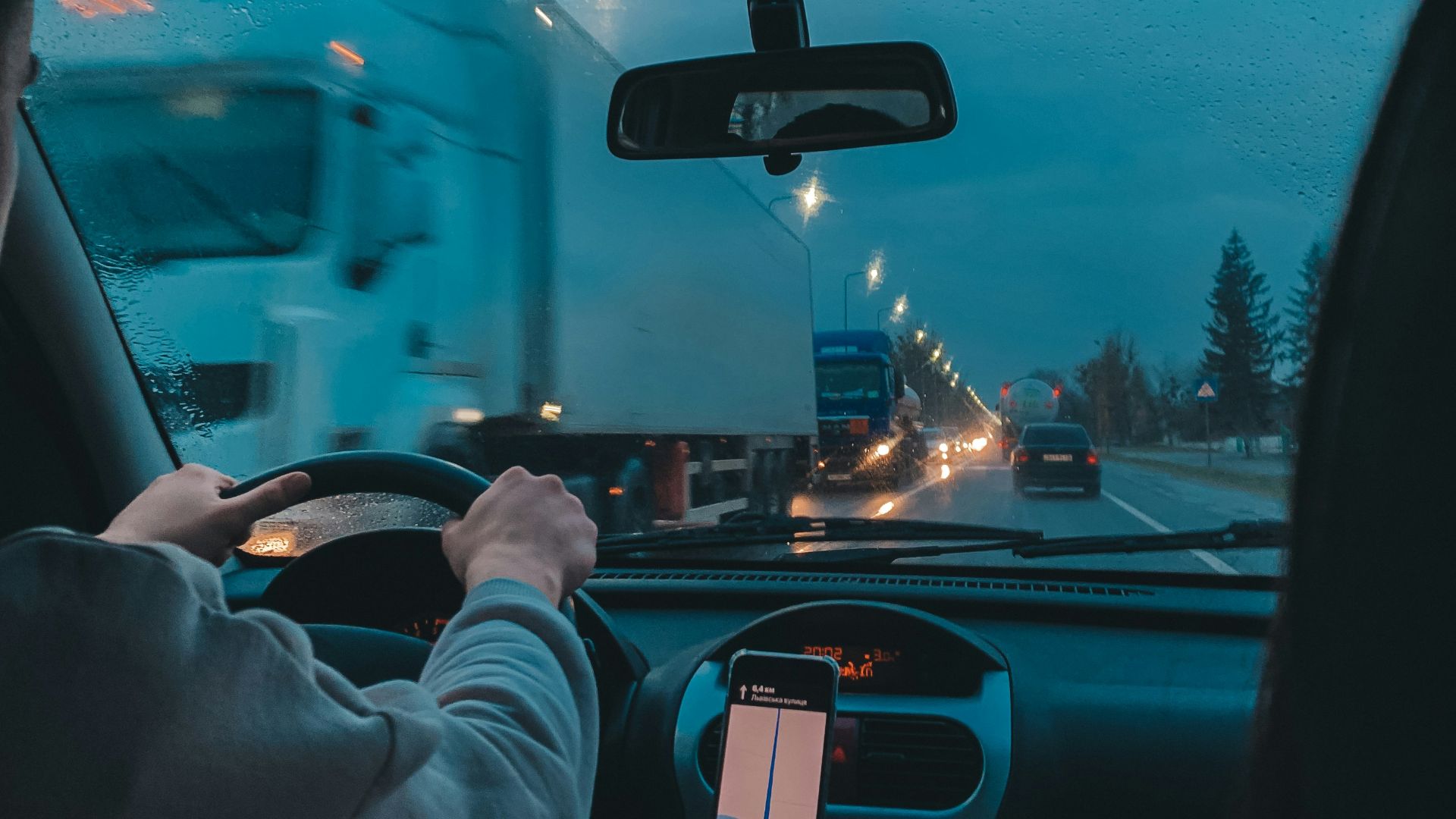
How fast were you going? Driving within the speed limit doesn’t always mean you were driving safely. Conditions matter. If it was dark, rainy, or foggy, you’re expected to adjust your speed. Excess speed—even if technically legal—can tip the scales against you.
Distracted Driving Could Hurt Your Case
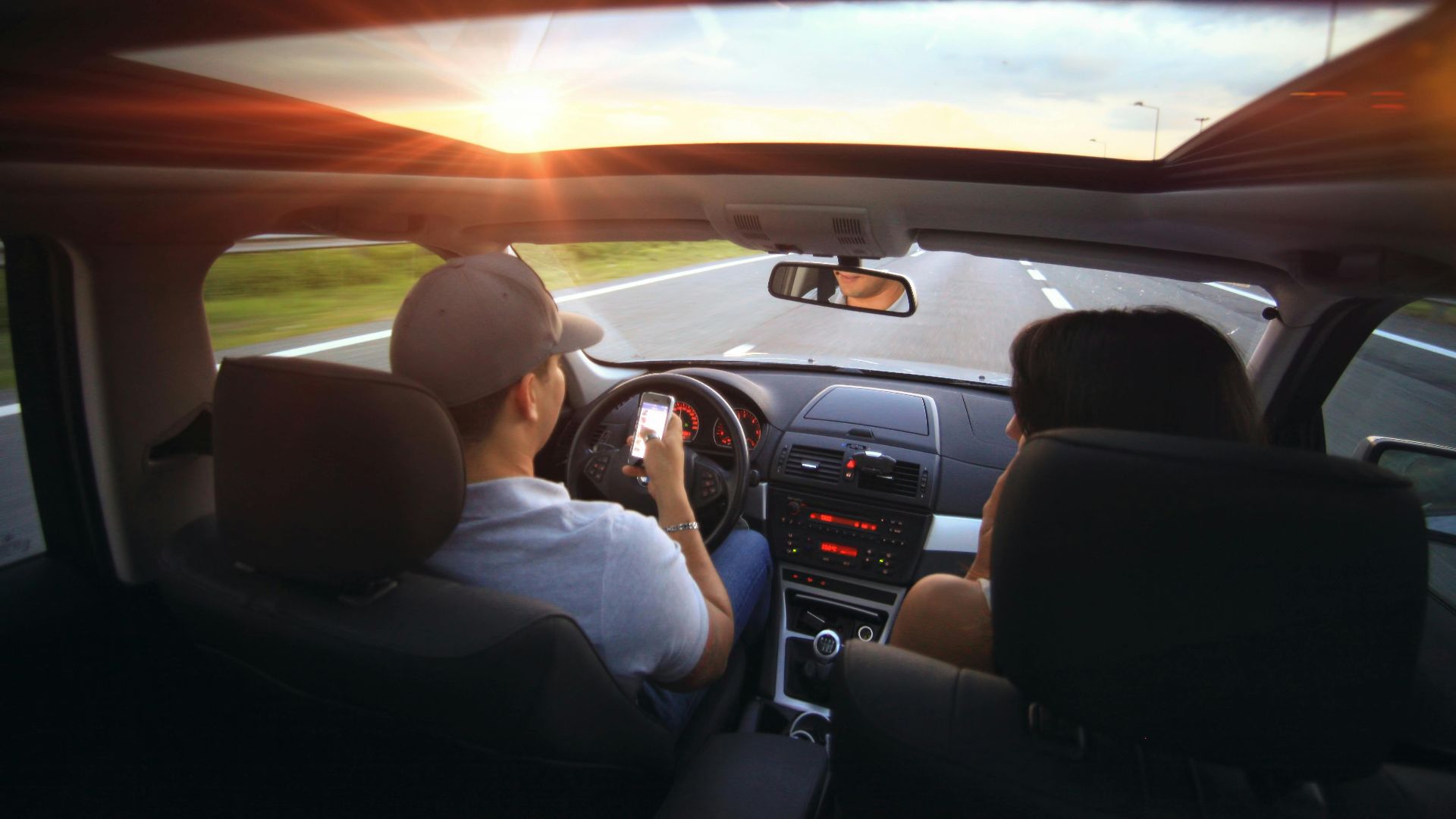
If there’s any suggestion you were texting, adjusting the radio, or otherwise distracted, that can complicate things. Even if the other car had no lights, distraction could make you appear primarily responsible. Insurance companies dig into this detail fast.
Brake Lights Versus Taillights
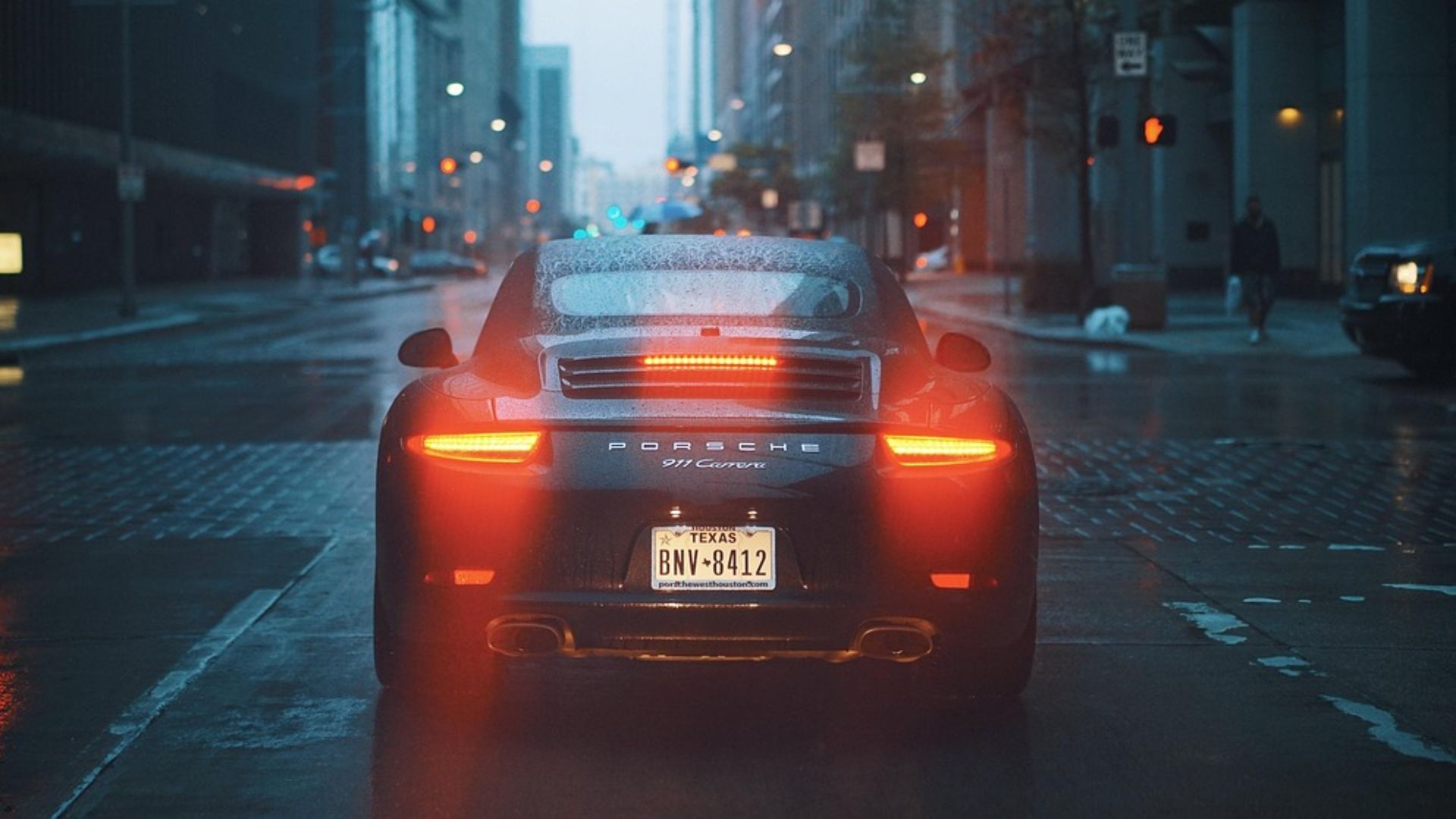
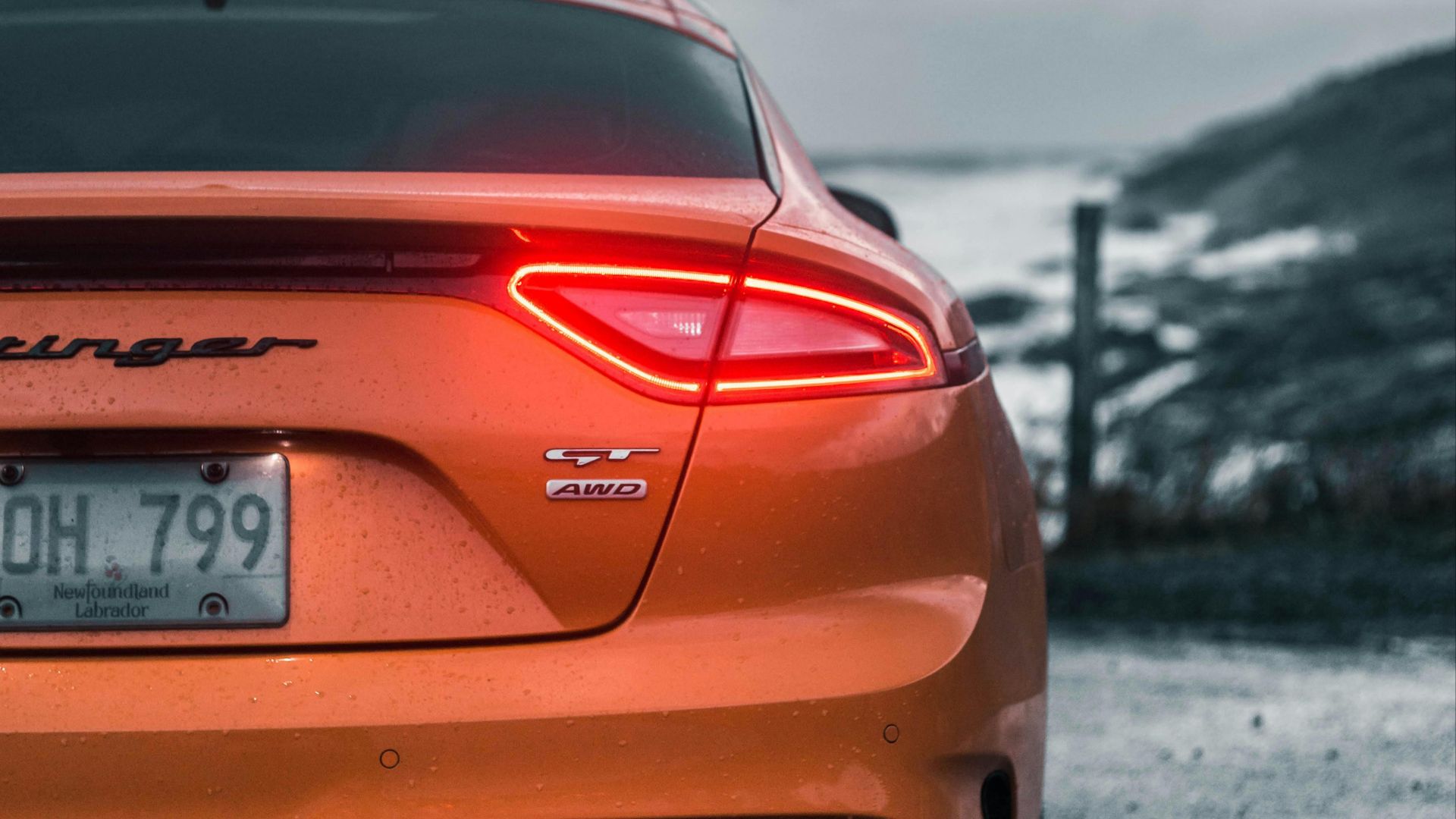
There’s also a technical distinction worth noting. Taillights stay on when headlights are engaged. Brake lights illuminate when slowing down. If both were out, that’s serious. But if only the regular taillights were out and brake lights worked, the case becomes murkier.
Proving The Lights Were Out
Here’s a practical hurdle: can you prove the taillights weren’t working? Did police respond to the accident? Is there a report noting defective lights? Were there witnesses? If the officer documented the issue, that’s powerful evidence in your favor.
The Role Of The Police Report
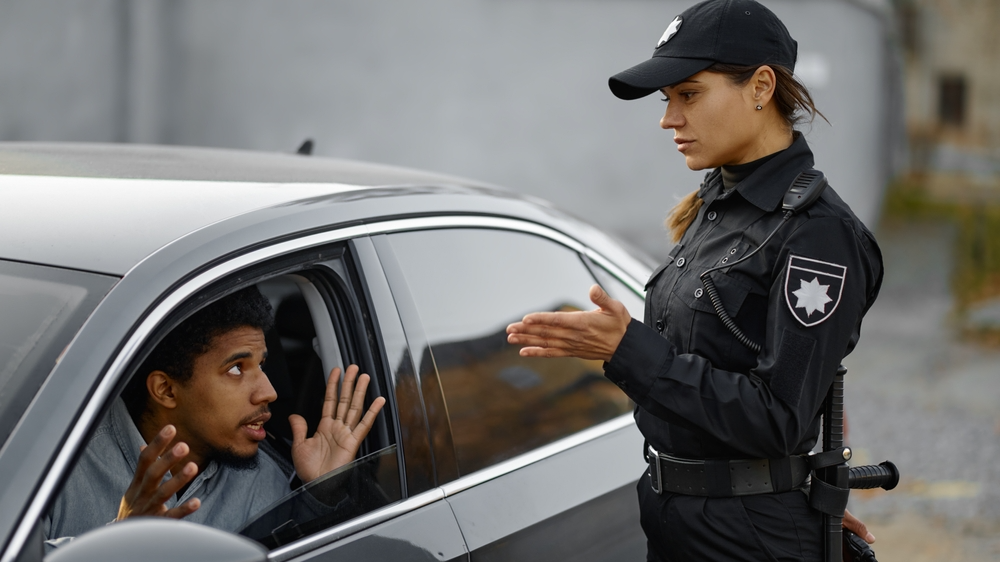
Police reports aren’t the final word in court, but they carry weight. If the officer cited the other driver for faulty equipment, that strengthens your position considerably. If the report is silent about lighting issues, your argument becomes harder to prove.
Photos And Dashcams Save The Day
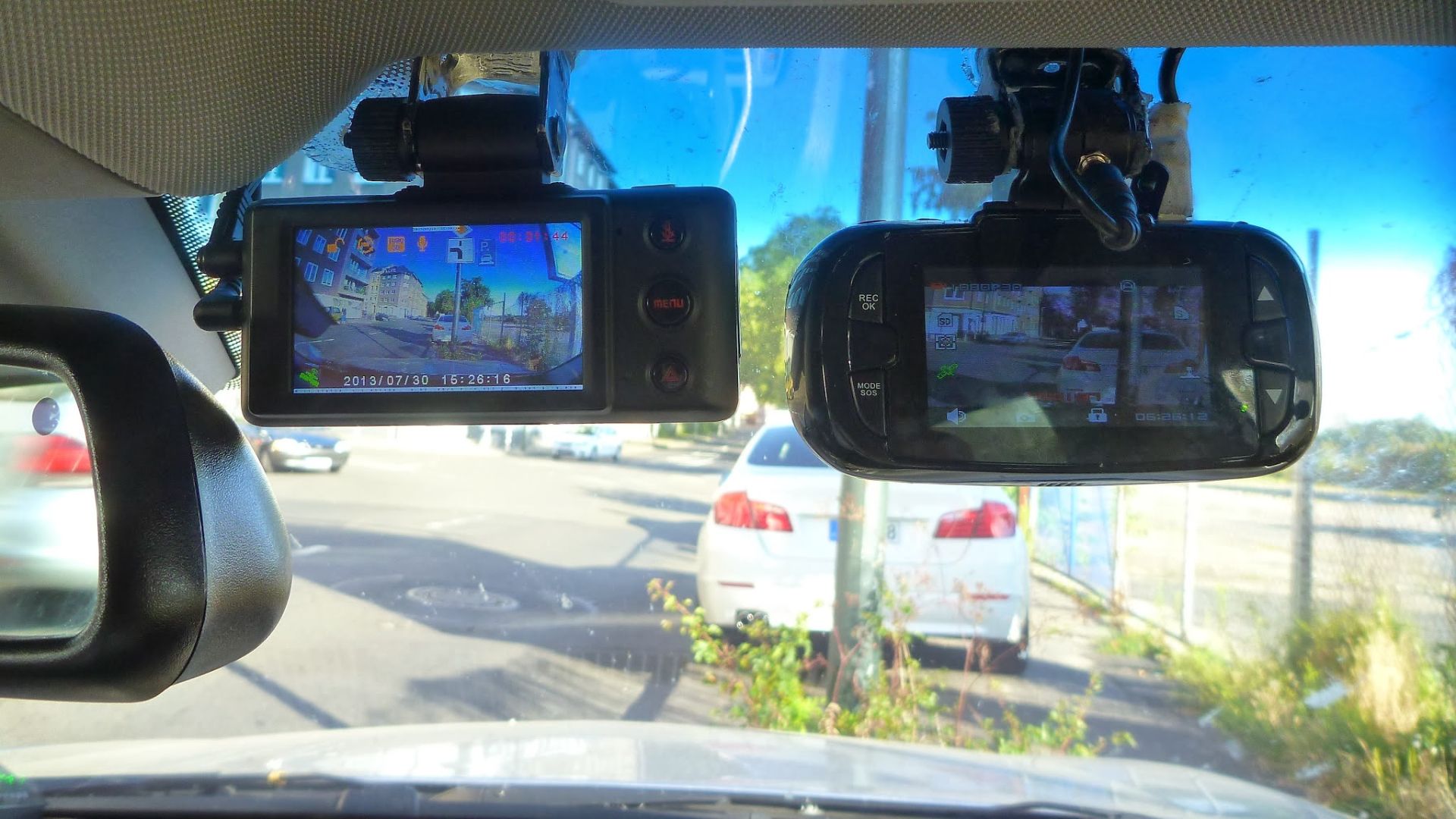
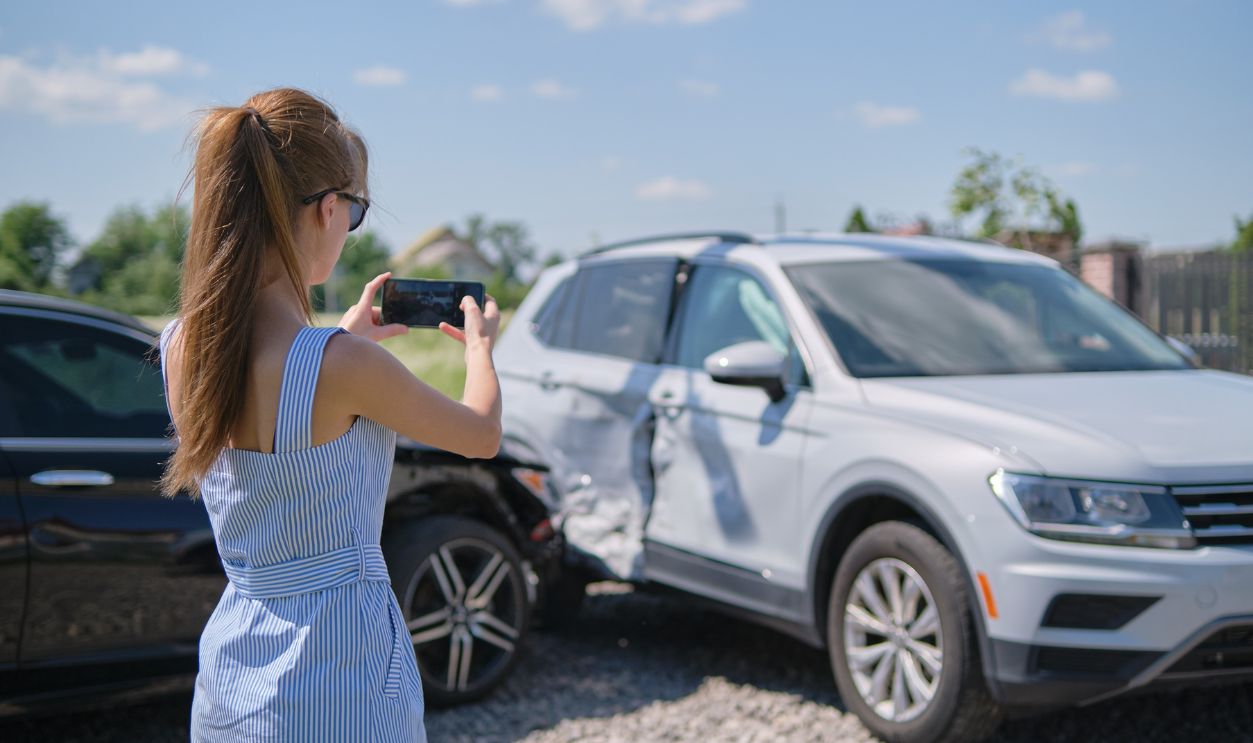
If you took photos at the scene showing dark taillight housings—or better yet, have dashcam footage—you may have a strong defense. Visual evidence is persuasive. Without it, the case may boil down to your word against theirs.
Vehicle Maintenance Is A Legal Duty
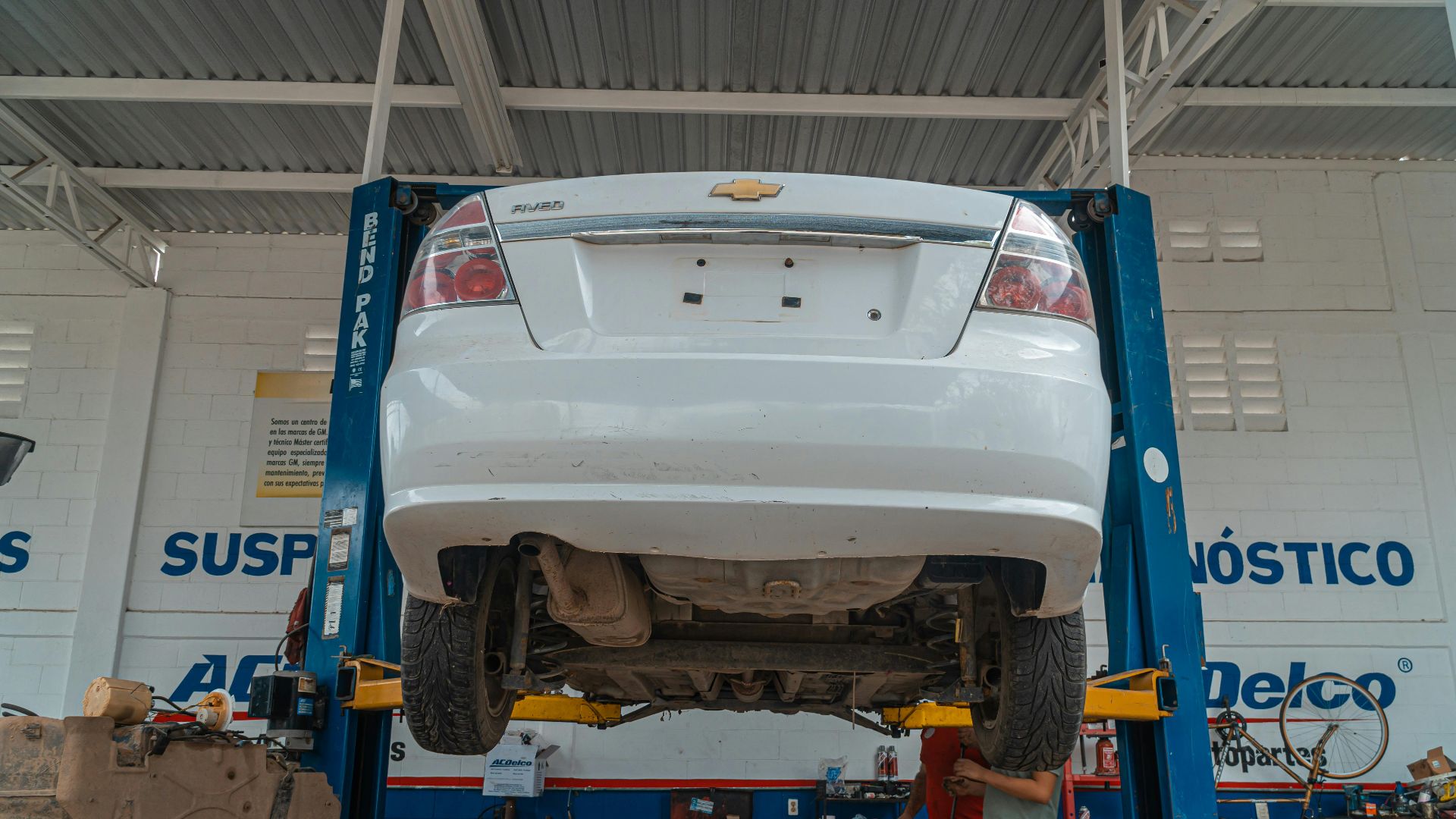
Drivers have a legal obligation to maintain their vehicles in safe operating condition. Burned-out bulbs don’t excuse liability. If the other driver neglected maintenance, that can constitute negligence per se—a legal term meaning they violated a safety law.
 Jose Ricardo Barraza Morachis, Pexels
Insurance Companies Love Shared Fault
If insurance is involved (and it usually is), adjusters may quickly lean toward shared fault. Why? Because splitting blame reduces payouts. If they determine both drivers contributed to the crash, settlement negotiations often follow.

Small Claims Court Realities
For $5,000, this lawsuit is likely headed to small claims court. The upside? It’s less formal and less expensive. The downside? Judges often rely heavily on basic traffic principles, and rear-end collisions traditionally favor the front driver.

What A Judge Will Likely Ask
Expect questions like: How far behind were you? How fast were you going? When did you first see the vehicle? Were streetlights present? Judges want to know whether you were paying attention and driving prudently under the circumstances.

Sudden Stops Complicate Things
Did the other driver slam on the brakes unexpectedly? Even without taillights, a sudden, unreasonable stop can shift fault. Drivers can’t create hazards and then blame others entirely for the outcome.
Mechanical Inspections After The Crash
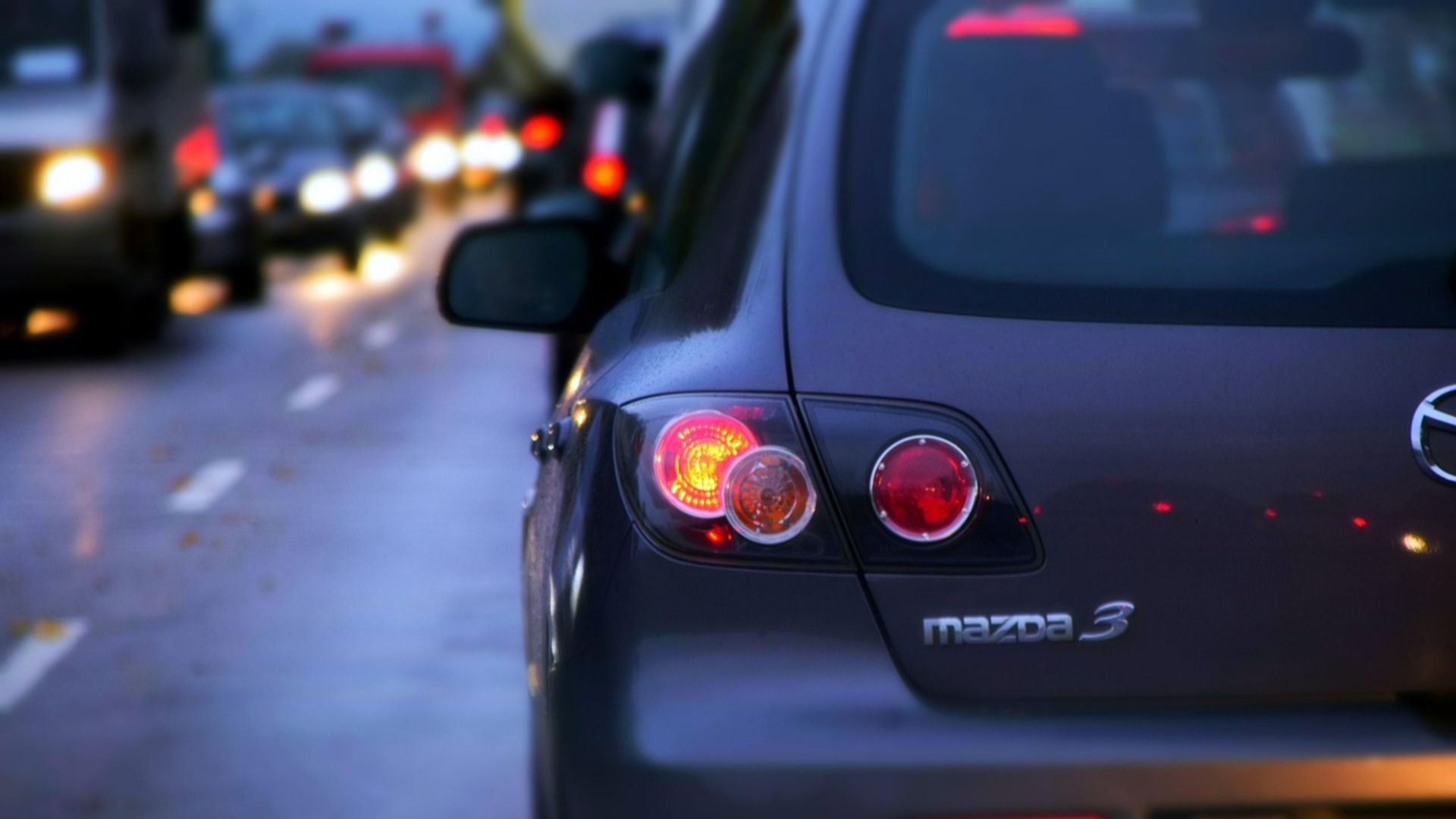
Sometimes the truth comes out during post-accident inspections. If the other driver repaired the lights immediately afterward, repair receipts or mechanic testimony might confirm they weren’t functioning at the time of impact.

Your Insurance Company’s Duty To Defend
If you had active auto insurance, your insurer likely has a duty to defend you—even in small claims court. That means they may provide legal guidance or representation, depending on your policy. Always notify them immediately about a lawsuit.

Settlement Might Be Smarter Than Trial
Even if you believe you’re right, litigation carries risk. If there’s uncertainty about proof, settling for a reduced amount could be financially wiser than gambling on a full $5,000 judgment plus court costs.

The Importance Of State Law
Every state handles fault rules differently. Some use pure comparative negligence, others use modified systems with 50% or 51% bars, and a few use strict contributory negligence. Your odds depend heavily on where the accident happened.
Can They Really Win The Full $5,000?
Yes—but only if they prove you were entirely or mostly at fault and that their damages total $5,000. They’ll need repair estimates, invoices, or other proof. Courts don’t award money just because someone asks for it.

Emotional Arguments Don’t Win Cases
It might feel unfair that someone driving without taillights is suing you. But frustration won’t win in court. Evidence, credibility, and legal standards will. Calm, organized preparation matters more than outrage.

How To Strengthen Your Defense
Gather everything: photos, witness names, repair invoices, dashcam footage, and the police report. Write down your recollection while it’s fresh. If possible, consult a local attorney for a quick evaluation—many offer free consultations.

So, Do You Have A Chance?
Yes—you absolutely might. While rear-end accidents usually start with blame on the trailing driver, defective taillights are a serious safety issue that can shift or share liability. Your chances improve dramatically if you can prove the lights weren’t working and that you were driving reasonably for the conditions.
The Bottom Line
Getting sued after a nighttime crash is stressful, especially when the other vehicle may have been practically invisible. But the law isn’t always black and white. If the other driver failed to maintain working taillights, that fact could reduce—or even eliminate—their recovery depending on your state’s fault rules. The key is evidence, preparation, and understanding how comparative negligence works where you live.
You May Also Like:
The Luxury Empire That Beat Cadillac—Then Completely Disappeared