The Most Dangerous Cars That Had To Be Removed From The Road
Before modern crash labs, rollover sensors, and airbags smarter than the average smartphone, carmakers sometimes released machines that were—let’s say—a little too spicy for public roads. Some were victims of poor engineering, some were undone by corporate cost-cutting, and some were simply cursed. But all of them were dangerous enough that regulators eventually slammed the brakes and said, “Not today, Satan.”
In this article, we’re taking a spin through the most infamously hazardous cars ever to wear a license plate—vehicles so risky they forced governments to change rules, rewrite safety laws, or step in with a stern lecture and a clipboard.
The Ford Pinto: A Fuel Tank Waiting To Ignite
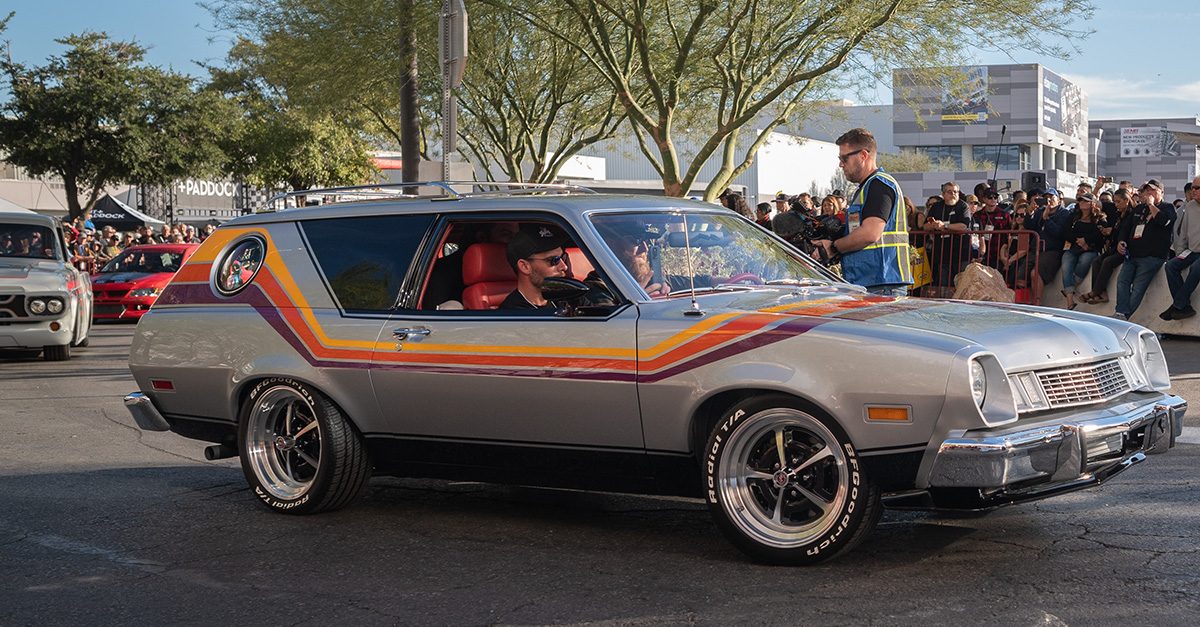
No list begins anywhere else. The Ford Pinto became the poster child for corporate negligence when its rear-mounted fuel tank could rupture in even mild rear-end collisions. “Exploding compact car” is not the legacy Ford had hoped for, and after public outrage, lawsuits, and federal involvement, mandated safety upgrades became the Pinto’s unwanted farewell present.
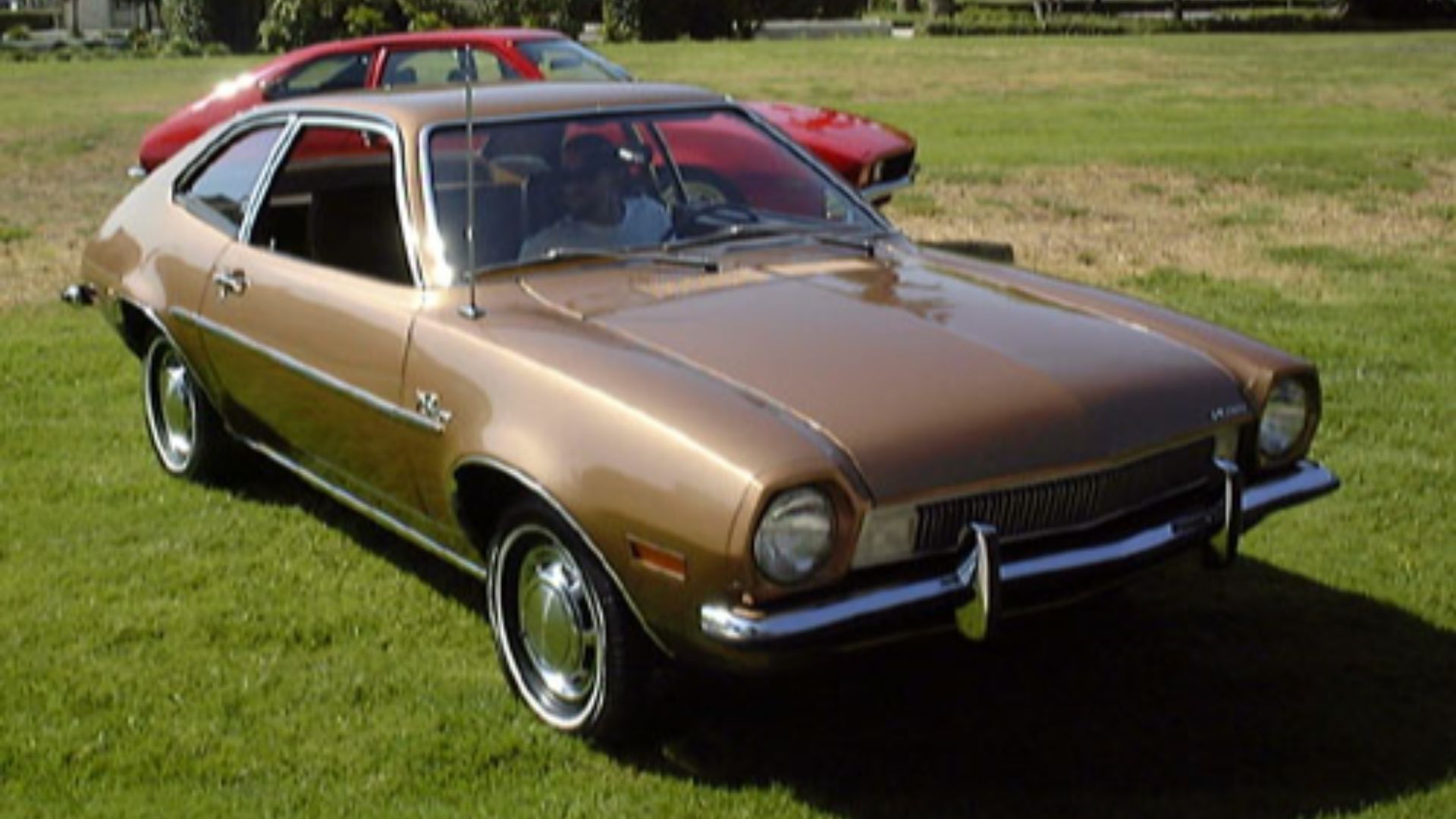 User Morven on en.wikipedia, Wikimedia Commons
The Chevrolet Corvair: Unsafe At Any Turn
Ralph Nader’s book Unsafe at Any Speed didn’t just criticize the Corvair—it detonated its reputation. The first-generation car’s swing-axle suspension could cause sudden oversteer and rollover risks. After congressional hearings and investigations, safety regulations changed across the industry. The Corvair didn’t just crash—it reshaped automotive law.
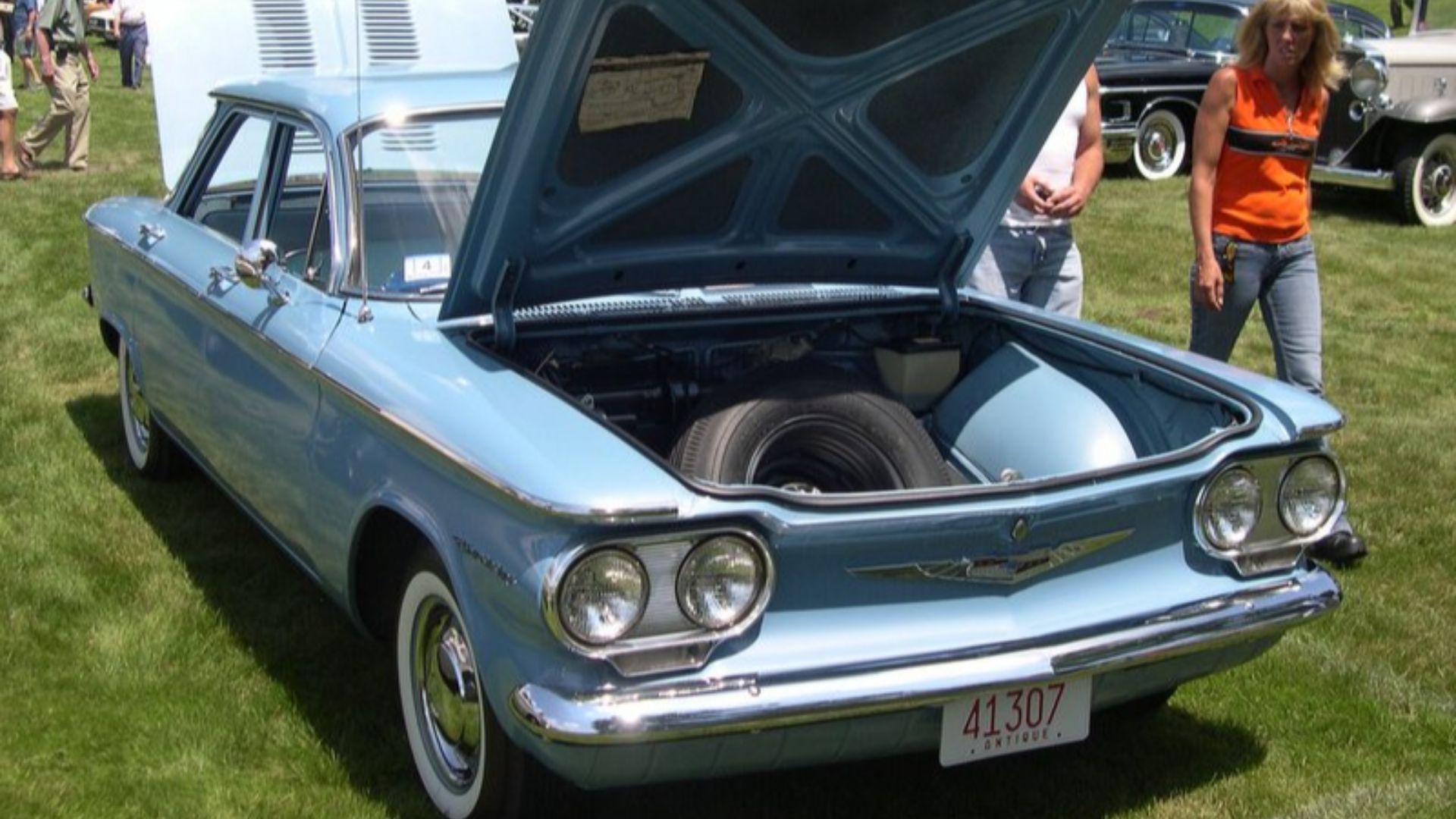 Stephen Foskett (Wikipedia User: sfoskett), Wikimedia Commons
The DeLorean DMC-12: Looks Great, Drives Like A Trap
The stainless-steel super wedge from Back to the Future hid some grim real-world flaws. Early models suffered structural issues, including problematic suspension geometry that resulted in unpredictable handling at speed. While not recalled en masse, government scrutiny and poor crash-test performance contributed to its downfall. Hollywood couldn’t save it.
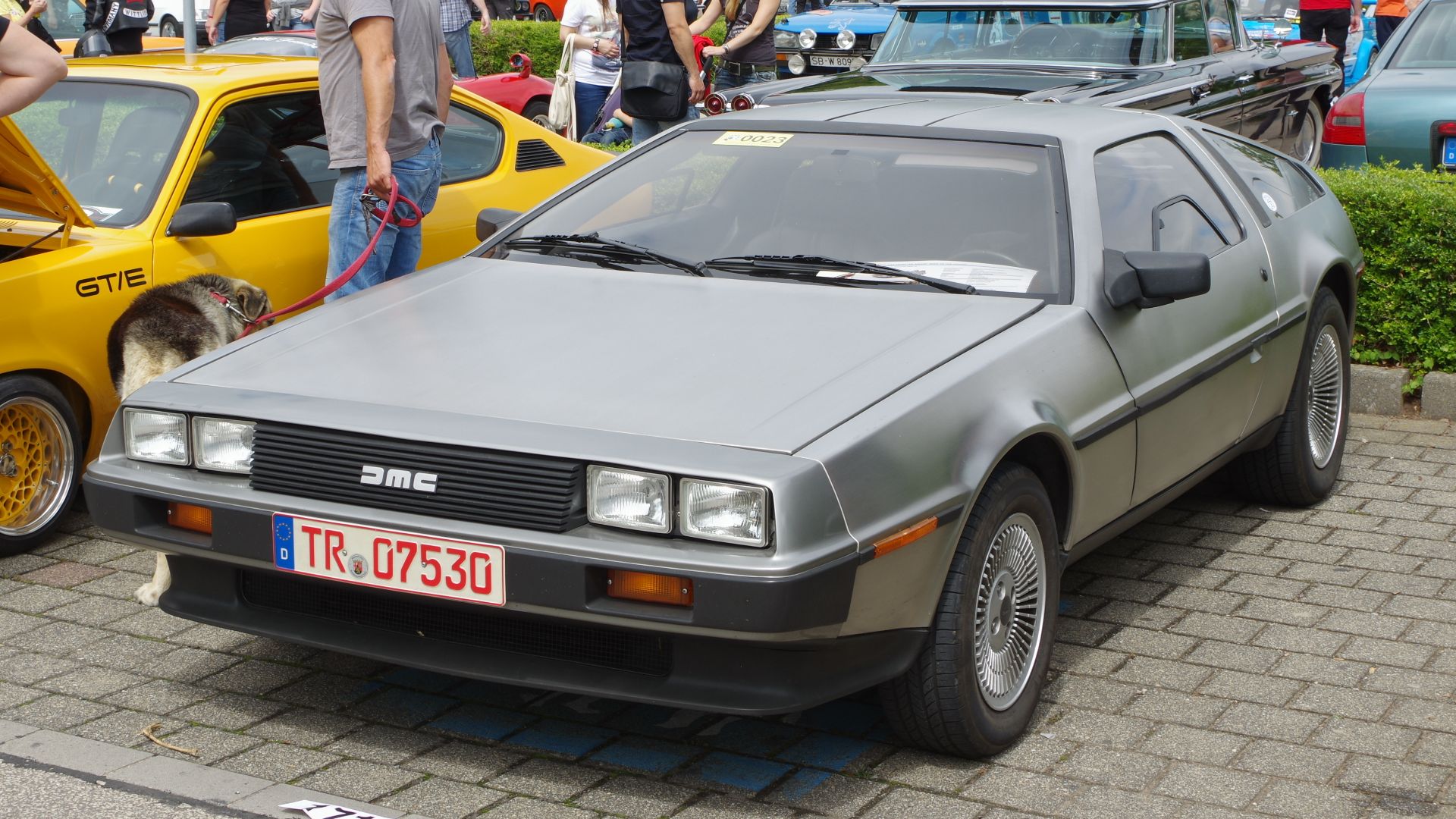 Berthold Werner, Wikimedia Commons
The Suzuki Samurai: Roll Me Away
Compact and fun? Yes. Stable? Not so much. The Suzuki Samurai became notorious in the late 1980s after tests showed it could roll over during abrupt maneuvers, even ones ordinary drivers might make. Suzuki fought the claims, but the damage was done; regulators pushed for revisions, and the Samurai’s American reputation never recovered.
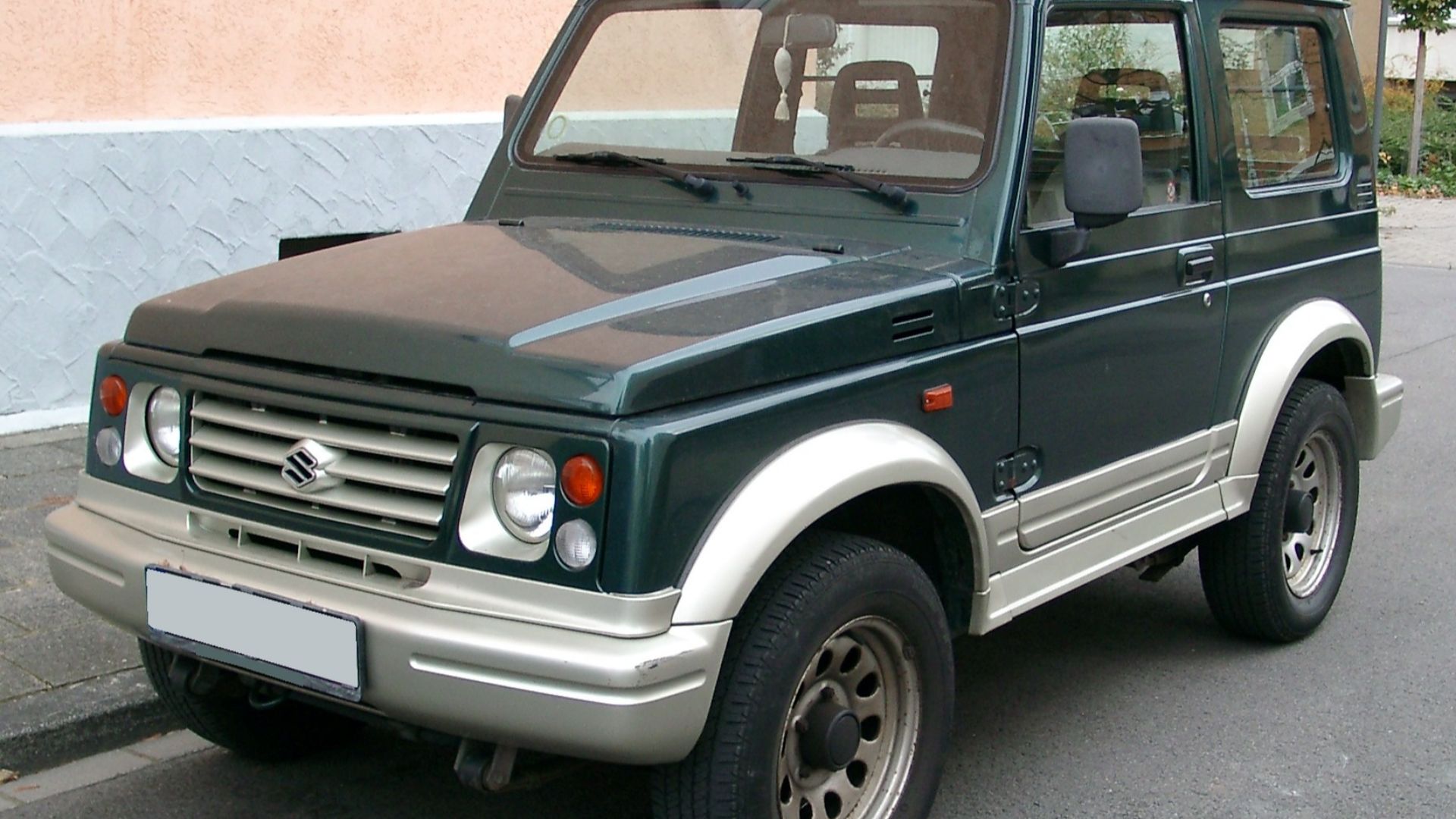 Rudolf Stricker, Wikimedia Commons
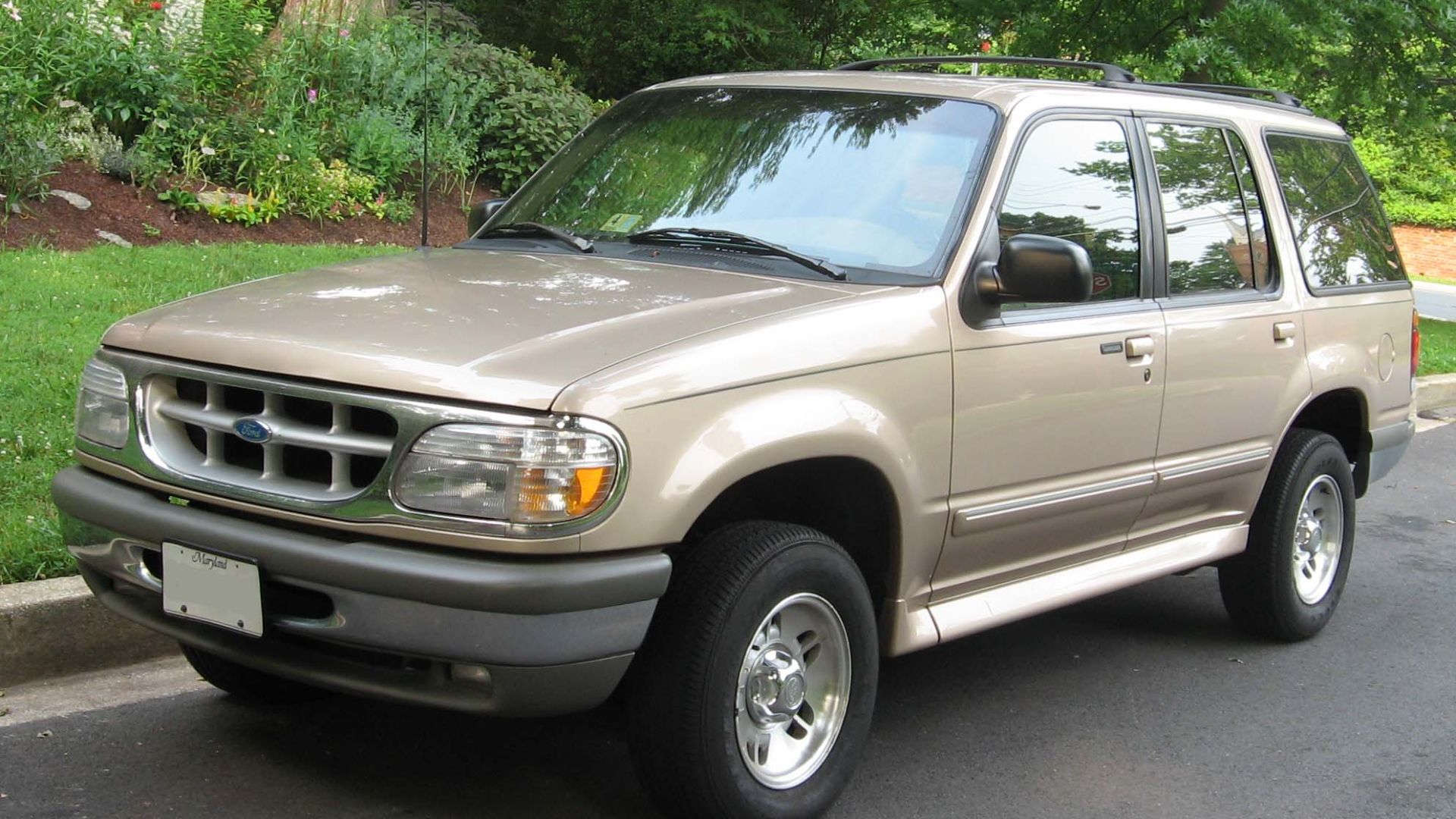
The Ford Explorer & Firestone Tire Fiasco
Individually, both were fine. Together? A deadly combination. Explorers equipped with certain Firestone tires suffered catastrophic tread separation, leading to rollovers at highway speeds. Investigations, hearings, recalls, and new federal tire-safety regulations followed. It was a partnership made in legal hell.
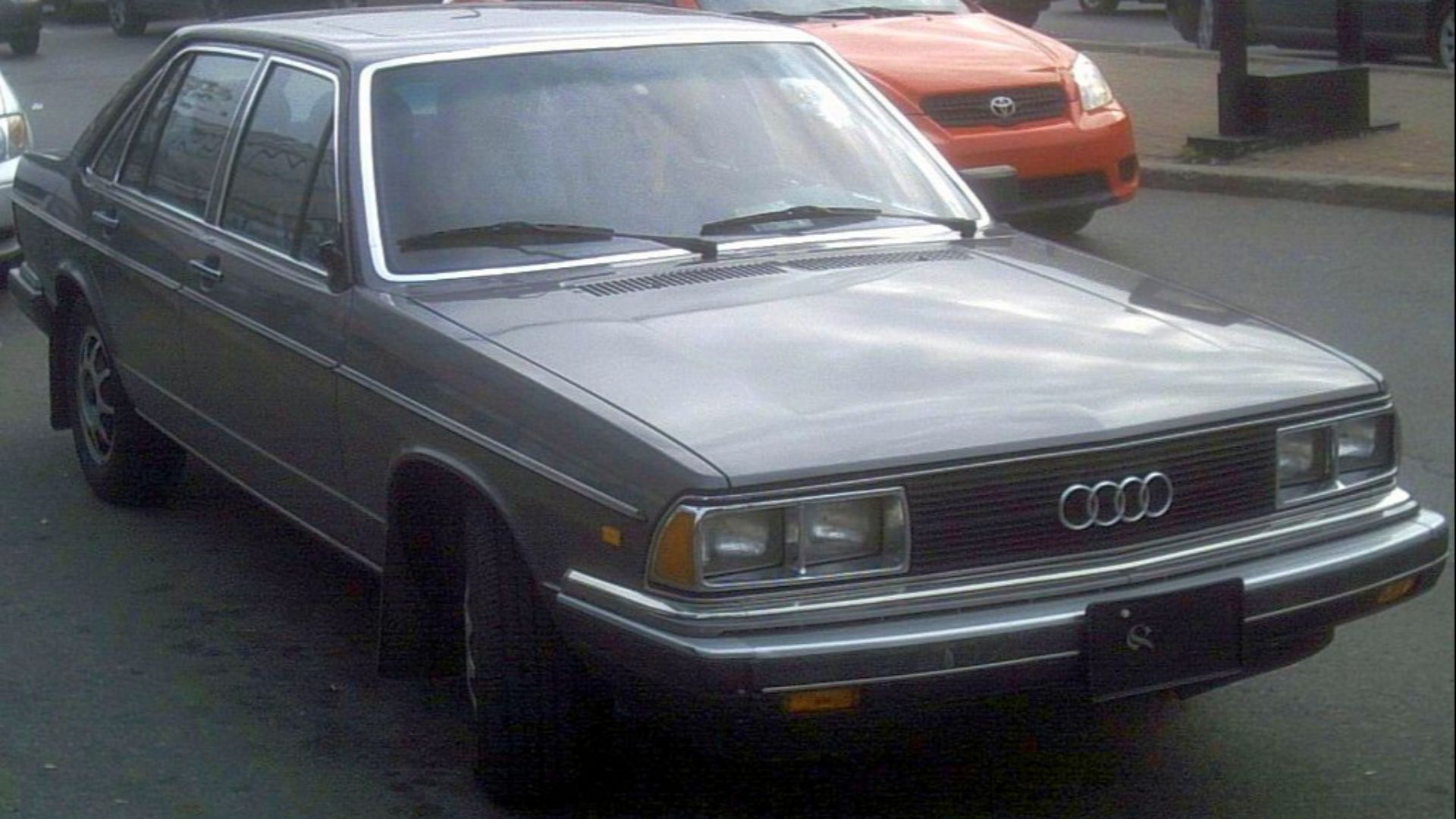
The Audi 5000: Sudden Scares Of Sudden Acceleration
In the late 1980s, reports of “unintended acceleration” put Audi in the congressional hot seat. Though later studies blamed pedal misapplication more than engineering flaws, the reputation hit was massive. The government stepped in, rules were updated, and the phrase “shift lock” became a standard part of automotive design.
The Jeep CJ: America’s Favorite Rollover Machine
Beloved? Yes. Stable? Well… The early CJ models, especially the CJ-5, had a tall, narrow stance that made them eager to tip during emergency maneuvers. Investigators eventually forced revisions and heavily influenced rollover-prevention regulation. Jeep’s legacy survived—but only after adopting safer architecture.
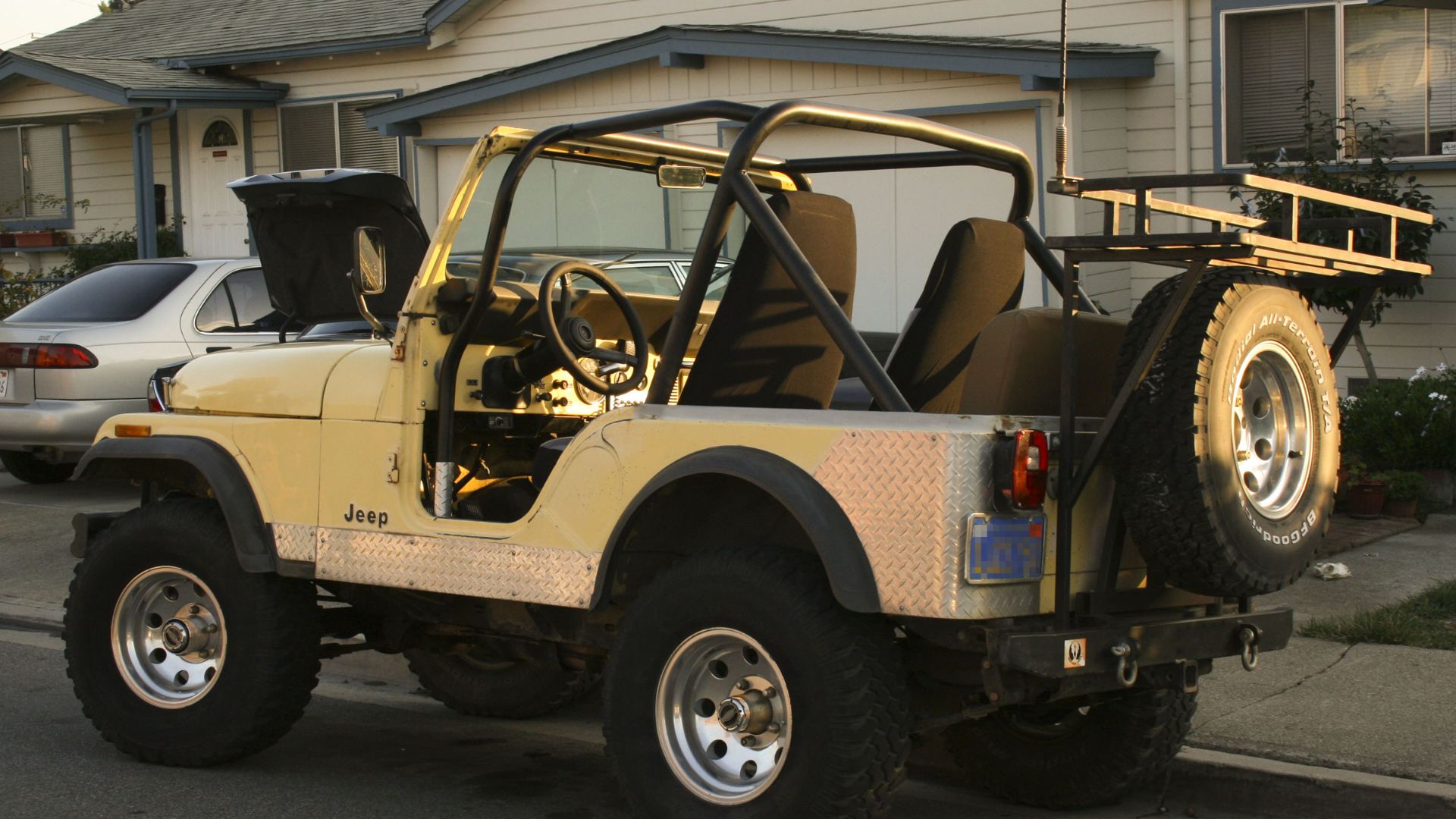 Netzkobold at English Wikipedia, Wikimedia Commons
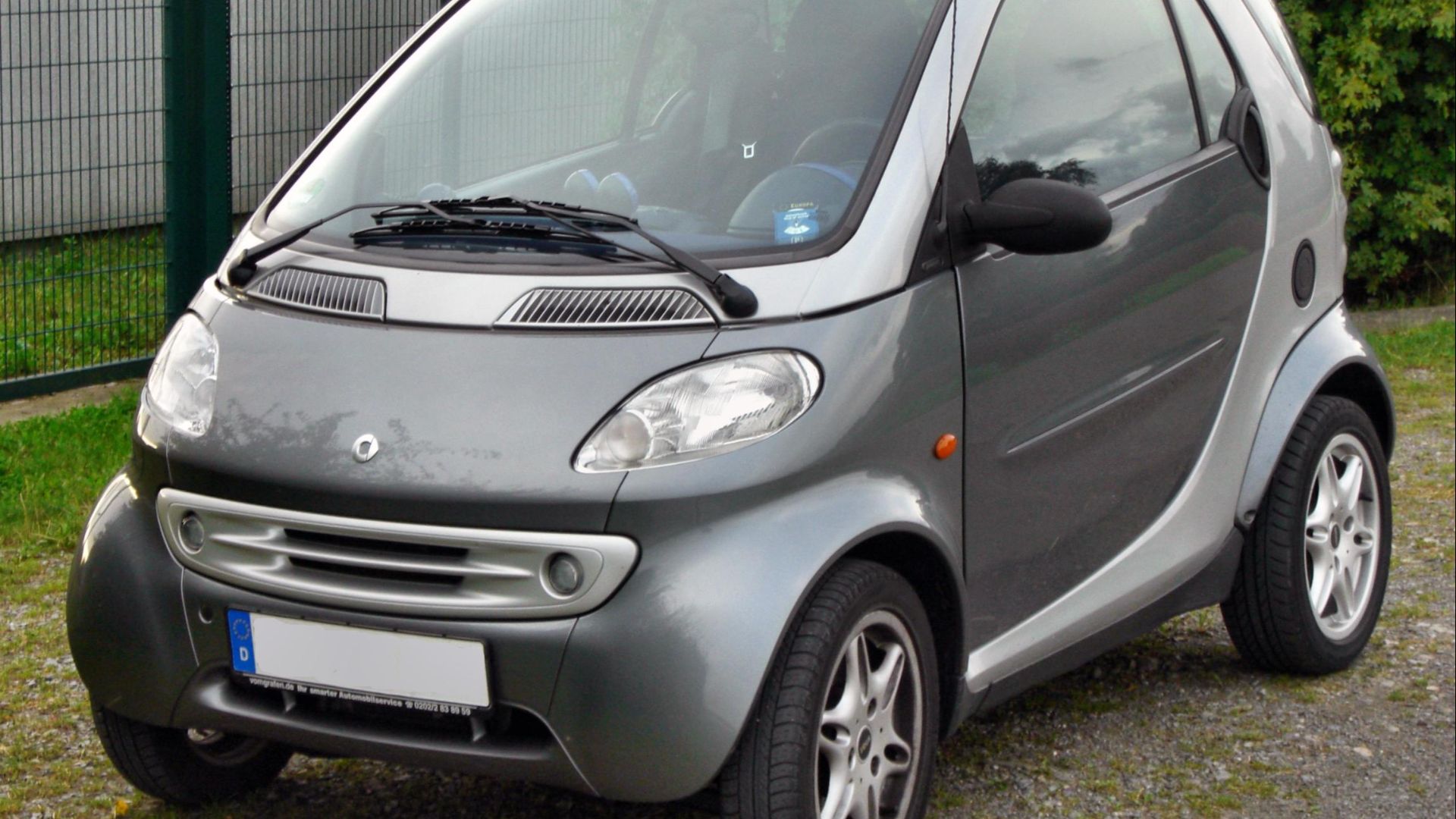
The Smart Fortwo: Microcar, Macro Concerns
Crash tests of the Fortwo were wild—tiny cars ricocheting off barriers like pinballs. While engineered surprisingly well for its size, regulators in several countries imposed restrictions and extra testing for microcars overall. The Fortwo didn’t cause a crisis, but it highlighted new dangers and regulatory gaps the government quickly moved to fill.
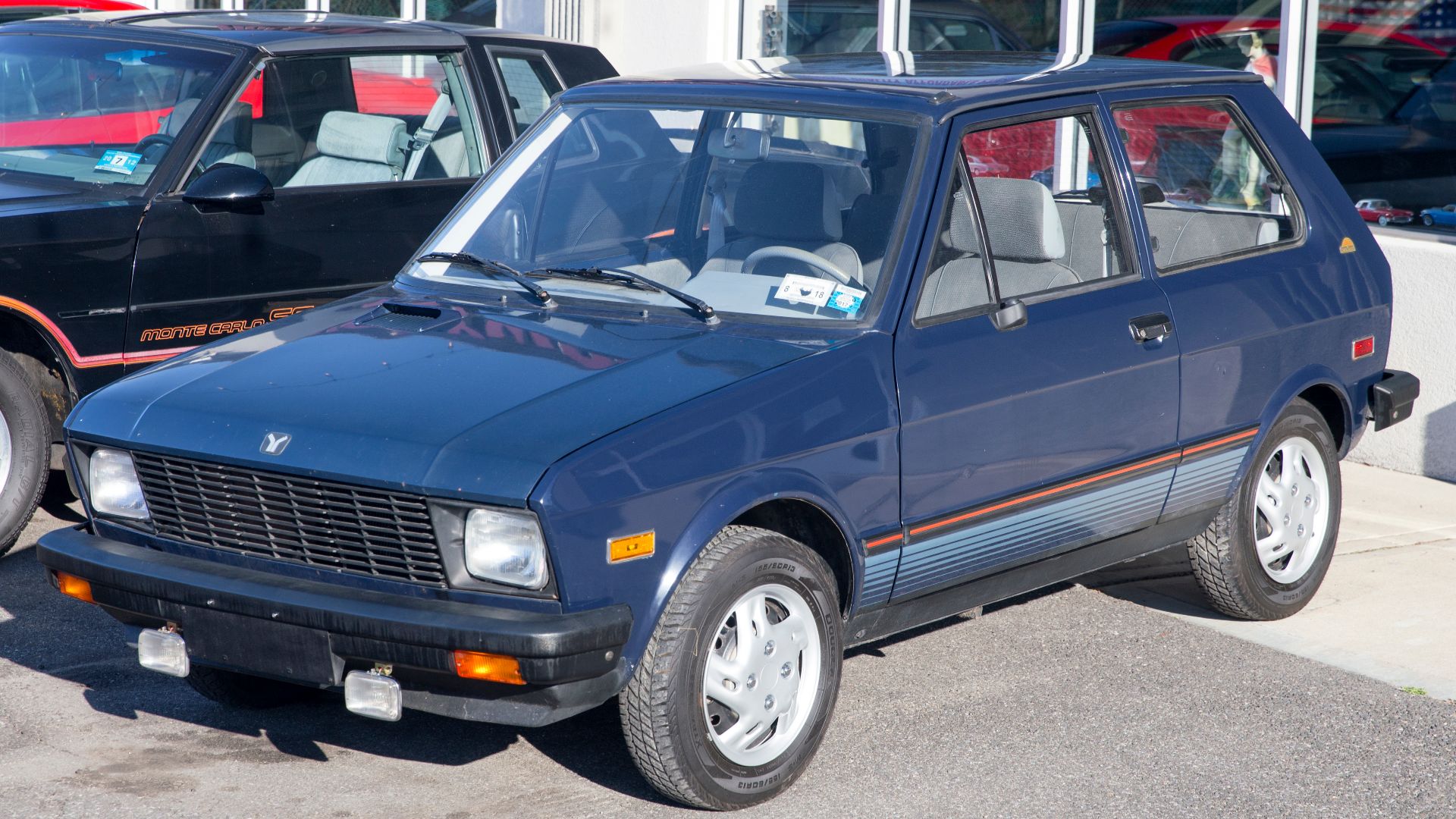
The Yugo GV: Built Cheap, Broke Cheaper
The Yugo wasn’t just unreliable—it was structurally questionable. Doors could jam after even small impacts, safety systems were rudimentary, and crash-test scores were abysmal. Several governments tightened import safety standards after the Yugo’s arrival, effectively helping put the bargain car out of business.
 Mr.choppers, Wikimedia Commons
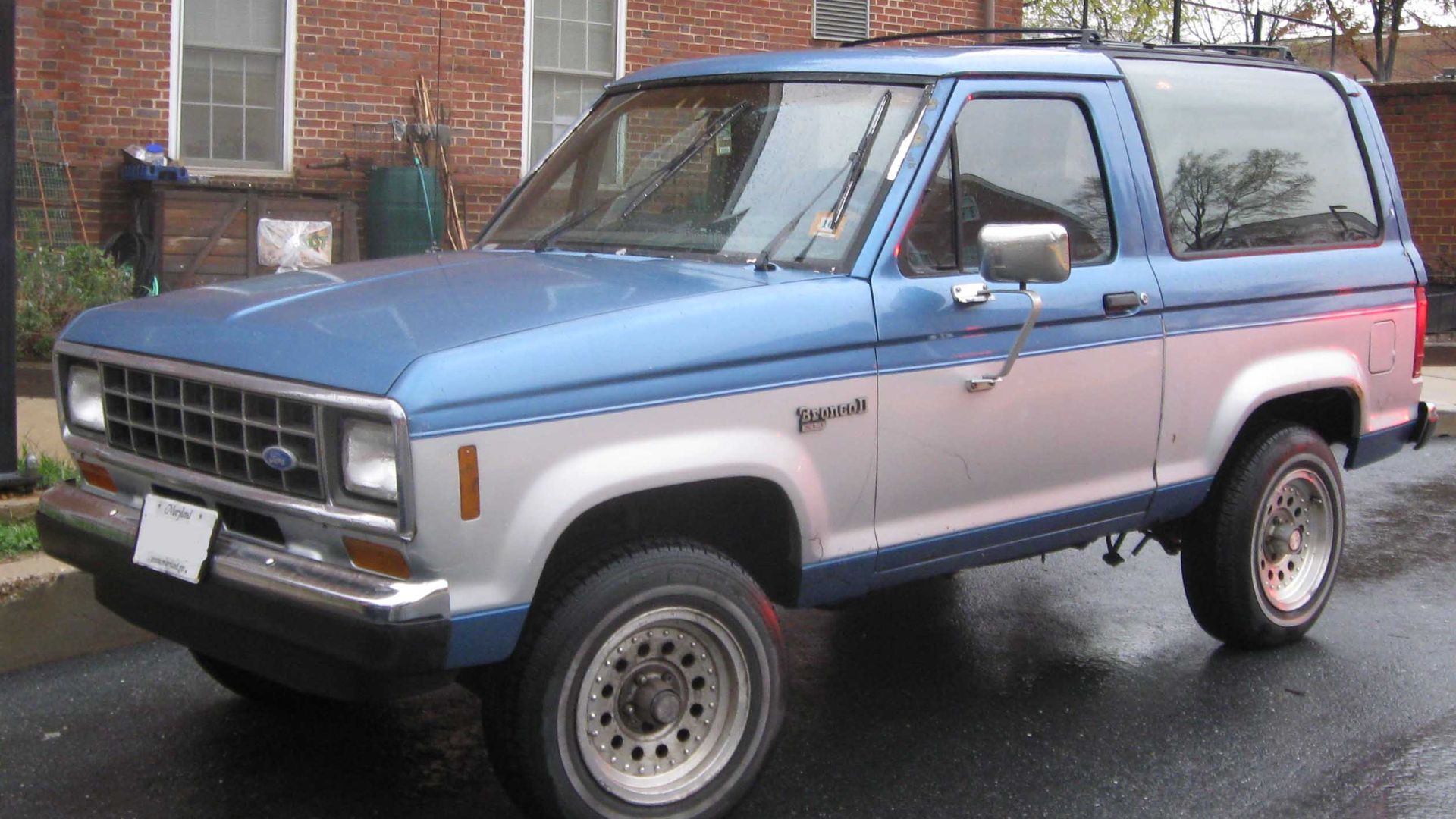
The Bronco II: The SUV Americans Loved To Roll
Ford’s Bronco II suffered from a narrow track and high center of gravity, resulting in rollover risks that made national headlines. Government investigations, lawsuits, and stricter SUV stability testing were all part of the fallout. Its successor, the Explorer, offered safer design—but only after regulators forced change.
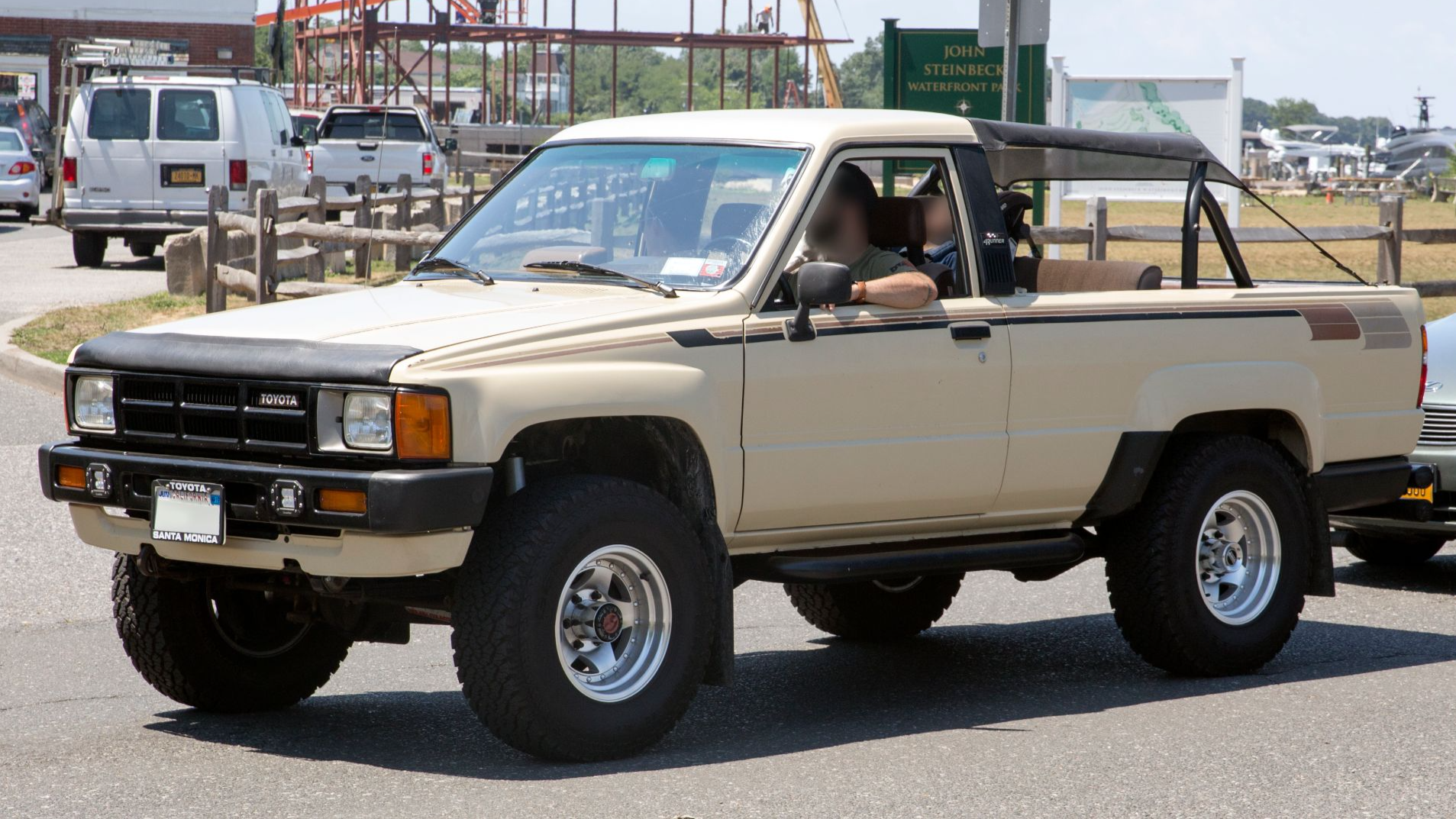
The Toyota 4Runner (First Gen): A Pickup Wearing A Wagon Costume
By slapping a fiberglass shell on a Hilux pickup, Toyota unintentionally created a vehicle that handled like…a pickup with a plastic hat. Early 4Runners were heavy in the rear, light in the front, and prone to rollover. Regulatory attention eventually led to more balanced designs and the modern, sturdier SUV we know today.
 Mr.choppers, Wikimedia Commons
The Ford Mustang II: Pinto’s Dangerous Cousin
Sharing major components with the Pinto meant sharing its problems. The Mustang II inherited the Pinto’s notorious fuel-tank vulnerability. Government scrutiny and evolving crash-test standards squeezed the Mustang II into history while paving the way for safer pony cars.
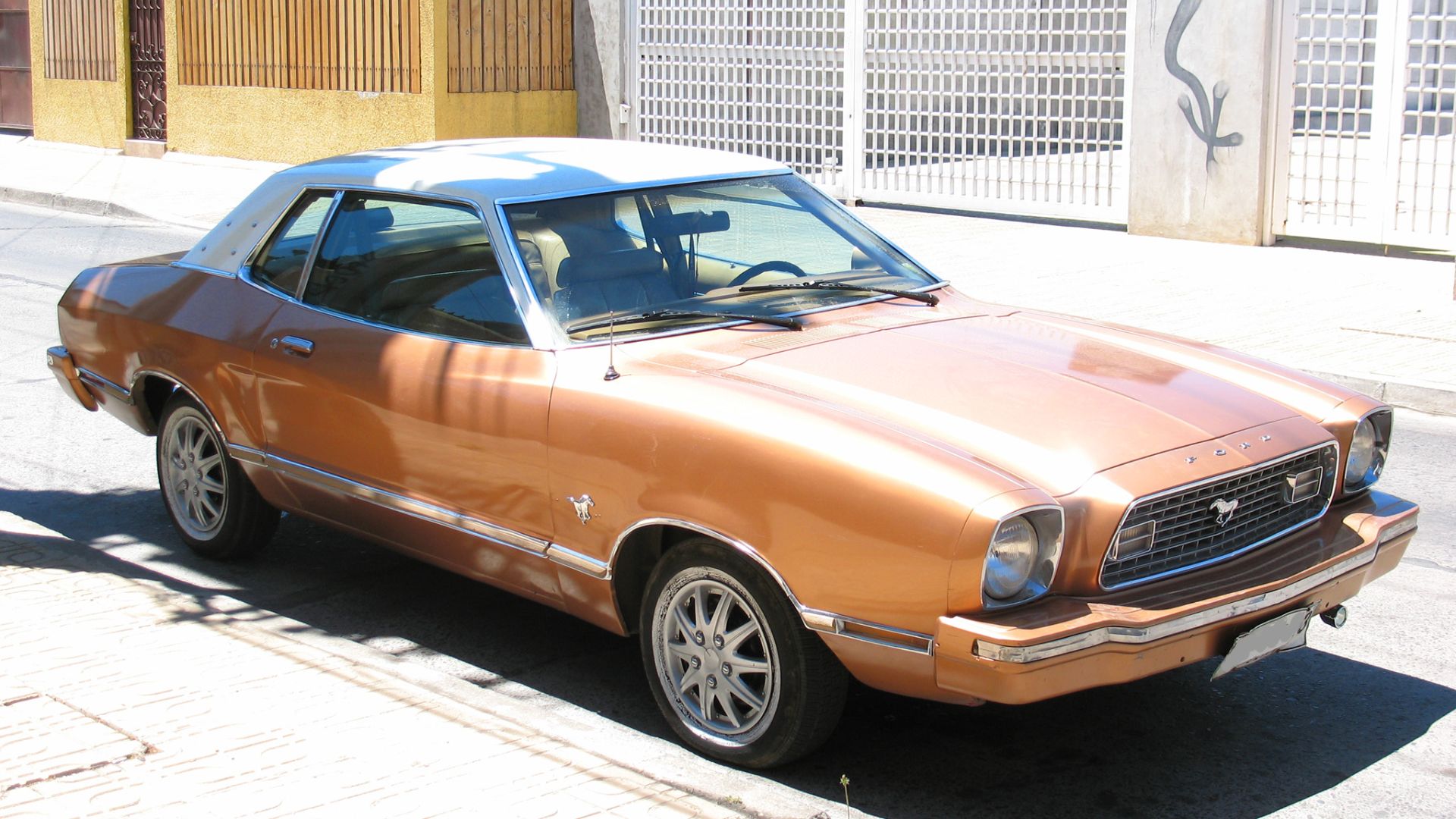 order_242 from Chile, Wikimedia Commons
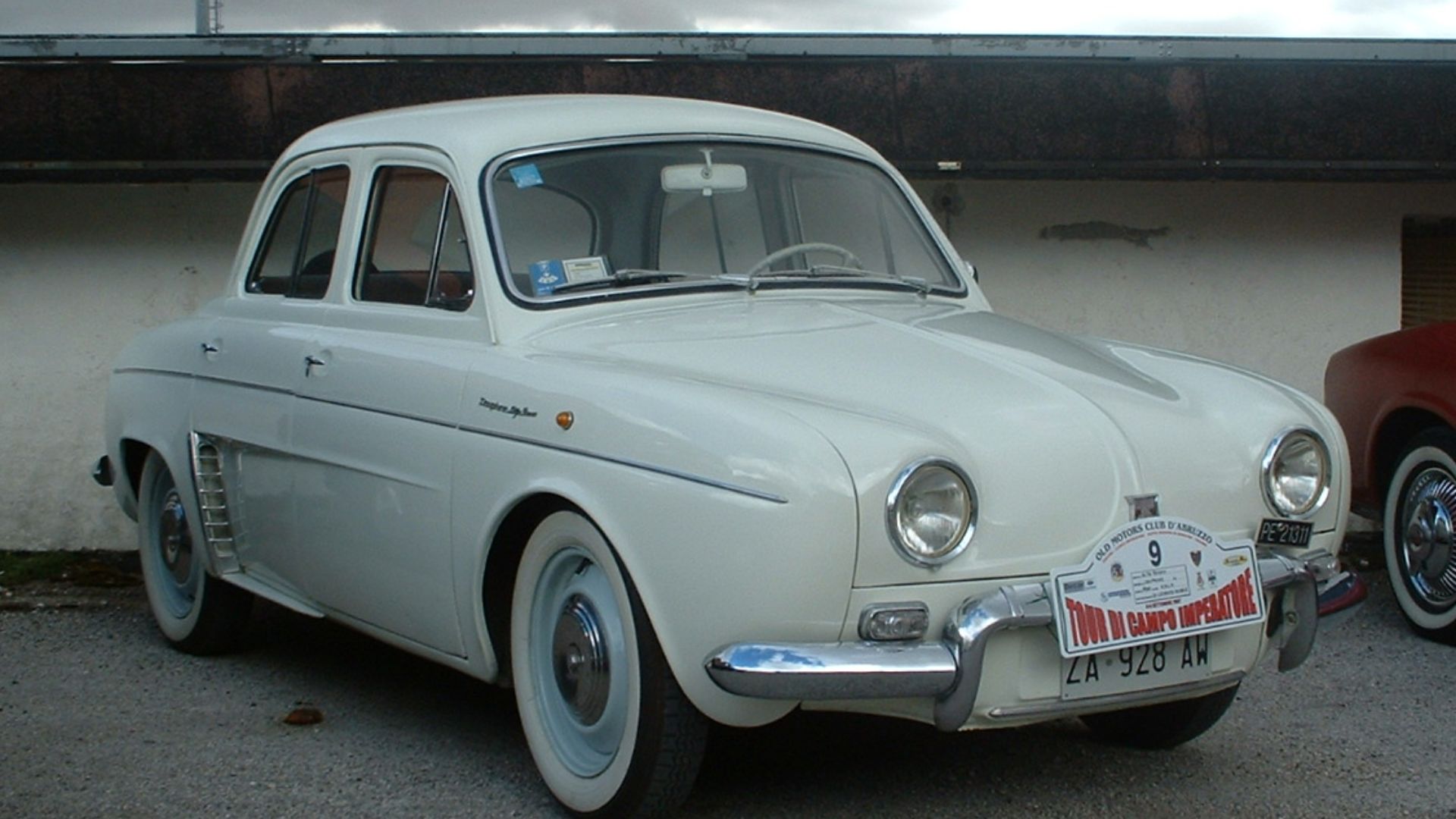
The Renault Dauphine: Cute, But Catastrophic
This French import was charming—from a safe distance. On the road, it was slow to accelerate, weak in crosswinds, and frighteningly flimsy in crashes. Safety agencies used the Dauphine's failures to improve minimum crash-worthiness standards for imported vehicles.
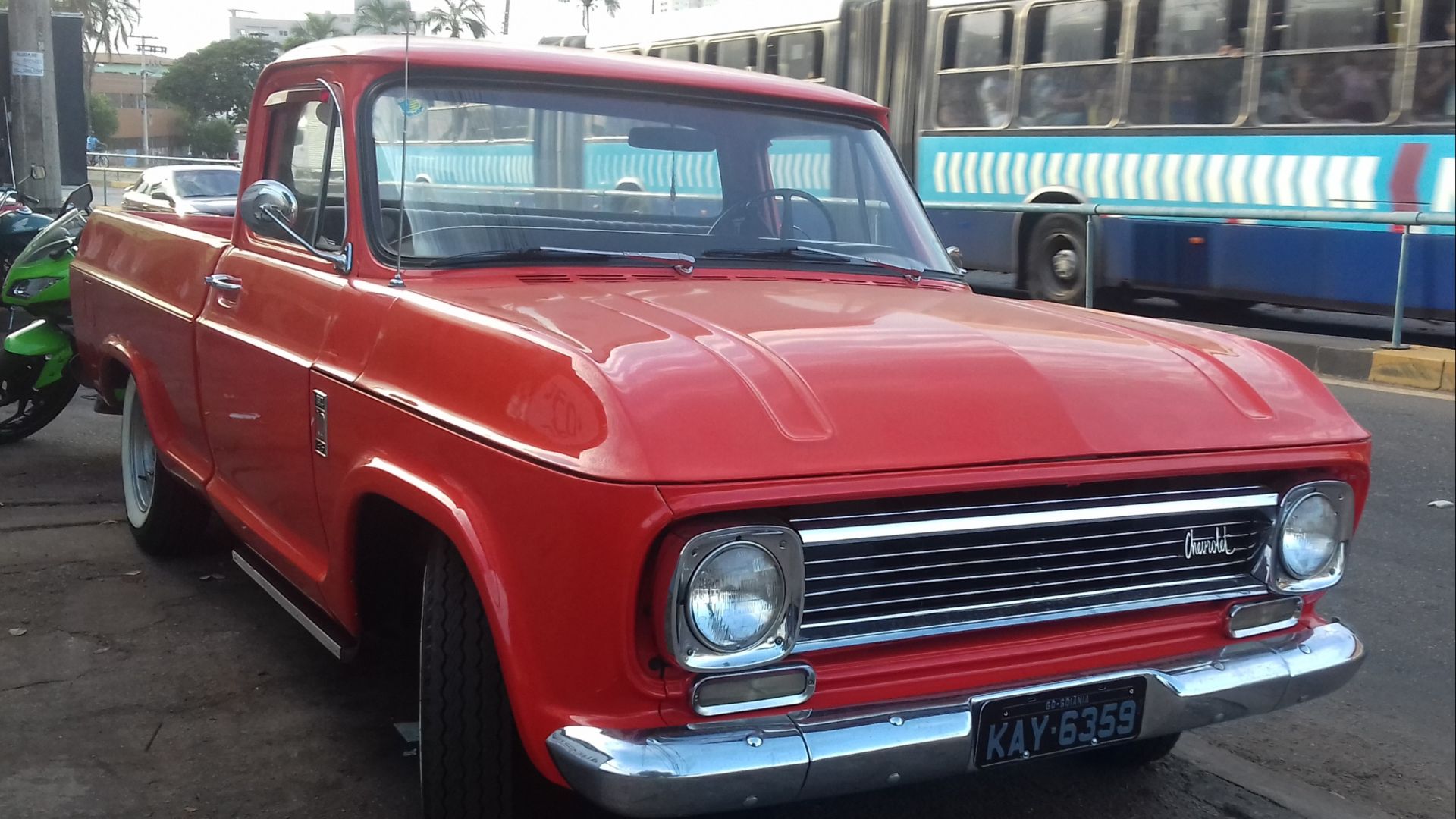
The Chevy C/K Pickup: Side-Saddle Tank Trouble
GM’s decision to mount fuel tanks outside the frame rails—known as “side-saddle” tanks—resulted in lethal fire risks during side impacts. After public pressure and federal investigation, GM funded a massive safety program and regulations for fuel-tank placement tightened industry-wide.
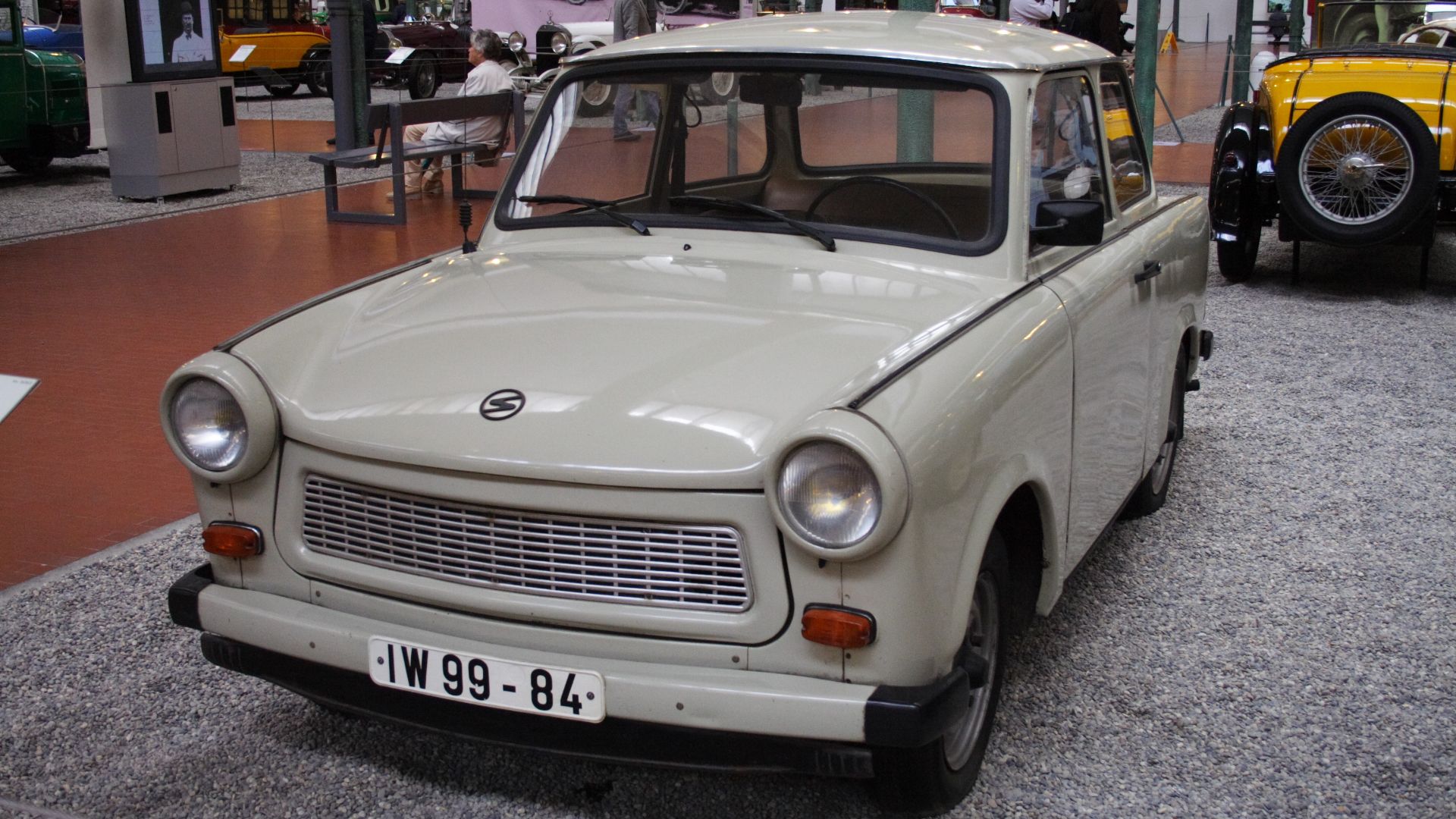
The Trabant 601: A Rolling Safety Time Capsule
This East German icon offered all the structural integrity of a cardboard refrigerator box. Its smoky two-stroke engine and brittle duroplast body made it environmentally and physically hazardous. After reunification, strict EU safety laws essentially banned it overnight.
The Bricklin SV-1: The Safety Car That Wasn’t
Ironically marketed as the “Safety Vehicle,” the SV-1 suffered issues like sticky gull-wing doors that could trap occupants—never ideal in an emergency. Government evaluations exposed engineering problems, contributing to the car’s quick demise.
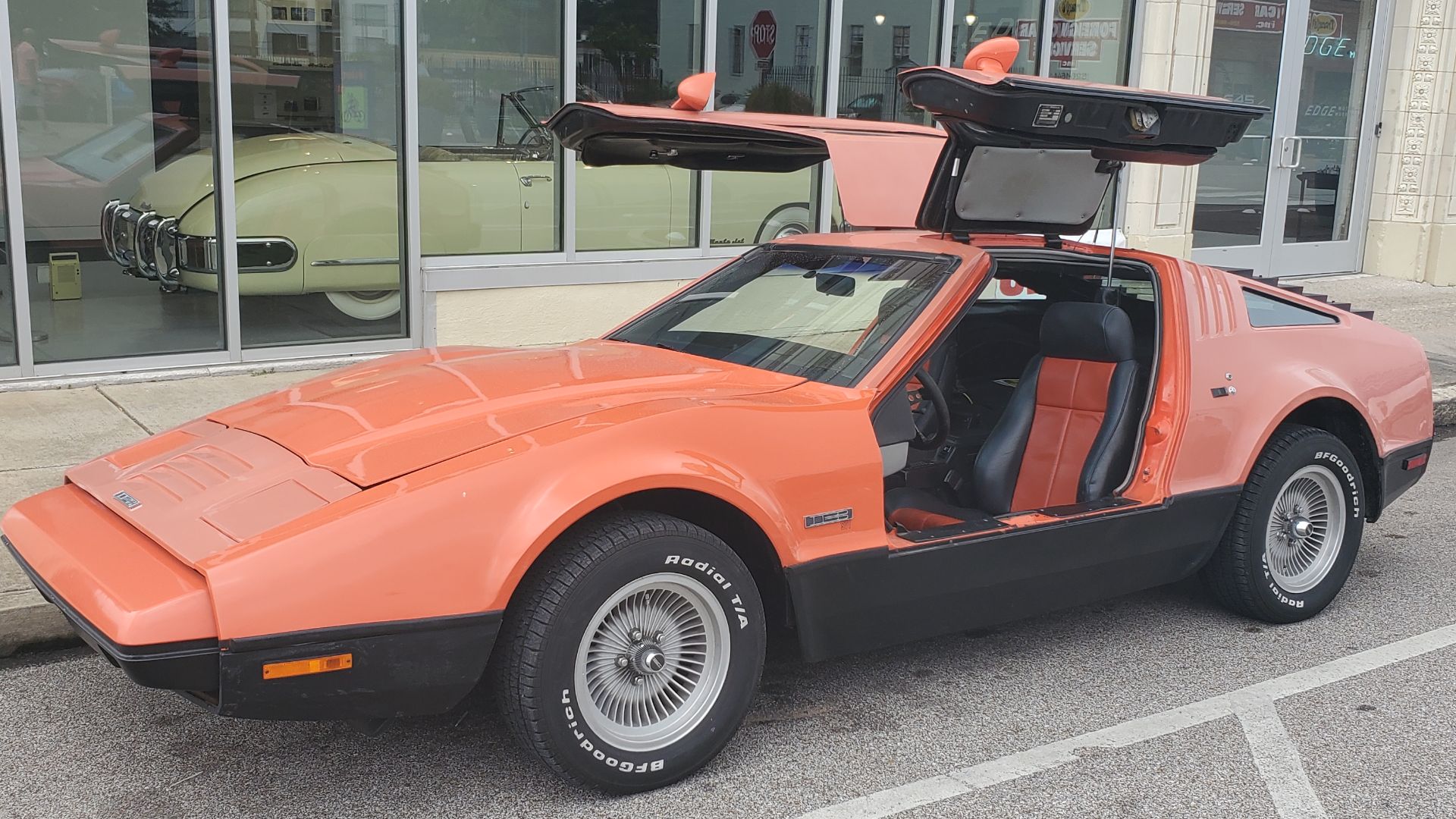 KyleStockton92, Wikimedia Commons
The Dodge Dart (Early Models): Steering Column Spear Hazard
On early Darts and many cars of the era, steering columns could collapse into drivers during severe impacts instead of away from them. Government pressure led to mandatory collapsible steering columns—one of the biggest leaps in crash-safety history.
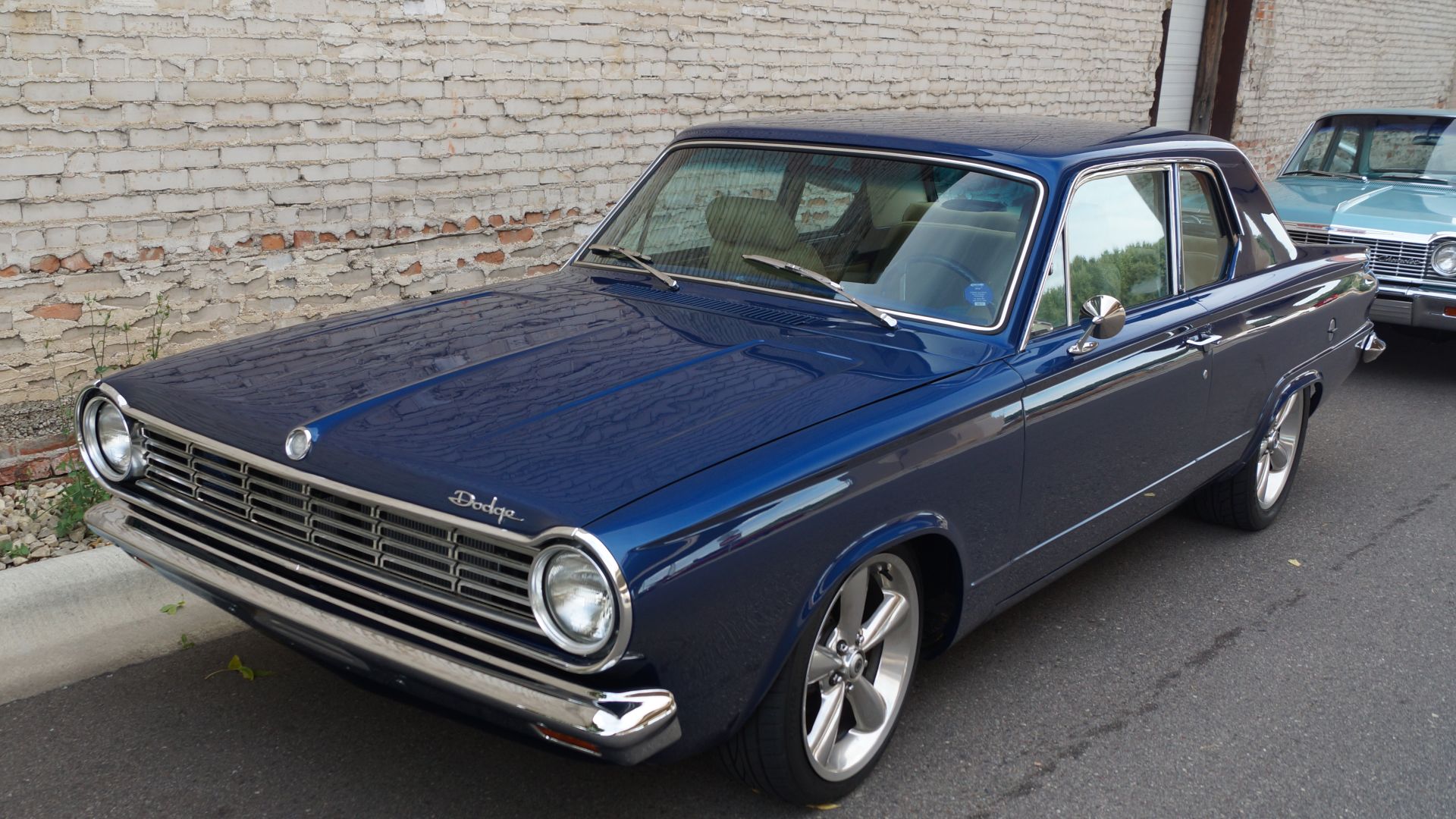 Greg Gjerdingen from Willmar, USA, Wikimedia Commons
The Lotus Esprit (Early Years): Lightweight, Not Lifesaving
Lotus engineers loved lightweight design, but early Esprits lacked meaningful crash protection. After federal review, import rules forced structural reinforcements for the U.S. market, helping set later standards for exotic-car crash testing.
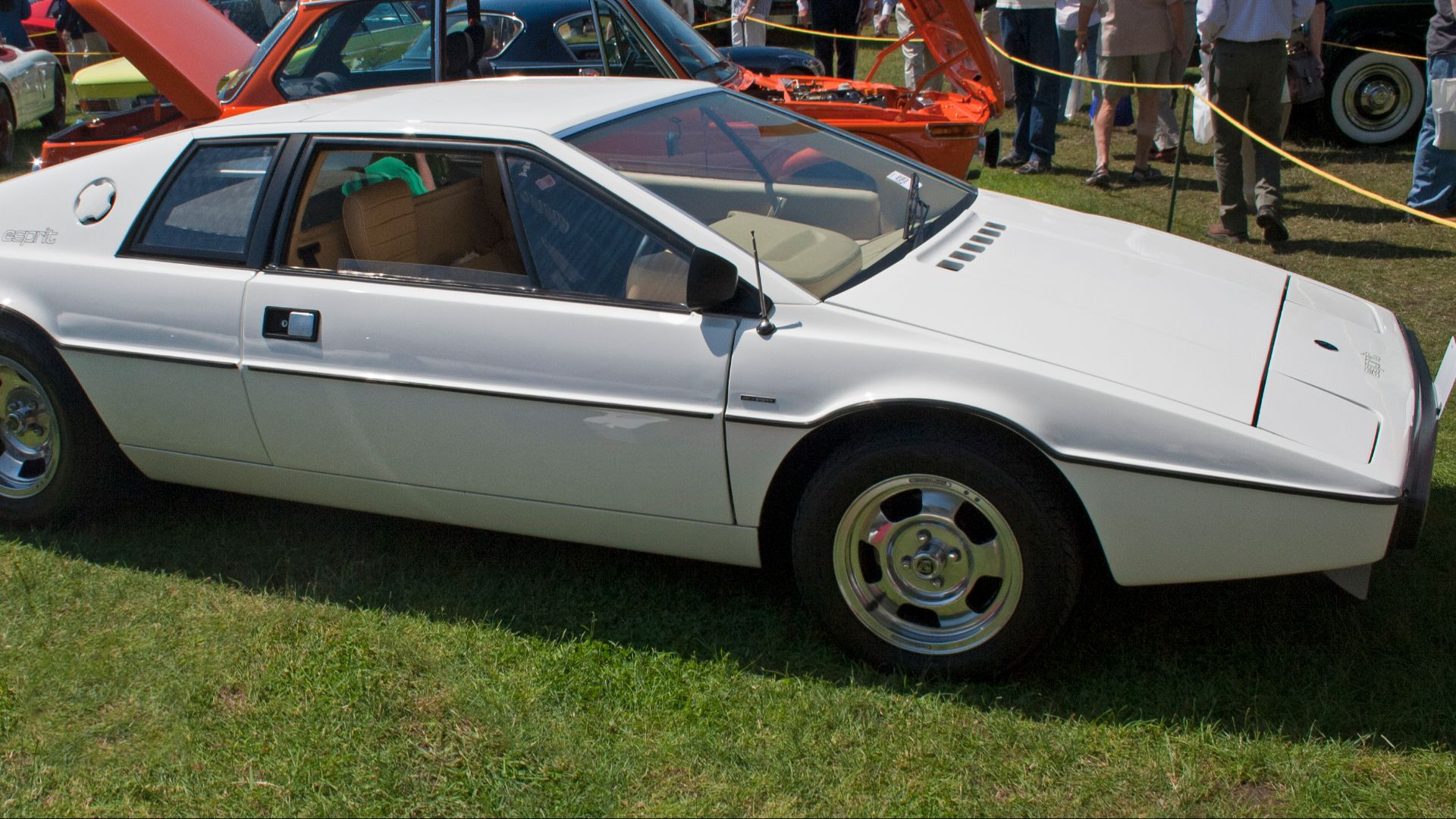 Mr.choppers, Wikimedia Commons
The GAZ Volga: Soviet Steel Meets Minimal Safety
With almost no crash structure and minimal restraint systems, the Volga became a symbol of pre-regulation automotive danger. When imported to various nations, many governments refused certification outright, spurring tighter international safety guidelines.
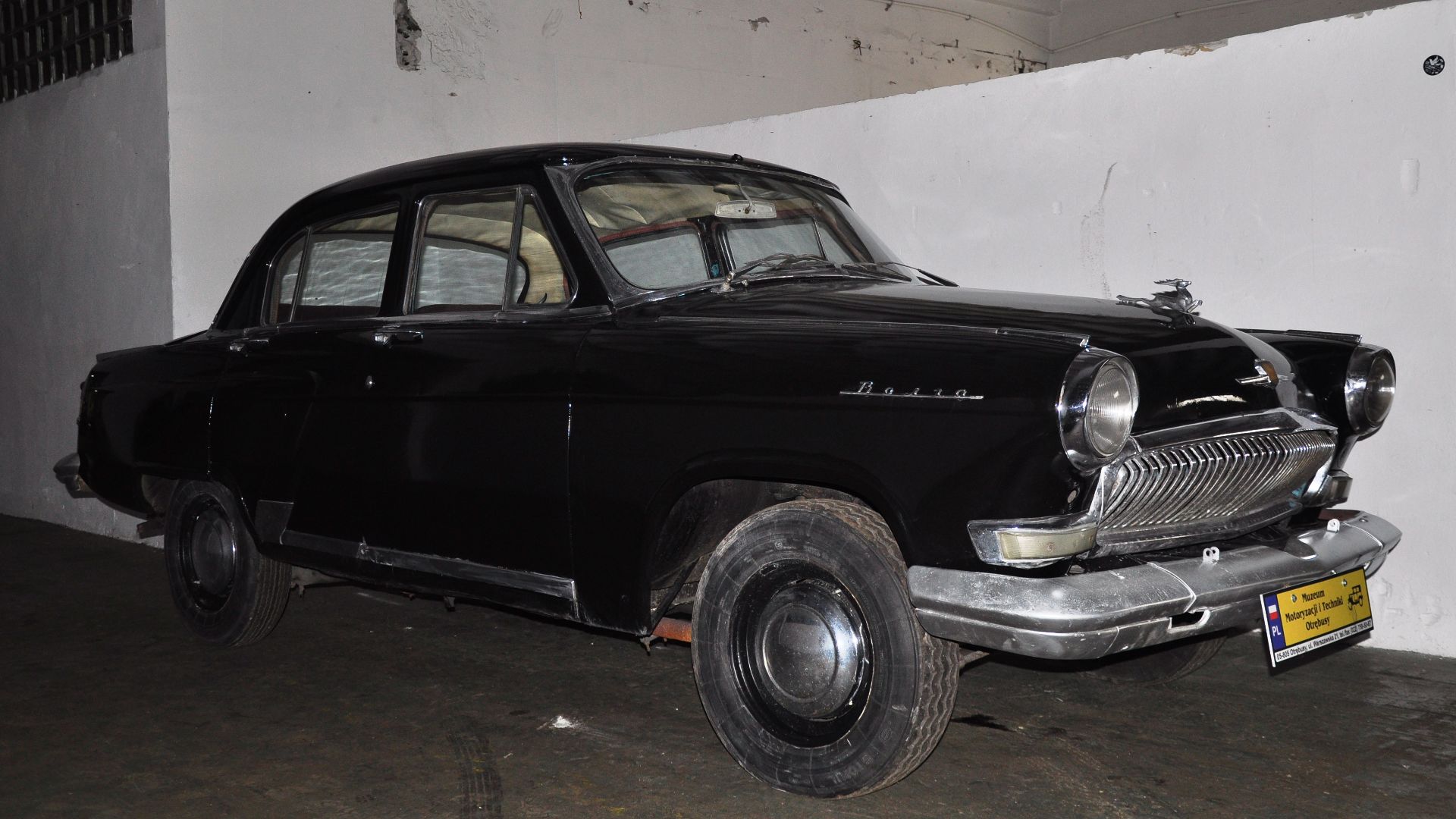
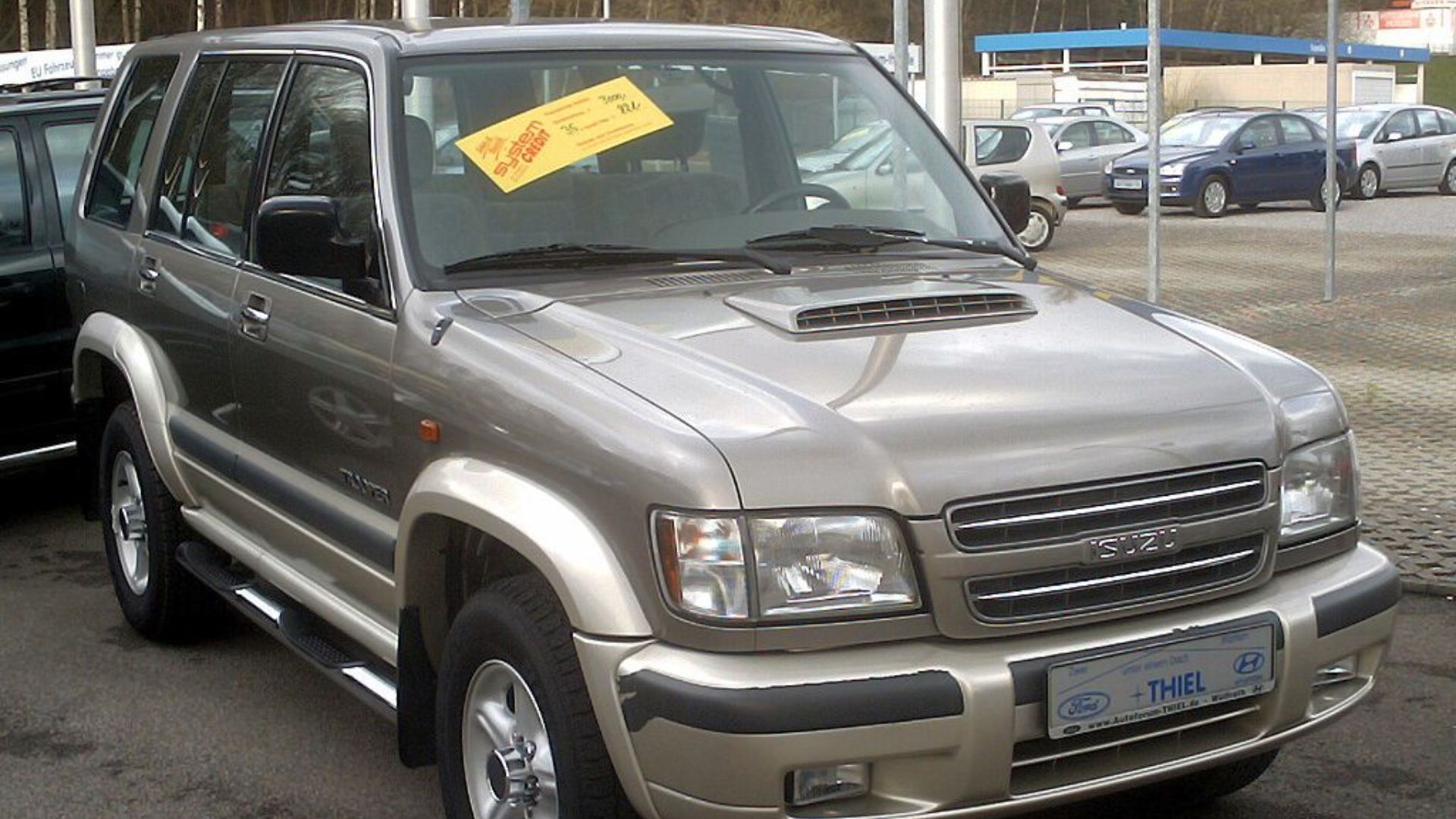
The Isuzu Trooper: Tippy Trouble
Like the Samurai, the Trooper suffered rollover behavior that caught regulatory agencies’ attention. After high-profile tests exposed stability issues, rollover-resistance ratings and testing procedures tightened across the SUV market.
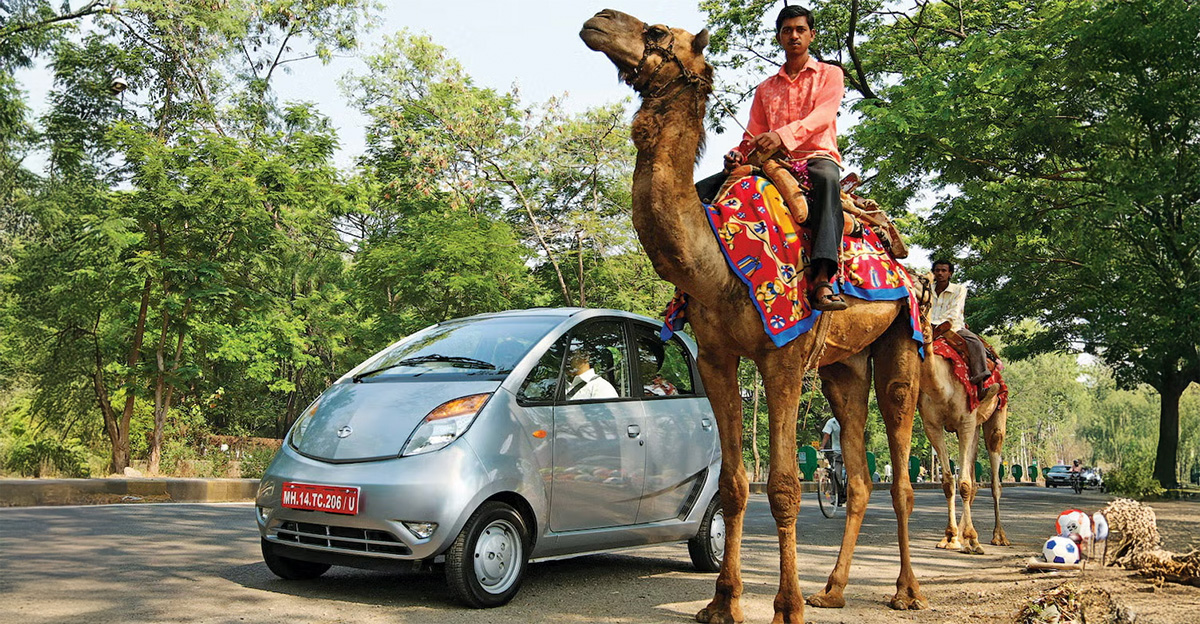
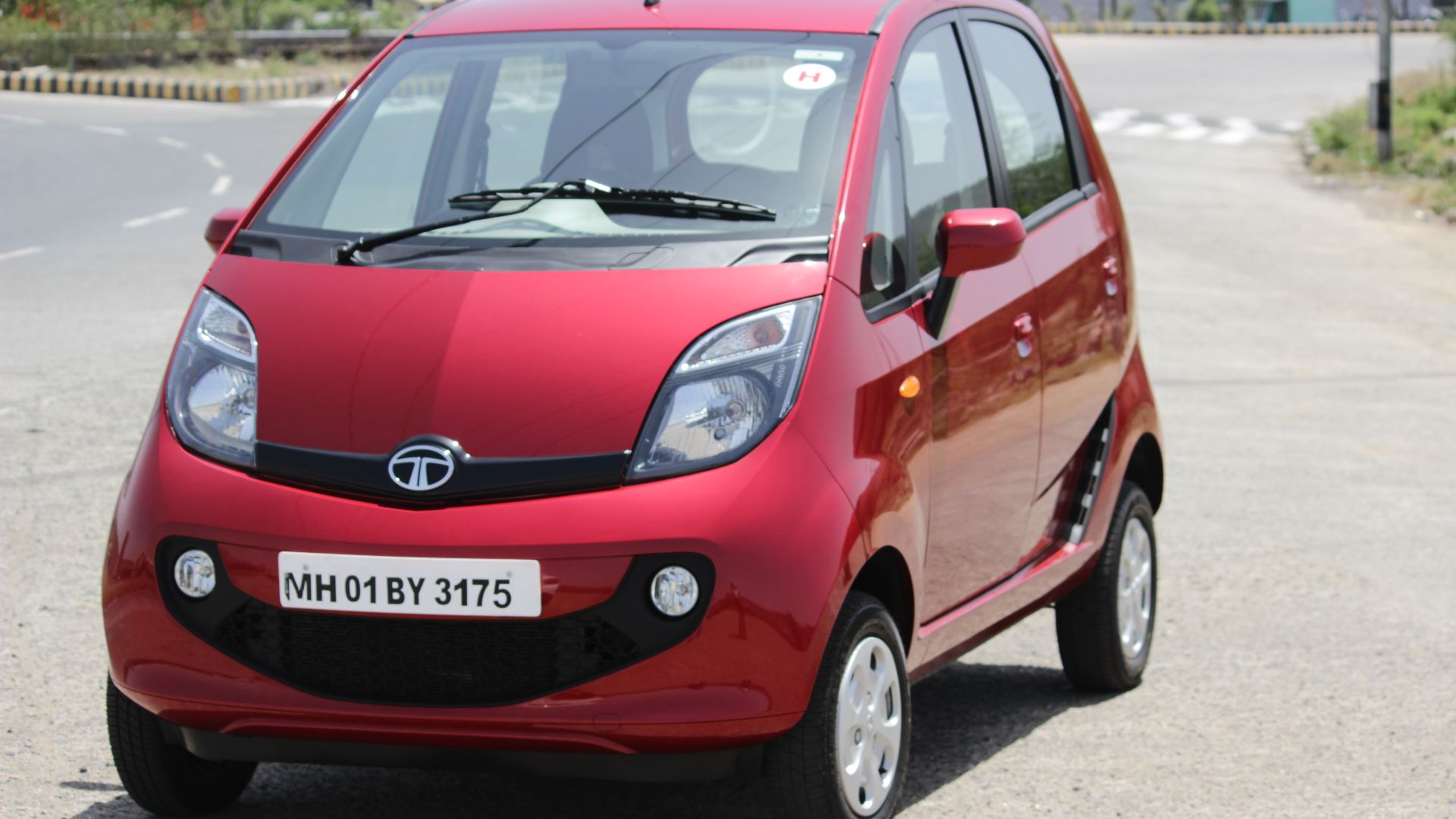
The Tata Nano: Built Too Cheap To Pass
Designed as the world’s cheapest car, the Nano lacked essential structural reinforcement. Several countries flatly refused certification without major safety revisions. The controversy helped shape modern minimum global crashworthiness rules.
 Alexander Gounder, Wikimedia Commons
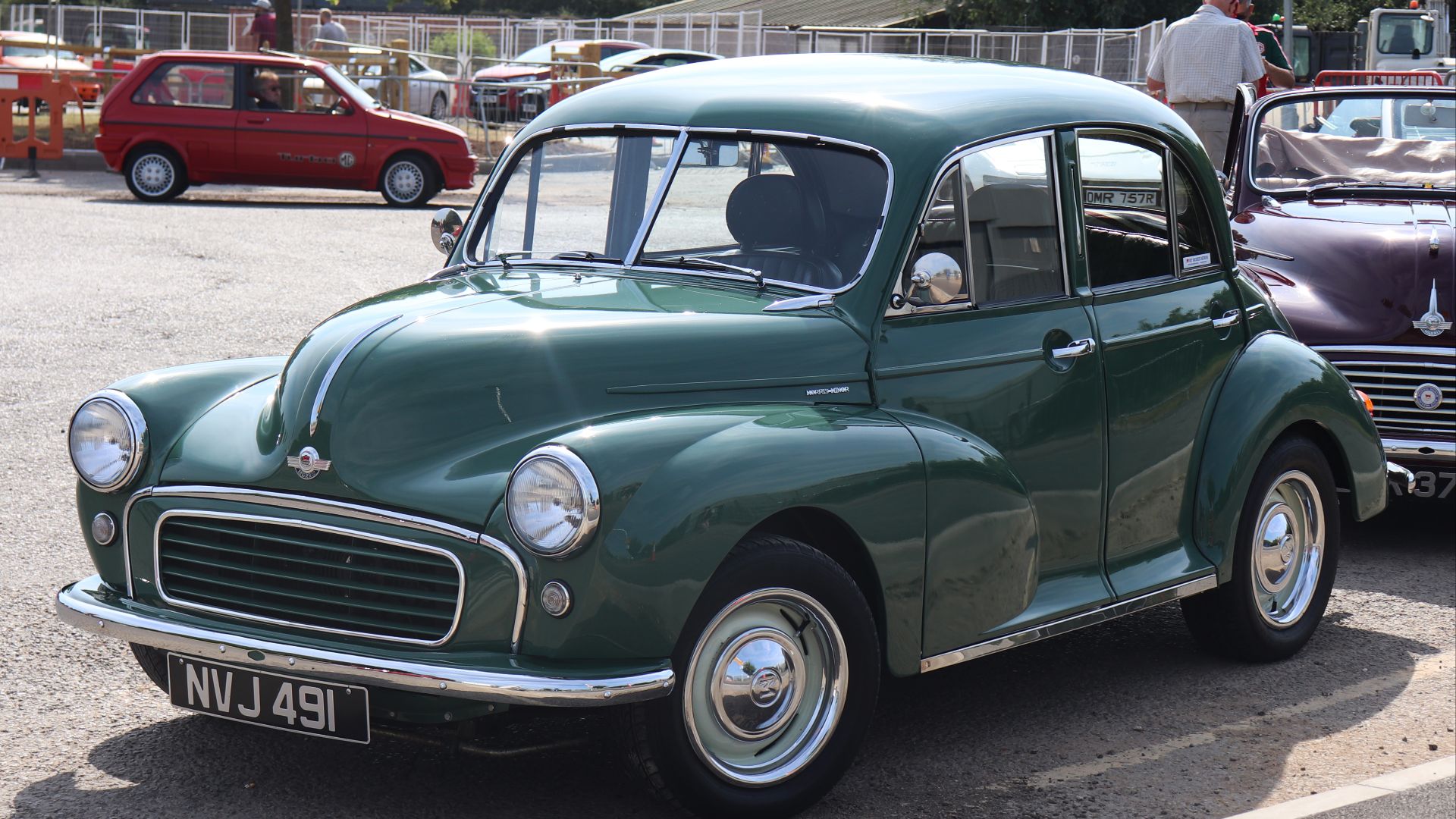
The Morris Minor: Adorable…And Structurally Outdated
Charming, yes. Safe, no. The Minor’s pre-war engineering left it far behind emerging safety expectations. Government crash-test evolution in the 1960s made it effectively unsellable without updates, pushing automakers toward modern unibody design.
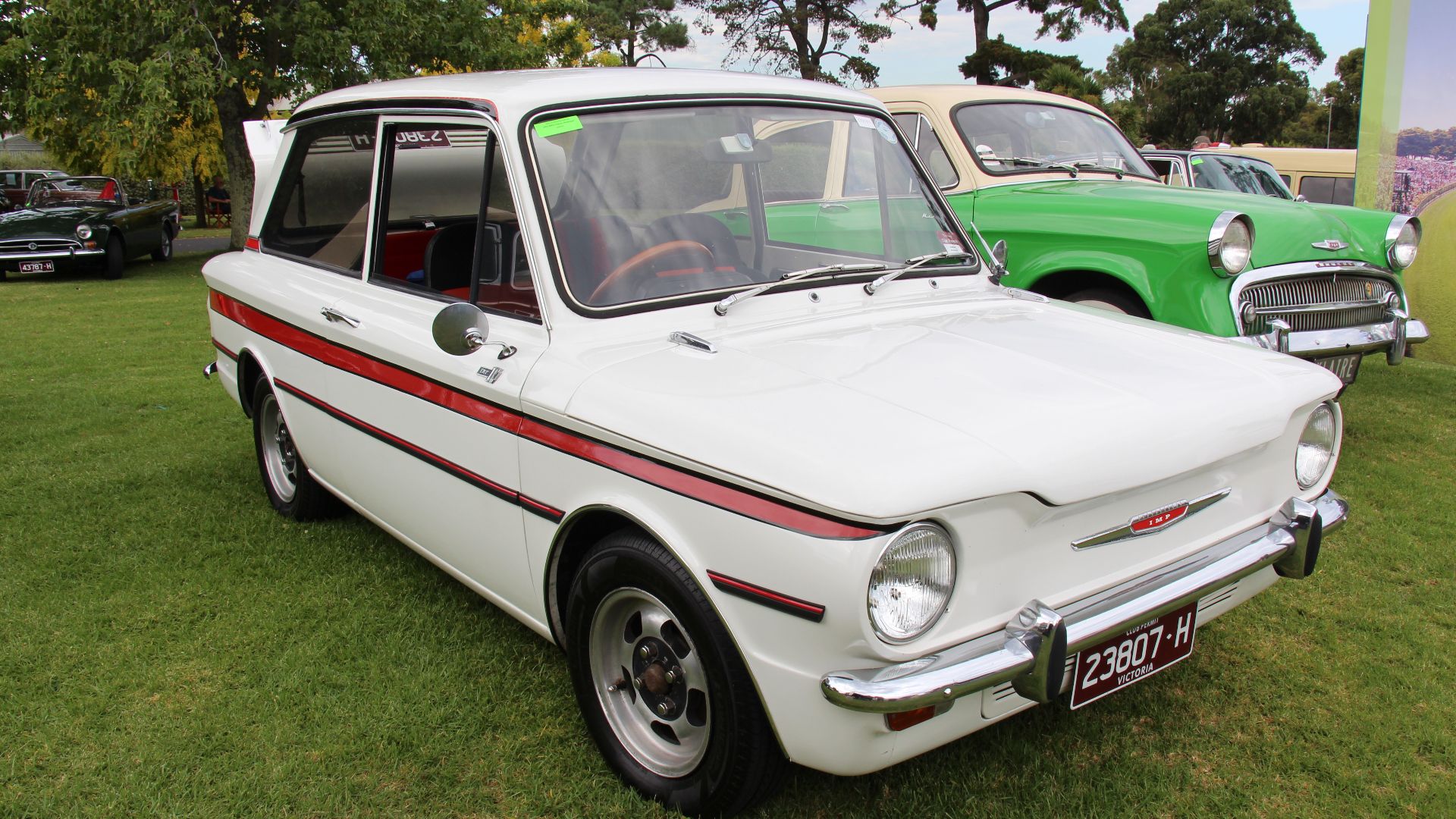
The Hillman Imp: Rear-Engine Risk
With Porsche-like layout but none of the engineering finesse, the Hillman Imp suffered unpredictable handling issues. British safety regulators pressured for improvements, influencing handling-stability rules for small cars.
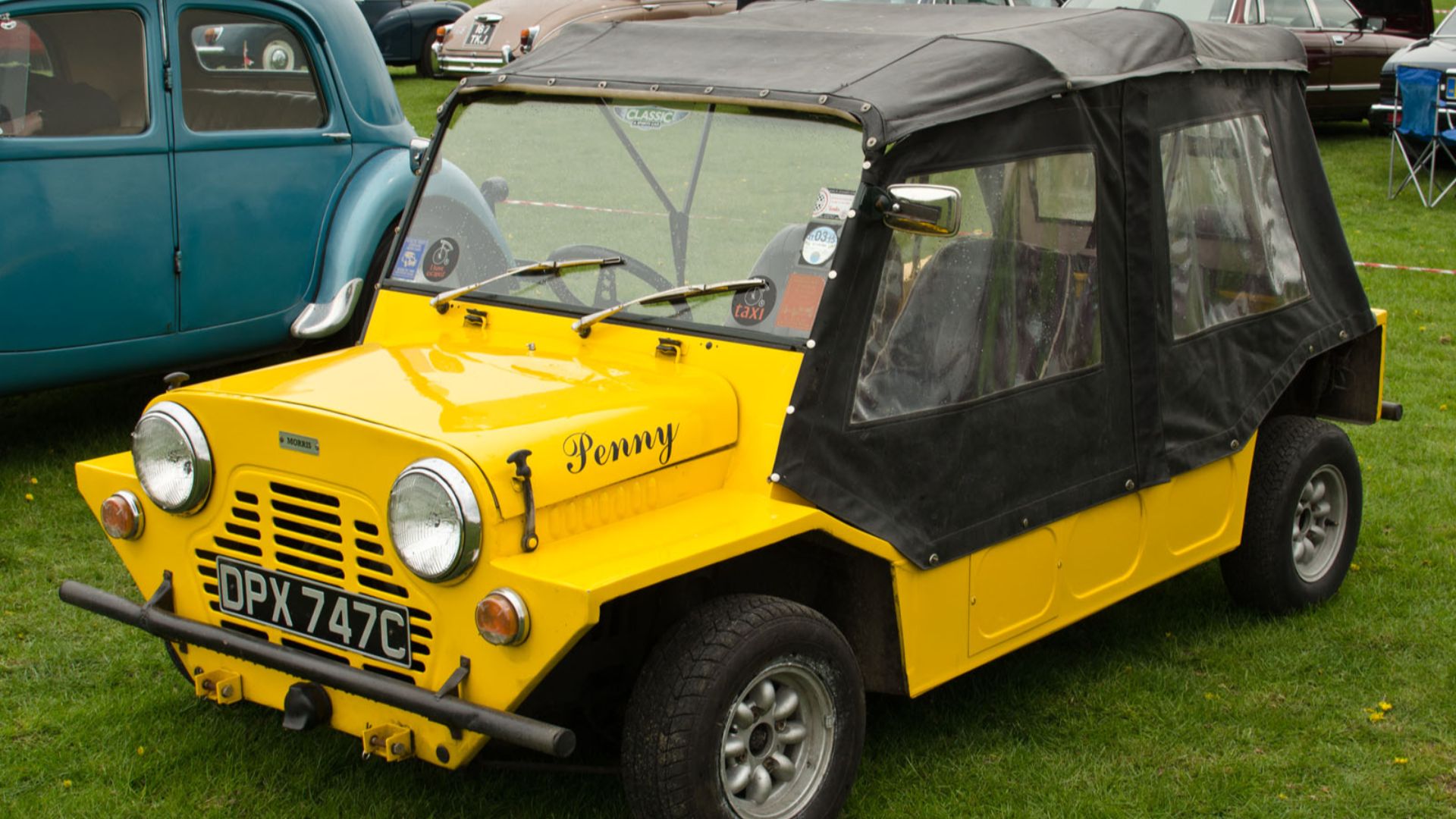
The Mini Moke: Barely A Car
Originally a military concept, the Moke hit civilian streets with almost no structural protection. Regulators quickly imposed restrictions, prompting redesigns and eventually ending its mainstream road-legal life.
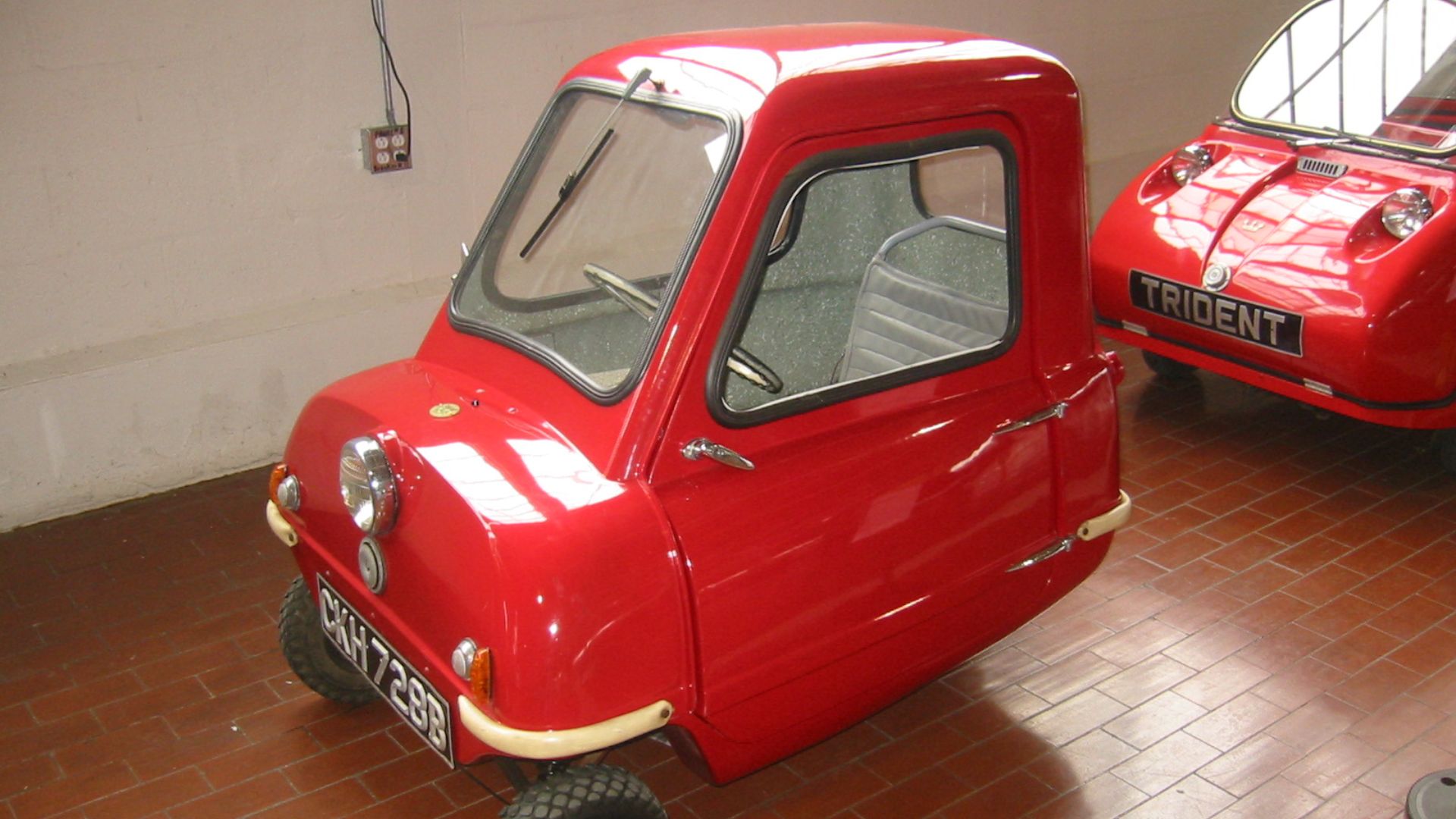
The Peel P50: World’s Smallest Car, World’s Biggest Safety Problem
When your car is basically a rolling closet with a lawnmower engine, safety is…limited. As microcars proliferated, governments stepped in to define minimum crash standards, and the P50 failed them all spectacularly.
 Philip (flip) Kromer from Austin, TX, Wikimedia Commons
The Legacy Of These Infamous Machines
For every dangerous car on this list, there’s a safer one on the road today because of it. Governments stepped in not to ruin the fun, but to make sure the fun didn’t end in tragedy. Each flawed machine—whether explosive, tippy, flimsy, or just badly conceived—pushed safety regulations into the modern era.
Today’s cars are faster, smarter, stronger, and safer than ever. And we owe that, in part, to the spectacular misfires of automotive history. After all, what’s progress without a few cautionary tales on four wheels?

You May Also Like:
The Cars That Are Most Frequently Targeted Today In America
My car insurance doubled, but I'm locked into a loan. How do I budget for this?
My Car Payment Is Killing My Budget But Selling It Feels Impossible. What Should I Do?