When Luxury Ruled Woodward Avenue
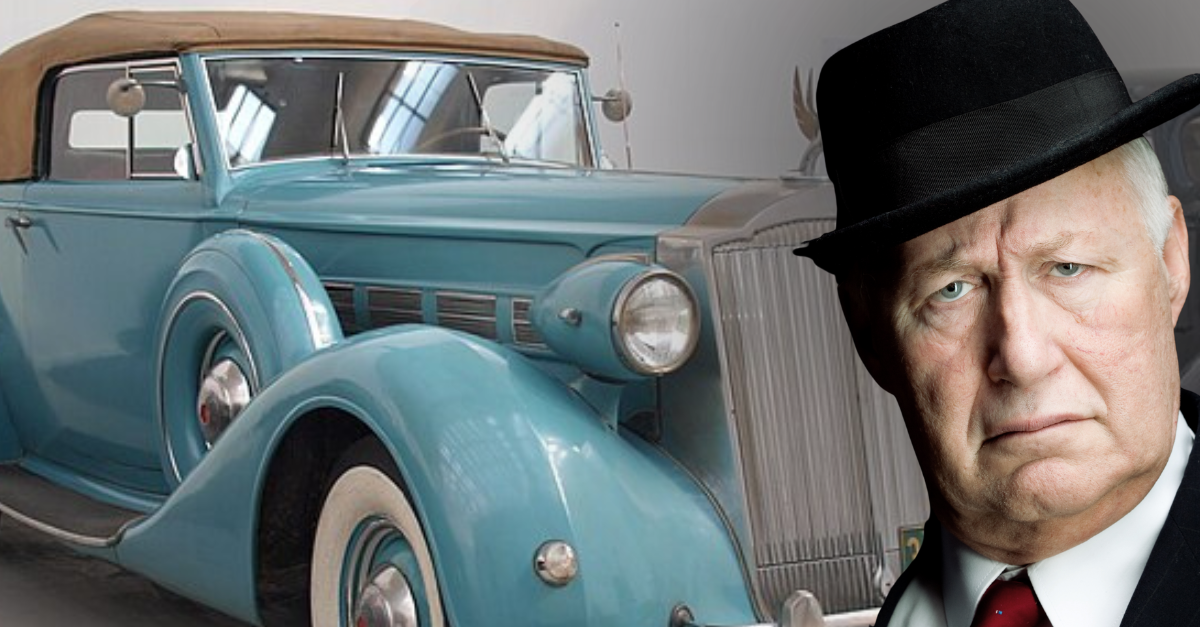
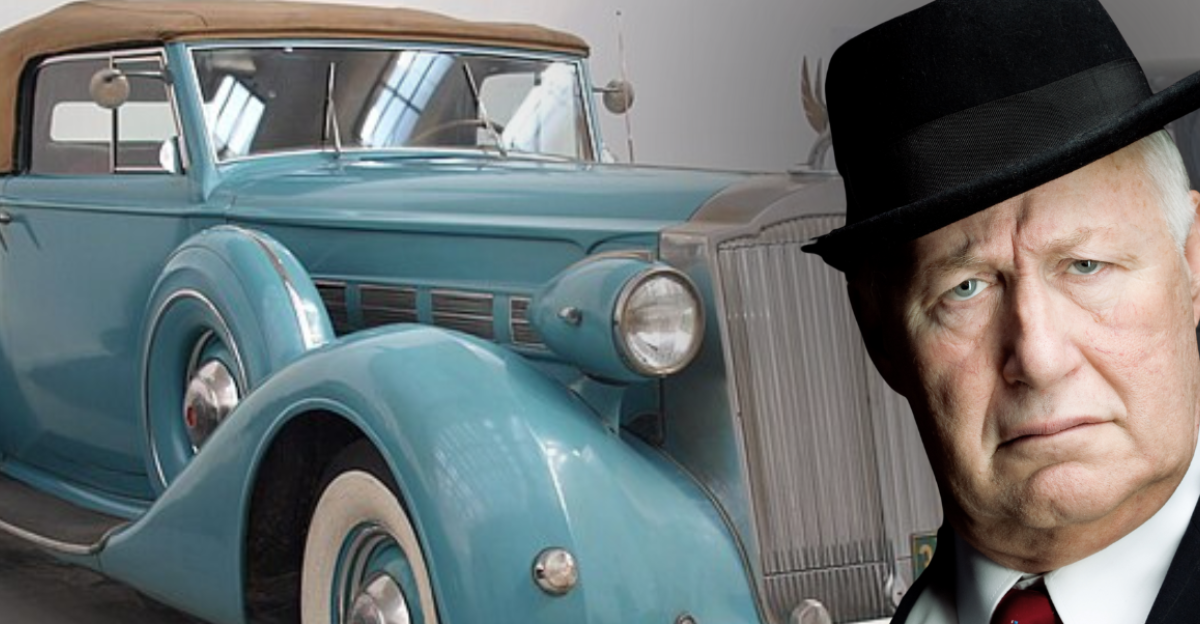
Before Cadillac became shorthand for American prestige, there was another name whispered in velvet showrooms and spoken with quiet authority at country clubs. Packard didn’t just compete with Cadillac—it often beat it. For decades, it defined what American luxury looked like, felt like, and sounded like. And then, almost unbelievably, it vanished.
Here’s how a brand that once ruled Detroit—and outclassed its biggest rival—slowly disappeared from the road.
 tomislav medak, Wikimedia Commons
A Confident Beginning
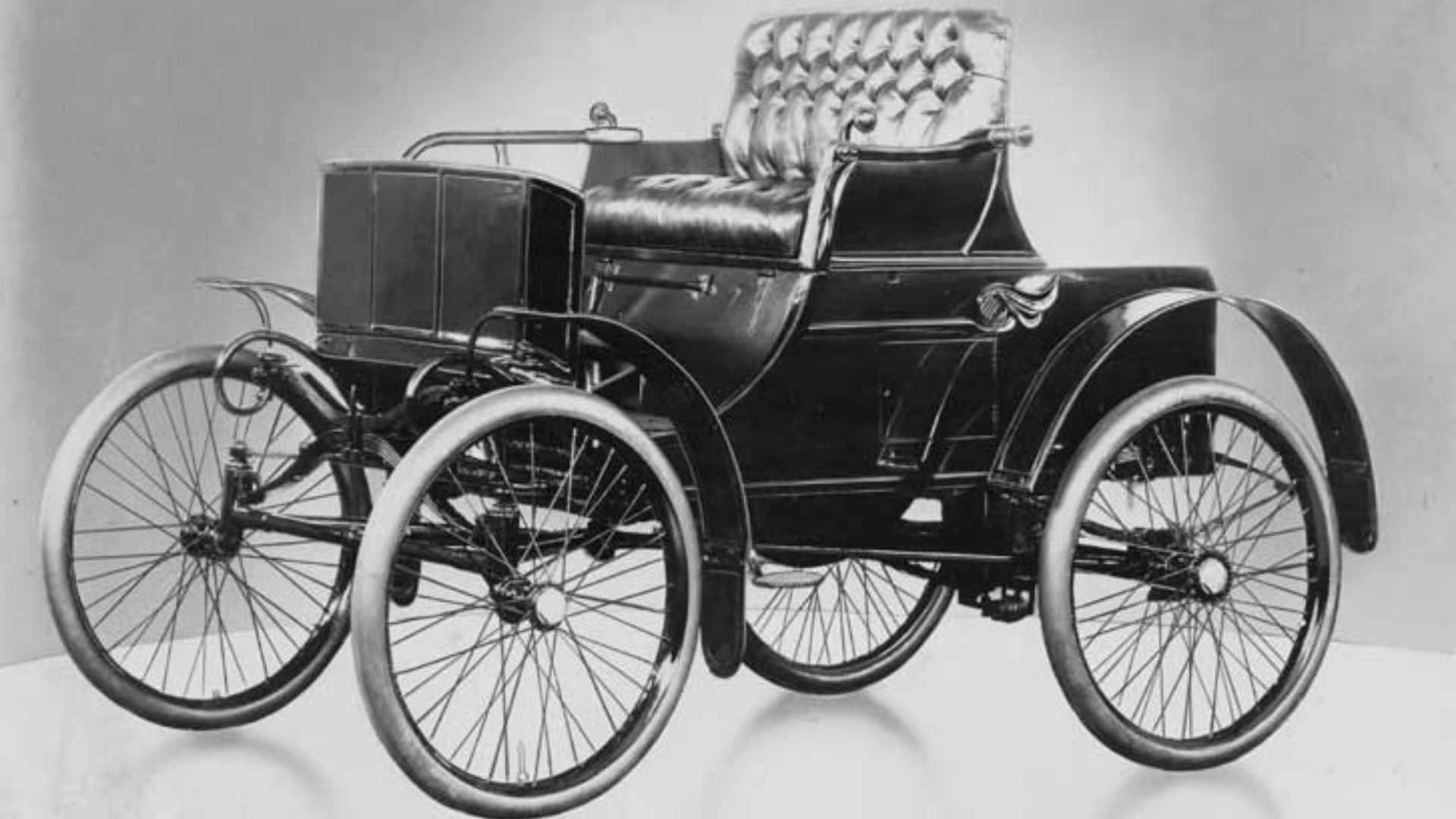
Packard’s story began in 1899 in Warren, Ohio, when James Ward Packard decided he could build a better automobile than the one he had just purchased. Instead of complaining, he built his own. That confidence would define the company for decades.
From the beginning, Packard aimed high—quality first, reputation second, profits third.
 Unknown authorUnknown author, Wikimedia Commons
Moving To Motor City
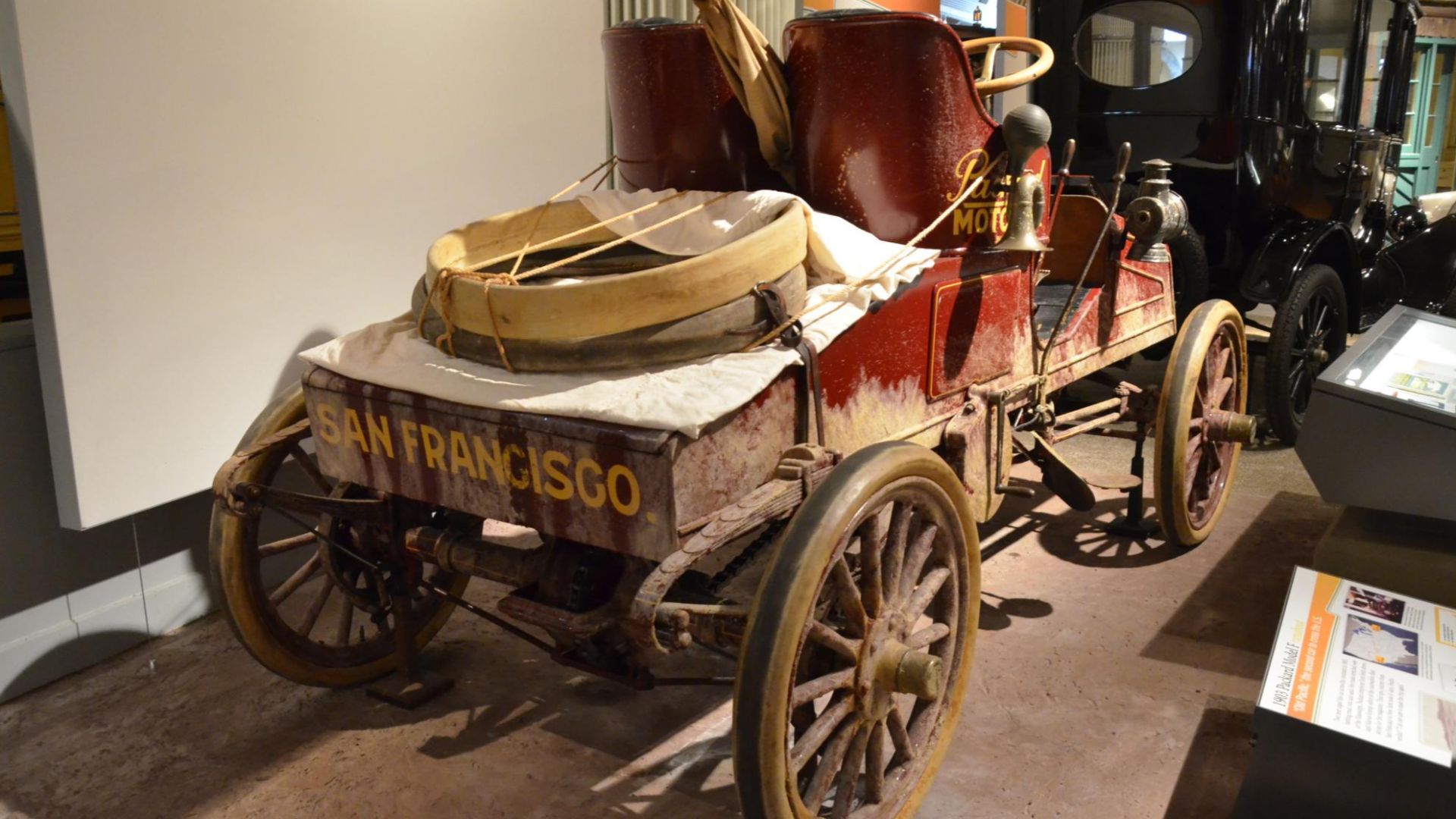
By 1903, Packard relocated to Detroit, planting its flag in what would soon become America’s automotive capital. The move gave the company access to suppliers, skilled labor, and industrial momentum. It also placed Packard in direct orbit of rising competitors.
Detroit was becoming crowded—but Packard stood taller than most.
 Joe Ross from Lansing, Michigan, Wikimedia Commons
Engineering As A Calling Card
Packard quickly built a reputation for precision engineering and mechanical refinement. Early models were reliable at a time when many cars simply weren’t. Owners didn’t just buy transportation—they bought confidence.
The company even helped popularize the steering wheel, replacing the awkward tiller controls found in early automobiles.
The Birth Of American Luxury
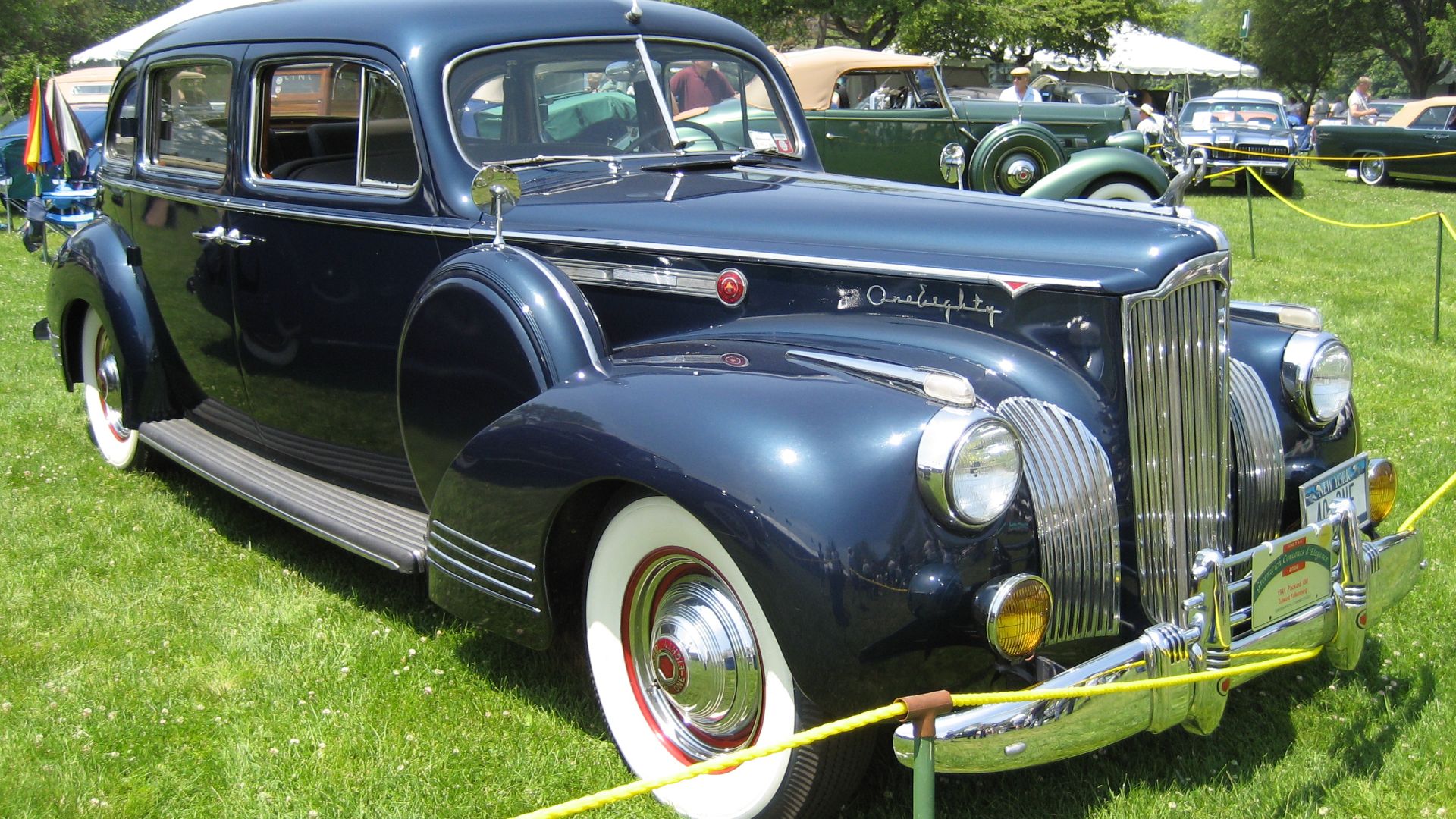
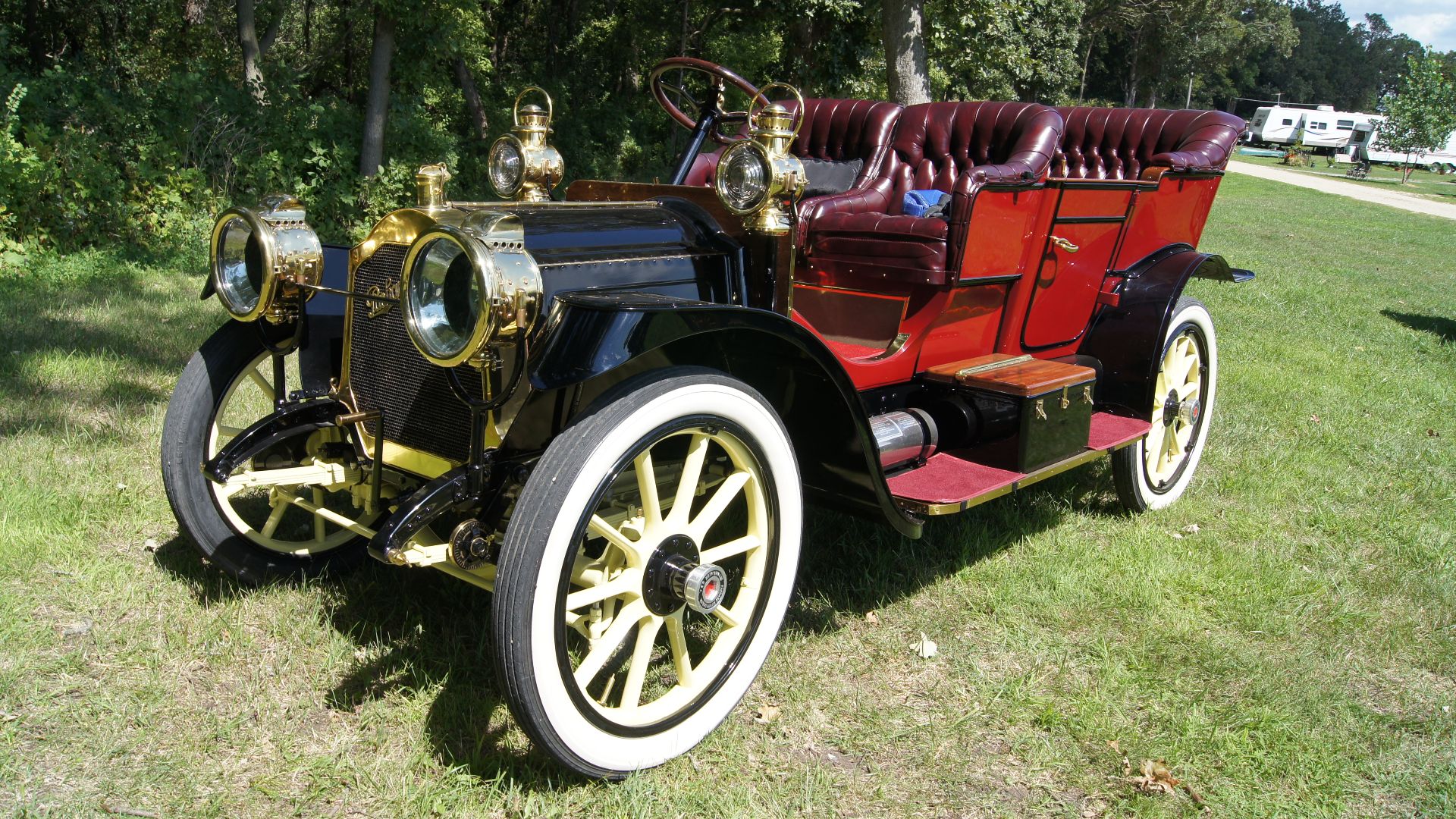
By the 1910s, Packard had positioned itself as America’s premier luxury carmaker. Its elegant touring cars became status symbols for bankers, industrialists, and politicians. The brand slogan might as well have been understated excellence.
Packards weren’t flashy—they were dignified.
 Greg Gjerdingen from Willmar, USA, Wikimedia Commons
The Twin Six Changes Everything
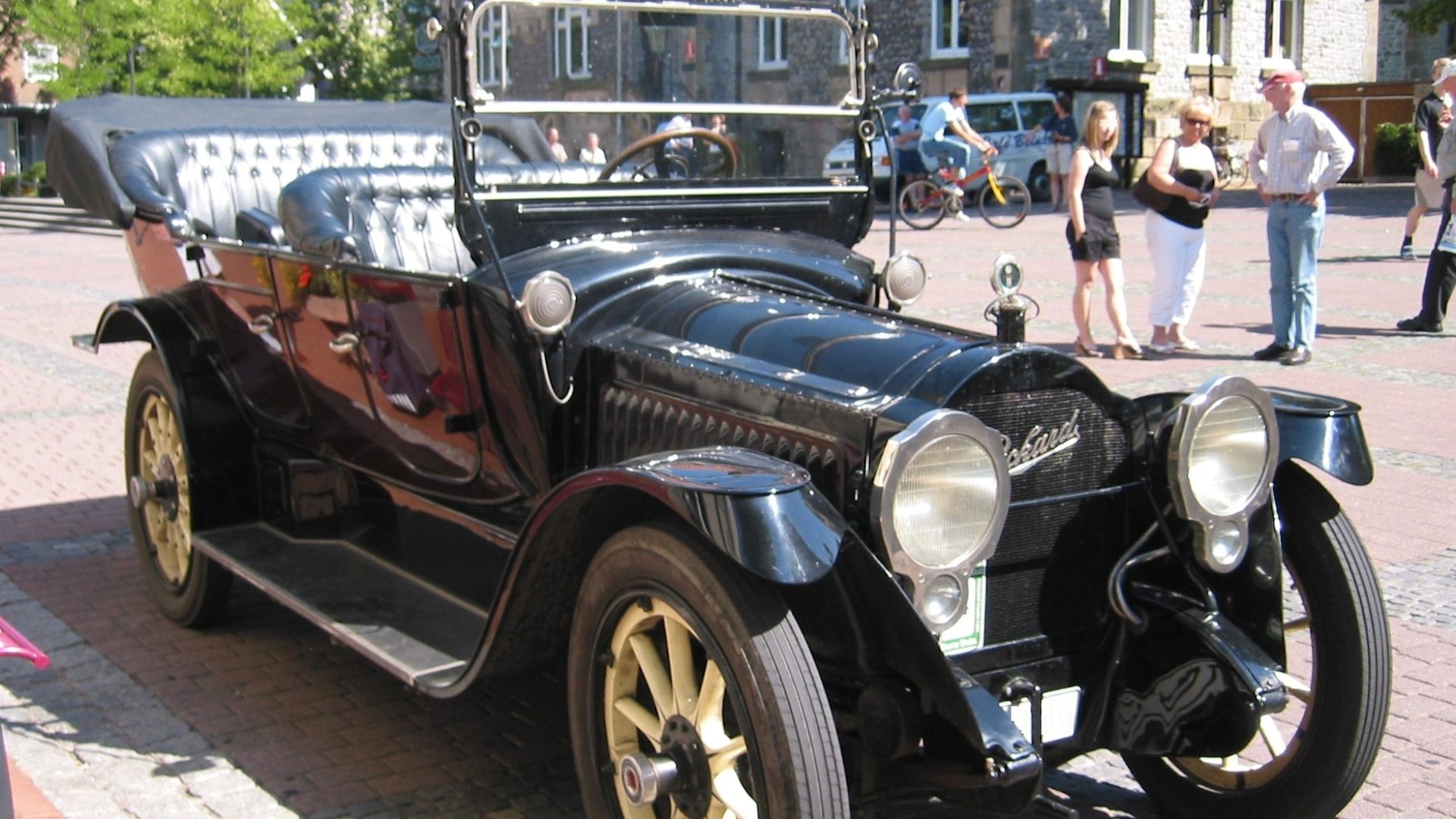
In 1915, Packard introduced the Twin Six, one of the first production V12 engines. It delivered smooth, effortless power that competitors struggled to match. Buyers noticed.
Suddenly, Packard wasn’t just respected—it was dominant.
Outpacing The Competition
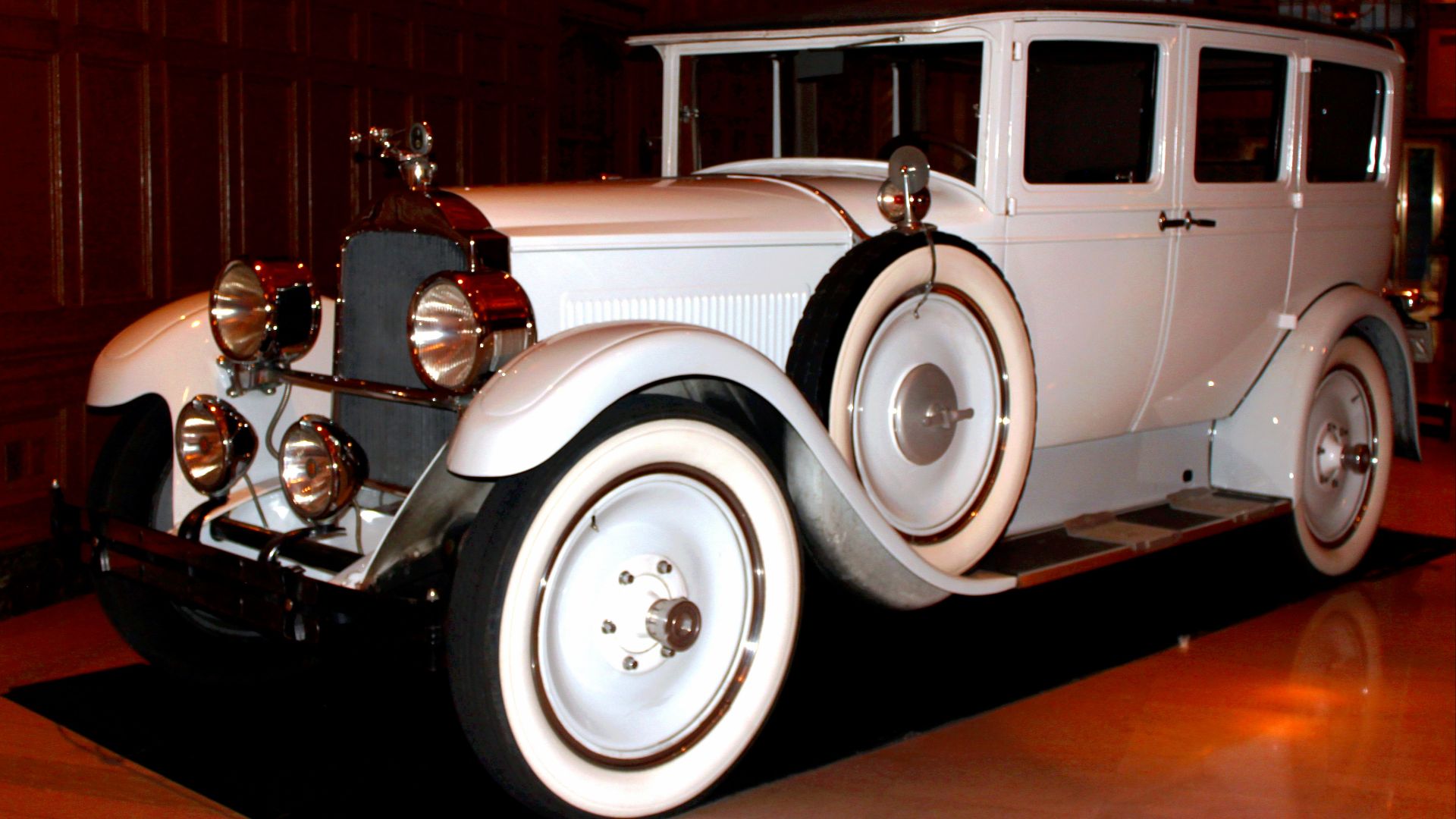
Throughout the 1920s, Packard consistently ranked among the top luxury automakers in America. It often outsold Cadillac in the high-end segment. For a time, Packard was the yardstick everyone else measured against.
While others chased prestige, Packard embodied it.
 Prayitno / Thank you for (12 millions +) view from Los Angeles, USA, Wikimedia Commons
Weathering The Great Depression
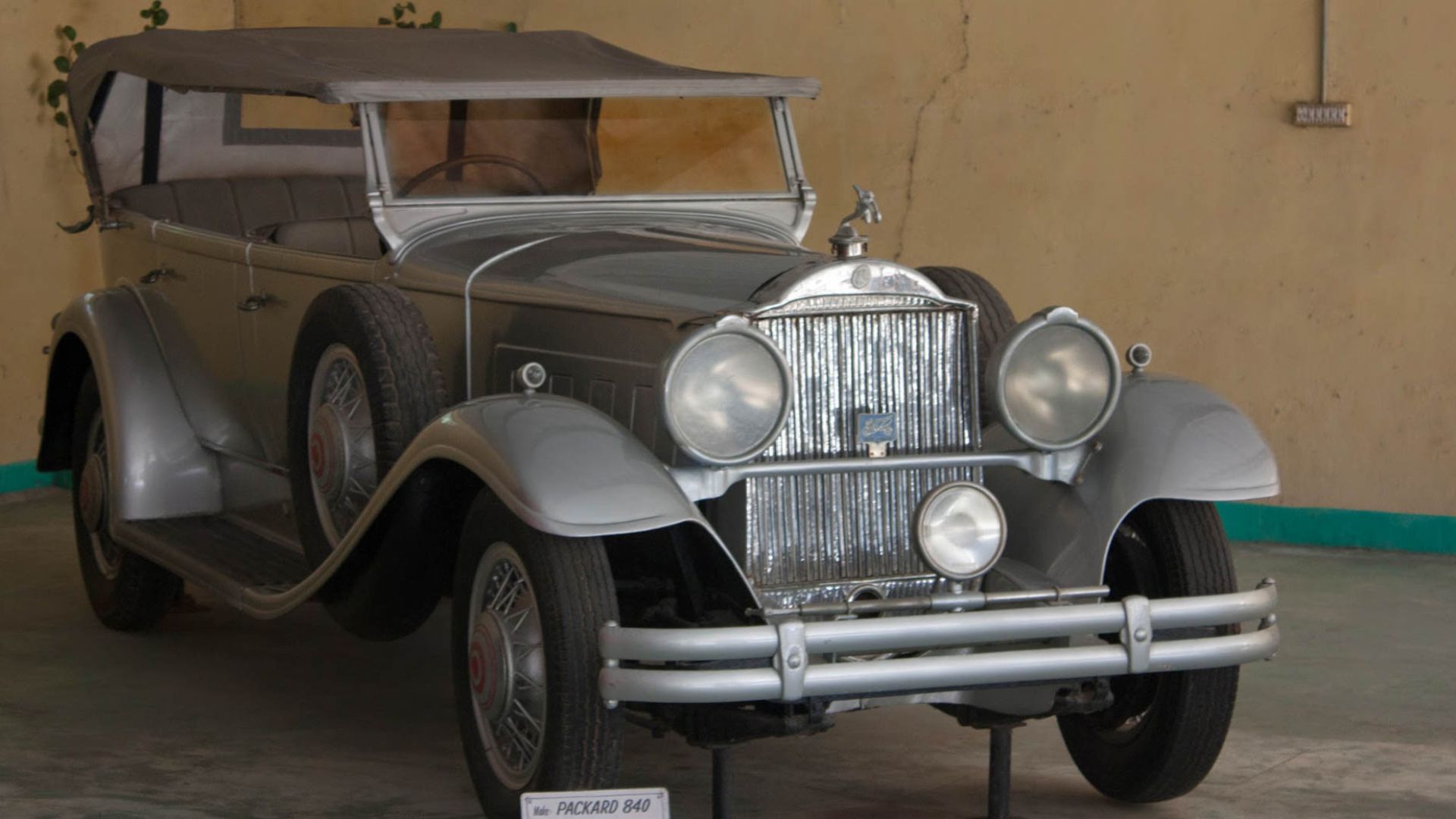
The 1930s crushed many luxury brands—but Packard adapted. It introduced more affordable models like the 120 series, broadening its customer base without completely abandoning its upscale image.
The strategy kept the company afloat while competitors folded.
 Shaunak Modi, Wikimedia Commons
Balancing Prestige And Practicality
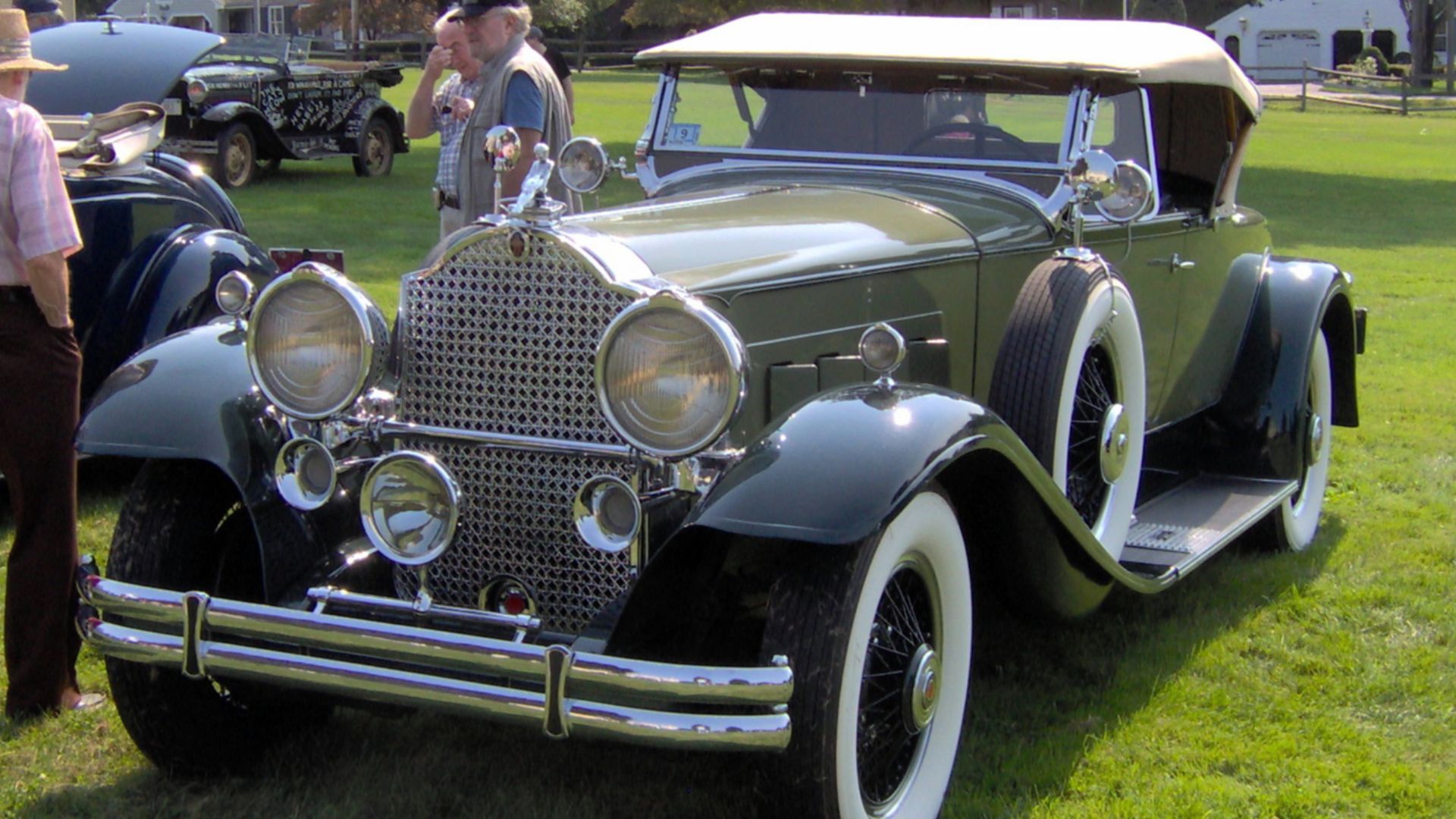
Offering mid-priced models was financially smart—but risky for brand identity. Some traditional buyers worried Packard was becoming too accessible. Still, the move helped sustain production during brutal economic years.
It was survival—but at a subtle cost.
 Stephen Foskett (Wikipedia User: sfoskett), Wikimedia Commons
Powering The Effort
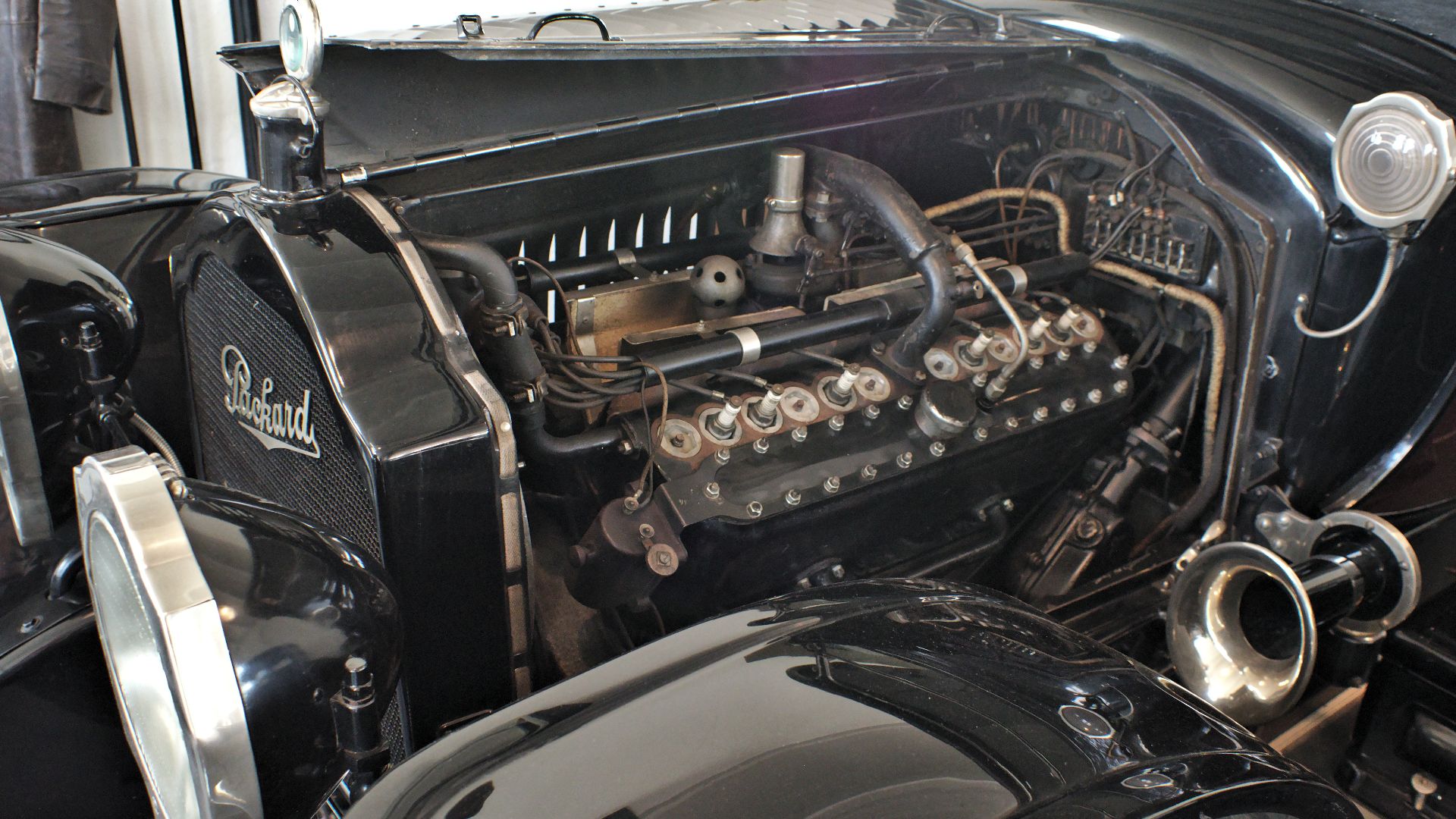
During WWII, Packard shifted from cars to aircraft engines. It built powerful V12 engines under license for Allied fighter planes. Its engineering prowess helped power victory in the skies.
The company emerged financially strong and technologically respected.
 Thomas Vogt from Paderborn, Deutschland, Wikimedia Commons
Postwar Opportunity
When civilian car production resumed, Packard seemed perfectly positioned. It had cash, reputation, and momentum. Consumers were hungry for new cars. For a brief moment, the future looked bright.
Beating Cadillac At Its Own Game
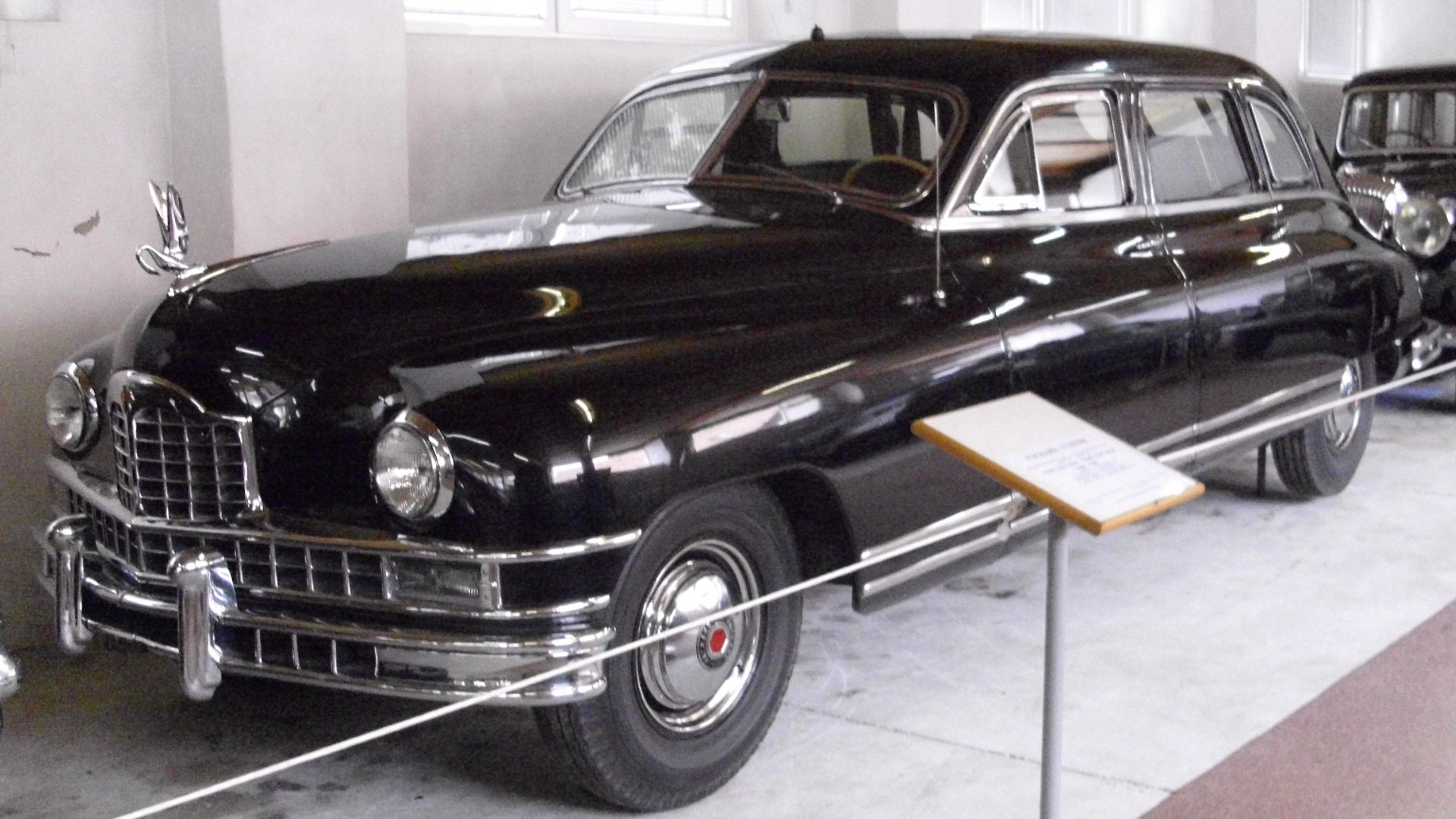
In the late 1940s, Packard managed something extraordinary—it outsold Cadillac. Its lineup appealed to buyers who wanted refinement without excess. The brand still carried enormous prestige. It wasn’t just competing—it was winning.
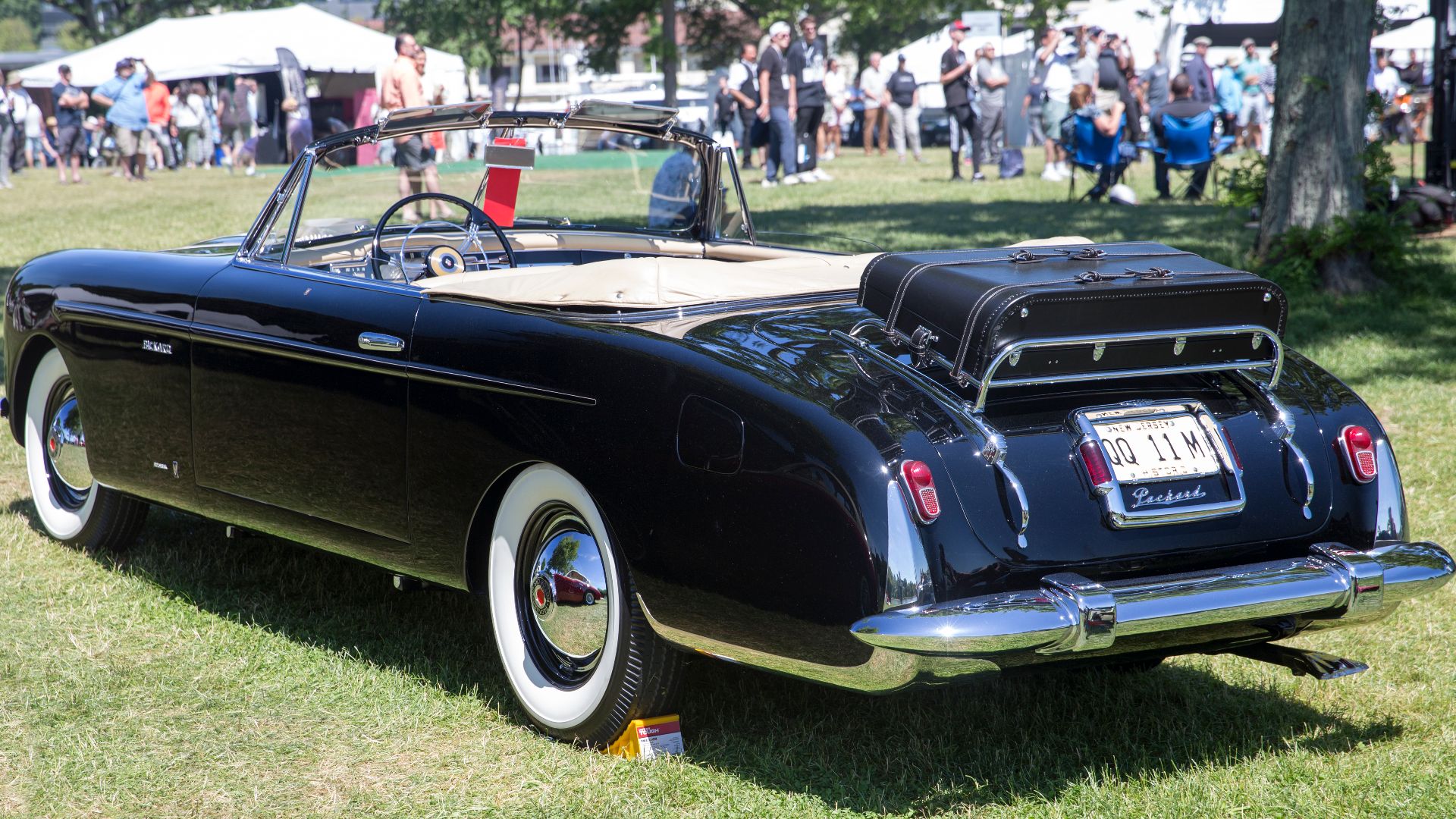 Mr.choppers, Wikimedia Commons
Style Begins To Slip
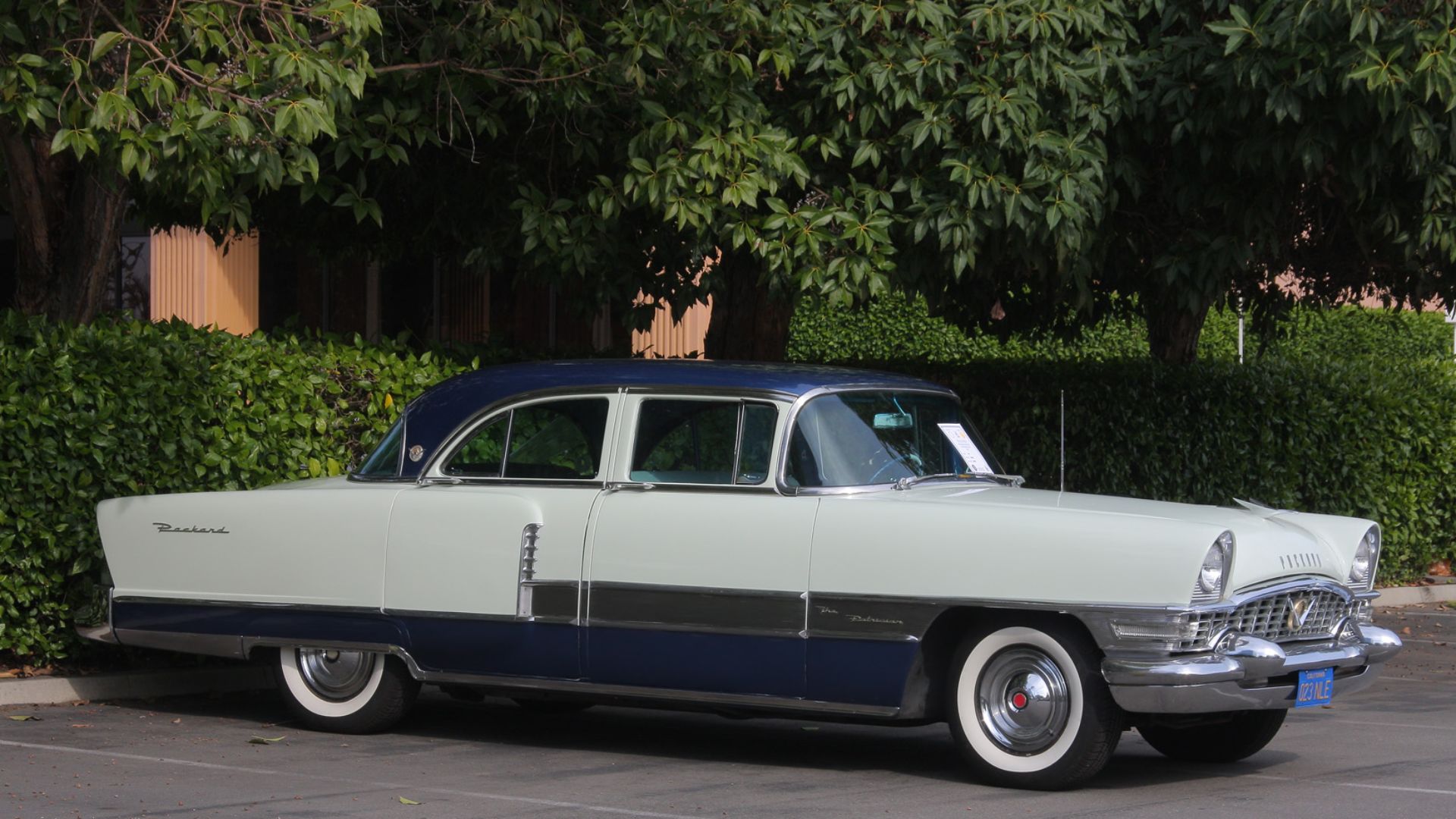
But the automotive world was changing fast. Cadillac leaned into bold tailfins, chrome, and dramatic design. Packard’s styling, by contrast, began to look conservative. In an era obsessed with flash, subtlety suddenly felt old.
The V8 Arms Race
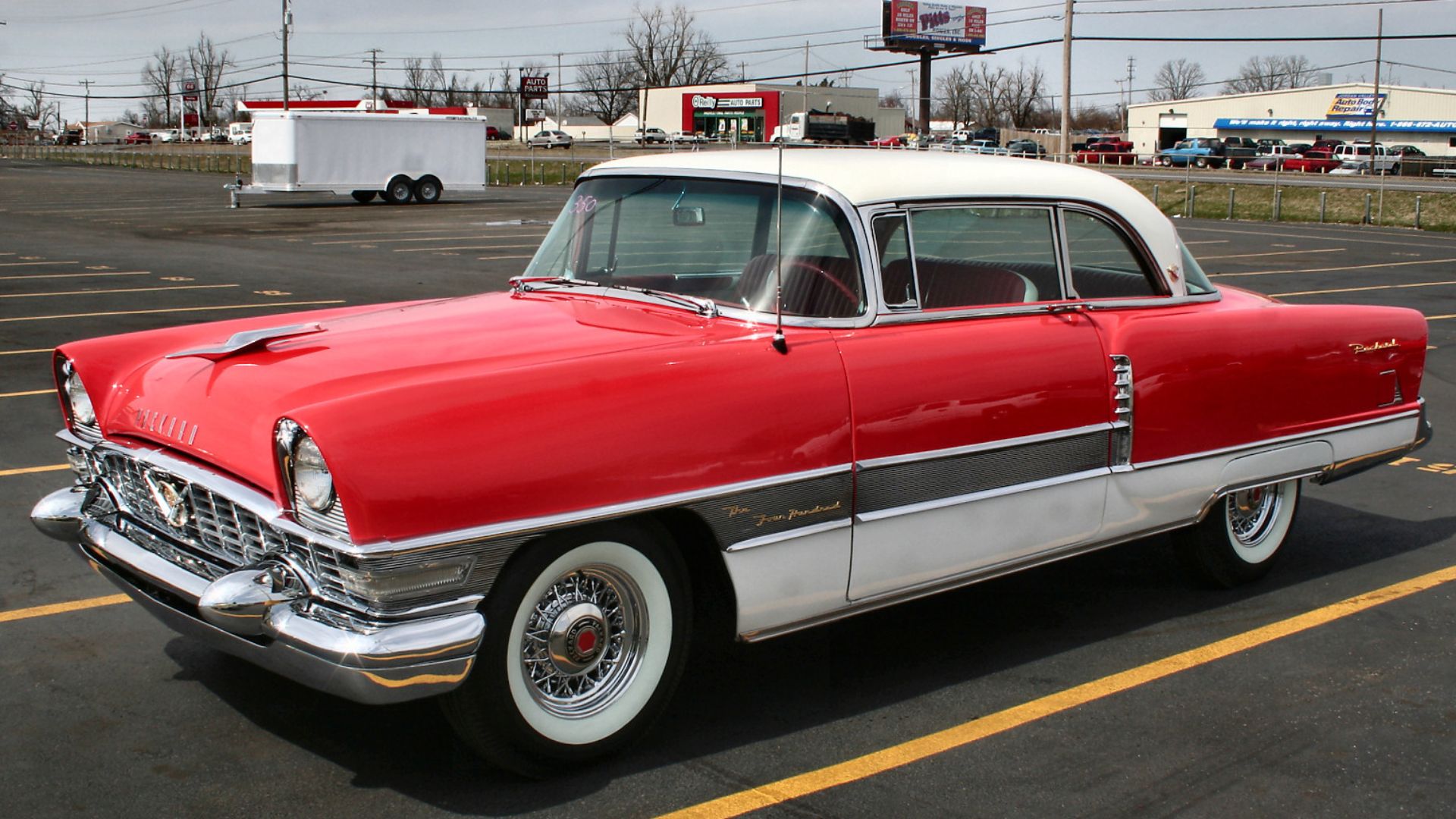
Cadillac introduced powerful modern V8 engines that captured attention. Packard was slower to respond, and when it finally launched its own V8 in 1955, it was already playing catch-up. Performance mattered—and perception mattered more.
The Big Three Tighten Their Grip
General Motors, Ford, and Chrysler benefited from massive production scale and marketing budgets. Independent automakers like Packard struggled to keep pace. Advertising, dealer networks, and research budgets tilted heavily toward the giants.
Packard’s independence was admirable—but increasingly dangerous.
 Tony Hisgett from Birmingham, UK, Wikimedia Commons
A Risky Merger
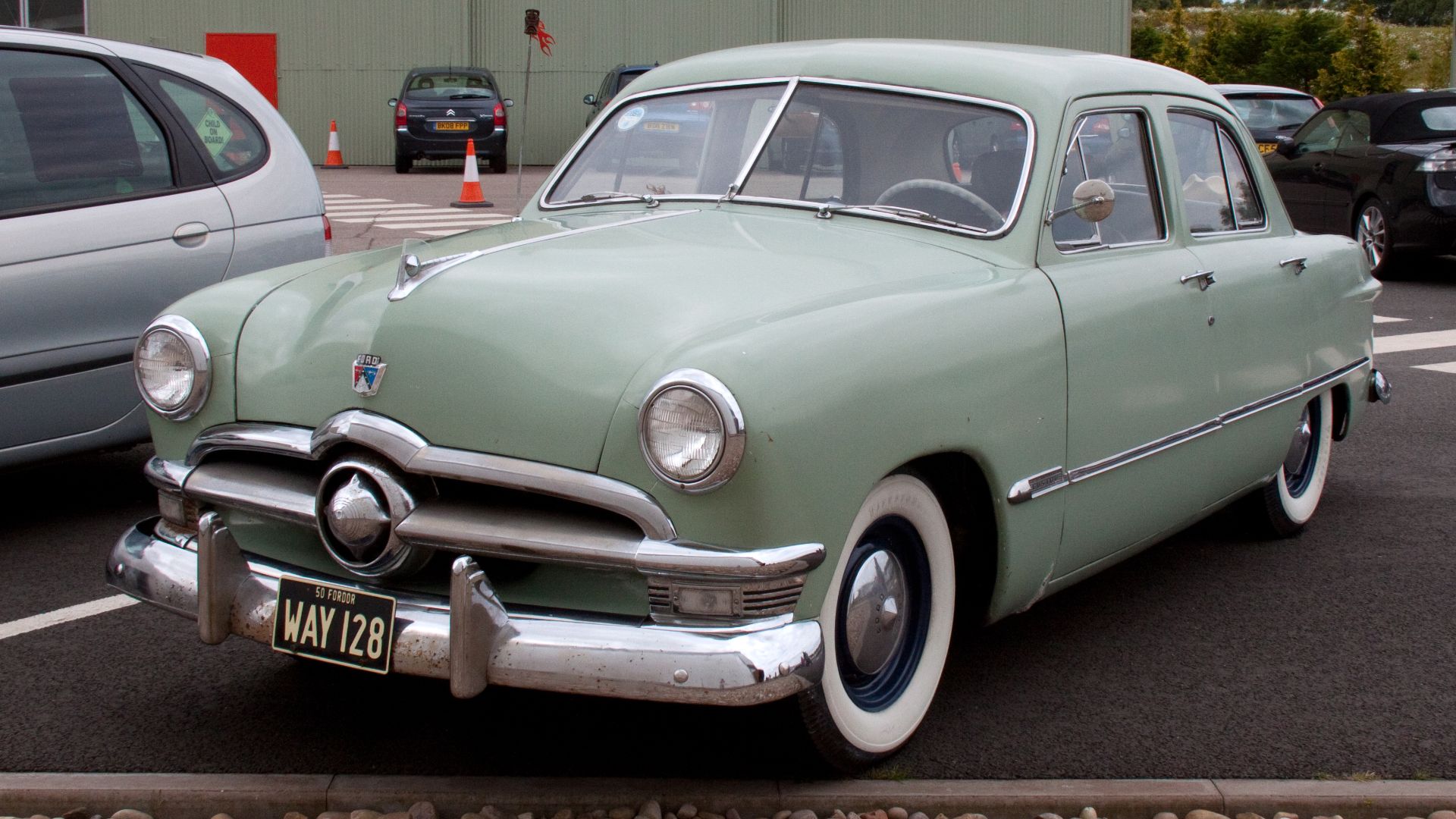
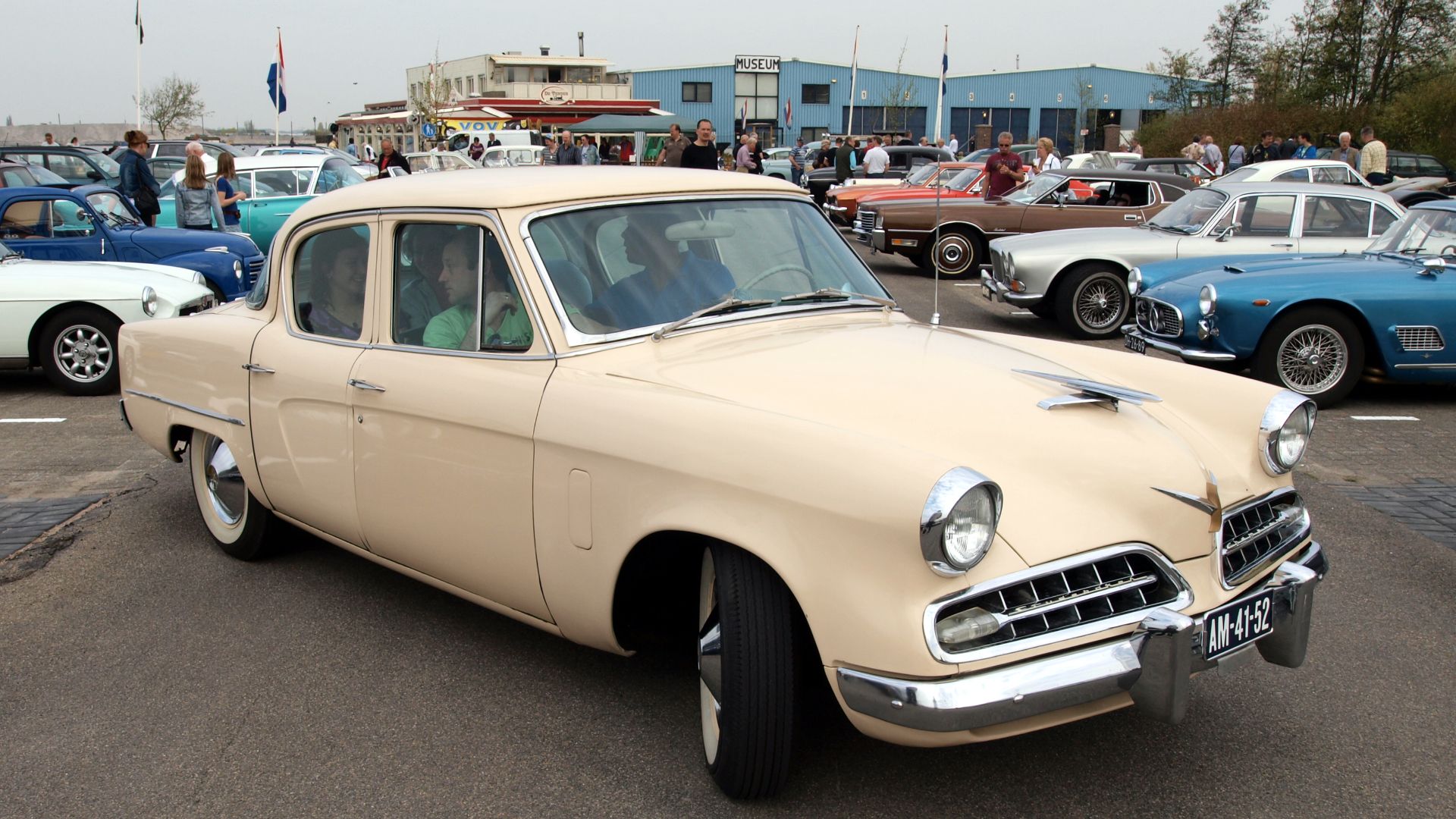
In 1953, Packard merged with Studebaker to form the Studebaker-Packard Corporation. The goal was survival through consolidation. Instead, it exposed deeper financial weaknesses than anyone expected.
Studebaker’s books were far worse than Packard realized.
Financial Strain Sets In
The combined company faced mounting losses. Development budgets tightened. Plans for all-new luxury designs stalled.
Without bold reinvention, Packard began drifting instead of leading.

The Final Detroit Packard
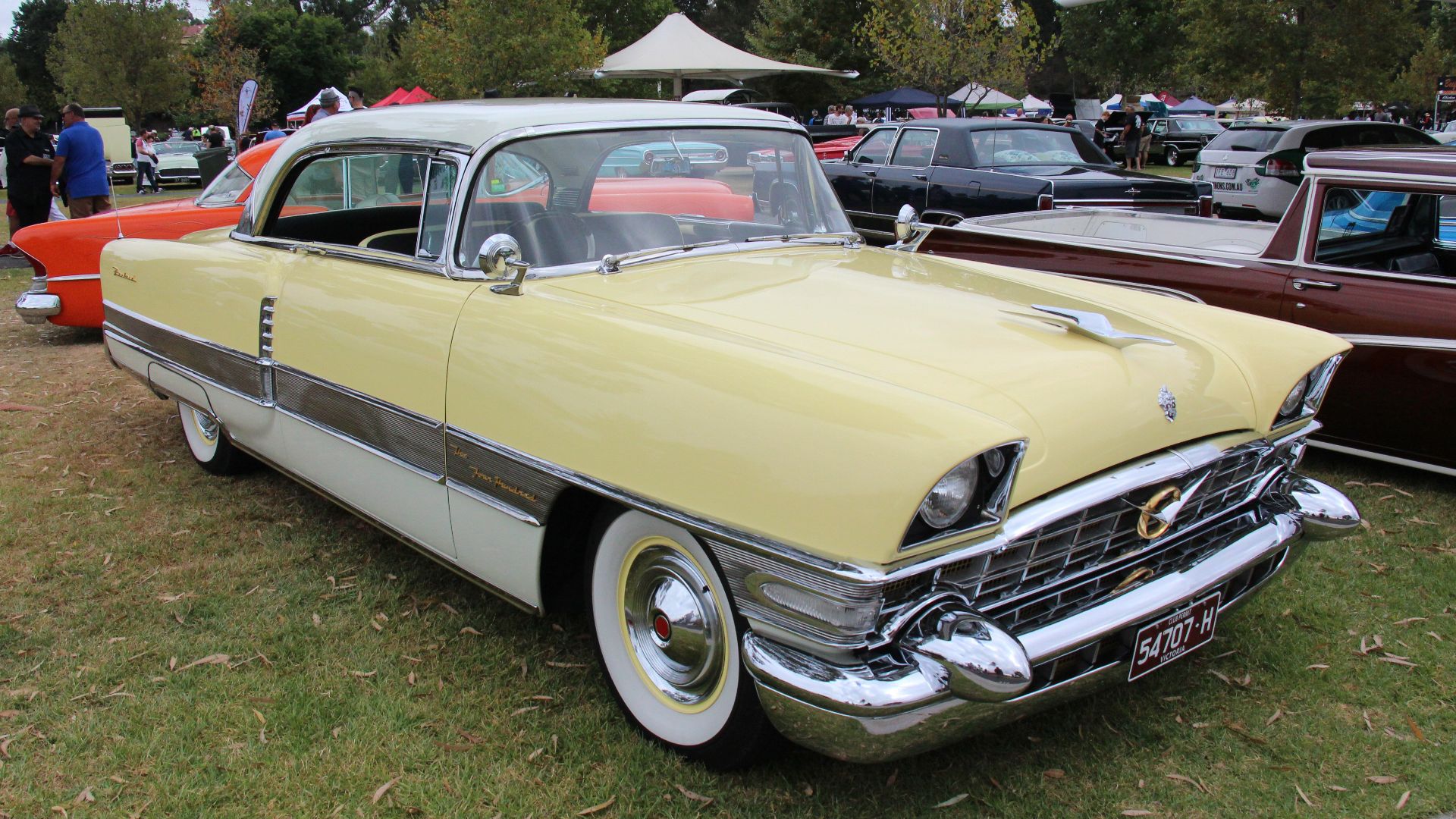
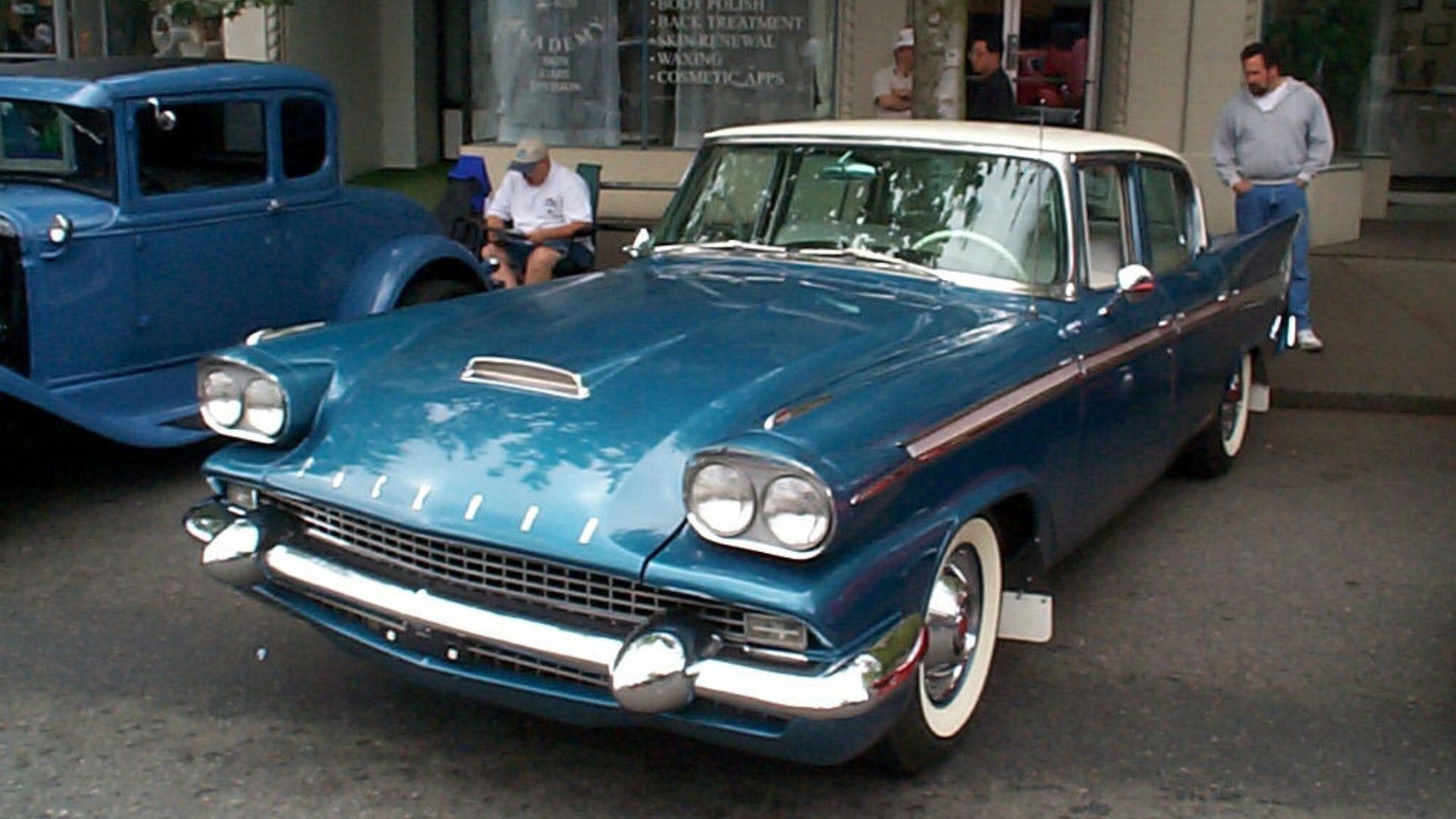
On June 25, 1956, the last true Packard rolled off the Detroit assembly line. It marked the end of Packard as an independent luxury powerhouse. The moment passed quietly—but symbolized a dramatic shift.
An era had closed.
A Name Without An Identity
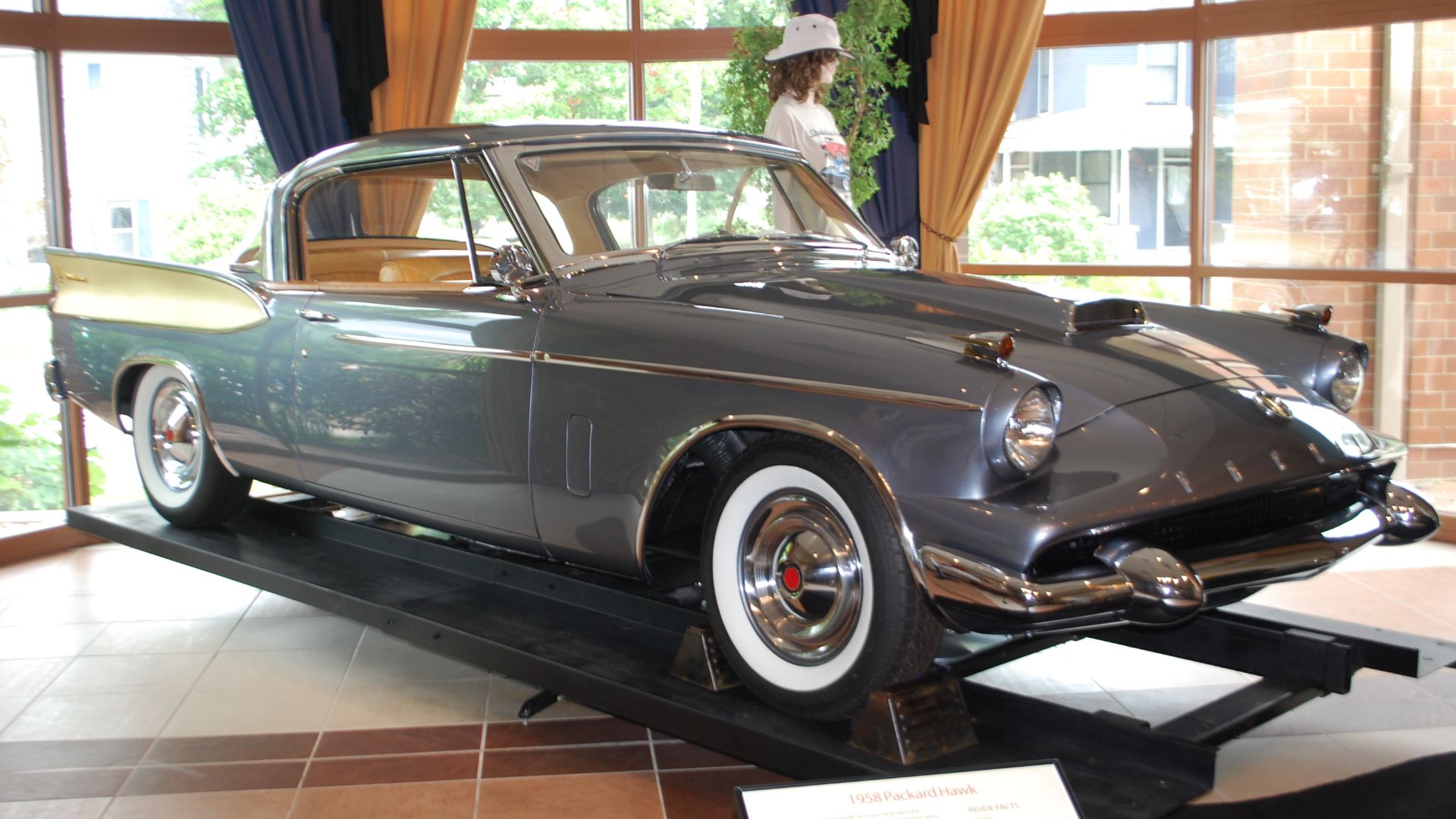
After Detroit production ended, Packard-badged cars continued briefly in South Bend, Indiana. But these were essentially rebadged Studebakers. Loyal customers saw the difference immediately.
The magic was gone.
The Brand Officially Disappears
By 1958, the Packard name was dropped entirely. Within a few years, even the corporate identity changed. A brand that once defined American luxury had simply faded from showrooms.
No dramatic farewell—just silence.
The Abandoned Factory
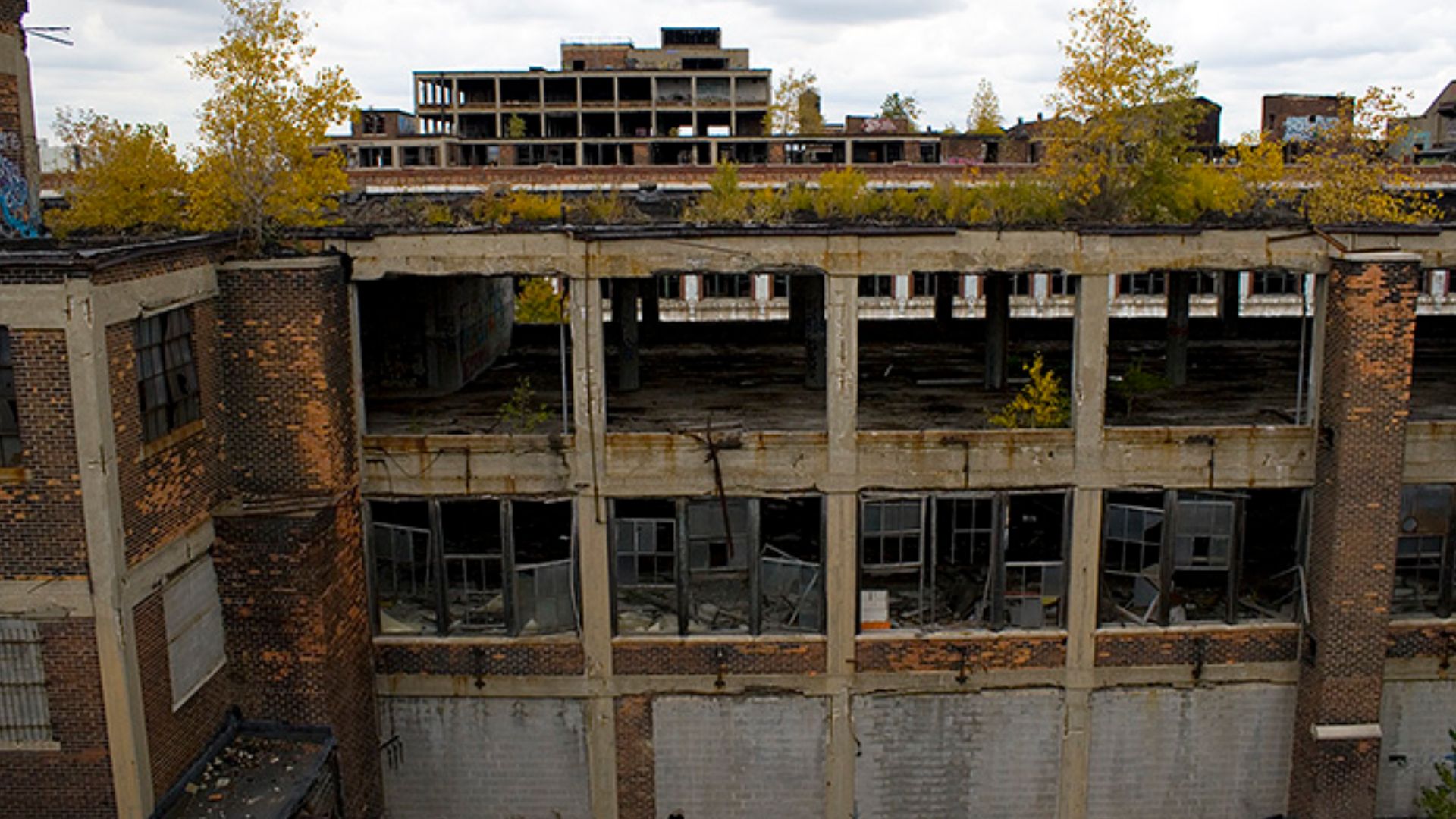
The massive Packard Automotive Plant in Detroit stood as a haunting reminder of former glory. For decades, it decayed into one of the city’s most infamous industrial ruins. The crumbling concrete echoed with memories of craftsmanship and ambition.
It became a monument to what once was.
The Legacy That Refuses To Go
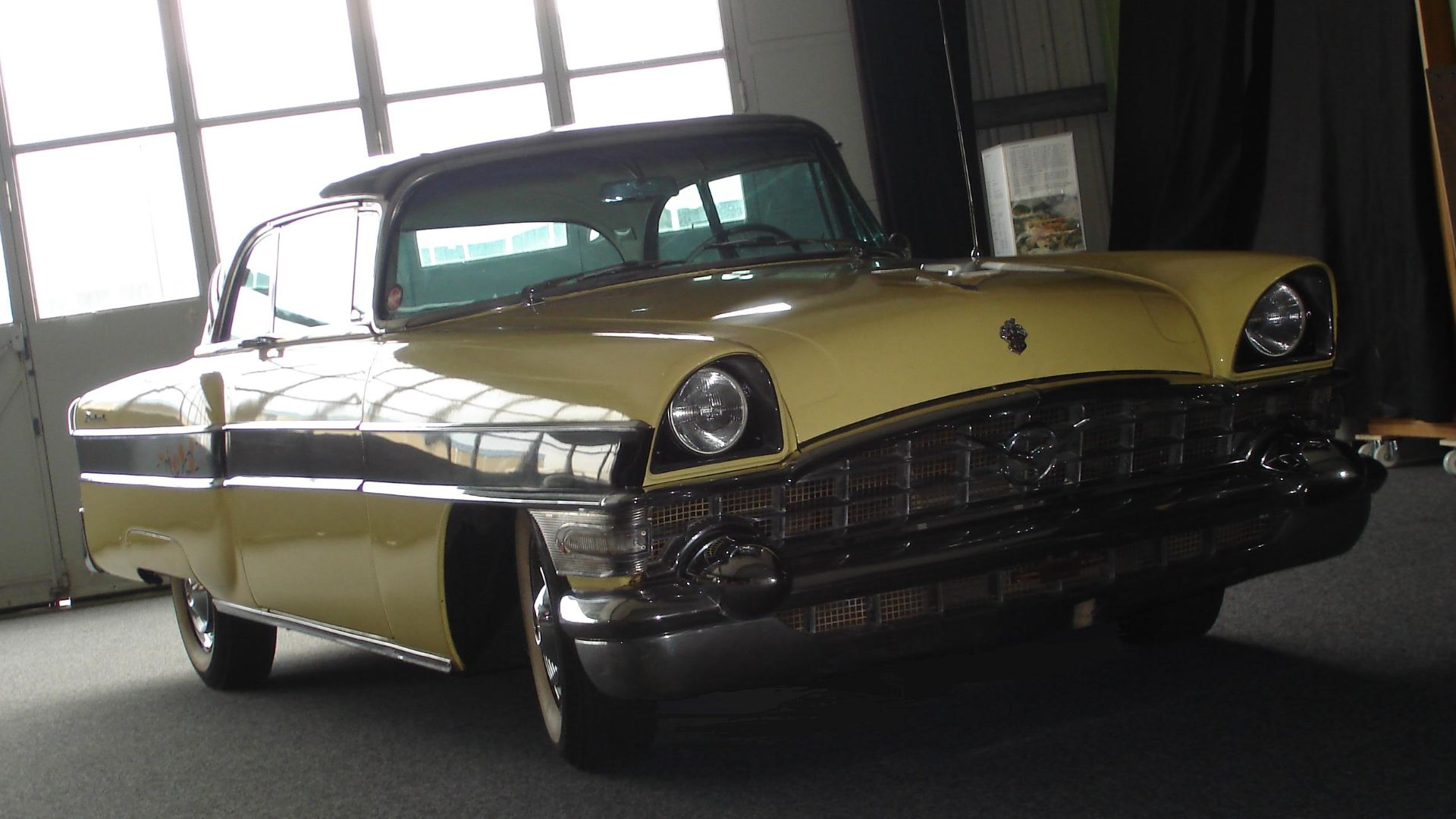
Today, restored Packards gleam at car shows and museums. Collectors prize them for their elegance and engineering. For those who know automotive history, Packard still represents a golden standard. It beat Cadillac once.
And though the company disappeared, the legend never quite did.
 Chief tin cloud, Wikimedia Commons
You May Also Like:
Review Of The 1957 Ford Thunderbird: A Timeless American Icon
The Five Most Stolen Cars In North America
Car Things Baby Boomers Did That No One Born After 2000 Has Ever Done