I Finally Bought Snow Tires… And Immediately Got Stuck
You did the responsible thing. You shelled out real money for proper winter tires, patted yourself on the back for being proactive, and waited for the first snowfall feeling smugly prepared. Then—bam—you’re spinning helplessly in your own driveway like a YouTube fail compilation. The question hits fast and furious: Is this the shop’s fault? Before you march back demanding answers, let’s dig into what really happened.
Snow Tires Are Amazing—But Not Magical
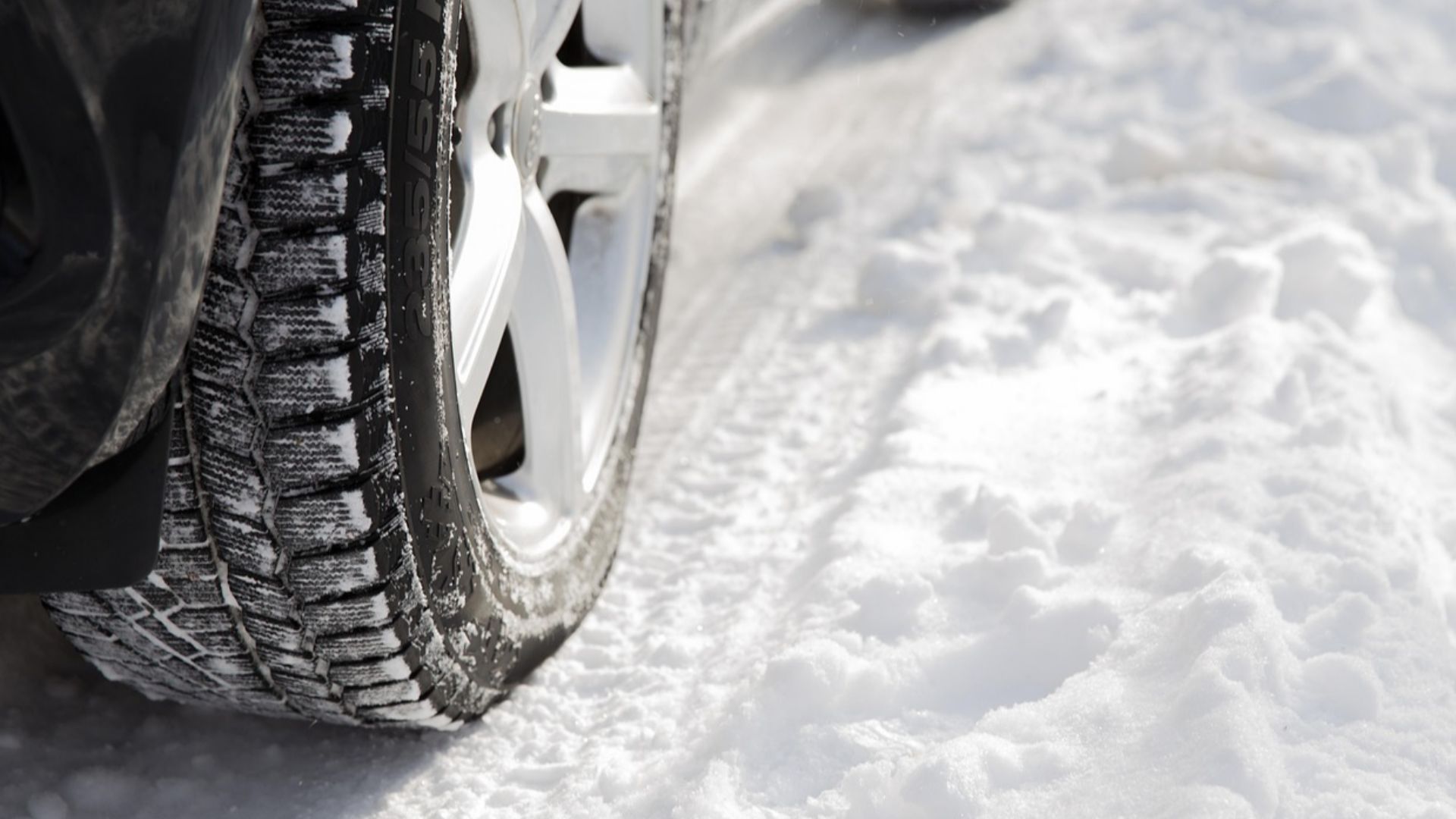
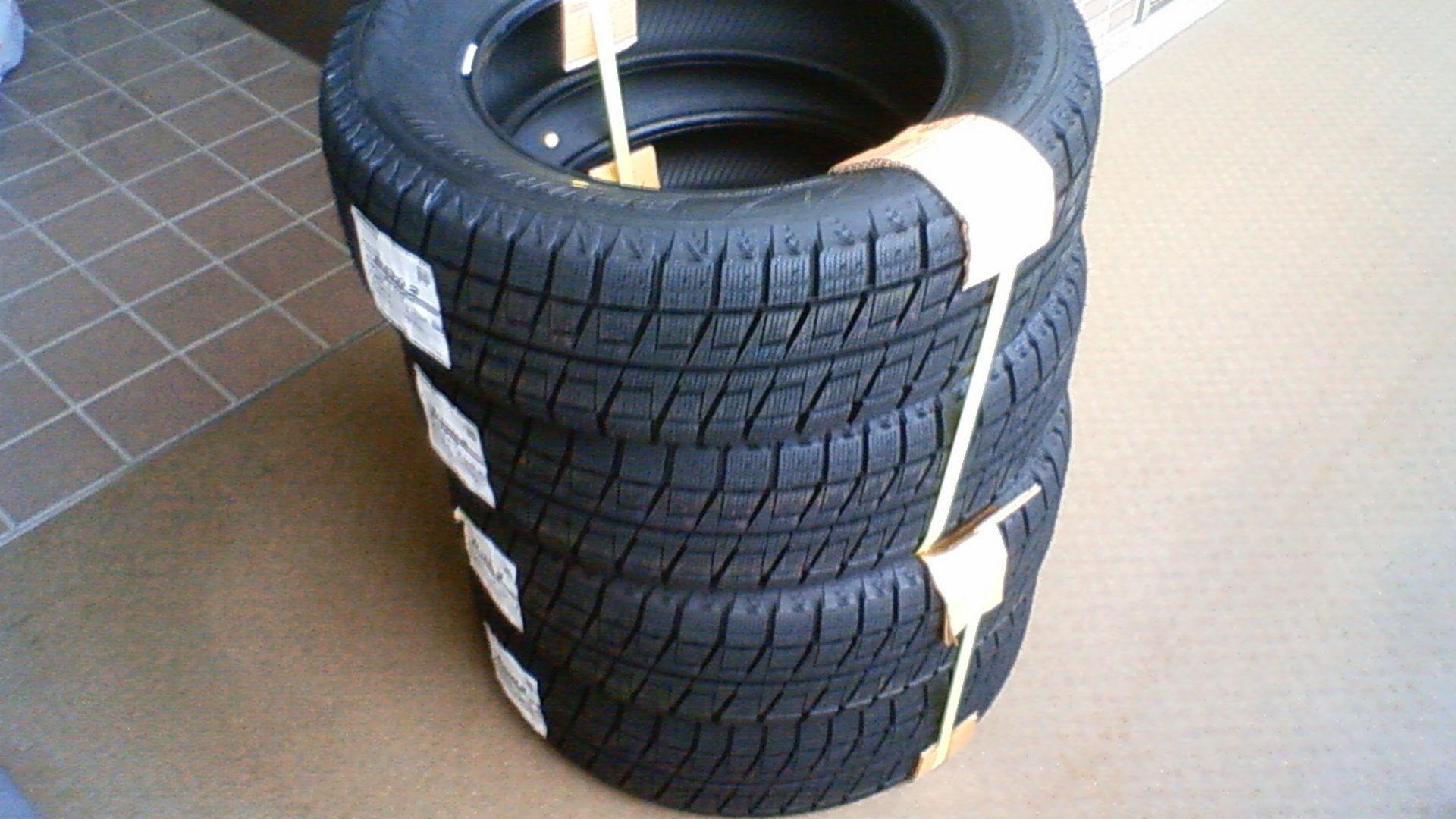
Winter tires are one of the best upgrades you can make if you live in snow country. Their softer rubber compound stays flexible in freezing temperatures, and their aggressive tread patterns bite into snow and slush. But here’s the key: they dramatically improve traction—they don’t create unlimited traction. Ice is still ice. Packed snow is still slick. Even the best tires can’t defy physics.
The First Thing To Check: Were They Actually Winter Tires?
This might sound obvious, but not all “snow-rated” tires are true winter tires. All-season tires with the three-peak mountain snowflake (3PMSF) symbol meet certain winter performance standards, but they’re not as capable as dedicated winter tires. If you asked for “snow tires” and received all-seasons, there may have been a communication breakdown—but not necessarily a mistake.
 MatthewGhera, Wikimedia Commons
Tire Pressure Drops In Cold Weather
Here’s a sneaky culprit: temperature. Tire pressure drops about 1 PSI for every 10 degrees Fahrenheit the temperature falls. If your tires were set to spec in a warm shop and then the mercury plummeted overnight, your pressures could be low. Underinflated tires don’t grip as well and can struggle in deep snow.
Your Driveway Might Be The Real Villain
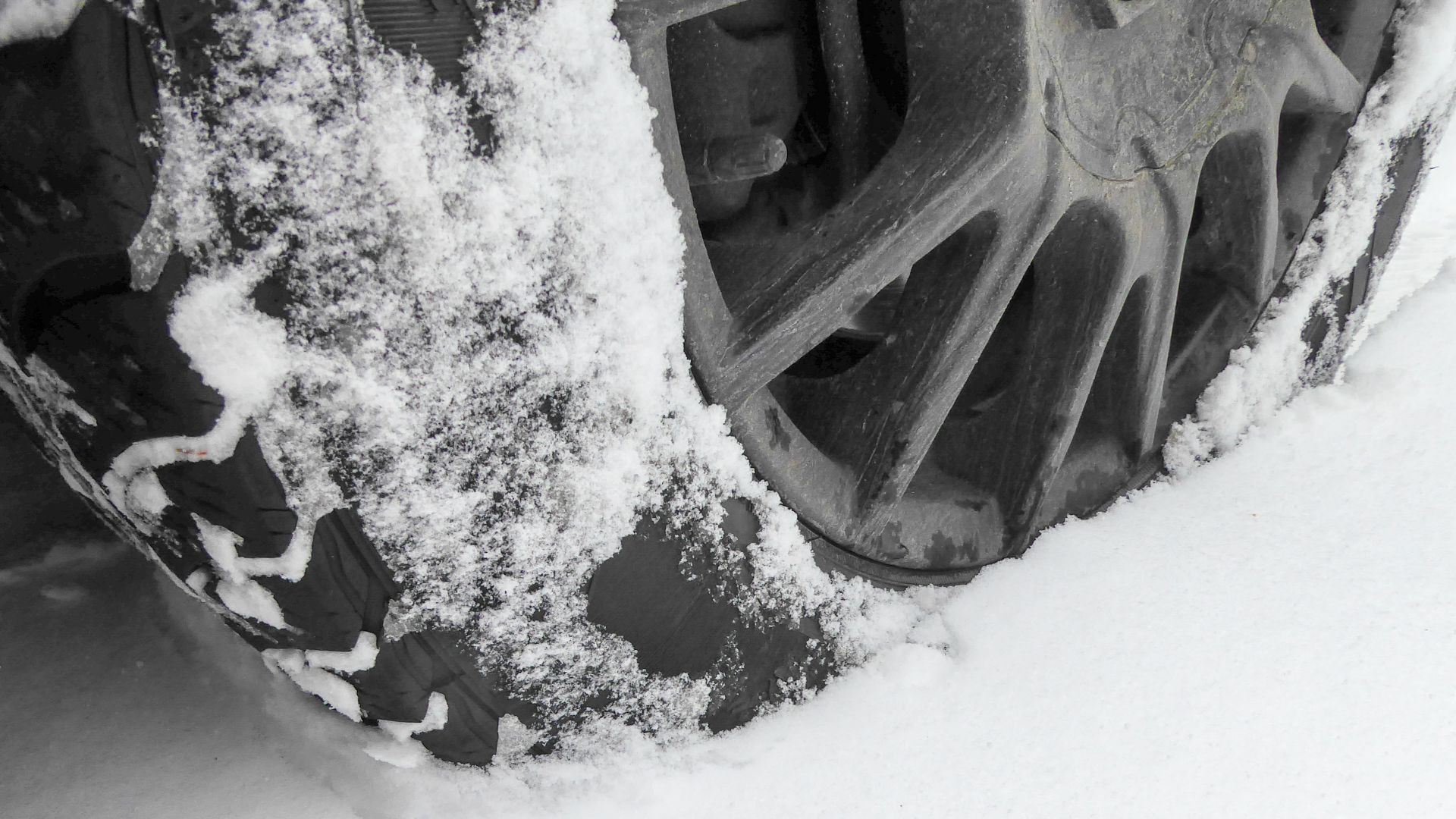
Is your driveway steep? North-facing? Shaded and icy? Covered in two feet of wet, heavy snow? Snow tires can handle a lot—but a steep incline layered in compacted ice is basically a skating rink. If you’ve never tried driving up it in fresh snowfall before, you may be discovering its winter personality for the first time.
Front-Wheel Drive, Rear-Wheel Drive, Or AWD?
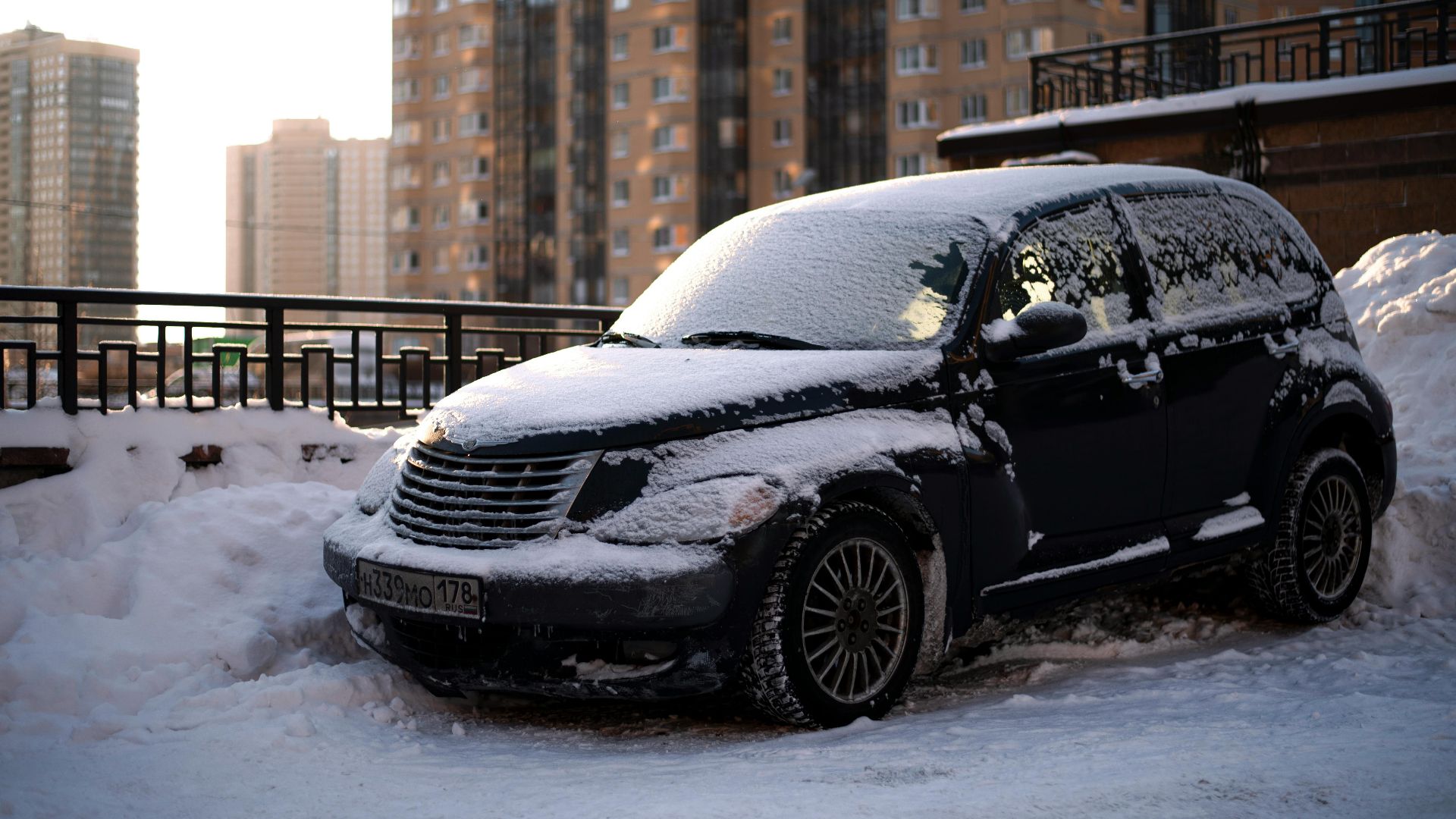
Drivetrain matters. Front-wheel drive cars typically perform better in snow than rear-wheel drive vehicles because the engine’s weight sits over the drive wheels. Rear-wheel drive plus a light rear end? That’s a recipe for spinning. All-wheel drive helps with getting moving—but even AWD doesn’t help you stop or steer better than your tires allow.
Traction Control Can Be A Double-Edged Sword
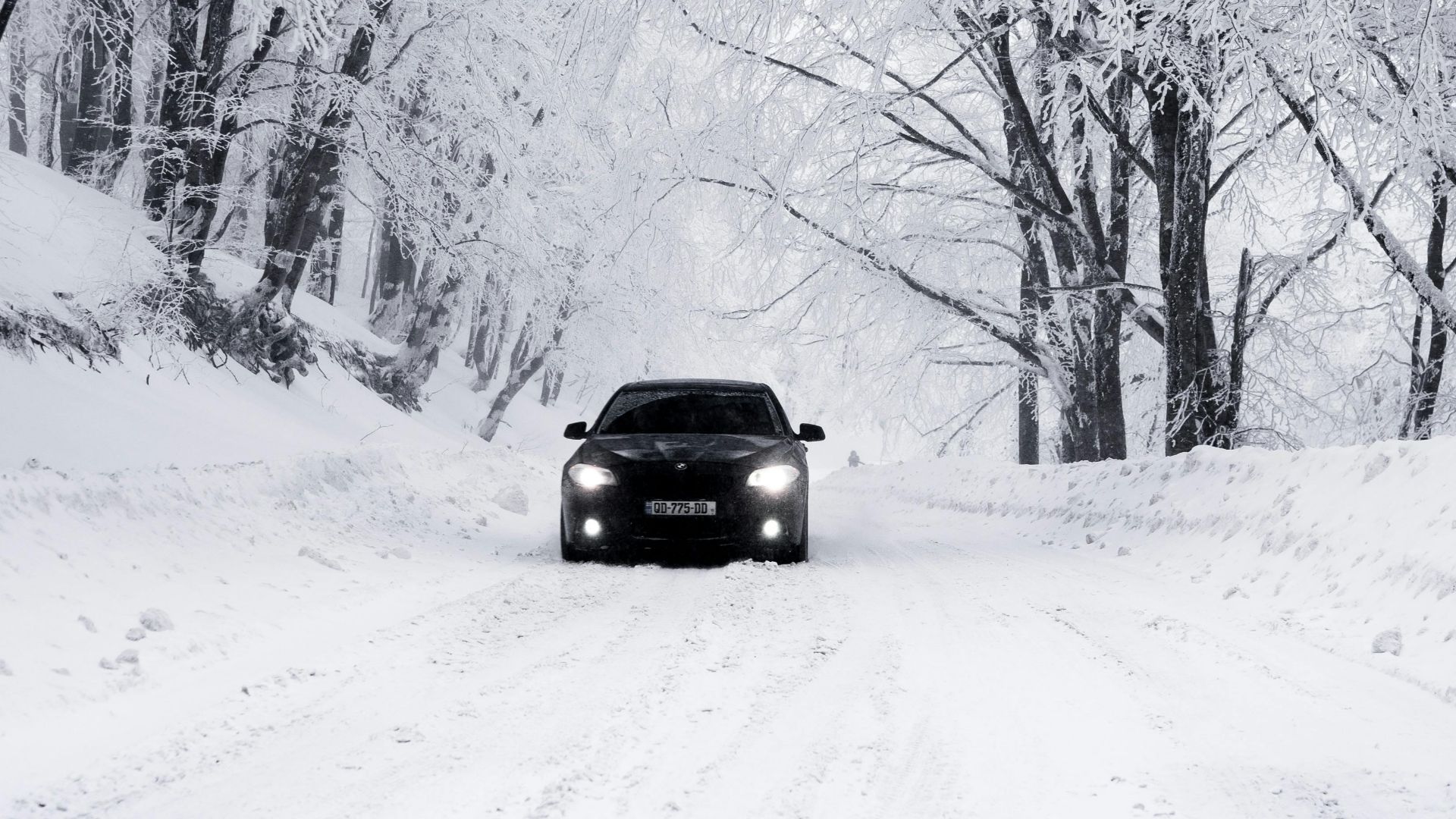
Modern cars are loaded with traction control systems that cut engine power the moment they detect wheelspin. That’s great for safety on the road—but in deep snow, a little wheelspin can actually help you dig down to firmer ground. Sometimes turning traction control off (temporarily and cautiously) can make the difference between stuck and moving.
Deep Snow Is Different From Cold Pavement
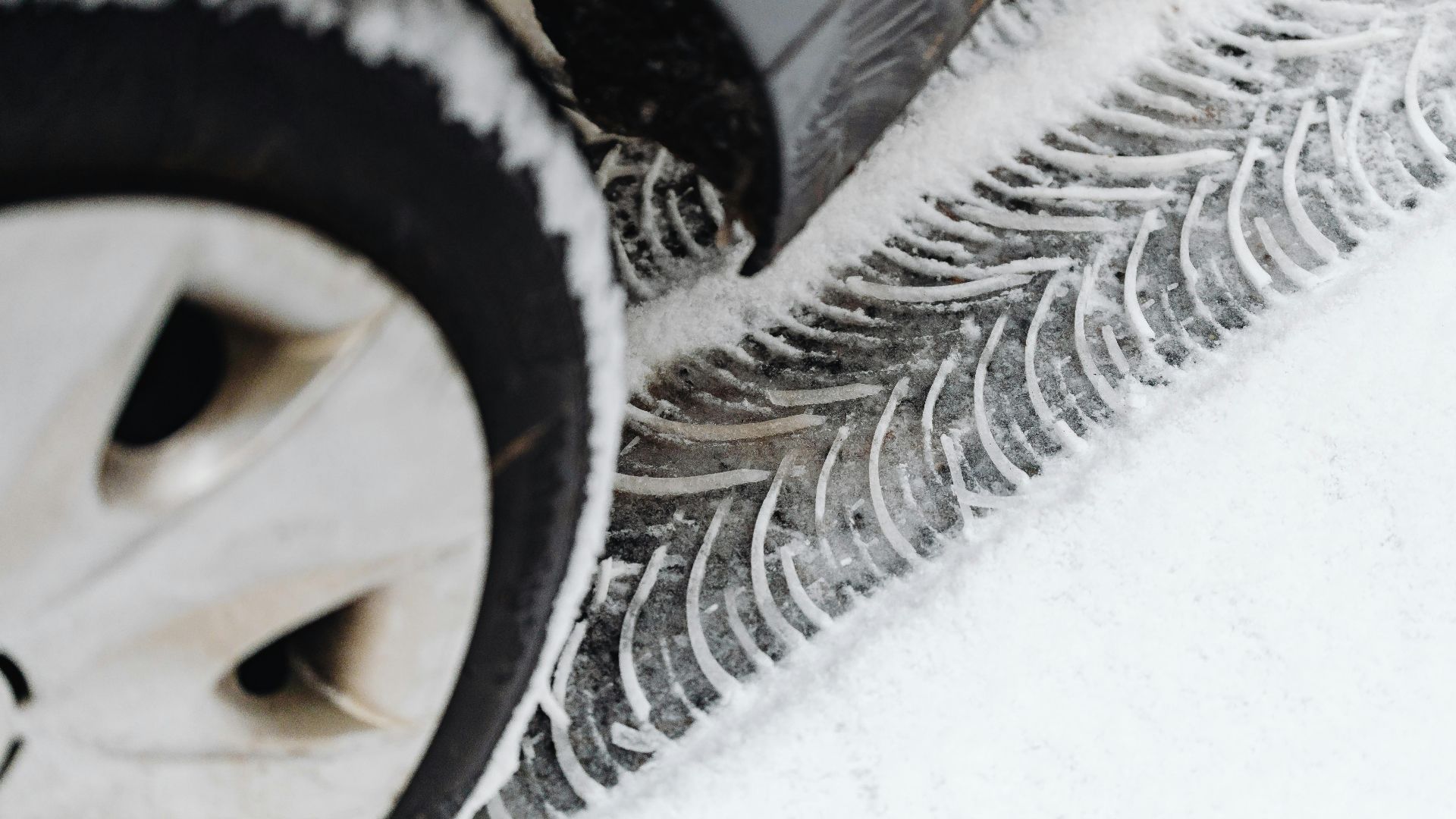
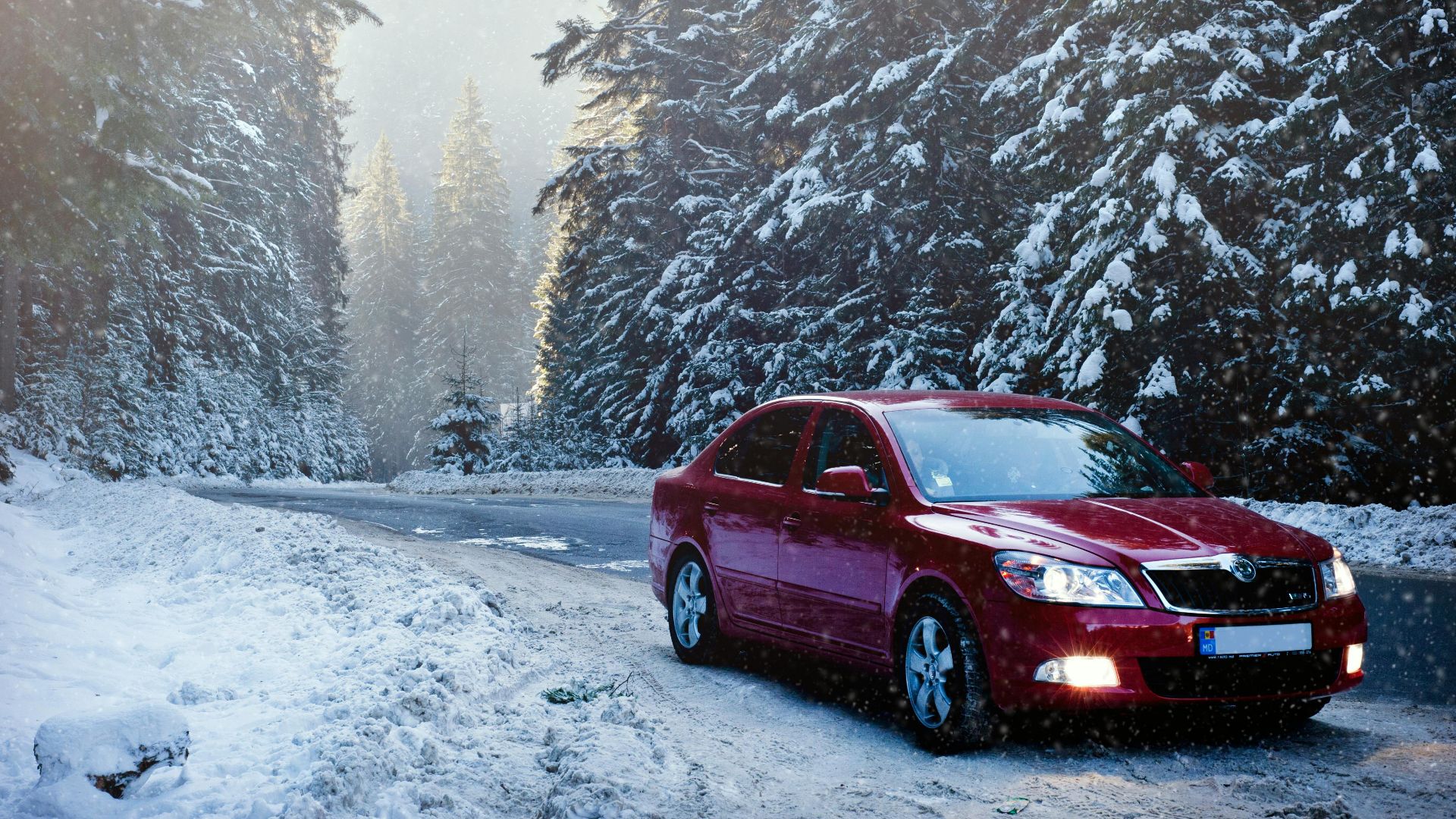
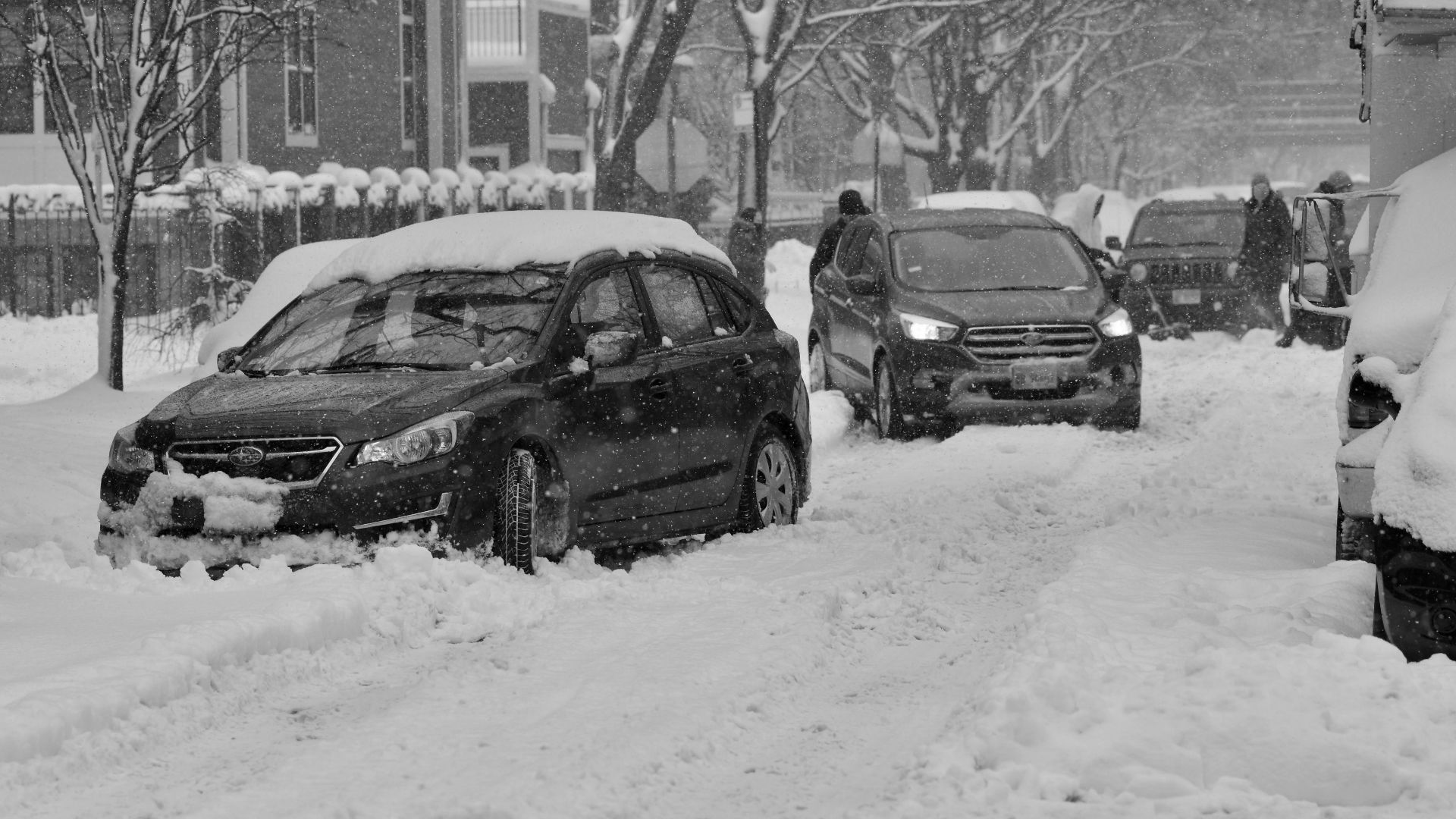
Snow tires shine in cold temperatures and on packed snow. But if your driveway had six inches—or more—of fresh, fluffy snow, that’s a different challenge. Tires can only grip what they touch. If the underbody of your car is plowing snow like a shovel, traction becomes secondary.
Ground Clearance Matters More Than You Think
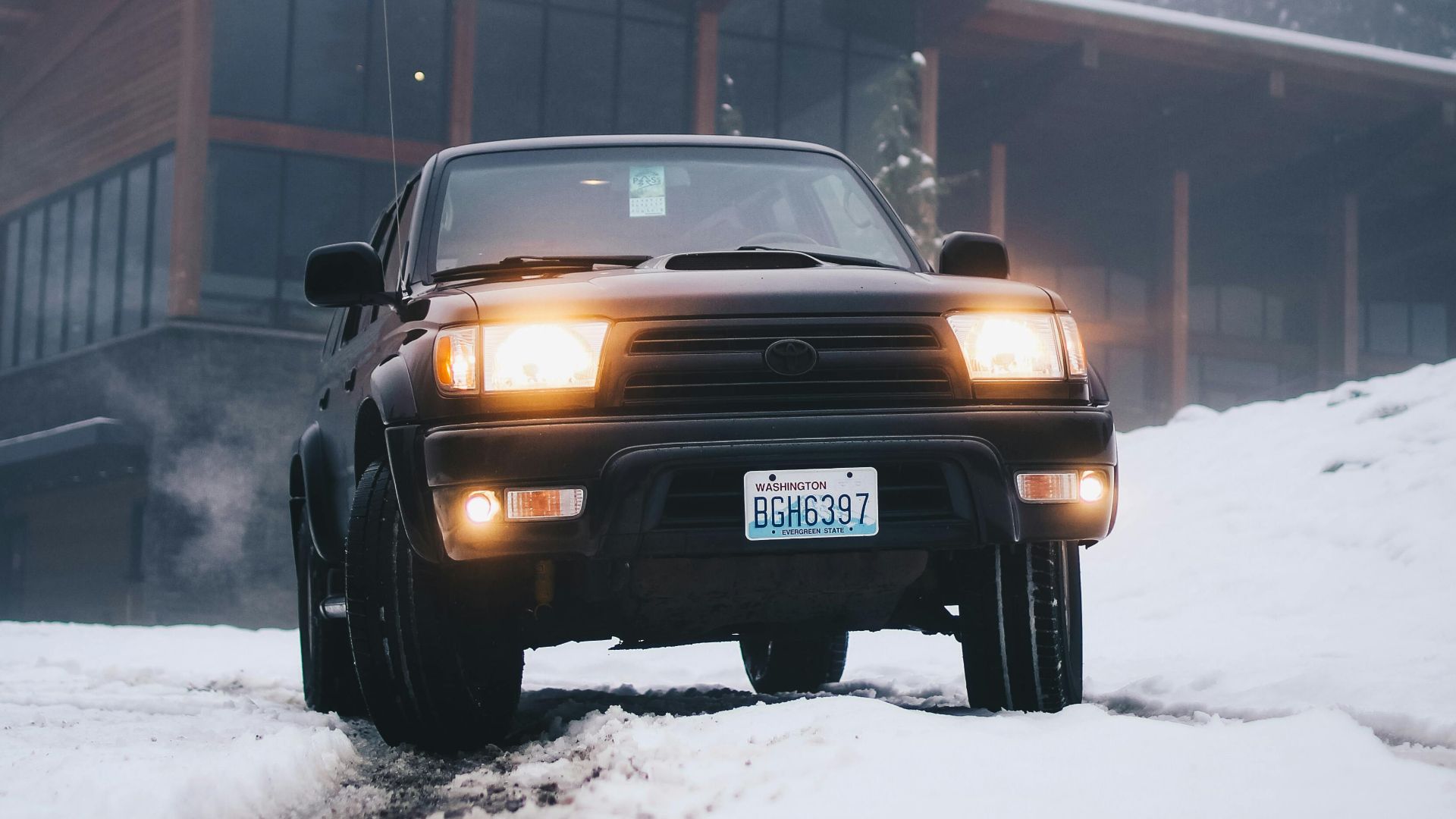
A low-slung sedan or sports car can get high-centered in deeper snow, even if the tires are gripping. Once the snow lifts the chassis slightly, your drive wheels lose pressure against the ground. Snow tires can’t help if they’re barely touching pavement.
Ice Is The Ultimate Equalizer
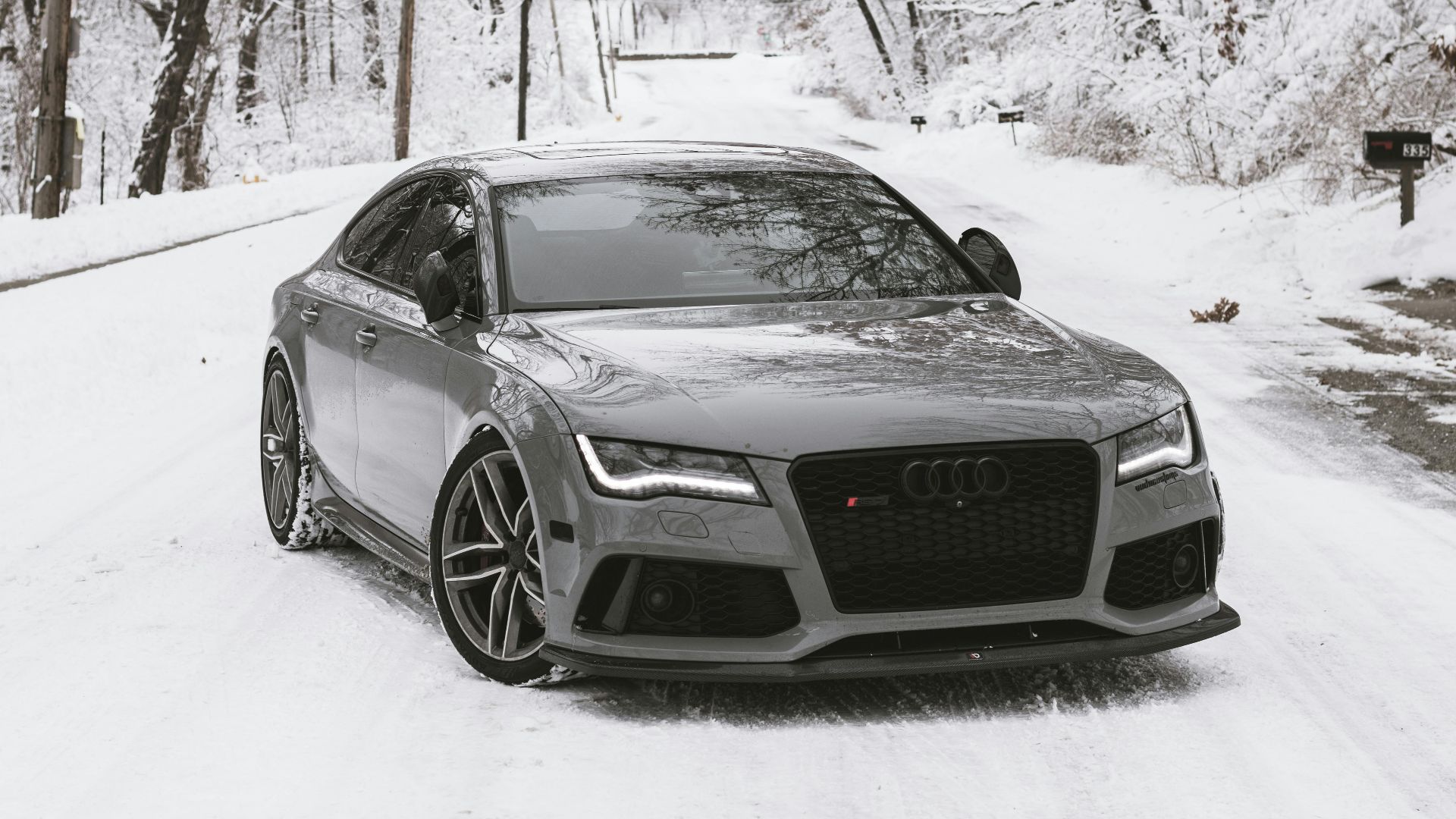
Let’s be honest: if your driveway had a layer of polished ice underneath the snow, that’s tough for any tire. Winter tires perform far better than all-seasons on ice, but they’re not studded unless you specifically bought studded versions. On glare ice, even winter rubber can struggle.
Did The Shop Install Them Correctly?
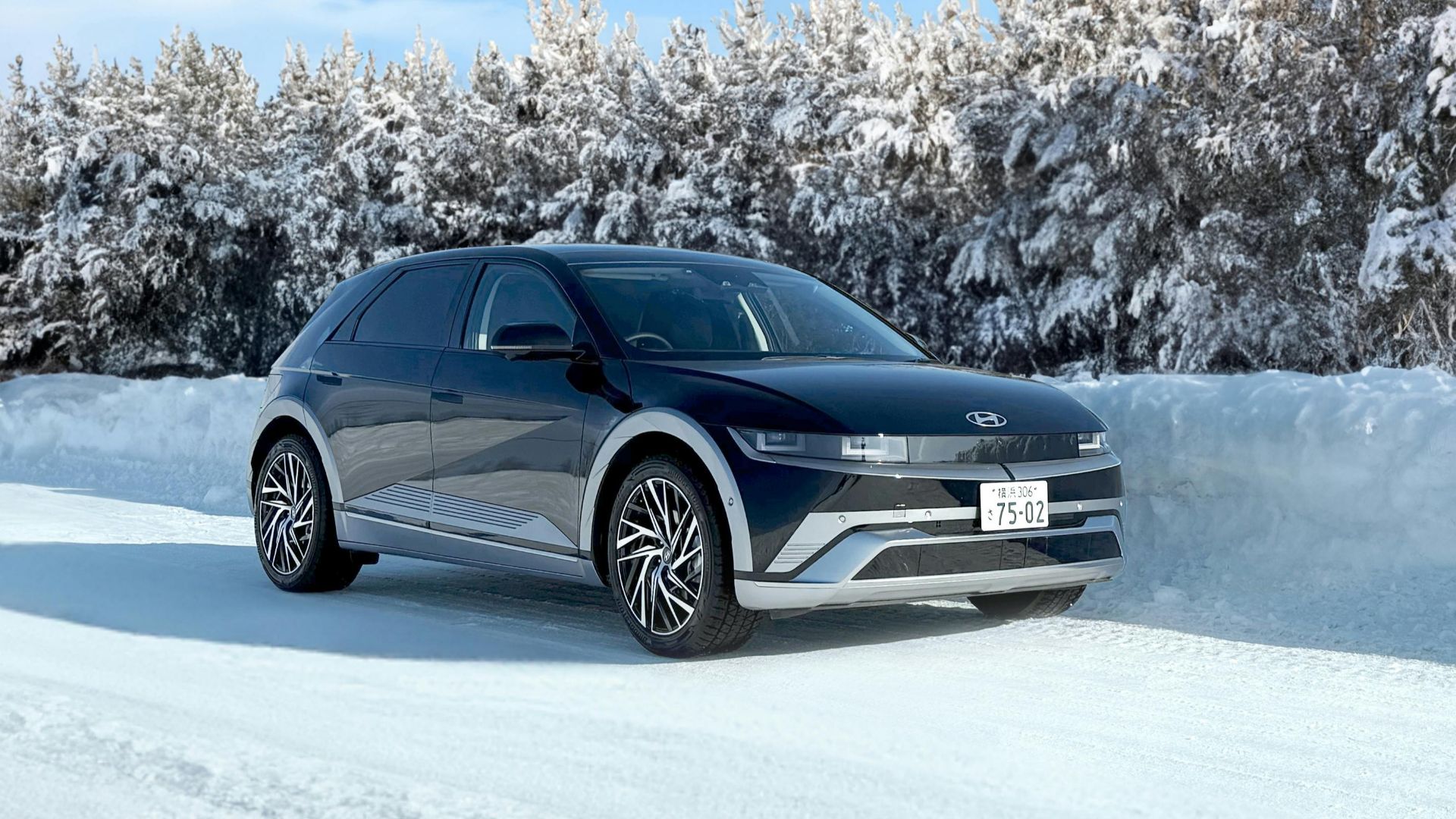
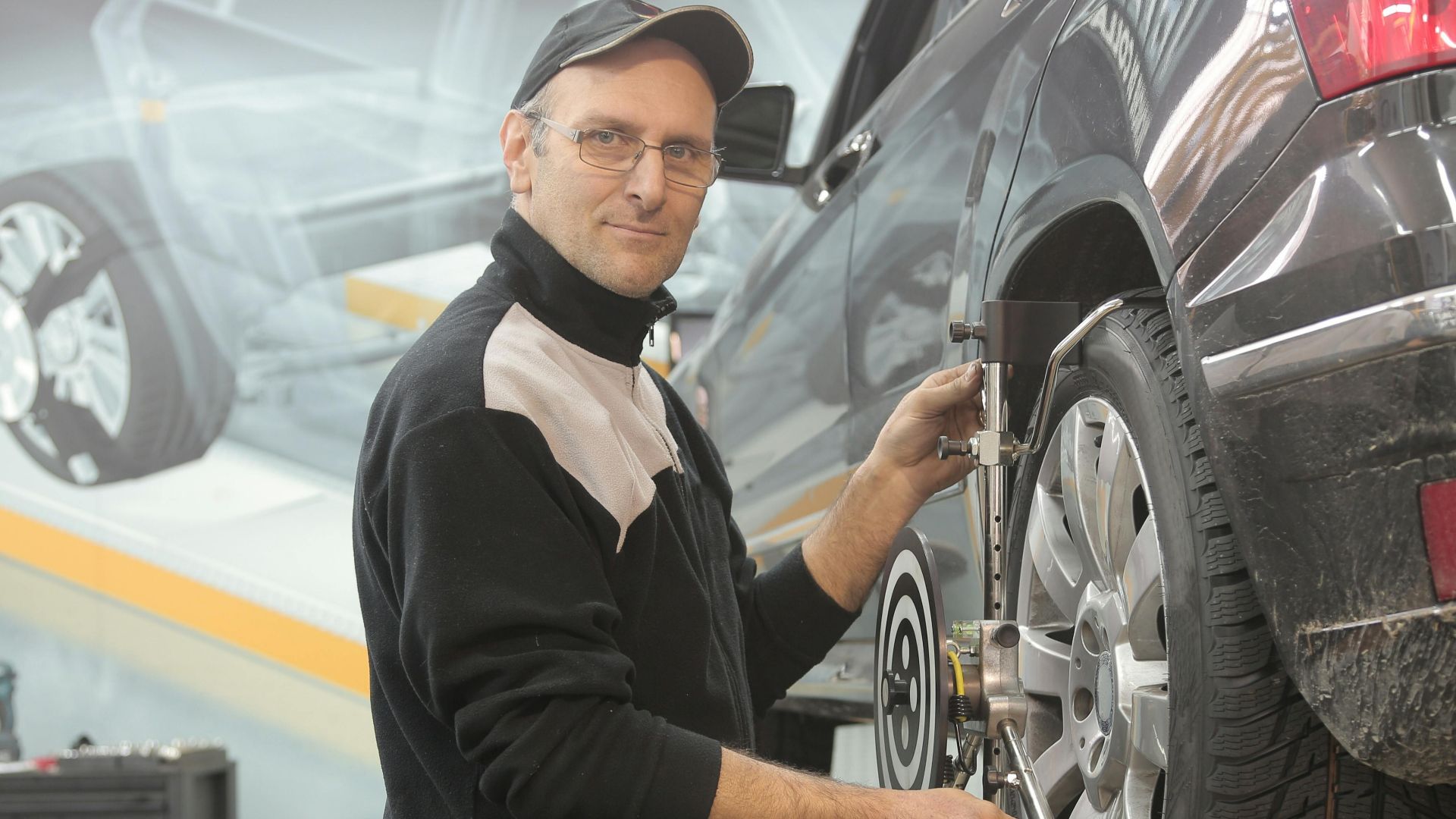
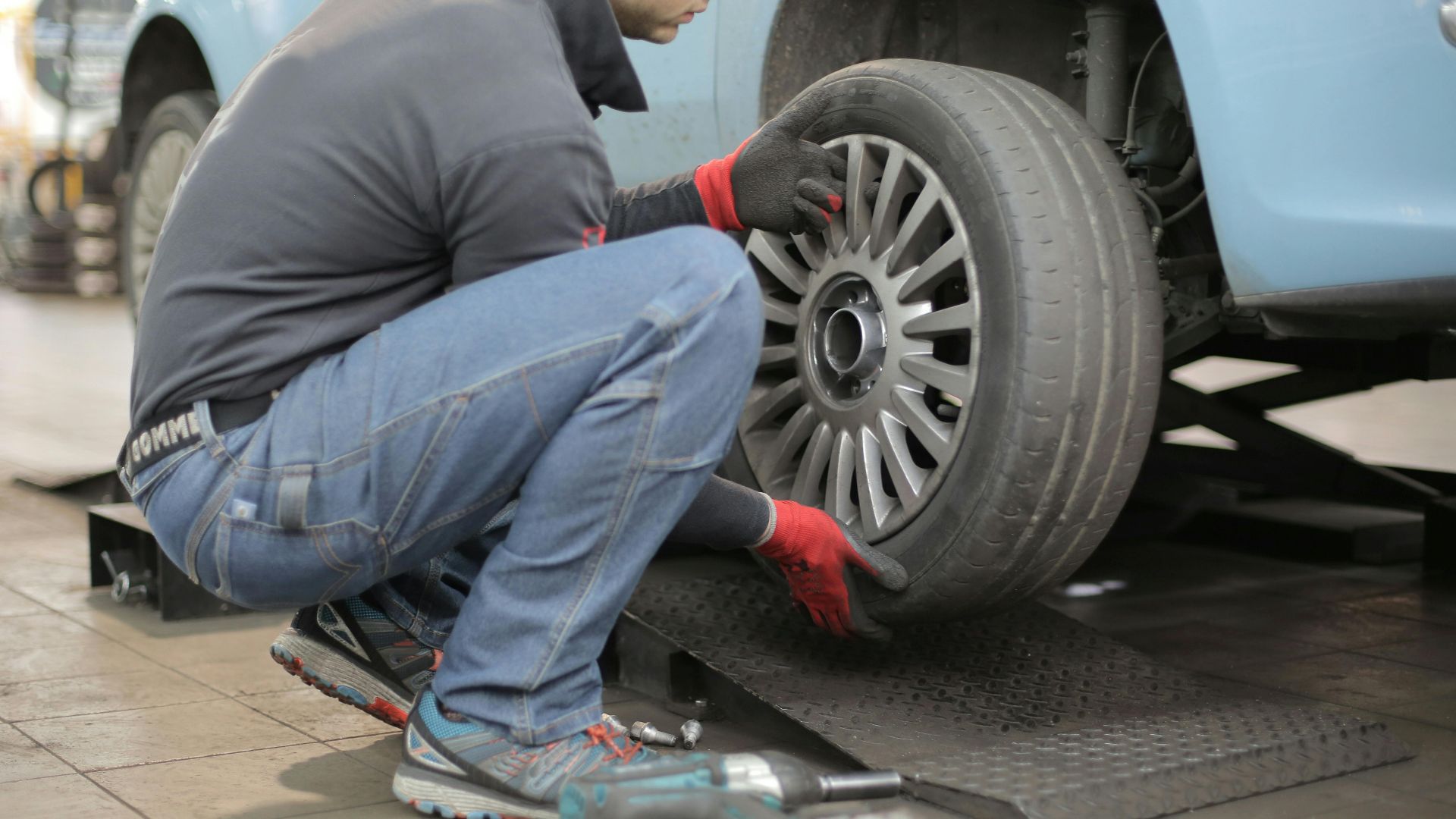
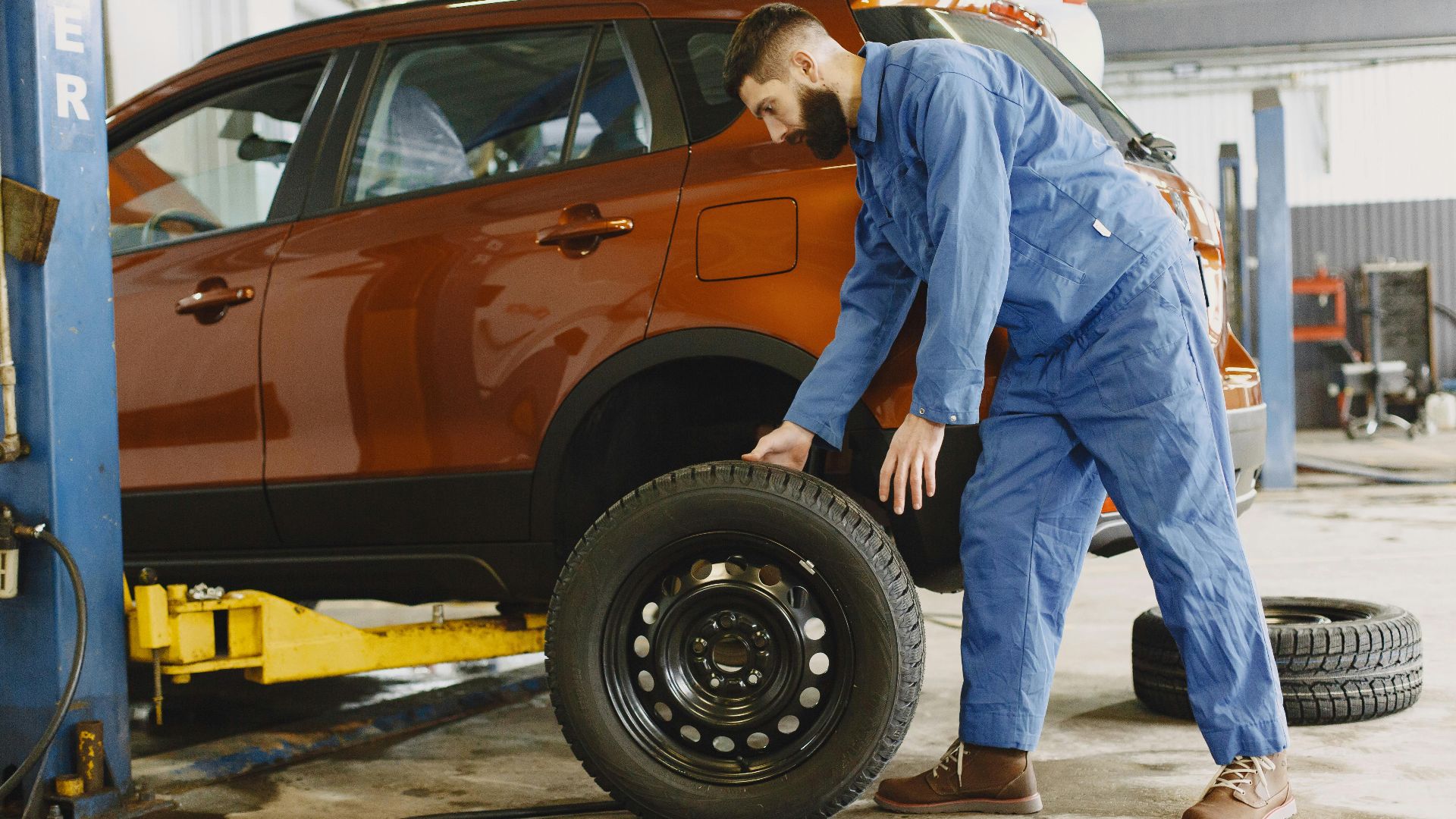
Now we get to the shop question. If the tires were mounted properly, balanced, and inflated to the correct pressure, the shop likely did its job. Installation errors that would cause traction issues—like mounting the wrong size or severely misbalancing them—are rare and usually obvious.
Were They Mounted In The Correct Direction?
Many winter tires are directional, meaning they’re designed to rotate one way. If installed backward, their snow-shedding and grip performance can suffer. It’s worth a quick visual check—the tread should form a “V” shape pointing forward when viewed from above.
Are They On The Right Axle?
If you only installed two winter tires (which isn’t recommended), placement matters. They should generally go on the rear axle to maintain stability. Mixing tire types can create unpredictable handling. If you bought a full set of four, you’re in better shape.
Brand-New Winter Tires Need A Short Break-In
Fresh tires often have a thin layer of mold-release compound from manufacturing. It can make them slightly slippery for the first 100–300 miles. During that period, traction may not feel as strong as expected. It’s temporary—but surprising if you didn’t know about it.
Driving Technique Still Matters
Snow tires aren’t a substitute for smooth inputs. If you mashed the throttle trying to power up your driveway, even the best tires will spin. Gentle acceleration, steady momentum, and avoiding sudden steering inputs are key.

Momentum Is Your Best Friend
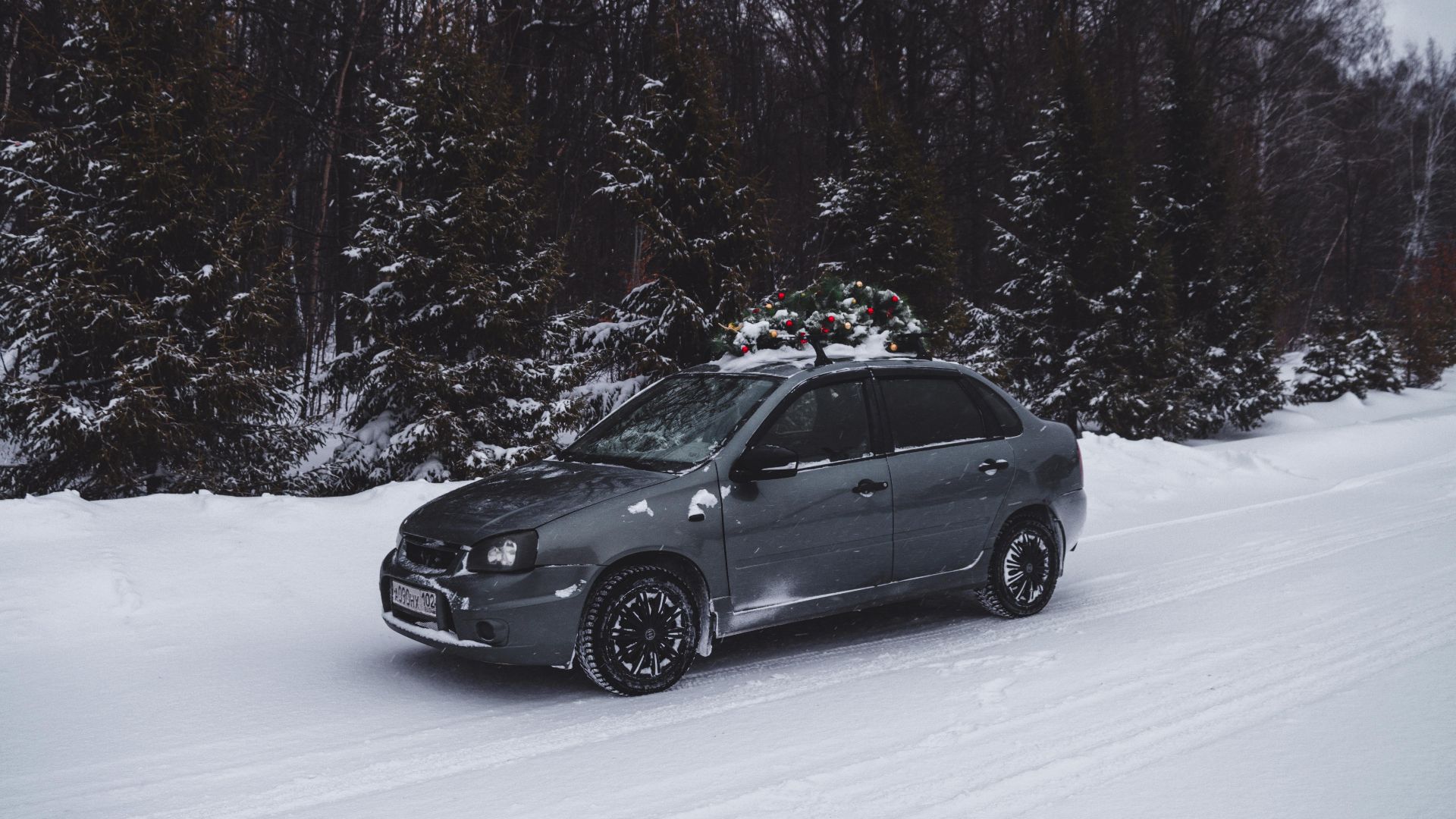
When tackling a snowy incline, maintaining consistent, moderate momentum helps. Stopping halfway up and trying to restart on a slick grade is much harder. Snow tires help you move—but they can’t always overcome gravity from a dead stop.
Clearing The Driveway Helps More Than You Think
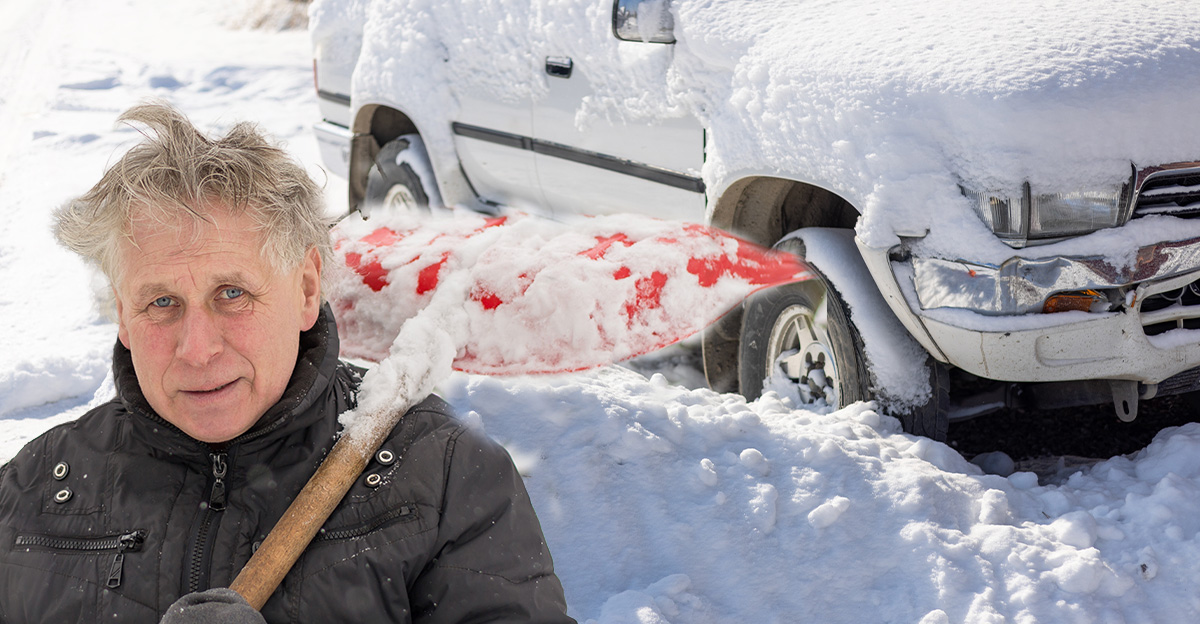
Sometimes the solution is simpler than blaming the shop: grab a shovel. Clearing at least two tire-width paths can drastically improve your odds. Even removing a few inches reduces resistance and lets your tires reach firmer ground.

Sand, Salt, Or Kitty Litter Can Save The Day
If you’re stuck, sprinkling sand or non-clumping kitty litter under the drive wheels can create instant traction. Road salt can help melt thin ice layers. These old-school tricks work wonders, even in the era of advanced tire tech.
 CambridgeBayWeather, Wikimedia Commons
AWD Doesn’t Make You Invincible
If you drive an all-wheel-drive crossover and still got stuck, you’re not alone. AWD helps distribute power but doesn’t increase friction between tire and surface. Tires create grip. AWD just manages it.
Weight Distribution Plays A Role
Pickup truck owners know the drill: add weight over the rear axle in winter. A light rear end means less traction. Even in passenger cars, uneven weight distribution can affect grip when climbing inclines.
Temperature Extremes Affect Rubber Behavior
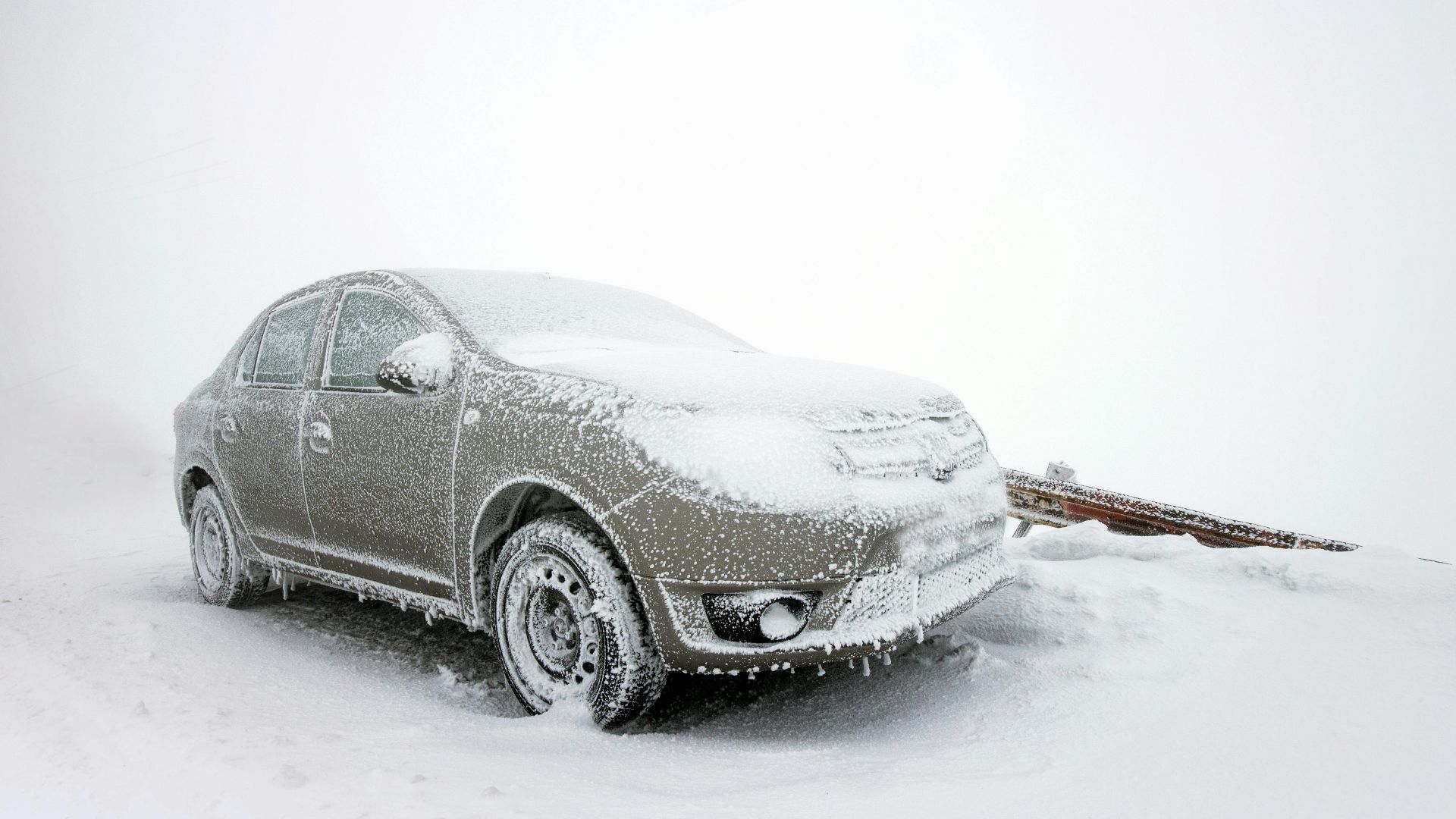
Winter tires are optimized for cold weather—but extreme sub-zero temperatures can still reduce flexibility slightly. Meanwhile, if temperatures hover just above freezing, melting and refreezing cycles create slick, glassy ice that’s difficult for any tire to handle.
Expectations Vs. Reality
If you’ve been driving on worn all-seasons for years, winter tires will feel like a revelation. But they won’t make your car feel like a snowmobile. Managing expectations is key. They improve traction dramatically—but within the limits of physics.
When It Might Actually Be The Shop’s Fault
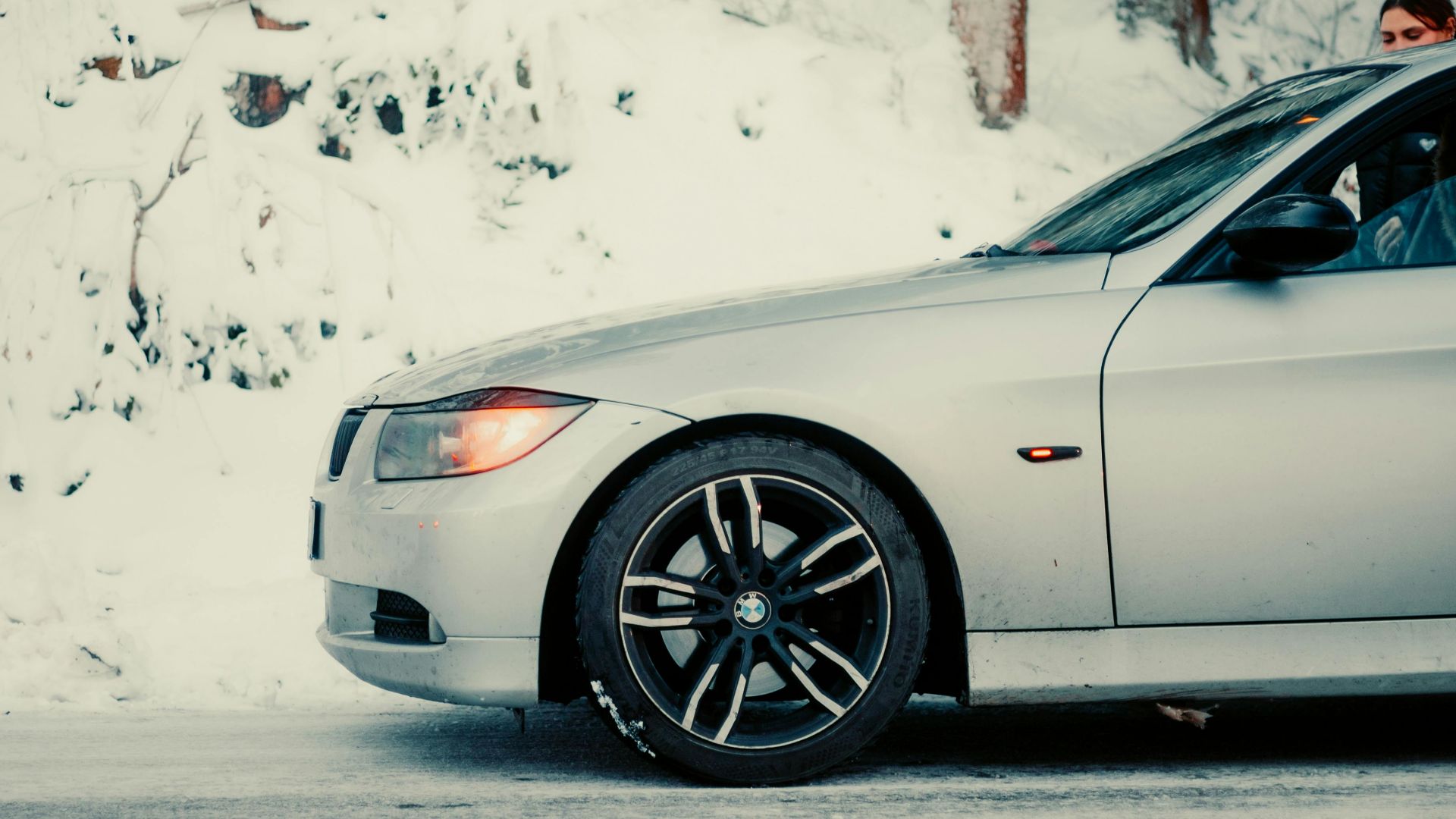
There are rare cases where blame could fall on the installer: wrong tire size, incorrect load rating, improper inflation, directional tires mounted backward, or forgetting to tighten lug nuts properly. These are legitimate concerns—but they’re uncommon at reputable shops.
How To Double-Check Your Setup
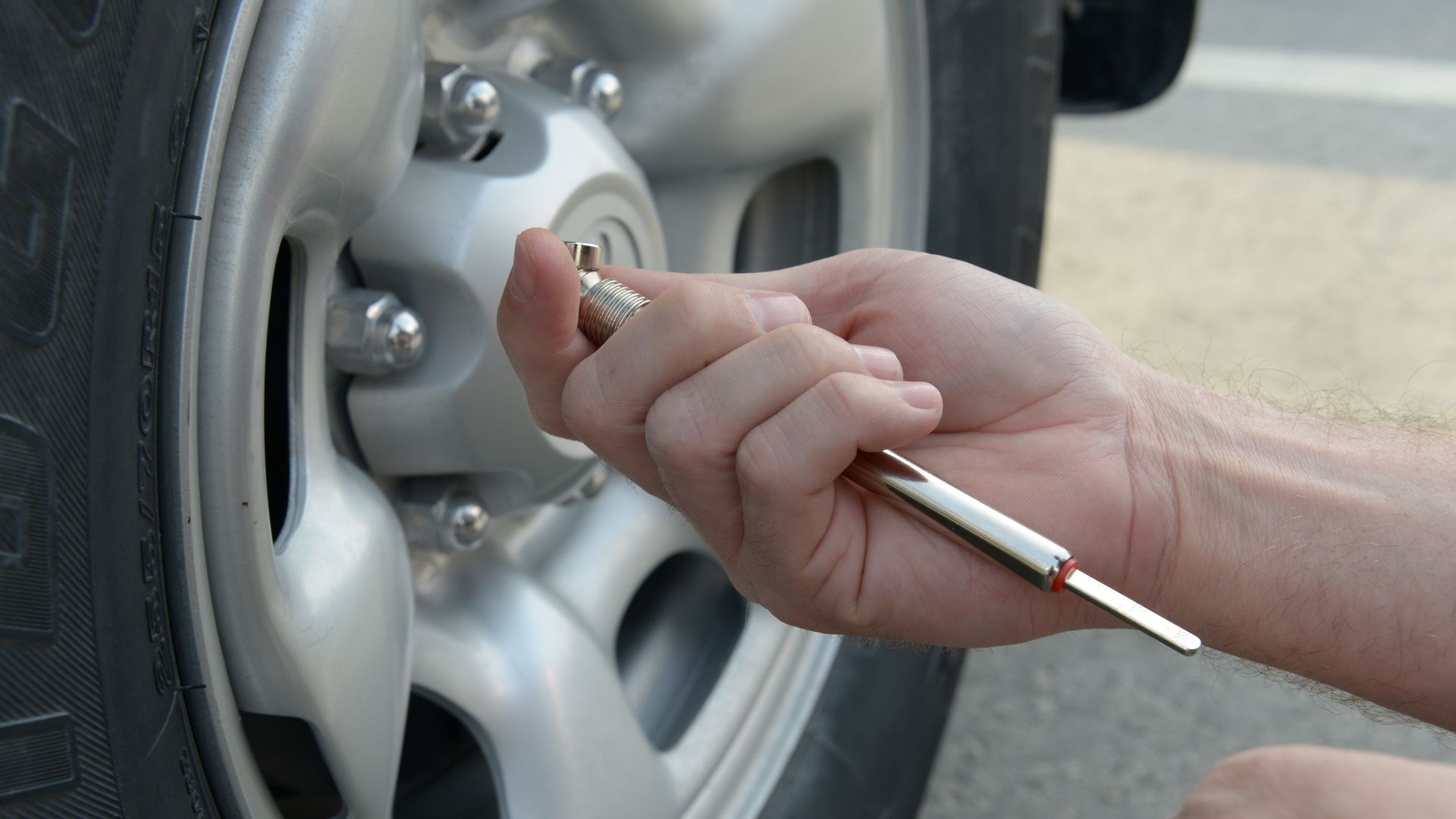
Check the tire size against your owner’s manual. Look for the 3PMSF mountain snowflake symbol. Verify proper direction of rotation. Use a tire pressure gauge when the tires are cold. A five-minute inspection can give you peace of mind.
 SrA Hannah Landeros, Wikimedia Commons
The Real Takeaway About Snow Tires
Snow tires dramatically improve your ability to start, steer, and stop in winter conditions. They reduce risk—but they don’t eliminate it. Think of them as hiking boots for your car: better grip, but you can still slip on ice.
 Michael from Calgary, AB, Canada, Wikimedia Commons
Should You Go Back To The Shop?
If something seems clearly wrong—vibration, warning lights, visible mounting issues—yes, go back. If everything looks correct and the tires are true winters, the shop probably did its job. Your driveway just staged a surprise winter test.
How To Avoid Getting Stuck Again
Clear snow early and often. Maintain proper tire pressure. Approach inclines with steady momentum. Keep a small winter emergency kit in your trunk. And most importantly, remember that winter driving is as much about patience as equipment.
It’s Not About Blame—It’s About Preparation
Getting stuck in your own driveway is humbling. But it doesn’t mean you wasted money or got scammed. Snow tires are one of the smartest safety investments you can make. Sometimes winter just wins a round. Learn from it, adjust your approach, and next snowfall—you’ll likely glide out like the winter-driving pro you intended to be.
You May Also Like:
New Car Models Baby Boomers Can’t Stand