
Millennial Pink Meets Toyota Gray
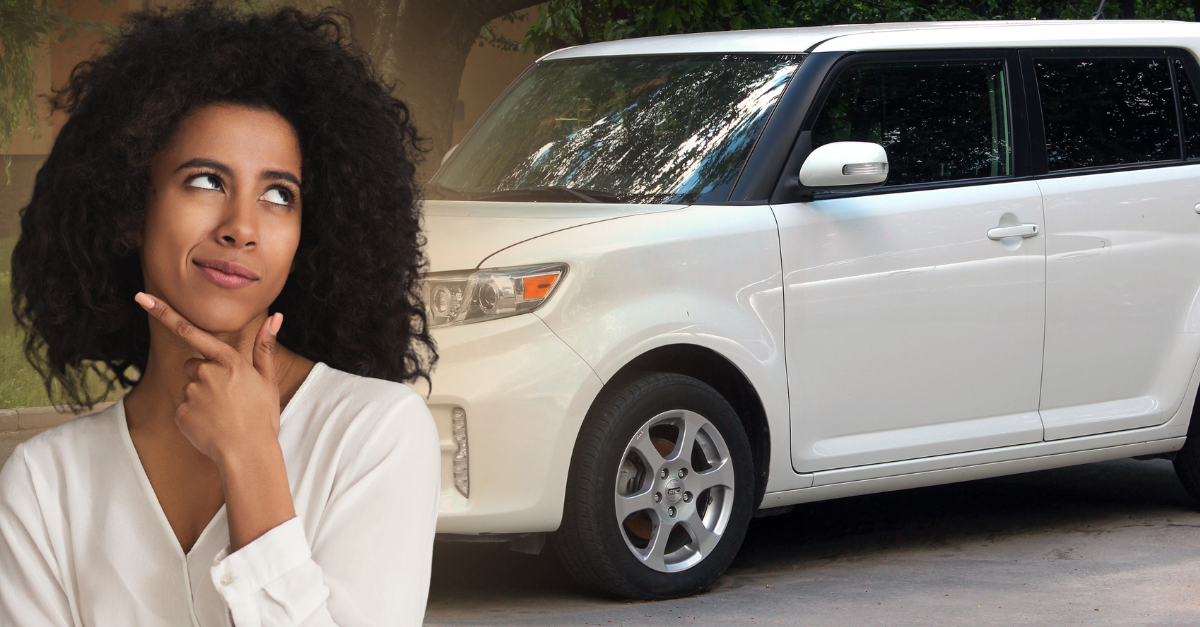
At the turn of the millennium, Toyota had a problem. Young buyers weren’t exactly lining up for beige Camrys and sensible Corollas—they wanted personality, customization, and something that didn’t scream PTA meeting. So in 2003, Toyota launched Scion, a brand built specifically to lure millennials into showrooms. It had funky styling, no-haggle pricing, and marketing that felt more music festival than motor show. But somehow, it still didn’t last.
Here’s how Toyota’s youth experiment burned bright, then quietly faded away.
 Best Auto Photo, Shutterstock.com
The Birth Of A Youth Brand
Scion officially launched in the United States in 2003 as a separate marque under Toyota’s umbrella. The idea was simple: attract younger buyers who might otherwise ignore traditional Toyota offerings. Toyota gave Scion its own branding, dealership areas, and attitude—all designed to feel fresh and rebellious without actually being risky.
 Michael Gil from Calgary, AB, Canada, Wikimedia Commons
No-Haggle Pricing Was The Hook
One of Scion’s boldest ideas was pure simplicity. Every model came with a fixed price—no negotiation, no back-and-forth, no sales manager disappearing into an office for dramatic effect. For younger buyers intimidated by dealerships, it was a refreshing change and felt almost revolutionary at the time.
The xA And xB Started It All
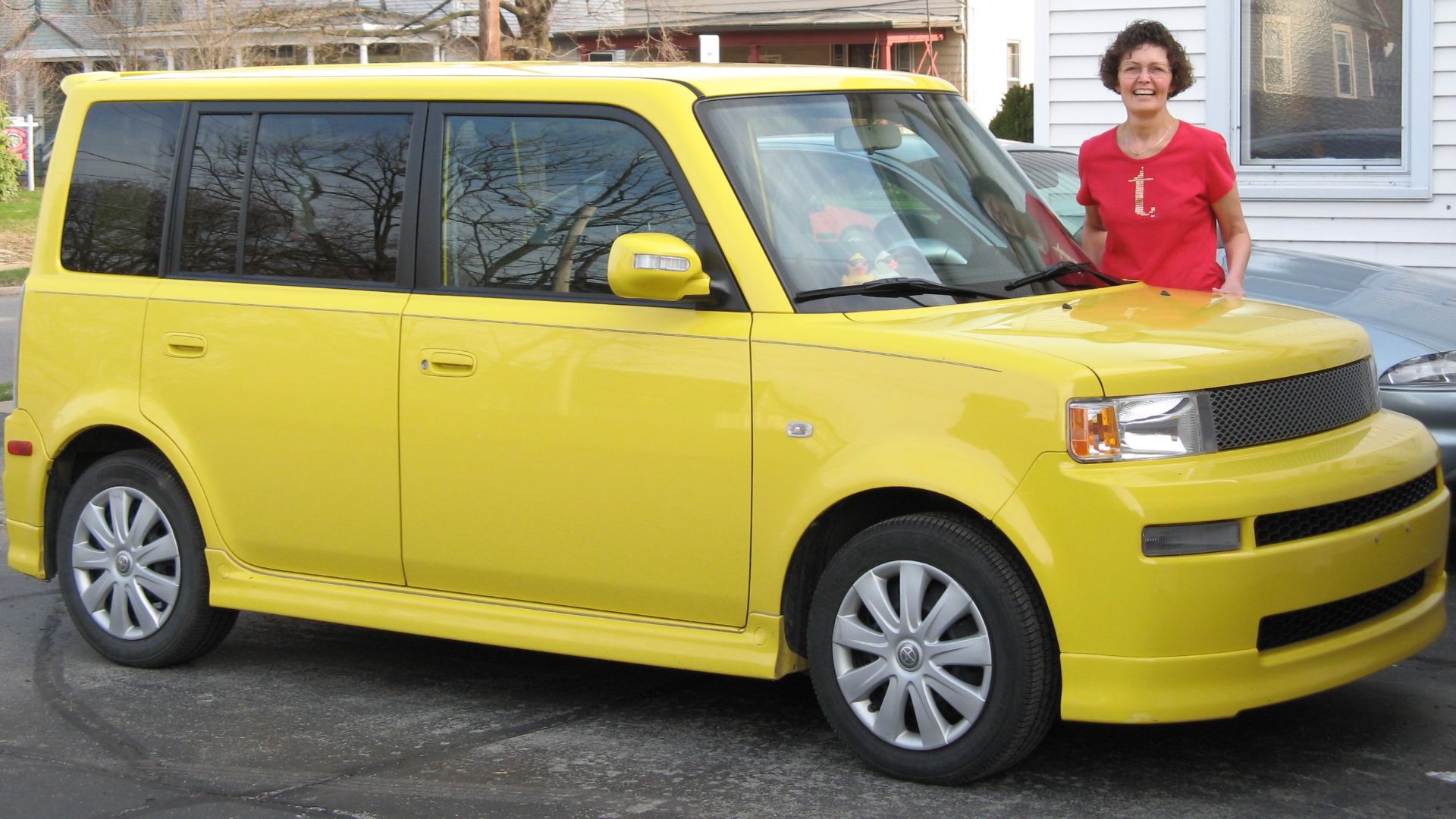
Scion debuted with two compact models: the xA and the boxy xB. The xA was a practical little hatchback, but the xB became the poster child for the brand. Its tall, square design was unapologetically weird—and that was the point. It looked like a toaster on wheels, and millennials loved it for exactly that reason.
The tC Became The Volume Seller
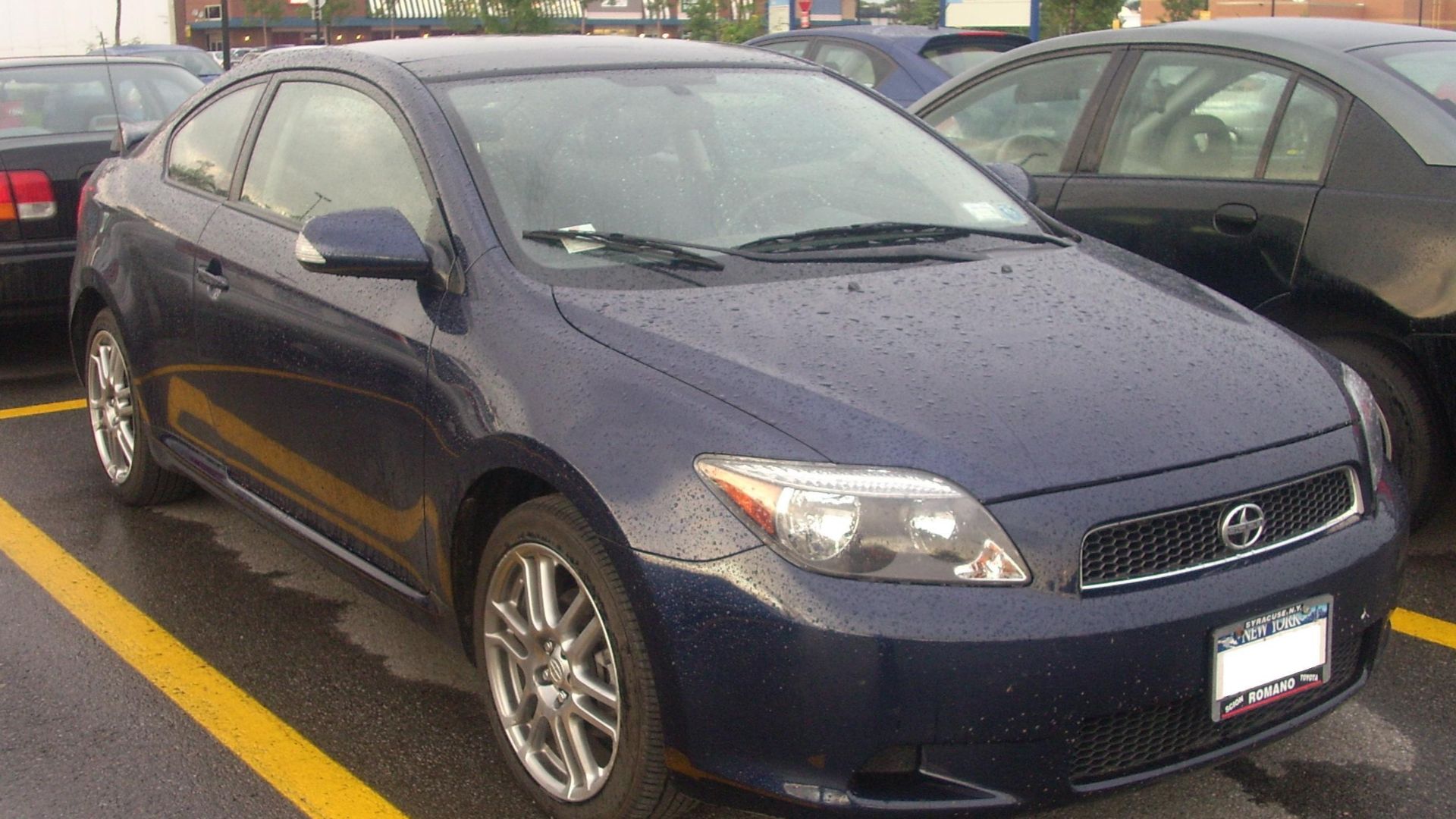
In 2004, Scion introduced the sporty tC coupe. It was affordable, reasonably peppy, and came well-equipped for the price. For many young drivers, it became their first “cool” car that still carried Toyota reliability under the skin.
Customization Was Everything
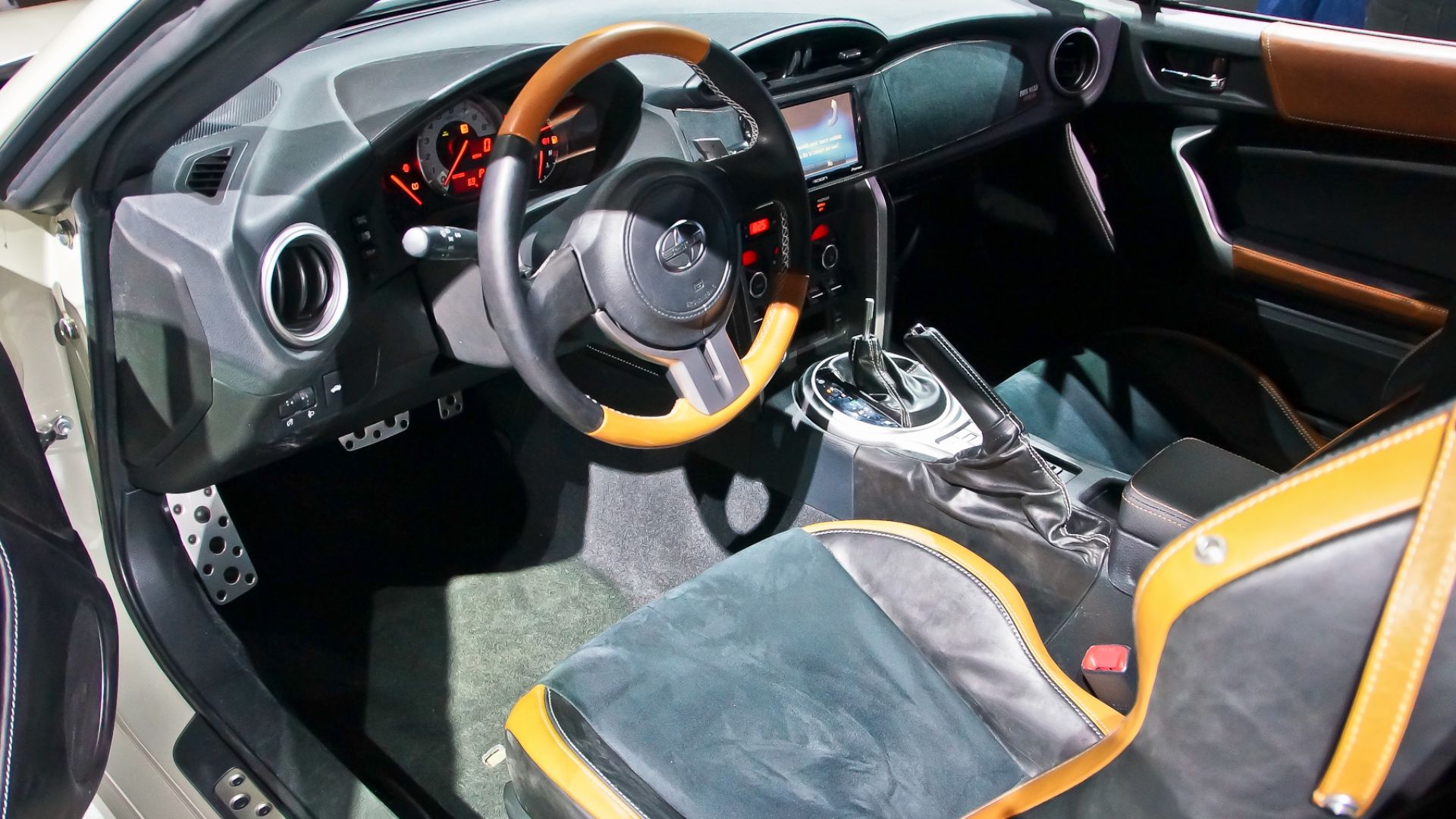
Scion didn’t just sell cars—it sold individuality. Buyers could load up on dealer-installed accessories like body kits, wheels, audio systems, and interior trim pieces. The cars were intentionally simple from the factory so owners could build them into something personal.
 Moto "Club4AG" Miwa, Wikimedia Commons
Marketing Went Grassroots
Instead of traditional advertising blitzes, Scion focused on music tours, art shows, and lifestyle events. The brand showed up where young people actually gathered rather than relying on standard TV commercials. It felt less like a car company and more like a pop-up culture experiment.
 Motohide Miwa from USA, Wikimedia Commons
Toyota DNA Hid Beneath The Surface
For all the edgy branding, Scions were still Toyotas at heart. Most models shared platforms and mechanical components with global Toyota vehicles. That meant dependable engines and straightforward engineering—but it also meant there was only so much rebellion baked into the formula.
 Michael Gil from Toronto, ON, Canada, Wikimedia Commons
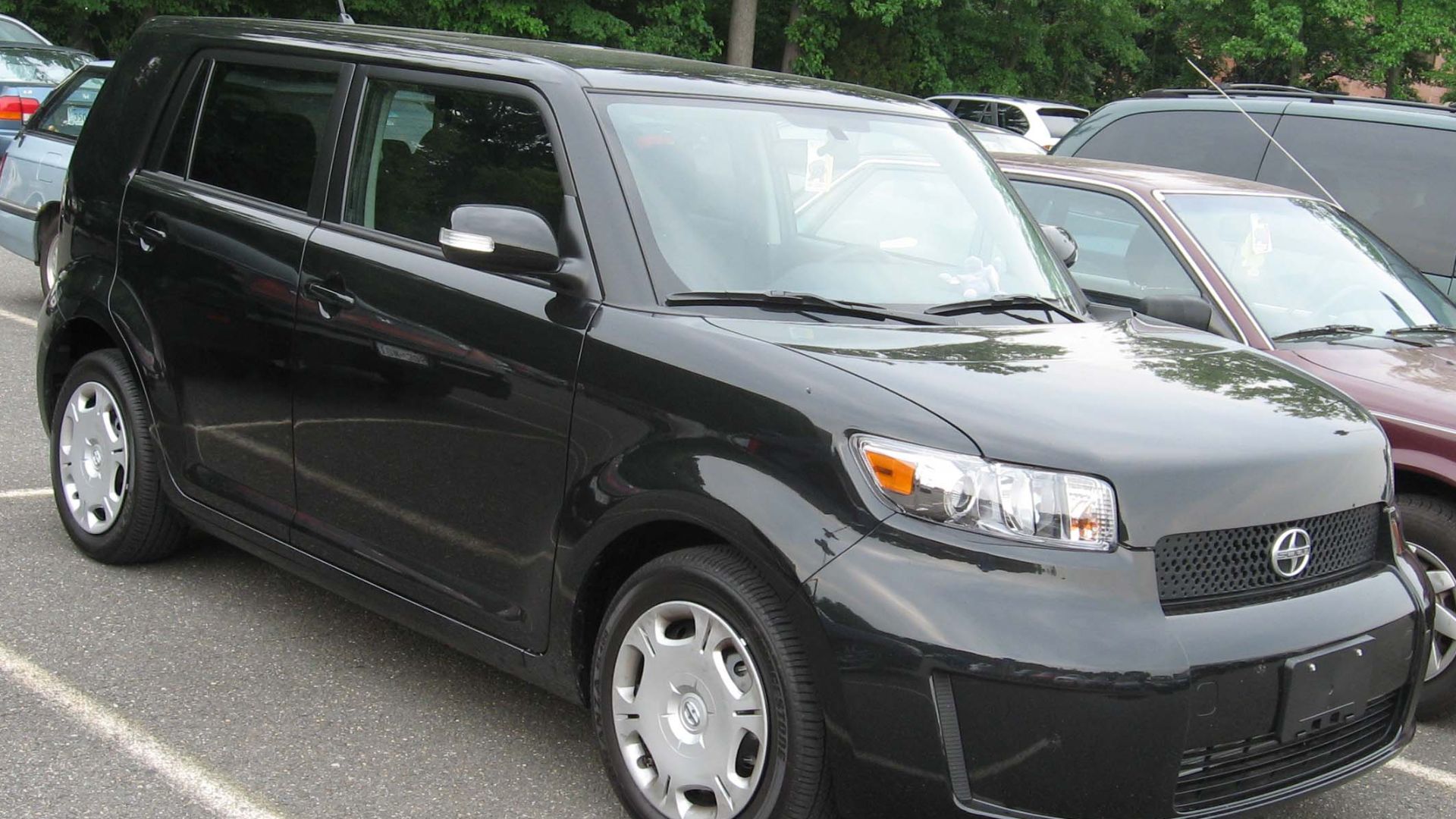
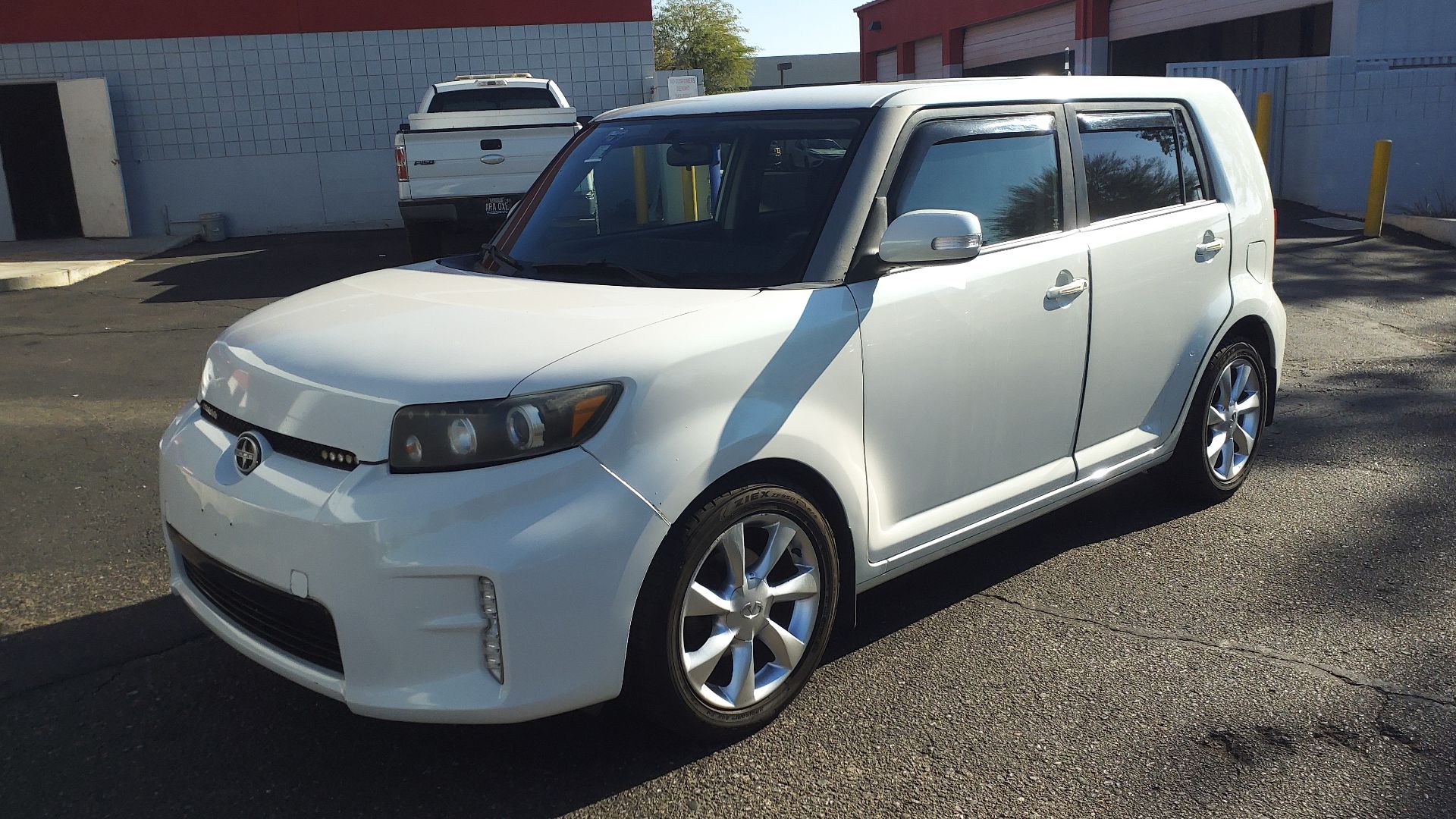
The xB Grew Up—And Lost Its Edge
When the second-generation xB arrived for 2008, it was bigger and more powerful. On paper, that sounded like progress. In reality, the extra size dulled some of the quirky charm that made the original a cult favorite.
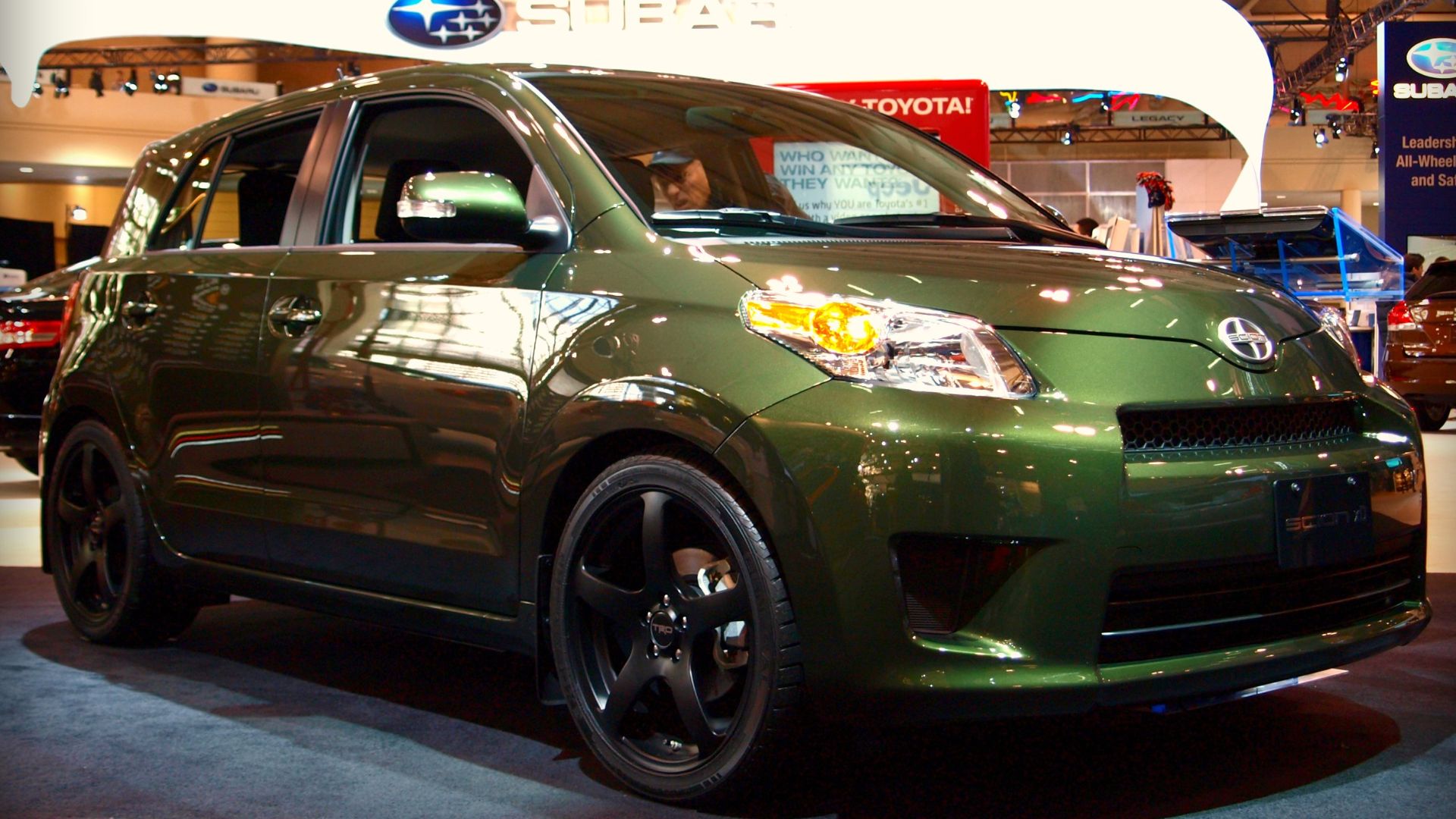
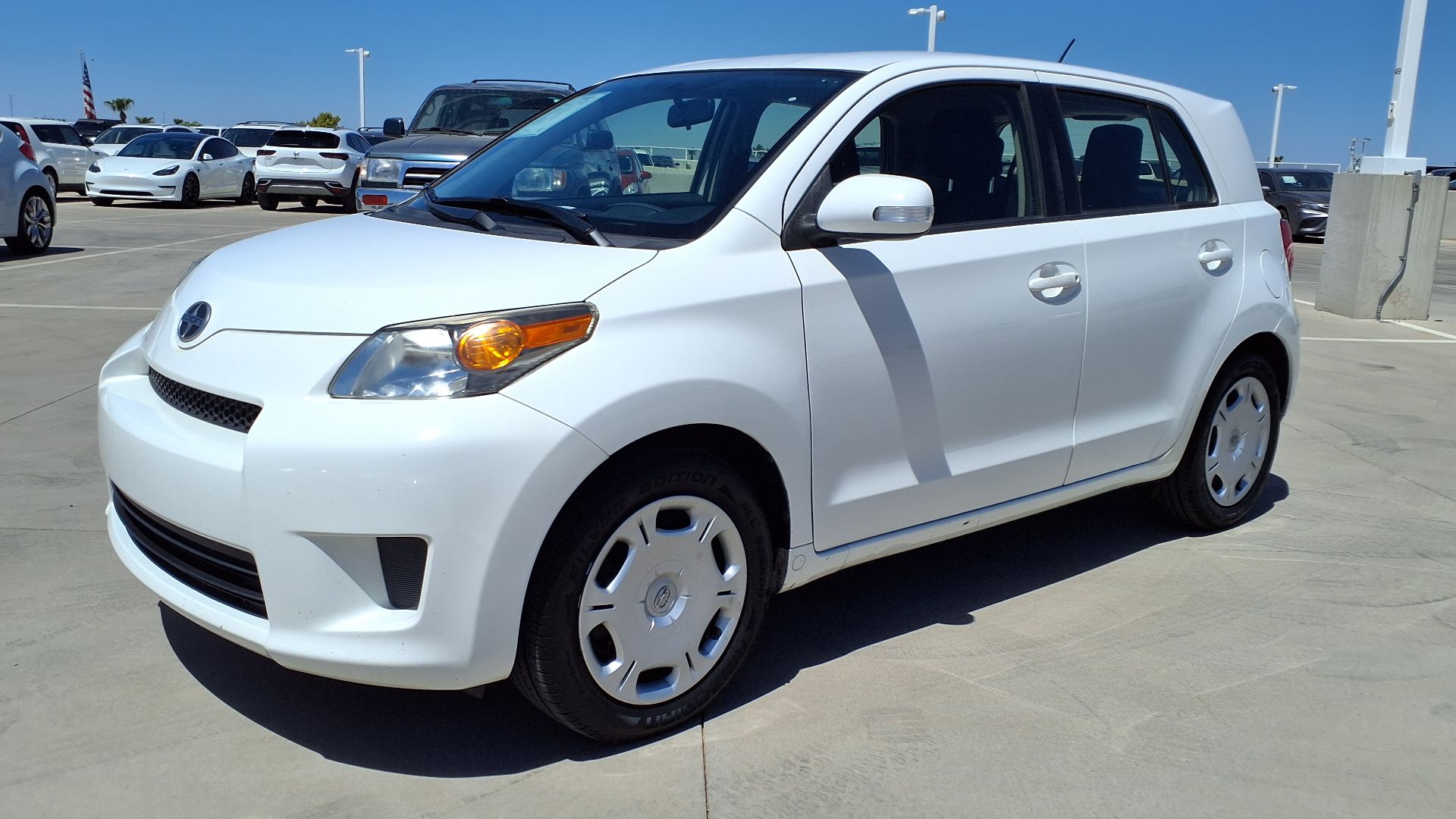
The xD Tried To Fill The Gap
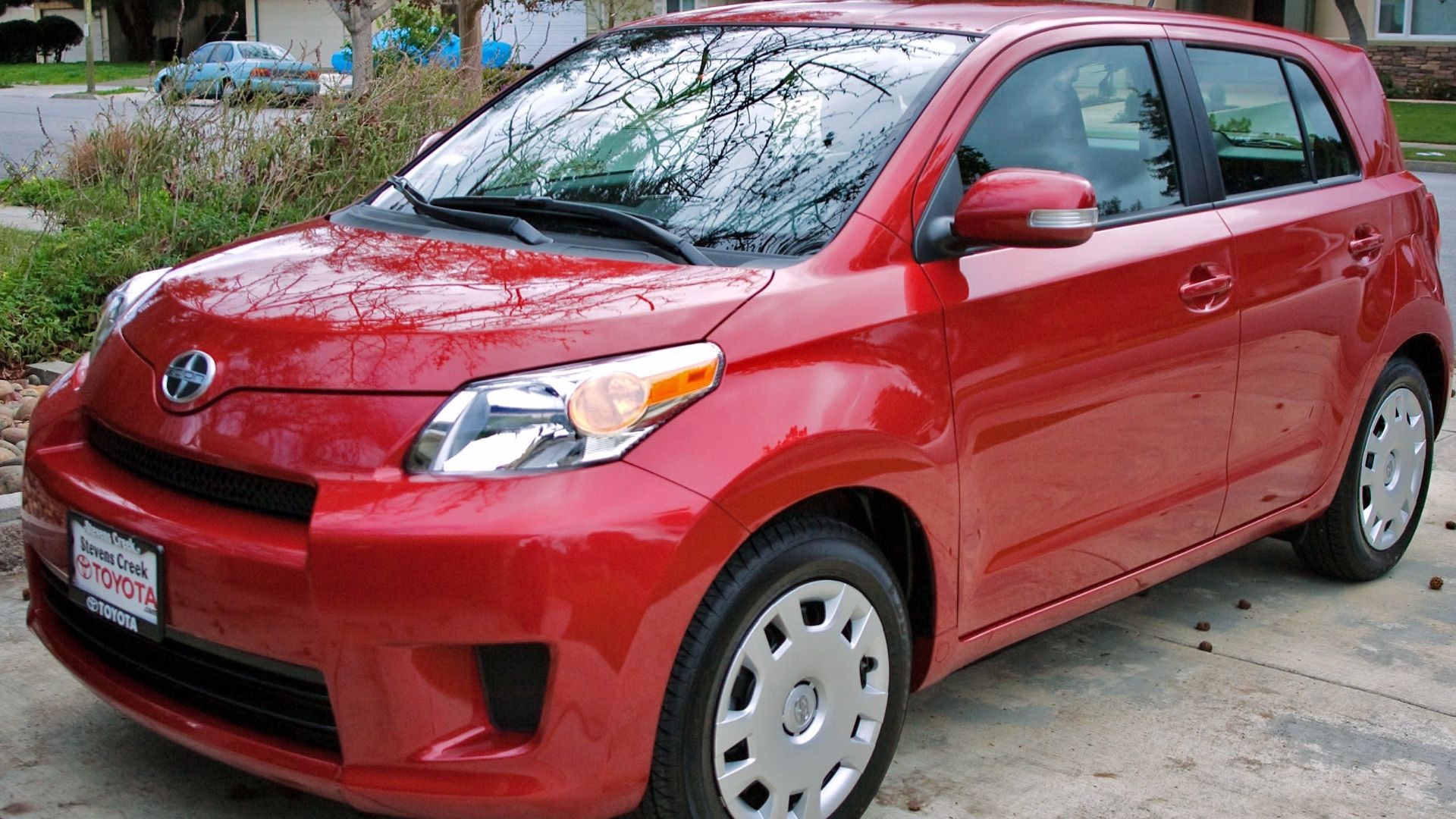
Scion replaced the aging xA with the xD in 2008. It was practical and efficient, but it didn’t quite spark excitement. It was competent—but competence wasn’t what made Scion interesting in the first place.
 Ana Ulin from Palo Alto, USA, Wikimedia Commons
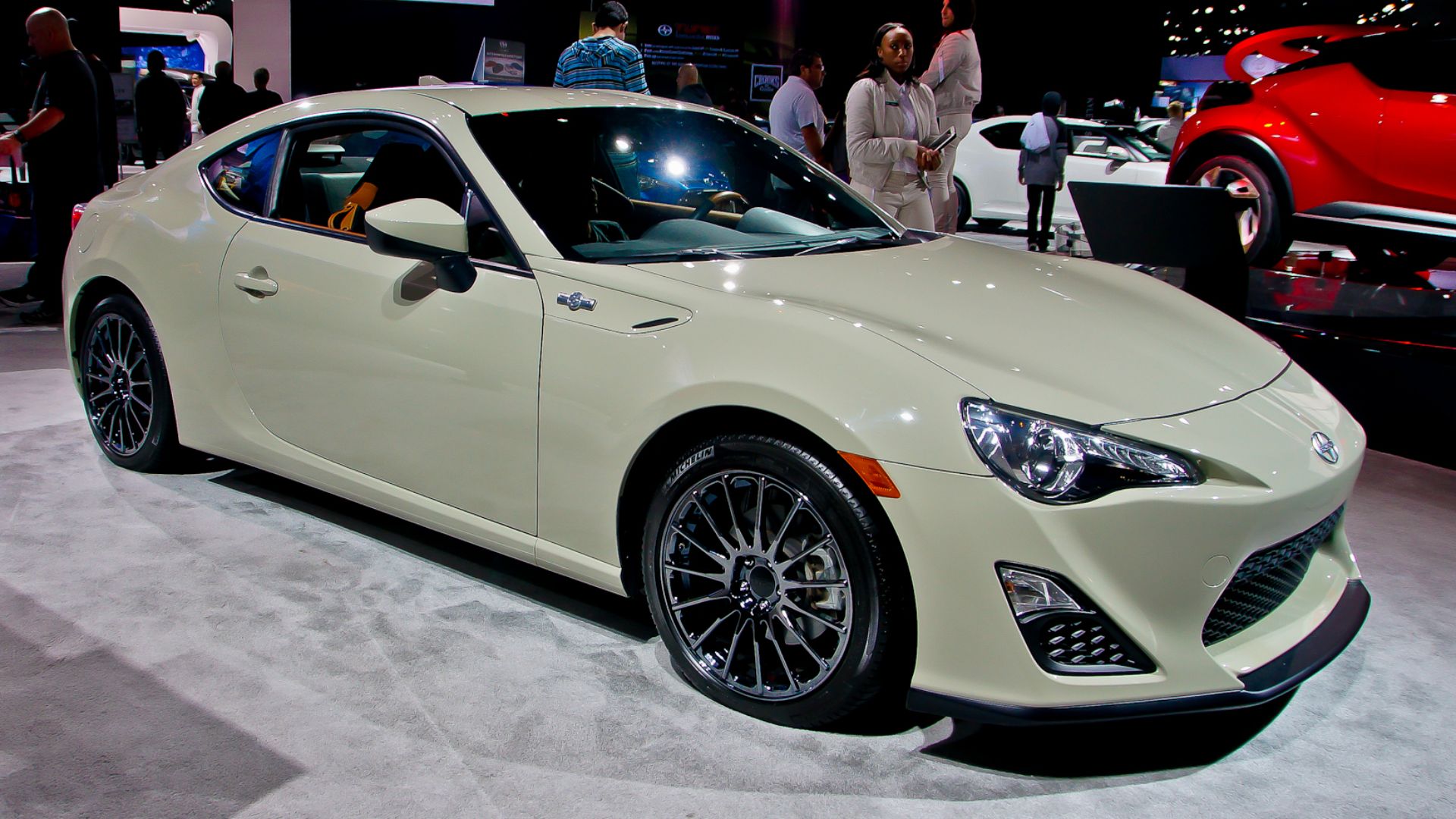
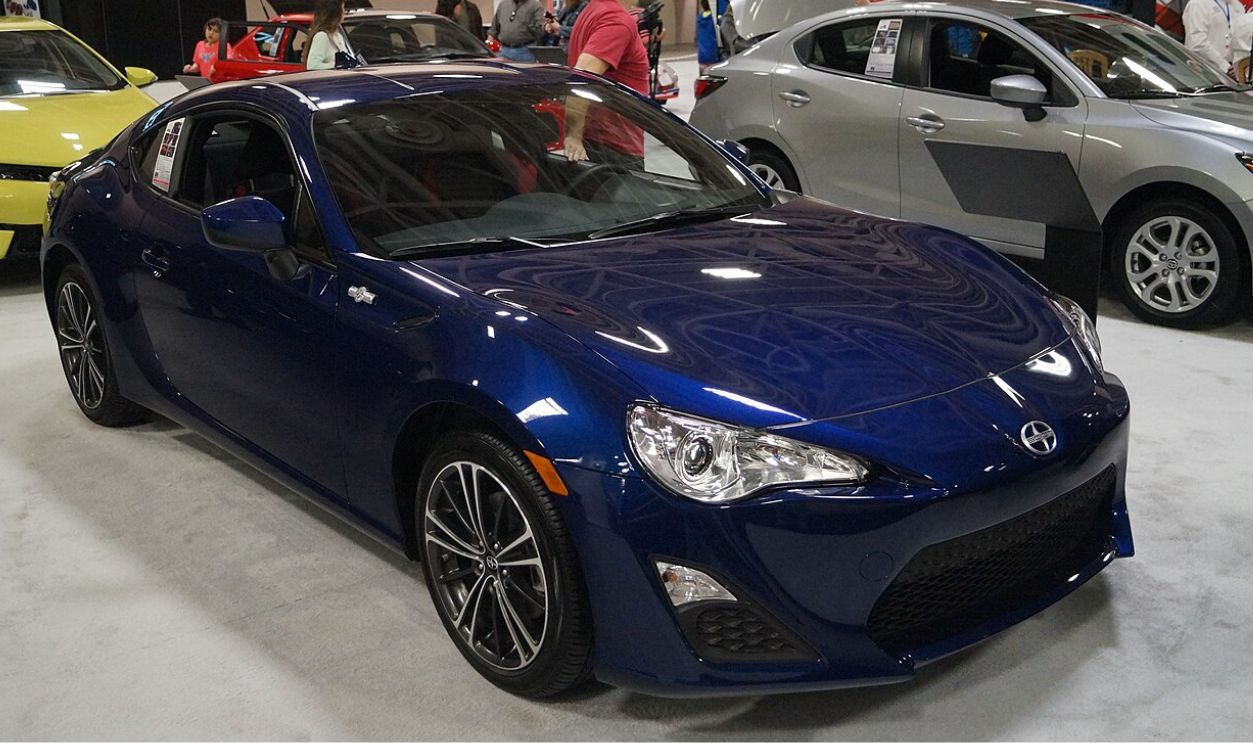
The FR-S Gave The Brand Credibility
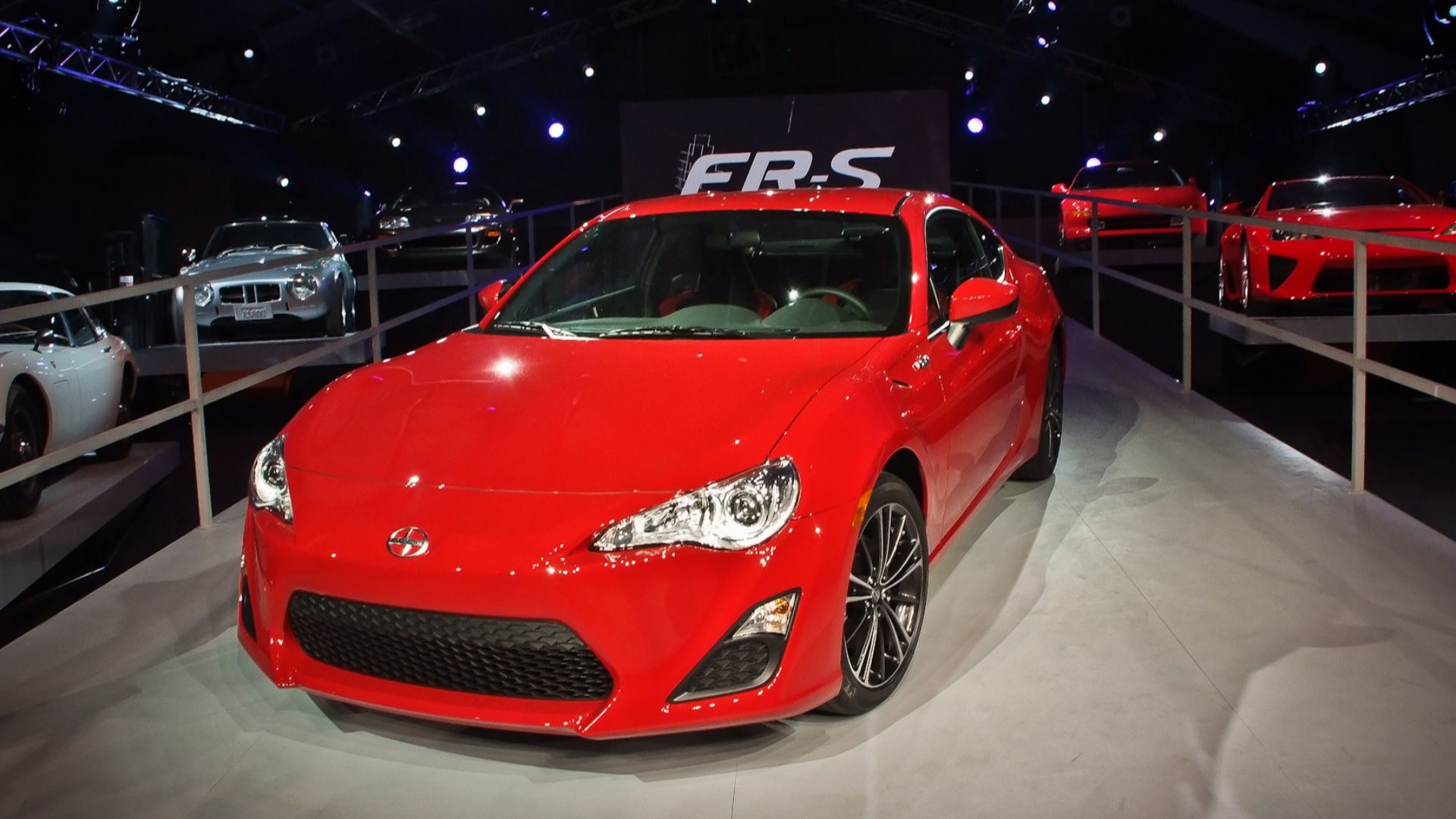
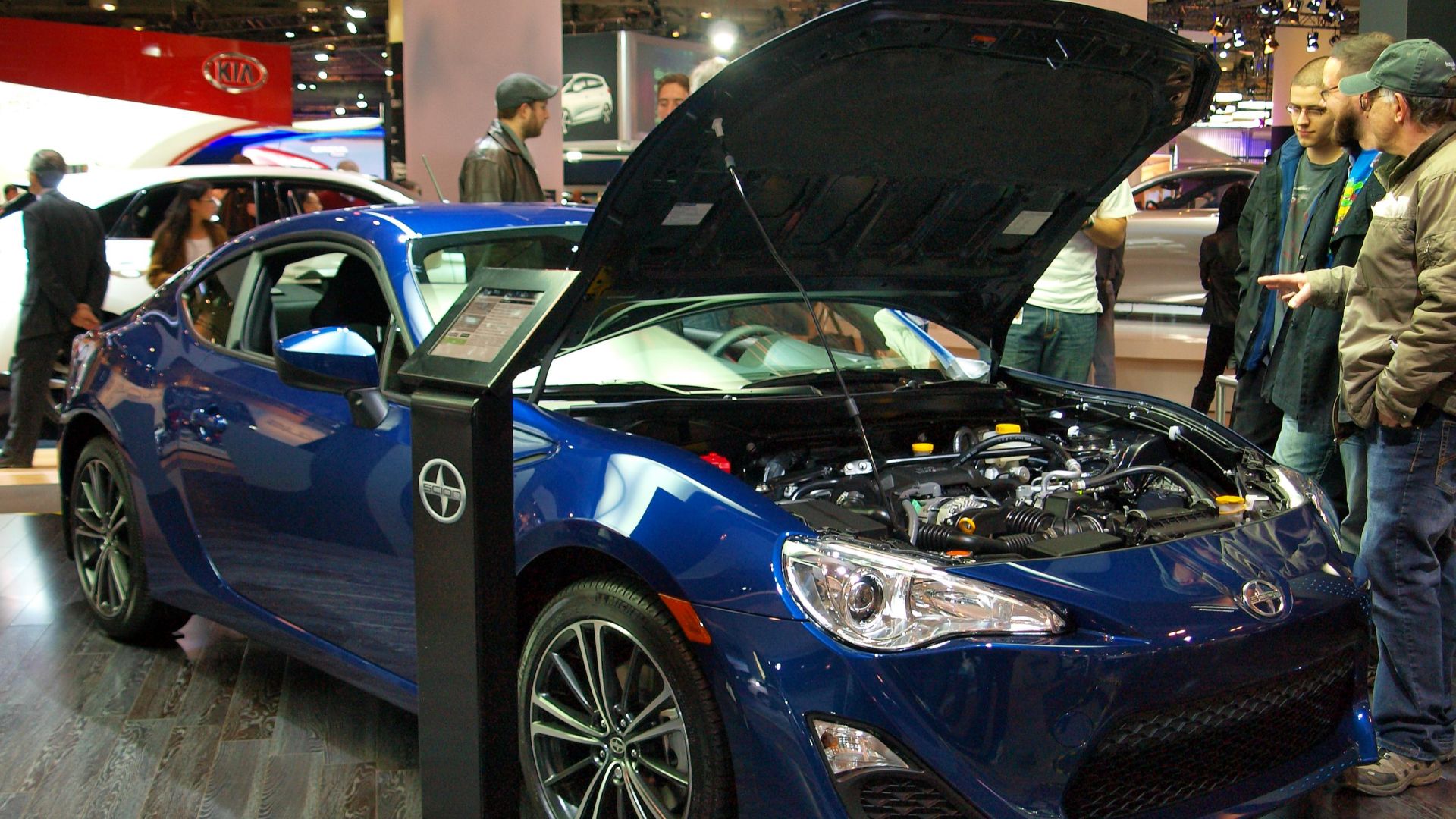
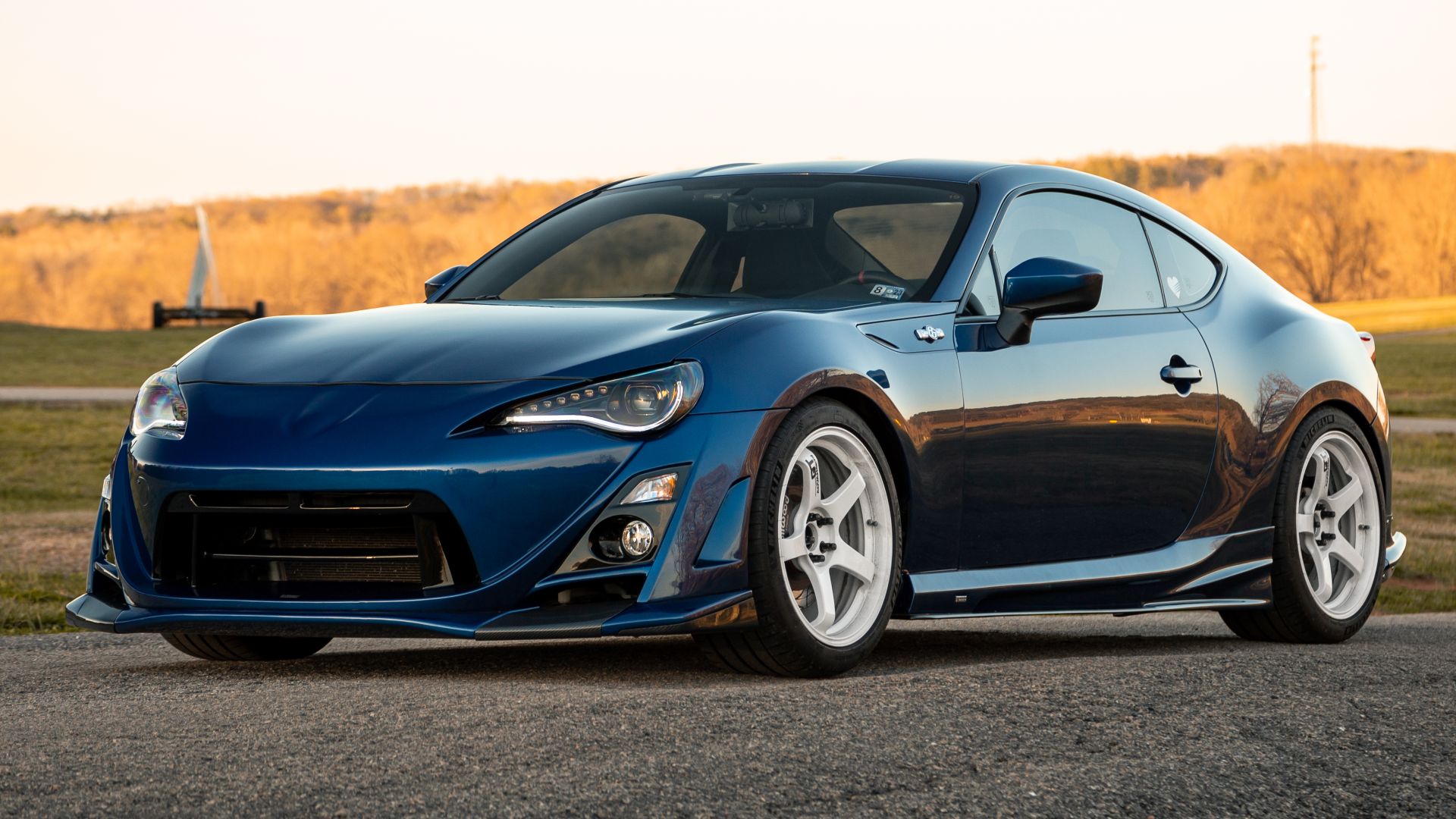
In 2012, Scion introduced the FR-S, a lightweight rear-wheel-drive sports car developed with Subaru. Enthusiasts finally had something to cheer about. The FR-S proved Scion could do more than practical hatchbacks—it could build a genuine driver’s car.
 Guyon from Richmond, VA, United States of America, Wikimedia Commons
Limited Editions Kept Things Fresh
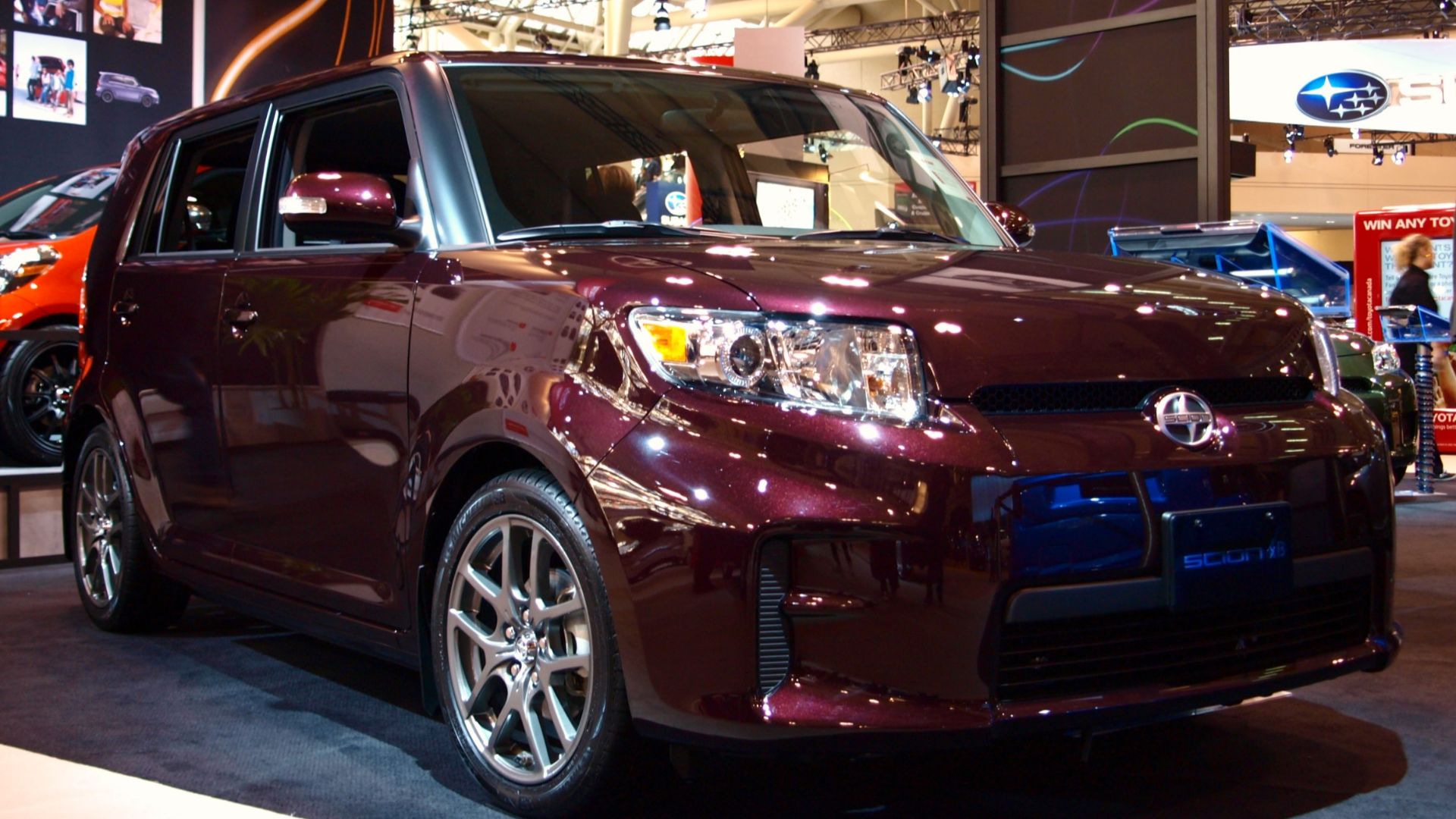
Scion frequently released special editions with unique colors and features. These limited-production models added a sense of urgency and exclusivity. For a while, it kept the lineup feeling dynamic without requiring entirely new designs.
 Michael Gil from Calgary, AB, Canada, Wikimedia Commons
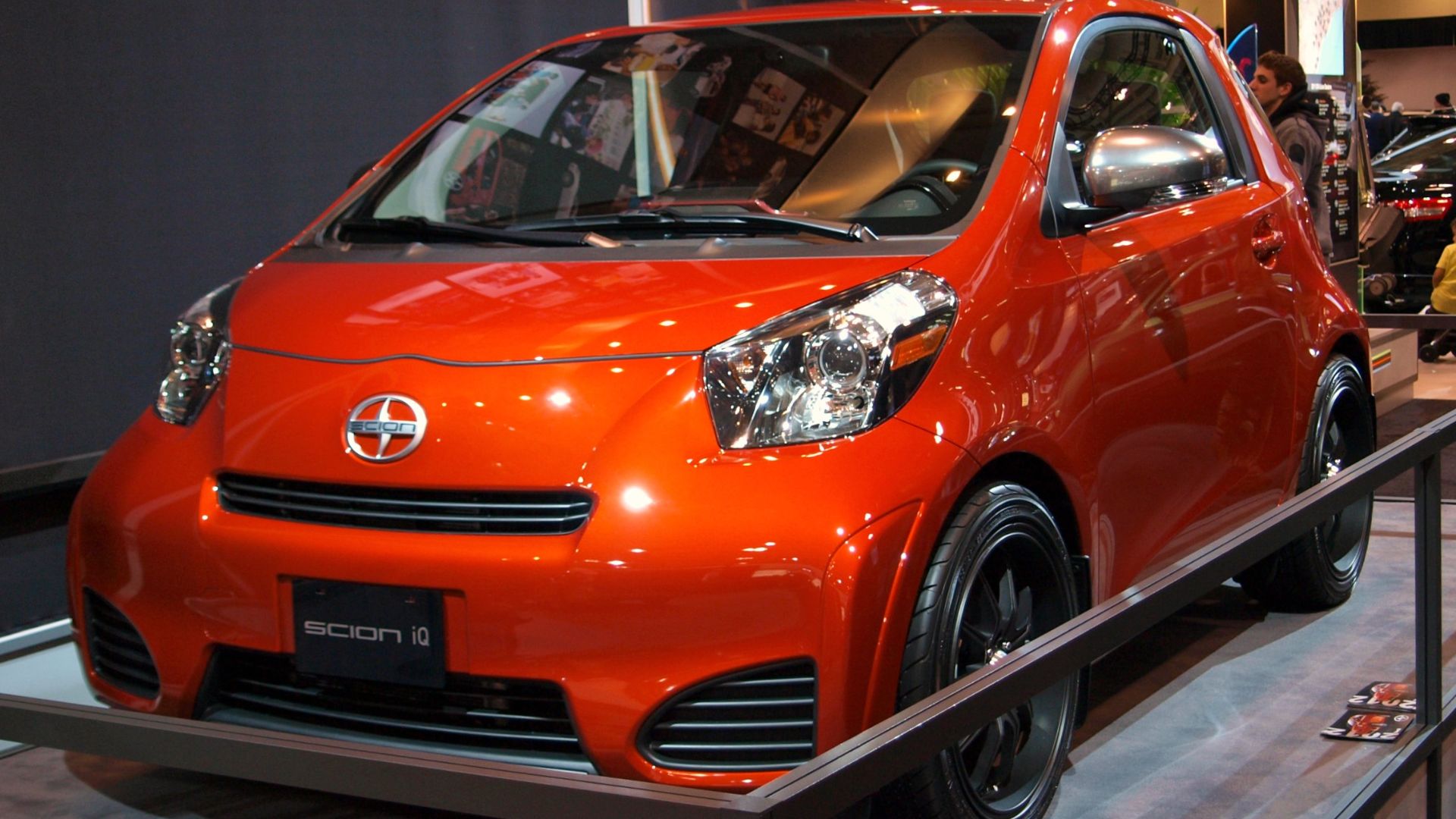
The iQ Was Tiny Even By City-Car Standards
The Scion iQ arrived as an ultra-compact city car. It was short, narrow, and designed for tight urban spaces. It looked like it had been shrunk in the dryer, and while clever in concept, it struggled to find a wide audience in a market that still favored larger vehicles.
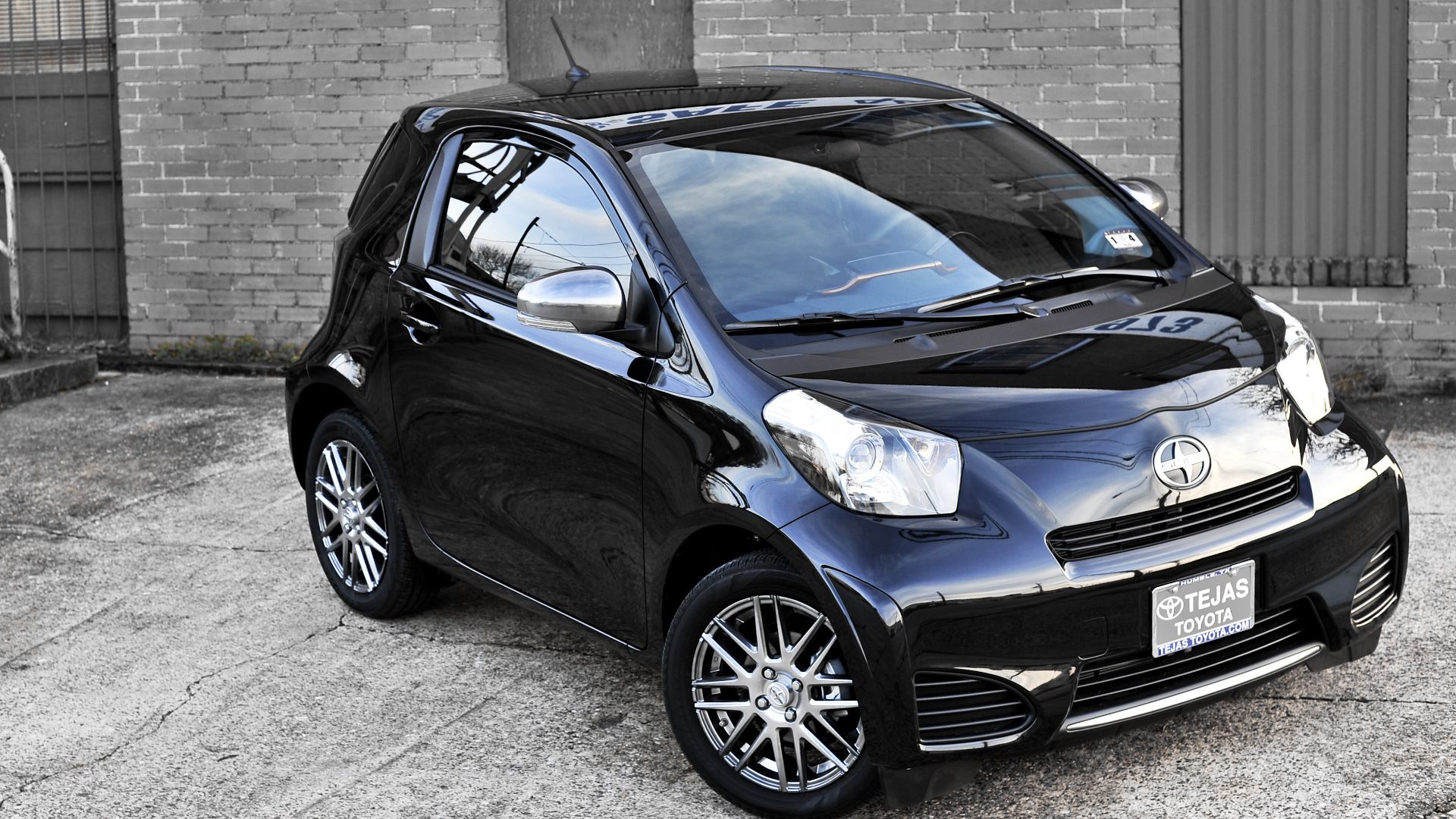 Chris Litherland, Wikimedia Commons
Youth Buyers Eventually…Aged
Here’s the twist: Scion actually succeeded at attracting young customers early on. The problem was that those buyers grew older and wanted more space, refinement, and features. As millennials matured, many simply graduated to mainstream Toyota models.
 Michael Gil from Calgary, AB, Canada, Wikimedia Commons
The Brand’s Identity Started To Blur
By the mid-2010s, Scion’s lineup overlapped heavily with Toyota’s own vehicles. Some models were lightly rebadged versions of cars sold elsewhere in the world. Without a sharply defined identity, Scion began to feel less like a movement and more like a side project.
Sales Slipped Dramatically
After strong early numbers, sales steadily declined. The initial buzz wore off, and competitors stepped up their own youth-focused designs. What once felt cutting-edge started to feel like yesterday’s trend, and showroom traffic reflected that shift.
Toyota Could Reach Millennials Directly
As Toyota’s own styling grew bolder, the need for a separate youth brand weakened. Mainstream Toyota models became more expressive and better equipped. If Toyota could appeal to younger buyers without Scion, maintaining a separate brand made less sense.
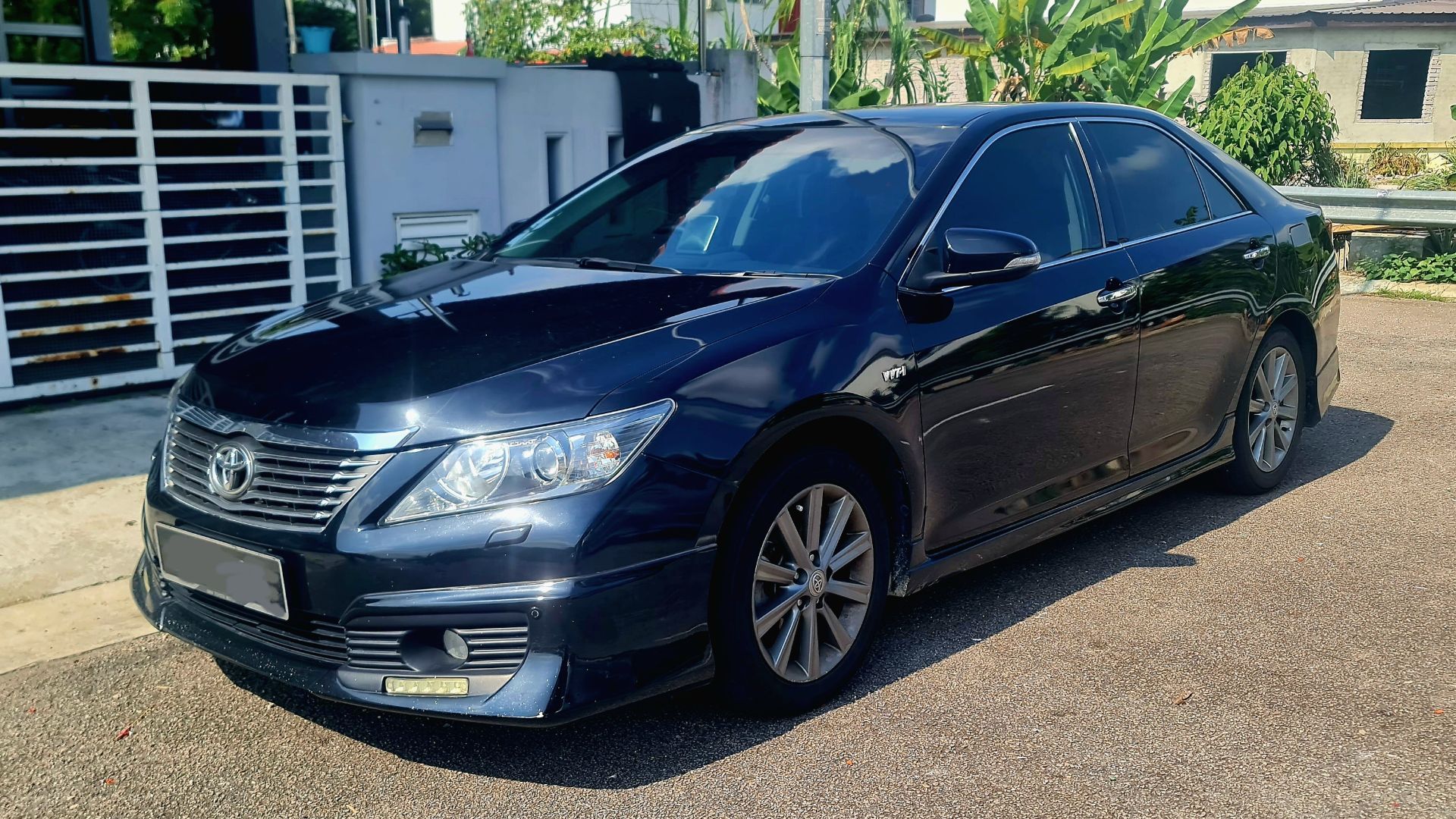
The Final Models Told The Story
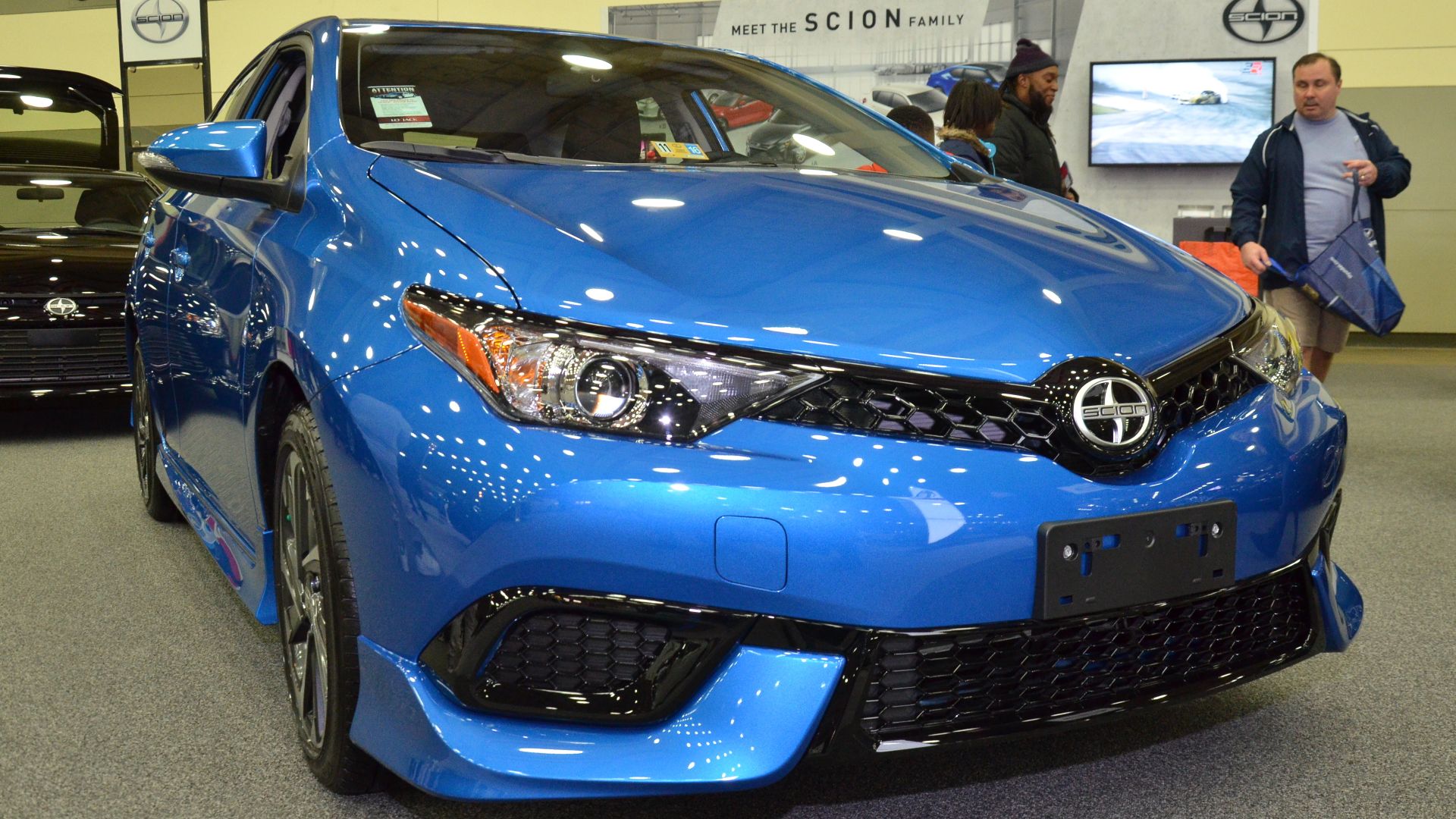
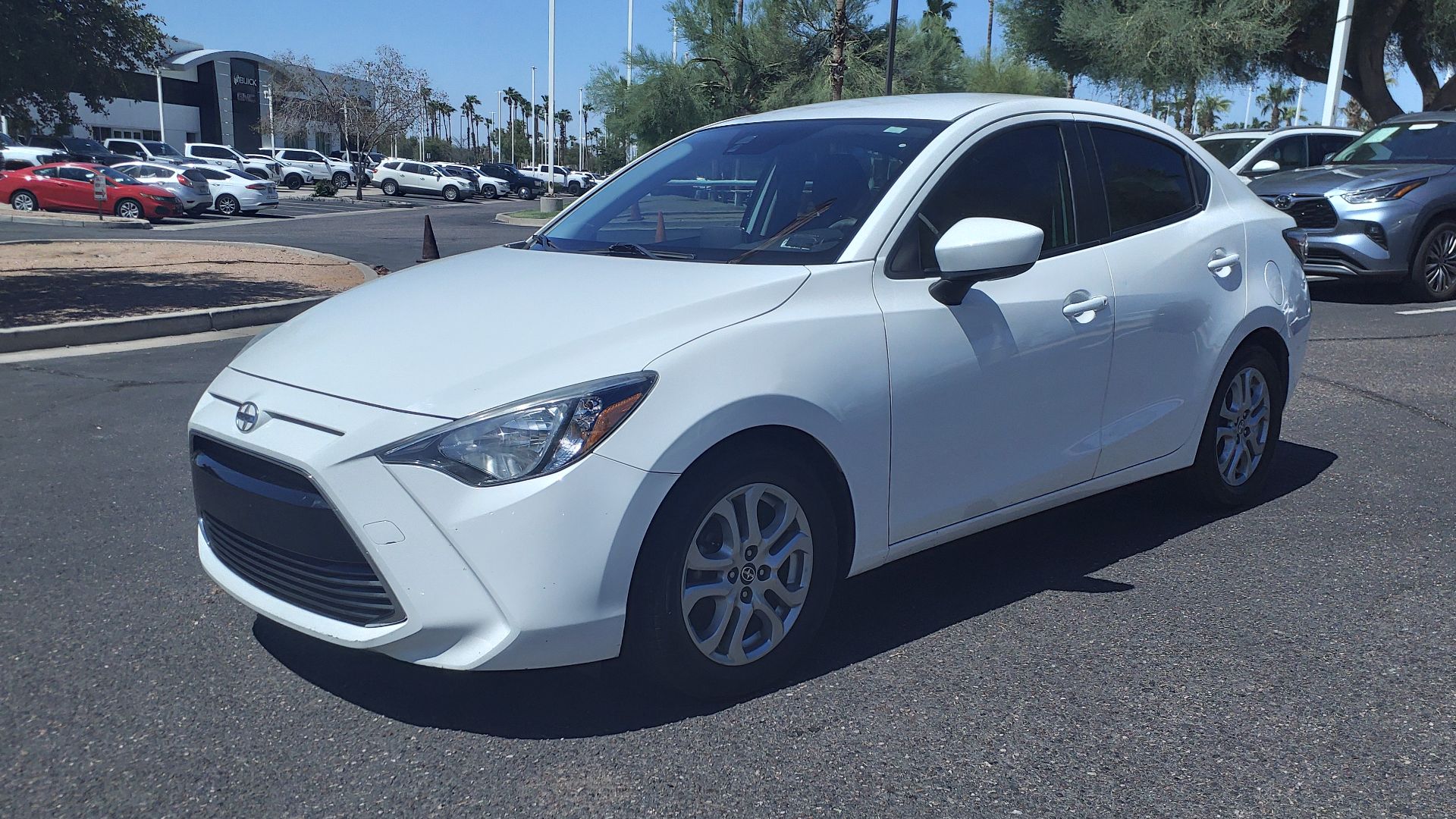
In its final years, Scion offered the tC, FR-S, iA, and iM. The iA and iM were essentially rebadged vehicles sourced from partnerships and global markets. While solid cars, they lacked the distinct personality that once defined Scion.
2016 Marked The End
In 2016, Toyota officially discontinued the Scion brand. Existing models were either dropped or absorbed into the Toyota lineup. The experiment was over—quietly, without drama, and Toyota moved forward with lessons learned.
 Greg Gjerdingen, Wikimedia Commons
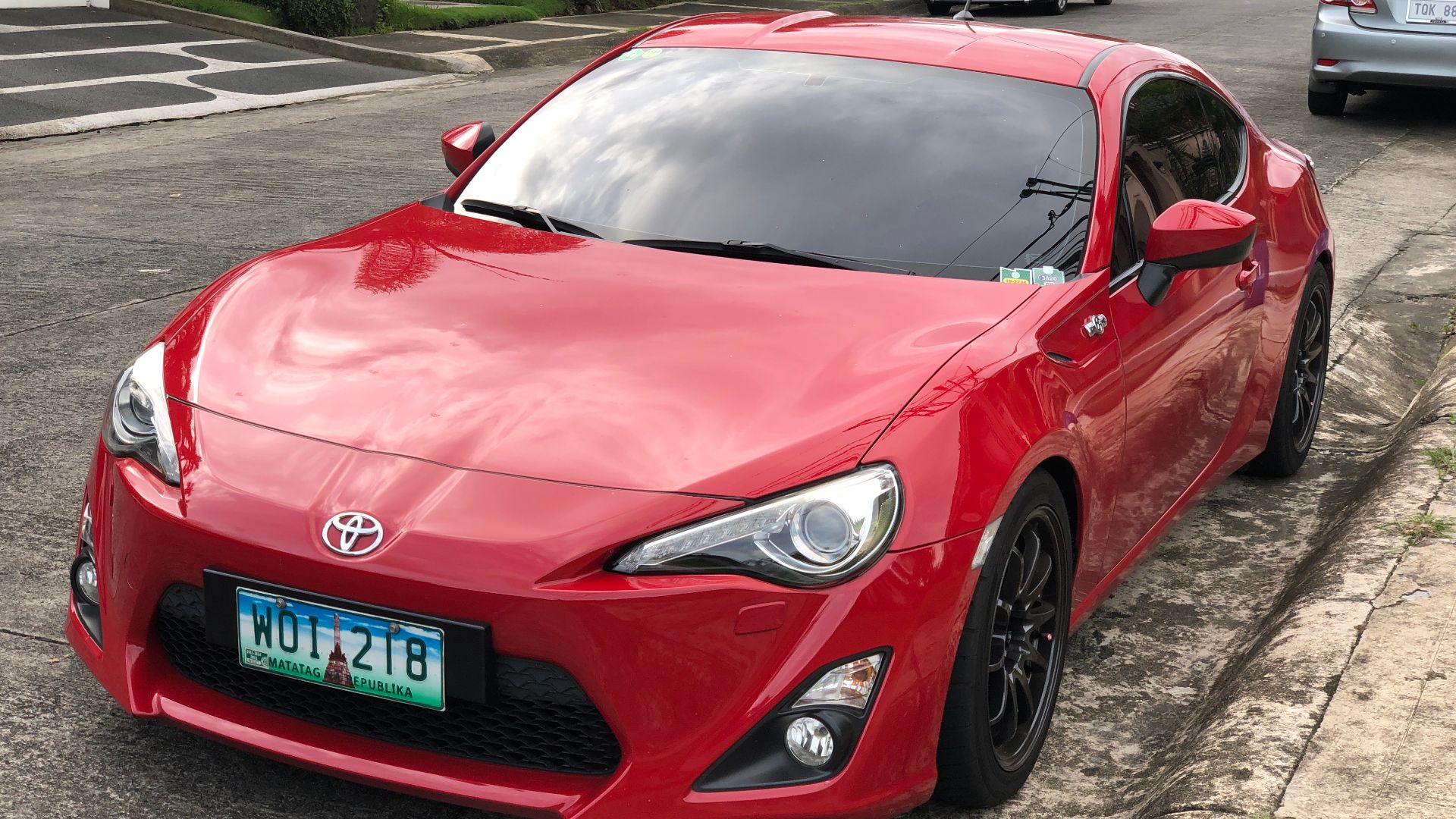
The FR-S Lived On As The 86
Not everything disappeared. The FR-S transitioned into the Toyota 86, continuing its life with a different badge. It remains one of the clearest reminders that Scion briefly delivered something genuinely special.
Was Scion Really A Failure?
Calling Scion a total failure might be too harsh. It successfully brought younger buyers into Toyota dealerships and experimented with new marketing strategies. But as trends shifted and the brand’s uniqueness faded, Scion struggled to justify its existence.
In the end, Scion wasn’t undone by terrible cars. It was undone by time, changing tastes, and the reality that what feels fresh in 2003 can feel dated a decade later. Toyota aimed squarely at millennials—and for a moment, it hit the mark before the target moved.
You May Also Like:
Inspired By Fighter Jets, The Jesko Absolut Is The World's Fastest Car
A Classic Revisited: The 1963 Buick Riviera
Review Of The 1957 Ford Thunderbird: A Timeless American Icon


.jpg)