When Dad Wants To Fix Your EV’s Wiring
Few things spark a family debate faster than a car problem—especially when Dad is convinced he can fix it. If you’ve got an electric vehicle and suspect a wiring issue, the situation can get tricky. Your dad might be an experienced electrician who’s fixed plenty of things around the house. And when he offers to repair the problem for free, it’s hard not to consider it. But EVs are a different beast entirely, and before you hand him the tools, it’s worth thinking through what’s actually involved.

Why EV Wiring Isn’t Like Traditional Cars
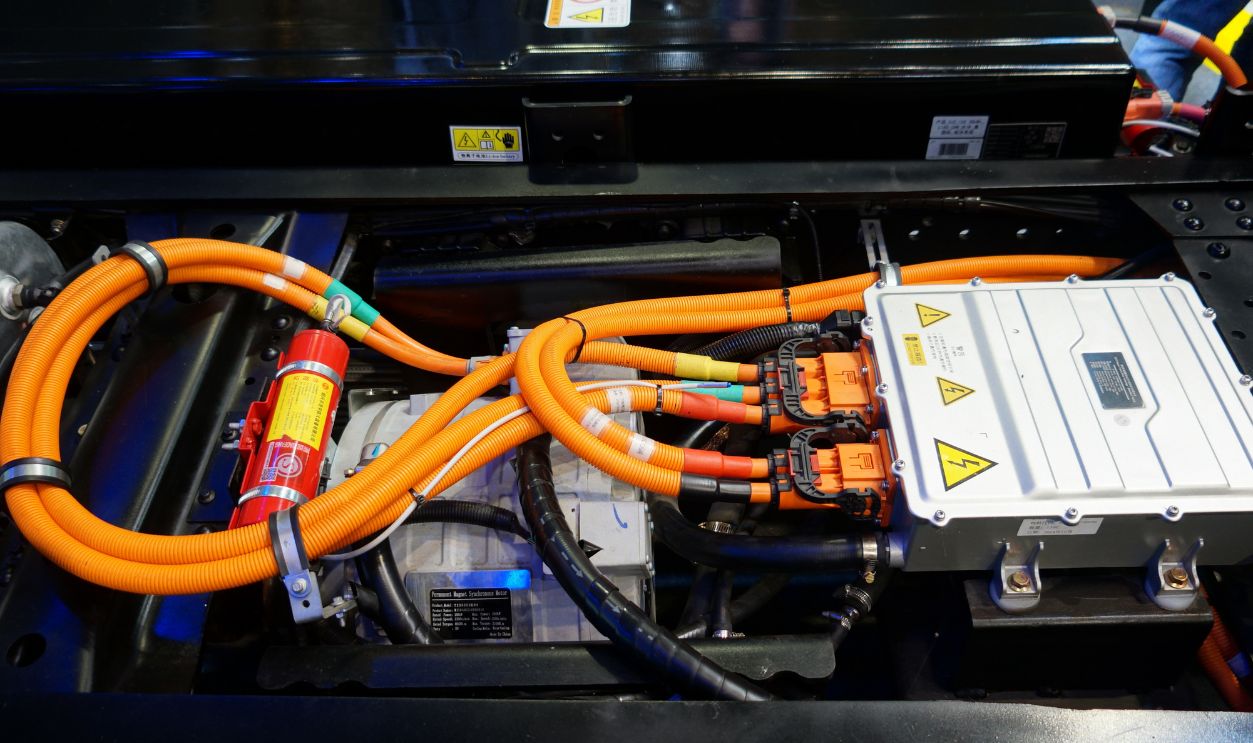
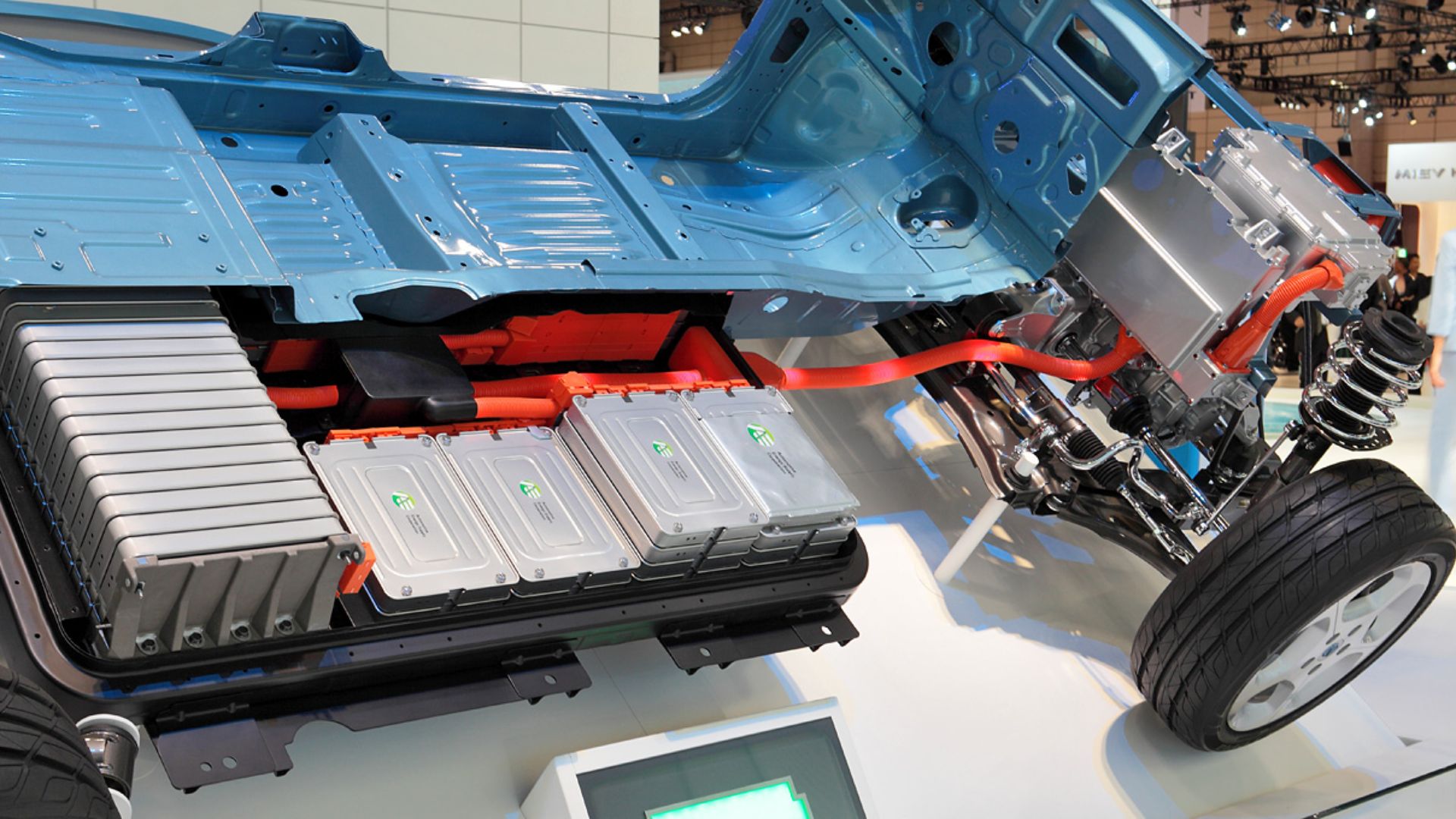
Gas-powered cars run on relatively simple electrical systems compared with EVs. Most of the wiring revolves around a 12-volt battery powering lights, sensors, and electronics. Electric vehicles, however, add massive high-voltage systems to the mix. Many operate at 400 volts or more, with some newer models pushing well beyond that. That’s a big leap from the wiring you’d find in a traditional car or even a household electrical panel.
 Ur_daily_fotografi, Shutterstock
Electric Cars Are Packed With Electronics
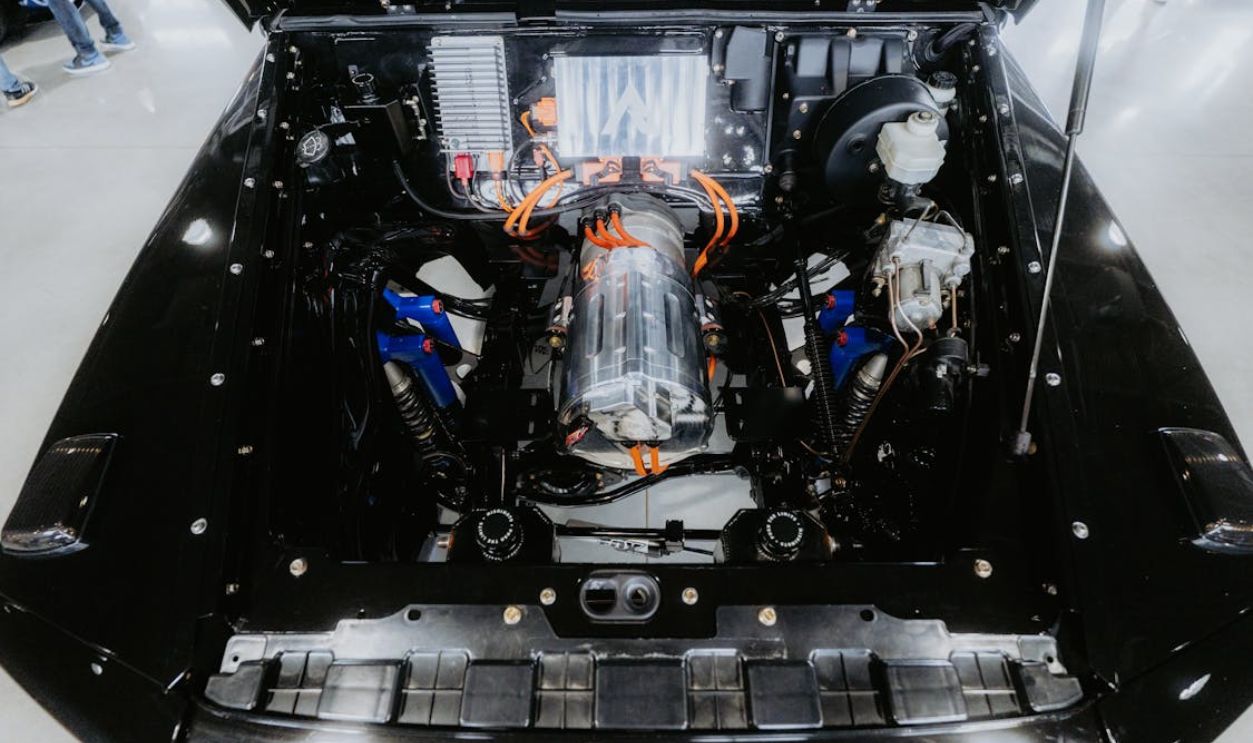
Pop the hood of a gas car and you’ll see an engine surrounded by hoses and mechanical parts. Open the hood of an EV and it’s mostly electronics. Power inverters, battery management systems, onboard chargers, cooling systems, and control modules all rely on complex wiring harnesses. Because everything is interconnected, a problem that looks like a loose wire might actually be tied to a sensor, module, or safety system.
Diagnosing The Problem Isn’t Always Obvious
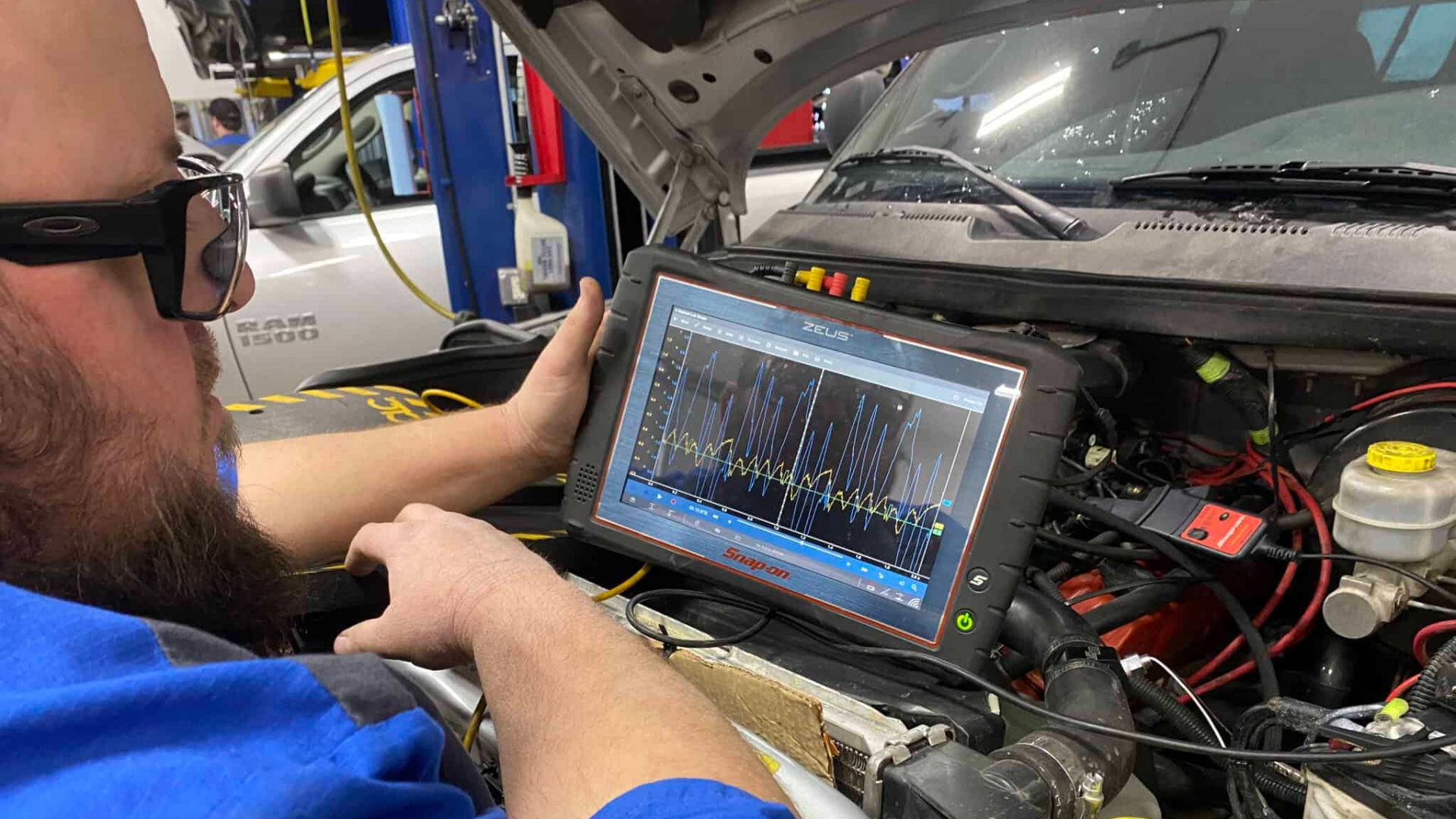
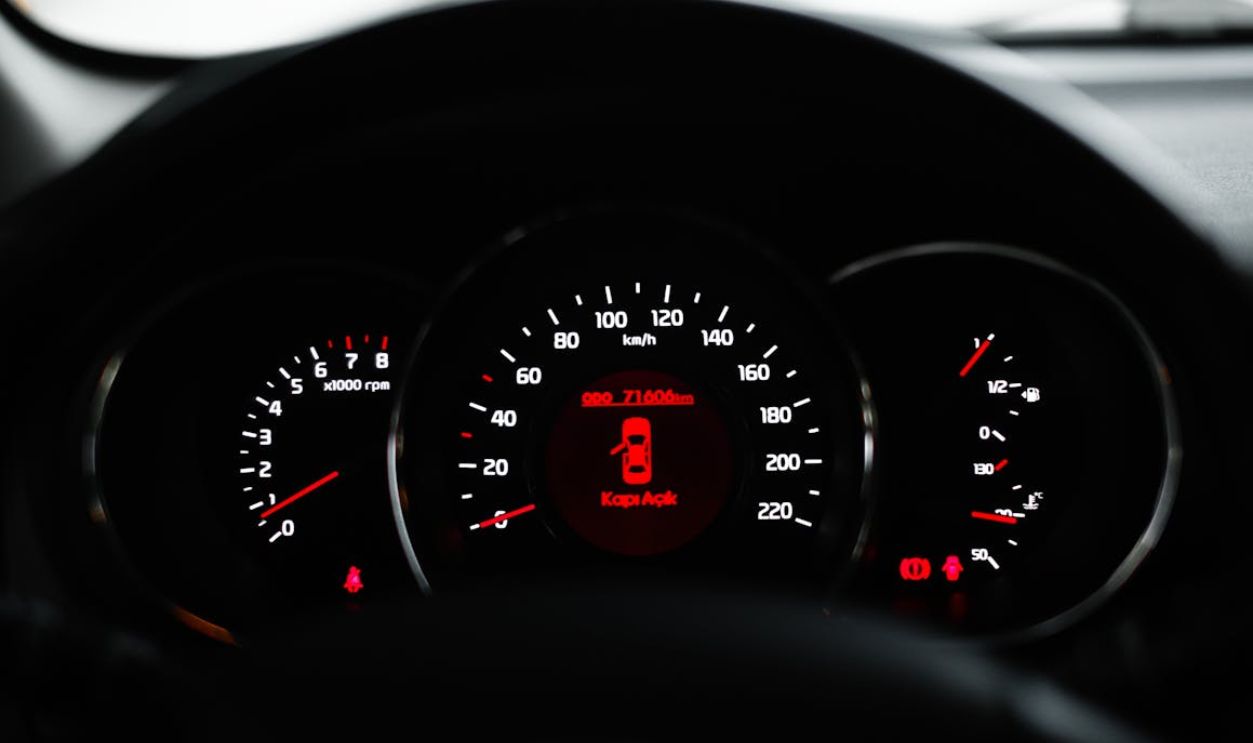
One of the biggest challenges with EV electrical issues is figuring out what’s actually wrong. A dashboard warning or glitchy feature might make it seem like a wiring issue, but that’s not always the case. Sometimes the problem is a faulty sensor or even a software bug. Without proper diagnostic tools, it’s easy to chase the wrong problem and waste time fixing something that wasn’t broken in the first place.
 Modern Auto Service: Advanced Vehicle Diagnostics in Fruitland, ID, Wikimedia Commons
EVs Have Built-In Safety Systems
Electric vehicles are designed with a lot of safety in mind, especially around their high-voltage components. Many models automatically shut down parts of the electrical system if they detect a fault. These safeguards help protect the car and the people working on it. The catch is that accessing those systems safely usually requires following specific procedures that aren’t obvious if you’re unfamiliar with EV repair.

High Voltage Deserves Respect
It’s worth stating the obvious: the electrical systems in EVs can be dangerous if handled incorrectly. The large battery packs that power electric cars store a huge amount of energy. Automakers require technicians to complete specialized high-voltage training before working on these systems. Even experienced electricians can find themselves in unfamiliar territory when dealing with the unique design of EV power systems.
Being An Electrician Isn’t The Same As Being An EV Tech
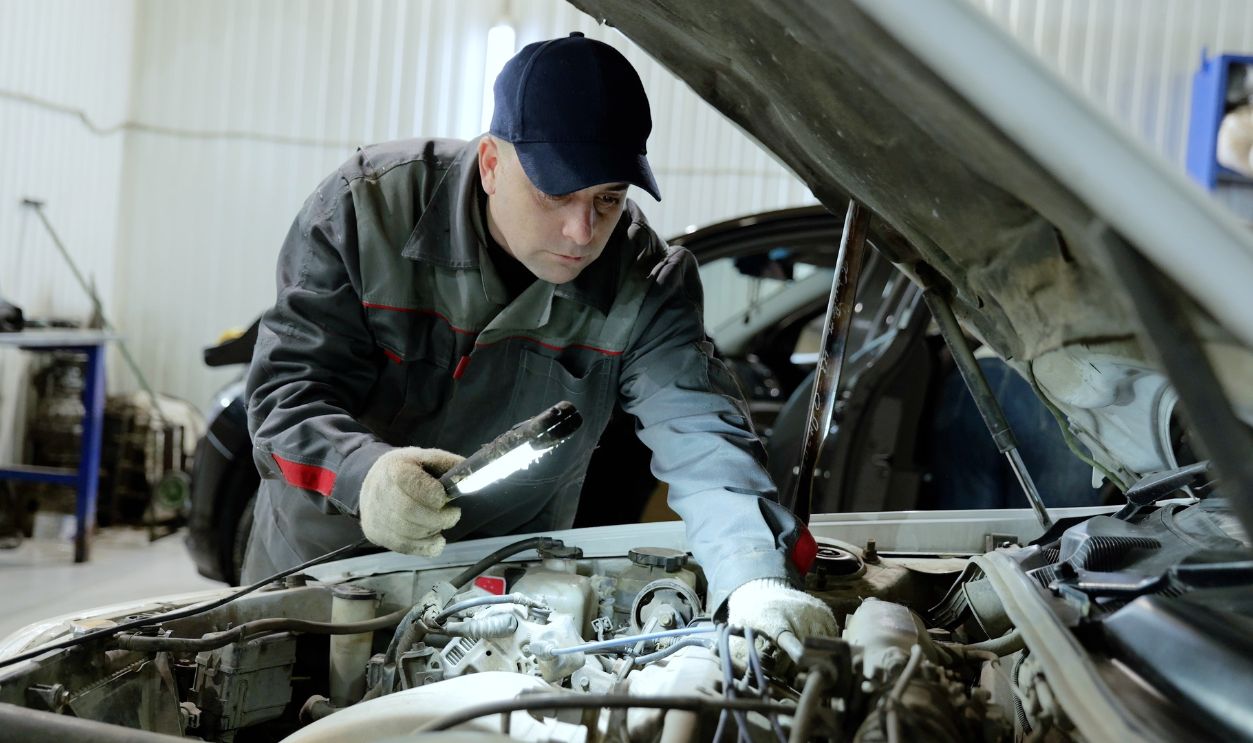
Your dad may have decades of experience with electrical work, and that knowledge absolutely counts for something. But working on an EV involves a slightly different skill set. Electricians typically deal with building wiring and alternating current systems. Electric vehicles rely heavily on high-voltage direct current systems combined with sophisticated electronics and software controls. The fundamentals overlap, but the details are very different.
The Right Tools Matter
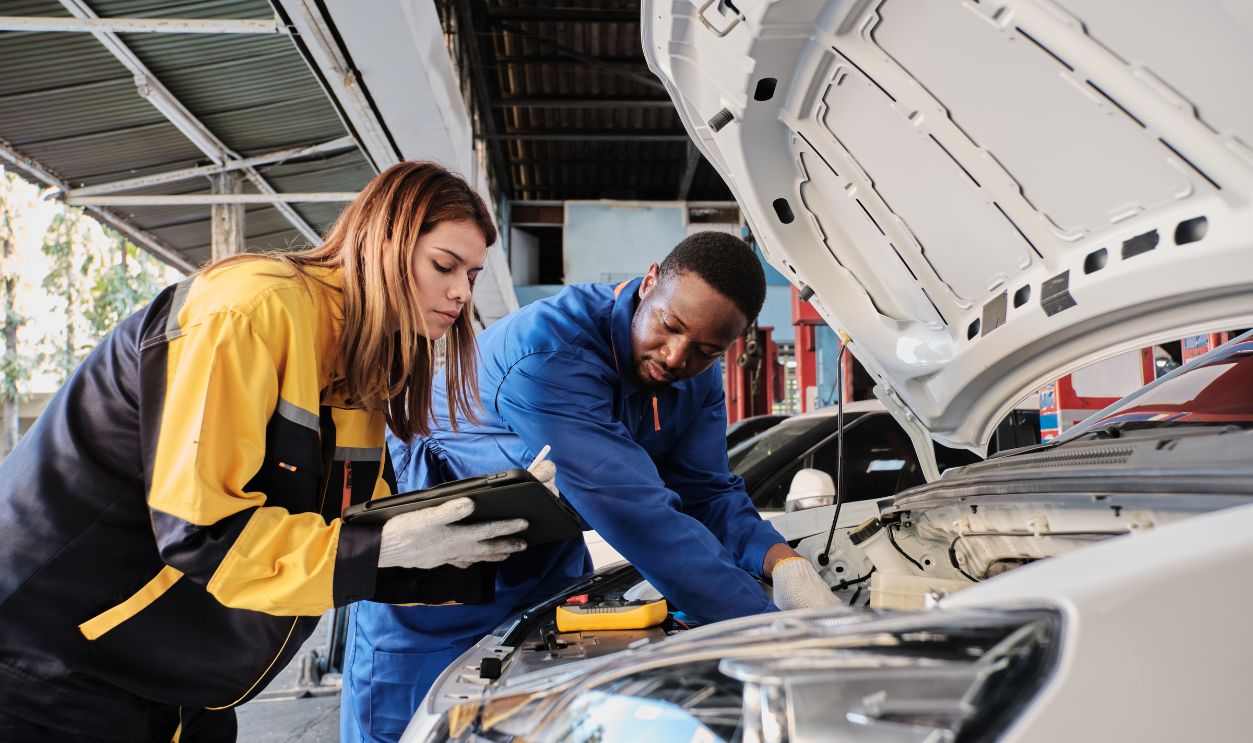
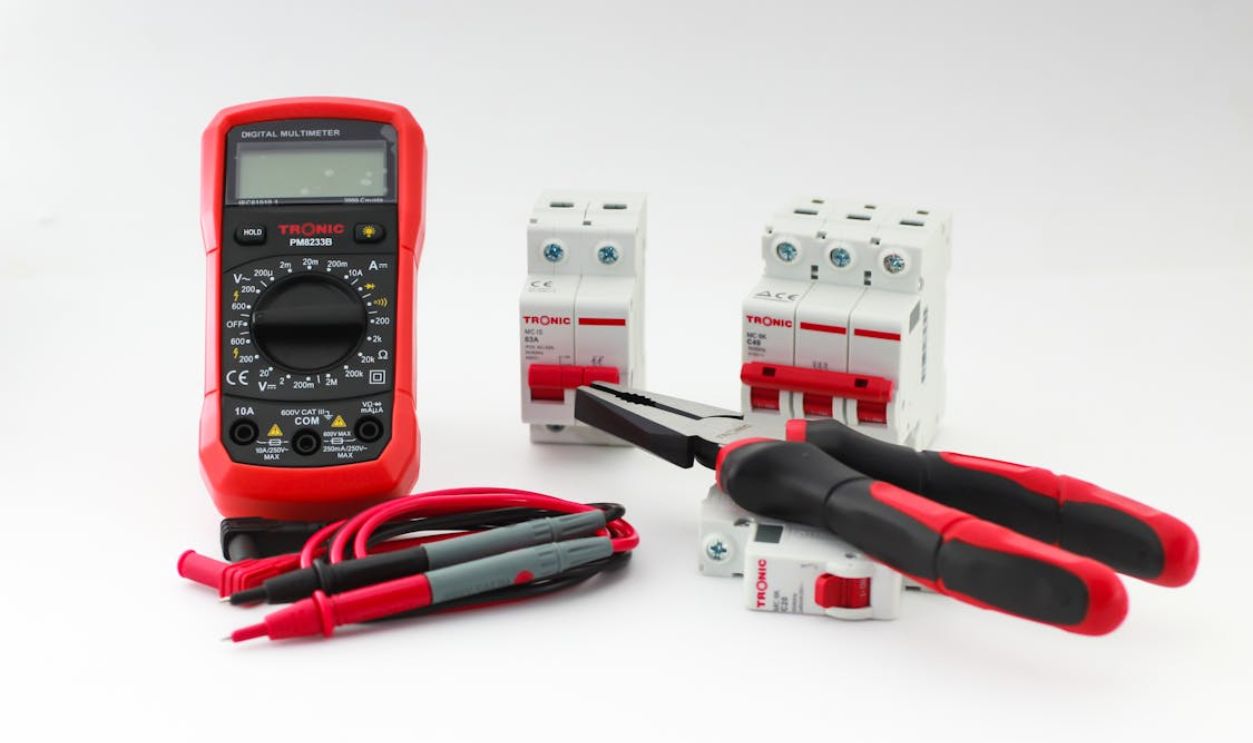
Professional EV technicians don’t just bring basic tools to the job. They use specialized insulated tools designed to handle high-voltage environments safely. Repair shops also rely on equipment that can measure and isolate electrical systems without risking shock or component damage. If someone shows up with the same toolkit they use for household wiring, they may not have what’s needed for EV work.
Warranty Concerns Are Real
Another factor people sometimes overlook is the warranty. Most EVs come with lengthy warranties covering the battery and drivetrain. If an unauthorized repair leads to damage, the manufacturer could potentially deny coverage later. That might not matter if the issue is minor, but when battery systems and power electronics are involved, the stakes—and costs—can climb quickly.
EV Repairs Often Follow Strict Procedures
Automakers publish very specific instructions for servicing EV electrical systems. These procedures explain how to safely power down the vehicle, isolate the battery, and verify that dangerous voltage is gone before touching anything. Skipping even one step can be risky. Professional technicians rely on detailed service manuals to make sure repairs are performed safely and correctly.
Accessing The Wiring Isn’t Always Simple
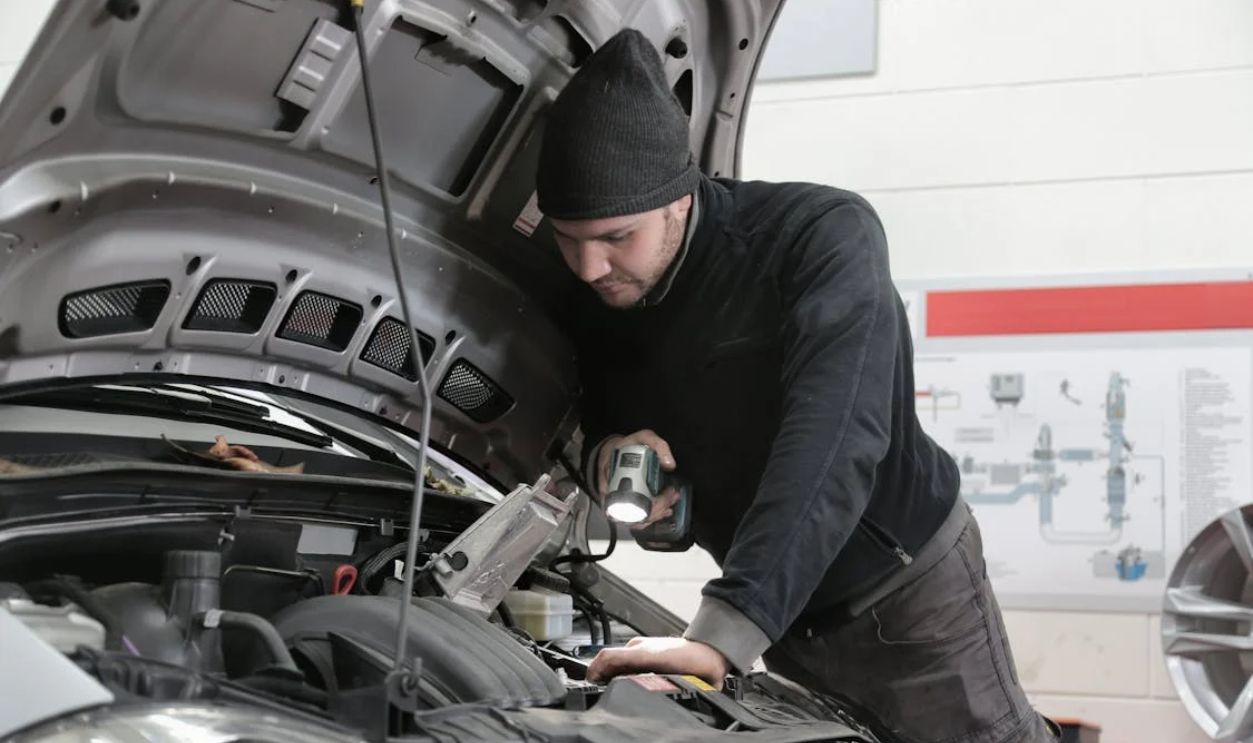
Another surprise for many EV owners is how hard it can be to physically reach certain wiring components. Many wiring harnesses are routed deep inside the vehicle or near the battery pack for protection. Getting to them sometimes requires removing panels or other major parts. What looks like a quick fix on the surface can turn into a much bigger job once you start digging in.
Software Plays A Big Role
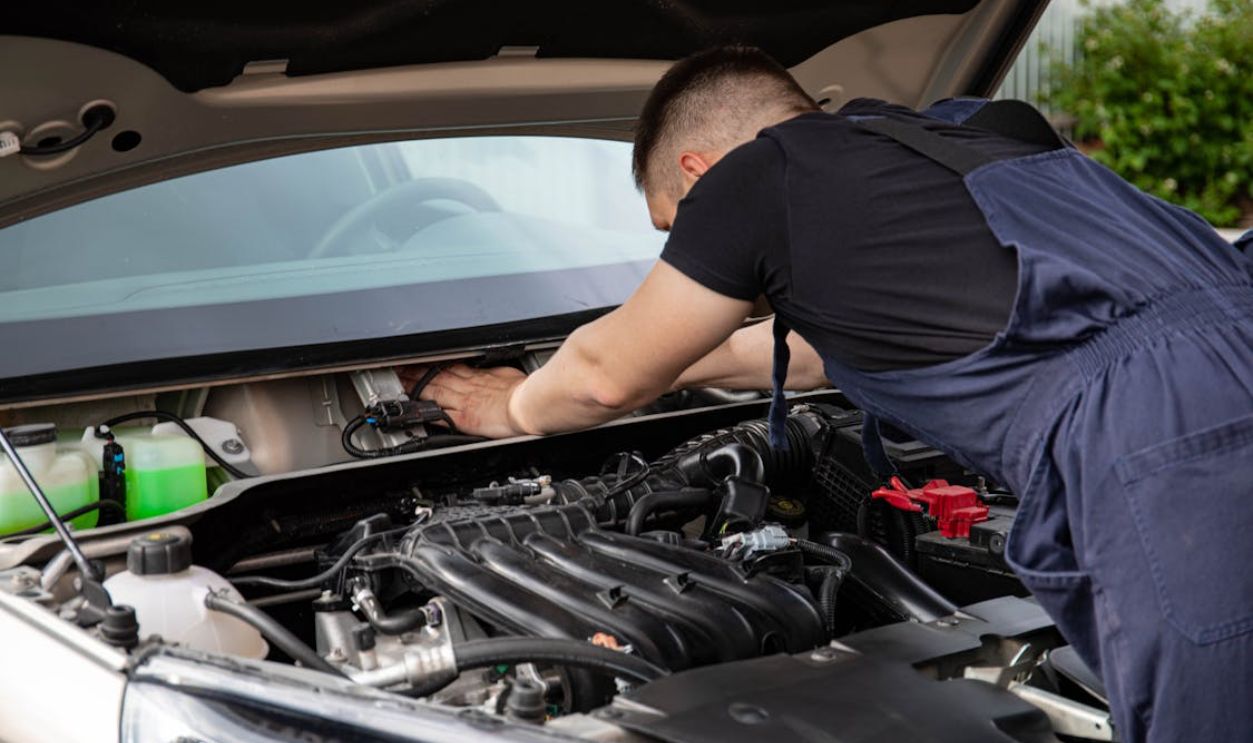
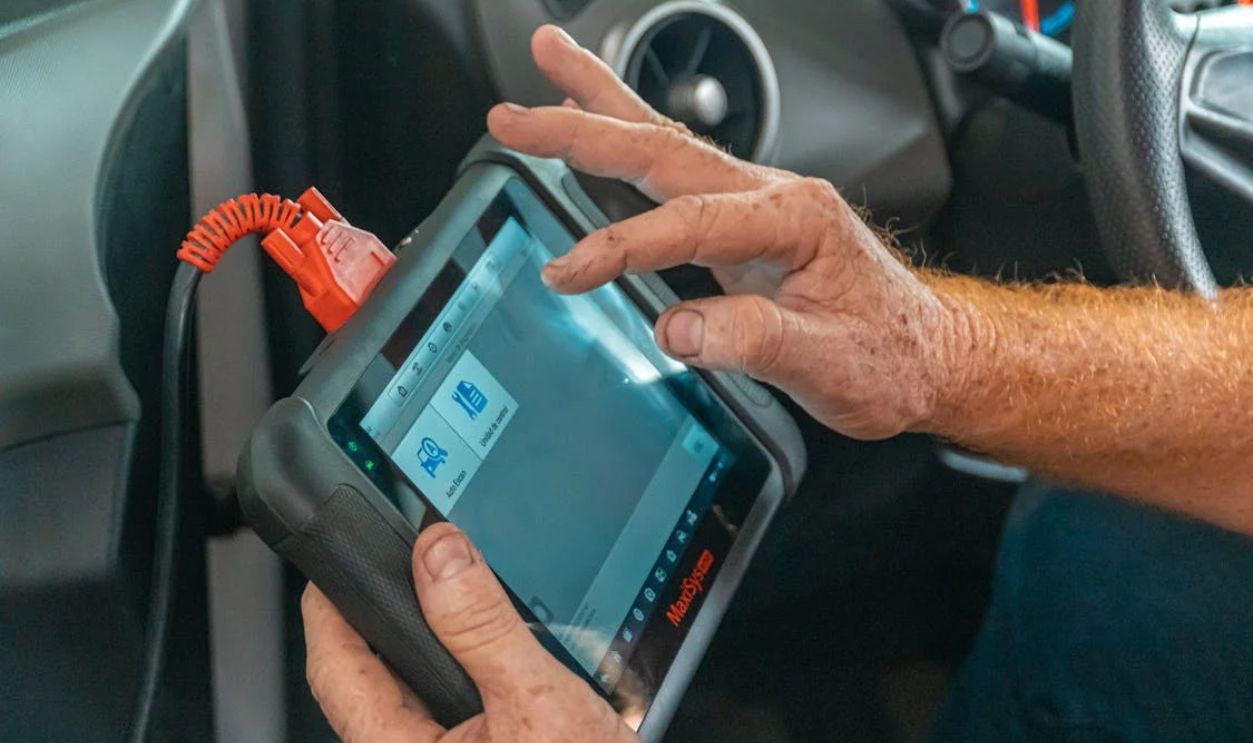
Electric vehicles rely heavily on software to manage their systems. Even if a damaged wire is repaired, the vehicle’s computer may need to be reset or recalibrated afterward. Dealerships and EV repair shops use manufacturer diagnostic software to handle this process. Without that software, it can be difficult to fully clear error codes or restore normal operation.
 Jose Ricardo Barraza Morachis, Pexels
Small Mistakes Can Snowball
Electrical repairs always carry the risk of creating new problems accidentally. A slightly bent connector pin or an improperly seated harness can cause additional faults. Because EV systems are so interconnected, a small mistake might trigger a cascade of warning lights or system shutdowns. Fixing those issues afterward can become more complicated than the original problem.
Why Professional Training Matters
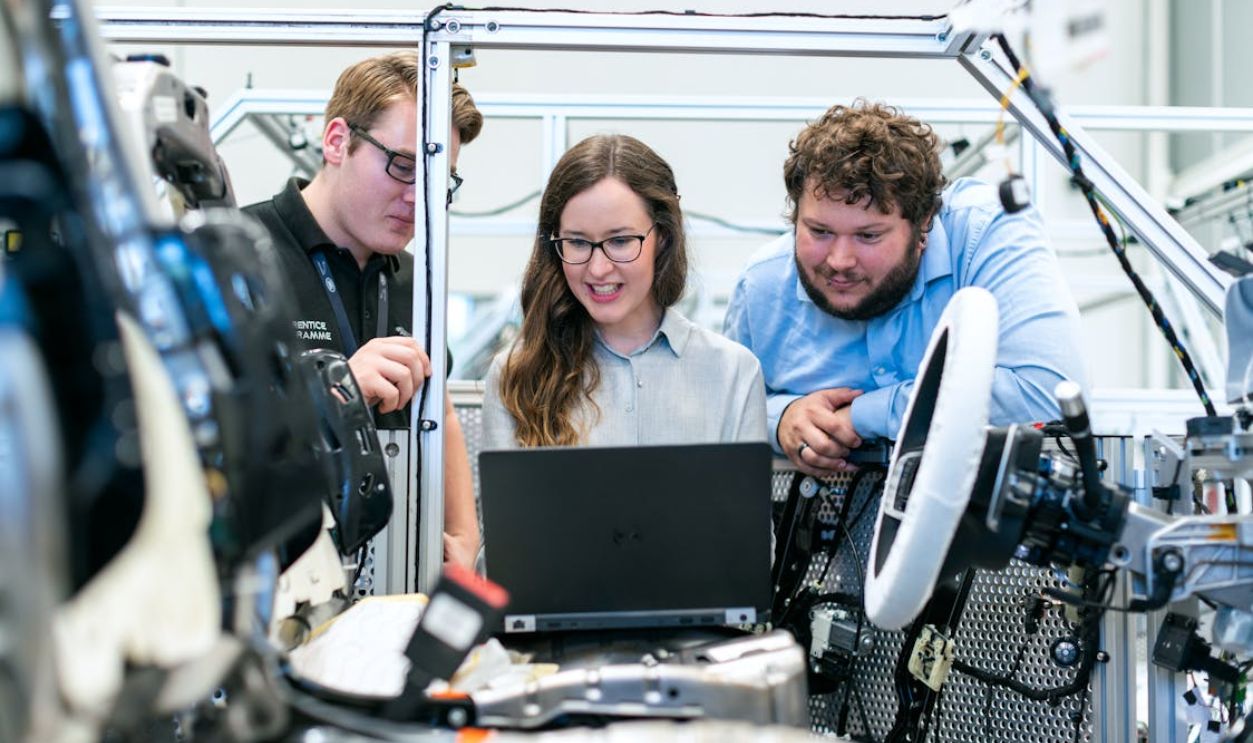
Technicians who work on EVs professionally go through specialized training programs. These courses cover high-voltage safety, battery systems, and the unique design of electric drivetrains. They also teach brand-specific procedures for diagnosing and repairing problems. That training helps ensure the job is done safely and correctly the first time.
Not Every EV Problem Is High Voltage
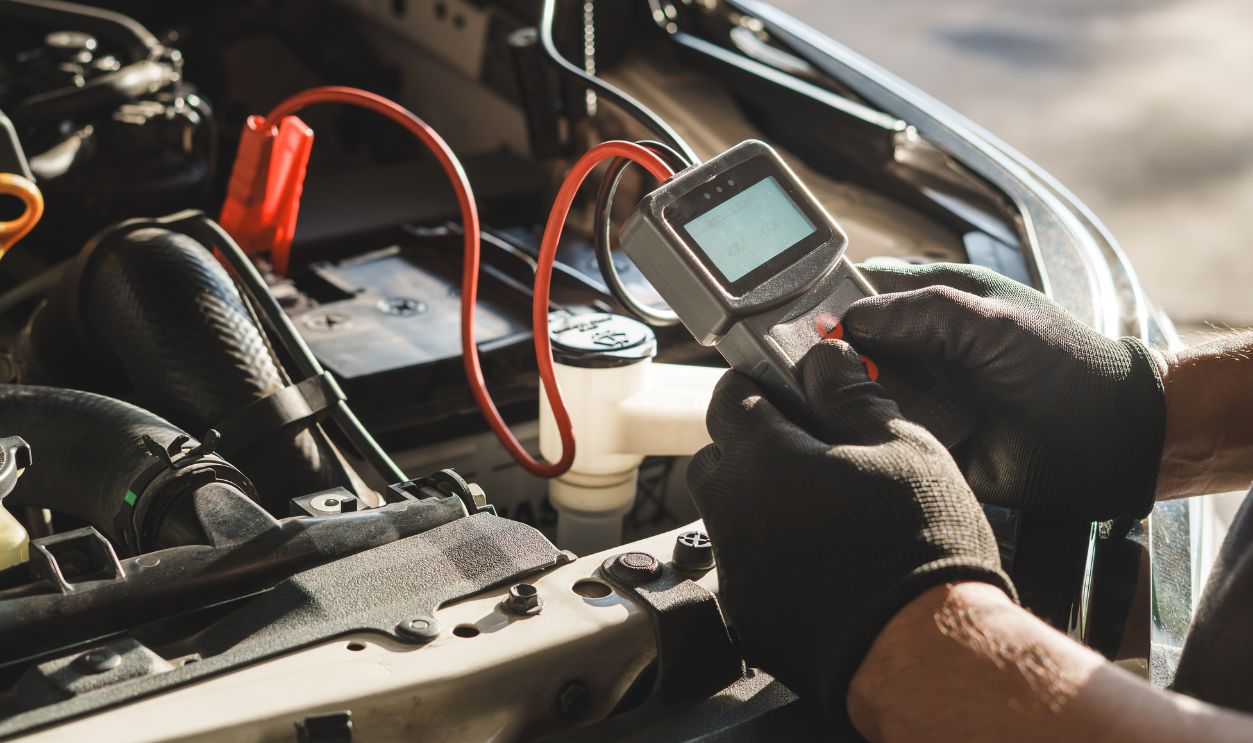
All that said, not every electrical issue in an EV involves dangerous battery systems. Many components still run on the standard 12-volt system. Things like interior lighting, infotainment features, and some sensors fall into this category. If the issue clearly involves one of those areas, an experienced electrician might be perfectly capable of helping.
 Tony Webster from Minneapolis, Minnesota, United States, Wikimedia Commons
First Figure Out What System Is Involved
Before anyone starts removing panels or testing wires, it’s important to determine which electrical system is affected. Diagnostic codes or warning messages can help point in the right direction. If the problem touches anything related to the battery pack, motor, or charging hardware, it’s usually best left to certified EV technicians.

A Professional Diagnosis Can Be A Smart First Step
There’s also a middle-ground approach. Taking the vehicle to a dealership or EV-certified shop for a diagnostic check can reveal exactly what’s going on. Once the problem is identified, you’ll have a much clearer picture of whether it’s something simple or something that truly requires specialized repair.
EV Repair Options Are Growing
The good news for EV owners is that repair options are expanding. As electric vehicles become more common, more independent repair shops are adding EV service capabilities. Many technicians are now trained specifically to handle high-voltage systems, which gives drivers more choices beyond dealership service departments.
Insurance And Liability Might Matter
Another angle to consider is insurance. In the event that an electrical repair later leads to damage or a safety issue, insurers sometimes examine how the work was performed. Repairs done by certified professionals typically come with documentation that helps avoid questions if problems arise down the road.

Dad Can Still Be Part Of The Process
Just because your dad shouldn’t necessarily dive into the high-voltage system doesn’t mean his experience is useless. Electricians are great problem solvers, and he might be able to help troubleshoot symptoms or research potential causes. Having someone knowledgeable bounce ideas around with can still be incredibly helpful.
EVs Reward Careful Repairs
Electric vehicles are generally reliable machines, but their electrical systems require careful handling when issues arise. Jumping into a repair without fully understanding the problem can sometimes make things worse. Taking a cautious approach usually leads to better results and fewer surprises.
Think About The Long Game
It’s also worth thinking about how repairs affect the car down the road. Service records and proper repair documentation can matter when selling or trading in an EV. Buyers often pay close attention to how electrical or battery-related problems were handled.

Explaining Your Decision
If you ultimately decide not to let your dad handle the repair, a little communication can go a long way. Explaining that EV systems require specialized tools and training isn’t a criticism of his skills. It’s simply acknowledging that electric cars operate differently from most other electrical systems.
EV Technology Is Moving Fast
Another reason repairs can be tricky is how quickly EV technology evolves. Battery designs, charging systems, and electrical architecture change frequently. Even professional technicians constantly update their training to keep up with new developments.
Free Repairs Aren’t Always Cheap
A free repair can be tempting, but mistakes involving EV electrical systems can become expensive very quickly. Components like battery modules, inverters, and high-voltage wiring assemblies can cost thousands to replace. Sometimes paying for proper diagnostics upfront is the safer financial move.
Balancing Trust And Expertise
Trusting your dad’s experience is natural. He’s probably fixed countless things over the years and saved the family plenty of money along the way. But EVs combine electrical engineering, software, and automotive design in ways that make them uniquely complex machines.
The Bottom Line
Letting your electrician dad fix your EV wiring might work in certain limited situations—especially if the problem involves low-voltage accessories. But anything touching the high-voltage drivetrain should generally be handled by trained EV technicians. Starting with a professional diagnosis is usually the smartest move. That way you protect your car, avoid bigger problems later, and keep family debates about car repairs to a minimum.
You May Also Like: