Family Garage Debate: Do You Have To Keep A Ford Engine In Your Mustang?
If you’ve ever mentioned engine swapping around family members, you’ve probably triggered a lively debate. One person insists you must keep the engine from the same manufacturer, while another claims you can drop anything you want under the hood. When it comes to Mustangs, that argument often sounds exactly like this: Dad says it has to be a Ford engine, while your brother swears you can install whatever powerhouse you like. So who’s right? The truth, like many things in the car world, sits somewhere in the middle—and the answer depends on legality, practicality, and your personal goals for the car.
The Mustang Has Always Been A Tinkerer's Dream
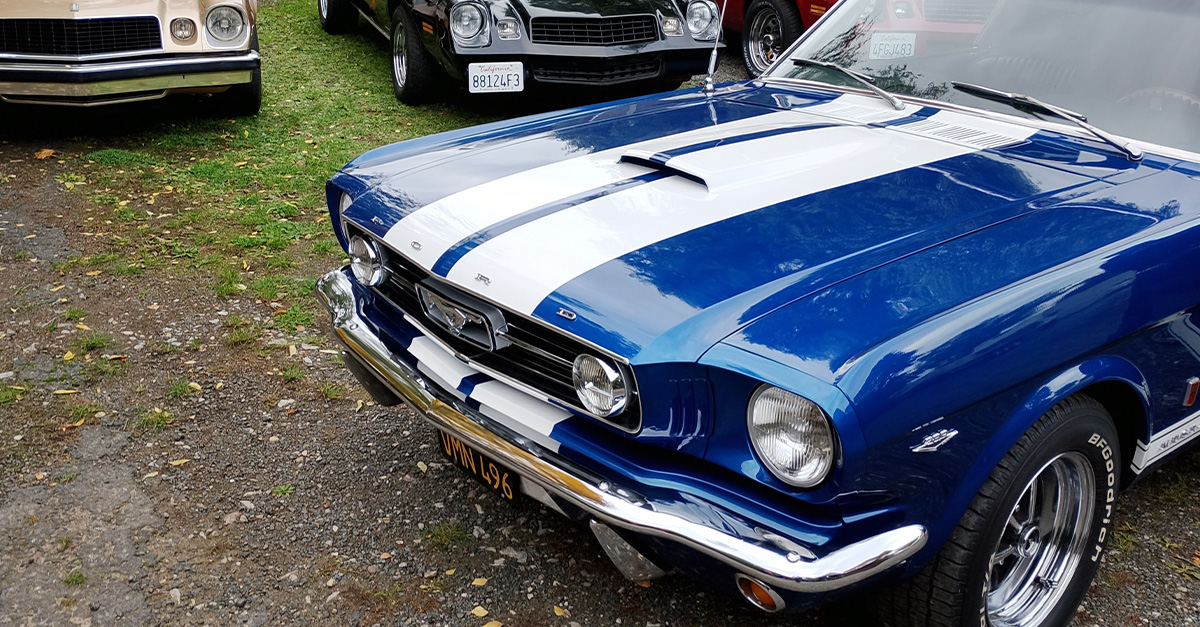
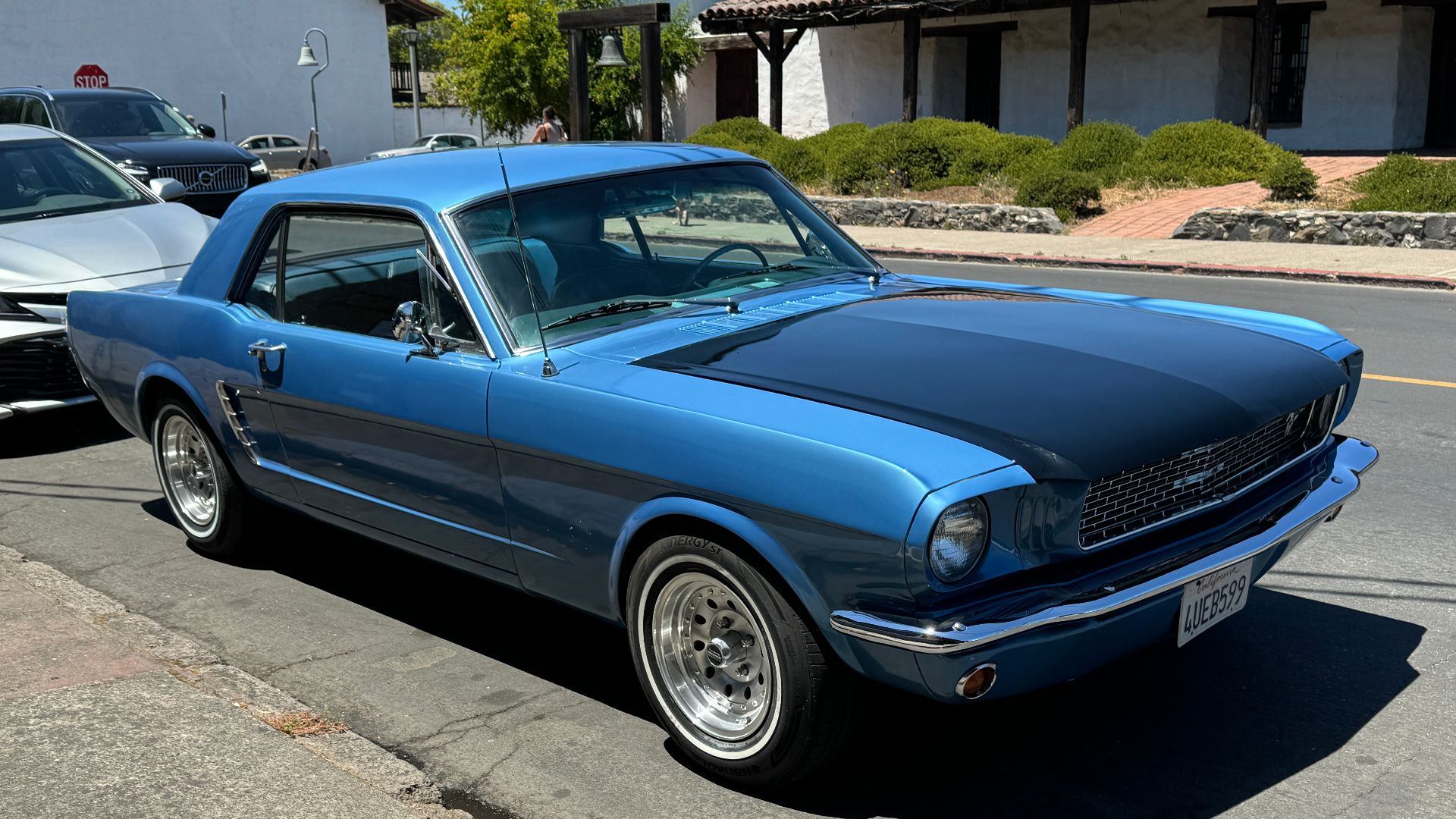
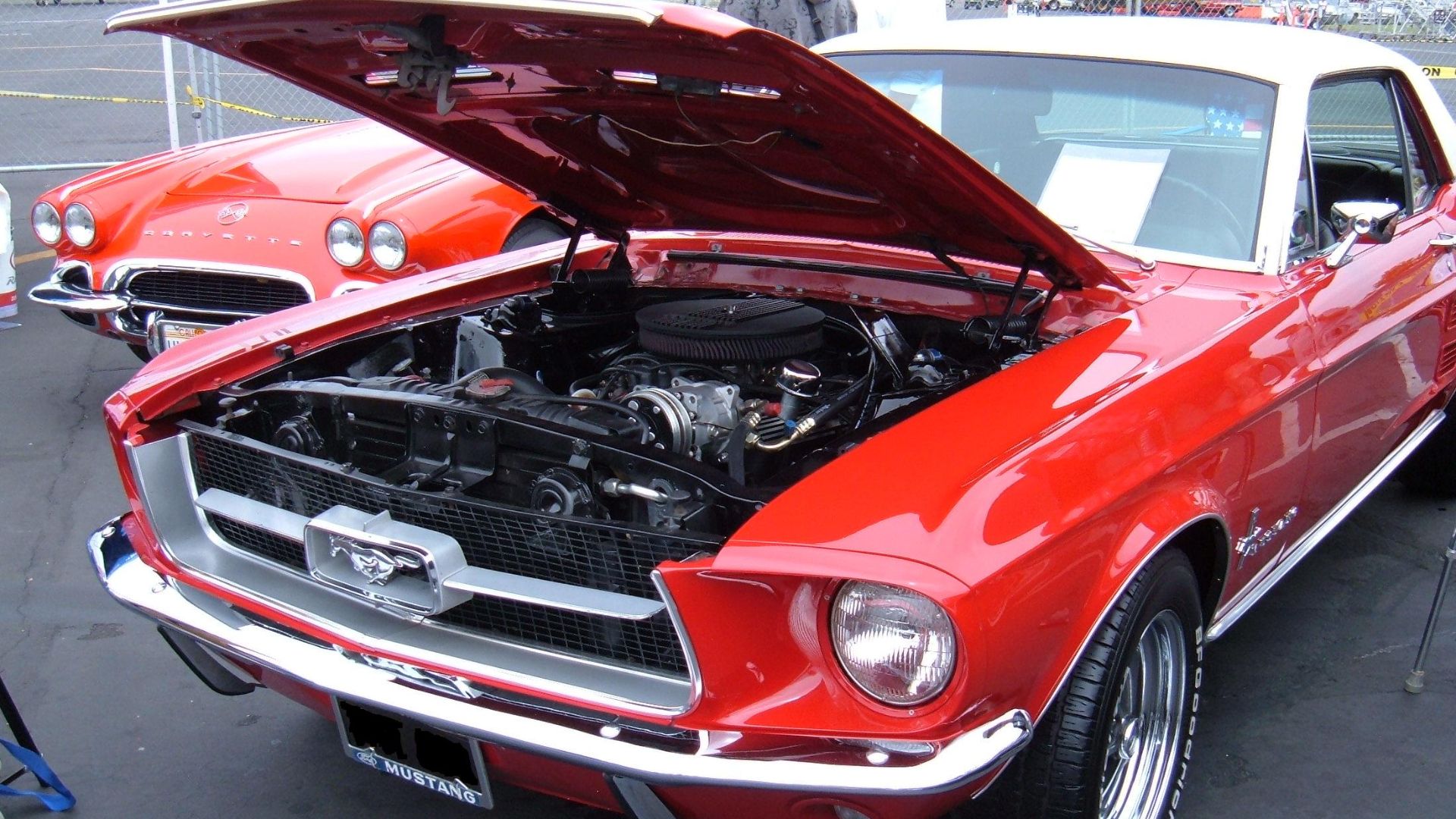
Since its debut in 1964, the Ford Mustang has been one of the most modified cars in the world. From weekend mechanics to professional race teams, enthusiasts have been swapping engines, transmissions, and suspensions for decades. The Mustang’s massive aftermarket support and relatively simple engine bay layout make it a prime candidate for all kinds of creative builds.
Engine Swaps Are Part Of Car Culture
Engine swapping isn’t just a Mustang thing—it’s a universal car enthusiast tradition. Builders frequently mix brands, platforms, and eras to create faster, lighter, or more reliable machines. The idea of installing a different engine is simply about improving performance or creating something unique.
 BrokenSphere, Wikimedia Commons
Dad’s Perspective: The Brand Loyalty Argument
Your dad’s argument probably comes from brand loyalty and tradition. Many enthusiasts believe a Mustang should stay “all Ford,” meaning it should use Ford engines like the classic Windsor V8, modular V8s, or modern Coyote engines. From a purist’s standpoint, keeping everything under the Ford umbrella preserves the identity of the car.

The Case For Staying Ford
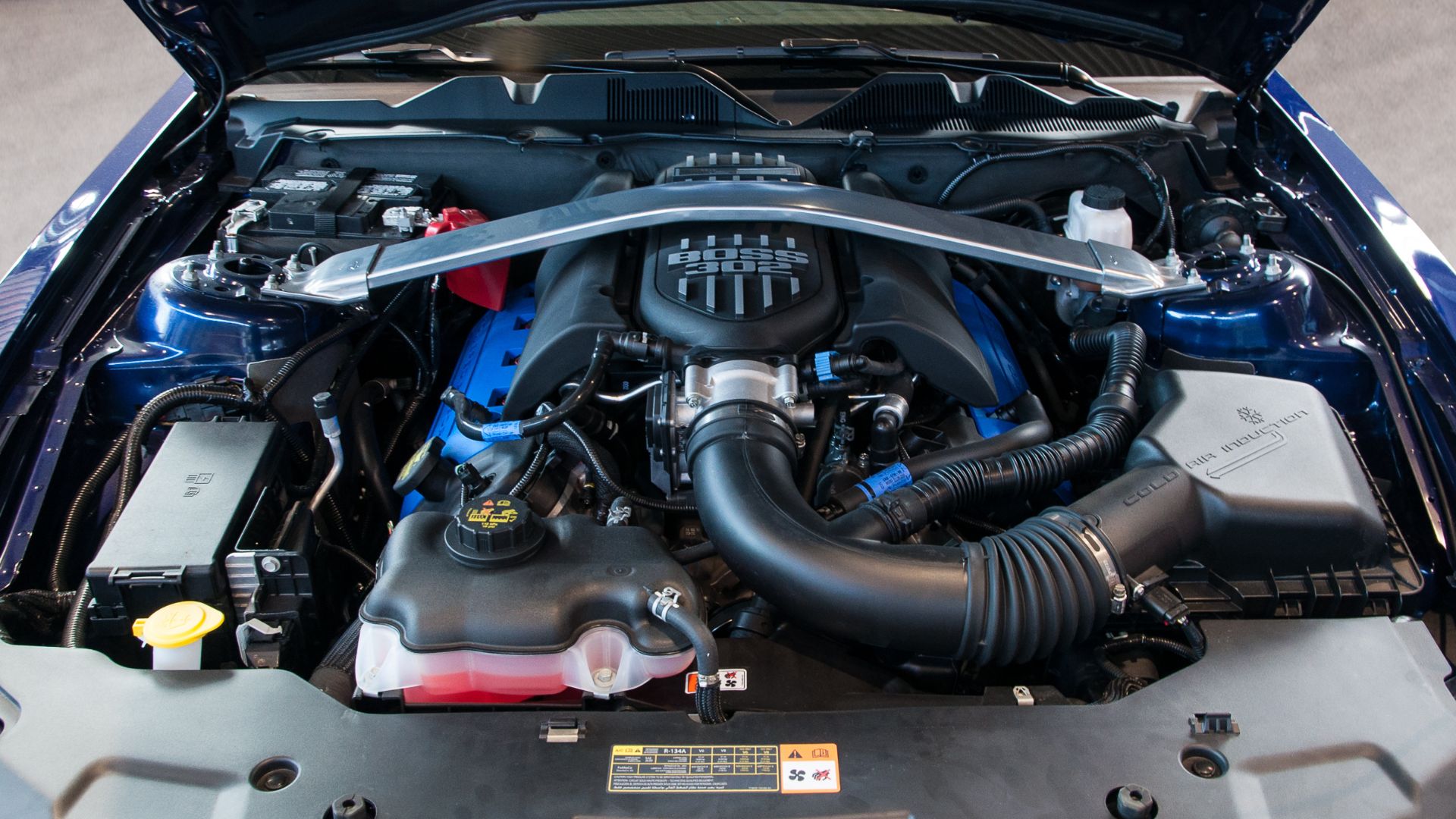
There are practical advantages to using Ford engines in a Mustang. Ford powerplants are designed to fit the platform, and many swap kits already exist. Wiring, mounts, and accessory placement are often easier when sticking with engines the chassis was built around.
Ford Has A Massive Engine Lineup
Another reason people recommend Ford engines is simply the variety available. From classic small-block V8s to modern turbocharged EcoBoost engines, Ford offers countless options. Builders can choose from engines like the 302 Windsor, 351 Cleveland, 4.6 modular V8, or the modern 5.0-liter Coyote.
The Legendary Coyote Swap
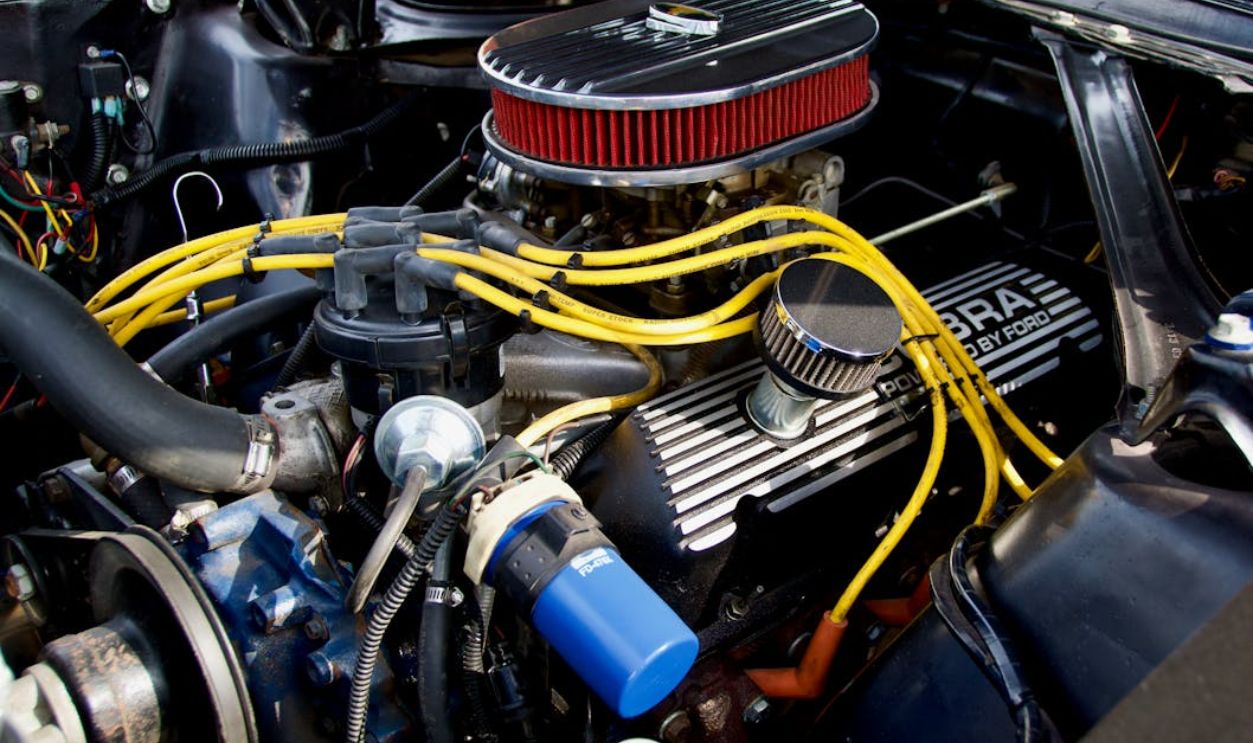
Among modern Mustang swaps, the Coyote V8 is the gold standard. Found in newer Mustangs, this engine delivers impressive horsepower while maintaining factory compatibility. Many companies even sell complete Coyote swap kits, making the process relatively straightforward.
Brother’s Perspective: Anything Goes
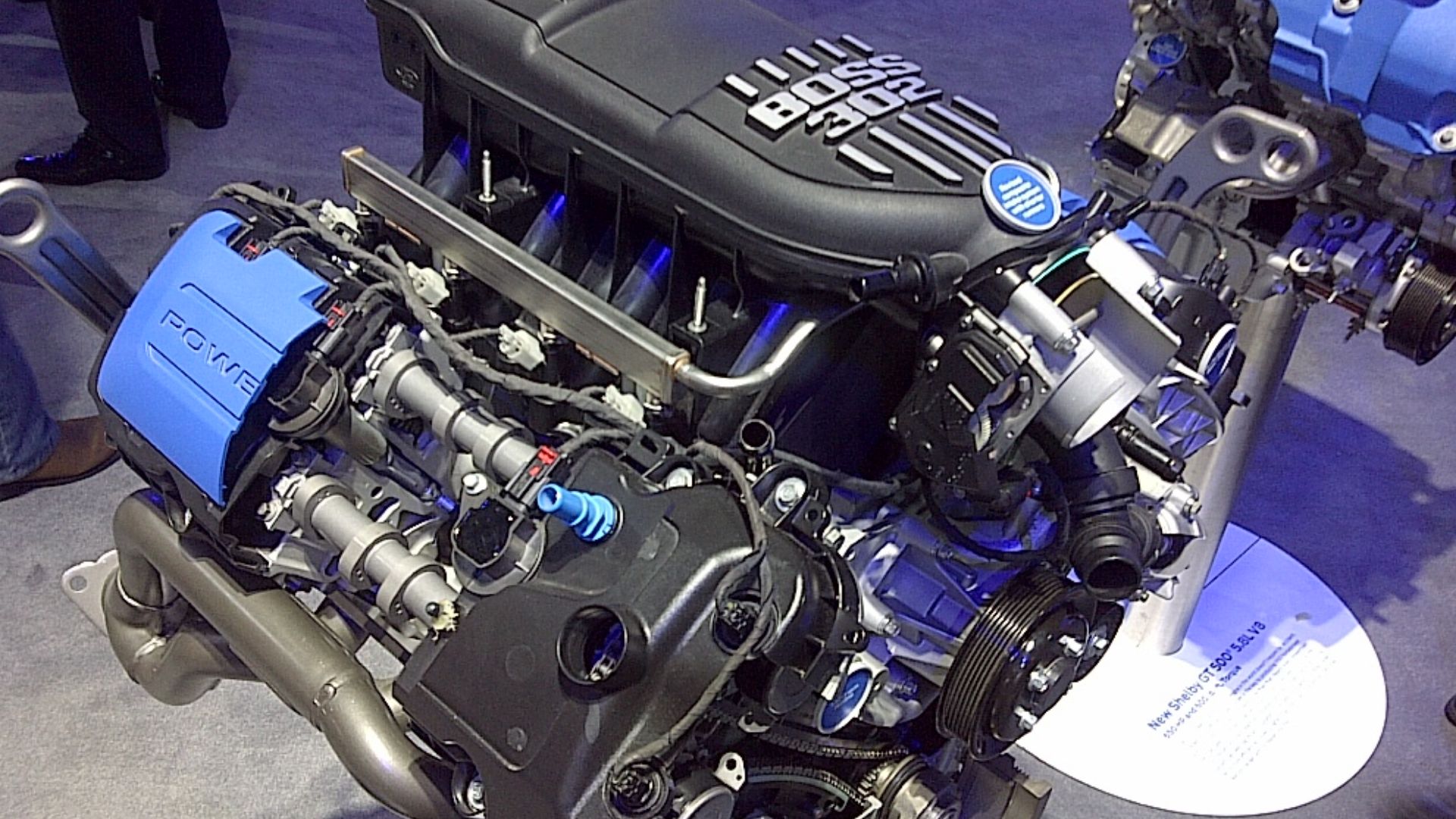
Your brother’s argument represents the more rebellious side of car culture. According to this mindset, the engine bay is a blank canvas. If the engine physically fits and you can make it run, then it belongs there.

The Rise Of Cross-Brand Swaps
Over the past two decades, cross-brand engine swaps have become increasingly popular. Builders have installed Toyota, Nissan, BMW, and even Tesla powertrains into Mustangs. But the most famous cross-brand swap comes from an unlikely rival.
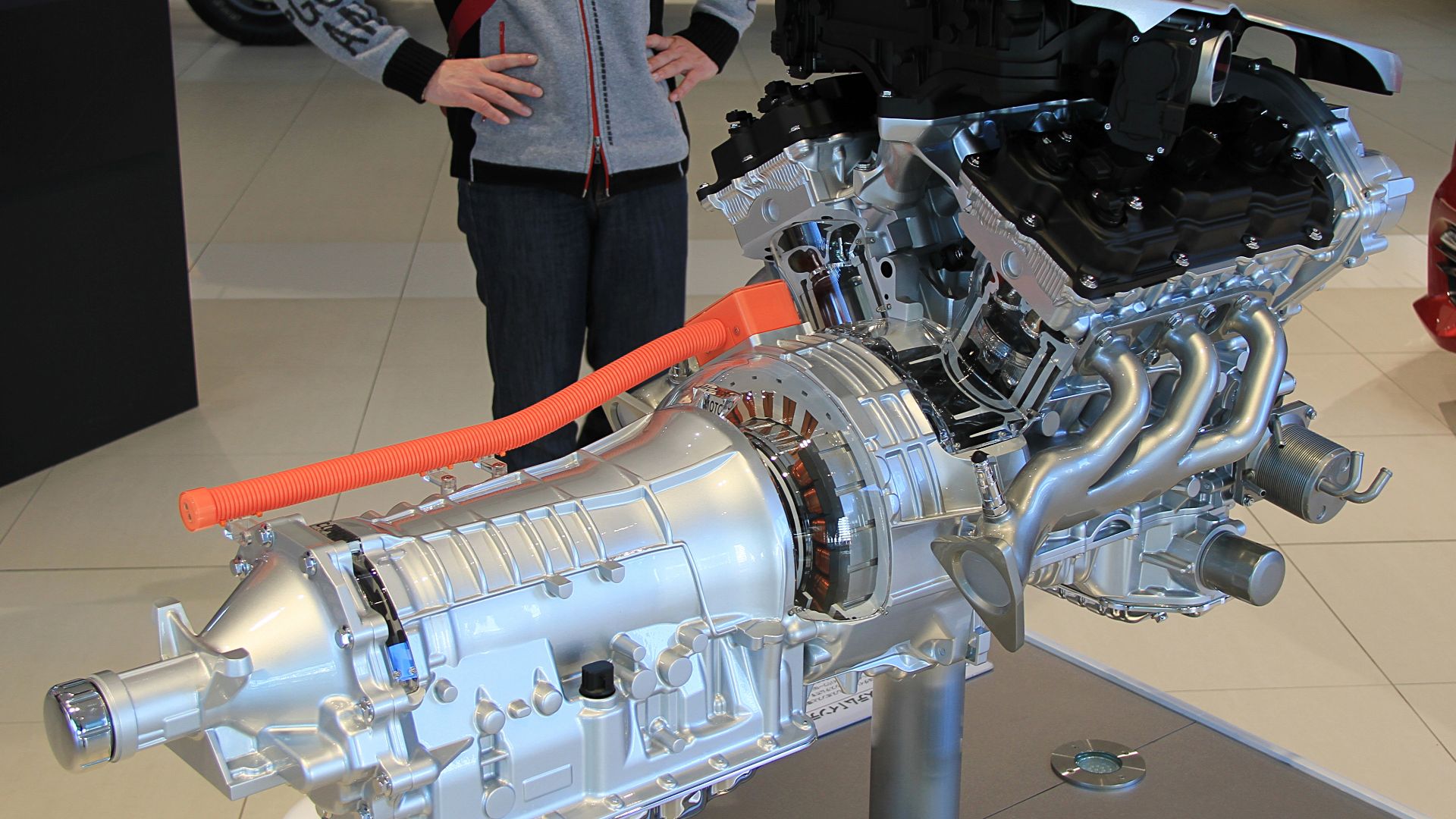
The LS Swap Phenomenon
The Chevrolet LS engine has become the go-to engine for many swaps across all types of vehicles. Lightweight, compact, and extremely powerful, LS engines are relatively cheap and easy to modify. As a result, LS-swapped Mustangs—while controversial—are surprisingly common.
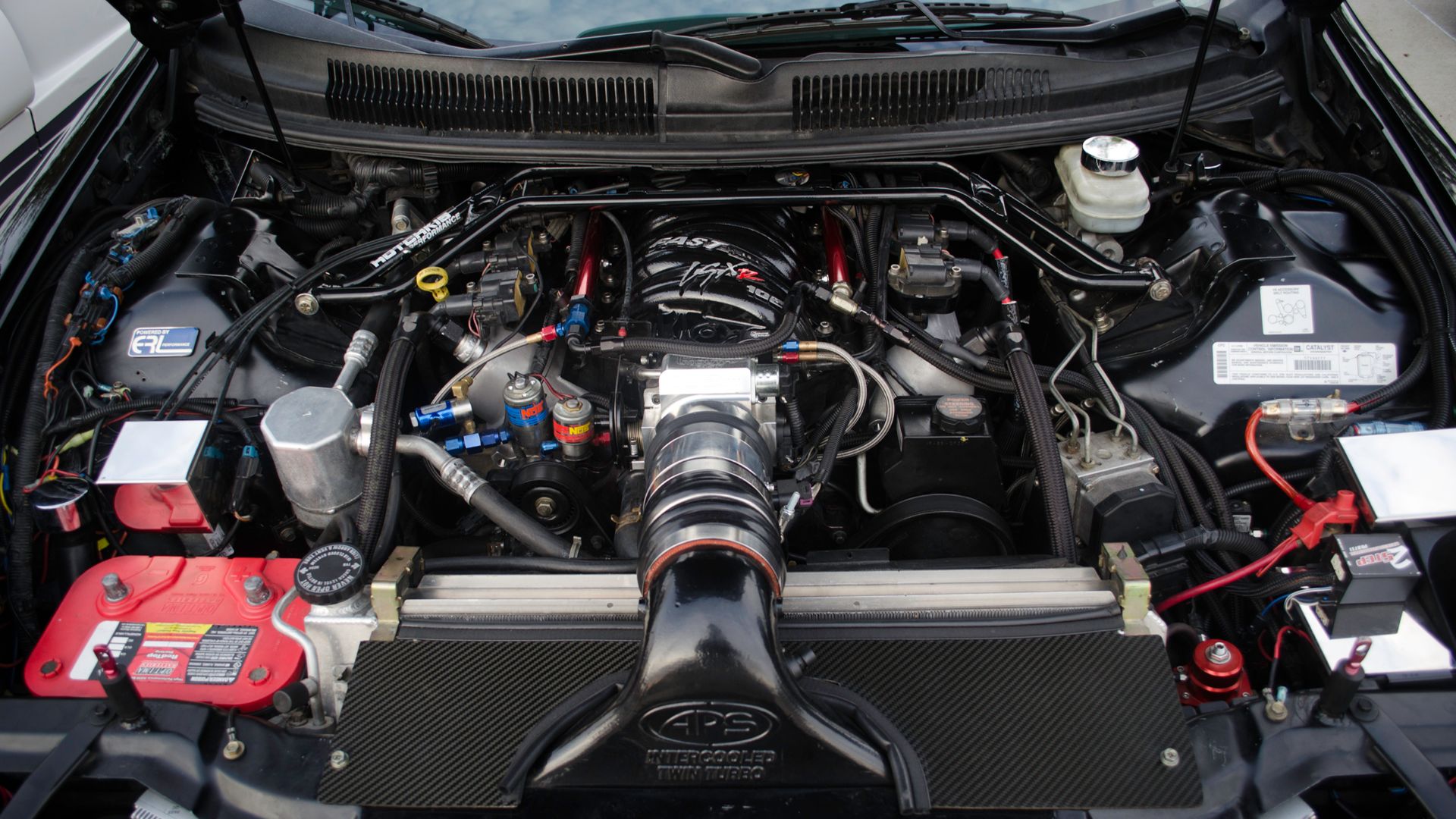 Michael Price from Houston, USA, Wikimedia Commons
Why Some Builders Choose LS Engines
LS engines have huge aftermarket support and impressive performance potential. They’re also physically compact compared to some Ford engines, making them easier to install in certain chassis. For builders chasing big horsepower numbers, the LS platform is often the easiest route.
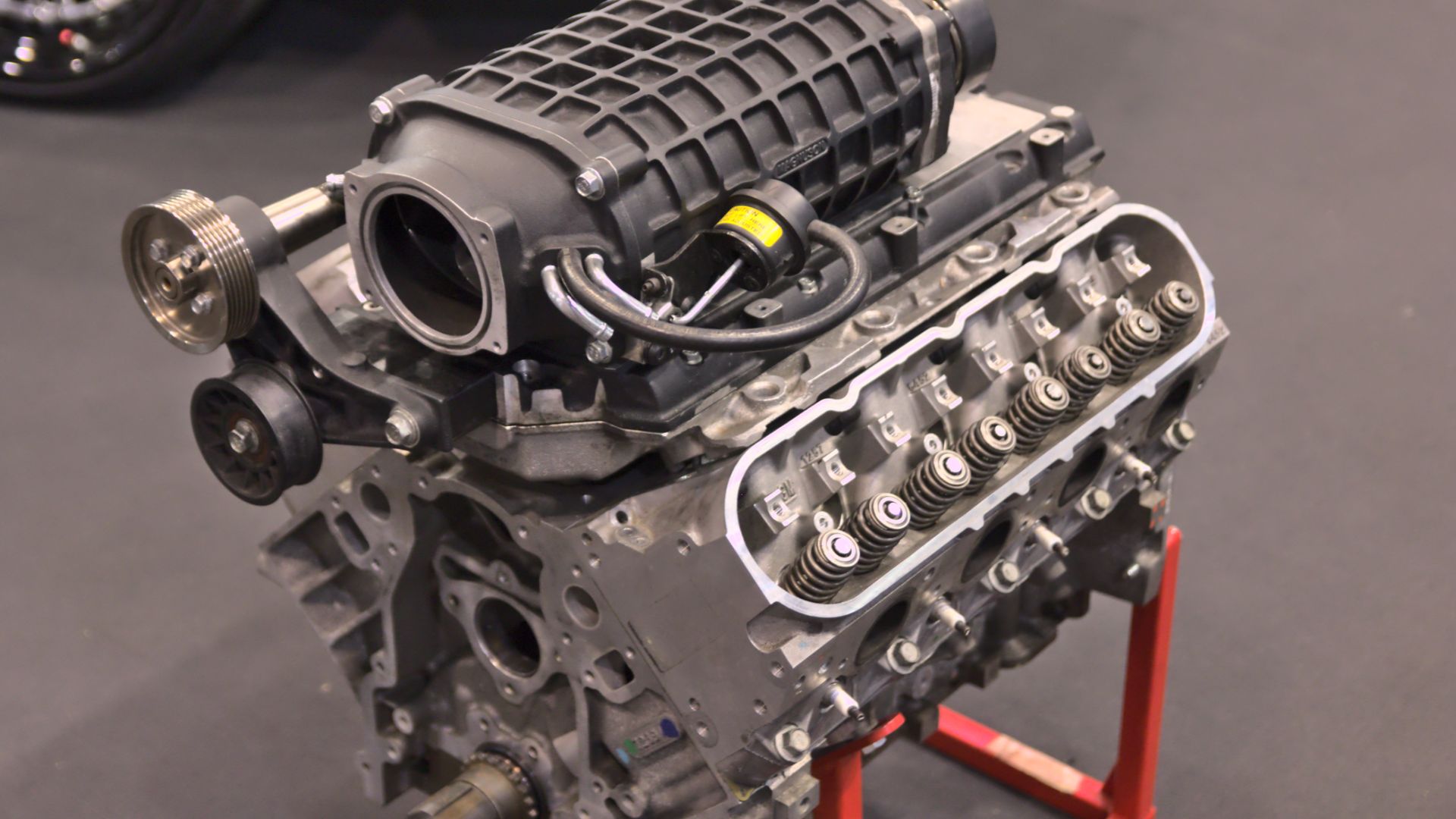 Dennis Boberg, Wikimedia Commons
Purists Hate It—But It Works
Installing a Chevy engine into a Ford Mustang may sound like automotive sacrilege, but mechanically speaking, it can work very well. Many shops specialize in these swaps, offering custom mounts, wiring harnesses, and tuning solutions that make the process smoother than ever.

Fitment Is The Real Challenge
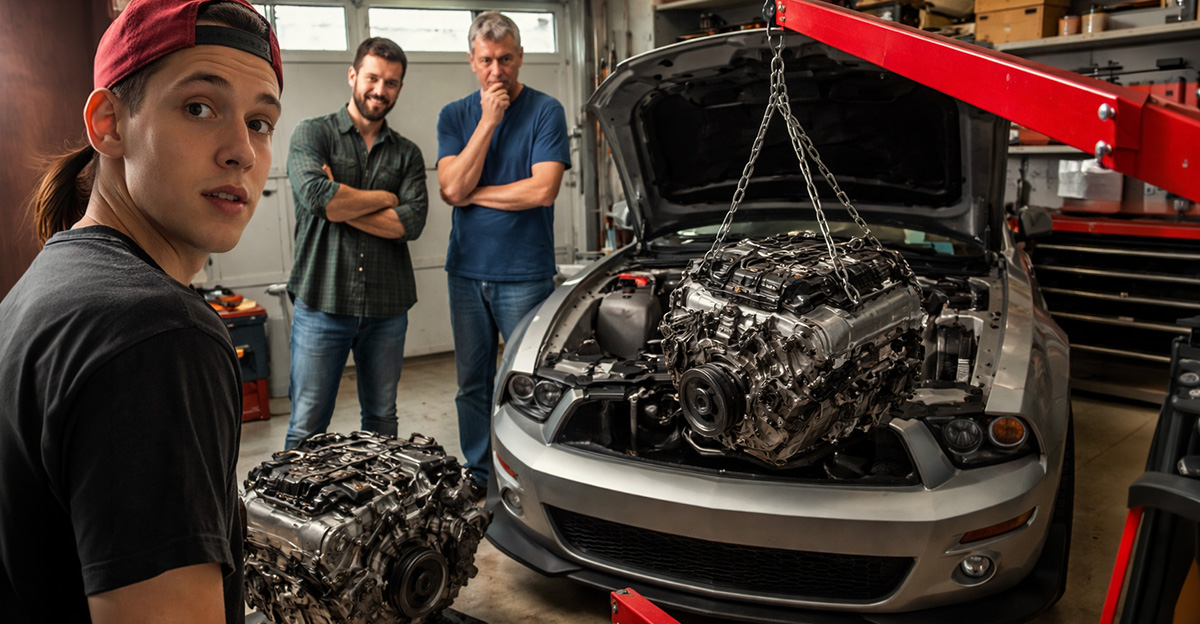
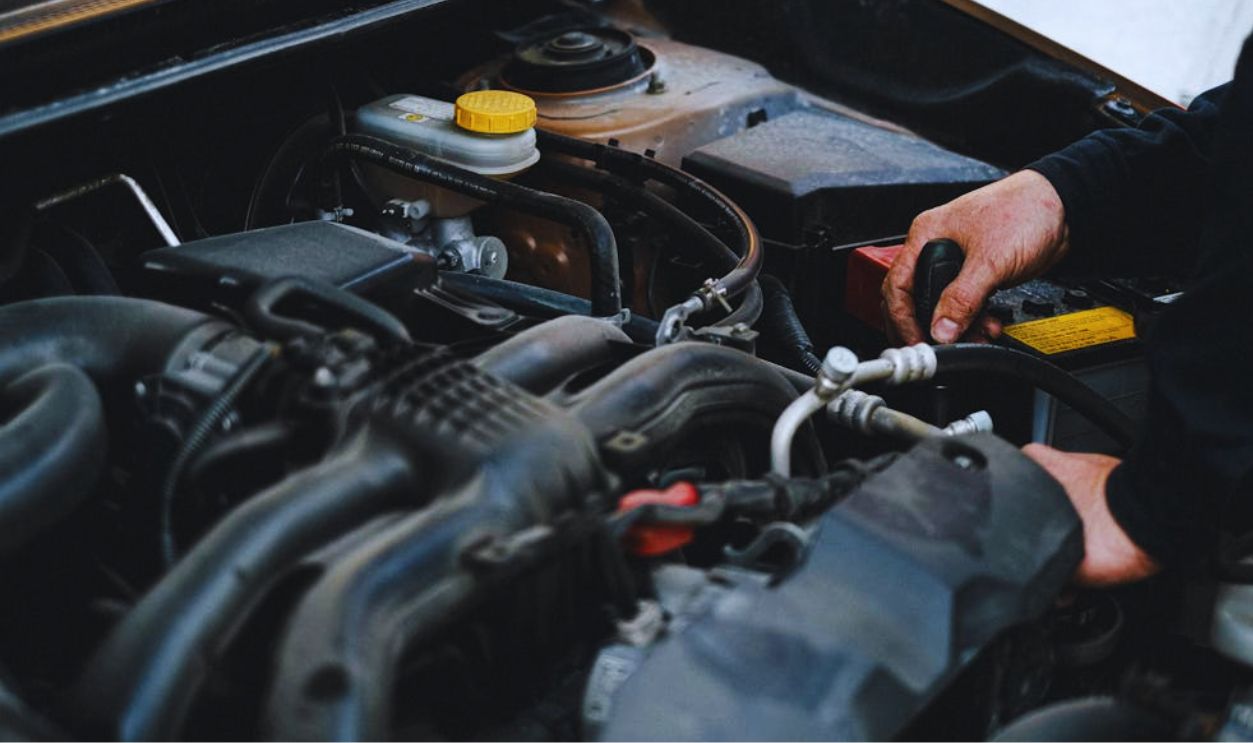
Whether you choose a Ford engine or something else entirely, the real challenge is fitment. The engine must physically fit in the engine bay while leaving room for cooling, exhaust, and accessories. Clearance issues are often the biggest obstacle in engine swaps.
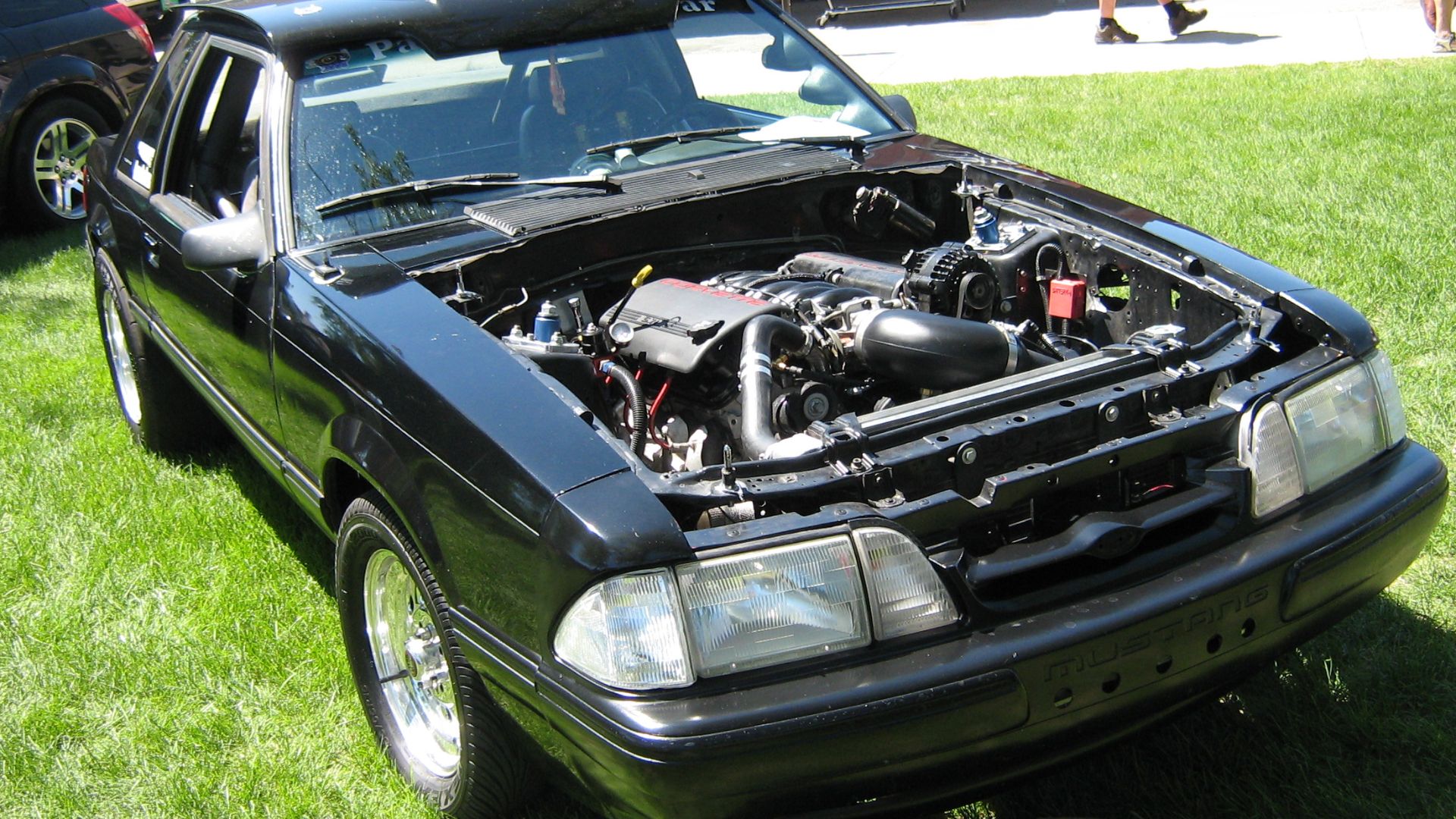 dave_7 from Lethbridge, Canada, Wikimedia Commons
Mounts, Wiring, And Fabrication
Engine swaps rarely involve simply dropping an engine into place. Custom motor mounts, wiring harnesses, and fabrication work are usually required. The further you stray from the original platform, the more custom work you’ll likely need.
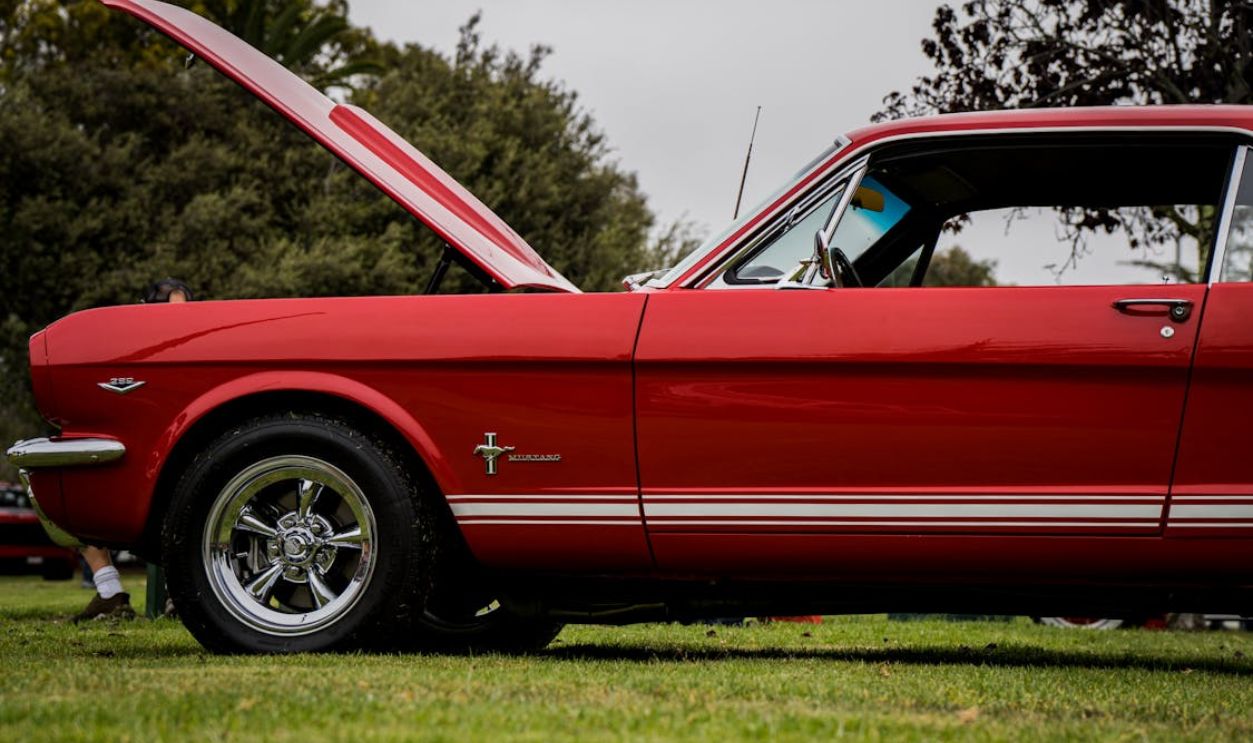
Transmission Compatibility Matters Too
Swapping an engine often means dealing with transmission compatibility. Different engines require specific bellhousing patterns, adapters, or entirely different transmissions. Builders must consider how power will actually reach the wheels.

Cooling Systems Often Need Upgrades
More powerful engines generate more heat, which means upgraded radiators and cooling systems are frequently necessary. Ignoring cooling requirements is one of the fastest ways to ruin a fresh engine swap.
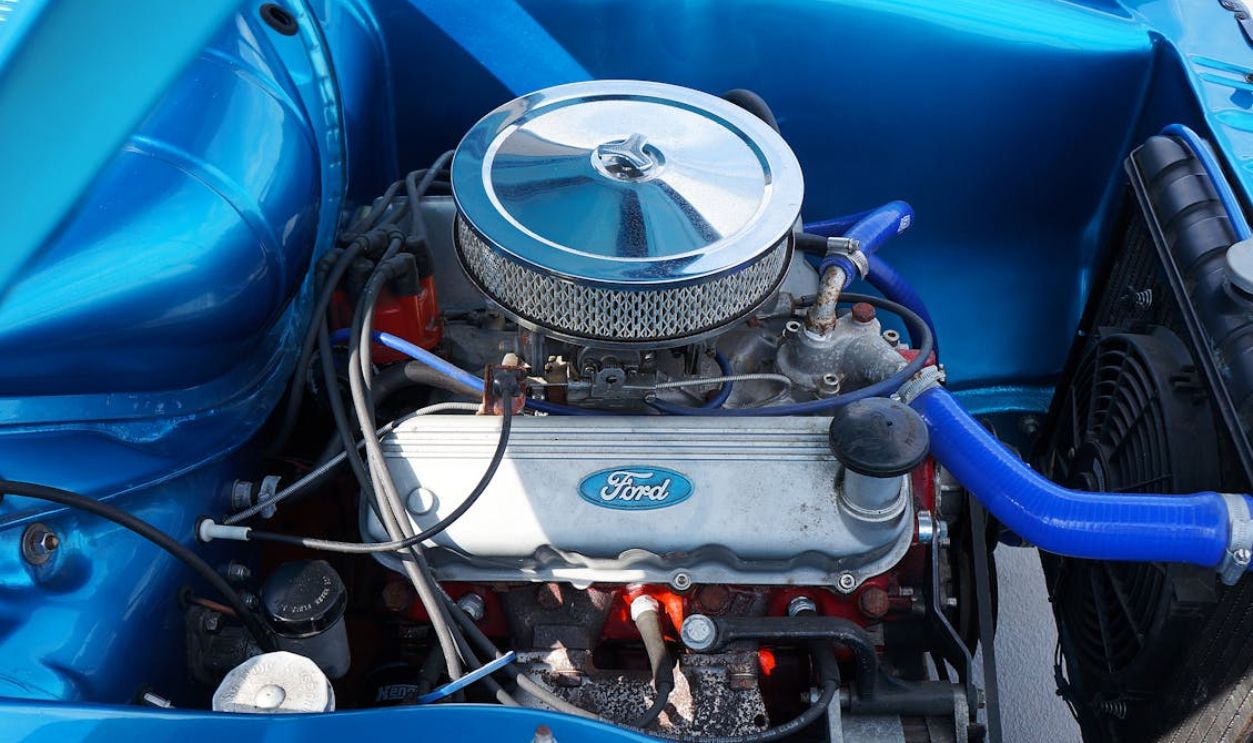
Electronics Can Be A Headache
Modern engines rely heavily on computers and sensors. Installing a newer engine into an older Mustang can require standalone engine management systems or extensive wiring modifications. Electronics are often one of the trickiest parts of modern swaps.
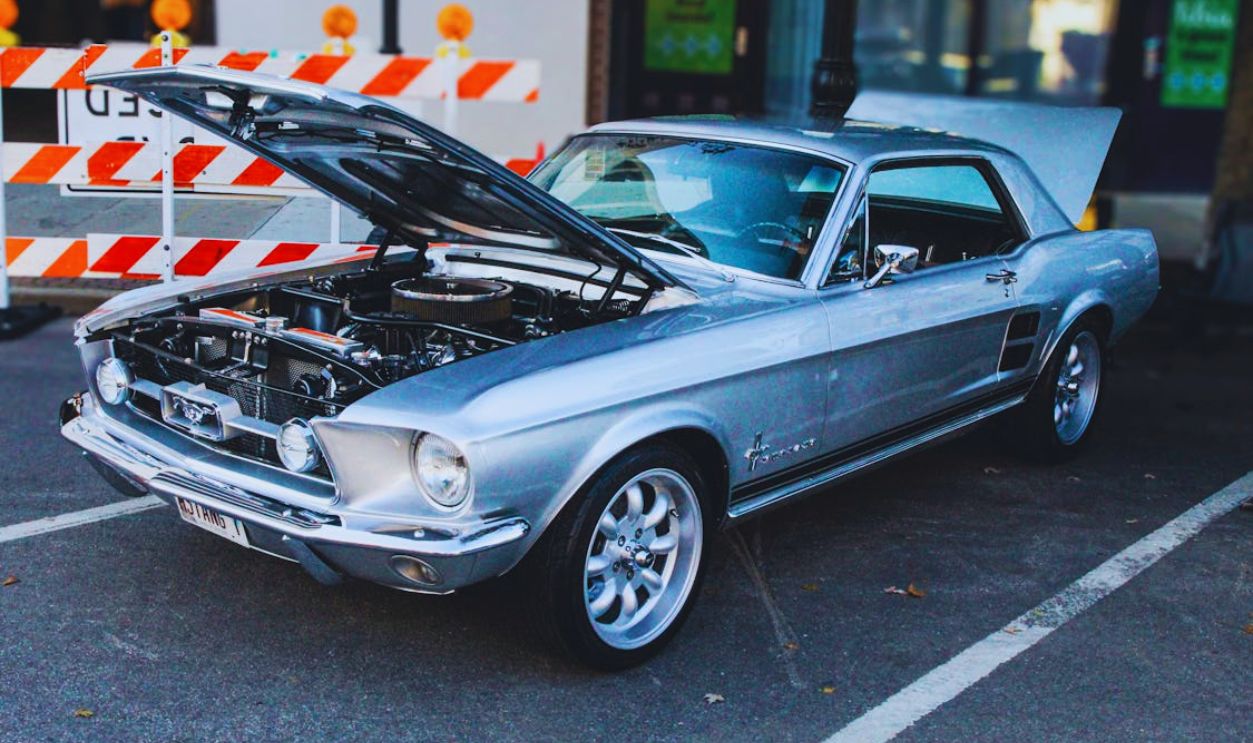
Legal Rules May Limit Your Choices
Here’s where the conversation shifts from preference to legality. Depending on where you live, engine swaps may be regulated by emissions laws. Some areas require the engine to be from the same manufacturer or the same model year—or newer.
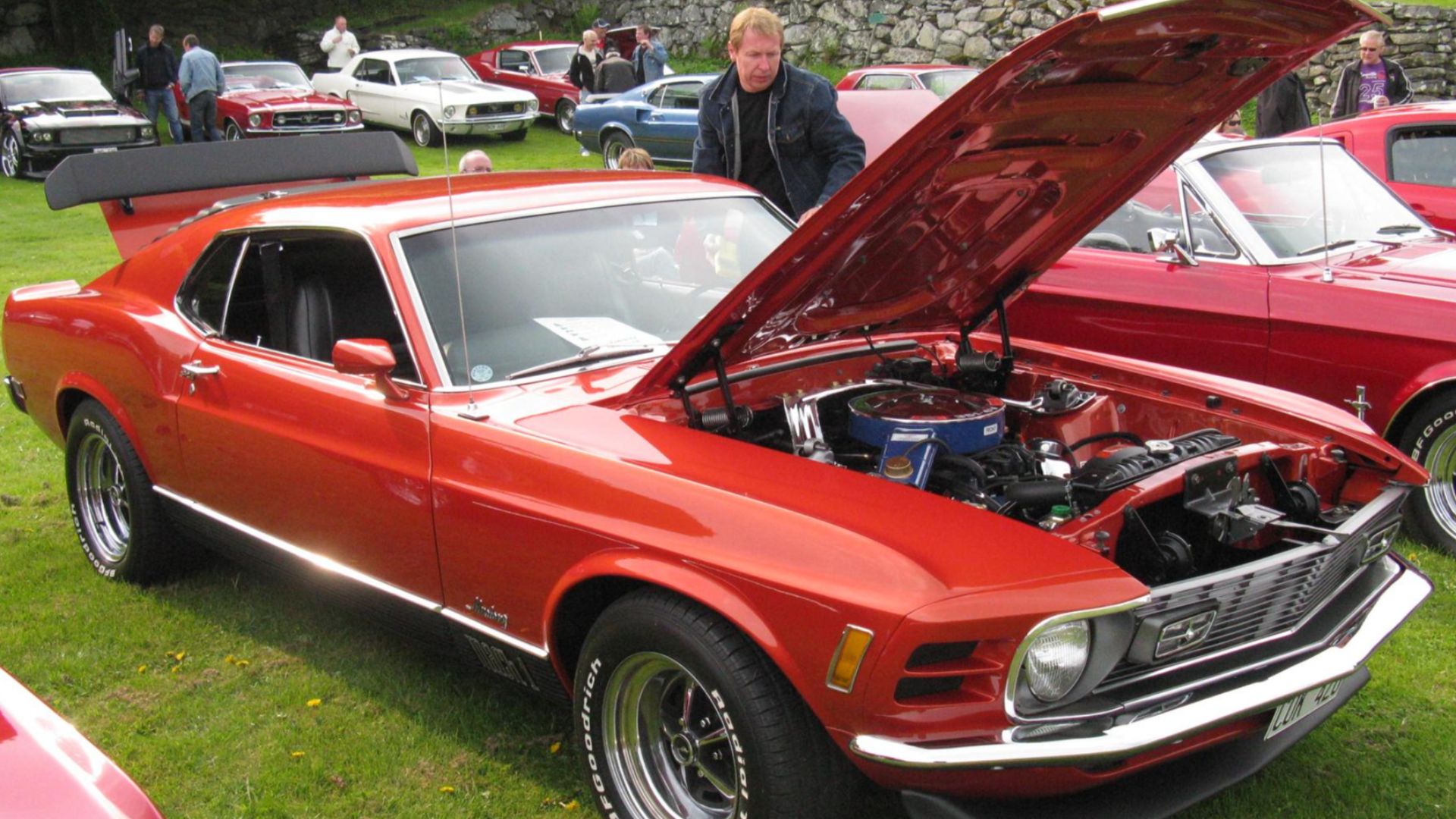
Emissions Laws Can Be Strict
States like California have strict regulations governing engine swaps. The engine must often meet emissions standards for the vehicle’s model year or the engine’s year, whichever is newer. Failing to follow these rules can make a car illegal to drive on public roads.

Insurance Can Be A Factor
Insurance companies may also care about engine swaps. Major modifications can change how a vehicle is classified and insured. In some cases, you may need specialty insurance for heavily modified vehicles.

Budget Plays A Big Role
The cost of an engine swap can vary wildly depending on the engine choice. A used Ford V8 may cost a few thousand dollars, while high-performance crate engines can cost much more. Custom fabrication can quickly push a project far beyond its initial budget.

Reliability Depends On The Build Quality
A well-executed swap can be incredibly reliable, but a rushed or poorly planned build can cause endless headaches. Proper planning, quality parts, and careful installation make the difference between a dream project and a garage nightmare.
Mustang Communities Love Creative Builds
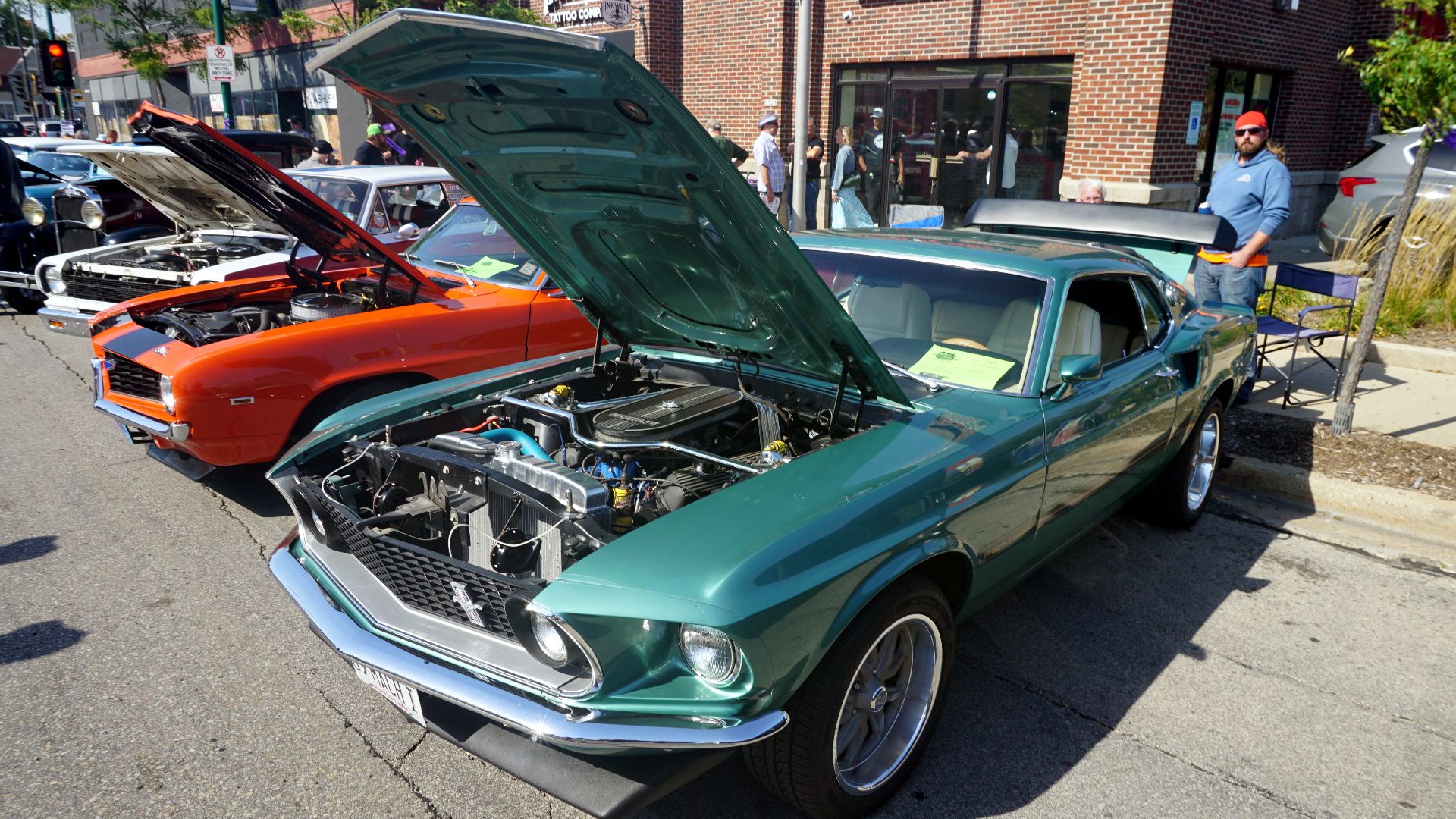
One of the best parts of Mustang culture is the creativity of its builders. At car meets and shows, you’ll find everything from classic restorations to wildly modified builds with unconventional engines. The community often celebrates originality as much as brand loyalty.
 Michael Barera, Wikimedia Commons
Resale Value Can Be A Wild Card
Engine swaps can impact resale value in unpredictable ways. Purists may avoid heavily modified cars, while performance enthusiasts might pay a premium for a well-done build. The key is quality workmanship and documentation.
Your Goals Should Guide The Decision
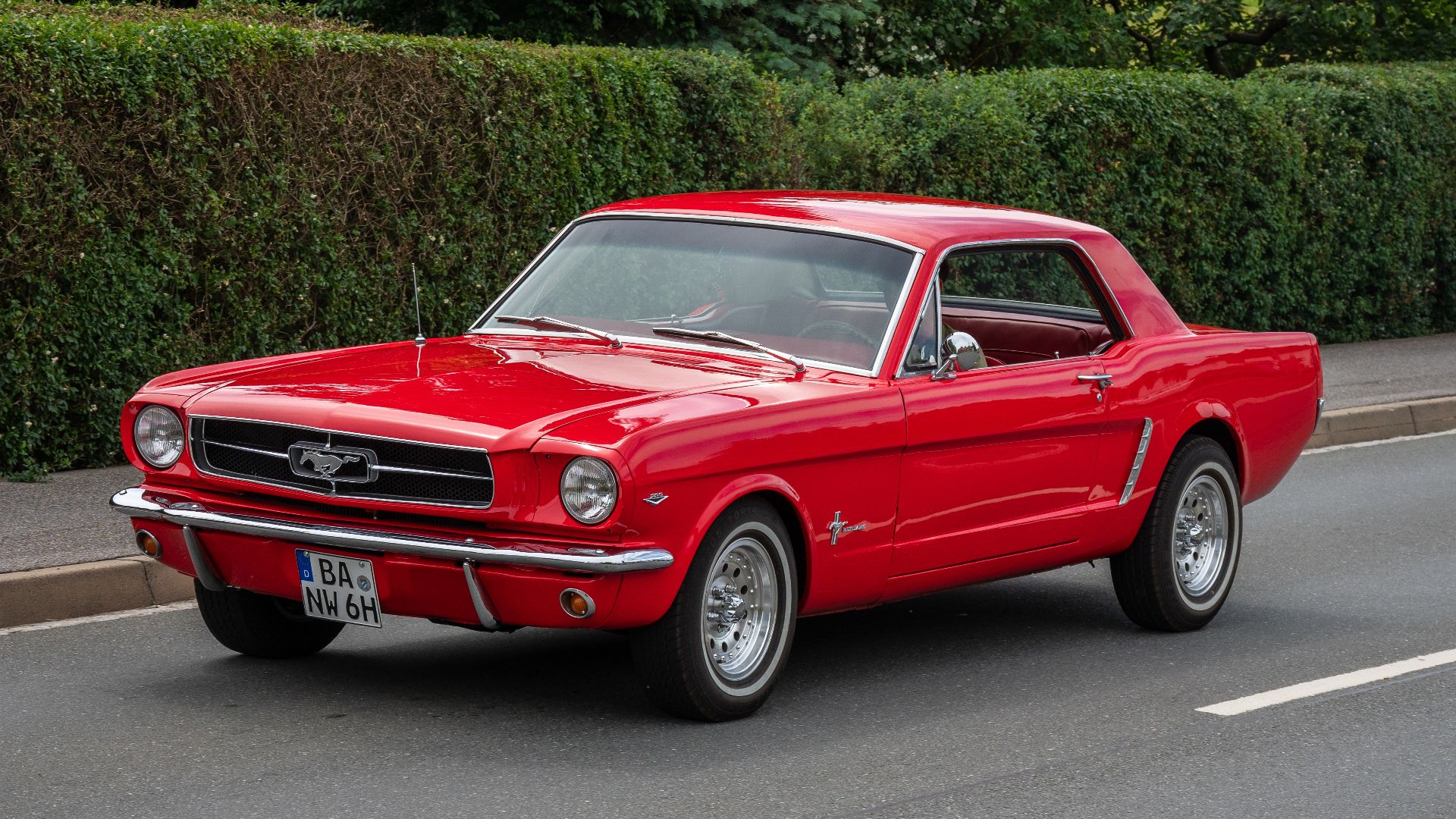
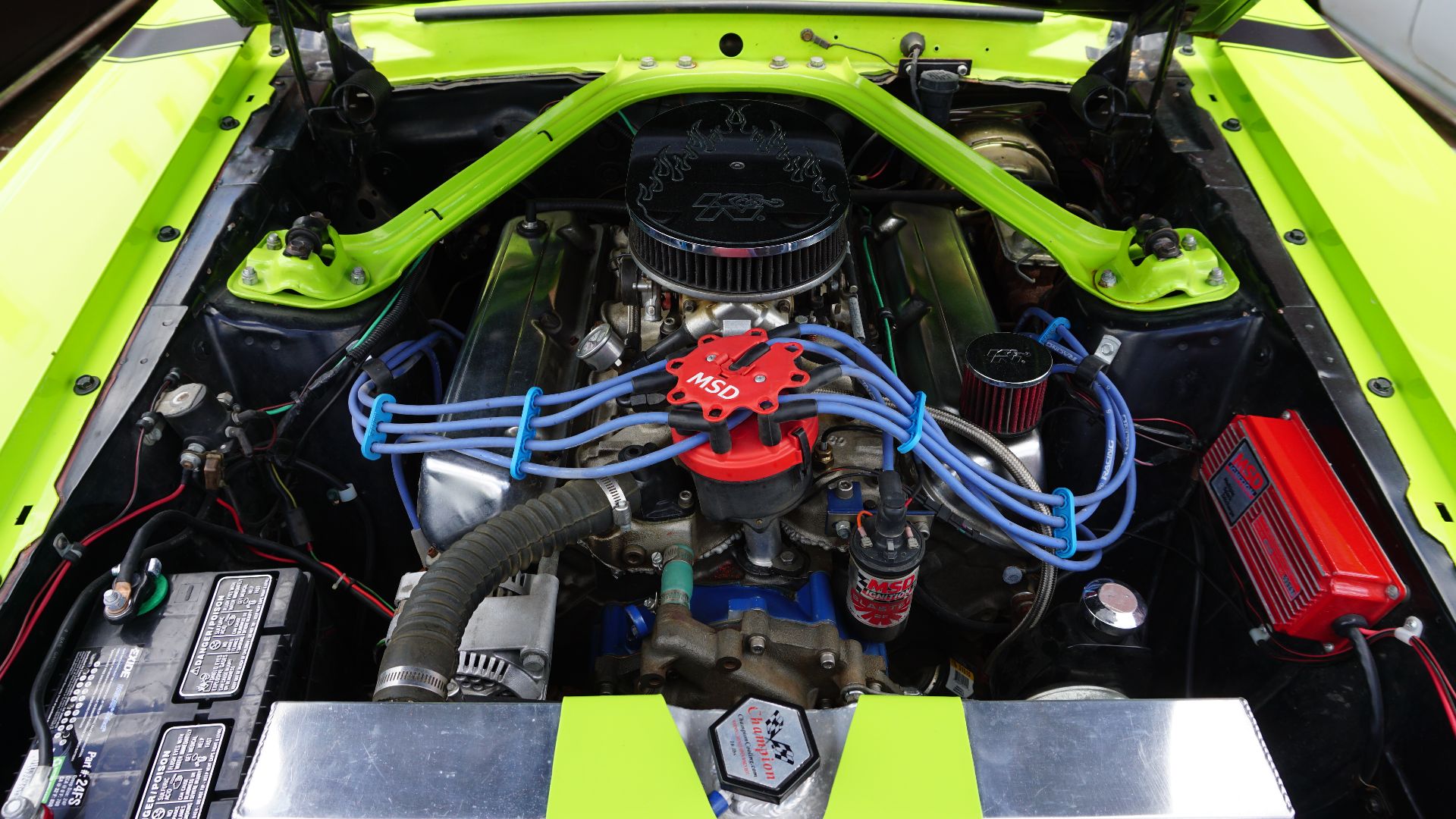
The best engine choice depends on your goals. If you want a clean, factory-style build, sticking with Ford engines is often the easiest path. If your goal is maximum performance or uniqueness, exploring other engines might make sense.
 Michael Barera, Wikimedia Commons
So Who’s Right?
In the end, both your dad and your brother are partially right. You absolutely can install whatever engine you want in your Mustang—as long as you’re willing to handle the fabrication, cost, and potential legal hurdles. But sticking with Ford engines is often simpler, cheaper, and more accepted among Mustang enthusiasts.

The Real Answer: Build The Car You Want
Ultimately, the beauty of car culture lies in freedom and creativity. Whether you keep it all Ford, drop in a modern Coyote, or shock everyone with a cross-brand swap, the right engine is the one that fits your vision. Just be prepared to put in the work—and maybe prepare a good argument for the next family debate in the garage.

You May Also Like:
Street-Legal Cars That Would Make The Perfect Getaway Vehicle—Ranked