
The 5,000 Vs 10,000 Mile Oil Change Showdown
You look at your owner’s manual and it says 10,000 miles. Your mechanic says 5,000 miles. We've all been there, and we've all had that nagging feeling that they're just trying to sell you something, but the real answer actually depends on your engine, your oil, and how you drive.

What The Manual Is Really Promising
Your manual’s interval is usually based on the manufacturer’s maintenance schedule under specific conditions. Many automakers also split recommendations into “normal” and “severe” service. Those details matter because they can cut the interval dramatically.

Why Modern Intervals Got Longer In The First Place
Oil change intervals stretched over the last few decades because engines and oils improved. The American Petroleum Institute (API) and ILSAC standards evolved to address sludge, wear, and fuel economy, and that helped modern oils hold up longer. The catch is that “longer” assumes the oil meets the required spec and the vehicle is used the way the schedule expects.
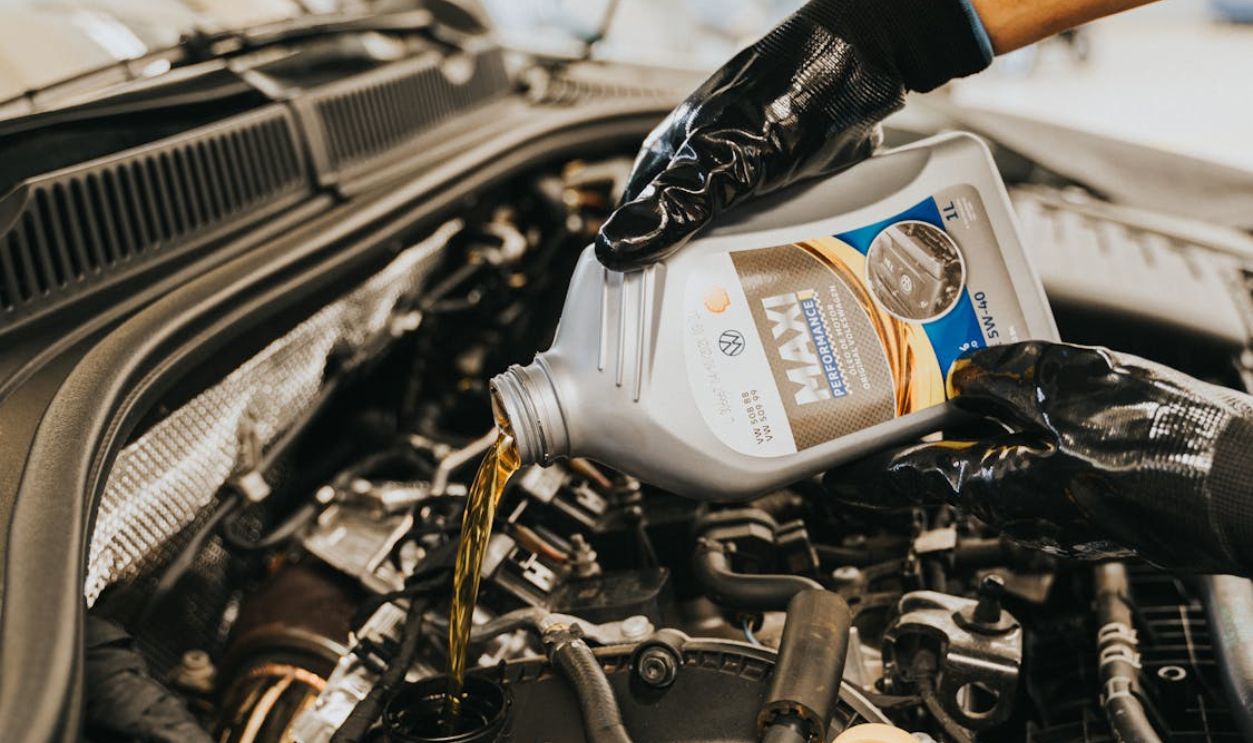
When “Severe Service” Quietly Applies To Normal People
“Severe” can sound like desert racing, but it often includes everyday stuff. Short trips, lots of idling, stop and go traffic, extreme heat or cold, towing, and dusty roads are common severe-service triggers. AAA notes that short trips and stop-and-go driving can be hard on oil because the engine may not fully warm up long enough to burn off moisture and contaminants.

The Mechanic’s 5,000 Mile Advice Has A History
For years, 3,000 miles was the classic quick-lube pitch. As oils and engines improved, many shops shifted to 5,000 miles as the “safe” default. It is not automatically a scam, but it can be a one-size-fits-most rule that does not match your specific car.

Manuals Do Not All Say 10,000 Miles
Some vehicles still specify 5,000, 7,500, or different intervals depending on oil type and driving conditions. Many newer cars use an oil-life monitoring system that adjusts the interval based on how the vehicle is driven. If your car has oil-life monitoring, the manual may tell you to follow that system rather than a fixed mileage number.

Oil-Life Monitors Are Not Guesswork
General Motors describes its Oil Life System as tracking operating conditions like temperatures, engine speed, and trip length to estimate oil life. That kind of system is designed to shorten intervals for harsh use and extend them for easy highway miles. It is one reason some drivers safely go longer than 5,000 miles.

The Oil In Your Engine Matters More Than The Sticker
Your manual typically requires a certain viscosity and an oil standard, such as API SP or an OEM-specific spec. Using the wrong oil can shorten the safe interval, even if the mileage looks fine. API explains that its current gasoline engine oil category, API SP, is designed to improve protection against deposits and wear compared with older categories.

Synthetic Oil Helps, But It Is Not Magic
Full synthetic oil generally resists breakdown better than conventional oil, especially under heat. That can support longer intervals when the manufacturer allows it. It does not prevent dilution from repeated short trips or other harsh use that can still justify more frequent changes.

Direct Injection And Turbo Engines Can Be Harder On Oil
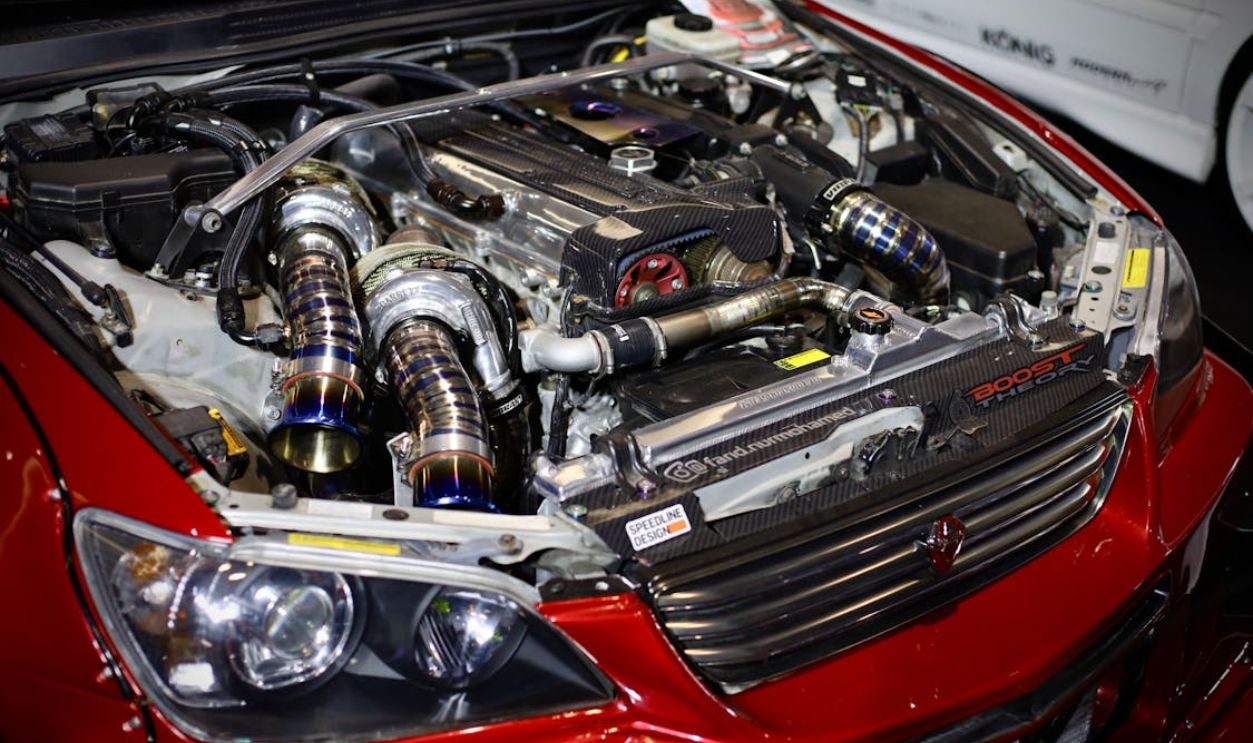
Many modern engines use gasoline direct injection and smaller turbocharged designs for power and efficiency. Those designs can run hotter and can be more sensitive to oil quality and deposit control. Some manufacturers recommend shorter intervals for certain turbo engines or under severe service, even if the “normal” interval is longer.
Short Trips Are A Big Deal, And AAA Calls It Out
AAA explains that short trips and stop-and-go driving can prevent oil from reaching and staying at full operating temperature. That can allow moisture and fuel to remain in the oil longer than ideal. If your daily driving is mostly quick runs, a 10,000-mile interval may be optimistic.

Time Matters As Much As Miles
Many manuals include a time limit such as changing oil every 12 months even if you did not hit the mileage. Oil ages, additives deplete, and contamination can build up. If you only drive a few thousand miles a year, the calendar may be the real trigger.

Warranty Anxiety Is Real, But The Manual Is The Key
If your car is under warranty, the manufacturer’s schedule is the standard you will want to follow. In the US, the Magnuson-Moss Warranty Act of 1975 generally prevents a manufacturer from requiring a specific brand to keep your warranty, but they can require you to follow the maintenance schedule. Good records matter more than the shop’s window sticker.

The One Thing That Can Make A Mechanic Look Shady Fast
If your mechanic cannot explain why you need 5,000 miles for your specific car, it's fair to question it. A solid shop can point to your manual’s severe-service schedule, your driving habits, or a known issue pattern for your model. But vague warnings and pressure tactics are definitely a red flag.

Ask This Simple Question At The Counter
Ask, “Is this the severe-service interval from my manual, or your shop’s default?” That forces clarity without turning it into a fight. If they say it is severe service, ask them to show you the page in your manual that backs it up.

Another Good Question: What Oil Spec Are You Using?
Ask the shop to write the oil standard and viscosity on the invoice, not just “synthetic.” Many automakers require specific standards beyond the API donut, and the wrong oil can undercut long intervals. If the shop cannot confirm the spec, that is a bigger issue than 5,000 versus 10,000.

Used Oil Analysis Can Turn This Into Data
If you want proof, a used oil analysis can show wear metals, fuel dilution, and whether the oil still has life left. It is a common tool in fleets and among enthusiasts who want to optimize intervals. It can also reveal problems like coolant contamination early.

Filters Are Part Of The Equation
Longer intervals assume the oil filter can handle the mileage. Some filters are built for extended service, and some are not. If your manual calls for 10,000 miles, using a filter designed for that interval helps match the original plan.

City Drivers Often Get The Short End Of The Interval
Stop-and-go traffic can mean more idling and more heat cycling. That can load oil with contaminants faster than steady highway driving. If you live in an urban commute loop, a shorter interval may be reasonable even with modern oil.

Highway Miles Often Favor Longer Intervals
Steady cruising tends to fully warm the oil and keep conditions stable. That can reduce moisture buildup and stress on the oil compared with constant starts and stops. For drivers who rack up highway miles, the manual’s longer interval can be a good fit.

What The Industry Standards Actually Control
API categories like SP set performance tests for deposits, wear, and other issues. They do not guarantee a universal oil change interval for every engine and driving style. They are one piece of why intervals got longer, not a promise that everyone should push to 10,000.

Why Some Shops Still Recommend 5,000 For Everyone
A conservative interval reduces the chance of sludge and customer comebacks, and it fits a wide range of driving patterns. It also increases revenue, and both can be true at the same time. The right move is to match the interval to your car and your real driving, not the shop’s average customer.

How To Decide If 10,000 Miles Is Safe For You
Start with the manual and check whether you fall under severe service. Confirm you are using the exact oil spec required and a quality filter. If your driving is mostly highway and your car has an oil-life monitor, 10,000 miles may be completely normal.

How To Decide If 5,000 Miles Is The Smarter Play
If you do frequent short trips, tow, drive in extreme temperatures, idle a lot, or sit in heavy traffic most days, shorter intervals can be sensible. If your vehicle is known to be tough on oil, a cautious interval can be cheap insurance. If you want certainty, used oil analysis can confirm whether 5,000 is necessary.

The Bottom Line On Whether Your Mechanic Is Just Chasing Money
Sometimes a shorter interval is a smart read of severe-service reality. Sometimes it is a shop default that has more to do with habit and profit than your vehicle. The quickest way to tell is whether they can tie their recommendation to your manual, your driving conditions, and the oil spec on your invoice.

Quick Checklist Before Your Next Oil Change
Read the manual section on normal versus severe service and follow the correct schedule. Use the required oil specification and keep receipts or service records. If you still feel stuck between 5,000 and 10,000, consider a used oil analysis and let the lab report settle the argument.