I Was Told Extended Warranties Are A Scam
You have probably heard the pitch at the dealership and felt your guard go up. Extended warranties are often sold with big promises and fuzzy details. But the real question is simpler: are they ever a smart buy?

First, What You Are Actually Buying
Most “extended warranties” are service contracts, not warranties in the legal sense. A factory warranty comes from the automaker. A service contract can come from the dealer, the automaker, or a third-party company.

Why People Call Them A Scam
The anger usually comes from denied claims, surprise exclusions, and confusing fine print. Some plans are overpriced compared to the repairs they are likely to cover. And some sellers use pressure tactics that make any product feel shady.

But Not All Contracts Are The Same
There are manufacturer-backed plans and there are third-party plans. Manufacturer plans tend to be more consistent about repair networks and parts. Third-party plans range from solid to terrible, so the provider matters more than the brochure.

The Biggest Trick Is The Word “Coverage”
“Covered” does not mean “everything that breaks.” Many plans exclude wear items like brake pads, clutches, and wiper blades. Some also exclude leaks, trim, infotainment glitches, and “diagnostic time” unless a covered part is replaced.

What Usually Breaks After The Factory Warranty
Expensive failures tend to be engine, transmission, turbocharger, air conditioning, steering, and modern electronics. Those are exactly the categories contracts love to advertise. The catch is that the contract language decides what qualifies as a covered failure.

When An Extended Warranty Can Be Worth It
It can make sense if you plan to keep the car well past the factory warranty and you cannot easily absorb a $2,000 to $6,000 repair. It can also be useful if your vehicle has a history of costly issues. The smartest cases are when the contract price is reasonable and the exclusions are minimal.

One Scenario That Tilts The Math
If you drive a lot of miles, you run out of factory warranty sooner. A high-mileage commuter can reach the risk zone quickly. That is where a fairly priced plan can start looking like a budget tool instead of a gimmick.

Another Scenario People Forget
Some buyers want predictable costs more than the lowest possible cost. A service contract can help you avoid a surprise repair bill that wrecks your month. That is not “free money,” but it can be a real benefit.

Certified Pre-Owned Often Changes The Game
Many certified pre-owned programs include extended coverage backed by the manufacturer. That can be less risky than buying a random third-party plan later. Still, you need to read what is covered and for how long, because CPO coverage varies by brand.

Third-Party Plans Are Where Things Get Spicy
Third-party contracts can be cheaper upfront and sometimes cover older vehicles. But claims depend on the company’s rules and approval process. If the provider is slow, hard to reach, or picky about documentation, you will feel it when you are stranded.

Read This Before You Sign Anything
Ask for the full contract and read the exclusions section first. Then look for rules about maintenance records, pre-authorization, and where you can get repairs. If the seller will not give you the contract to review, that is your cue to walk.

“Exclusionary” Versus “Named Component”
An exclusionary plan covers everything except what is excluded. A named component plan only covers what is listed. Exclusionary plans tend to be clearer, but they still have exclusions that can surprise you.

The Deductible Can Make A Cheap Plan Costly
Deductibles can apply per visit, per repair, or per component. A low monthly payment can hide a high deductible structure. Ask how the deductible works and get the answer in writing.

Where You Get Repairs Matters More Than You Think
Some contracts require you to use certain shops or get approval before any work starts. If you want dealership repairs, confirm the plan allows it. If you travel often, confirm it supports out-of-state repairs and towing.

Maintenance Requirements Can Void Claims
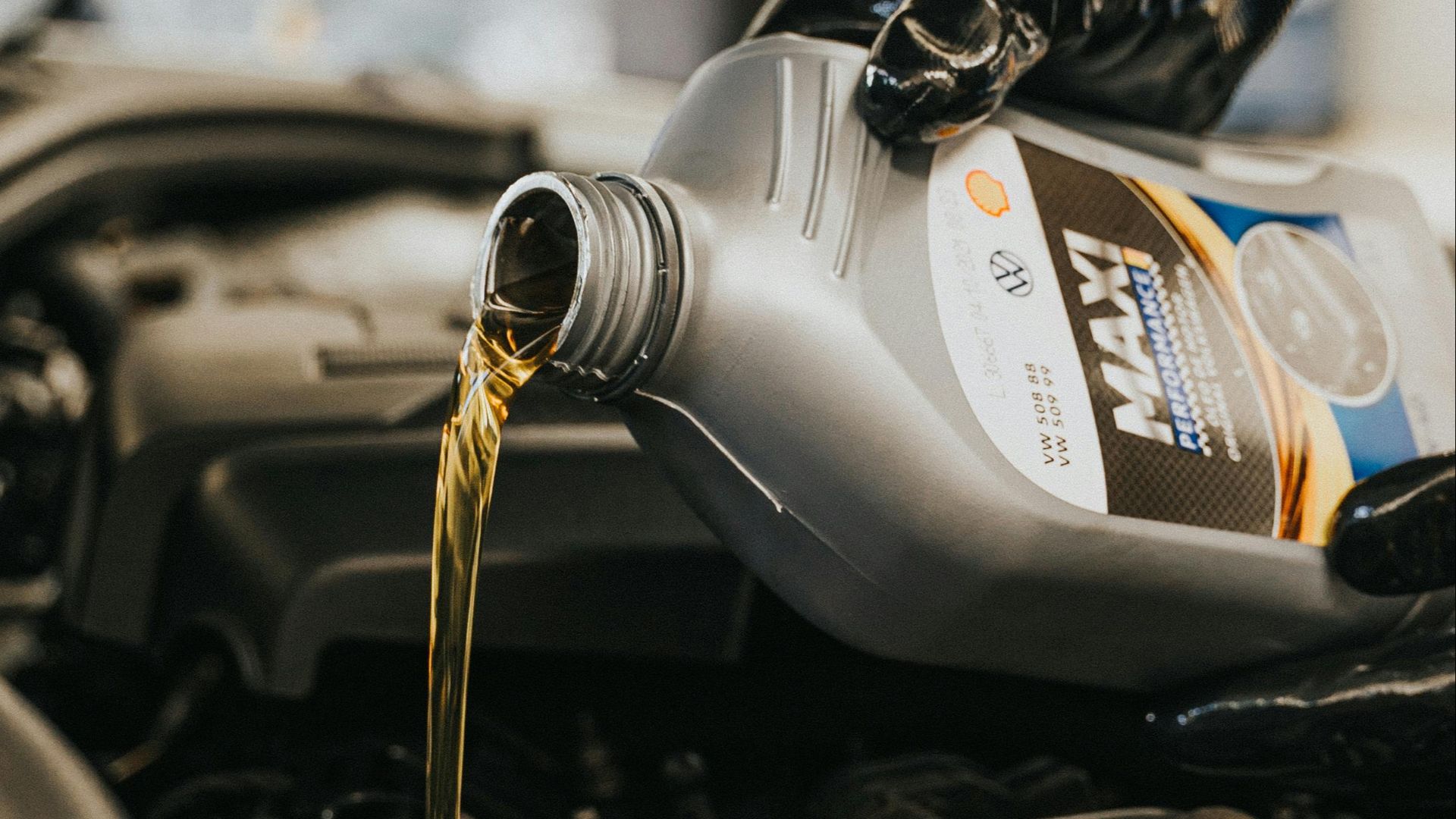
Many contracts require proof you followed the maintenance schedule. If you skip fluid services or cannot document oil changes, you can lose coverage. Keep receipts and use a shop that prints detailed invoices.
Pre-Existing Conditions Are A Common Denial
Most service contracts do not cover problems that existed before the contract started. Some add waiting periods or mileage windows before coverage begins. If the salesperson promises “instant coverage,” the contract still has the final word.

The Price Is Often Negotiable
Extended warranty pricing is frequently flexible, especially at a dealership. You can ask for a lower price, shop competing offers, or decline add-ons you do not need. You can also ask for a quote for the same plan with different deductibles.

You Can Often Buy Later
Many manufacturer-backed vehicle service contracts can be purchased after you buy the car, before the factory warranty expires. That gives you time to research without being trapped in the finance office. It also lets you compare prices from different dealers that sell the same manufacturer plan.

Cancellation Rules Are Not A Footnote
Service contracts usually include cancellation terms, including a time window for a full refund. After that, refunds are often prorated and may include fees. Read the cancellation section now, not when you are mad later.

Watch For Add-Ons Disguised As “Protection”
Some packages bundle service contracts with things like tire and wheel coverage, paint protection, or key replacement. Those might be useful, but they can also inflate the price fast. Ask for an itemized breakdown so you know what you are paying for.

What About Reliability Data
Some models have known weak points, and owners report patterns over time. Reliability surveys and complaint databases can help you estimate risk. That is where the story gets interesting, because the “worth it” answer can change by model year.

A Quick Reality Check On Risk
If you can comfortably self-insure by saving a repair fund, you might not need a contract. If you cannot, a contract can be a tool, but only if it is not loaded with exclusions. The wrong plan can be worse than no plan, because it gives you false confidence.

Questions That Expose A Bad Contract Fast
Ask if the plan pays the shop directly and how labor rates are set. Ask if it covers diagnostics, fluids, and seals and gaskets. Then ask what happens if the exact part is discontinued or on backorder.

How To Shop Like You Mean It
Get at least three quotes and compare coverage, not just price. Search for the administrator and underwriter listed in the contract, because that is who actually pays claims. Then check complaint history and ratings before you hand over a credit card.

The One Move That Saves People Most Often
Buy the car first, then decide on coverage later when you are calm. The finance office is designed to rush you. A contract that is “only available today” is usually a contract you should not buy today.

So, Are They Ever Worth It
Yes, sometimes, but the “sometimes” is doing a lot of work. Manufacturer-backed plans on cars you will keep for years can make sense when the price is fair and the terms are clear. If the contract is vague, high-pressure, or loaded with exclusions, you already know how the ending goes.