The Car That Was Supposed To Change Everything
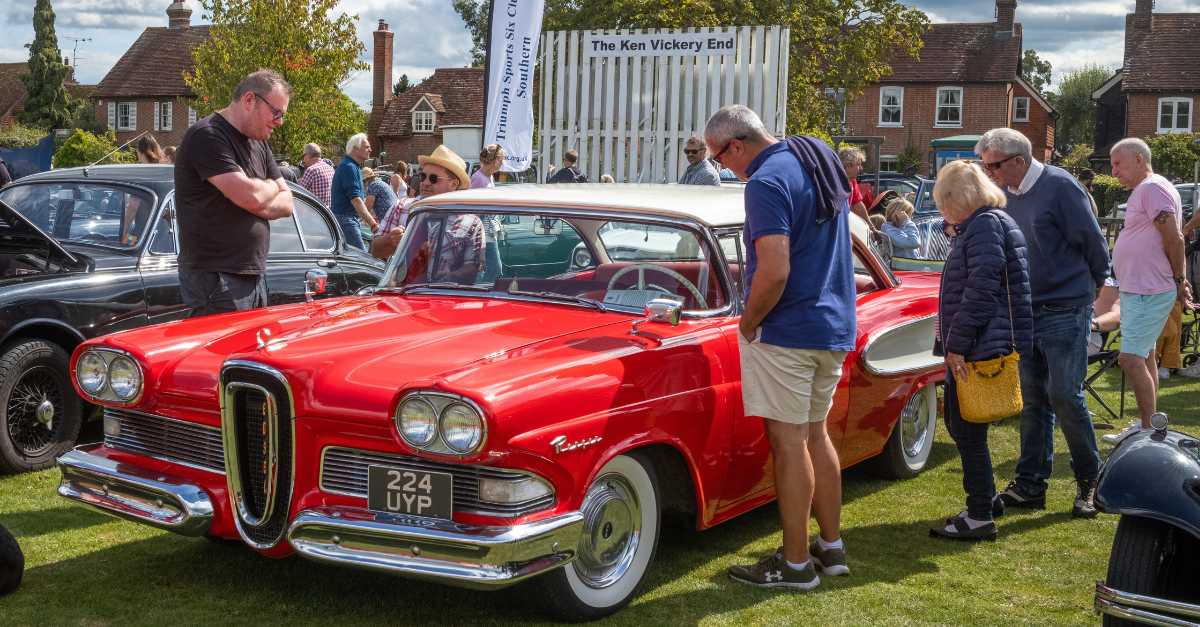
By the mid-1950s, Ford executives were convinced they needed something new to compete with General Motors. General Motors dominated the middle of the market with brands like Pontiac, Oldsmobile, and Buick, leaving Ford searching for a way to capture those buyers. The solution was a completely new car division positioned right between Ford and Mercury. That ambitious plan eventually became the Edsel—one of the most famous automotive flops ever created.
 Andy Soloman, Shutterstock.com
The Mid-Market Gap Ford Wanted To Fill
Ford believed there was a huge opportunity in the mid-priced car segment. At the time, many American families were moving up from entry-level cars but weren’t ready to pay luxury prices. General Motors had multiple brands targeting those customers, while Ford had very little presence there. Creating an entirely new brand seemed like the smartest way to compete without disrupting existing models.
Years Of Planning Before The Public Saw Anything
The Edsel project wasn’t thrown together overnight. Ford spent nearly a decade researching customer preferences, planning production, and developing the new lineup. Executives wanted the brand to feel modern and different from anything already on the road. By the time the cars were finally ready, the company had invested massive time and money into the launch.
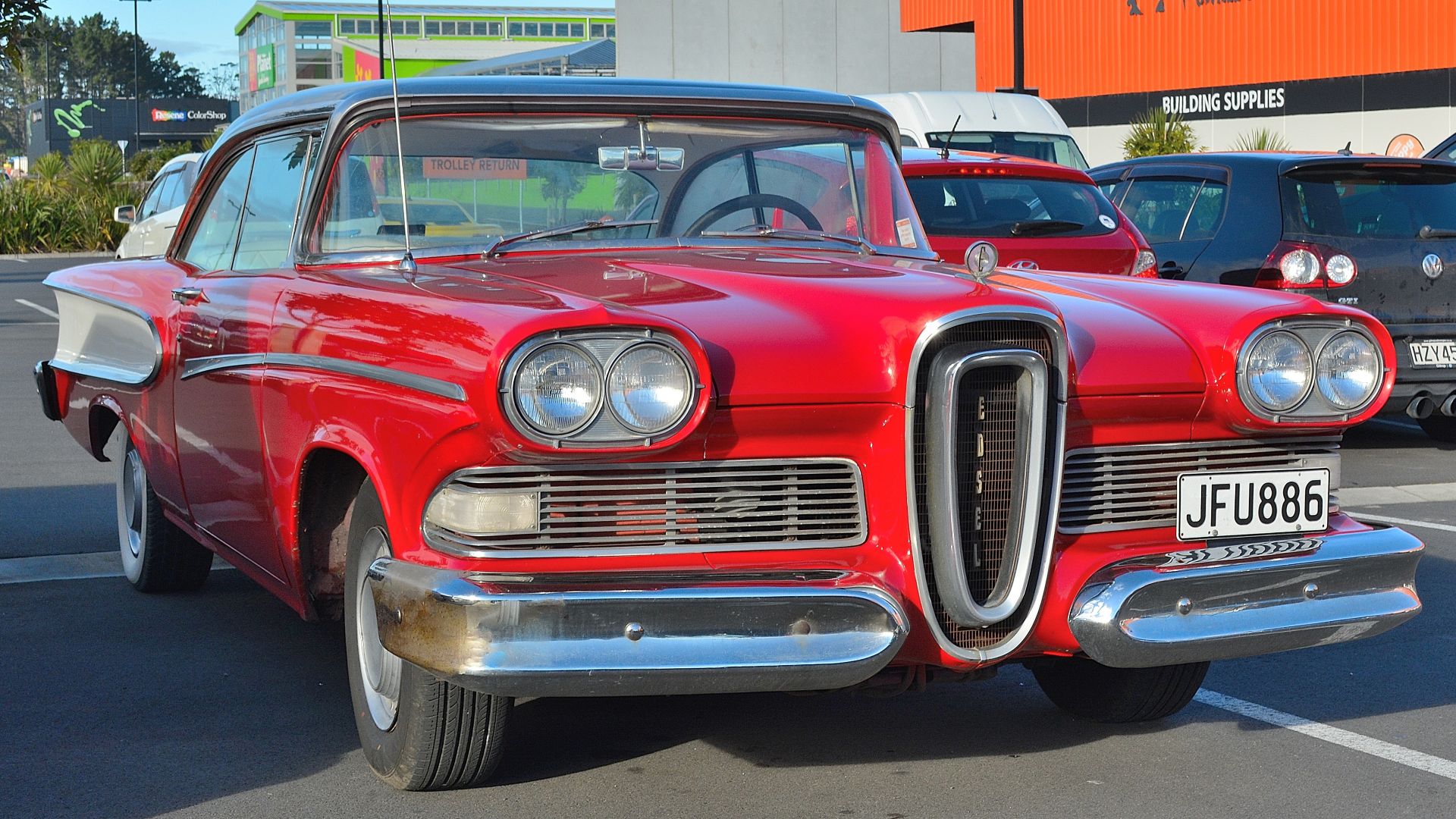 GPS 56 from New Zealand, Wikimedia Commons
A Massive Investment Raised The Pressure
Ford poured an enormous amount of money into the Edsel program. Development costs, new marketing campaigns, dealer networks, and production changes pushed the investment into the hundreds of millions of dollars. For the 1950s, that was an astonishing amount of money for a single automotive project. With that much at stake, the Edsel wasn’t just another car—it was supposed to be Ford’s next big success.
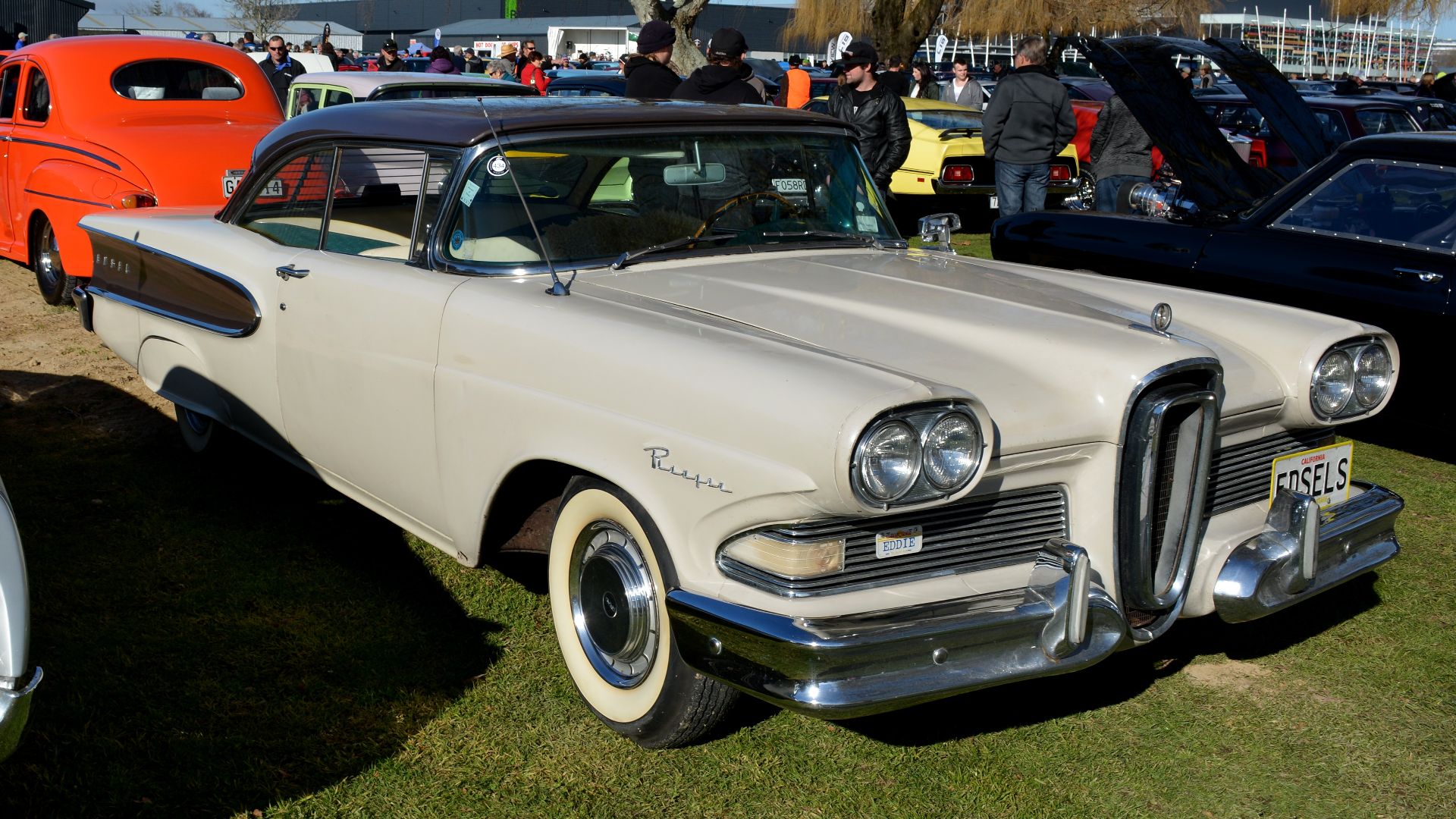 GPS 56 from New Zealand, Wikimedia Commons
The Controversial Name Choice
Naming the new brand turned out to be more difficult than expected. Ford tested thousands of possible names through marketing studies and focus groups. Eventually the company settled on “Edsel,” honoring Henry Ford’s son and former company president. While the name carried family significance, it didn’t exactly excite the public.
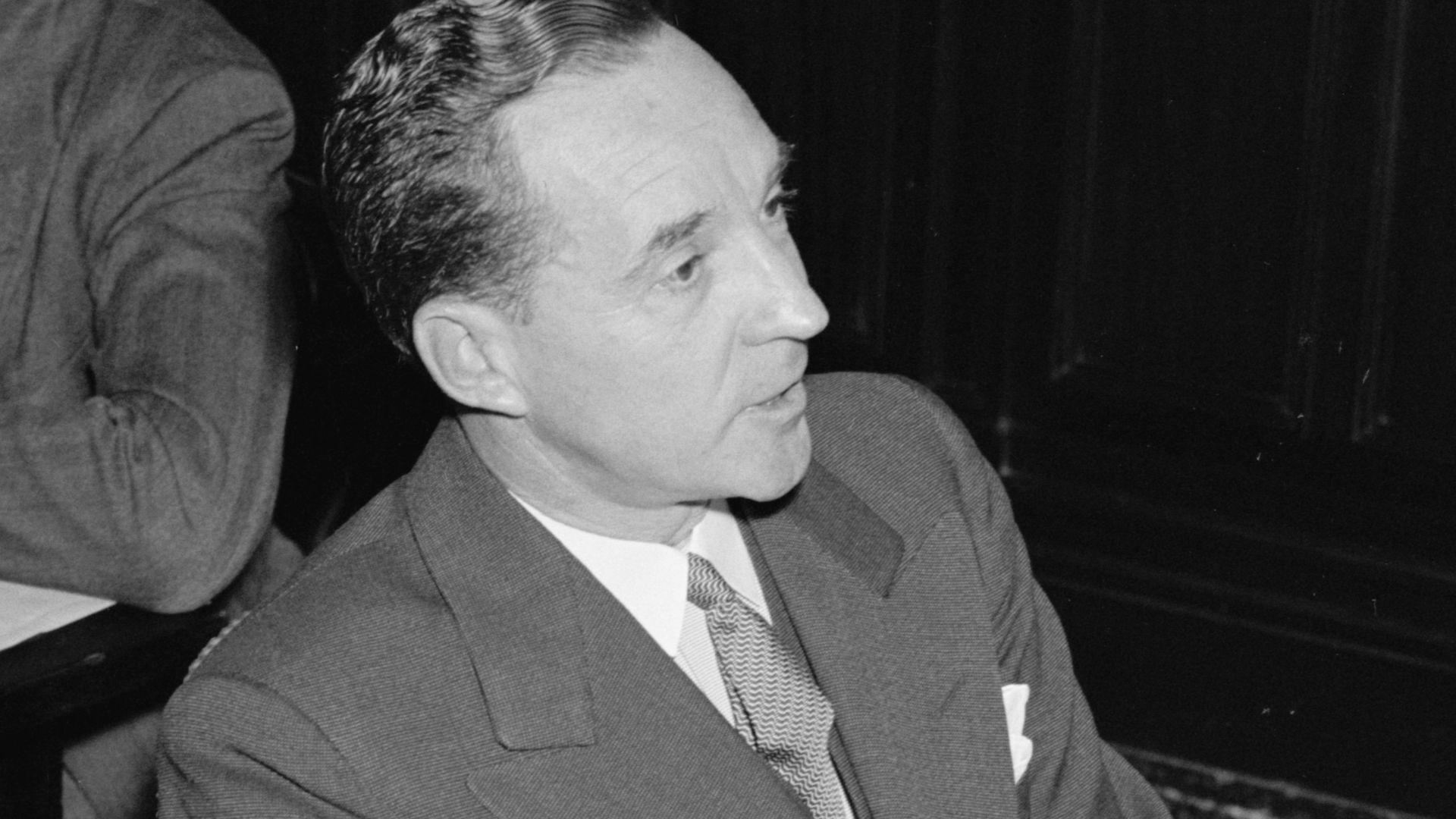 Harris & Ewing, photographer, Wikimedia Commons
A Brand Built From The Ground Up
Ford didn’t simply release a new model—it created an entirely new division. The Edsel brand had its own dealerships, marketing materials, and showroom displays. Hundreds of dealers across the country signed agreements to sell the new cars. Many of them invested heavily in their showrooms, convinced the brand would be a major success.
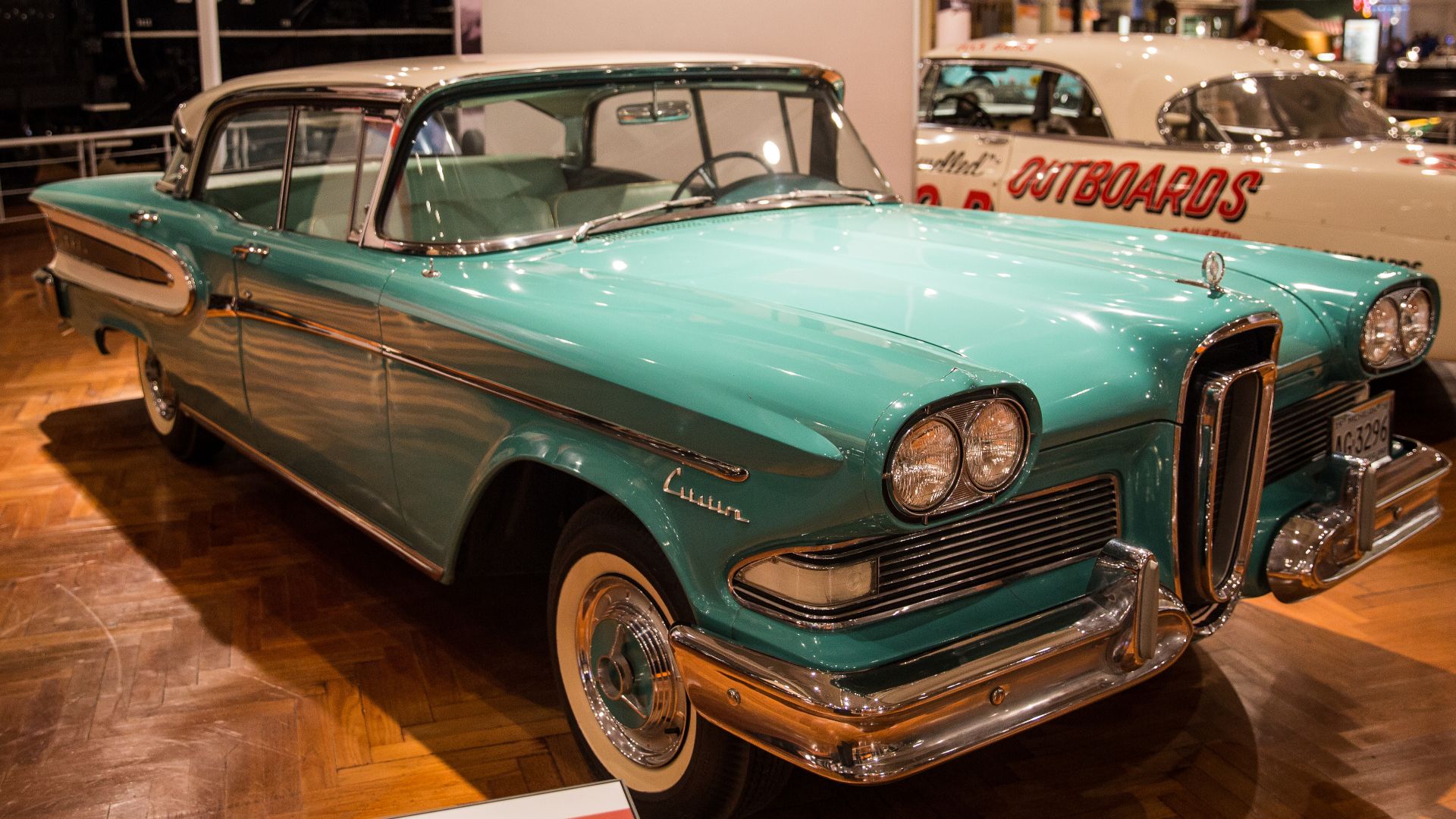 Terry Robinson, Wikimedia Commons
The Biggest Marketing Tease Of The Era
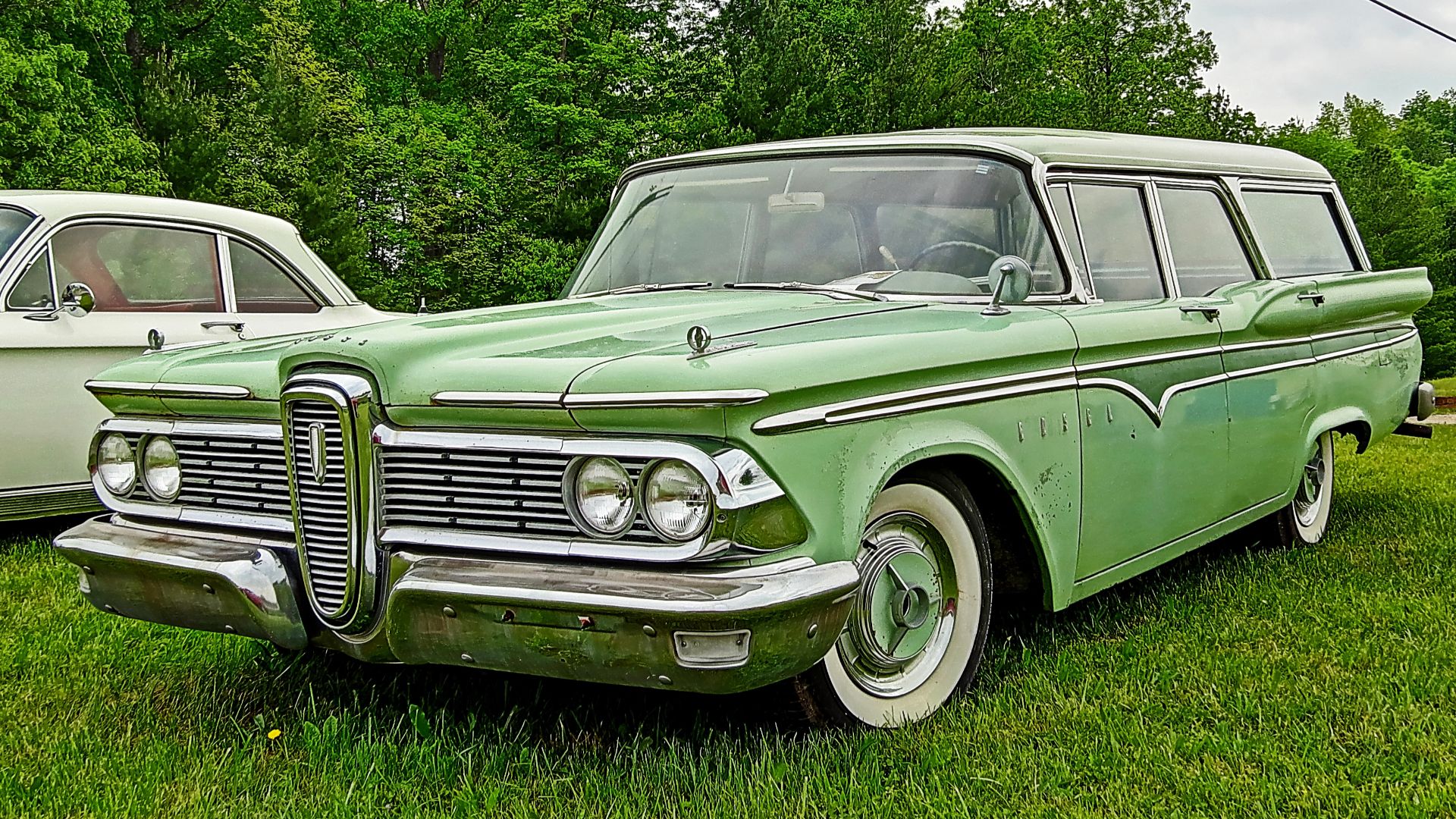
The advertising campaign behind the Edsel was enormous and deliberately mysterious. Instead of immediately showing the car, Ford teased the public with cryptic promotions asking people to wait for the big reveal. The idea was to build excitement and curiosity months before the vehicle even appeared in dealerships. It worked—people were talking about the Edsel everywhere.
 Don O'Brien, Wikimedia Commons
“E-Day” Was Designed As A National Event
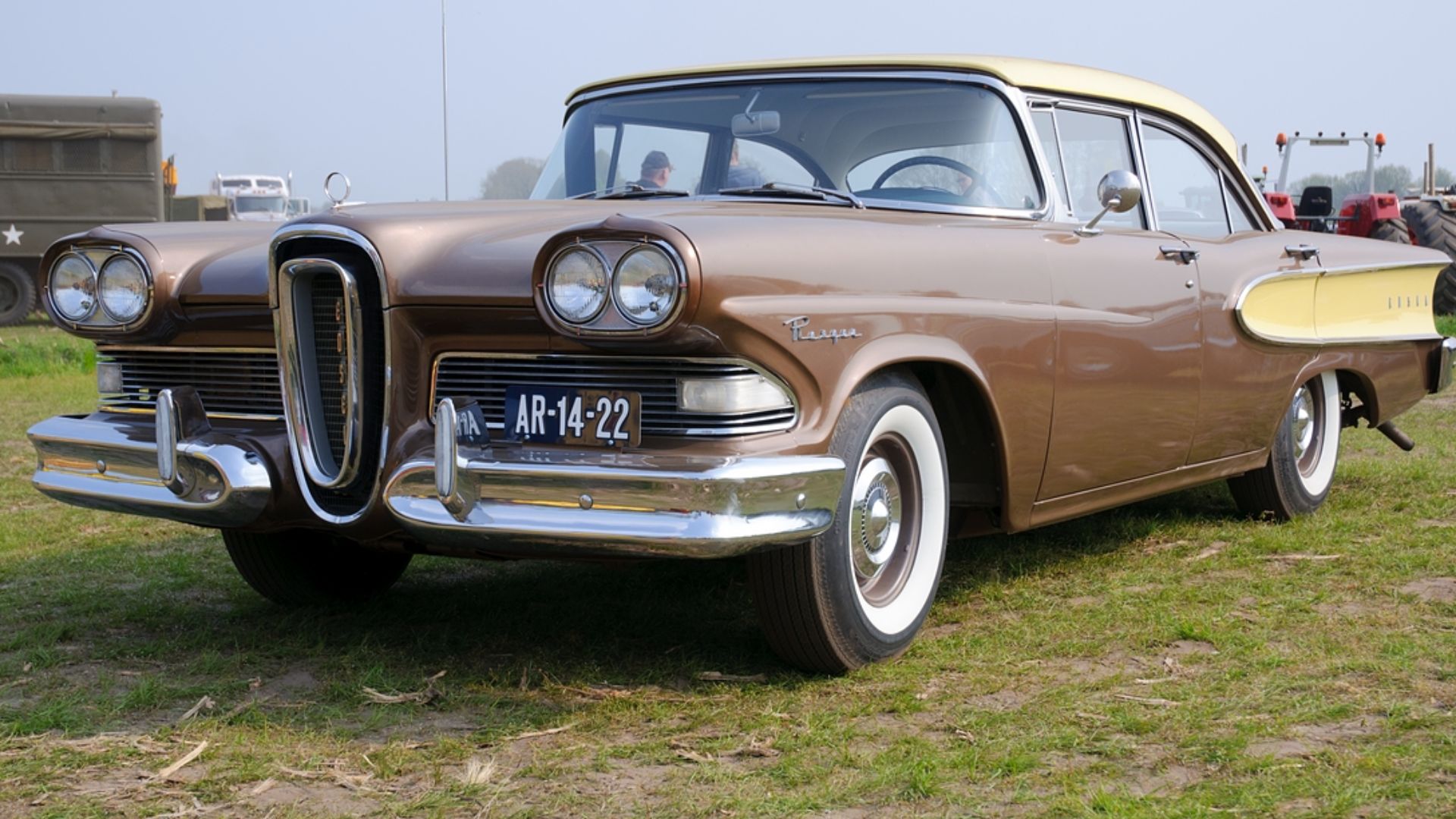
Ford officially unveiled the Edsel on September 4, 1957, in an event known as “E-Day.” Dealerships across the United States simultaneously revealed the cars while massive advertising campaigns ran in newspapers and on television. Ford expected crowds of excited customers to flood showrooms. Instead, the reaction was far more mixed than the company anticipated.
 Arend from Oosterhout, Netherlands, Wikimedia Commons
The Grille That Shocked Everyone
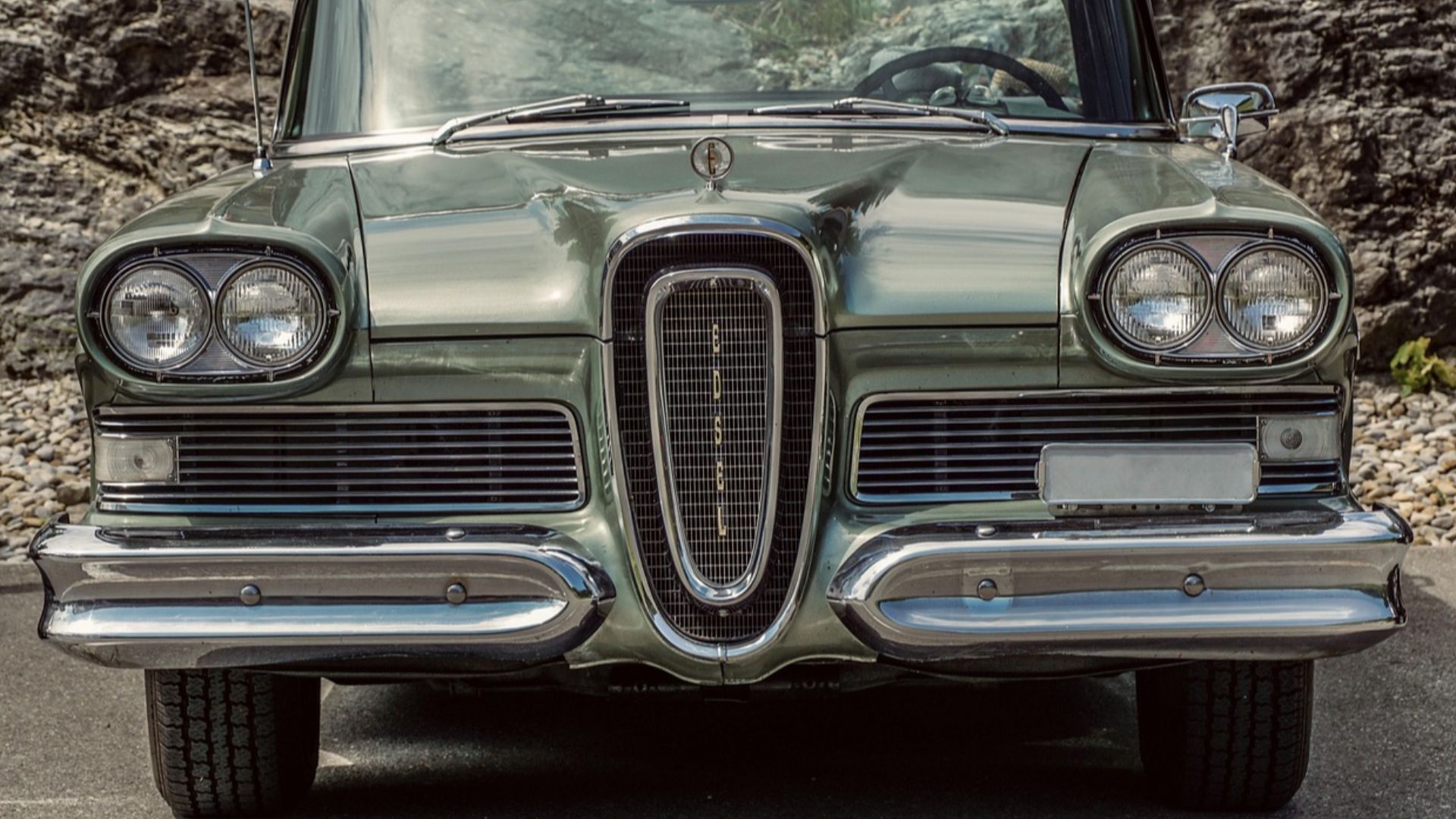
One of the first things people noticed about the Edsel was its unusual front grille. The tall, vertical oval shape was meant to give the car a bold identity. Unfortunately, many customers thought it looked awkward or unattractive. Some critics joked that the grille resembled everything from a horse collar to far less flattering comparisons.
A Design That Divided Opinions
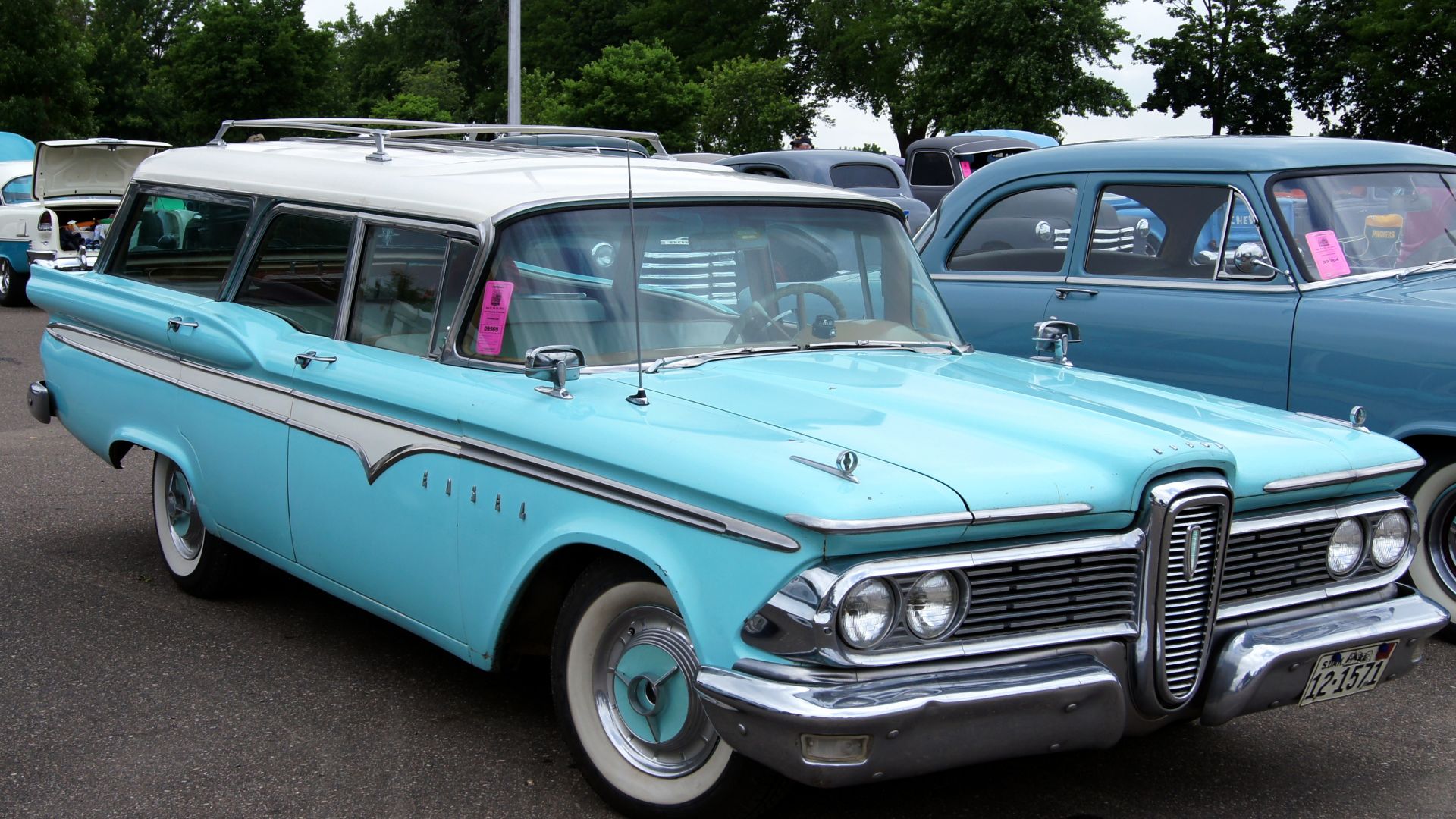
The Edsel’s styling wasn’t necessarily ugly—it was simply different from what buyers expected. During the 1950s, car design leaned heavily toward wide chrome grilles and dramatic fins. The Edsel’s vertical centerpiece broke that pattern in a way that many shoppers found strange. In an era when styling sold cars, that unusual design choice became a serious problem.
 Greg Gjerdingen from Willmar, USA, Wikimedia Commons
The Grille Wasn’t Even The Original Plan
Ironically, the controversial grille wasn’t part of the earliest design concept. Early prototypes featured a smaller opening that blended more naturally with the rest of the car. Engineering concerns about cooling eventually forced designers to enlarge it. That decision accidentally created the feature that would define—and haunt—the Edsel’s reputation.
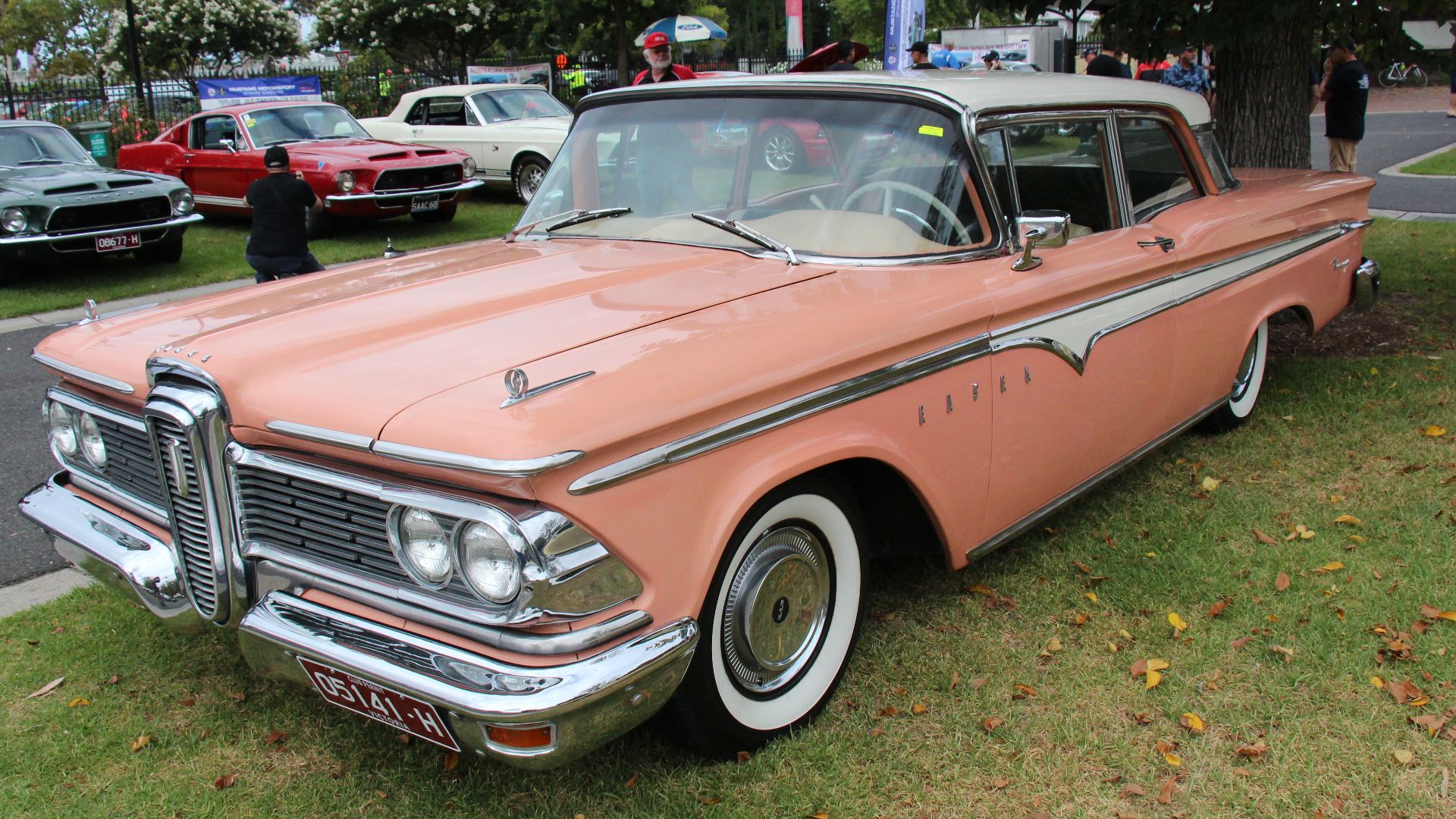
The Push-Button Transmission Experiment
Ford tried to position the Edsel as a futuristic vehicle loaded with innovation. One of the strangest features was the Teletouch push-button transmission mounted in the center of the steering wheel. Instead of a traditional gear lever, drivers selected gears by pressing buttons. The idea sounded modern, but in practice it often confused drivers.
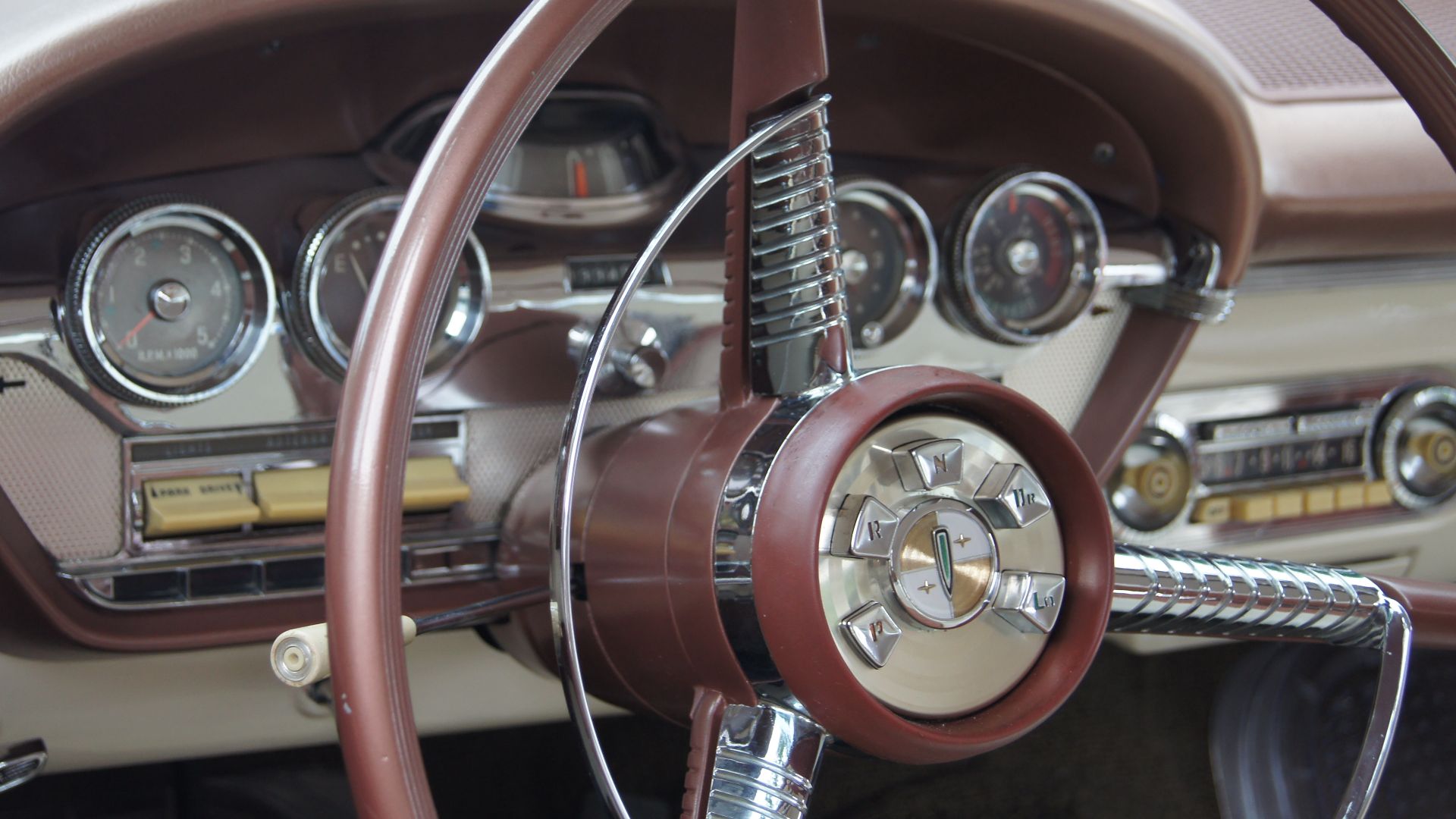 Greg Gjerdingen from Willmar, USA, Wikimedia Commons
Innovation That Backfired
The Teletouch system created unexpected problems. Some drivers accidentally shifted gears while trying to honk the horn. Others found the controls awkward or unreliable compared to traditional shifters. What was supposed to feel futuristic ended up feeling unnecessarily complicated.
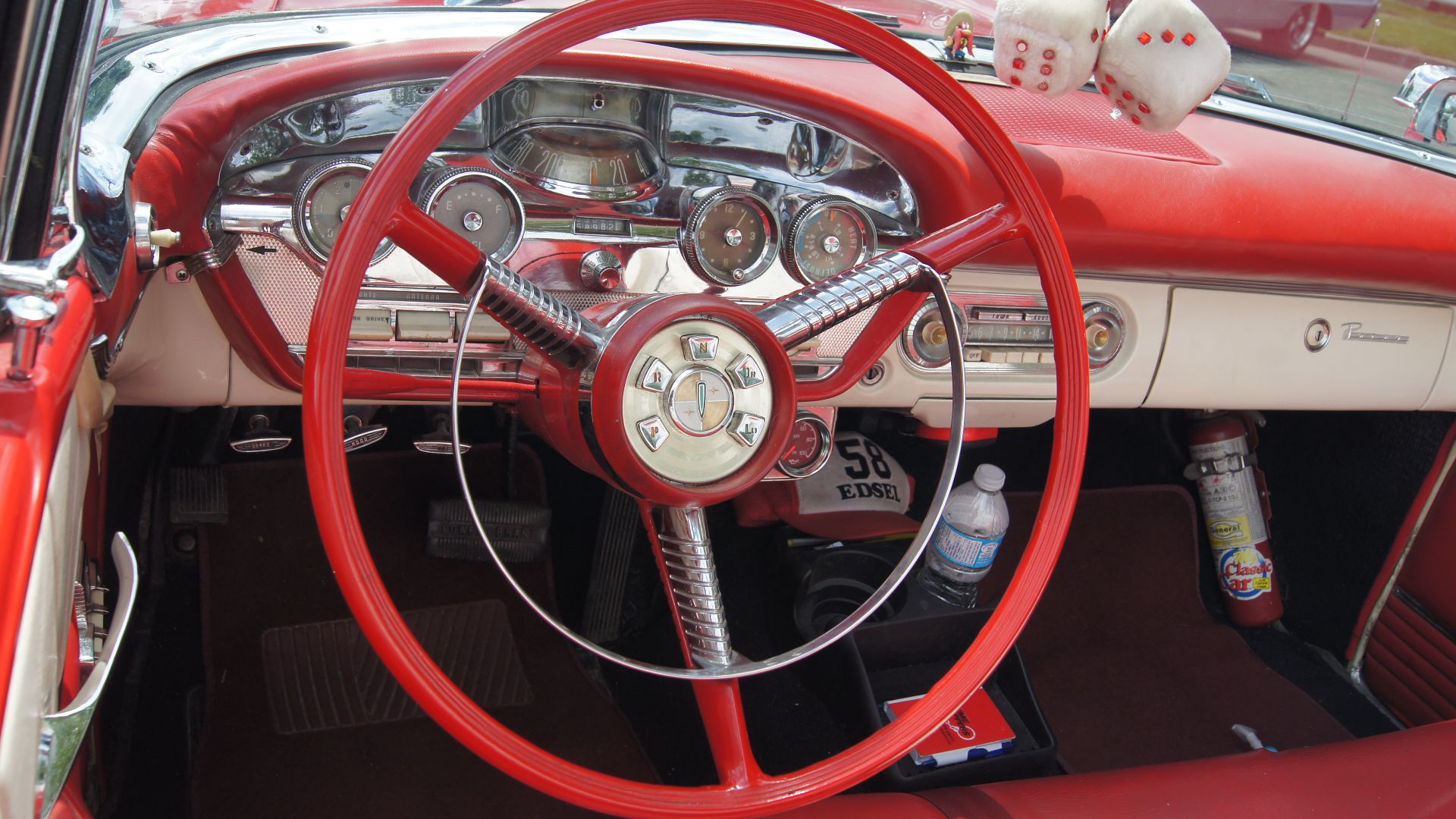 Greg Gjerdingen from Willmar, USA, Wikimedia Commons
Early Quality Problems Hurt The Launch
The first Edsel models also suffered from production issues. Because the cars were built in multiple factories alongside other Ford vehicles, assembly quality sometimes varied. Early buyers reported mechanical issues and poorly fitted parts. Once those stories started spreading, the brand’s reputation quickly took a hit.
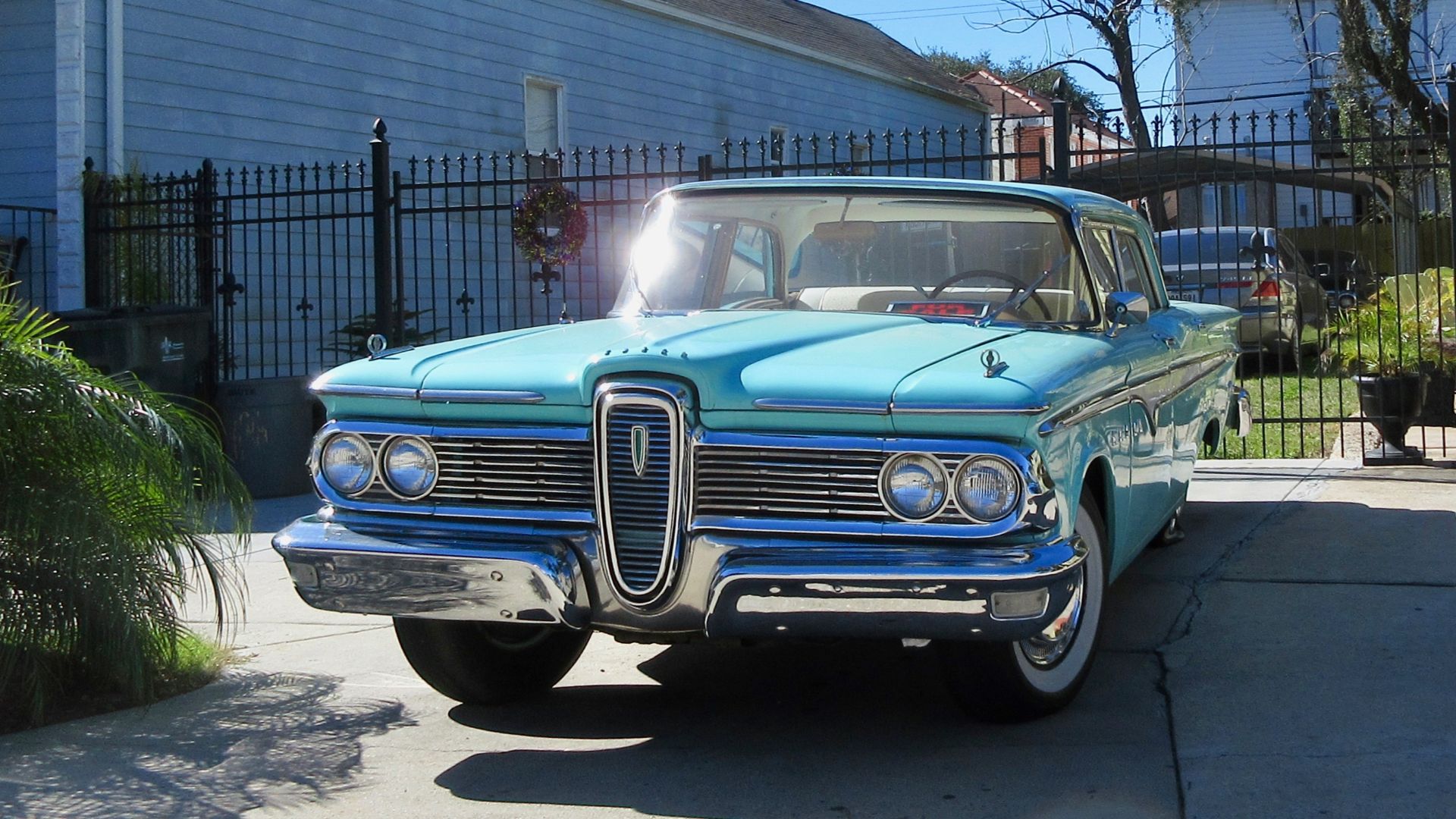 Infrogmation, Wikimedia Commons
Marketing Promises That Set Expectations Too High
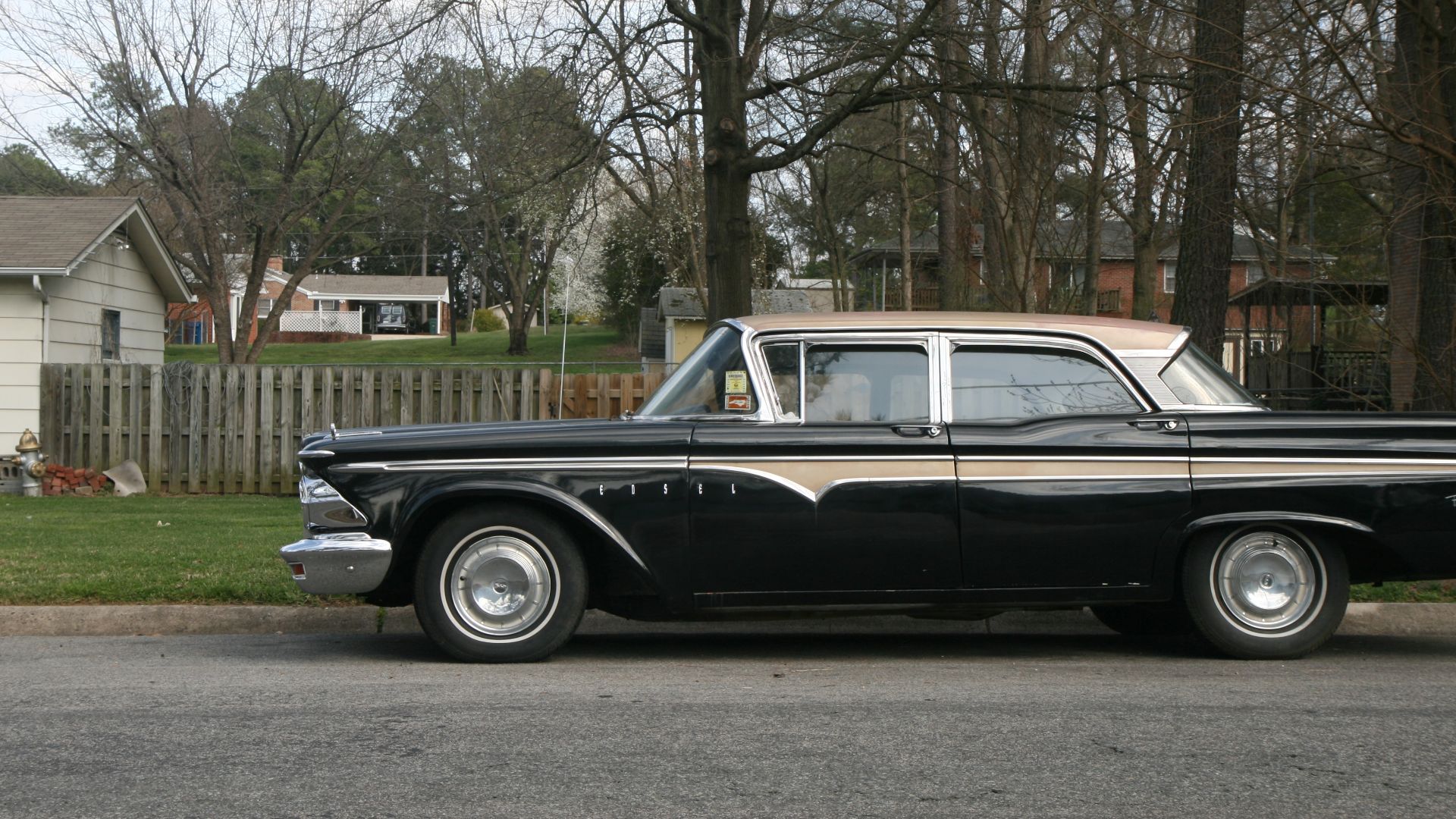
Ford’s advertising campaign created enormous expectations for the Edsel. Commercials suggested the car represented a revolutionary leap forward for the auto industry. When customers finally saw it in person, many realized it was simply another mid-sized American car with a few unusual features. That gap between hype and reality disappointed potential buyers.
 Ildar Sagdejev (Specious), Wikimedia Commons
The Recession That Changed Everything
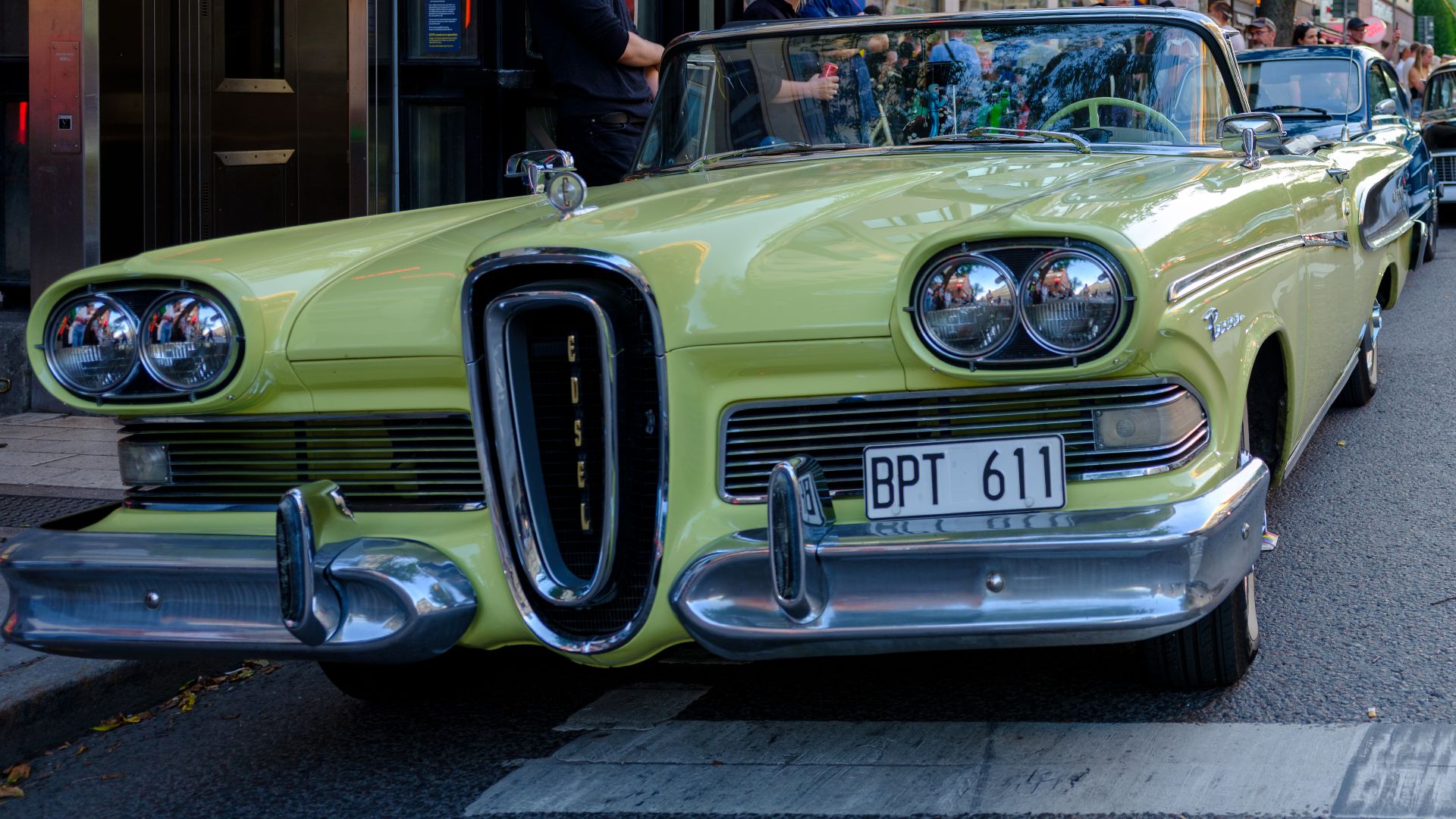
Timing turned out to be another major factor in the Edsel’s failure. Just as the car debuted, the United States entered a recession that slowed new car sales. Consumers became more cautious with spending, especially when it came to mid-priced vehicles. The market Ford had carefully targeted suddenly began shrinking.
A Segment That Was Losing Popularity
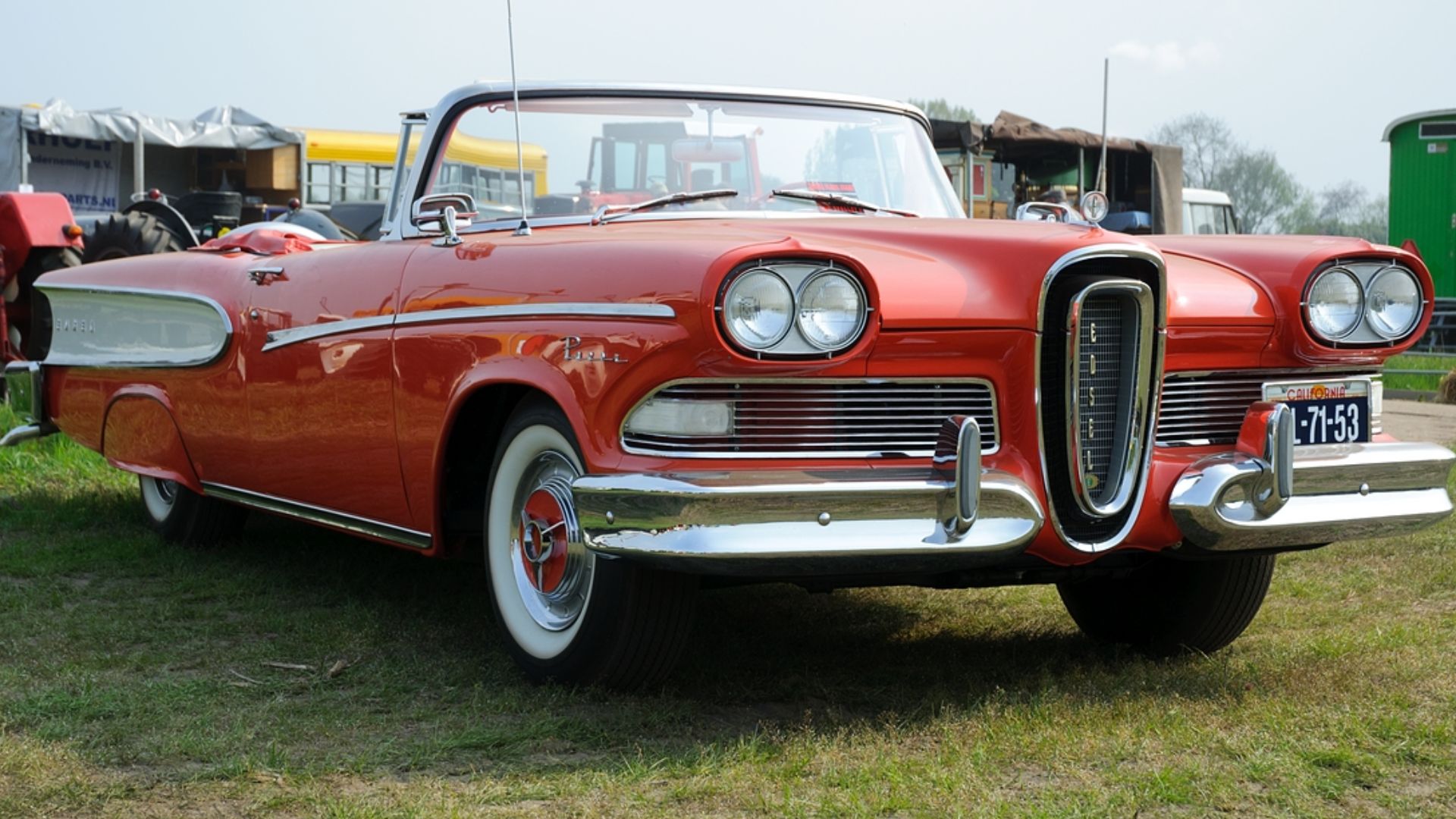
When the Edsel project started earlier in the decade, mid-priced cars were booming. By the late 1950s, buyer preferences had shifted dramatically. Many customers either chose cheaper compact cars or moved up to more luxurious models. That shift left the Edsel stuck in a shrinking and uncertain market.
 Arend from Oosterhout, Netherlands, Wikimedia Commons
Internal Competition Within Ford
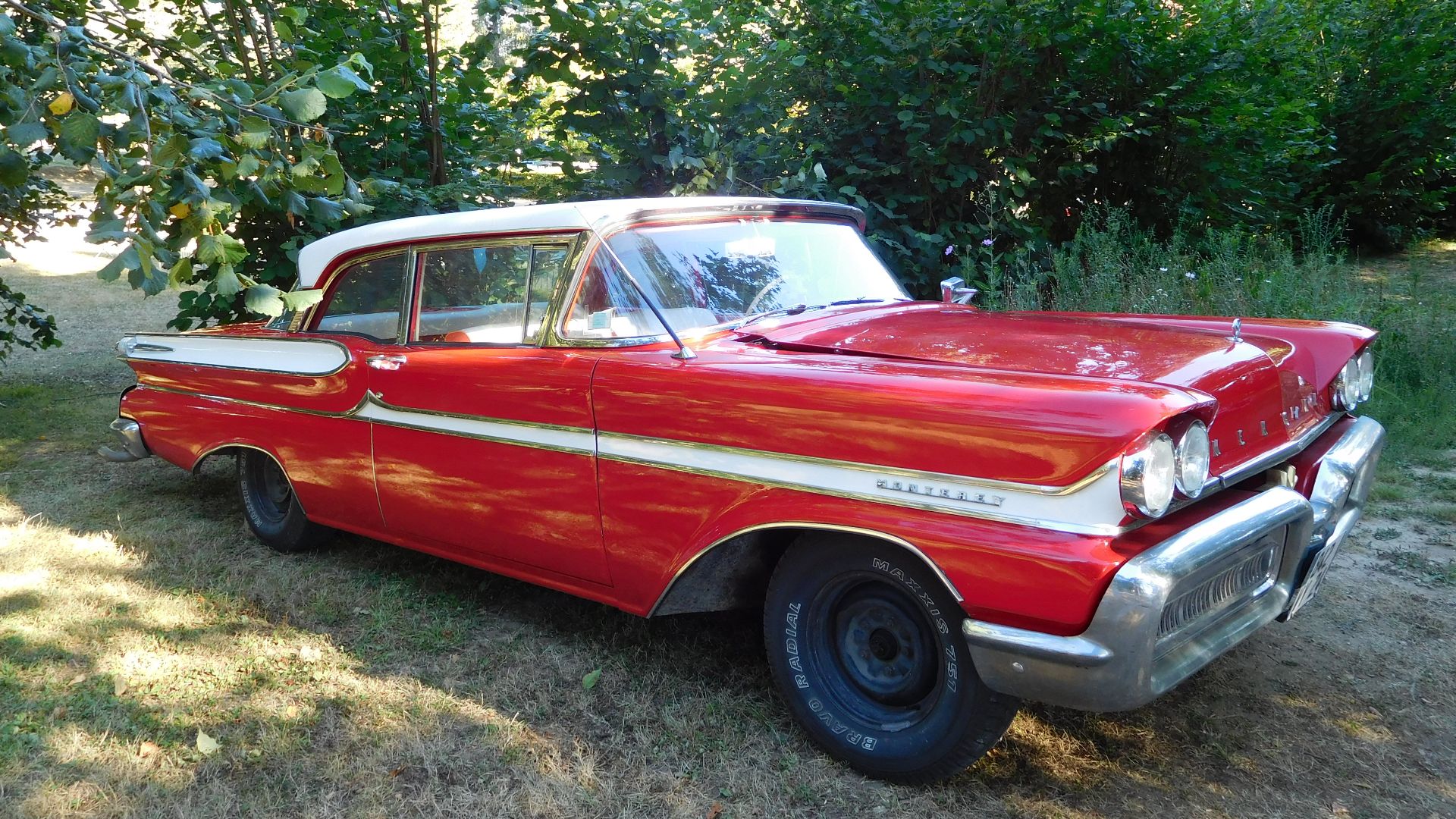
The Edsel also faced unexpected competition from within Ford itself. Many Edsel models overlapped in price with Ford and Mercury vehicles already on the market. Customers comparing the cars sometimes struggled to understand why they should choose the unfamiliar brand. In many cases, they simply stuck with the names they already trusted.
Dealers Struggled To Explain The Brand
Dealerships found themselves in a difficult position once sales slowed. Customers walked in curious about the mysterious new car but often left confused about where it fit in the lineup. Was it a luxury vehicle, a family sedan, or something in between? That identity problem made selling the Edsel far harder than Ford had predicted.
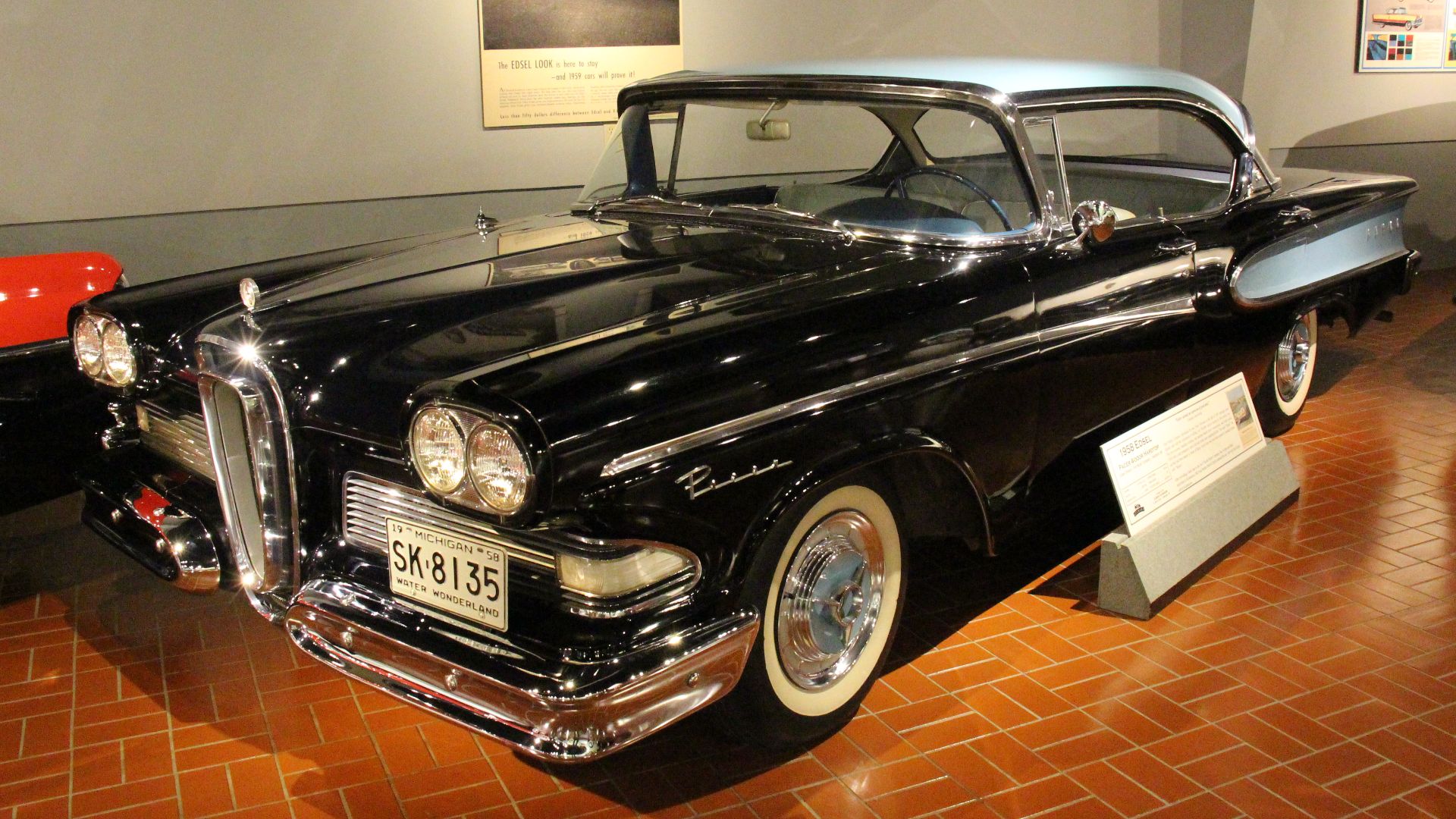
Sales Fell Far Below Expectations
Ford expected the Edsel to become a major pillar of its business. Instead, sales numbers came nowhere close to the company’s projections. The brand sold far fewer vehicles than anticipated during its short lifespan. For a project that cost hundreds of millions of dollars, the disappointing numbers were impossible to ignore.
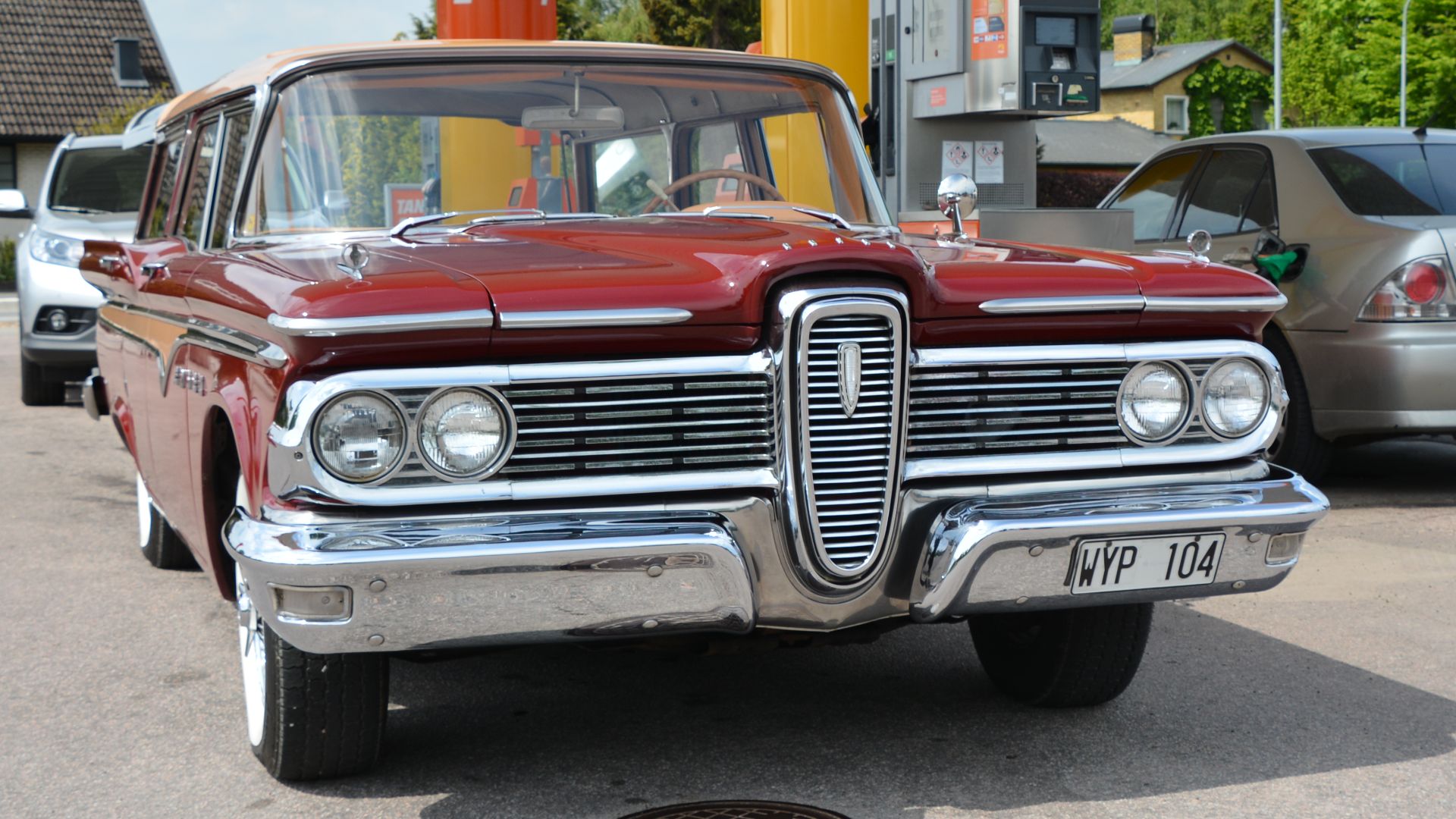 Bengt Oberger, Wikimedia Commons
The Brand Vanished Almost Overnight
By 1959, Ford executives made the difficult decision to cancel the Edsel brand entirely. The experiment had lasted only a few short years after its highly publicized debut. Dealers who had invested in the brand suddenly found themselves without a product to sell. The once-hyped Edsel quietly disappeared from showrooms.
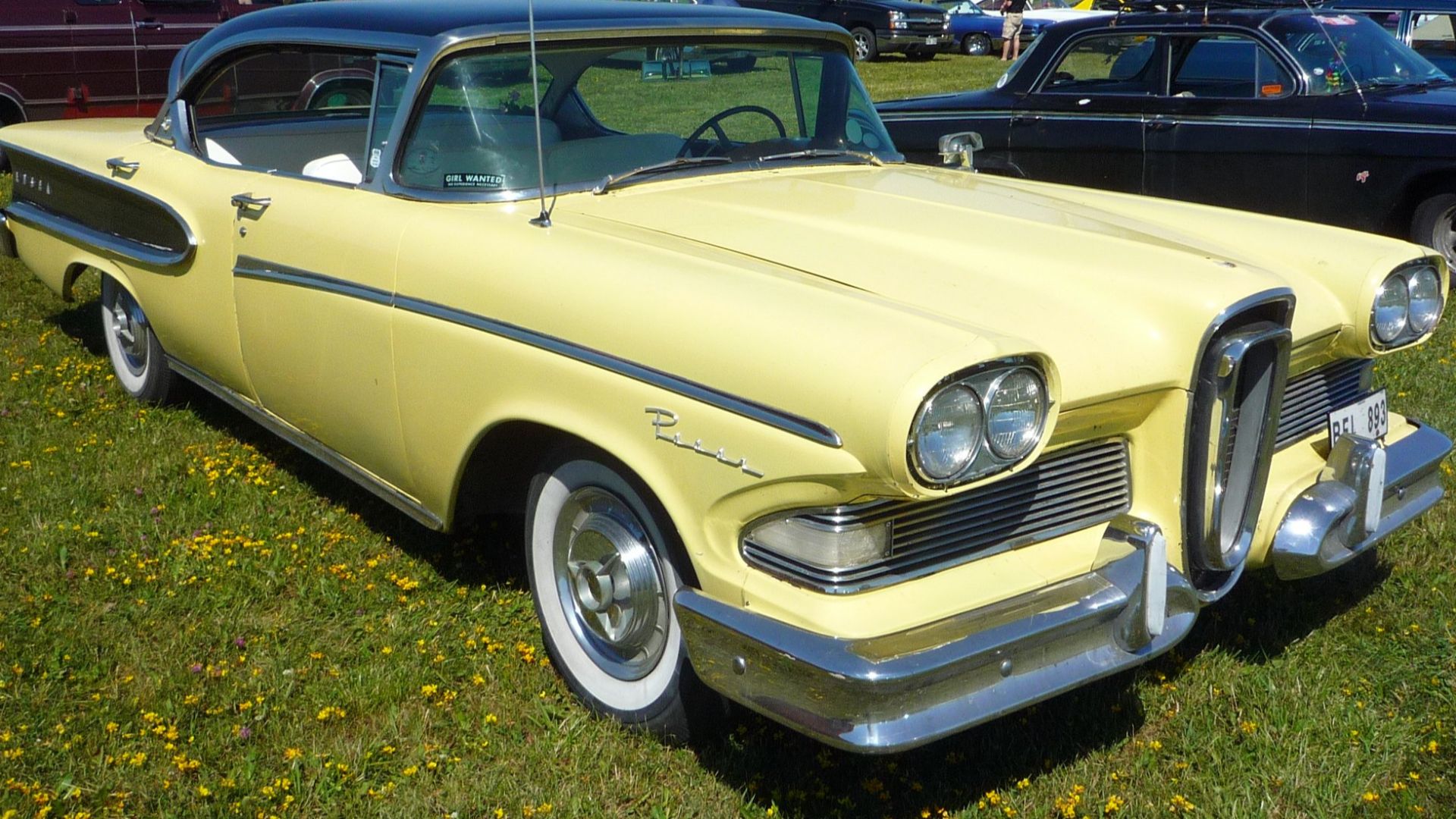 Michael Spiller from Bradford, UK, Wikimedia Commons
How The Edsel Became A Legend Of Failure
Even decades later, the Edsel remains one of the most famous product failures in business history. The car itself wasn’t necessarily terrible, but the combination of hype, design controversy, bad timing, and marketing mistakes created a perfect storm. Today, the word “Edsel” is often used as shorthand for a spectacular flop. Ironically, the story also serves as one of the auto industry’s most valuable cautionary tales.
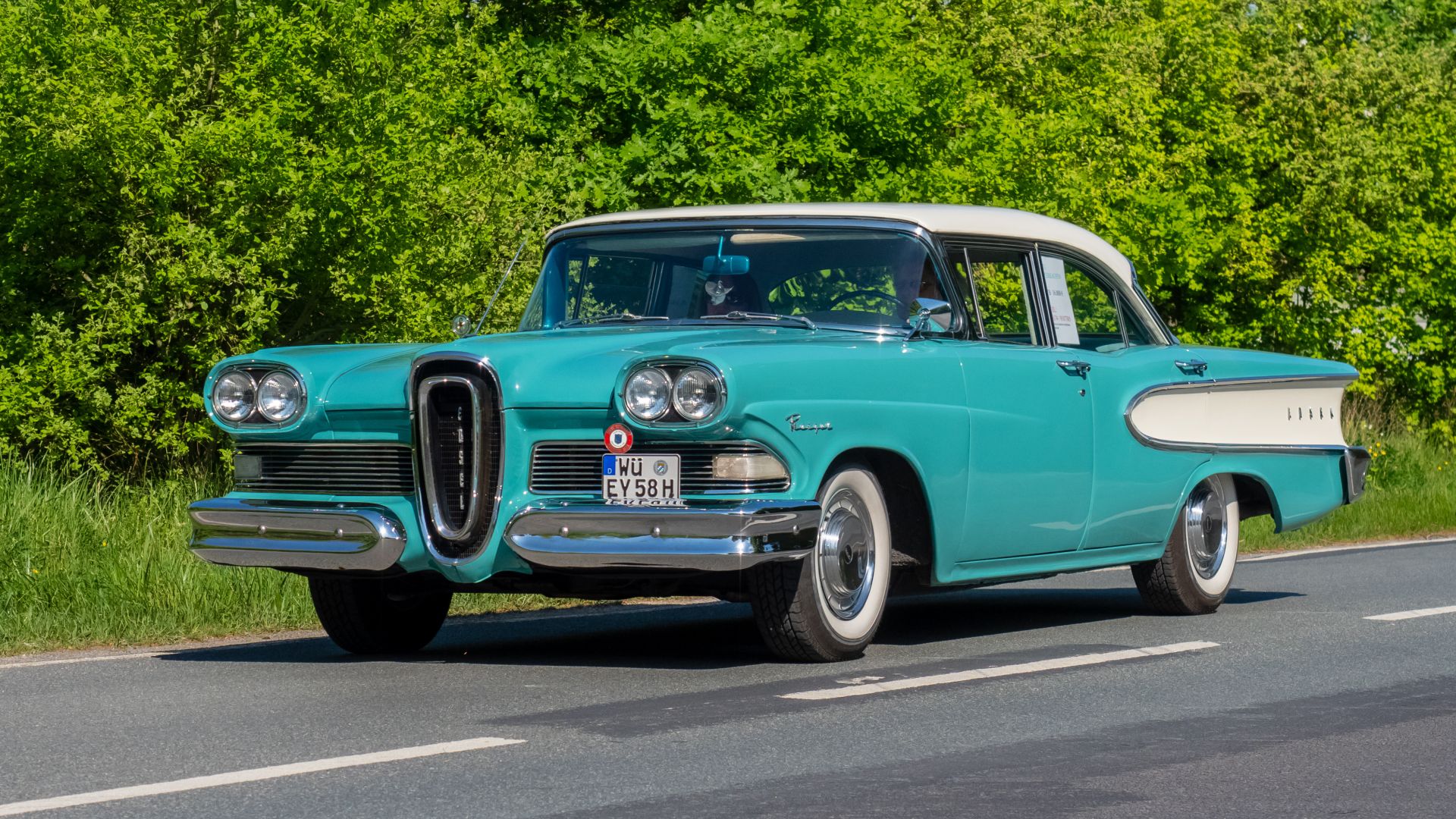
You May Also Like:
Review Of The 1957 Ford Thunderbird: A Timeless American Icon