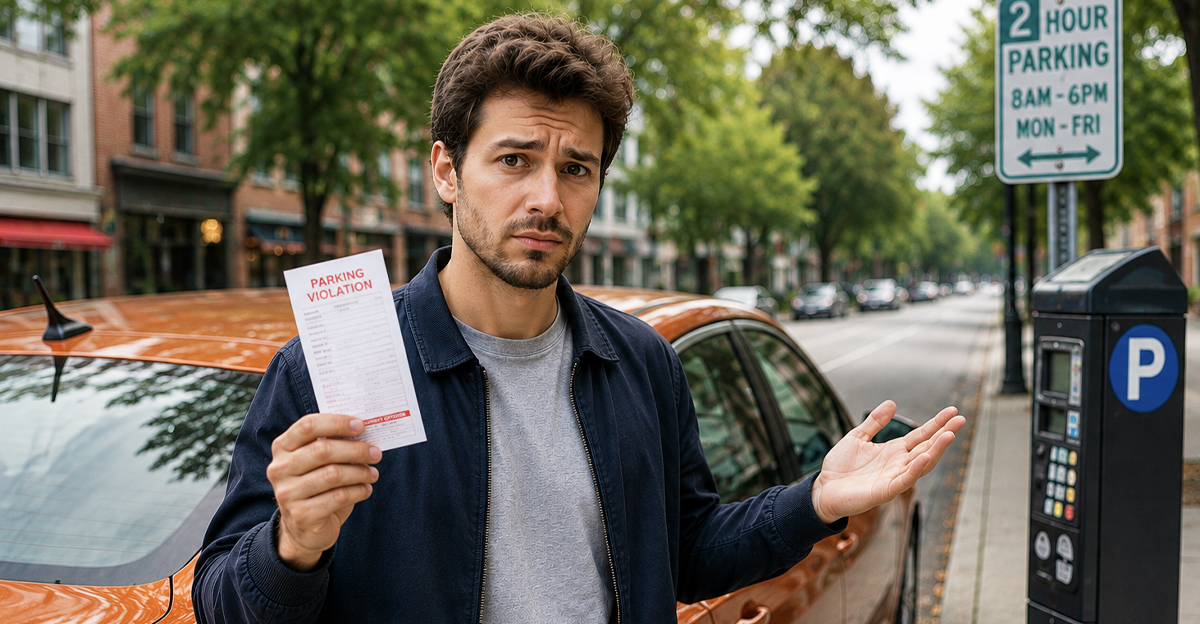
I Followed The Rules, So Why Did I Get A Parking Ticket?
Few things are more frustrating than returning to your car and finding a parking ticket when you're convinced you parked legally. Maybe you paid the meter, followed the posted signs, or parked in a spot that appeared completely valid. Now you're stuck with a fine for something you don't think you did wrong. The good news is that parking tickets are not automatically correct, and many jurisdictions provide formal processes for challenging citations when mistakes happen.
Start By Reading The Ticket Carefully
Before doing anything else, review the citation closely. Check the date, time, location, vehicle description, license plate number, violation code, and officer notes if available. Small errors do not always invalidate a ticket, but they can sometimes help support a challenge. More importantly, understanding exactly what violation is being alleged is essential before building your case.

Determine Why The Ticket Was Issued
Many drivers focus on why they believe they parked legally without first understanding why the enforcement officer disagreed. The ticket should identify a specific violation such as expired meter time, prohibited parking hours, permit violations, street-cleaning restrictions, loading-zone misuse, or other infractions. Knowing the exact allegation helps you gather the right evidence.

Take Photos Immediately If Possible
If you discover the ticket while still at the location, take photographs right away. Capture the vehicle's position, nearby signs, parking meters, curb markings, payment kiosks, permit displays, and surrounding area. Conditions can change quickly, and photos taken later may not accurately reflect what existed when the ticket was issued.

Parking Signs Cause Many Disputes
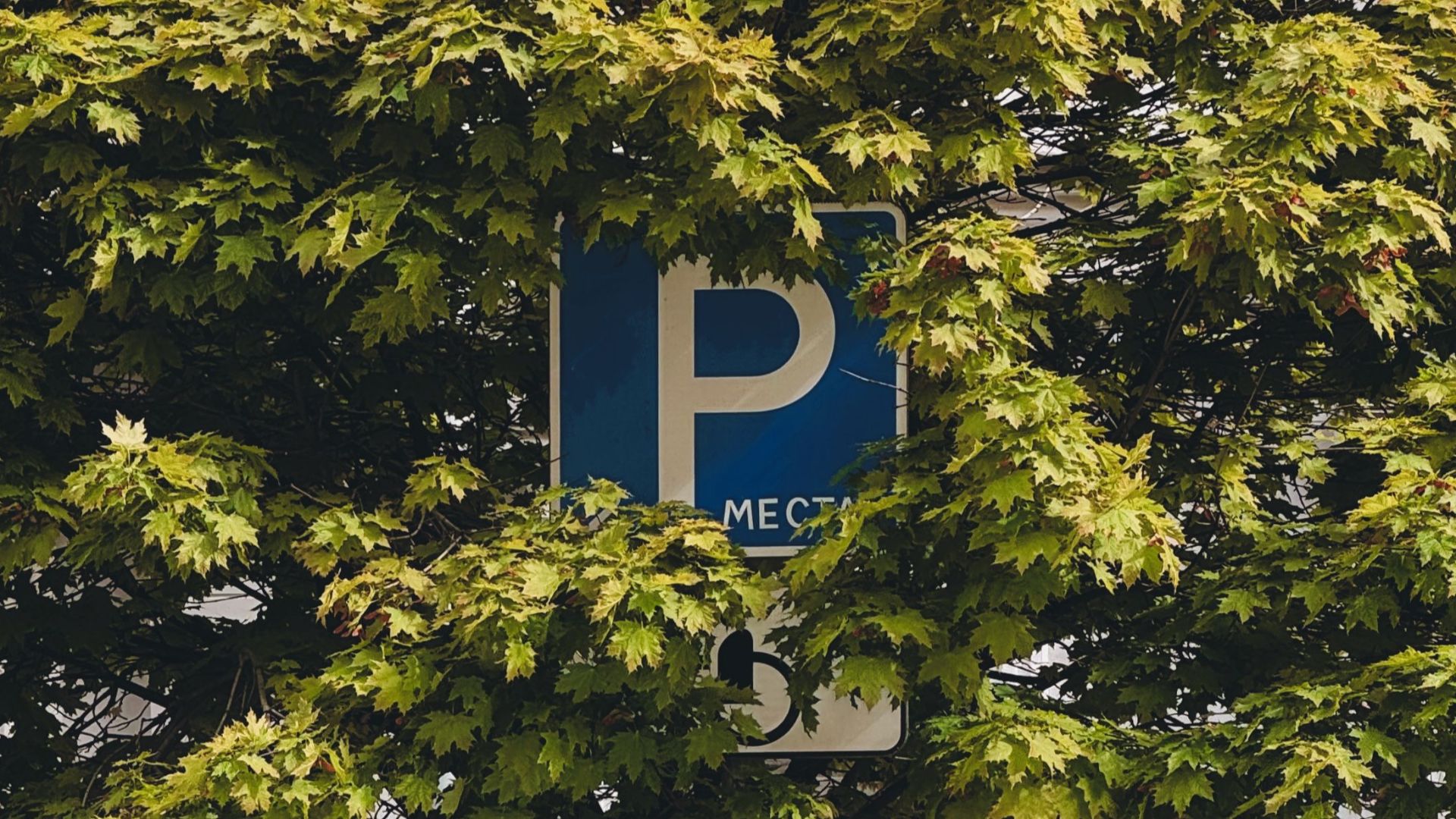
One of the most common sources of parking ticket challenges involves confusing or inadequate signage. Signs may be blocked by trees, positioned far from the parking space, obscured by construction, vandalized, damaged, or difficult to interpret. Clear photographs of the signage situation can become valuable evidence.
Meter Problems Do Happen
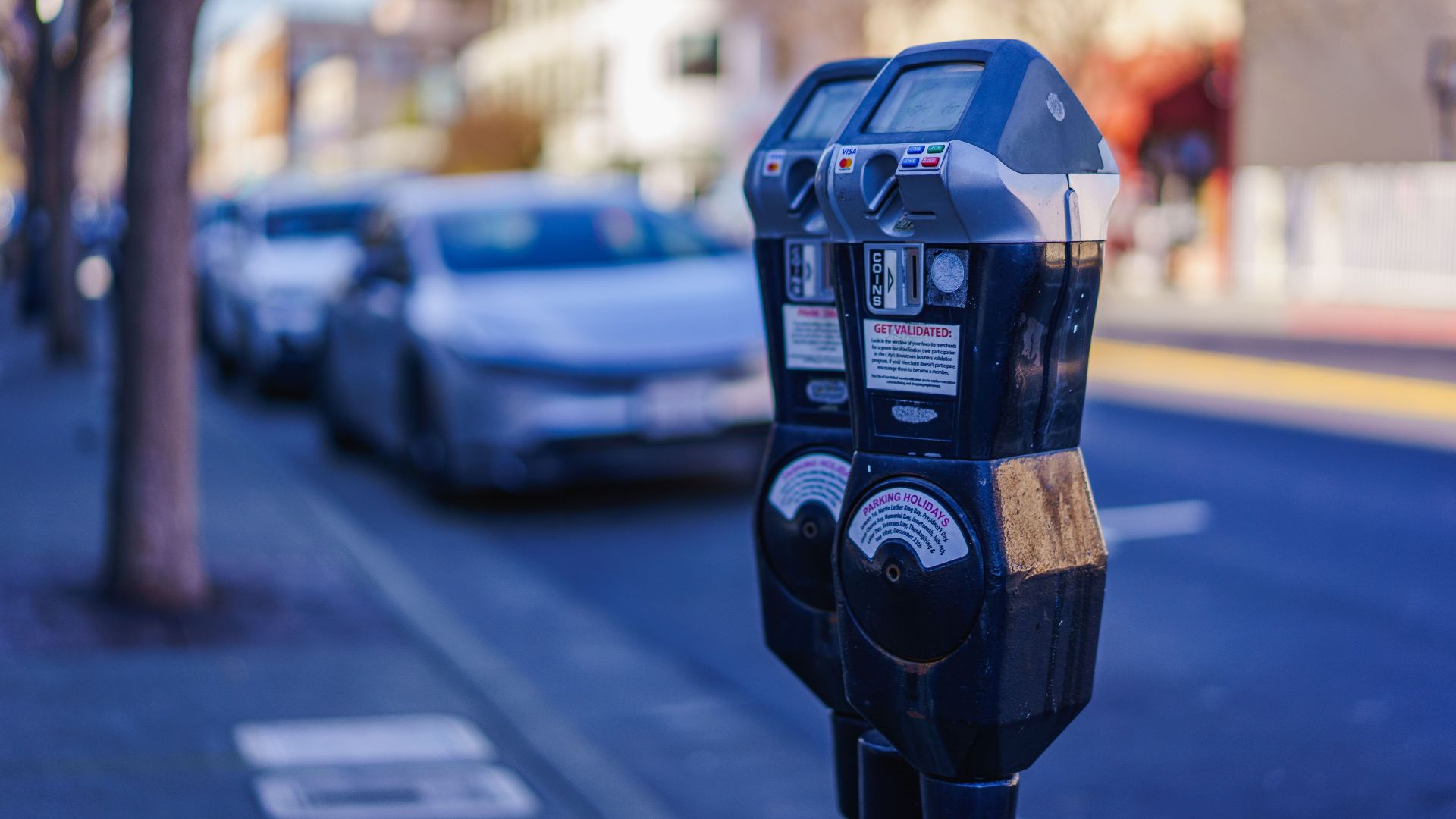
Parking meters and payment kiosks occasionally malfunction. Machines can fail to accept payment, display incorrect information, lose connectivity, or generate incomplete transactions. If a meter problem contributed to the ticket, document everything you can. Screenshots, receipts, and photographs may help support your claim.
Save Your Payment Records
If you paid for parking, preserve proof of payment immediately. Receipts, payment-app confirmations, bank records, credit-card transactions, text messages, and email confirmations can all help establish that you paid for the parking session. Many successful appeals rely heavily on payment records.

Mobile Parking Apps Create Useful Evidence
Modern parking apps often generate detailed records showing payment times, location information, and transaction numbers. These records can be particularly persuasive because they are timestamped automatically. If you paid through an app, save screenshots before the information becomes harder to access.

Double-Check The License Plate
Parking officers occasionally enter the wrong license plate number. A simple data-entry mistake can result in a citation being attached to the wrong vehicle. Compare every detail on the ticket to your actual vehicle information. Errors involving the vehicle itself can sometimes strengthen an appeal.

Time Restrictions Can Be Complicated
Many parking areas have layered restrictions that change depending on the day, time, permit status, or special events. Drivers sometimes focus on one sign while missing another nearby. Before disputing the ticket, make sure you've fully reviewed all applicable restrictions. Understanding the complete parking rules helps avoid weak arguments.
Construction Zones Can Create Confusion
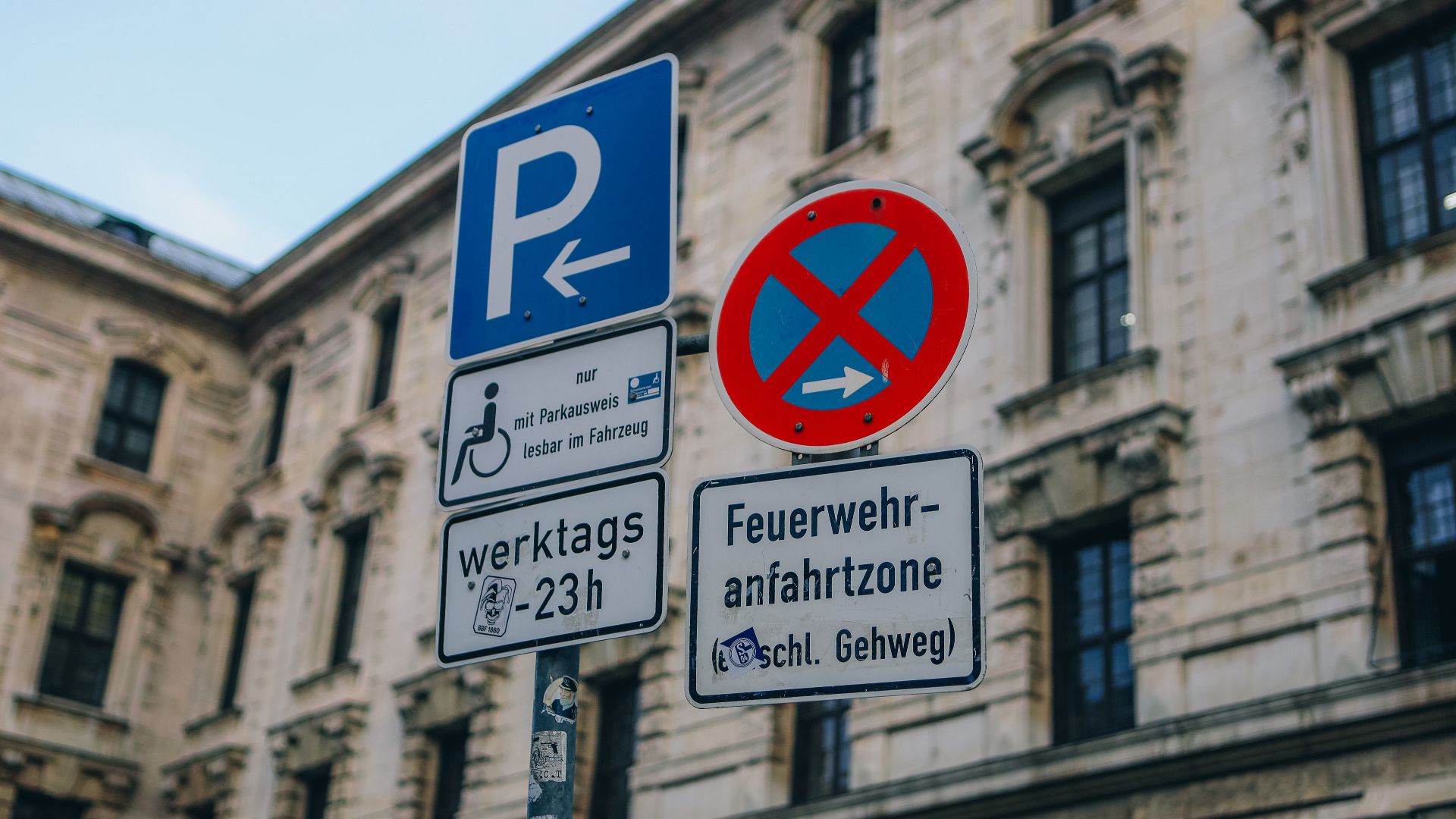
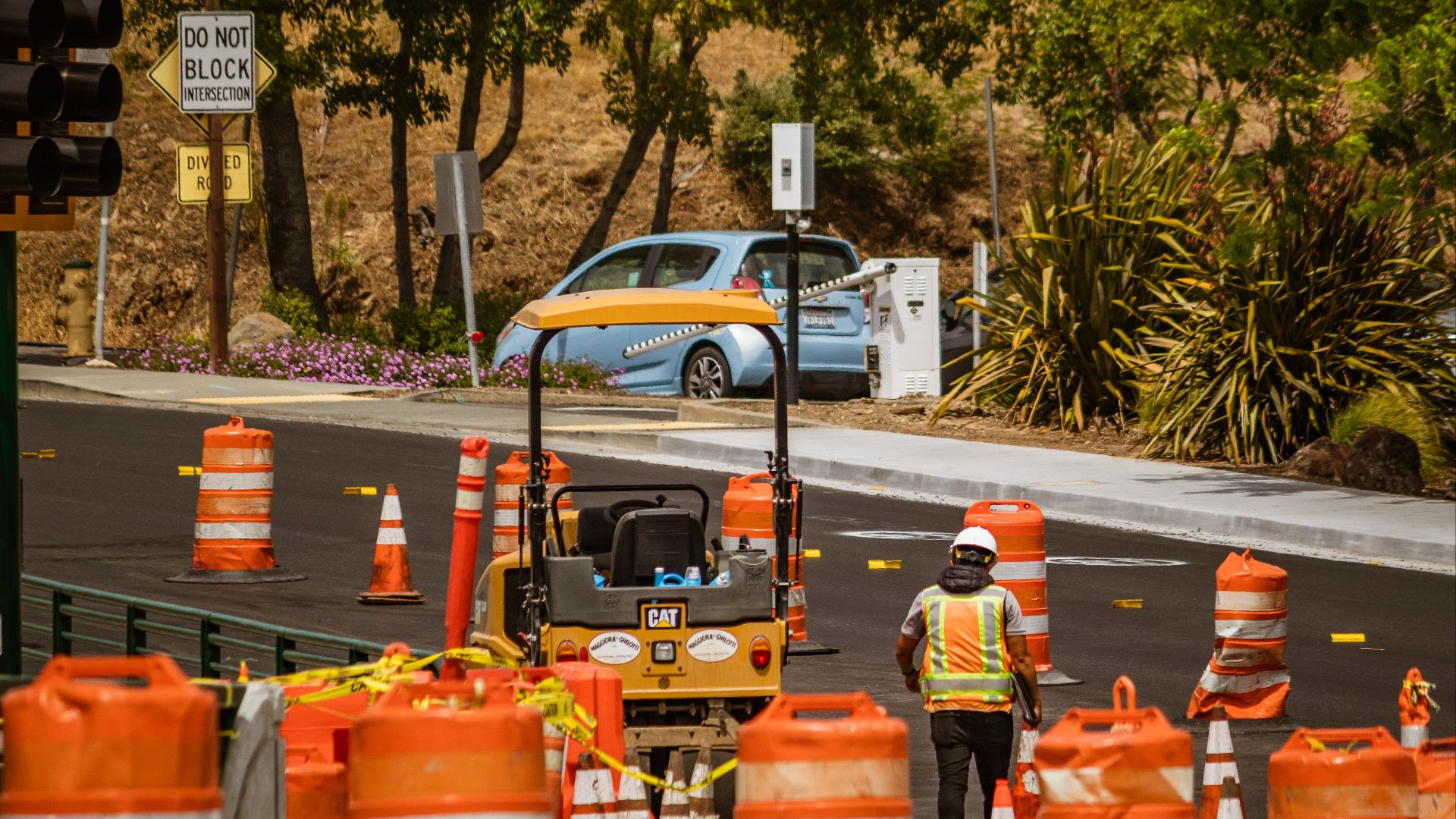
Temporary construction signs, event restrictions, and emergency parking controls can sometimes override normal parking rules. If construction or special events were present, investigate whether temporary restrictions were properly posted. Inadequate notice may become relevant to your challenge.
Witnesses Can Help
If someone was with you when you parked, their observations may support your version of events. Witnesses are especially useful when disputes involve broken meters, unclear signs, or unusual circumstances. While documentary evidence is usually stronger, witness statements can still add value.

Check The City's Evidence
Many cities now photograph vehicles when issuing citations. Some jurisdictions make those photographs available online. Reviewing the enforcement officer's evidence can help you understand the city's position and identify weaknesses in the citation.

Don't Ignore Deadlines
Parking-ticket appeals almost always involve strict deadlines. Missing the appeal window can eliminate your ability to challenge the citation, even if you have strong evidence. As soon as you decide to contest the ticket, determine the applicable deadline and calendar it immediately.

Follow The Official Appeal Process
Every city has its own procedures for contesting parking citations. Some allow online appeals, while others require written submissions or hearings. Following the proper process is just as important as having a strong argument. Even good evidence may not help if procedural requirements are ignored.

Focus On Facts, Not Frustration
Many appeals fail because drivers spend more time expressing anger than presenting evidence. Decision-makers are generally interested in documentation, photographs, receipts, records, and legal arguments. A calm, factual presentation usually works better than an emotional complaint.

Organize Your Evidence
Before submitting an appeal, organize your materials clearly. Include photographs, receipts, screenshots, witness statements, maps, payment records, and any relevant correspondence. A well-organized submission makes it easier for reviewers to understand your position.

Honest Mistakes Sometimes Get Reduced
Even when a violation technically occurred, some jurisdictions offer reduced penalties, warnings, or discretionary relief under certain circumstances. While these outcomes are not guaranteed, respectful communication may sometimes produce a more favorable result than simply paying immediately.

Hearings Can Be Worth Attending
If your city offers an administrative hearing, consider attending when the evidence supports your position. Hearings provide an opportunity to explain the facts directly and respond to questions. In some cases, hearing officers dismiss citations after reviewing evidence that was not obvious from the original ticket.

Technology Doesn't Eliminate Errors
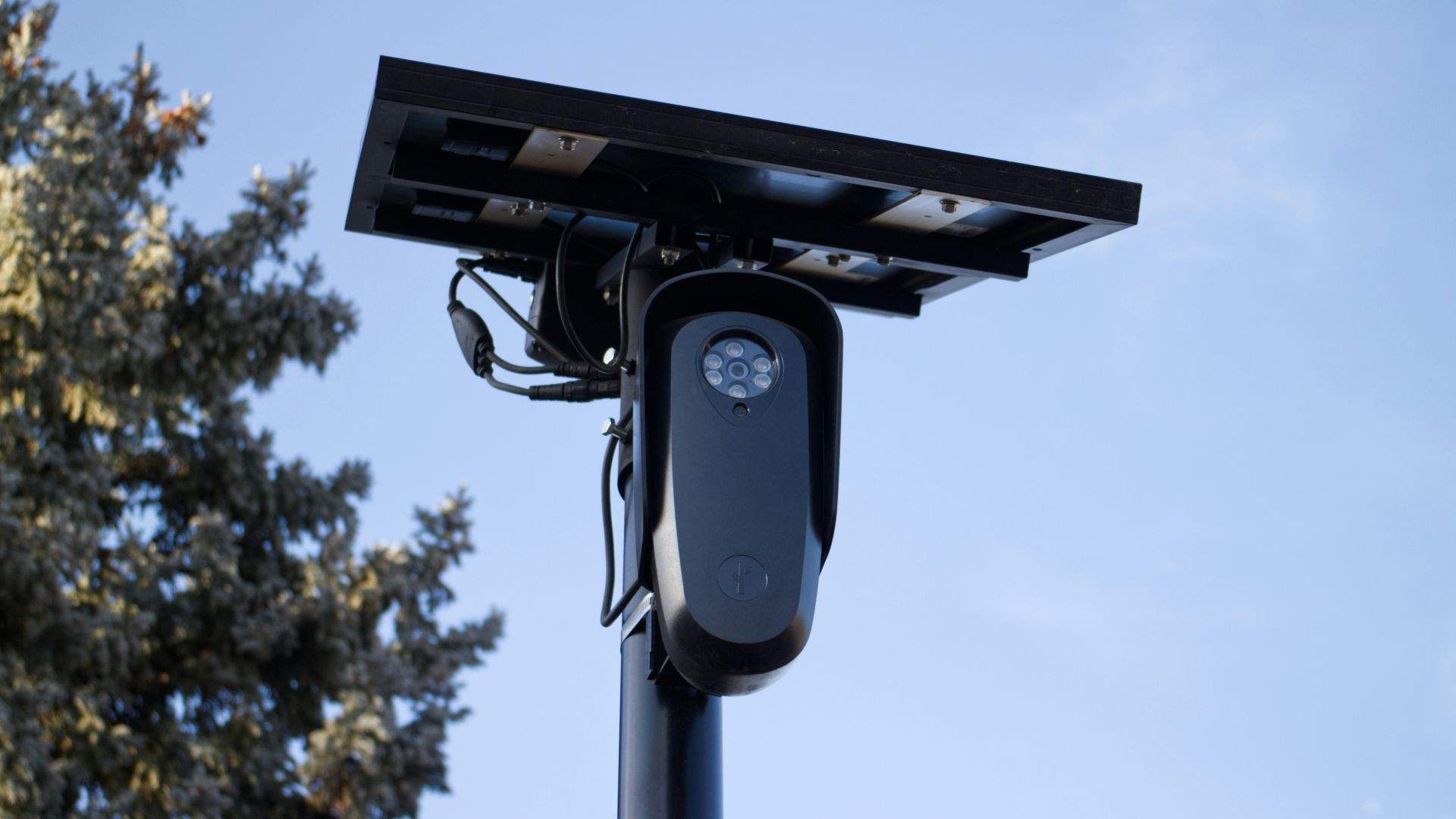
Many people assume computerized parking systems are always accurate. In reality, license-plate readers, payment systems, databases, and enforcement software can still generate mistakes. Technology can improve enforcement, but it does not eliminate the possibility of error.
Street Cleaning Creates Frequent Disputes
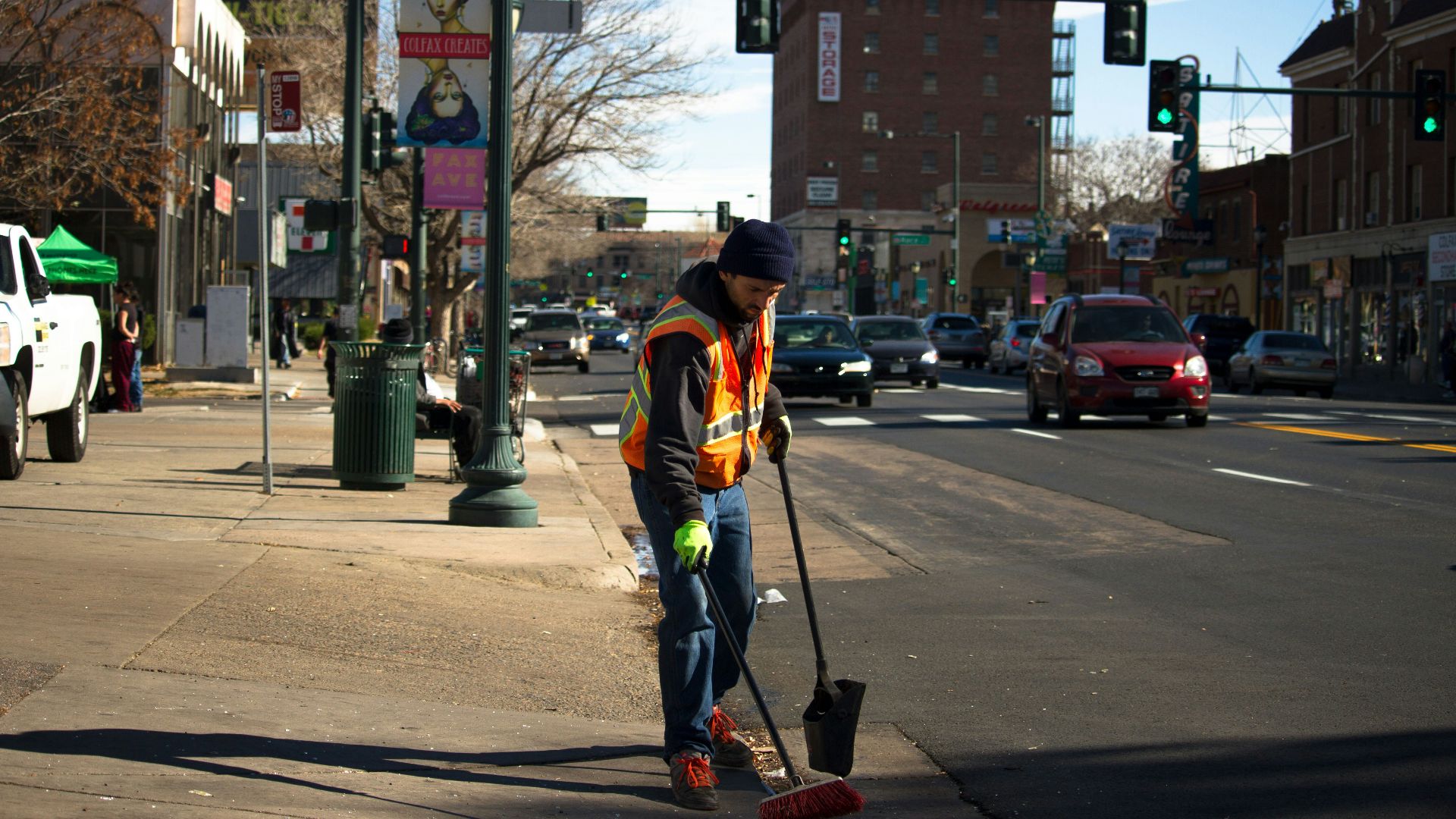
Street-cleaning restrictions generate a significant number of contested tickets. Signs may be confusing, temporary restrictions may be poorly communicated, or schedules may change unexpectedly. If your ticket involves street cleaning, pay close attention to the posted schedule and notice requirements.
Permit Parking Can Be Tricky
Residential permit zones often create misunderstandings. Expired permits, incorrect vehicle registrations, administrative delays, and database errors can all contribute to citations. If you had a valid permit, gather documentation showing your eligibility.

Check For Administrative Errors
Sometimes the strongest appeals involve simple administrative mistakes. Incorrect locations, inaccurate vehicle descriptions, wrong dates, invalid violation codes, or procedural errors can occasionally undermine the ticket. While not every error leads to dismissal, they are worth investigating.
Not Every Ticket Is Worth Fighting
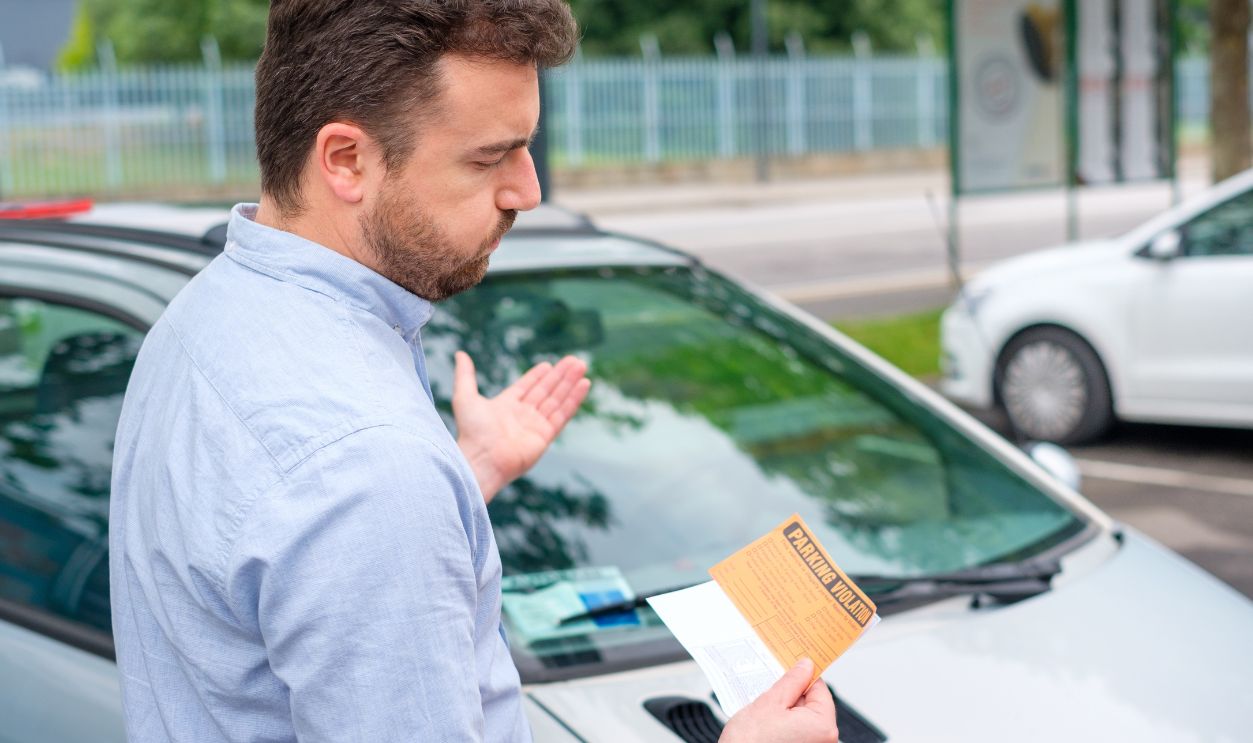
There are situations where the evidence strongly supports the citation. If the violation clearly occurred and there is little supporting evidence available, paying the ticket may be the most practical option. The goal is to evaluate the facts honestly rather than assuming every ticket is automatically wrong.

Many Legitimate Tickets Get Dismissed
Drivers sometimes assume challenging a ticket is pointless because the city will automatically side with enforcement officers. In reality, parking citations are dismissed every year when evidence shows mistakes, equipment failures, unclear signage, administrative errors, or improper enforcement. A strong case supported by documentation can absolutely succeed.

Evidence Wins More Often Than Arguments
If you parked legally and received a ticket anyway, your best strategy is gathering evidence as quickly as possible. Photographs, payment records, witness statements, and official documentation often carry far more weight than frustration alone. By understanding the alleged violation, following the appeal process carefully, and presenting a clear factual case, you may have a much better chance of getting the ticket reduced or dismissed than you think.

You May Also Like: