The Parking Rule Surprise Nobody Saw Coming
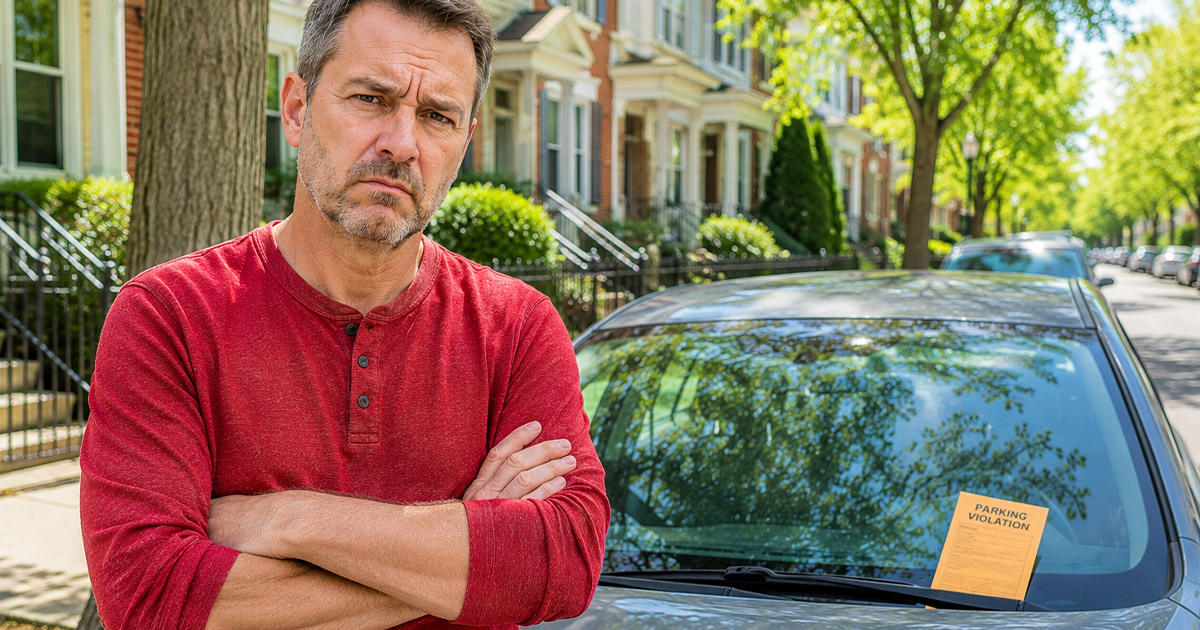
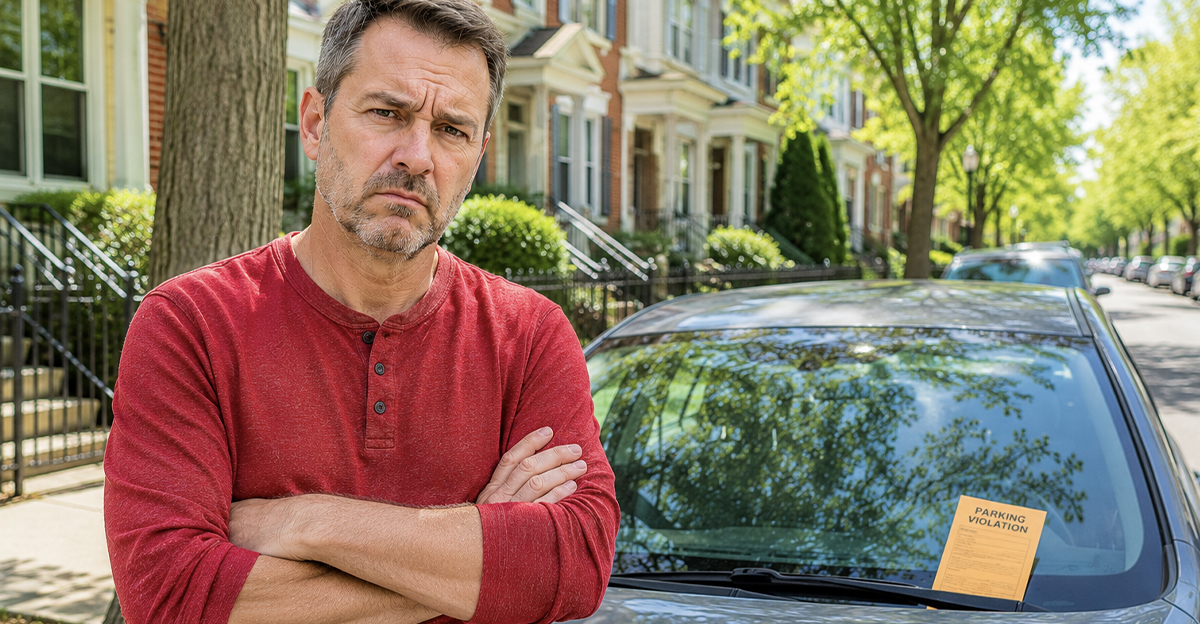
You leave your car parked exactly where you've parked it for years. The next morning, there's a ticket on the windshield. A few days later, your neighbors get tickets too, and suddenly the whole street is talking about "new" parking regulations. Can they really do this?
It Feels Unfair At First
Many drivers assume there will be a warning period when new parking rules are introduced. After all, shouldn't people get a chance to adjust before fines start showing up?
So, Should There Be A Grace Period?
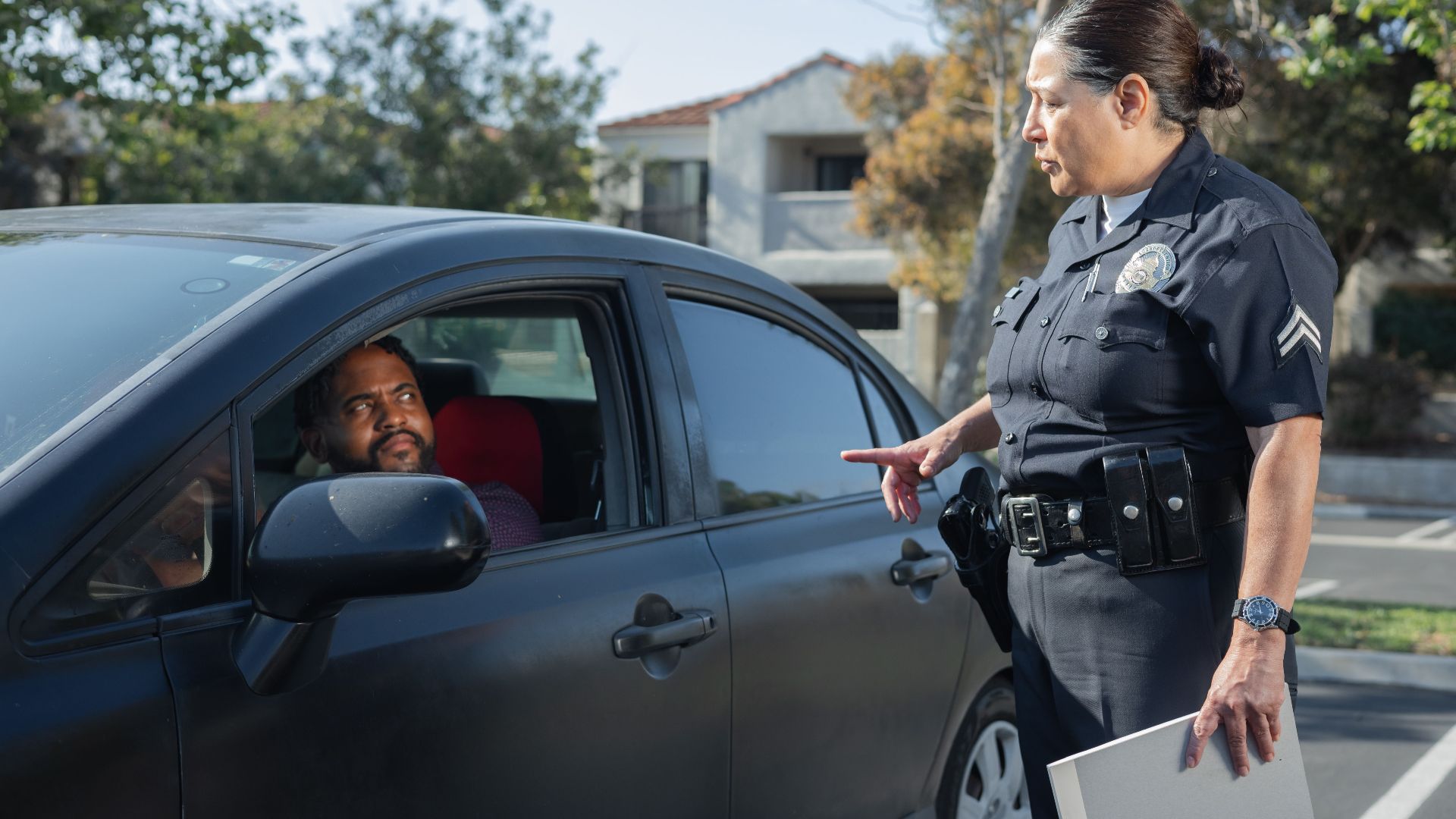
Sometimes yes. Sometimes no. The frustrating answer is that most cities are not legally required to provide one unless local laws specifically require it.
Signs Usually Matter More Than Warnings
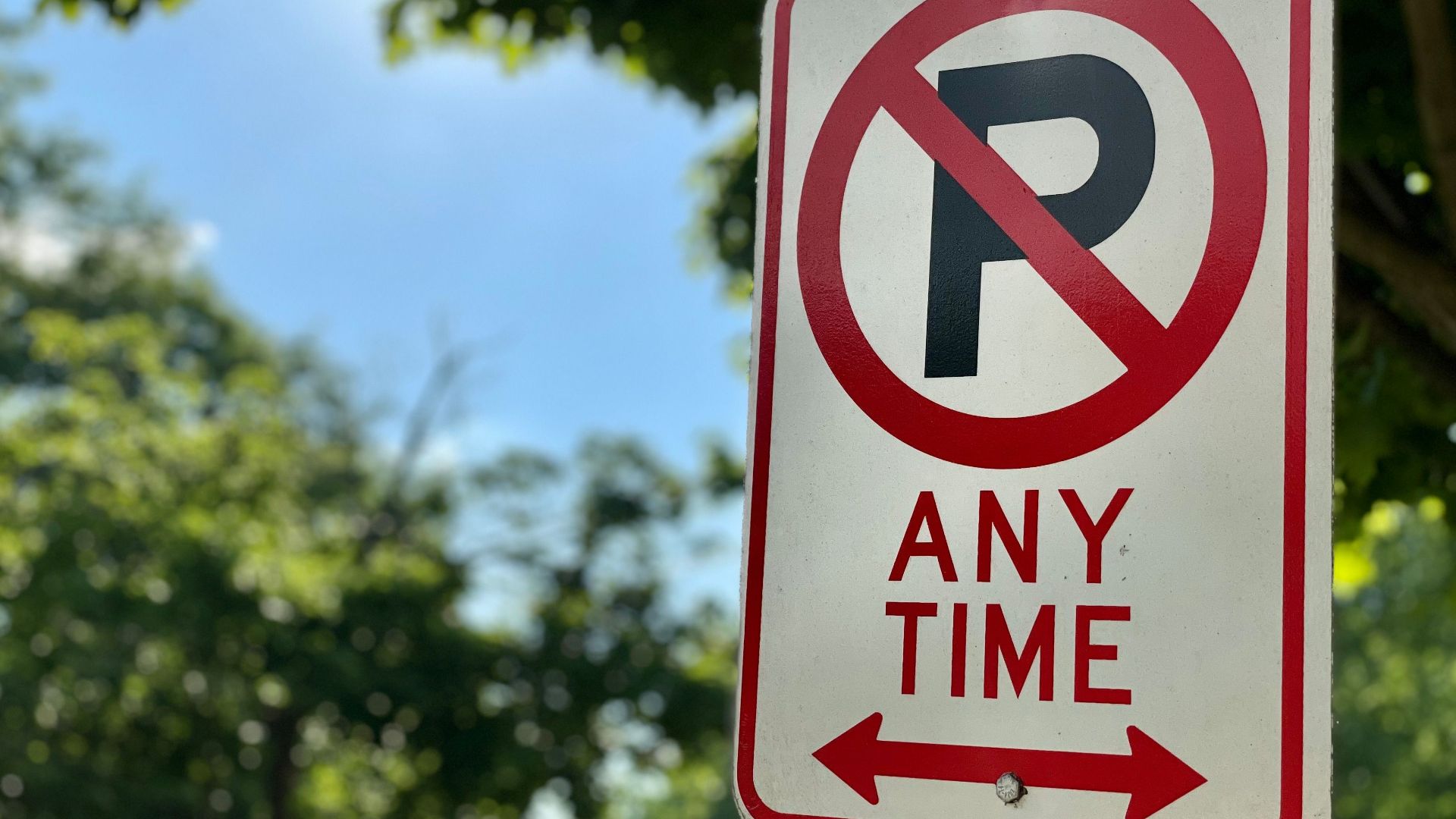
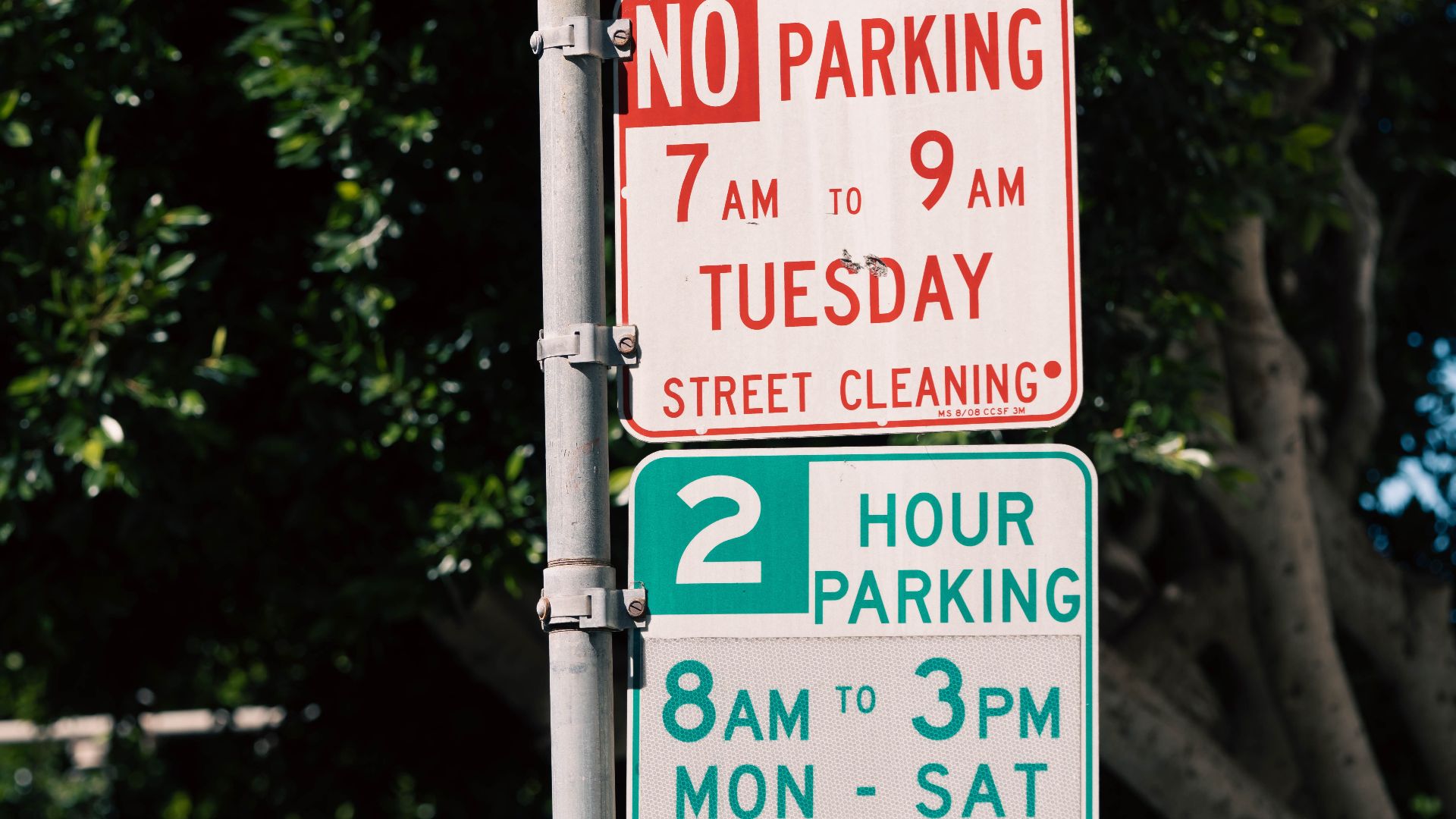
In many areas, once new signs are installed and properly posted, enforcement can begin immediately. The city may consider the signs themselves to be the warning.
That's Why So Many People Get Caught
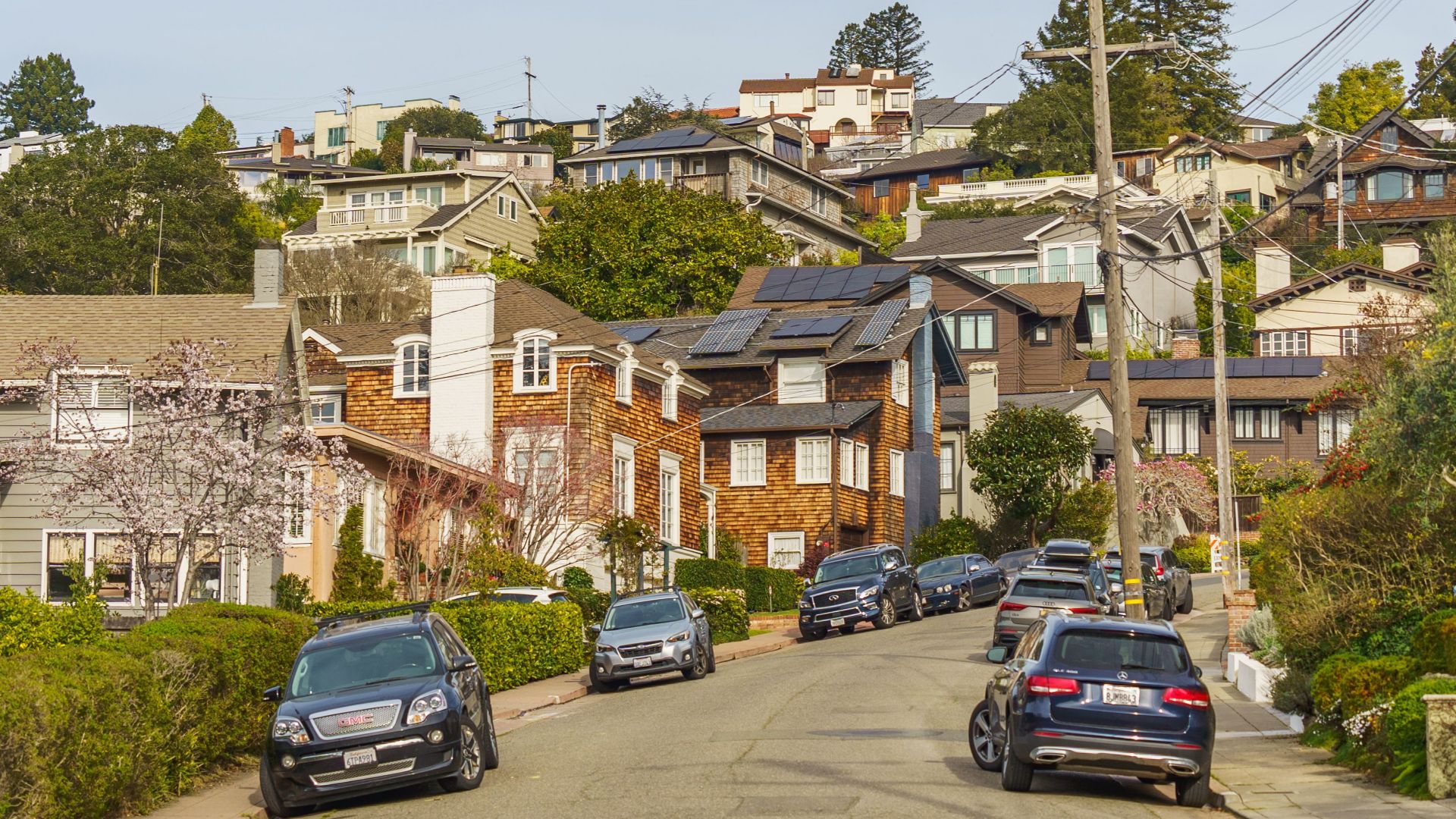
Drivers often follow old habits. If you've parked in the same place for years, you're probably not checking signs every time you park there.
Cities Change Parking Rules For Many Reasons
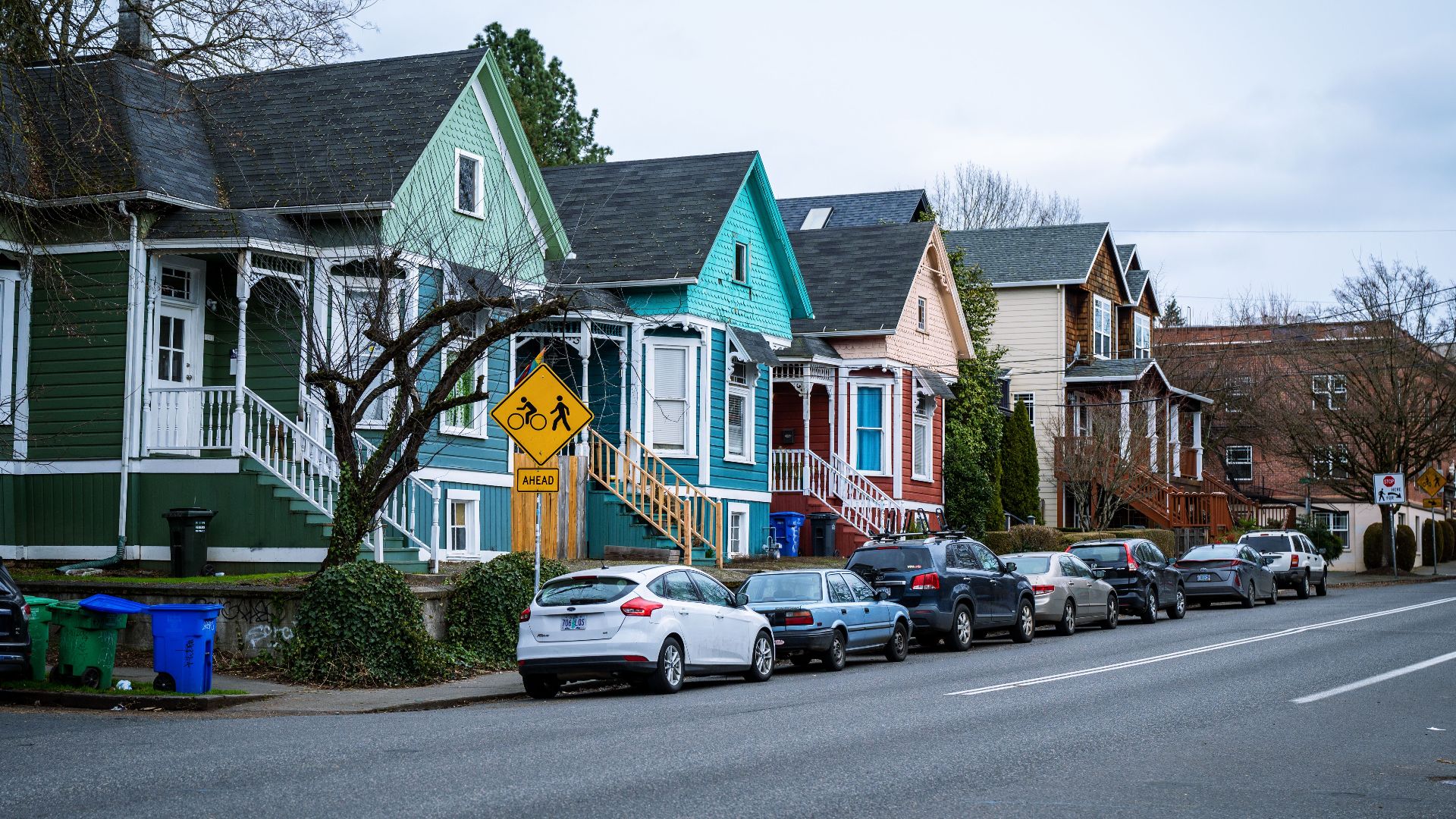
New parking regulations don't usually appear out of nowhere. They often result from complaints, traffic studies, safety concerns, construction projects, or growing population pressures.

Safety Is A Common Reason
Some neighborhoods experience visibility problems near intersections, schools, bike lanes, or crosswalks. Restricting parking can improve safety for both drivers and pedestrians.
Emergency Vehicles Sometimes Drive The Change
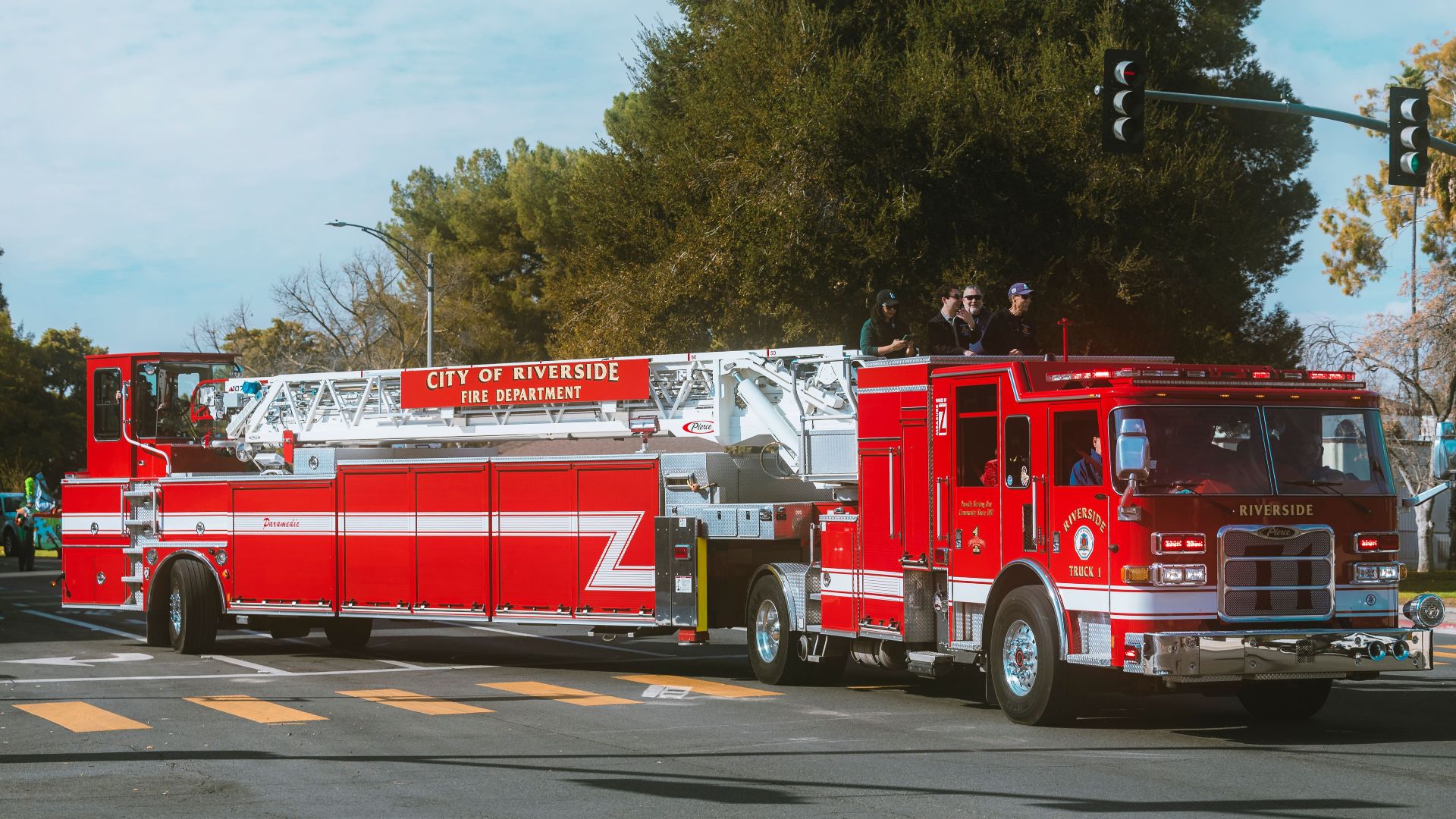
Fire departments occasionally request parking changes when parked vehicles make it difficult for emergency vehicles to access certain streets.
New Development Can Trigger Changes
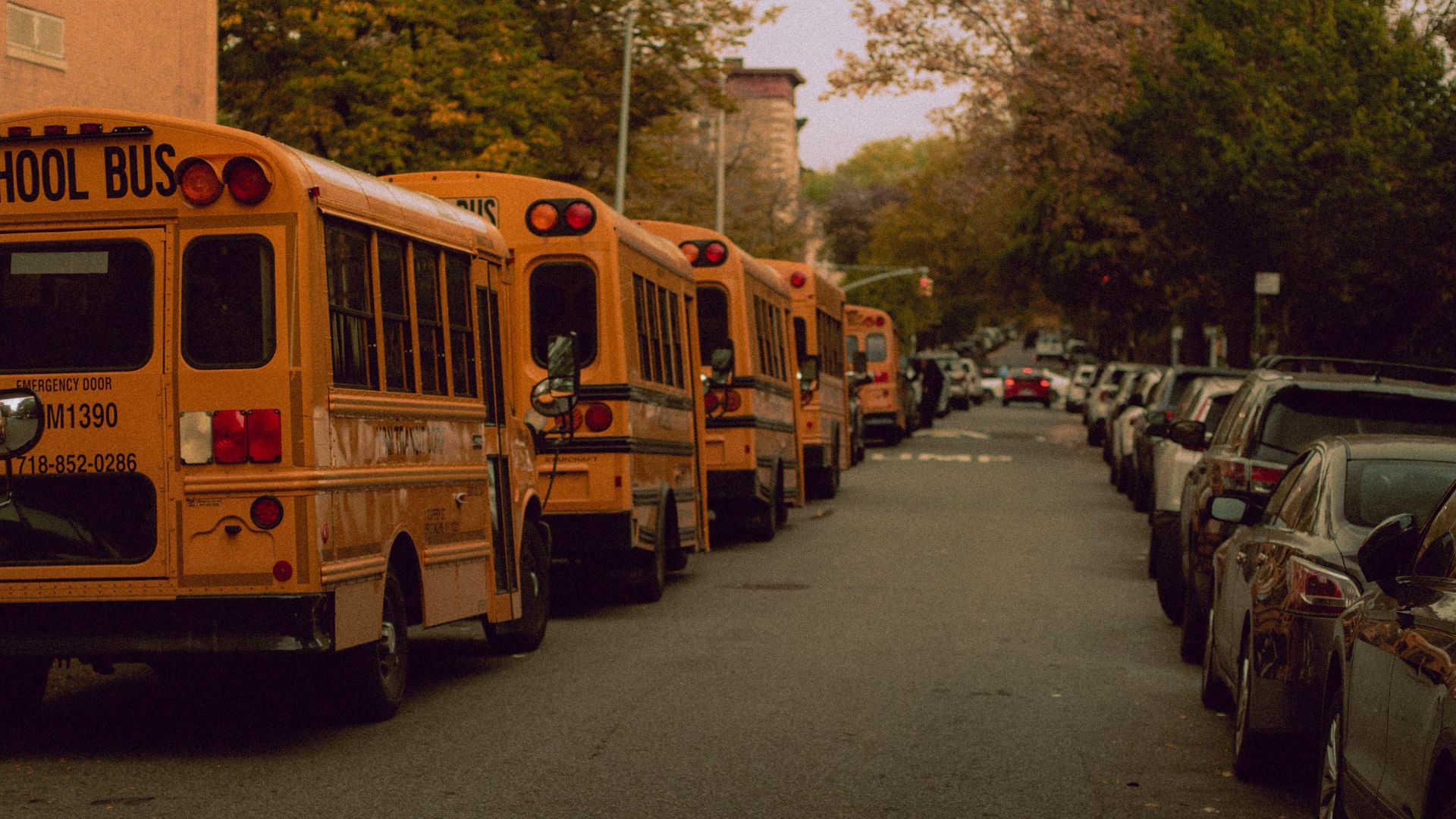
A new apartment complex, shopping center, school, or transit station can dramatically increase traffic and parking demand, leading cities to revise existing rules.
Residents Often Request Restrictions
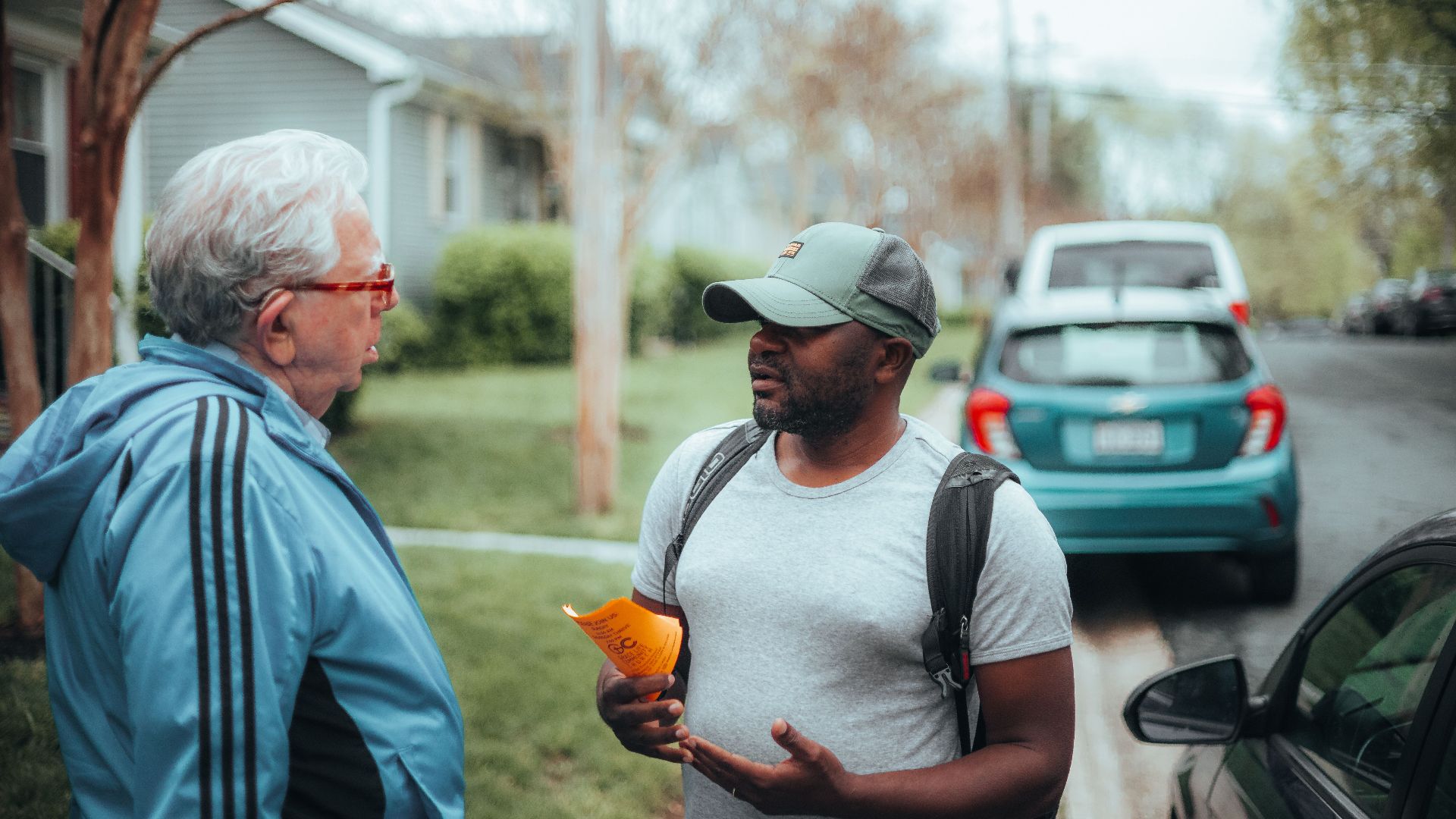
Ironically, many parking restrictions start because residents ask for them. The challenge is that not every resident agrees with the solution once it's implemented.
The Rules May Have Been Discussed For Months
Many parking changes go through public meetings, city council discussions, and public comment periods long before signs appear. Most residents simply never hear about them.

Cities Usually Announce Changes Somehow
Announcements may appear on municipal websites, local newsletters, social media pages, mailings, or community meetings. Unfortunately, not everyone follows those sources.

The First Week Is Often Brutal
This is when enforcement officers tend to find the most violations. Drivers are still adjusting while cities are trying to establish compliance.
Some Cities Offer Warnings
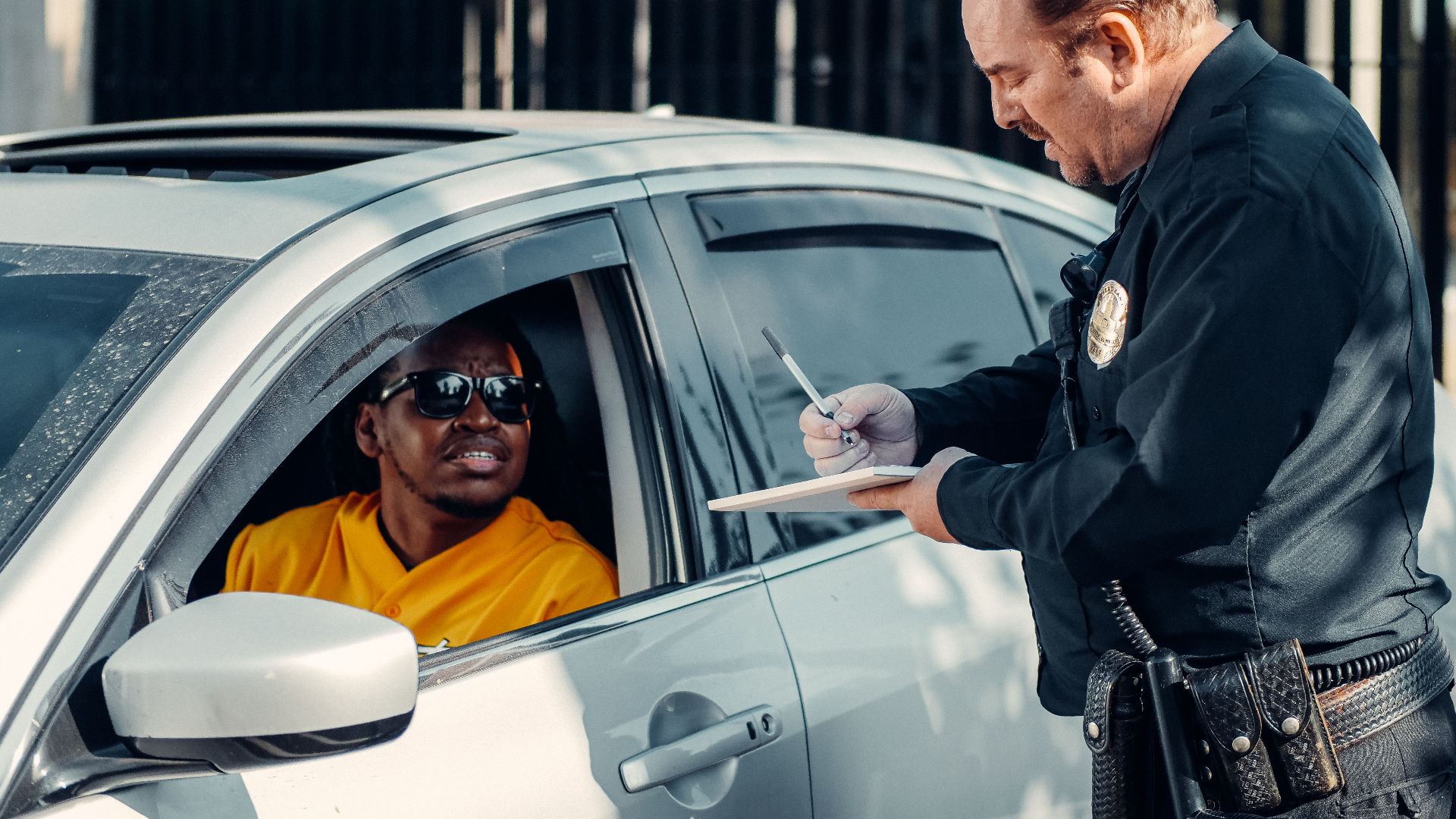
Certain municipalities choose to issue warning notices for a short period. This is generally a policy decision rather than a legal requirement.

Others Start Ticketing Immediately
Some cities believe immediate enforcement encourages faster compliance. If the signs are installed correctly, they may begin issuing citations right away.
Can You Fight The Ticket?
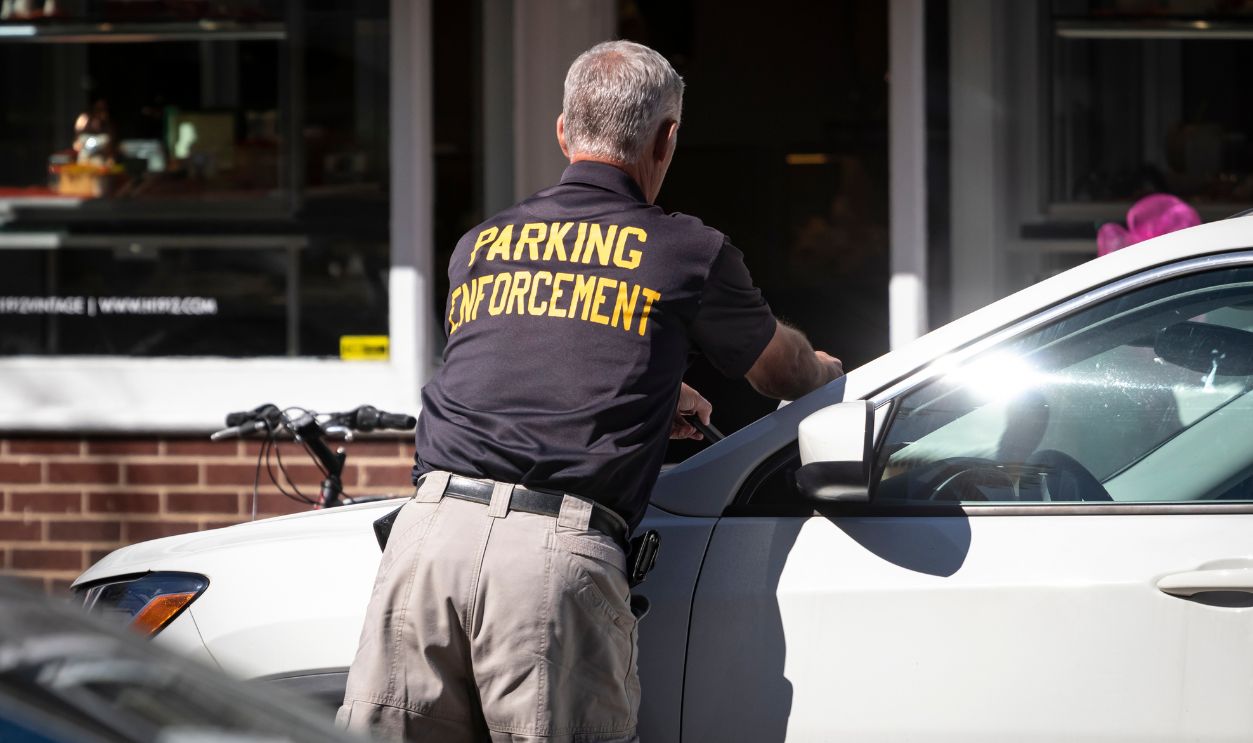
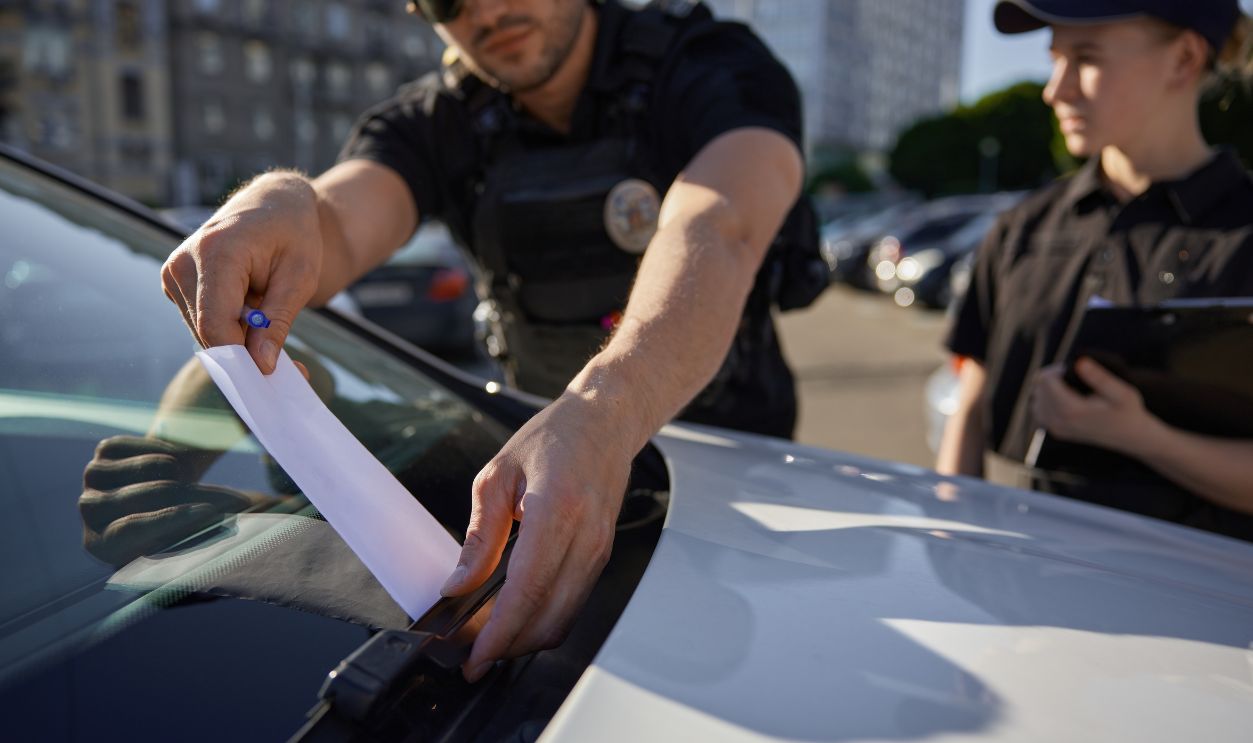
Possibly. If signs were missing, unclear, obstructed, improperly placed, or installed incorrectly, you may have grounds to challenge the citation.

Take Photos Immediately
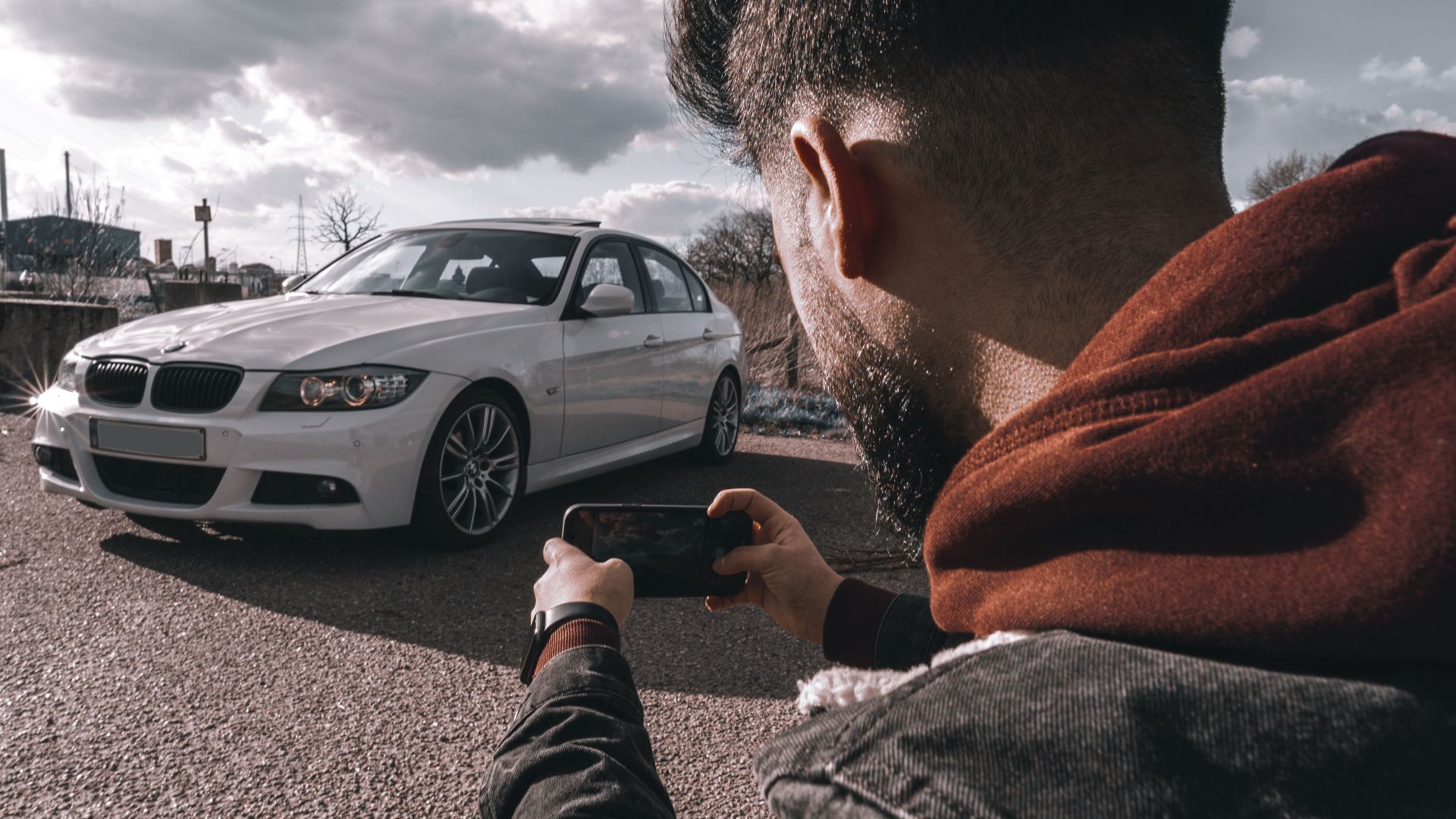
If you think the ticket was issued unfairly, document everything. Photos of signs, intersections, curbs, and parking locations can be extremely helpful.
Read The Citation Carefully
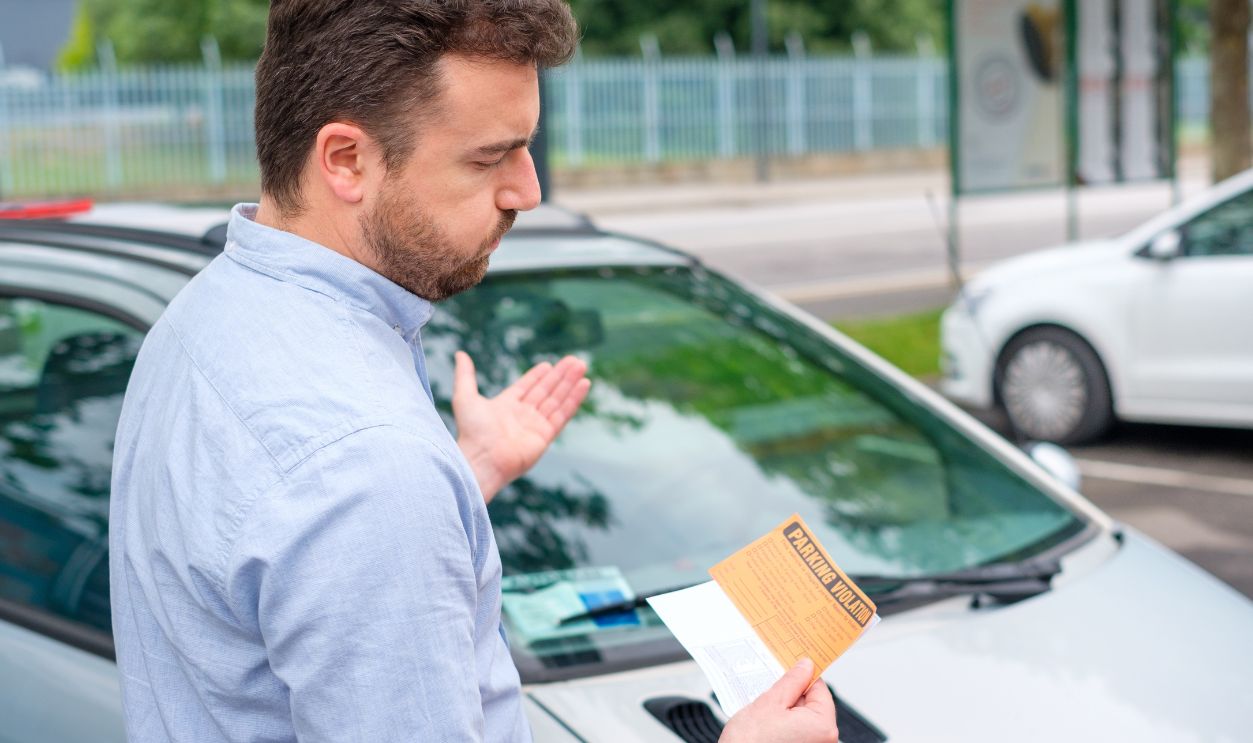
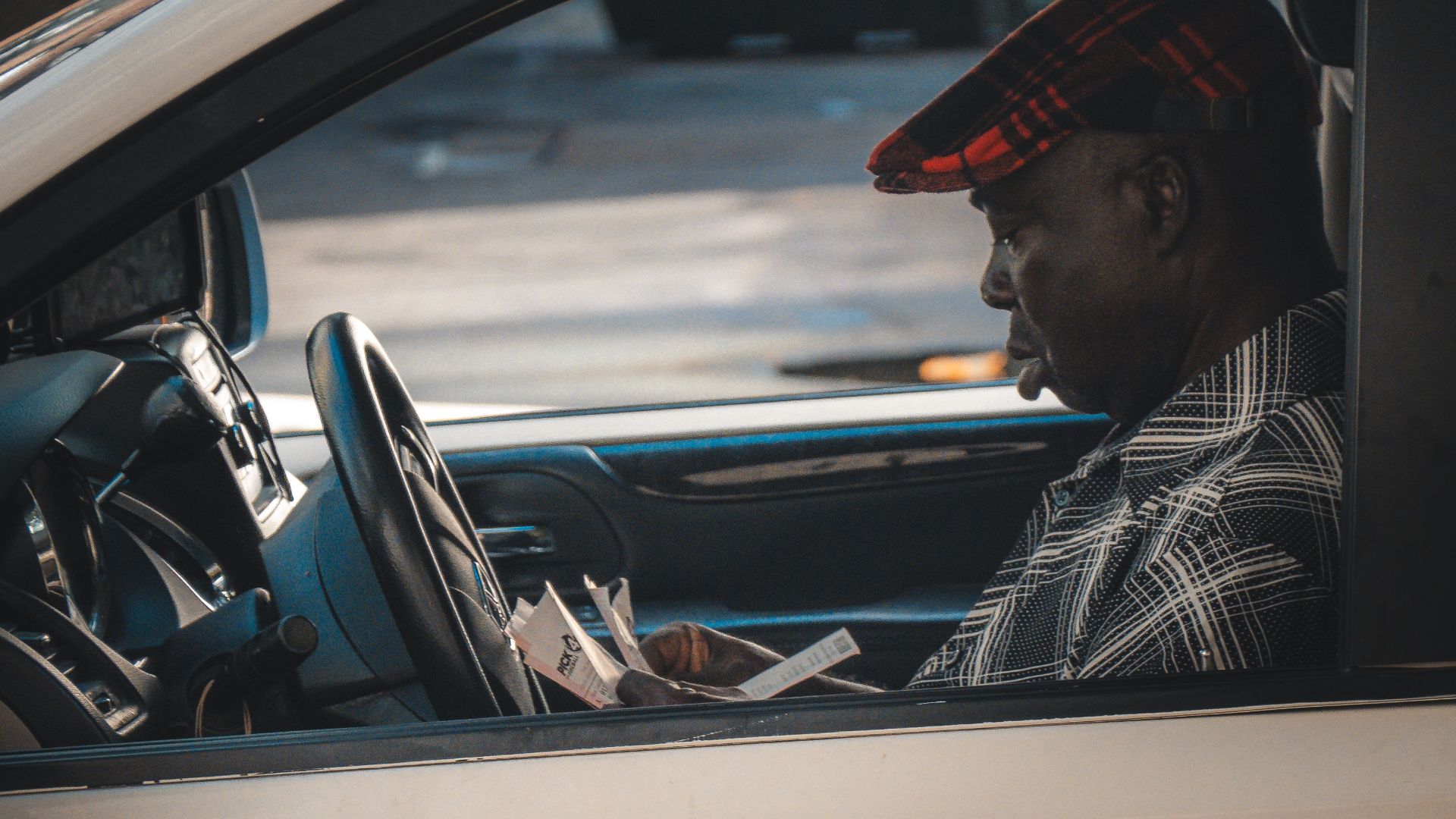
Parking tickets often include information about appeals, deadlines, and evidence requirements. Missing those deadlines can eliminate your options.
 Willian Justen de Vasconcellos, Pexels
Your Neighbors May Have Useful Information
If dozens of residents received tickets, local community groups or neighborhood associations may already be discussing possible responses.

Don't Assume The City Made A Mistake
As tempting as it may be, parking enforcement is often based on regulations that were approved long before most residents noticed them.
Check The City's Website
Many municipalities publish parking maps, ordinances, public notices, and explanations for recent changes. The information may answer questions quickly.

Temporary Rules Cause Confusion Too
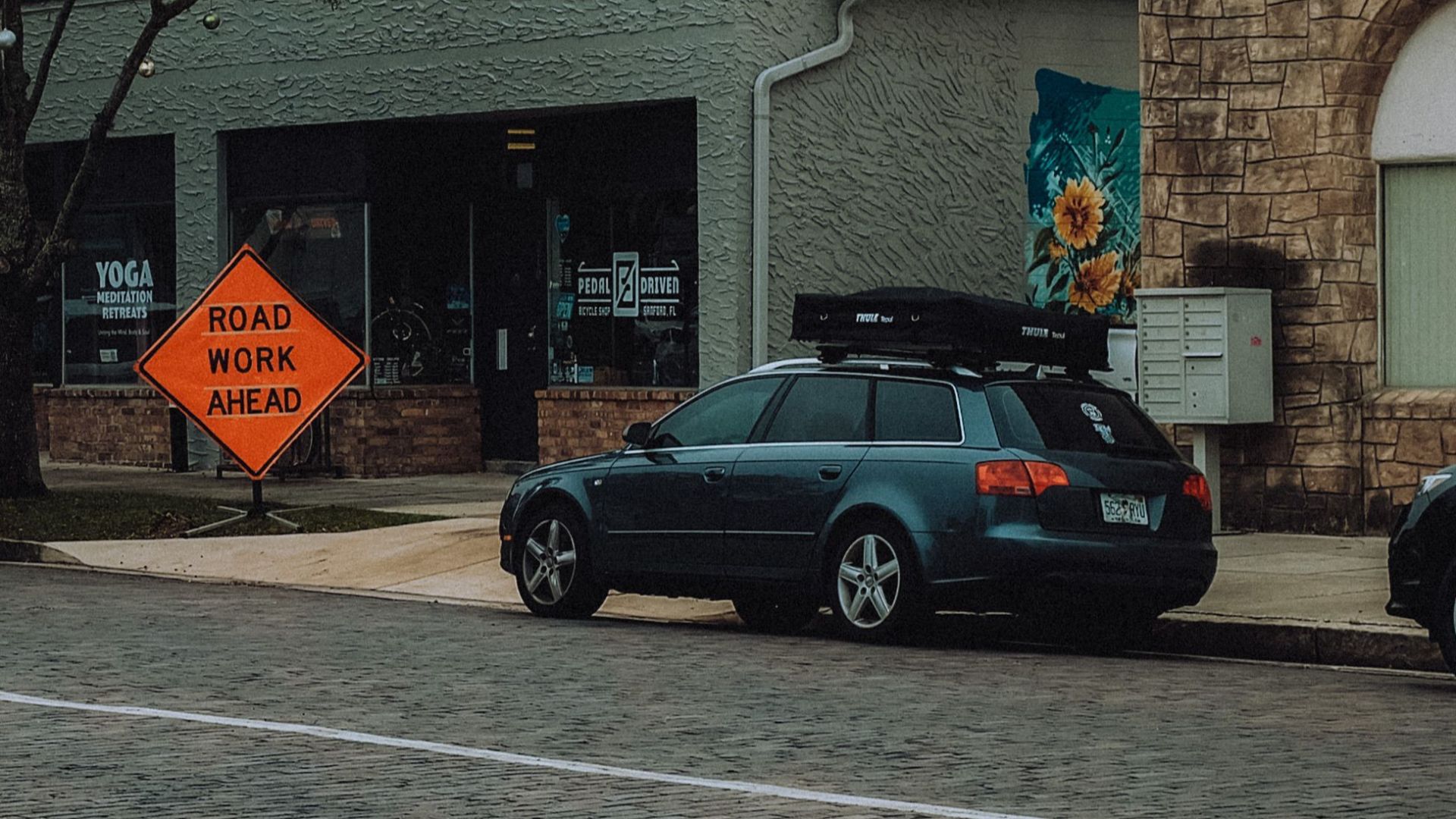
Construction projects, road work, utility repairs, and special events often bring temporary parking restrictions that can catch drivers off guard.
New Technology Is Increasing Enforcement
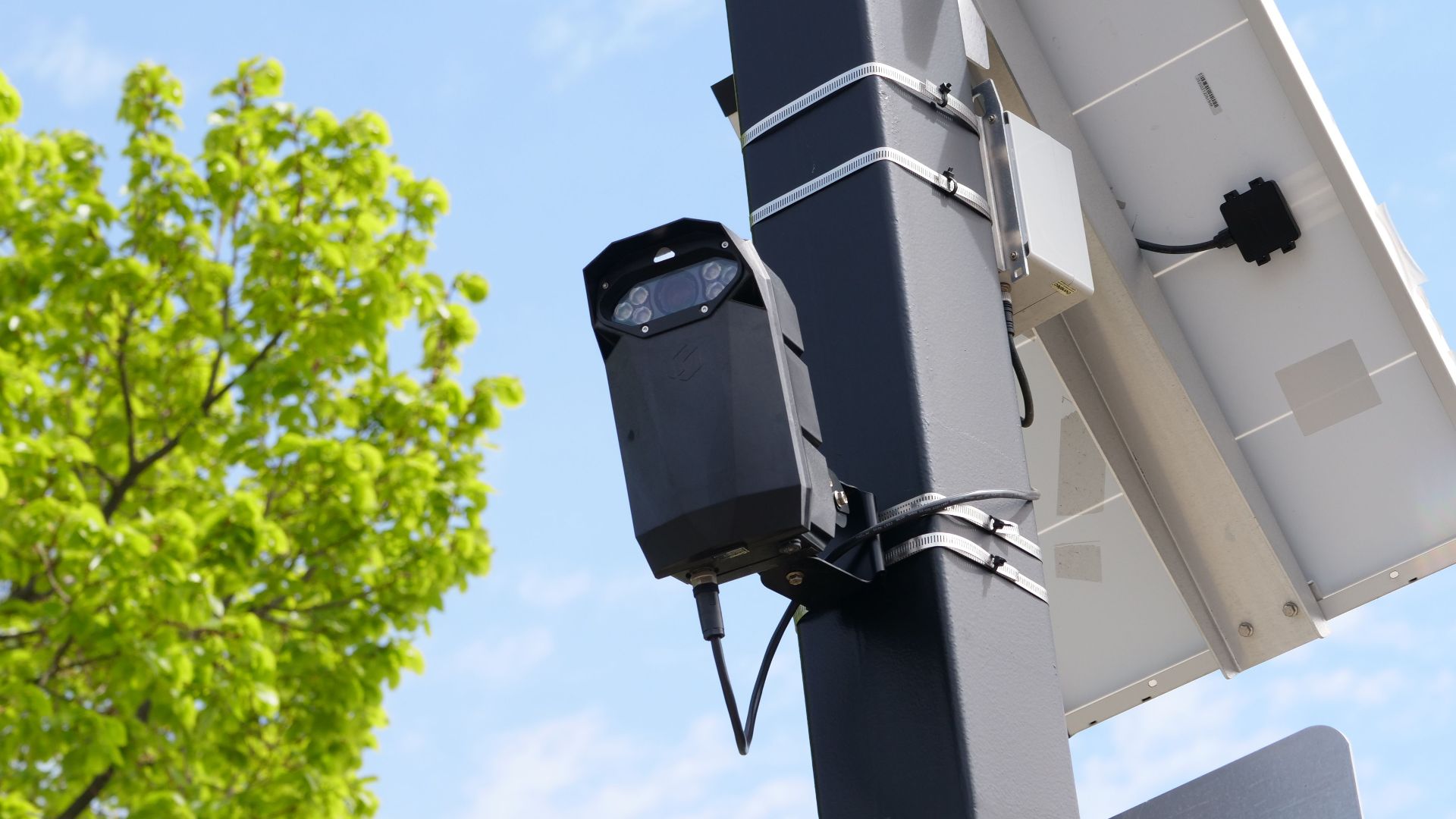
Many cities now use digital enforcement tools, license plate readers, and electronic reporting systems that make violations easier to identify.
Habits Are Hard To Break
The biggest challenge isn't usually understanding the new rule. It's remembering that the street you've parked on for ten years now has different requirements.

What Can You Do Going Forward?
Get into the habit of checking signs regularly, especially after construction, road projects, or noticeable neighborhood changes. Old assumptions can become expensive.

Community Feedback Still Matters
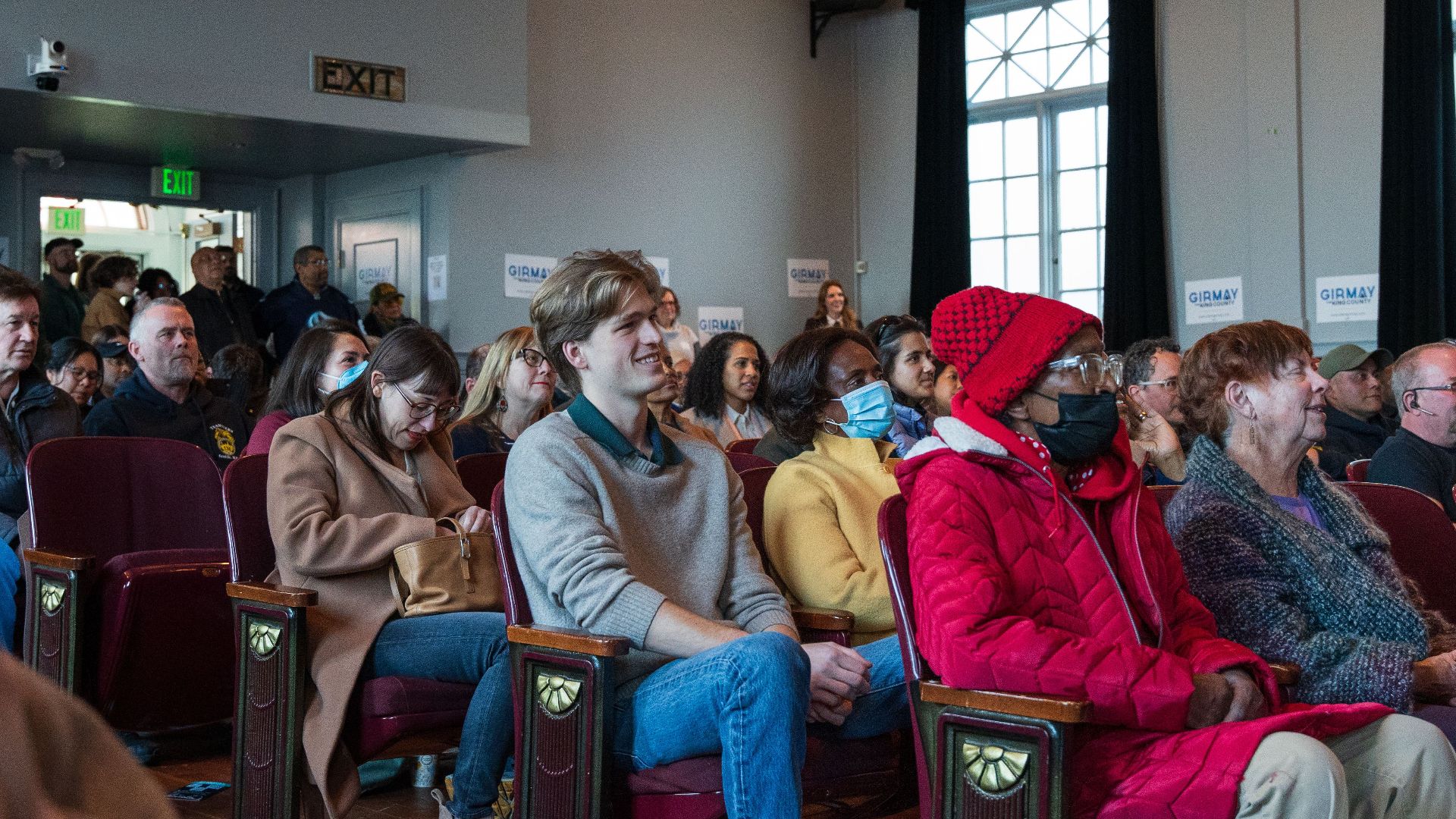
If residents strongly oppose a new parking rule, they can often attend public meetings, contact local officials, or request that the city review the policy.
Not Every Parking Change Is Permanent
Cities sometimes revise regulations after reviewing complaints, traffic data, or unintended consequences. Some rules get adjusted after implementation.
The Biggest Mistake Drivers Make
Most people assume familiar streets have familiar rules. That's exactly why so many tickets appear during the first few weeks after a change.
So, Shouldn't There Have Been A Grace Period?
Many people would say yes. Legally, however, the answer is often no. In many places, properly posted signs are considered sufficient notice.
The Reality Most Drivers Learn The Hard Way
When parking rules change, enforcement usually arrives much faster than awareness. The safest approach is to treat every new sign as if ticketing starts immediately—even if your neighbors are still parking there.

You May Also Like: