A Roadblock Nobody Expects
Losing a loved one is difficult enough. Then comes the surprise many families never see coming: transferring ownership of an inherited vehicle. What sounds like a simple title change can quickly become a maze of court paperwork, DMV requirements, tax questions, and state-specific rules. The good news is that understanding the process ahead of time can make everything much easier.
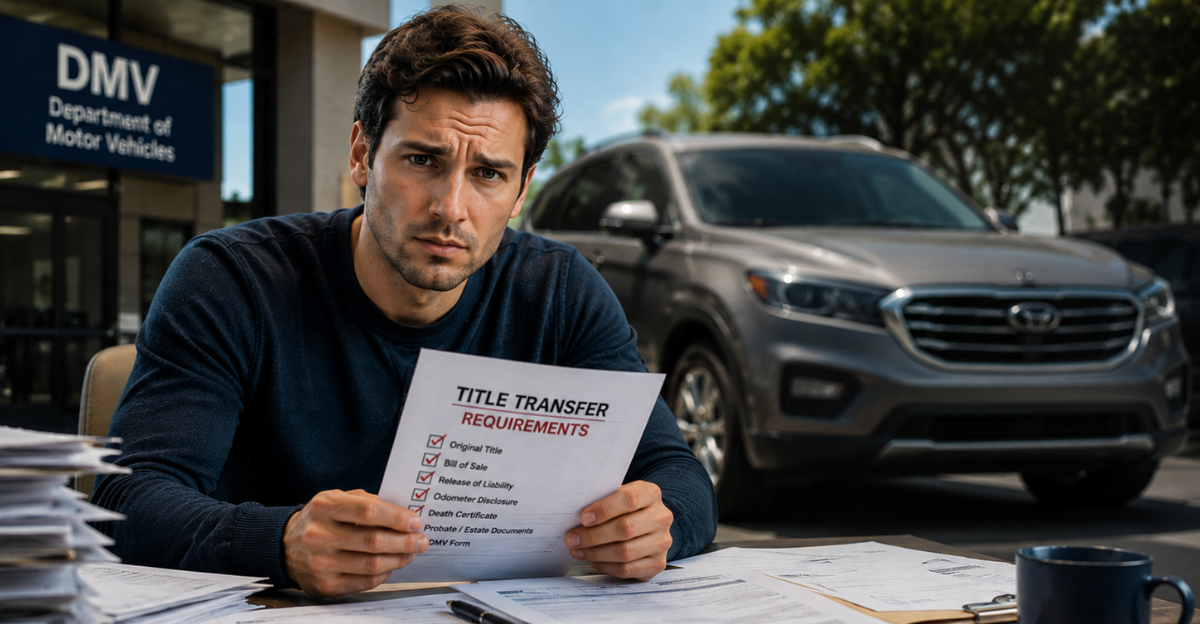
Why Inherited Vehicles Often Create Problems
Many people assume a car automatically becomes theirs when a relative passes away. Unfortunately, vehicle ownership usually must be formally transferred before the new owner can legally register, insure, sell, or sometimes even drive the vehicle.

The Vehicle Usually Becomes Part Of The Estate
When a vehicle is titled solely in one person's name, it generally becomes part of that person's estate. Before ownership can change hands, the estate often needs to be settled according to a will or state inheritance laws.

Probate Is Often The Biggest Obstacle
Probate is the court-supervised process used to validate a will and distribute assets. If a vehicle is included in probate, ownership typically cannot be transferred until the executor or administrator receives authority from the court to act on behalf of the estate.

Joint Ownership Can Make Things Easier
One of the simplest situations occurs when a vehicle title includes joint owners with survivorship rights. In many states, the surviving owner can assume ownership by presenting the title and a death certificate, avoiding a lengthy probate process.

Small Estate Procedures Can Save Time
Many states offer simplified procedures for smaller estates. These options often allow heirs to use a Small Estate Affidavit instead of opening a full probate case, significantly reducing paperwork and delays.

Designations Are Growing In Popularity
Several states allow vehicle owners to name a TOD beneficiary directly on the title. When the owner passes, the designated beneficiary can often claim ownership by presenting a certificate and required DMV paperwork without going through probate.

Missing Titles Create Another Layer Of Frustration
Families frequently discover that the original title cannot be found. In those situations, a replacement title usually must be obtained before ownership can be transferred, adding more forms, fees, and waiting periods.

Certificates Are Almost Always Required
Virtually every state requires a certified copy of the certificate before processing an inherited vehicle transfer. Photocopies are often rejected, which is why many estate professionals recommend obtaining several certified copies early in the process.

Executors Play A Critical Role
When a valid will exists, the executor is typically responsible for handling vehicle transfers. The executor must provide documentation proving their authority before a DMV will recognize the transfer.
No Will Means More Complexity
If a relative passes away without a will, the court usually appoints an administrator to manage the estate. That person receives authority similar to an executor and must follow state inheritance laws when distributing property.

Heirs May Need To Agree On Ownership
When multiple family members have equal inheritance rights, disagreements can complicate the process. Some states require formal statements from heirs who choose not to claim the vehicle before ownership can be transferred to another relative.

Outstanding Loans Can Delay Transfers
If the vehicle still has a lien or loan attached to it, ownership generally cannot be transferred until the lender's interest is addressed. Families are sometimes surprised to learn that an inherited vehicle still carries unpaid debt.
 Vodafone x Rankin everyone.connected, Pexels
Insurance Issues Can Catch Families Off Guard
Even if a relative plans to continue driving the vehicle, insurance coverage can become complicated once the original owner has passed. Ownership and insurance records should generally be updated as soon as possible.
 ANTONI SHKRABA production, Pexels
Every State Uses Different Rules
One reason inherited vehicle transfers become so confusing is that procedures vary significantly from state to state. Some allow TOD titles, some do not. Some offer simplified affidavits, while others require additional court documents.

DMV Requirements Often Surprise People
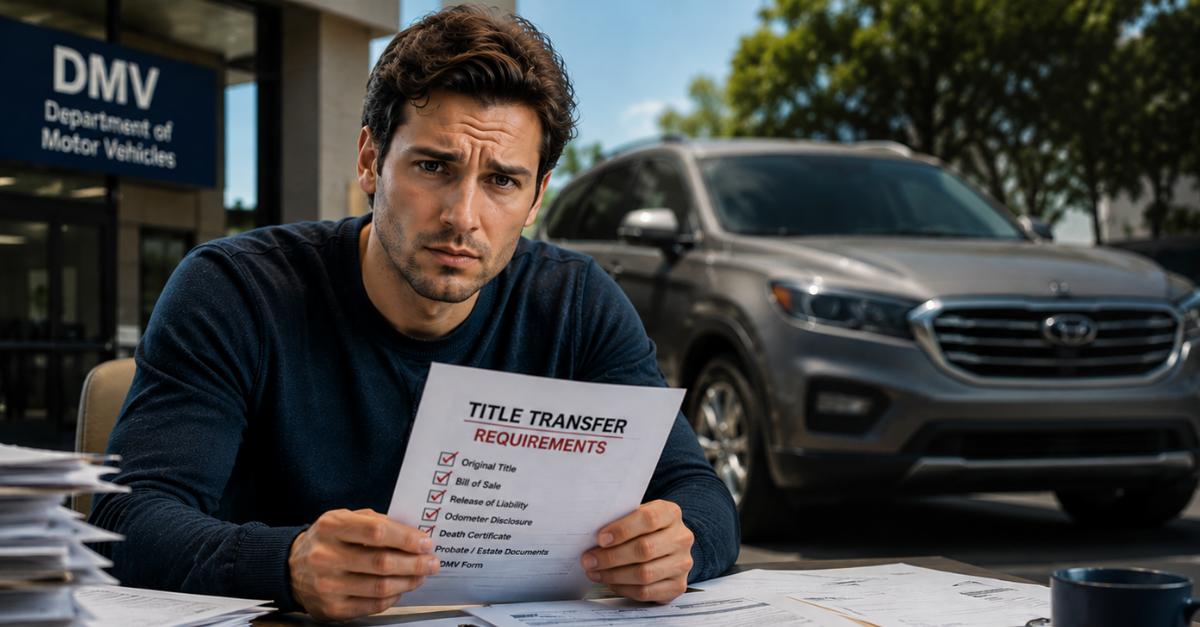
Even when probate is unnecessary, DMVs typically require specific forms, proof of identity, ownership records, and fees. Missing a single document can result in multiple trips before the transfer is approved.

Taxes May Enter The Picture
Depending on where the transfer occurs, there may be title fees, registration fees, taxes, or other costs. While many family transfers qualify for exemptions, the rules vary widely and should be reviewed carefully.

Selling The Vehicle Before Transfer Is Risky
Many heirs want to sell an inherited vehicle immediately. However, a vehicle generally cannot be sold until ownership has been properly transferred or an authorized estate representative completes the transaction.

Planning Ahead Can Prevent Future Headaches
One of the easiest ways to spare family members future stress is to address vehicle ownership during estate planning. Joint ownership arrangements and TOD beneficiary designations can dramatically simplify transfers in states where those options are available.

Communication Helps Avoid Family Disputes
Confusion about who should inherit a vehicle can quickly lead to disagreements. Clear estate planning documents and honest conversations with family members can help prevent misunderstandings later.

Organization Makes The Process Smoother
Keeping titles, registration documents, loan information, and insurance records in an accessible location can save surviving family members a tremendous amount of time. A little organization today can prevent major frustration later.

Is There A Better Way?
In many cases, yes. Vehicle owners who plan ahead by using available tools such as Transfer-on-Death designations, proper estate planning, and accurate title records can spare their families months of paperwork and stress. While no approach eliminates every requirement, thoughtful preparation can turn a potential paperwork nightmare into a manageable process.

You May Also Like: