Backing Out Of Your Driveway Should Not Feel Like A Stunt
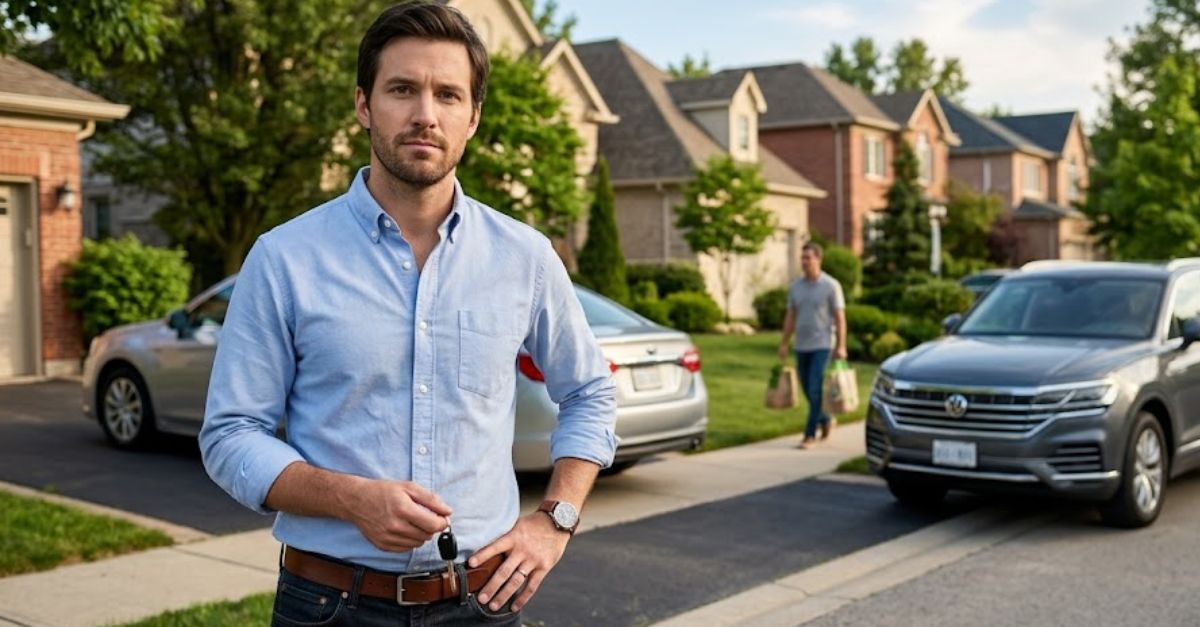
If your neighbor parks so close to your driveway that getting out feels like a three-point turn contest, you might actually have a case here. In a lot of places, there really is a legal limit on how close a vehicle can park to a driveway. The catch is that the exact rule depends on state law and local code, so the answer is often yes, but that can mean a lot of different things.
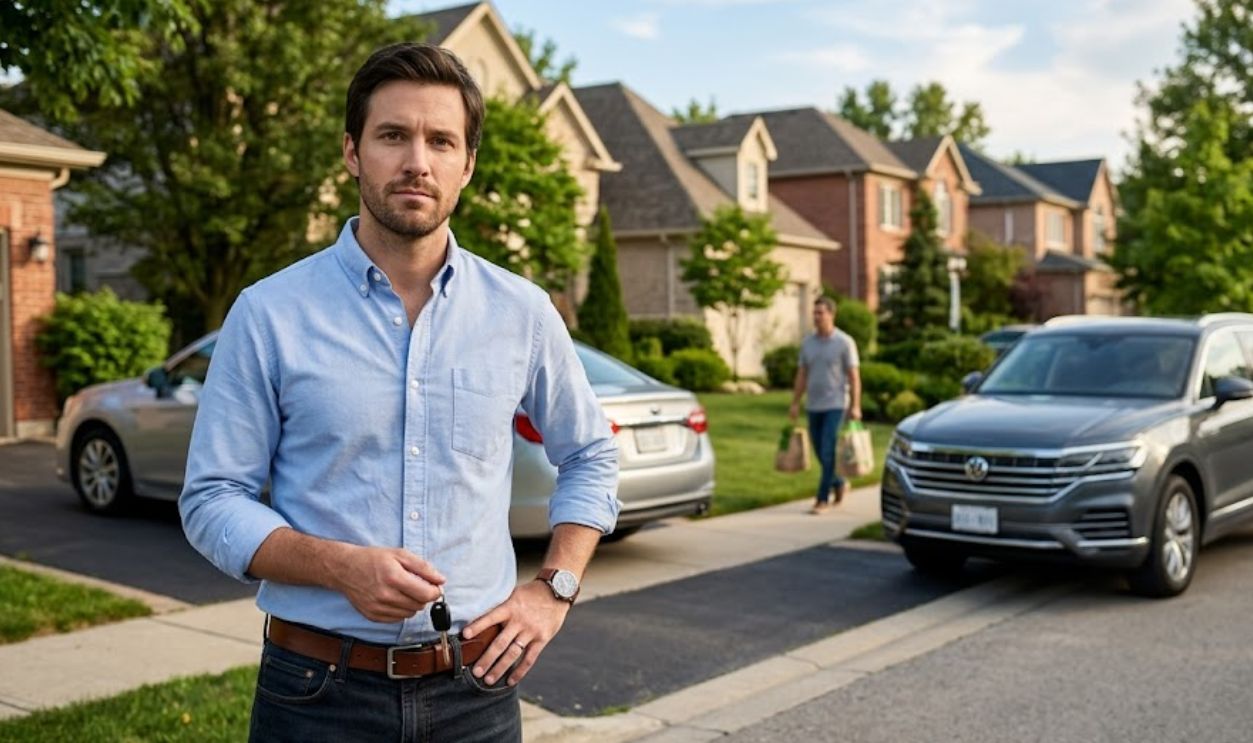
The Main Rule Depends On Where You Live
There is no single nationwide driveway-parking rule that applies everywhere in the United States. Parking rules are usually set by state vehicle codes and city ordinances, then enforced by local police or parking officers. So one town may have a very different rule from the next.
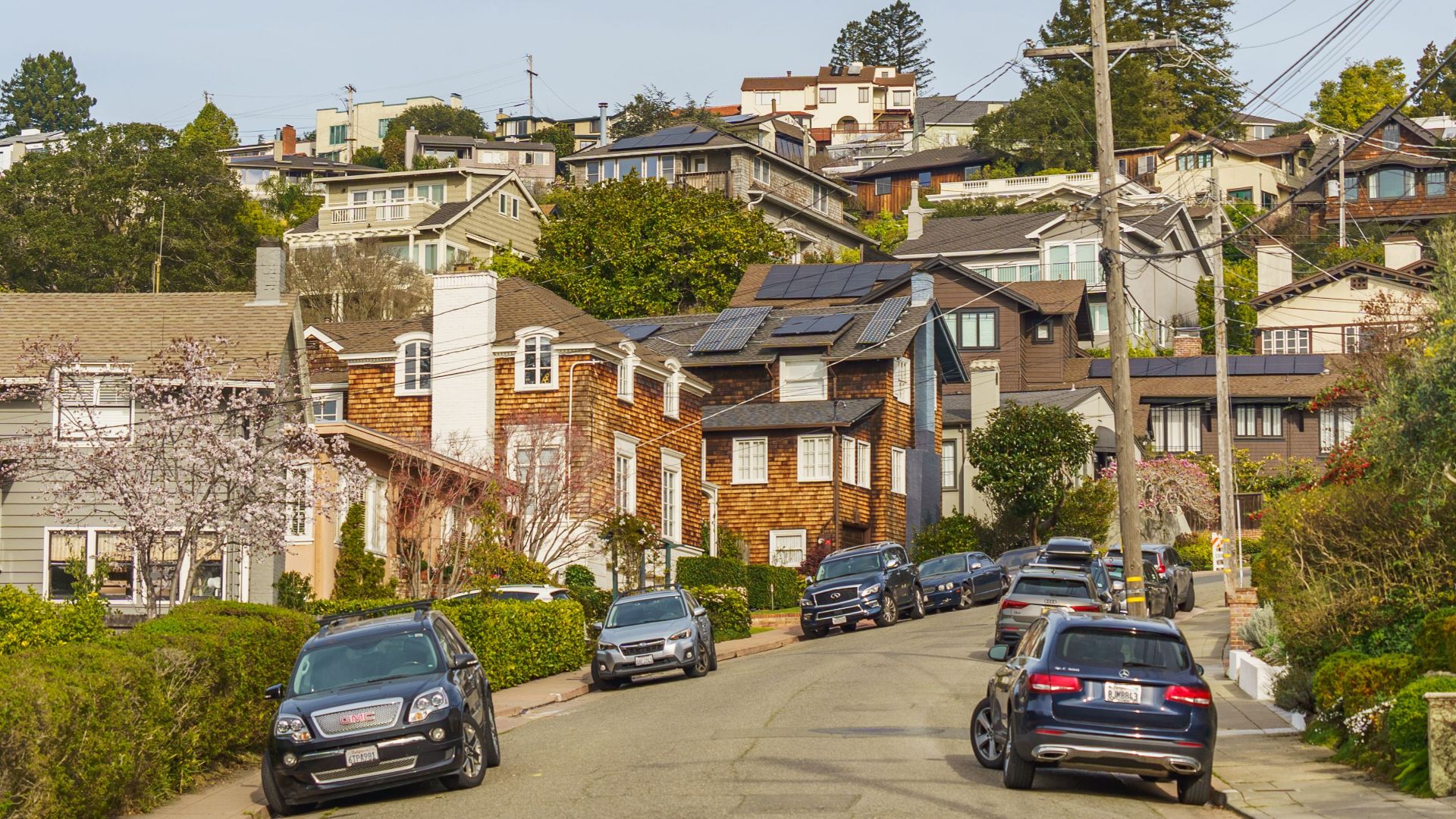
California Keeps It Simple
California Vehicle Code section 22500 says a person must not stop, park, or leave a vehicle in front of a public or private driveway. It also bans parking within 15 feet of a fire station driveway entrance and within 20 feet of a crosswalk at an intersection, among other limits. For a driveway dispute, the key part is clear: in California, parking in front of a driveway is flatly prohibited.
New York Shows How Specific These Rules Can Be
New York State’s Department of Motor Vehicles lays out parking rules in the state driver’s manual. It says you must not park or stand within 20 feet of a crosswalk at an intersection, within 30 feet of a traffic signal, stop sign, or yield sign, and in front of a driveway. That does not create a set buffer on each side of every driveway, but it does make clear that blocking the driveway opening is illegal.
Florida Follows The Same General Idea
Florida Statutes section 316.1945 lists places where stopping, standing, or parking is prohibited. One of those places is in front of a public or private driveway. Like several other states, Florida focuses on keeping the driveway opening clear, even if it does not always set a side-distance rule in every situation.
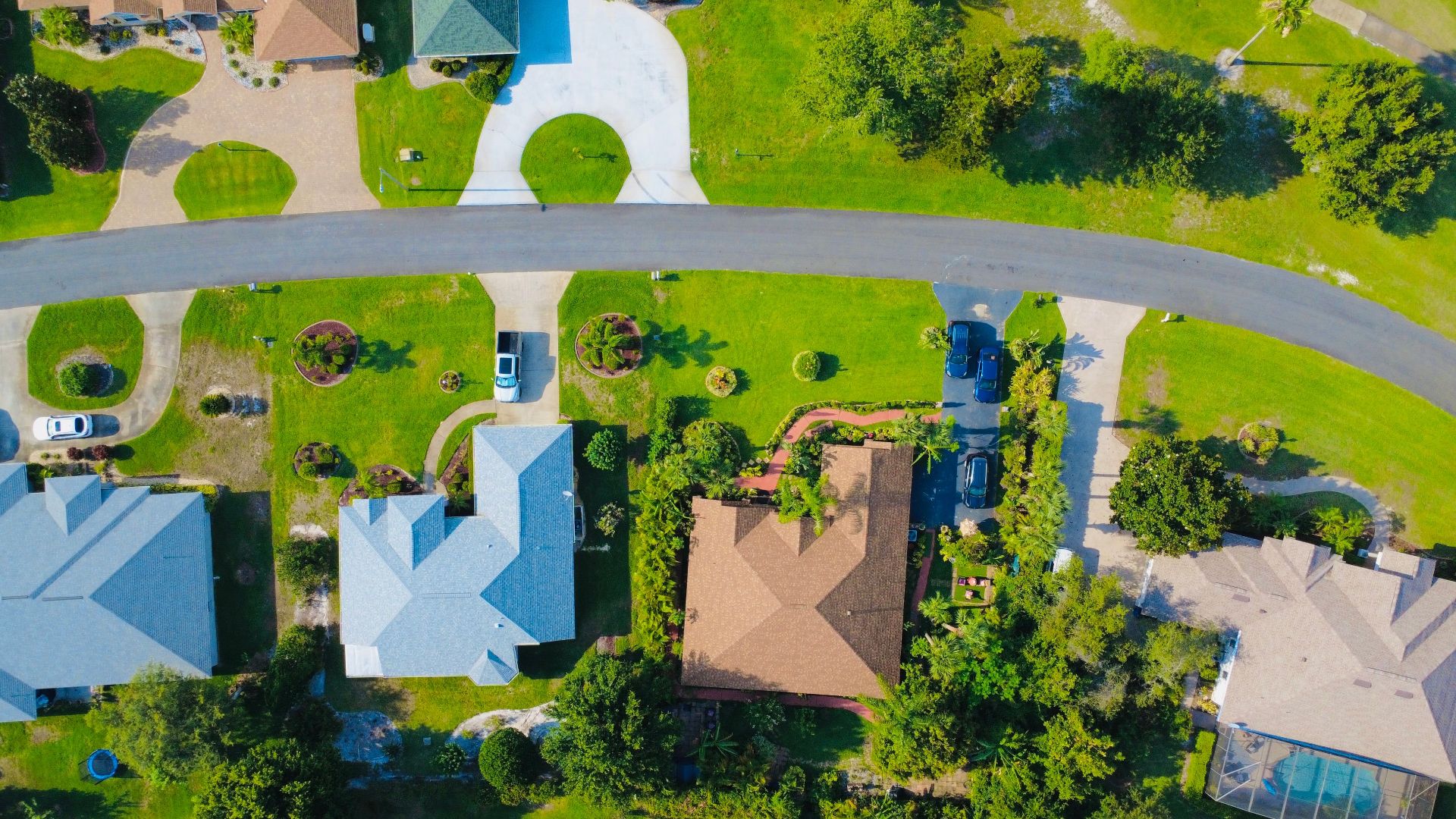
Texas Is Straightforward Too
Texas Transportation Code section 545.302 prohibits stopping, standing, or parking in front of a public or private driveway. The wording is simple and leaves little room for debate. If a car is sticking into the driveway opening, the law is already pretty clear.
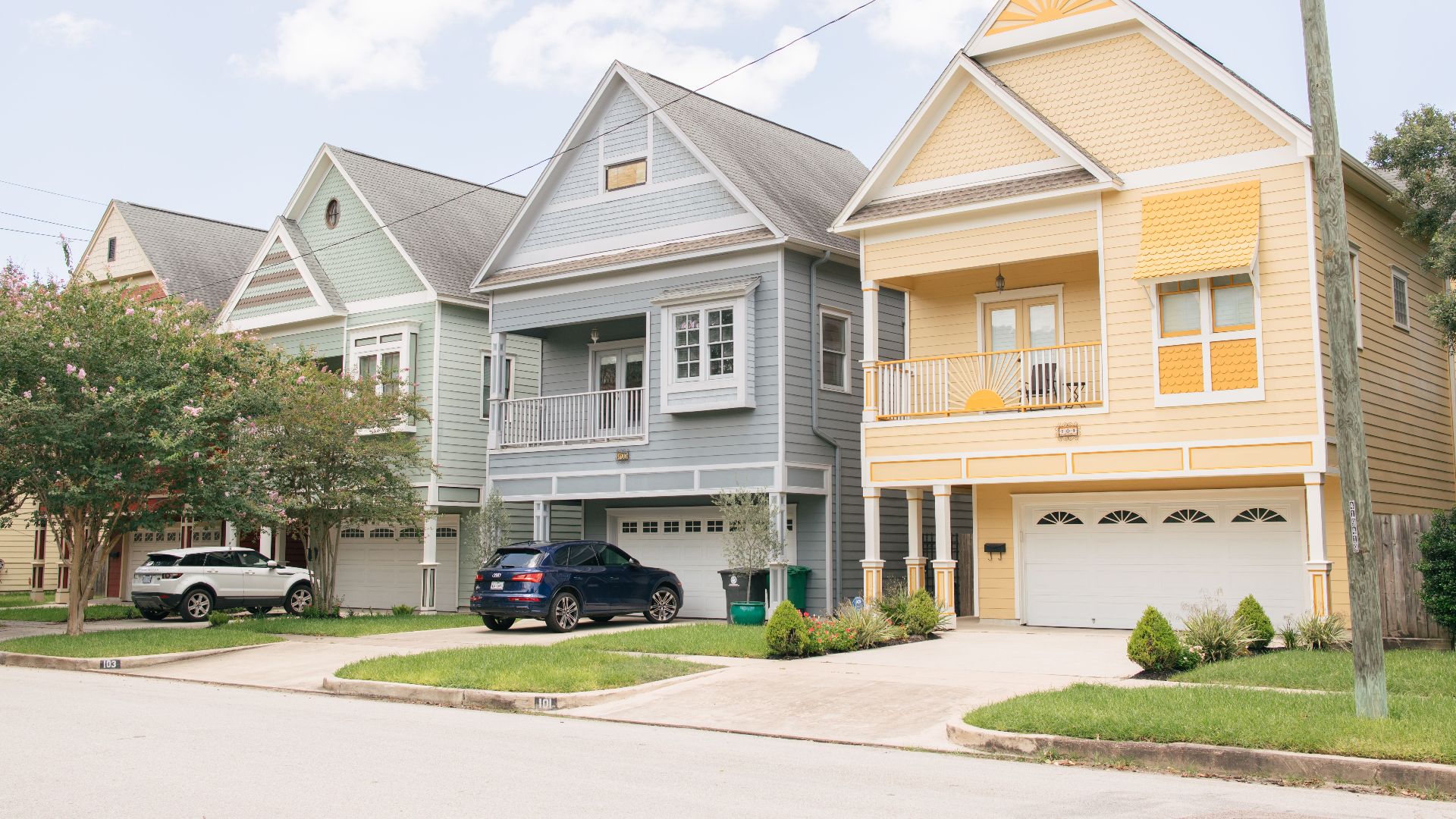
Some Cities Go Further Than State Law
This is where things can get more interesting. Some local governments do more than just ban parking in front of a driveway. They also create a no-parking zone near the edge of the driveway, usually measured in feet. So even if a neighbor is not technically blocking the opening, they may still be parked illegally if they are too close.
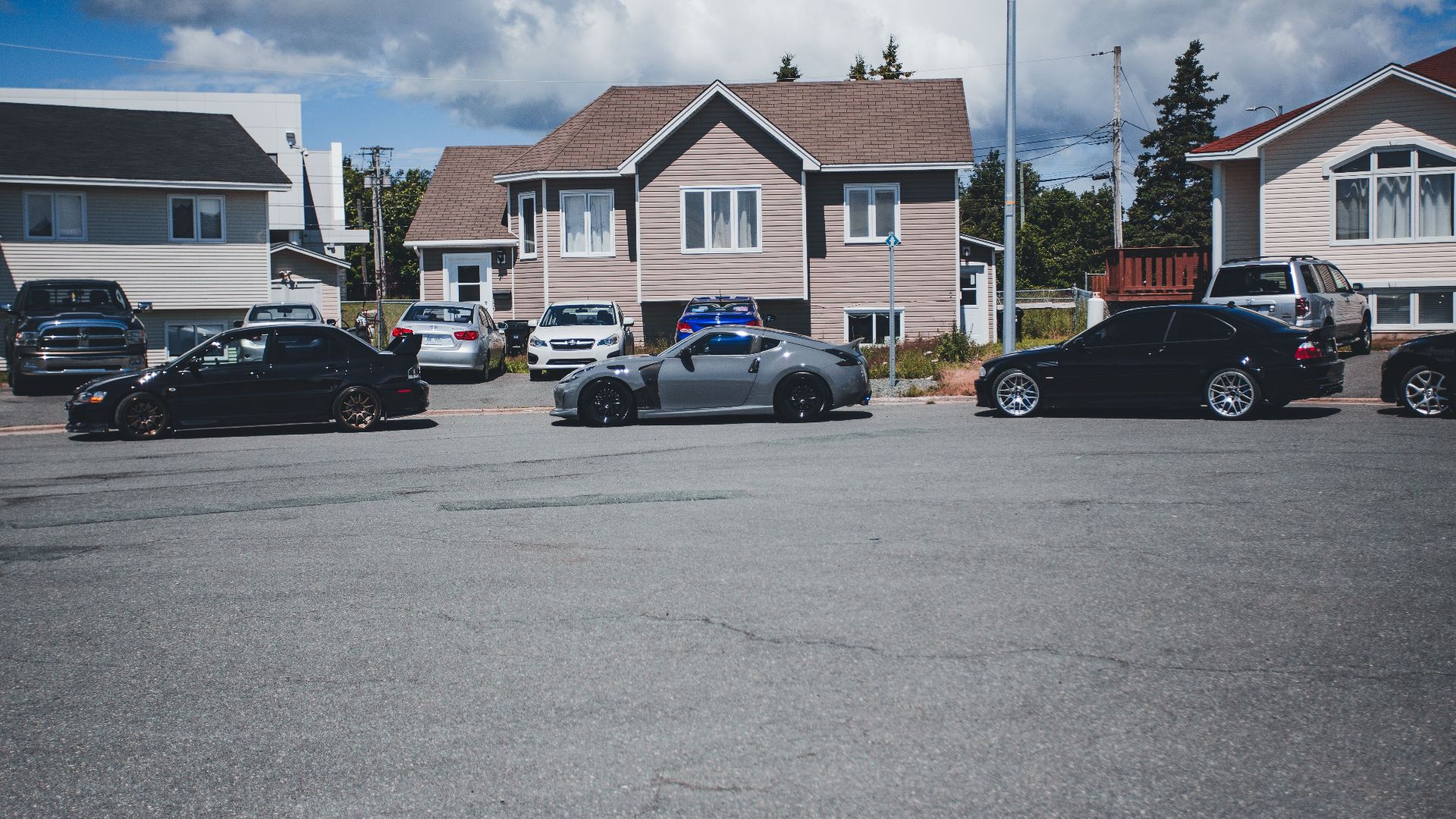
Seattle Offers A Clear Example
The Seattle Municipal Code says no one may stop, stand, or park a vehicle within five feet of the edge of a driveway or alley. That kind of rule deals with a very real problem: a car can sit just outside the driveway and still make it much harder to see or turn safely.
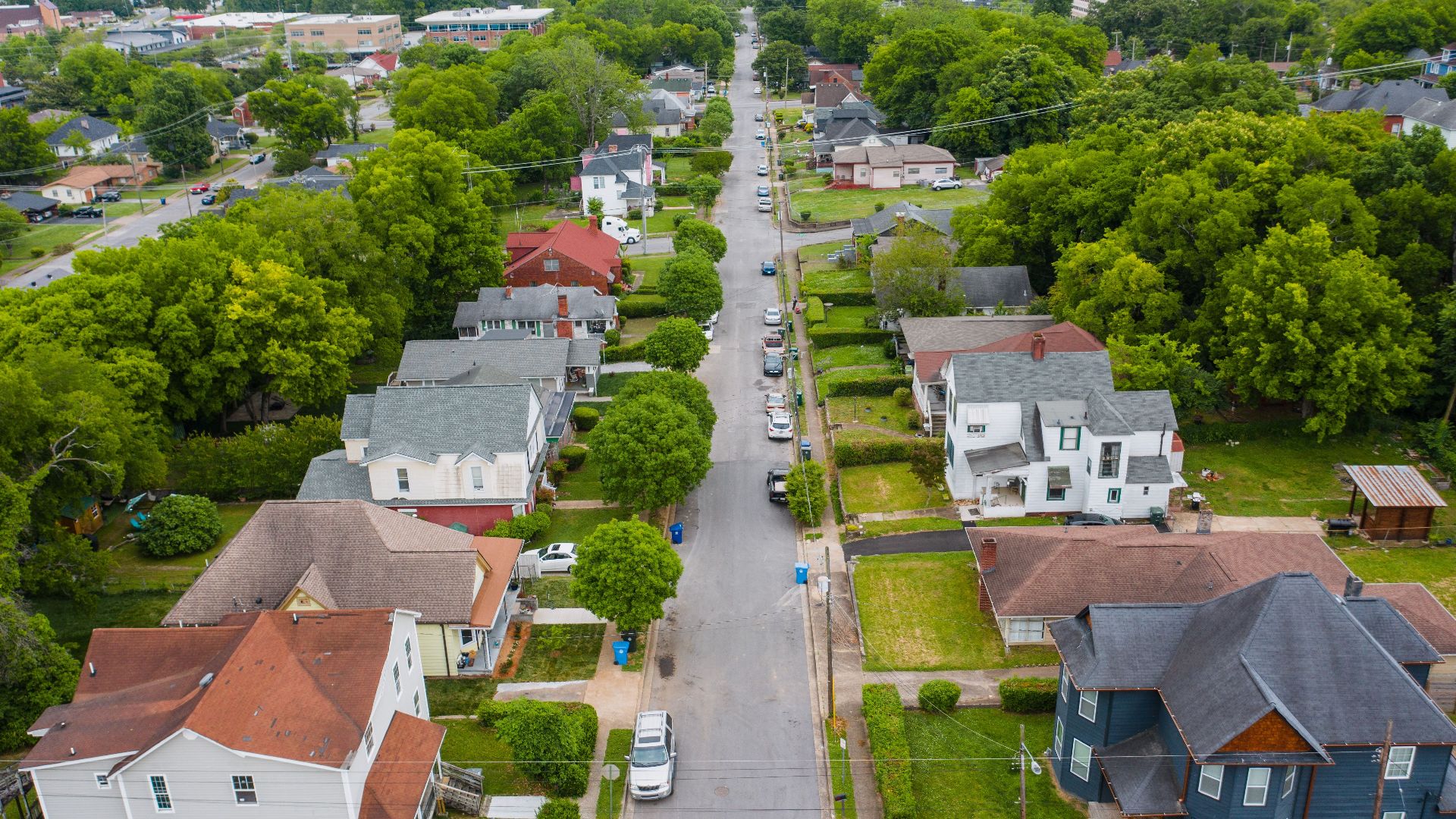
San Francisco Uses A Similar Rule
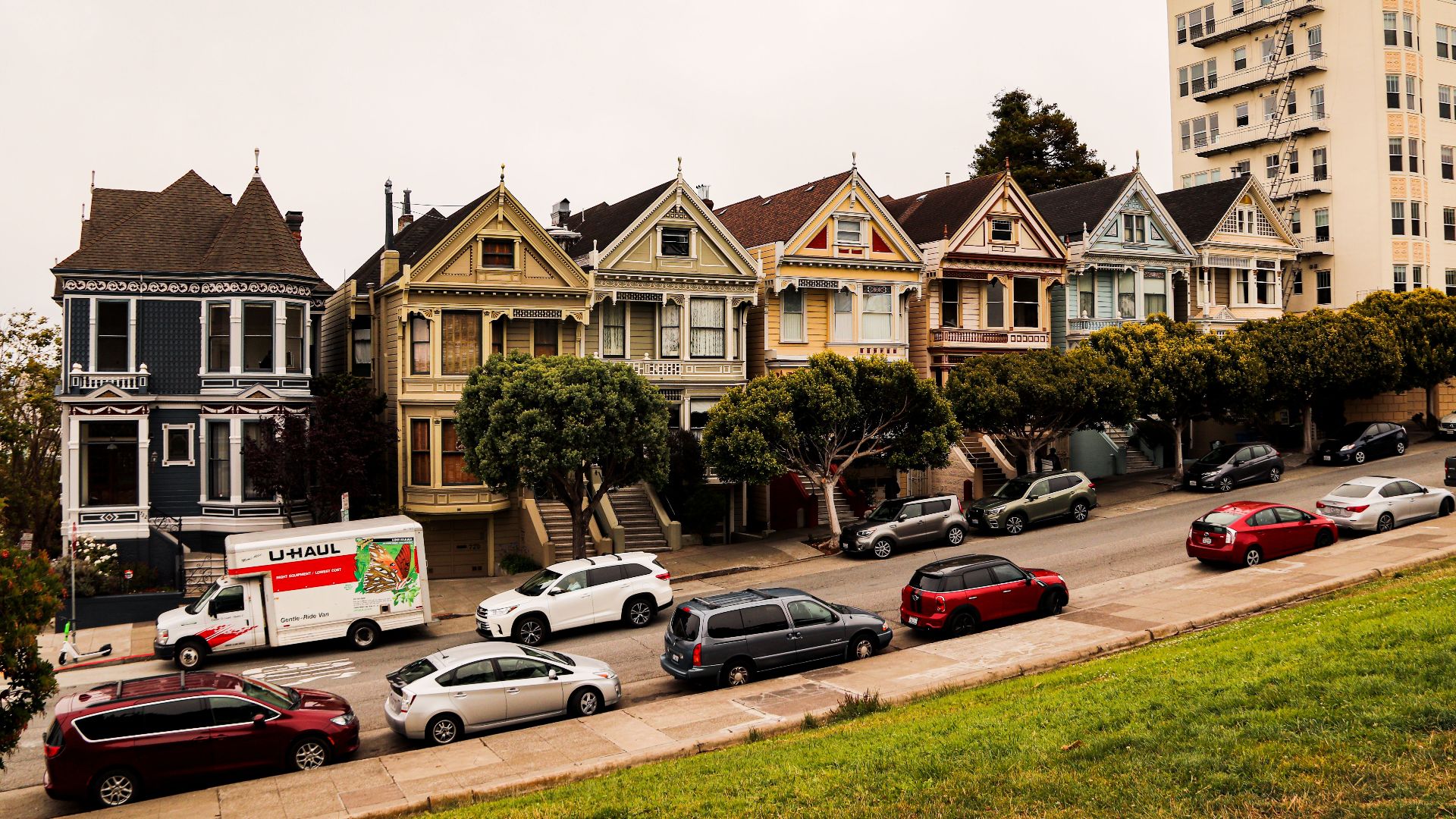
San Francisco’s Municipal Transportation Agency says vehicles may not park within five feet of a driveway. The agency also notes that parking enforcement can ticket cars that violate that rule. It is a good example of how city agencies often give practical guidance that is easier to use than state statutes alone.
Why A Few Feet Matter
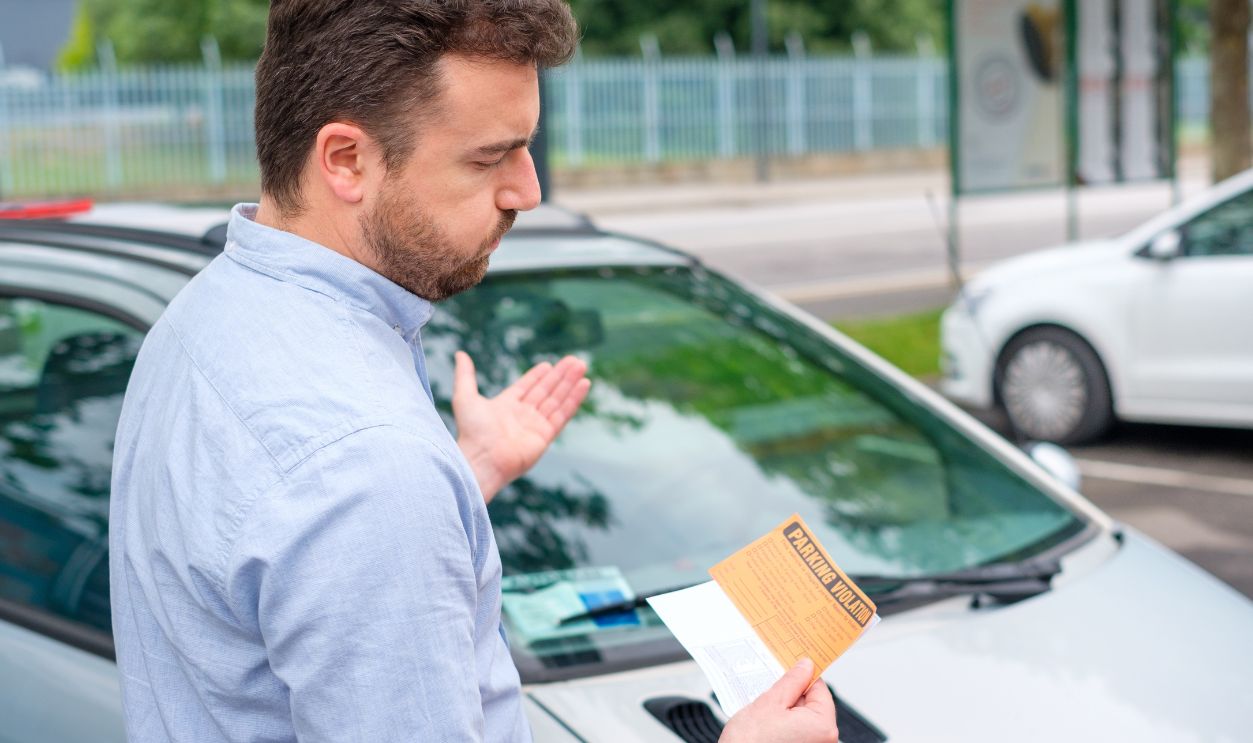
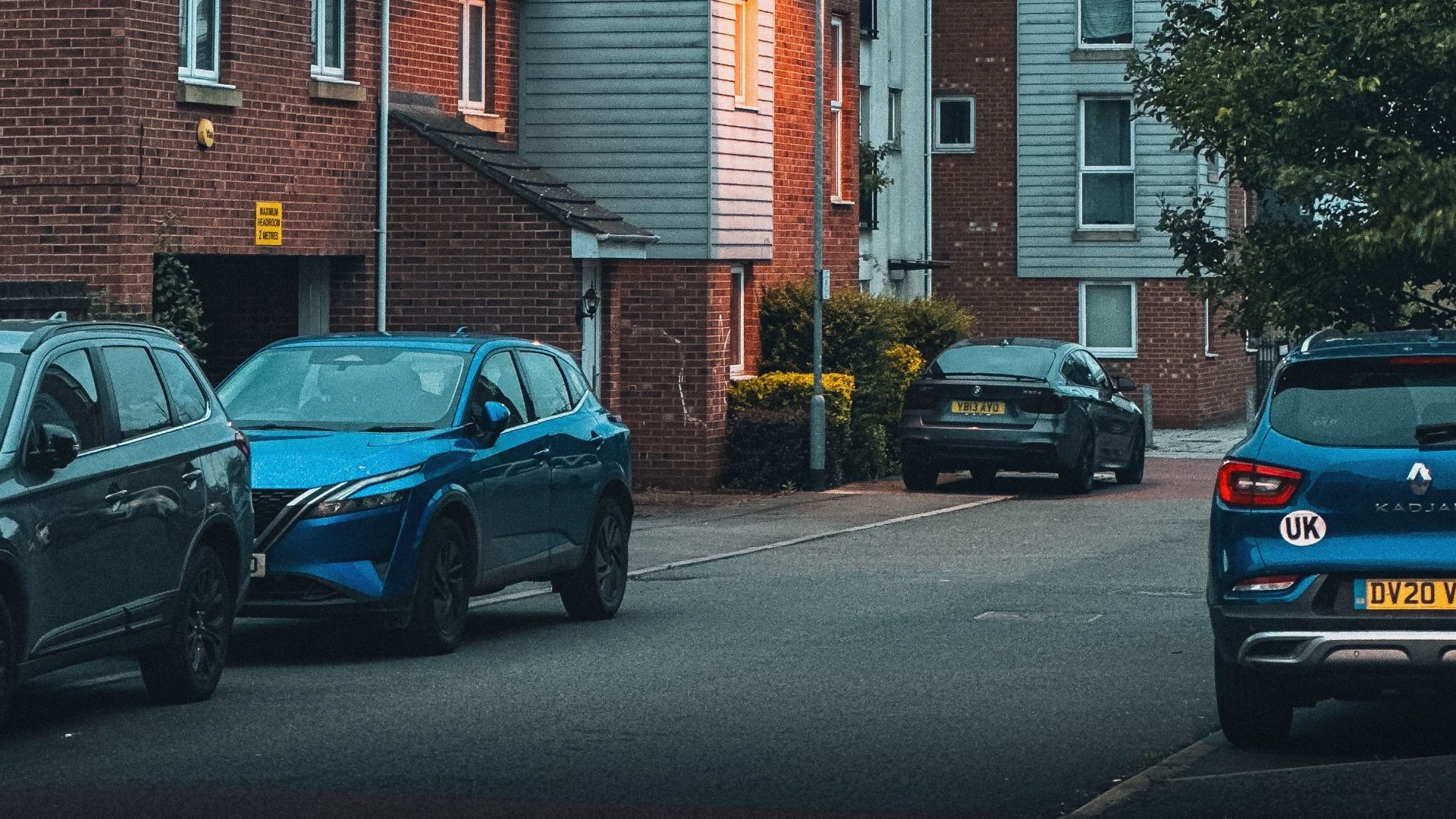
A car does not have to block your driveway completely to cause trouble. On a narrow street, a steep driveway, or a block packed with large SUVs and pickups, even a car parked right at the edge can make backing out much harder and much riskier. That is why some cities add setback rules in the first place.
First Figure Out Whether The Street Is Public
Most parking laws apply on public streets, not always on private roads inside apartment complexes, condo developments, or gated communities. If the road is private, the rules may come from a homeowners association, a lease, or property management instead of city code. That can change who has the power to help.
Do Not Guess At The Driveway Line
Look at the curb cut, the sloped apron, and any painted curb markings if your city uses them. In many places, enforcement focuses on the driveway opening at the curb, not the full width of the paved area on your property. If you need to report the problem, photos showing the car’s position next to the curb cut can help a lot.
Partial Blocking Can Still Count
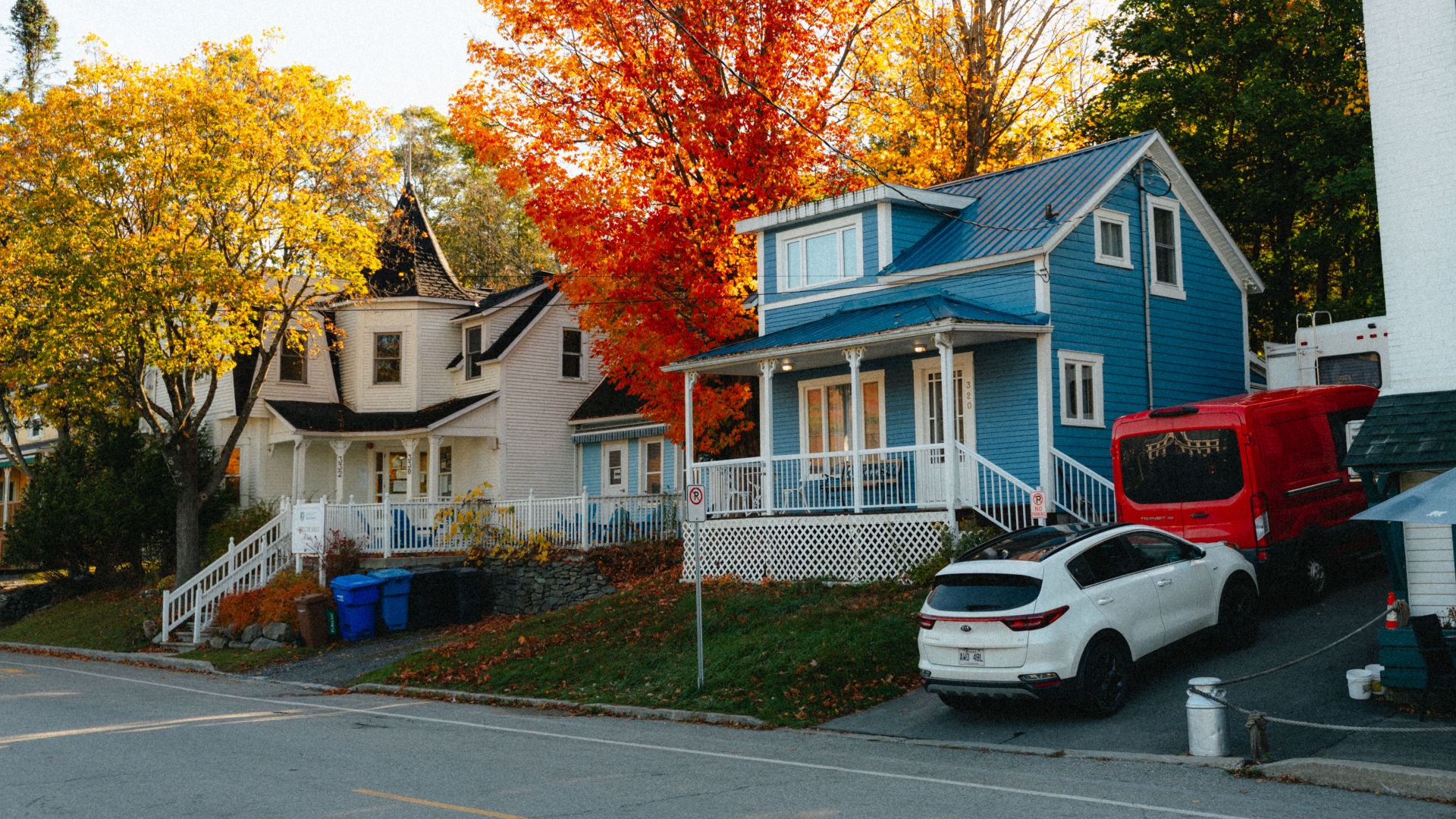
Some people assume a ticket only happens if a car blocks the whole driveway. That is not always true. A partial obstruction can still violate the rule if it interferes with access. The wording varies by place, but if you cannot get in or out without a struggle, that is exactly the kind of problem these laws are meant to prevent.
This Is Also A Safety Issue
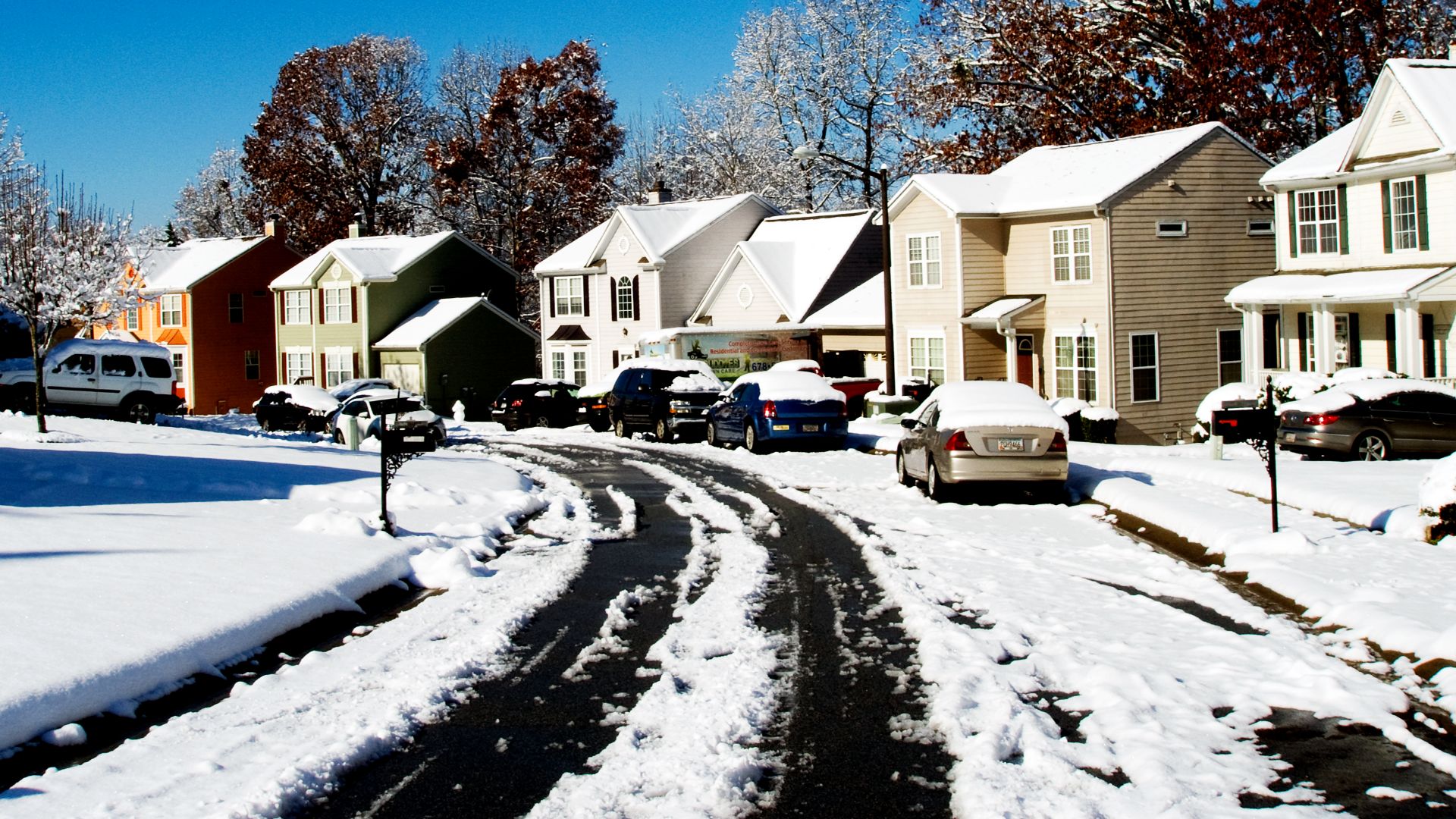
It is not just annoying. Bad visibility while backing out raises the chance of hitting a cyclist, a pedestrian, a child, a pet, or another car. A neighbor may think they are only making things inconvenient, but the law often treats driveway access as a real safety matter.

Start With The Simplest Fix
If you know the neighbor, a calm conversation is often the fastest way to solve it. Be direct and polite, and explain that the way they are parking makes it hard or unsafe for you to get out. A lot of people do not realize how bad the angle looks from the driver’s seat until someone tells them.

If That Does Not Work, Check Your City Code
Search your city name along with terms like driveway parking, curb cut, or municipal code. That is often the best way to find out whether your city has a rule like Seattle’s or San Francisco’s five-foot buffer. The exact wording matters because it tells you whether enforcement can act before the driveway is fully blocked.
Parking Enforcement May Be Your Best Call
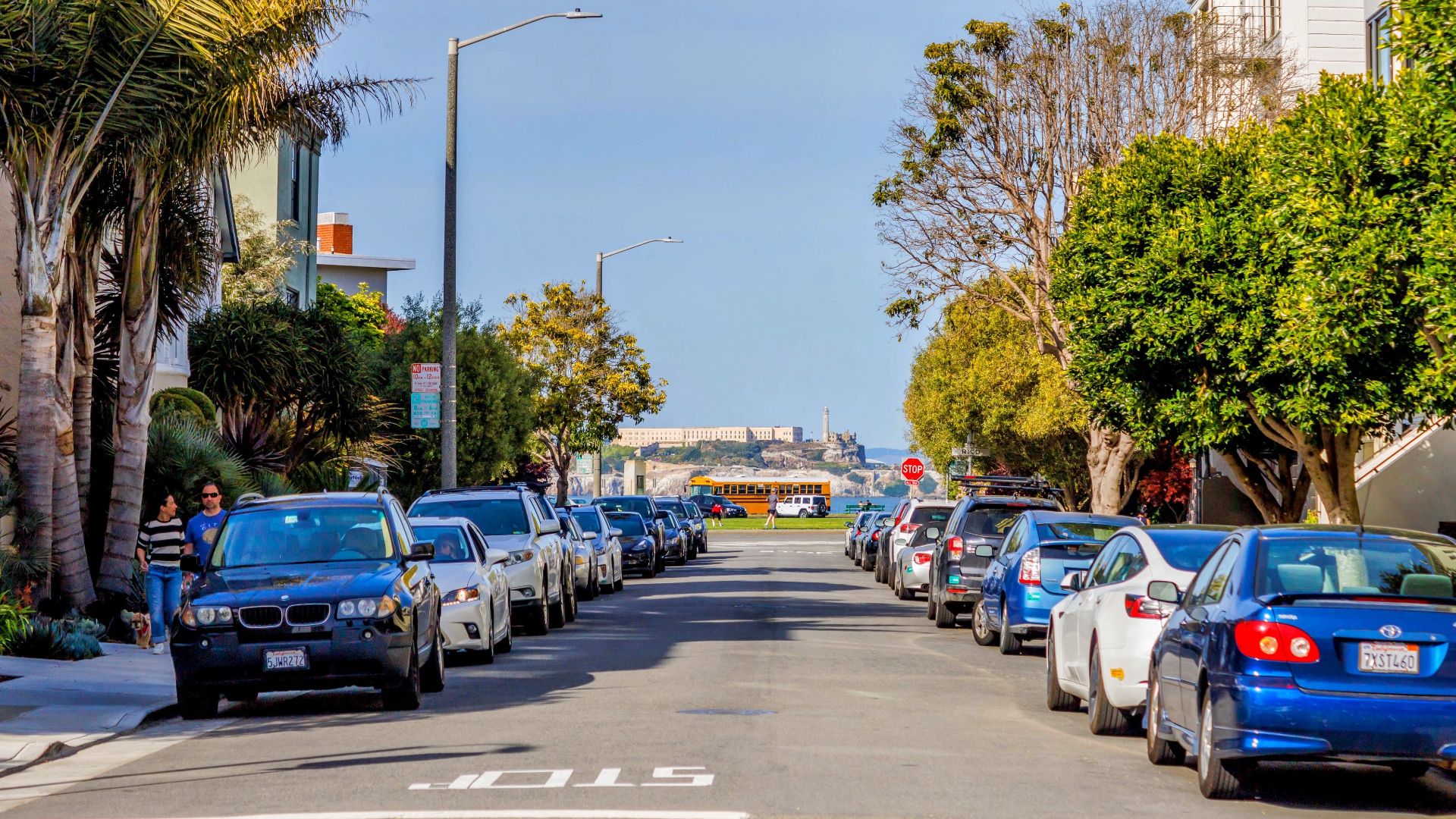
In many places, the most useful contact is not 911 or even the police desk. It is the local parking enforcement office, transportation department, or non-emergency city line. Those agencies often handle driveway complaints, issue tickets, and explain the rule in plain English.
Photos Help More Than Frustration
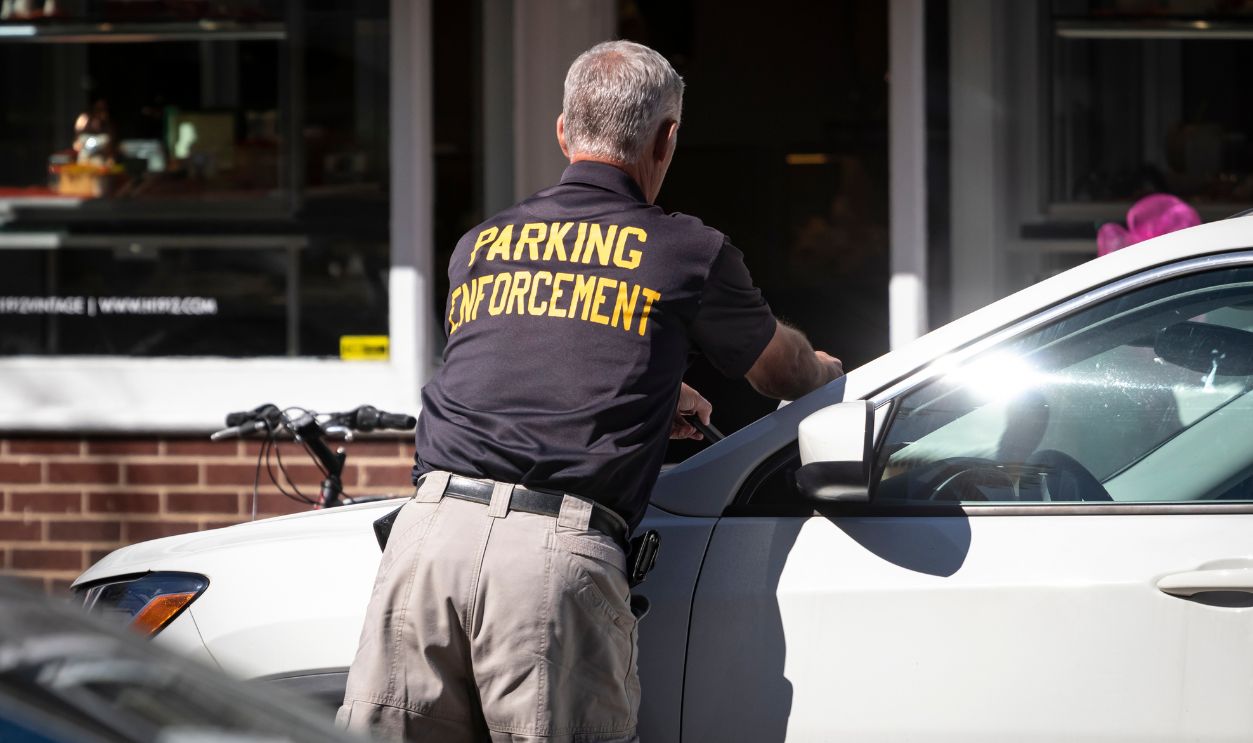
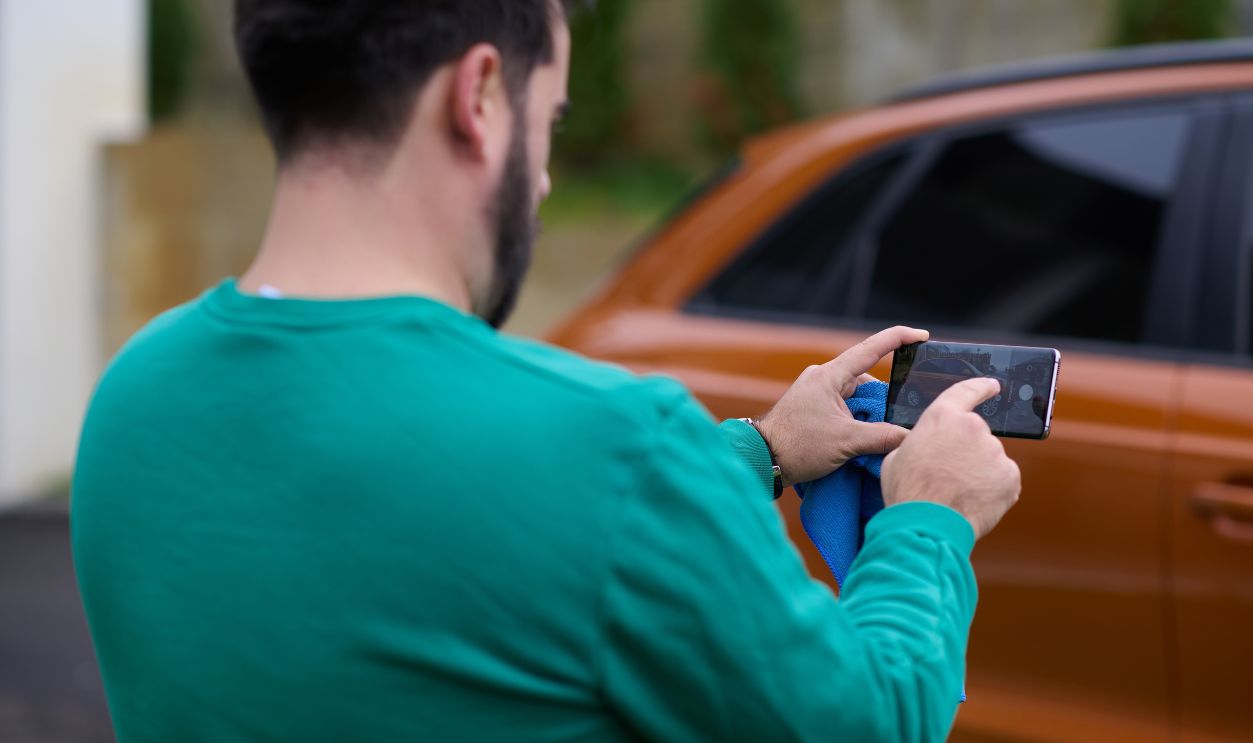
If this keeps happening, document it. Take clear photos that show the car, the driveway opening, the date, and the street if possible. A record of repeat incidents can help if the city wants proof of an ongoing problem or if things move toward towing or a formal complaint.
Towing Rules Are Usually Very Local
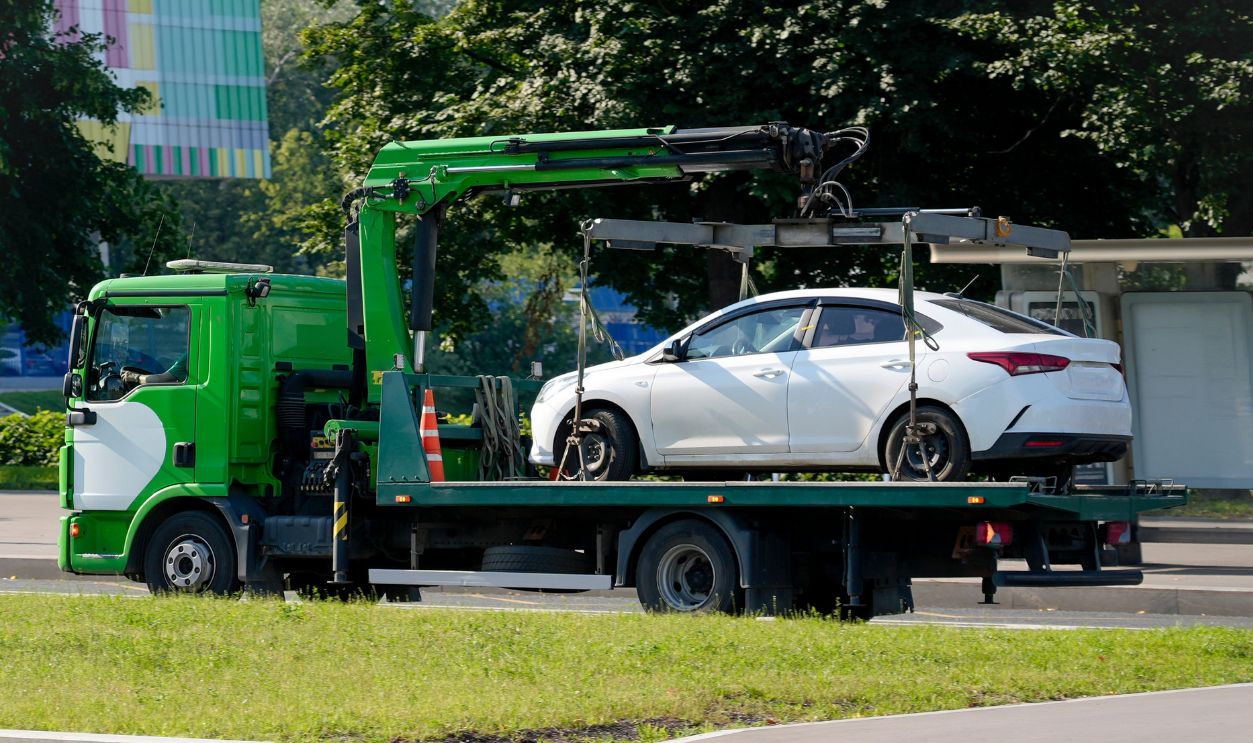
Many cities allow towing when a vehicle blocks a driveway, but the process is different from place to place. Some require police approval, others let parking enforcement order the tow, and private-property rules can be different again. Before you assume a car can be removed right away, check the local process.
You Usually Cannot Paint The Curb Yourself
As tempting as it may be, do not paint the curb red or add homemade no-parking markings unless your city clearly allows it. Unofficial curb paint may break local rules and usually will not make anything more enforceable. If your city offers approved curb markings through a permit process, that is the safer route.

Bigger Vehicles Make The Problem Worse
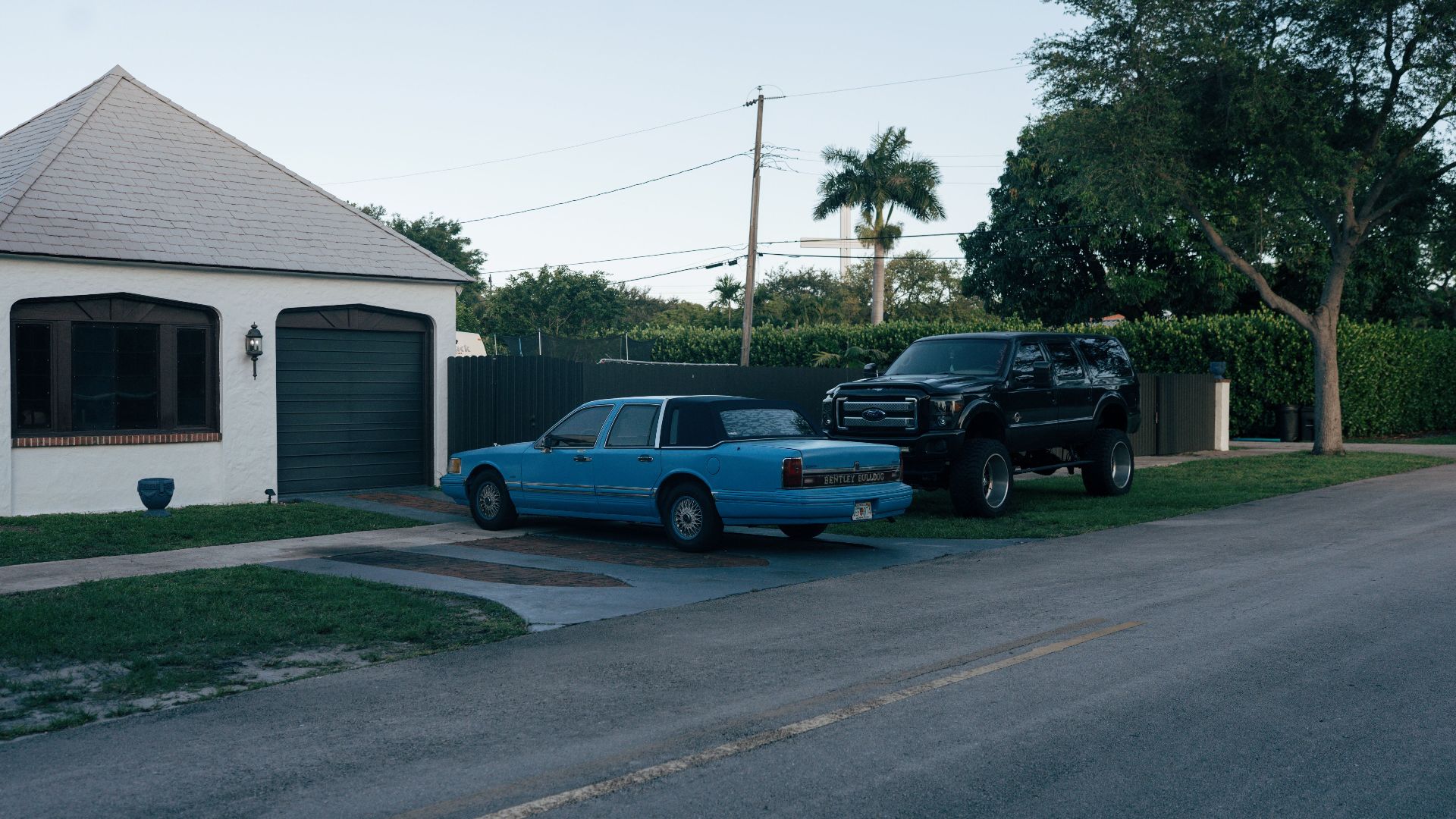
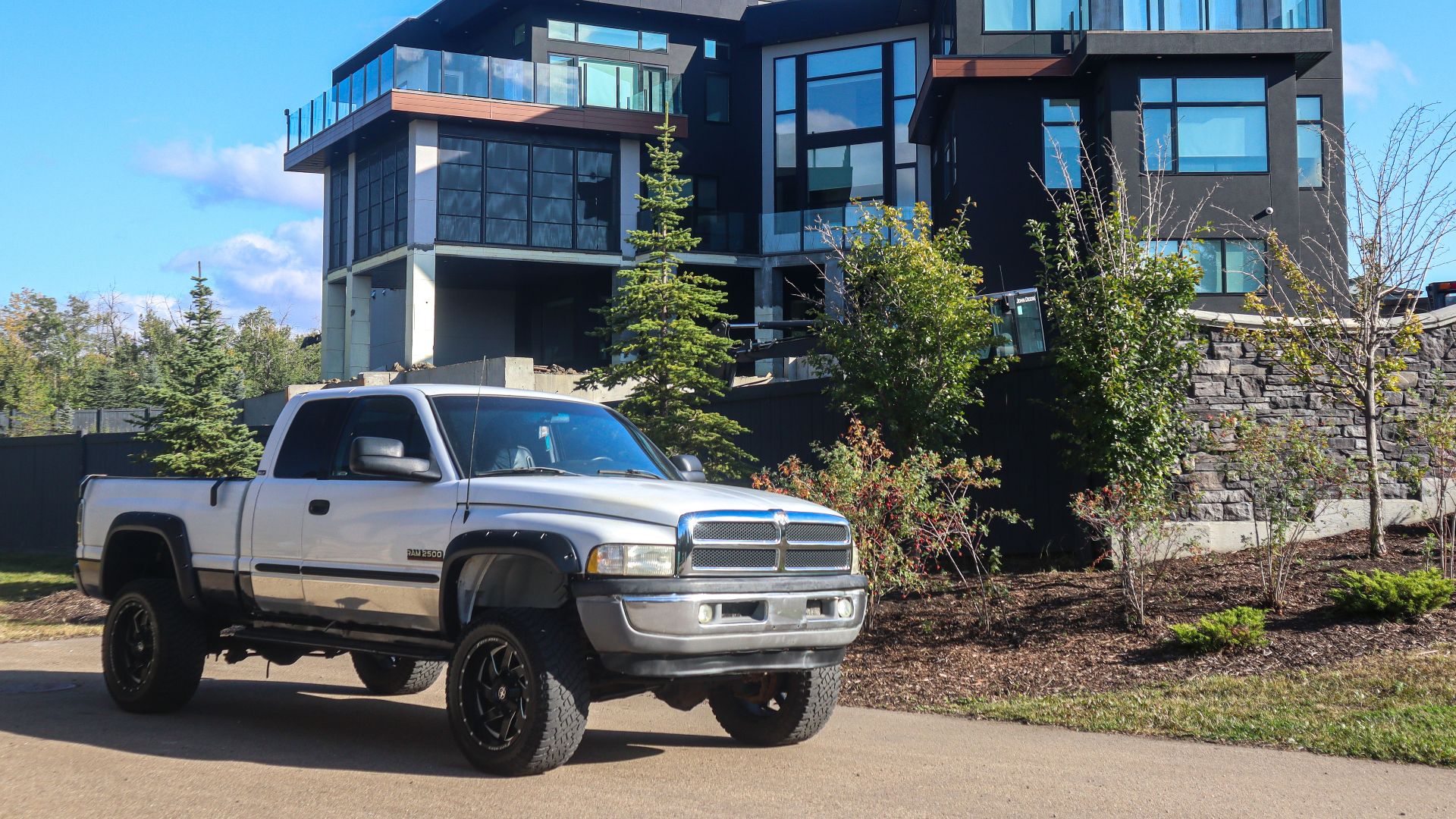
Part of the reason these conflicts feel more common now is simple: vehicles are bigger. Modern pickups and SUVs are often longer, taller, and bulkier than older cars, which makes sightlines worse on residential streets. Even when someone thinks they left enough room, the real turning space may still be terrible.
Corner Lots Can Be Even More Complicated
If your driveway is close to an intersection, there may be more than one rule in play. New York’s driver manual, for example, includes a separate 20-foot no-parking rule near a crosswalk at an intersection. On a corner lot, a neighbor might be violating both the driveway rule and the intersection rule at the same time.
Courtesy And Legality Are Not The Same Thing
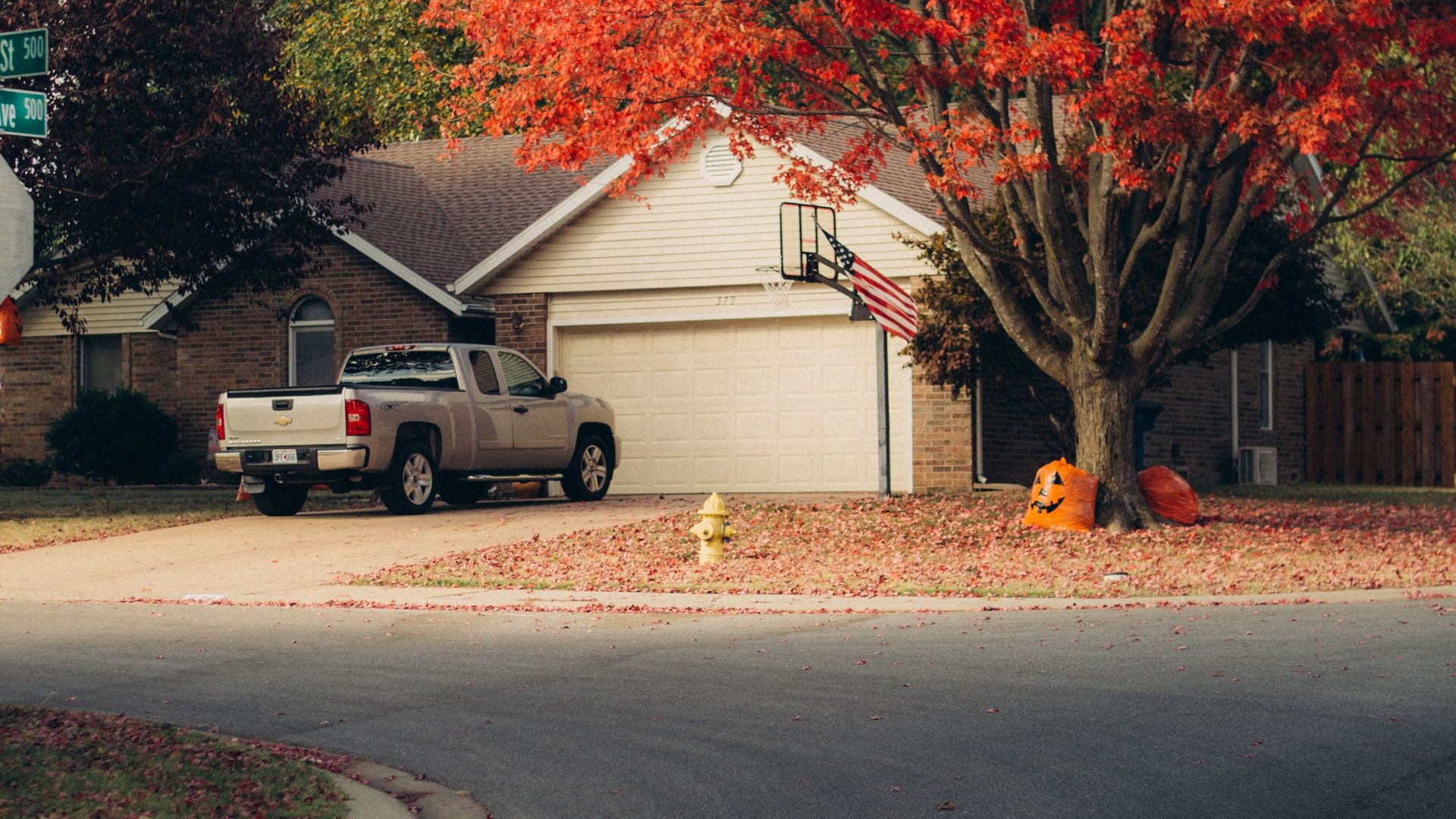
Some neighbors will argue that they are not blocking the driveway, only parking close to it. That may be their opinion, but the legal answer depends on the wording of your local rule. In a city with a five-foot setback, “close” may still be illegal.

Apartment And Condo Residents Have A Different Problem
If this happens in a managed complex, public-street rules may not be your main answer. Check the lease, condo bylaws, parking map, and any fire-lane markings, then contact management in writing. In private communities, access and towing rules are often enforced by the property owner instead of the city.
When It Stops Being A One-Time Problem
If one polite request does nothing and the same car keeps showing up in the same bad spot, stop treating it like a misunderstanding. Move from conversation to documentation and formal reporting. Keep your notes simple and factual, with dates and photos, and avoid turning it into a shouting match.

The Legal Limit May Be Zero Feet Or Five
That is really the heart of it. In many states, the rule is simply that a vehicle cannot be parked in front of a driveway at all, which means the legal limit at the driveway opening is basically zero. In some cities, there is also a measured side buffer, often five feet, to protect the usable space next to the driveway.
So Is There A Legal Limit
Yes, very often there is. Parking in front of a driveway is broadly prohibited in states such as California, Florida, Texas, and New York, while cities including Seattle and San Francisco go further by requiring five feet of clearance from the driveway edge. If backing out of your driveway feels harder than it should, the law may already recognize the problem.