When “Fixed” Turns Into A New Problem
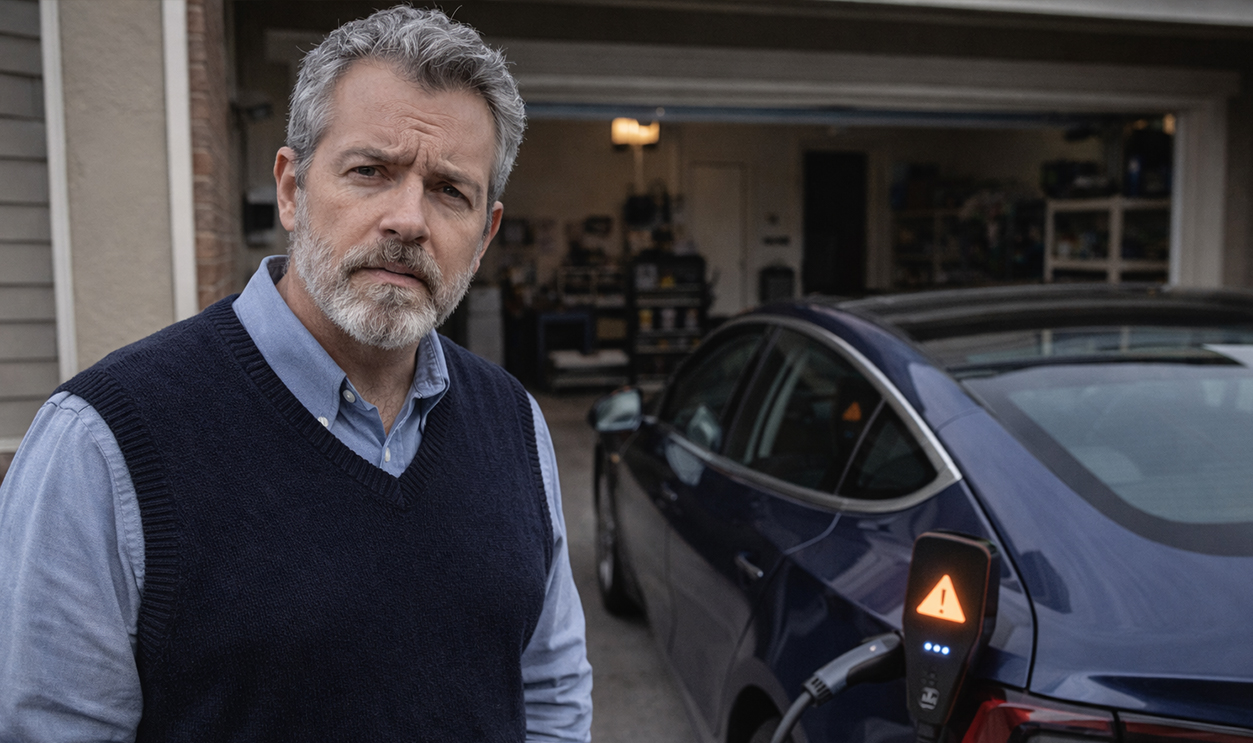
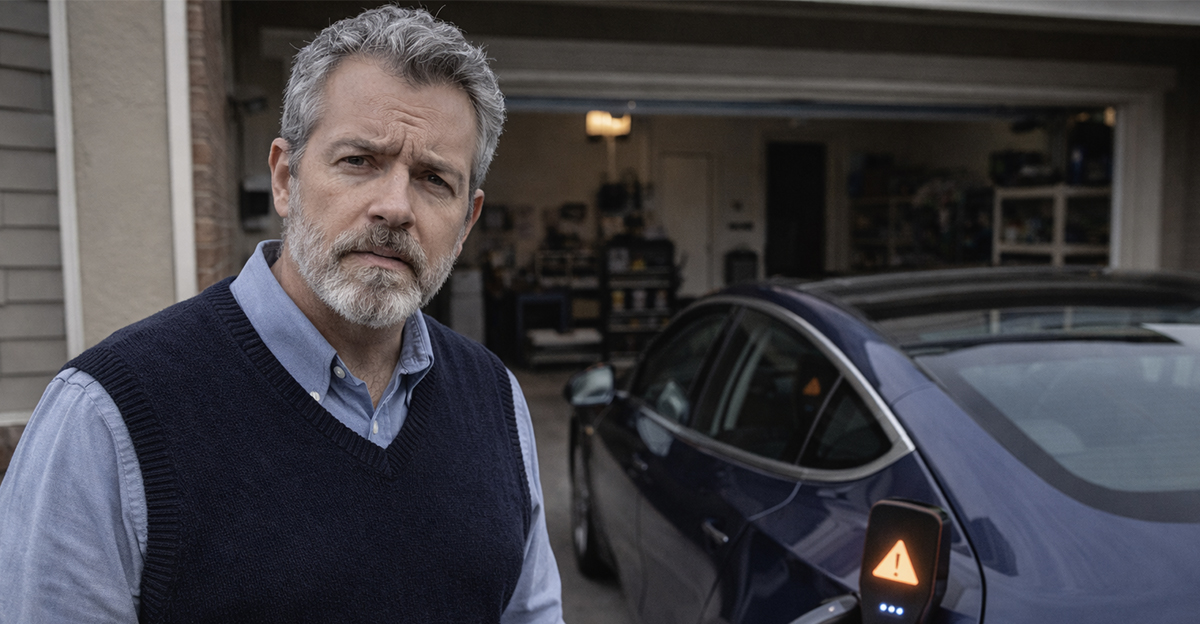
You finally got your EV back from the shop and plug it in at home like you’ve done a hundred times...but suddenly your charger flashes red, throws an error code, or refuses to charge at all. Now you’re wondering: did the shop mess something up, or is your charger just acting up? EV charging issues can feel mysterious, but there’s usually a logical explanation. The key is narrowing down whether the issue is the car, the charger, the wiring, or something simple you can reset.
Start With The Simplest Question: Does It Charge Anywhere Else?
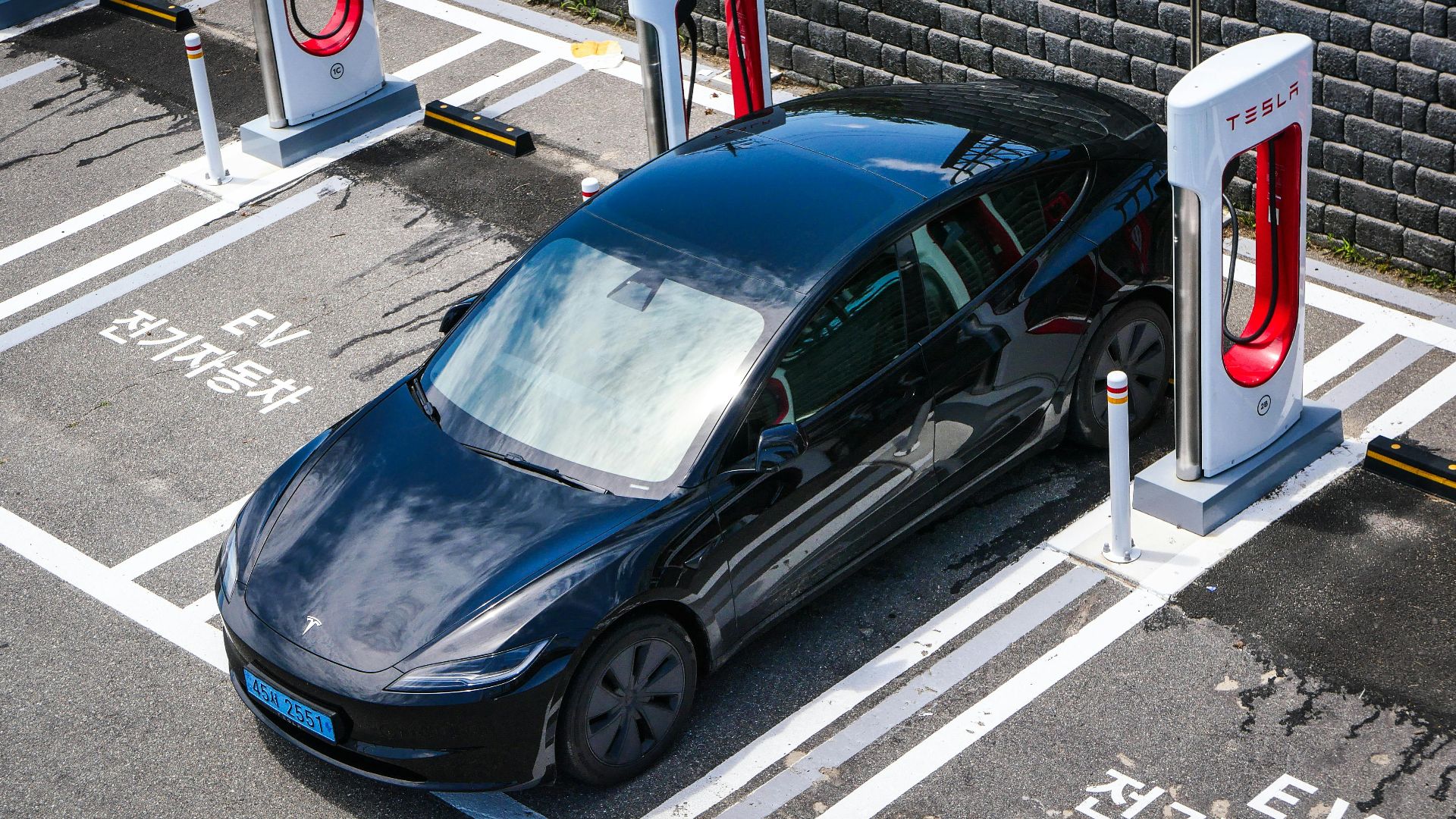
Before assuming the repair shop caused the issue, test your EV at a public charging station. If it charges normally elsewhere, that strongly suggests the problem is your home charger or electrical setup, not the car. If it fails at multiple chargers, the issue may be vehicle-related. This one comparison can save you hours of guesswork.
Reset Everything First
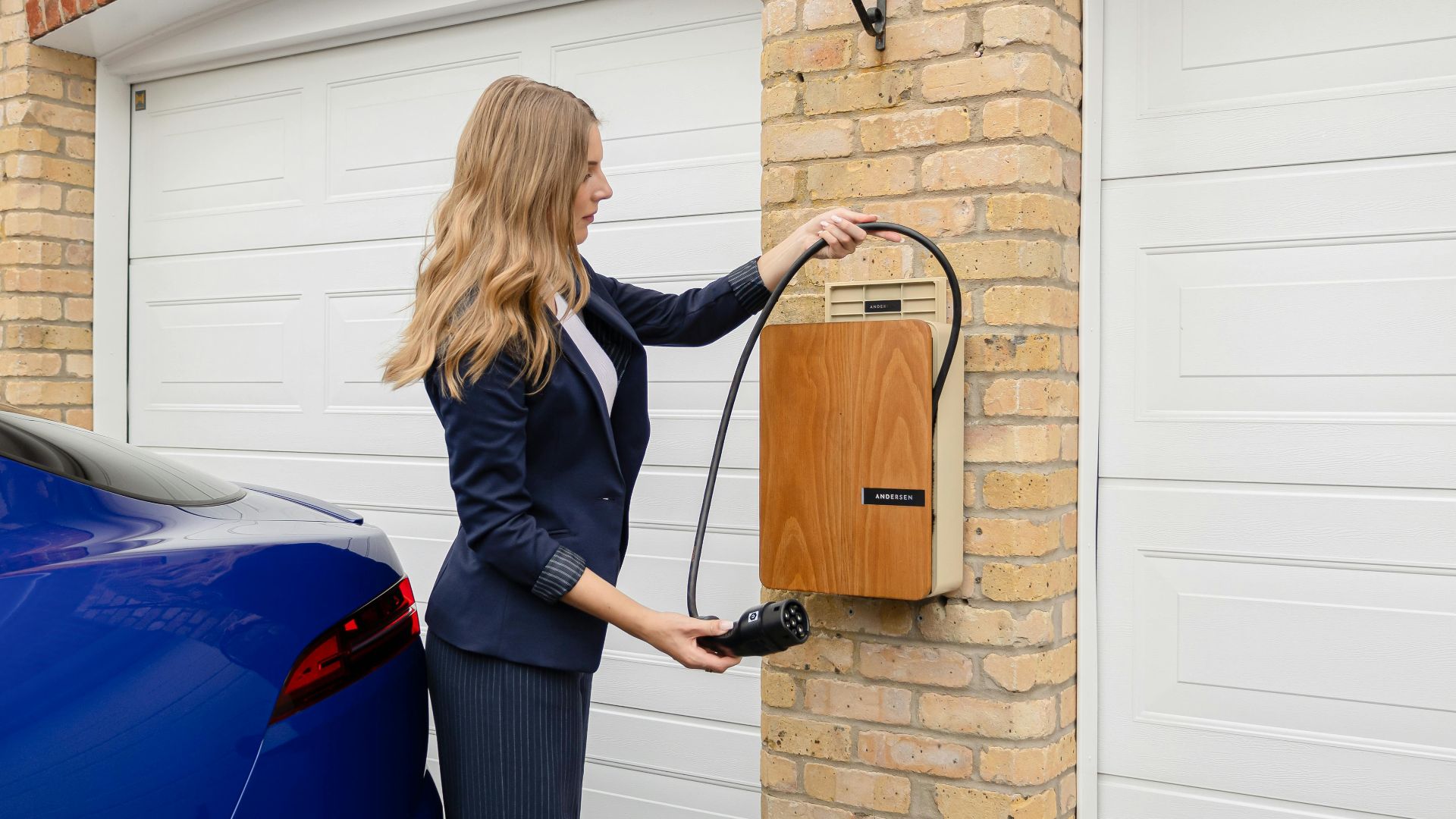
It sounds basic, but power cycling can fix a surprising number of charging issues. Turn off the breaker supplying your home charger. Wait a few minutes. Restart the charger and reboot your car’s infotainment or charging system if possible. EV chargers are essentially smart devices; they can glitch just like routers or smartphones.
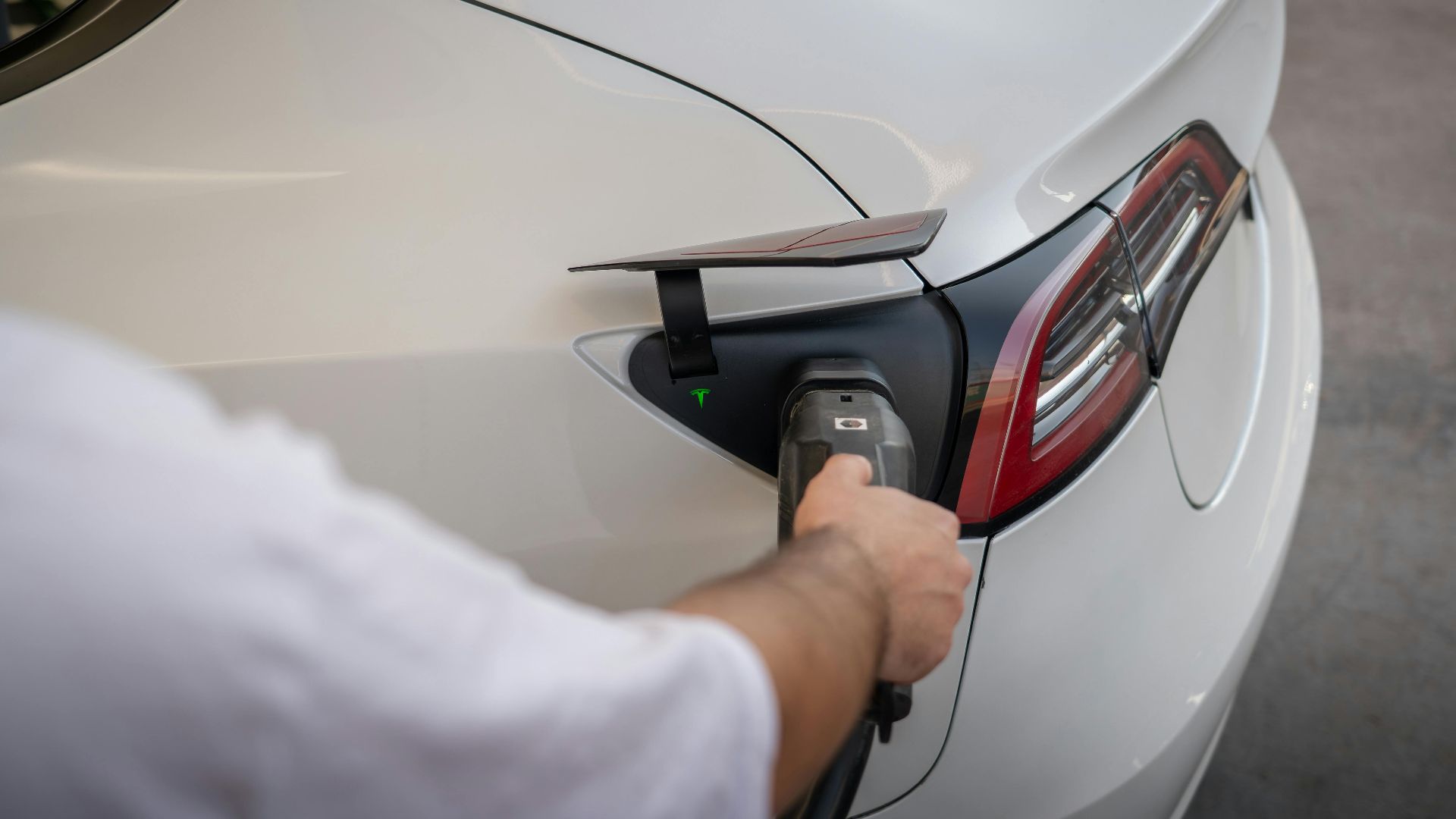
 Raimond Spekking, Wikimedia Commons
Check The Error Code Carefully
Most Level 2 home chargers display specific error lights or codes. These often correspond to ground faults, overcurrent protection, temperature issues, or communication failures. Look up the exact error in your charger’s manual or on the manufacturer’s website. The code can tell you whether the issue is electrical, software-related, or vehicle communication, and that distinction matters.
Inspect The Charging Port
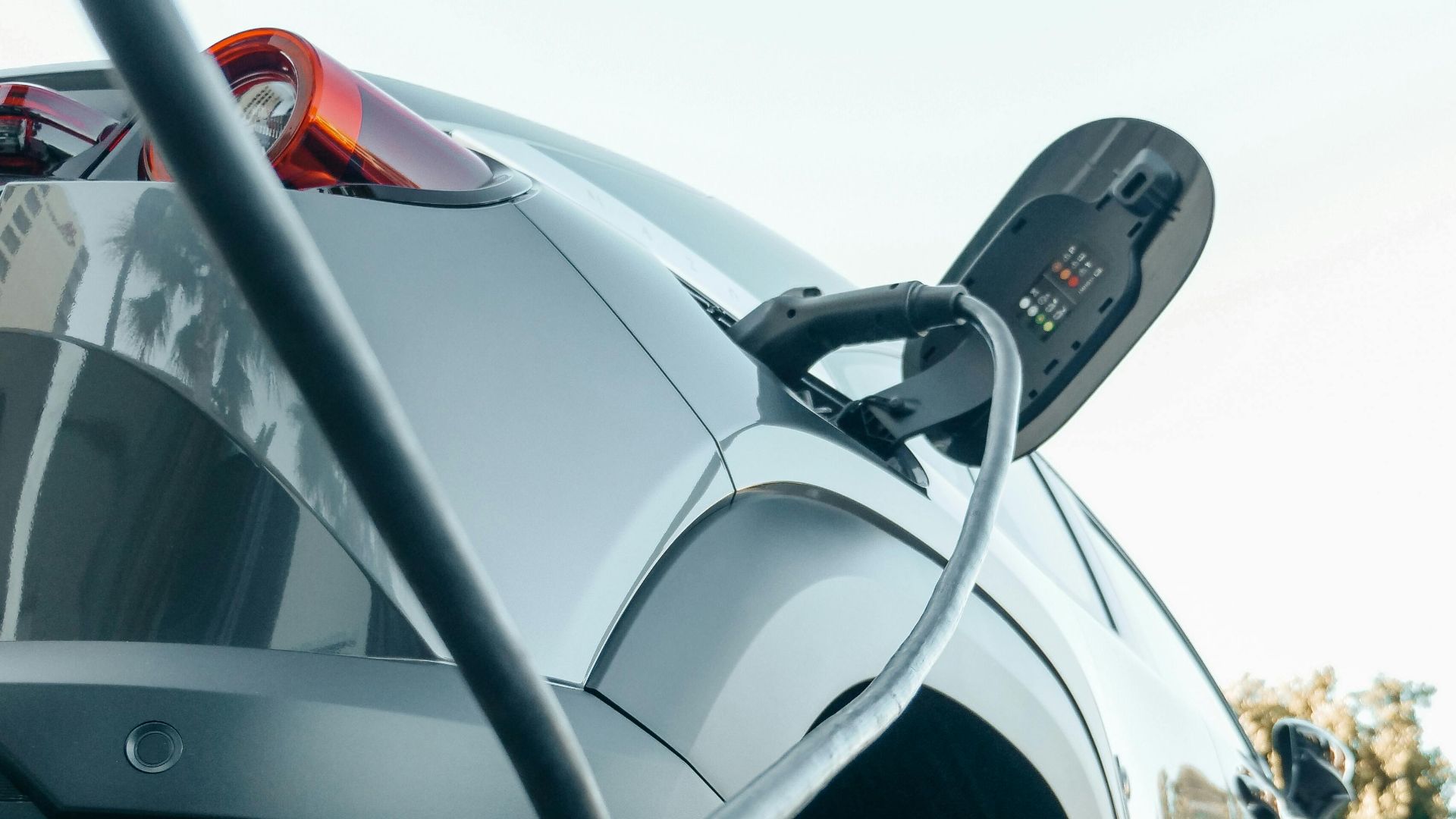
After a shop visit, it’s possible something minor changed. Check the charging port for debris, bent pins, moisture, or protective caps left partially engaged. Even a small obstruction can trigger a communication error between the charger and the vehicle. Make sure the connector clicks in securely and fully.
Consider What Was Repaired
Did the shop service the battery, onboard charger, high-voltage cables, or charging port assembly? Was the 12-volt battery disconnected? If charging components were touched, there could be a loose connector or calibration issue. Even something as simple as reconnecting the 12-volt battery can temporarily affect charging behavior.
Software Updates Can Affect Charging Compatibility
Modern EVs rely heavily on software. If your vehicle received a system update during service, it may interact differently with certain chargers. Occasionally, older home charging units require firmware updates to stay compatible with newer vehicle software. Check your charger manufacturer’s app or website for updates.

Check The 12-Volt Battery
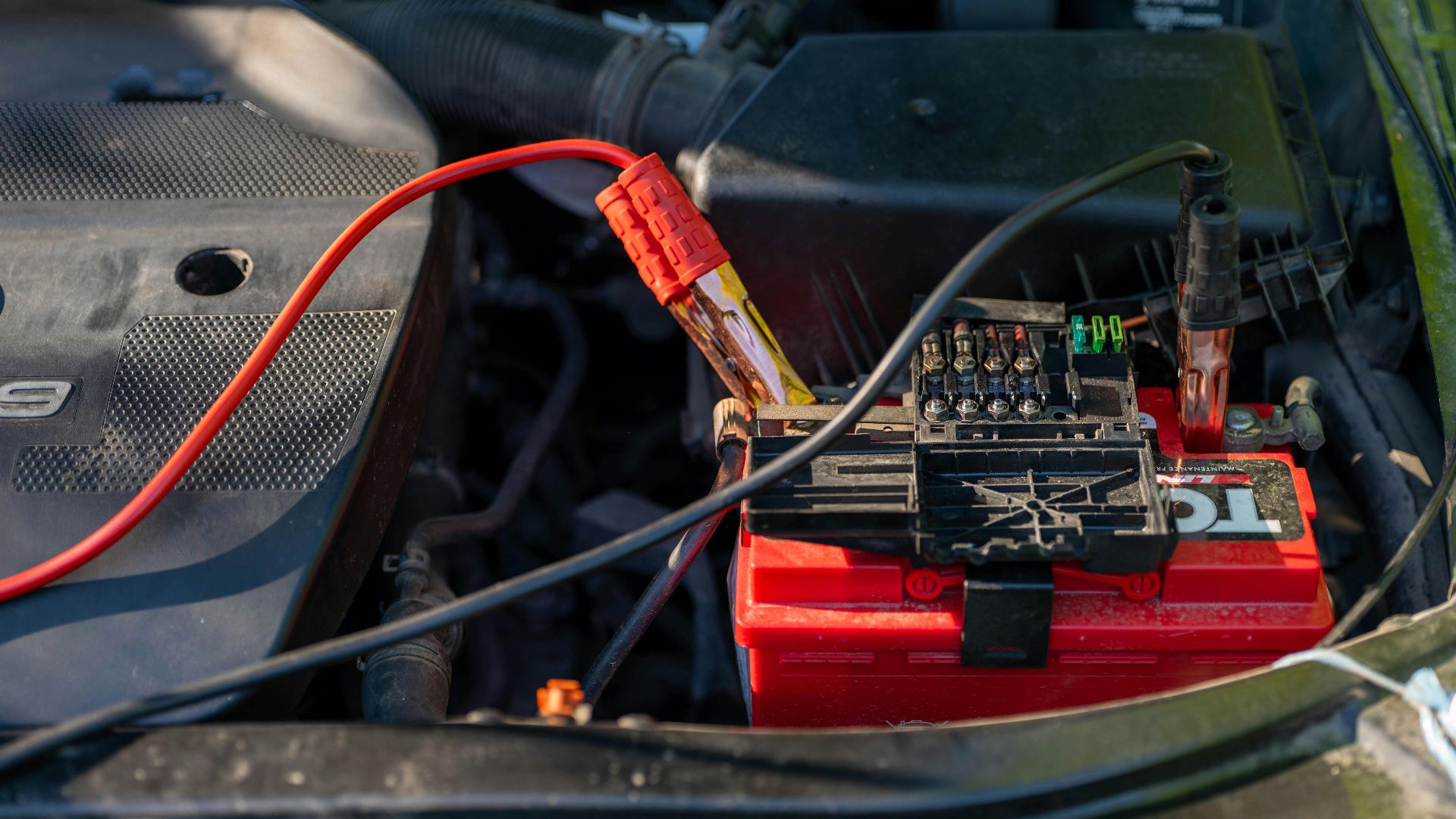
Even though your EV runs on a high-voltage battery, the 12-volt battery powers many control systems, including charging communication and safety checks. If the 12-volt battery is weak, recently replaced, or wasn’t fully secured during service, charging errors can occur. A quick battery health test may rule this out.
Look At Your Breaker Panel
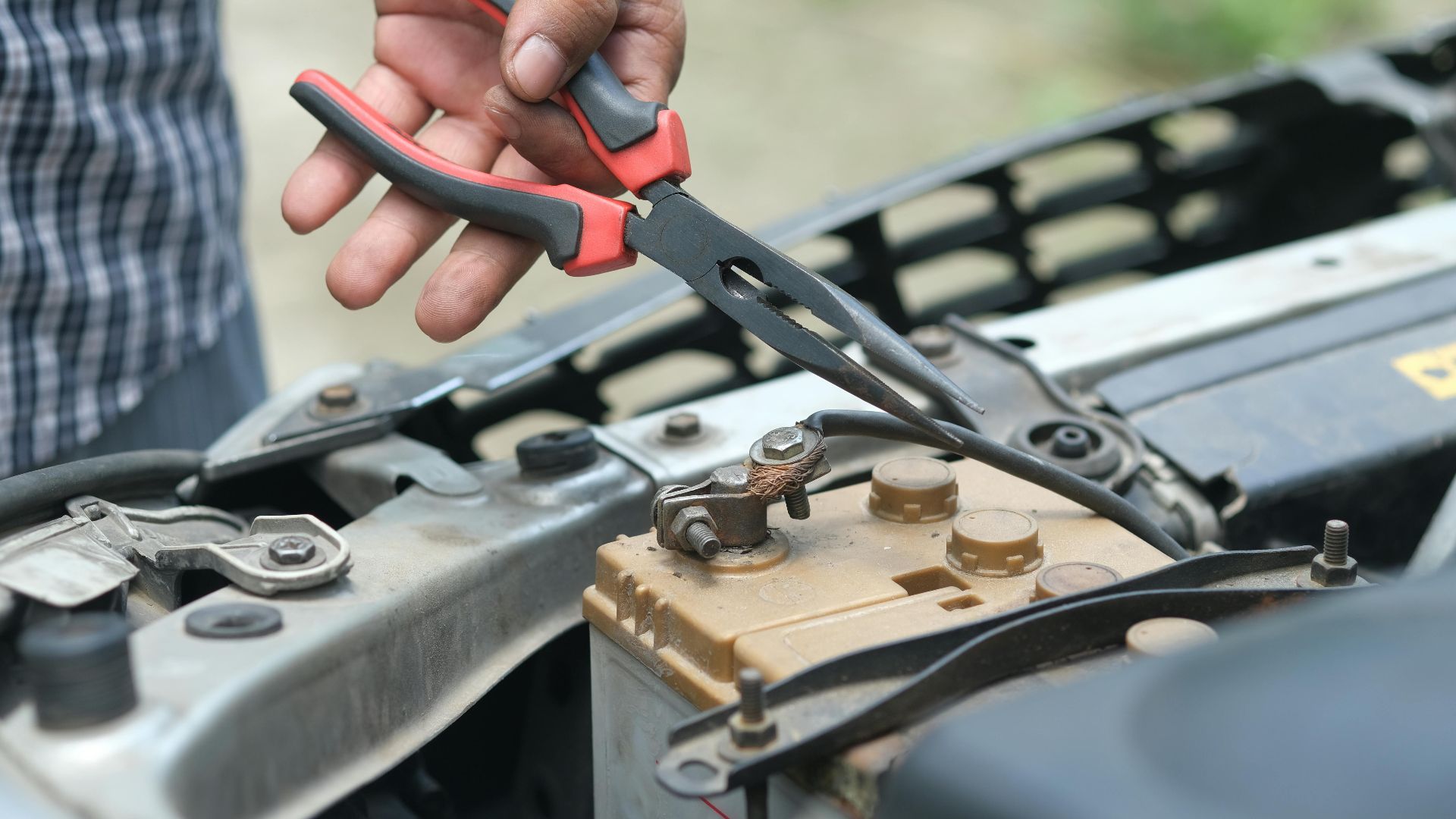
If your charger is tripping the breaker or showing a ground fault, the issue could be electrical rather than vehicle-related. Loose wiring, aging breakers, or circuit overload can trigger new errors. EV chargers draw significant power, so even a slightly weakened breaker can start acting up.
Ground Fault Errors Are Common
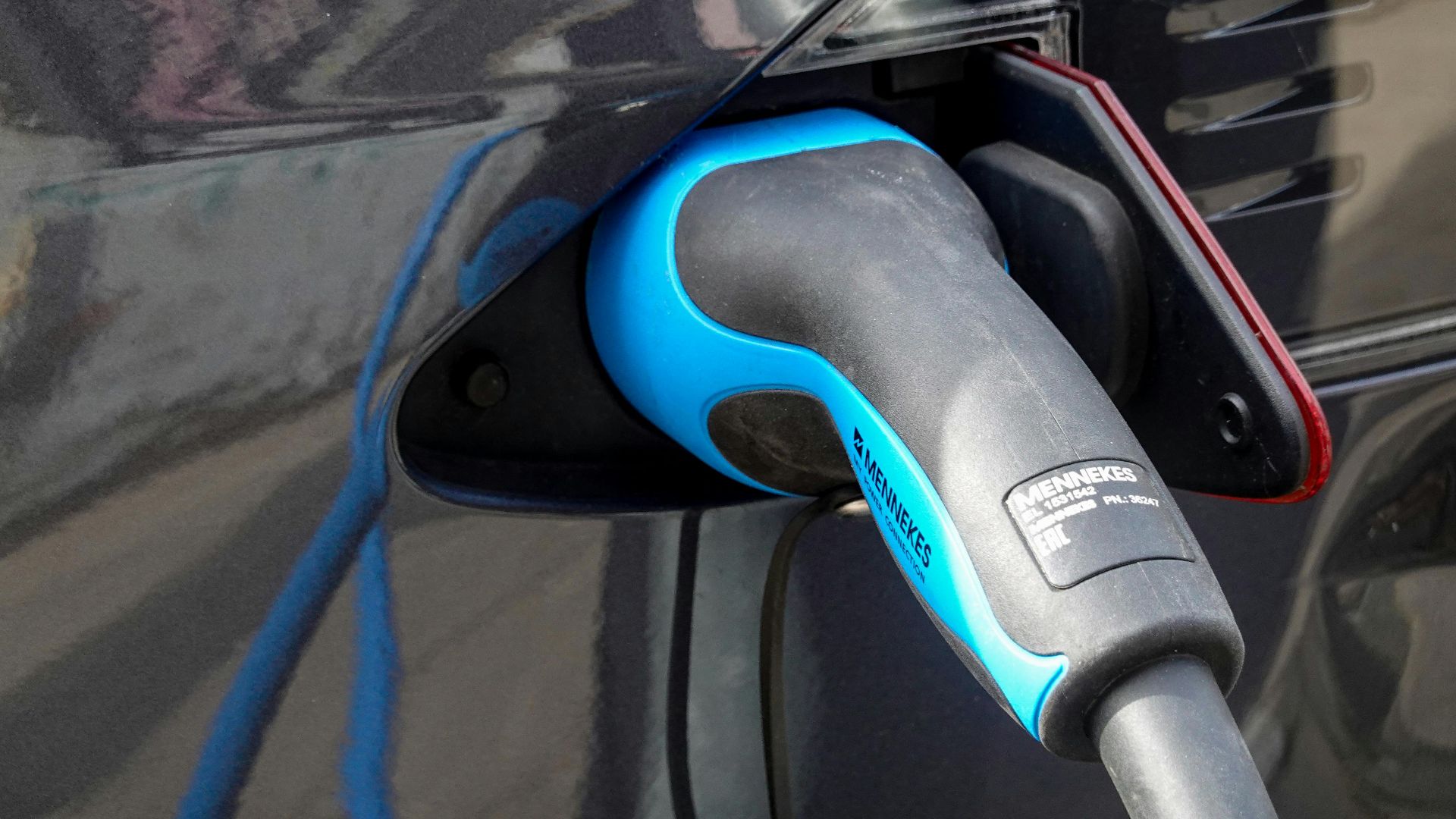
Many chargers are extremely sensitive to grounding irregularities. If something was disturbed during service—especially involving the charging system—minor voltage fluctuations could trigger protection systems. Sometimes the fix is as simple as tightening connections or resetting safety sensors.
Try A Different Charging Cable Or Adapter
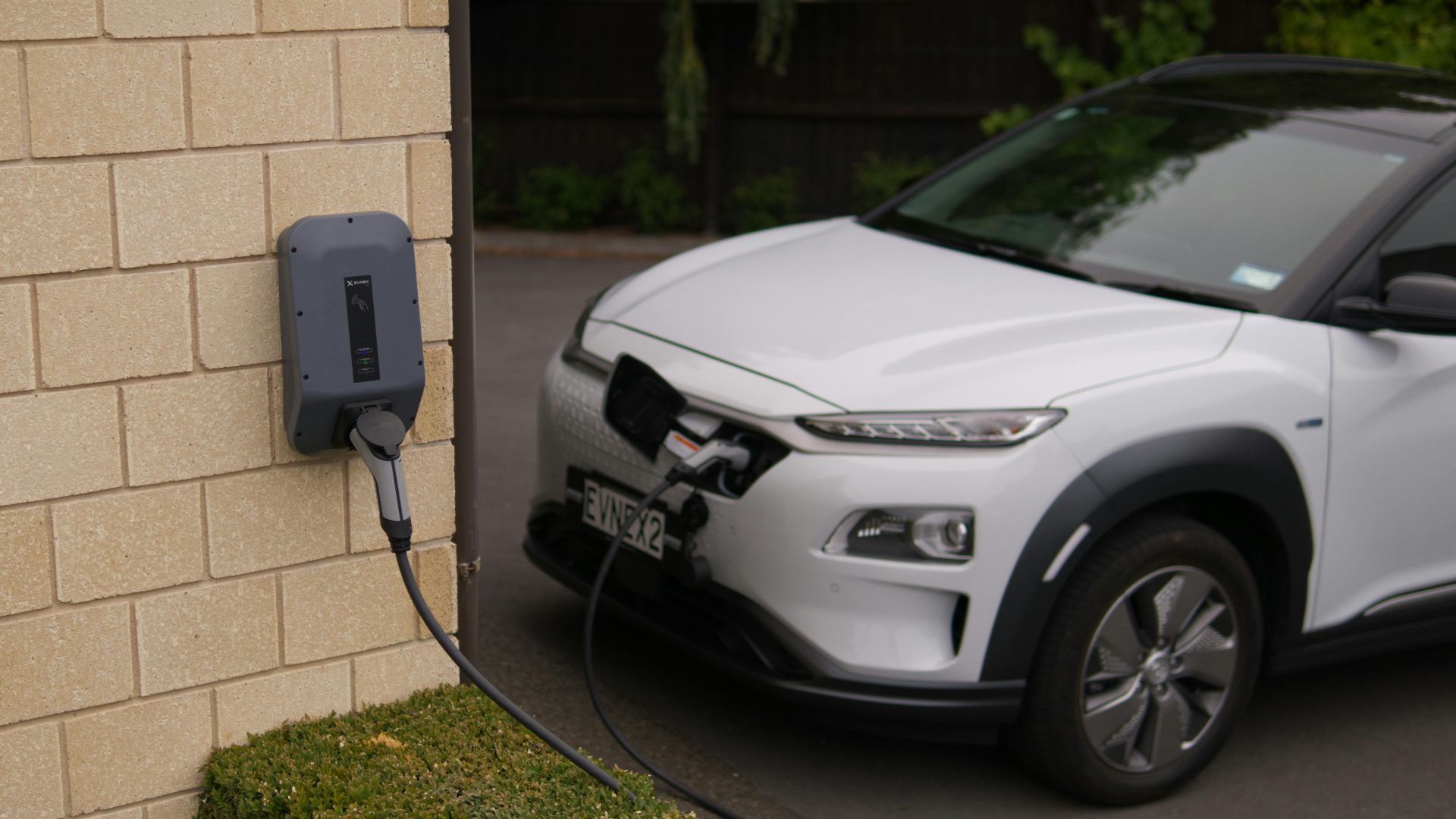
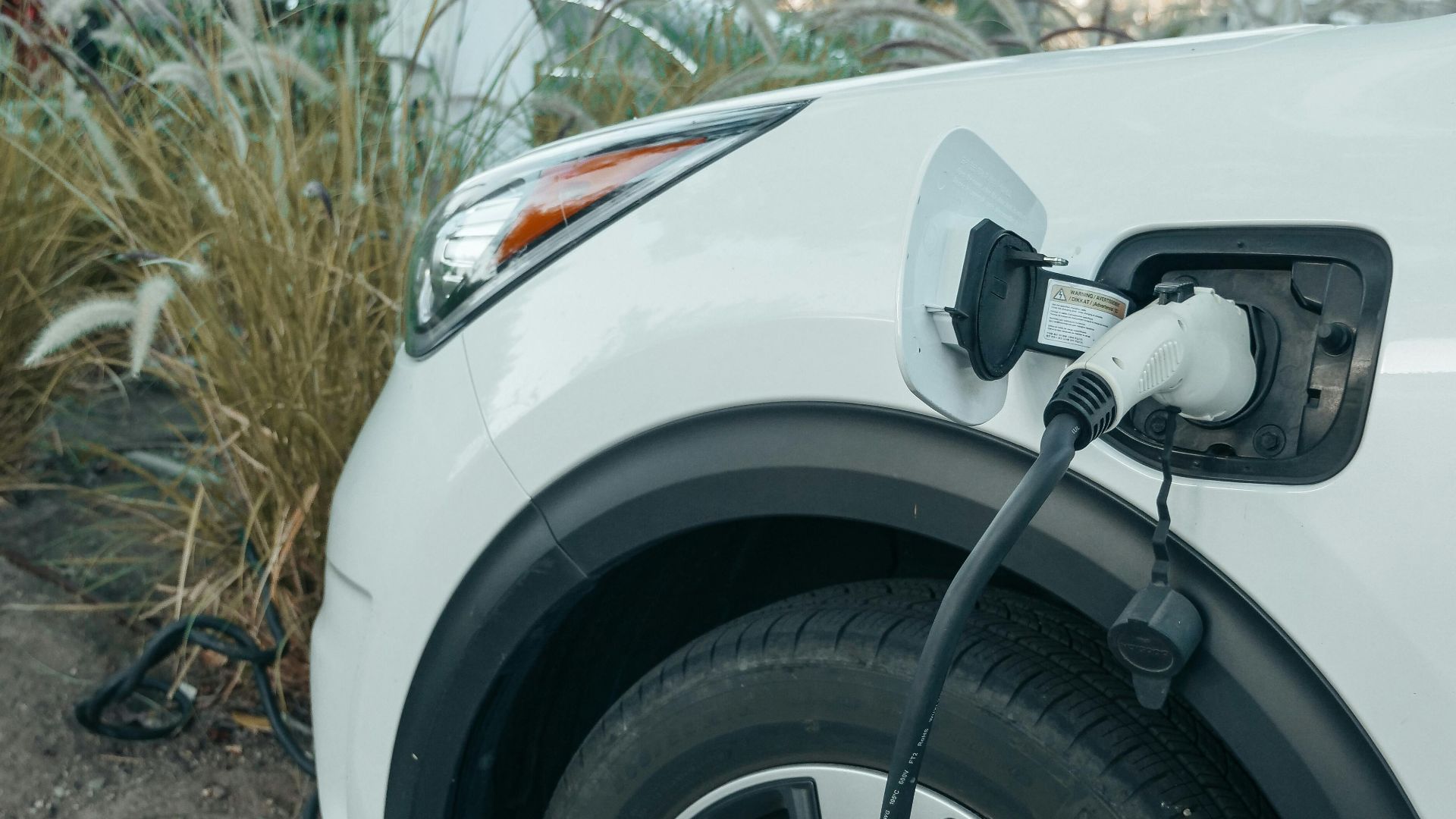
If you have access to another compatible charging cable or portable Level 1 charger, test it. If a different cable works without issue, your main home charging unit may have developed a fault unrelated to the shop visit.
Call The Charger Manufacturer’s Support Line
Home charger manufacturers often provide surprisingly thorough troubleshooting support. They may walk you through checking voltage levels, reviewing installation specs, or confirming firmware status. Sometimes they can diagnose the problem within minutes based on the error pattern.

Contact The Repair Shop If The Timing Is Suspicious
If the charging issue began immediately after EV-related service, it’s reasonable to contact the shop. Share the timeline and explain that home charging was functioning normally before the visit. Ask if any updates or resets could have affected charging compatibility.

Ask For A Charging System Diagnostic
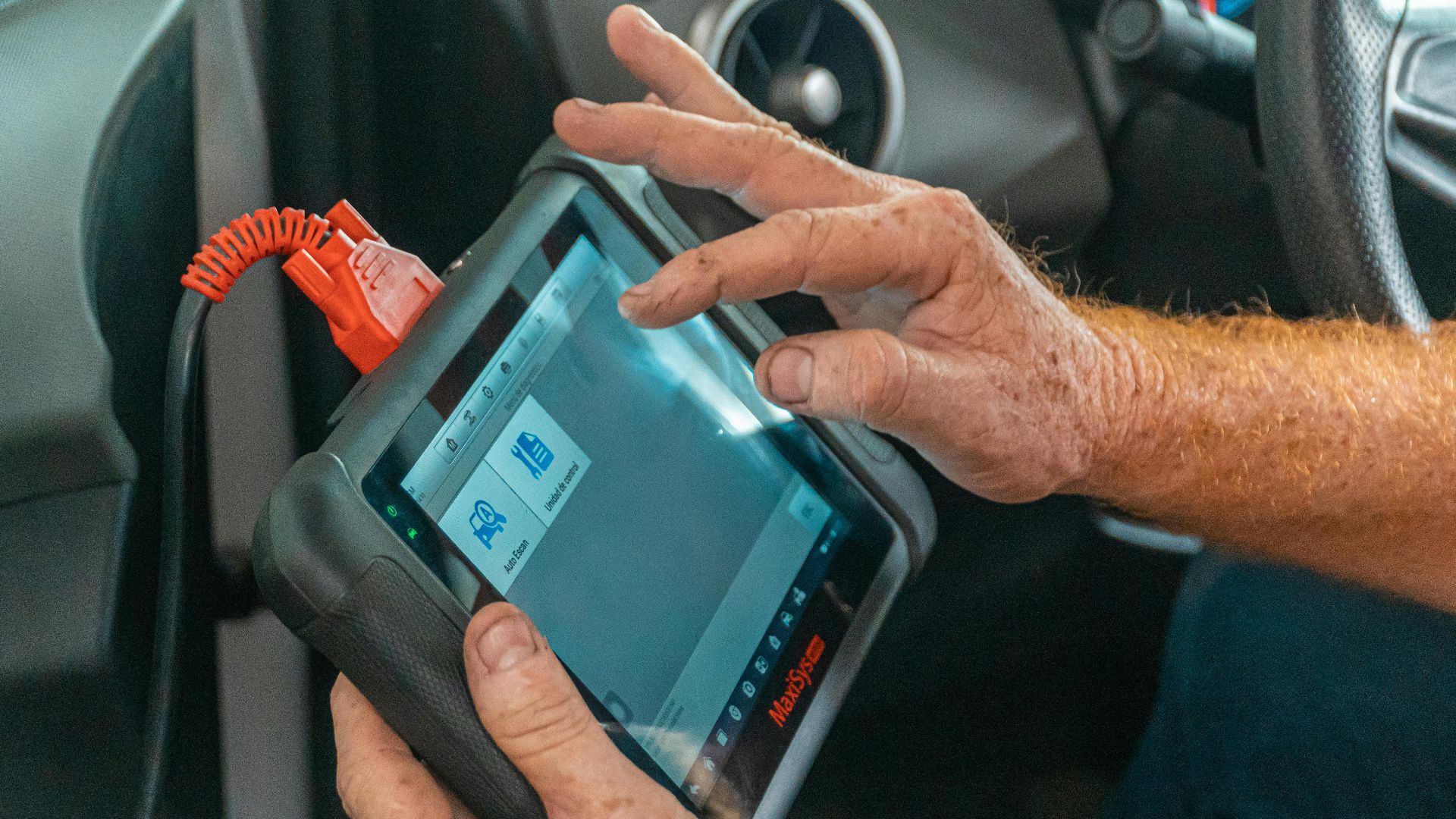
If the shop worked on battery or onboard charging components, request a system scan. EVs log detailed charging error codes that technicians can access. This data can confirm whether the vehicle is rejecting the charger or if the charger is failing to initiate properly.
 Jose Ricardo Barraza Morachis, Pexels
Don’t Ignore Safety Warnings
If your charger is displaying overheating alerts, sparking, repeated breaker trips, or unusual smells, stop using it immediately. Electrical charging equipment should never be forced to work through repeated faults.
Consider A Licensed Electrician
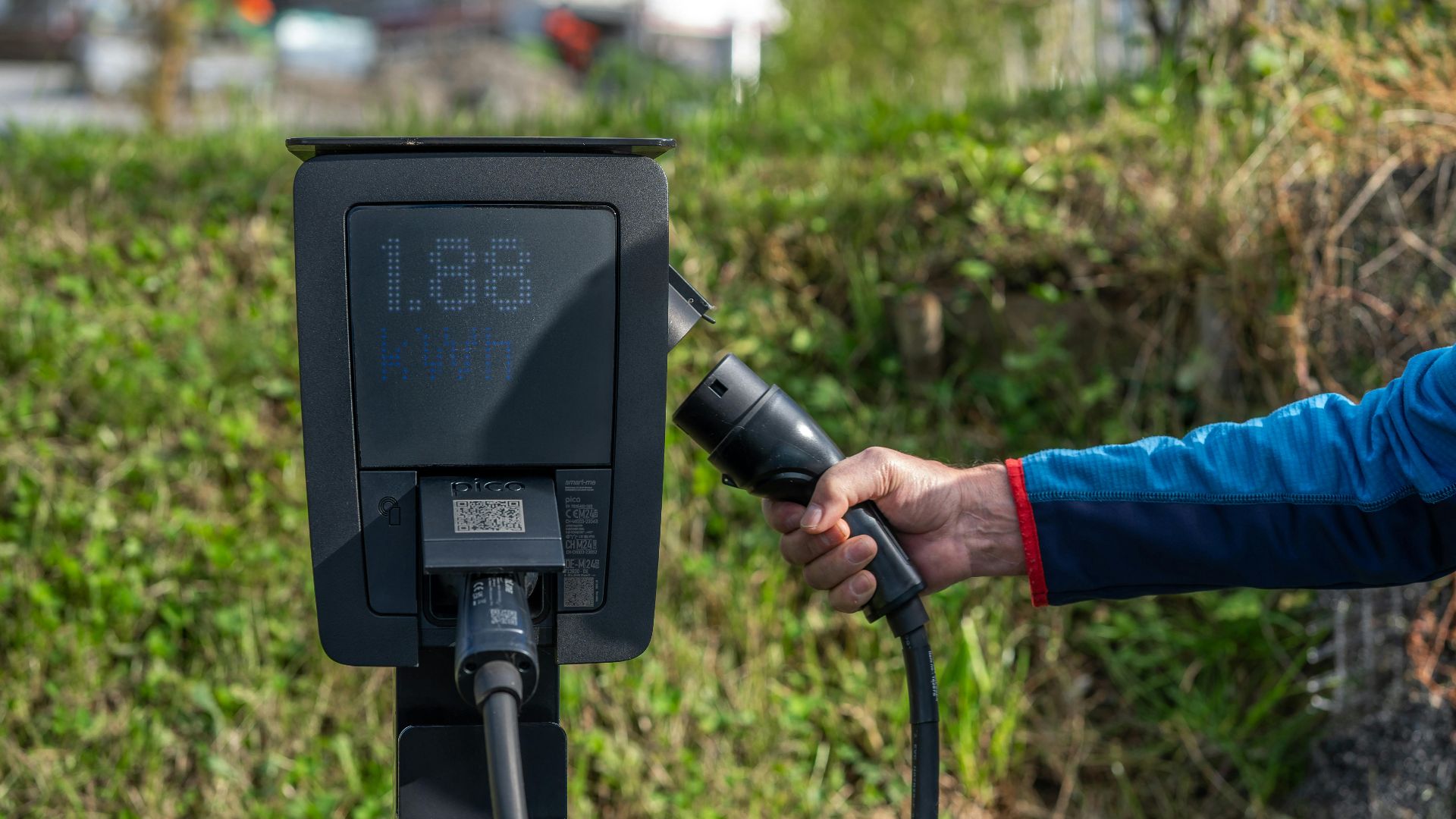
If diagnostics suggest a home wiring issue, hire a licensed electrician to inspect the circuit. EV chargers require dedicated circuits with proper grounding and load capacity. An electrician can confirm whether your setup meets current code standards.

Think About Environmental Factors
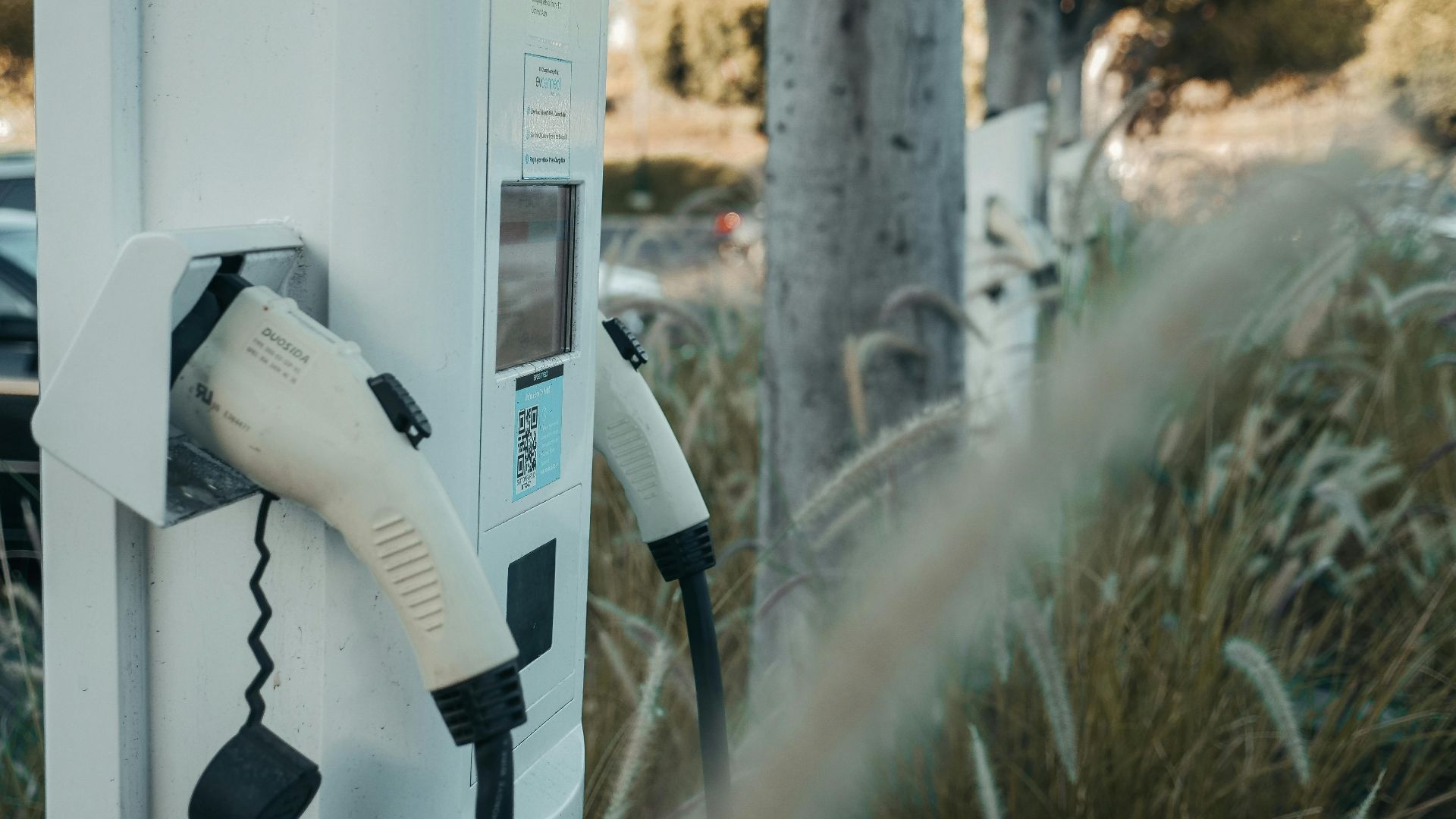
Outdoor chargers exposed to rain, dust, or extreme temperatures can develop connection or moisture-related issues. If weather conditions recently changed, inspect the charger housing and cable seals for damage.
Warranty Coverage May Apply
If your vehicle is under warranty and the issue stems from recent service, repairs should typically be covered. Likewise, many home chargers come with multi-year warranties. Don’t assume you’ll have to pay out of pocket until you verify coverage.
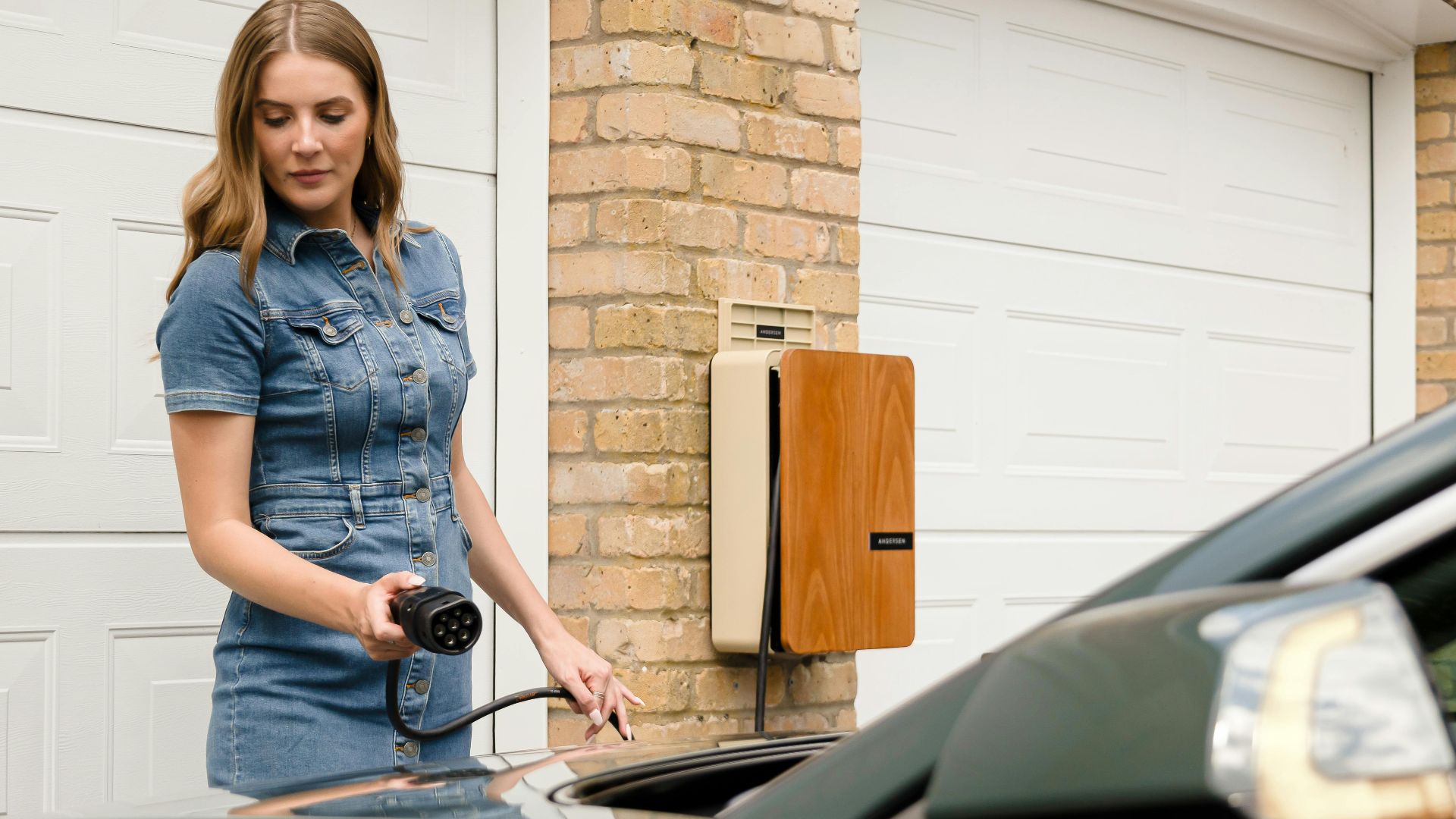
 Karolina Grabowska www.kaboompics.com, Pexels
Coincidence Is Possible
It’s entirely possible your charger was on the verge of failure and the timing simply overlapped with your service appointment. That doesn’t make the frustration smaller but it does mean you should test thoroughly before assigning blame.
Document Everything
Keep records of service visits, charger error codes, photos of warning lights, and notes from support calls. Documentation protects you if the issue turns into a warranty claim or dispute.
Final Thoughts
An EV charging error right after a shop visit feels suspicious, but most issues can be narrowed down quickly with systematic testing. Try another charger, reset your system, check software compatibility, and review electrical components. If the evidence clearly connects the problem to recent service, bring it back promptly and professionally. In most cases, the solution is technical—not dramatic—and a methodical approach will get you back to reliable home charging.
You May Also Like: