In Disbelief Behind The Wheel
Baby boomers often express disbelief at how many of the basic driving skills they’ve always taken for granted seem to have faded among younger drivers. As cars get more and more automated and fewer people gain hands-on vehicle experience, some of the old habits are slipping away. We look at driving and maintenance tasks that older drivers do without thinking, and that young drivers struggle mightily with.

Parallel Parking
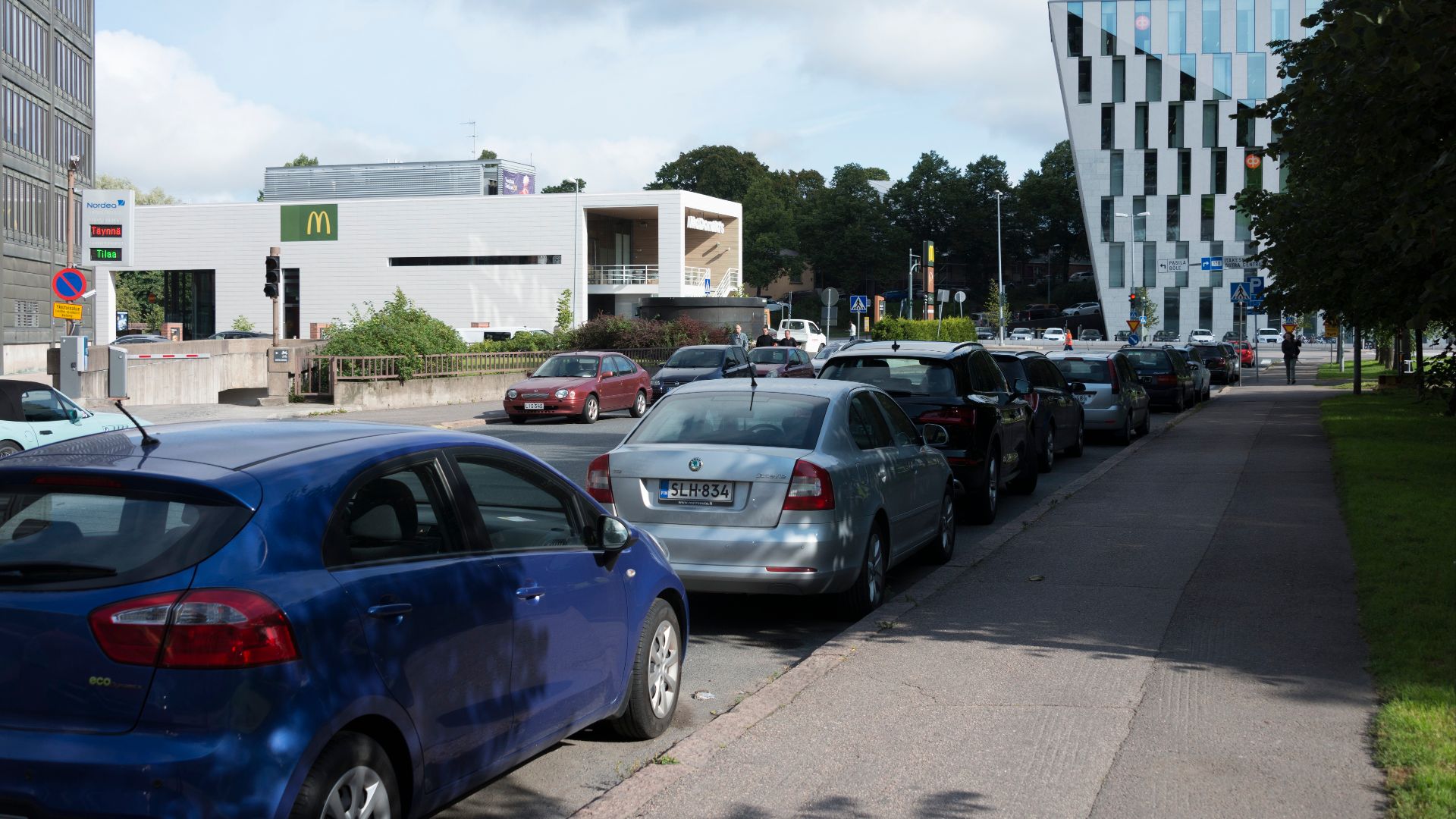
Parallel parking is still one of the biggest problem areas. A lot of younger drivers rely heavily on backup cameras and proximity sensors instead of basic spatial awareness. When those tools are unavailable, their confidence falls through the floor. Baby boomers note that parallel parking once required routine practice and was considered a basic indication of your competence as a driver.
Driving A Standard
Driving a standard transmission has become something of a rarity for drivers of all ages, but this is especially true for younger drivers. Many millennials have never learned to use a clutch or shift gears smoothly. Older drivers find this surprising because manuals used to be a lot more common. The skill is often seen as unnecessary despite it being useful in certain vehicles and driving situations.
 Danielwreyes, Wikimedia Commons
Judging Vehicle Dimensions
Many younger drivers struggle to judge the width and length of their vehicle. This shortcoming crops up when navigating narrow streets, parking garages, or drive thru lanes. Baby boomers learned vehicle awareness through repetition without the help of fancy onboard sensors. Without those cues, a lot of younger drivers dither, misjudge clearances, or depend too much on trial and error.
Checking Tire Pressure
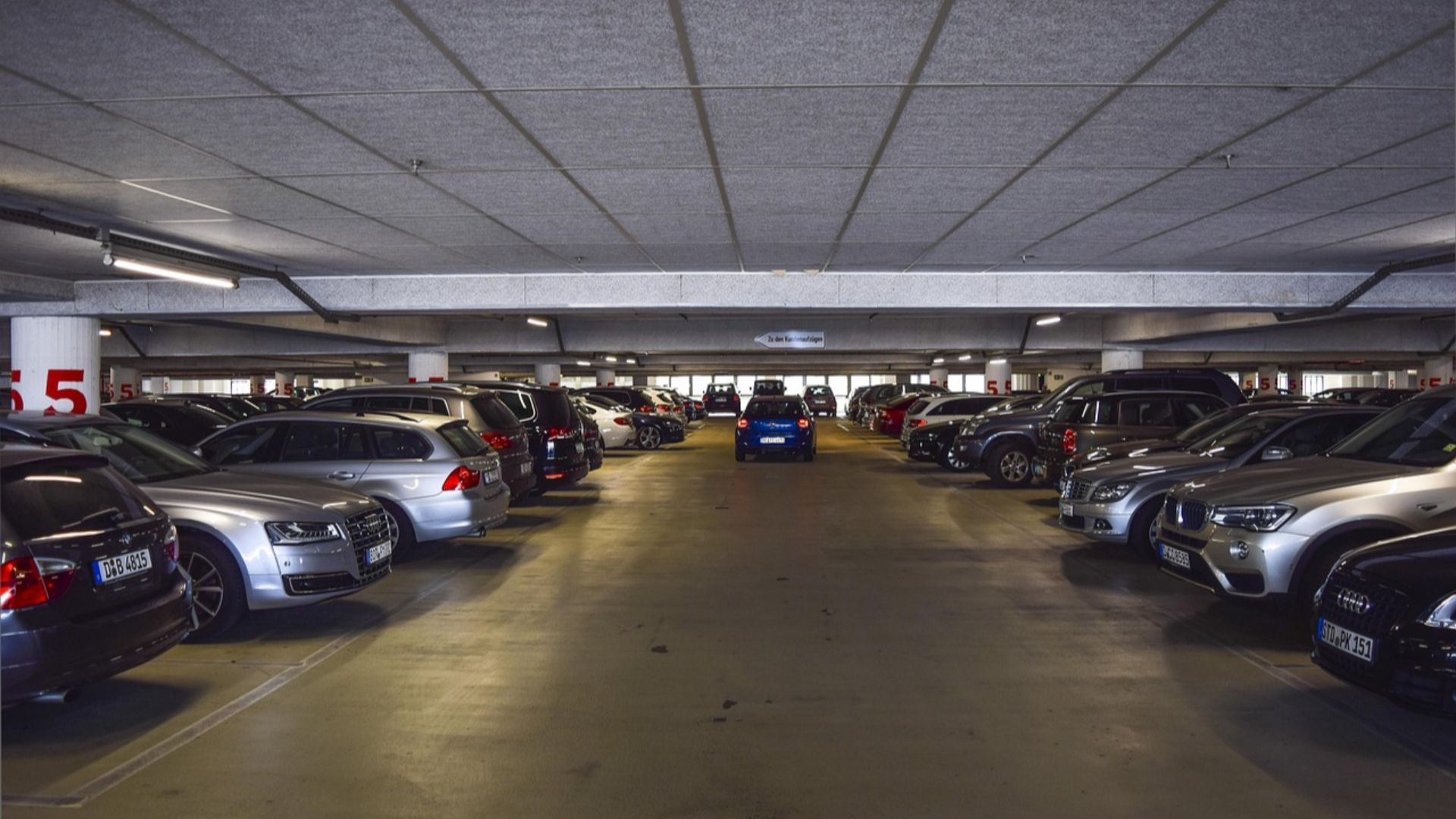
Tire pressure is often ignored until a warning light comes on. Millennials might not know the recommended pressure levels or how to even use a tire gauge properly. Baby boomers see this as risky because driving with the wrong tire pressure affects fuel economy, handling, and safety. It used to be that checking the tires regularly was part of routine vehicle ownership.
 Content-Communications, Wikimedia Commons
Reading Road Signs
Older drivers often freak out when they see younger motorists misinterpreting or blatantly missing road signs. Overreliance on navigation apps may be the cause of drivers missing or ignoring posted instructions. Baby boomers learned routes through signage alone. When technology fails or routes change, millennials may look uncertain or unprepared to adapt on the fly.

Using Mirrors Properly
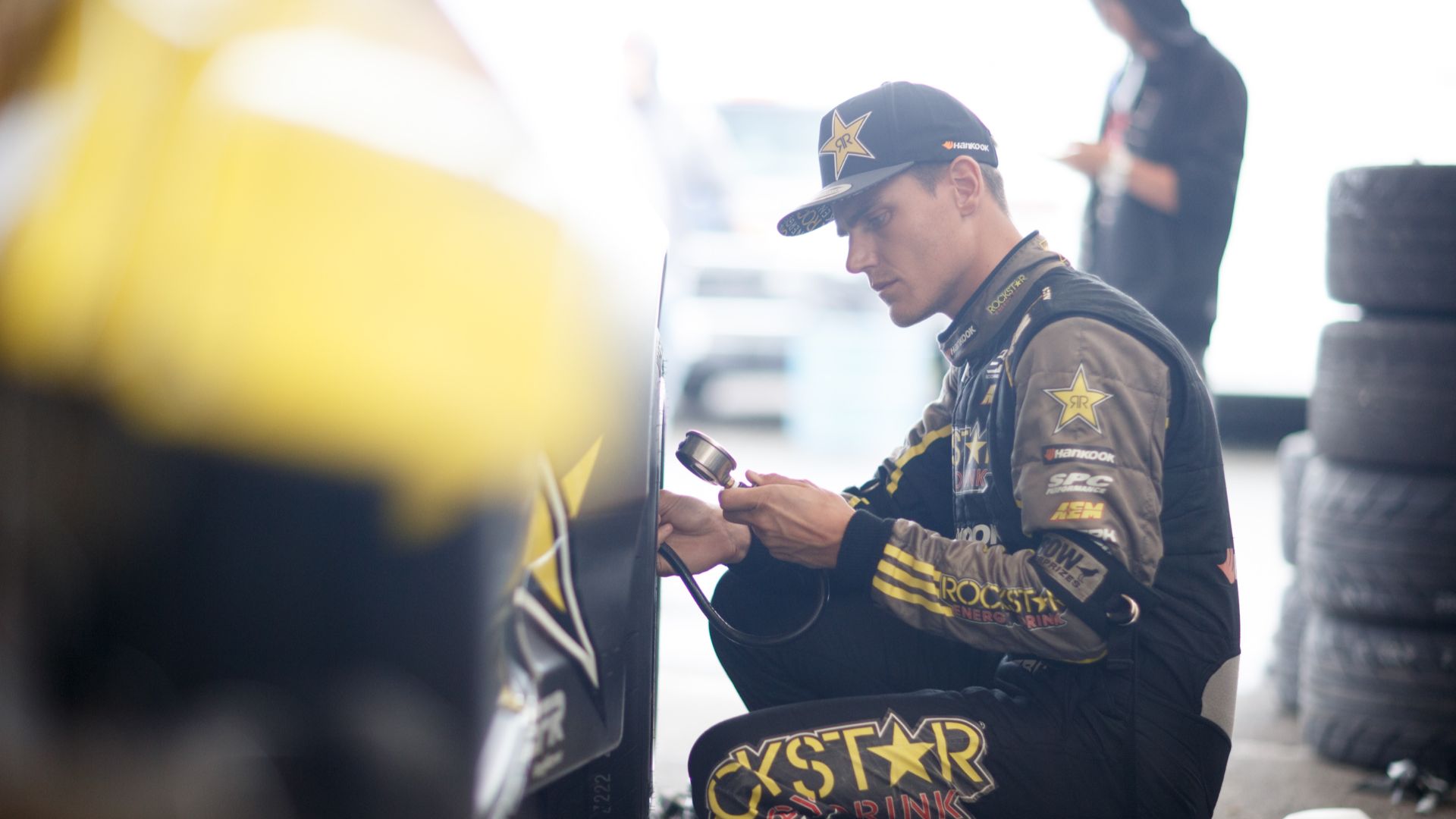
Side and rearview mirrors tend to be underutilized by younger drivers. Some rely more on cameras or blind spot alert sensors. Baby boomers are quick to point out that mirrors were once the primary safety tool for making lane changes and merging. Bad mirror use increases the risk of collisions, especially when over-relying on electronic systems that may not be working right.
Understanding Dashboard Warning Lights
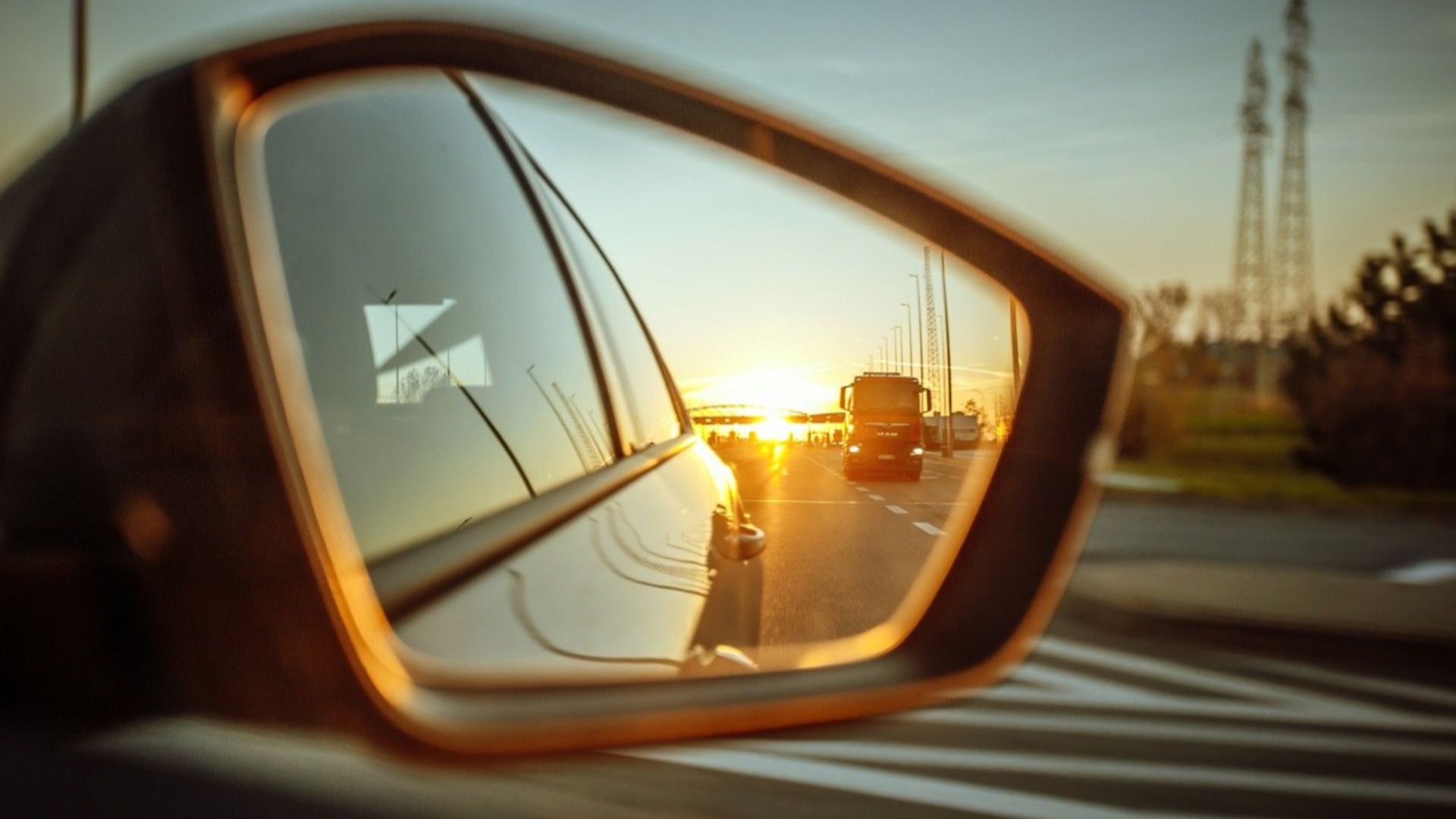
When a warning light comes on, many millennials are unsure what it means or how serious it is. They tend to treat it as a mild suggestion. Baby boomers are more likely to investigate the problem right away. Confusion around check engine lights, oil indicators, or battery warnings can lead to delayed maintenance and more expensive repairs over time.
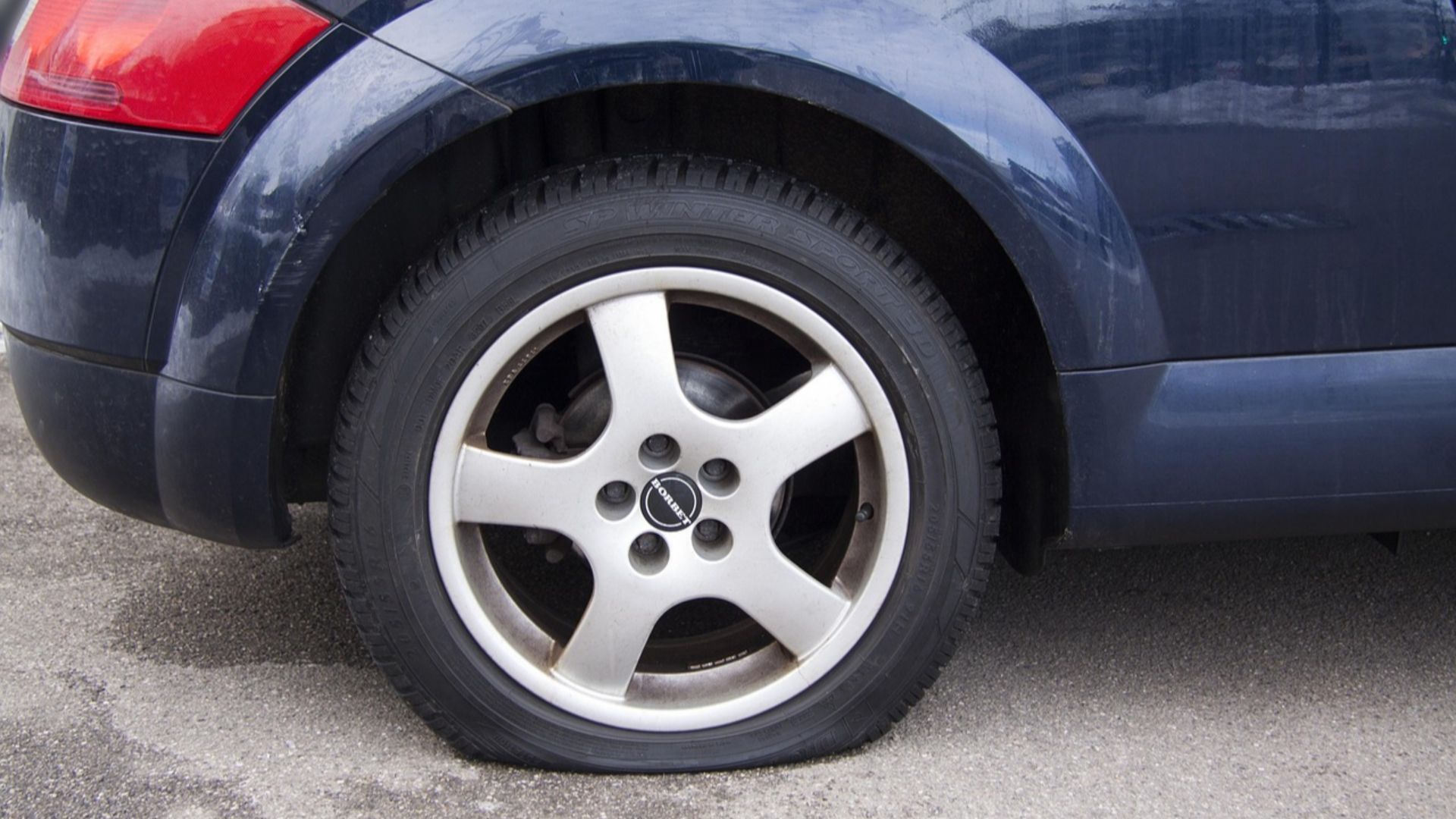
Changing A Flat Tire
Changing a flat tire is a task many younger drivers seem to have never attempted. Some vehicles no longer even come with spare tires, reinforcing the sense of helpless dependence on roadside assistance. Baby boomers almost always view this as a loss of self-sufficiency. Knowing how to change a tire used to be considered essential for safe travel.
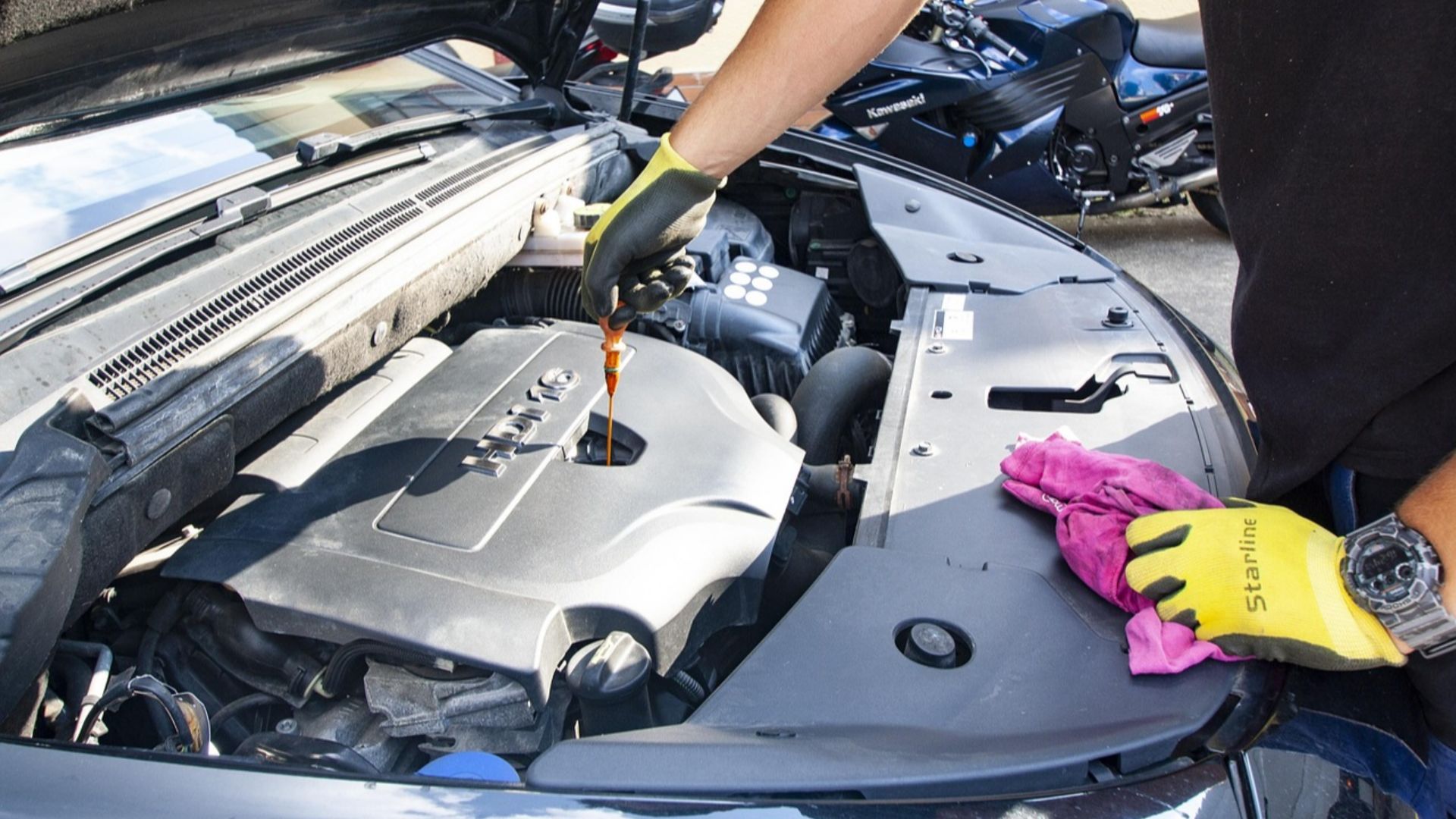
Basic Oil Level Checks
Checking the oil manually is unfamiliar to a surprising number of younger dirvers. Instead, they rely on service reminders or dashboard alerts. Baby boomers learned early on in life to check oil routinely to prevent engine damage. They love poking around under the hood! But aside from that, ignoring oil levels until a warning light comes on can drastically shorten your engine’s life-span and lead to totally avoidable mechanical issues.
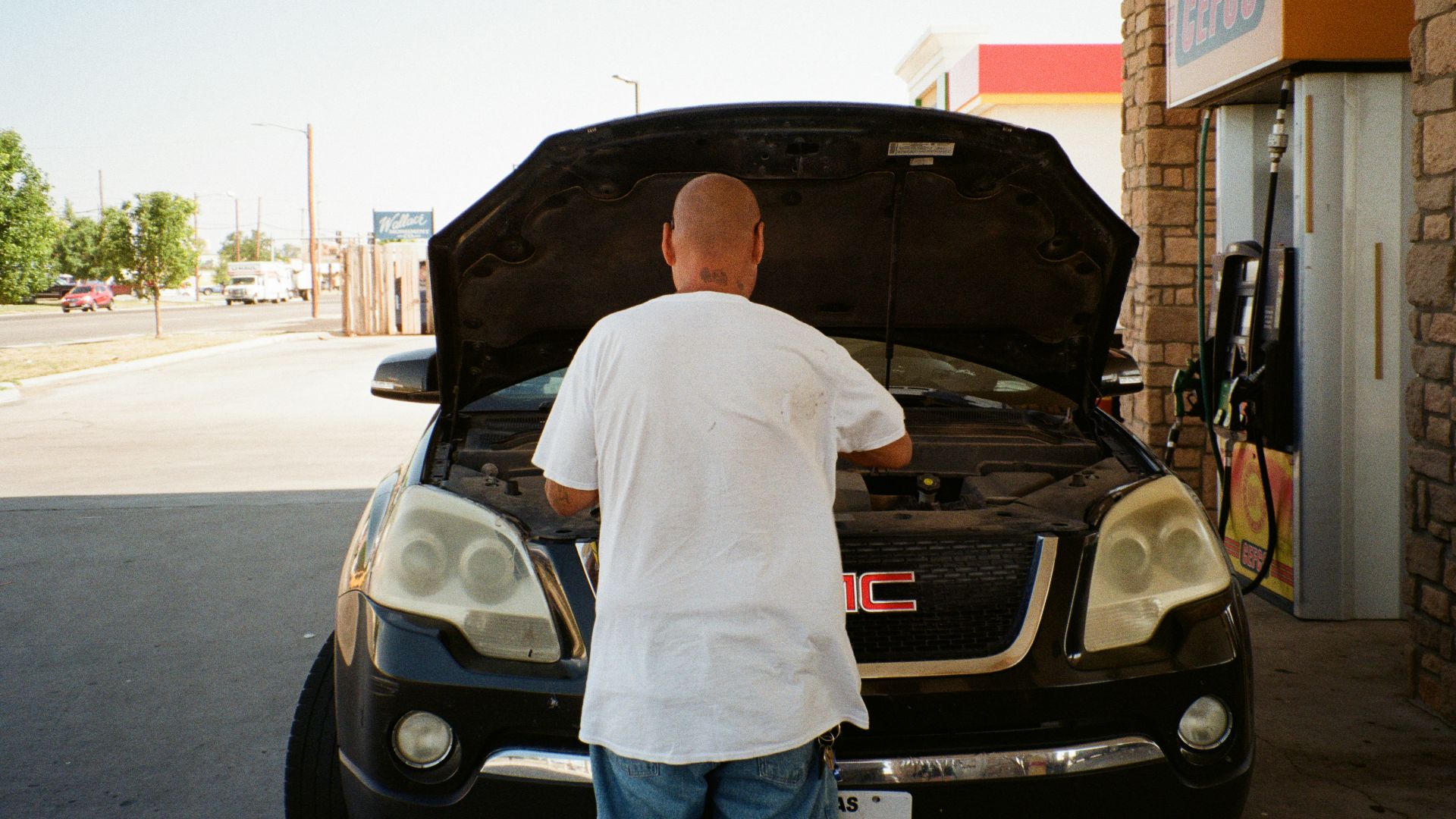
Merging Onto Highways
Highway merging is very stressful for some younger drivers. The cardinal sin of failing to accelerate to traffic speed or hesitating at on ramps frustrates other drivers. Baby boomers will often drone on about the importance of assertive but predictable merging that was drilled into the heads of new drivers decades ago and how it’s still critical today for traffic flow and safety.
 Cristhian_Adame_Photo, Pixabay
Using Turn Signals Consistently
Inconsistent turn signal use is a frequent complaint. Some millennials signal late or not at all, relying on lane sensing systems or assumptions. Baby boomers learned that signals communicate intent clearly. Skipping this habit increases confusion and raises the risk of collisions in busy traffic.

Knowing Vehicle Maintenance Schedules
Many younger drivers seem totally unfamiliar with their vehicle’s routine service intervals. Oil changes, brake inspections, and fluid flushes may be delayed or skipped over altogether. Baby boomers recoil in horror at this lax attitude, as they often follow the printed maintenance schedules in their vehicle’s owner’s manual closely. Ignoring these timelines can reduce reliability and increase costs big time.
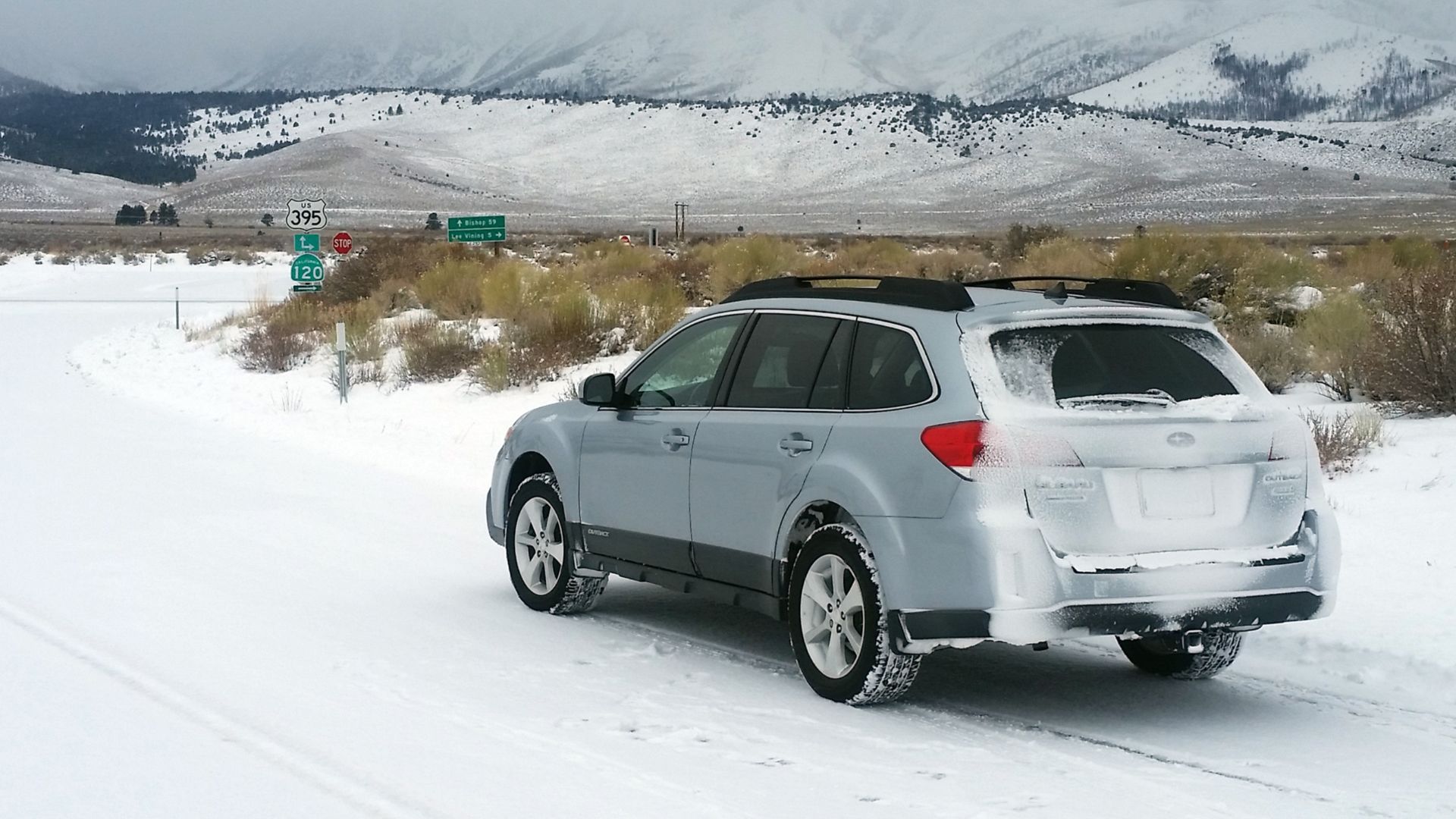
Driving In Snow And Ice
Winter driving skills are often weaker or even non-existent among younger drivers, especially in urban areas. Baby boomers learned techniques like easing up on the throttle, tapping the brakes, and steering into skids. Overconfidence in traction control and all wheel drive can leave millennials totally unprepared when road conditions get slick or unpredictable.
 Mitch Barrie from Reno, NV, USA, Wikimedia Commons
Navigating Without GPS
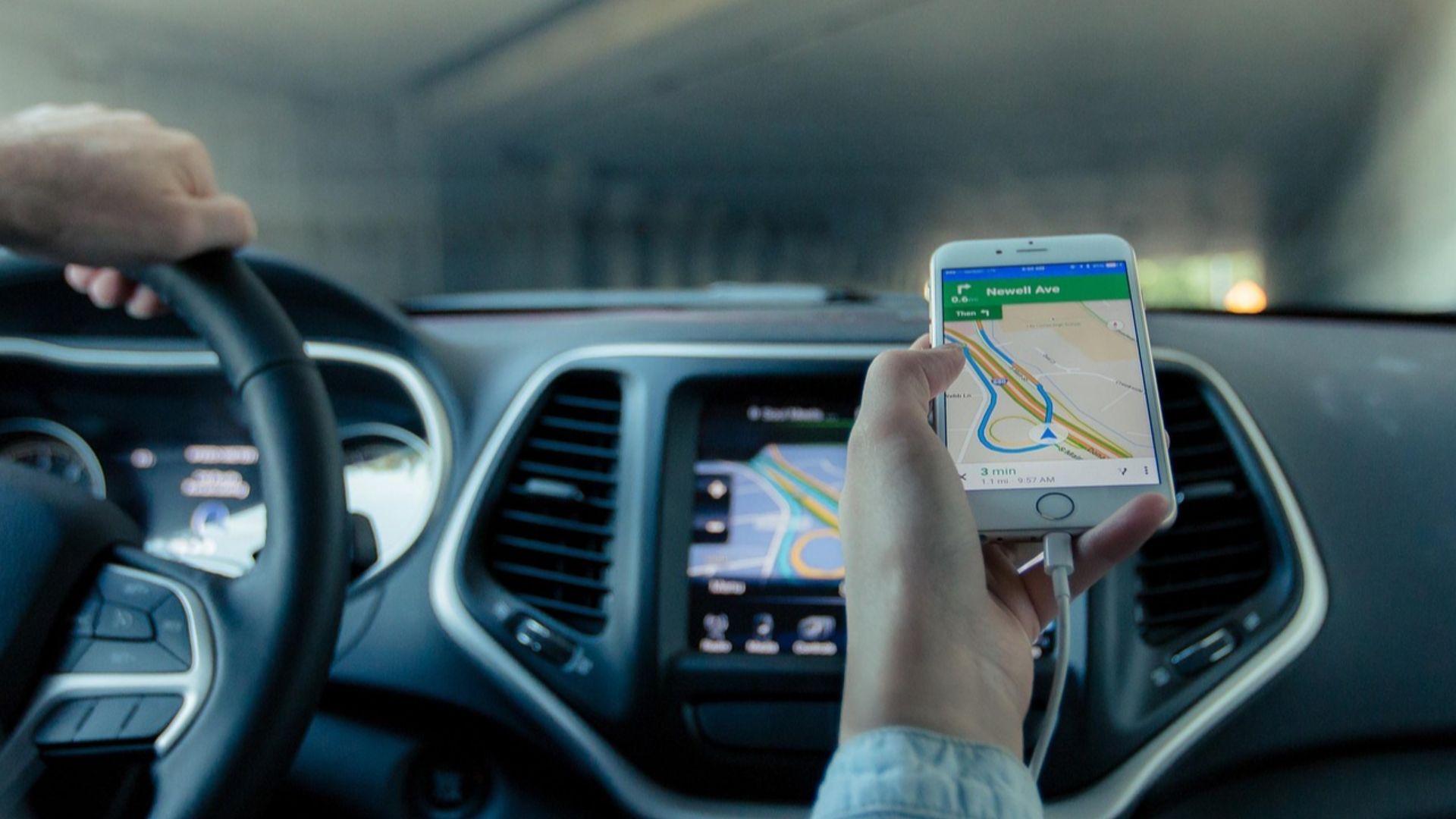
When GPS fails, a lot of younger drivers struggle to navigate. Baby boomers used to rely on memory, landmarks, and paper maps. Losing digital guidance can cause young people to go completely off track, which leads to poor decision making. Understanding directions in you own head is still valuable when technology goes haywire or signals are lost.
Understanding Right Of Way
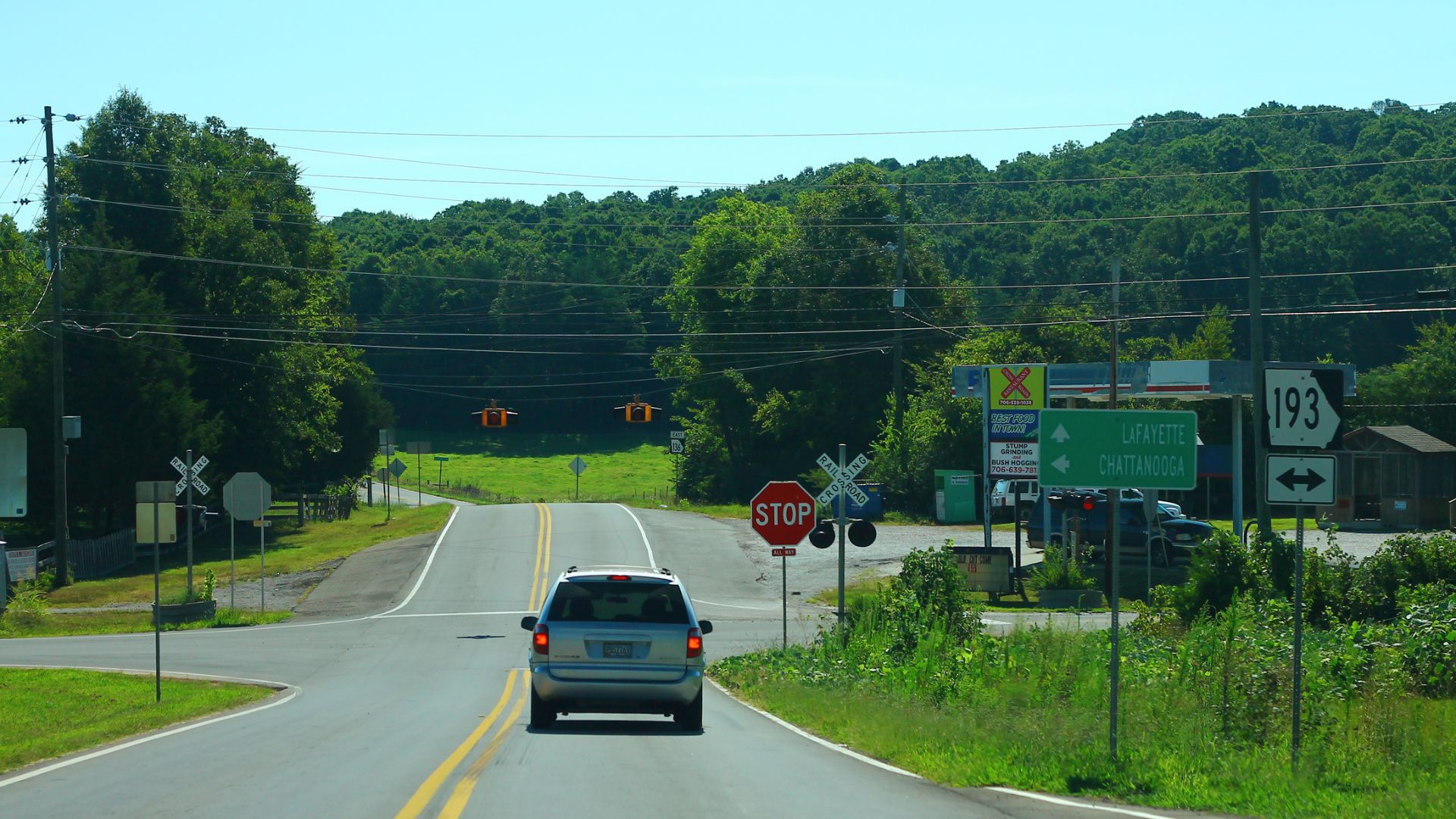
Lack of awareness of the rules of right of way and confusion about who has it appears to be common at four way stops and pedestrian crossings. Baby boomers were drilled on traffic rules during driver training. Hesitation or incorrect assumptions by younger drivers can disrupt traffic flow and increase the likelihood of accidents in intersections.
 formulanone from Huntsville, United States, Wikimedia Commons
Listening To Vehicle Sounds
Older drivers seem to notice unusual noises quickly. Millennials may overlook grinding brakes, belt squeals, or suspension clunks. Blasting their stereo at high volume while driving increases the likelihood of this even more. But baby boomers learned to associate sounds with mechanical problems early. Ignoring these warnings allows small issues to develop into major and costly repairs.
Adjusting Mirrors And Seats Properly
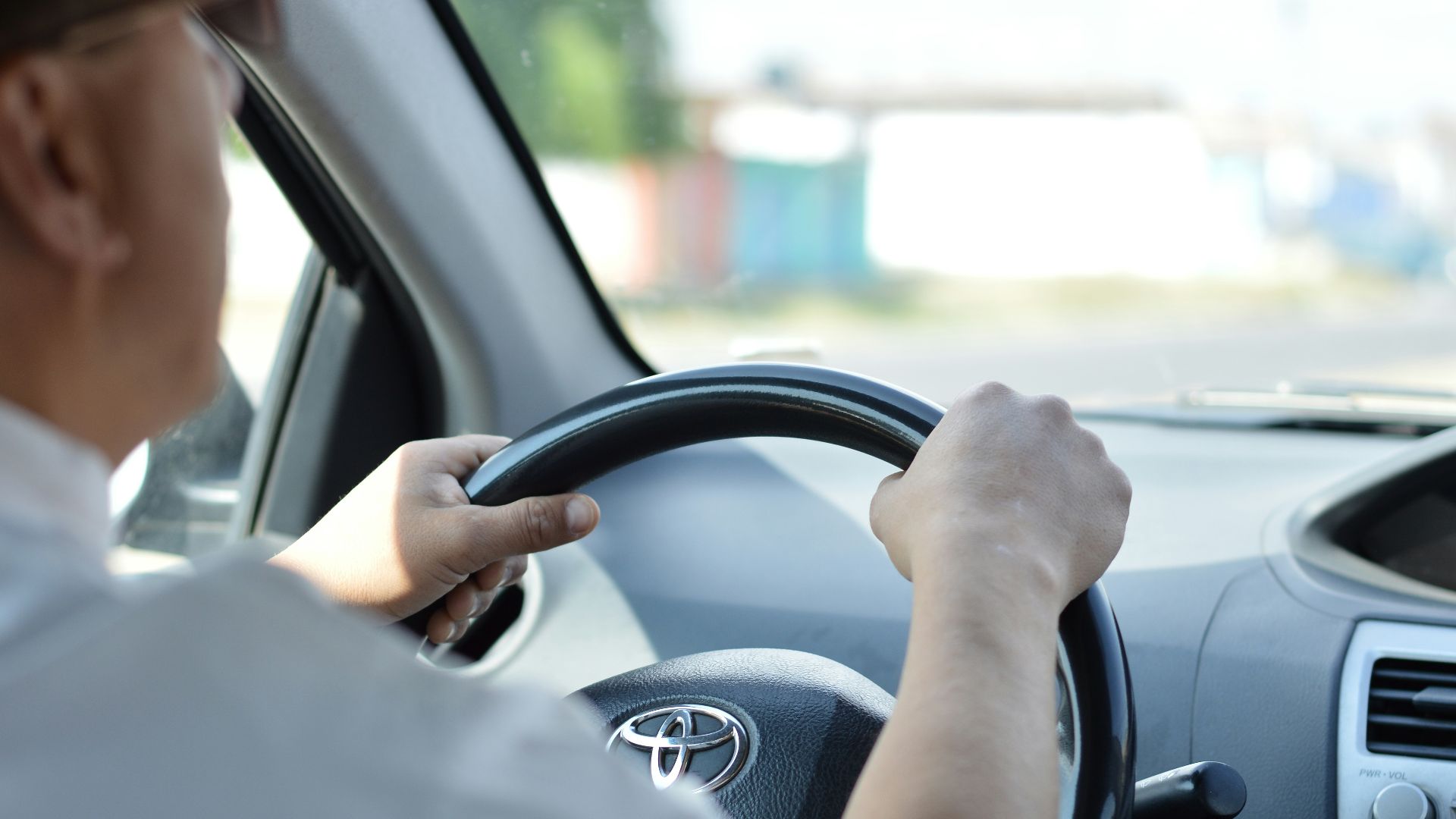
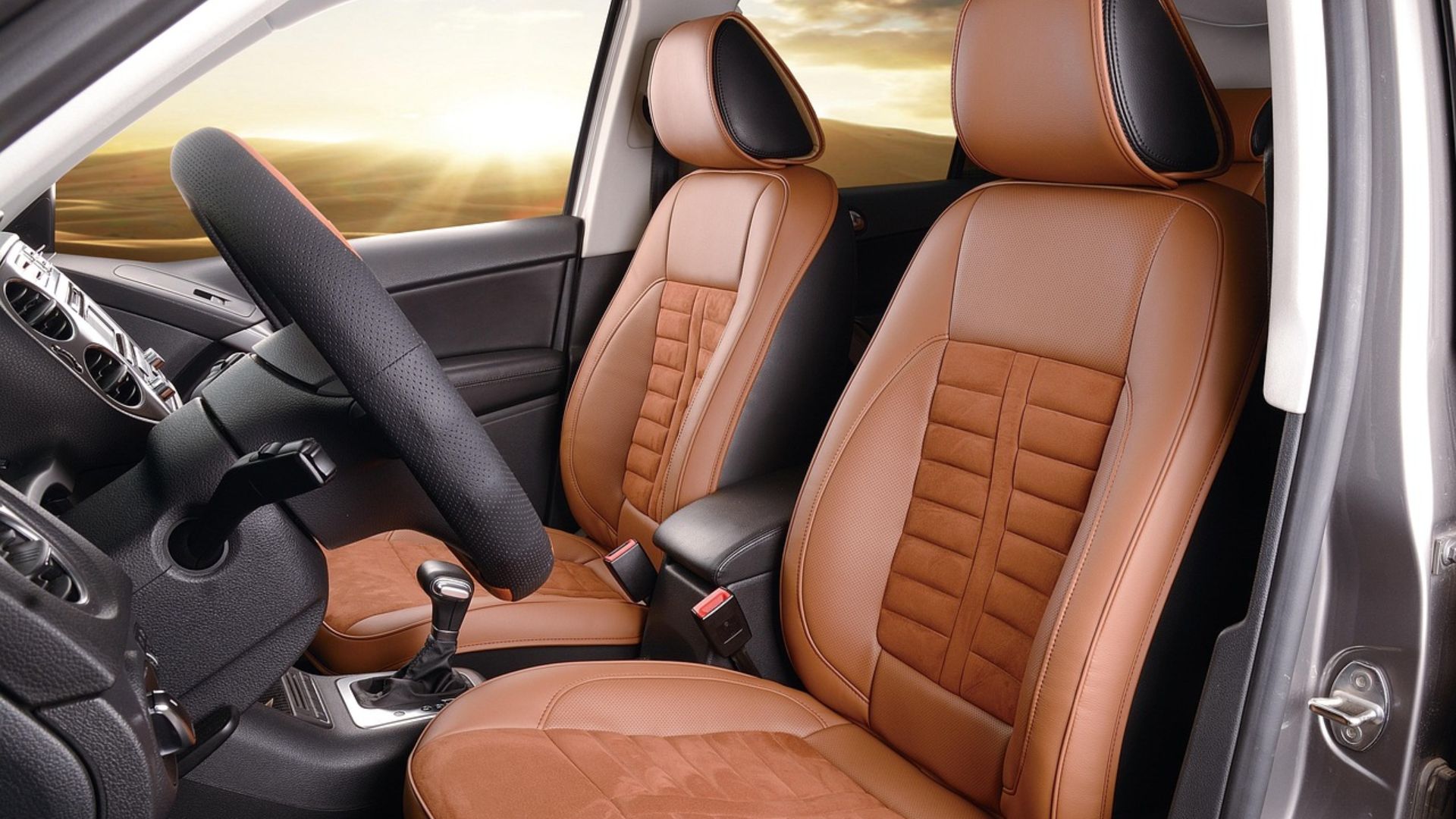
Many younger drivers fail to adjust their mirrors and seating positions properly. Poor positioning cuts down on your visibility and control. Baby boomers were taught to set mirrors and seats before they put the car in gear. Skipping this step compromises safety and comfort, especially during long distance or high-speed trips.
Using Headlights Correctly
Improper headlight use is another one of those things that irritate other drivers of all ages. Some younger drivers want to rely on automatic systems without understanding manual controls. Baby boomers learned when to use low beams, high beams, and fog lights appropriately. Incorrect use of headlights and daytime running lights can reduce visibility and endanger other drivers.
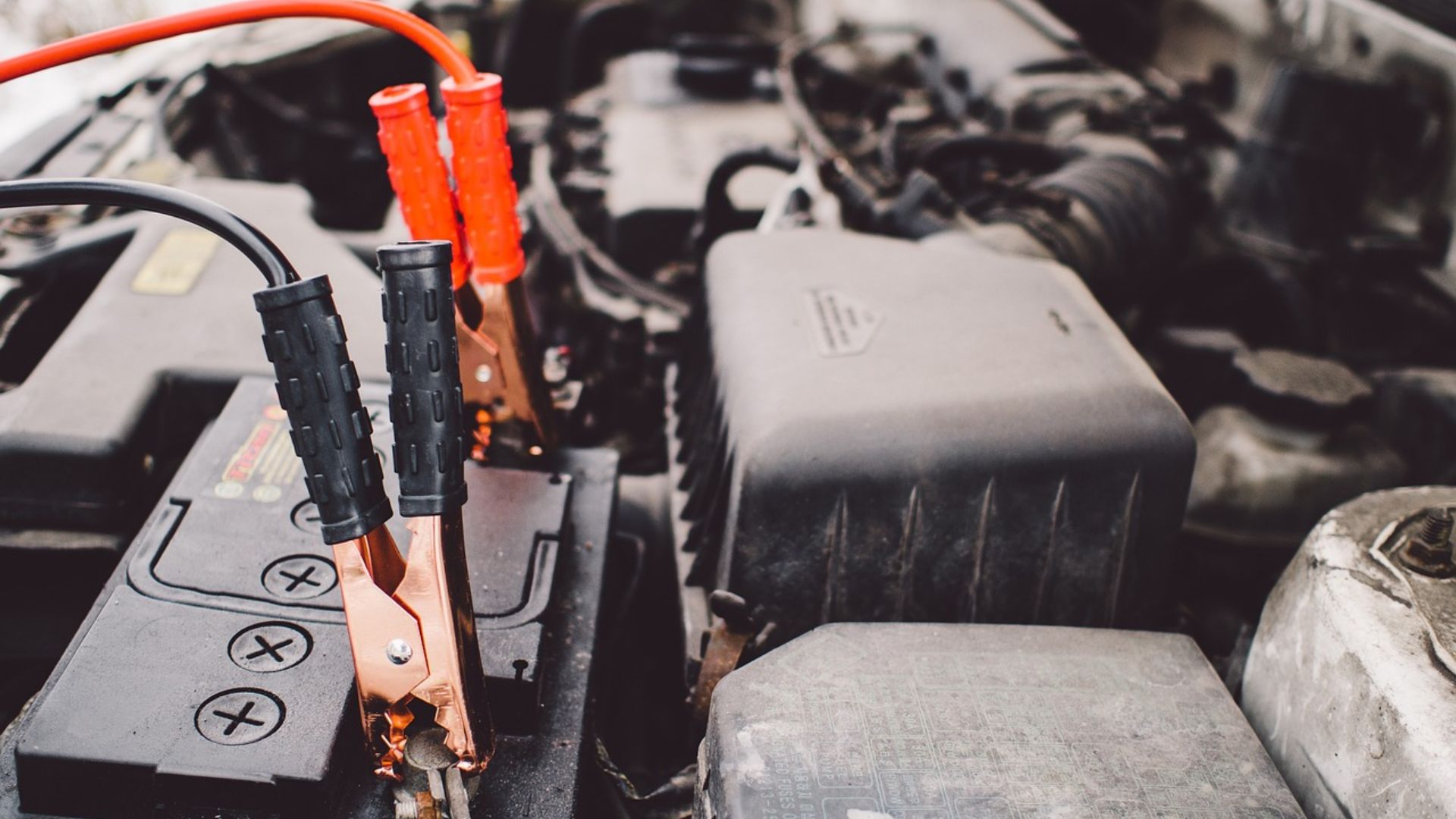
Starting And Maintaining A Dead Battery
Jump starting a car is another one of those skills that many younger drivers lack. Battery issues can leave them stranded. Baby boomers often kept, and still do keep, jumper cables in the trunk and knew the process to get going again. This knowledge provided independence and quick problem solving when simple electrical issues came up unexpectedly.
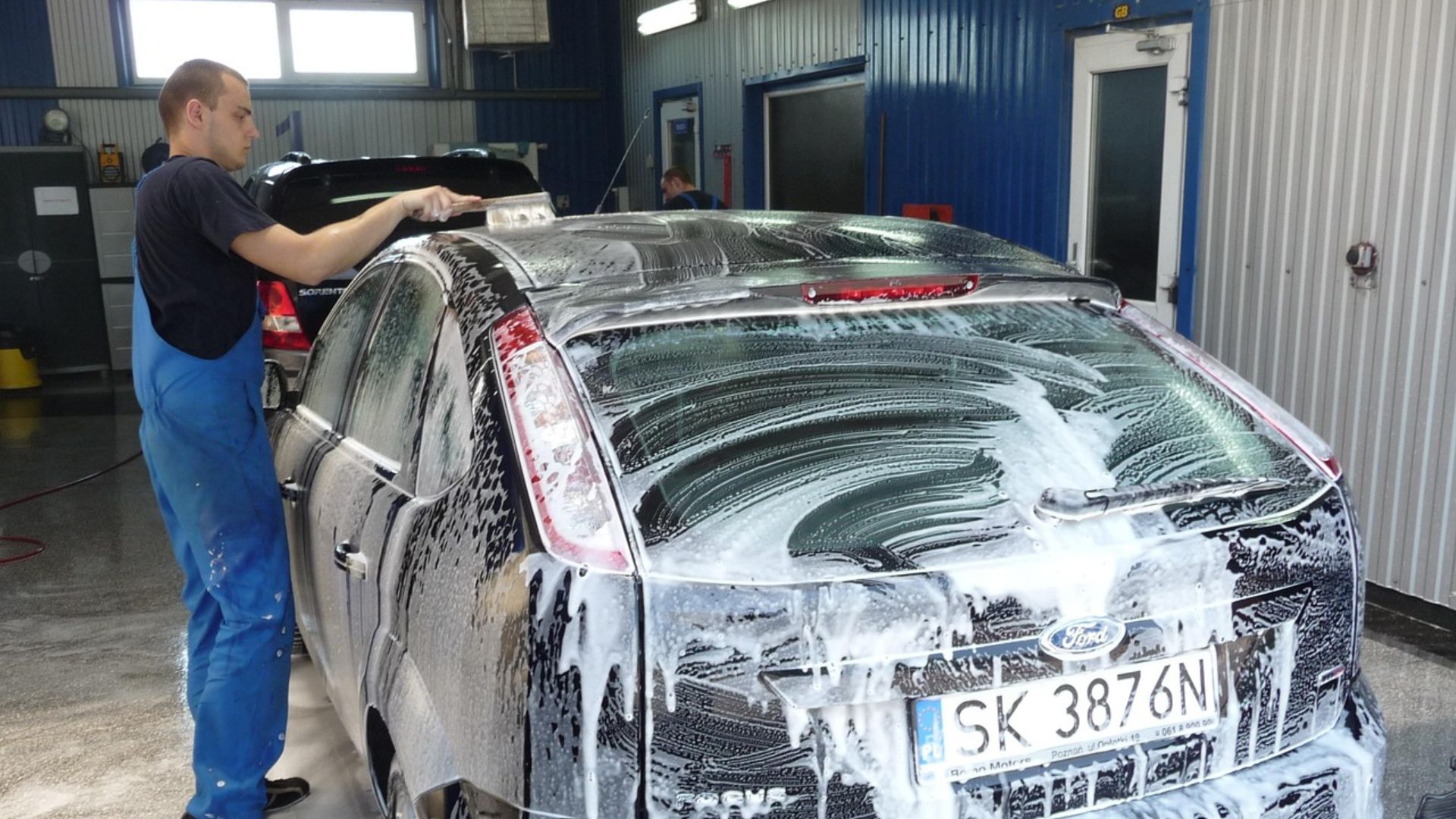
Neglecting Regular Car Washing And Waxing
Many younger drivers seem to rarely wash or wax their cars, viewing it as cosmetic rather than a long-term preventive maintenance. Baby boomers obsess about regular cleaning that protects the clear coat and underlying paint job, prevents corrosion, and preserves the car’s resale value. Turning a blind eye to dirt, salt, and road grime can accelerate rust and clear-coat failure. What was once a simple maintenance step is now a matter of costly body work.
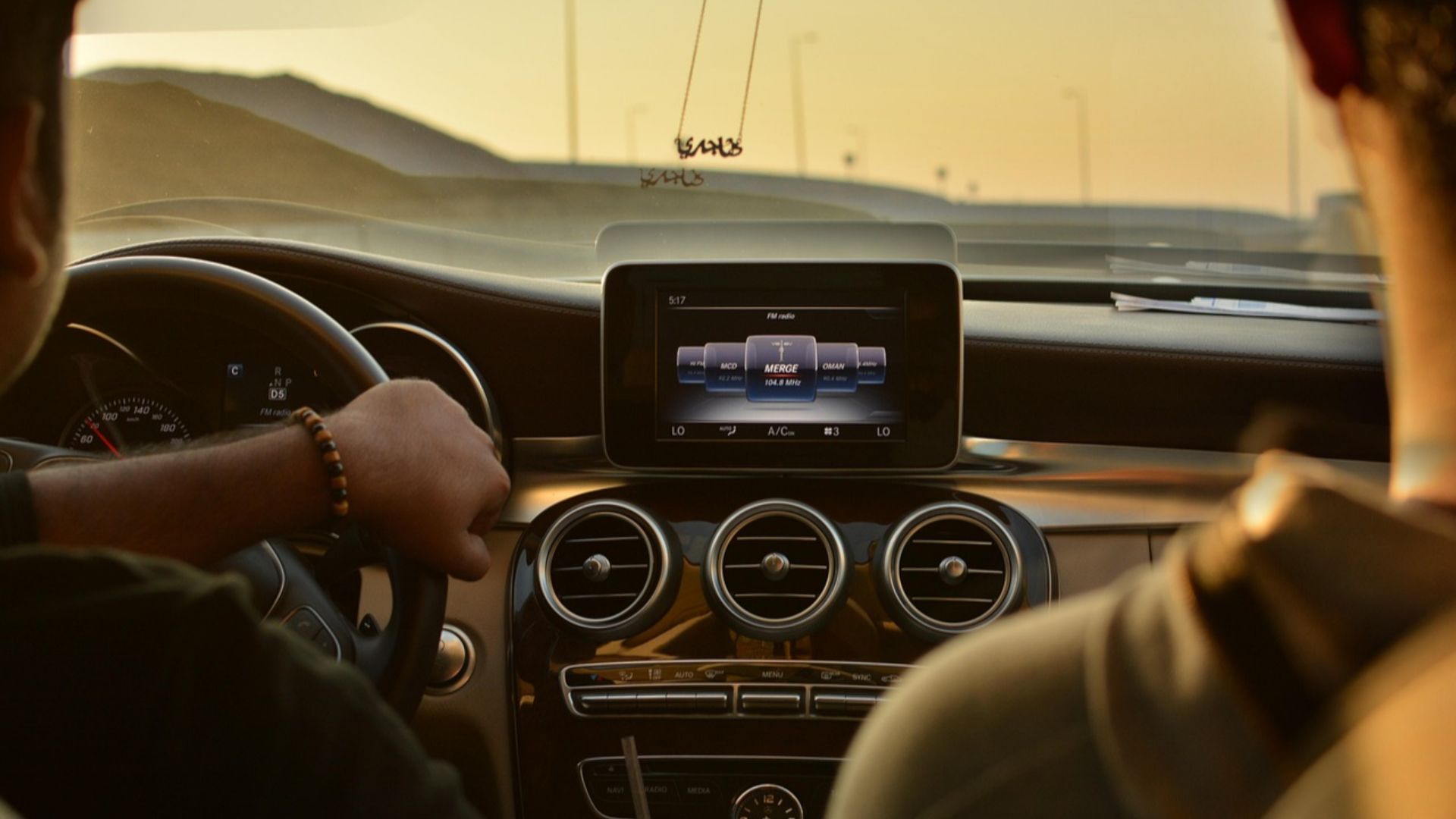
Growing Generation Gap
The generation gap between drivers reflects changing technology and not a lack of intelligence or care. Automation has discouraged hands-on learning. Baby boomers grew up mastering vehicles through repetition and necessity. Bridging the gap may require some renewed emphasis on the basics to make a perfect combination with modern driving technology.
 Creative_Media_Imaging, Pixabay
You May Also Like:
Gen X Hates Electric Cars. These Are The EVs That Will Finally Win Them Over
Forgotten Cars Of The Baby Boomer Generation