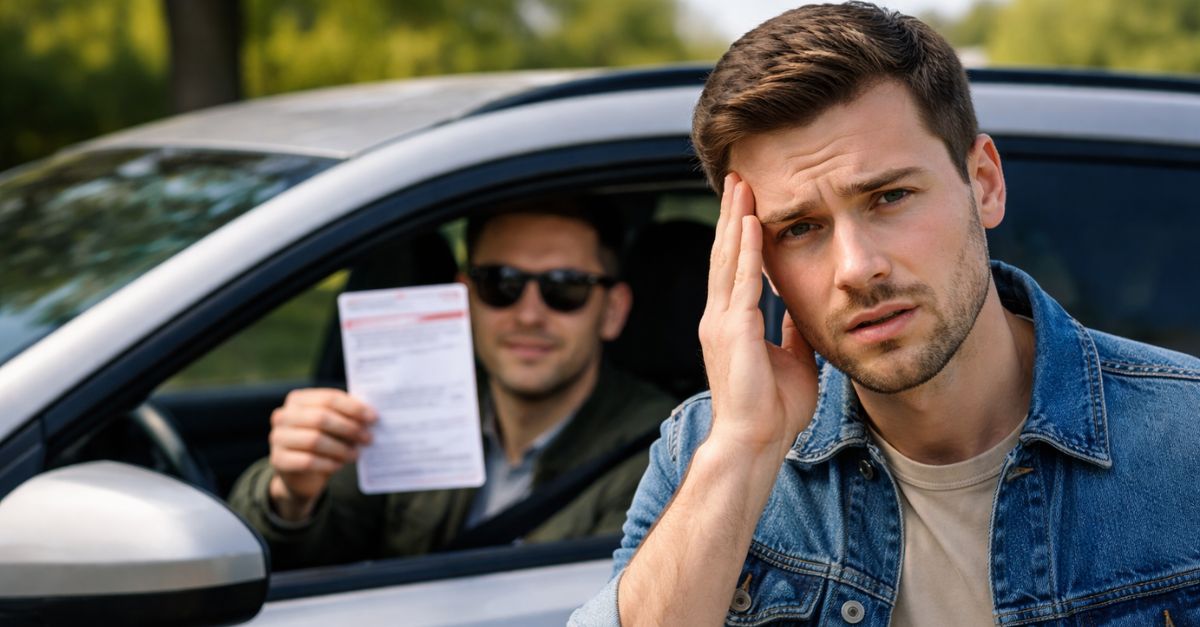
The Ticket Lands In Your Mailbox
How many of us have had this experience? You loaned your car to a friend, and a few days later a camera speeding ticket shows up in your name. And unfortunately, it's usually exactly what you think: You weren't driving, but it's you on the hook for the ticket.
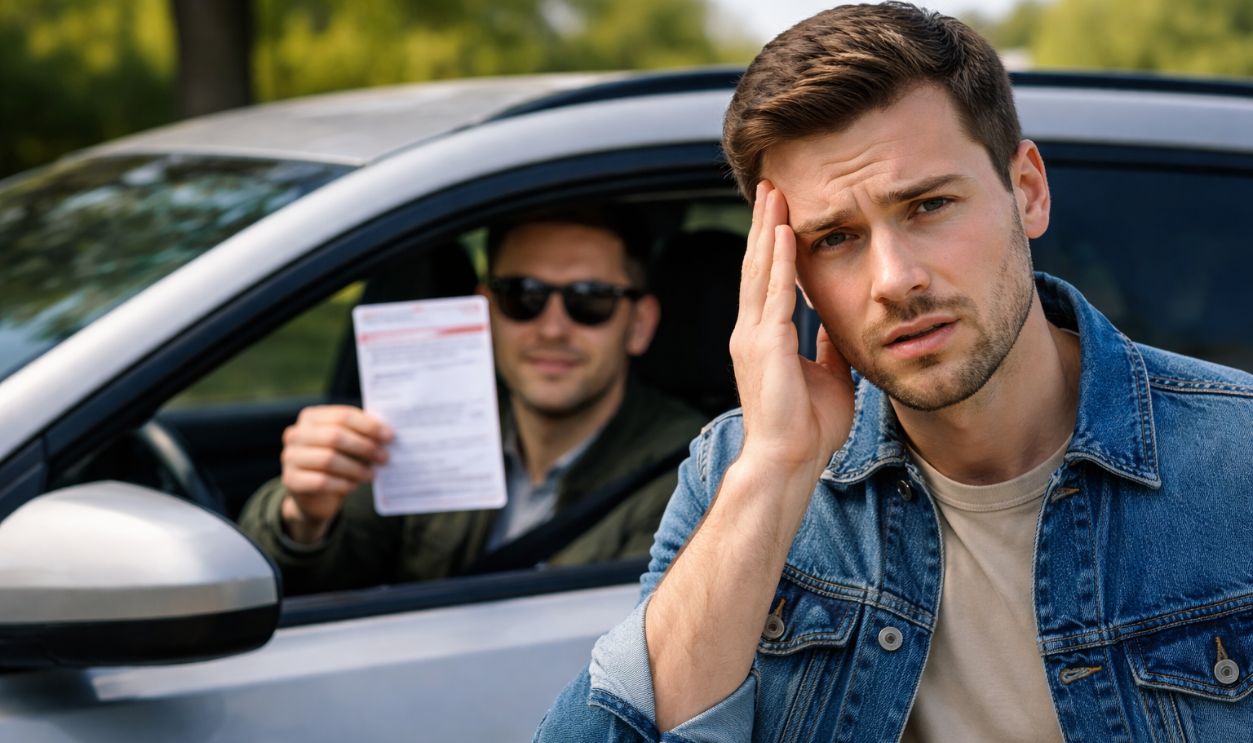
Why The Owner Usually Gets The Notice
Speed cameras and red light cameras usually identify a vehicle by its license plate, not by instantly proving who was behind the wheel. So the first person officials can reliably contact is the registered owner listed with the motor vehicle agency. The camera catches the plate, and the notice gets mailed to the owner on record.

The Key Detail Is State And Local Law
Here is where things can change fast. Whether you actually have to pay depends a lot on the law in the state or city that issued the ticket. Rules differ on owner liability, on whether you can name the real driver, and on whether camera tickets count as civil penalties or moving violations.
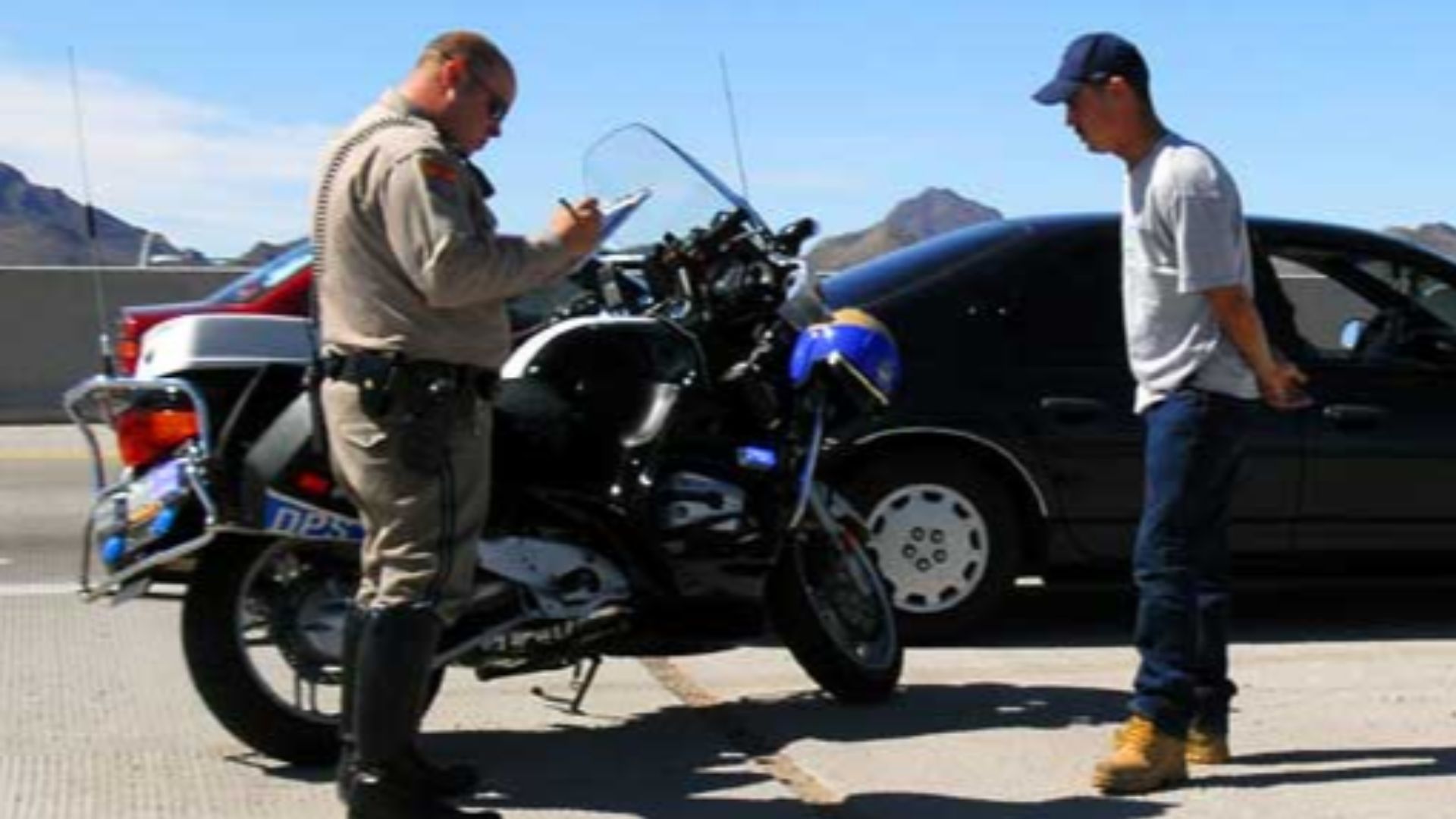 The original uploader was Jeff dean at English Wikipedia., Wikimedia Commons
What New York City Says
New York City’s Department of Transportation says camera violations are generally issued to the owner of the vehicle. Its speed camera page says liability belongs to the owner, even if someone else was driving. So if you loaned out your car, that does not automatically shift the bill to your friend under that system.
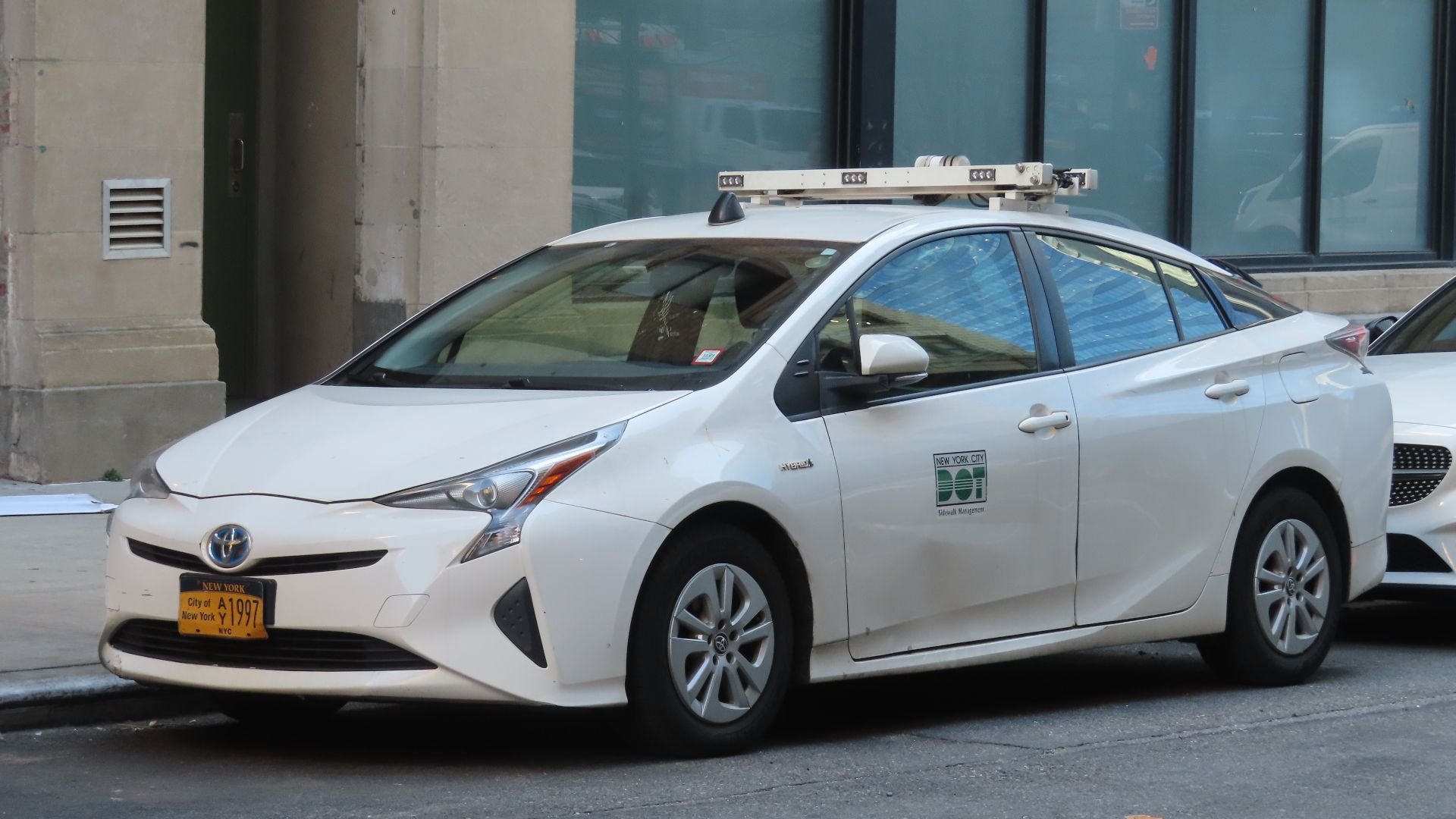 Jason Lawrence from New York, Wikimedia Commons
New York’s Camera Program Is Massive
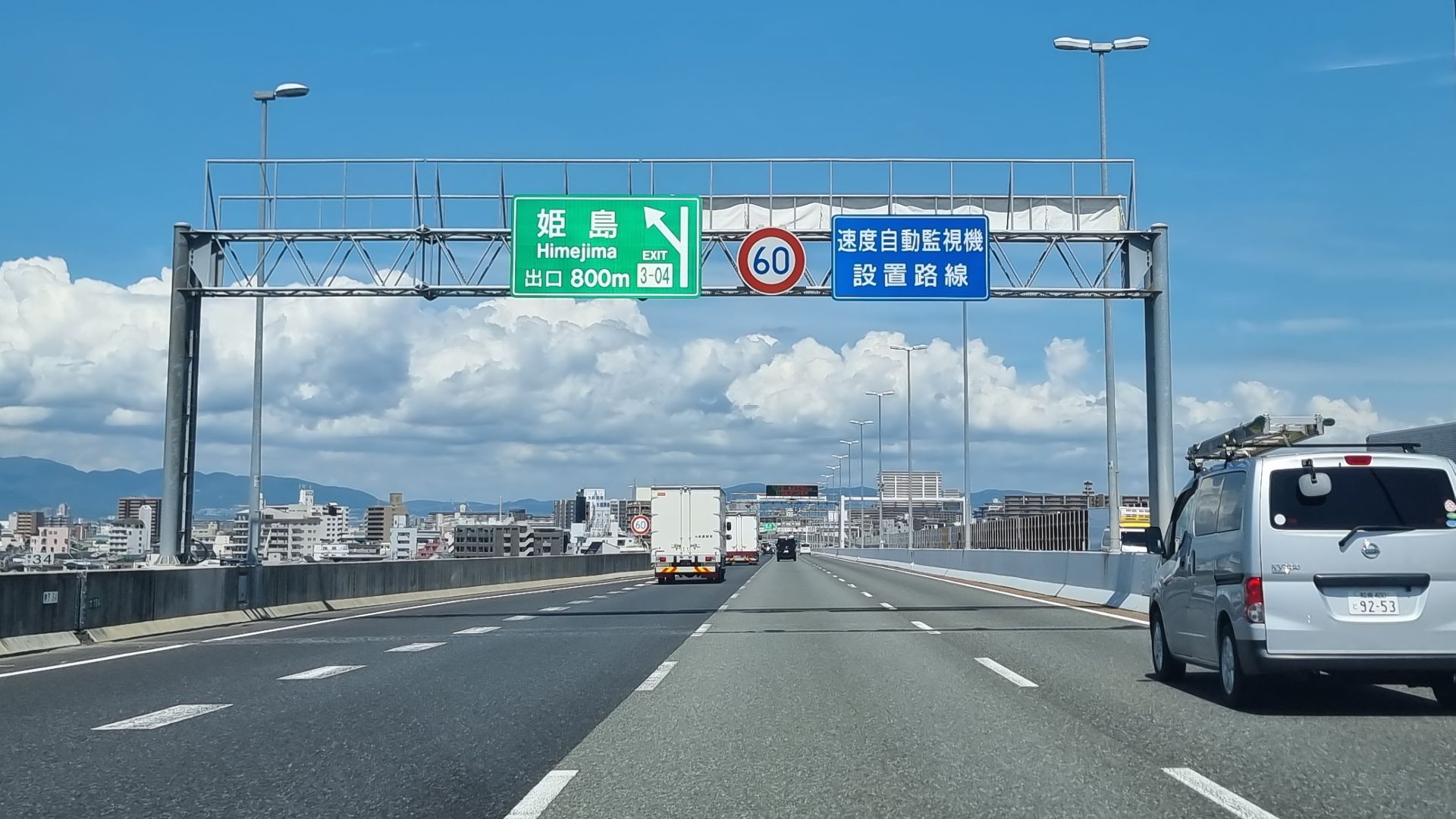
New York City has expanded automated enforcement in a big way in recent years, which matters because more drivers keep running into this exact problem. The city says its speed camera program operates near schools and is meant to cut speeding and crashes. That scale has turned owner liability from a legal side note into something regular car owners deal with all the time.
 Benlisquare, Wikimedia Commons
Washington, DC Uses A Similar Setup
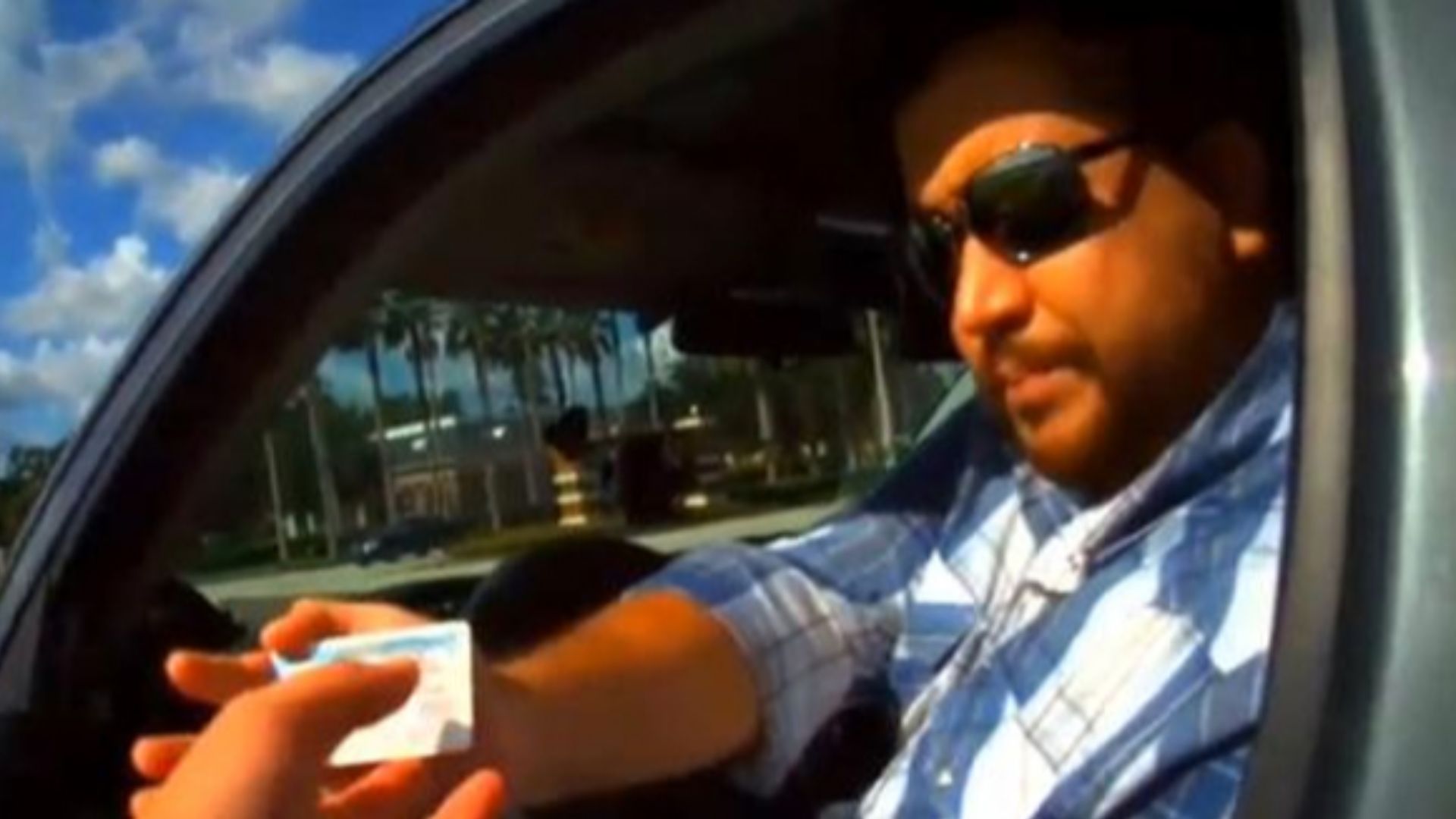
The District of Columbia also sends automated traffic enforcement penalties to the registered owner. DC’s official guidance says the owner is responsible for the ticket unless a valid defense applies under the rules. If your friend was driving, that may feel rough, but that is often how these programs are built.
 Lake Mary Police Department (Florida), Wikimedia Commons
California Is More Complicated
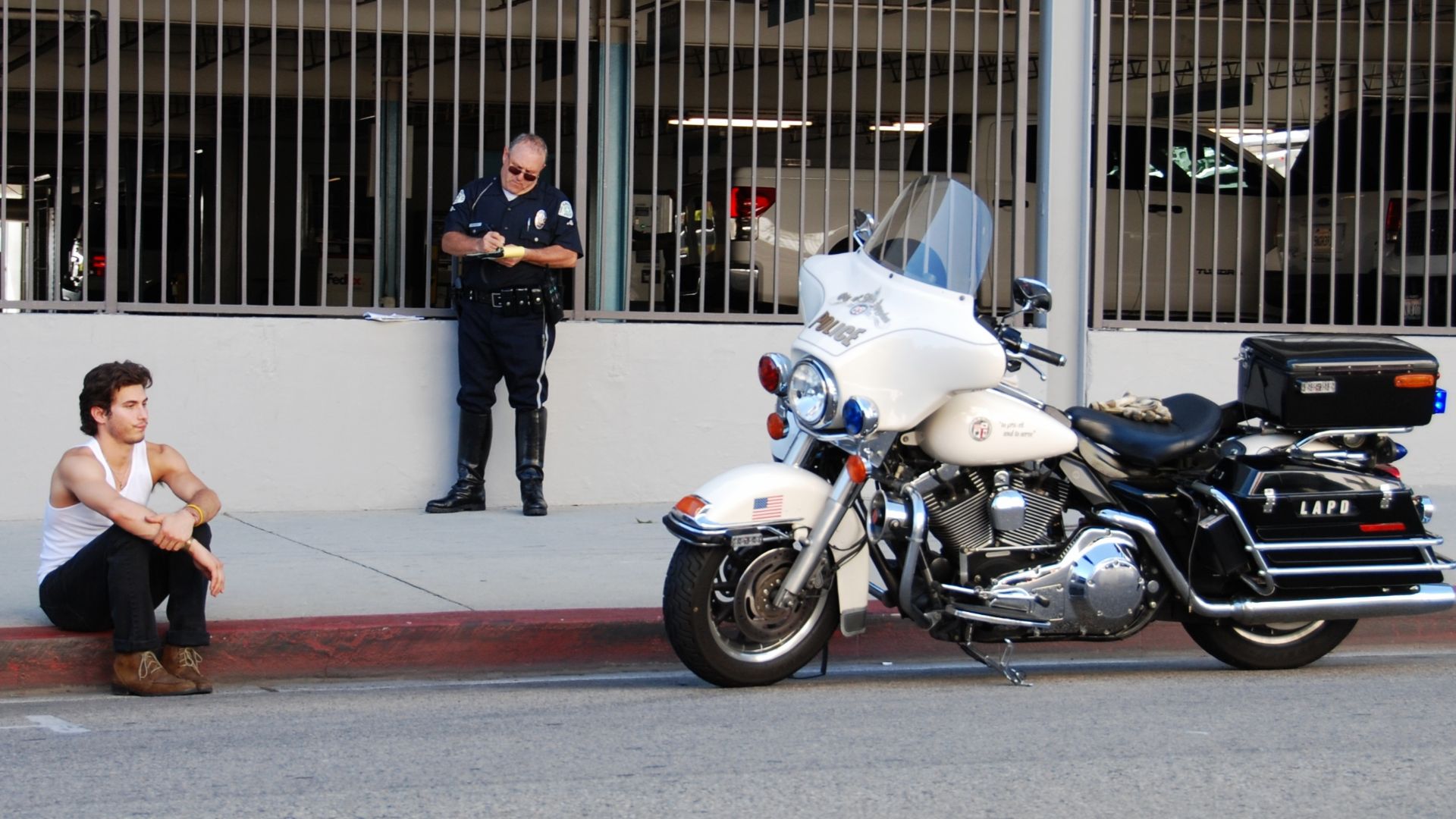
California is a reminder that camera enforcement is not the same everywhere. The California Courts system says red light camera tickets can be issued to the driver, and photos are reviewed to identify that person. In some California cases, figuring out who was actually driving matters much more than it does in places that put liability on the owner alone.
 Chris Yarzab, Wikimedia Commons
Why That Difference Matters
If a city or state goes after the owner, saying your friend was driving may not wipe out the fine. If the law targets the actual driver, officials may need enough evidence to connect the violation to that person. That is why the first thing to read is the notice itself and the local law behind it.
Civil Fine Or Moving Violation
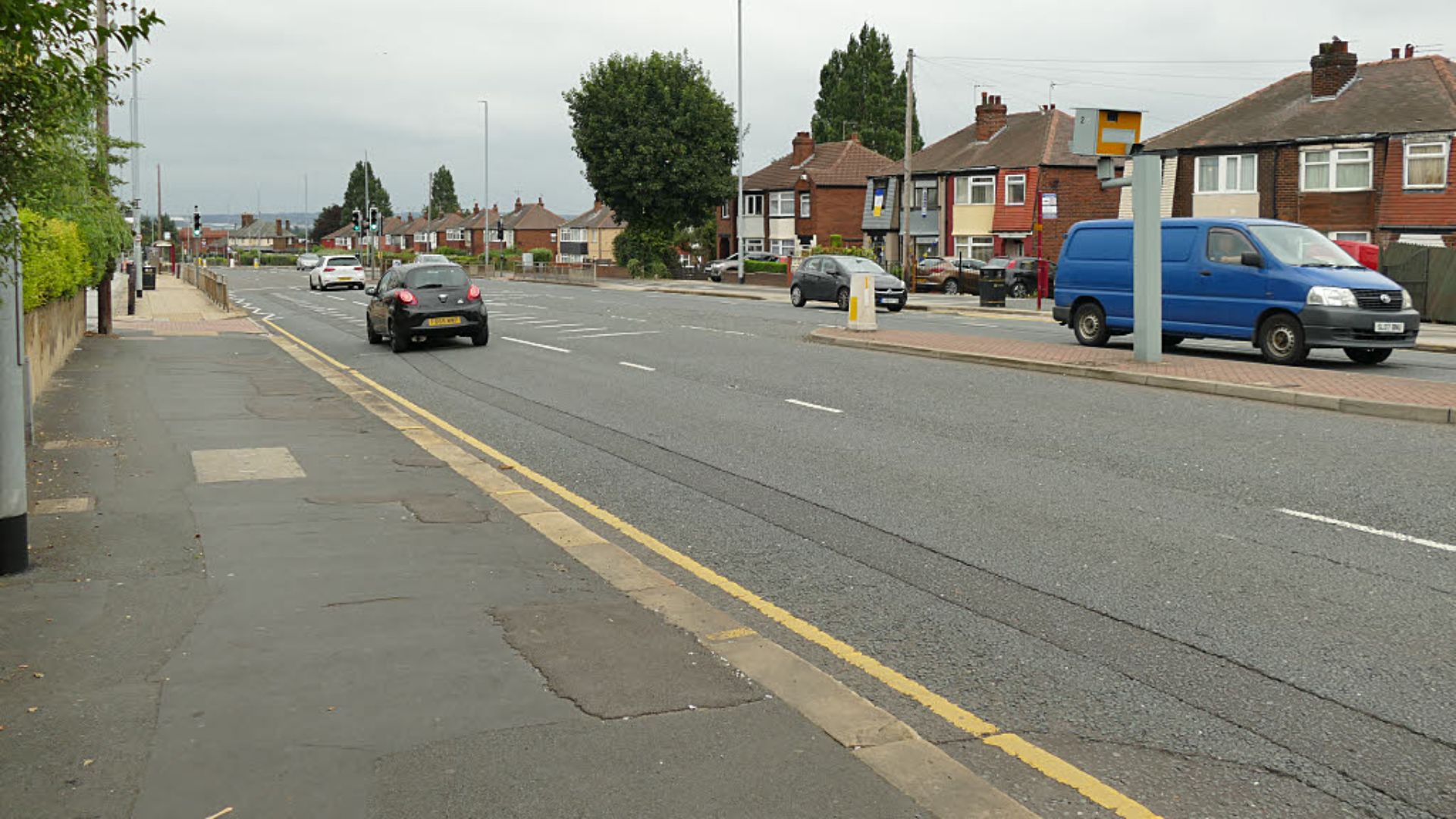
Another big detail is whether the ticket is a civil penalty or a moving violation. Many camera tickets are civil, which often means no license points, but still a fine if you do not pay. The National Conference of State Legislatures notes that automated enforcement laws vary widely from state to state, including how violations are classified and enforced.
 Stephen Craven , Wikimedia Commons
Points Are Often A Separate Issue
Most drivers worry first about insurance and points. In many owner-liability camera systems, the notice works more like a civil citation tied to the vehicle, not a standard ticket issued after a police stop. That can mean the owner gets the bill, while points may not apply the same way they would with an officer-issued speeding ticket.
If Your Friend Said They Would Pay
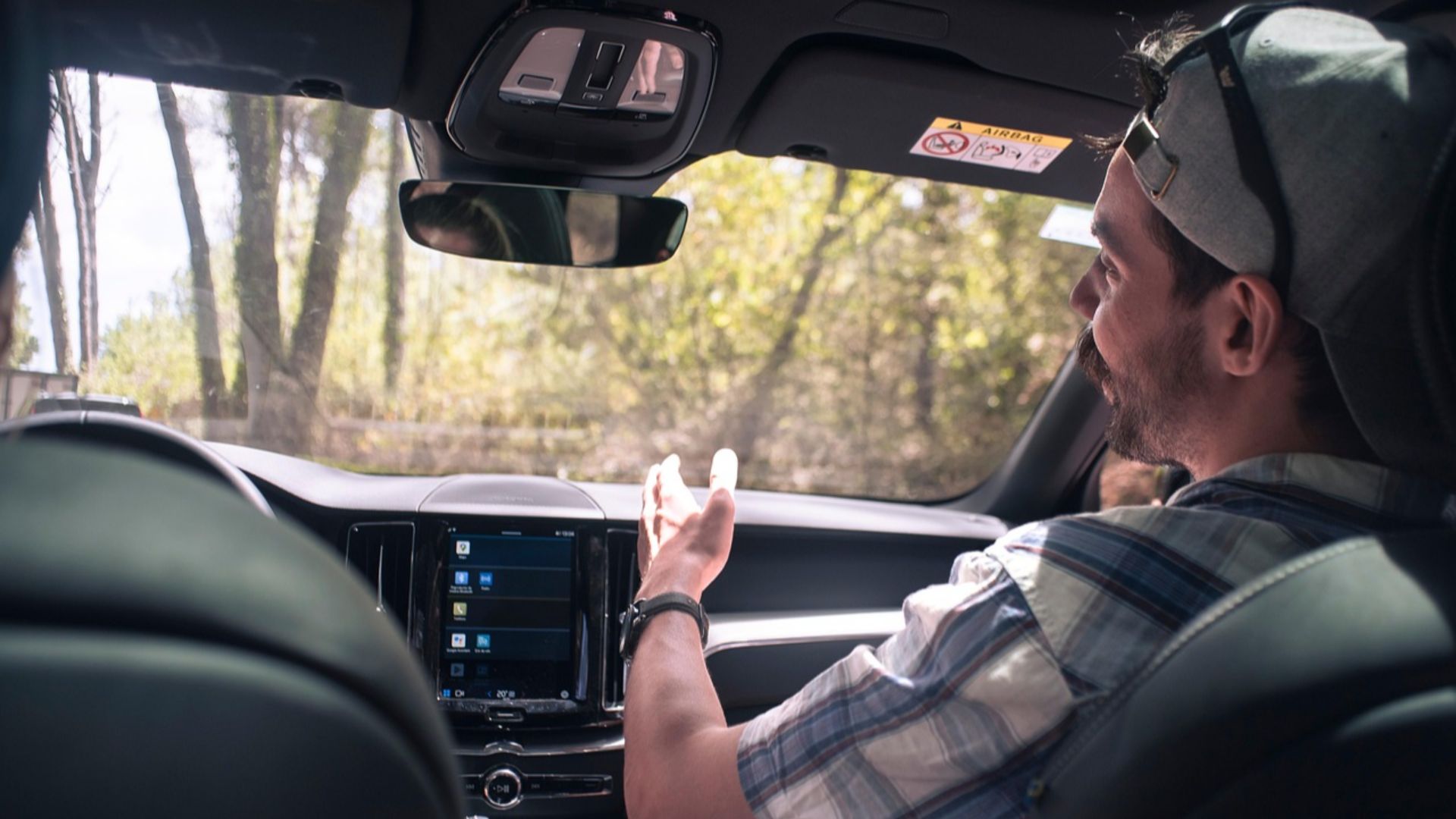
Real life and legal responsibility are not always the same thing. Your friend may absolutely owe you the money morally, and maybe legally if you made an agreement, but that does not always change who the government is chasing. If the city says the owner is liable, officials may still expect payment from you first.
 LinkedIn Sales Solutions, Unsplash
Check Whether You Can Transfer Responsibility
Some places let owners fight the ticket by naming another driver, filing an affidavit, or showing the car had been sold, stolen, or otherwise out of their control. Others do not make it that easy to shift liability. The notice usually explains the deadline, what documents you need, and how the hearing process works.

A Stolen Car Is A Different Story
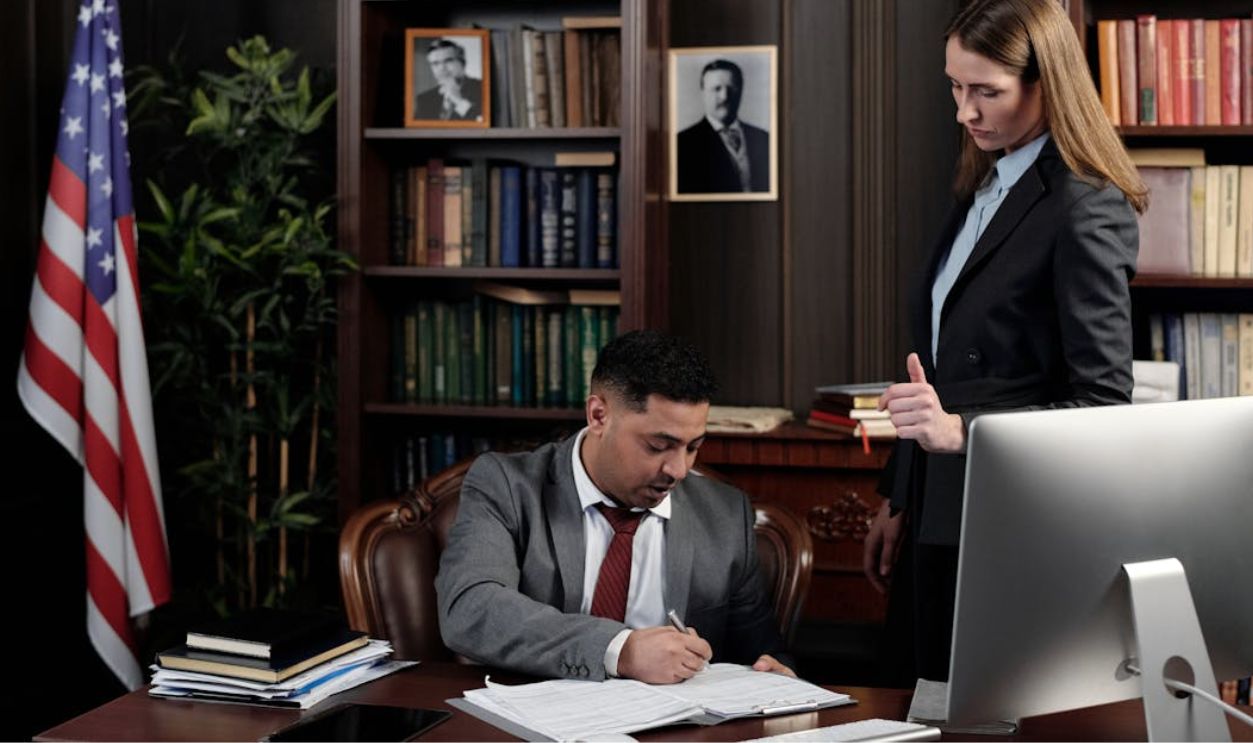
If the vehicle was stolen, many systems offer a specific defense. Cities often require a police report or other proof showing the owner did not allow the car to be used. That is very different from loaning the car to a friend, where the owner gave permission for it to be on the road.
Sold The Car But Still Got The Ticket
Another common problem happens after a sale. If registration records were not updated, the notice may still go to the previous owner. In that case, proof of sale, transfer paperwork, and filing dates can be the key to getting the citation dismissed or reassigned under local rules.
Rental Cars Show How The System Works
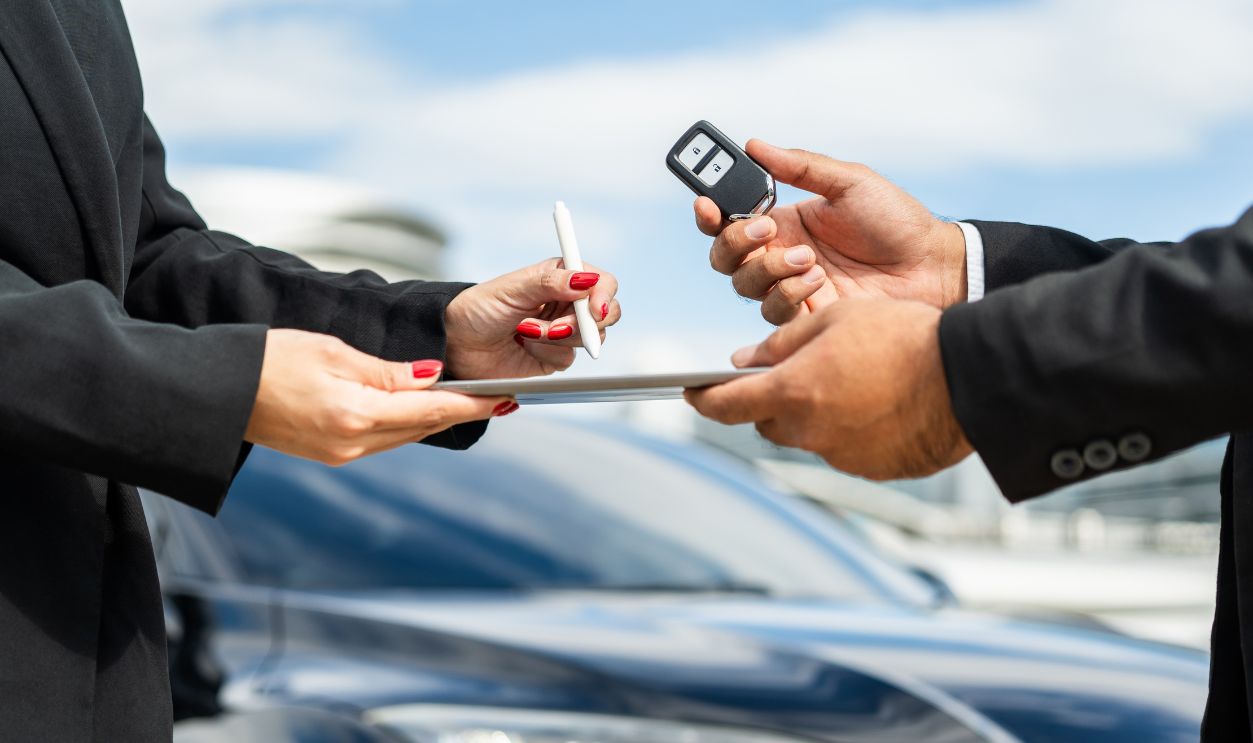
Rental companies are a good example of how these systems operate. Because the notice often goes to the registered owner, rental companies usually get the ticket first and then charge the renter under the rental contract. That is the same owner-first logic that can hit private car owners when a friend borrows the keys.

Deadlines Matter More Than People Think
Ignoring the notice is usually the worst move. Camera ticket systems often add late fees, collections trouble, registration holds, or other penalties if you miss the response deadline. Even if you plan to fight it or get paid back by your friend, deal with the notice right away.

Look Closely At The Photos And Details
Most camera ticket notices include photos, timestamps, the location, and details about the alleged speed or violation. Go through all of it carefully. Mistakes do happen, and the exact details can also help you confirm whether your friend was driving and whether you have a real defense.

What To Check On The Citation
Start with the agency that issued it, the date of the violation, the response deadline, and the instructions for contesting it. Then look for language about owner liability, driver liability, or a declaration form. Those few lines often decide whether this is just a repayment fight with your friend or a formal legal problem for you.

Can You Make Your Friend Reimburse You
Usually, yes, at least privately. If you end up paying because the law treats you as the liable owner, you can still ask your friend to pay you back. Whether that turns into a small claims case depends on your relationship, the amount of money, and how far you want to take it.

Insurance Is Not Always The Main Problem
People often assume any speeding ticket will hit insurance right away. With camera tickets, especially civil owner-liability citations, that is not always what happens. The result depends on local law and on whether the violation is reported in a way that affects a driving record.

There Is A Legal Backstory Too
Automated enforcement has sparked years of legal debate over due process, local power, and how violations are served. The rules are not fixed everywhere, and some states have changed or limited camera programs over time. The National Conference of State Legislatures tracks those differences and shows how uneven the national picture really is.
Why Cities Use Cameras In The First Place
Officials usually defend these systems with safety data. The Insurance Institute for Highway Safety has published research supporting automated enforcement as a way to reduce crashes in many settings. That safety argument is one reason many places are comfortable assigning liability differently from a normal traffic stop.
Fair Or Not, It Is Often An Administrative System
This is the part that catches owners off guard. Camera enforcement is often built as an administrative system centered on the vehicle record, not a roadside identification of the driver. Once you understand that, it becomes easier to see why saying “I was not driving” sometimes works and sometimes does not.
Your Best First Move
Open the notice and go straight to the official website listed on it. Do not rely on rumors or on what happened to someone in another state. The exact city and state rules are what matter.

Your Best Second Move
Talk to the friend who borrowed the car right away. Confirm what happened, save texts or messages, and figure out whether they will reimburse you or help contest the ticket if the law allows it. Handling the personal side early can save a lot of frustration while you deal with the legal side.

When It Makes Sense To Fight The Ticket
Contest the ticket if the photos are wrong, the plate was misread, the car was stolen, you had sold the vehicle, or the local rules give you a valid way to identify another responsible party. Fighting it just because you were not personally driving may or may not work. The notice and the local statute control that answer.
The Bottom Line
Are you the one who has to pay it? Often, yes, at least at first, because many camera tickets are mailed to and enforced against the registered owner. But not always, because some states and cities treat driver identity differently or let the owner challenge or transfer responsibility under certain rules.

How To Avoid This Problem Next Time
If you lend out your car, make sure the borrower knows they are responsible for tolls, parking tickets, and camera violations. Put it in writing if the loan is anything more than casual. It may feel a little awkward in the moment, but it is much easier than arguing over a camera ticket later.
 Henri Mathieu-Saint-Laurent, Pexels