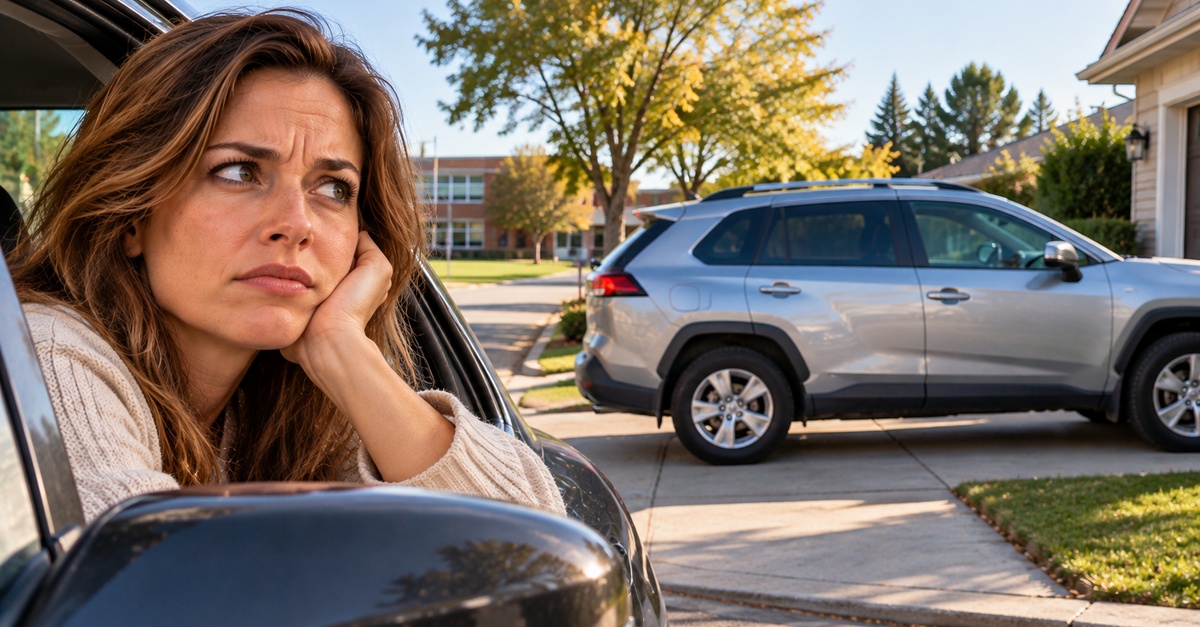
When Your Gas Gauge Becomes A Personal Enemy
Gas prices may calm down one week and spike the next, but one thing hasn’t changed—drivers still want to squeeze every possible mile out of every gallon. The good news is that fuel efficiency in 2026 isn’t about suffering through slow drives or turning your car into a hypermiling experiment. It’s about smarter habits, better tech awareness, and a few surprisingly easy tweaks that experts agree still make a real difference.
Drive Like You’re Paying For Your Own Gas
Aggressive acceleration and hard braking are still the fastest ways to burn fuel. Smooth inputs keep your engine operating efficiently and reduce unnecessary fuel spikes. Think calm, predictable movements—not stoplight drag racing.

Maintain A Steady Speed Whenever Possible
Constant speed equals consistent fuel use. Highway driving with steady throttle is still far more efficient than frequent speed changes. Cruise control, when conditions allow, helps eliminate accidental speed creep.

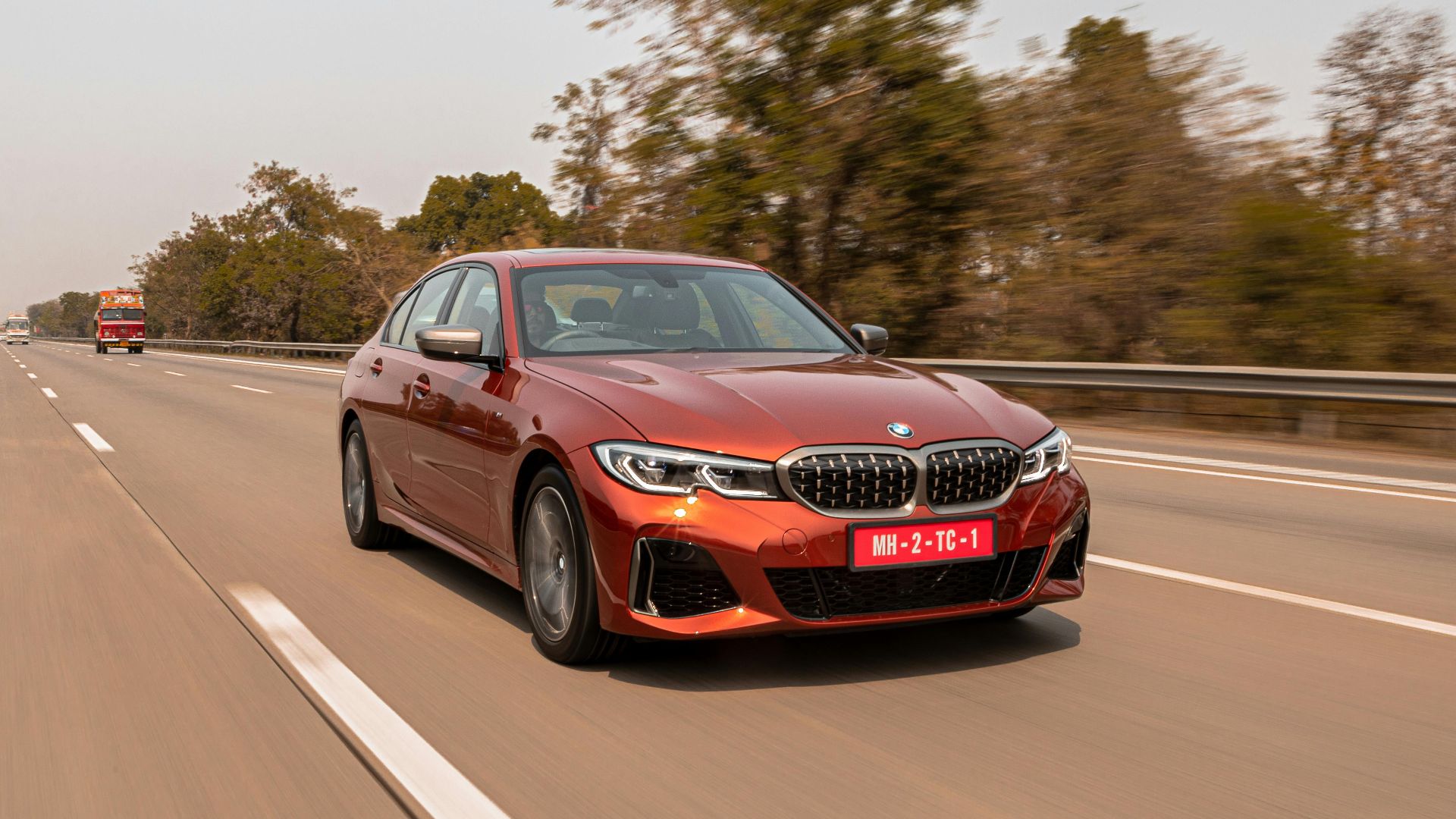
Stop Speeding—It’s Still A Mileage Killer
Fuel efficiency drops rapidly once you push past highway-optimal speeds. Wind resistance increases dramatically at higher speeds, forcing your engine to work harder. Those extra five or ten mph add up faster than you think.
Experts note that fuel economy can drop noticeably once speeds climb above typical highway cruising ranges.

Use Cruise Control Strategically
Cruise control works best on flat highways, not hilly terrain. On hills, it can force aggressive throttle inputs that waste fuel. Used correctly, though, it keeps your car from making inefficient micro-adjustments.
Lighten The Load In Your Vehicle
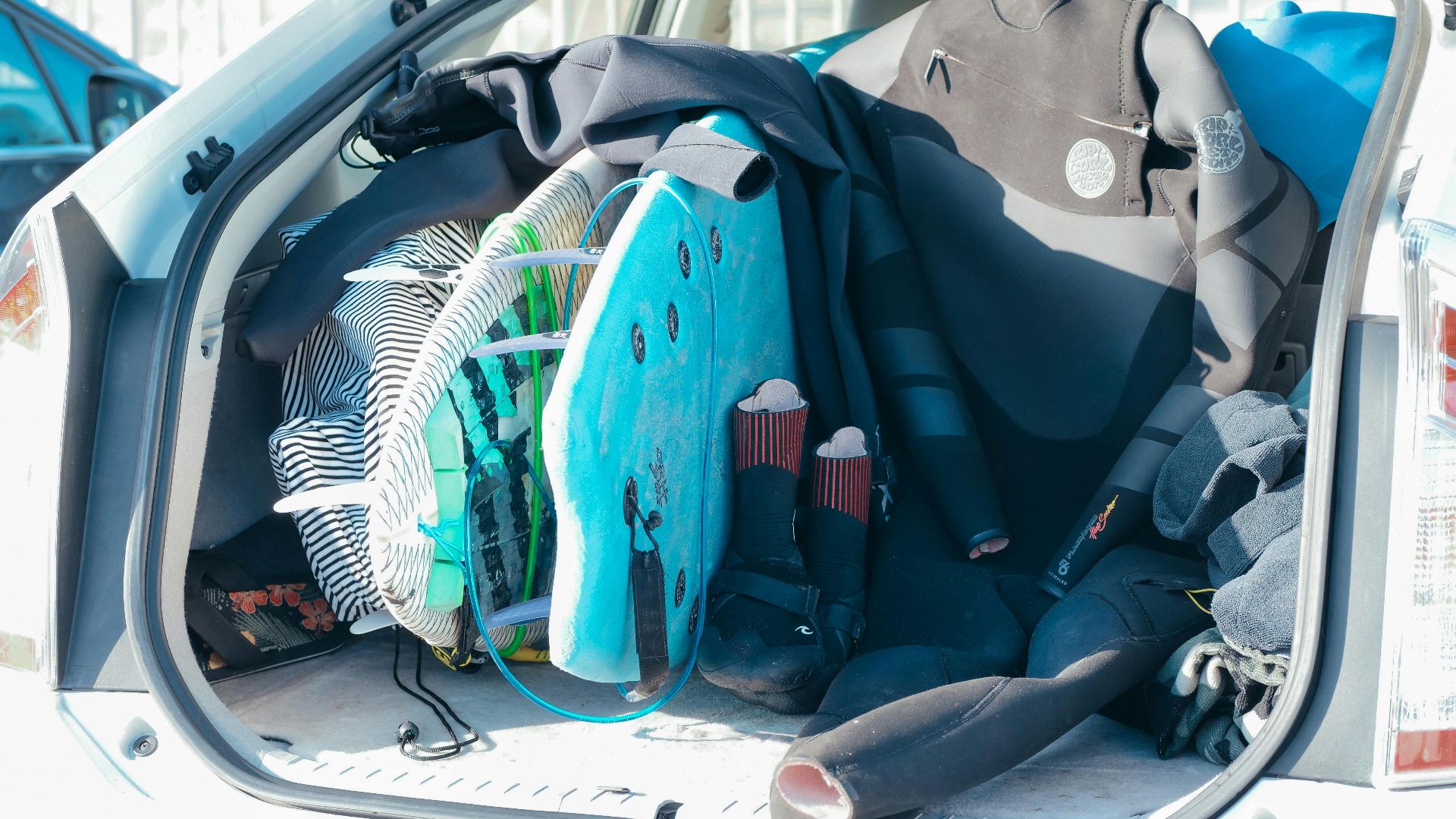
Extra weight still equals extra fuel burn. Old sports gear, tools, or forgotten cargo add strain to your engine. A lighter car accelerates more efficiently and coasts better.
Remove Roof Racks When You’re Not Using Them
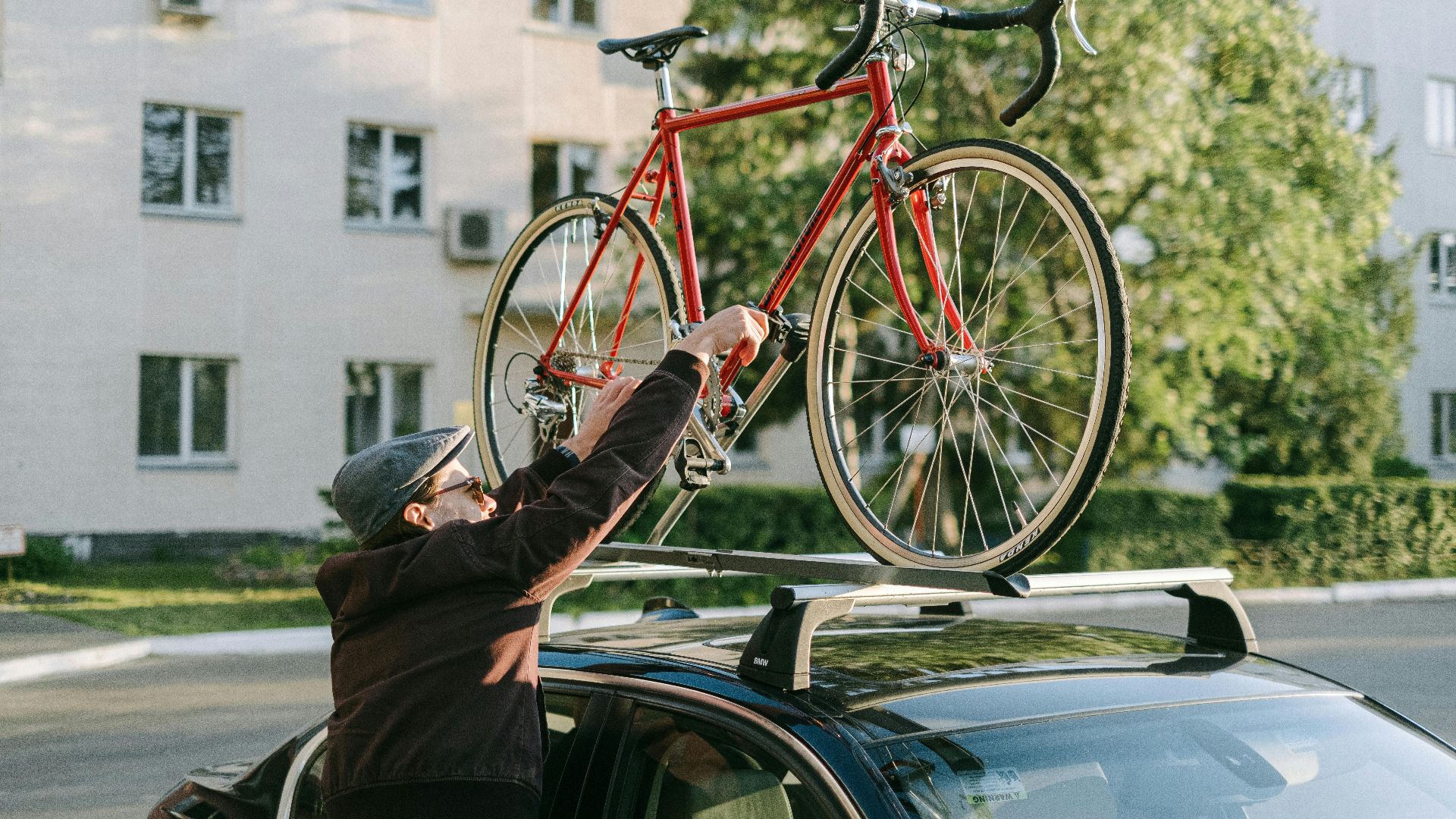
Roof racks create aerodynamic drag even when empty. That drag forces your engine to fight wind resistance constantly.
Experts emphasize that exterior add-ons quietly reduce efficiency at highway speeds.
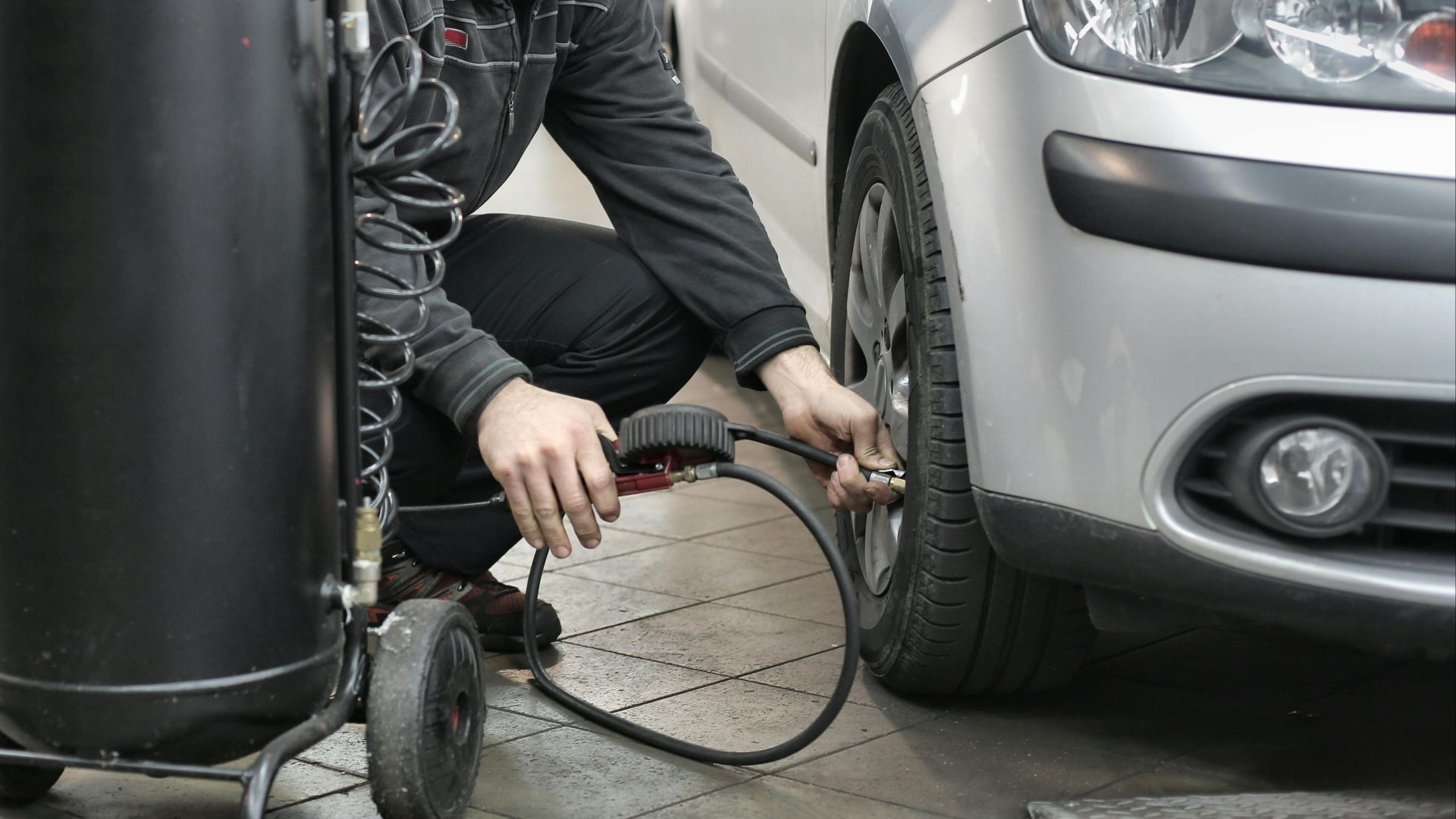
Keep Your Tires Properly Inflated
Underinflated tires increase rolling resistance, making your engine work harder. Tire pressure should be checked monthly, not just when a warning light appears. Proper inflation improves handling and fuel economy at the same time.
Choose The Right Tires For Efficiency
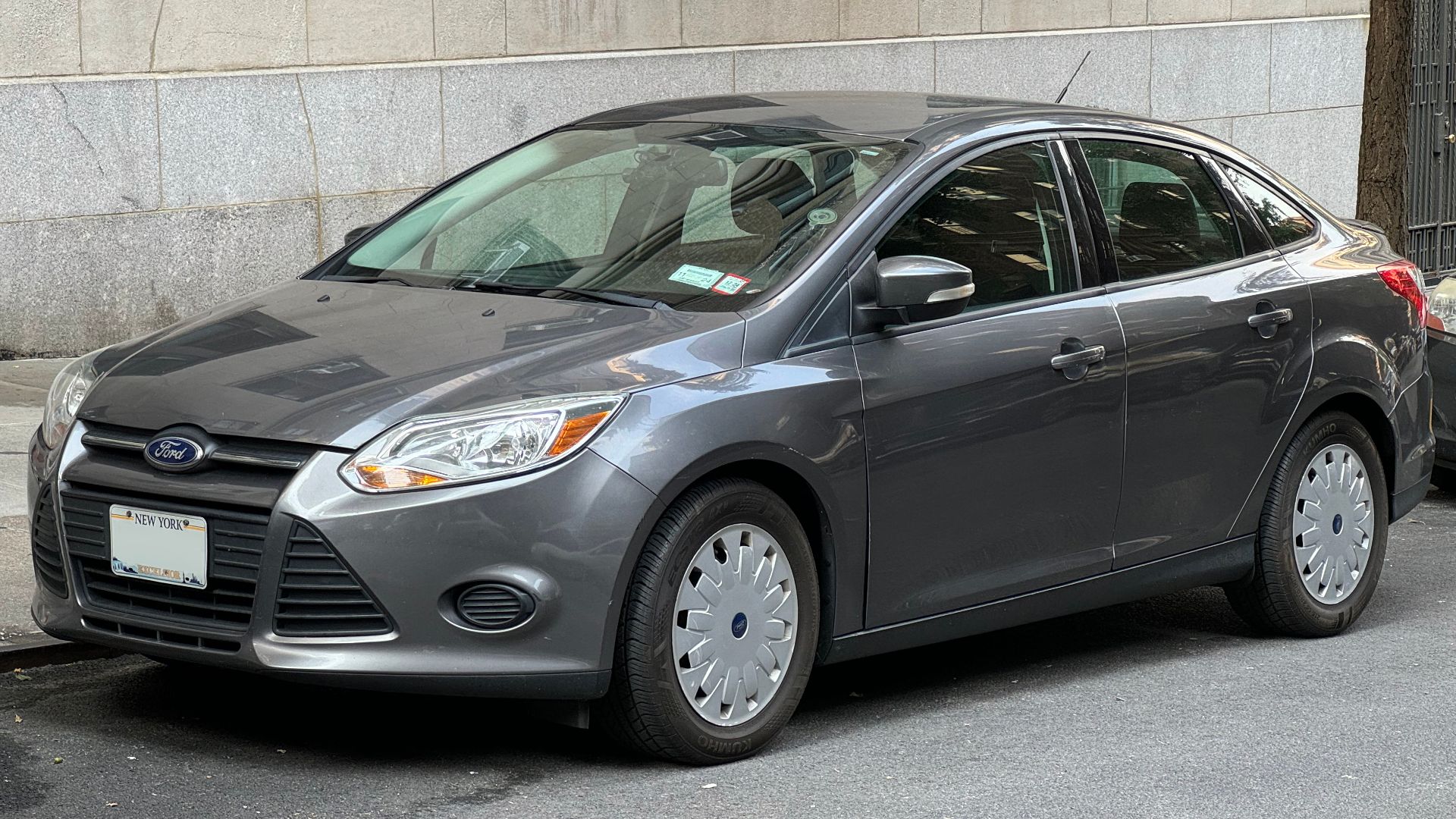
Low rolling-resistance tires can noticeably improve mileage. They’re designed to reduce energy loss as the tire moves. While they’re not mandatory, they’re a smart choice when replacement time comes.
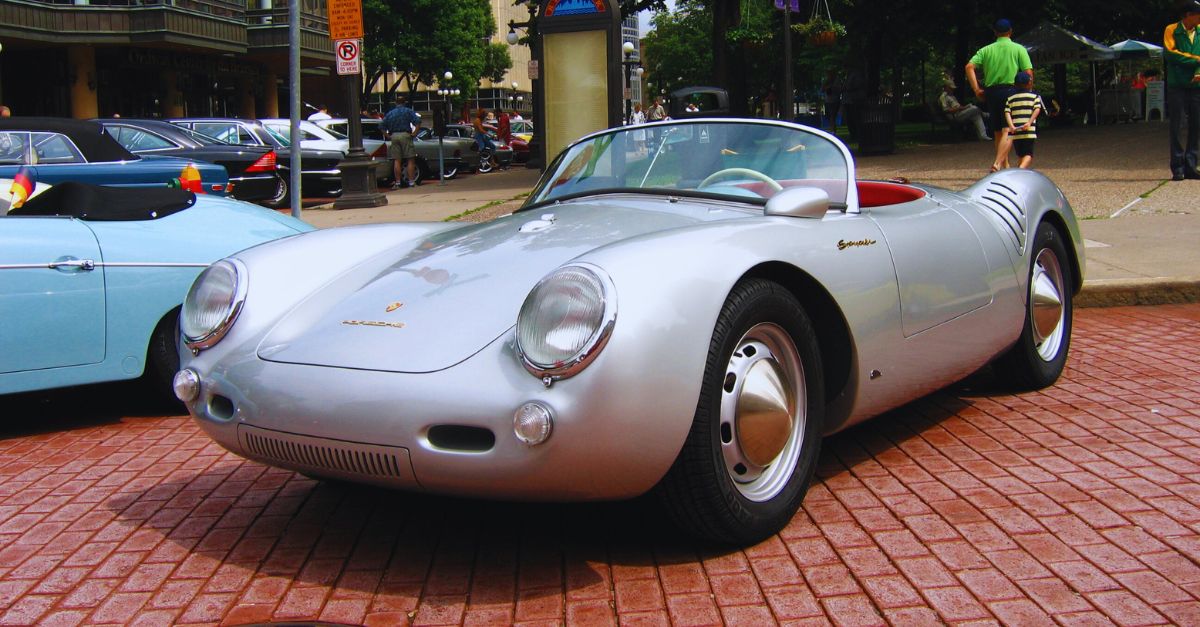
 Mr.choppers, Wikimedia Commons
Avoid Excessive Idling
Modern engines don’t need long warm-ups anymore. Idling wastes fuel without moving you an inch. If you’re stopped for more than a short moment, turning the engine off often saves fuel.

Plan Your Trips More Efficiently
Combining errands reduces repeated cold starts, which are fuel-hungry moments. Cold engines burn more fuel until they reach optimal temperature.
Experts agree that fewer short trips can significantly improve overall mileage.

Use Air Conditioning Wisely
Air conditioning increases engine load, especially at lower speeds. At highway speeds, open windows create drag that can be worse than using AC. Balance your comfort with conditions to avoid unnecessary fuel loss.

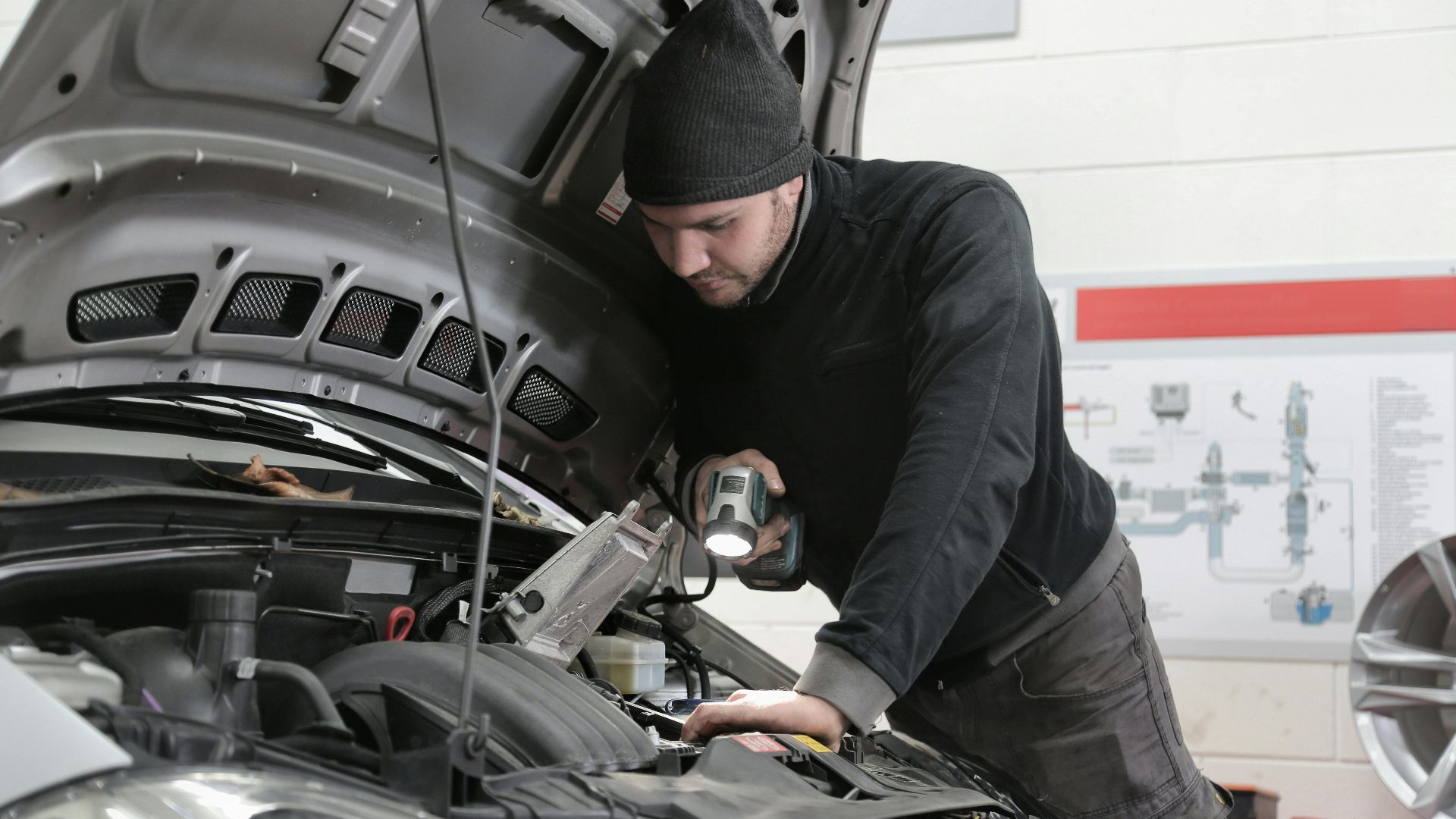
Keep Up With Regular Maintenance
Dirty air filters, old spark plugs, and overdue oil changes all reduce efficiency. A well-maintained engine runs cleaner and burns fuel more effectively. Maintenance isn’t glamorous—but it works.
Watch Your Fuel Quality
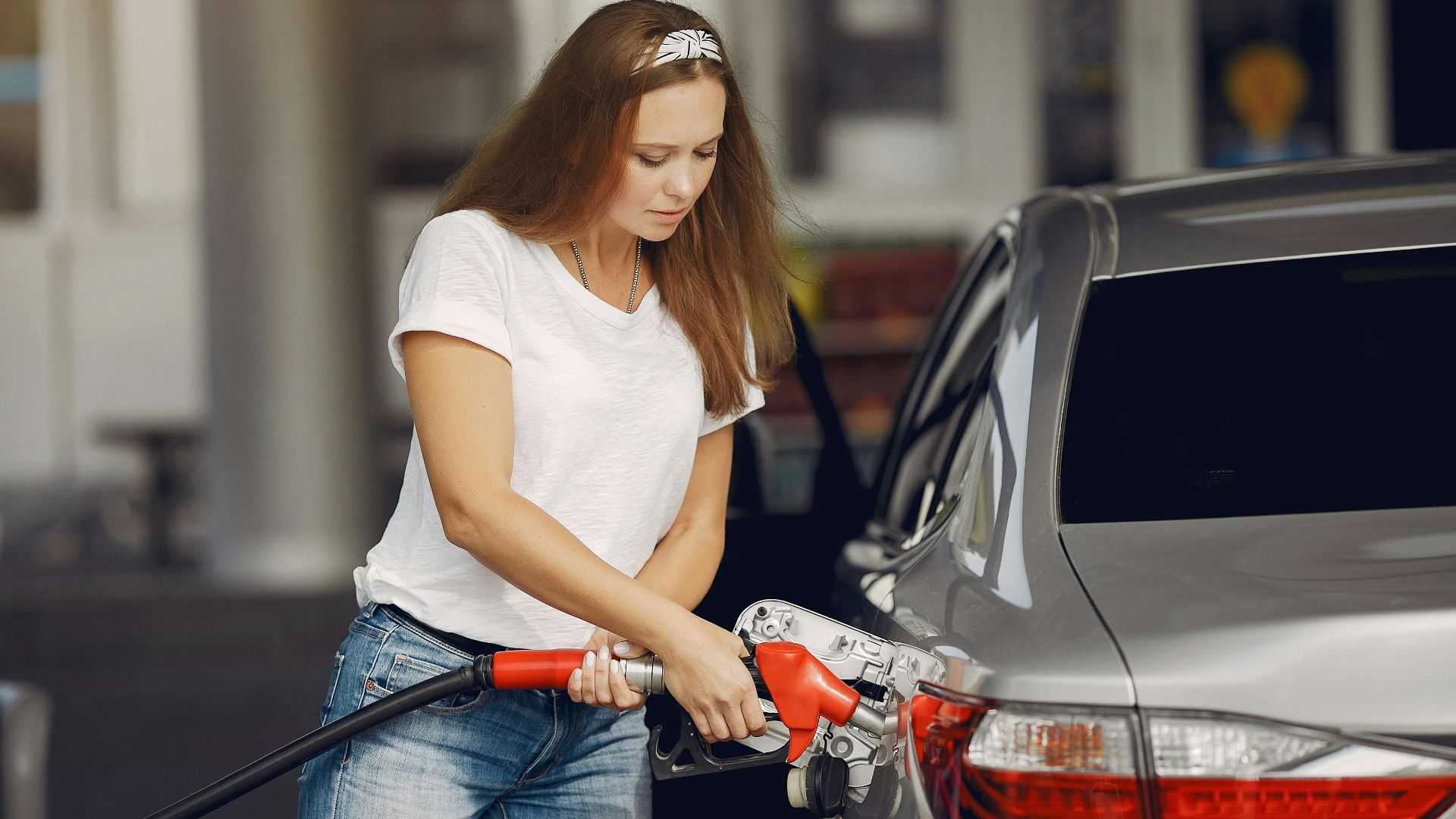
Using the recommended fuel grade matters more than many drivers realize. Higher octane than required doesn’t improve mileage.
Experts caution that premium fuel is often wasted in engines designed for regular gas.
Drive During Off-Peak Hours When Possible
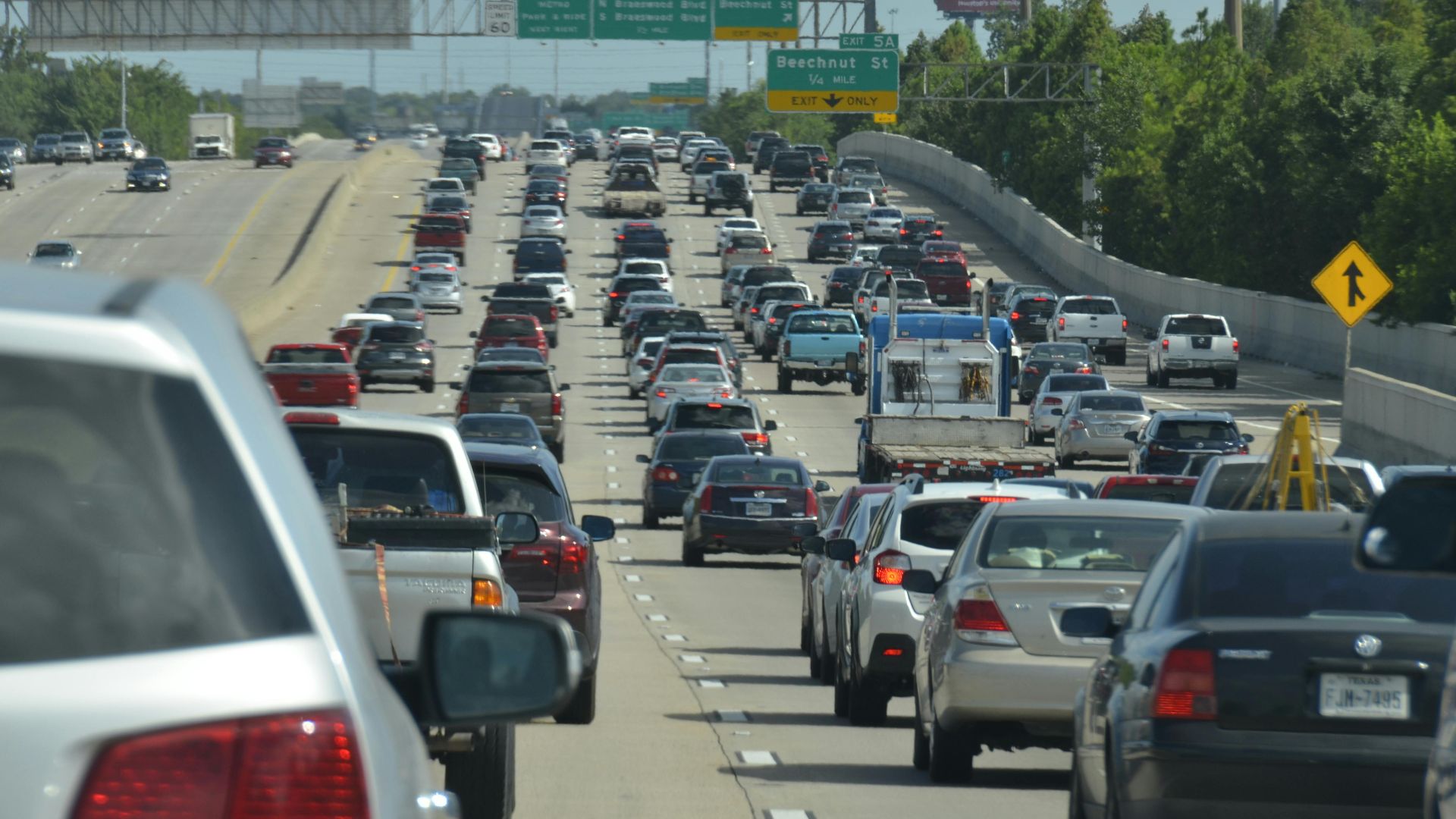
Stop-and-go traffic destroys fuel efficiency. Fewer stops mean fewer acceleration cycles. Even small timing changes to your commute can add noticeable savings.
Use Eco Driving Modes Correctly
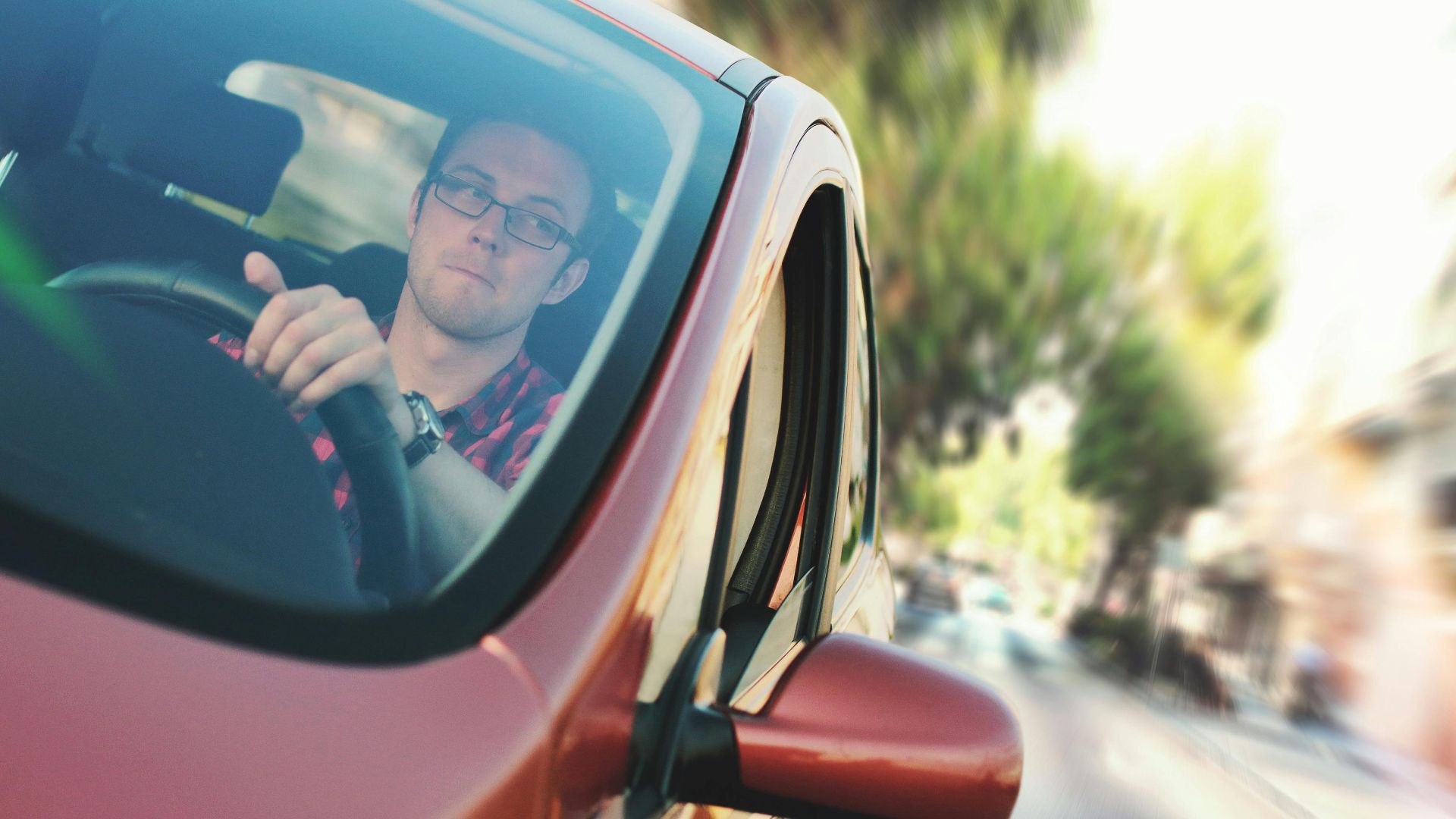
Eco modes adjust throttle response and shift points for efficiency. They’re ideal for city driving and steady cruising. Don’t expect sports-car responses—but do expect fewer gas station visits.

Anticipate Traffic Instead Of Reacting
Looking ahead reduces sudden braking and acceleration. Coasting toward red lights instead of rushing saves fuel. Smooth anticipation beats last-second reactions every time.
Keep Windows Closed At Higher Speeds
At highway speeds, open windows increase drag dramatically. That drag forces your engine to burn more fuel to maintain speed.
Experts note that aerodynamic efficiency matters far more than most drivers realize.

Avoid Overusing Remote Start
Remote start can be convenient, but excessive use burns fuel without moving you anywhere. Modern engines warm quickly once driving begins. Save remote start for extreme conditions.

Monitor Your Fuel Economy Actively
Many vehicles now display real-time mileage data. Watching how habits affect consumption helps reinforce efficient behavior. Feedback turns guesswork into measurable improvement.

Choose Efficiency Over Ego
Driving efficiently doesn’t mean driving slowly—it means driving smarter. Small changes add up over weeks and months.
Experts consistently emphasize that the best gas mileage comes from habits, not heroics.

You May Also Like:
The Best Quick Guide To Buying Tires
Simple Tricks To Make Anyone A Better Driver In 2026, Because It’s Like Mad Max Out There
Gen X Hates Electric Cars. These Are The EVs That Will Finally Win Them Over