“You’ll Never Need Oil Changes Again”
Some drivers are hearing the same thing from younger family members lately: switch to an electric vehicle and you can forget about oil changes, transmission problems, and constant brake replacements. It almost sounds too good to be true. So is that actually how EV ownership works—or is it an oversimplified sales pitch?

The Real Question Is What’s Different
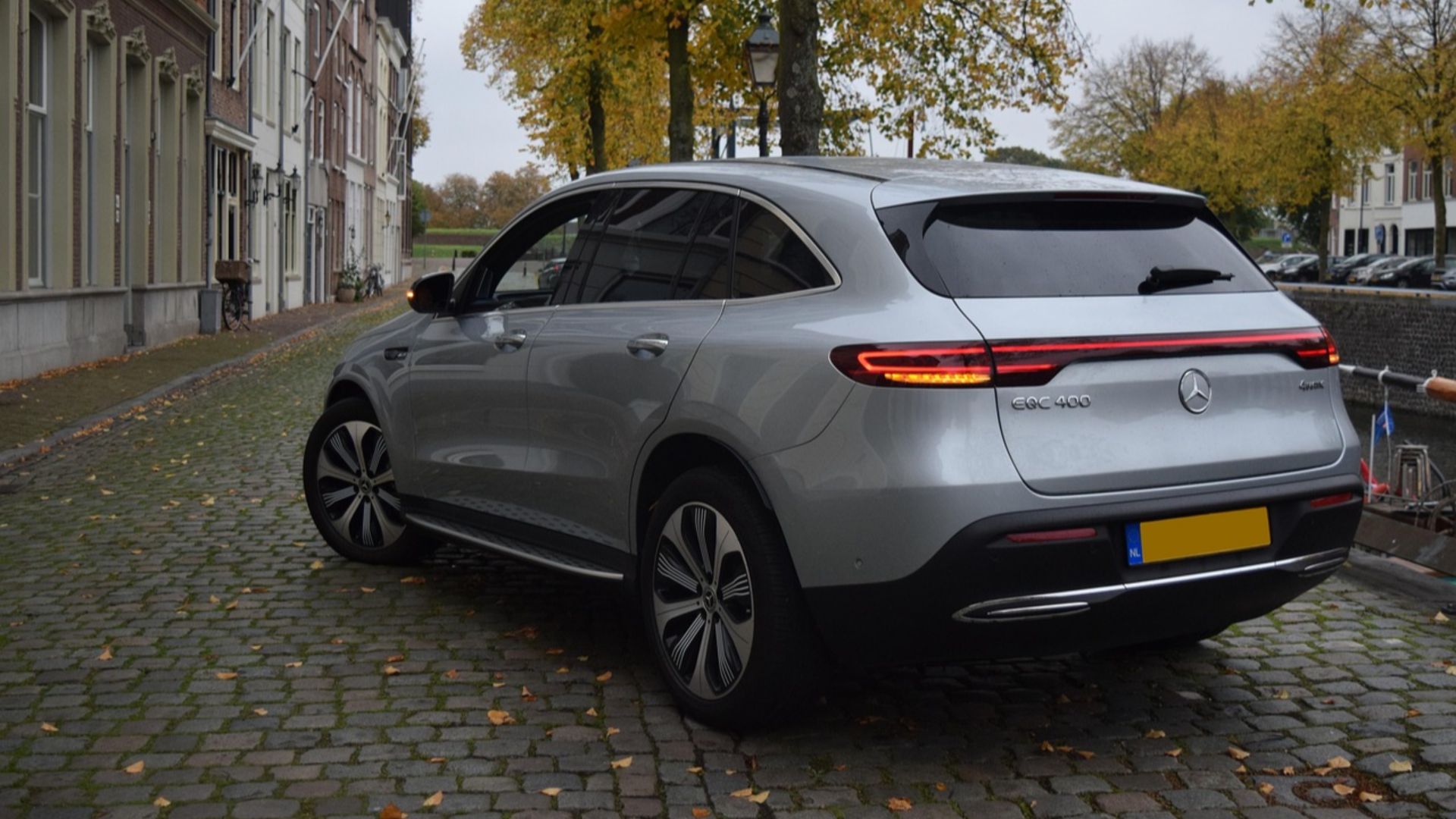
Electric vehicles are built differently from traditional gasoline cars, but exactly how different is what surprises many drivers. Some of the systems people are used to maintaining simply aren’t there anymore. But does that really eliminate all the maintenance your son is suggesting it does? And does it actually save you money? Well…
The Oil Change Really Is Gone
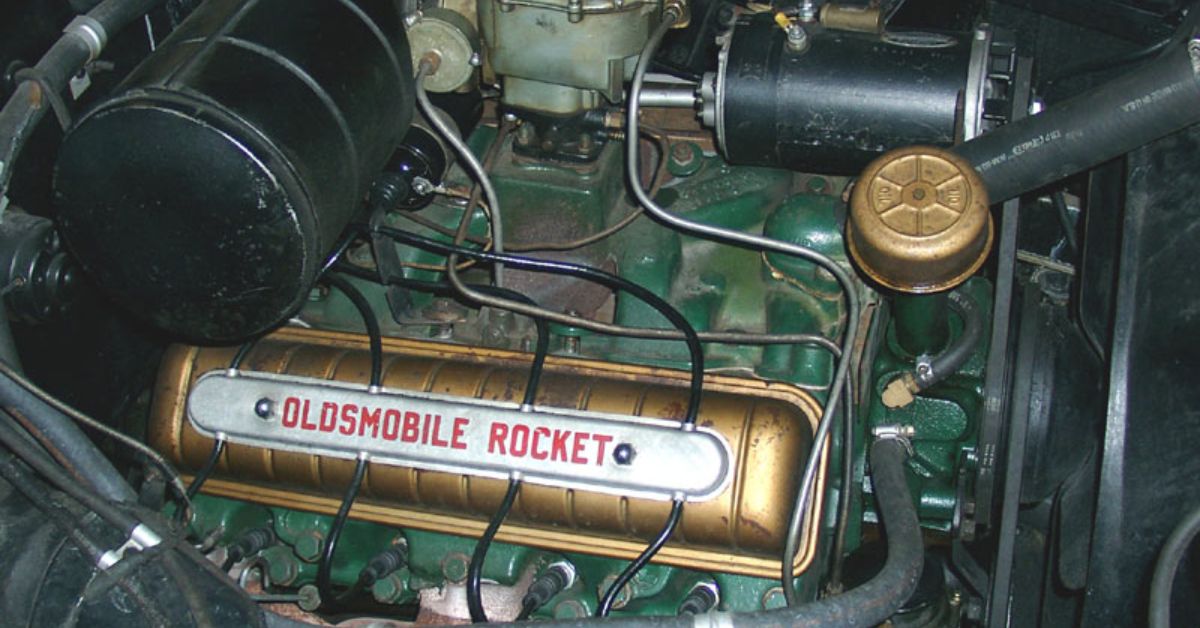
Gas engines require oil to lubricate pistons, valves, and other moving components. Electric vehicles don’t have those parts. That means no oil filters, no oil pumps, and no oil change schedule. For many drivers, that alone eliminates the most common maintenance appointment they’ve dealt with for decades.
Why Gas Cars Need Oil Changes
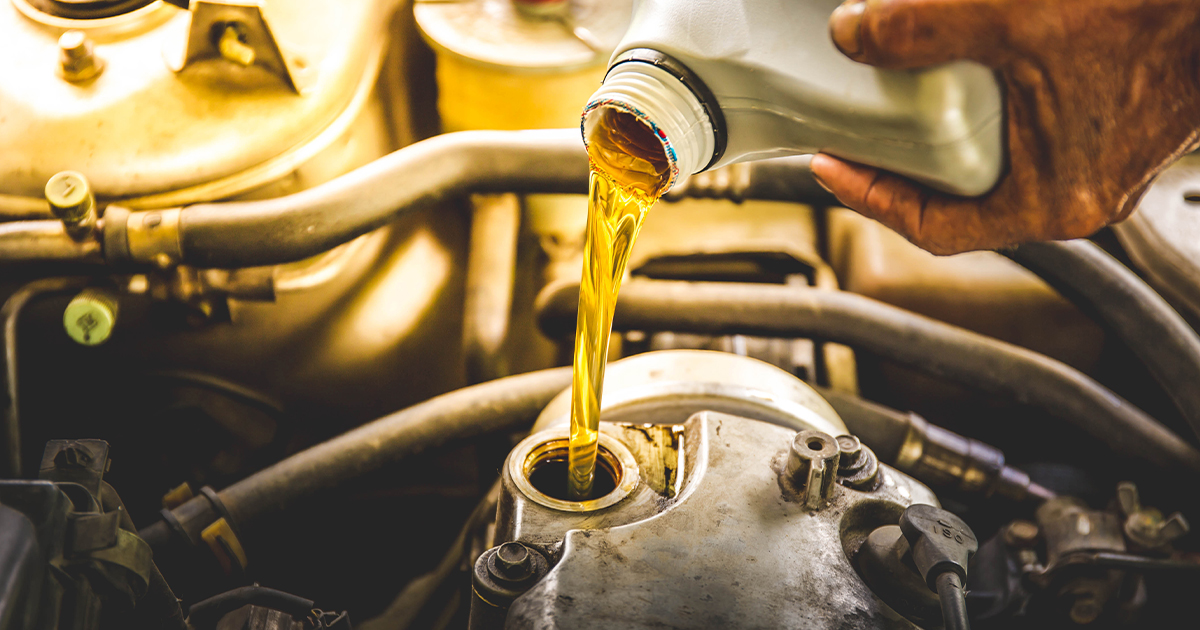
Inside a gasoline engine, metal components move thousands of times per minute while generating heat and friction. Oil prevents those parts from grinding together and wearing out. Over time oil becomes contaminated and breaks down, which is why manufacturers recommend replacing it regularly.
How Much Oil Changes Actually Cost
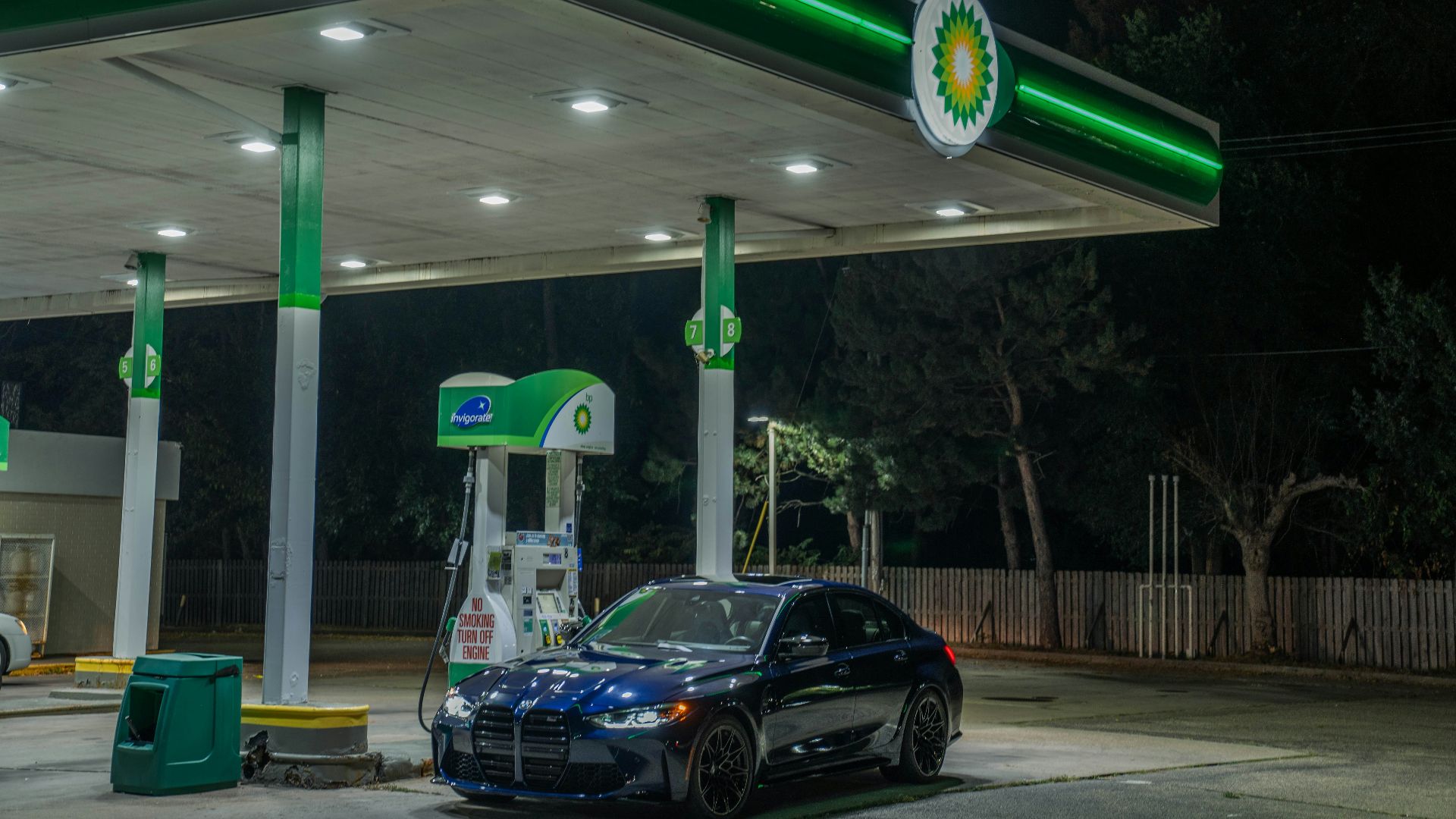
Oil changes typically cost $40 to $100 each, and many drivers do them two or three times per year. Over the lifetime of a gasoline vehicle, that can add up to $2,000–$4,000 in oil changes. Electric vehicles eliminate that expense entirely.
Transmission Systems Are Simpler
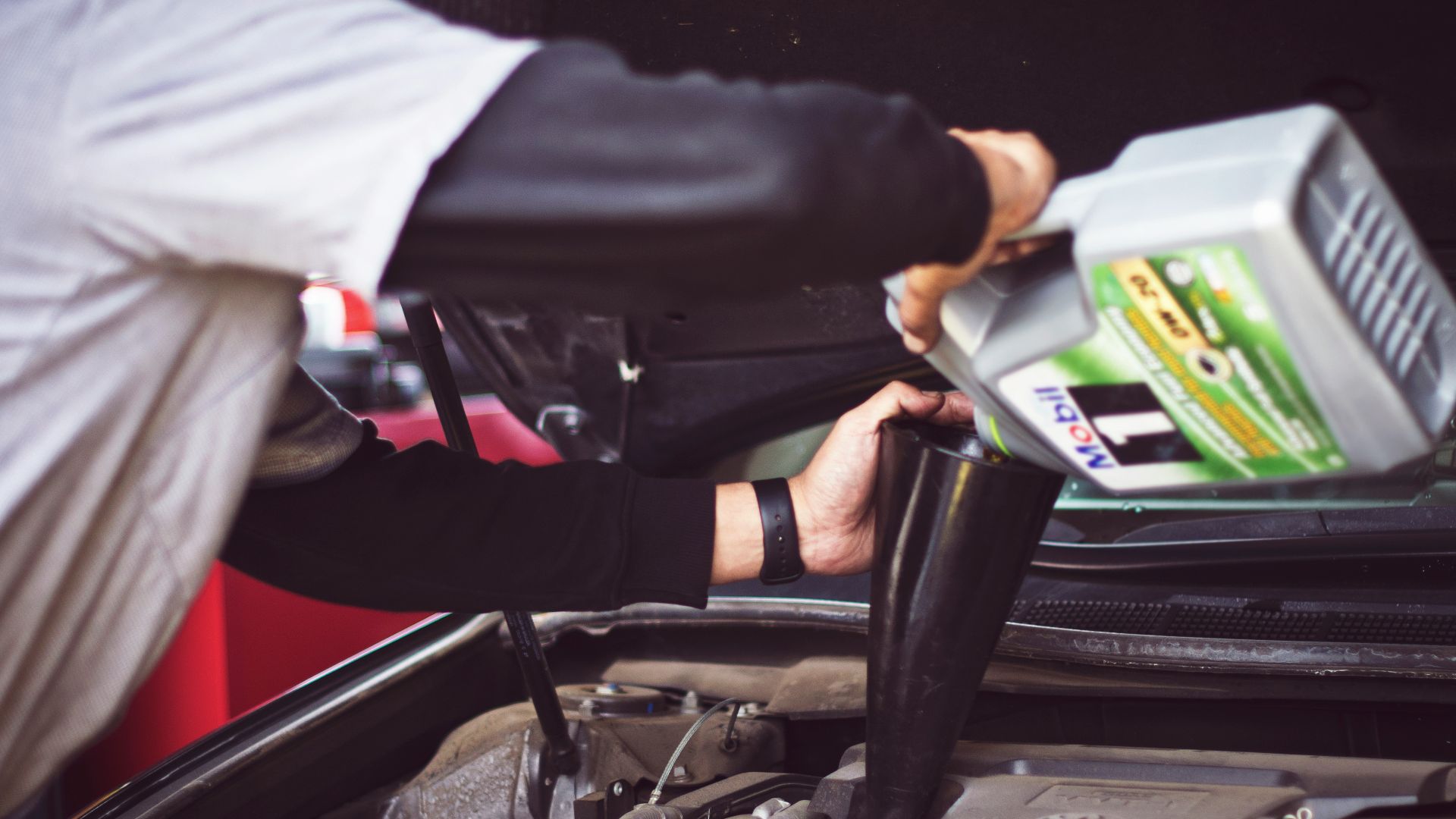
Gas-powered vehicles rely on complex multi-gear transmissions that constantly shift while driving. These systems use specialized fluids and contain many moving parts that can wear out. Most EVs use a simple single-speed gearbox, which dramatically reduces transmission complexity and maintenance.

Expensive Transmission Repairs
Transmission problems are among the most expensive repairs in traditional cars. Replacing a transmission can cost $3,000–$7,000 depending on the vehicle. Because EVs usually don’t rely on multi-gear transmissions, that entire category of repairs is far less common.
The Exhaust System Disappears
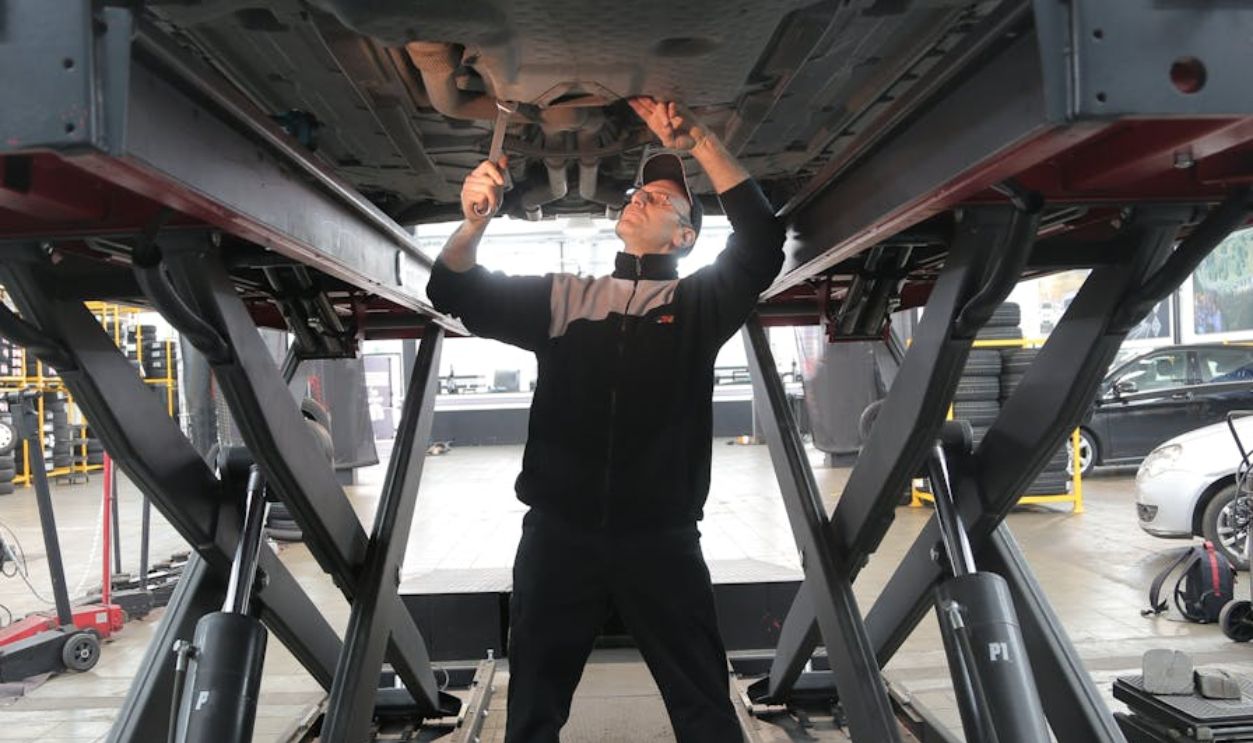
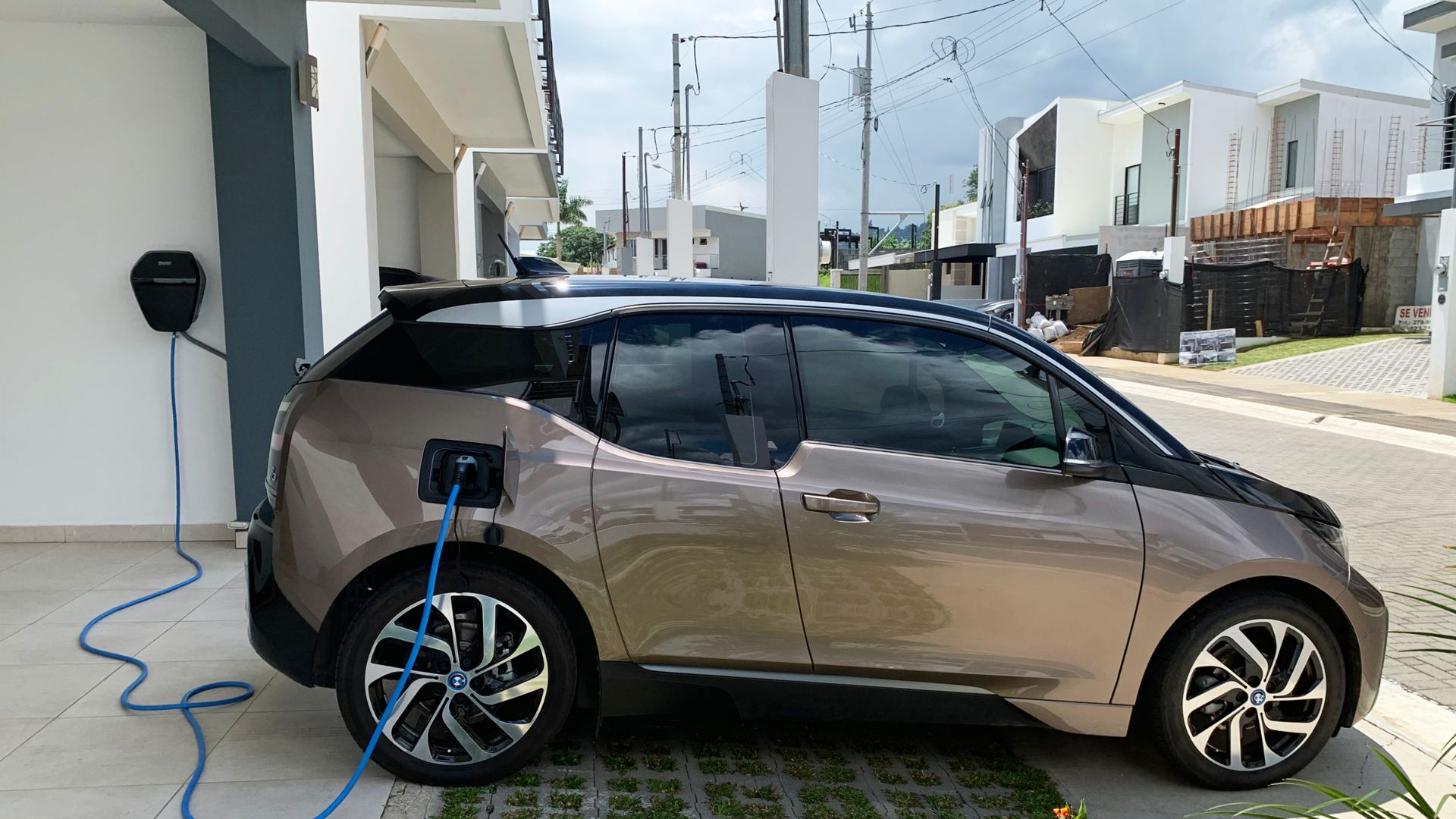
Gas vehicles use catalytic converters, mufflers, oxygen sensors, and exhaust pipes to control emissions. These parts wear out and can be expensive to replace. Electric vehicles produce no exhaust gases, so they don’t need an exhaust system at all.
 Mariordo (Mario Roberto Durán Ortiz), Wikimedia Commons
No Fuel System To Maintain
Traditional cars rely on fuel pumps, filters, and injectors to deliver gasoline into the engine. These components occasionally clog or fail. Electric vehicles don’t burn fuel, which means the entire fuel delivery system—and its maintenance—simply disappears.
 Mariordo (Mario Roberto Durán Ortiz), Wikimedia Commons
No Spark Plugs Or Tune-Ups
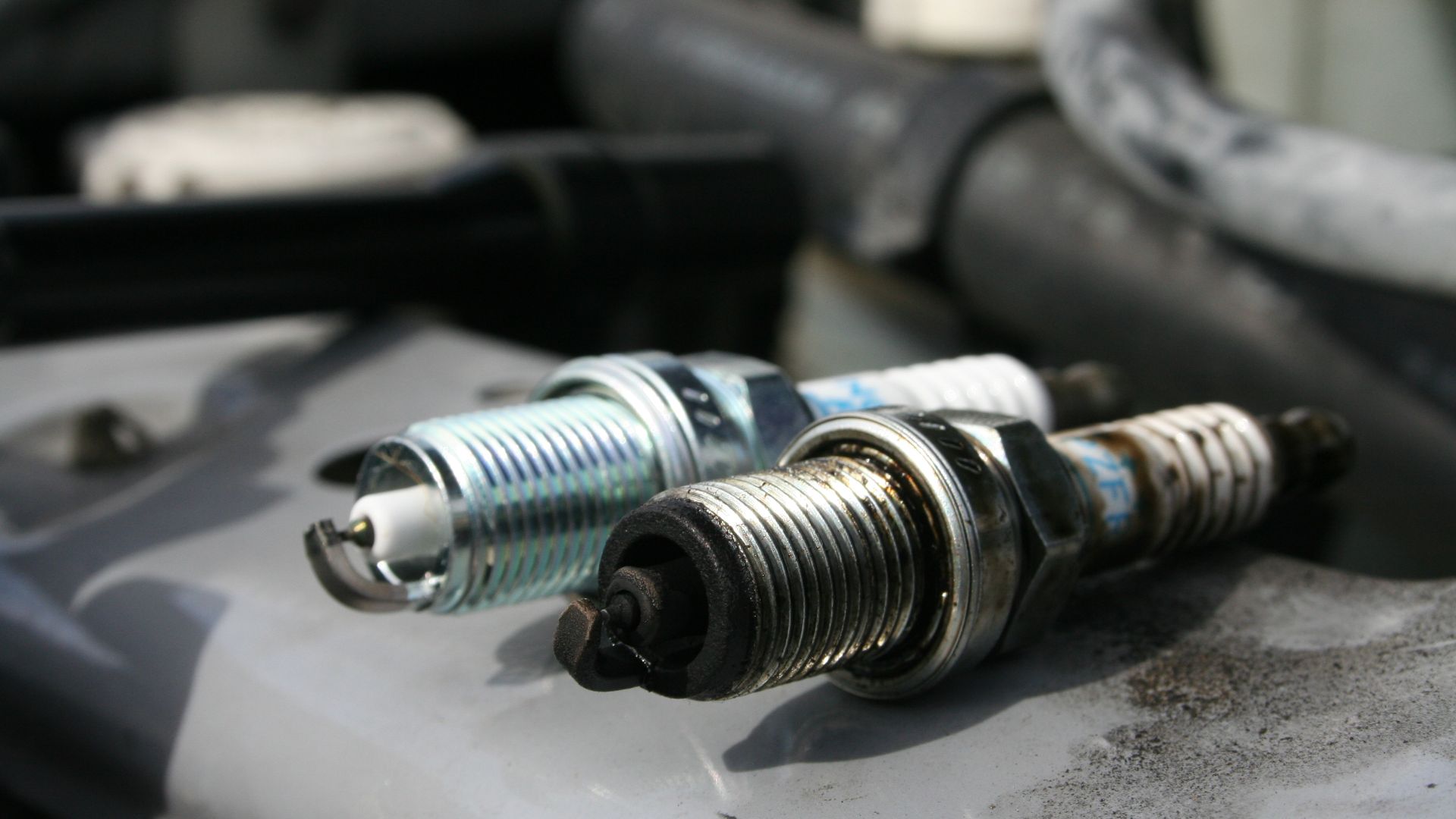
Gasoline engines require spark plugs and ignition components to ignite fuel. These parts wear out and must be replaced periodically during engine tune-ups. Electric vehicles don’t rely on combustion, so spark plugs, ignition coils, and engine tune-ups aren’t needed.
 Aidan Wojtas, Wikimedia Commons
Brake Wear Is Often Reduced
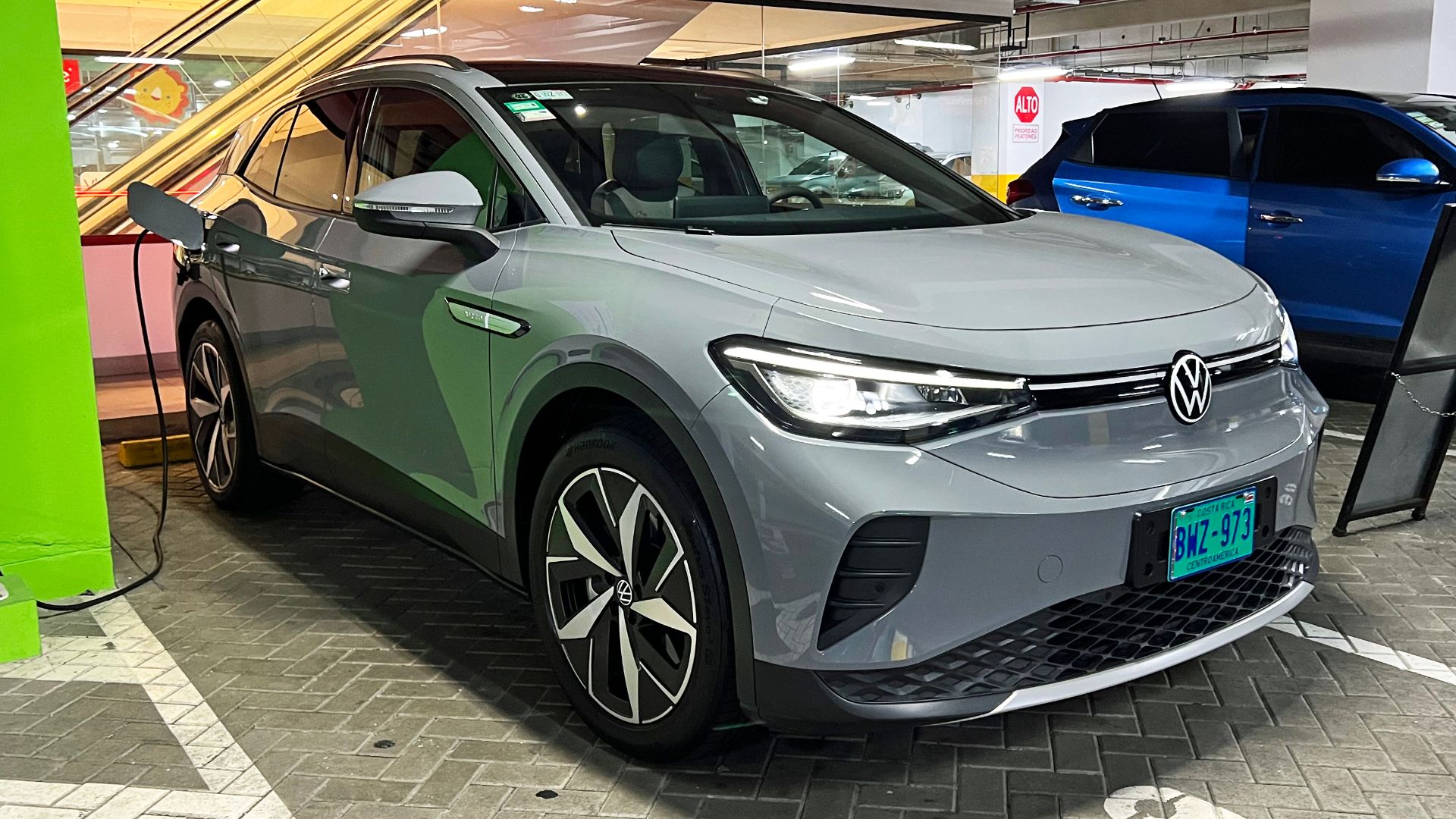
EVs still use brake pads and rotors, but they often last longer. That’s because many electric vehicles use regenerative braking, which slows the vehicle using the motor while sending energy back to the battery instead of relying entirely on friction brakes.
 Mariordo (Mario Roberto Durán Ortiz), Wikimedia Commons
How Regenerative Braking Works
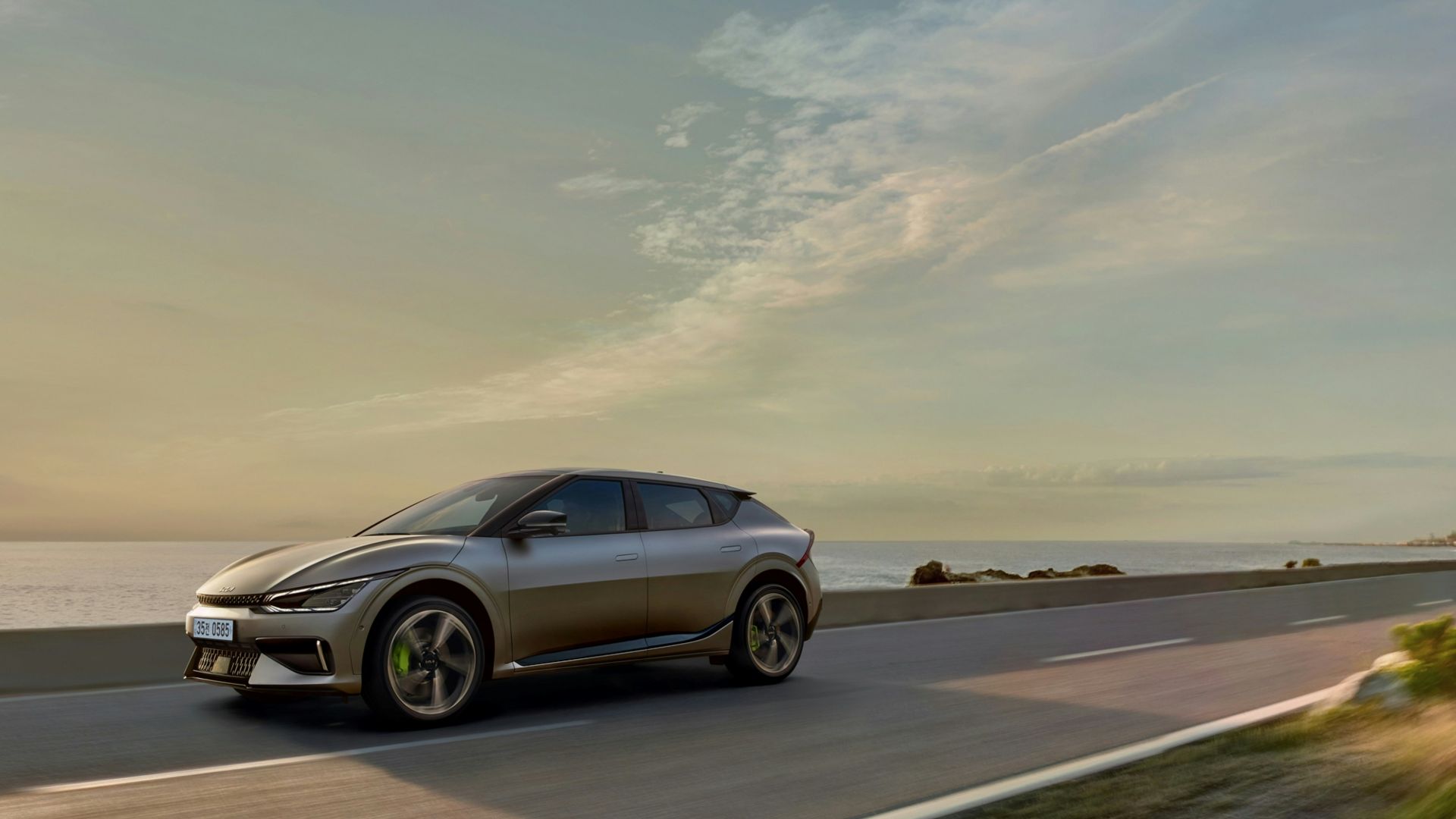
When an EV slows down, the electric motor can act like a generator. It converts motion into electricity and returns it to the battery. Because the motor helps slow the car, the brake pads are used less frequently.
Brake Replacement Savings
Traditional brake jobs often cost $300–$800 per axle. Regenerative braking can extend brake life significantly, and some EV owners report going well over 100,000 miles before replacing pads. Over time that can save $1,000–$2,500 in brake work compared with many gas cars.
EVs Still Need Tires
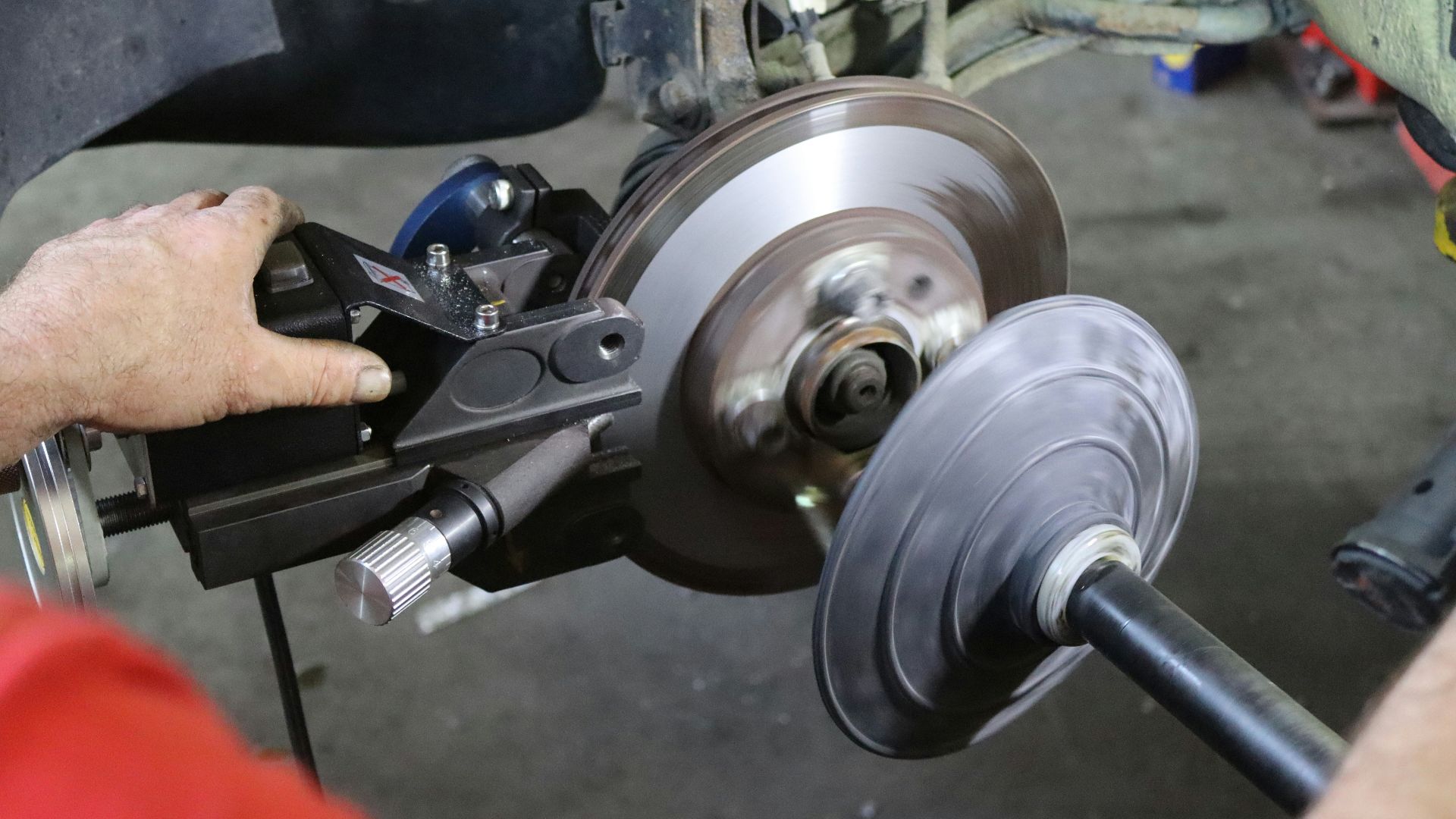
Tires remain one of the most common maintenance items for any vehicle. EVs are often heavier because of their batteries and produce instant torque when accelerating. Because of that, regular tire rotation and proper inflation are especially important.
Cabin Air Filters Still Need Replacement
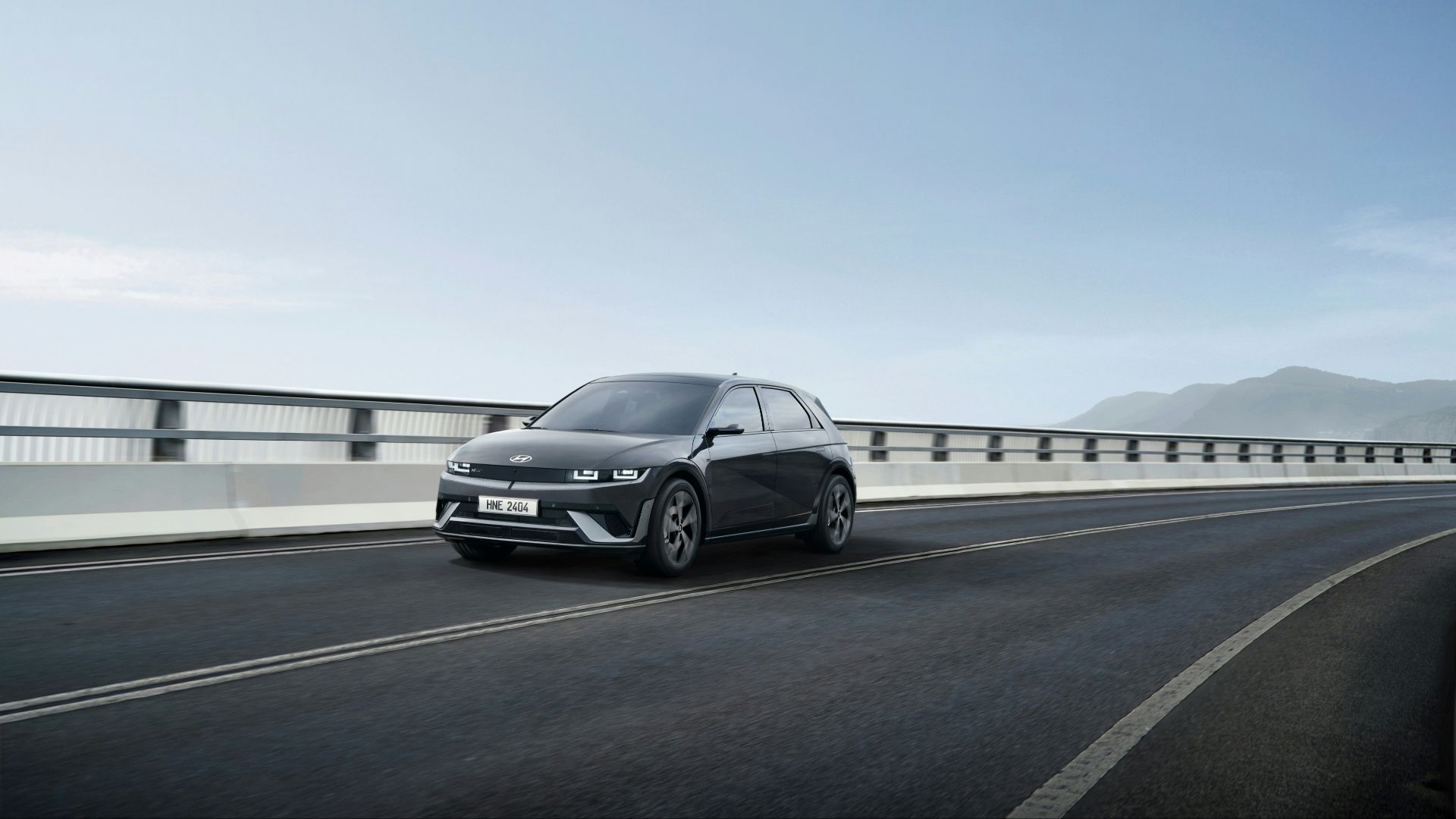
While EVs eliminate engine air filters, they still use cabin air filters to clean air entering the interior. These filters typically need replacement every 12,000 to 20,000 miles depending on driving conditions.
 UnifiedFunctionality, Wikimedia Commons
Cooling Systems Still Exist
EV batteries and electronics generate heat and require cooling systems. Many vehicles use liquid cooling with pumps and coolant similar to traditional cars. These systems require occasional inspections and periodic coolant replacement.

Suspension Parts Still Wear Out
Electric vehicles still rely on suspension components like shocks, struts, and control arms. These parts wear over time depending on road conditions and mileage. Maintenance needs for suspension systems are similar for both EVs and gas vehicles.
The Battery Is The Most Expensive Component
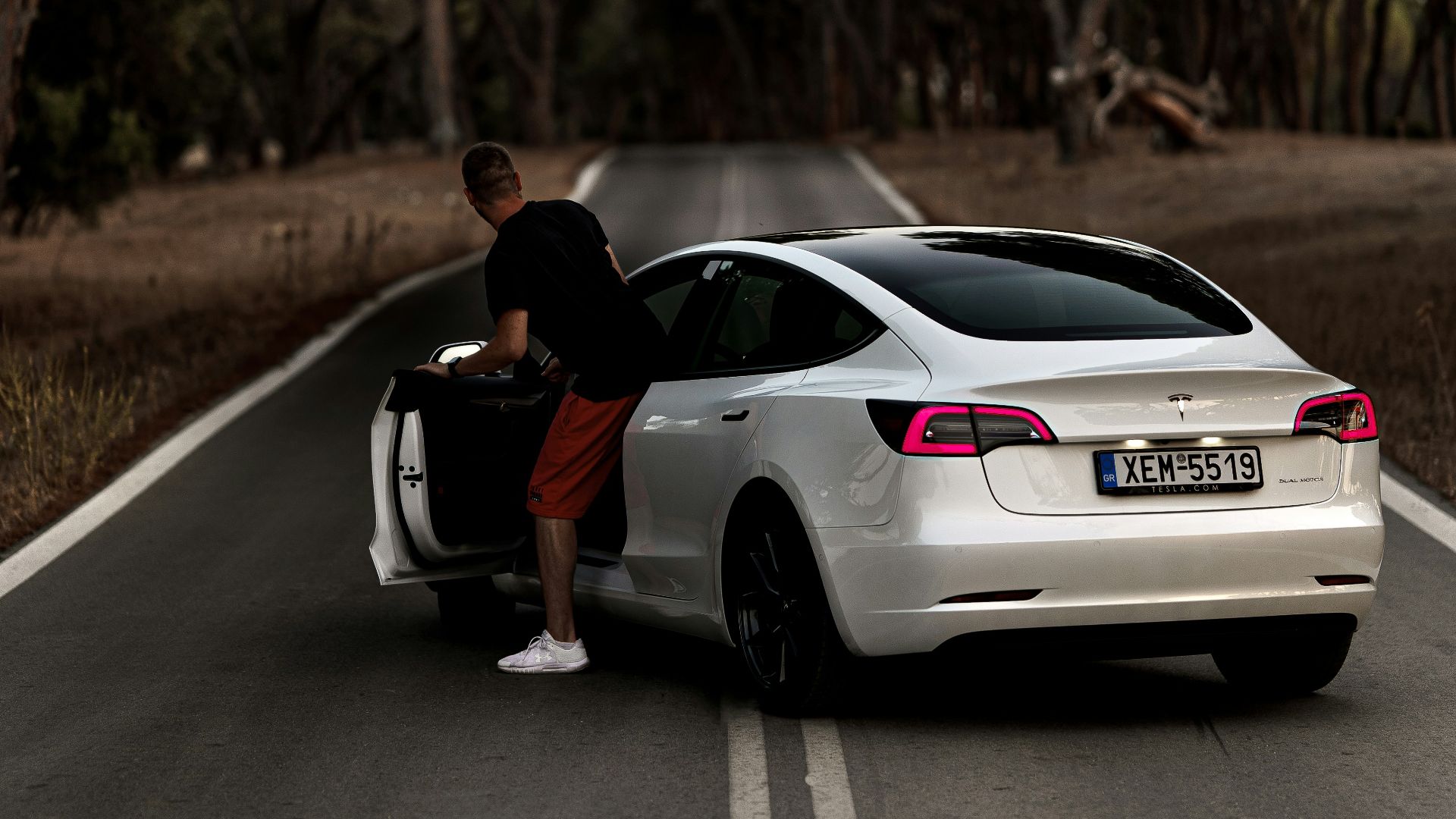
In EVs, the battery replaces the engine as the most complex component. Modern EV batteries are designed for long life, and manufacturers typically offer warranties of eight years or around 100,000 miles or more.
EVs Usually Need Fewer Service Visits
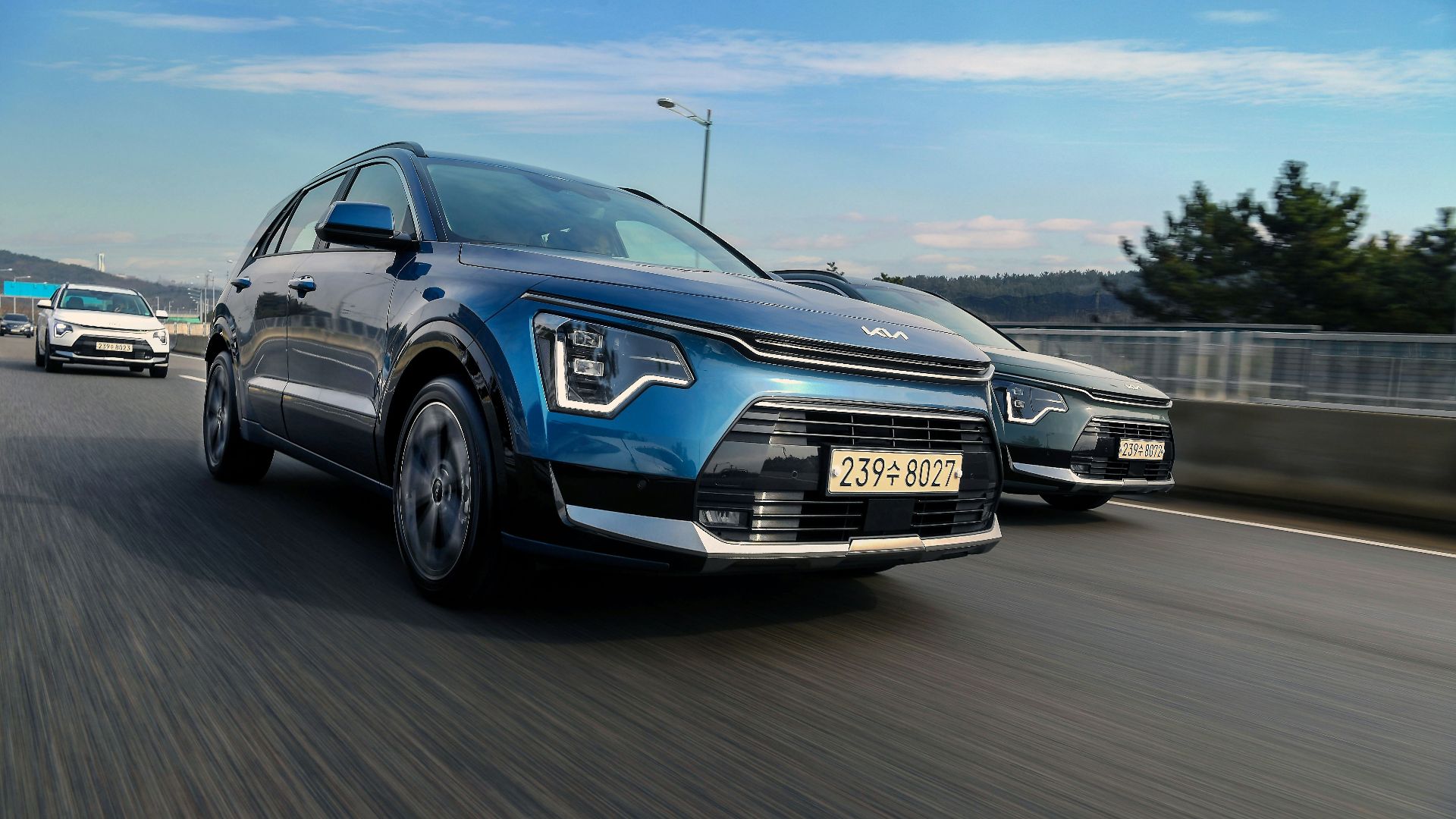
Because EVs eliminate oil systems, exhaust systems, fuel systems, and many engine components, routine service visits tend to happen less often. Maintenance usually focuses on inspections, tires, brakes, and cooling systems.
Maintenance Costs Are Often Lower
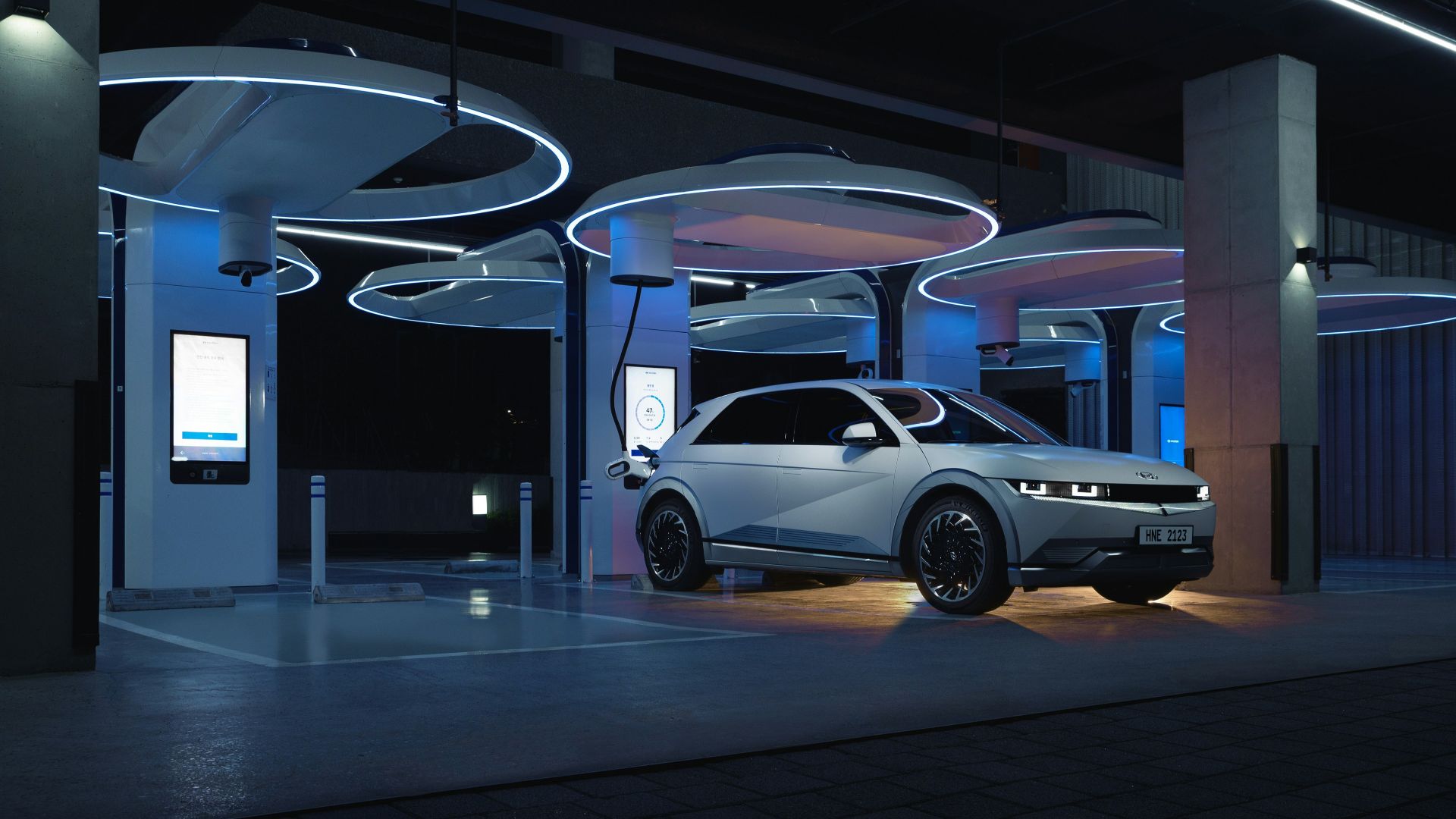
Consumer Reports found that EV drivers spend about $0.031 per mile on maintenance and repairs, while gasoline car owners spend about $0.061 per mile. That means EV maintenance costs can be about 50 percent lower over the life of the vehicle.
How Much Money EV Owners Actually Save Over 200,000 Miles
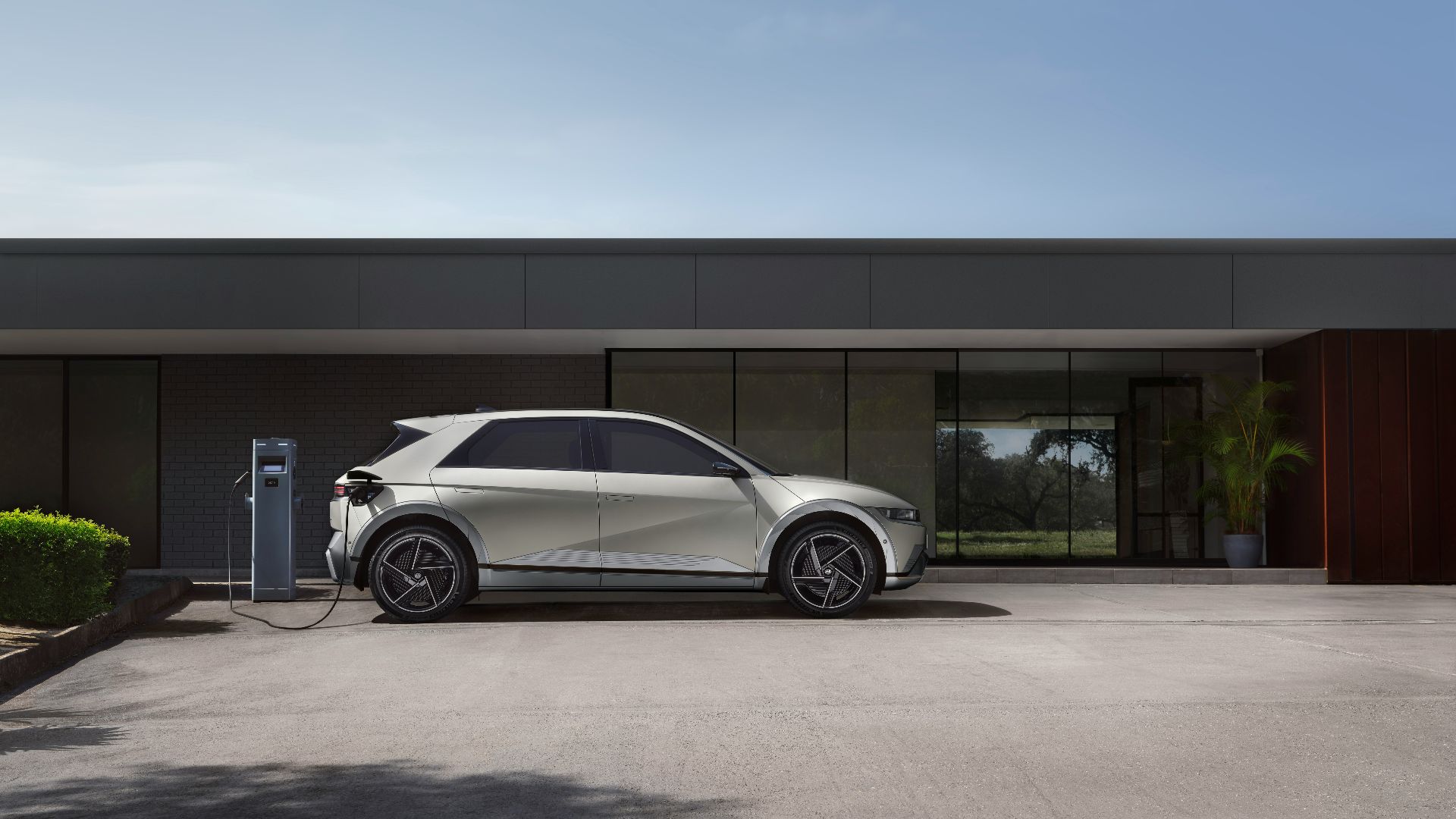
Over 200,000 miles of driving, Consumer Reports estimates gasoline vehicles average about $12,200 in maintenance and repairs, while EVs average about $6,200. That equals roughly $6,000 in maintenance savings during a vehicle’s lifetime.
Electricity Can Cost Less Than Gas
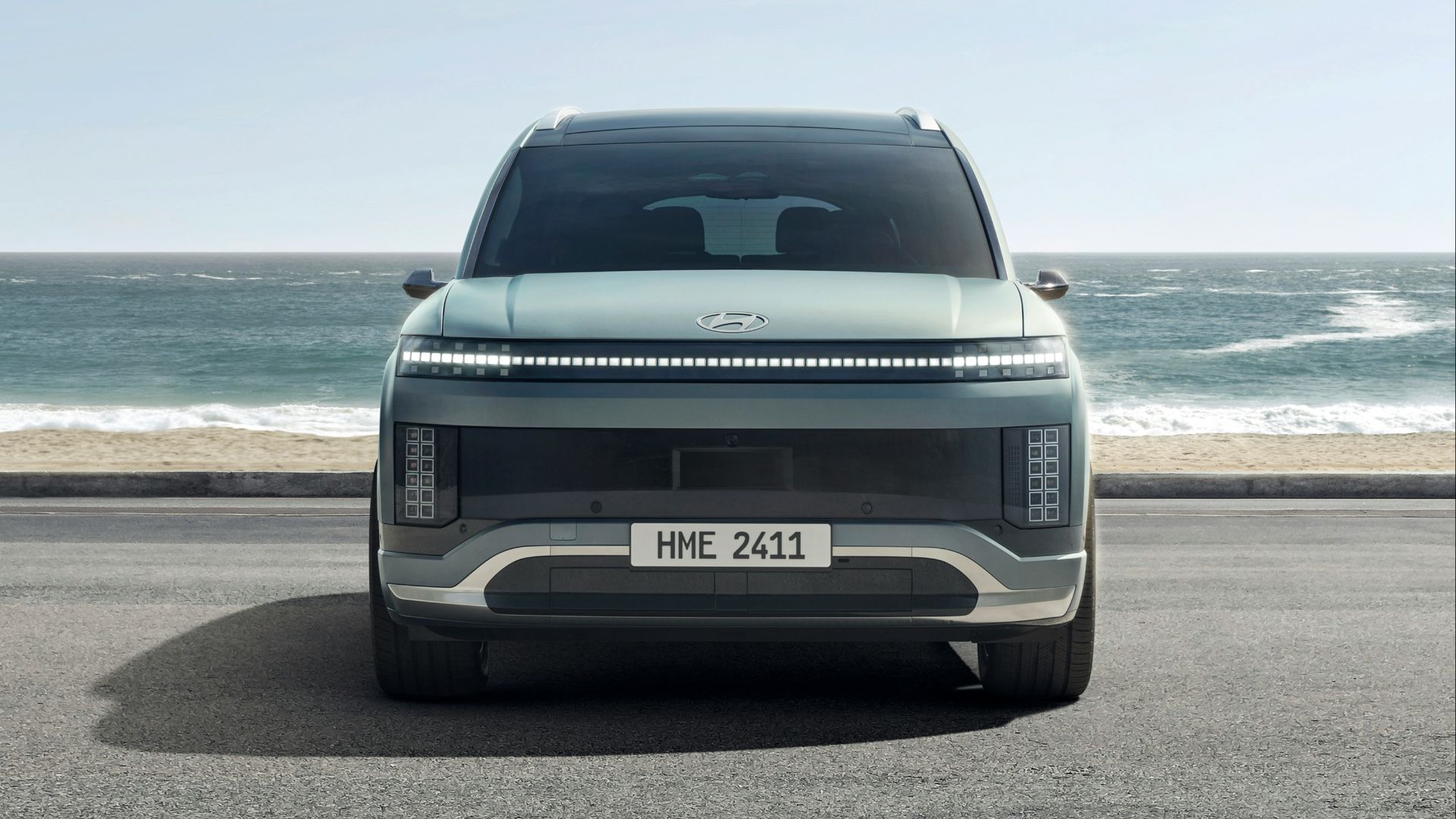
Fuel costs can also be lower. According to the U.S. Department of Energy, many EV drivers spend about $500–$700 per year on electricity compared with $1,500–$2,500 per year for gasoline. That can mean $800–$1,800 in annual fuel savings.
EVs Aren’t Completely Maintenance-Free
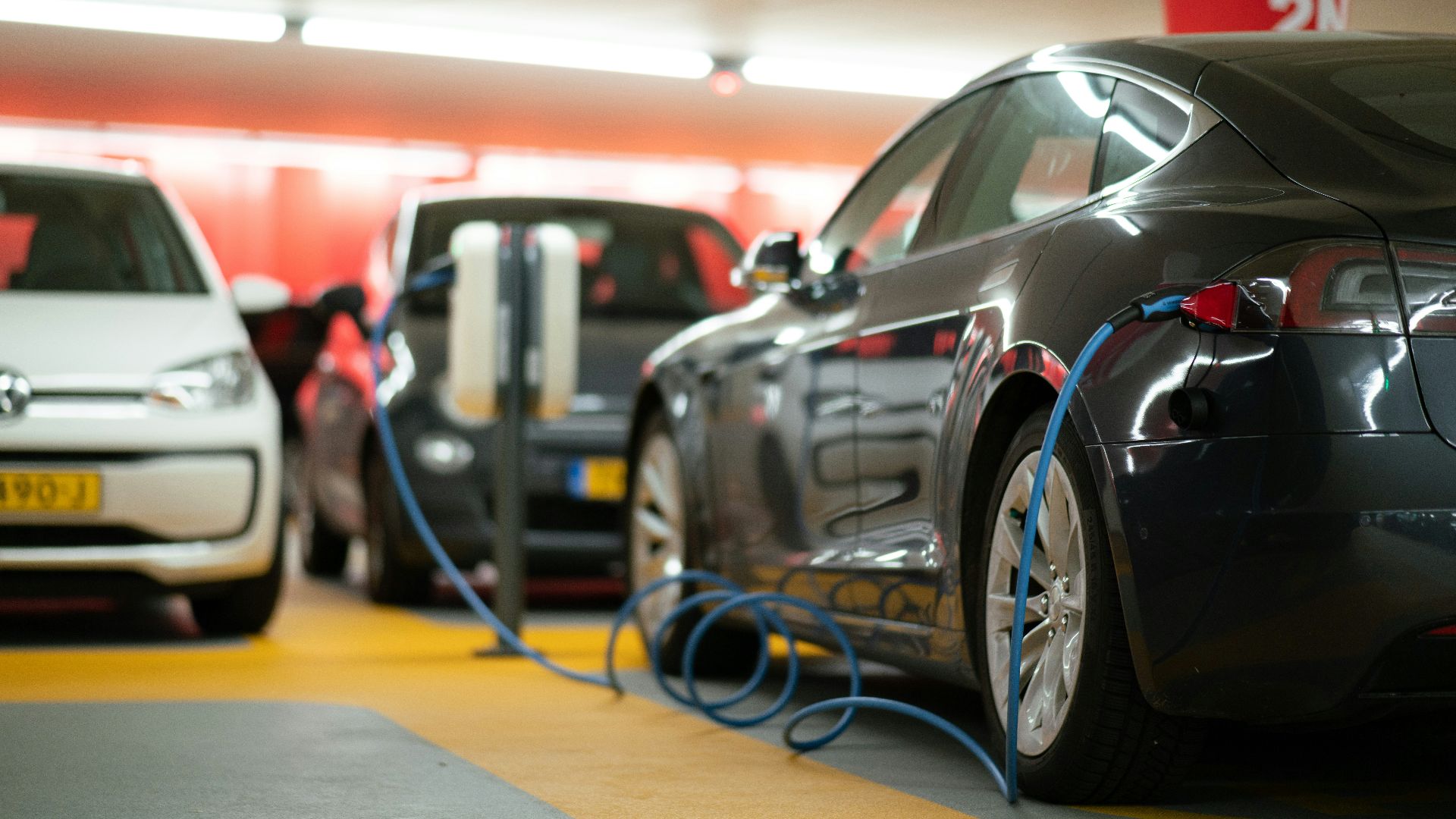
Even though they eliminate several traditional systems, EVs still require upkeep. Tires wear out, brakes eventually need replacement, and suspension components still age. EV ownership simplifies maintenance—but it doesn’t remove it entirely.
The Bottom Line
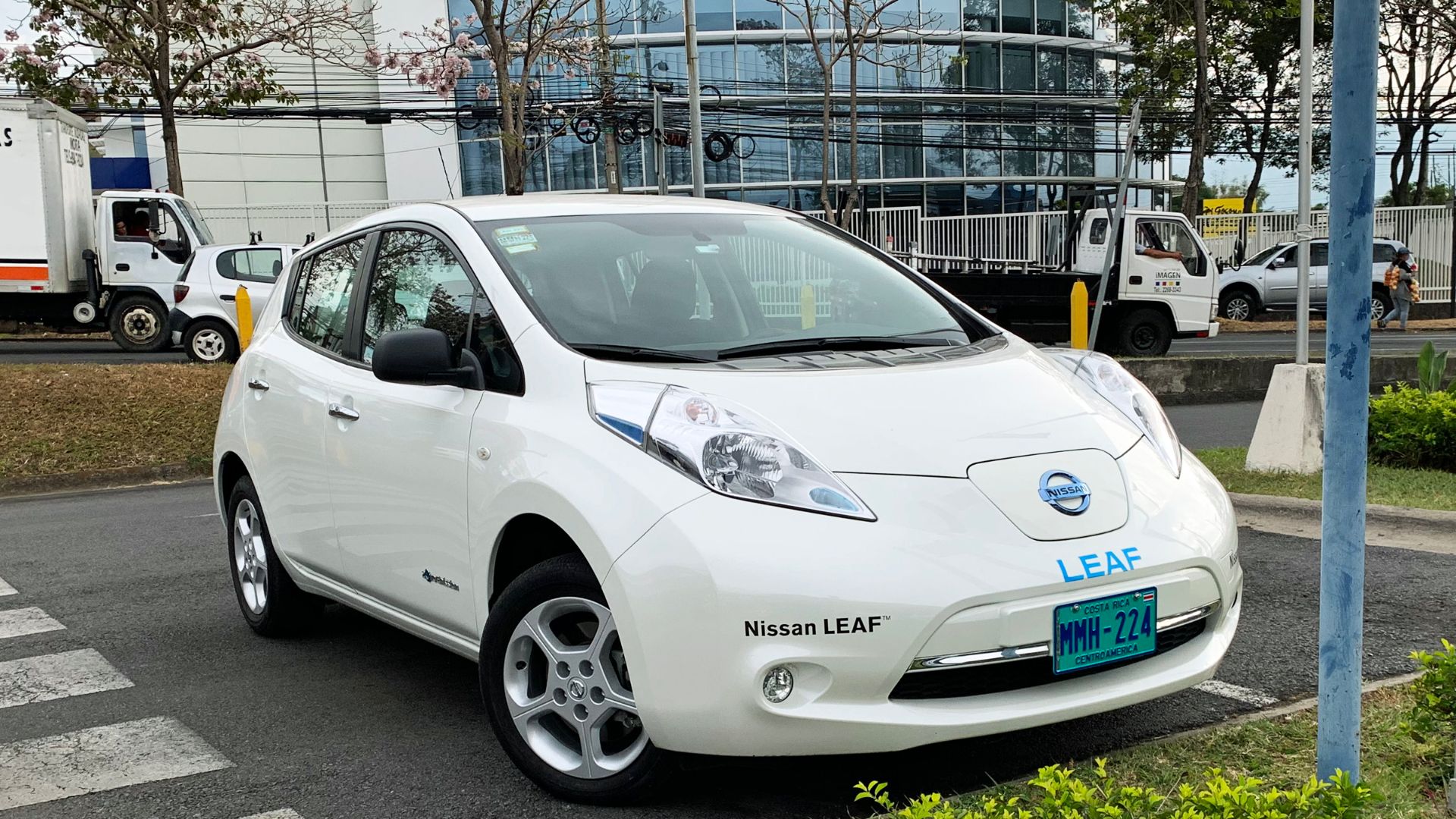
Electric vehicles eliminate several of the most common maintenance tasks drivers have dealt with for generations—oil changes, exhaust repairs, and many engine tune-ups. Combined with regenerative braking and simpler mechanical systems, EVs often cost thousands less to maintain over time.
You Might Also Like:
I went through a car wash and now my roof leaks, which wasn’t happening before. Who’s responsible?