I Drove Over A Fire Hose And Got A Bill—Now What?
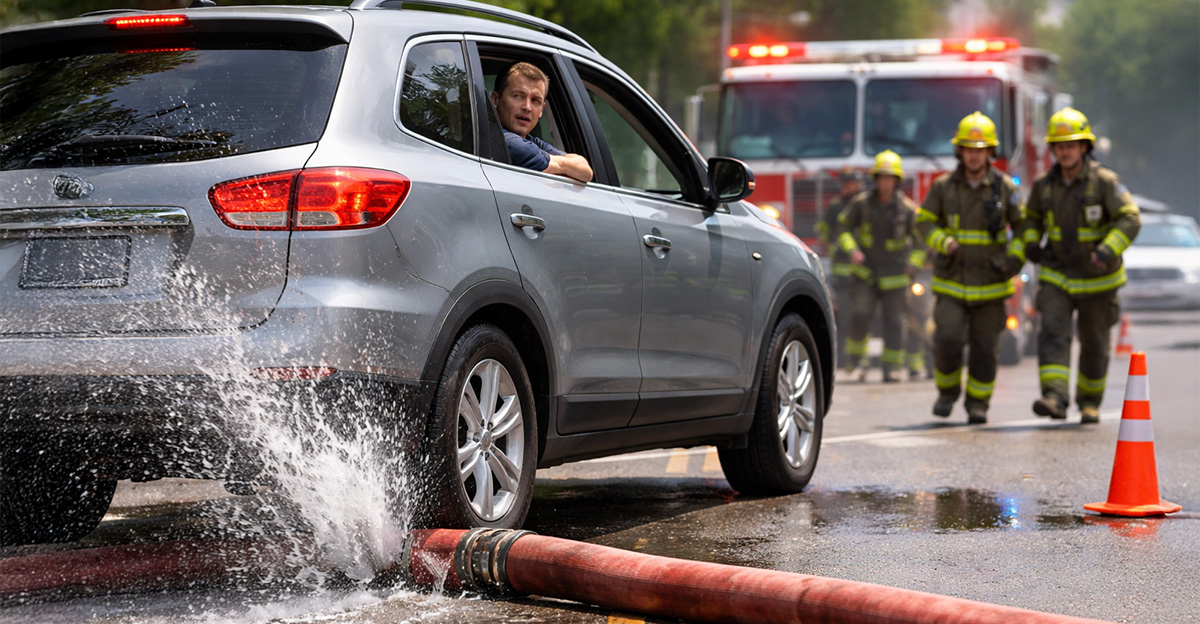
You’re driving along, minding your own business, when suddenly—thump. You look in the mirror and see chaos: flashing lights, firefighters waving their arms, and a fire hose that now looks more like a sprinkler system. You stop immediately, apologize, and assume that’s the end of it. Weeks later, a bill shows up in your mailbox demanding payment for the damaged hose. Panic sets in. Are you really on the hook for this? The answer isn’t always simple—but you may not be as helpless as you think.
 FactinateWhy Fire Hoses Are A Big Deal
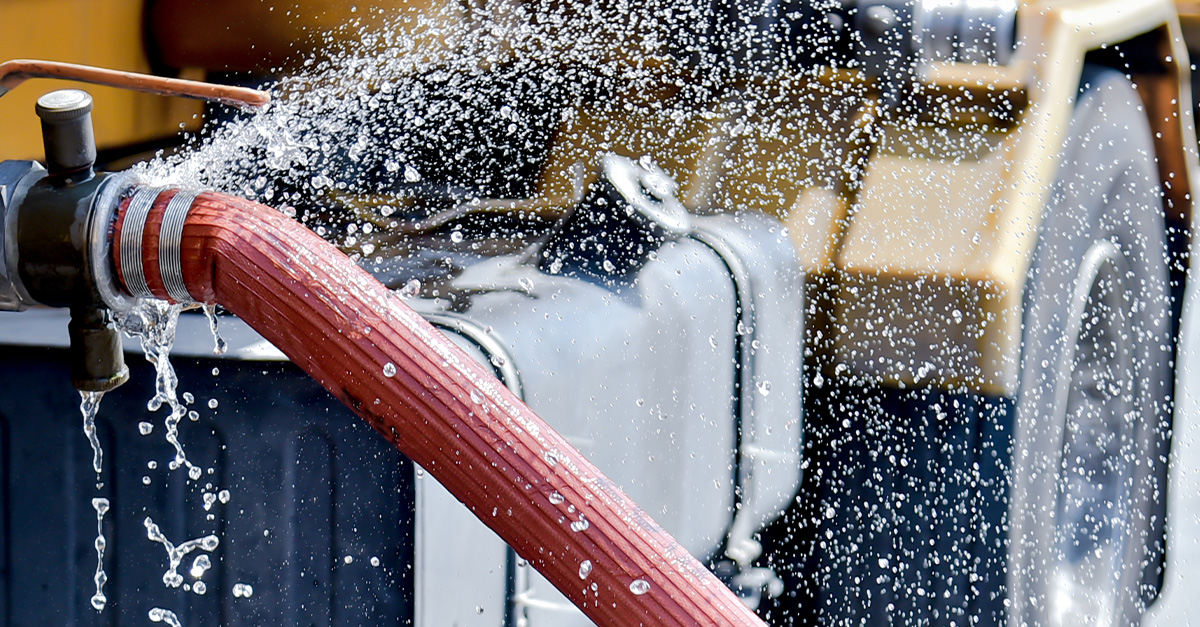
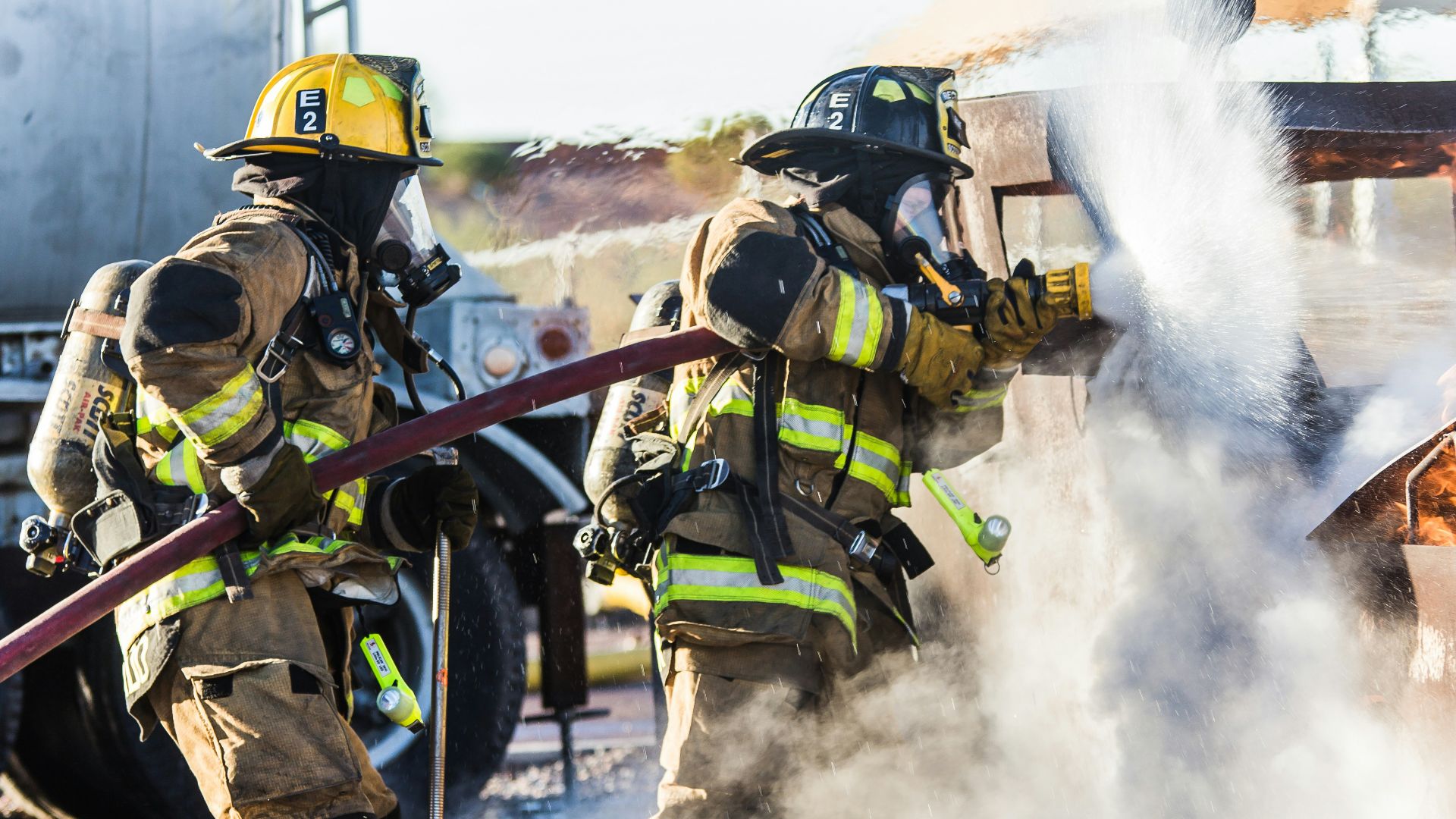
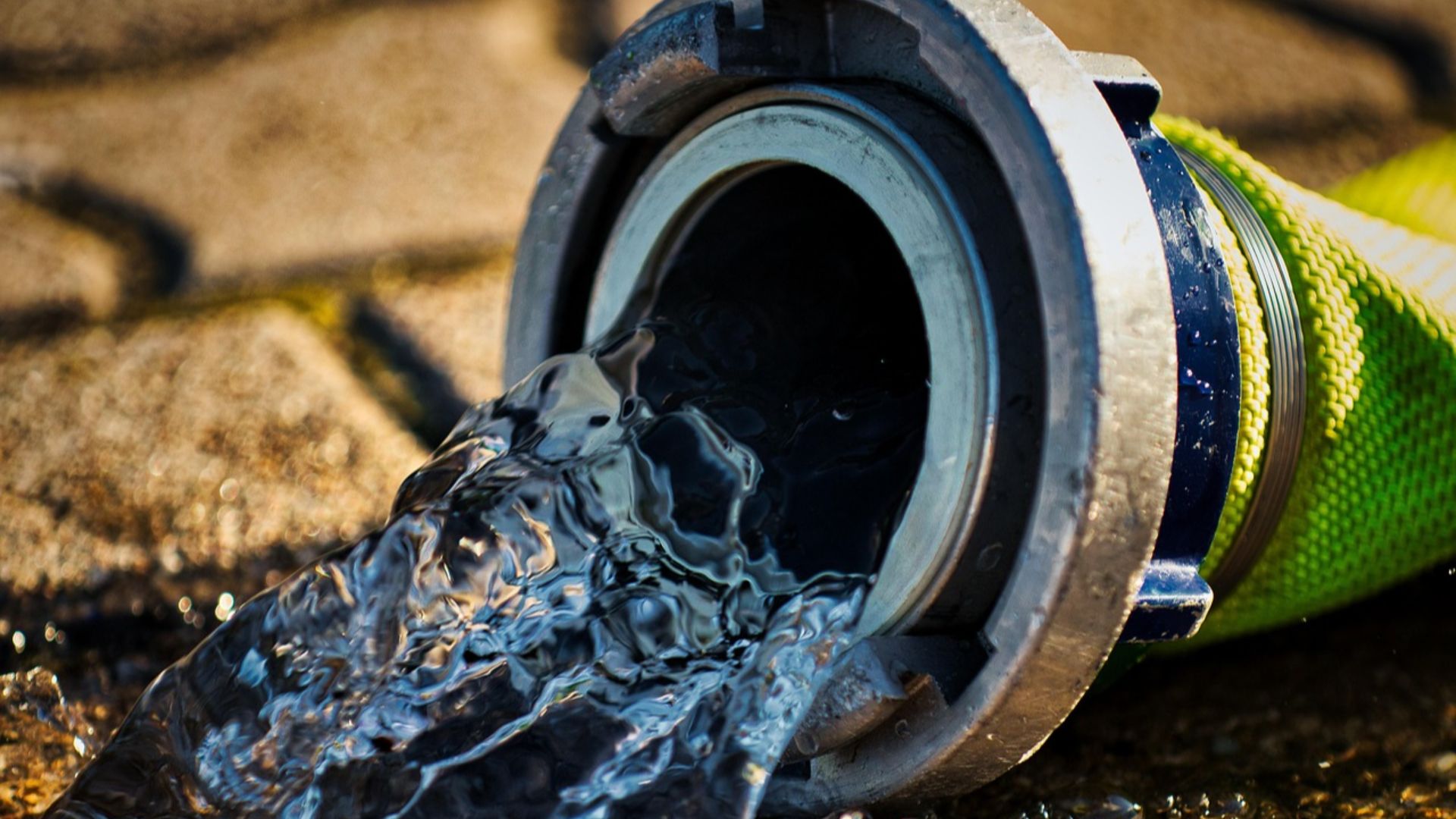
Fire hoses aren’t just rubber tubes lying in the street. They’re specialized, pressure-rated emergency equipment designed to carry thousands of gallons of water per minute. When a hose bursts, firefighters may temporarily lose water pressure, which can slow down firefighting efforts and increase property damage. Because of this, departments take hose damage seriously—and so do municipalities.
Is It Actually Illegal To Drive Over A Fire Hose?
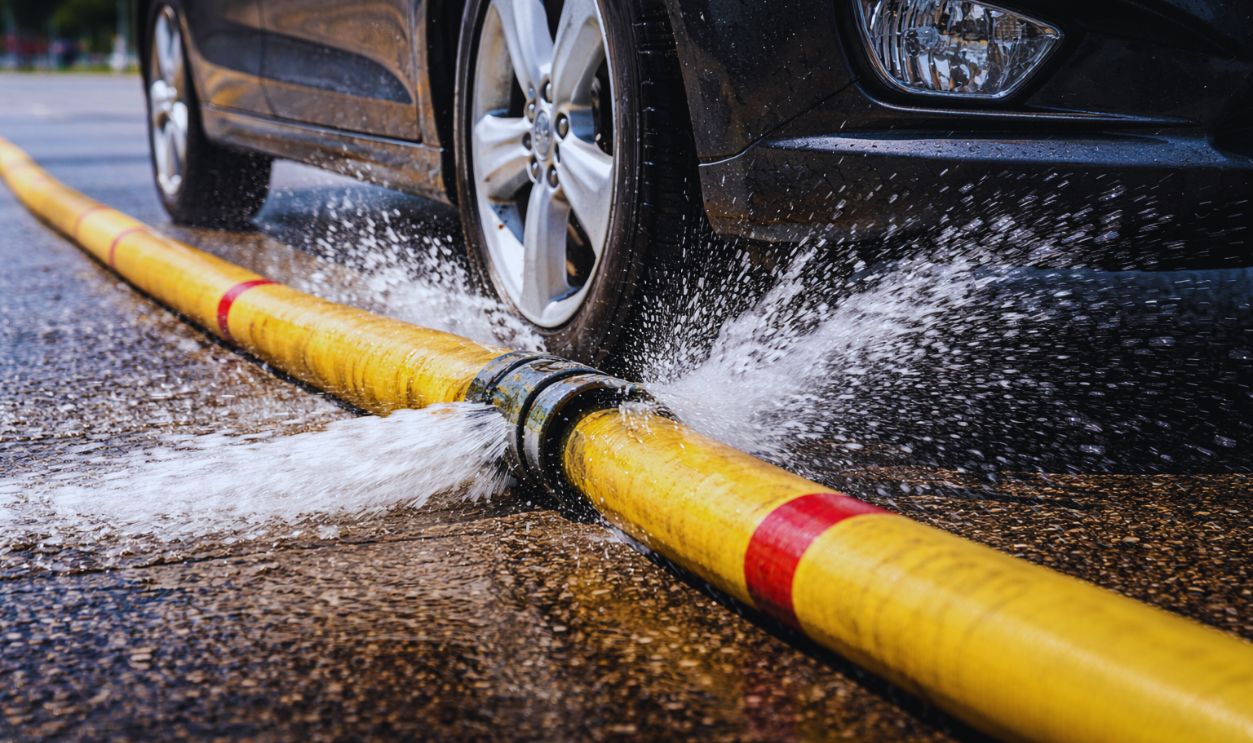
In many states and cities, yes—it is explicitly illegal to drive over a fire hose without permission from a fire official. Traffic laws often include clauses prohibiting motorists from crossing emergency equipment during active incidents. Even if you didn’t see the hose until it was too late, the law may still technically be on the fire department’s side.
Accidents Still Happen—And The Law Knows That
Here’s the key nuance: illegal doesn’t always mean automatically liable. Laws recognize that accidents happen, visibility can be poor, and emergency scenes can be confusing. If the hose wasn’t clearly marked, protected, or visible, liability may not be as clear-cut as the bill suggests.
Who Sent The Bill And Why That Matters
Before you do anything, look closely at who sent the bill. Is it from the local fire department, the city, a third-party contractor, or an insurance recovery company? Municipal departments often send bills as a first step, not a final judgment. The sender can affect whether the bill is negotiable—or even enforceable.

Are Fire Hoses Considered Public Property?
Yes. Fire hoses are typically owned by the municipality or fire district. That means damage claims usually fall under public property damage rules. Unlike a private vehicle accident, this isn’t a simple exchange of insurance information—it’s a civil liability issue.
Does Stopping Immediately Help Your Case?
Absolutely. Stopping at the scene, cooperating with firefighters, and not fleeing goes a long way in your favor. Leaving the scene could escalate the situation into a hit-and-run or reckless driving issue. Your decision to stop may not erase liability, but it strengthens your credibility.

Was The Hose Properly Marked And Protected?
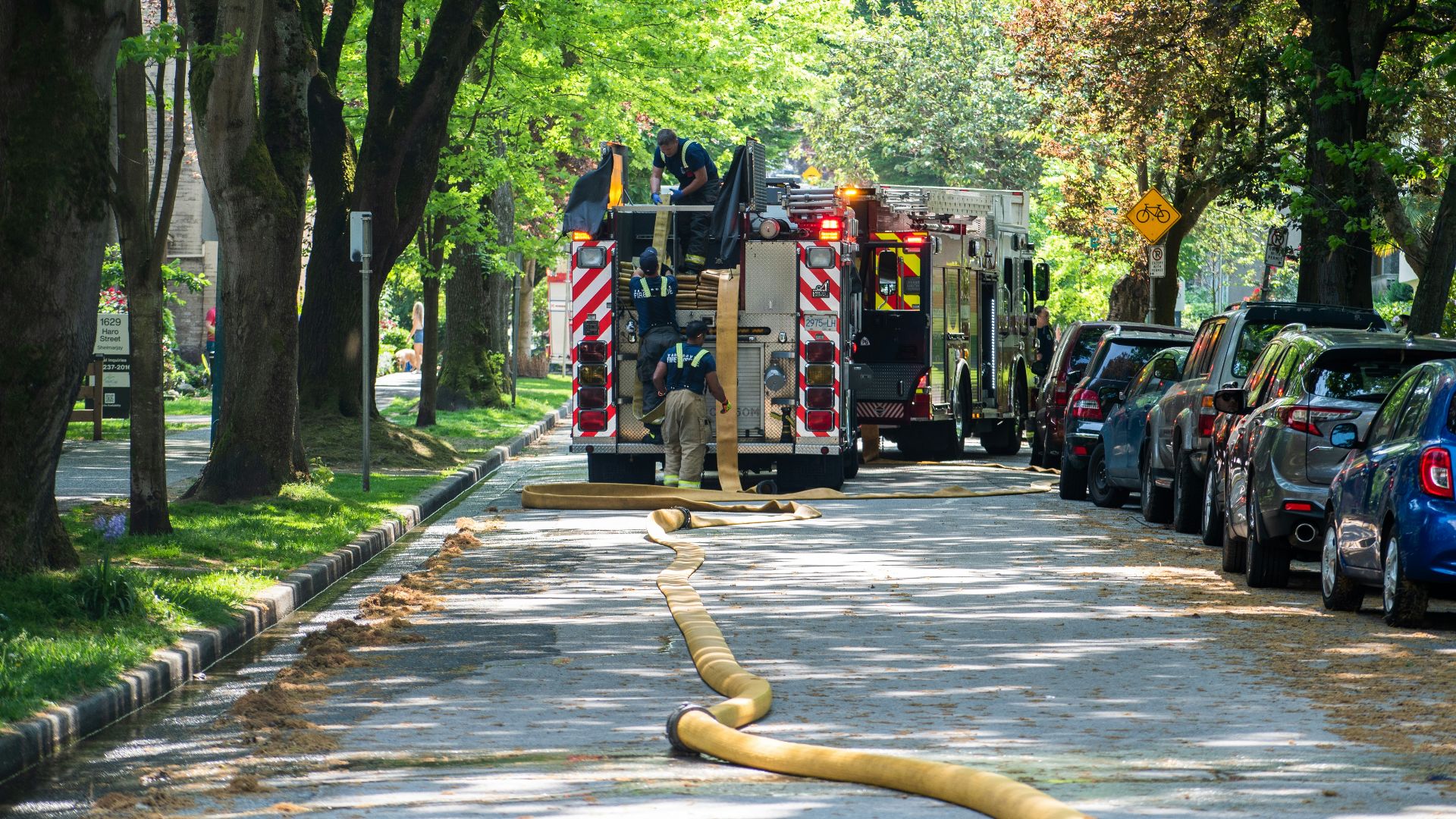
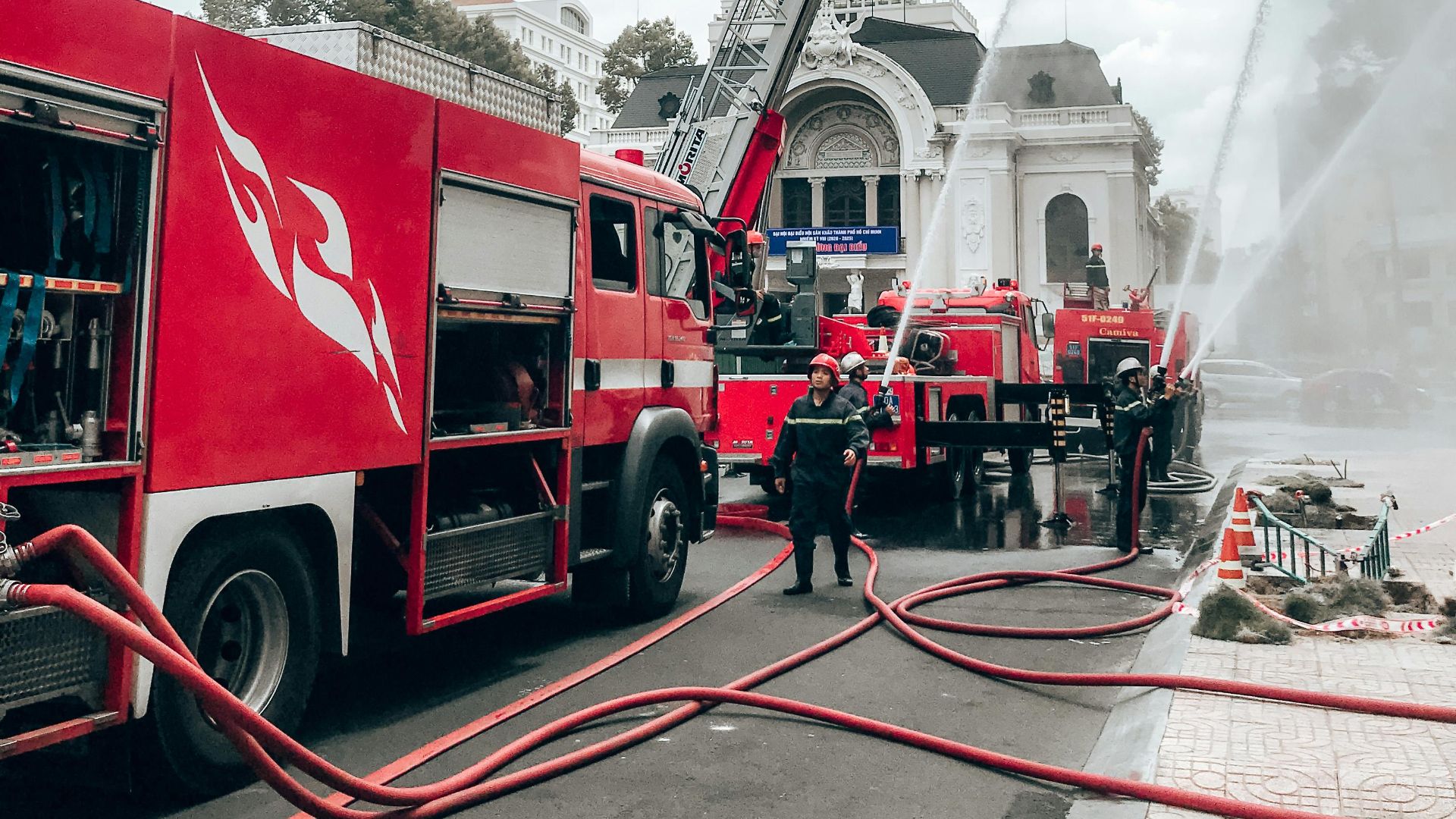
This is a major factor. Fire hoses are often bridged with hose ramps, cones, or firefighters directing traffic. If none of that was present—especially at night or in poor weather—you may have grounds to argue shared or reduced responsibility. Take note of lighting conditions and scene setup.
Did A Firefighter Signal You To Proceed?
If a firefighter waved you through or directed traffic in a way that caused you to cross the hose, that changes everything. Verbal or visual instructions from emergency personnel can override general traffic rules. If this happened, document it immediately and include it in any dispute.

What About Dashcam Or Witness Evidence?
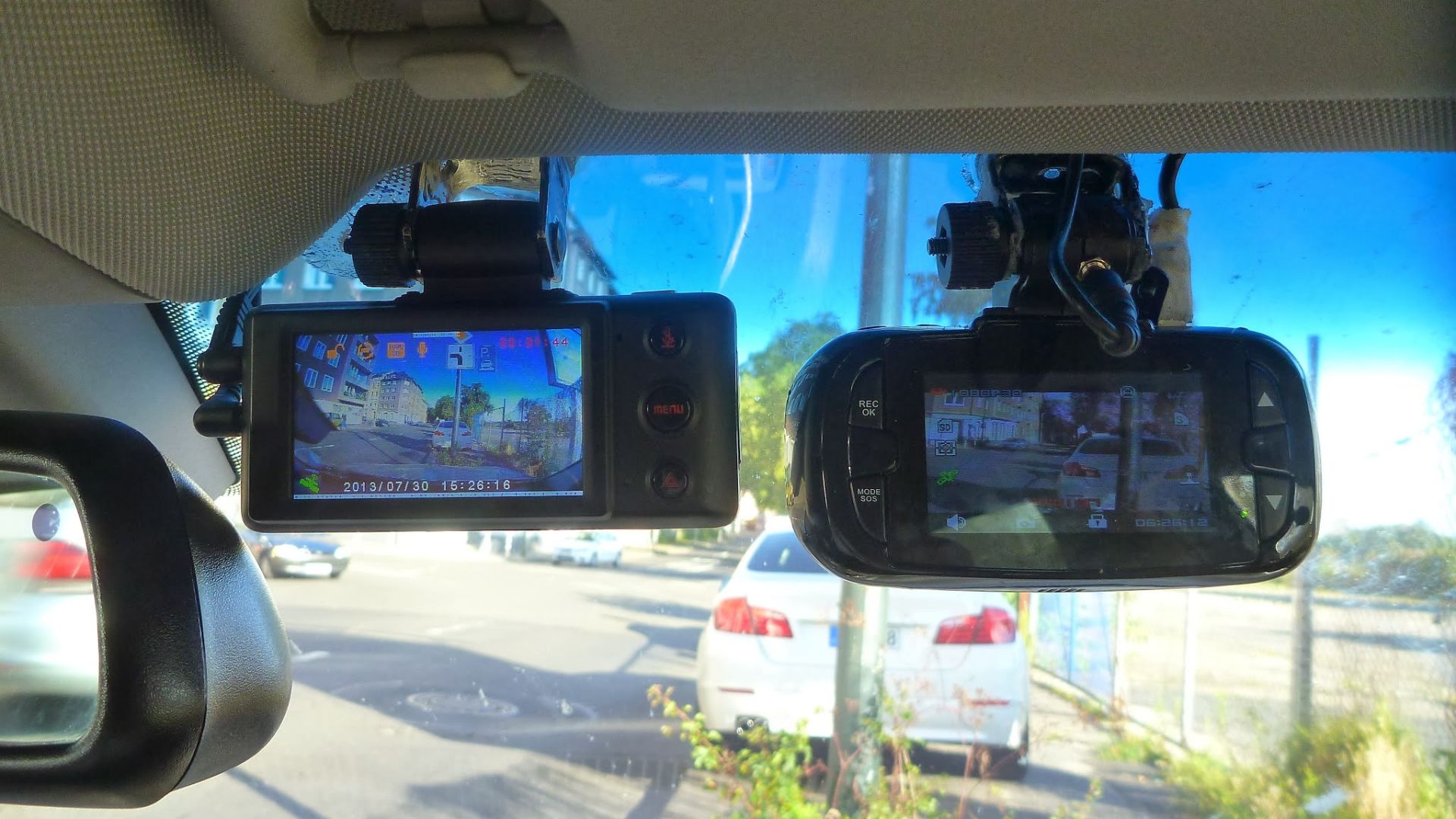
Dashcam footage, passenger statements, or bystander witnesses can be extremely helpful. Even a photo of the scene taken shortly after the incident can establish visibility issues or lack of warning. Evidence turns a “he said, she said” situation into a factual discussion.
Should You Call Your Auto Insurance Company?
Yes—almost always. Even if you think the bill is unfair, notify your insurer as soon as possible. Damage to public property is often covered under liability insurance. Your insurer may handle negotiations, dispute the claim, or pay it outright depending on the circumstances.

Will Filing A Claim Raise Your Rates?
Possibly—but not always. If your insurer determines that liability is unclear or shared, the impact may be minimal. In some cases, insurers resolve the matter without officially charging it as an at-fault accident. It’s better to ask than to pay out of pocket prematurely.

What If The Bill Is For Thousands Of Dollars?
Fire hoses can be expensive, especially high-capacity or specialized lines. That said, departments sometimes bill for full replacement even if the hose is repairable. This is another area where insurance involvement—or negotiation—can significantly reduce the amount owed.

Can You Dispute The Bill Directly?
Yes. Most municipalities have a dispute or appeals process. Respond in writing, stay polite, and stick to facts. Ask for documentation, incident reports, and a breakdown of costs. Many drivers are surprised how often bills are reduced or withdrawn after review.

Is This A Traffic Ticket Or A Civil Claim?
Usually, it’s a civil claim—not a ticket. That means you’re not dealing with points on your license, but rather potential financial responsibility. However, ignoring it could lead to collections or legal action, so it still deserves prompt attention.

What Happens If You Ignore The Bill?
Ignoring it is the worst move. Unpaid municipal claims can be sent to collections, added to vehicle registration holds, or escalated to small claims court. Even if you believe the bill is unfair, responding protects your options.

Does Fault Change If You Didn’t See The Hose?
Visibility matters—but it doesn’t automatically erase responsibility. Courts often ask whether a “reasonable driver” should have noticed the hose. Poor lighting, sharp turns, or obstructed views can all influence that assessment.
Are Emergency Scenes Supposed To Be Fully Secured?
Ideally, yes—but reality isn’t perfect. Fire departments do their best to manage chaos quickly, sometimes with limited resources. That doesn’t mean drivers are always 100% at fault, but it does mean expectations can vary case by case.
What If The Fire Department’s Insurance Pays Instead?
Some departments carry insurance that covers damaged equipment without pursuing drivers. Others seek reimbursement to protect budgets. If your insurer negotiates, the matter may be resolved between insurers with no further involvement from you.
Should You Talk To A Lawyer?
For large bills or disputed liability, a brief consultation with a traffic or civil liability attorney can be worthwhile. Many offer free or low-cost consultations and can quickly tell you whether the bill is reasonable or challengeable.

Can This Ever Go To Court?
Yes—but it’s rare. Most cases are settled long before court becomes necessary. Courts generally prefer negotiated resolutions, especially when there’s no injury involved and the driver acted responsibly.

How To Respond To The Bill The Right Way
Respond promptly, acknowledge receipt, request documentation, notify your insurer, and avoid admitting fault in writing until liability is clarified. Calm, professional communication goes a long way toward a fair outcome.

What You Should Never Do
Don’t ignore the bill. Don’t post angry rants on social media tagging the fire department. And don’t assume paying immediately is your only option. You have rights—and time—to evaluate the situation properly.

Lessons For The Future
If you see flashing lights ahead, slow down early and scan the road carefully. Fire hoses are usually visible with enough caution, and avoiding them protects everyone involved—firefighters, homeowners, and your wallet.

So…Do You Actually Have To Pay?
Sometimes yes, sometimes no, and often “not as much as they’re asking.” Liability depends on local laws, scene conditions, and how the incident unfolded. The key is responding smartly, involving your insurer, and advocating for yourself without panic.

Don’t Freak Out—Get Informed
Driving over a fire hose is stressful, embarrassing, and expensive-looking—but it’s not the end of the road. With the right steps, many drivers resolve these situations fairly and move on without lasting damage. Stay calm, stay informed, and remember: a bill in the mail is a conversation starter, not a final verdict.

You May Also Like:
Baby boomers are all stunned at young drivers’ inability to perform these basic driving tasks.