When A “Well-Maintained” Car Falls Apart Fast
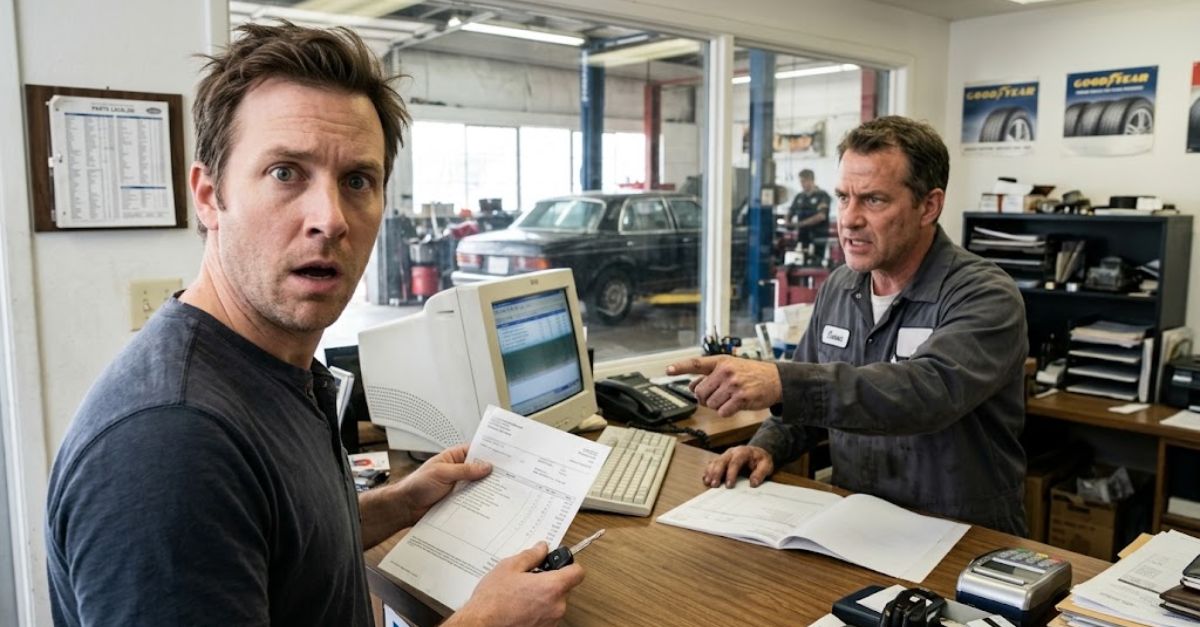
You found a used car that seemed like a safe bet. The seller had maintenance records, everything checked out on the surface, and the car ran fine, at least at first. Then just days later, it breaks down, and your mechanic tells you the issues didn’t just appear overnight. Now you’re stuck wondering if you were misled, and more importantly, whether you have any real options to fix the situation.
Private Sales Come With Fewer Protections
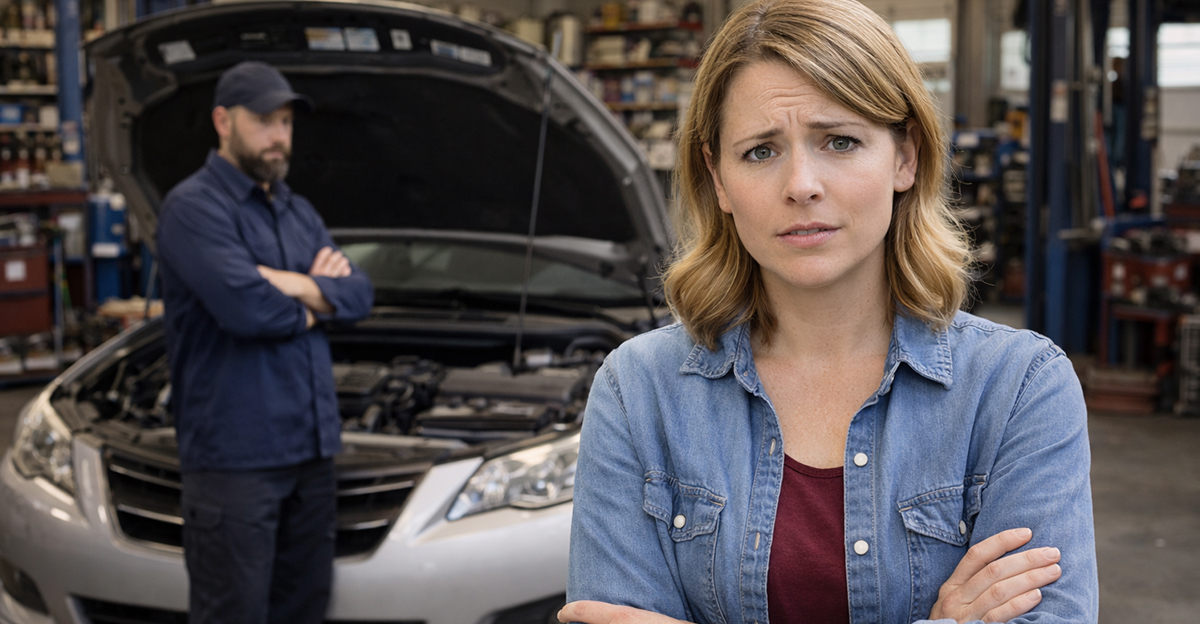
The biggest factor here is that the car was bought from a private seller. Unlike dealerships, private sellers usually aren’t bound by the same consumer protection rules or warranty obligations. In most cases, once the transaction is complete, the responsibility shifts almost entirely to the buyer, which is why these situations can be harder to resolve.

What “As-Is” Really Means
Most private vehicle sales are considered “as-is,” which means the buyer accepts the condition of the car at the time of purchase, whether known or unknown. Even if a problem shows up immediately afterward, that doesn’t automatically make the seller responsible, unless there was something misleading about how the car was presented.

Misrepresentation Is The Key Exception
Even in an as-is sale, there’s an important limitation: the seller cannot knowingly lie or mislead you about the car. If they made false claims or hid serious issues, that could be considered misrepresentation, which is one of the main ways buyers can challenge a private sale after the fact.

Maintenance Records Can Create Trust
Maintenance records are often used to build confidence and justify the price of a vehicle. When a buyer sees consistent service history, it signals that the car has been taken care of. If those records turn out to be incomplete, inaccurate, or fabricated, that can change how the entire transaction is viewed.

Fake Or Altered Records Strengthen Your Position
If you discover that the records were falsified, edited, or don’t match the vehicle’s actual history, that can be powerful evidence. Providing fake documentation is not just a minor issue, it can be seen as a deliberate attempt to influence your decision to buy the car.

Your Mechanic’s Opinion Is Critical
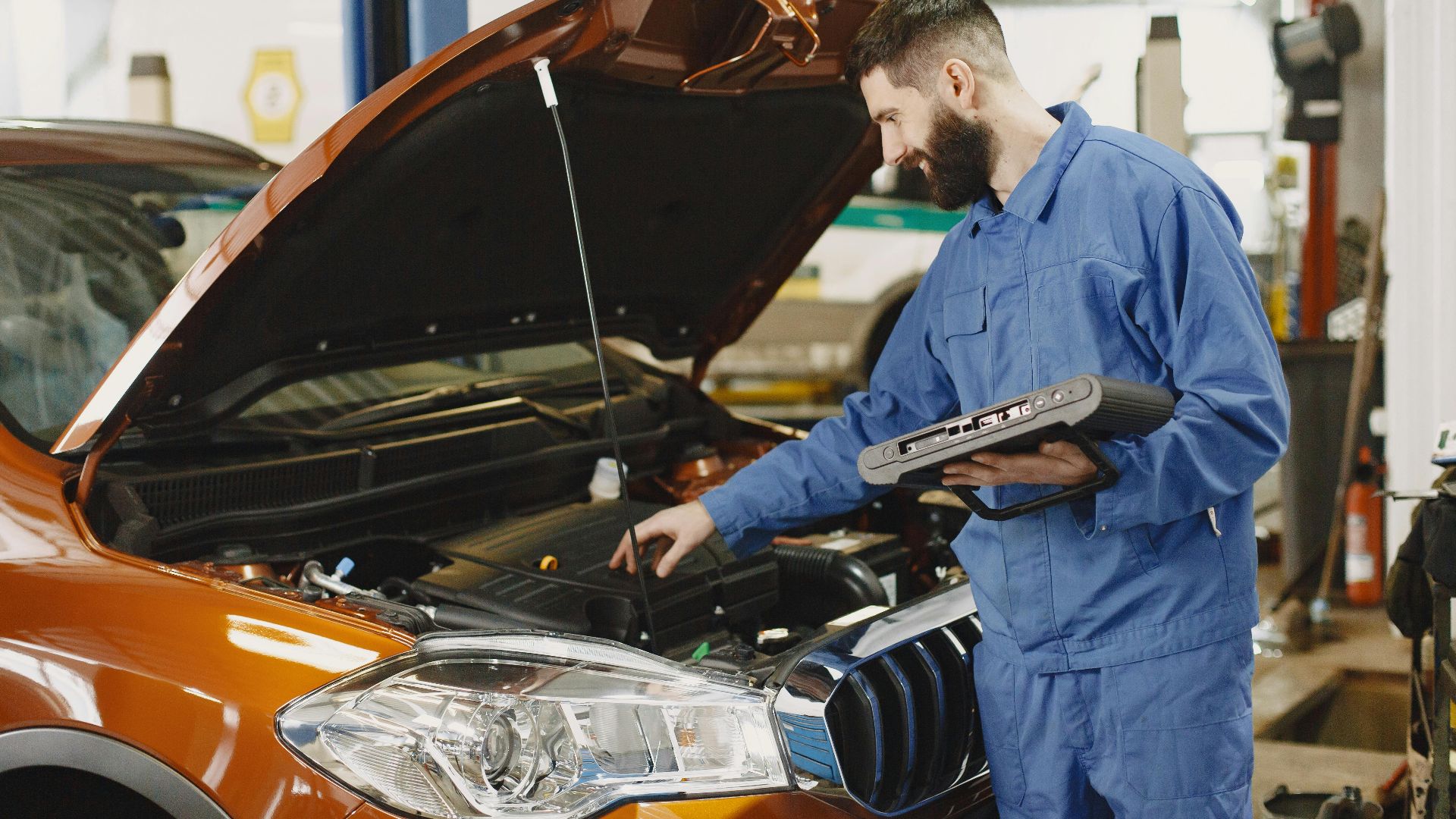
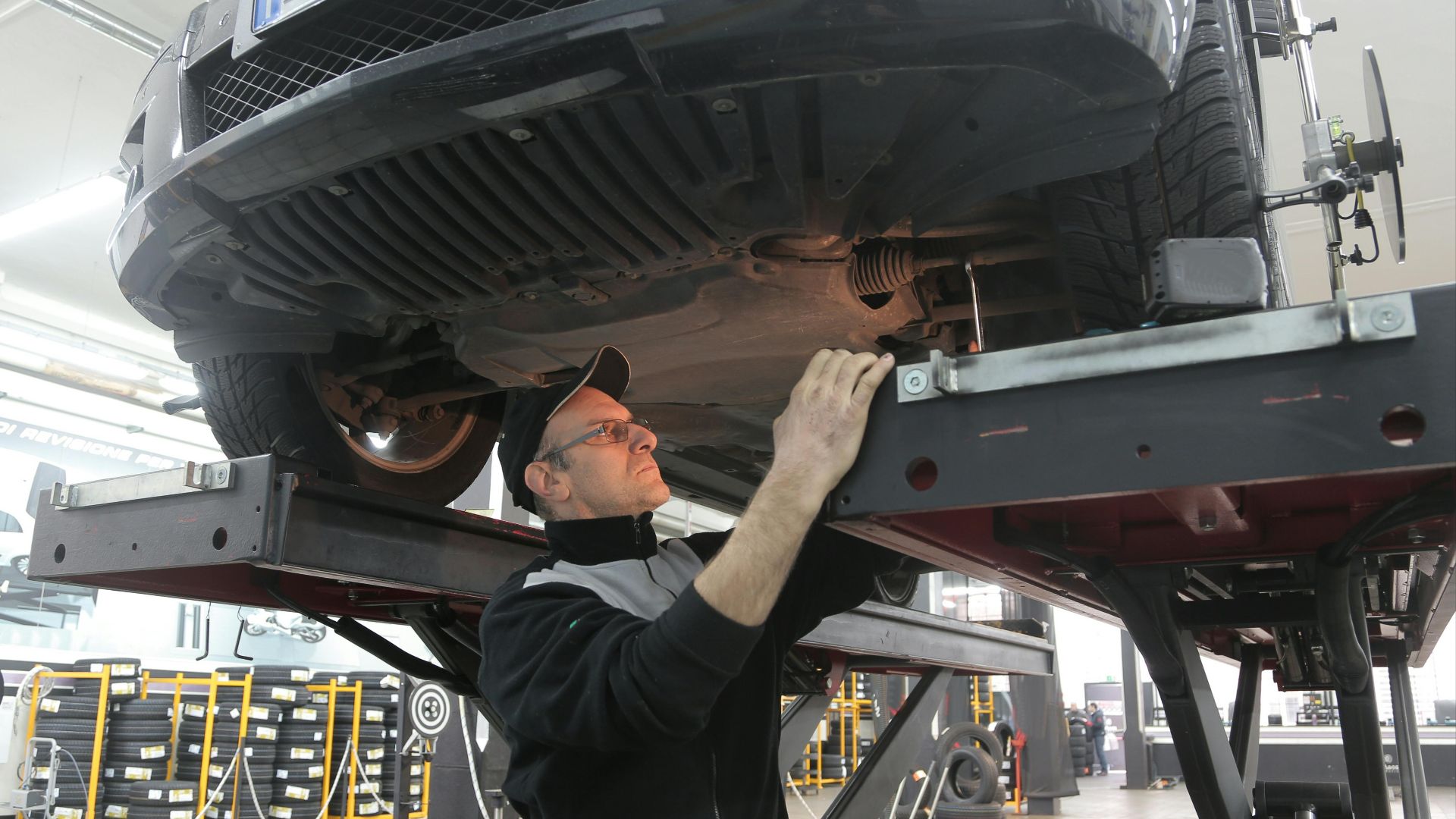
A professional opinion from your mechanic can be one of your strongest pieces of evidence. If they can explain that the problems developed over time and would have been noticeable before the sale, it helps show that the issue wasn’t something that suddenly occurred after you took ownership.

Get That Assessment In Writing
If possible, ask your mechanic to provide a written report outlining the condition of the vehicle and their opinion on how long the problem has likely existed. Having this documented can make a big difference if you need to present your case to the seller, a mediator, or a court.
Try Reaching Out To The Seller First
Before taking legal steps, it’s usually worth contacting the seller and explaining what happened. Keep the tone calm and factual, and provide details from your mechanic. Some sellers may be willing to negotiate a partial refund or contribute to repairs rather than deal with a dispute.

Be Clear About What You’re Asking For
When you contact the seller, it helps to be specific about what you want, whether that’s a full refund, partial compensation, or help covering repair costs. Being clear can make it easier for the other side to respond and may lead to a quicker resolution.

Gather And Keep All Evidence
Hold onto everything related to the purchase, including the bill of sale, messages with the seller, the maintenance records, and any advertisements or listings. Combine that with your mechanic’s report and repair estimates to build a clear picture of what happened.

Timing Can Work In Your Favor
When a car breaks down within days of purchase, it becomes more difficult for the seller to argue that the issue developed afterward. The short timeline can help support your claim that the problem was already there when the car was sold.
Verbal Claims Still Matter
If the seller told you the car was recently serviced, in great condition, or free of issues, those statements can matter. If you have text messages or emails confirming those claims, they can help show that you relied on that information when making your decision.

Small Claims Court Is Often The Next Step
If the seller refuses to cooperate and you believe you were misled, small claims court is often the most practical path. It’s designed for disputes like this, where the financial loss is significant but doesn’t justify a full lawsuit.

What You’ll Need To Prove
To succeed in a claim, you generally need to show that the seller provided false or misleading information, that you relied on that information when purchasing the car, and that it directly led to your financial loss. Each of these elements matters, and missing one can weaken your case.

Police Reports Are Rare But Possible
If there’s clear evidence of fraud, such as forged maintenance records or deliberate deception, you may be able to file a police report. However, most situations like this are handled as civil matters rather than criminal ones, unless the conduct is especially serious.

Local Consumer Laws May Still Apply
Even with private sales, some regions have laws that protect buyers from deceptive practices. These laws vary, but they can sometimes provide additional support if the seller’s actions were clearly misleading.

Mediation Could Help Resolve Things Faster
If both you and the seller are open to it, mediation can be a quicker and less stressful way to resolve the issue. A neutral third party can help both sides reach a compromise without going through the court process.

You May Still Need To Fix The Car
Even if you plan to pursue compensation, you’ll likely need to repair the car in the meantime. Keep all invoices and receipts, since these costs can be included in any claim or negotiation later.

This Is Why Inspections Matter
Situations like this highlight the importance of getting a pre-purchase inspection. A mechanic can often spot warning signs that aren’t obvious during a test drive or from paperwork alone, helping you avoid costly surprises.

Don’t Rely On Paperwork Alone
Maintenance records can be useful, but they shouldn’t be your only source of reassurance. Verifying them with the service provider or checking for consistency in dates and mileage can help you catch issues before committing to a purchase.

The Bottom Line On Your Options
So, what can you do if a used car breaks down days after purchase and the problems weren’t new? If the seller was honest, your options may be limited. But if there’s evidence of misleading information or fake records, you may have a path to recover some of your losses.

Final Thoughts: Take A Practical Approach Moving Forward
Focus on gathering evidence, communicating clearly with the seller, and understanding your legal options. If needed, small claims court can provide a structured way to resolve the dispute. It may take some effort, but being proactive gives you the best chance of reaching a fair outcome.

You May Also Like: