The Bargain That Makes You Look Twice
A used luxury car can look like a great deal at first. Models that once cost $60,000 or more can show up a few years later for the price of a new midsize sedan. That drop in value is real, and it's a big reason people get interested. But even at a lower price, you have to keep in mind the costs once you've actually started driving it.
 Jose Carbajal, Unsplash, Modified
Why Luxury Cars Get Cheap So Fast
Luxury vehicles often lose value faster than regular models because they start out more expensive and fewer used-car buyers want them. Research from Kelley Blue Book and iSeeCars shows that some premium models drop hard in the first few years. That can be good for the second or third owner. It can also mean the first owner got rid of the car before the more expensive years started.
 Frank Schuengel, Wikimedia Commons
The Purchase Price Is Only Part Of The Story
When people say a used luxury car is a steal, they are usually talking about the price to buy it. What matters just as much is the full cost of owning it, including repairs, maintenance, insurance, fuel, tires, and taxes. AAA has shown for years that ownership costs go well beyond the amount you pay upfront. A car that is cheap to buy can still be expensive to keep.
 Handelsgeselschaft, Wikimedia Commons
Repairs Are The Big Fear For A Reason
Worrying about repairs is reasonable. Luxury cars often have more complicated engines, air suspension, adaptive lights, advanced electronics, and nicer materials that cost more to fix or replace. Labor can cost more too because many shops need special tools or brand-specific training. Even normal repairs can get expensive when premium parts and labor are involved.
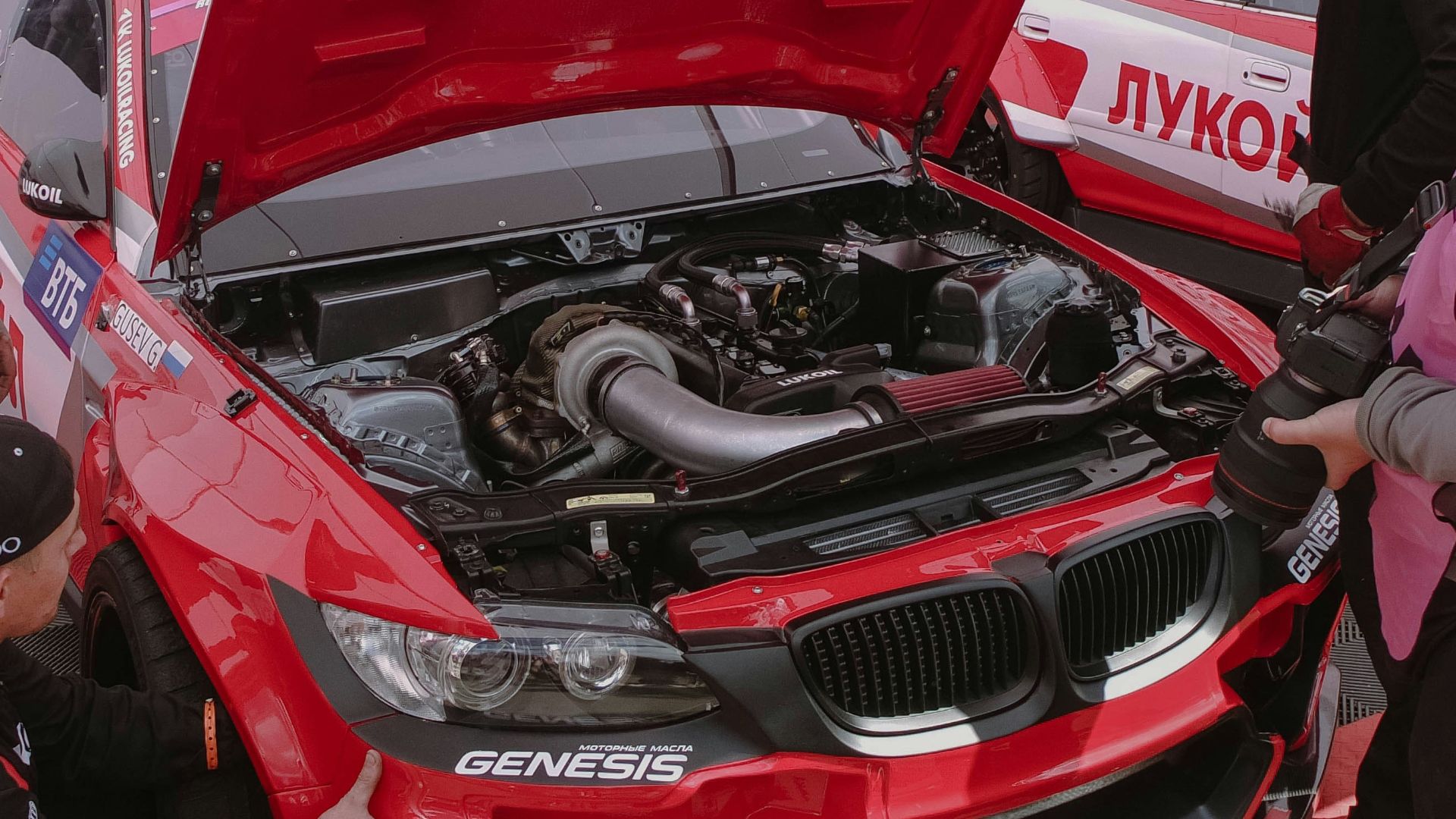
Maintenance Costs Usually Stay Premium
Luxury brands do not turn into budget cars just because they are five or seven years old. Brake jobs, suspension work, electronic parts, and even basic service can cost more than on regular models. RepairPal data regularly shows higher repair and maintenance costs for many luxury brands. If your budget only covers the price to buy the car, ownership can get rough fast.

Age And Mileage Change The Risk Equation
A three-year-old certified pre-owned luxury sedan is a very different bet from a ten-year-old flagship SUV with 110,000 miles. As cars age, rubber parts, seals, hoses, and electronics are more likely to fail no matter who built them. Mileage matters too, especially if the car has air suspension, turbochargers, all-wheel drive, or a lot of tech. In general, the older and more loaded the car is, the more careful you should be.
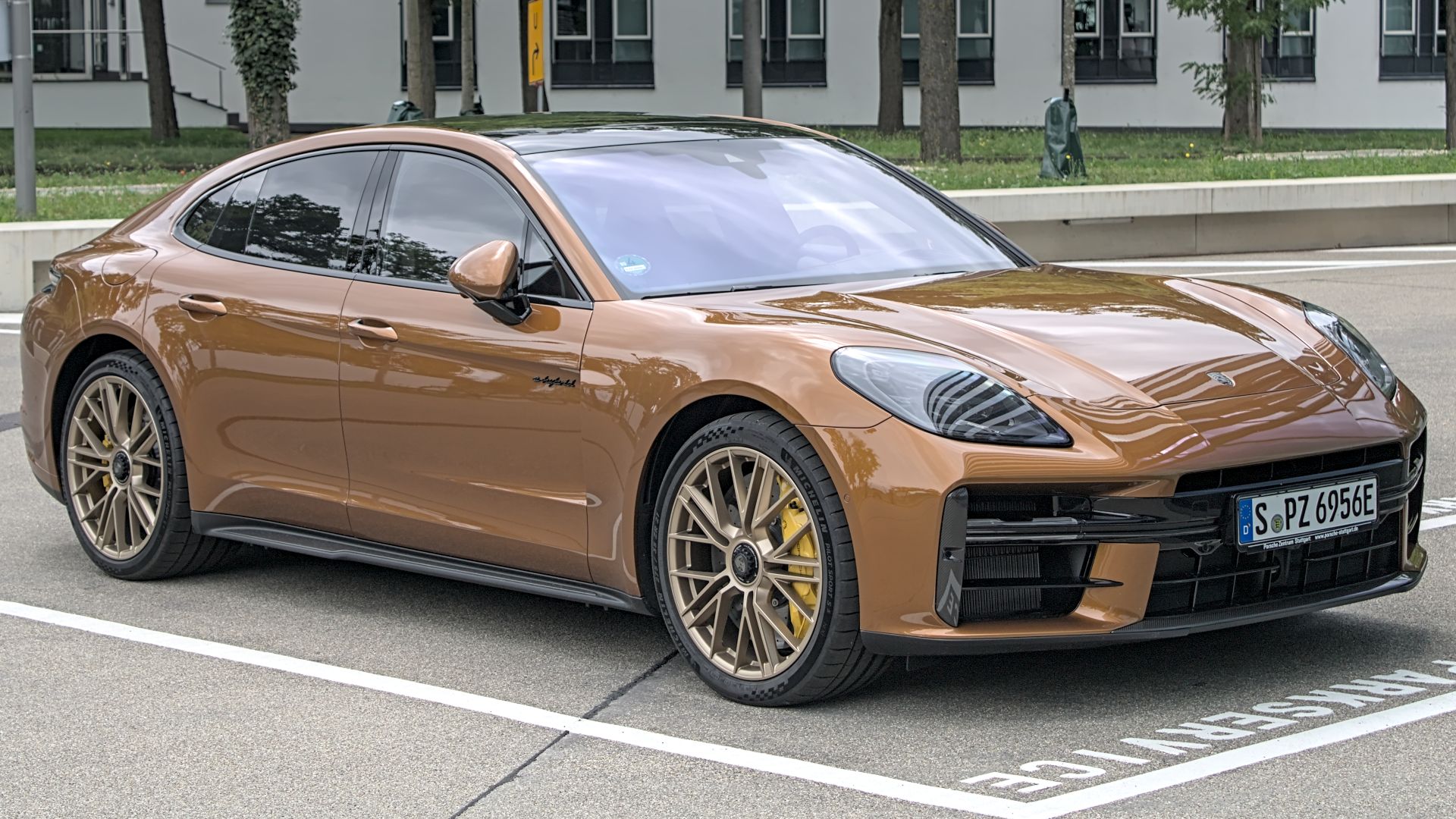 Alexander-93, Wikimedia Commons
Some Luxury Brands Hold Up Better Than Others
Not every premium brand has the same reliability record. Data from Consumer Reports and J.D. Power often shows clear differences between brands and models, with some Japanese luxury cars doing better than many European ones over time. Even within one brand, one engine or model year can be solid while another can be trouble. That is why it matters more to research the exact year, trim, and engine than just the badge on the hood.
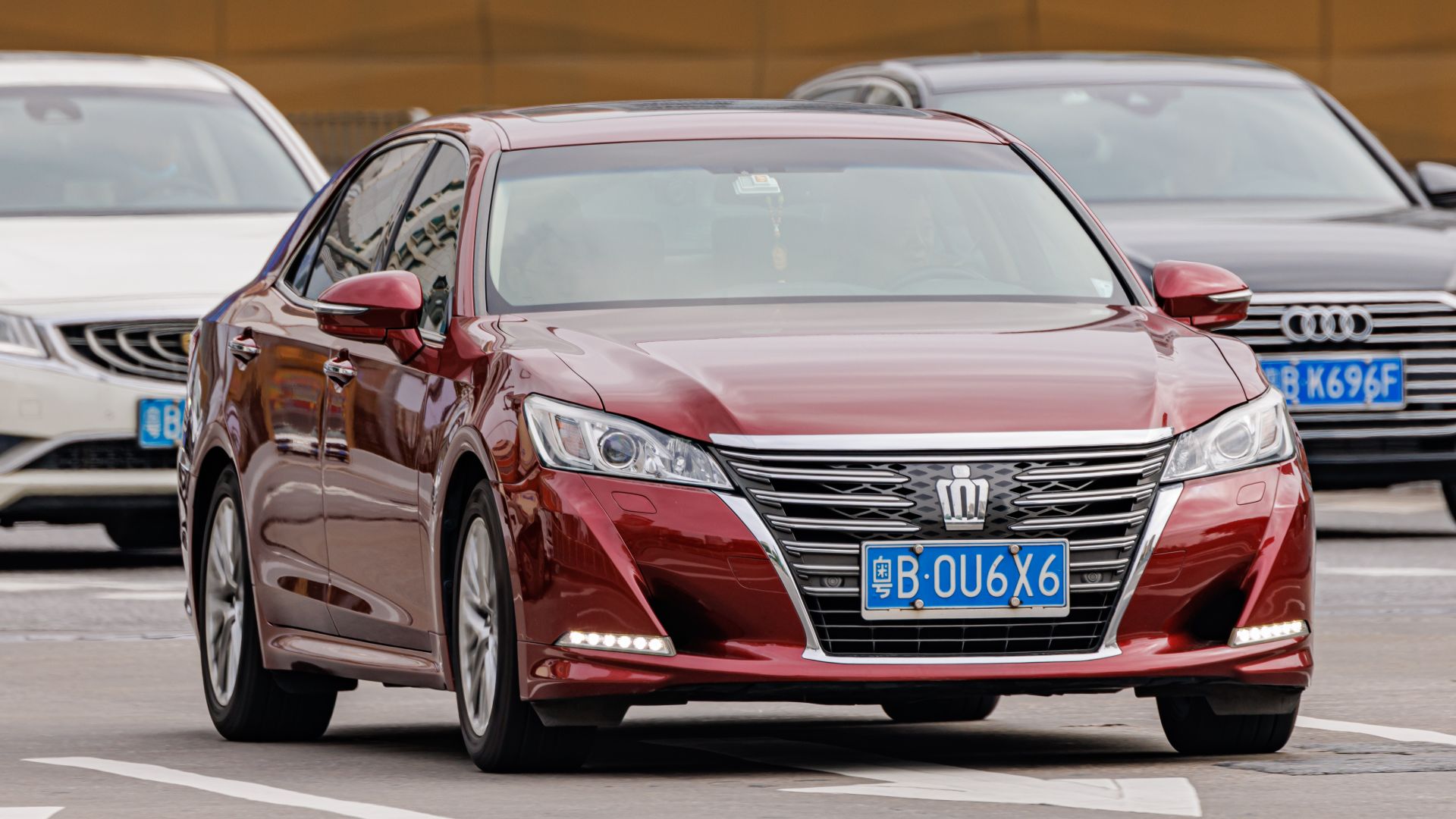 Dinkun Chen, Wikimedia Commons
Flagship Models Can Be The Riskiest Bet
The fanciest luxury cars usually have the newest tech, and that can become a problem after the warranty ends. Full-size luxury sedans and SUVs often have soft-close doors, active suspension, massaging seats, advanced driver-assist hardware, and complex climate systems. Those features are great when new, but expensive when they break. Buying the cheapest version of the most expensive model is often where things go sideways.
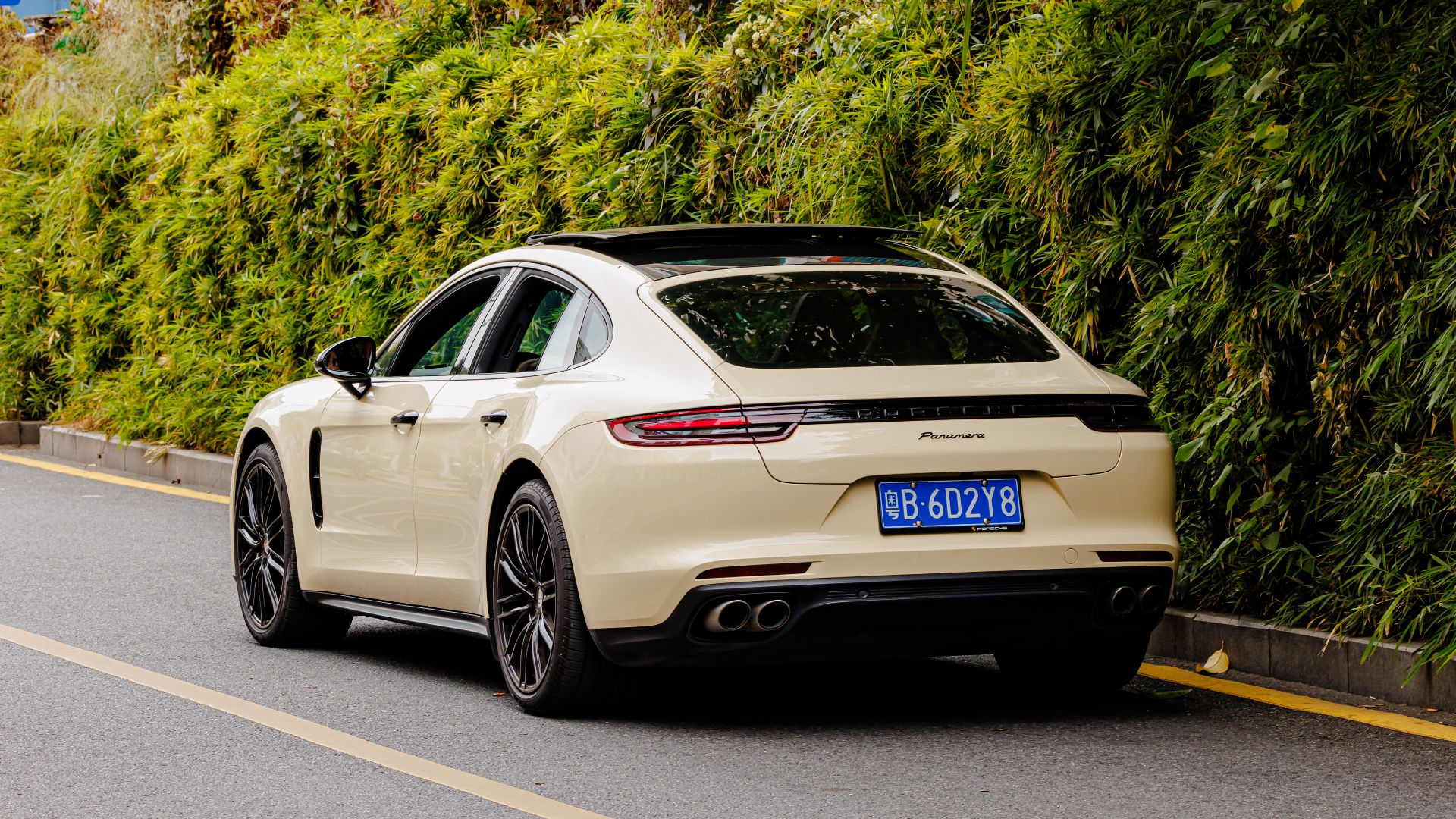 Dinkun Chen, Wikimedia Commons
Certified Pre-Owned Can Lower The Anxiety
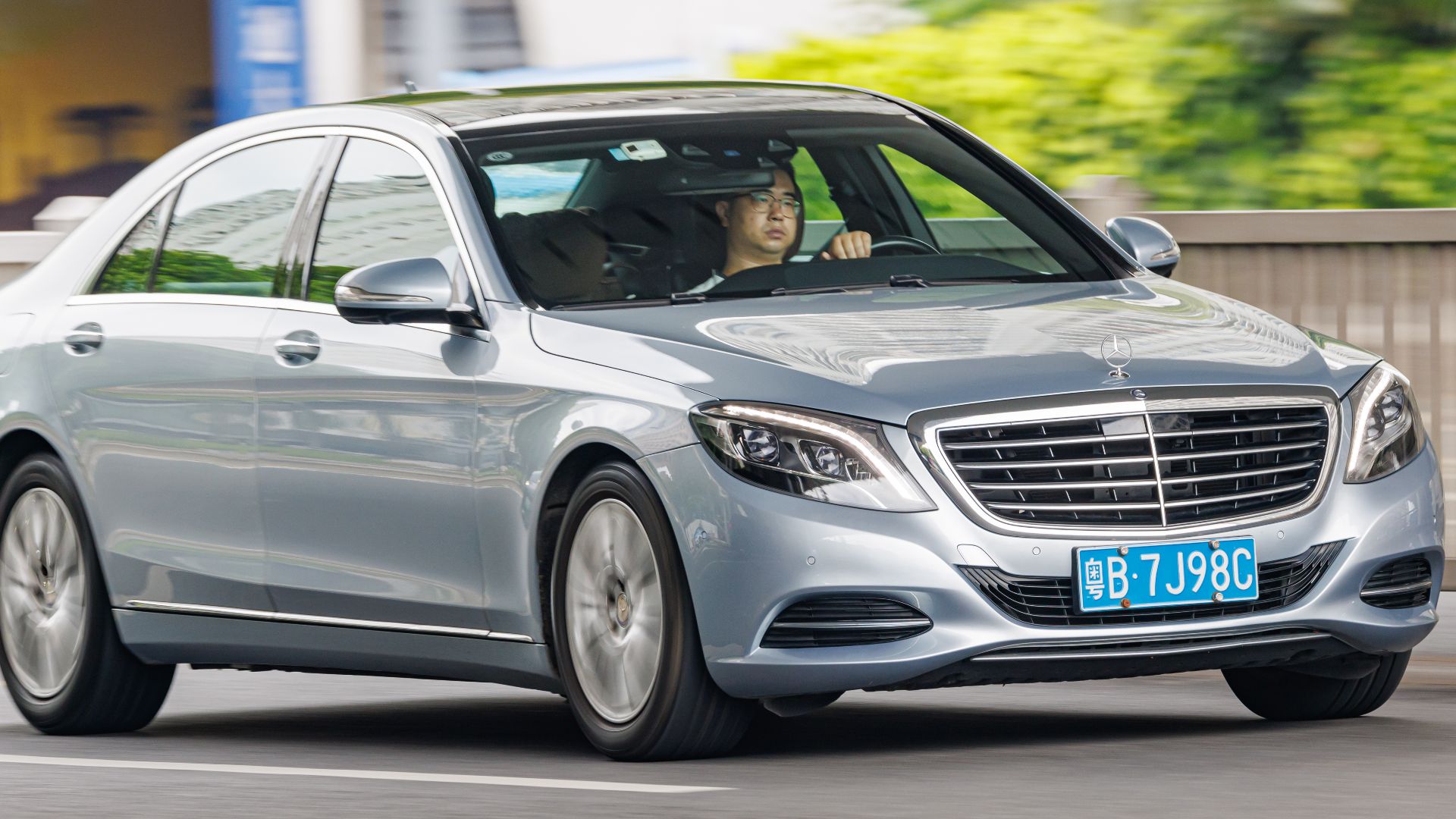
If you want a used luxury car with less risk, a certified pre-owned vehicle is worth considering. Factory CPO programs usually include inspections, limited warranty coverage, and sometimes roadside help. That does not mean the car will be perfect, but it can lower the chances of buying one with obvious problems. It can also give you a clearer window before bigger repair bills become your problem.
 Dinkun Chen, Wikimedia Commons
A Pre-Purchase Inspection Is Non-Negotiable
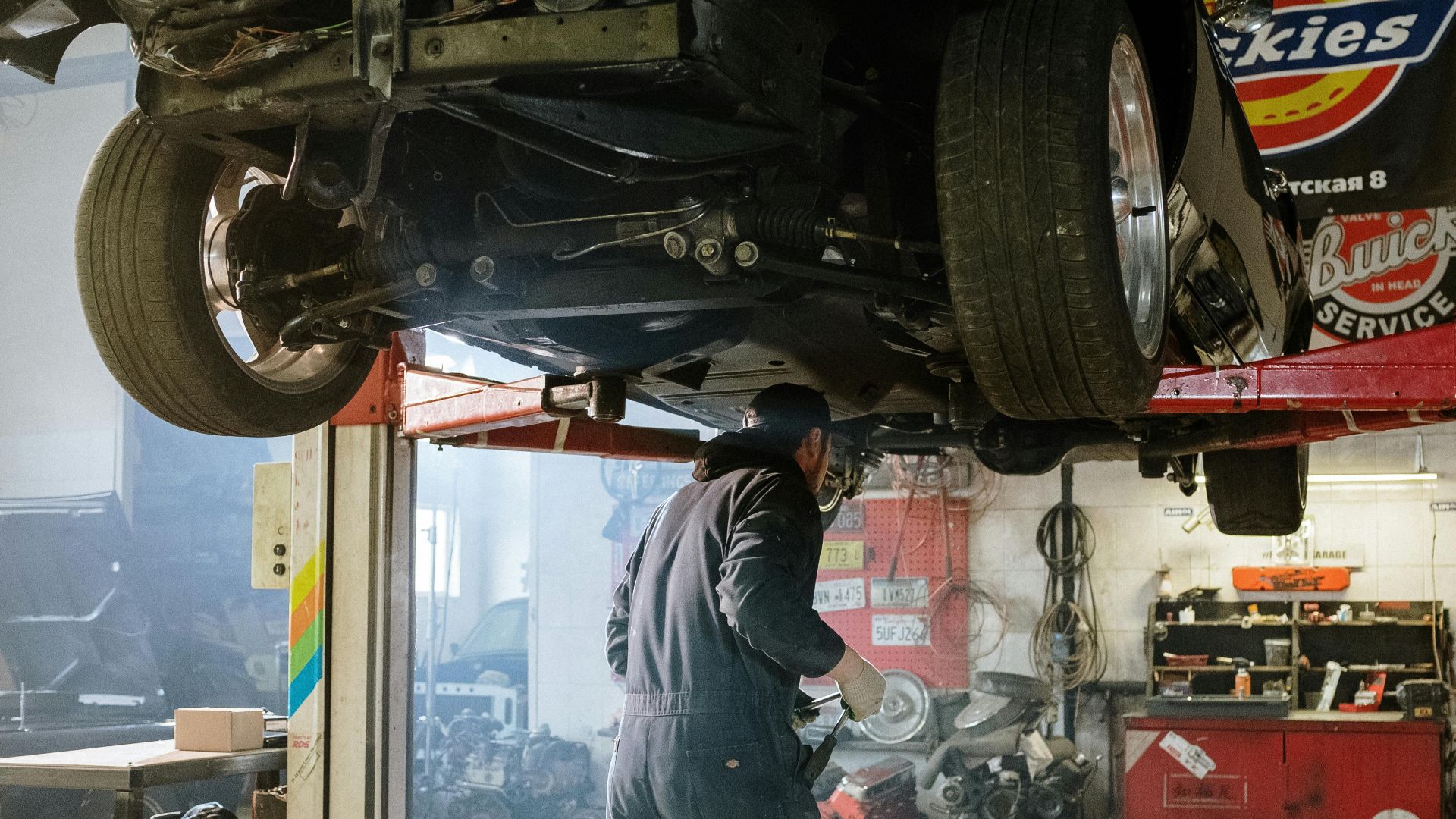
Before buying any used luxury vehicle, pay for an independent pre-purchase inspection from a good shop. It is one of the smartest ways to avoid taking on someone else’s neglected car. A mechanic can look for oil leaks, suspension wear, uneven tire wear, crash damage, bad fluids, and stored trouble codes. Spending a little money before you buy can save a lot later.
Service Records Matter More Than A Fancy Badge
A well-kept car with solid service records is usually a better choice than a cheaper one with no history. Oil changes, transmission service, brake fluid flushes, cooling system work, and completed recalls all help show how the car was treated. Carfax and AutoCheck reports can help, but they are not full maintenance histories by themselves. Ask for receipts and shop or dealer records whenever you can.

Warranty Coverage Can Change The Math
If the car still has factory warranty coverage left, that can make a used luxury purchase easier to justify. Extended warranties or service contracts may also be available, though quality and coverage can vary a lot. Read the contract closely so you know what is excluded, what deductible applies, and where the car can be repaired. A warranty matters most when it covers the expensive systems you are worried about.

Insurance Might Surprise You Too
Repairs are not the only premium cost that can stick around. Insurance on luxury vehicles can be higher because replacement parts, sensors, wheels, windshields, and bodywork often cost more. Some models also cost more to insure because of theft rates or expensive claims. Get quotes before you buy so you know what you are getting into.

Premium Fuel And Tires Add Up Fast
Many luxury cars need premium gas, and that raises your costs every time you fill up. Performance models may also go through wide, expensive tires faster than a normal commuter car. Low-profile tires and bigger wheels can make replacements cost more and increase the chance of pothole damage. These costs are easy to overlook, but they are a real part of ownership.

Independent Shops Can Save You Money
You do not always need the dealership once the warranty ends. A trusted independent mechanic who knows European or luxury vehicles can often charge less for labor and still do quality work. The key is finding a shop with the right tools and experience for your specific brand. Even then, repairs on a luxury vehicle may still cost more than repairs on a regular car.

The Sweet Spot Is Usually Not The Cheapest Car
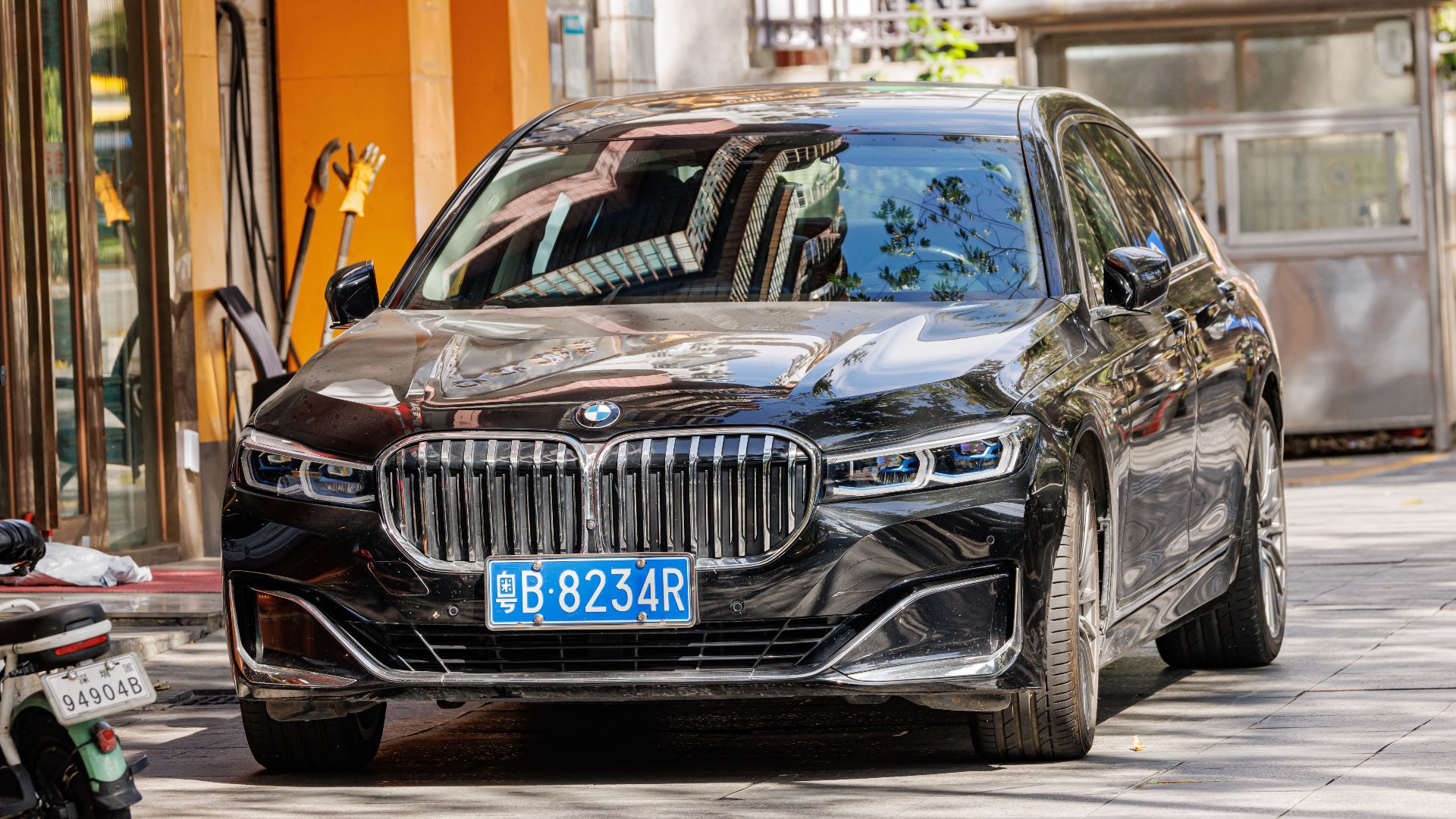
In many cases, the best used luxury buy is not the cheapest one with the lowest asking price. A slightly newer, lower-mileage car with a clean history and solid maintenance records is often the better value. Paying more upfront can lower your odds of a huge repair bill in the first year or two. Cheap luxury cars are common, but cheap luxury ownership is not.
 Dinkun Chen, Wikimedia Commons
Research Common Problems Before You Fall In Love
Once you know the exact model, year, and engine, look up owner forums, recall records from NHTSA, and reliability summaries from trusted sources. Some vehicles have known problems like timing chain issues, air suspension failures, oil use, or transmission trouble. Knowing the pattern helps you decide if the price matches the risk. It can also help when it is time to negotiate.

Depreciation Can Actually Work In Your Favor
There is a reason so many buyers look at used luxury cars in the first place. If you pick carefully, you can get better safety features, a quieter cabin, nicer materials, and more comfort than a new mainstream car for similar money. In that case, the first owner took the biggest hit from depreciation and left some value behind for you. The trick is making sure the lower price does not get wiped out by repair bills.
Who Should Probably Say No
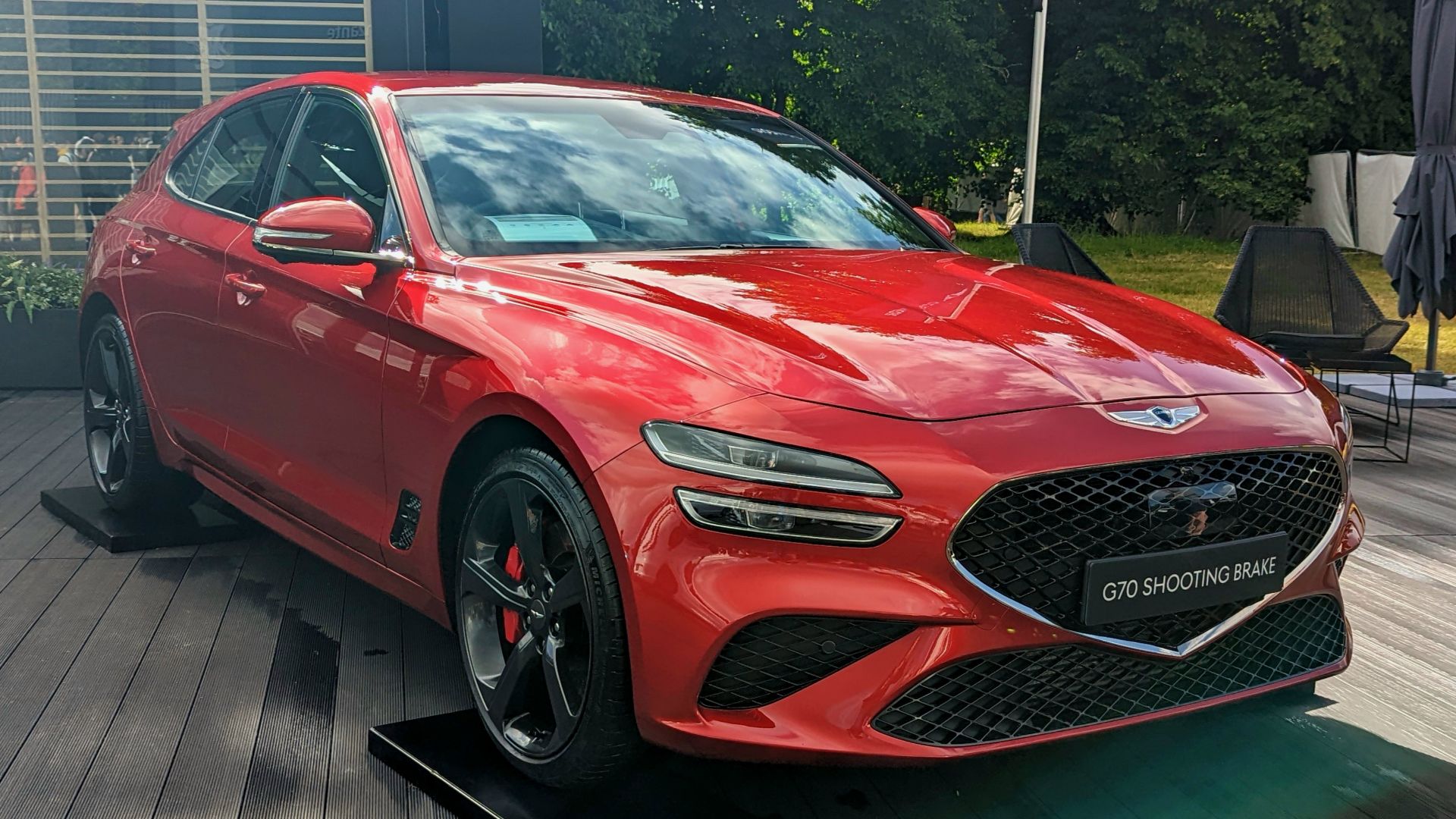
If you need predictable costs, have a tight budget, or cannot handle a surprise repair bill of $2,000 to $4,000, a used luxury car may not be the best choice. The same goes for buyers who just want a simple daily driver and do not care much about premium features or brand status. There is nothing wrong with choosing a reliable mainstream car that costs less to own. Peace of mind matters too.

Who Might Be A Good Fit For One
A used luxury car can make sense for someone with a healthy maintenance budget, access to a trusted specialist mechanic, and the patience to research models carefully. It can also work for buyers who focus on brands and model years with better reliability instead of chasing the flashiest badge. People who care a lot about comfort, safety, and a nicer driving experience may feel the trade-off is worth it. The key is going in with clear expectations.

Smart Ways To Lower The Risk
Stick with models that have good reliability records, avoid the first year of a redesign, and put a lot of weight on full maintenance records. Get a pre-purchase inspection, check insurance costs, and set aside an emergency repair fund before you sign anything. If your budget allows, look at certified pre-owned cars or ones still under factory warranty. These steps will not remove the risk, but they can make it easier to manage.
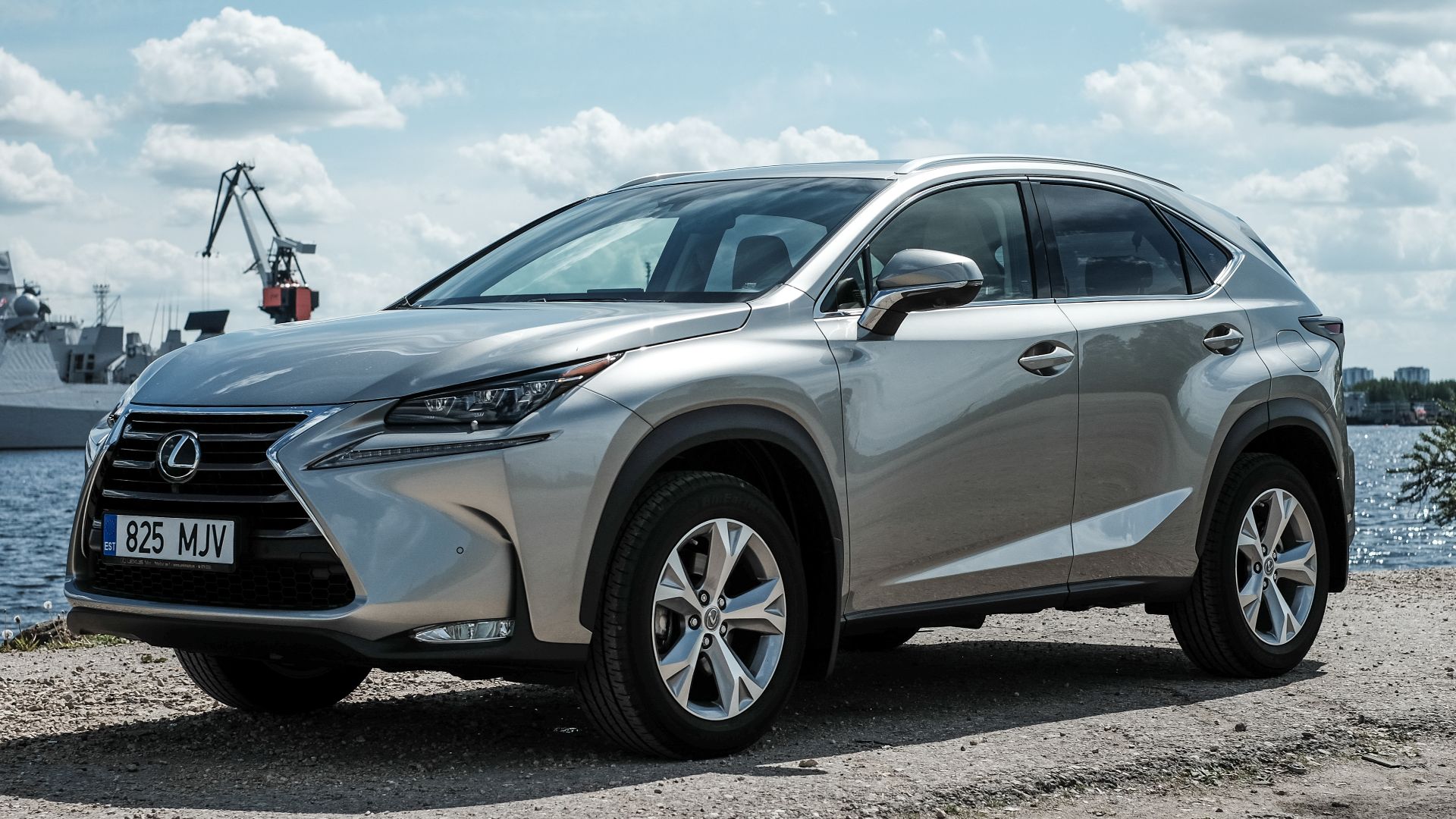 Kārlis Dambrāns from Latvia, Wikimedia Commons
So, Is It Worth The Risk?
It can be, but only if the numbers still make sense after you include the less fun costs. A used luxury car is worth considering when it has been well maintained, passes inspection, fits your full ownership budget, and comes from a model line with a good reliability record. It is probably not worth it if you are stretching just to afford the purchase and hoping nothing breaks. The smart move is to buy the right used luxury car, not just the cheapest one.