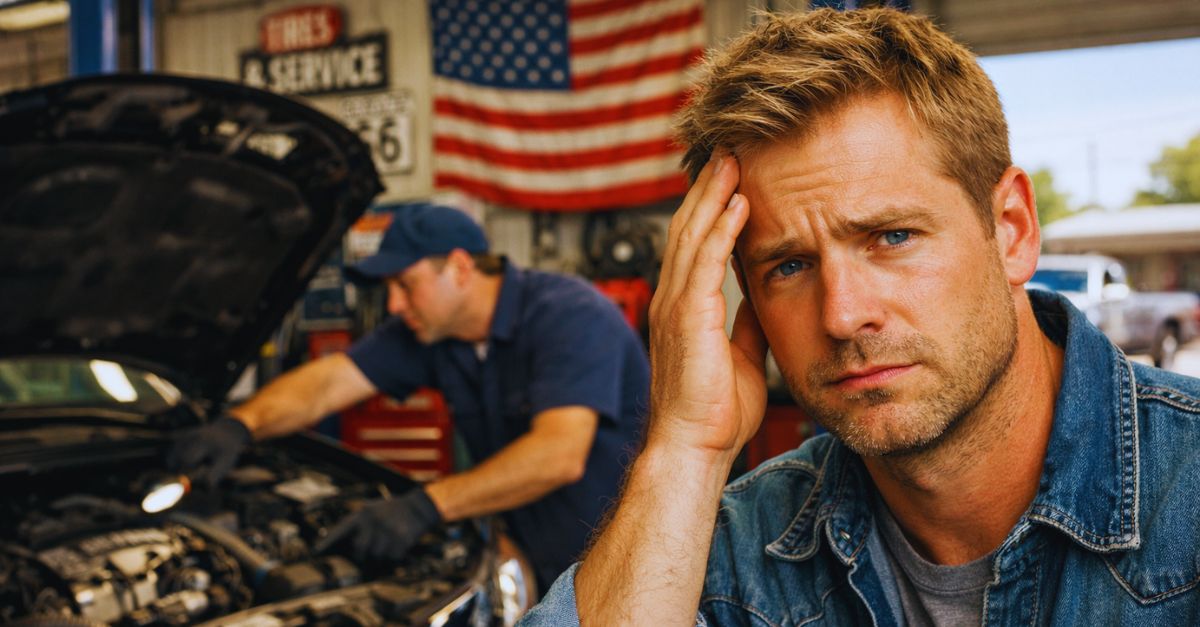
That $4,000 Estimate Can Feel Like A Gut Punch
We've all been there. Hearing your car needs $4,000 in repairs or that it is “unsafe to drive” can make anybody panic. The good news is that a big estimate does not automatically mean you are being scammed, but it also doesn't mean you should say yes right away. Some repairs really are urgent because they affect braking, steering, tires, suspension, or fire risk. The key is figuring out whether the problem is truly safety-related, whether the diagnosis is right, and whether the price makes sense.
Start By Asking One Simple Question
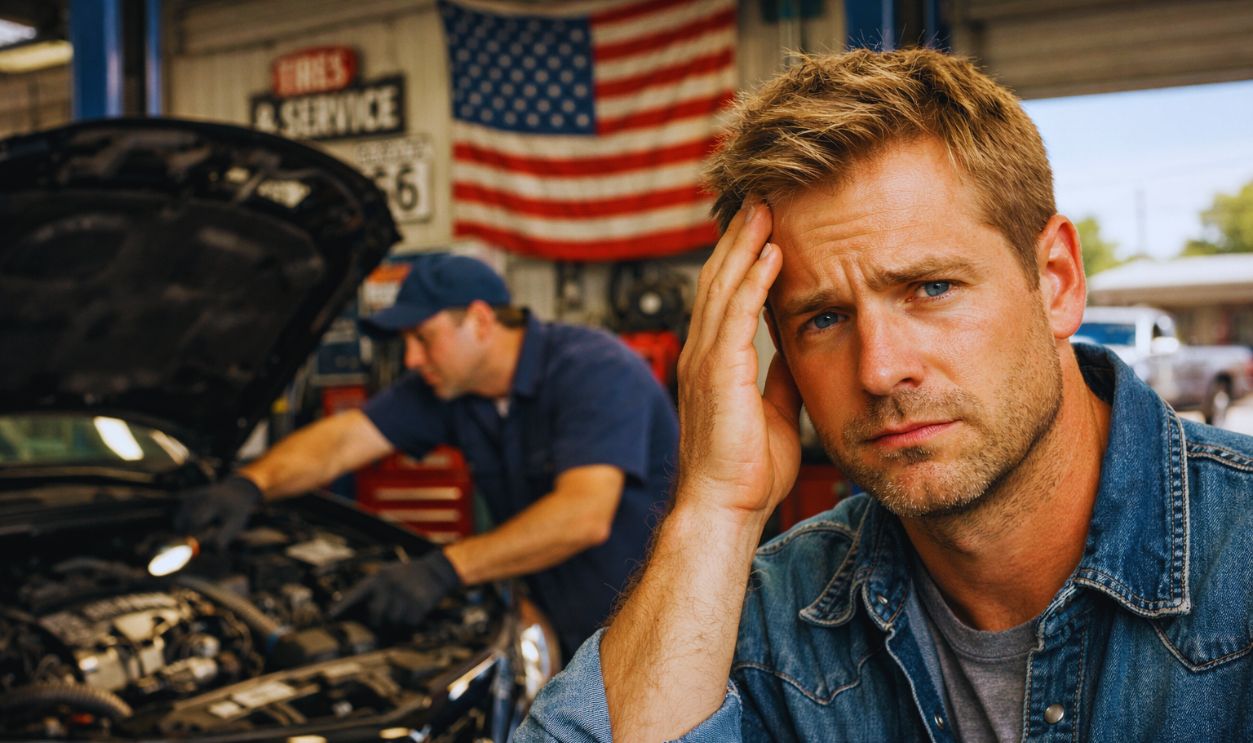
The first thing to ask is: “What exactly makes the car unsafe right now?” That shifts the conversation away from vague warnings and toward a specific issue you can check. A good shop should be able to explain which part failed, how it was inspected, and what could happen if you keep driving. If they cannot clearly answer that question, slow down before approving anything.

Safety-Critical Repairs Usually Fall Into A Few Categories
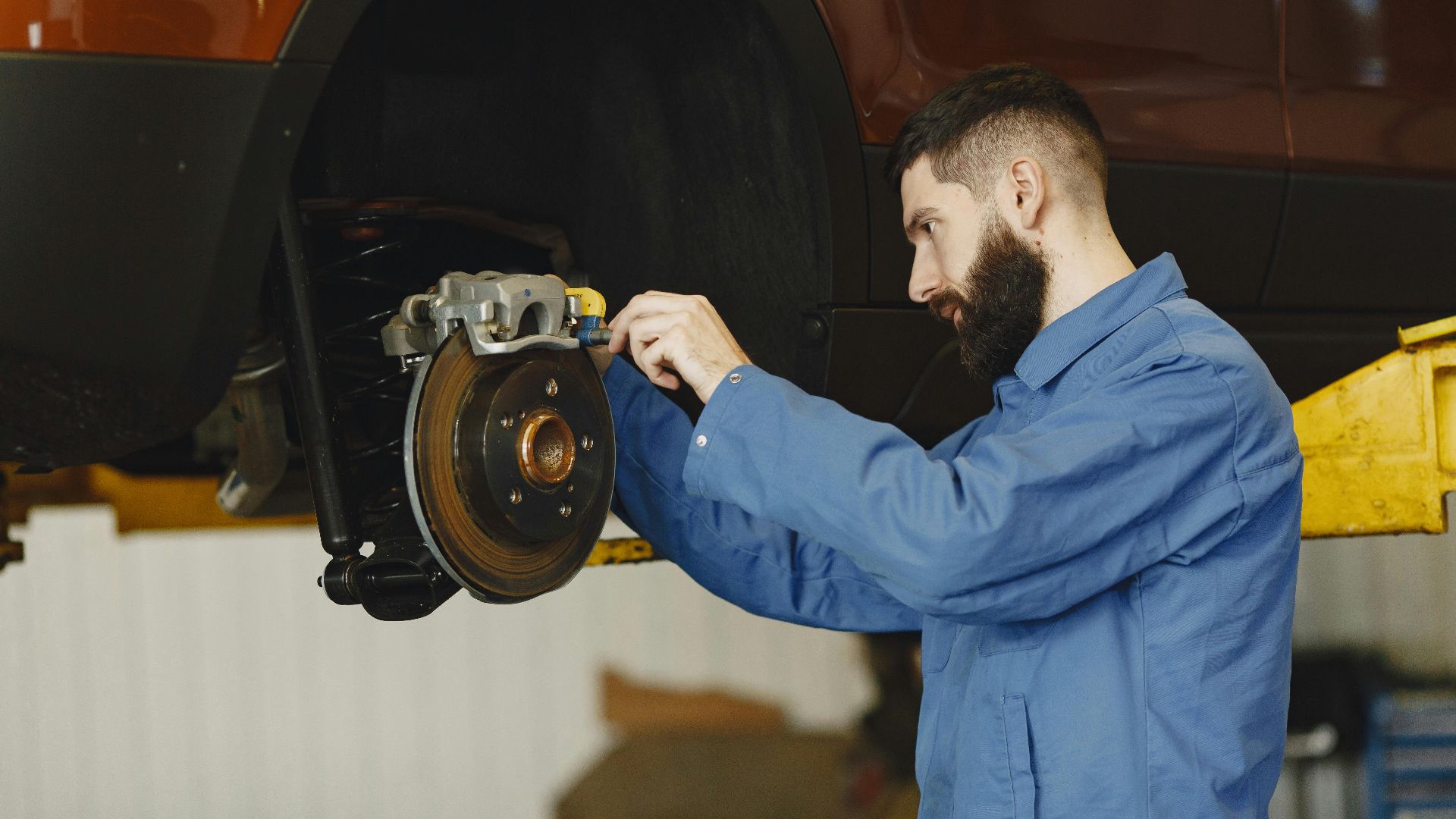
Real safety concerns usually involve the systems that help you stop, steer, see, and keep the car stable on the road. That includes brakes, tires, steering parts, wheel bearings, suspension parts that are badly worn or broken, and major fluid leaks affecting brakes or power steering. In some cases, engine or transmission problems can also create a safety issue if the car may stall in traffic. But many expensive repairs, while still important, are not the same as “unsafe to drive today.”
Not Every Expensive Repair Means Immediate Danger
A car can need costly work without being dangerous at this exact moment. For example, a failing air conditioning system, a small oil seep, or a check-engine light caused by an emissions problem can be expensive but not instantly unsafe. Even some suspension or engine problems may be urgent for reliability rather than immediate safety. That is why you want the shop to separate “needs attention soon” from “do not drive this vehicle.”
Ask For The Inspection Results In Writing
If a mechanic says the car is unsafe, ask for a written estimate and a written explanation of the findings. You want the parts listed, the labor listed, and ideally notes about what was observed, measured, or tested. If the shop has photos or video, ask to see them. Clear paperwork makes it easier to compare opinions and much harder for anyone to hide behind scary language.
Photos, Videos, And Measurements Matter
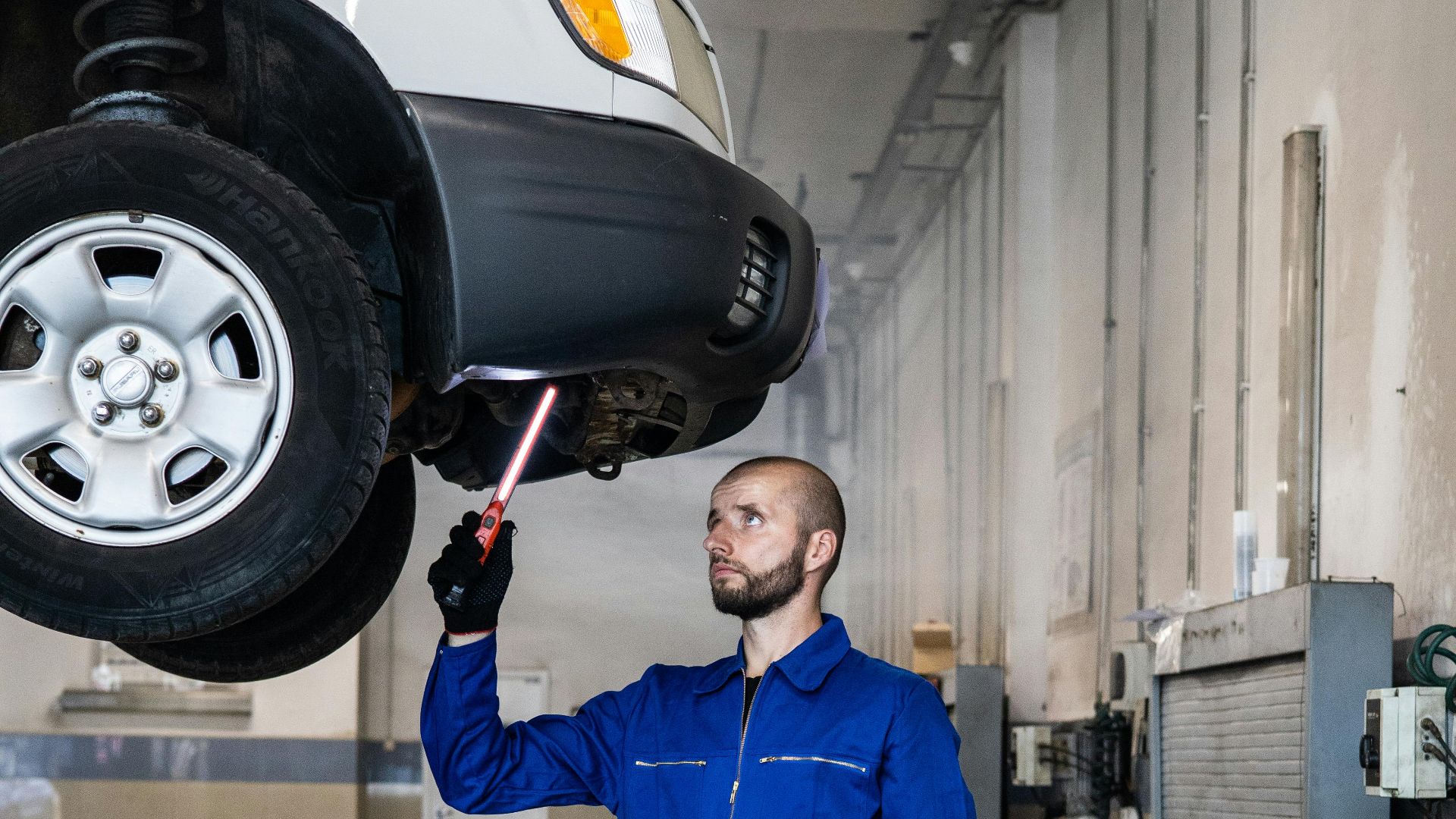
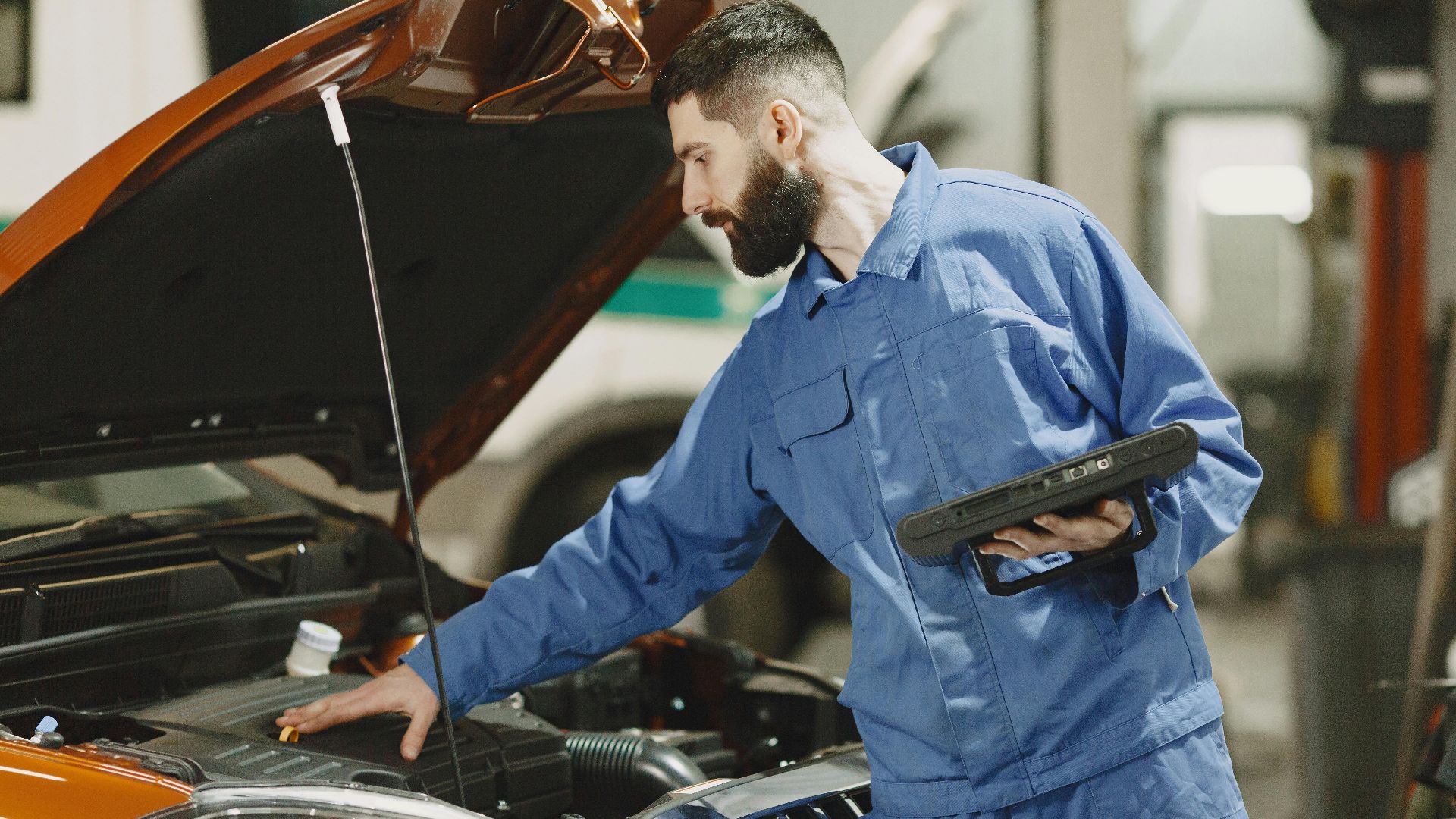
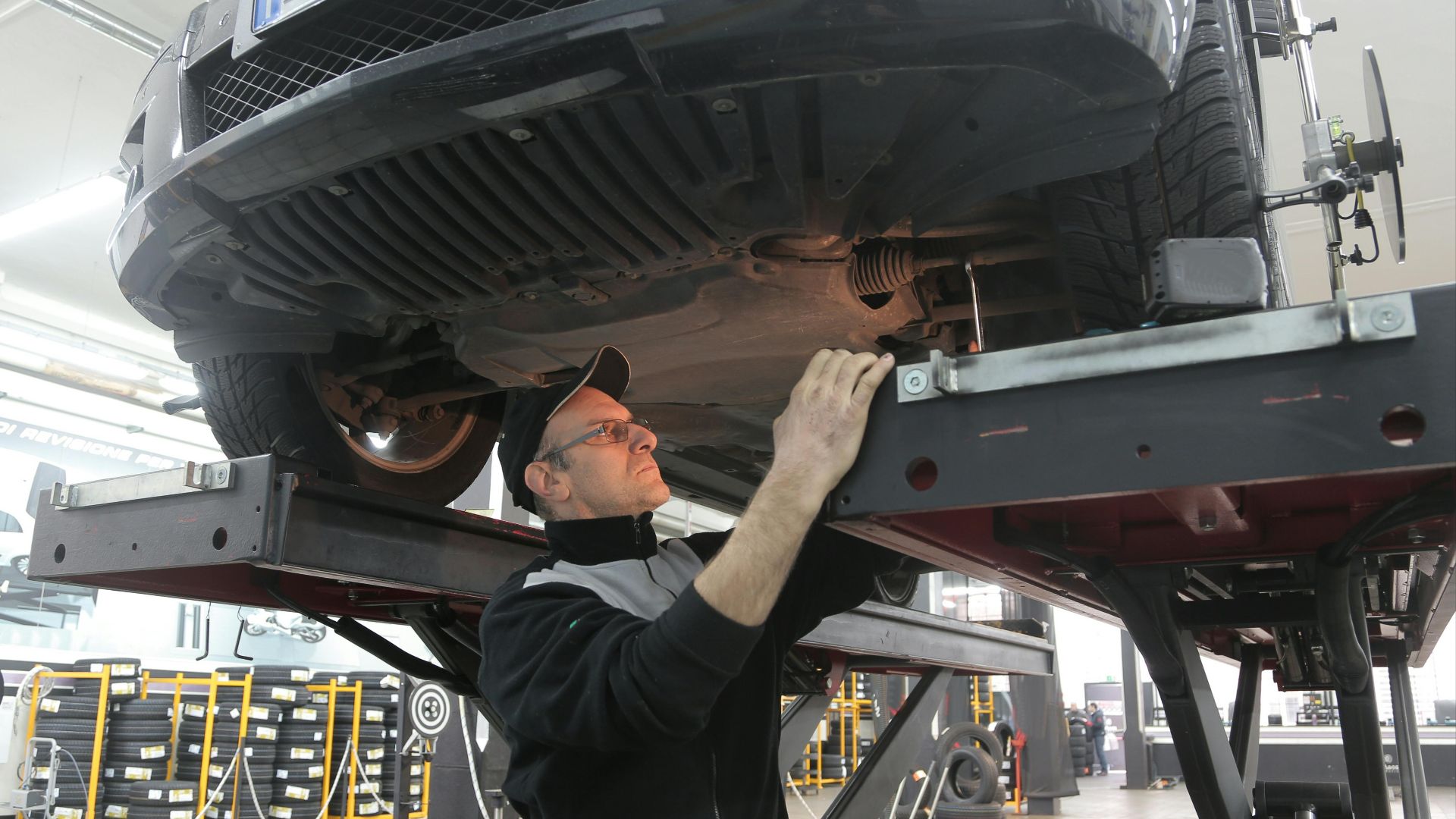
Good shops often use digital inspections that show worn brake pads, leaking struts, cracked bushings, damaged tires, or rusted parts. For brakes, tire tread, battery condition, and alignment-related wear, actual measurements are especially helpful. A mechanic who can show you that your brake pads are dangerously low or your tire cords are exposed is giving you something real to look at. Visual proof does not replace expertise, but it does make the claim much more believable.
Get Specific About What Happens If You Keep Driving
“Unsafe” can mean different things, so ask what the actual risk is. Are the brakes reduced but still working, or is there a leak that could lead to brake failure? Is a tire just worn, or is there a bulge that raises blowout risk? Asking what could fail, how soon, and under what conditions helps you decide whether this is an immediate stop-driving situation or a repair that should be scheduled very soon.

Separate Must-Do Repairs From Nice-To-Do Add-Ons
Large estimates often bundle urgent repairs with maintenance items and recommendations that can wait. A shop might include safety work, overdue fluids, filters, belts, and preventive services all on one quote. That can turn a real $1,500 urgent repair into a $4,000 total. Ask the advisor to mark which items are needed to make the car safe and which ones can wait.
Brakes Are One Of The Most Common Real Safety Issues
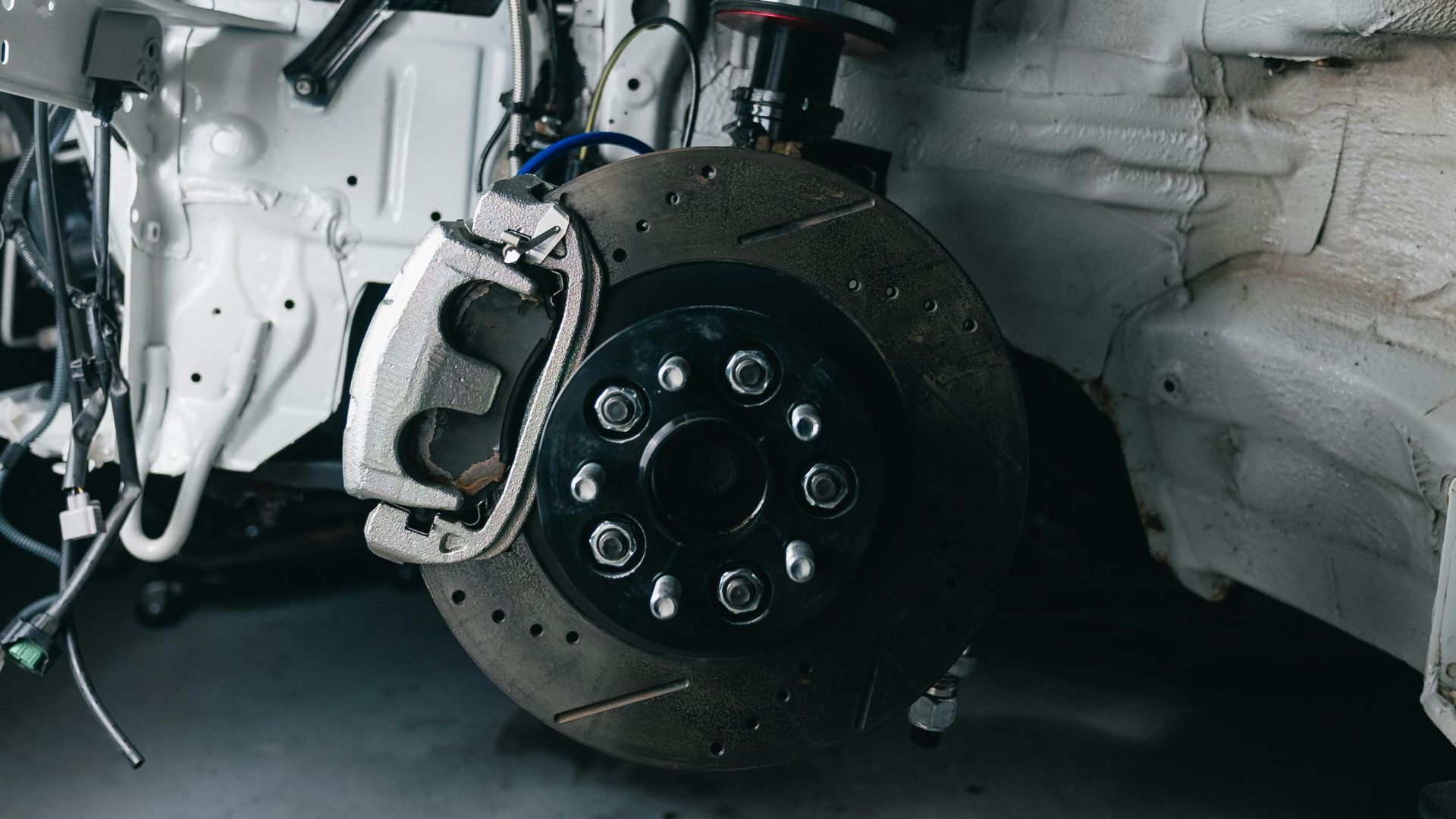
If brake pads are worn down, rotors are damaged, brake fluid is leaking, or a caliper is sticking badly, the car may truly be unsafe. Brake problems are one of the clearest reasons for a stop-driving warning. Symptoms like grinding, severe vibration, a soft pedal, warning lights, or pulling while braking should not be brushed off. If the shop can show low pad thickness, damaged rotors, or a hydraulic leak, take that seriously.
Tires Can Turn Into A Real Hazard Fast
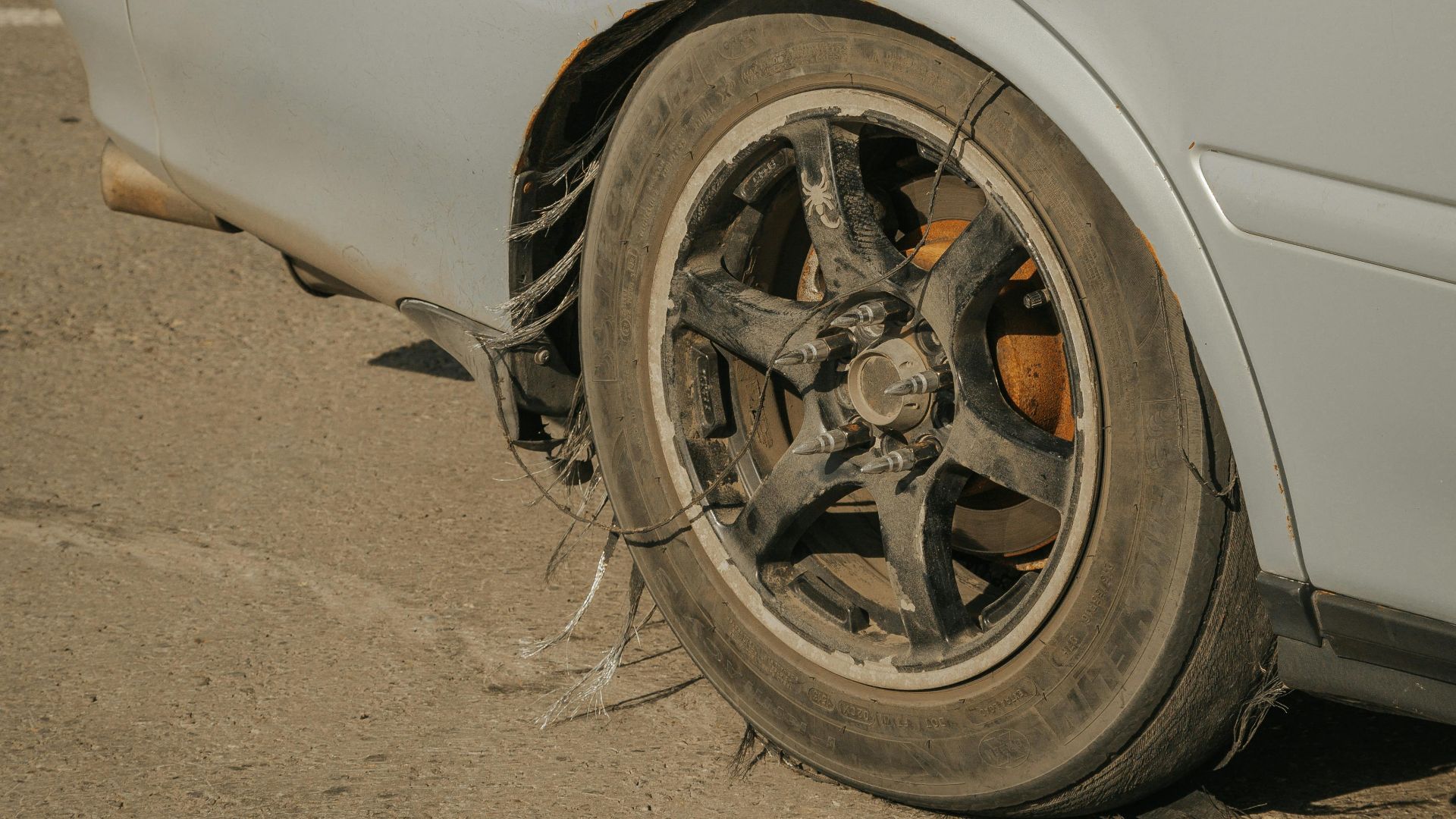
Tires with very low tread, exposed cords, sidewall bubbles, severe cracking, or uneven wear can absolutely justify an unsafe-to-drive warning. Tire condition matters for traction, braking, and blowout risk. A penny test is not the most exact method, so tread measurements in 32nds of an inch are better. If a tire is damaged or nearly bald, replacing it is not a scare tactic. It is basic safety.
Steering And Suspension Problems Need Careful Attention
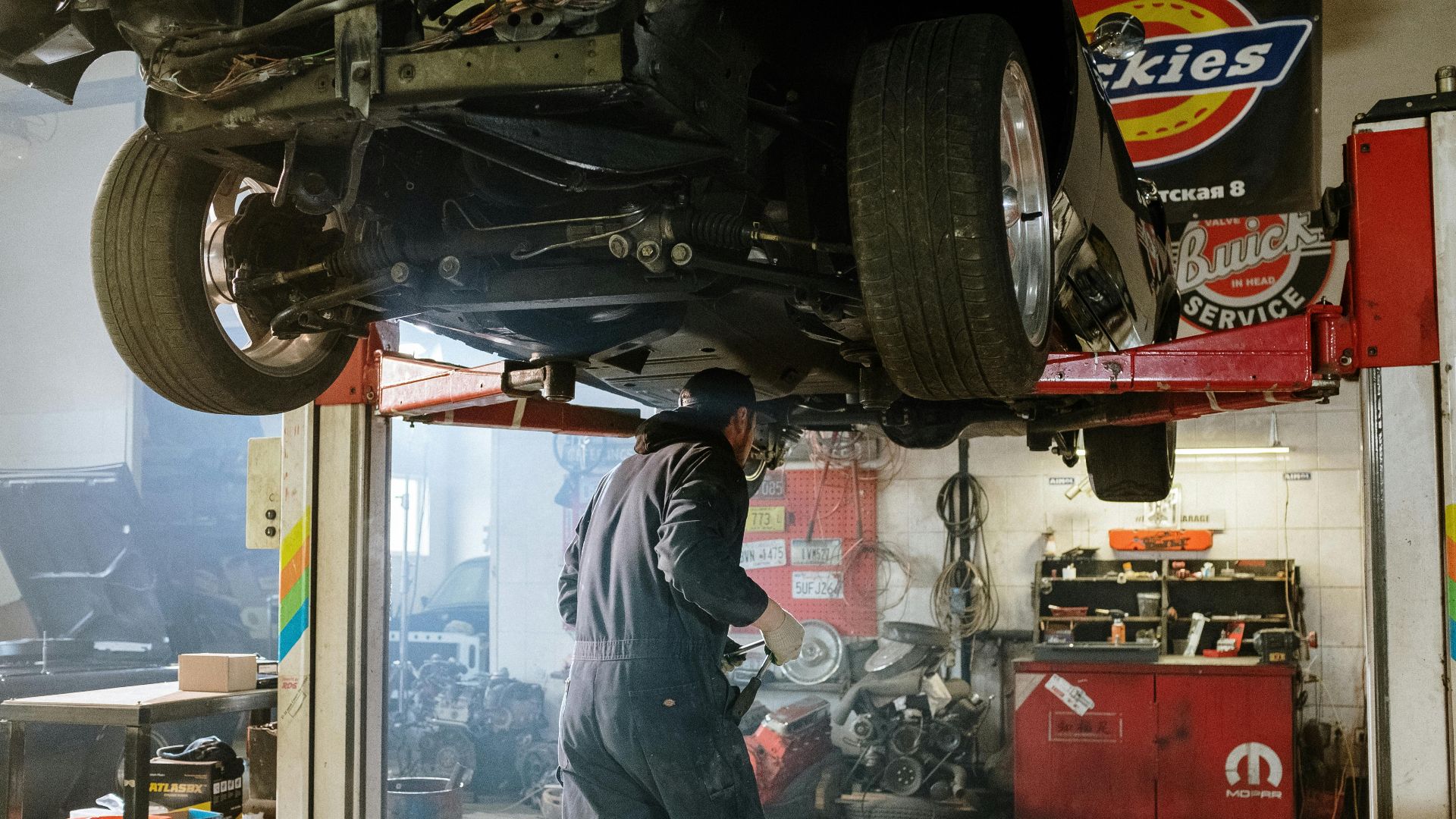
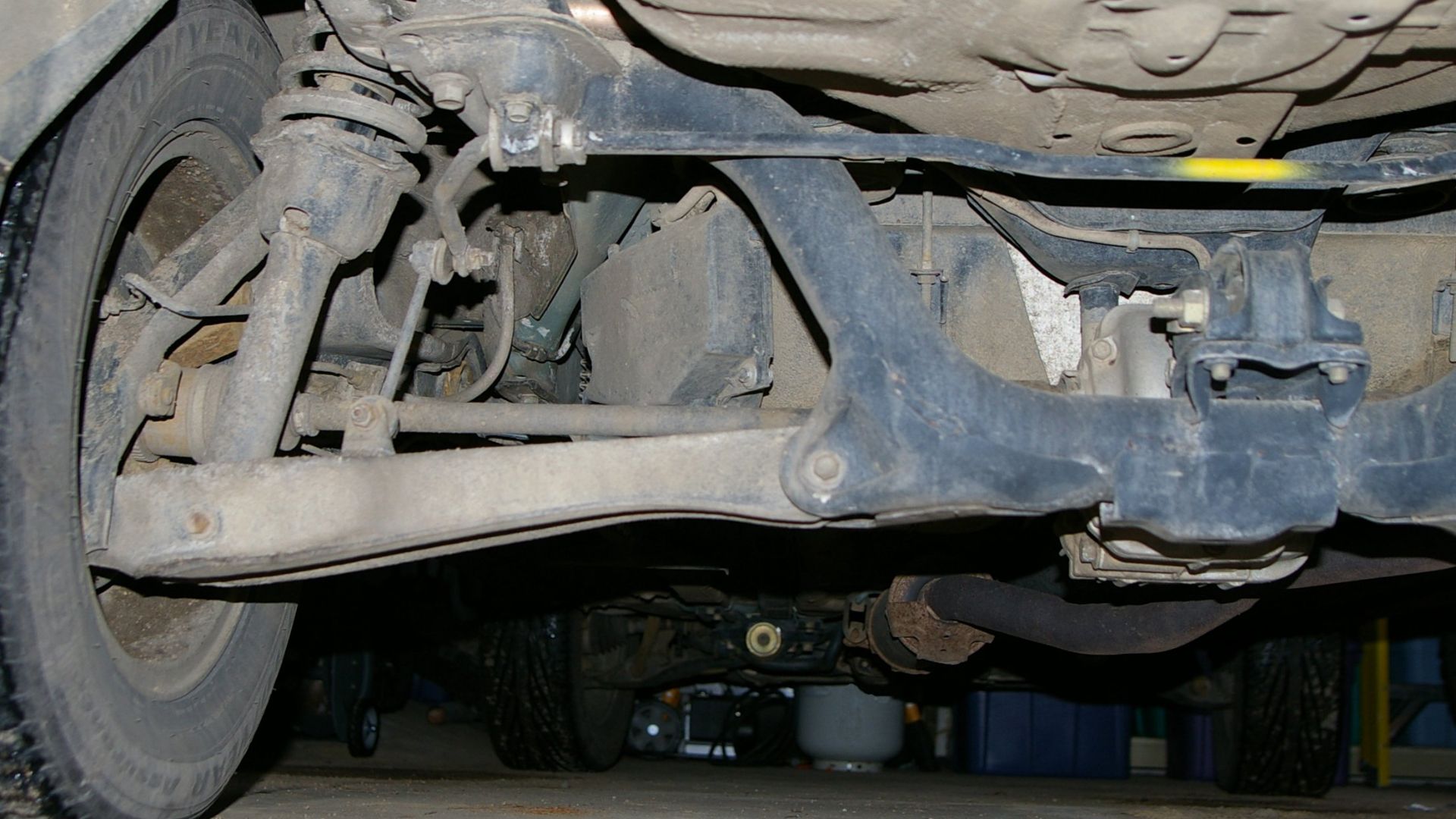
Worn suspension parts do not always make a car instantly unsafe, but some failures definitely can. Too much play in tie rods, ball joints, control arms, or wheel bearings can affect steering control and stability. The danger depends on how worn the part is and whether it is actually loose, cracked, or close to coming apart. This is another area where you should ask for a demonstration, photos, or a second opinion before agreeing to a huge bill.
Fluid Leaks Are Not All Equal
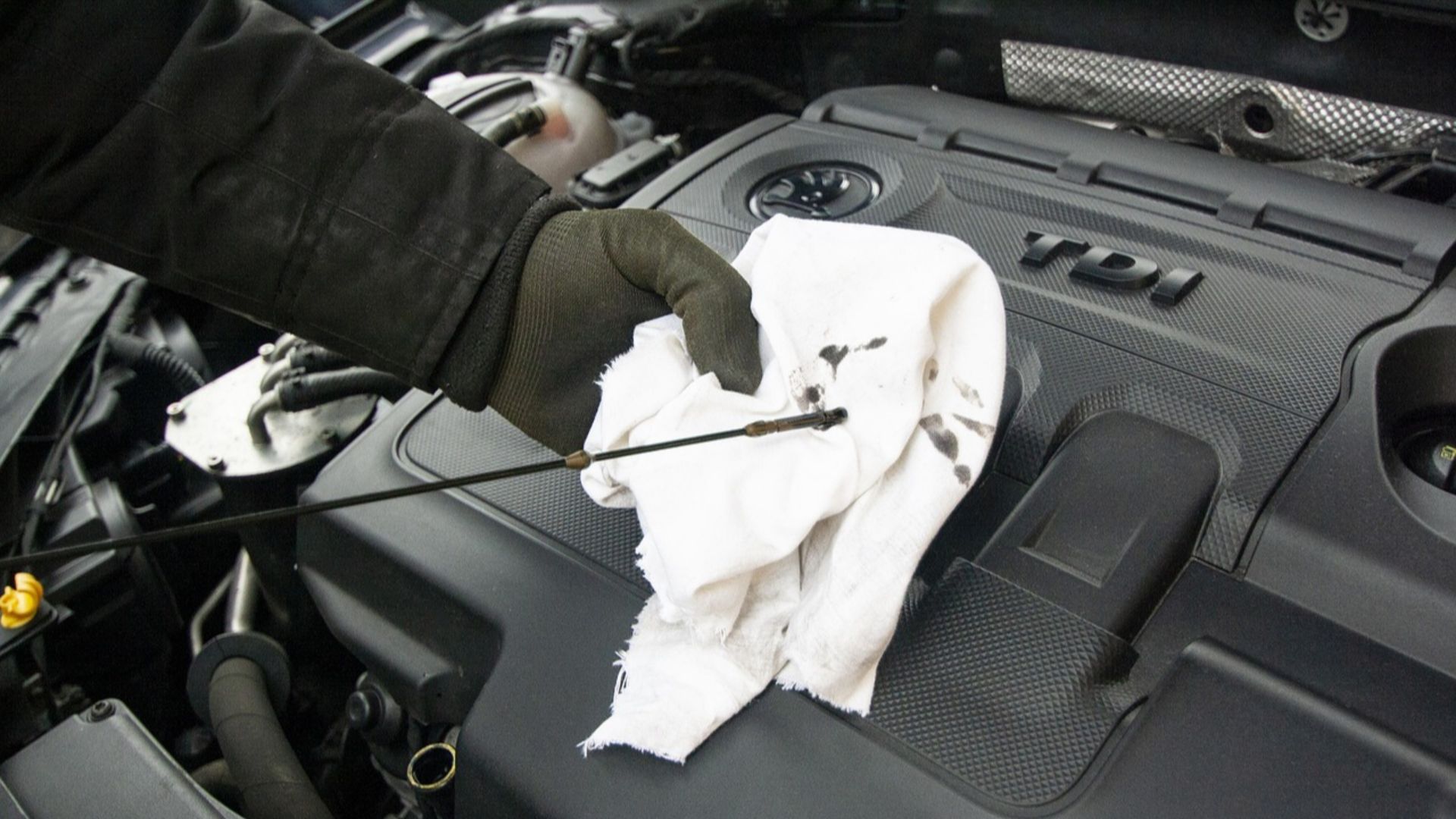
A small seep from an engine gasket is different from a brake fluid leak or a fuel leak. Brake fluid loss can directly affect stopping ability, and fuel leaks can create a fire risk, so those can absolutely be safety issues. Power steering leaks can also become serious if steering assist is lost, especially on heavier vehicles. Ask exactly what fluid is leaking, how much, and what system it affects.
Warning Lights Deserve Context
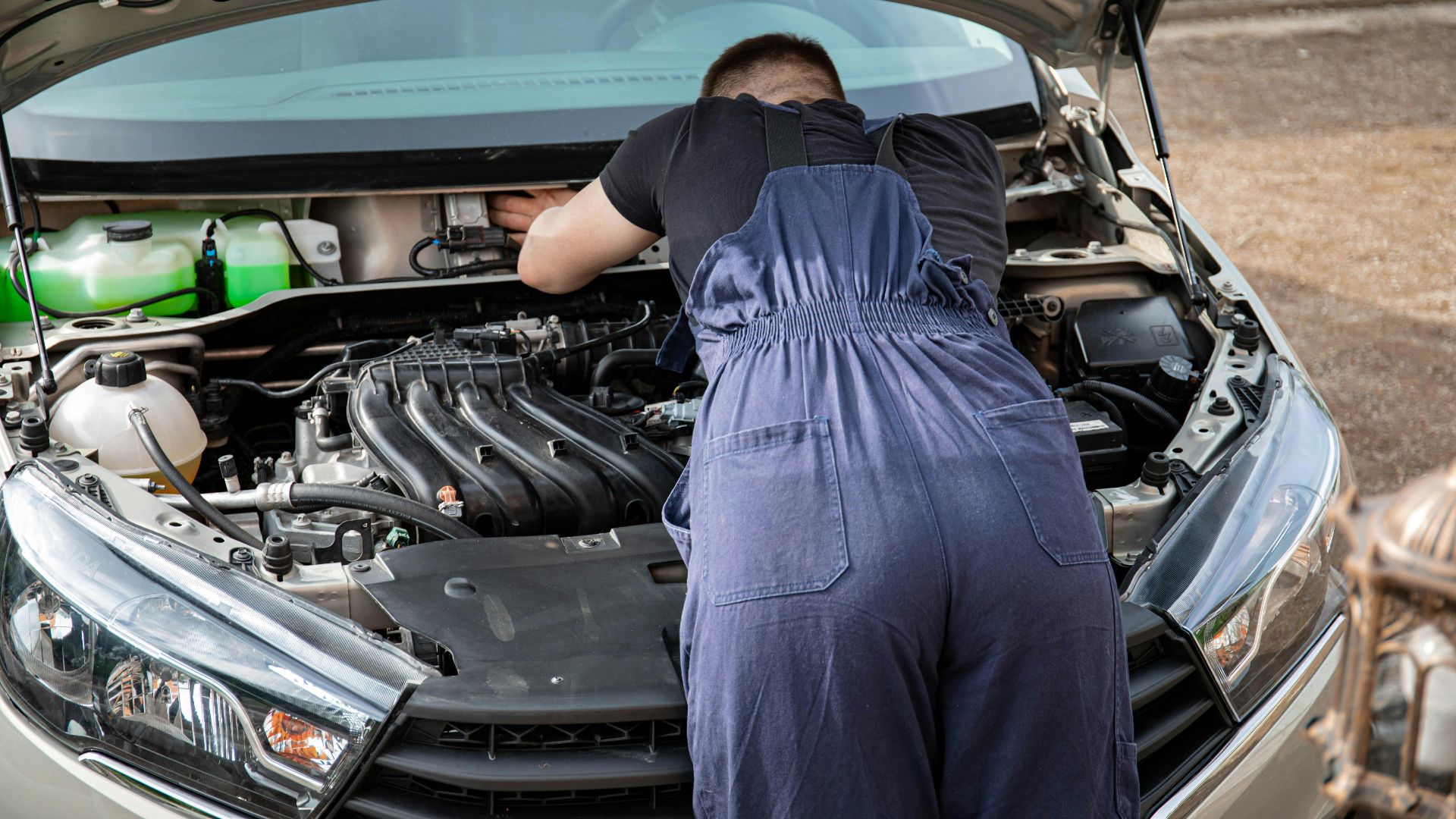
A warning light by itself does not always mean a car is unsafe, but some lights should be taken seriously. Brake system, ABS, airbag, charging system, and engine temperature warnings can point to problems that affect safe operation. A check-engine light may be less urgent unless the car is running badly, stalling, or flashing, which can point to a severe misfire. The shop should scan the codes and explain what they mean instead of using the light to scare you.
A Second Opinion Is One Of Your Best Moves
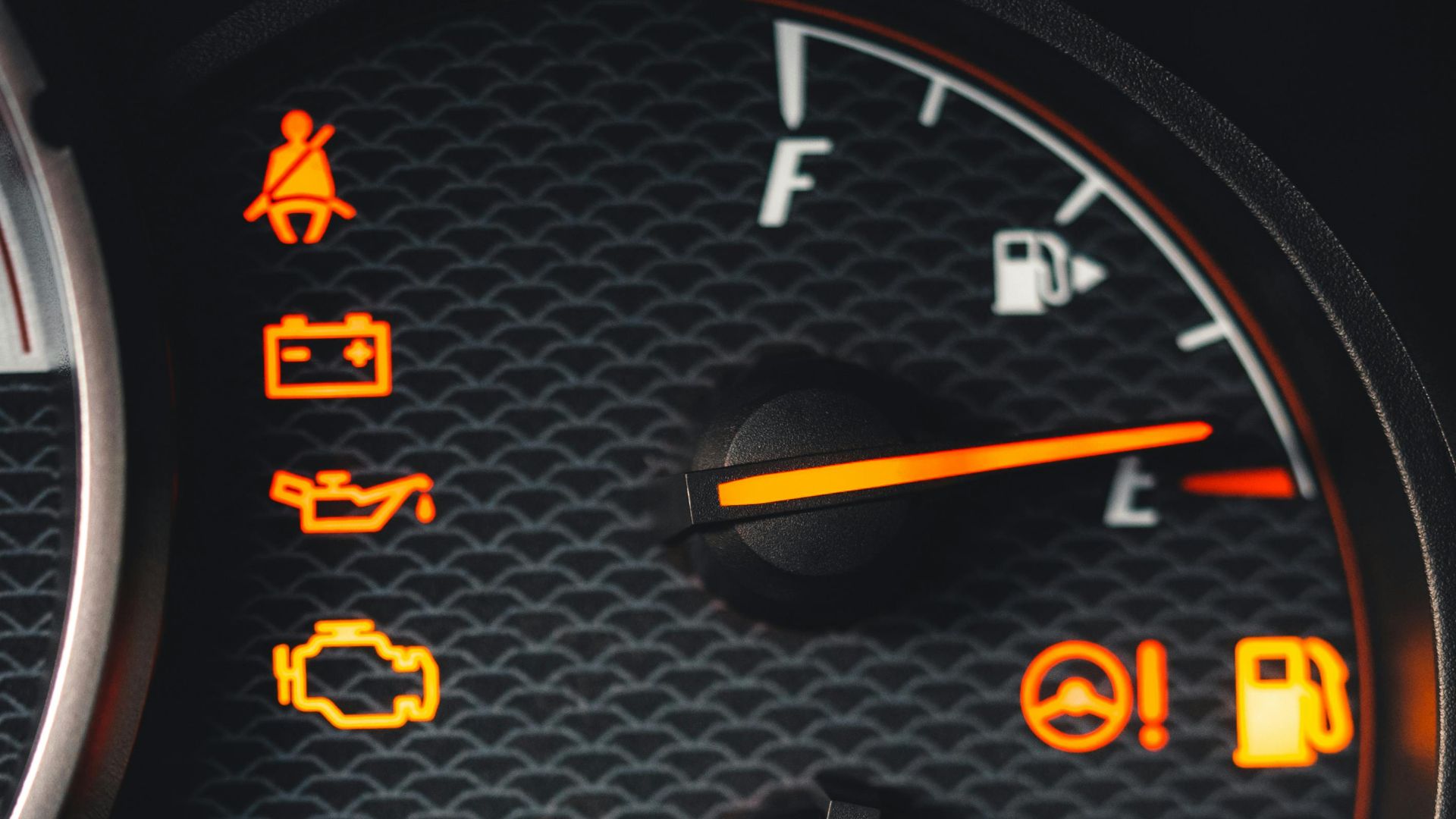
Getting a second opinion is one of the smartest things you can do with a major repair. If the car is still drivable, take the written estimate to another reputable independent shop or dealer for inspection. If it may truly be unsafe, have it towed instead of risking it. Two detailed estimates that point to the same failed parts are much more convincing than one alarming conversation.
Do Not Be Afraid To Ask For The Old Parts
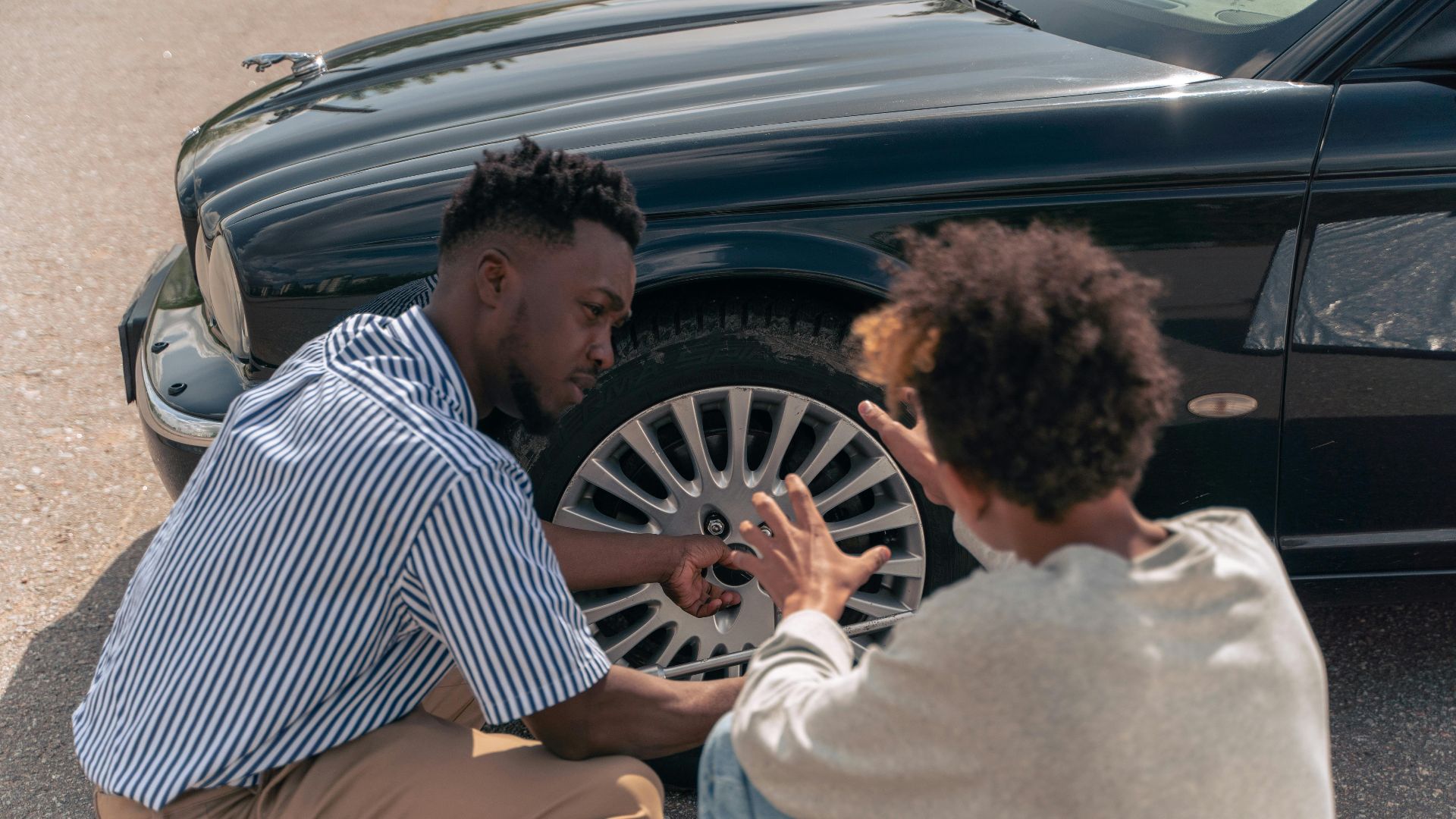
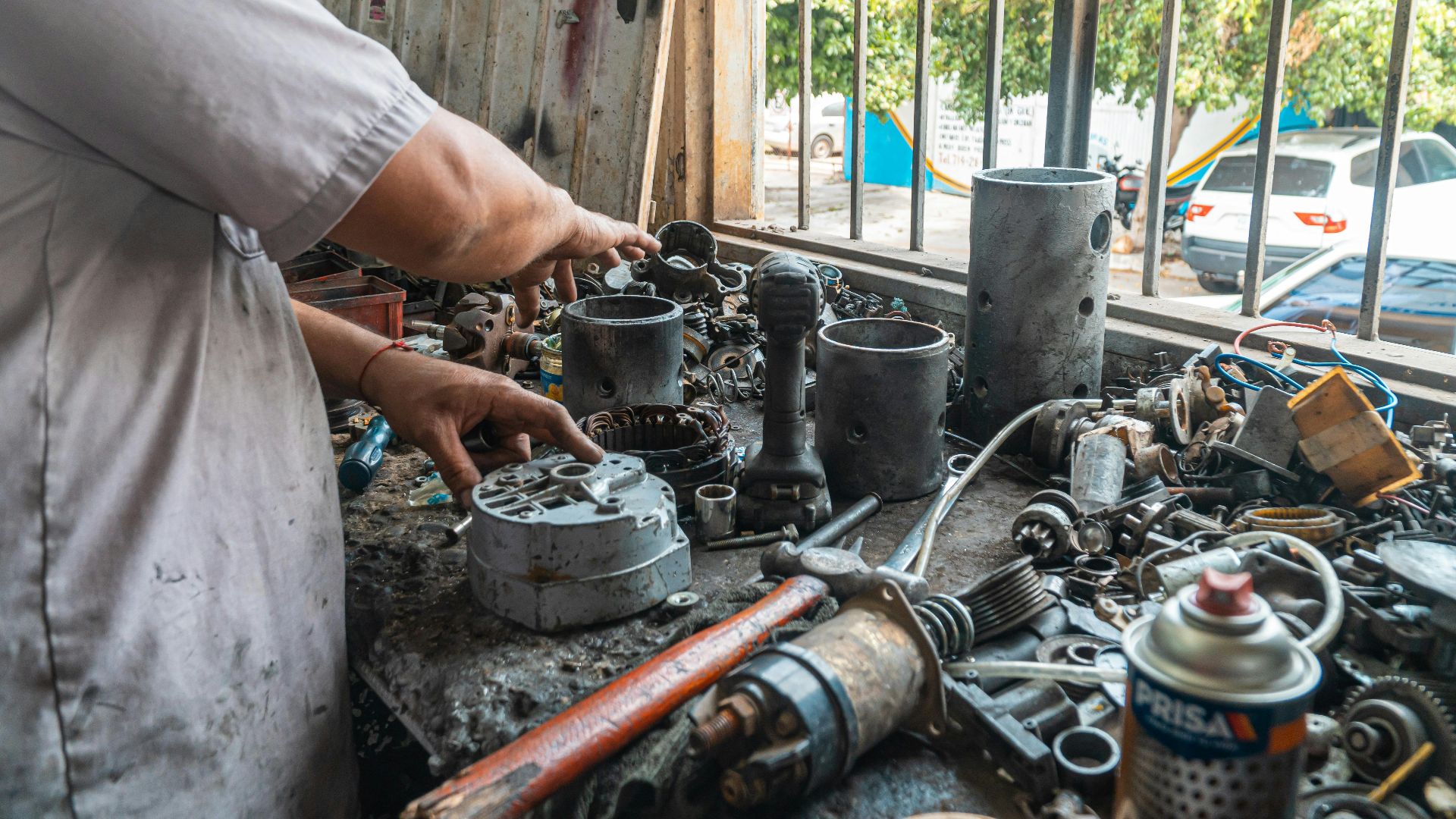
In many cases, you can ask the shop to save replaced parts for you to inspect after the repair. State rules vary, but asking for old parts is a common and reasonable step. You may not always know exactly what you are looking at, but it shows the shop you are paying attention. If they push back on a simple request like that without a clear reason, that is worth noticing.
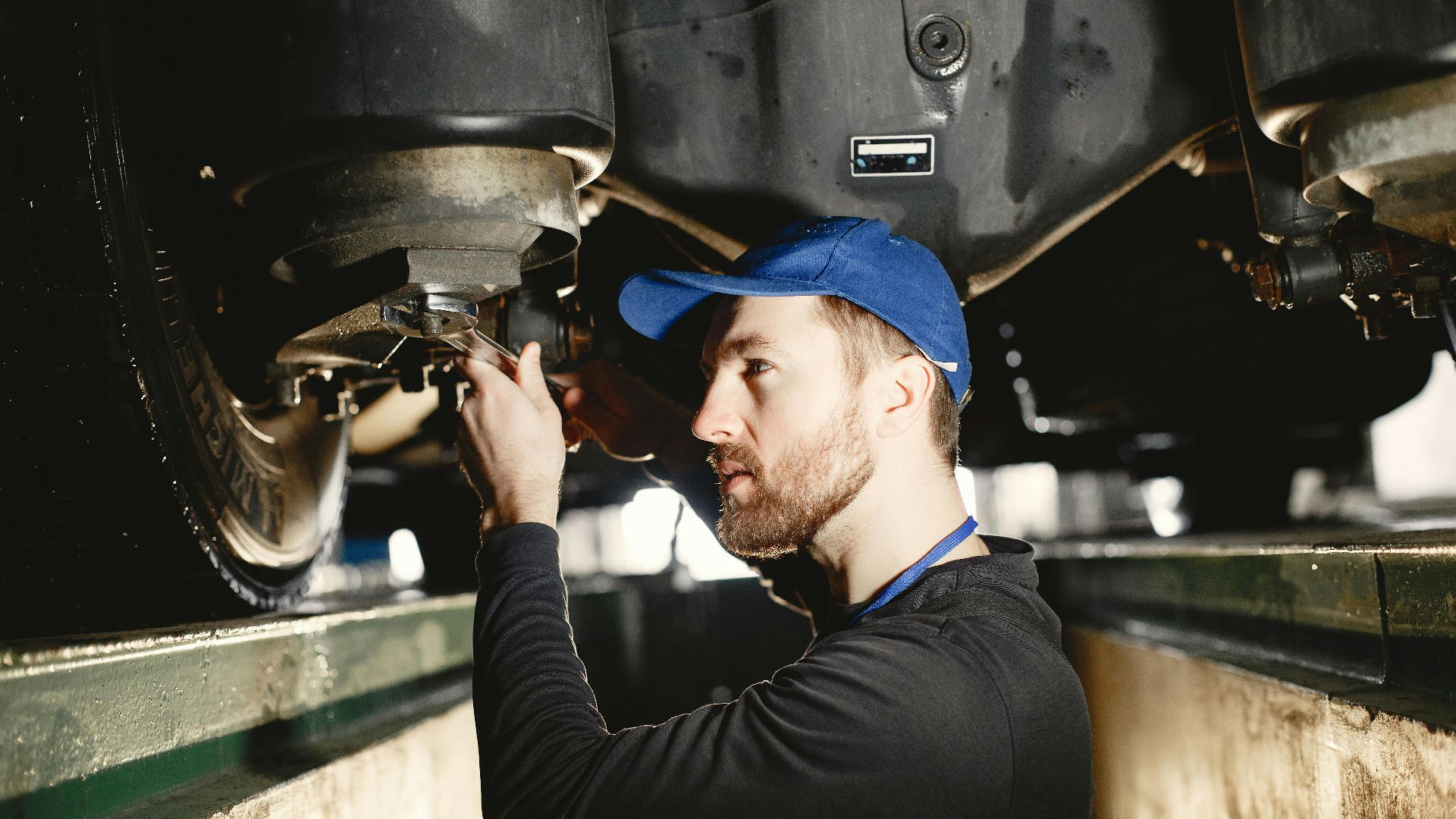
 Jose Ricardo Barraza Morachis, Pexels
Check Whether The Price Itself Is In Line
Even if the repair is real, the quote may still be high. Labor rates vary by region, vehicle type, and whether you are at a dealership or an independent shop. Parts can also vary a lot depending on whether the estimate uses original equipment parts, aftermarket parts, or a mix. Comparing line-by-line estimates is the best way to see whether the diagnosis looks solid and whether the price is fair.

Look For A Reputable Shop Before You Panic
Credentials are not everything, but they help. Look for ASE-certified technicians, strong recent reviews, and a shop that communicates clearly and shows its findings. AAA-approved facilities and manufacturer dealerships can also give you a useful comparison point, especially for complex repairs. A reputable shop should be willing to explain things without pressuring you into an immediate yes.
Know Your Rights On Authorization
In many places, a shop cannot just perform repairs without your approval. Consumer protection rules often require estimates and authorization before major work is done, though exact requirements vary by state. That means you usually have time to ask questions, compare quotes, and decide what to do. If anyone is trying to rush you into approving thousands of dollars without clear paperwork, that is a red flag.

Watch For Classic Red Flags
Be careful if the explanation is vague, the estimate is padded with unrelated services, or the shop refuses to show evidence. Other warning signs include high-pressure tactics, claims that the car will definitely fail instantly without specifics, and resistance to a second opinion. Another red flag is a quote that jumps a lot after you ask basic questions. Good shops do not mind informed customers.

Age And Value Of The Car Matter Too
A $4,000 repair can be completely legitimate and still not make financial sense for your vehicle. If the car is old, has high mileage, and is worth only a little more than the repair bill, you may want to compare the cost of fixing it with replacing it. Reliability history matters too, because one big repair can sometimes be followed by several more. This is a money decision, separate from whether the repair itself is real.
If It Really Is Unsafe, Do Not Drive It
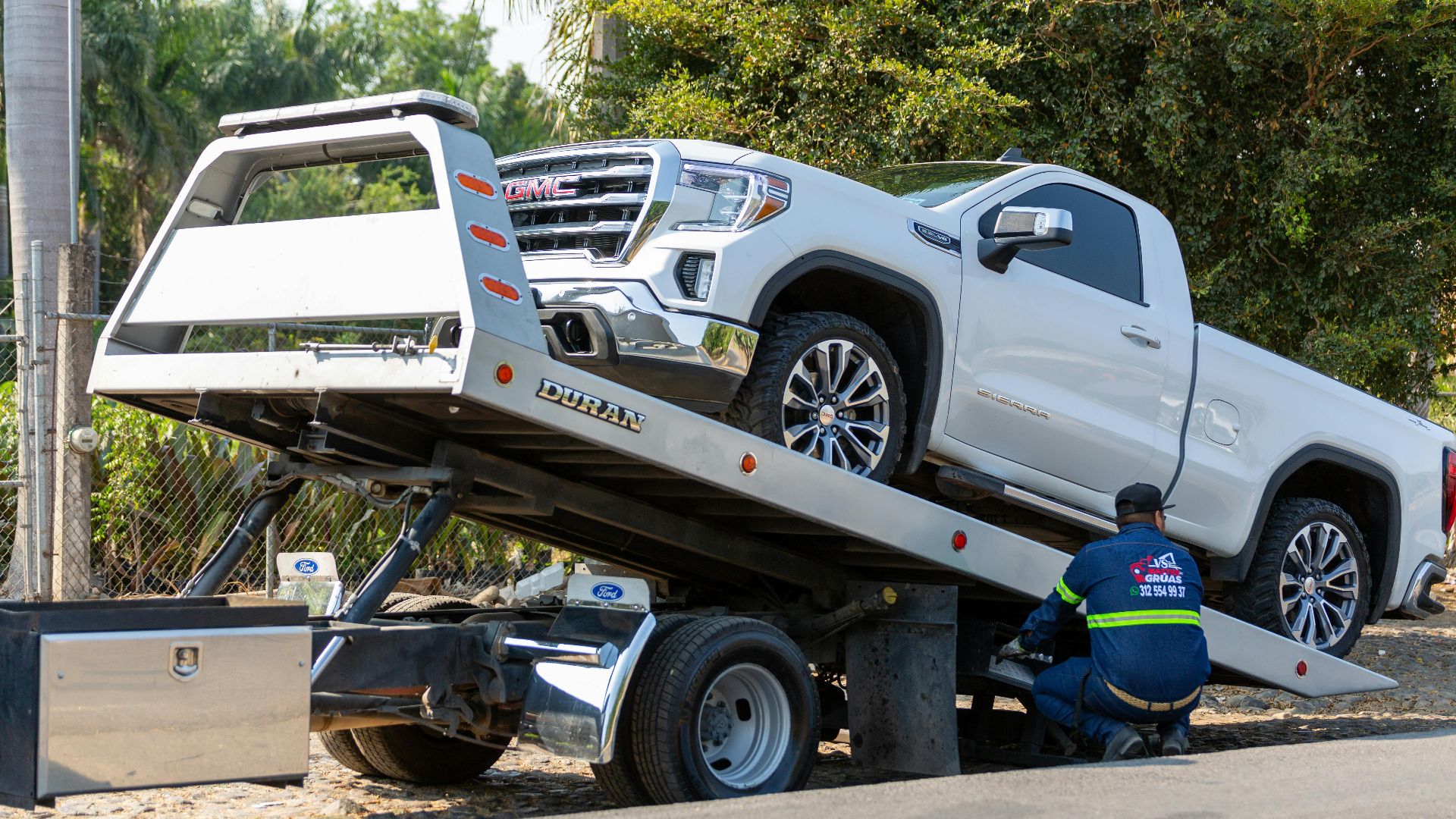
If two shops agree the car has a serious brake, tire, steering, or fuel-related problem, believe the warning and stop driving it. Saving money on a tow is not worth the risk to you, your passengers, or other people on the road. Unsafe conditions can get worse fast, especially at highway speeds or in bad weather. When in doubt, tow it and make your decision after you have the facts.
Your Best Script Is Short And Calm
If you are not sure what to say, keep it simple: “Please show me what failed, tell me which items make it unsafe, and give me the estimate in writing.” Then ask, “Can this be measured, photographed, or demonstrated?” Finally, say, “I am going to get a second opinion before approving major work.” That approach is calm, reasonable, and hard for an honest shop to argue with.
The Bottom Line On A Big Repair Warning
Your mechanic could be absolutely right, especially if the estimate involves brakes, tires, steering, suspension, or dangerous leaks. But you do not have to accept a $4,000 “unsafe to drive” claim blindly. Ask for specifics, get proof, separate urgent repairs from optional work, and compare at least one more estimate. The right answer is the one backed by evidence, not pressure.