The Cheap Gas Debate Never Seems To End
We've all ridden with that friend who insists going out of their way to go to the cheapest station in town. Gas prices can vary a lot these days, so it makes sense to wonder whether saving a few cents per gallon is smart or risky. The short answer is that cheap gas does not automatically hurt your engine. What matters is whether the fuel matches your carmaker’s requirements and whether the station is selling fuel that meets legal standards.

Price Alone Does Not Tell You Fuel Quality
A lower price does not always mean lower-quality gasoline. Stations can charge less because of competition, lower costs, or smaller profit margins. In the U.S., gasoline sold for road use has to meet Environmental Protection Agency rules, including approved detergent additives. That means the cheapest station and the expensive one are both supposed to sell fuel that meets basic federal standards.
 USEPA Environmental-Protection-Agency, Wikimedia Commons
Octane Is Where Many Drivers Get Confused
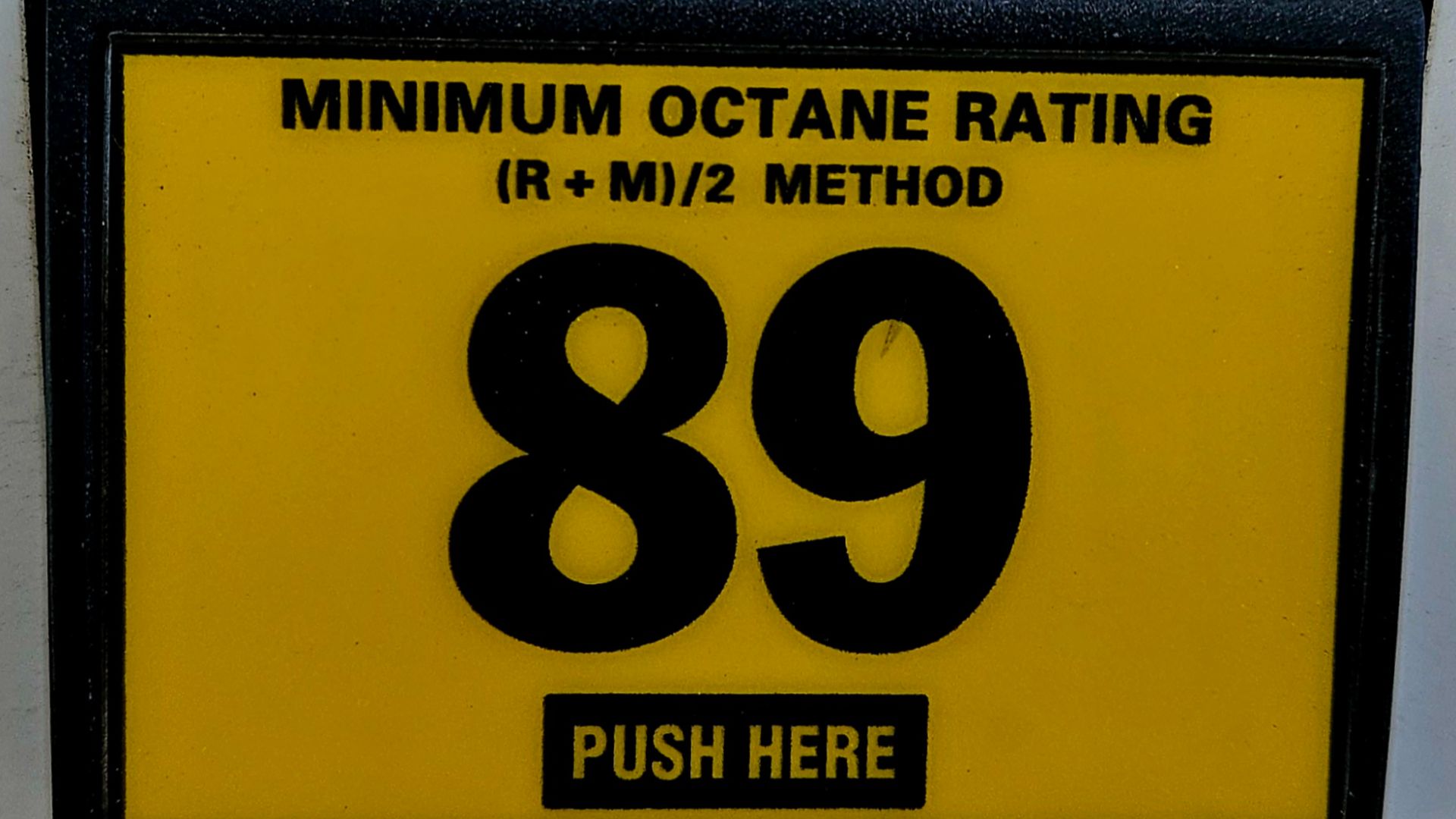
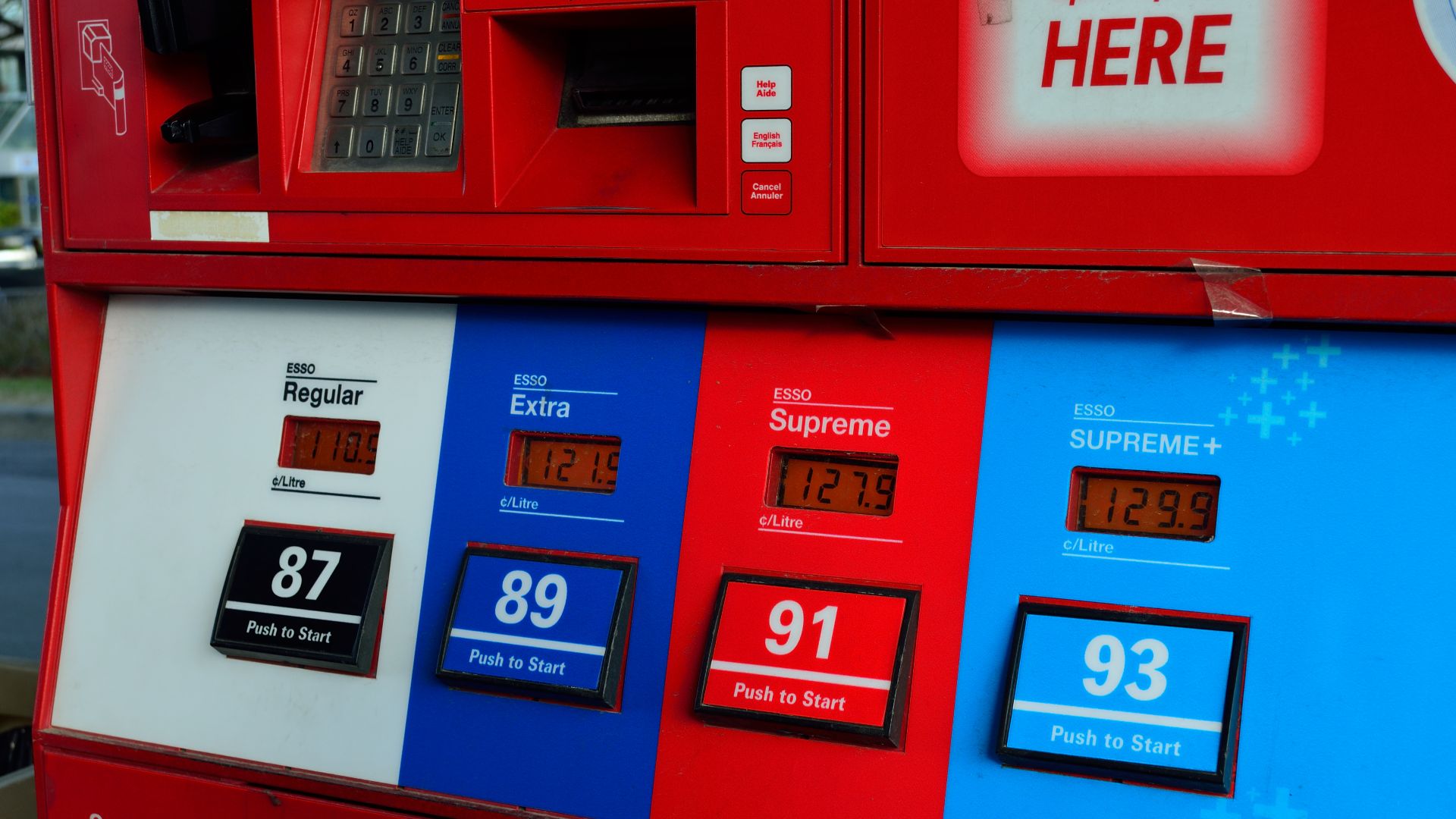
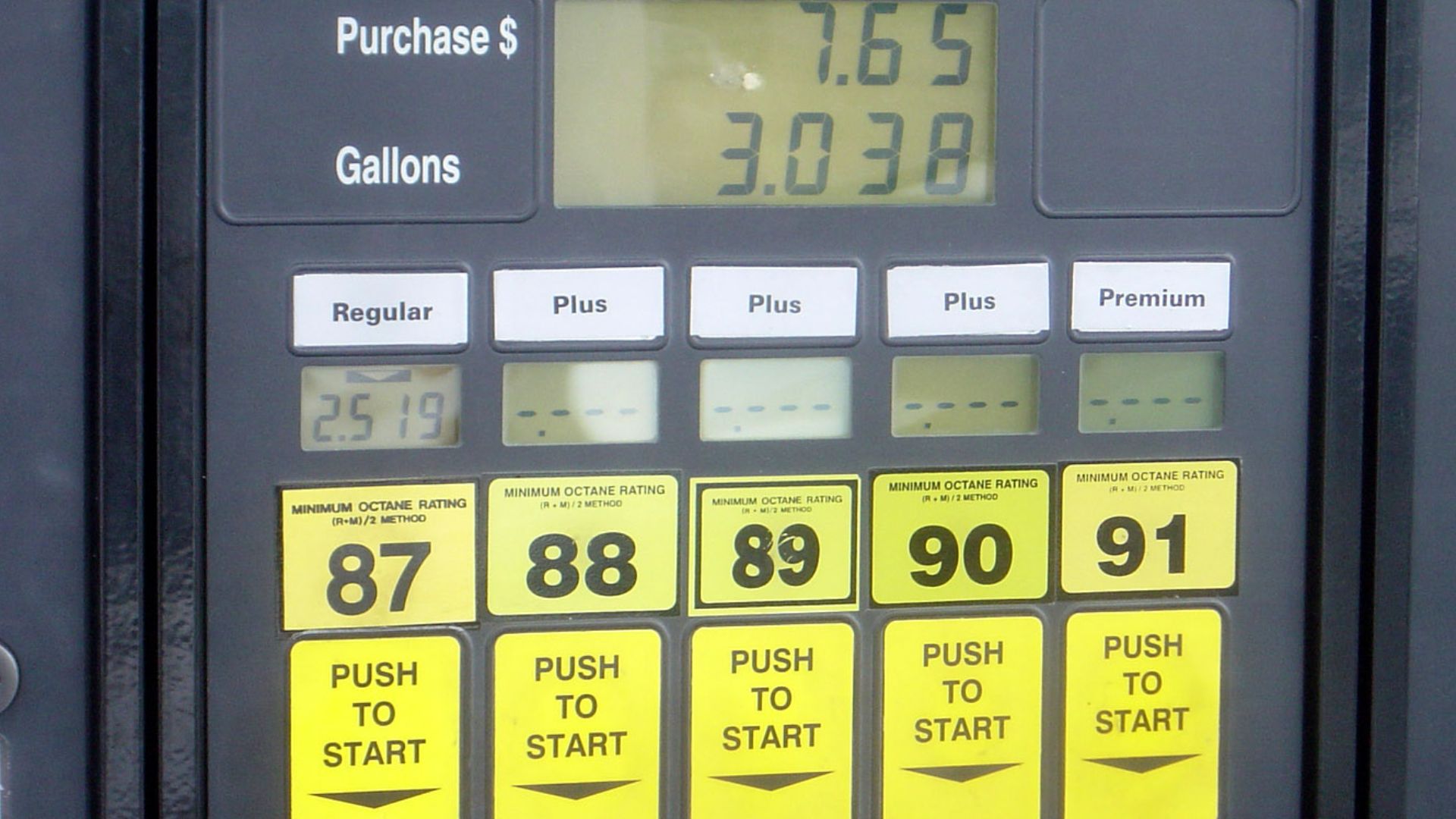
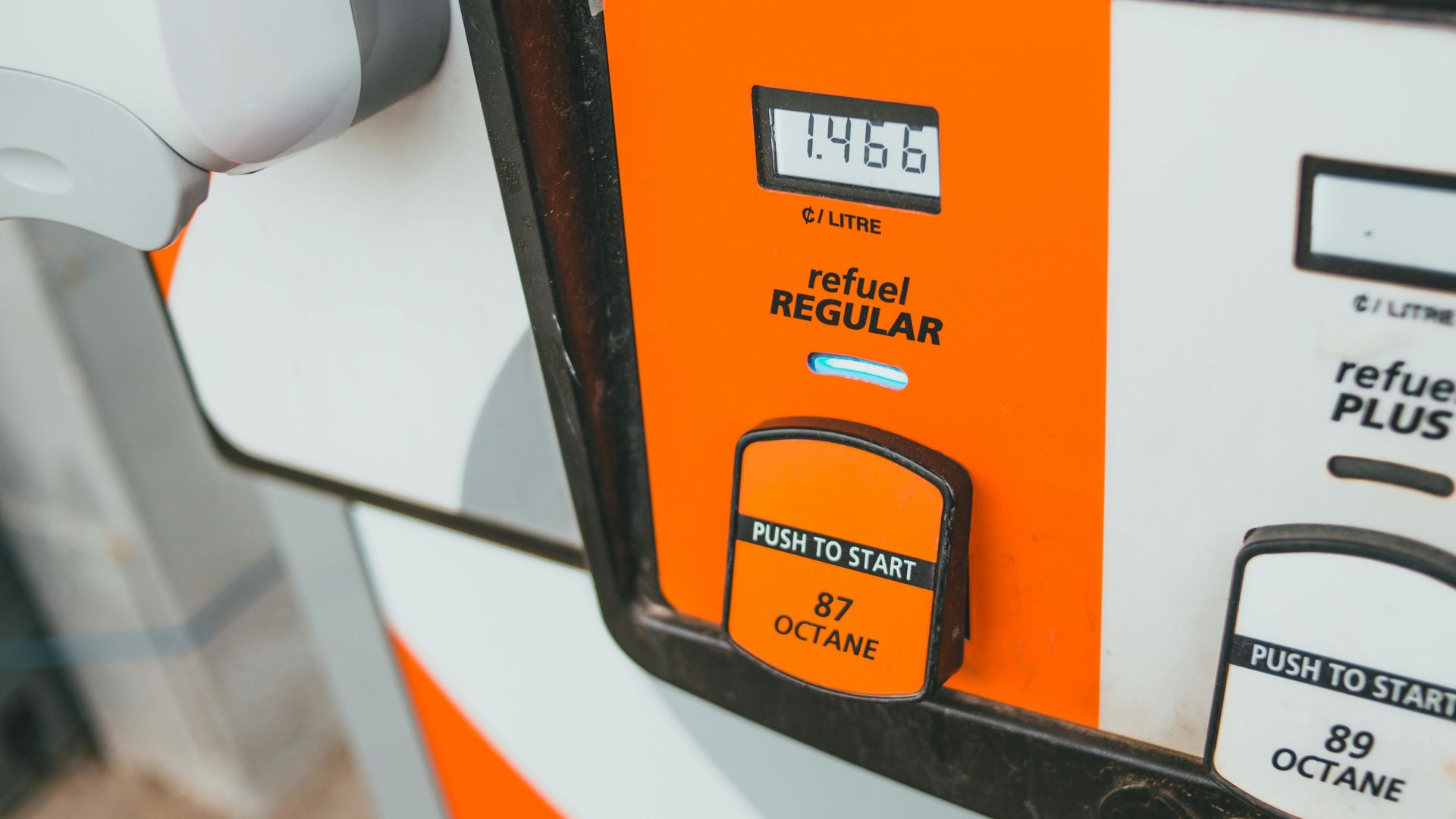
One of the biggest mix-ups is the idea that higher-octane gas is better for every engine. Octane is not a cleanliness score or a power boost. It measures how well fuel resists knocking or pre-ignition. If your owner’s manual says regular unleaded is fine, using premium usually will not improve performance, fuel economy, or engine life in any major way.
Using Too Low An Octane Can Be A Real Problem
This is where cheap gas can actually become an issue. If your vehicle requires premium fuel and you fill up with regular to save money, you may get engine knock, lower performance, and in some cases extra stress on the engine over time. Many modern cars can adjust timing to protect themselves, but that often means less power and efficiency. The smart move is to buy the cheapest fuel that still matches the octane your vehicle requires or recommends.
Required And Recommended Are Not The Same Thing
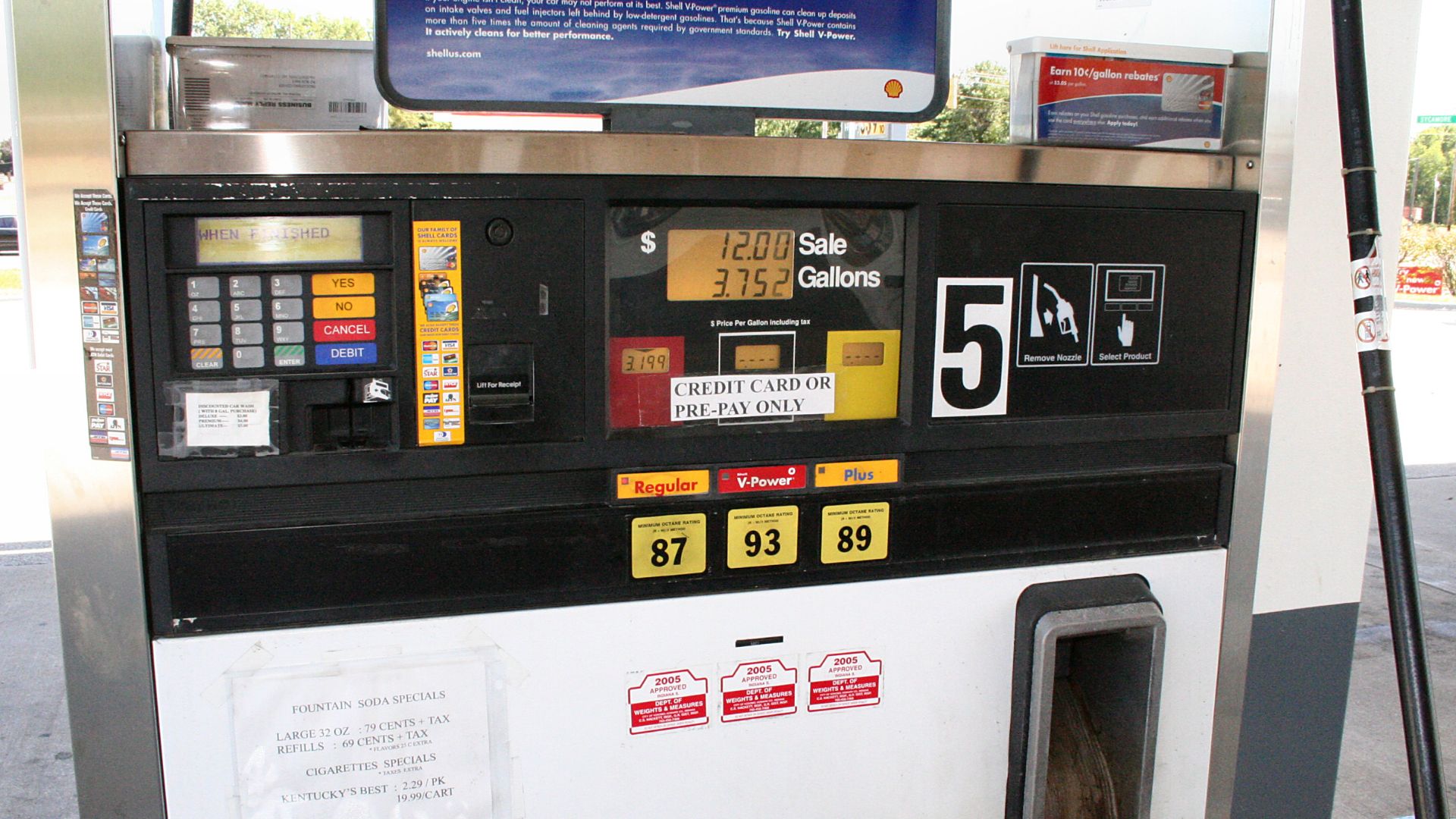
Your owner’s manual may say premium is required or just recommended, and that difference matters. If premium is required, using a lower octane is a bad idea and could affect performance or add stress under heavy load. If premium is only recommended, the car will usually run on regular, though you may notice less power or worse fuel economy. The safest choice is to follow the exact wording in the manual.
 Raysonho @ Open Grid Scheduler / Grid Engine, Wikimedia Commons
Most Gasoline Comes From Shared Pipelines
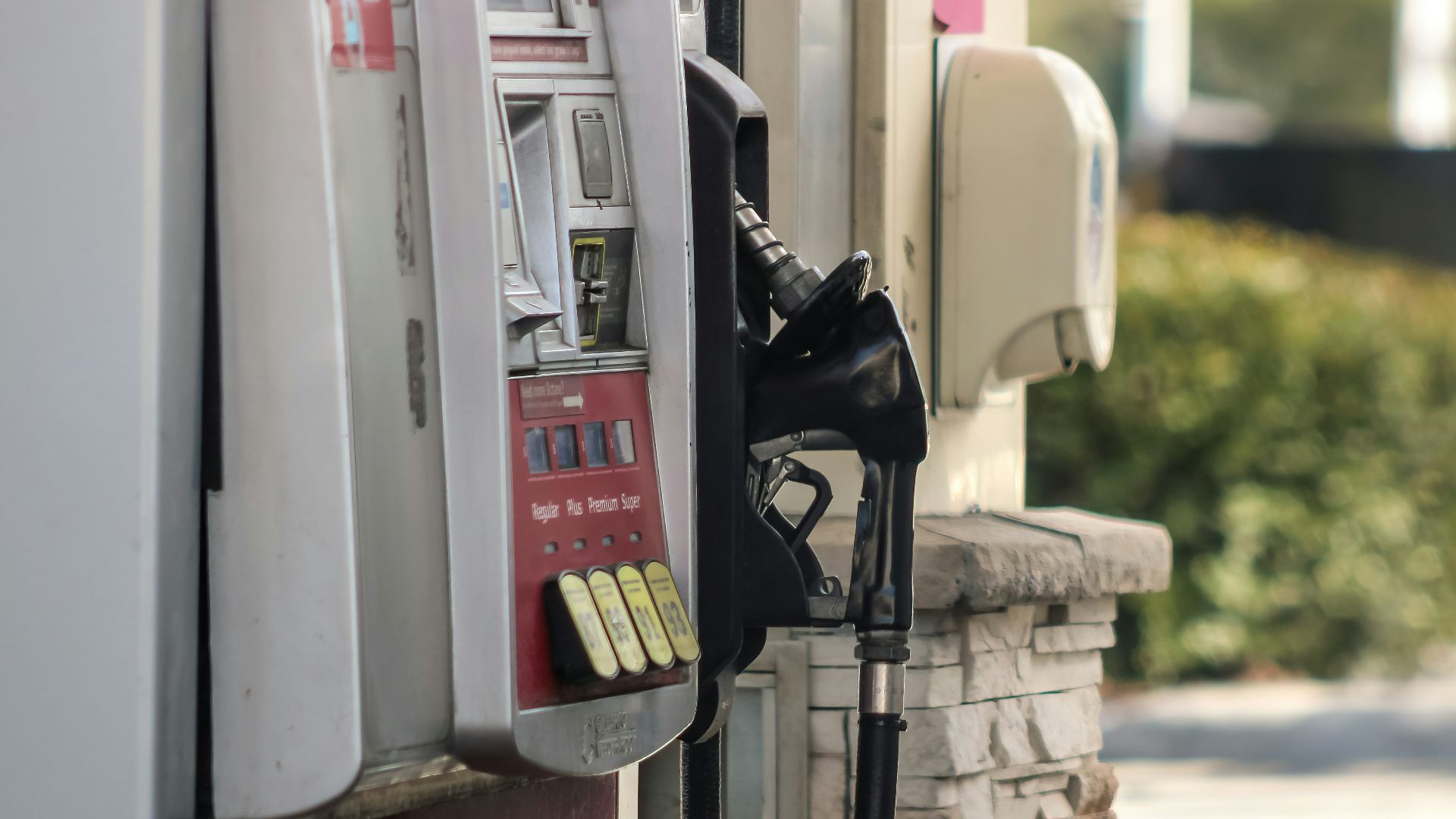
A lot of drivers picture every brand making a totally unique gasoline from start to finish, but that usually is not how it works. Fuel is often moved through shared systems, and the base gasoline at different stations in the same area may come from the same terminals. What can be different is the additive package mixed in before the fuel reaches the station. So the cheapest station may be selling fuel that is very similar to what a more expensive station offers.
Additives Are One Of The Real Differences Between Brands
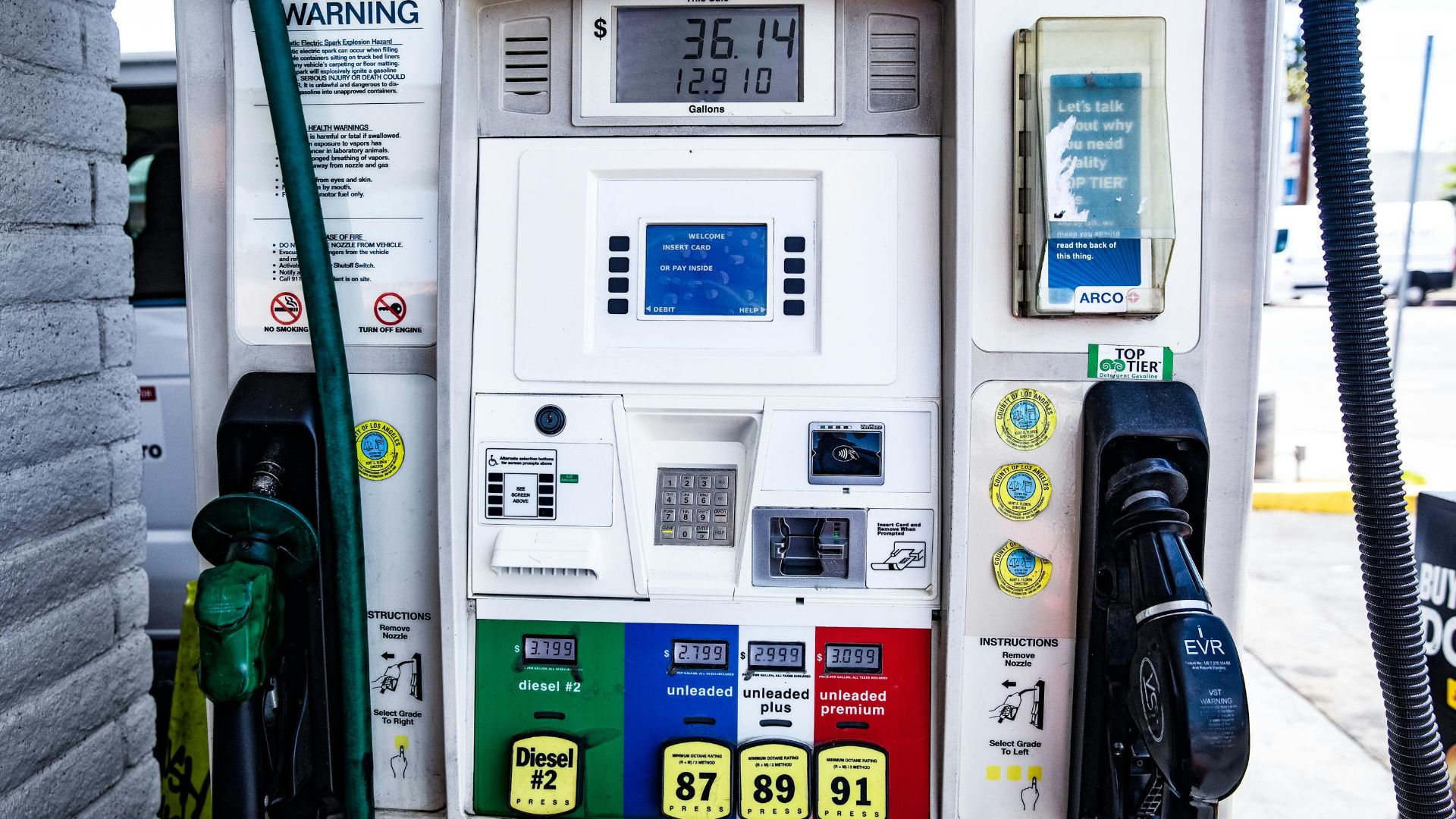
All gasoline sold in the U.S. has to contain EPA-approved detergents, but some brands use stronger additive packages than the minimum required. That is why you may hear about Top Tier gasoline. Top Tier is a voluntary standard created by automakers that requires more detergents than the EPA minimum. These detergents can help cut down on buildup on intake valves and fuel injectors, which is why some experts prefer stations that take part in the program.

Top Tier Gas Is Nice To Have, Not A Magic Shield
Using Top Tier fuel can help, especially over time, but skipping it now and then is not likely to ruin your engine. The bigger issue is consistency and proper octane. If the cheapest station in your area is Top Tier, great. If it is not, that does not mean the gas is unsafe. It just may not have the same boosted detergent level as a Top Tier brand.
Bad Gas Is Usually About Contamination, Not A Low Price Sign
When gasoline really does cause immediate trouble, contamination is often the reason. Water in fuel, too much sediment, or poorly maintained underground tanks can lead to rough running, stalling, or hard starts. Those problems can happen at cheap stations or expensive ones. Price does not protect you from a station with poor storage practices, and a low price alone does not prove contamination either.
Busy Stations Can Sometimes Be A Smarter Bet
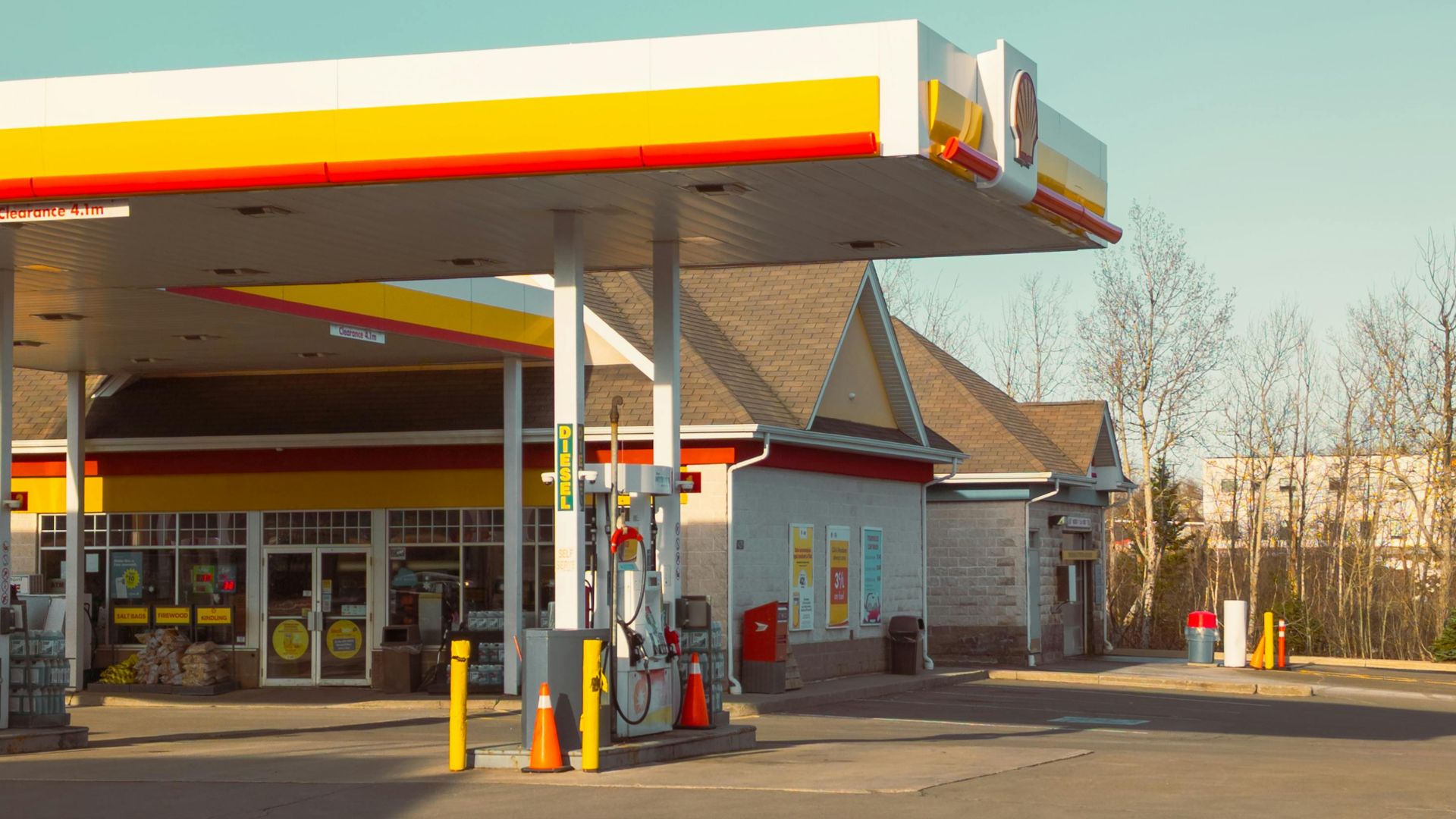
One useful tip is to favor stations with a lot of customer traffic. A busy station usually turns over its fuel more quickly, which may lower the chance of stale gas sitting around too long. That can matter more in places where a certain fuel grade does not sell quickly. A cheap, busy station may be a better choice than a pricey station with very little traffic.
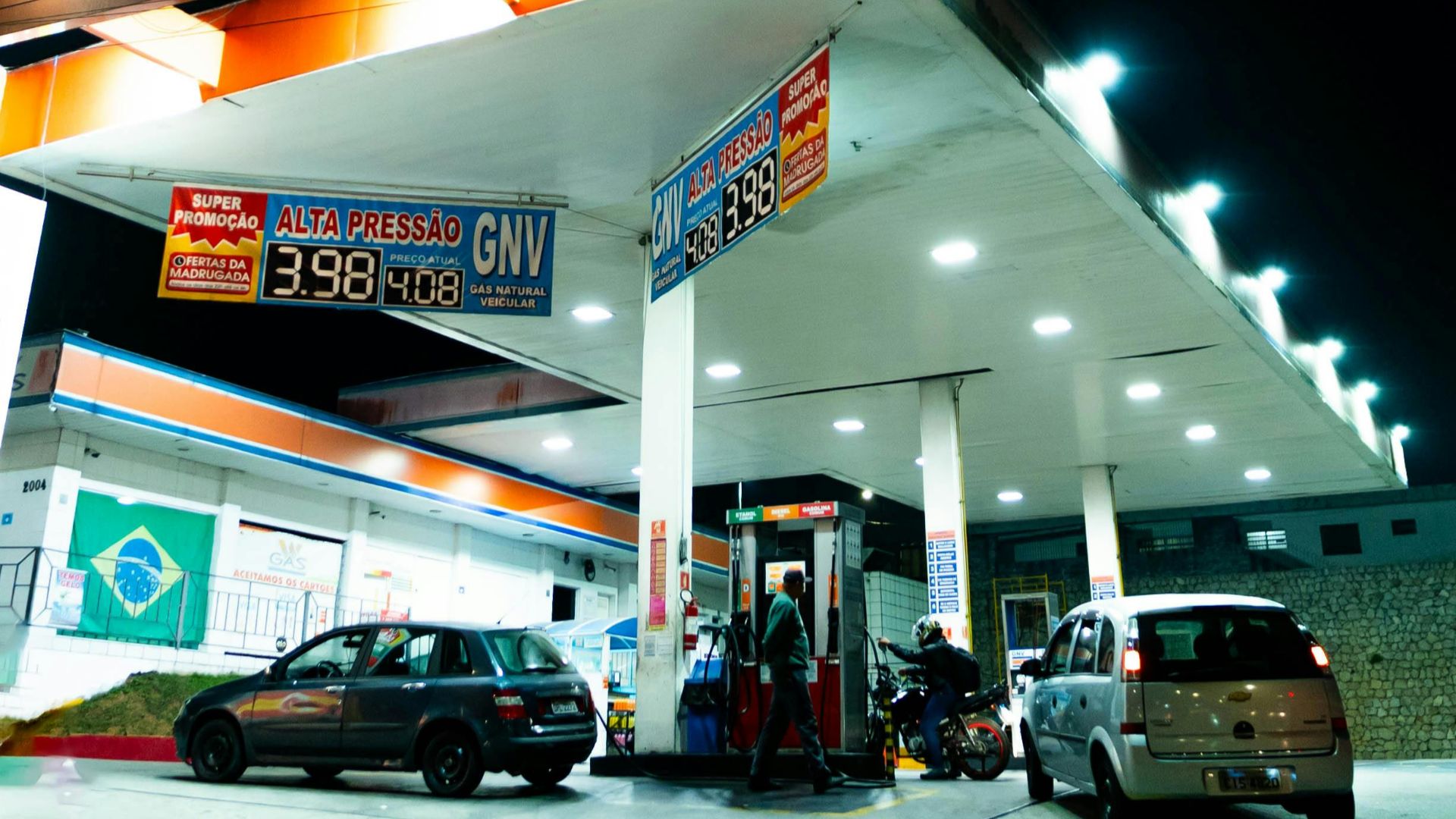
Stale Gasoline Is More Of A Concern Than Most People Realize
Gasoline does not stay fresh forever, especially in storage. In a station’s tanks, fuel turnover usually keeps things moving, but lower-volume locations can sometimes have older fuel, especially for premium grades. Older fuel can lose some of its usefulness and add to starting or drivability issues. This is one reason some drivers avoid isolated stations that do not seem to get much business.
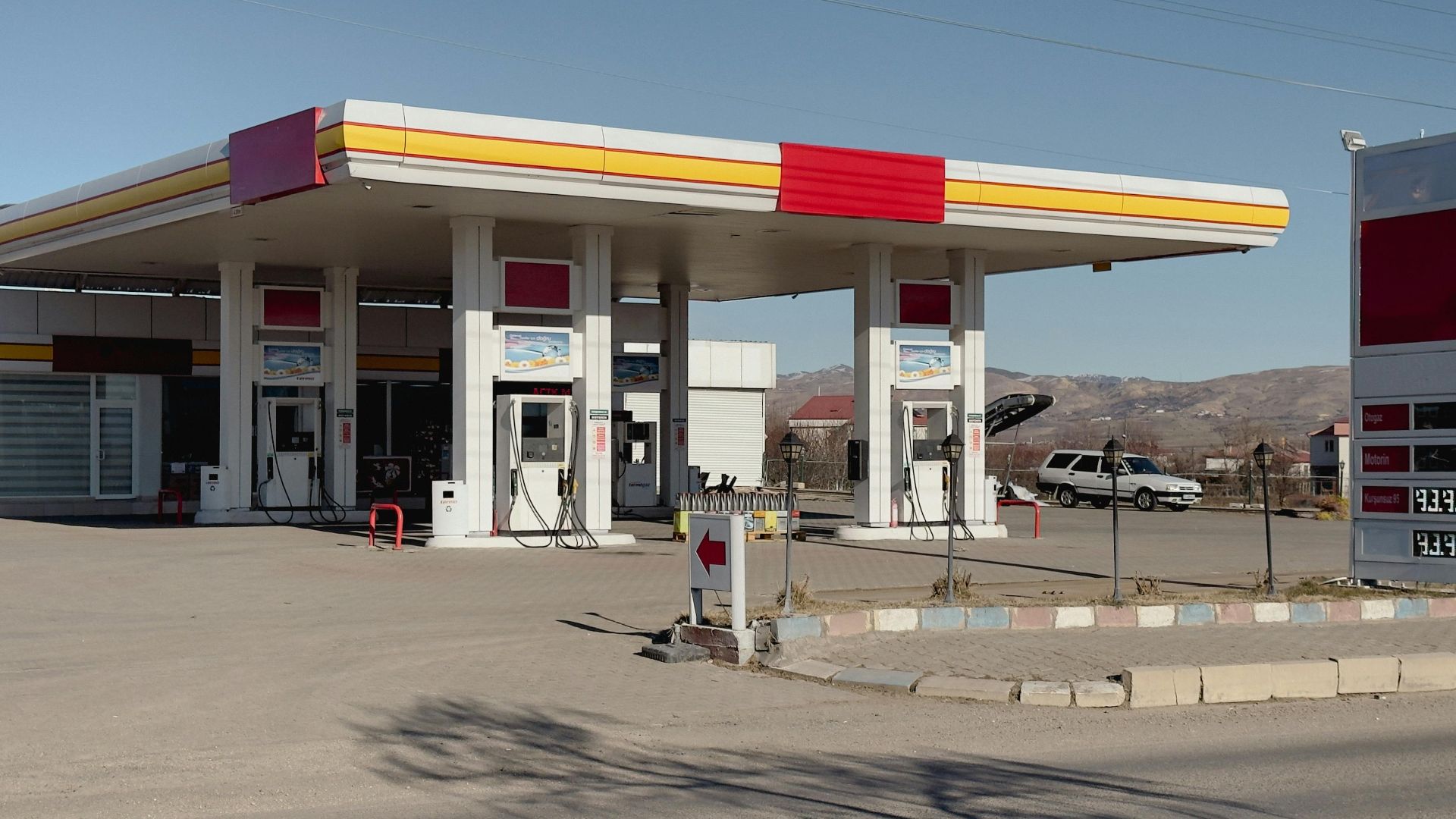
Your Car’s Manual Is More Important Than Your Friend’s Advice
It sounds obvious, but the owner’s manual settles most fuel arguments pretty quickly. It tells you the minimum octane to use and may mention fuels containing ethanol, methanol, or other additives to avoid. Automakers design engines with very specific fuel needs in mind. Following that guidance is far more reliable than using a blanket rule about always buying the cheapest gas.

Ethanol Content Matters Too
Most gasoline sold in the U.S. contains up to 10% ethanol, and most modern cars are built to use it. Some stations also sell E15, which the EPA says is approved for model year 2001 and newer light-duty vehicles, though not for motorcycles, heavy-duty engines, or certain other equipment. Using the wrong fuel blend can absolutely cause problems, especially in vehicles or small engines not built for it. So the cheapest option is only fine if the fuel is also the correct type for your vehicle.
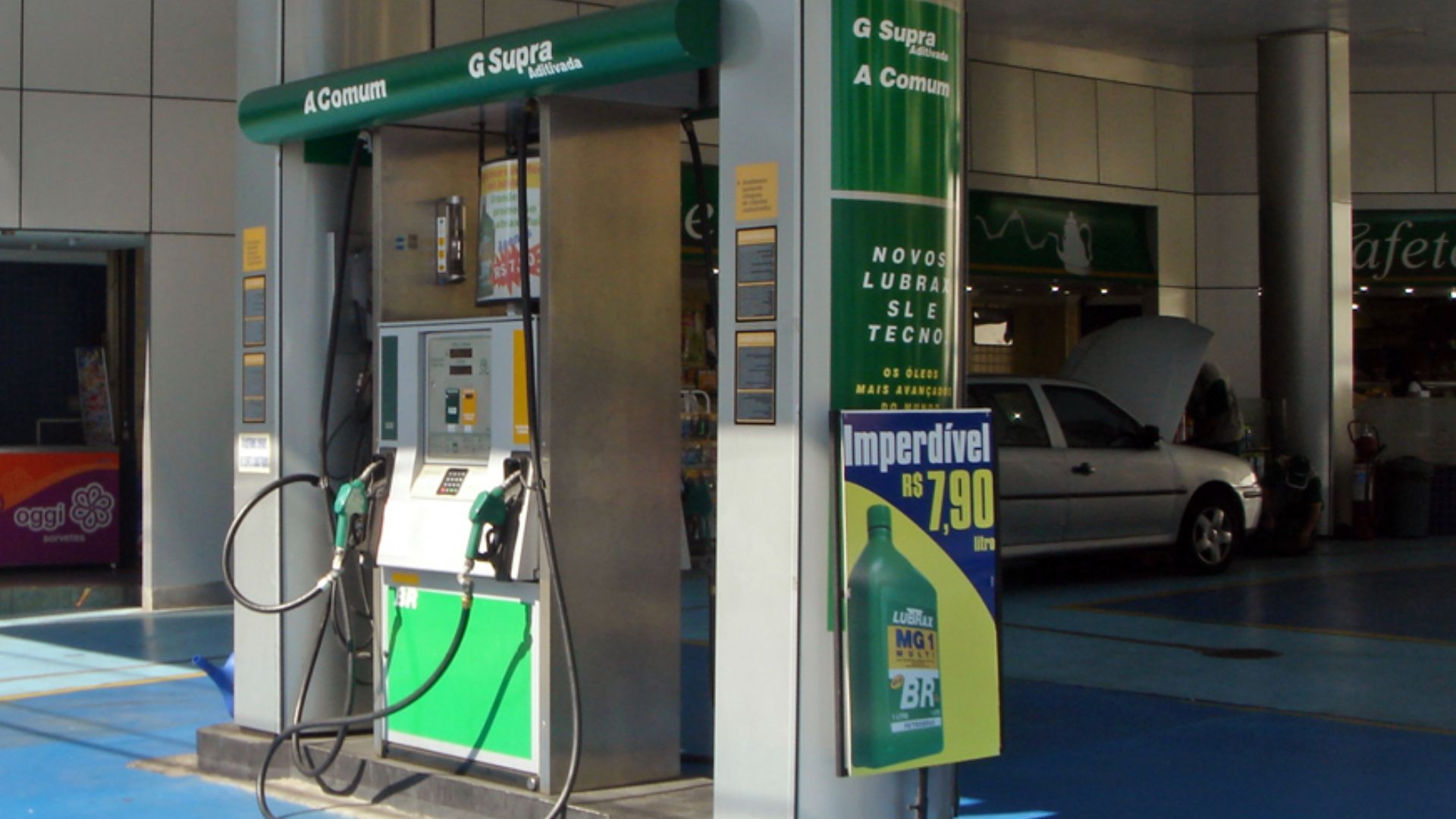 Mariordo Mario Roberto Duran Ortiz, Wikimedia Commons
Premium Gas Does Not Clean Your Engine Better By Default
Many people assume premium gasoline cleans better just because it costs more. In reality, the main difference between regular and premium is octane rating, not automatic extra cleaning power. Cleaning performance depends more on the additive package and whether the fuel meets higher detergent standards like Top Tier. A regular-grade Top Tier fuel may offer more detergent than a premium fuel from a brand that only meets minimum standards.
 The original uploader was Bobak at English Wikipedia., Wikimedia Commons
Knock Sensors Help, But They Are Not An Excuse
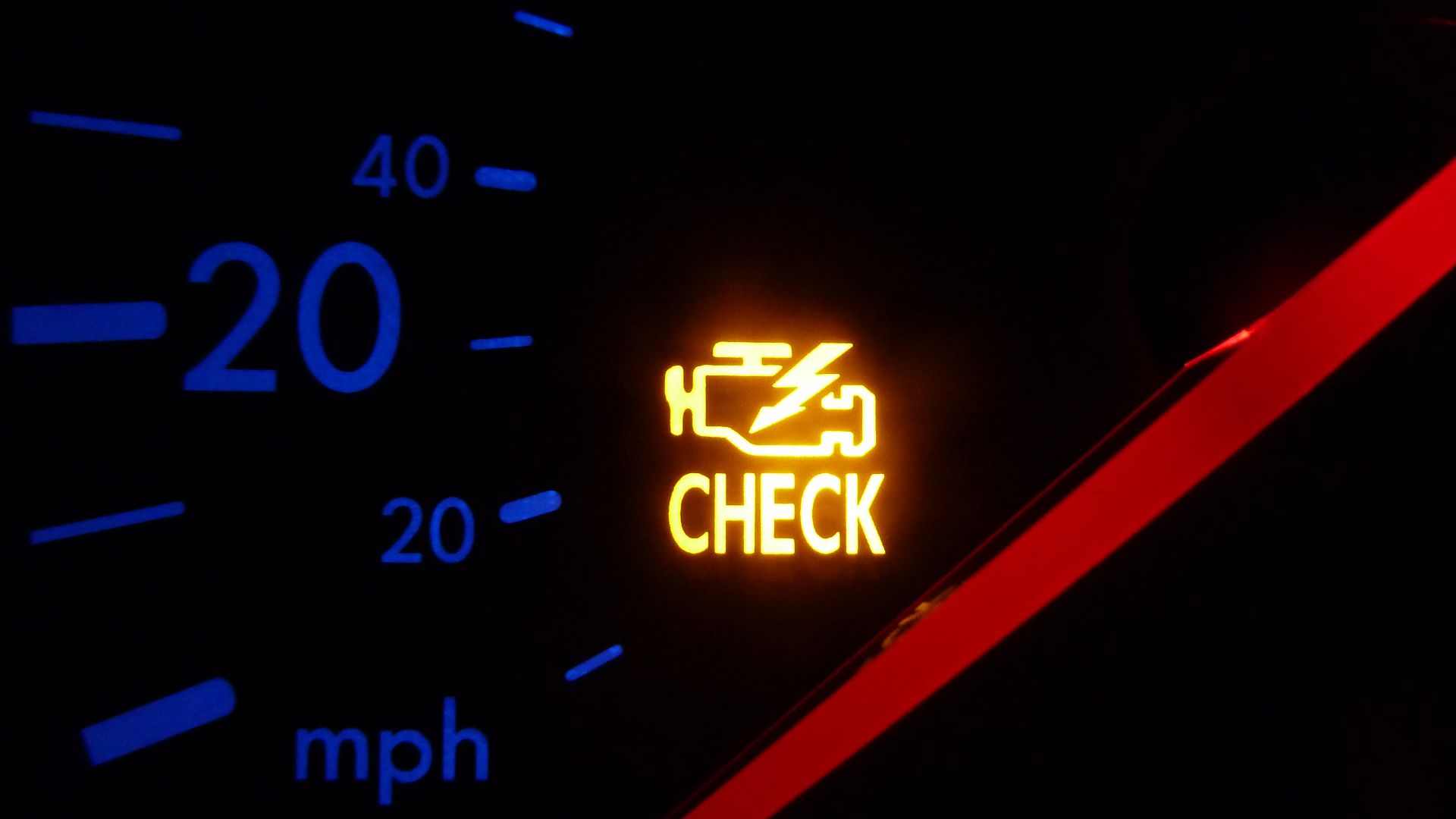
Modern engines often have knock sensors that detect abnormal combustion and let the computer adjust ignition timing. That technology helps protect the engine if the fuel’s octane is too low. But it is a backup measure, not a free pass to ignore fuel requirements. Relying on it all the time can leave you with weaker performance and lower efficiency.
 Wikiuser100000, Wikimedia Commons
Luxury Cars Are Not The Only Ones That May Need Premium
People often connect premium fuel with luxury brands, but many regular vehicles with turbocharged or high-compression engines also require or recommend it. That includes plenty of ordinary sedans, crossovers, and performance trims. So the idea that regular is always good enough is not true for every car. Again, the label on the pump matters less than the requirement in your manual.
 Harrison Keely, Wikimedia Commons
Warehouse Clubs And Discount Stations Are Not Automatically Risky
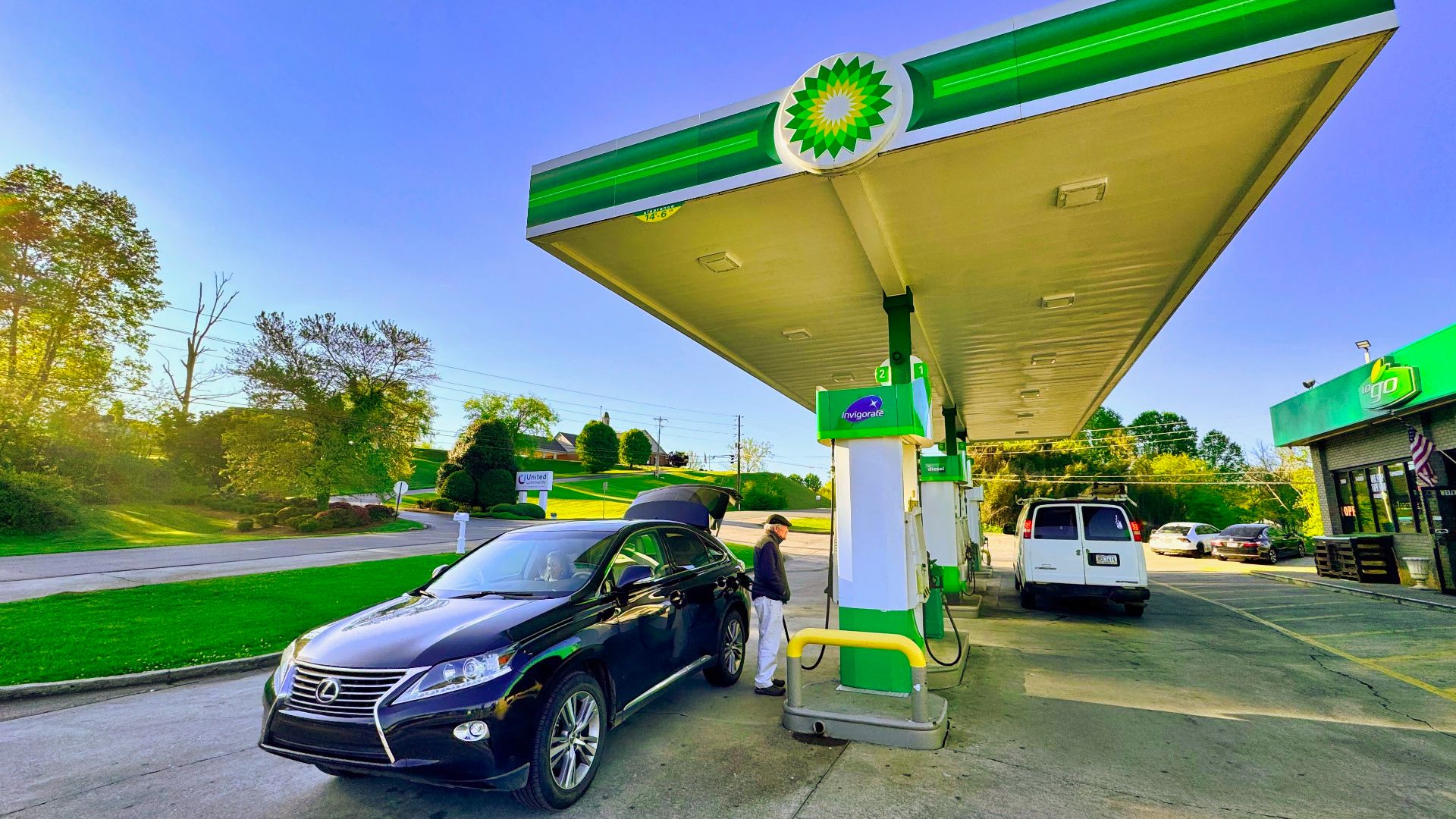
Discount gas from warehouse clubs and low-price chains often gets treated with suspicion by drivers who assume something must be wrong with it. In many cases, those stations simply use aggressive pricing to bring in customers. Some of them even sell Top Tier gasoline. If the fuel meets your vehicle’s octane requirement and the station is reputable, cheaper gas from these retailers is usually just a good deal.

Watch For Clues That A Station May Be A Problem
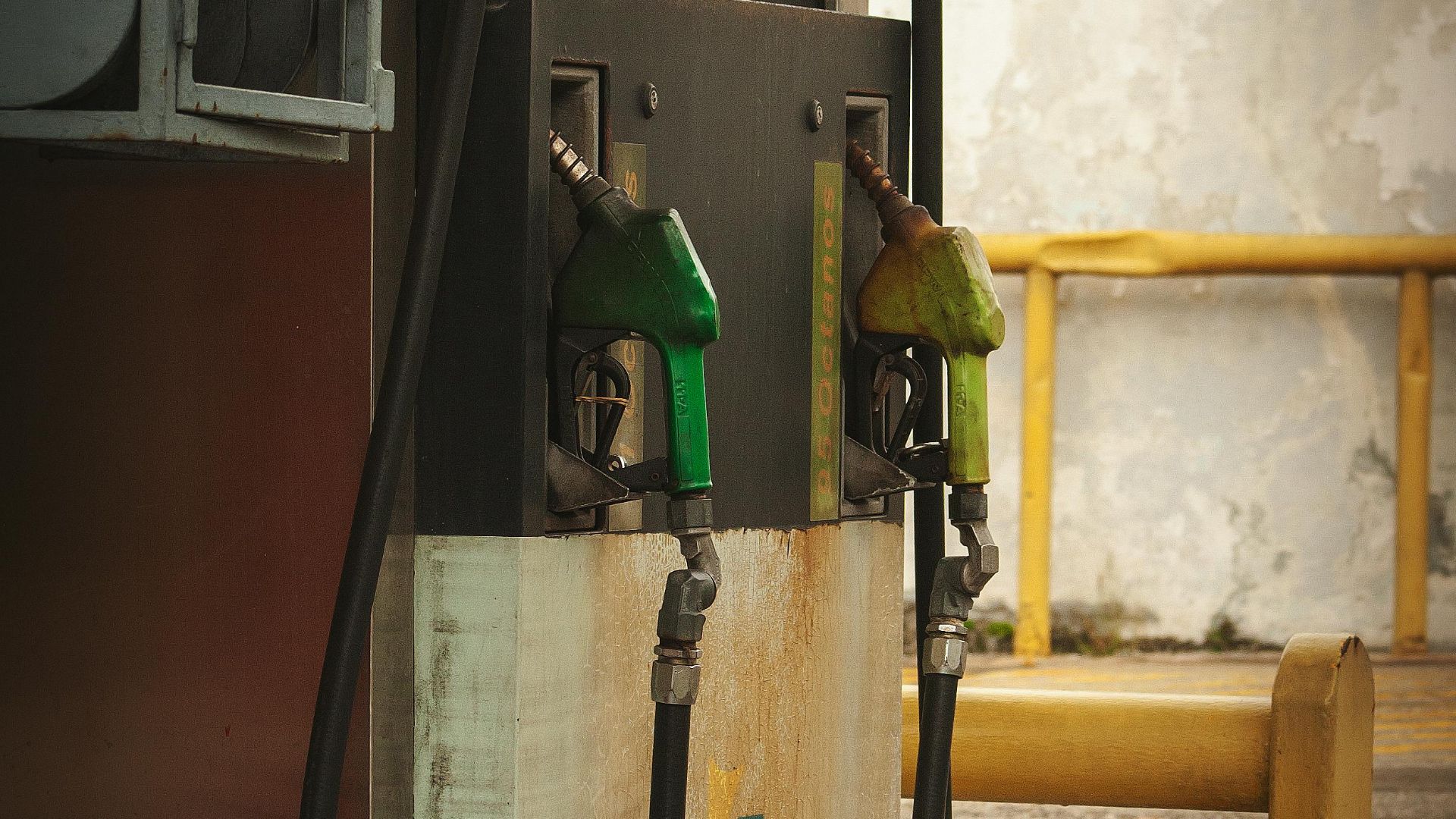
Drivers cannot inspect underground tanks, but there are a few common-sense signs to notice. If a station looks poorly maintained, has broken pump screens, or has a history of consumer complaints, you may want to skip it. It is also smart to be cautious right after a station’s underground tanks have been refilled, since sediment can sometimes get stirred up during delivery. These are practical quality concerns that have nothing to do with whether the posted price is high or low.
Symptoms Of Bad Fuel Usually Show Up Quickly
If you get a tank of contaminated or unsuitable gasoline, the signs often show up fairly soon. You might notice pinging, rough idle, hesitation, poor acceleration, hard starting, or a check-engine light. Those symptoms do not automatically mean the gas is bad, but they are worth noticing if they started right after a fill-up. Saving the receipt can help if you need to document where the fuel came from.

Long-Term Engine Damage Is Usually About Chronic Misfueling
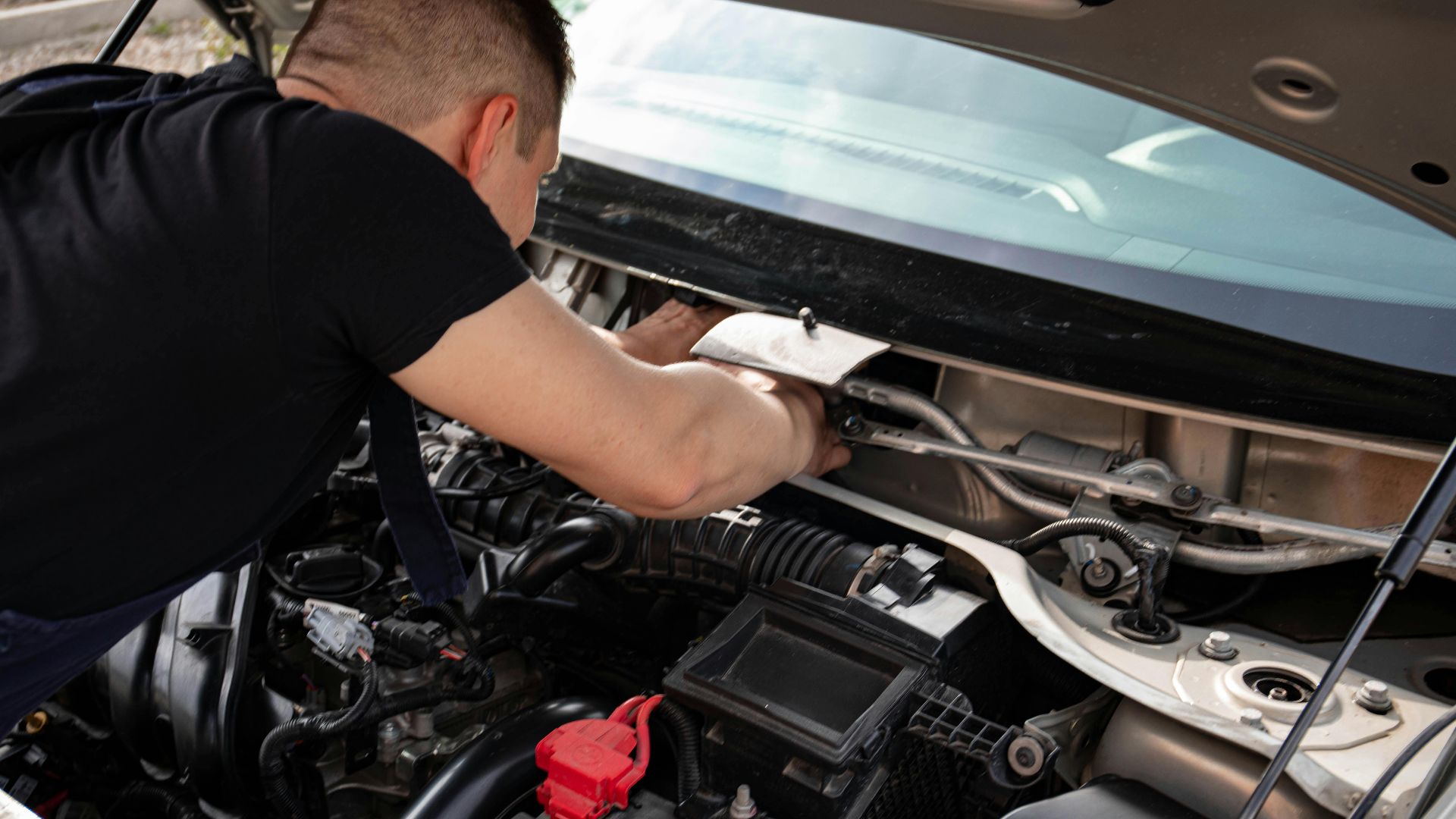
People sometimes imagine one tank of cheap gas will instantly ruin an engine, but that is generally not how it works. Long-term issues are more likely when a driver repeatedly uses fuel with lower octane than required, or uses the wrong fuel type altogether. Over time, ongoing knocking or improper combustion can put extra stress on engine parts. In other words, the danger comes from using the wrong fuel, not simply from paying less for the right one.
The Smart Rule Is Simple
If you want the practical version, here it is: buy the lowest-priced gasoline that meets your vehicle’s required octane and approved fuel type from a reputable station. If you also want extra help with deposit control, choosing a Top Tier retailer is a reasonable move. That approach balances cost, engine protection, and convenience. It makes more sense than assuming the cheapest gas is always bad or that the most expensive gas is automatically best.
So Can Cheap Gas Actually Damage Your Engine?
Yes, but only in certain situations. Cheap gas can contribute to problems if it is the wrong octane for your engine, the wrong ethanol blend for your vehicle, or contaminated because of poor handling or storage. But low price by itself is not an engine killer. For most drivers, the safest answer is to follow the manual, choose a reputable station, and remember that cheap and bad are not the same thing.