Your Car Can Feel Fine And Still Need Brakes
Here's the uncomfortable truth: Brake wear usually builds slowly, so your car may not feel dramatically different at first. The National Highway Traffic Safety Administration says brake trouble can show up as longer stopping distances, pulling, vibration, noise, or warning lights, but a car can still seem normal before the wear gets serious.
Why This Question Matters
Brake jobs are common, and they can be expensive. That is why a lot of drivers worry about approving work they may not actually need. The good news is that brake recommendations are one of the easier repair calls to check if you know what to ask for.

Start With The Basic Brake Setup
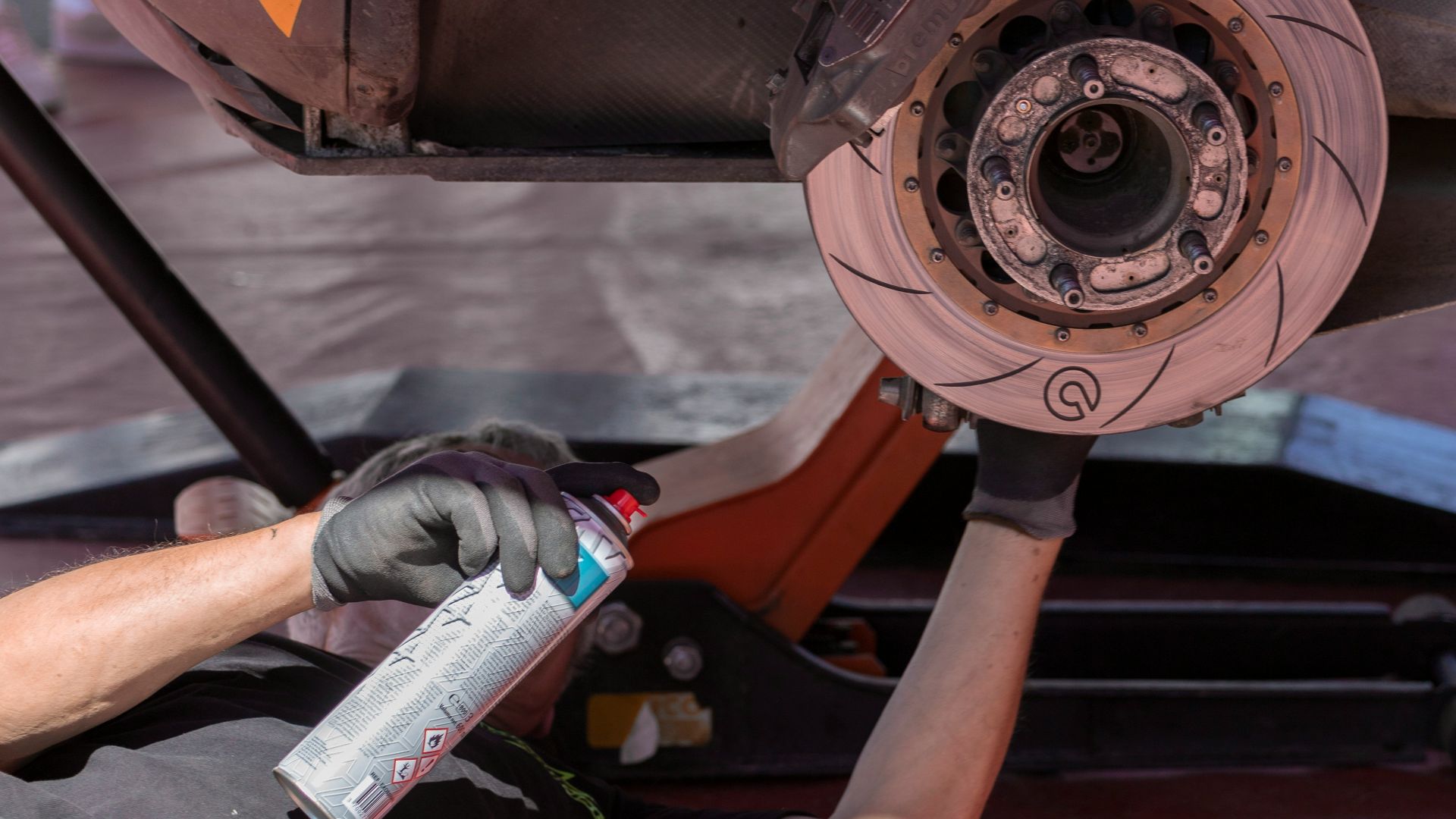
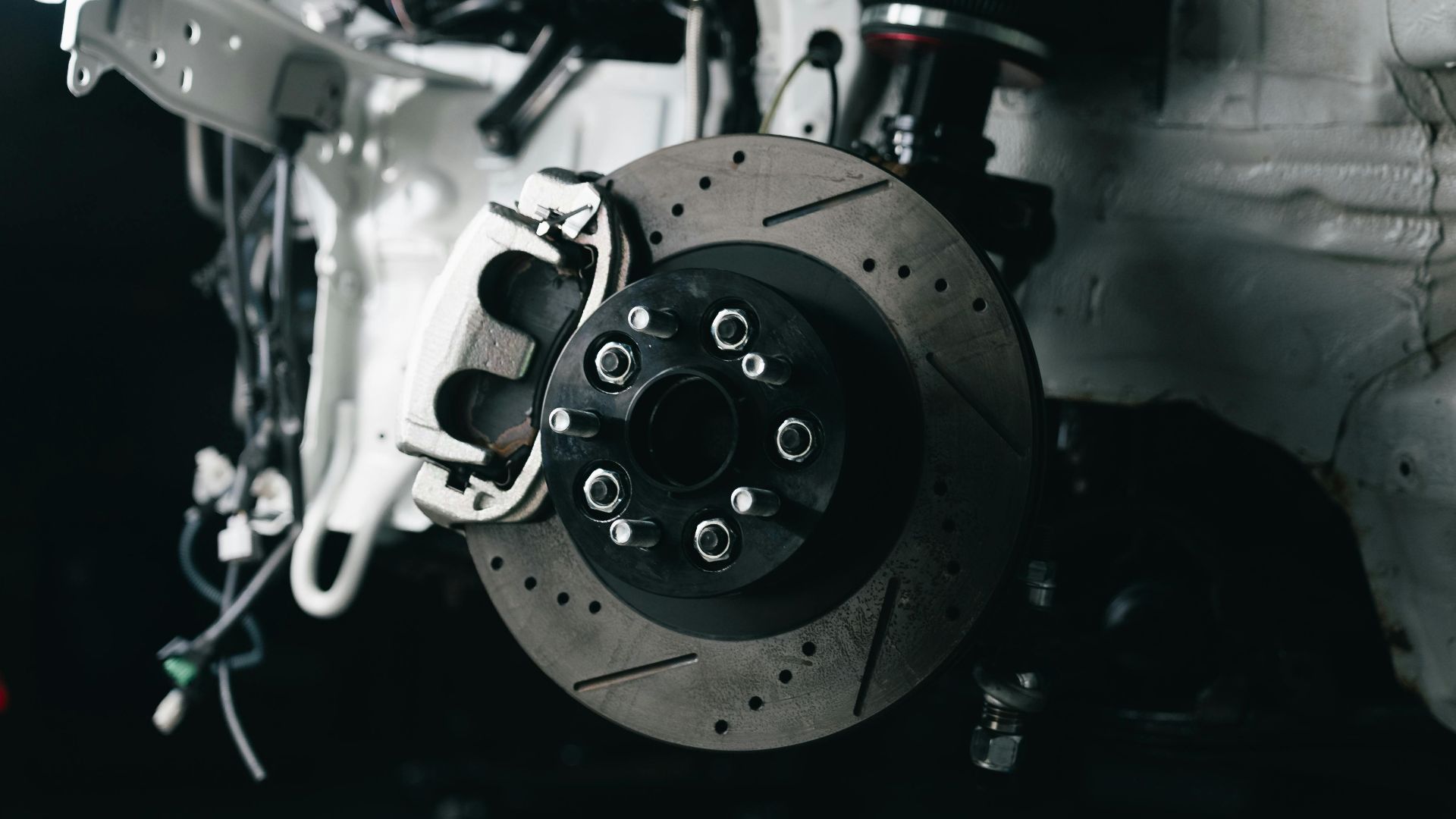
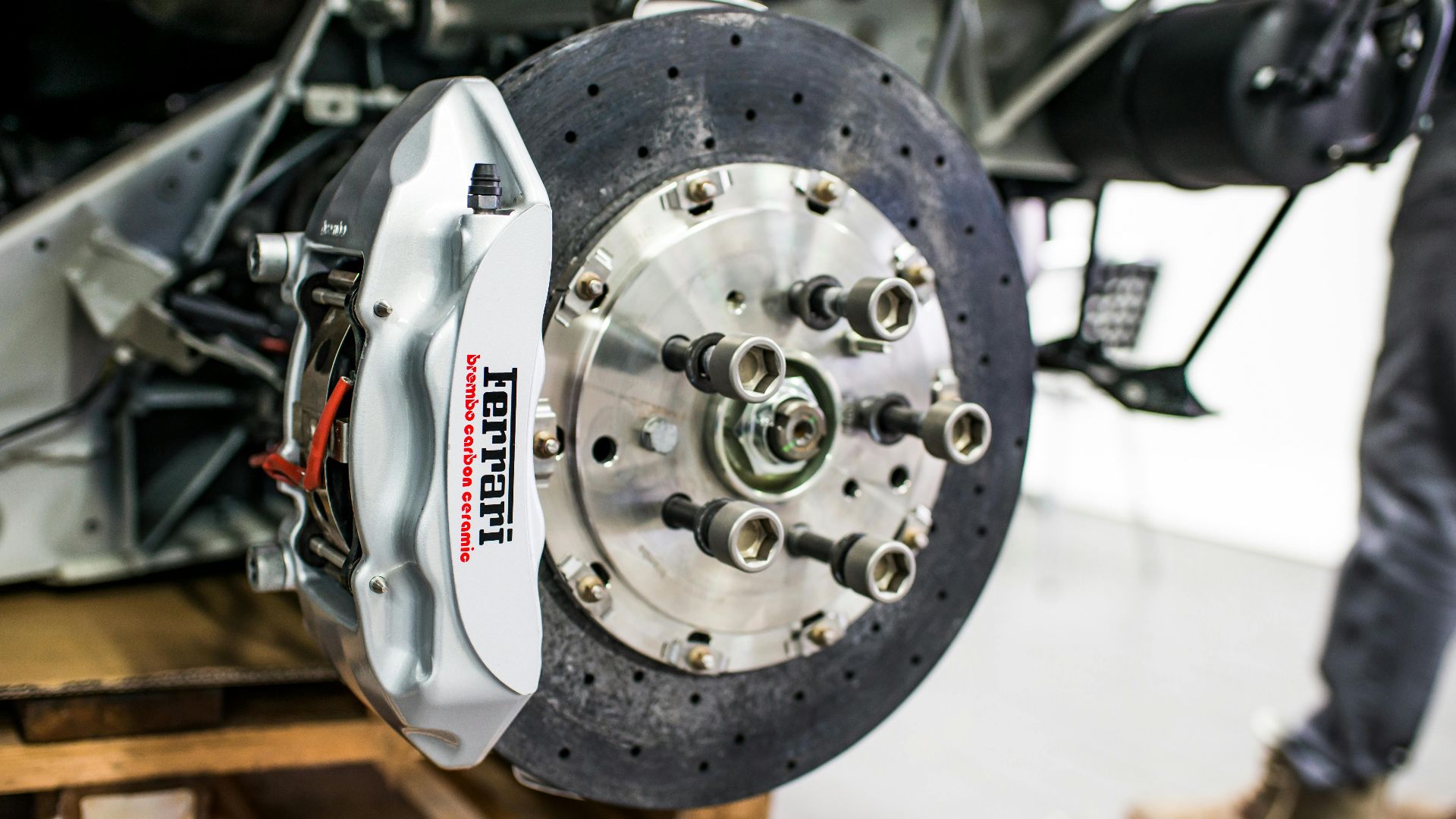
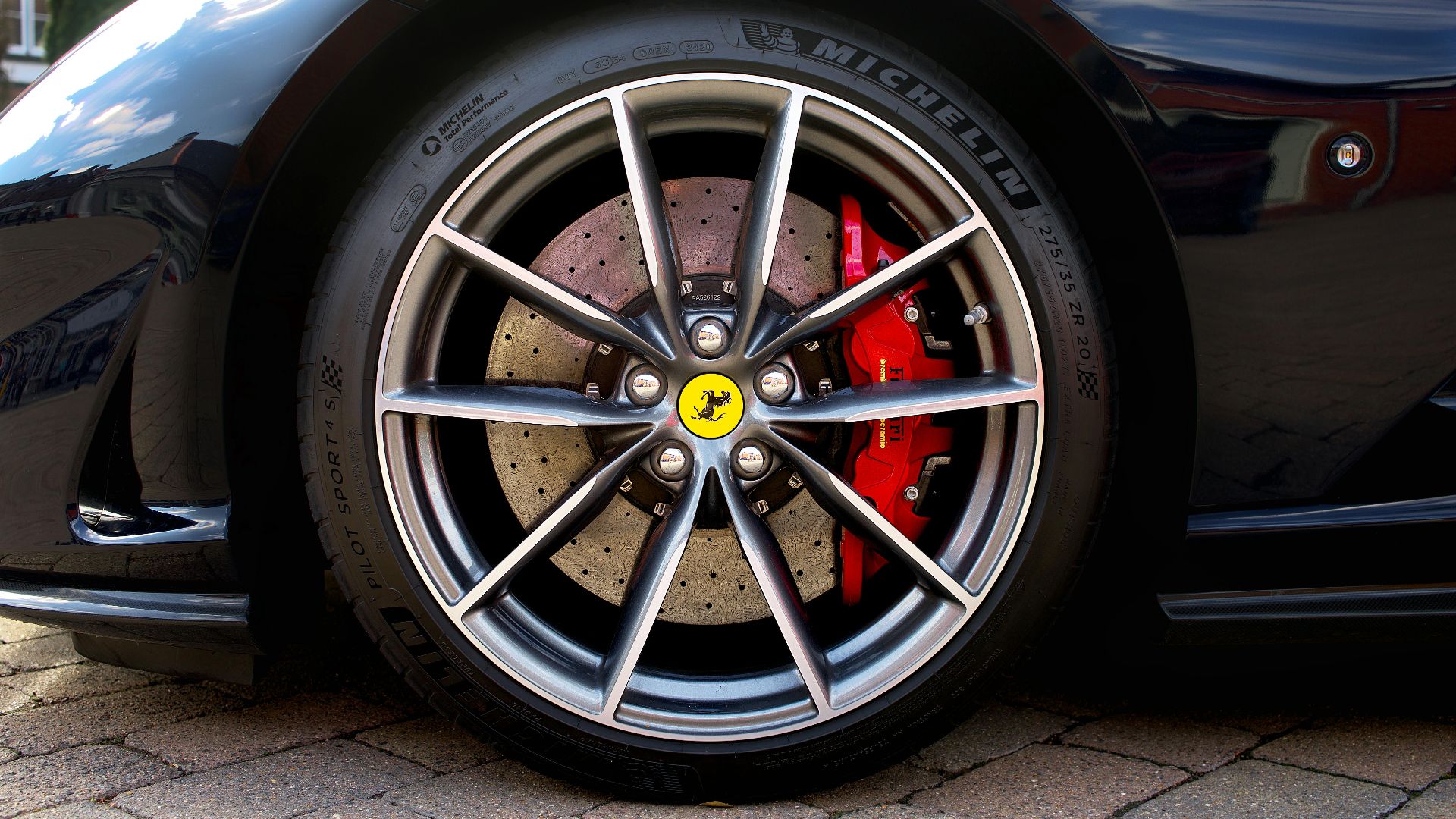
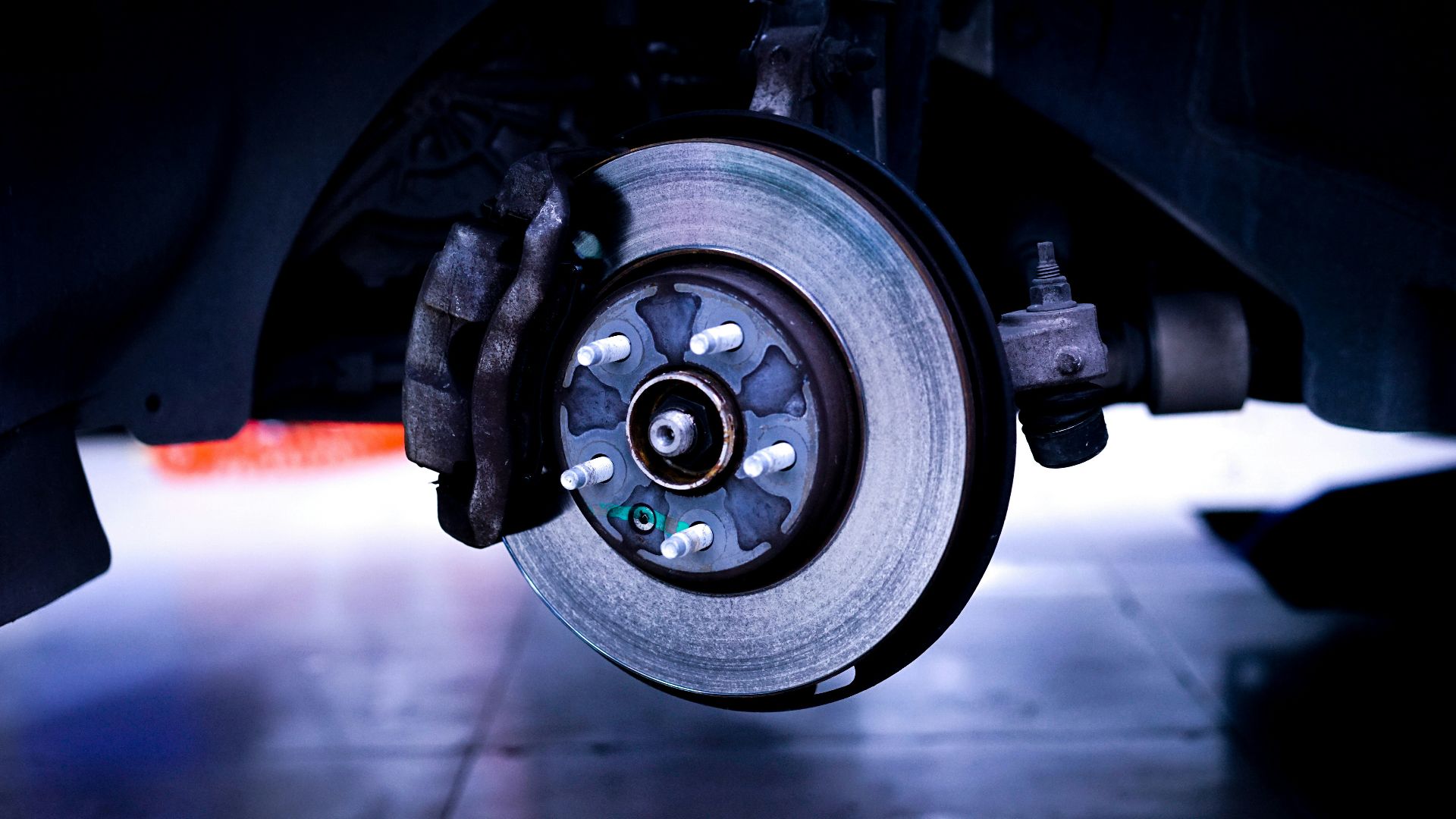
Most modern cars have disc brakes up front, and many also have them in the rear. In a disc brake system, the pads clamp down on a metal rotor to slow the car. Over time, the pad material wears away. At that point, replacement is basic maintenance.
What “Needs Brakes” Should Really Mean
A good shop should be clear about what that means. Do you need pads only, pads and rotors, a brake fluid service, caliper work, or some mix of those? If the explanation is vague, slow things down and ask for measurements and proof.
The Number You Want Is Pad Thickness
If a mechanic says you need brake pads, ask how much material is left in millimeters. Consumer Reports recommends asking for exact measurements because this should not come down to guesswork. Many shops start suggesting replacement when pads are around 3 millimeters, while thicker pads may still have life left depending on wear and the carmaker’s guidance.
Why Millimeters Matter More Than “Looks Low”
Words like “thin” or “getting close” are not enough when you are about to spend real money. A measured pad thickness gives you something solid to compare with another opinion. It also helps you figure out whether the job is urgent now or something you can plan for a little later.
Many Cars Have A Built-In Warning
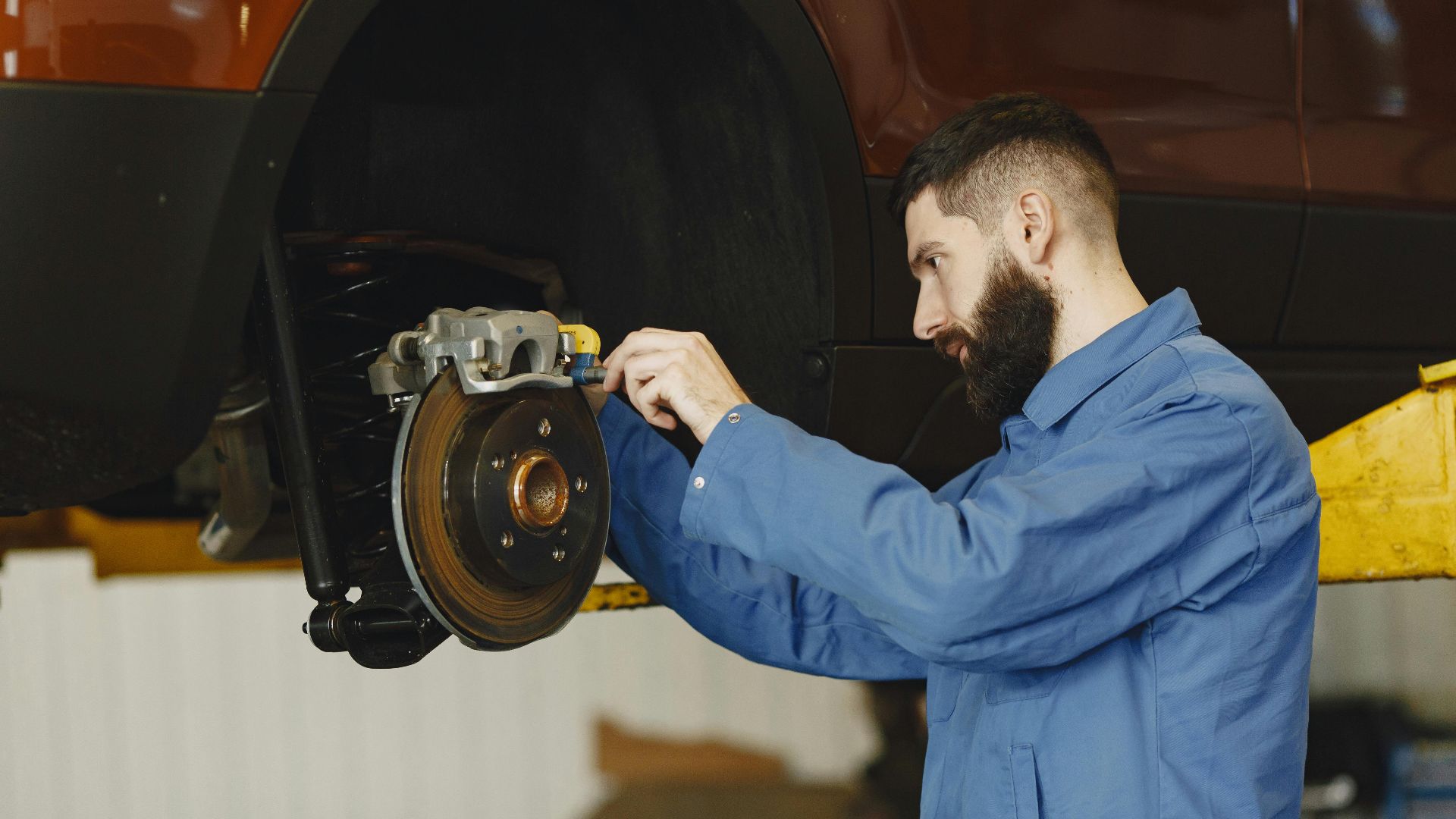
Some brake pads use a small metal wear indicator that squeals when the pad material gets low. That sound is meant to warn you before the brakes get into worse shape. No noise does not automatically mean the pads are fine, but noise is one useful clue.
Listen For More Than Just Squeaks
The NHTSA says grinding can mean serious wear, sometimes with metal grinding against metal. At that point, the repair may involve more than just pads because the rotors could be damaged too. A chirp, squeal, scrape, or grind can each point to something different, which is why a proper inspection matters.
Pedal Feel Can Tell You A Lot
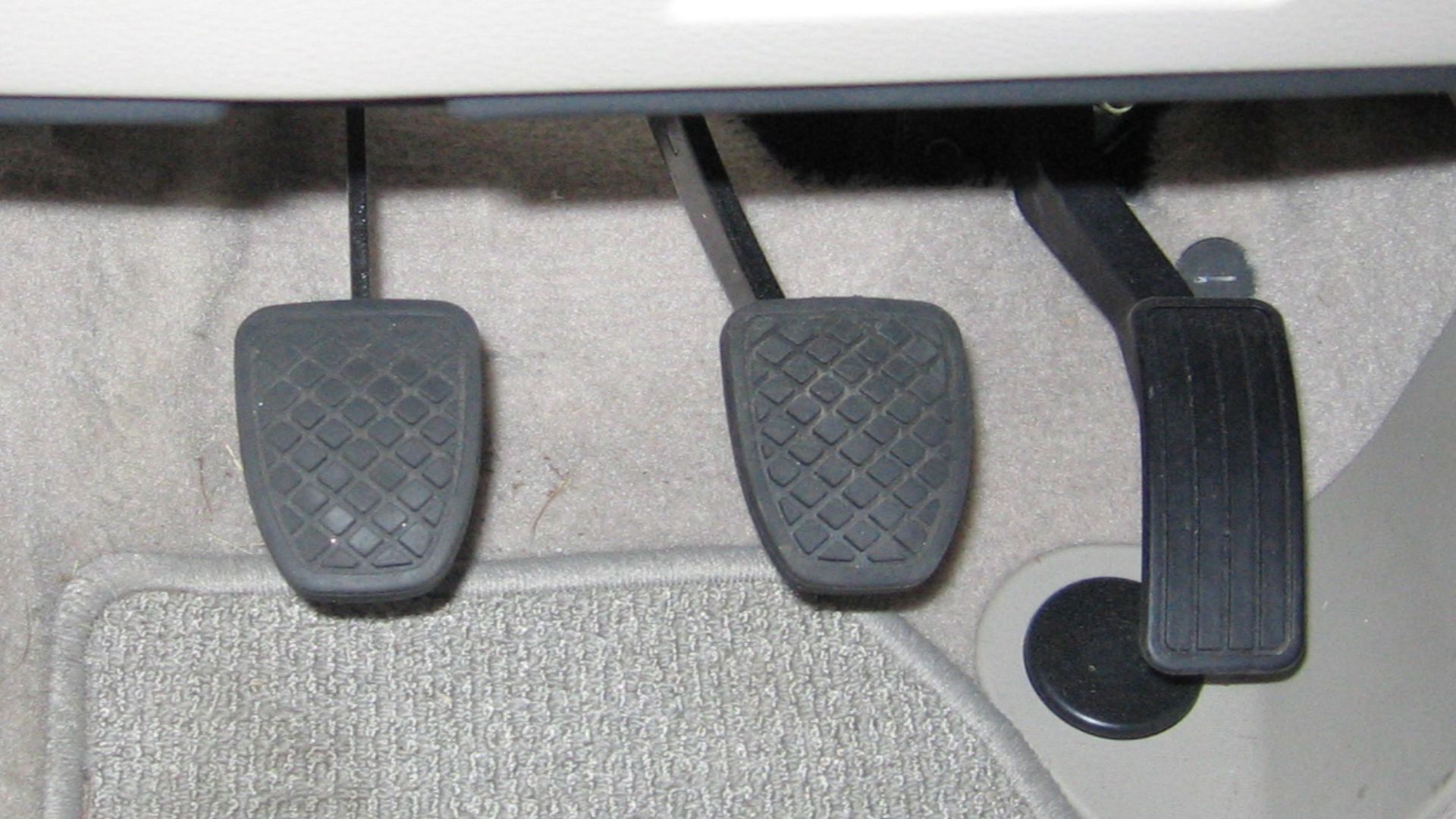
If the brake pedal feels soft, sinks toward the floor, or takes more effort than usual, pay attention. The NHTSA lists changes in pedal feel and stopping behavior as warning signs of brake trouble. Those symptoms can point to more than pad wear, including hydraulic problems that should be checked quickly.
Pulling Or Vibration Is Not Normal
If the car pulls to one side when braking, a caliper may be sticking or the braking force may be uneven. If the steering wheel or brake pedal shakes during braking, that can point to rotor trouble or uneven surfaces. Symptoms like these make a brake recommendation much easier to trust because they line up with known warning signs.

The Dashboard May Be Warning You
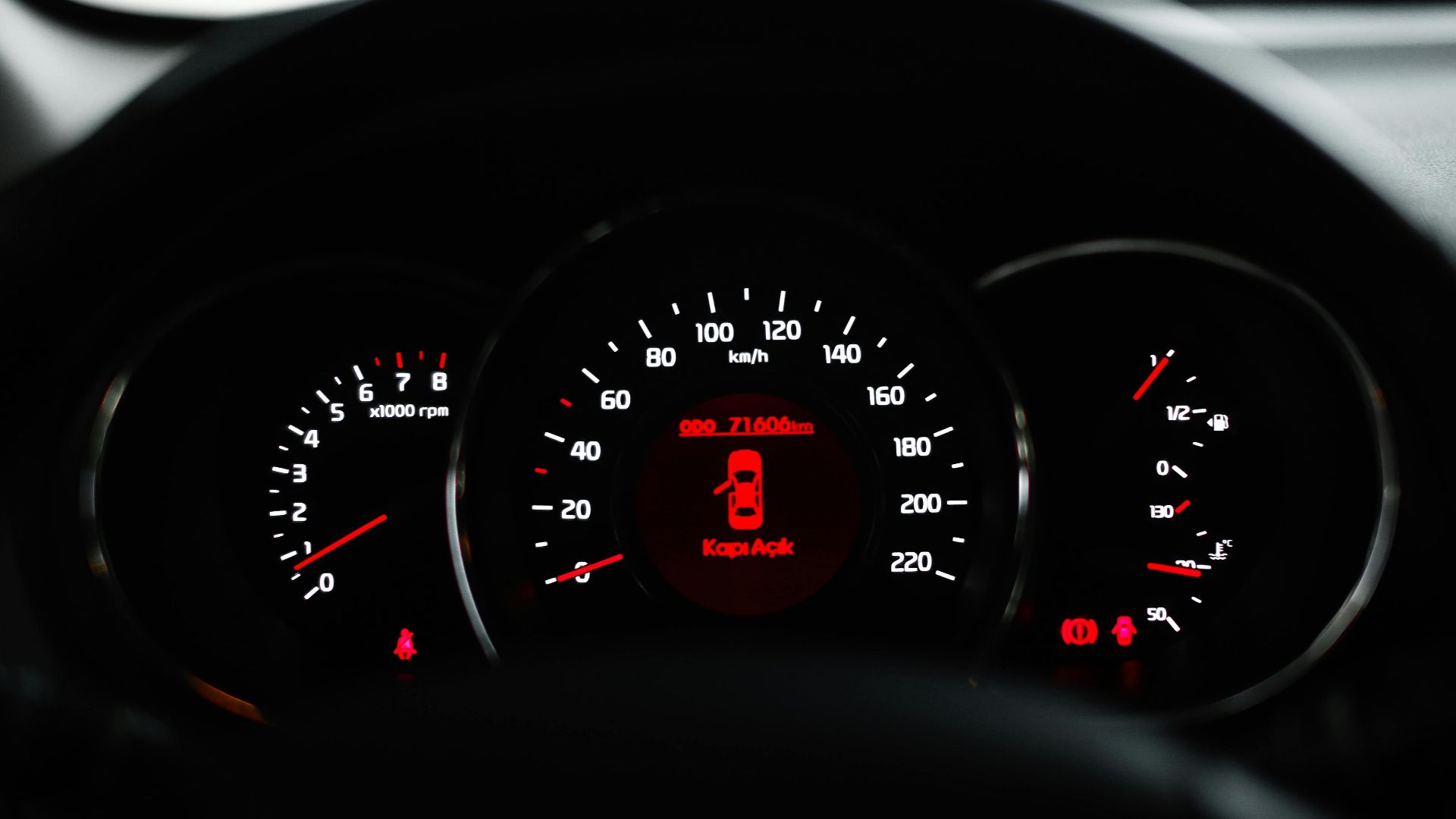
Brake warning lights should never be ignored. The NHTSA says a brake system warning light can mean a problem that needs immediate attention. Some cars also have pad wear sensors that trigger a message when the pads get low enough.
Rotors Are Where Upselling Often Starts
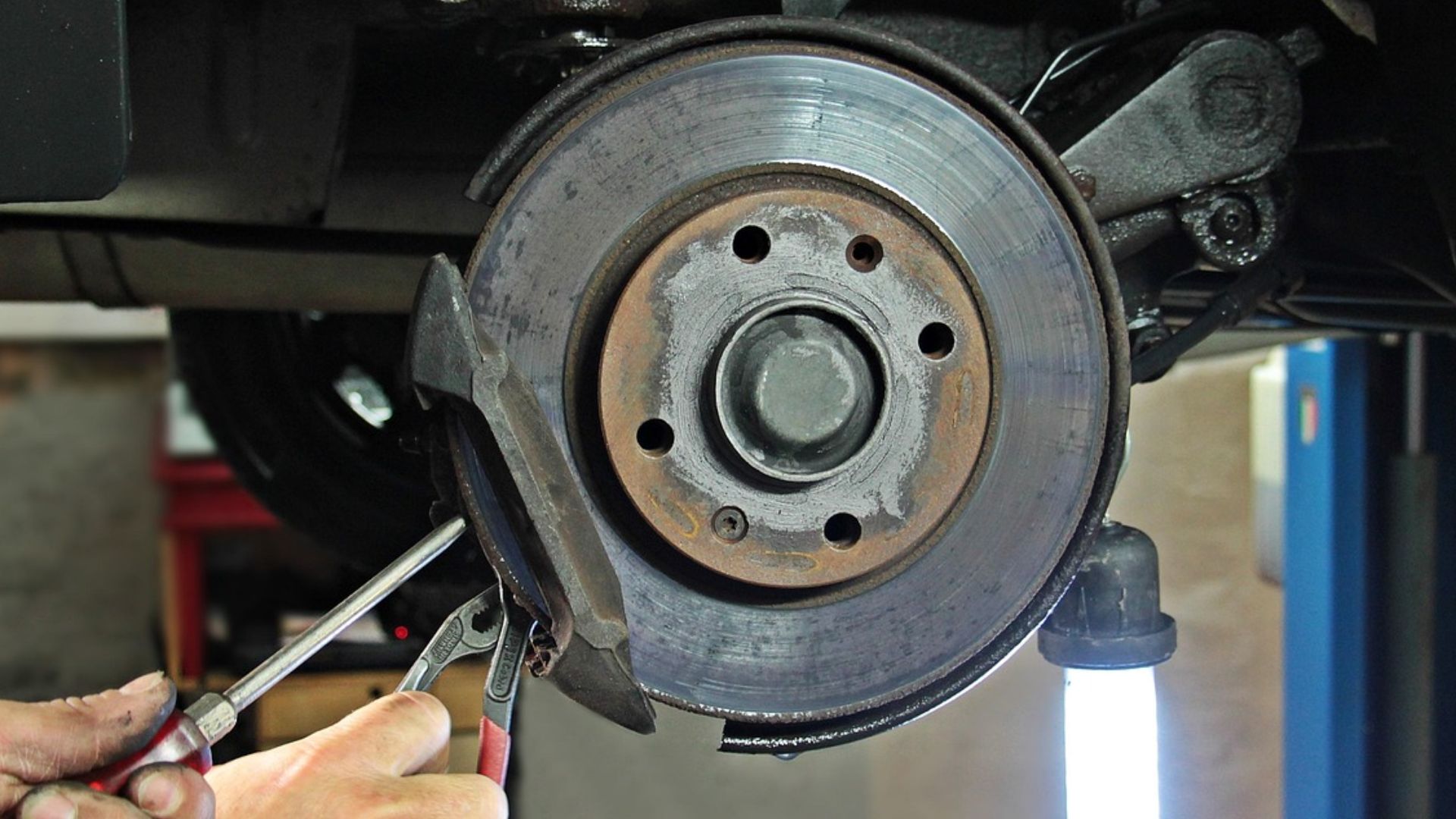
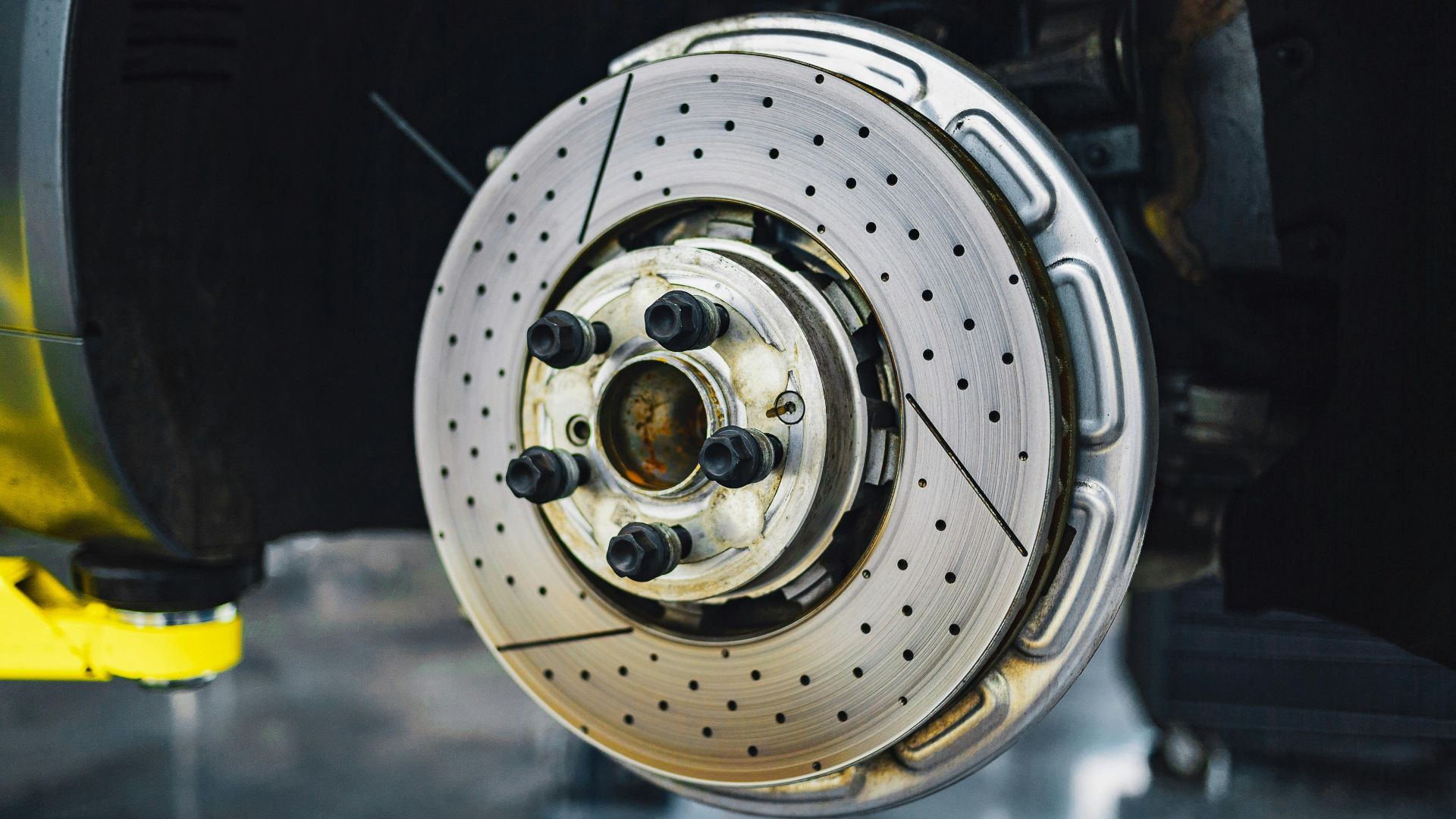
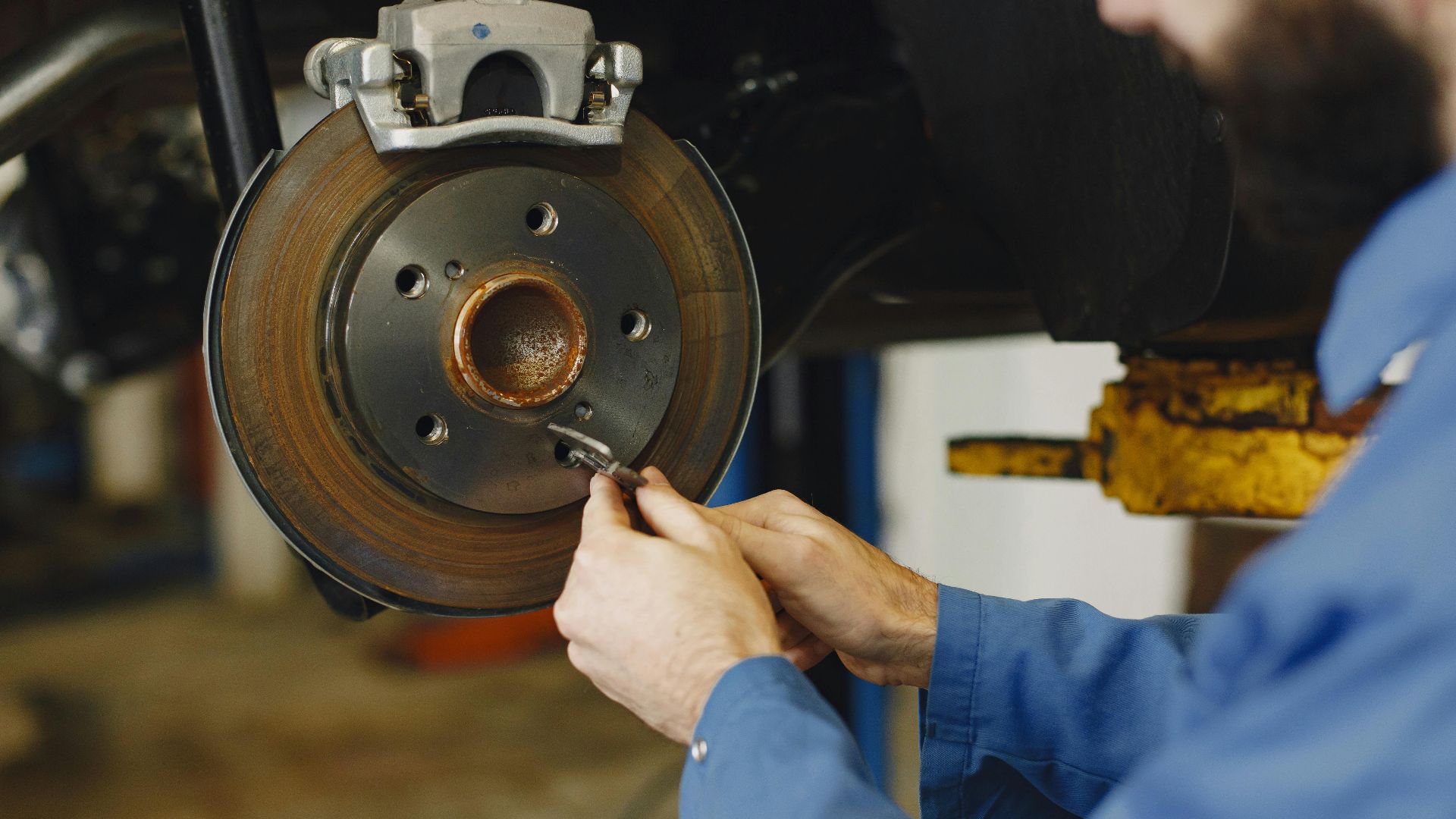
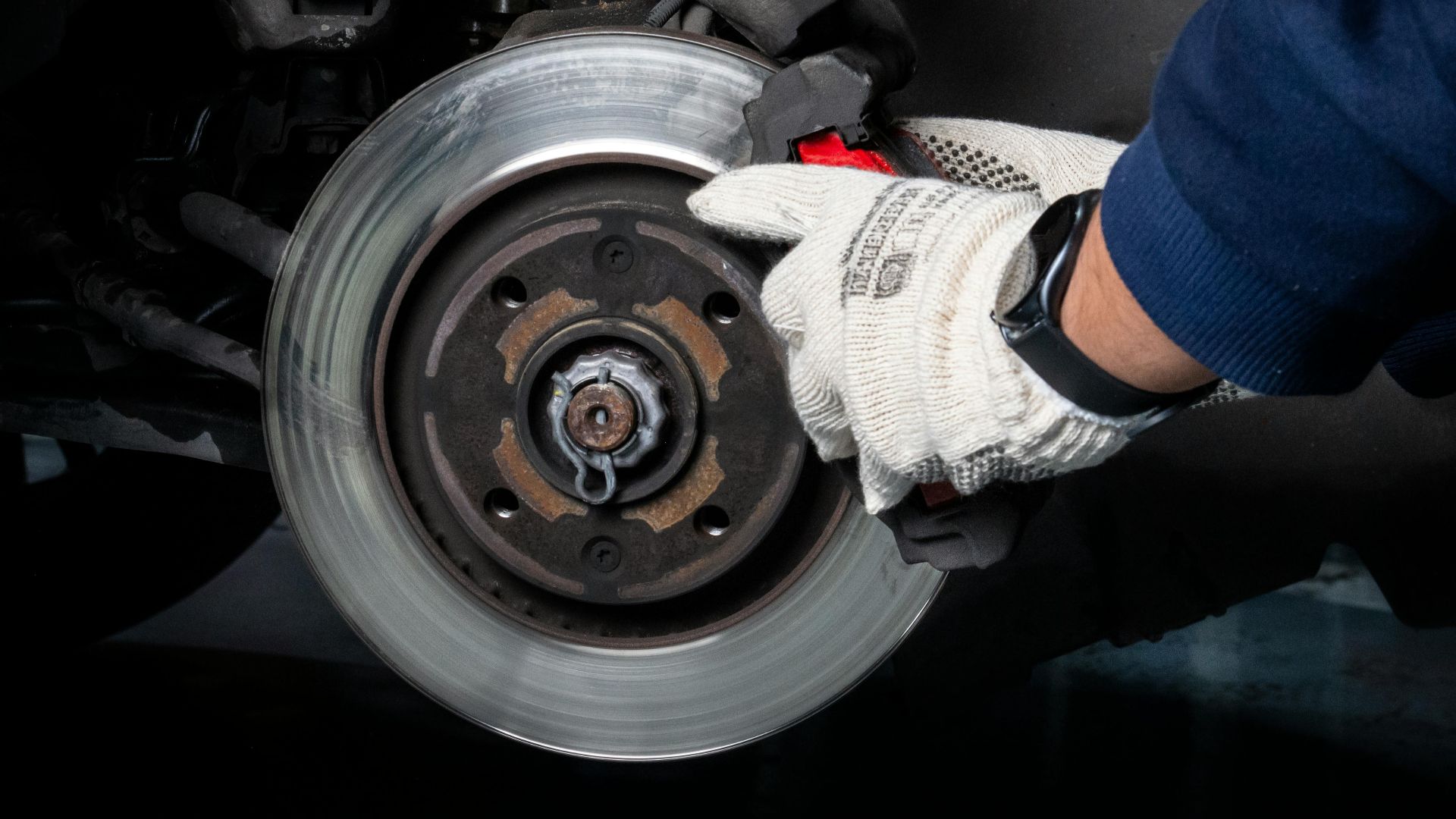
Not every brake job means you automatically need new rotors. Rotor replacement depends on thickness, condition, heat damage, deep grooves, cracks, and whether the rotor can still meet the manufacturer’s minimum thickness after machining, if machining is even allowed. If a shop says the rotors must be replaced, ask for the measured rotor thickness and the spec they are using.
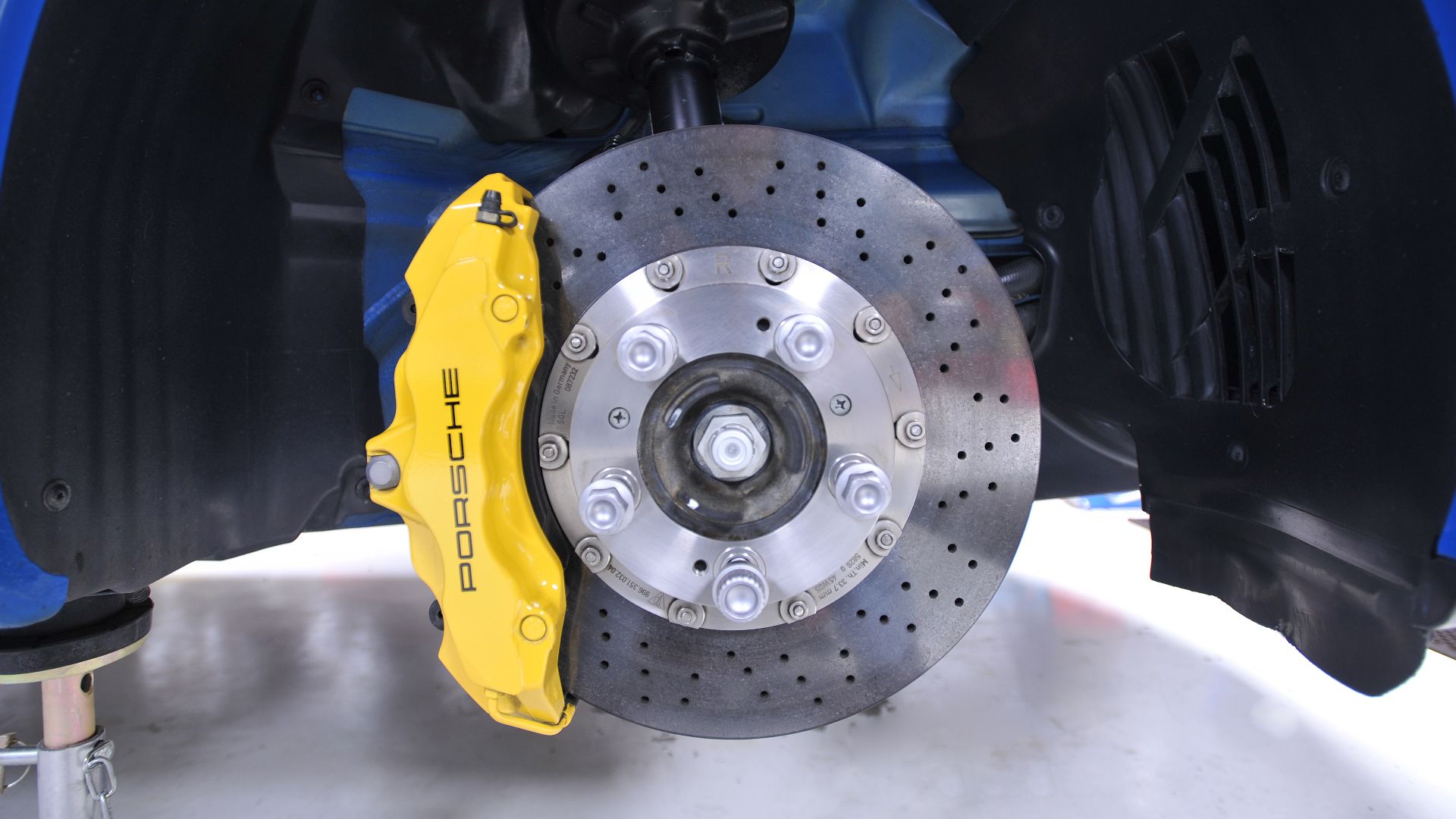 User:Edgy01 (Dan Lindsay), Wikimedia Commons
Ask To See The Pads And Rotors
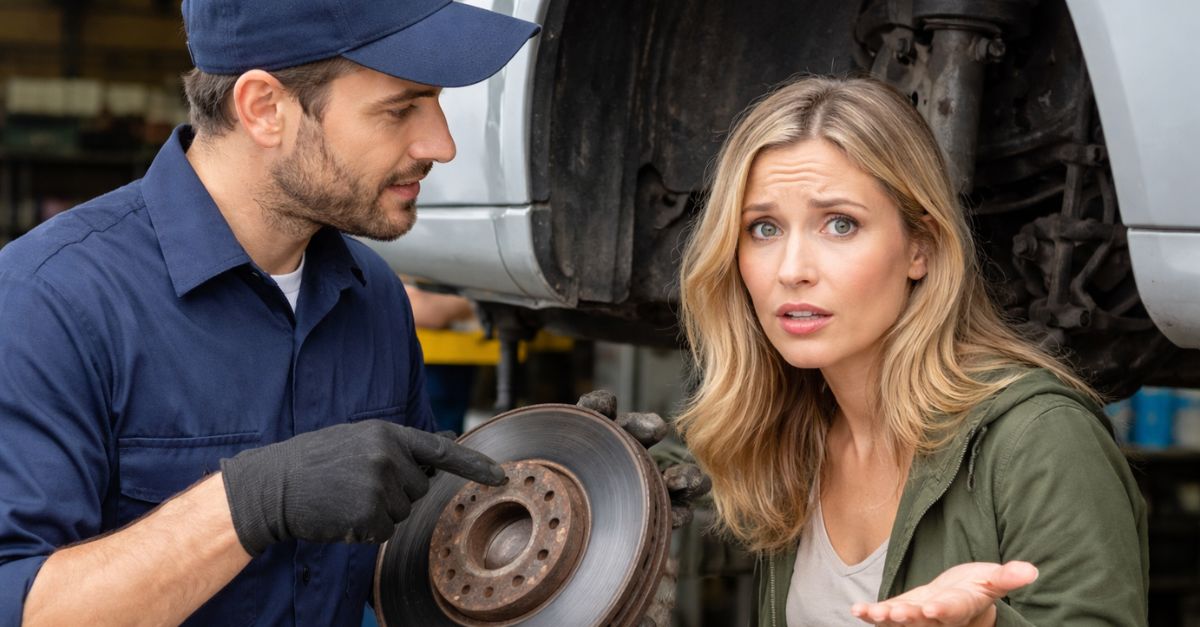
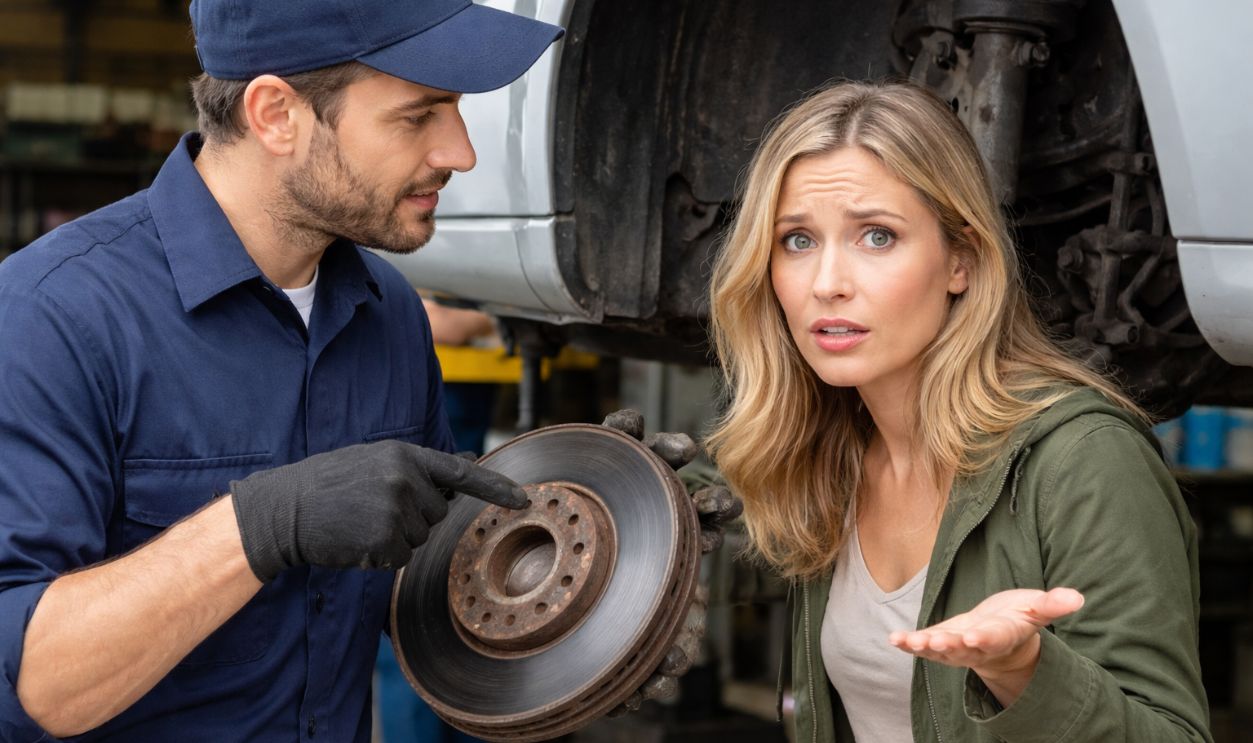
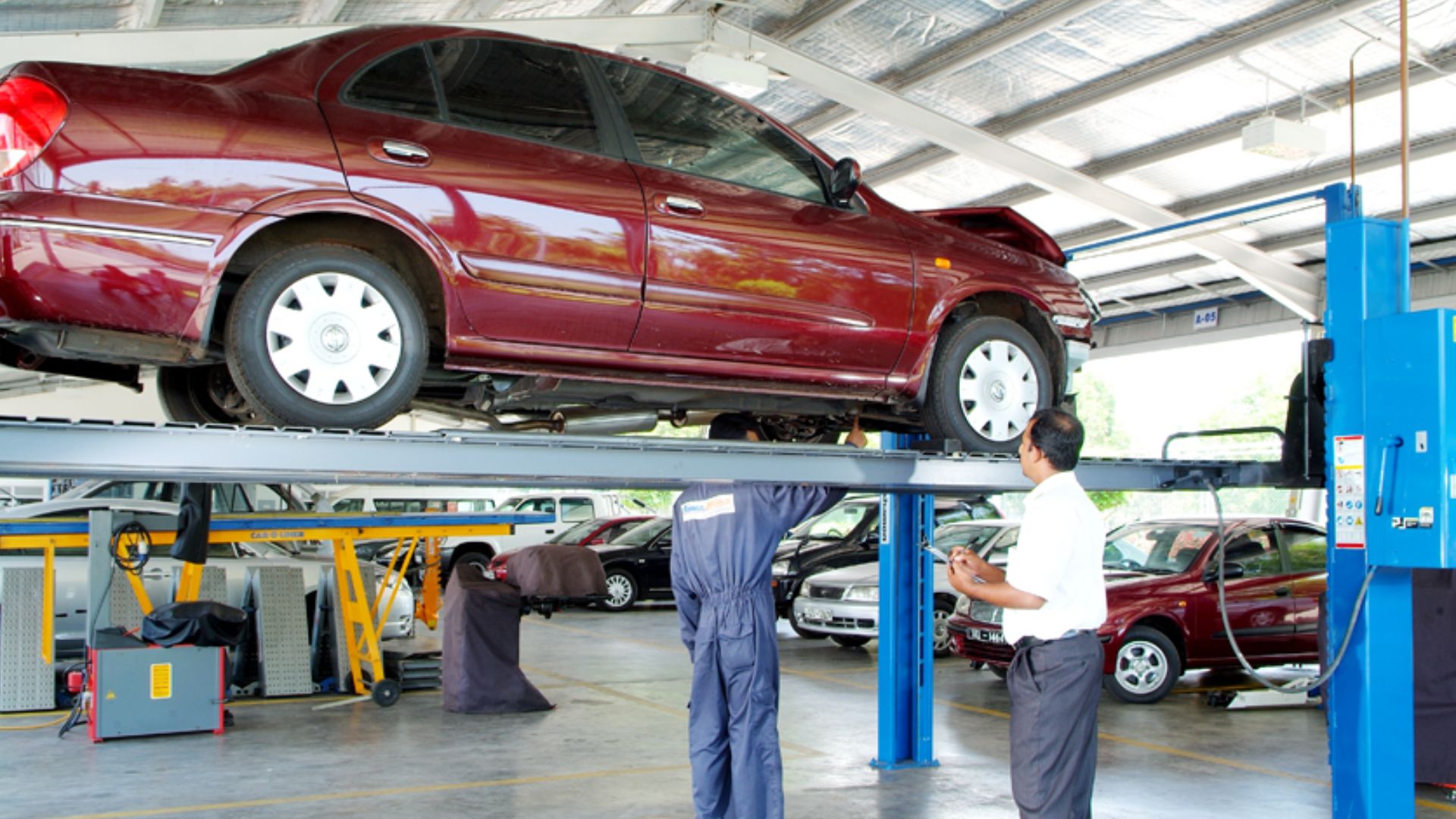
This is one of the easiest ways to protect yourself. A reputable shop will often show you the brake pads while the car is on the lift or send clear photos if you are not there. Seeing a nearly worn-out pad next to a new one can turn a fuzzy sales pitch into a simple maintenance call.
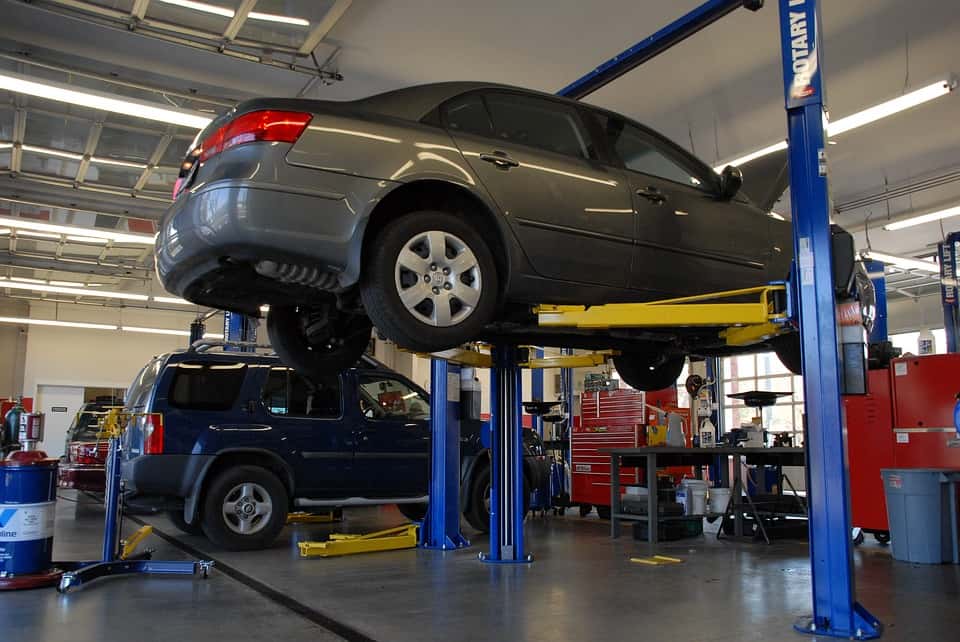
Photos Help
Many repair shops now send digital inspection photos or videos. That is useful if you are at work or cannot be in the service bay. A close photo of the pad material and rotor surface gives you something real to review or send to another shop for a second opinion.
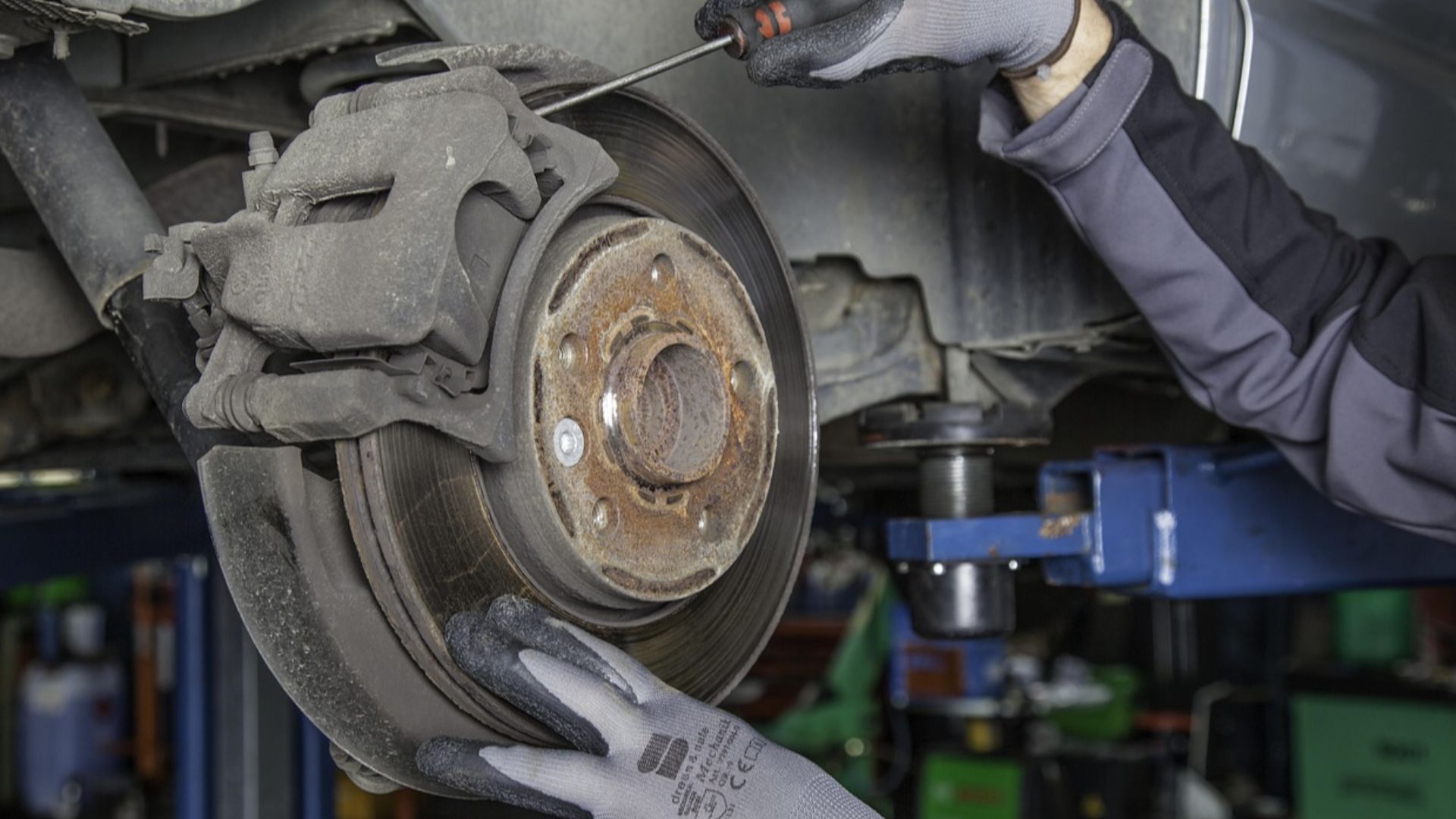
Ask Whether The Wear Is Even
Uneven pad wear matters because it can point to a bigger issue. If one pad is much thinner than the matching pad on the same axle, the problem may involve sticking hardware or a caliper issue rather than normal wear. That helps you tell the difference between a routine brake job and a more involved repair.
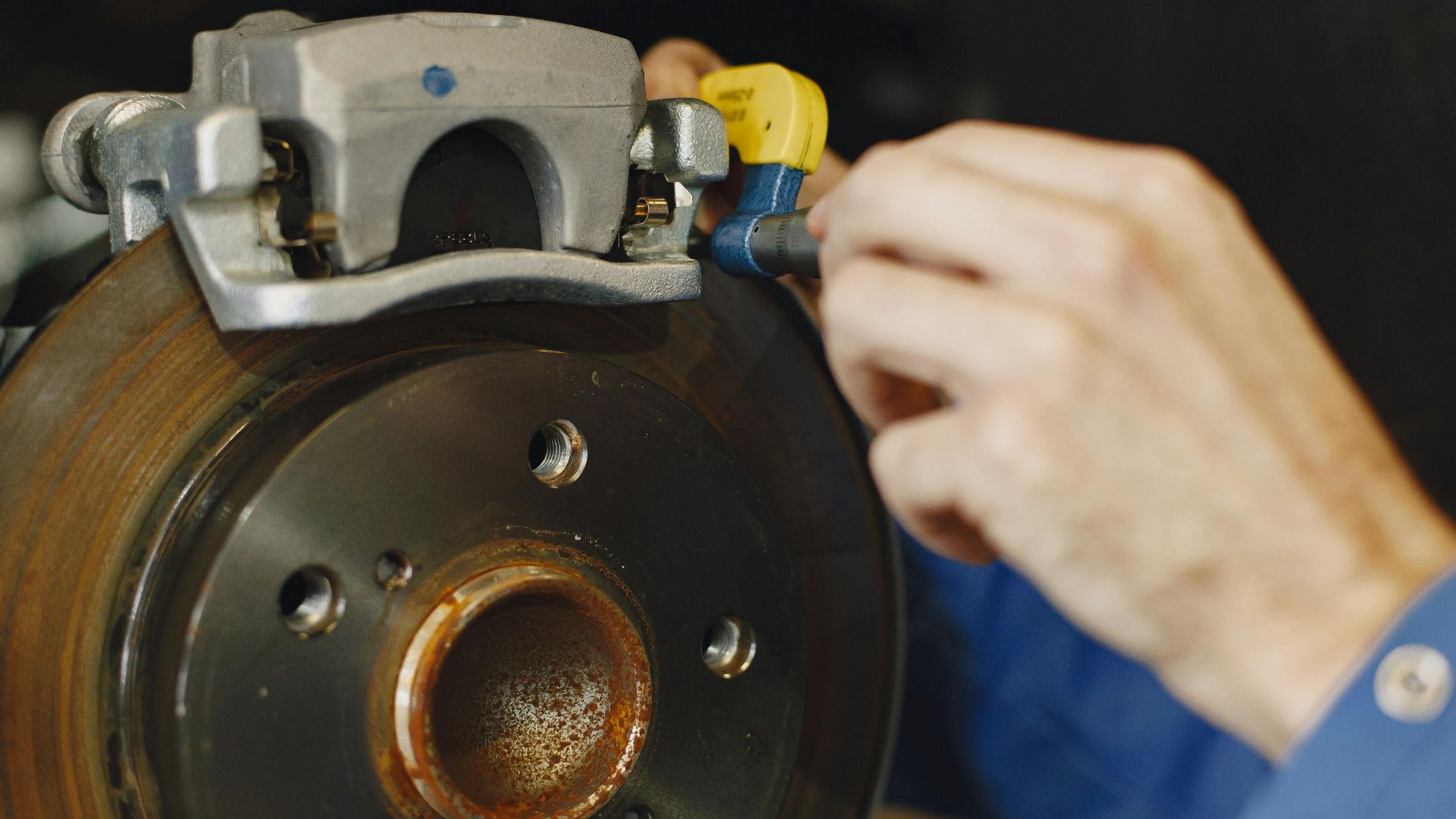
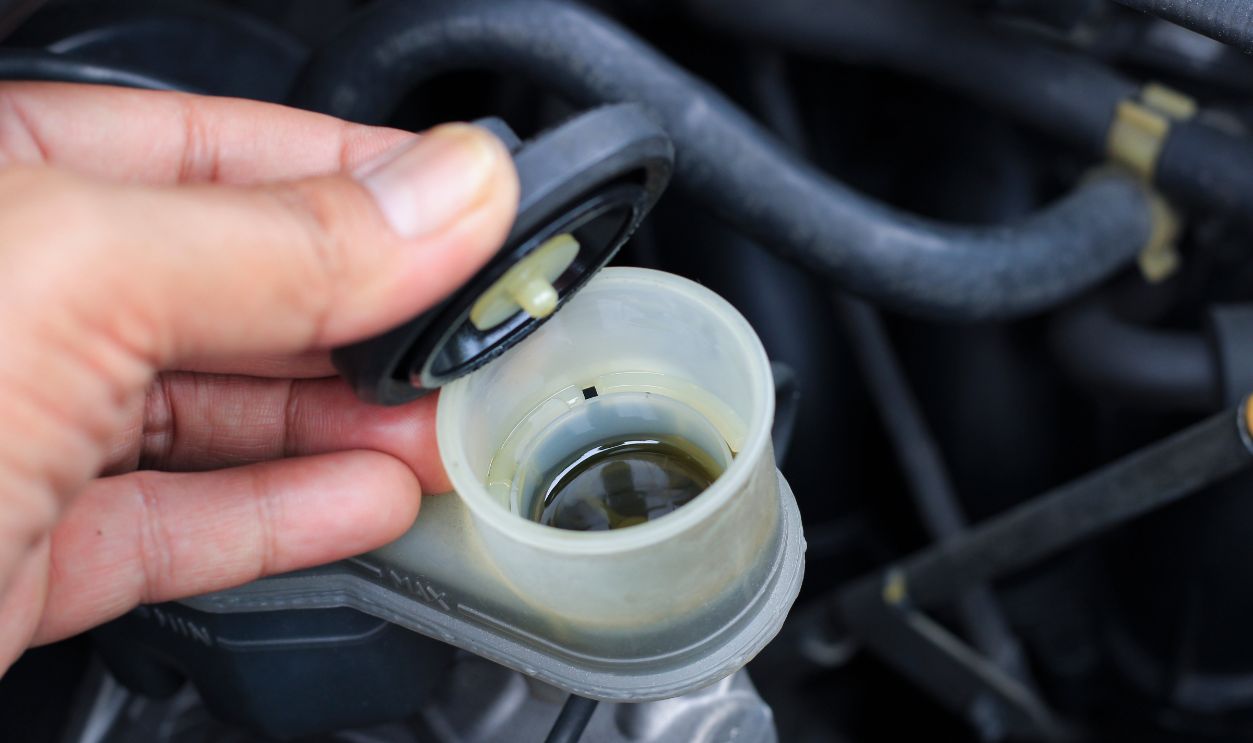
Brake Fluid Can Muddy The Conversation
Sometimes a shop says you need “brakes” when they also mean a brake fluid service is due. Brake fluid absorbs moisture over time, which can affect performance and corrosion protection, and service intervals are set by the vehicle maker. Ask the shop to separate pad replacement from fluid service so you can judge each one on its own.
 ANECEPTIUS BAMBANG SUTOPO, Shutterstock
Maintenance Schedules Matter More Than Sales Pitches
Your owner’s manual is a better guide than a generic service script. Carmakers lay out inspection points, fluid intervals, and sometimes brake service guidance in the maintenance schedule. If a shop’s recommendation does not match that schedule and there are no symptoms or measurements to support it, ask more questions.
A Second Opinion Is Just Smart
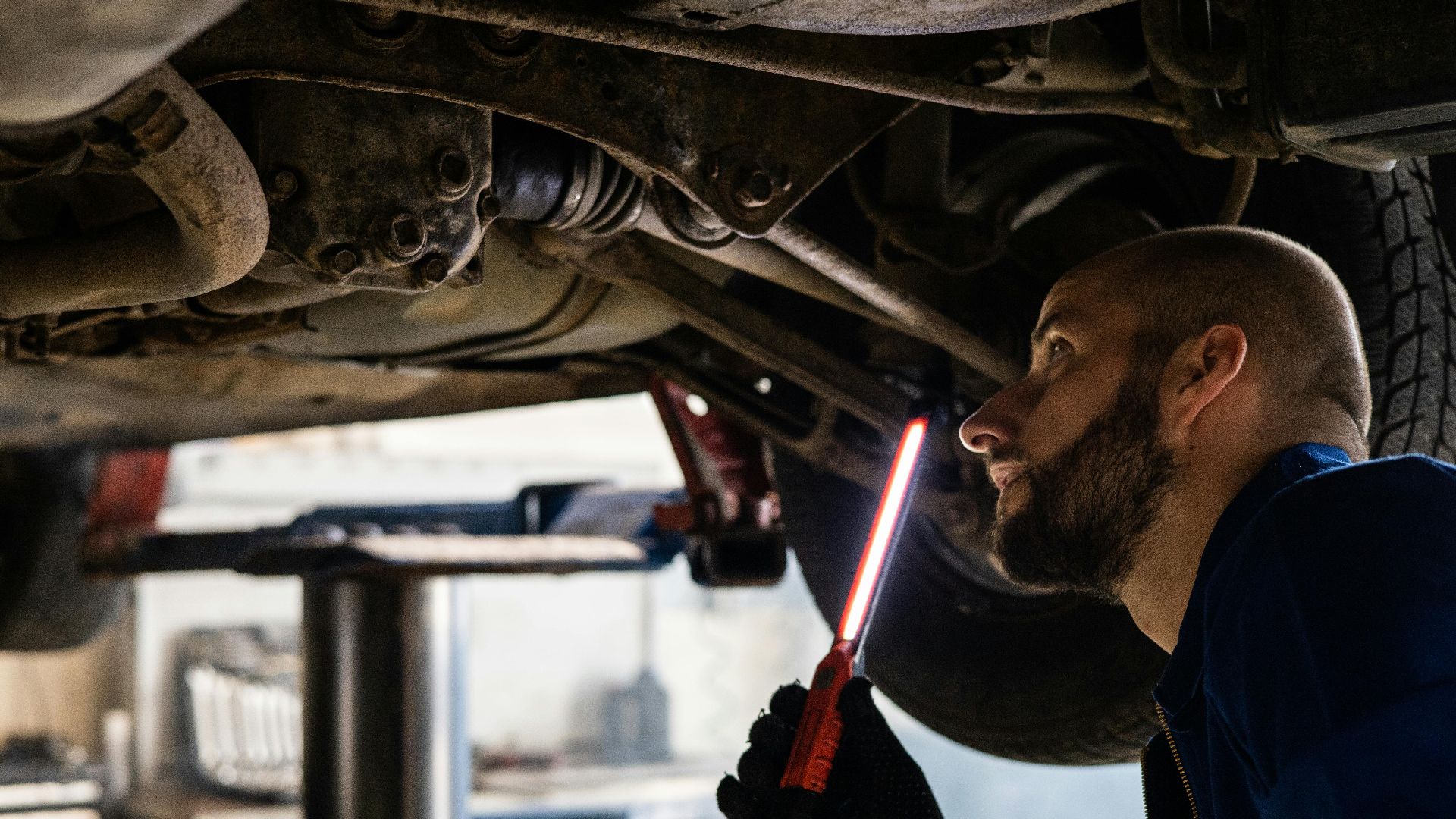
If the first shop cannot or will not give you measurements, photos, or a clear explanation, get another inspection. The Federal Trade Commission advises drivers to get repair estimates in writing and to understand exactly what work is being proposed. A second opinion from an independent shop can quickly show whether the recommendation was fair or aggressive.

Written Estimates Protect You
A proper estimate should clearly list parts and labor. It should break out pads, rotors, calipers, fluid, shop supplies, and fees instead of rolling everything into one blurry total. The FTC recommends asking about charges and getting estimates before you approve work, and that is especially important with brake repairs.

Do Not Get Pressured Into A Fast Yes
Pressure is a bad sign unless there is a clear, documented safety issue. A good shop can explain why the repair is urgent, show you the evidence, and answer your questions without getting defensive. If the tone turns pushy, your skepticism is probably warranted.
 Melsta Logistics(Pvt)Ltd, Wikimedia Commons
There Is A Big Difference Between “Soon” And “Now”
Brakes are not always an all-or-nothing repair unless they have been badly neglected. Pads with moderate thickness may not need same-day replacement, even if they are getting closer to the end of their life. Ask whether the car is unsafe to drive now or whether the shop is simply telling you to plan the work soon.
Driving Habits Change Brake Life A Lot
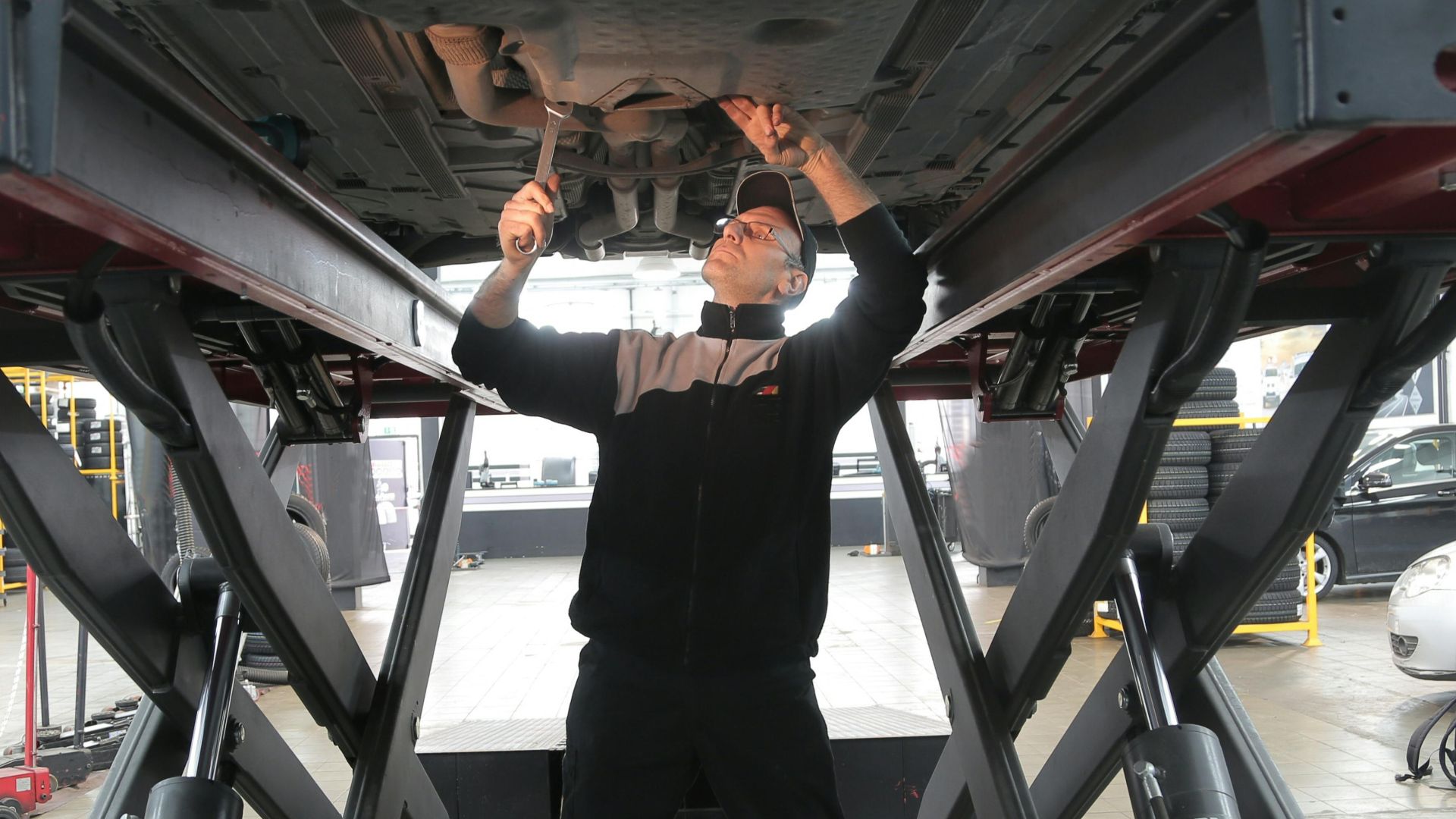
City driving, stop-and-go traffic, steep hills, towing, and hard braking can wear pads much faster than steady highway miles. That is one reason there is no universal mileage for brake replacement. A recommendation at 25,000 miles might make perfect sense for one driver and seem suspiciously early for another.

Rear Brakes Can Surprise You
Many drivers assume the front brakes always wear out first because they usually handle more of the stopping work. That is often true, but it is not guaranteed. Electronic brake force distribution, stability systems, and vehicle-specific tuning can make rear pad wear more noticeable than some owners expect.
A Cheap Brake Job Can Be Its Own Problem
Getting ripped off is not only about being sold work you do not need. It can also mean poor-quality parts, skipped hardware, or sloppy installation on one of the car’s most important safety systems. Ask what brand of pads and rotors the shop uses and whether the job includes hardware and proper brake service procedures.
What A Good Mechanic Usually Does
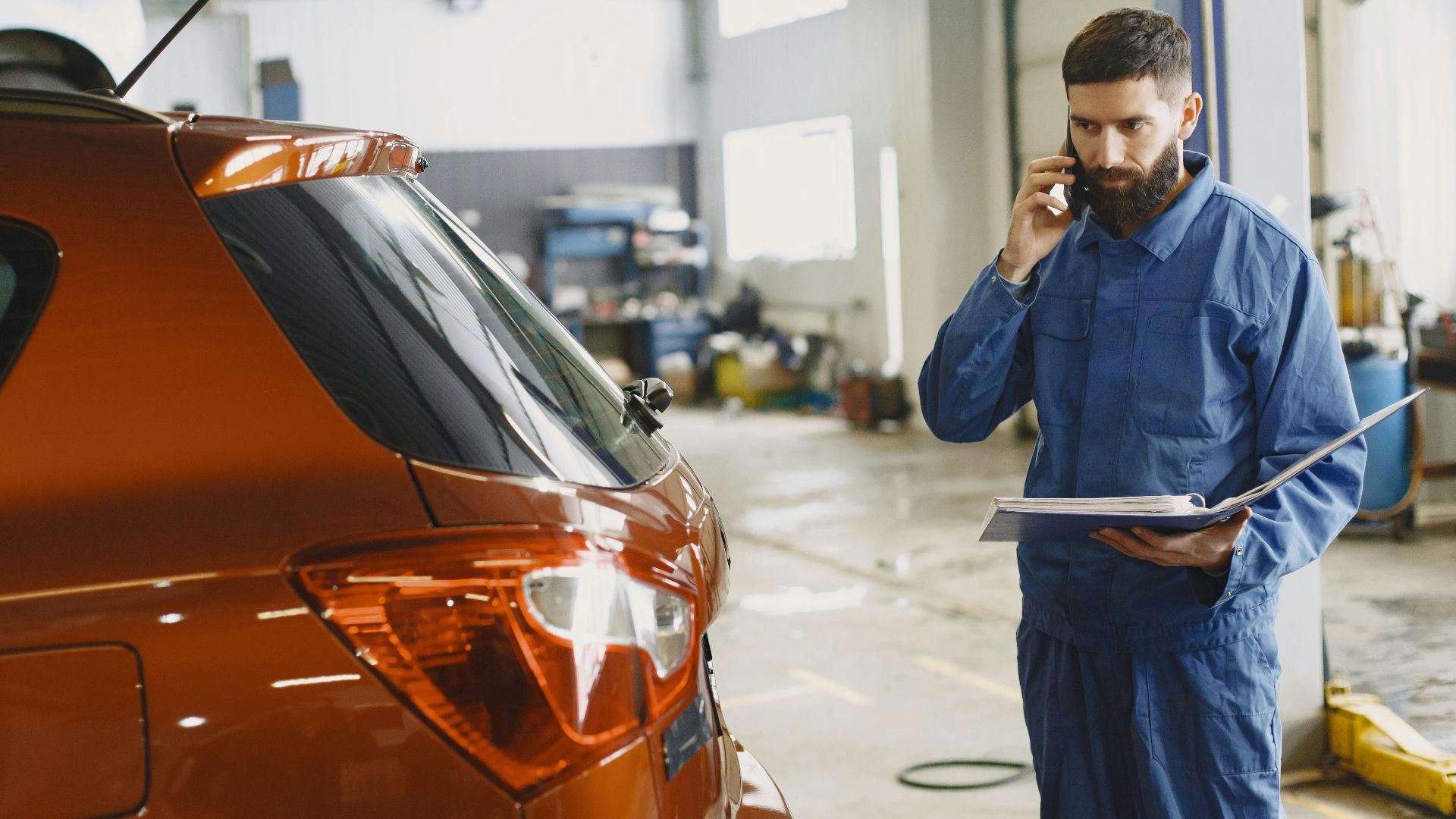
A solid technician or service advisor explains the symptoms, shows you measurements, answers questions, and gives you options. They do not hide behind technical jargon. They tell you what is worn, how worn it is, what can wait, and what should not.
What A Bad Sales Pitch Sounds Like
Be careful with broad claims that come with no details, like “your brakes are shot” or “these are dangerous” without measurements or visible proof. Also be cautious if every brake recommendation somehow turns into pads, rotors, calipers, fluid, and a pile of extras by default. That does not automatically prove dishonesty, but it is a good reason to look closer.
You Can Check A Few Things Yourself
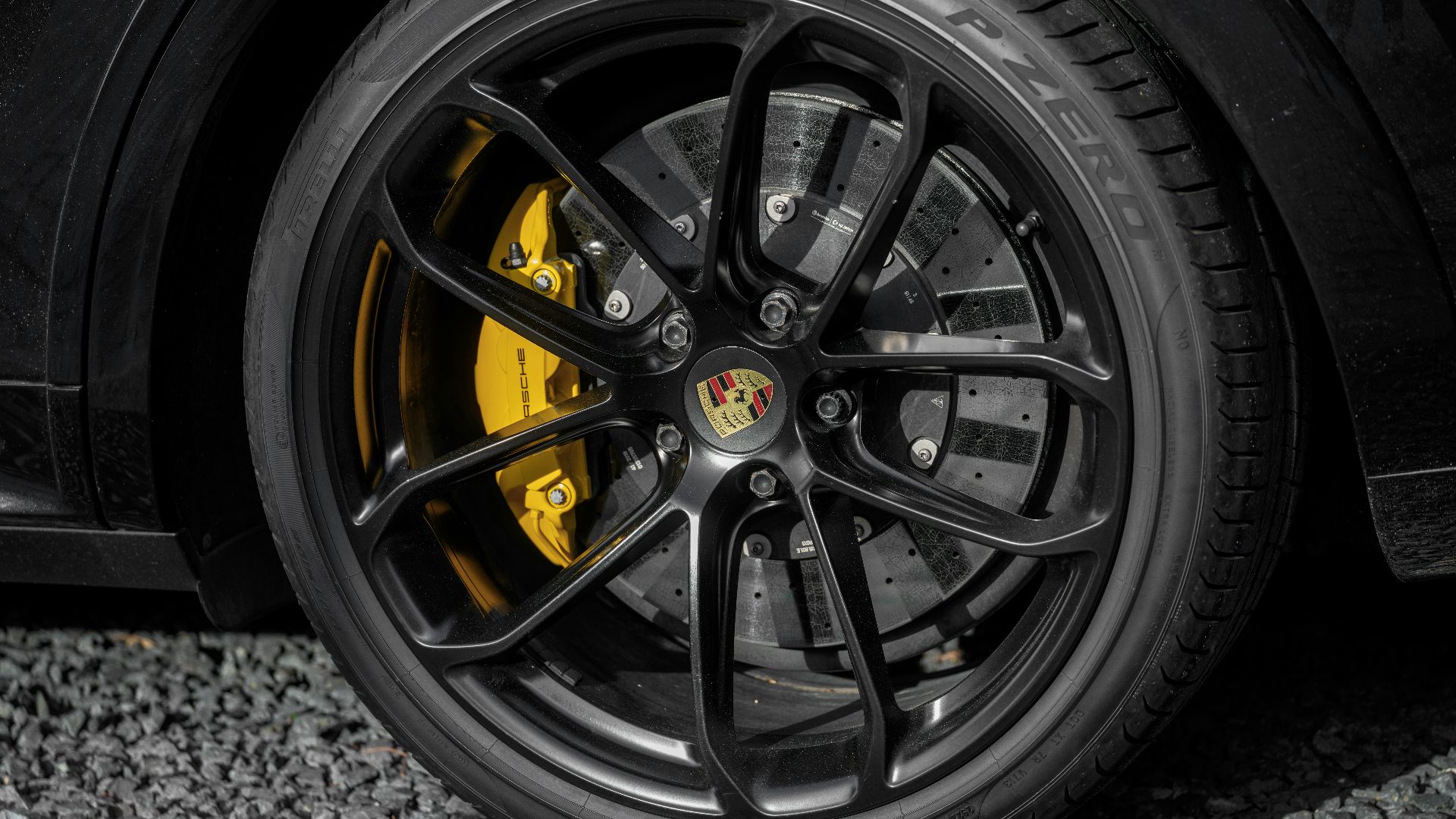
On many cars, you can look through the wheel and get a rough view of the outer brake pad, though visibility depends a lot on wheel design. You can also pay attention to noises, warning lights, pulling, vibration, and any drop in stopping confidence. A quick look at home is not a replacement for a real inspection, but it can help you ask better questions.
The Smartest Response Is Calm And Specific
If your mechanic says you need brakes but the car feels fine, do not panic and do not automatically say yes. Ask for pad thickness, rotor measurements, photos, and a written estimate, then compare that information with your owner’s manual and, if needed, a second opinion. That is usually enough to tell the difference between a real brake job and a hard sell.