The Sick Feeling When The Mileage Story Falls Apart
You bought a used car in large part because the mileage was so low. When it breaks down, your mechanic says it looks like the odometer has been rolled back. That's more than shady. It can change the car’s value, raise repair costs, and affect your legal options. The upside is that odometer tampering is illegal under federal law, and there are clear steps you can take now.

Why This Problem Matters So Much
Mileage is one of the biggest things that affects a used car’s price. The National Highway Traffic Safety Administration says odometer fraud costs American car buyers more than $1 billion every year. A lower number on the dash can make an older, more worn car look newer, safer, and worth more than it really is. That means you may have overpaid from the start.

What Odometer Fraud Actually Means
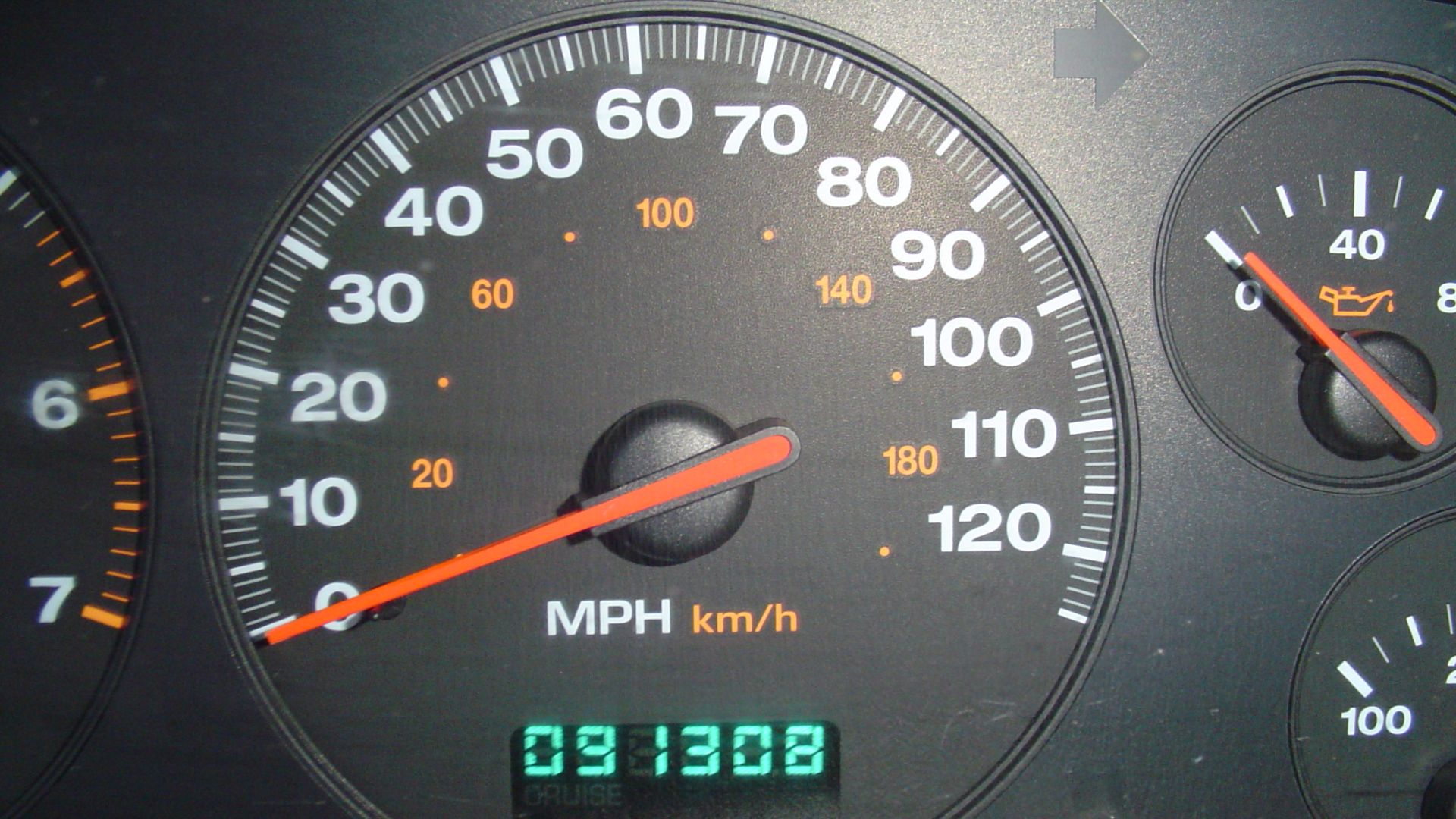
Under federal law, it is illegal to disconnect, reset, alter, or have someone alter an odometer with the intent to change the mileage shown. It is also illegal to give a false mileage statement during a sale if the seller knows the reading is wrong. These rules come from federal odometer law and the regulations tied to title transfers and mileage disclosures. Put simply, a seller cannot legally shave miles off a car’s history and pass that off as truth.
Yes, It Still Happens With Digital Odometers
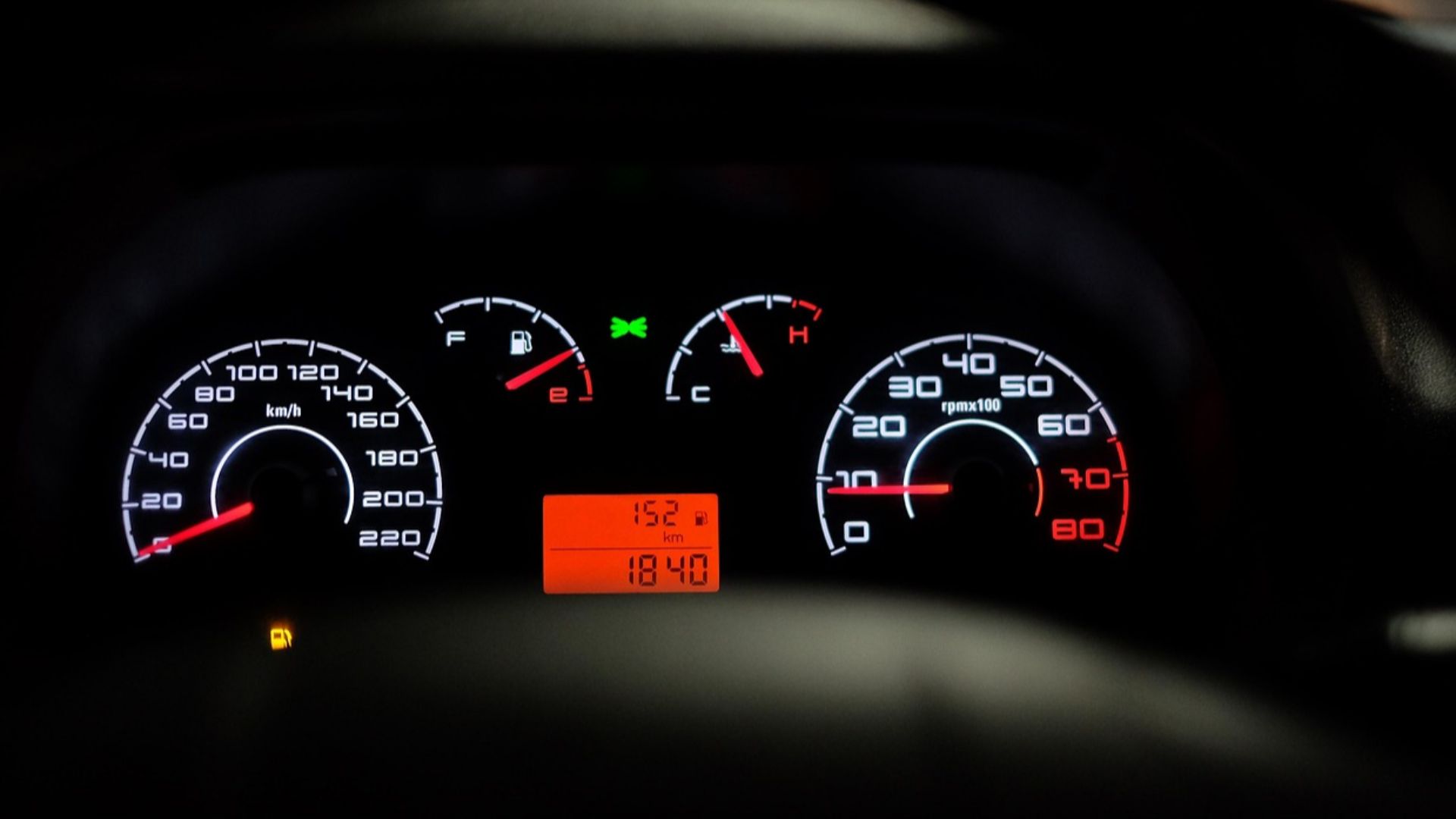
A lot of people assume digital odometers killed this scam. They did not. In 2024, the Department of Justice announced that two men were sentenced in a nationwide odometer fraud scheme involving vehicles sold to dealerships and consumers, with prosecutors saying the fraud touched thousands of vehicles. The screen may look modern, but the scam is still very much alive.
 Sav127 at English Wikipedia, Wikimedia Commons
The First Step Is To Stop Guessing
If you think the mileage was rolled back, do not accuse the seller based on a gut feeling alone. Start collecting records that show the car’s mileage over time. Check the title, bill of sale, financing papers, service invoices, inspection records, emissions paperwork, and any vehicle history report you got when you bought the car. You are building a timeline, and the dates matter.
Check The Title And Mileage Disclosure Closely
Federal rules generally require mileage disclosure during title transfers for many vehicles, though some exemptions depend on the car’s age and state rules. Read the title and any odometer disclosure statement carefully. Look for boxes marked “actual mileage,” “not actual mileage,” or notes saying the mileage exceeds mechanical limits on older vehicles. If the title says the mileage is actual but older service or inspection records show a higher number, that is a serious red flag. Keep copies of everything exactly as you found it.

A Vehicle History Report Helps, But It Is Not The Whole Story
A Carfax or AutoCheck report can show mileage jumps, title brands, and registration events. But those reports are only as good as the data sent to them. A clean report does not prove the odometer is honest, and a suspicious report is only one clue. Use it alongside repair records, title documents, and state records.

Service Records Can Break The Case Open
Repair orders often include the mileage shown when the car came into the shop. If you find a service invoice from before your purchase showing 148,000 miles, but the car was sold to you at 92,000, that is strong evidence. Call prior service centers listed on stickers, receipts, or records left in the glovebox. Ask for copies of invoices tied to the VIN and service dates.

State Inspection And Emissions Records Can Be Gold
In many states, annual inspections or emissions tests record mileage. Those records can be more dependable than a seller’s word because they were entered during official checks. If your state keeps them, request them using the VIN. A clean string of mileage entries by date can quickly show whether the odometer reading moved backward.

The National Motor Vehicle Title Information System Can Help
The Department of Justice says the National Motor Vehicle Title Information System, or NMVTIS, is meant to give consumers title, odometer, and certain total loss history before buying a vehicle. Even after the sale, NMVTIS-approved providers may help you compare title and mileage data. It is not the whole picture, but it can uncover conflicts between the current odometer reading and older title records. That is especially useful if the car changed states.

Ask A Dealer To Check The Car’s Electronic Data
Some cars store mileage in more than one module, not just the instrument cluster. A franchised dealer or qualified specialist may be able to compare the displayed odometer reading with mileage stored in other control units, depending on the make and model. This does not work for every vehicle, and it is not guaranteed proof. But when it does work, it can be a strong technical clue.

Document The Car Like You Are Building A Case
Take clear photos of the odometer, VIN, interior wear, tire date codes, and any labels that suggest heavier use. Save online ads, text messages, emails, and the original listing if you can still find it. If the seller advertised “low miles” or said the mileage was accurate, that wording matters. The goal is to preserve evidence before it disappears.
Go Back To The Sales Contract
Read the purchase agreement closely, especially anything about mileage, warranties, arbitration, and “as is” language. “As is” may limit some warranty claims, but it does not protect fraud. If the paperwork includes a specific mileage statement, that can help your case. Even if the contract is packed with disclaimers, false odometer statements can still create legal liability.

If You Bought From A Dealer, The Dealer May Be Responsible
A dealer cannot always dodge blame by saying the previous owner fooled them too. Depending on the facts, the selling dealer may still be liable if it made false mileage disclosures or ignored obvious warning signs. The Federal Trade Commission has long treated deceptive used-car sales practices as a major consumer issue. If the dealer sold the car with bad mileage paperwork, focus on that paper trail.

If You Bought From A Private Seller, You Still Have Options
Cases against private sellers can be harder, but they are not impossible. If the seller knowingly lied about the mileage or signed a false odometer disclosure, that can support a legal claim. The hard part is proving knowledge and intent, which is why records and messages matter so much. Save every text, voicemail, and marketplace message you have.

Contact The Seller Quickly And In Writing
Once you have evidence, send a calm written notice explaining the mileage problem and what you want done. You can ask to unwind the sale, request a partial refund, or seek payment for losses tied to the fraud. Keep the tone factual and attach copies, not originals, of your records. Written communication creates a timeline that can help if the dispute gets bigger.

Report It To Your State Motor Vehicle Agency
Your state DMV or motor vehicle agency may investigate title and odometer fraud, especially if official records do not line up. Many states have complaint forms for dealer issues and title problems. Submit the VIN, sale date, seller information, and every mileage record you can gather. If the car came from another state, include that too.

Report It To Law Enforcement And Federal Authorities
NHTSA says consumers can report odometer fraud through its Vehicle Safety Hotline at 888-327-4236. You can also contact your state attorney general’s office, local law enforcement, and in some cases federal investigators if the fraud looks like part of a larger scheme. The DOJ has repeatedly prosecuted odometer rollback cases, including major ones in recent years. One complaint may help expose a much bigger operation.

The FTC Is Worth A Complaint Too
The Federal Trade Commission takes complaints about fraud and deceptive business practices through ReportFraud.ftc.gov. The FTC does not resolve every individual dispute, but its complaint system helps spot repeat offenders and bigger patterns. If a dealership used deceptive ads or made false mileage claims, the FTC should know about it. Filing is quick once your records are in order.
 Carol M. Highsmith (born 1946), Wikimedia Commons
You May Have A Civil Claim Under Federal Law
NHTSA says people who commit odometer fraud can face civil liability, and someone who violates federal odometer requirements with intent to defraud can be liable for three times actual damages or $10,000, whichever is greater. That gets attention fast. In real terms, it means the law gives buyers a serious tool, not just a chance to complain. A consumer lawyer can tell you whether your evidence supports that kind of claim.

State Consumer Protection Laws May Give You More Leverage
Many states have unfair and deceptive acts laws that can apply to false mileage claims and misleading vehicle sales. Some allow attorney’s fees, set damages, or other remedies beyond a basic contract case. That can matter if you overpaid by a lot or the car now needs major repairs because of its true wear. Check your attorney general’s consumer page or talk to a local lawyer who handles auto fraud cases.

Small Claims Court Might Be Enough
If your losses fall within your state’s small claims limit, this may be a simpler route than full-blown litigation. Bring the contract, title papers, mileage records, vehicle history report, photos, and copies of your written communications. Judges usually care more about clear timelines and documents than anger. If the records plainly show the mileage went backward before the sale, your case gets much stronger.

An Auto Fraud Lawyer Can Change The Situation
Odometer cases often come down to records, disclosure forms, and who knew what and when. A lawyer who handles auto fraud regularly may spot issues that most buyers would miss, including claims under both federal and state law. Some attorneys offer free consultations, and fee-shifting laws may make legal help more realistic than you think. If the car was expensive, financed, or sold by a dealership, getting advice is a smart move.

Do Not Forget Your Lender And Insurer
If the car’s real mileage is far higher than what you were told, its true value may be lower than what you financed. Tell your lender if the fraud is serious and affects the vehicle’s value or your dispute with the seller. You may also want to tell your insurer if the mileage issue affects information tied to your policy. Keep those conversations factual and based on documents, not suspicions.

What Not To Do While This Plays Out
Do not alter the car, erase electronic data, or throw away paperwork. Do not make threats, post accusations you cannot yet prove, or stop keeping records of your communications. And do not assume “as is” means you are stuck with no options. Fraud is a different issue from ordinary buyer’s remorse.

If The Seller Offers Quick Cash, Slow Down
Some sellers panic when confronted and offer a partial refund if you agree to let it go. That might be fair in some cases, but do not rush into a handshake deal before you understand your losses. The gap in value between the mileage you were promised and the mileage the car really had can be big. If repairs, financing, taxes, or registration costs were affected, count those too.
 Wedmoments.stock, Shutterstock
How To Estimate Your Damages
Start with the price difference between the car as it was represented and the car as it really was at the true mileage. Then add related losses if they came from the fraud, such as diagnostic costs, towing, or certain repair bills tied to hidden wear. Pricing guides and dealer appraisals can help estimate the mileage-based value gap. Keep your math simple, documented, and realistic.

The Hard Part Is Proving Intent
Not every mileage problem proves fraud by itself. Clerical mistakes happen, instrument clusters get replaced, and records can be entered wrong. The key question is often whether someone knowingly misrepresented the mileage or altered the odometer with intent to defraud. That is why several records, dates, and signed documents usually matter more than one odd entry.

How To Protect Yourself Next Time
Before buying another used car, get an NMVTIS report, a commercial history report, and a pre-purchase inspection. Compare the odometer reading with service records, inspection stickers, title history, and signs of wear inside the car. Ask the seller to put the mileage statement in writing and review the title disclosure before you pay. Those extra steps take a little time, but they are much cheaper than cleaning up fraud after the fact.

The Bottom Line If You Just Found Out
Finding out you used car’s mileage may have been rolled back can feel like a punch to the gut. But there is a clear playbook. Gather records, lock down evidence, notify the seller in writing, report the fraud, and get legal advice if the money at stake is meaningful. Odometer rollback is not just dishonest. It is a serious legal problem, and buyers do have tools to fight back.