AI Is Already Part Of Owning A Car
Artificial intelligence isn't just something you'll find in futuristic concept cars anymore. It's already built into millions of vehicles, quietly helping with everything from navigation to maintenance reminders and safety systems. Most drivers probably use AI every day without even realizing it, and as cars become more software-driven, that influence is only getting bigger.

Your Car Starts Learning Your Routine
Many newer vehicles can pick up on your daily habits over time. They may remember your favorite temperature settings, where you usually drive in the morning, what music you like, or how you position your seat. Instead of making the same adjustments every trip, your car gradually starts doing more of that work for you.

Talking To Your Car Feels More Natural
If you've used a newer in-car voice assistant recently, you've probably noticed it's much easier to have an actual conversation. Many automakers are adding generative AI that understands everyday speech instead of forcing you to memorize specific commands. That means you can ask for directions, change the temperature, or find a restaurant without carefully choosing your words.

Navigation Has Gotten Much Smarter
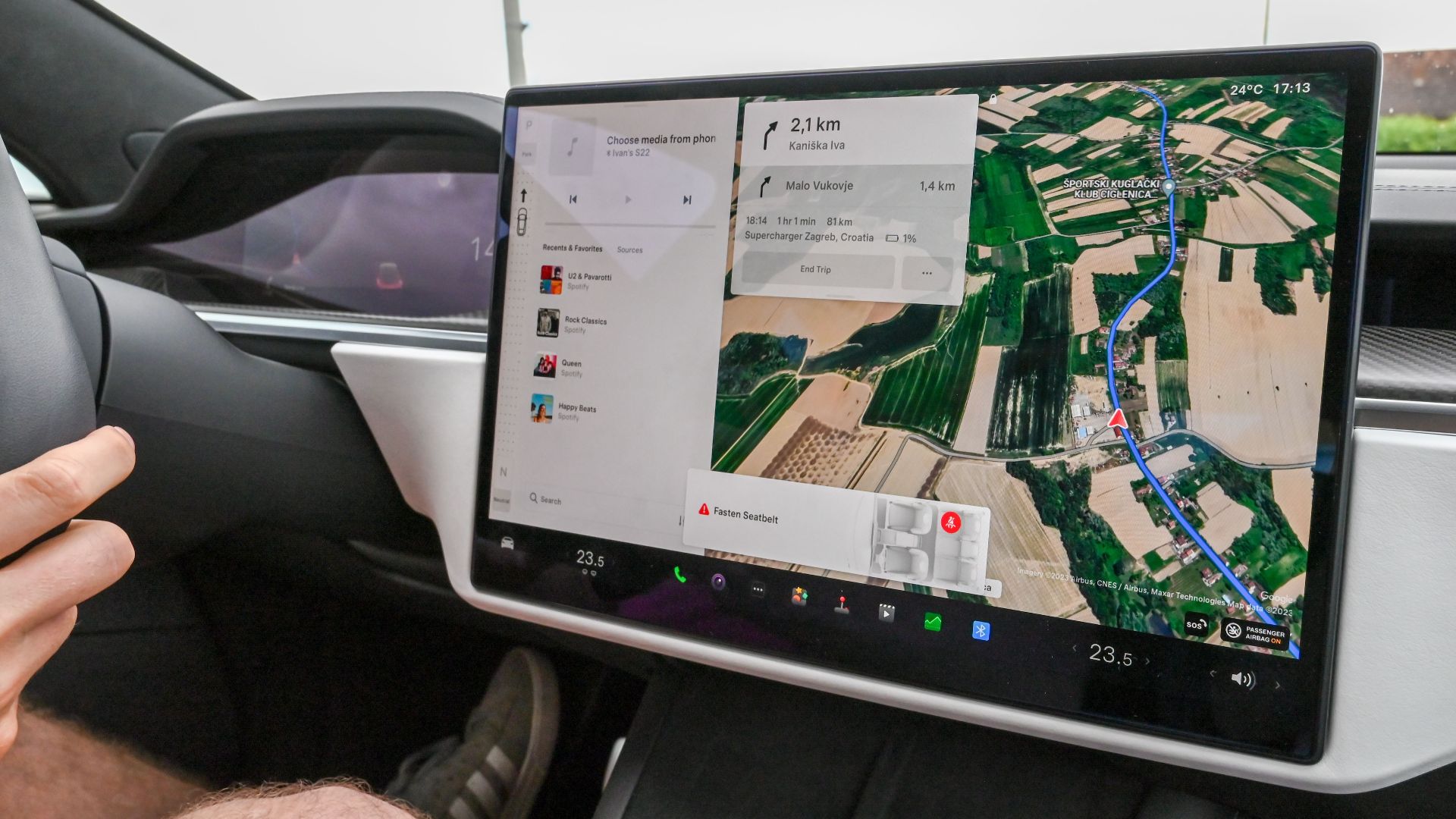
Navigation apps don't just look for the shortest route anymore. Today's AI-powered systems constantly check traffic, accidents, road closures, weather, and even charging stations for electric vehicles before suggesting the best way to get where you're going. Some systems also learn your regular routes and can warn you to leave earlier if traffic looks worse than usual.
Your Car Can Spot Problems Earlier
One of the biggest changes AI brings is predictive maintenance. Instead of waiting until something breaks or a warning light appears, your vehicle can analyze information from dozens or even hundreds of sensors to look for signs that something isn't working quite right. Catching small problems early can sometimes save drivers from much bigger repair bills later.

Your Car Is Watching For Driver Fatigue
Many new vehicles now include driver monitoring systems that pay attention to the person behind the wheel, not just the road ahead. AI looks for signs like drooping eyelids, head position, or unusual steering behavior that could suggest you're distracted or getting tired. If something seems off, the car may remind you to take a break before things become dangerous.

Many Safety Features Depend On AI
Features like automatic emergency braking, adaptive cruise control, lane-keeping assistance, and pedestrian detection all rely heavily on AI. The software processes information from cameras, radar, and other sensors in real time to recognize potential hazards. It can react incredibly quickly, often helping drivers avoid crashes or reduce their severity.
Software Updates Keep Making Cars Better
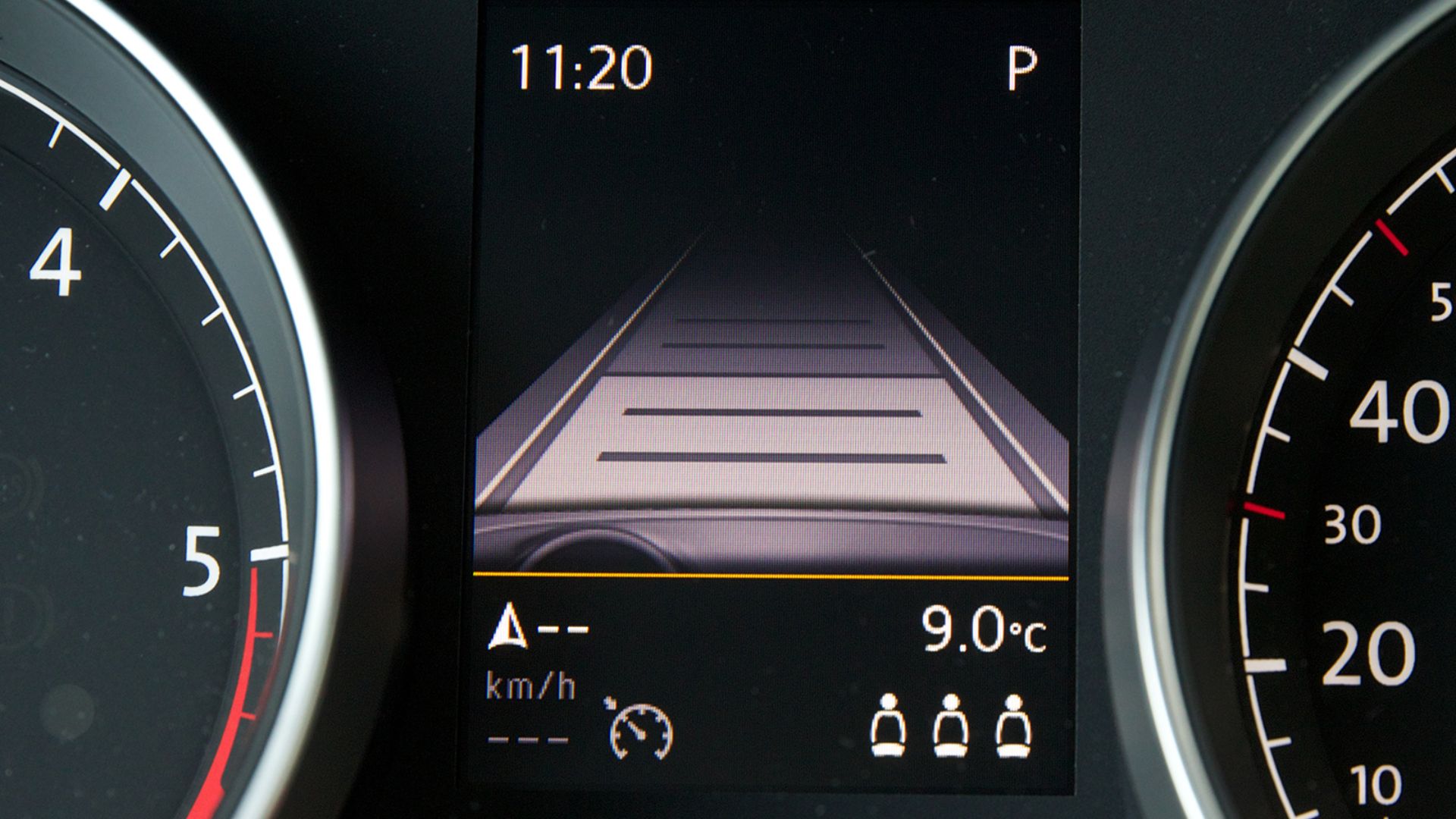
Cars aren't as fixed as they used to be. Thanks to over-the-air software updates, automakers can improve your infotainment system, fine-tune driver assistance features, fix bugs, and sometimes even add entirely new functions after you've already bought the vehicle. In many cases, those improvements are powered by updated AI software running behind the scenes.
AI Can Help Save Fuel Or Battery Power
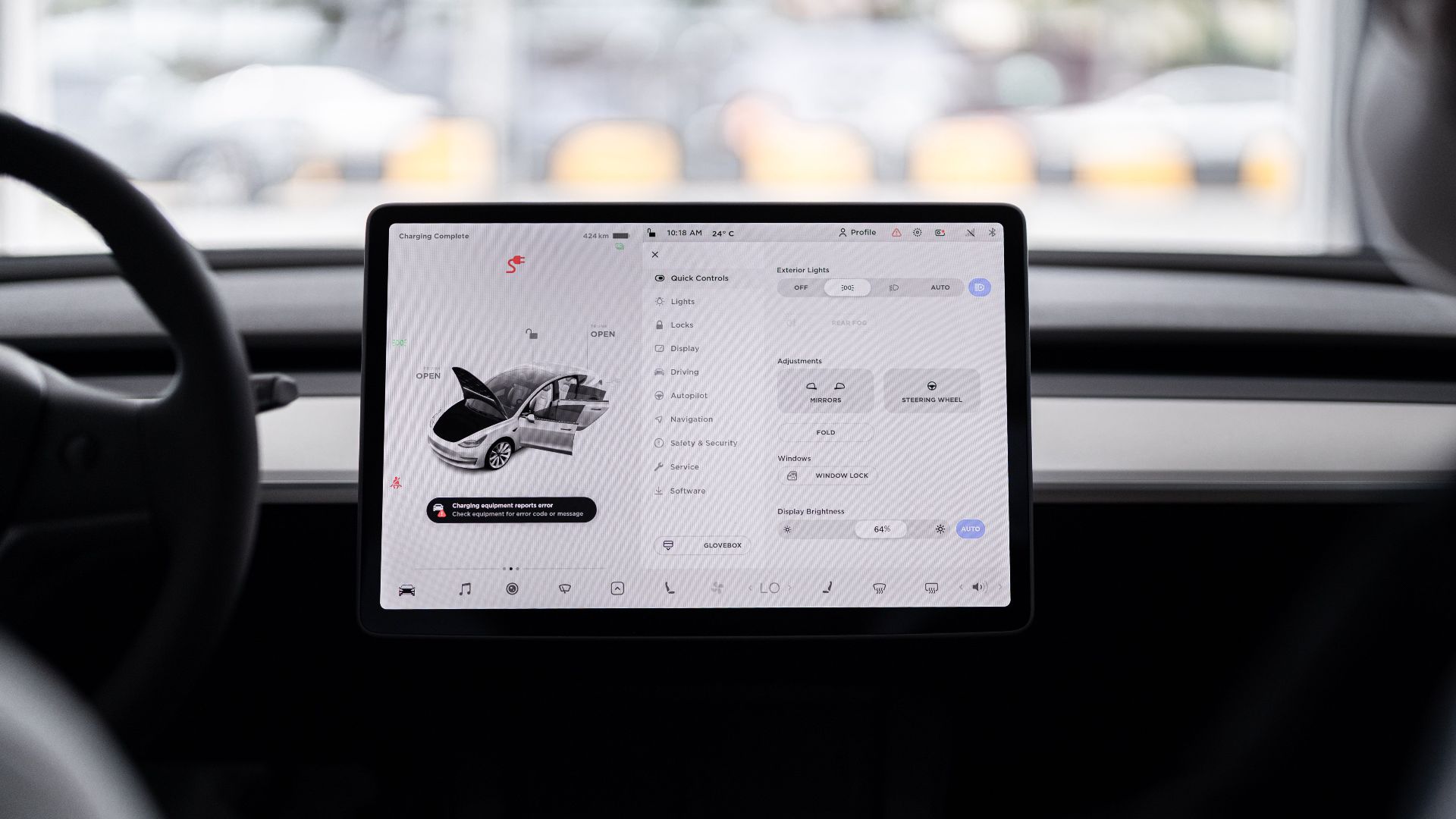
Whether you drive a gasoline car, hybrid, or EV, AI is getting better at squeezing more efficiency out of every mile. It can adjust how power is delivered based on traffic, terrain, weather, and even your driving style. Most of these changes happen automatically, so drivers simply notice better fuel economy or improved battery range.
Electric Vehicles Depend On AI Every Day
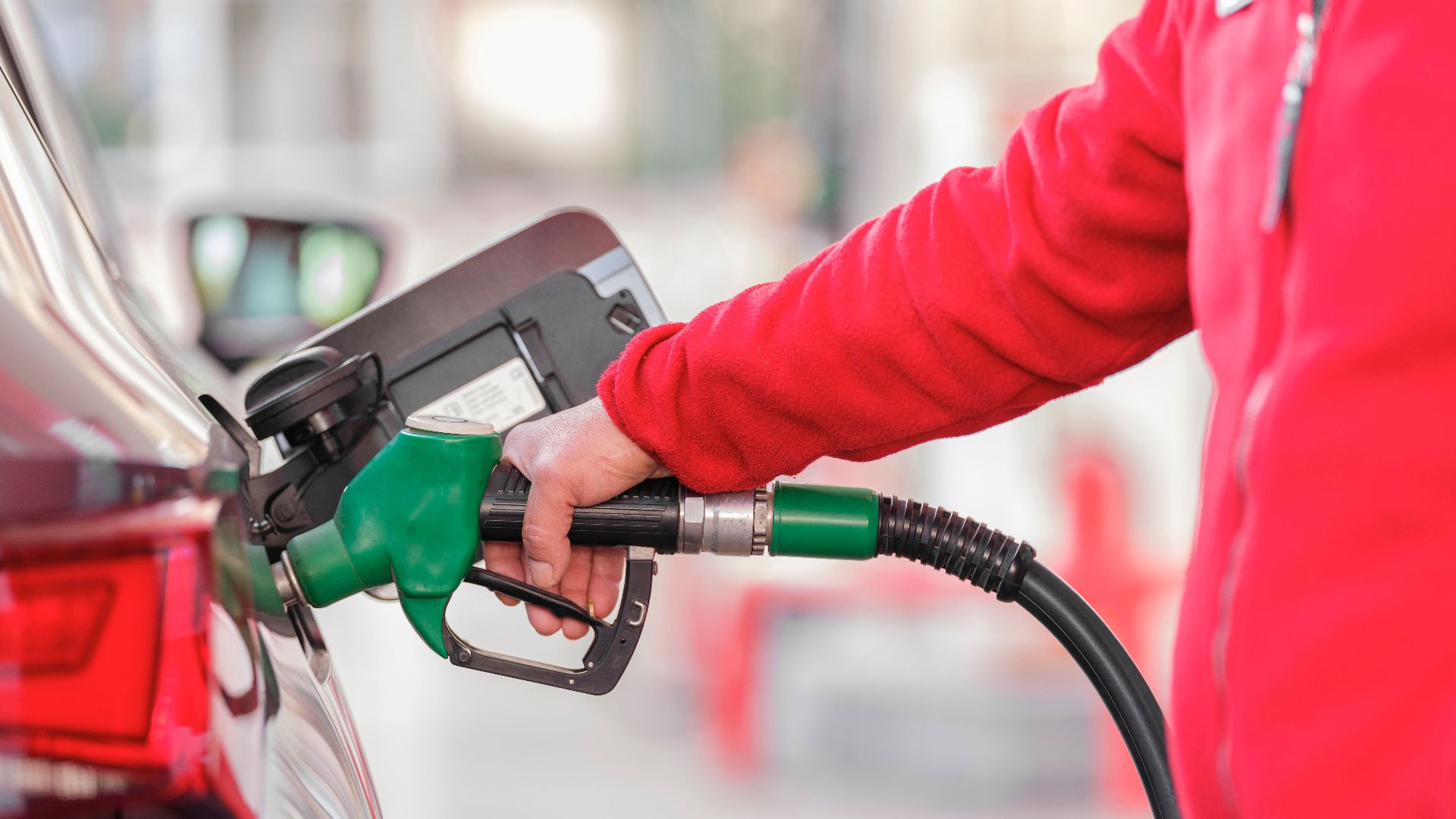
Electric vehicles use AI for far more than self-driving technology. It helps estimate how much range you have left, manages battery temperatures, figures out the best places to recharge, and constantly recalculates energy use as conditions change. Without those systems working together, owning an EV would be much less convenient.

Parking Is Getting Easier
Parking assistance has come a long way over the past decade. AI helps vehicles recognize available parking spaces, nearby cars, curbs, pedestrians, and other obstacles while making constant steering adjustments. Some vehicles can even park themselves while you stand outside using your phone or key fob.
Your Car Notices Things You Might Miss
Drivers don't always hear the first signs of a mechanical problem, especially if it develops gradually. AI systems continuously compare sensor readings with normal operating conditions and can sometimes detect subtle changes long before they become obvious. That gives owners a chance to schedule repairs before minor issues turn into expensive headaches.
Insurance Companies Use AI Too
If you've signed up for a usage-based insurance program, there's a good chance AI is helping analyze your driving data. Things like hard braking, acceleration, mileage, speed, and driving times can all be evaluated using machine learning. Safer driving habits may qualify some customers for discounts, although participation is usually optional.

Service Departments Are Becoming Smarter
AI isn't only helping drivers. Many dealerships and repair shops now use AI tools to sort through diagnostic information before technicians even start working on a vehicle. That can help identify likely problems more quickly, make it easier to order the right replacement parts, and sometimes shorten repair times.

AI Is Helping Protect Connected Cars
As vehicles become more connected to the internet, cybersecurity becomes more important. AI-powered security systems can monitor network activity, recognize unusual behavior, and detect possible cyber threats much faster than older security software. It's another example of AI working quietly in the background without drivers ever noticing.

Your Cabin Adjusts Itself More Often
Modern climate control systems are much smarter than simply blowing hot or cold air. AI can factor in sunlight, outside temperatures, humidity, where passengers are sitting, and your past preferences before making adjustments. The result is a cabin that stays comfortable with less fiddling on your part.
AI Doesn't Automatically Mean Self-Driving
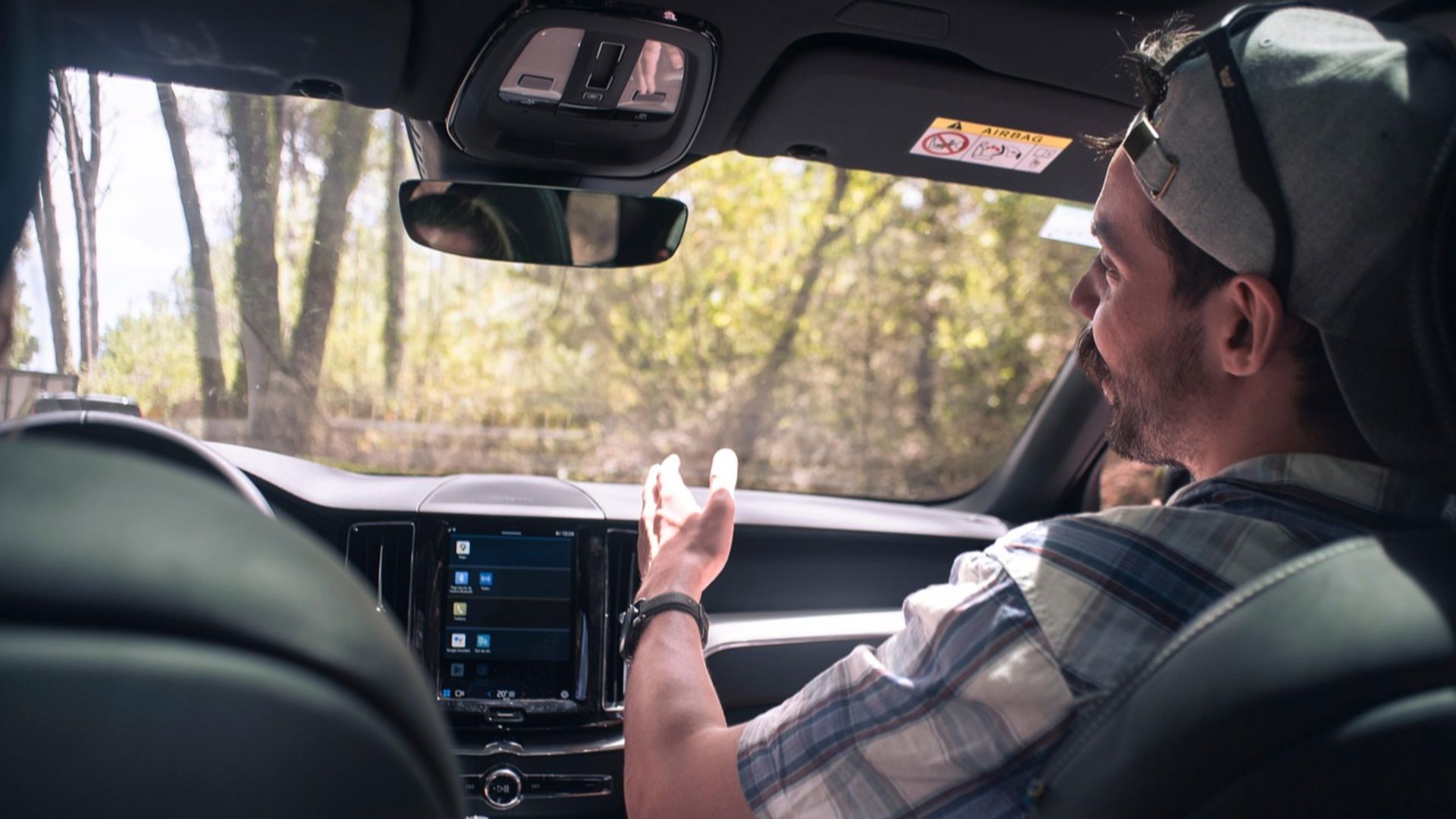
When people hear "AI car," they often picture a fully autonomous vehicle. In reality, most automotive AI today is focused on helping drivers, not replacing them. Everything from navigation and voice assistants to maintenance alerts and safety features relies on AI while still keeping the driver responsible for the vehicle.

Privacy Is Becoming A Bigger Conversation
The more connected vehicles become, the more information they collect. Driving habits, locations, vehicle performance, and infotainment usage can all be part of the data that connected services gather. That's why it's worth taking a few minutes to read your automaker's privacy policy and understand what information is being collected.

Older Cars Can Benefit Too
You don't need to buy a brand-new vehicle to take advantage of AI. Smartphone navigation apps, aftermarket diagnostic tools, connected dashcams, and insurance telematics devices all use artificial intelligence to provide smarter features for older cars. In many cases, a simple app or accessory can bring some modern convenience to a vehicle that's been on the road for years.

AI Works Best When You Hardly Notice It
The biggest shift may be that AI is becoming almost invisible. Instead of flashy robot features, it's quietly helping cars become safer, easier to maintain, more efficient, and more convenient every year. Most drivers won't notice AI taking over their driving experience. They'll just notice that owning a car feels a little easier than it used to.

You May Also Like:
Car Features From The 1970s That Disappeared And Should Definitely Never Come Back
Car Brands Baby Boomers Thought Would Last Forever—Now No One Born After 2000 Has Even Heard Of Them
Cars From The 1990s That No One Remembers—Seriously, Do You Remember Even 5 Of These Vehicles?