The Trucks Outlived The Names
Some truck badges vanished long before the vehicles themselves. America's pickup history is filled with forgotten manufacturers, unusual designs, and hardworking machines whose names disappeared from showrooms, even as surviving examples continued turning up on farms, at auctions, and in collectors' garages.
Studebaker: The Truck Maker Everyone Forgets
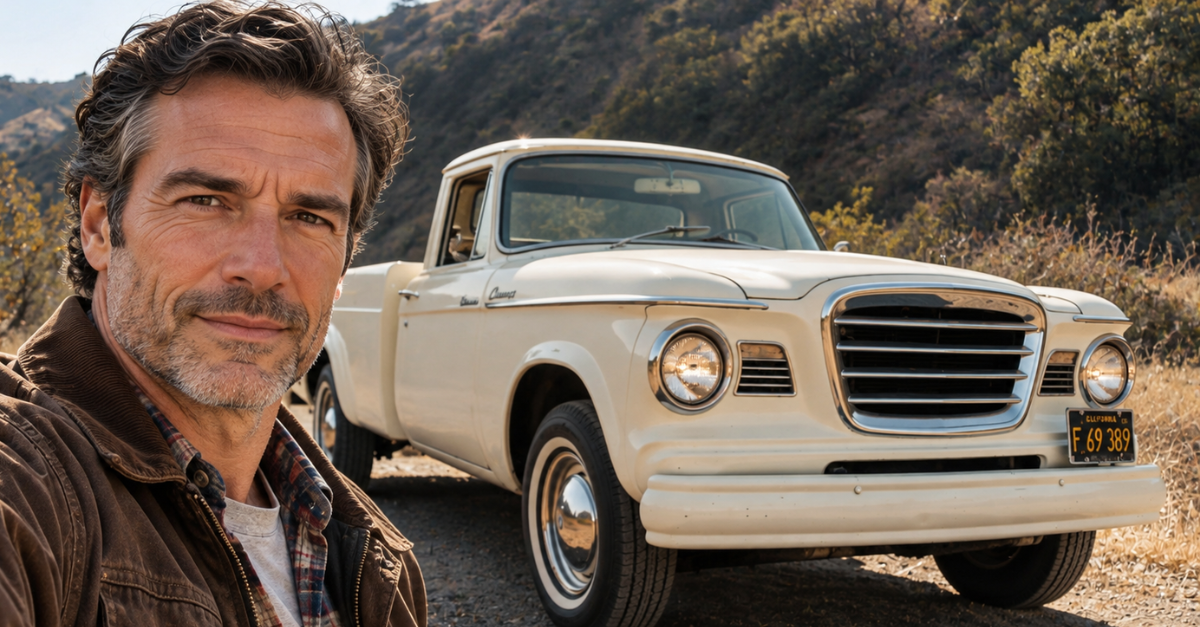
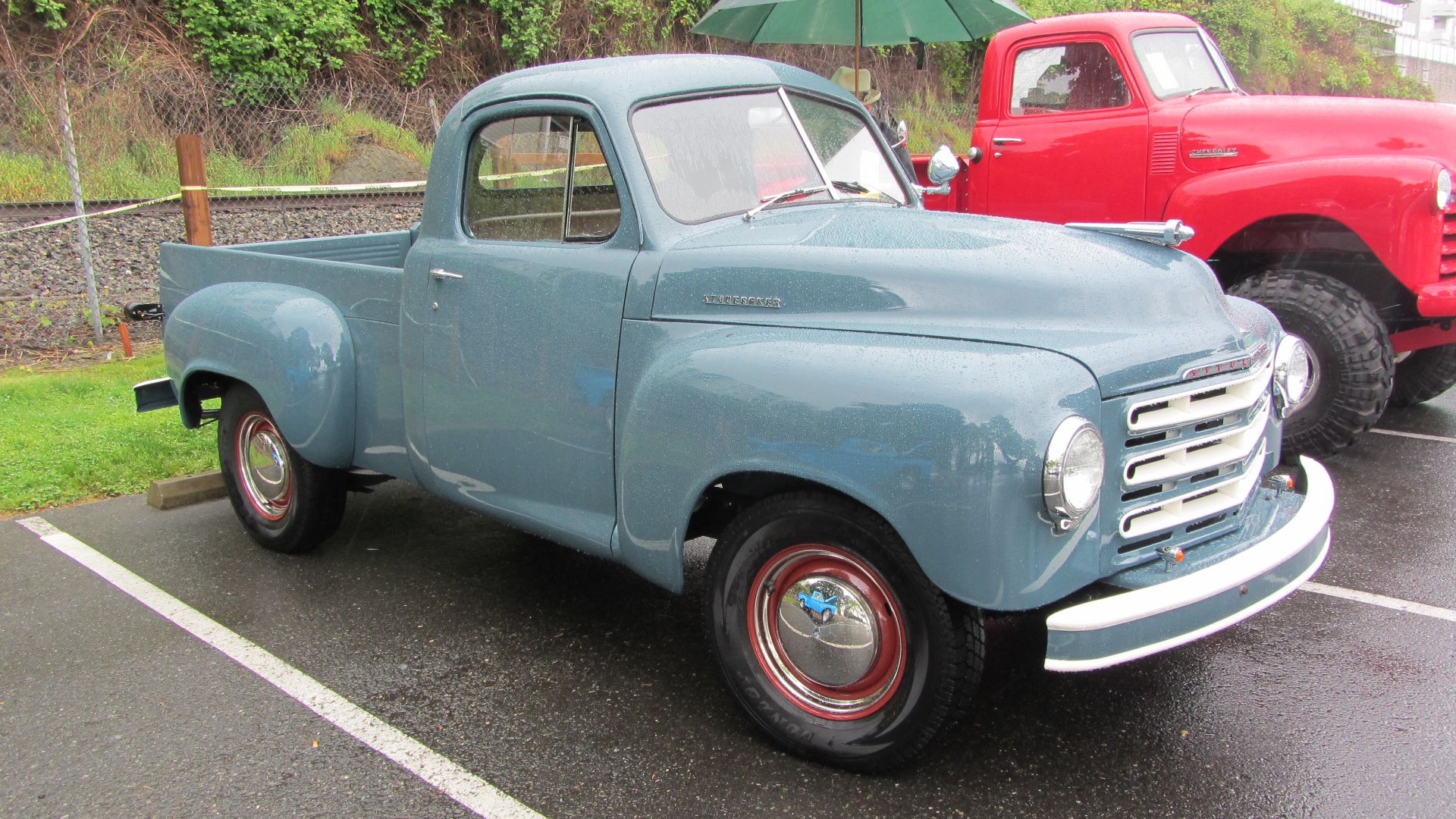
Studebaker is remembered for its passenger cars, but the company also built pickups that competed with America's biggest truck manufacturers. Its postwar 2R series arrived for the 1949 model year with rounded styling and a cab designed specifically for truck use. These vehicles combined practical working equipment with a distinctive appearance that separated them from Ford and Chevrolet. Studebaker's truck history deserves considerably more attention than it usually receives.
 JOHN LLOYD from Concrete, Washington, United States, Wikimedia Commons
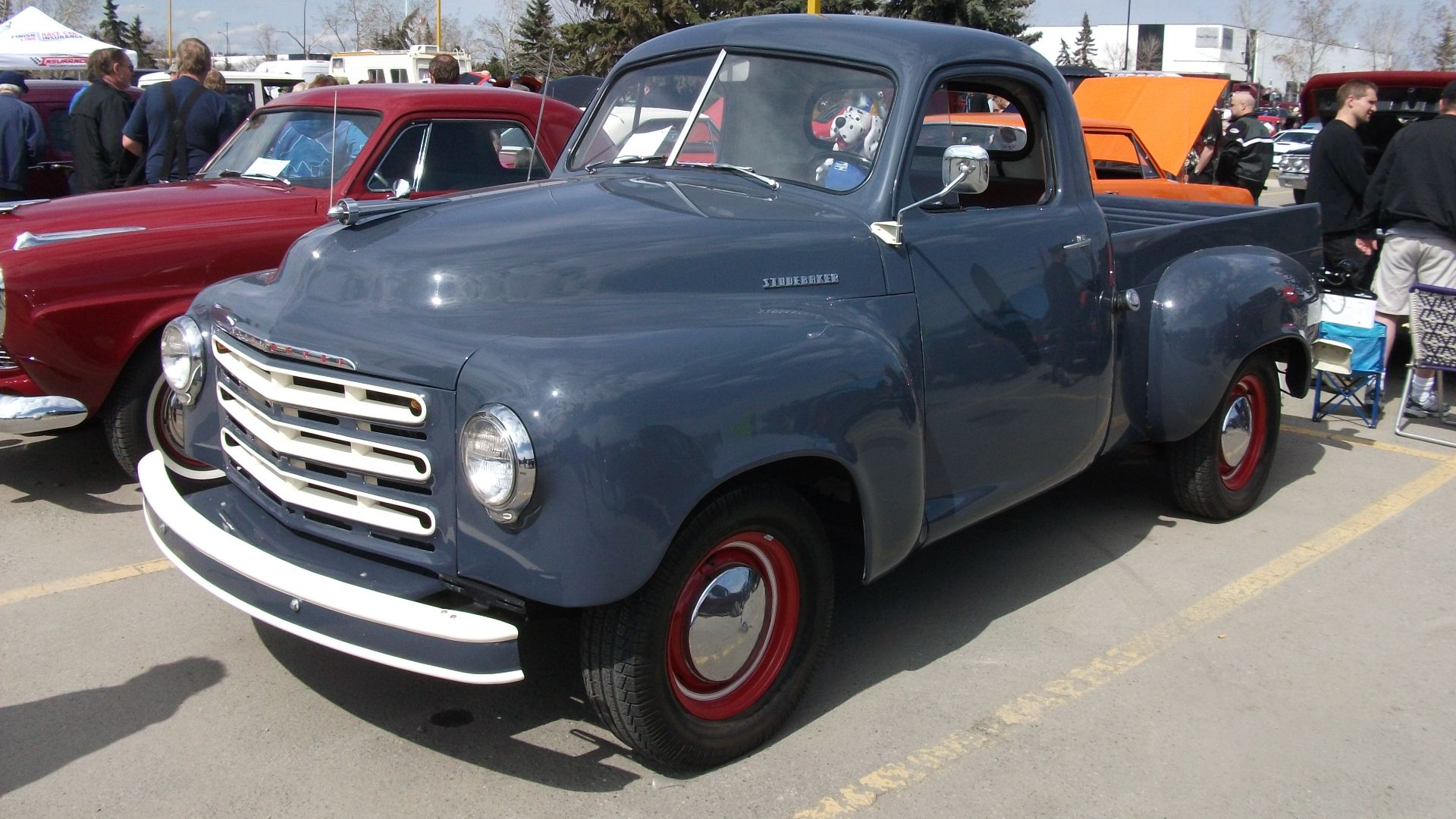
Studebaker 2R: A Working Truck With Style
The 2R series featured styling developed under designer Bob Bourke, who helped give Studebaker trucks a more integrated appearance. Hagerty describes the design as an important step toward making pickup bodies look like cohesive vehicles rather than collections of separate parts. The trucks were available with six-cylinder engines and conventional working-truck equipment. Their appearance has aged remarkably well, especially compared with some of the more utilitarian pickups of the period.
 dave_7 from Lethbridge, Canada, Wikimedia Commons
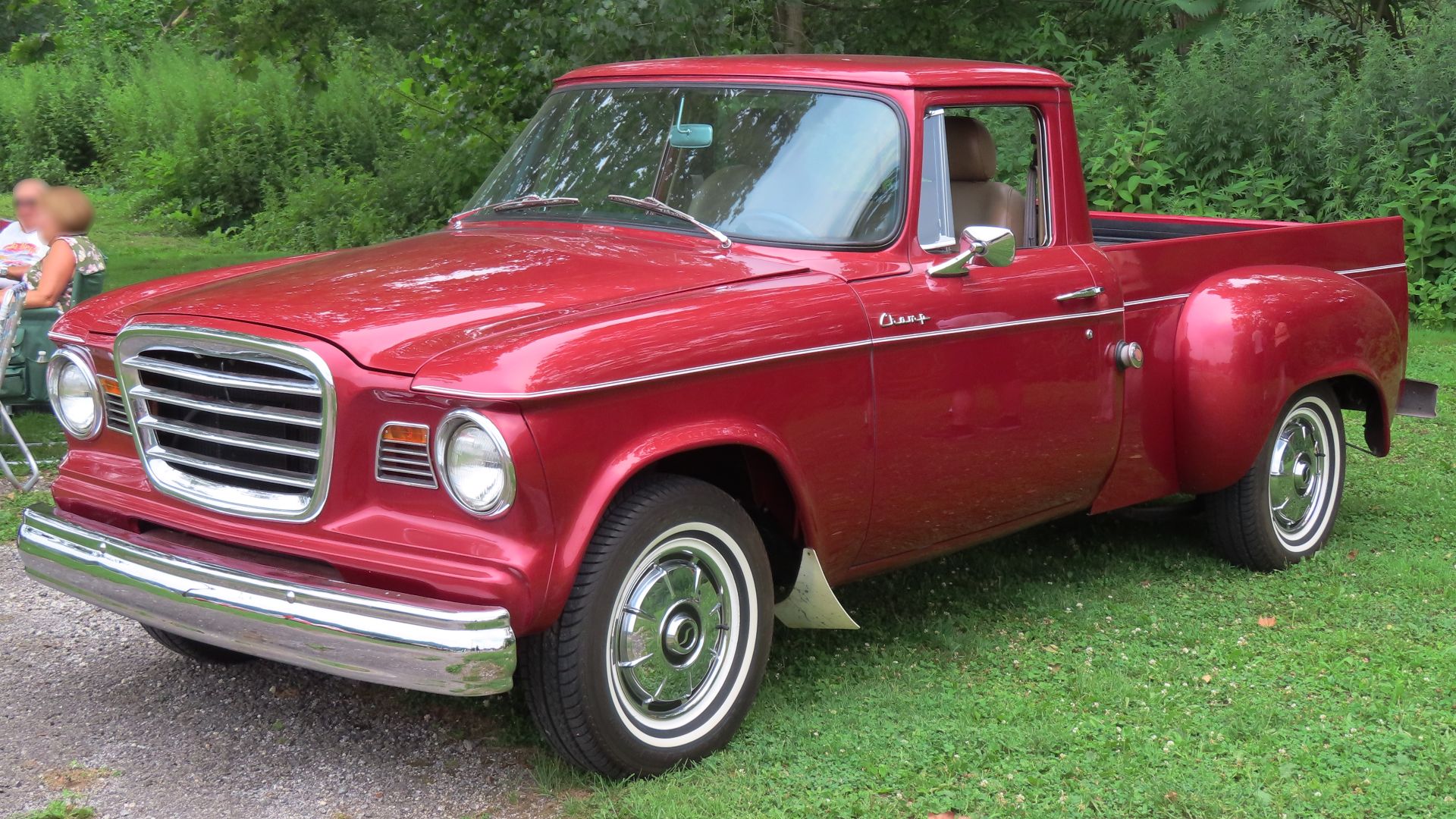
Studebaker Champ: The Last Pickup Before The End
Studebaker introduced the Champ for 1960, using a cab derived from its Lark passenger car to control development costs. The company later offered the Spaceside cargo box, which used tooling acquired from Dodge. Production ended in 1963 when Studebaker abandoned American truck manufacturing and closed its South Bend automotive plant. Surviving Champs are reminders of a manufacturer that continued developing pickups even as its financial difficulties mounted.
 MercurySable99, Wikimedia Commons
International Harvester: More Than Farm Equipment
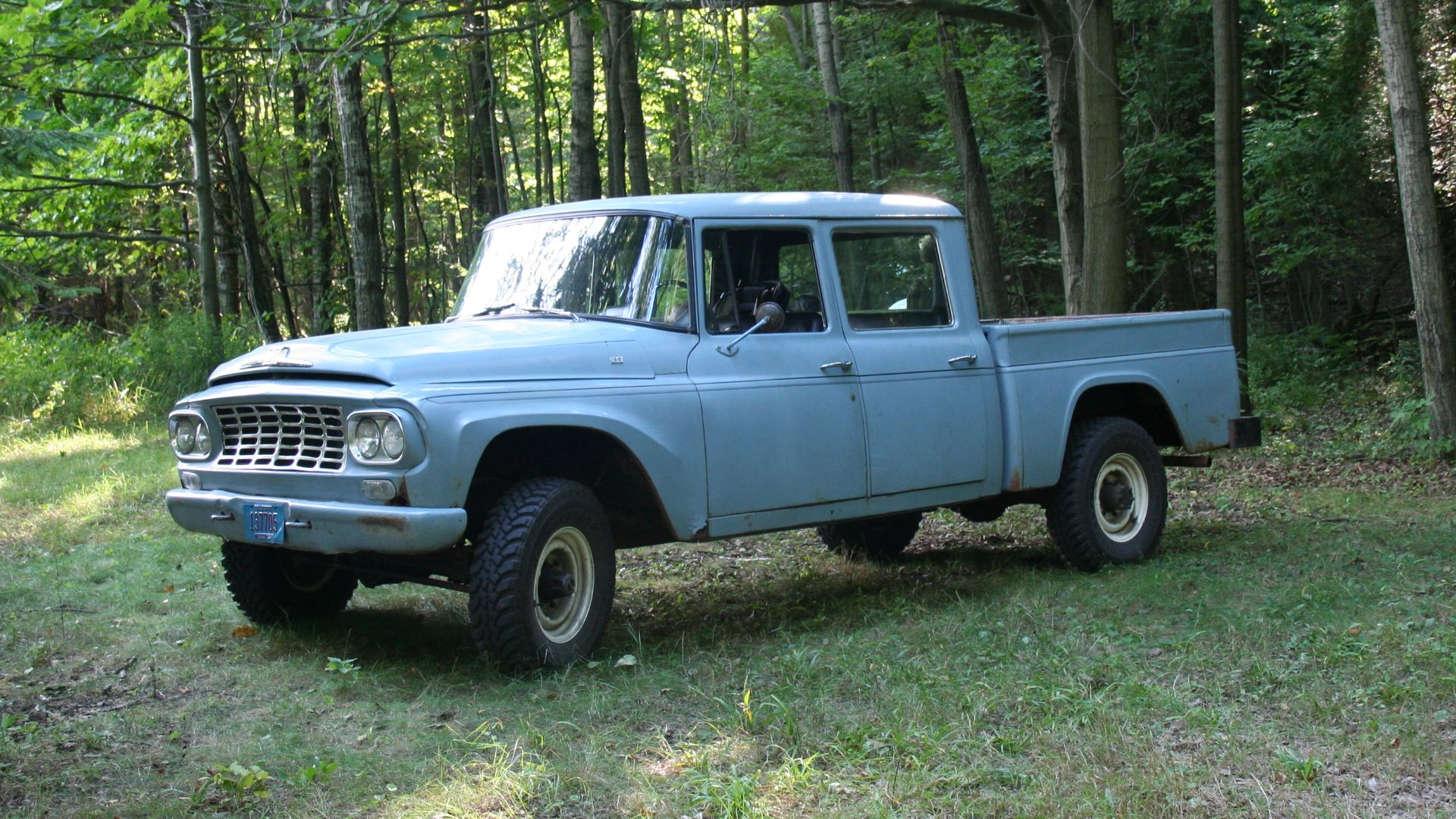
International Harvester built far more than the tractors and agricultural machinery associated with its name. Its light-duty trucks earned a reputation for heavy construction and serious working capability. Hagerty's history of a 1962 International Travelette describes the company's engines as substantial units designed specifically for truck service. That emphasis on durability helped distinguish International pickups from vehicles developed primarily by passenger-car manufacturers.
 Ssadams7700, Wikimedia Commons
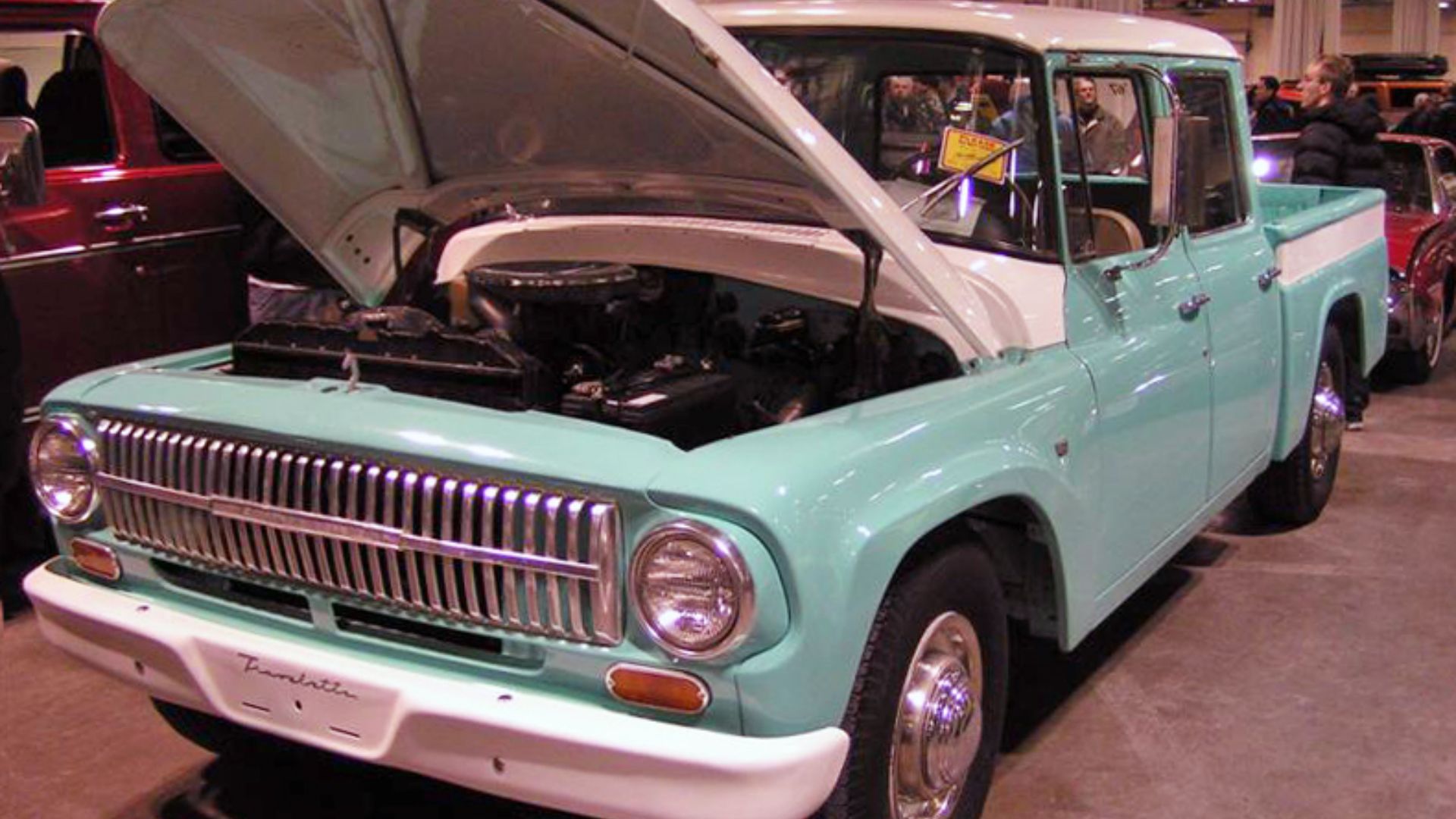
International Travelette: A Crew Cab Before It Was Fashionable
Long before four-door pickups became everyday family vehicles, International offered the Travelette. Hagerty documents a 1962 example with seating for six passengers and an available 304-cubic-inch V8. The extra seating made the truck useful for transporting work crews or families without sacrificing the cargo bed. Its basic idea would eventually become one of the most popular configurations in the American pickup market.
 dave_7 from Lethbridge, Canada, Wikimedia Commons
International Light Line: The Pickup That Disappeared
International continued building conventional light-duty pickups into the 1970s, including its final Light Line models. Production ended in 1975 as the company withdrew from the increasingly competitive pickup market. The Scout line continued, and International subsequently offered the longer-wheelbase Scout Terra pickup. The familiar International pickup badge disappeared from new conventional light trucks, but surviving examples preserve the company's distinctive approach to truck engineering.
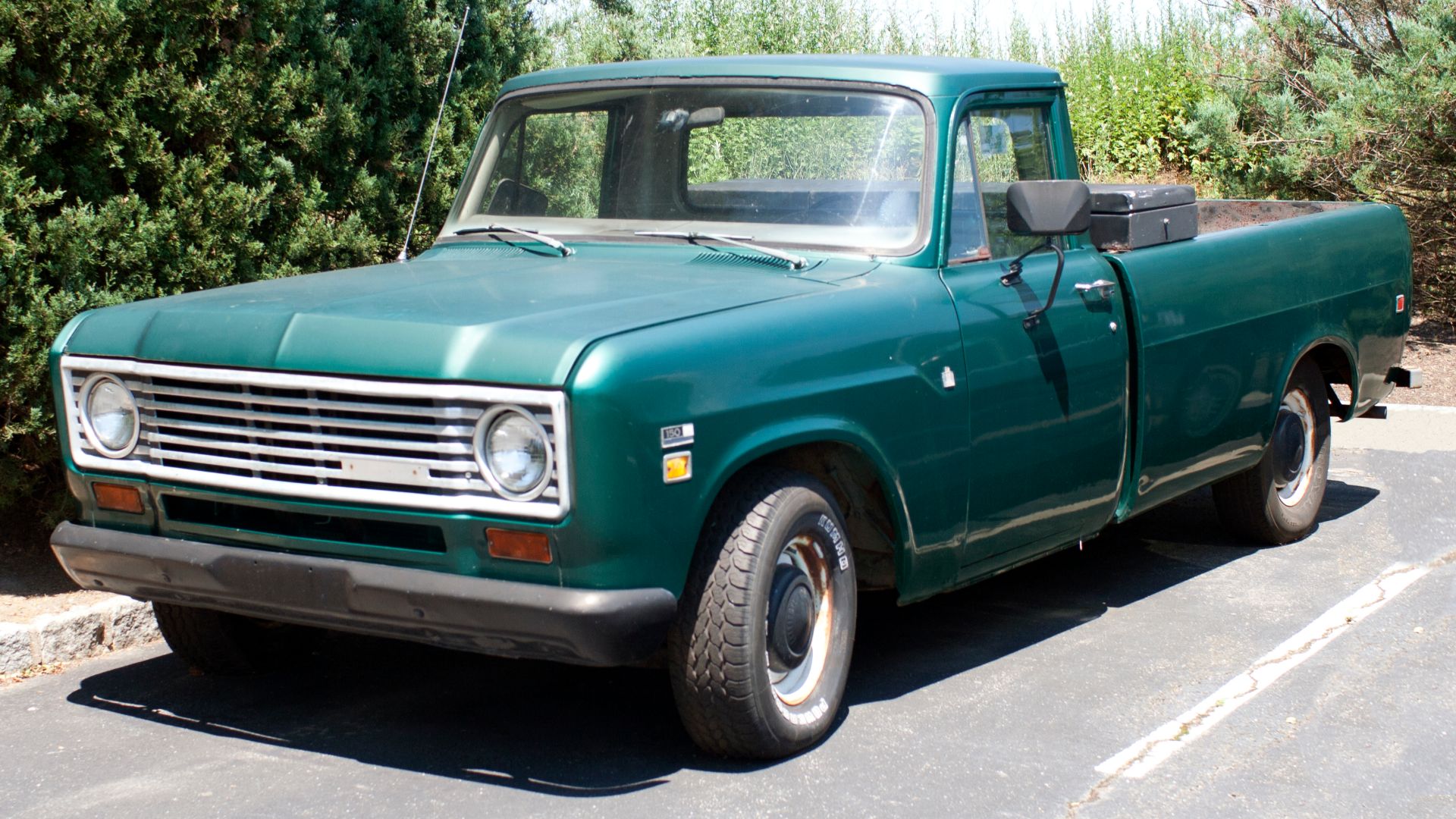 Mr.choppers, Wikimedia Commons
Hudson Big Boy: A Pickup With Passenger-Car Roots
Hudson's Big Boy pickups looked different from the conventional work trucks of their era. Introduced in 1939, they combined a passenger-car-influenced appearance with a practical cargo bed. The Big Boy series was offered in half-ton and three-quarter-ton forms before World War II. It remains one of the more unusual entries in American pickup history.
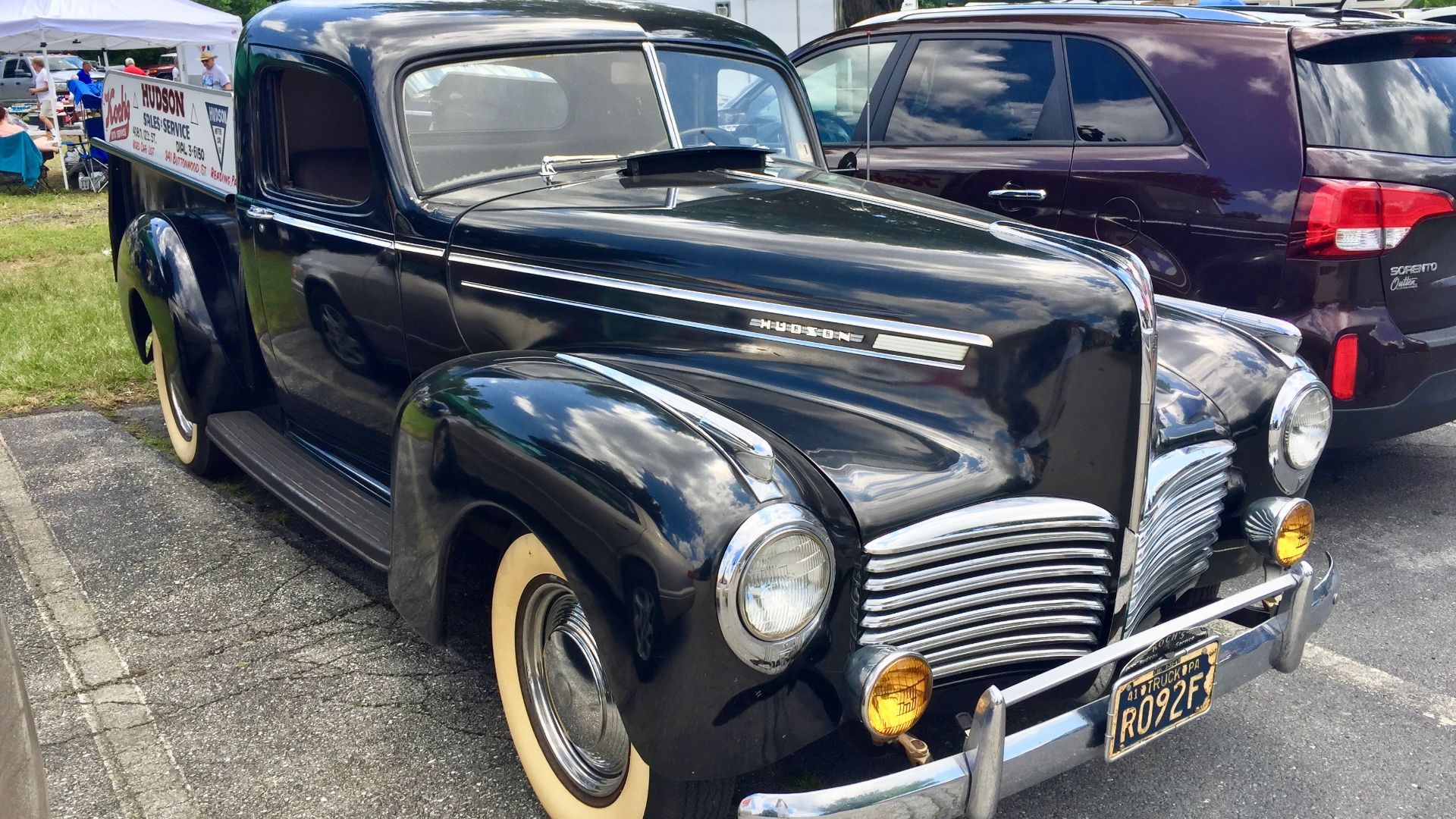
Hudson Big Boy: The Six-Cylinder Workhorse
Hudson used inline-six engines in its Big Boy pickups, giving them a mechanical connection to the company's passenger-car engineering. The trucks were offered in several configurations, with the postwar version concentrating on the three-quarter-ton market. Their rounded bodies and long front ends created a striking contrast with the more familiar pickup designs that followed. They were built for practical transportation, but their appearance now makes them especially interesting collectibles.
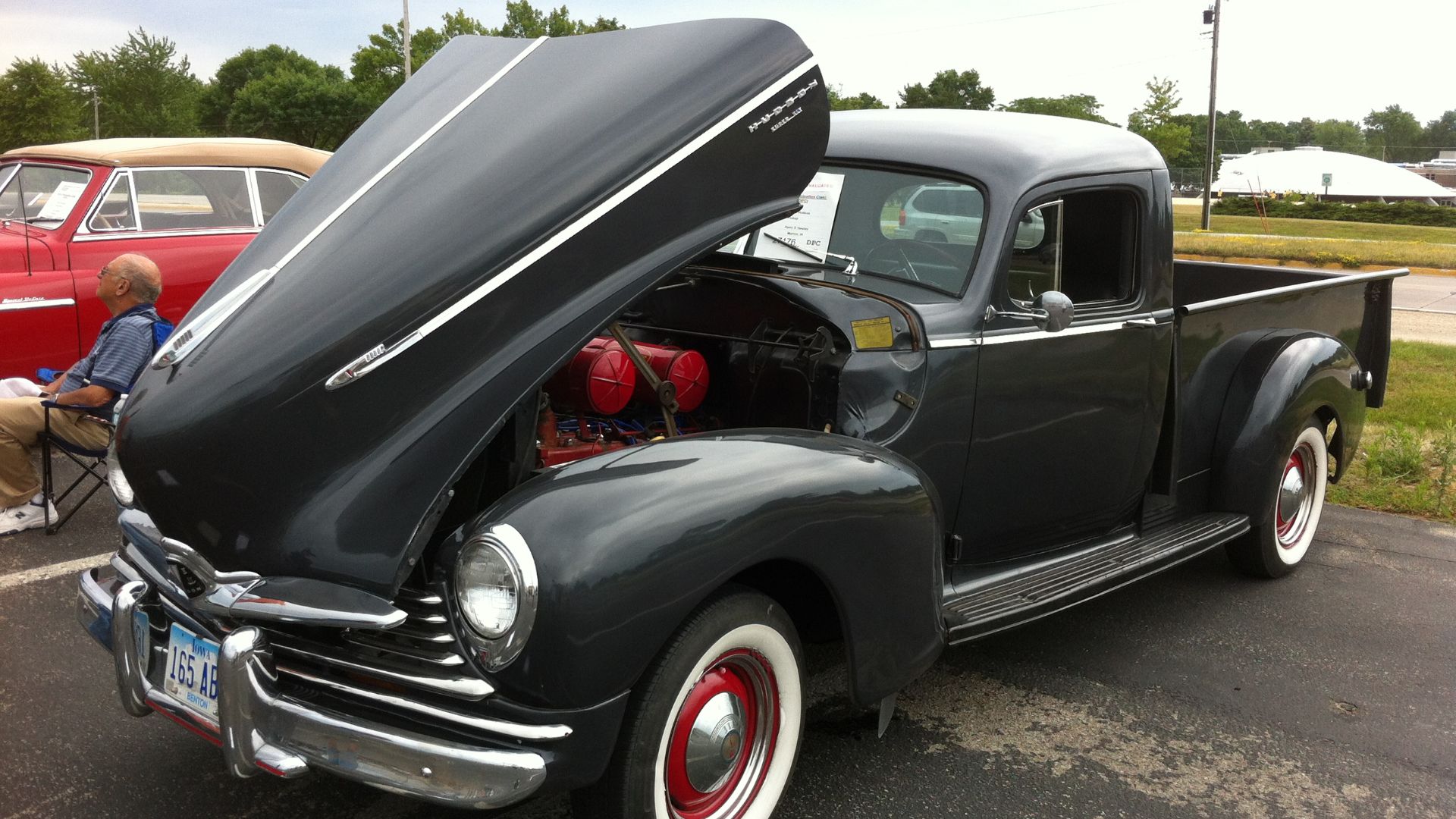
Hudson: The Pickup Vanished Before The Brand
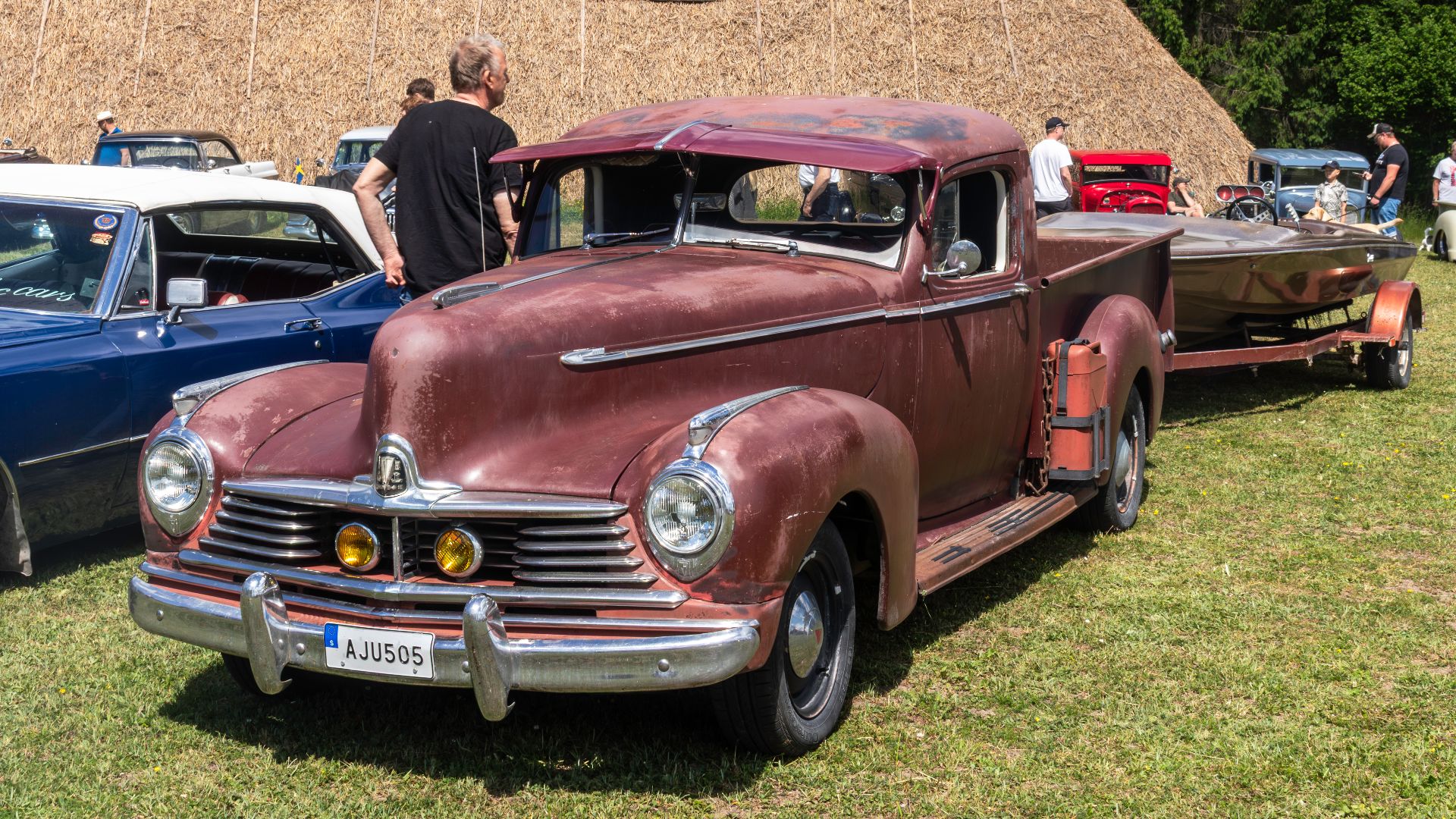
Hudson's pickup production ended in 1947, years before the Hudson automobile name itself disappeared. The postwar Super Six pickup retained the general character of the earlier Big Boy trucks. A surviving 1947 example documented by Cars-On-Line featured a six-cylinder engine, manual transmission, and a substantial cargo bed. These vehicles demonstrate how a manufacturer's truck business could disappear even while its passenger cars continued.
Diamond T: The Cadillac Of Pickup Trucks
Diamond T was a Chicago manufacturer whose trucks developed a reputation for quality construction and distinctive styling. Its Model 201 pickup, introduced in 1938, combined a one-ton rating with unusually elegant bodywork. RM Sotheby's describes the marque as having earned a reputation for sturdy engineering and high-quality assembly. The result was a truck that looked surprisingly sophisticated for a vehicle intended to perform demanding work.
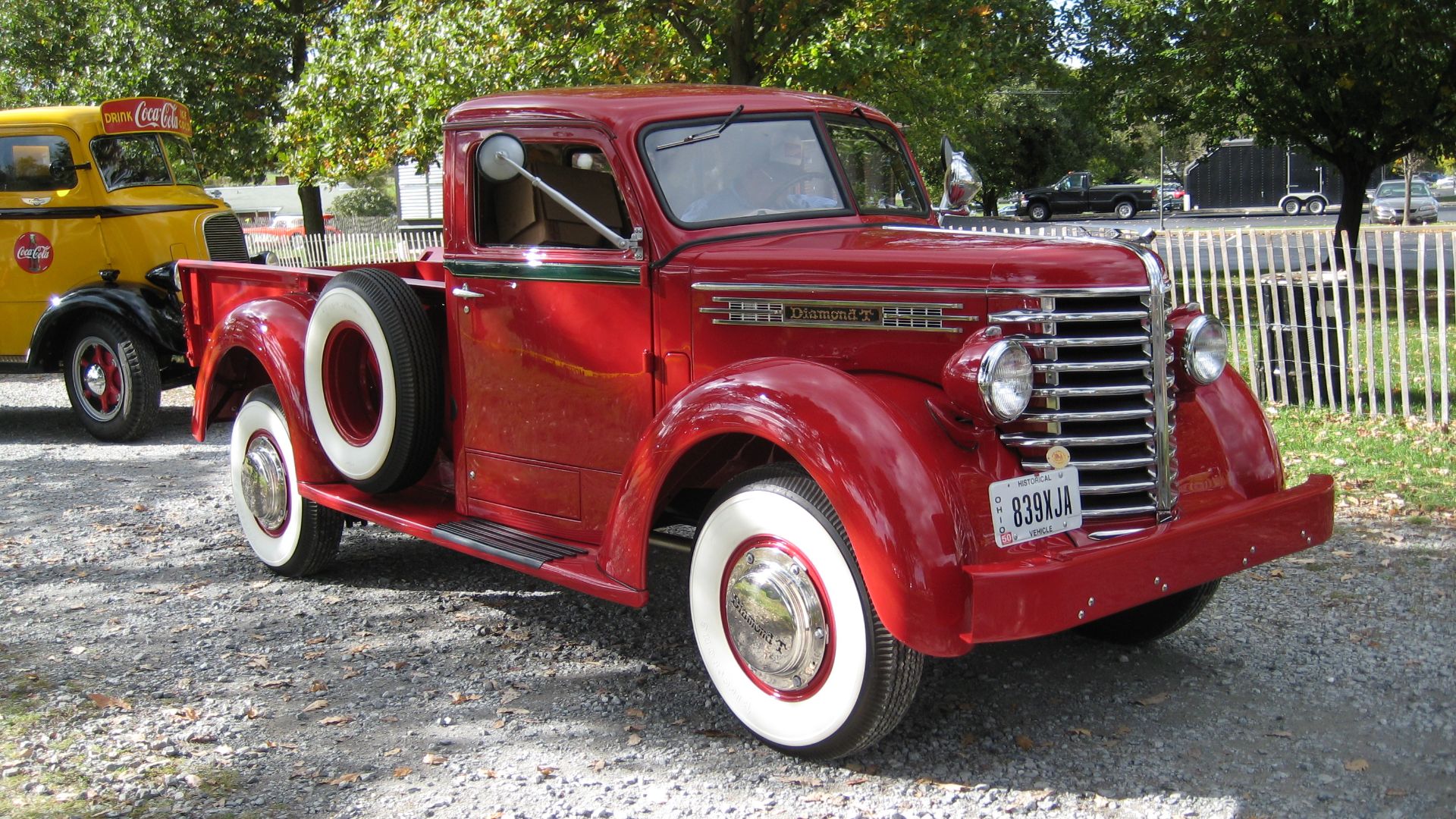 JOHN LLOYD from Concrete, Washington, United States, Wikimedia Commons
Diamond T Model 201: Built To Earn Its Keep
The Model 201 used a Hercules six-cylinder engine and a Warner Gear transmission. Its substantial mechanical components reflected Diamond T's background in commercial vehicles rather than ordinary passenger cars. The company produced 1,379 examples of the Model 201 in 1948, according to RM Sotheby's. Those production numbers help explain why surviving trucks attract attention at collector auctions.
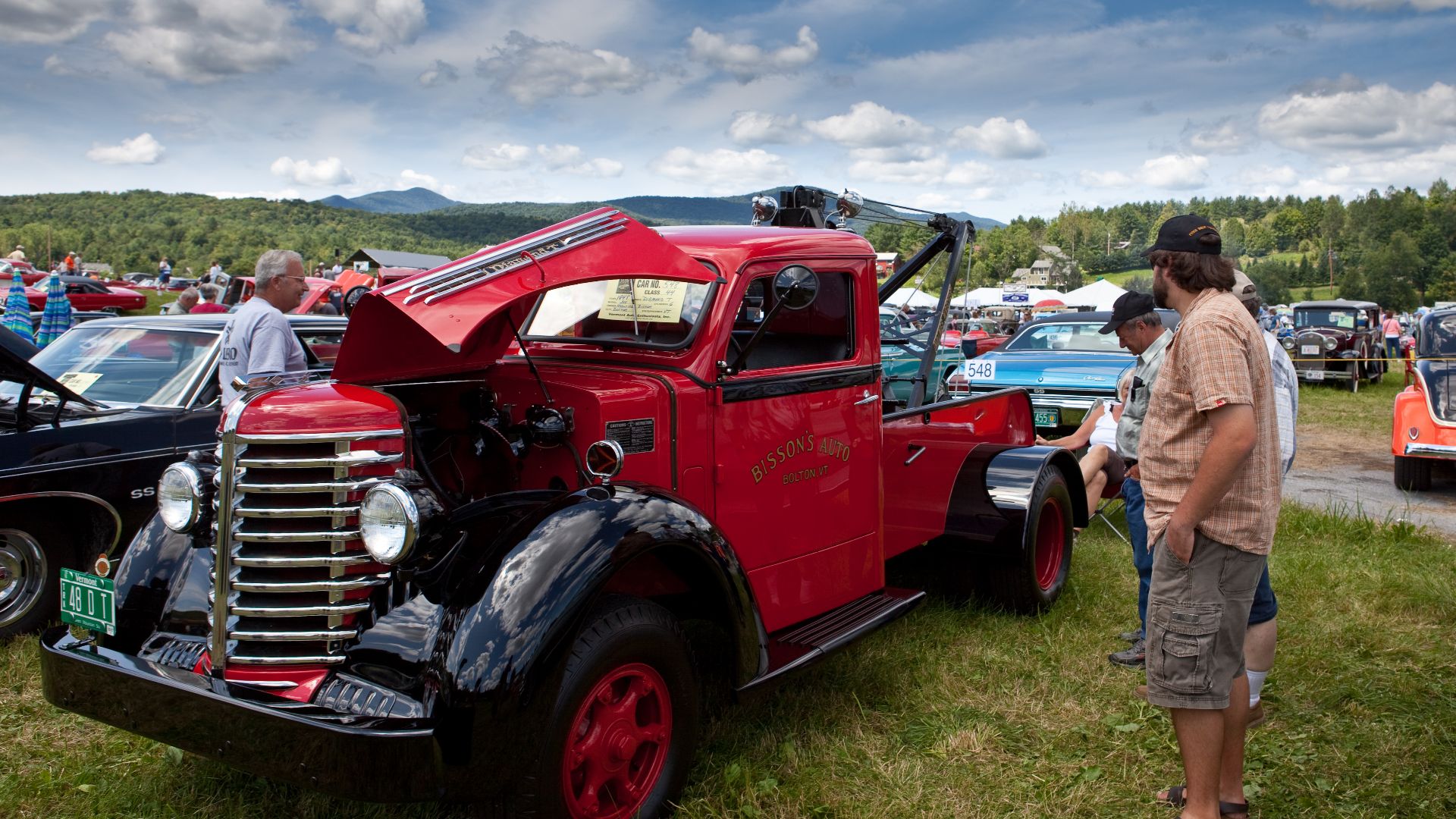 Patrick from Merrimack, NH, United States, Wikimedia Commons
Diamond T: When The Pickup Business Became Too Tough
Diamond T faced increasingly difficult competition from larger manufacturers after World War II. By 1951, the company had shifted its attention away from pickups and toward heavier commercial trucks. White Motor Company acquired Diamond T in 1958, ending its independence. The brand's disappearance from the pickup market left behind some of the most distinctive American trucks of the prewar and immediate postwar years.
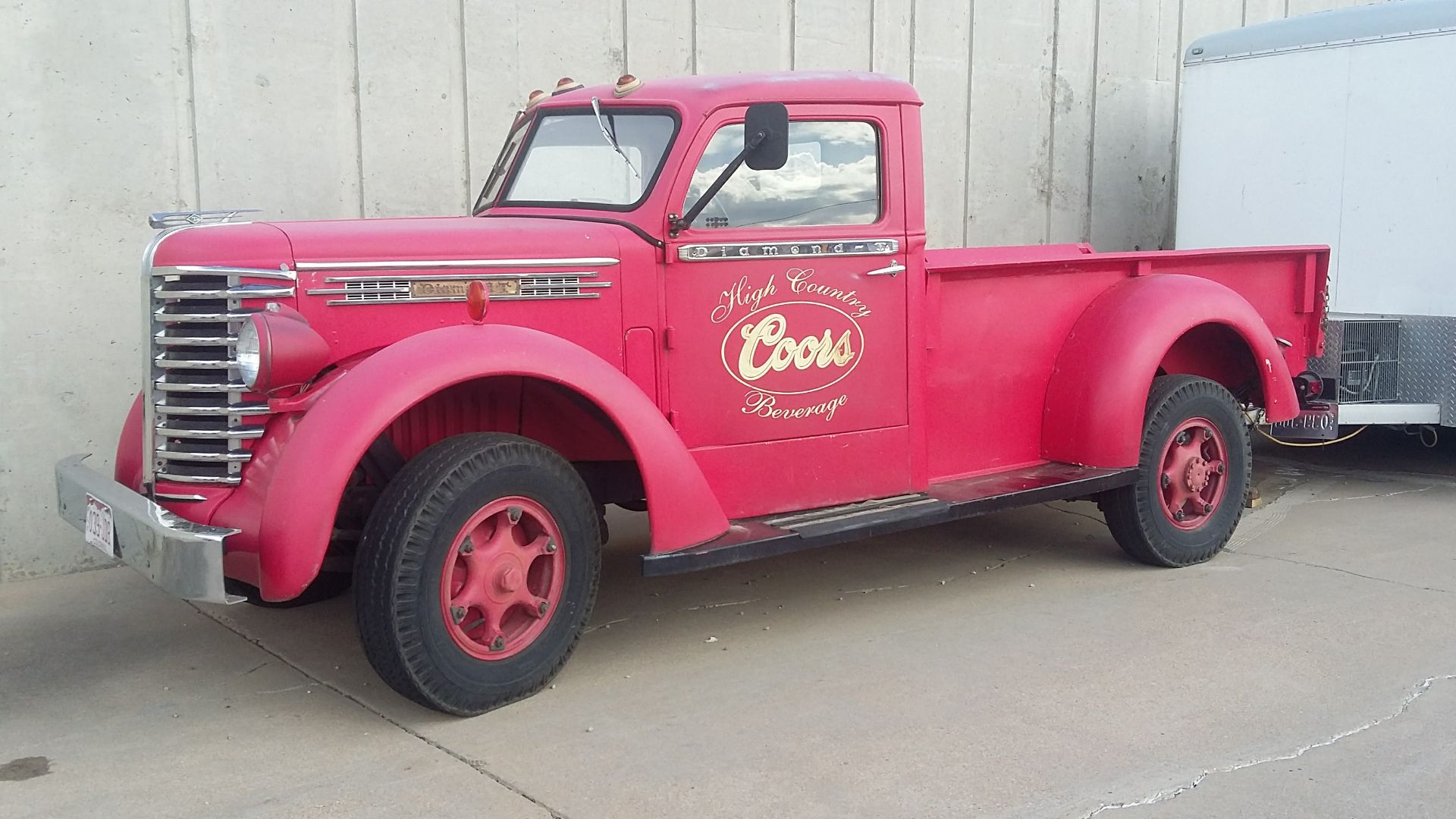
Willys-Overland: The Company Behind The Original Jeep Truck
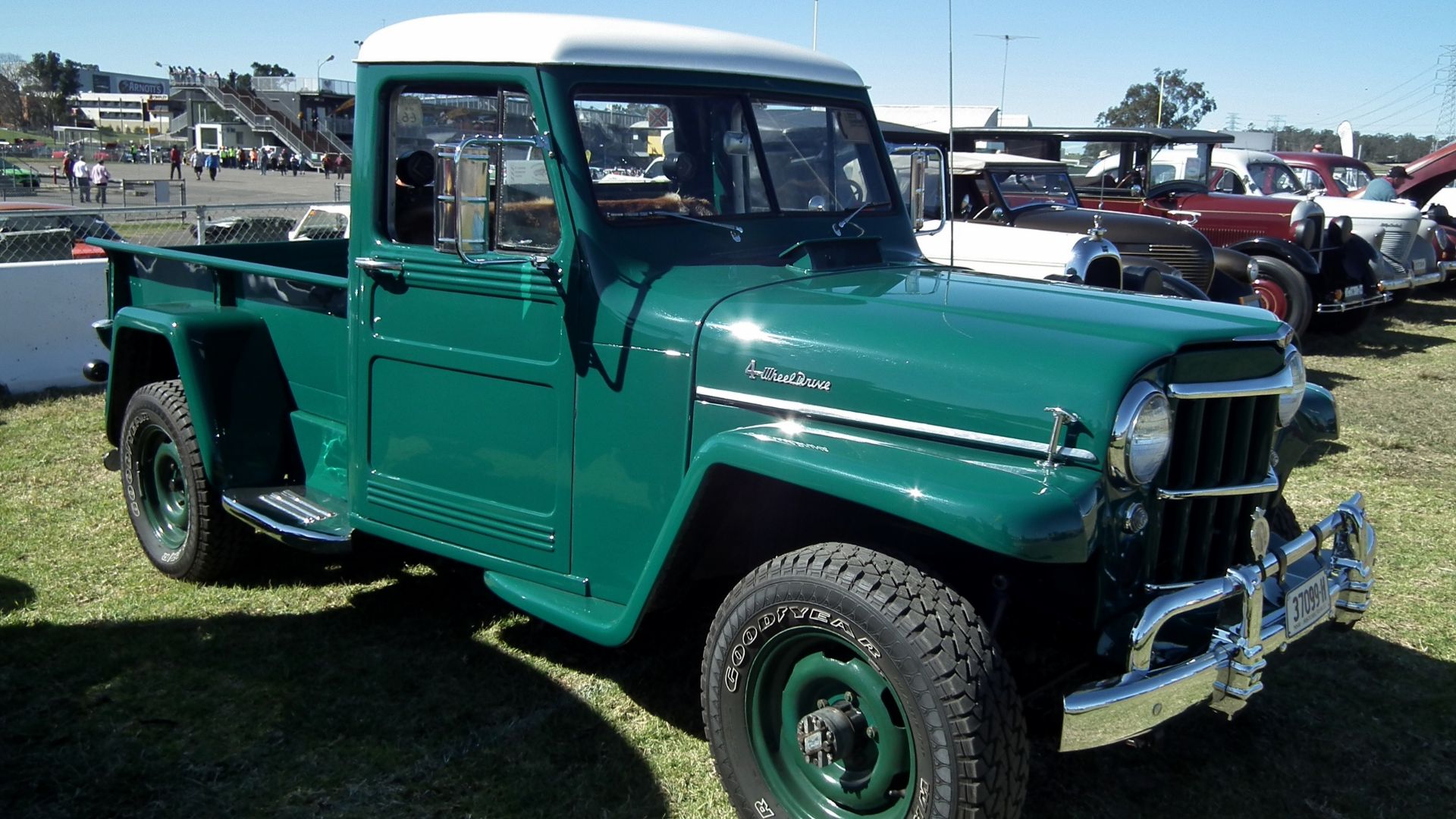
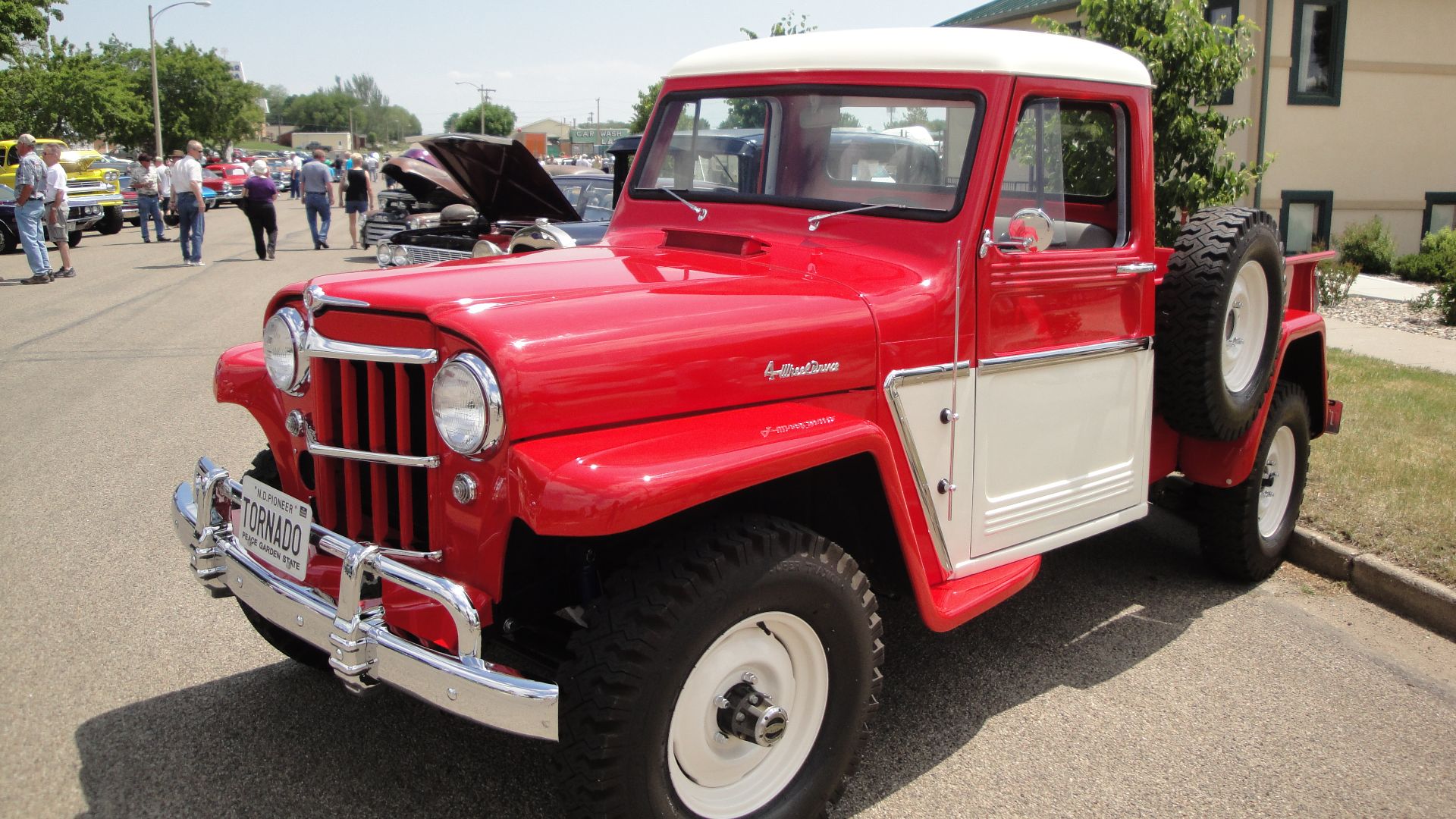
Willys-Overland introduced its Jeep pickup in 1947, bringing the rugged mechanical philosophy of the civilian Jeep to a larger working vehicle. The truck used a 118-inch wheelbase and was offered in both two-wheel-drive and four-wheel-drive forms. Jeep's official history identifies farmers as an important target market for the model. Its squared-off body and unmistakable front end made it look like a Jeep designed to haul something substantial.
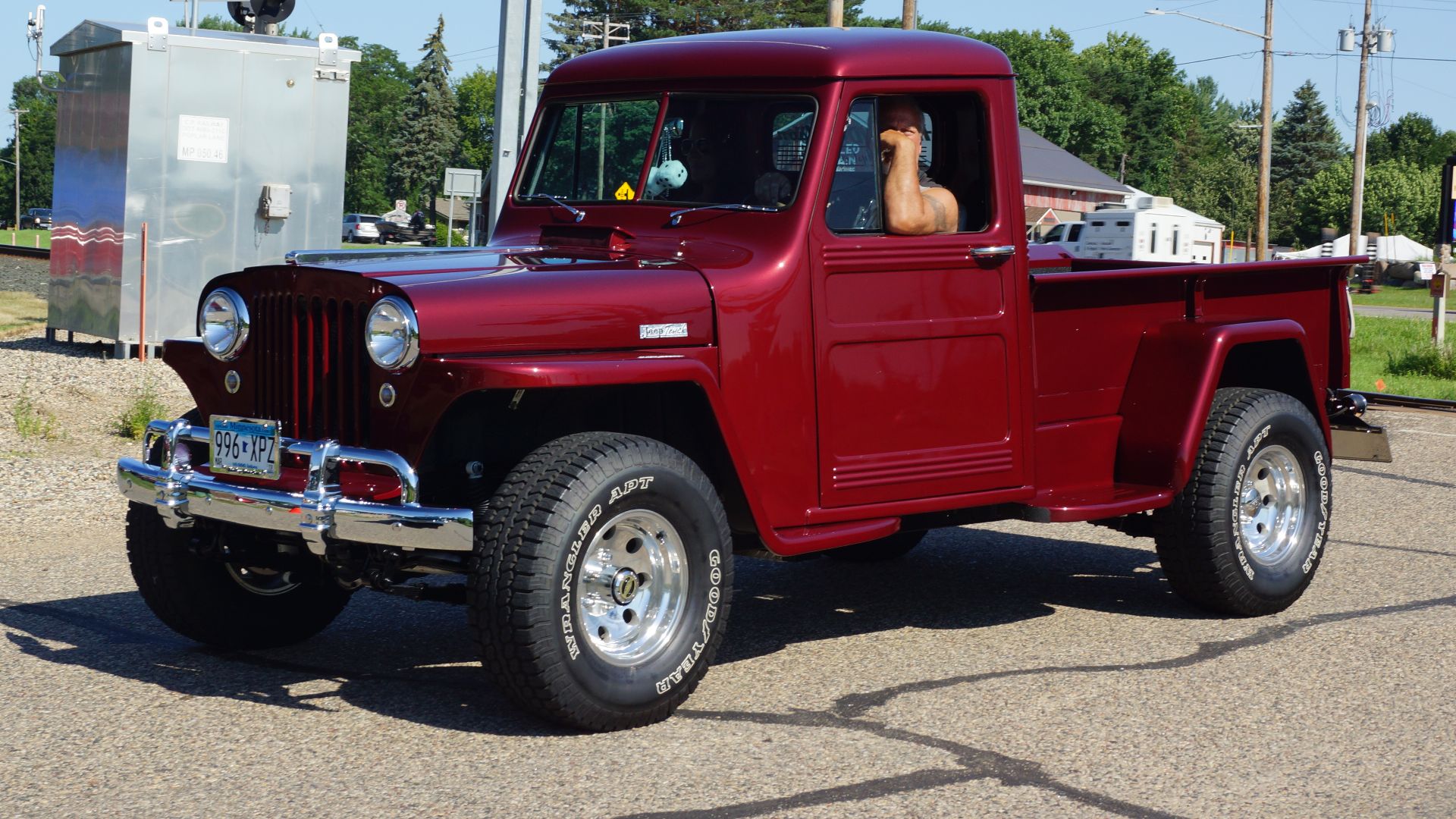 Greg Gjerdingen from Willmar, USA, Wikimedia Commons
Willys Jeep Pickup: Four-Wheel Drive Was The Attraction
Four-wheel drive was a major selling point when the Willys pickup appeared. Jeep's historical material notes that the feature was available on its late-1940s trucks before Ford and Chevrolet introduced comparable factory four-wheel-drive pickups. The Willys could also be ordered in configurations such as a stake-bed truck or chassis cab. That versatility made it suitable for buyers whose work extended beyond paved roads.
Willys: The Name Changed, But The Trucks Continued
Willys-Overland became part of Kaiser interests in 1953, and the Willys corporate name was eventually replaced by Kaiser-Jeep. The original Willys-style pickup remained in production until 1965, overlapping with the newer Gladiator introduced for the 1963 model year. Jeep continued developing trucks under subsequent owners, even though the Willys name disappeared from new American pickup badges. The original vehicles remain an important part of the company's working-truck heritage.
 Greg Gjerdingen from Willmar, USA, Wikimedia Commons
Plymouth: Yes, Plymouth Actually Built Pickups
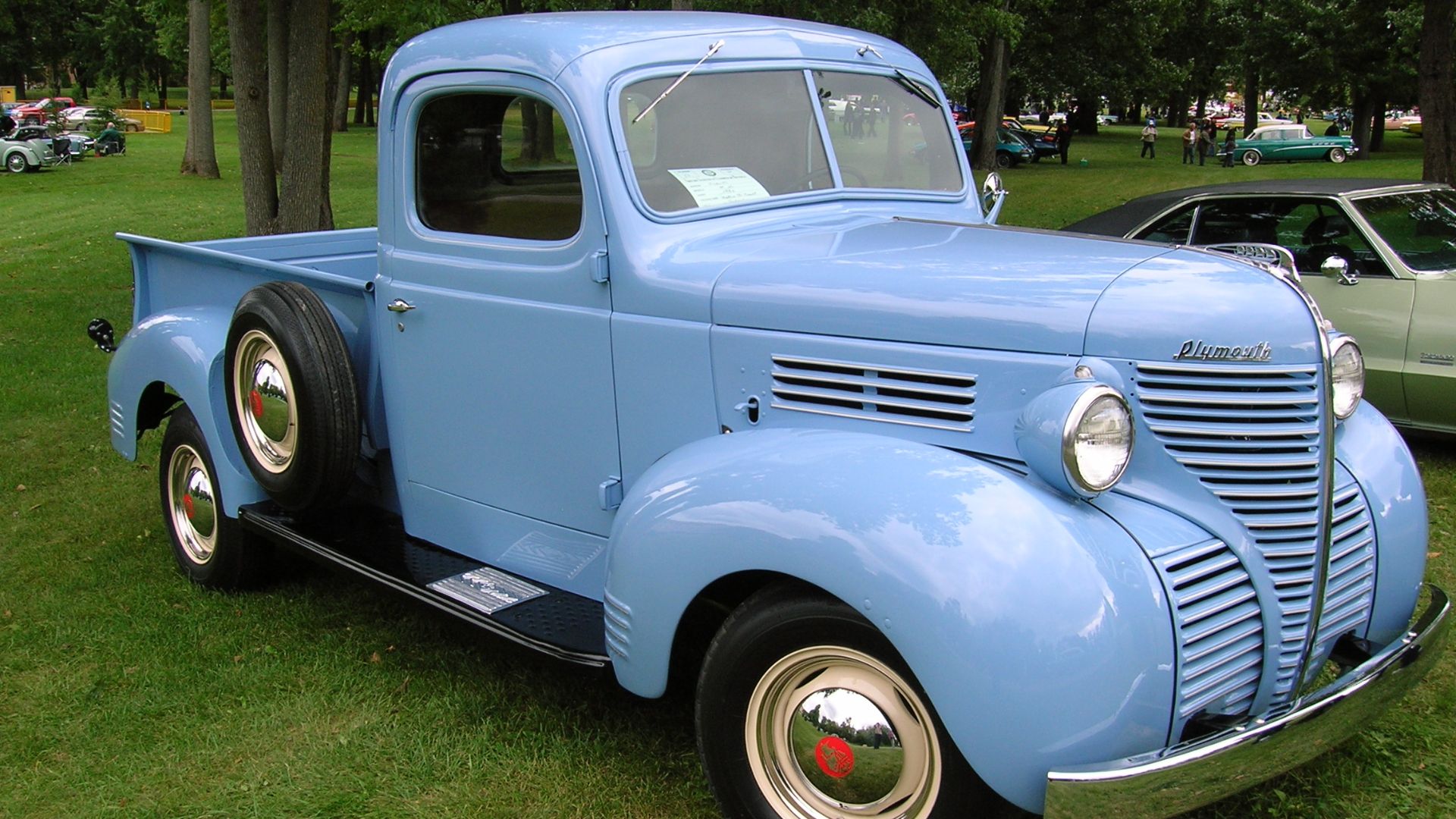
Plymouth might seem like an unlikely name to find on a pickup tailgate. Nevertheless, the company introduced its PT pickup series in 1937, giving Chrysler another entry in the light-truck market alongside Dodge. These pickups used conventional front-engine layouts and cargo beds designed for practical hauling. Their existence surprises many enthusiasts who associate Plymouth almost entirely with passenger cars.
 Katherine Tompkins, Wikimedia Commons
Plymouth PT125: The Pickup Before The War
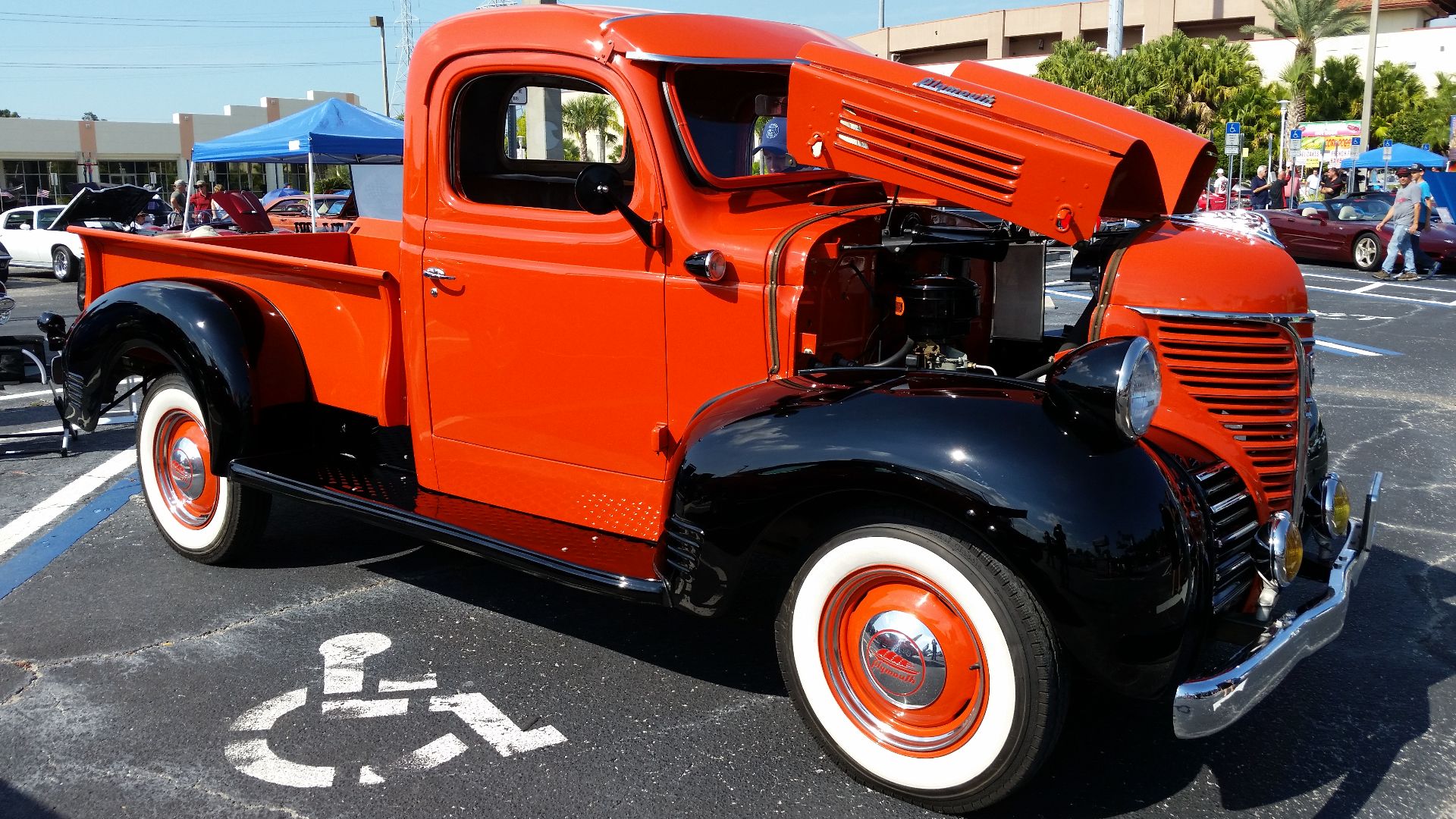
The 1941 Plymouth PT125 was among the final versions of the company's original pickup line. A surviving example documented by Classic.com features a 201-cubic-inch inline-six engine and a manual transmission. Its rounded fenders, upright grille, and separate cargo bed reflect the typical working-truck design of the period. Plymouth's original pickup production ended during World War II, and the company did not return to the conventional pickup market immediately afterward.
 Michel Curi, Wikimedia Commons
Plymouth Arrow: A Strange Second Chance
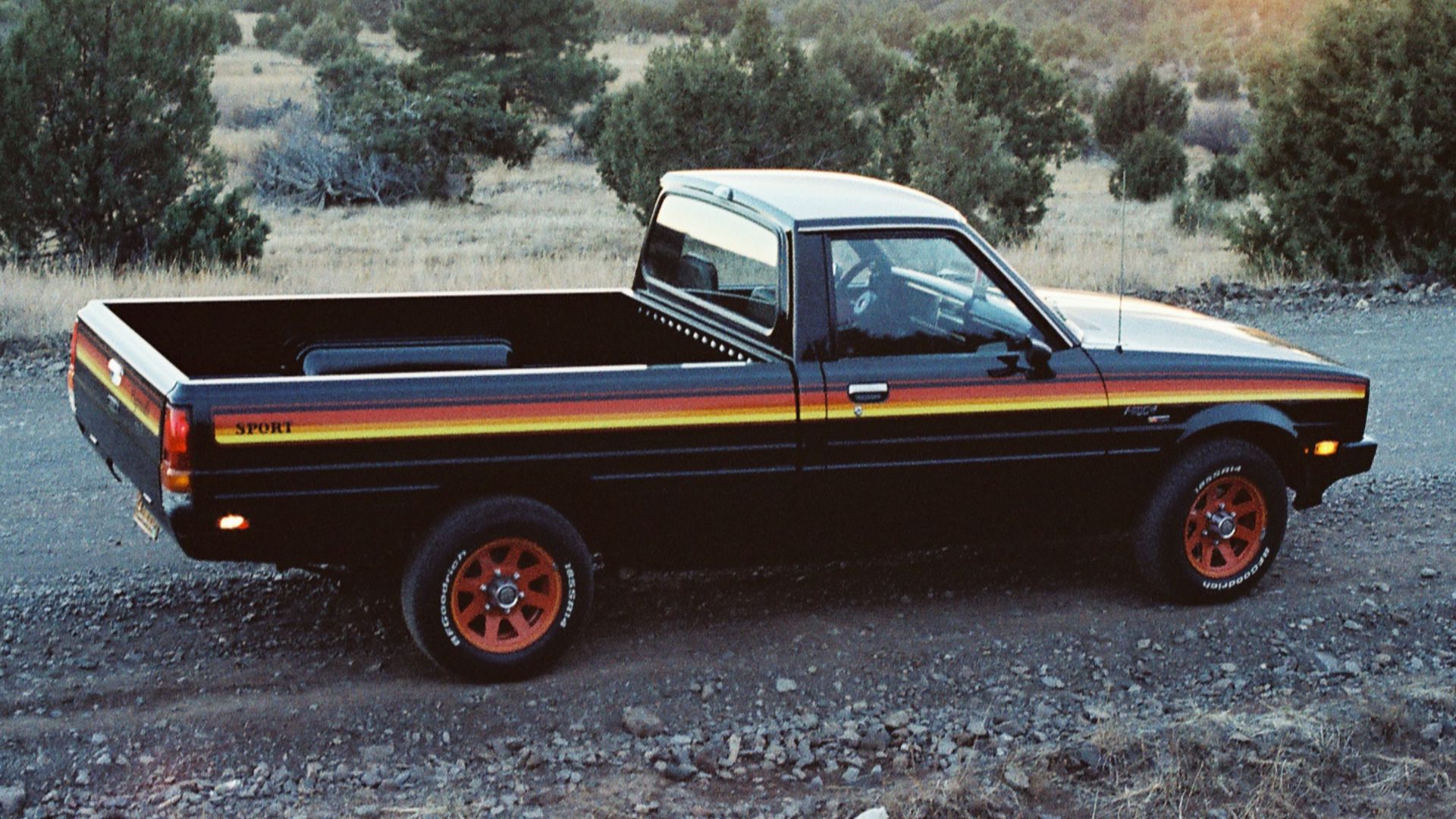
Plymouth returned to the pickup market decades later with the Arrow pickup, sold from 1979 through 1982. The compact truck was based on a Mitsubishi design also sold under Dodge branding. Its small dimensions and Japanese engineering reflected a very different market from the one Plymouth had entered before World War II. The Arrow disappeared from Plymouth showrooms, while related Mitsubishi-designed pickups continued under other names.
REO: The Speed Wagon Was A Real Truck
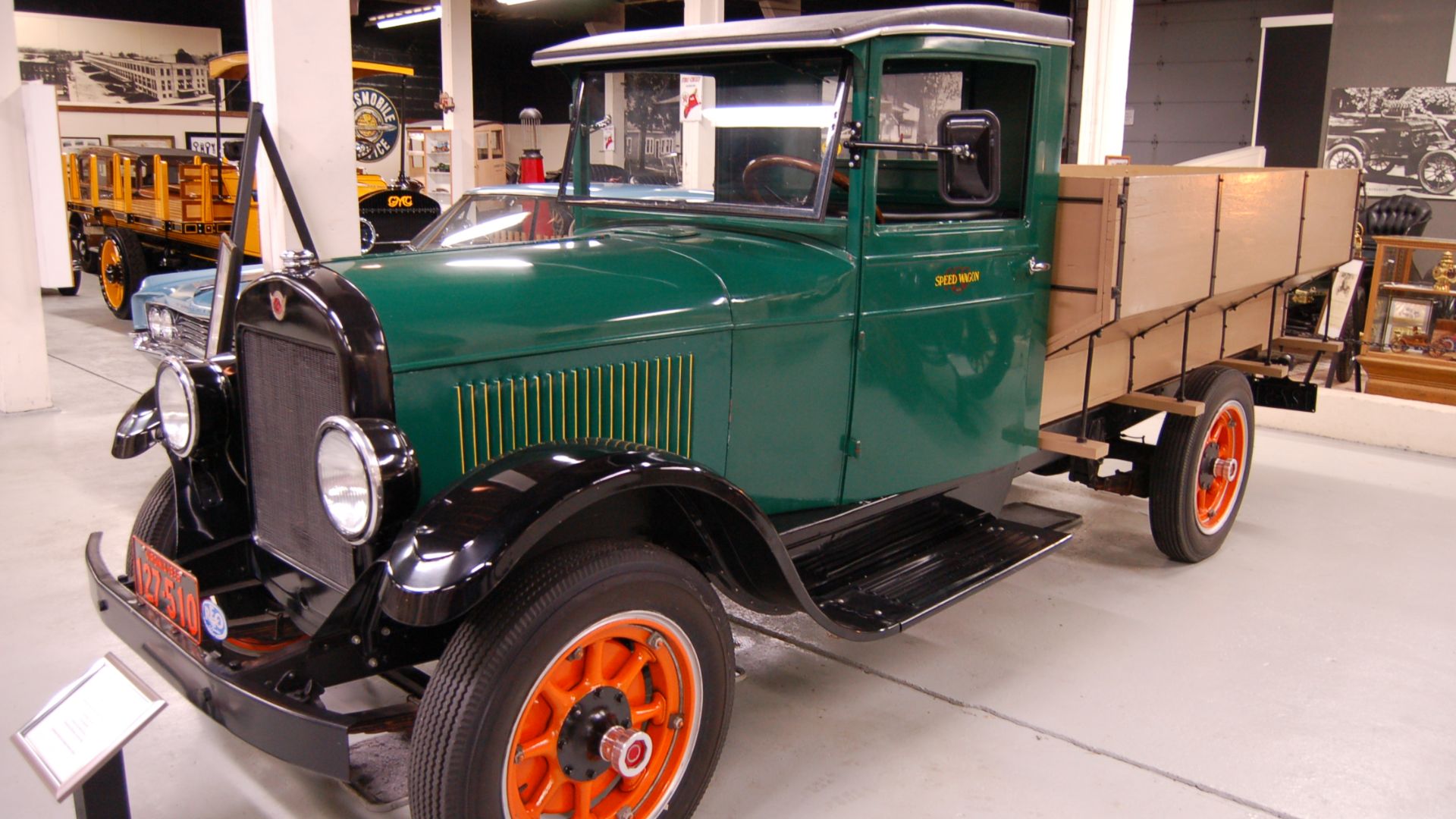
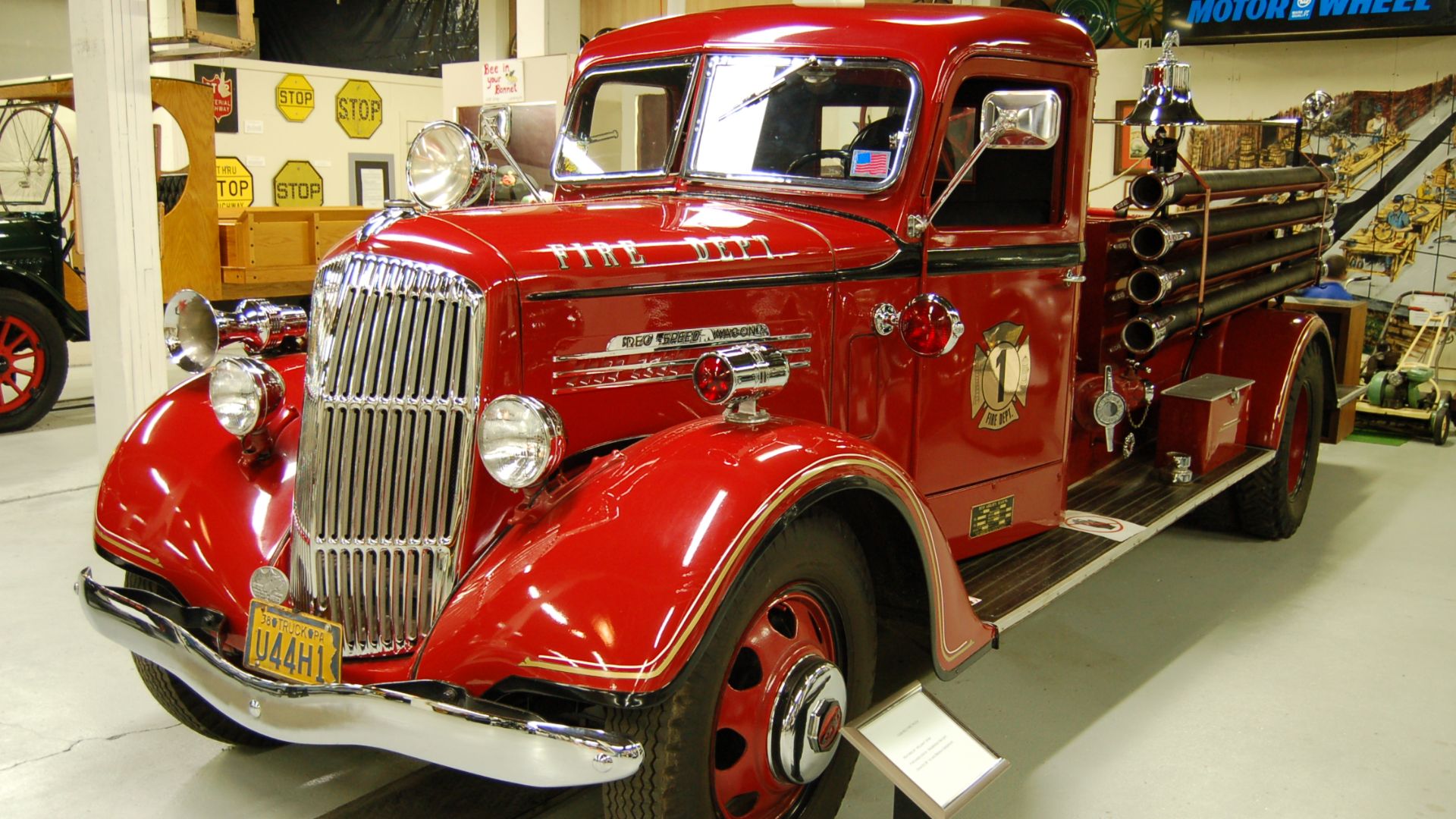
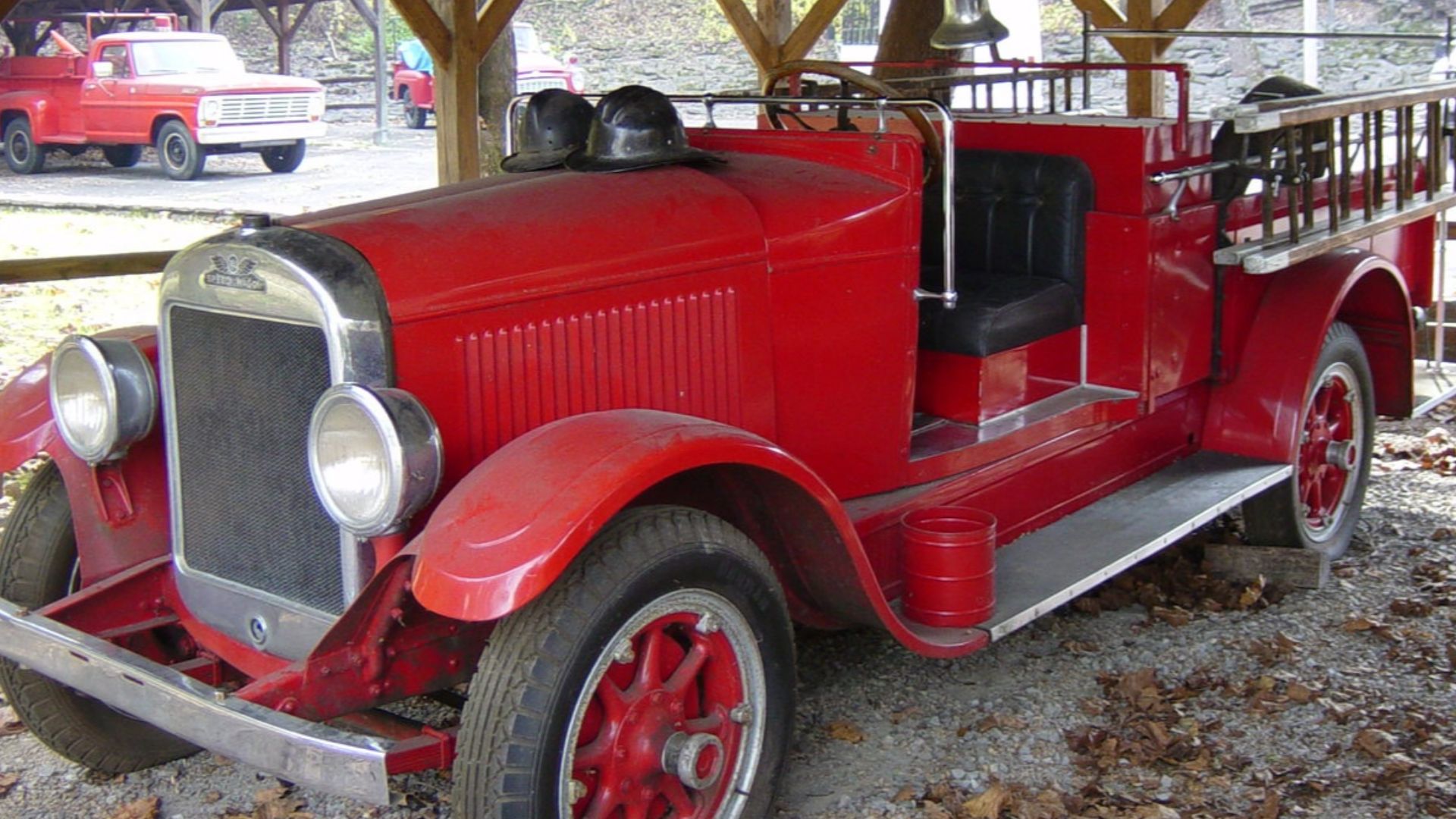
Before the name became associated with a rock band, REO Speed Wagon identified a line of commercial vehicles. The R.E. Olds Transportation Museum preserves examples of REO trucks, including a 1925 Speedwagon dump truck. The company built vehicles for a variety of commercial purposes, extending well beyond conventional pickups. Its history reaches back to the early development of America's motor-truck industry.
REO Speed Wagon: A Forgotten Pickup Connection
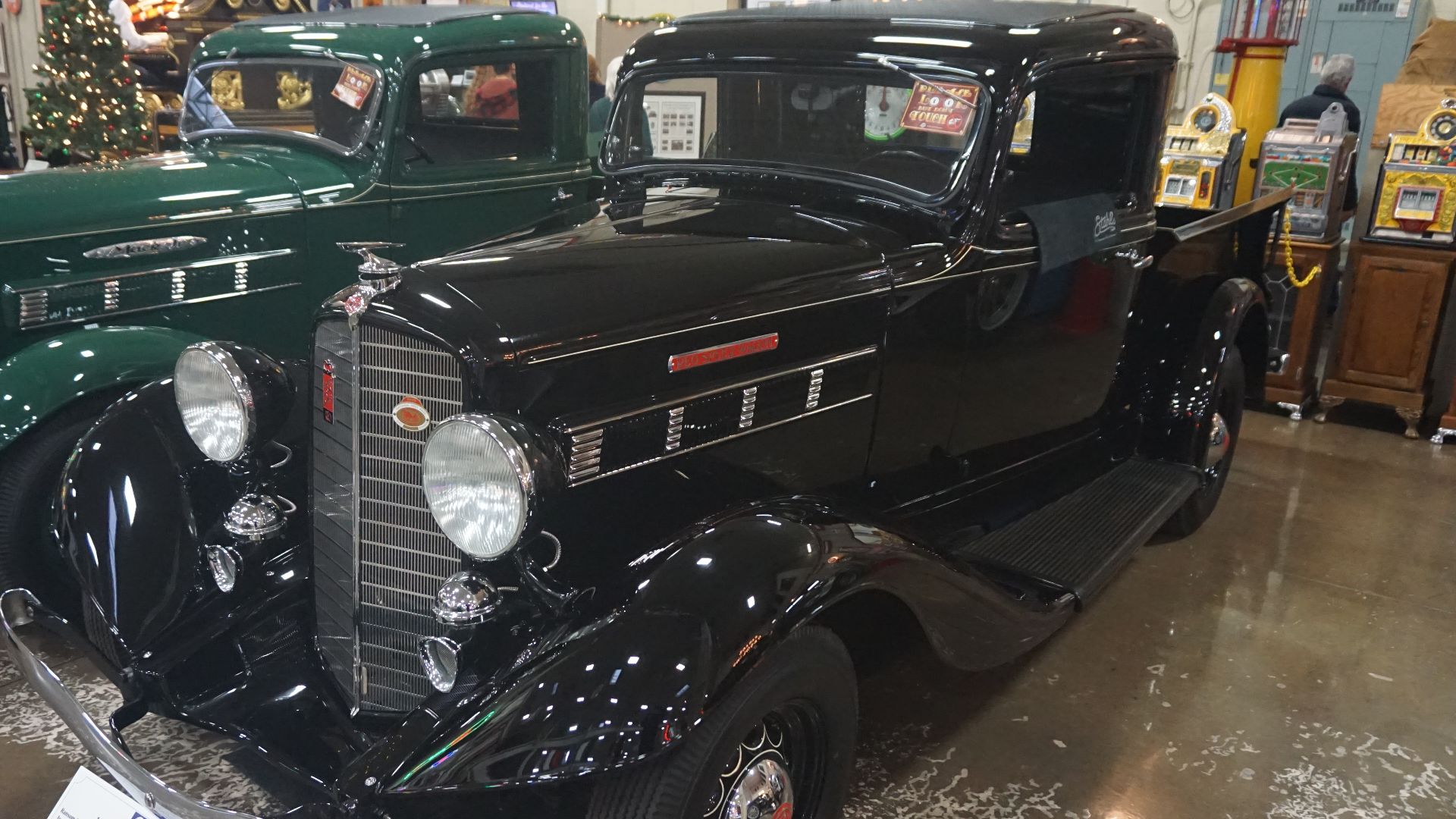
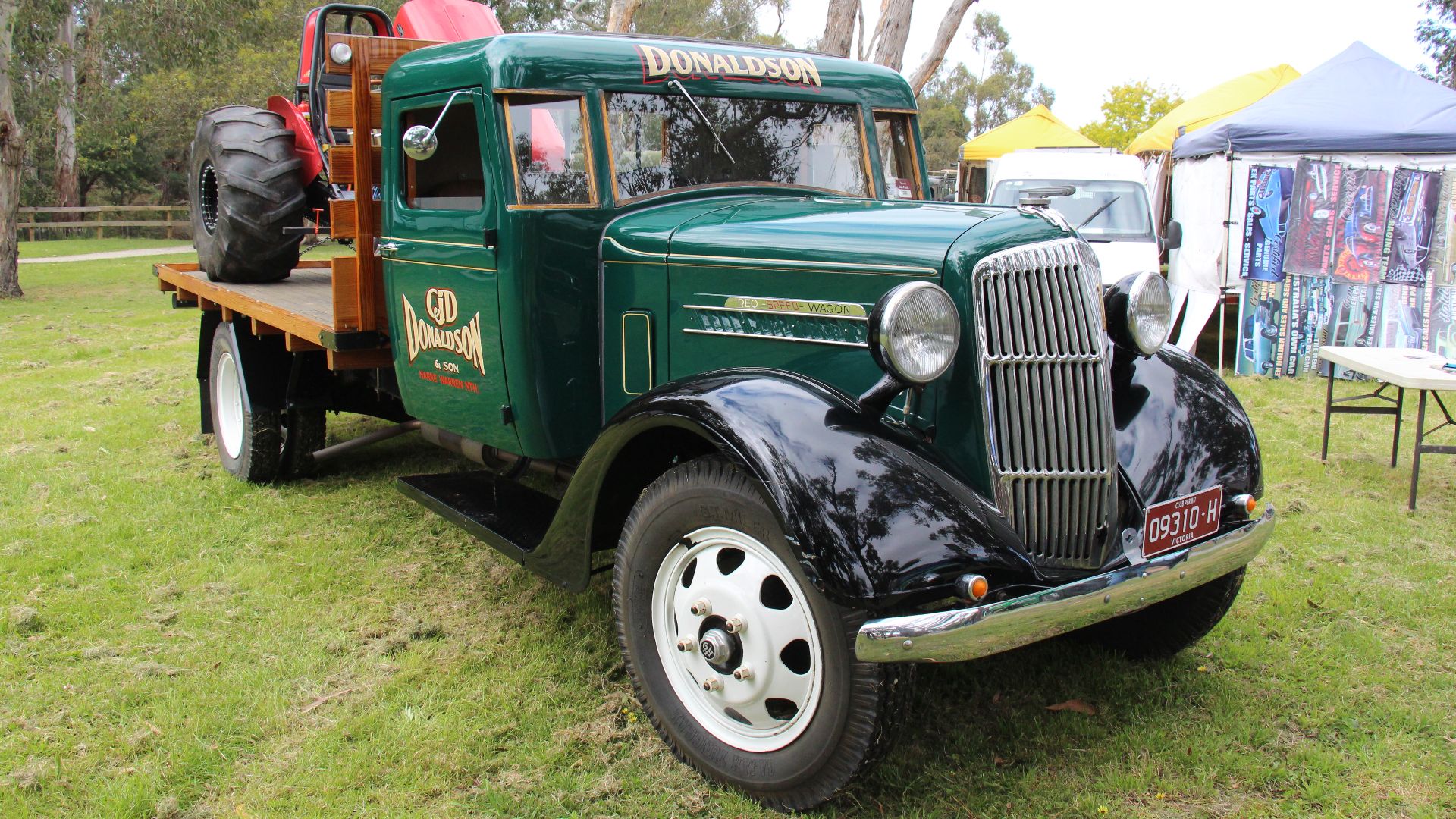
REO participated in an unusual arrangement with Mack during the 1930s. According to the R.E. Olds Transportation Museum, REO manufactured a light-duty pickup that could be sold either as a REO Speedwagon or as a Mack Junior. The arrangement began in 1935, with production taking place at REO's Lansing facility. It created two different truck identities from essentially the same vehicle.
 Michael Barera, Wikimedia Commons
REO: The Trucks Were Too Expensive To Compete
The REO and Mack light-duty pickups faced a major problem in the form of pricing. The R.E. Olds Transportation Museum reports that a basic Ford pickup cost approximately $470 in 1937, while the least expensive REO-Mack version exceeded $575. Production declined sharply, and the shared light-truck program ended in 1938. REO continued building commercial vehicles, but its brief partnership with Mack remains a fascinating chapter in pickup history.
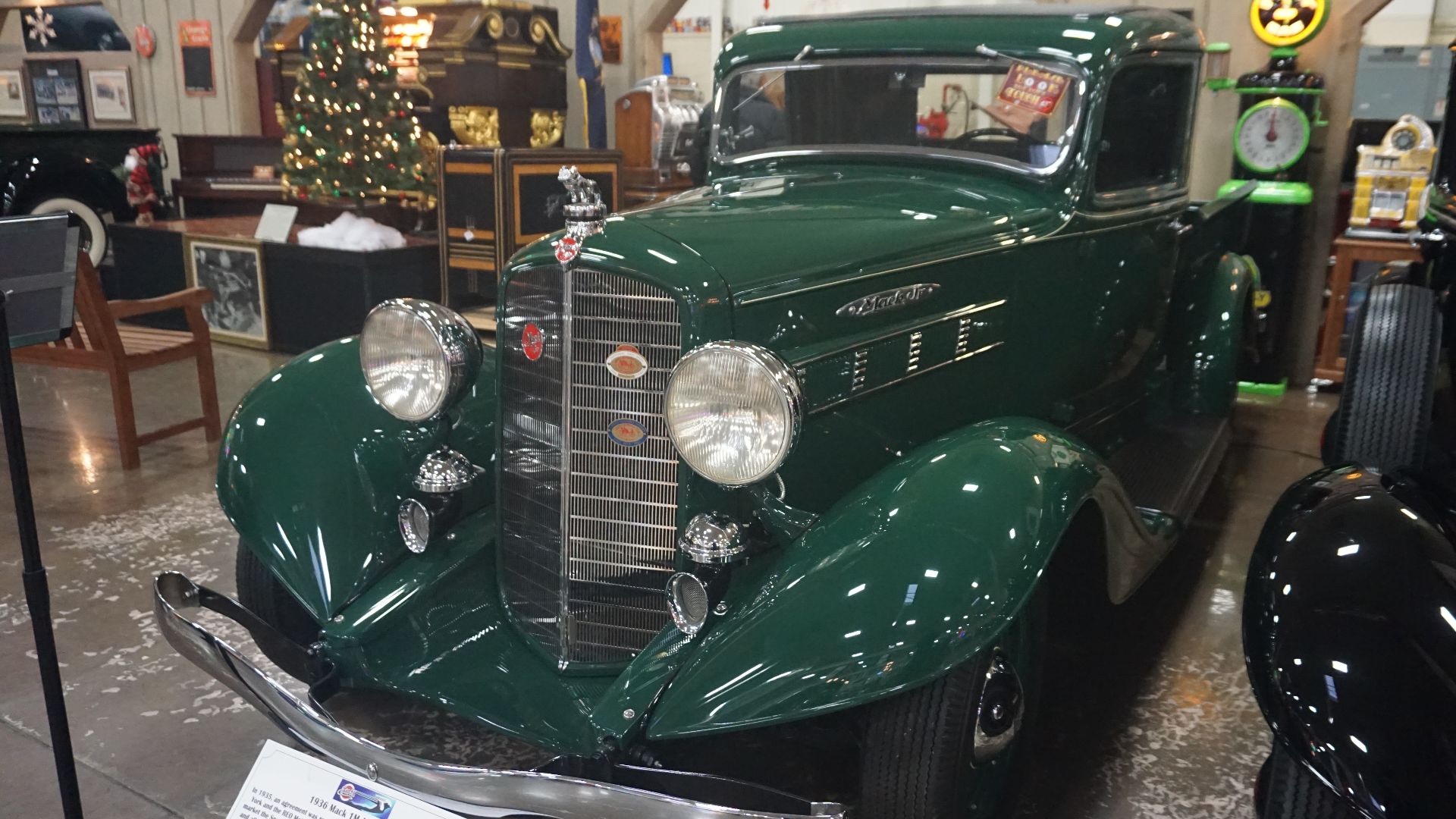
Mack Junior: The Pickup With A Bulldog Pedigree
Mack is famous for heavy-duty commercial trucks, but the company once offered a much smaller vehicle. The Mack Junior appeared during the 1930s through the manufacturing arrangement with REO. Smithsonian Magazine includes the 1937 Mack Junior among its examples of historic American pickups. Its existence is a reminder that even companies associated with enormous trucks once competed for light-duty customers.
 Michael Barera, Wikimedia Commons
Mack Junior: A Familiar Truck Under Another Name
The Mack Junior shared its basic design and manufacturing origins with REO's light-duty Speedwagon. Both versions emerged from the companies' 1935 agreement, with production handled by REO in Lansing. The arrangement allowed Mack to enter a smaller market without developing an entirely separate vehicle. For buyers, it meant that two recognizable commercial-truck names could appear on closely related pickups.
Mack Junior: A Short-Lived Experiment
The combined REO-Mack light-truck program produced 2,343 vehicles in 1936 and 2,226 in 1937, according to the R.E. Olds Transportation Museum. Production dropped to just 405 vehicles in 1938 before the arrangement ended. The museum identifies pricing as a major obstacle to competing against inexpensive Ford pickups. Mack remained an important truck manufacturer, but its venture into this particular pickup segment was brief.
 Timjarrett at English Wikipedia, Wikimedia Commons
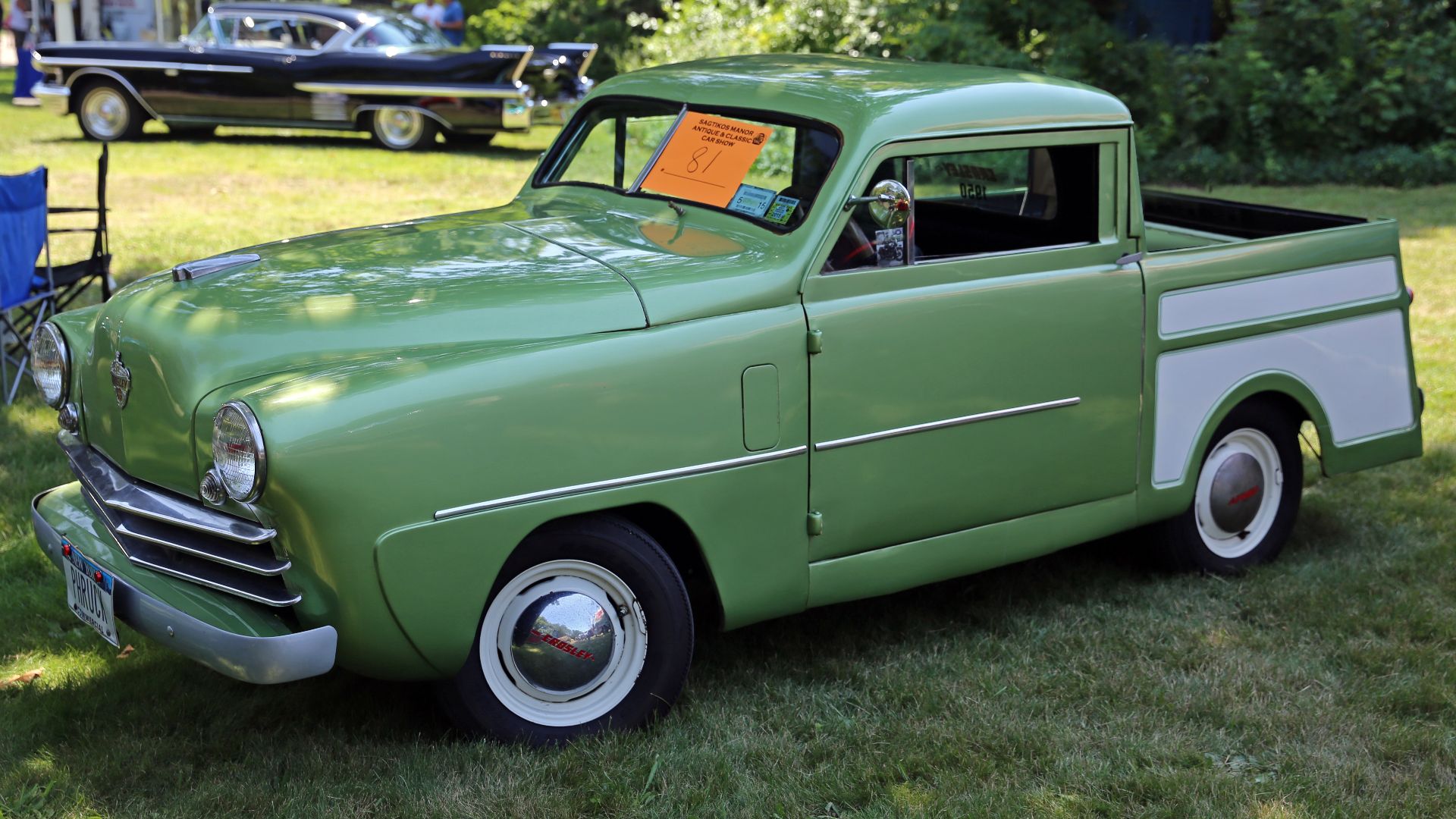
Crosley: The Tiny Truck From An Unlikely Manufacturer
Crosley was best known for making unusually small American automobiles, but it also experimented with pickups. The company's postwar CC series included a pickup configuration, and the Savoy Automobile Museum preserves a 1947 example. That truck had a tiny 44-cubic-inch four-cylinder engine and an 80-inch wheelbase. It was a radically different approach to utility transportation from the large pickups Americans would later embrace.
 Mr.choppers, Wikimedia Commons
Crosley Farm-O-Road: A Miniature Working Machine
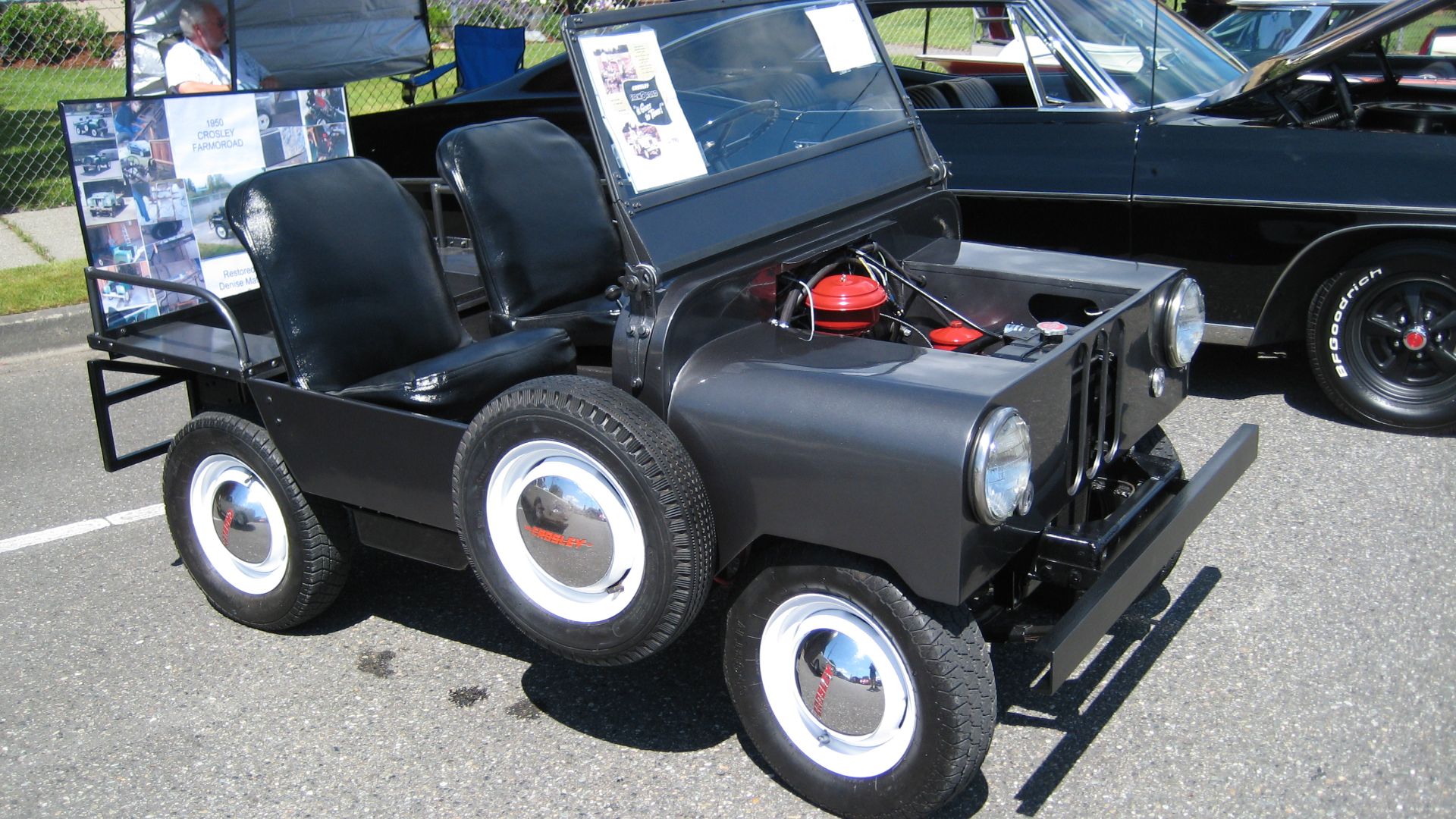
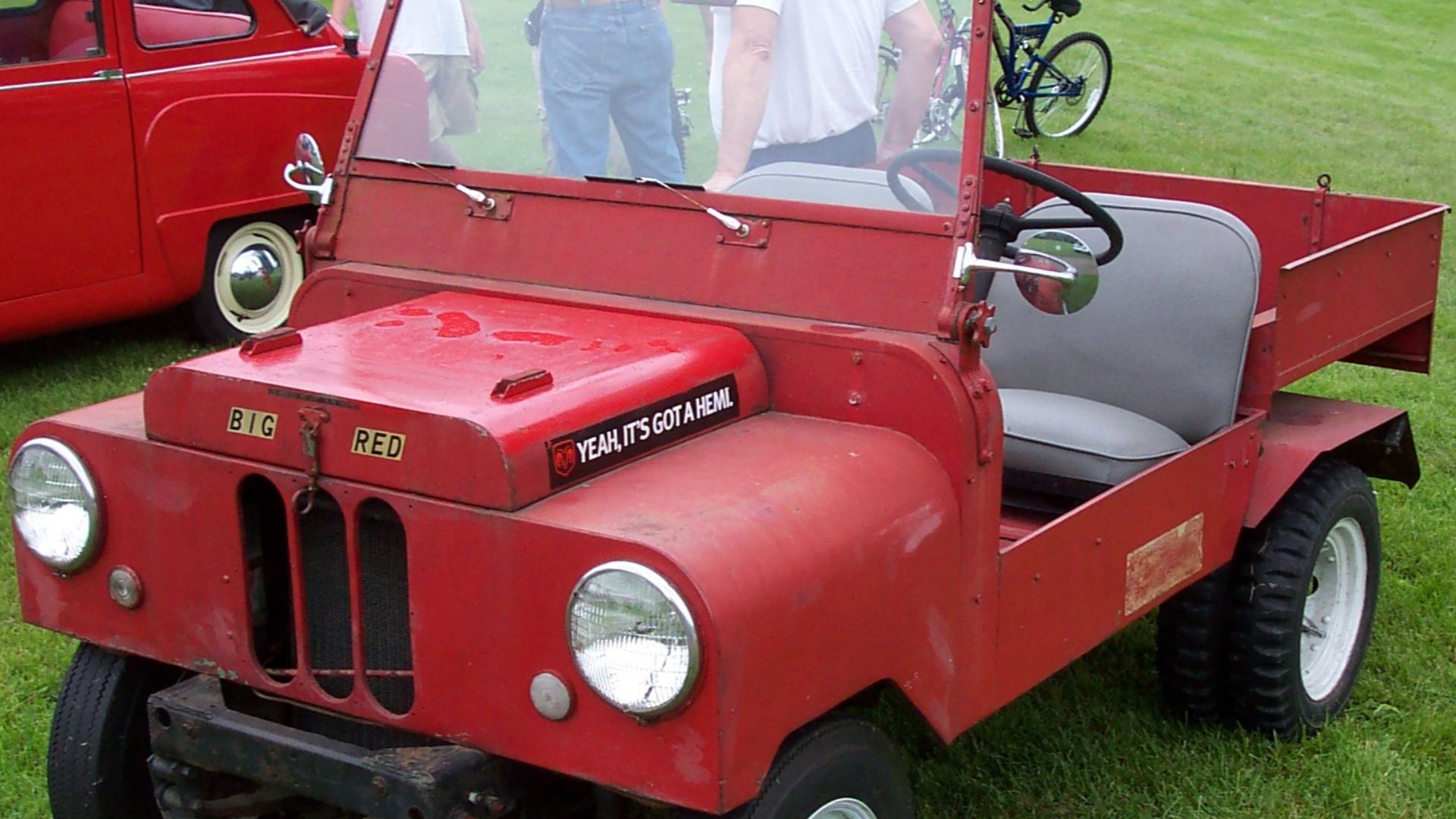
Crosley's Farm-O-Road was an unusual combination of small utility vehicle and agricultural machine. Introduced around 1950, it had Jeep-like styling and was designed for practical work rather than highway comfort. Hagerty lists a 44-cubic-inch four-cylinder engine producing approximately 26.5 horsepower for the 1951 model. It was tiny by pickup standards, but its intended role was considerably more ambitious than its dimensions suggested.
 John Lloyd a.k.a. Hugo90, Wikimedia Commons
Crosley: The Little Truck Outlived Its Company
Crosley's vehicle business struggled as larger American manufacturers introduced modern postwar models at competitive prices. The company ended automobile production in June 1952 after several years of declining sales. Hagerty notes that the Farm-O-Road and other Crosley models have since attracted a small but dedicated collector following. Surviving examples preserve one of the most unconventional approaches to American light-duty utility vehicles.
 John Lloyd a.k.a. Hugo90, Wikimedia Commons
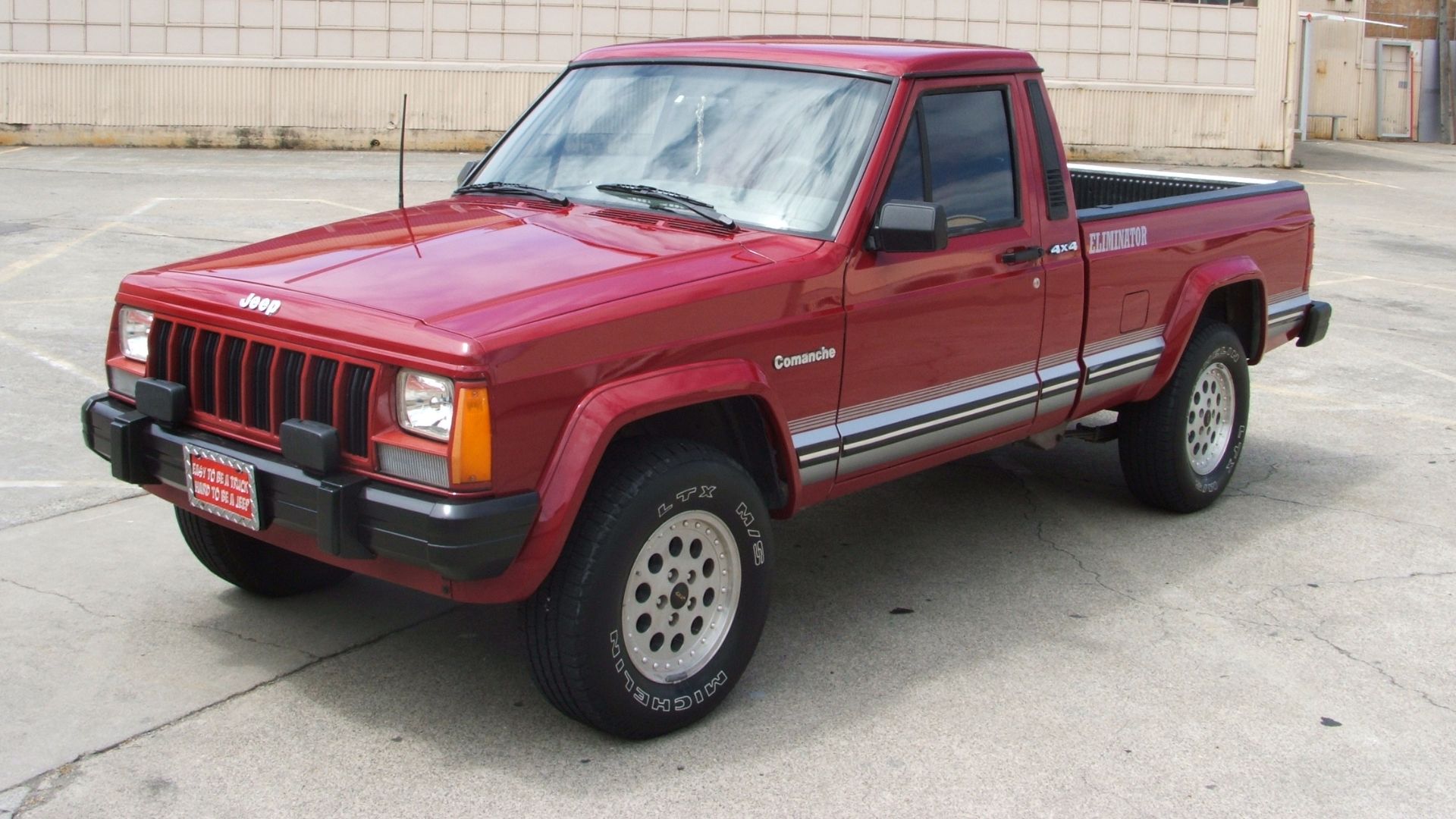
American Motors: The Company Behind The Comanche
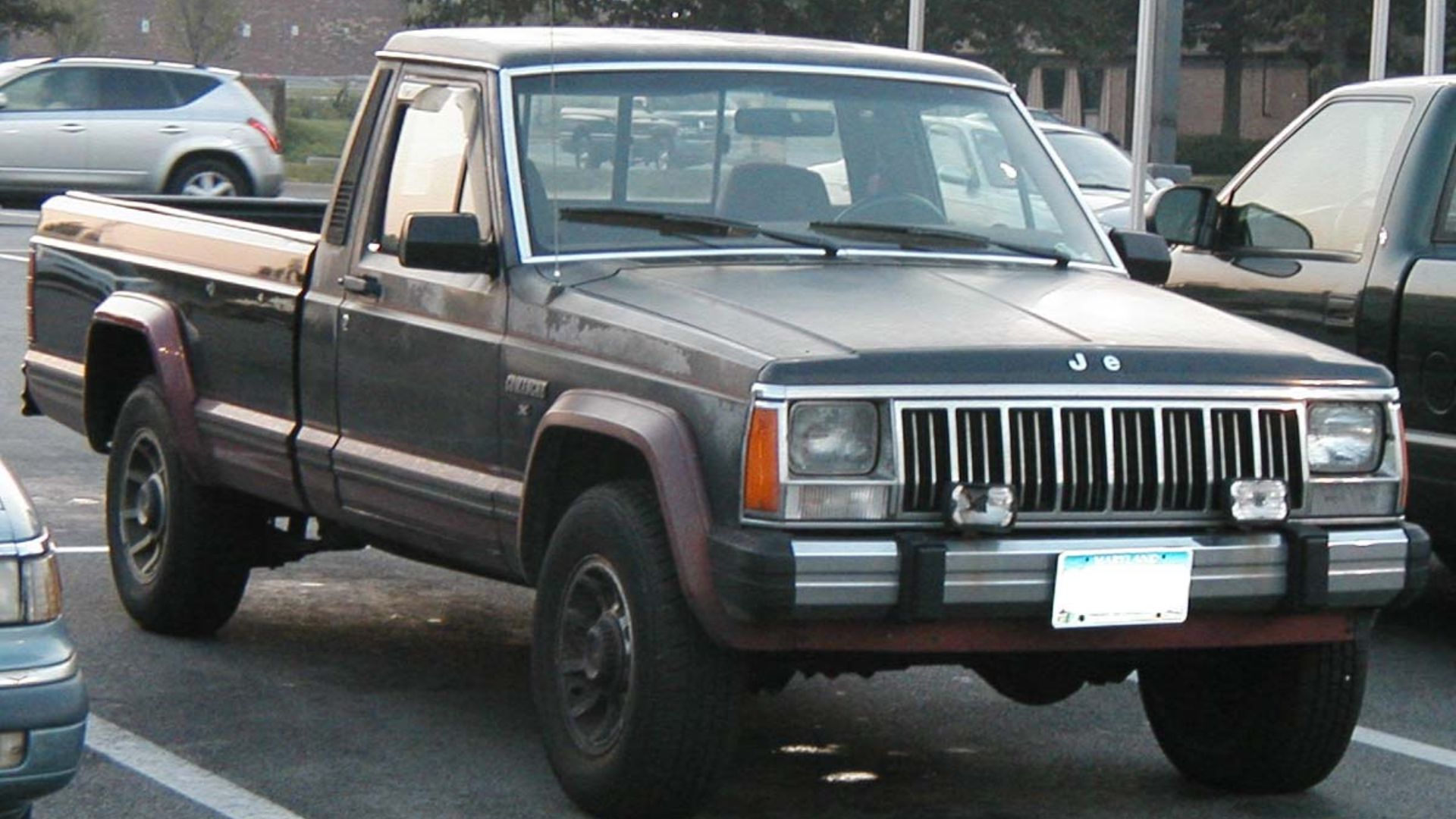
American Motors Corporation was responsible for developing the Jeep Comanche, which debuted for the 1986 model year. The pickup was based on the Jeep Cherokee XJ and shared much of its mechanical equipment. Unlike a conventional body-on-frame pickup, the Comanche used a distinctive uniframe construction approach. Although it wore Jeep badges rather than AMC badges, it was one of the last pickup projects developed under American Motors ownership.
Jeep Comanche: The Truck That Survived Its Parent Company
Chrysler acquired American Motors in 1987, but production of the Jeep Comanche continued. The truck offered two-wheel-drive and four-wheel-drive configurations, with different cargo-bed lengths available during its production run. Jeep's official history identifies the Comanche as a model built from 1986 through 1992. Its continued production after the AMC acquisition makes it a particularly interesting example of a truck outliving the company that developed it.
Jeep Comanche: The Final Chapter Of An AMC-Era Pickup
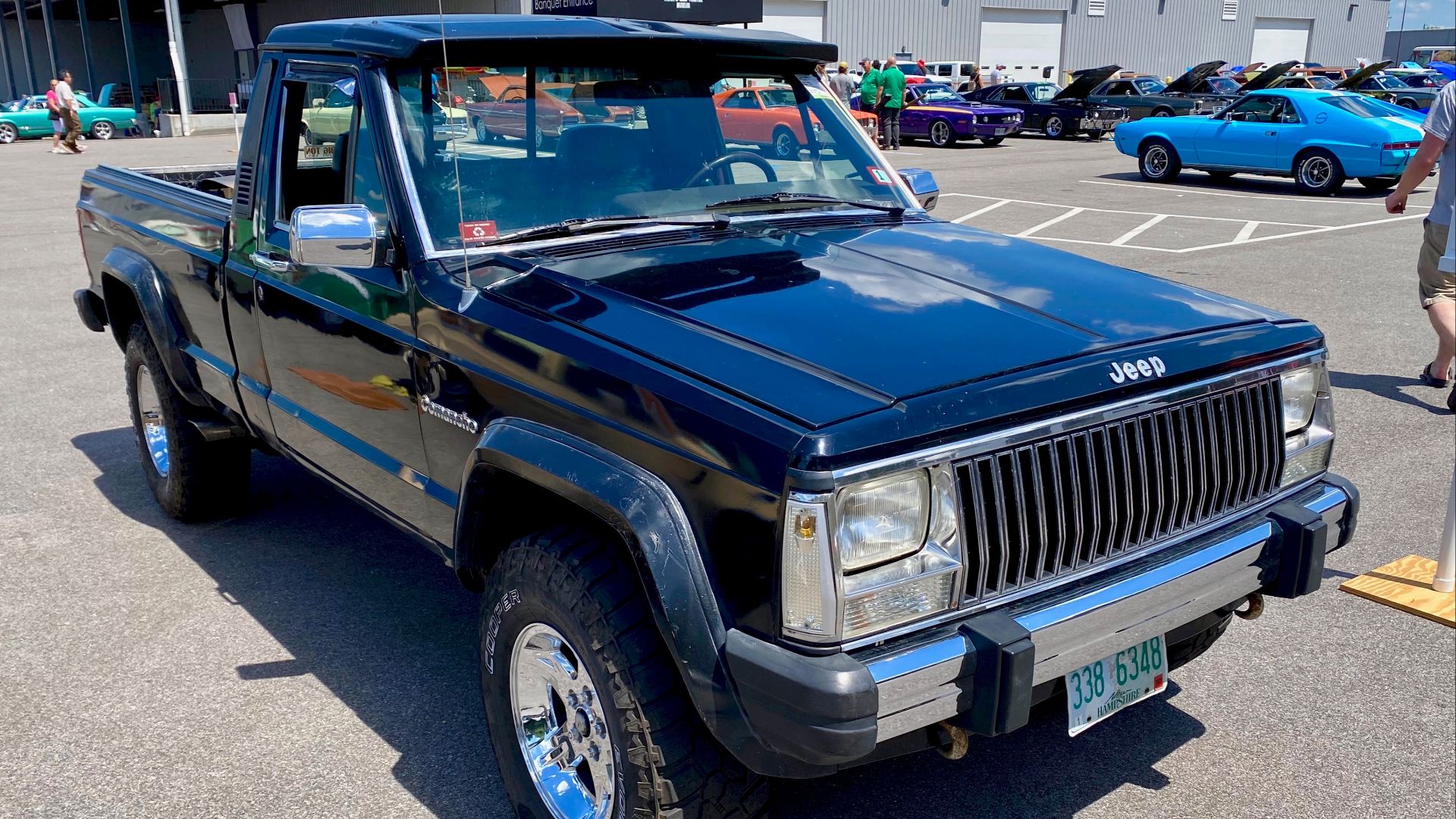
The Comanche never matched the commercial success of the Cherokee SUV on which it was based. Chrysler discontinued the pickup after the 1992 model year, concentrating its truck efforts elsewhere in the company. Autoweek notes that surviving Comanches are relatively uncommon today. The vehicle remains a distinctive reminder of American Motors' engineering and the changes that reshaped the Jeep brand.
You May Also Like:
How To Extend The Life Of Your Vehicle's Engine
Sports Cars That Were So Powerful It Was Almost A Problem
Sources: 1, 2, 3, 4, 5, 6, 7, 8, 9, 10, 11, 12, 13, 14, 15, 16, 17, 18, 19, 20