Too Big To Fail...Until They Weren't
There was a time when these brands felt as permanent as Ford and Chevrolet. You saw them in driveways, television commercials, dealership lots, and family photo albums.
Fast-forward decades and it's a different story. Mention some of these names to someone born after 2000 and don't be surprised if they think you're talking about an old appliance company instead of a car.
Packard
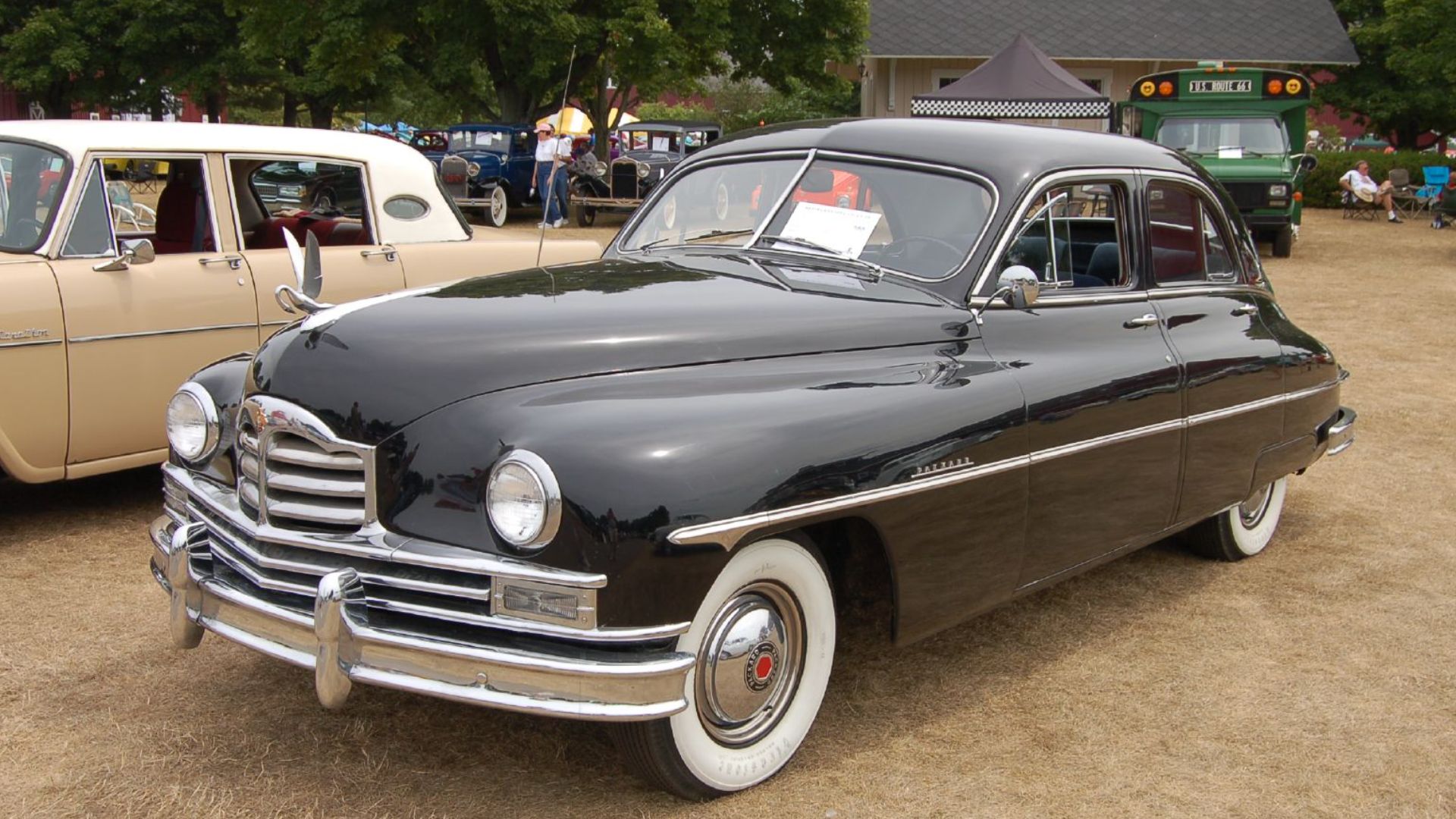
Imagine telling someone in 1950 that Packard would someday disappear completely. They probably would've laughed right in your face. Presidents, movie stars, and business leaders all drove them, and the brand was considered one of America's finest luxury automakers.
Years of declining sales and a troubled merger with Studebaker eventually caught up with Packard. Production of true Packards ended after the 1956 model year, while rebadged Studebakers wearing the Packard name were sold through 1958.
 Joe Ross from Lansing, Michigan, Wikimedia Commons
Hudson
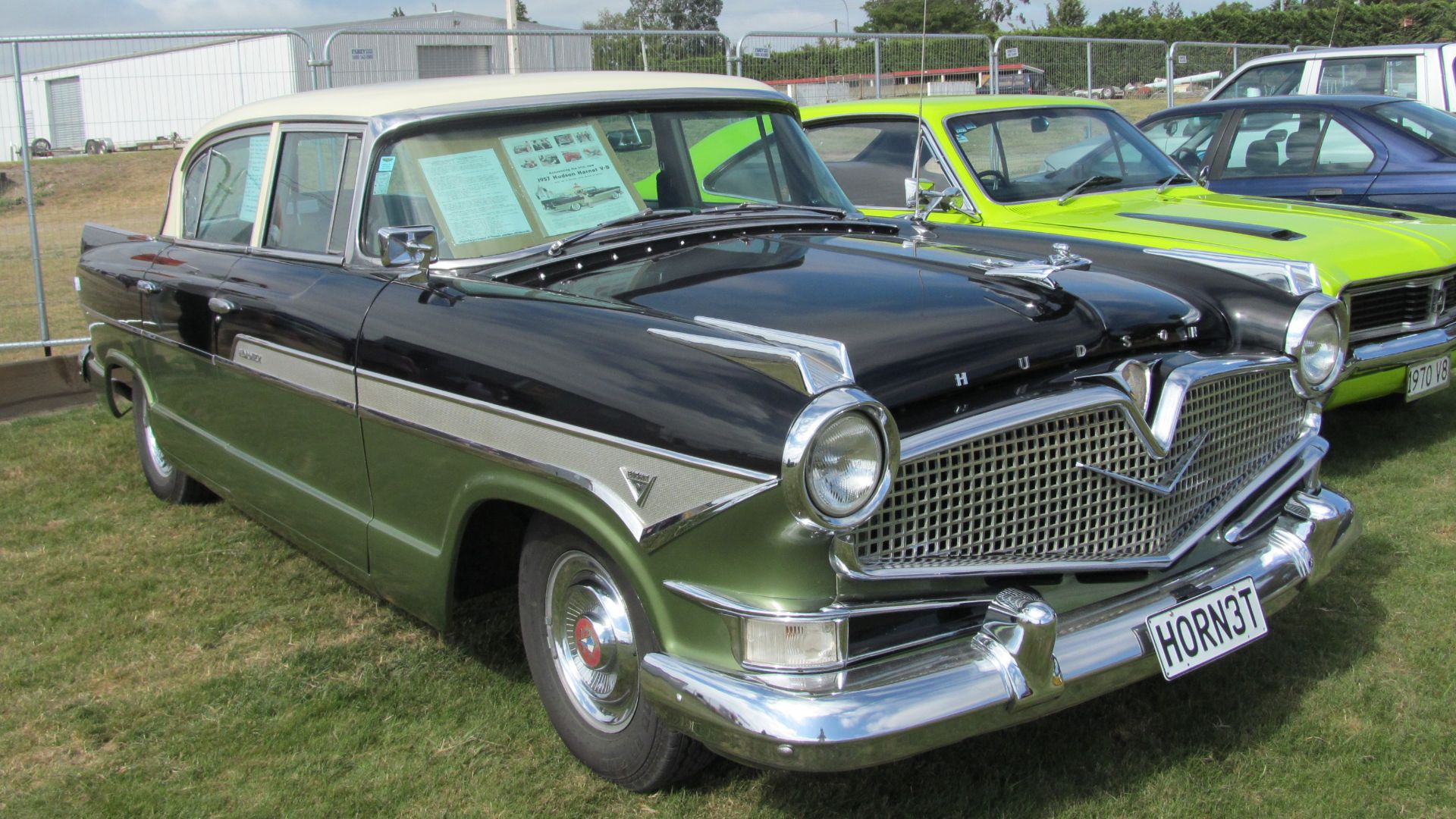
Before NASCAR became the giant it is today, Hudson was already making headlines by winning races. The famous Hudson Hornet dominated early stock car competition while regular families happily drove Hudsons every day.
A merger with Nash created American Motors, and the Hudson name disappeared after the 1957 model year. Today, younger generations are often more familiar with Doc Hudson from Cars than the real thing.
 Riley from Christchurch, New Zealand, Wikimedia Commons
DeSoto
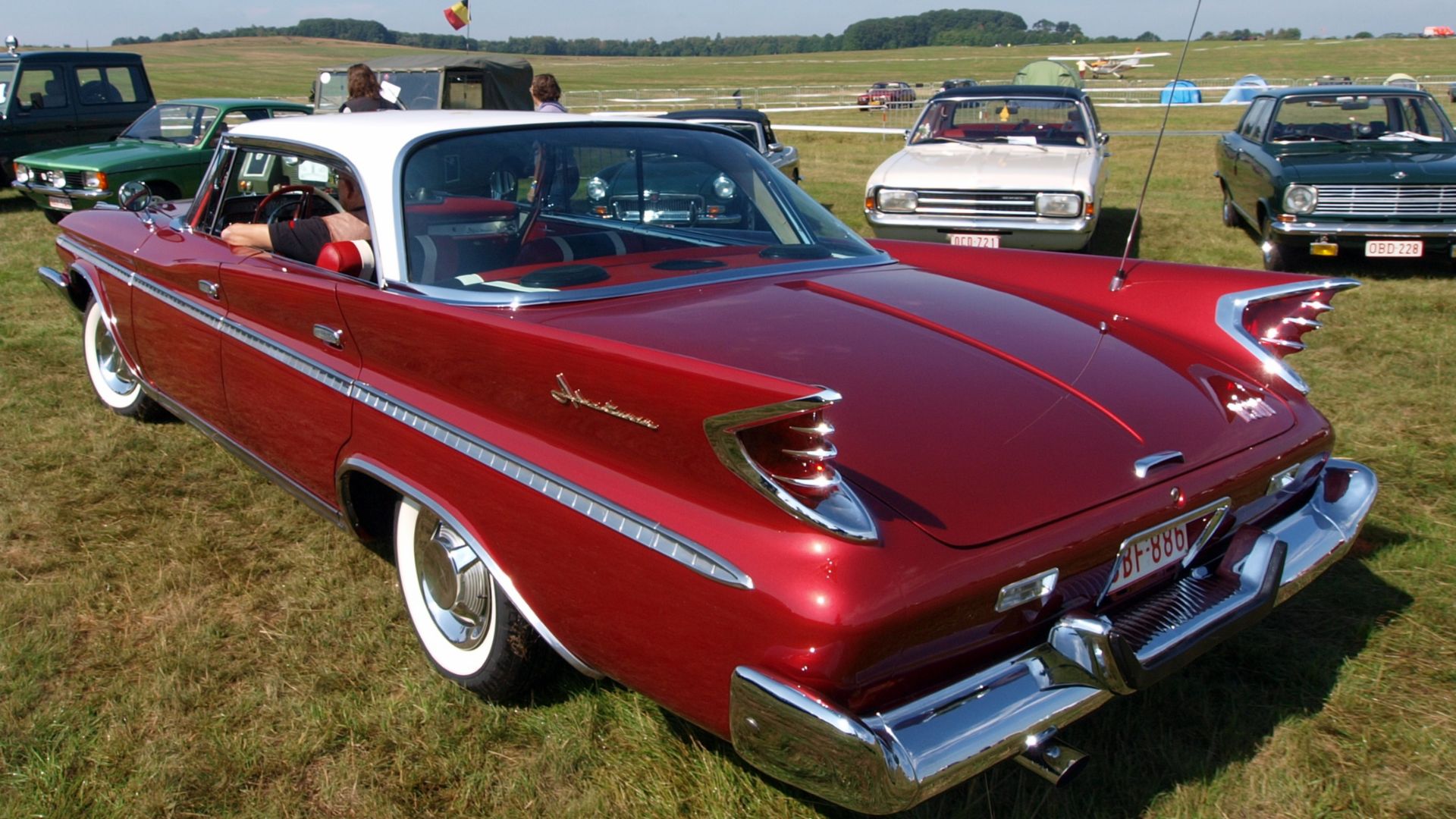
For years, DeSoto fit neatly between Dodge and Chrysler in dealerships across America. Then buyers started asking a dangerous question: 'Why not just buy the Chrysler?' Once a brand loses its identity, it's usually game over.
Falling sales led Chrysler to pull the plug in late 1960, with a short run of 1961 models becoming the brand's last. It was the end of a name that had spent more than 30 years on American roads.
 Alf van Beem, Wikimedia Commons
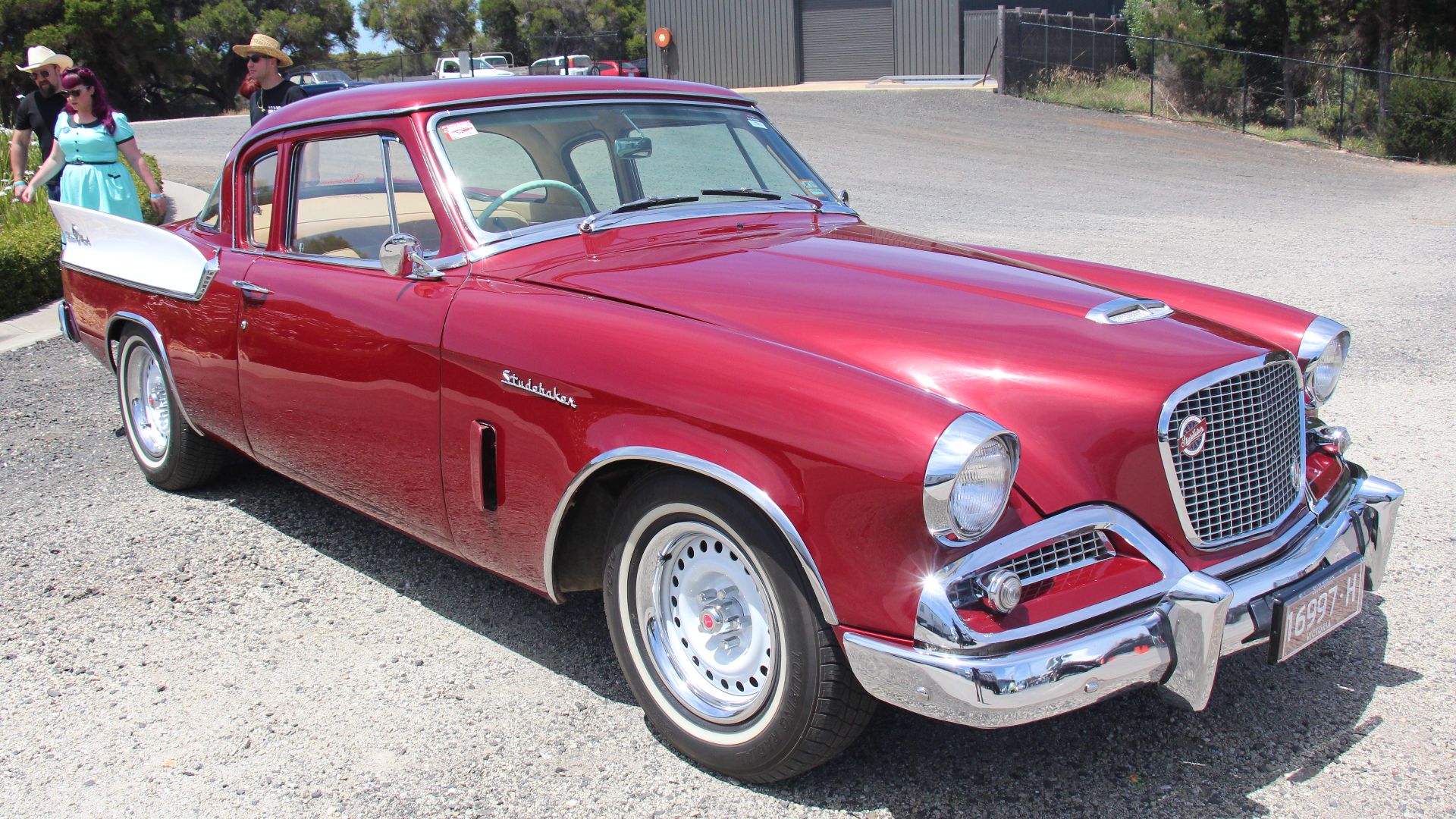
Studebaker
Studebaker had already spent decades building wagons before it ever built automobiles. Later, it produced genuinely beautiful cars like the Avanti, proving the company still had plenty of creativity left. Unfortunately, great styling couldn't solve mounting financial problems. U.S. production ended in 1963, and the company's final Canadian-built cars were produced in 1966.
Rambler
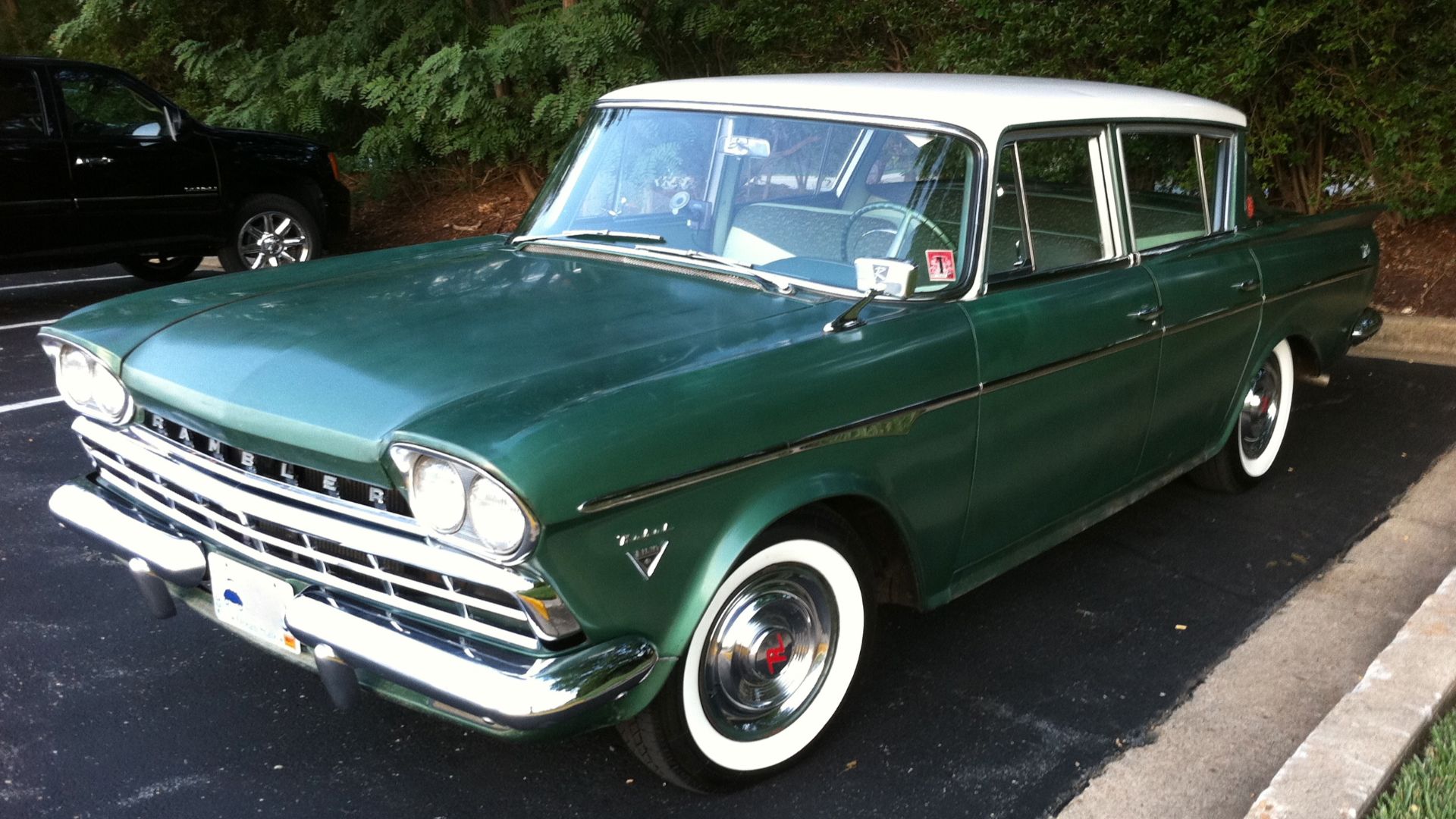
Long before fuel-efficient cars became fashionable, Rambler had already figured out that not everyone wanted a giant land yacht. For a brief period in the early 1960s, it even became America's third-best-selling domestic automobile brand. As American Motors shifted toward the AMC name, Rambler gradually faded away, with the last U.S. Rambler models arriving in 1969.
Nash
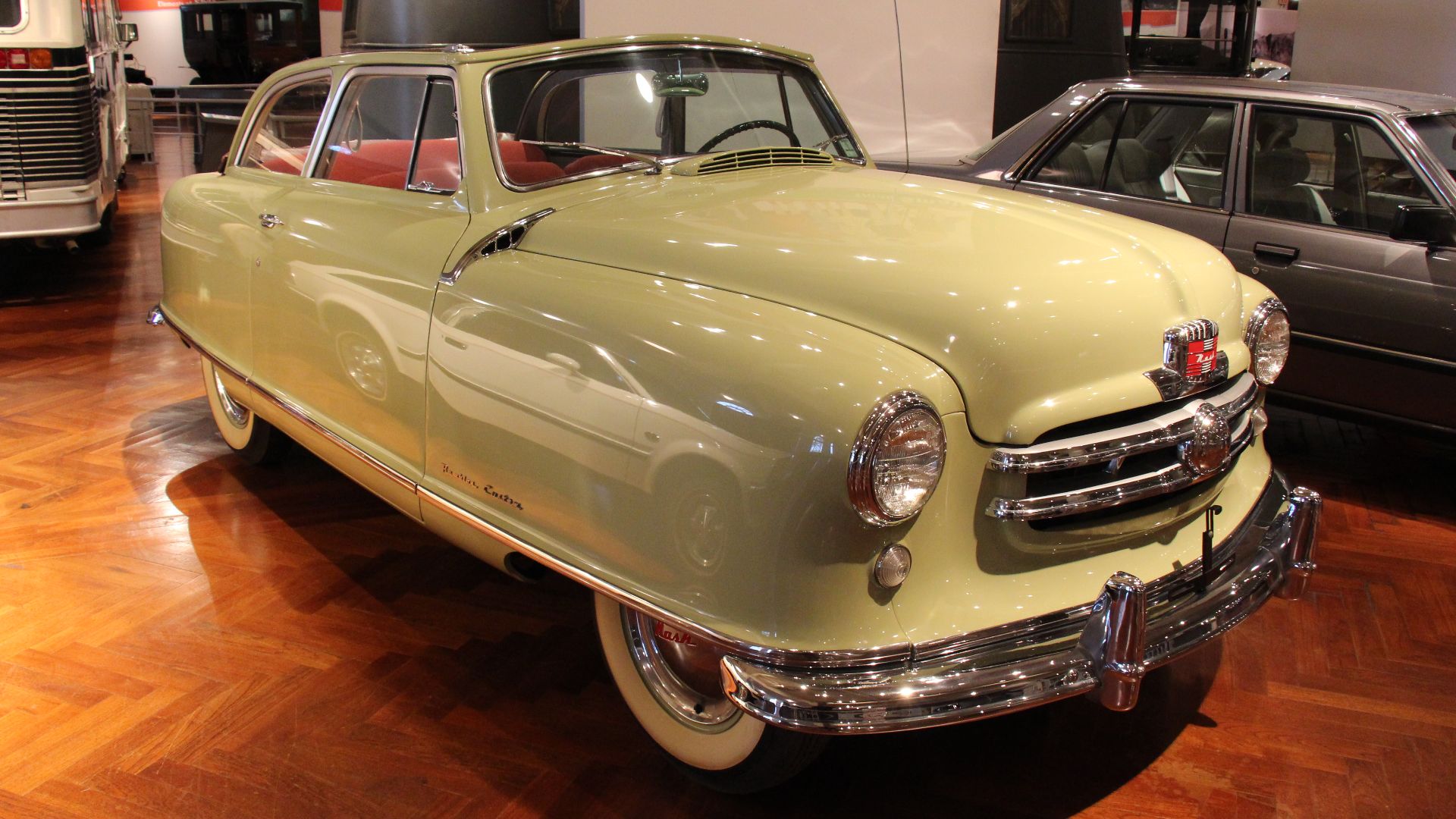
Nash was doing innovative things long before innovation became a marketing buzzword. It helped pioneer modern unit-body construction and was among the first American automakers to offer integrated heating and air-conditioning systems. After merging with Hudson to form American Motors in 1954, the Nash name quietly disappeared from new cars after the 1957 model year.
Kaiser
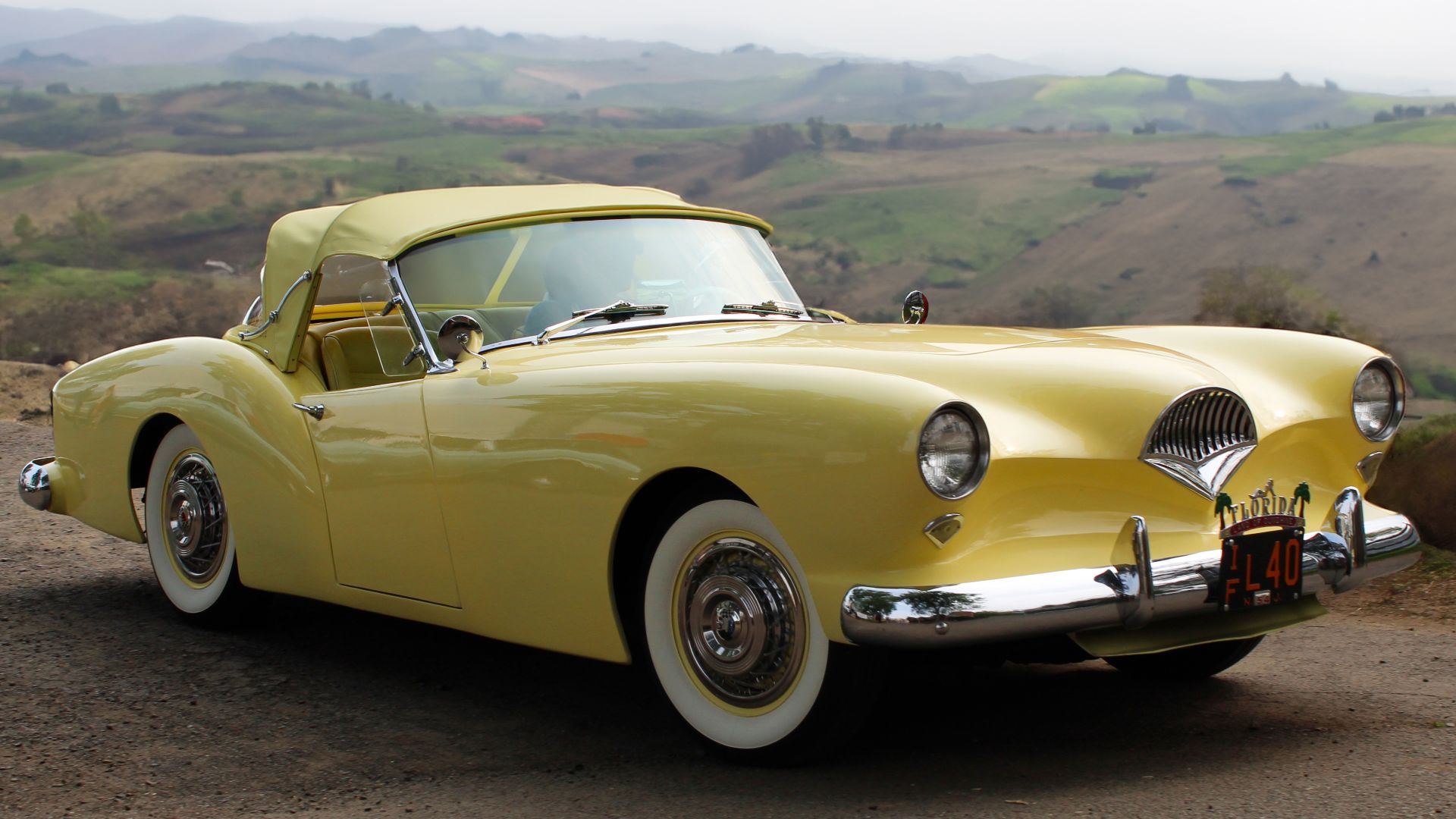
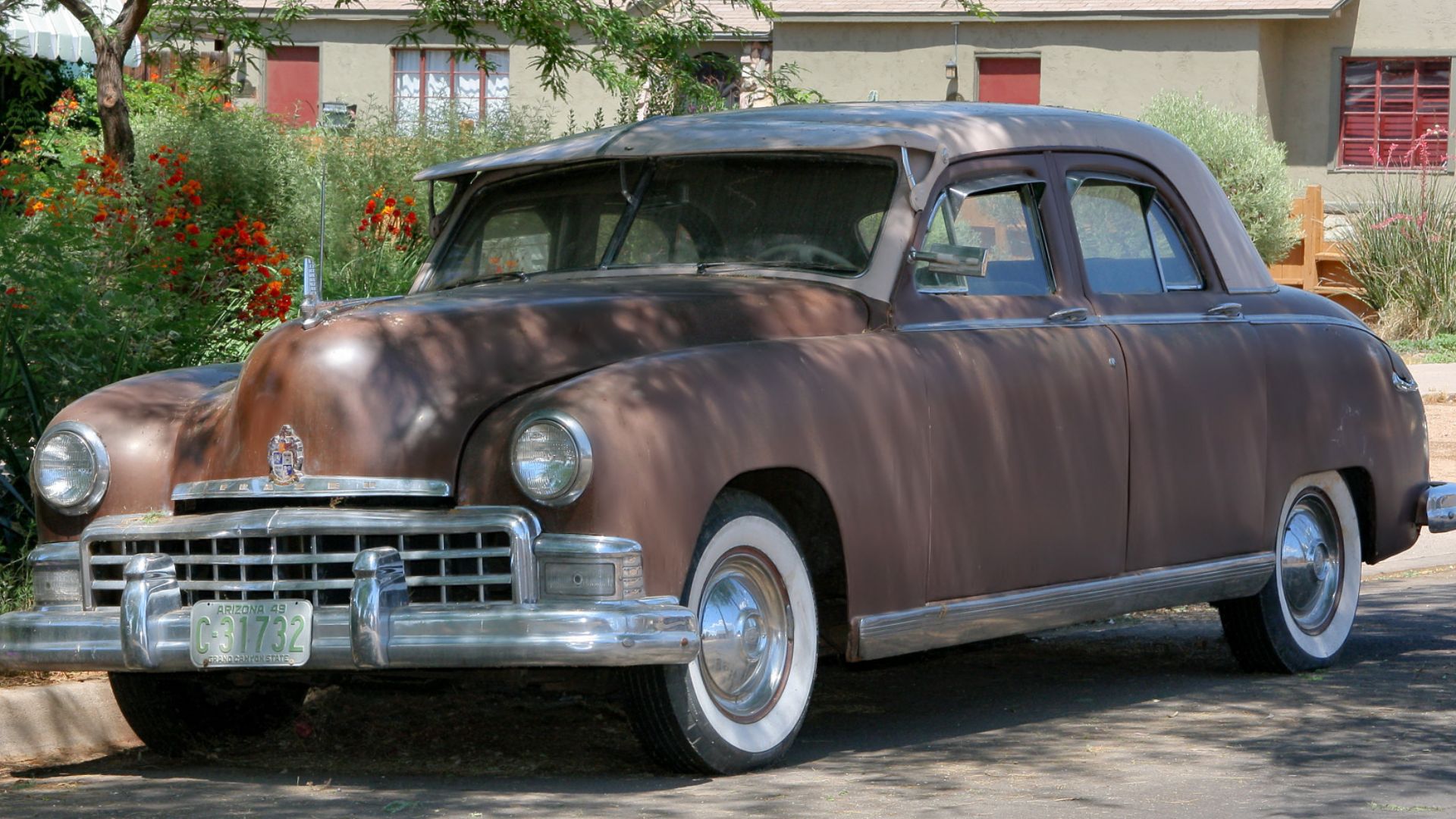
Right after World War II, Kaiser looked like it might become Detroit's next big success story. The company built attractive, well-equipped cars and wasn't afraid to challenge the Big Three. Unfortunately, taking on Ford, GM, and Chrysler turned out to be about as easy as bringing a butter knife to a sword fight. Kaiser left the U.S. passenger-car market after the 1955 model year.
Frazer
For a brief moment after World War II, Frazer looked like it might become Detroit's next big success story. The cars were stylish, sales started strong, and the future looked bright. Then...it all unraveled almost as quickly as it began. Frazer disappeared after the 1951 model year. Today, spotting one is about as likely as finding a brand-new VHS player at Best Buy.
Willys
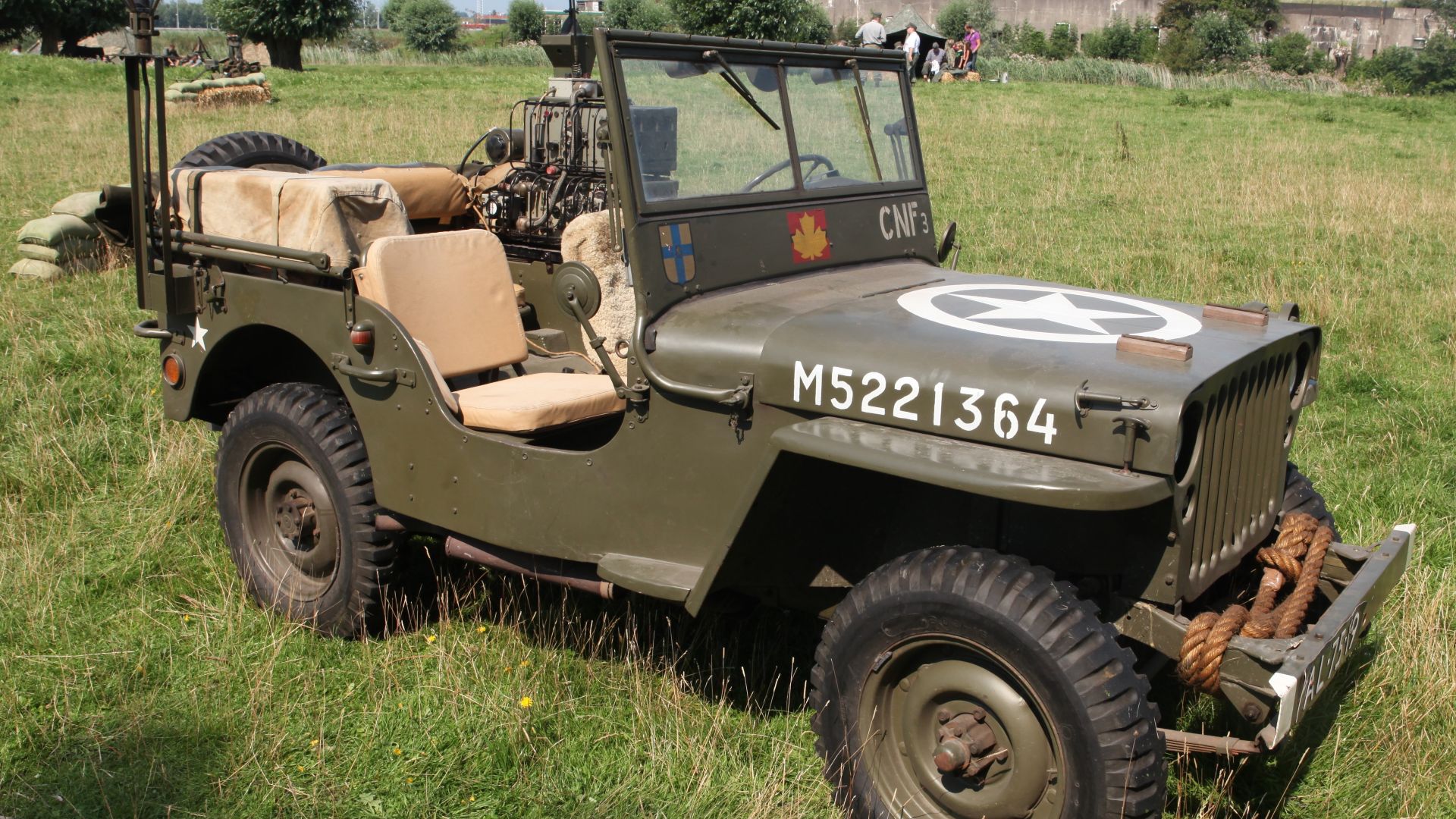
Ask someone born after 2000 who built the original Jeep and there's a good chance they'll just say, 'Jeep.' Boomers know the answer. Willys built the legendary military Jeep during World War II and later produced civilian Jeep models that helped launch an off-road icon. Through mergers and ownership changes, the Willys name disappeared, while the Jeep brand became famous around the world.
 Joost J. Bakker from IJmuiden, Wikimedia Commons
Oldsmobile
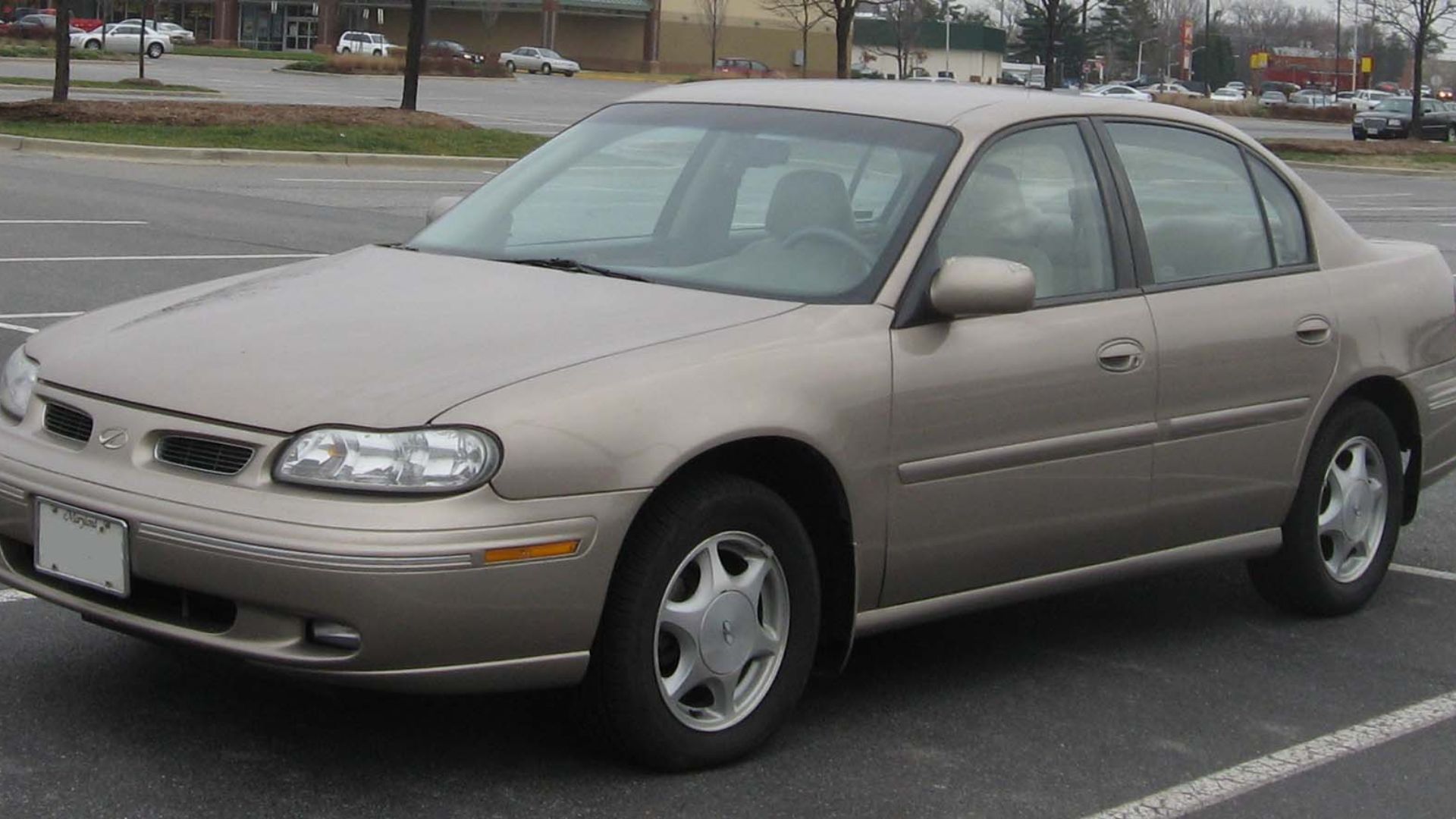
If you grew up in the 60s, 70s, or 80s, Oldsmobile felt like it would be around forever. It was one of General Motors' oldest divisions and, at one point, one of America's best-selling car brands. As GM's lineup became increasingly crowded with similar-looking vehicles, Oldsmobile slowly lost its identity. The final Oldsmobile rolled off the line in 2004.
Mercury
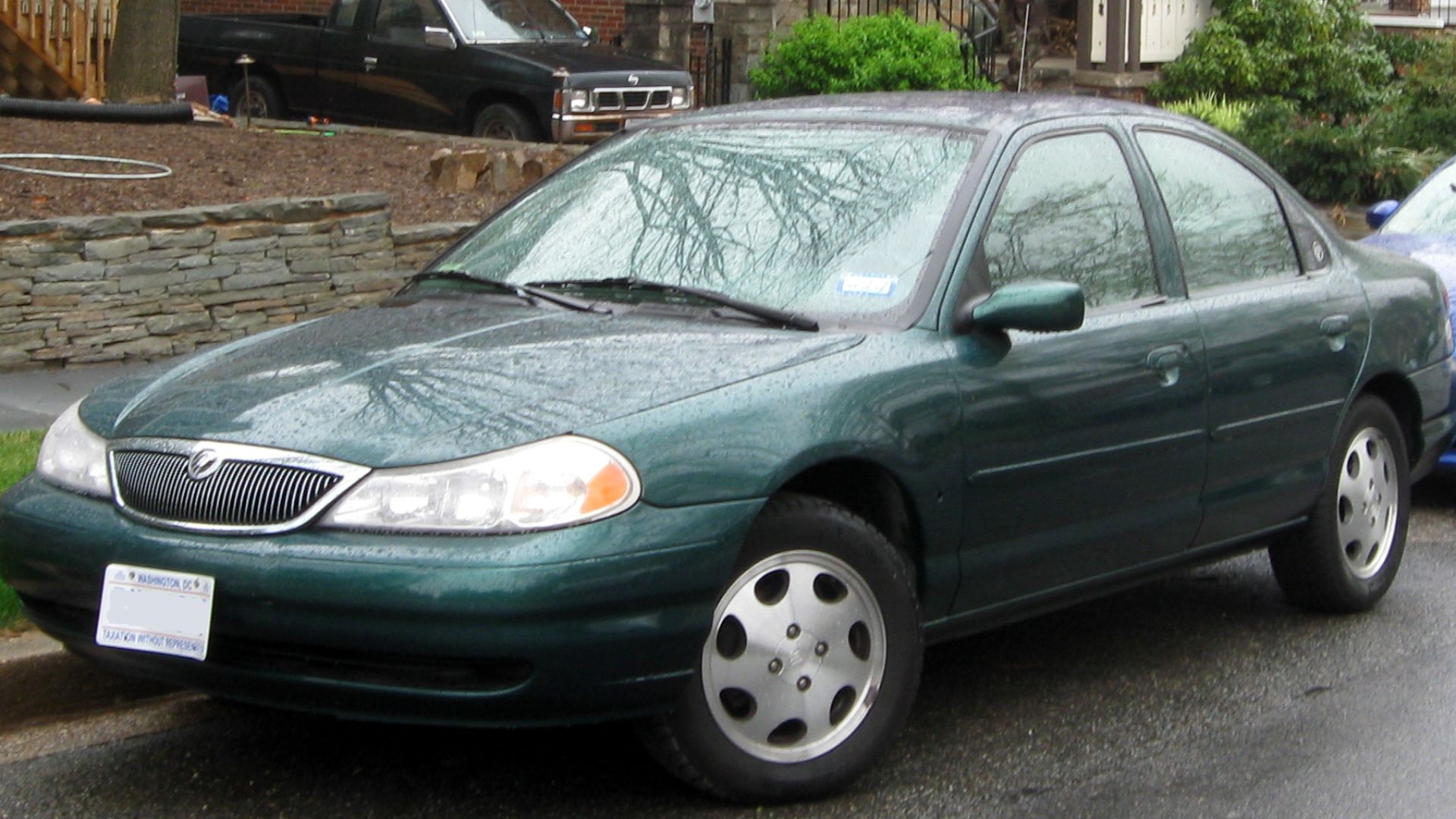
Mercury always seemed to occupy the sweet spot. It offered a little more luxury than a Ford without the higher price of a Lincoln, and plenty of Boomers proudly owned one. By the 2000s, however, many Mercury models were little more than lightly restyled Fords. Ford finally pulled the plug after the 2011 model year. For a lot of Boomers, it felt strange walking into a Ford dealership and realizing Mercury had simply...vanished.
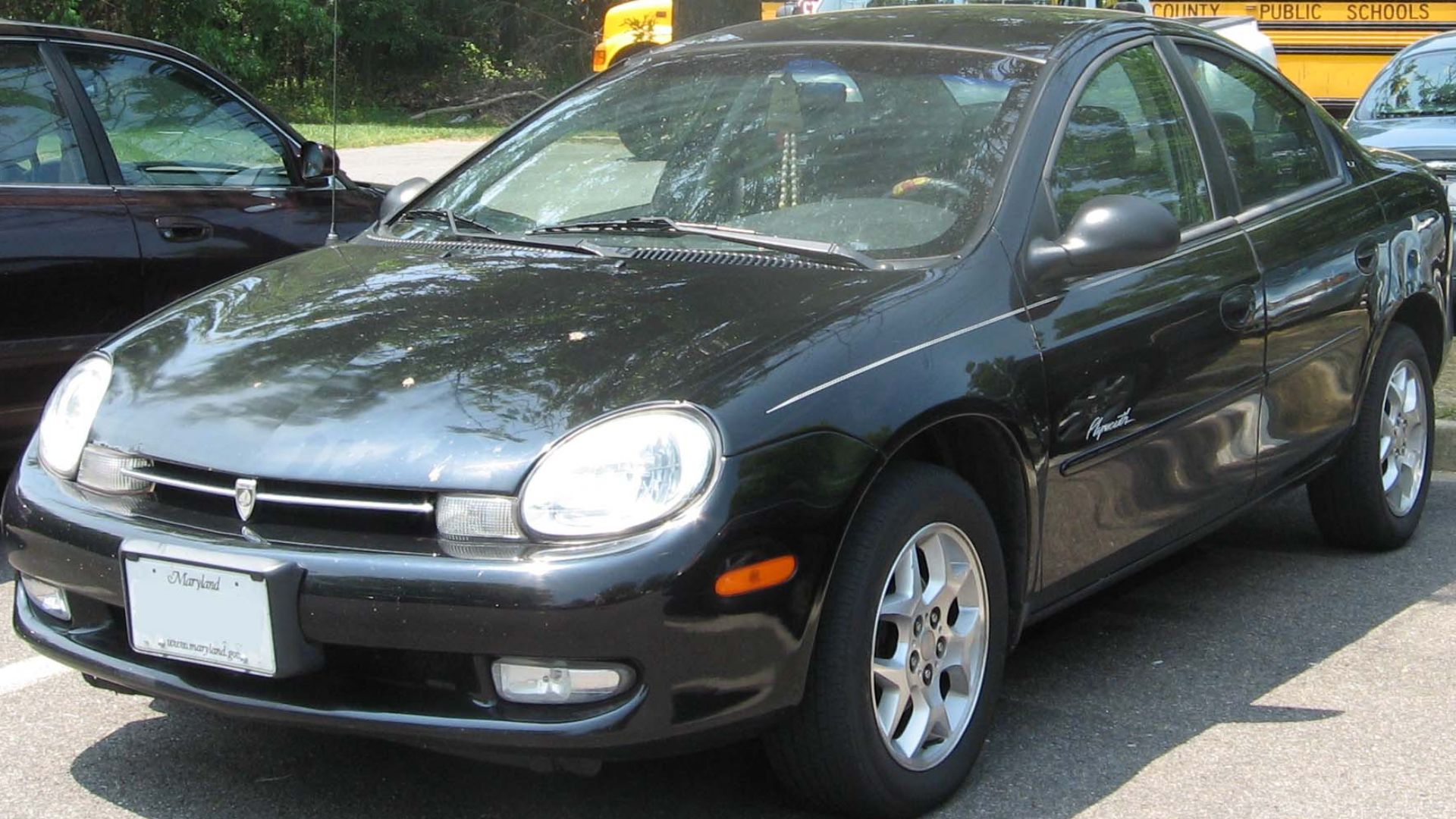
Plymouth
Road Runner. Barracuda. Fury. Just hearing those names is enough to make plenty of Boomers smile. Plymouth built everything from dependable family cars to some of Detroit's most legendary muscle machines. But by the late 1990s, the brand had lost its purpose within Chrysler's lineup. Plymouth disappeared after the 2001 model year, leaving behind one incredible automotive legacy.
AMC
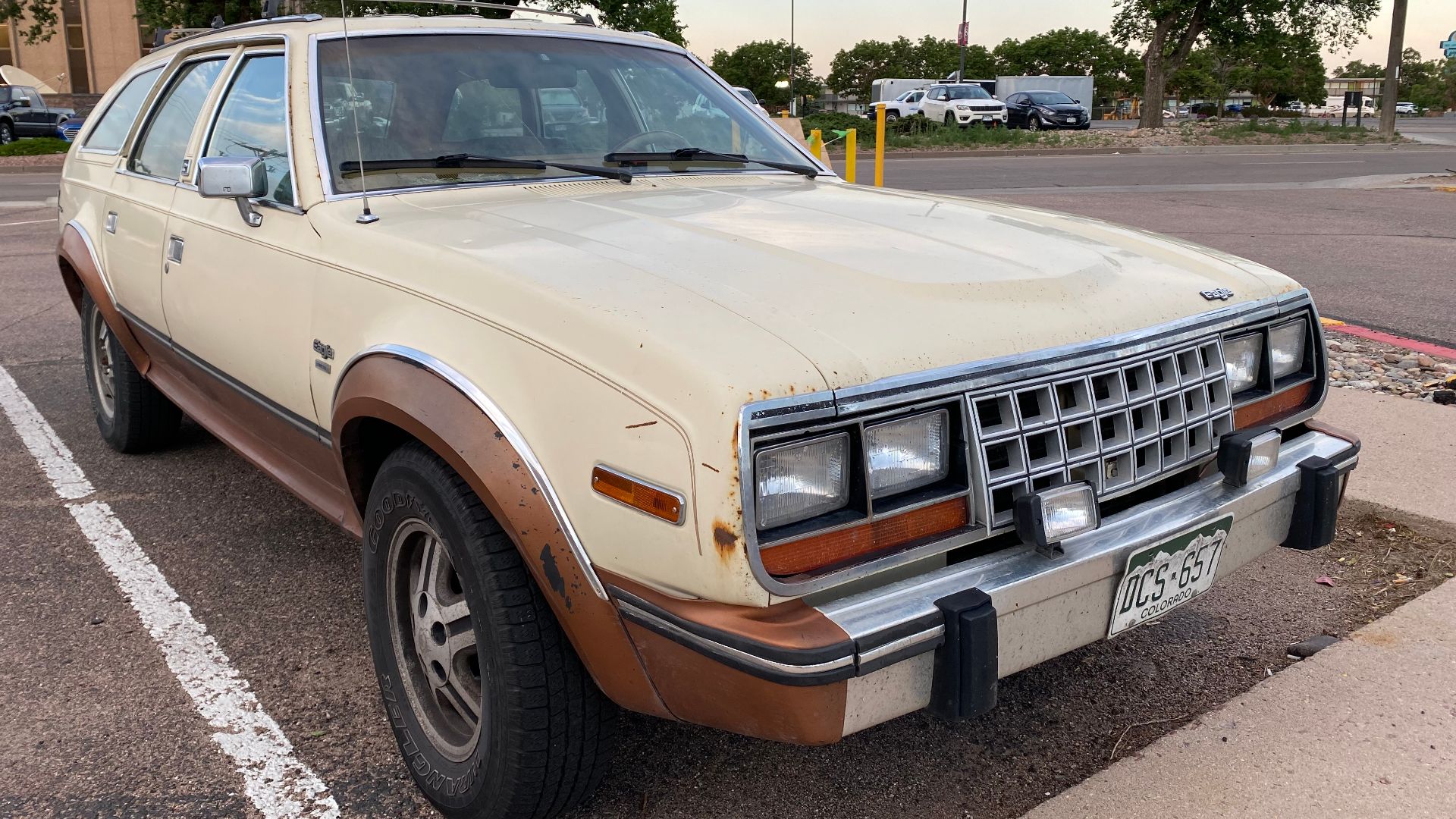
AMC never had the biggest budget, but it had more personality than some companies twice its size. The Gremlin, Pacer, Javelin, AMX, and Eagle all felt like they came from a company willing to try just about anything once. Chrysler bought American Motors in 1987, largely because it wanted Jeep, and the AMC badge quietly disappeared into automotive history.
Datsun
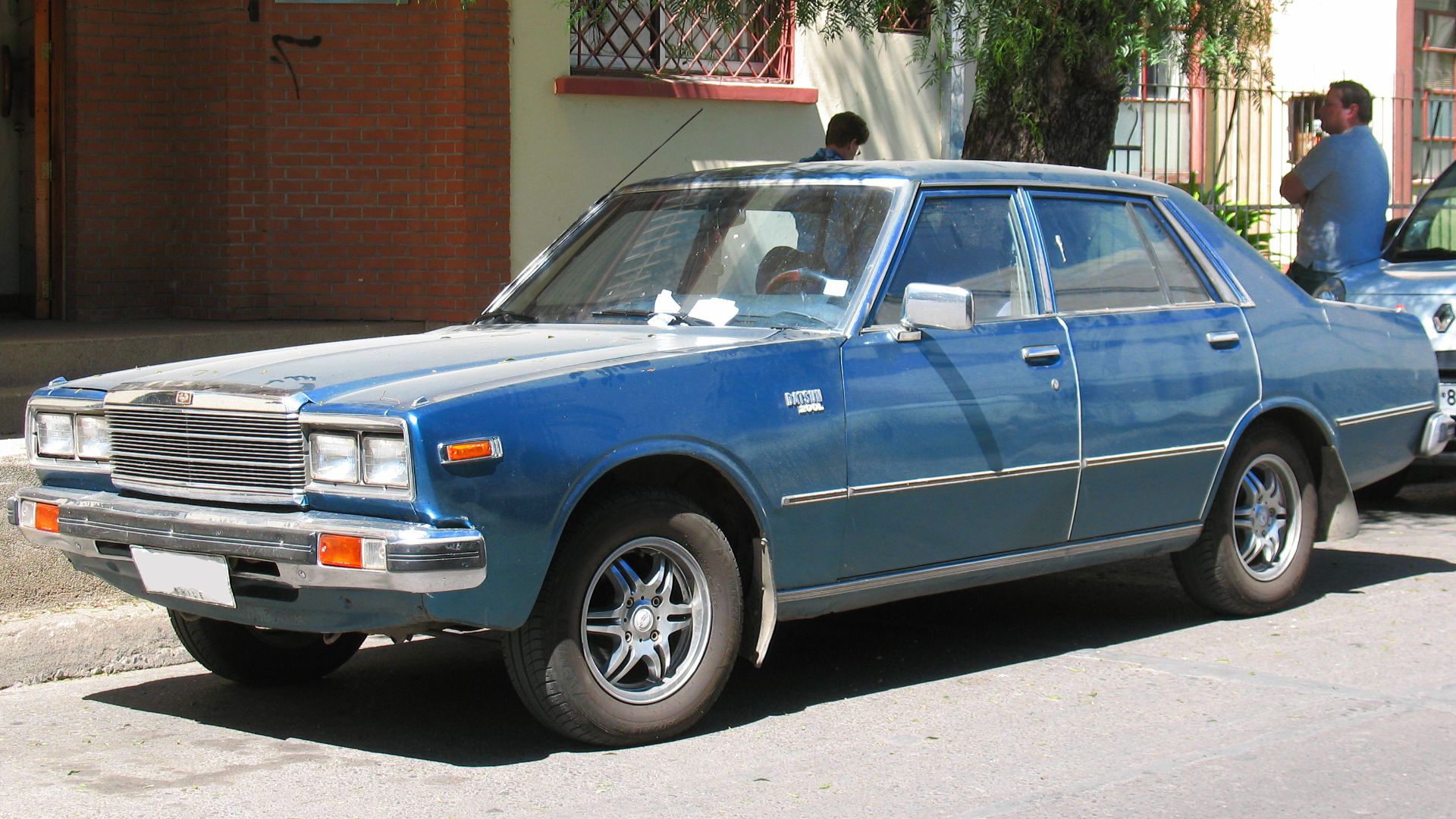
Ask most Boomers about Datsun and they'll picture simple little cars that just kept running. Ask someone born after 2000 and they'll probably say, 'Wait...do you mean Nissan?' That's because Nissan gradually phased out the Datsun name during the 1980s, pulling off one of the biggest disappearing acts in everyday automotive history.
 order_242 from Chile, Wikimedia Commons
Pontiac
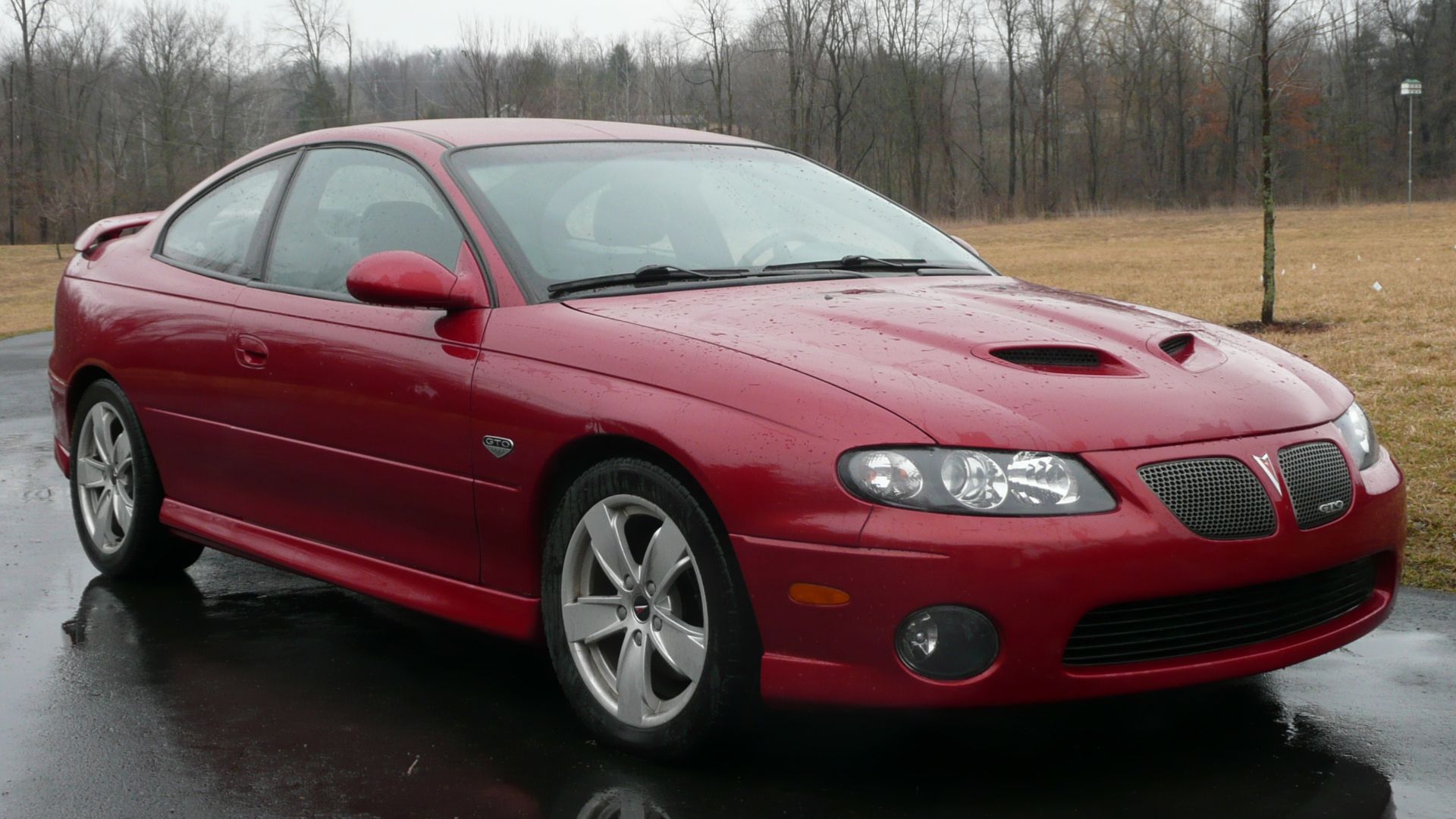
Pontiac once meant excitement. The GTO helped launch the muscle car era, the Firebird became a driveway dream, and even ordinary Pontiacs had a little extra attitude. Then years of badge engineering slowly wore down the brand's identity. GM announced Pontiac's demise during its 2009 restructuring, and by the end of 2010, one of America's great performance brands was gone.
 MyName (Crossley1 (talk)), Wikimedia Commons
Saturn
Remember when buying a Saturn actually felt different? No haggling. Friendly dealerships. Dent-resistant plastic body panels. Owners absolutely loved the whole 'different kind of car company' idea. Unfortunately, GM slowly turned Saturn into something much less special. After a failed sale attempt, the brand officially disappeared in 2010.
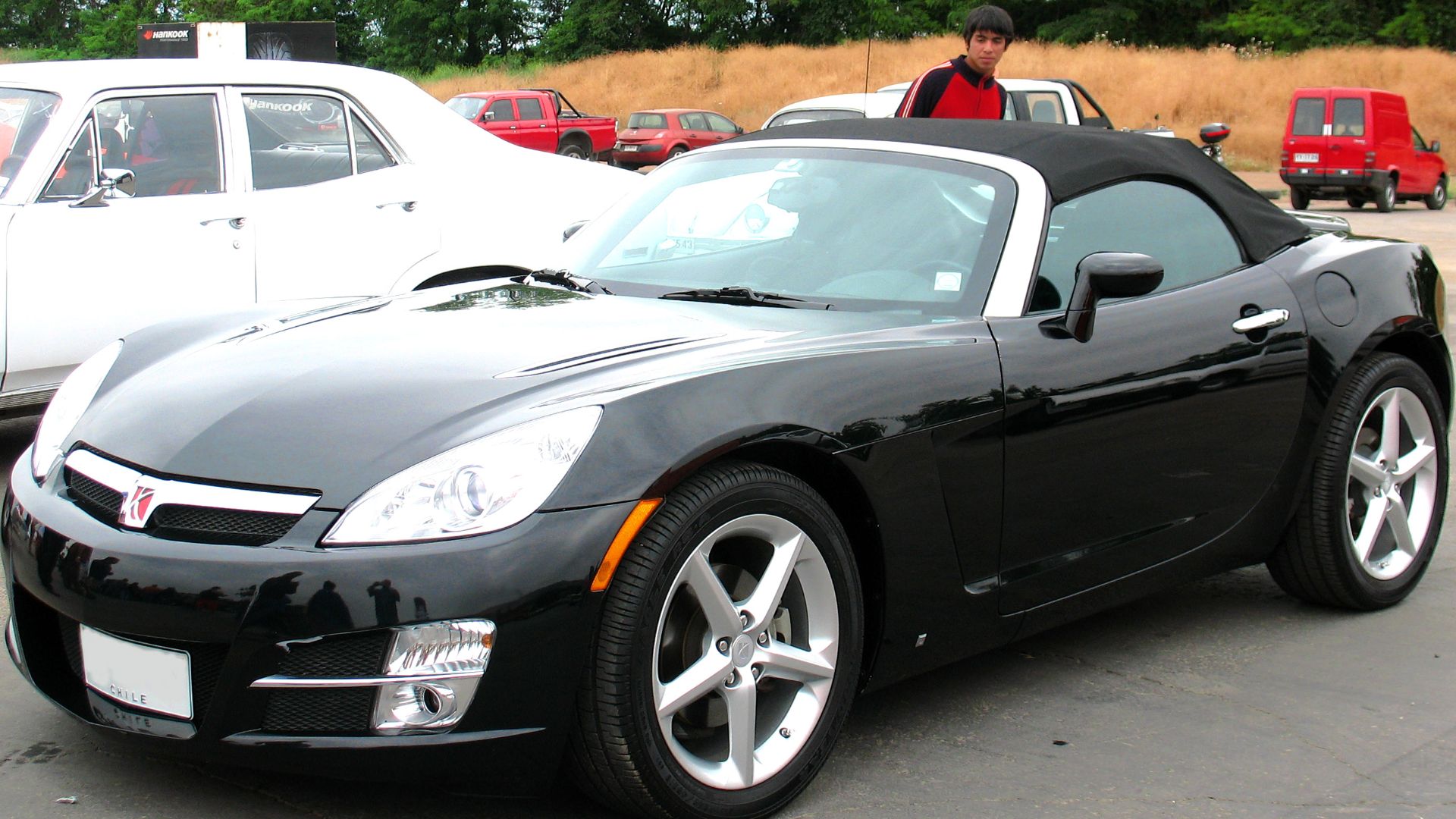 order_242 from Chile, Wikimedia Commons
Geo
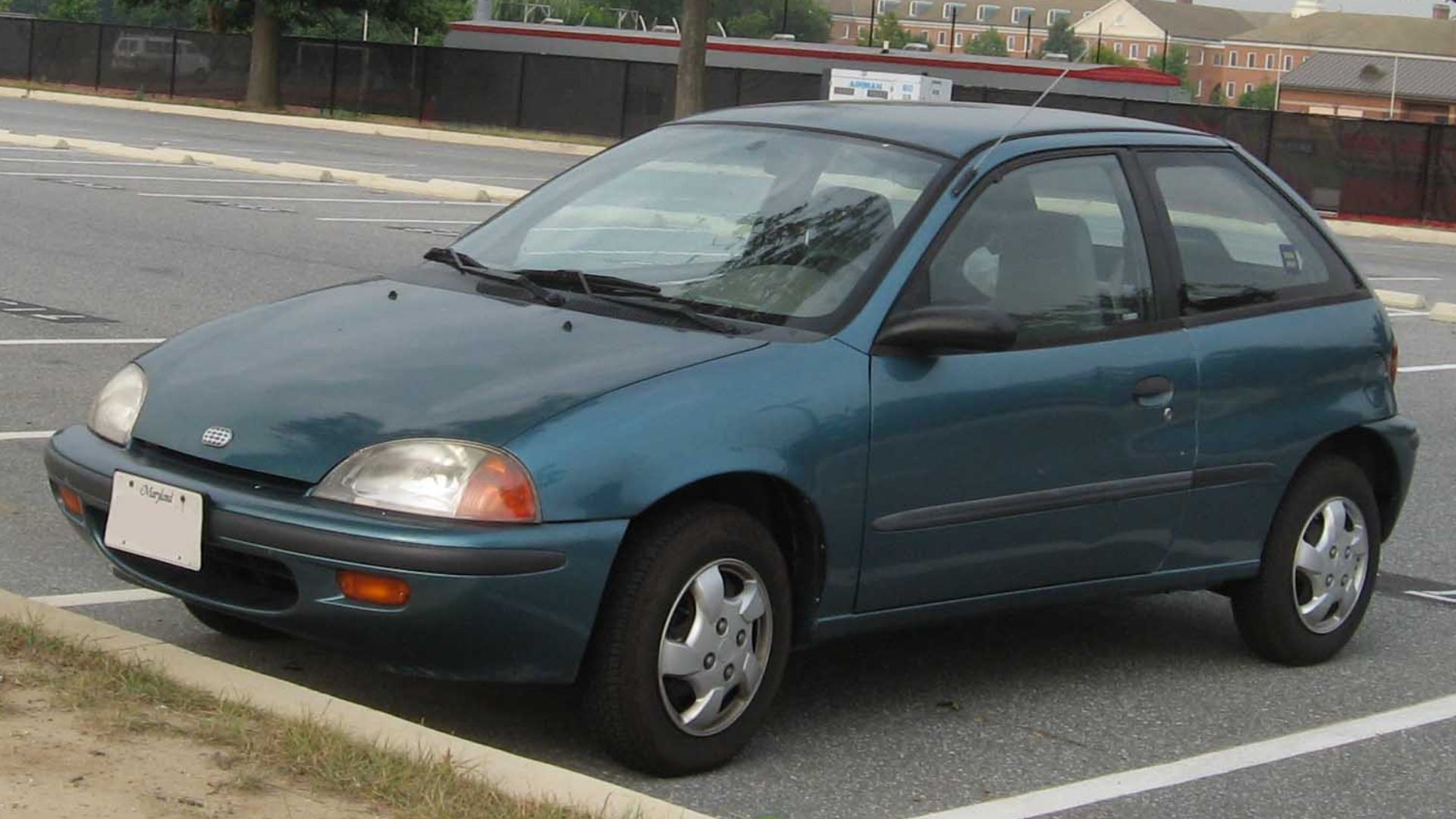
There was a stretch in the 90s when every high school parking lot seemed to have at least one Geo Metro clinging to life. Geo was General Motors' small-car brand, sold through Chevrolet dealerships, with models like the Metro, Prizm, and Tracker. Then GM folded everything back into Chevrolet after 1997. Just like that, the little Geo badge was gone.
Saab
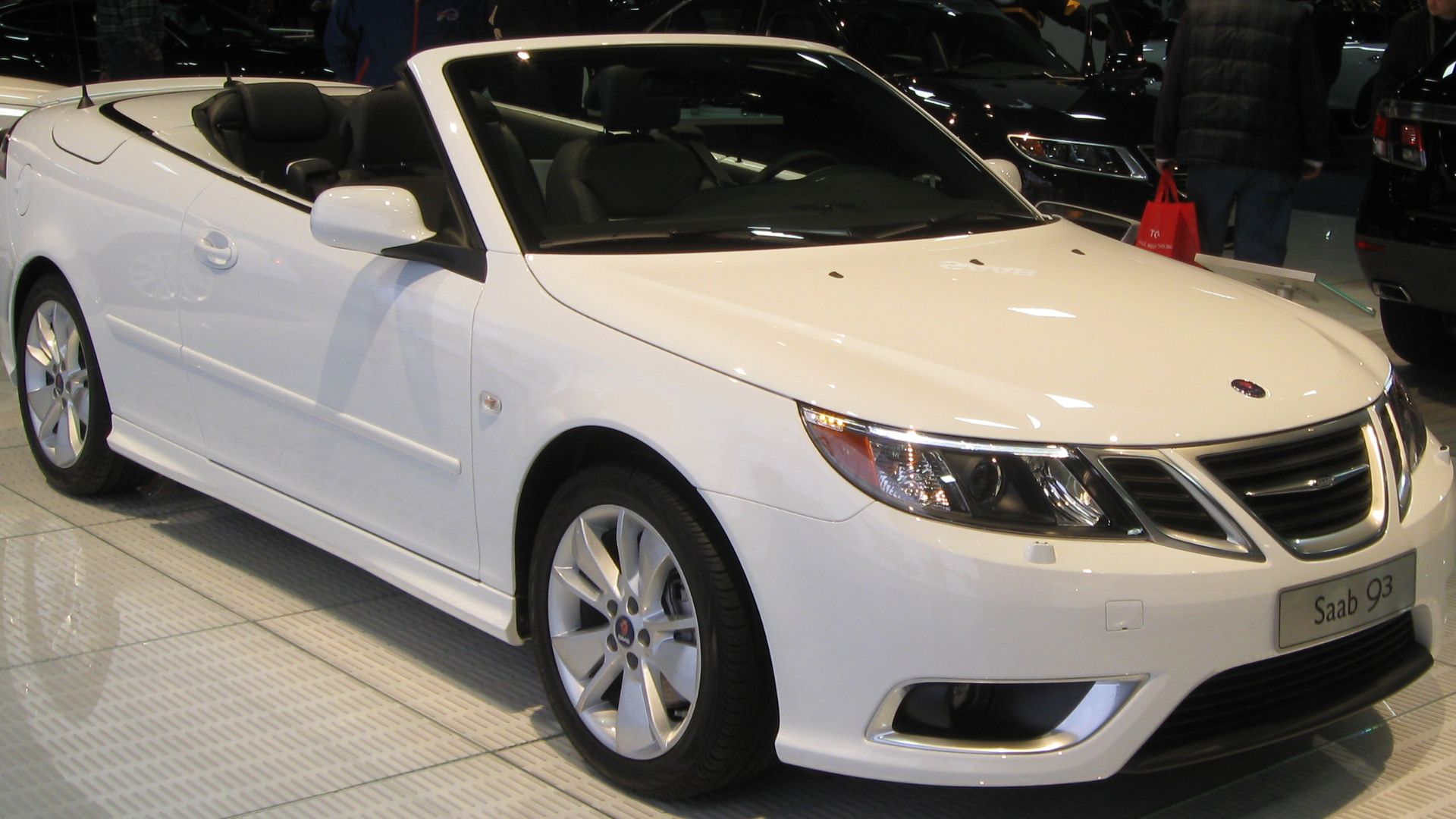
Saab owners didn't just drive Saabs. They explained Saabs. The Swedish brand became famous for quirky styling, turbocharged engines, aviation-inspired engineering, and one of the most loyal fan bases in the business. But loyal fans couldn't overcome financial reality. Saab Automobile filed for bankruptcy in 2011, bringing an unforgettable automotive story to an end.
Eagle
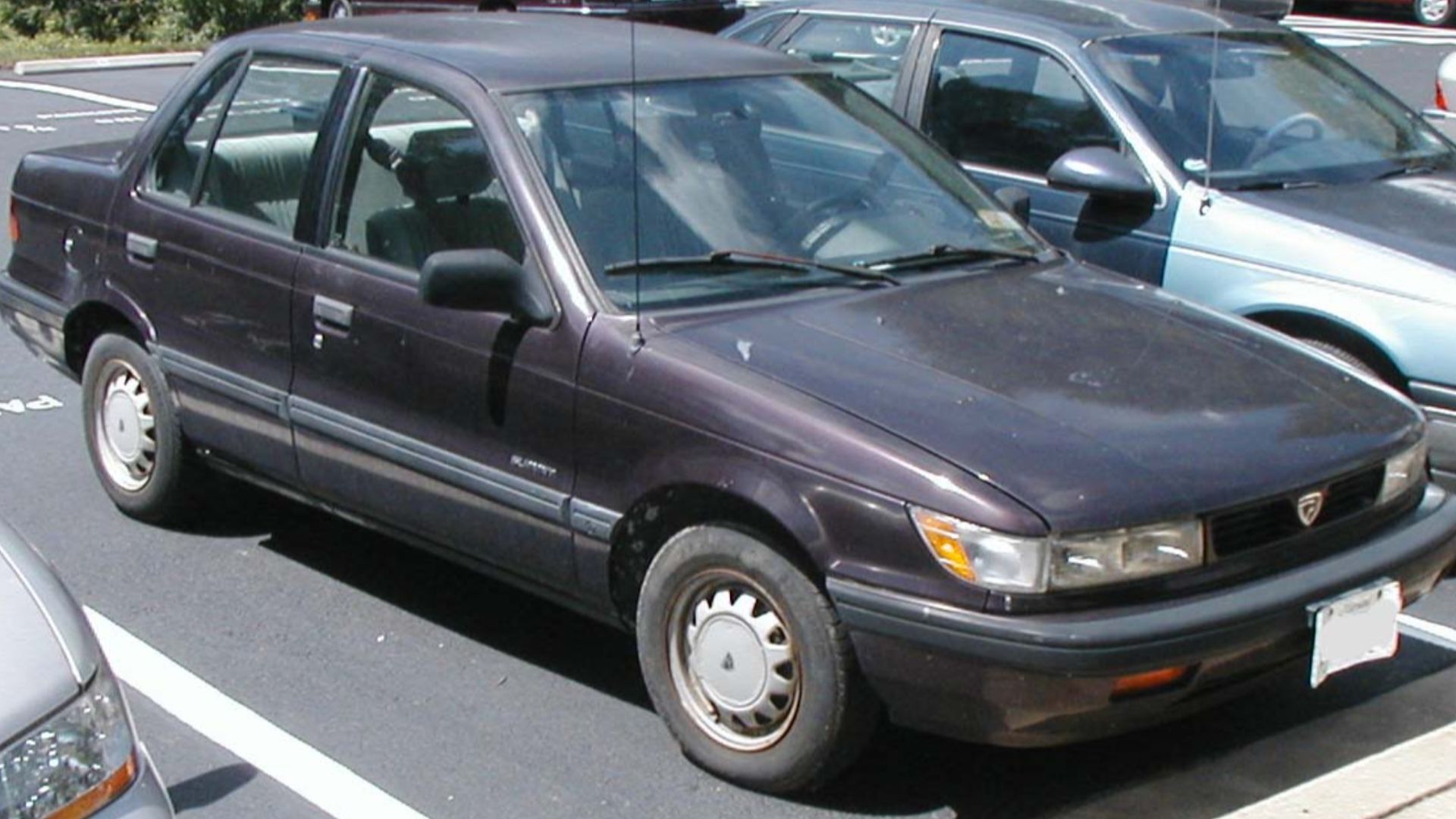
For a brief moment in the 90s, Eagle looked like Chrysler's attempt to be young, sporty, and just a little European. The Talon became a favorite among enthusiasts, while the Vision looked surprisingly futuristic. The problem was that not enough buyers understood what Eagle was supposed to be. Chrysler quietly retired the brand after the 1998 model year.
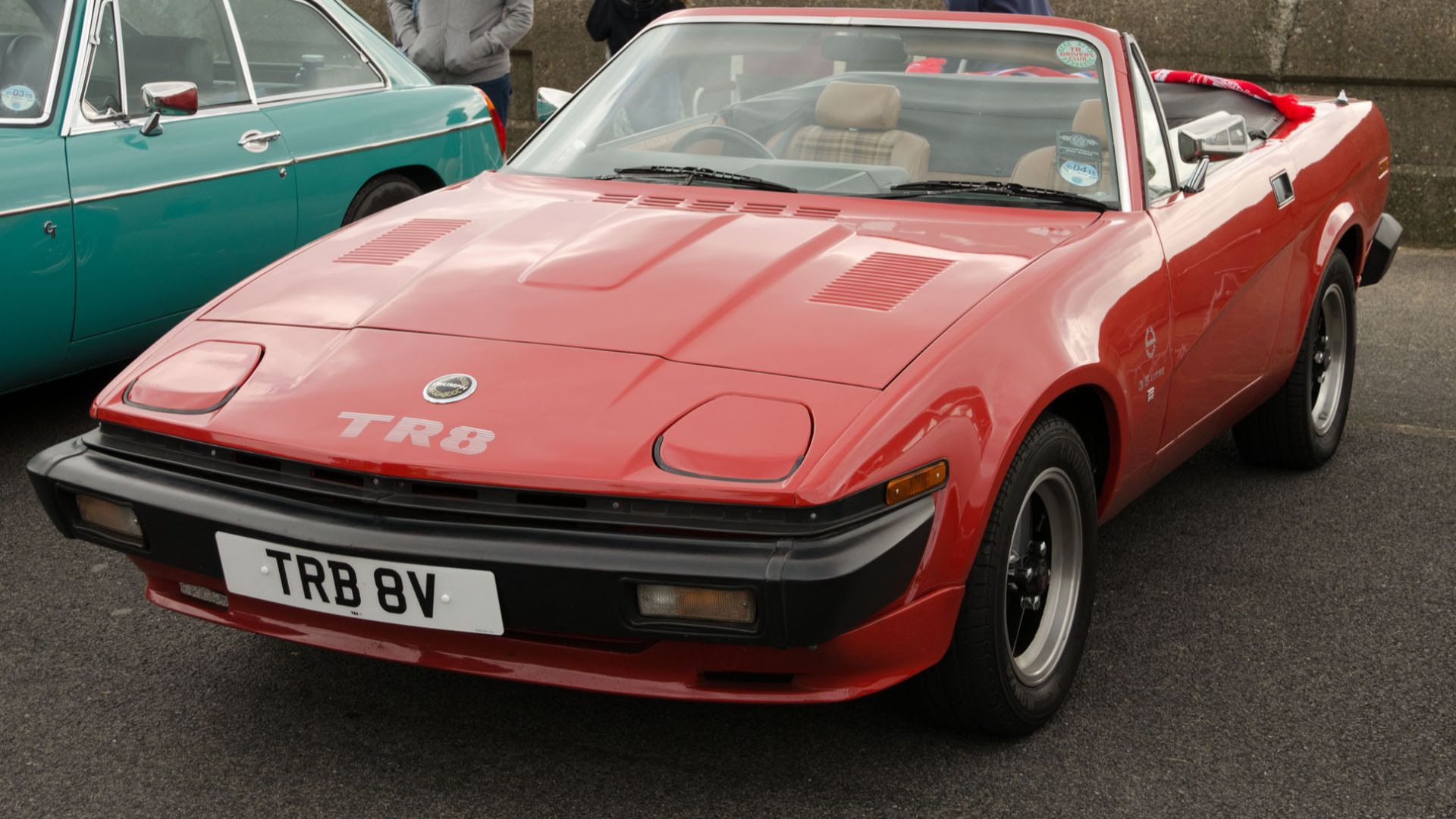
Triumph
Triumph built the kind of British sports cars that made every sunny weekend feel like an adventure. The TR6 still looks like it was designed specifically for winding roads and irresponsible decisions. British Leyland's financial troubles eventually caught up with the company, and the last Triumph sports cars disappeared after 1981. Today, the famous badge survives mostly at classic car shows.
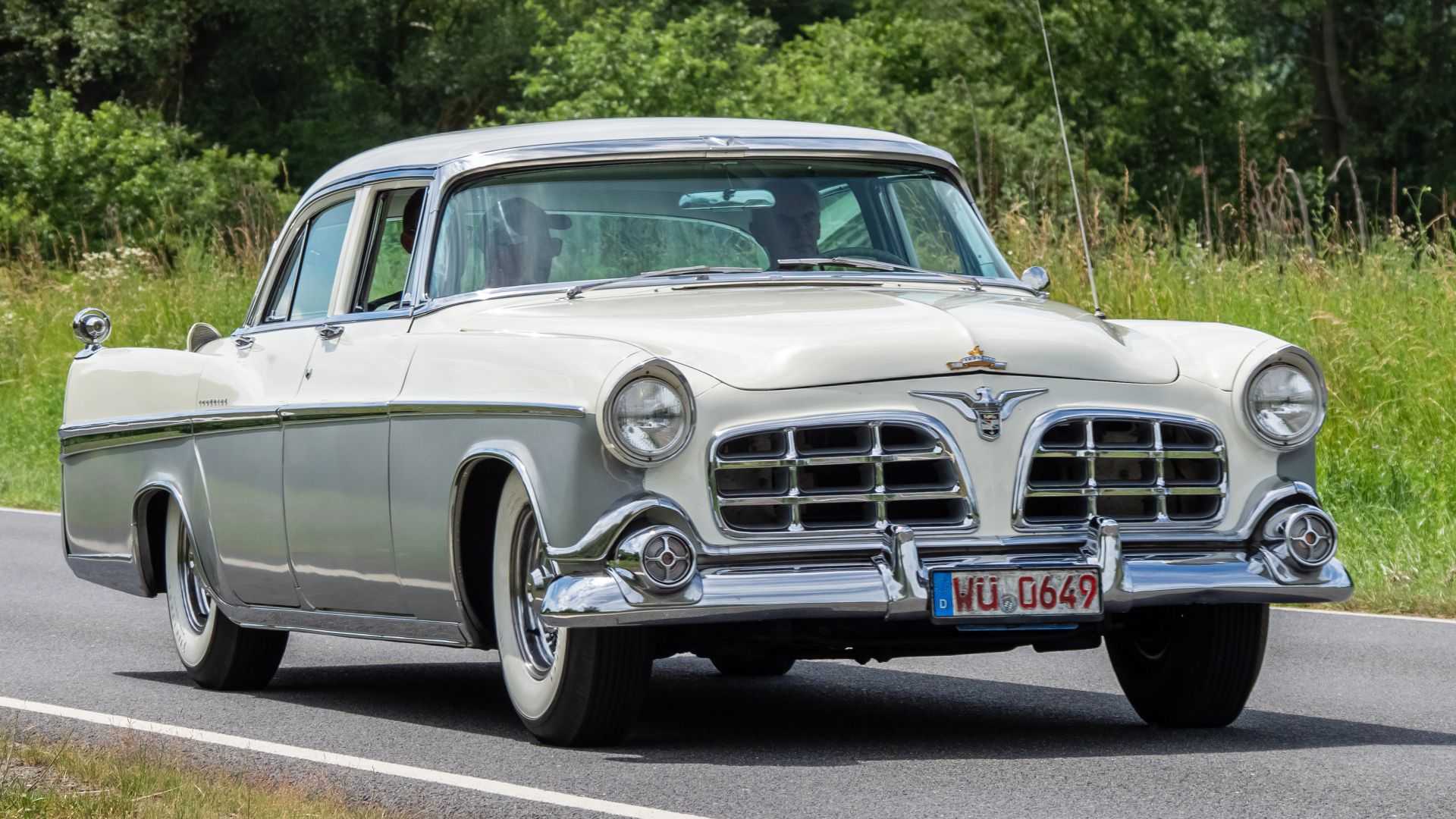
Imperial
There was a time when Imperial wasn't just another Chrysler—it was Chrysler's answer to Cadillac and Lincoln. Plenty of successful Americans proudly parked one in the driveway. The standalone luxury brand lasted from 1955 through 1975 before making a brief comeback in the early 80s. Today, most younger drivers have no idea Imperial was ever its own marque.
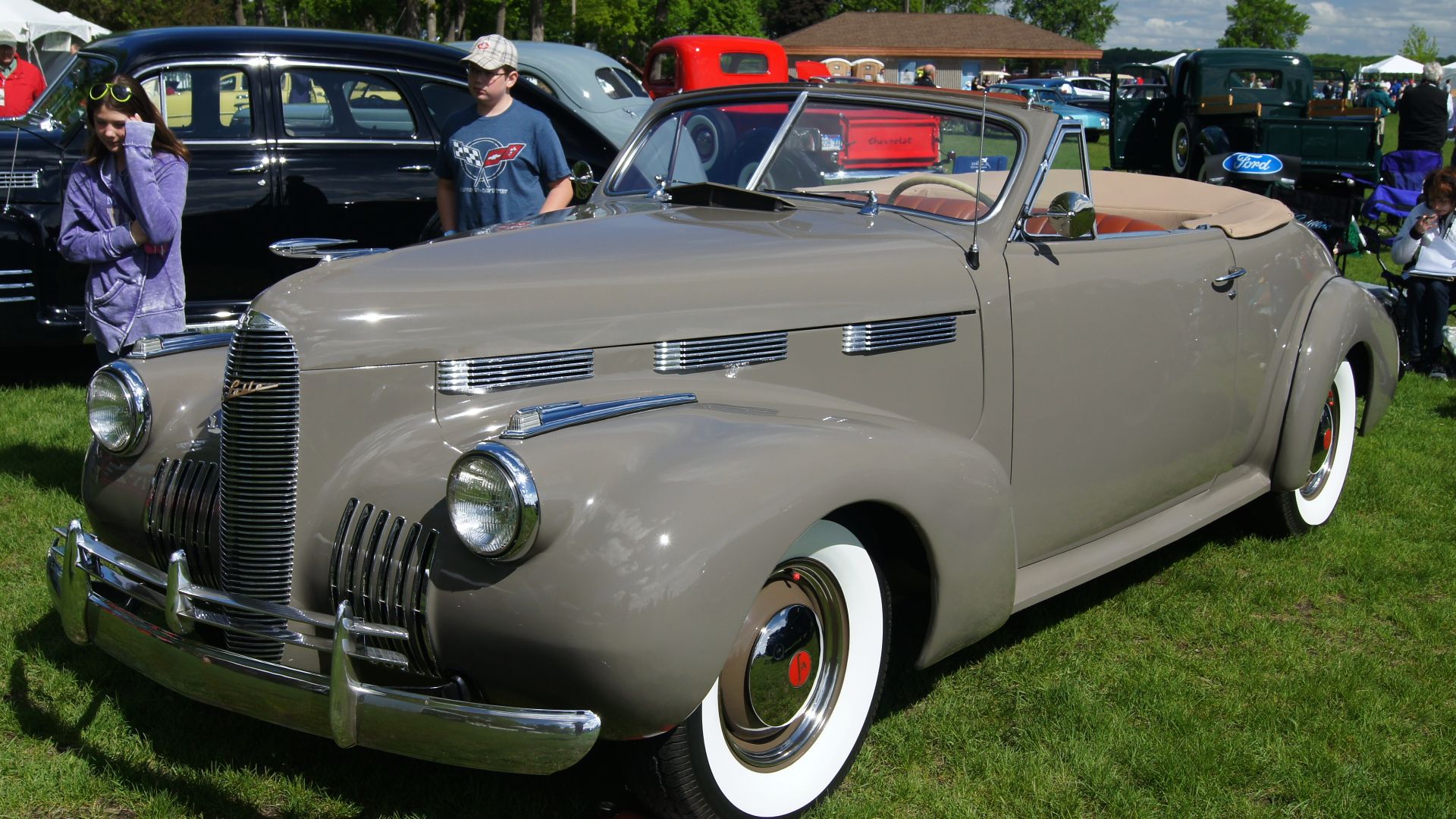
LaSalle
Before Cadillac became the luxury giant we know today, it had a little brother called LaSalle. The cars were stylish, upscale, and surprisingly common during the 30s. Cadillac folded the brand into its own lineup after 1940, and LaSalle slowly became one of those names that only shows up at classic car shows and trivia nights.
 Greg Gjerdingen from Willmar, USA, Wikimedia Commons
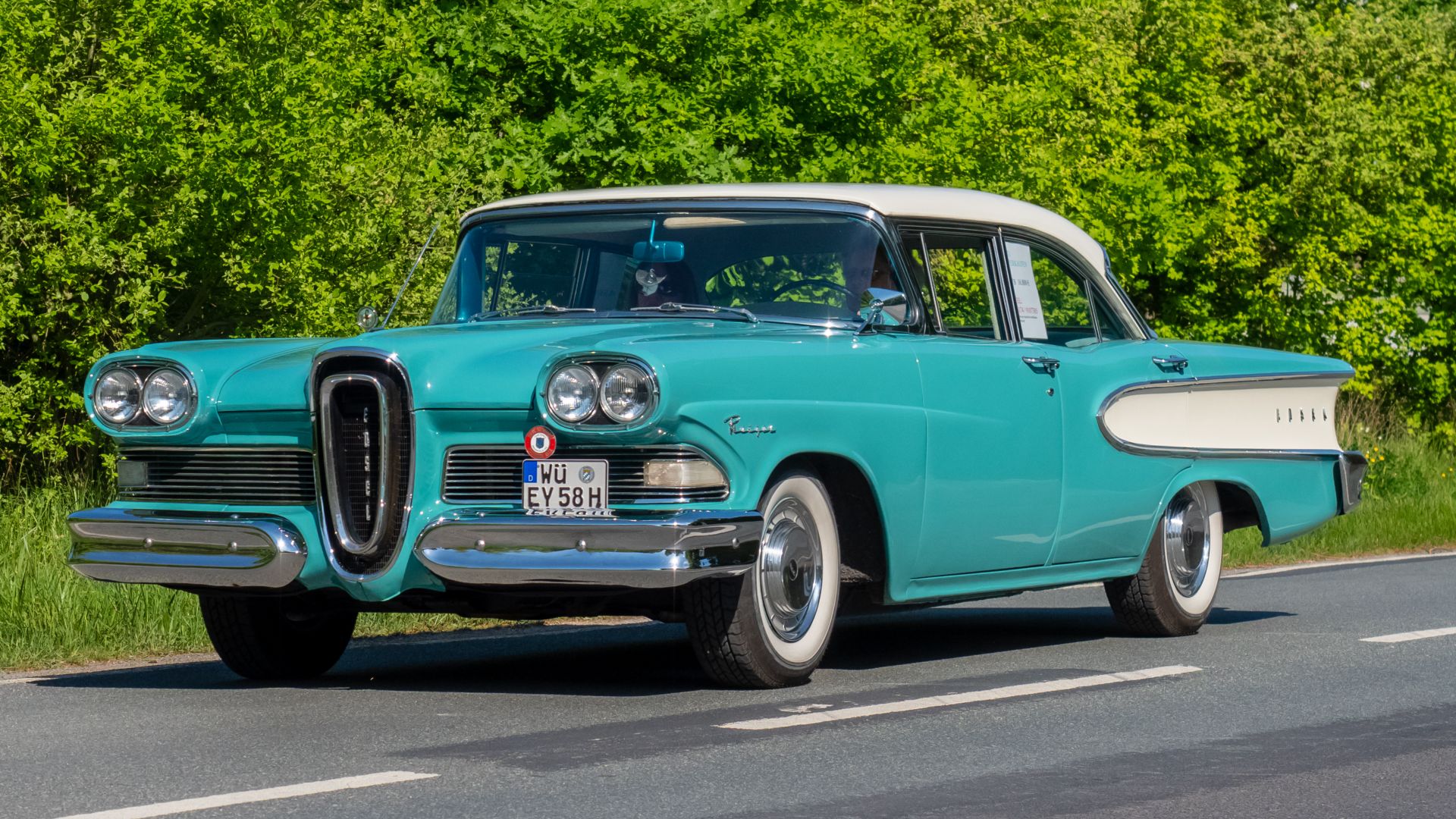
Edsel
Poor Edsel. Ford spent a fortune trying to create the next great American car brand and instead created one of the biggest flops in automotive history. Bad timing, confusing marketing, and styling that divided buyers all played a role. The brand survived for just three model years before Ford admitted defeat. Today, 'Edsel' has practically become another word for business failure.
Fargo
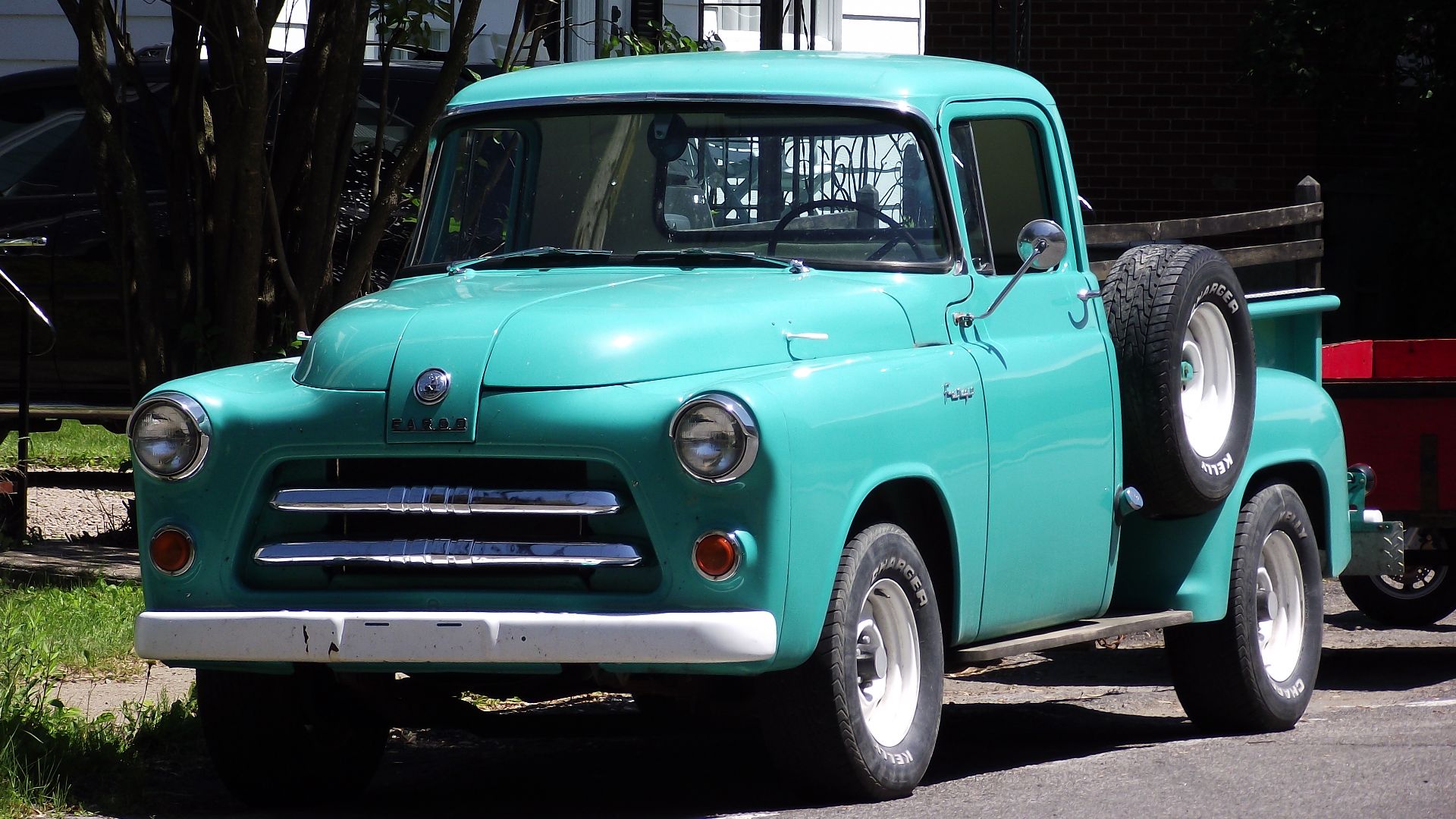
If you grew up in Canada, you probably remember Fargo pickups sitting beside Dodge trucks at farms, job sites, and small-town dealerships. Most were essentially Dodge trucks wearing different badges, but they developed plenty of loyal owners over the years. Mention Fargo to someone under 25 today and they'll probably assume you're talking about the television series.
 Sylvainbrousseau, Wikimedia Commons
Beaumont
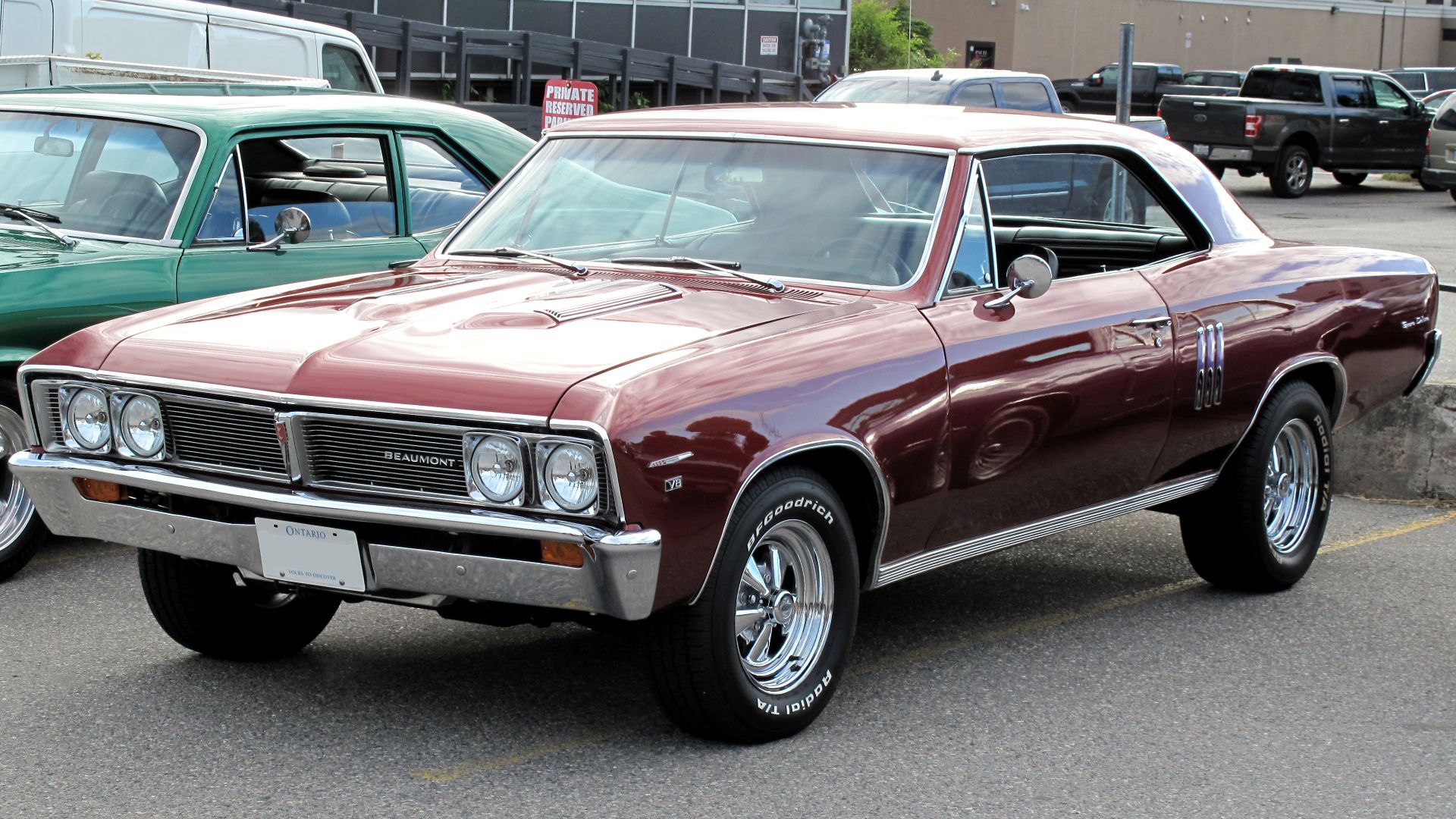
Beaumont is one of those brands that instantly makes Canadian Boomers smile. Sold by General Motors of Canada during the 60s, it blended Chevrolet underpinnings with Pontiac styling into something uniquely Canadian. It existed as its own marque from 1966 through 1969 before disappearing. No wonder even many younger car enthusiasts have never heard of it.
They Didn't Just Build Cars—They Built Memories
Every one of these brands was once a familiar sight on North American roads. Parents bought them. Grandparents swore by them. Dealerships proudly wore their signs for decades.
Today, most of those signs are long gone.
 Wagon Master Johnson, Wikimedia Commons
You Might Also Like:
Cars With The Most Unusual Doors Ever Built
The Five Fastest Cars In The World