You Remember The Car. But This Version?
You could probably spot a Mustang, Pinto, or Firebird across a parking lot. But remembering the name doesn't mean you remember everything that wore it. Back in the 70s, familiar cars came in some very unfamiliar versions. A few of these might have you wondering whether you missed an entire page of the brochure.
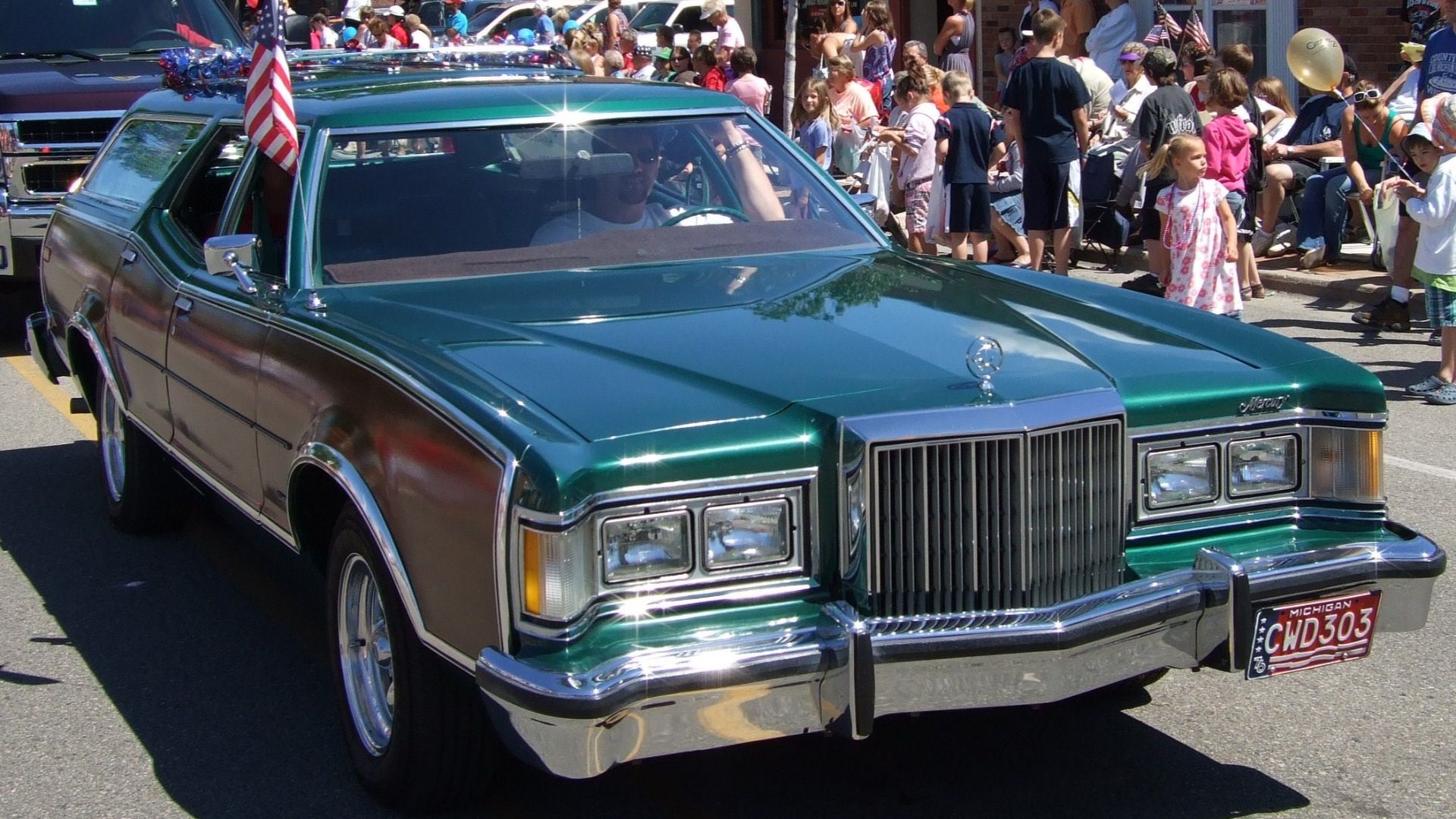
Mercury Cougar Villager Wagon (1977)
A Cougar with woodgrain sides and room for the family groceries? Absolutely. For 1977, Mercury stretched the Cougar name across a broader lineup that included a station wagon, with the Villager adding the woody treatment. It wasn't a customized coupe. Mercury actually sold it that way. The wagon disappeared for 1978, although a smaller Cougar wagon returned in 1982.
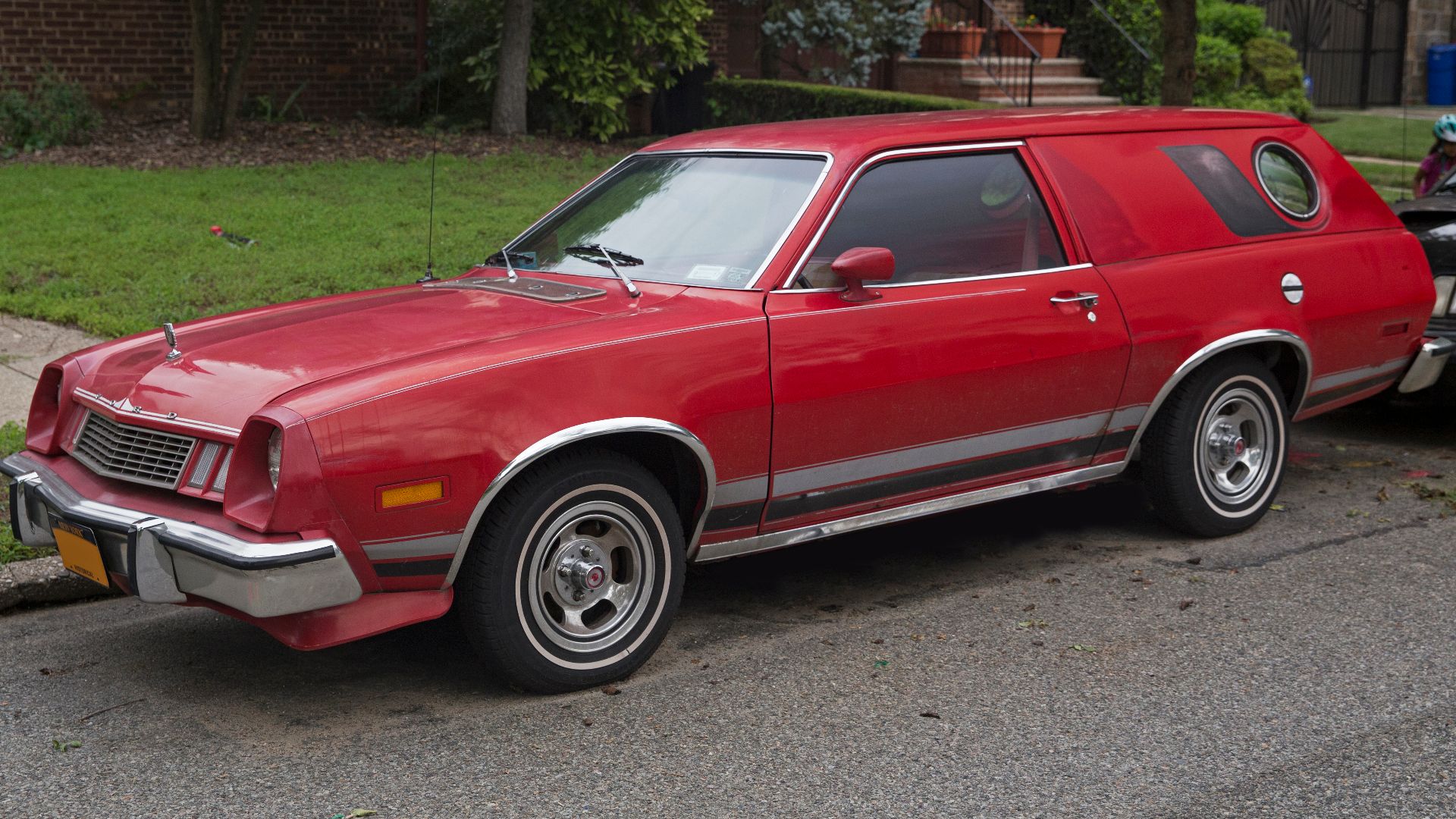
Ford Pinto Cruising Wagon (Introduced In 1977)
Ford took its little Pinto wagon and gave it a taste of the custom-van craze. The Cruising Wagon had covered rear side panels with porthole windows, while optional graphics supplied plenty of parking-lot personality. It still had a folding rear seat. Apparently, buying an economy car didn't have to mean giving up your plans for a weekend road trip.
 Mr.choppers, Wikimedia Commons
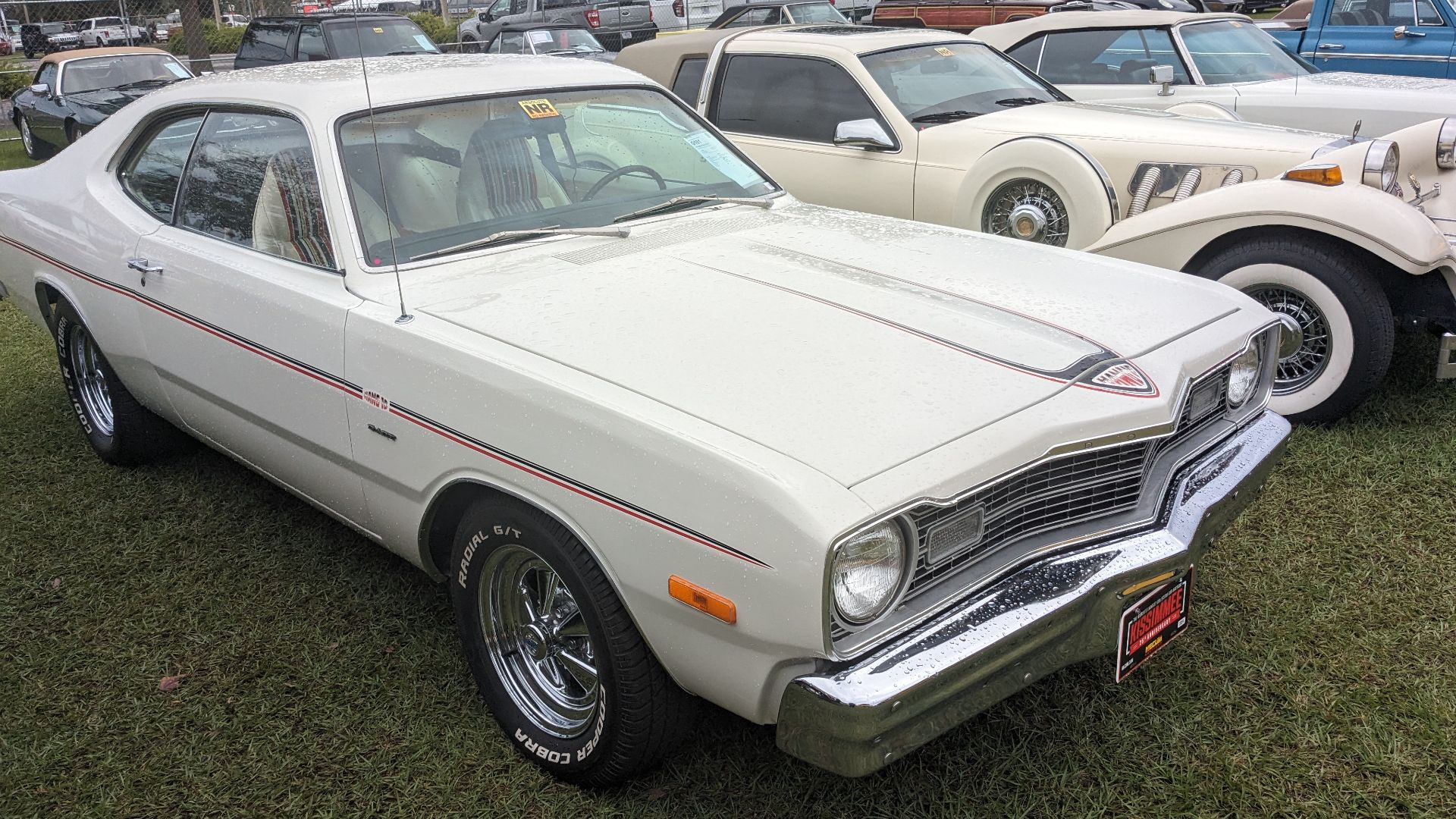
Dodge Dart Sport Hang Ten (1974–1975)
The dependable Dart also had a surfing phase. The Hang Ten package dressed the Dart Sport in white paint, colorful stripes, striped upholstery, and bright orange shag carpeting. A folding rear seat opened up space for longer gear. Even if the nearest beach was several states away, Dodge could make the inside of your car look ready for it.
 Pokemonprime, Wikimedia Commons
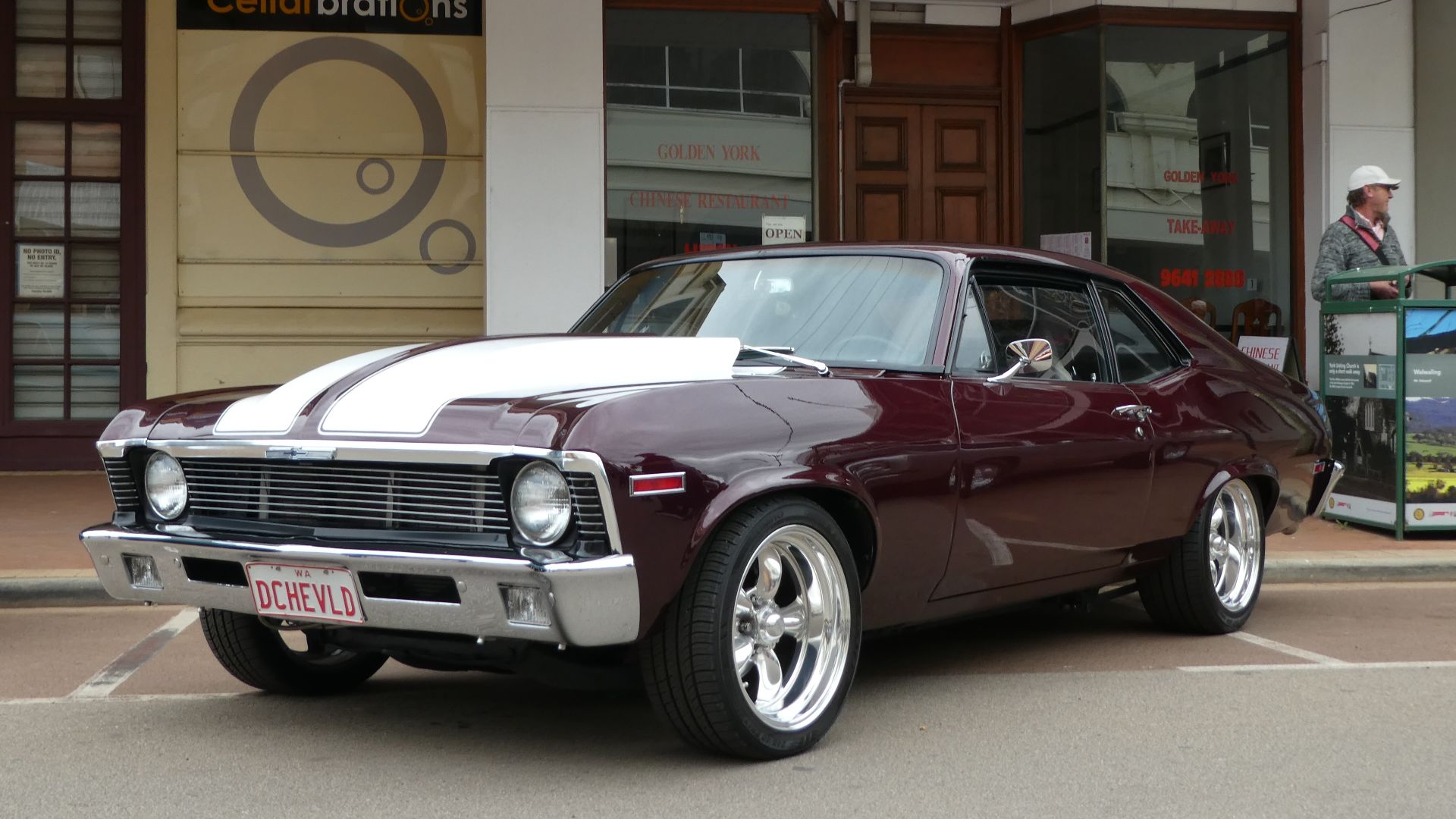
Chevrolet Nova Sky Roof (1972–1973)
That familiar Nova could come with a surprisingly big opening overhead. Chevrolet's optional Sky Roof used a folding fabric panel that slid back to let in the sunshine. It wasn't a convertible, but it was considerably more interesting than another vinyl roof. If you remember the Nova only as sensible transportation or a small-block street machine, this one is easy to miss.
 ZidaneHartono, Wikimedia Commons
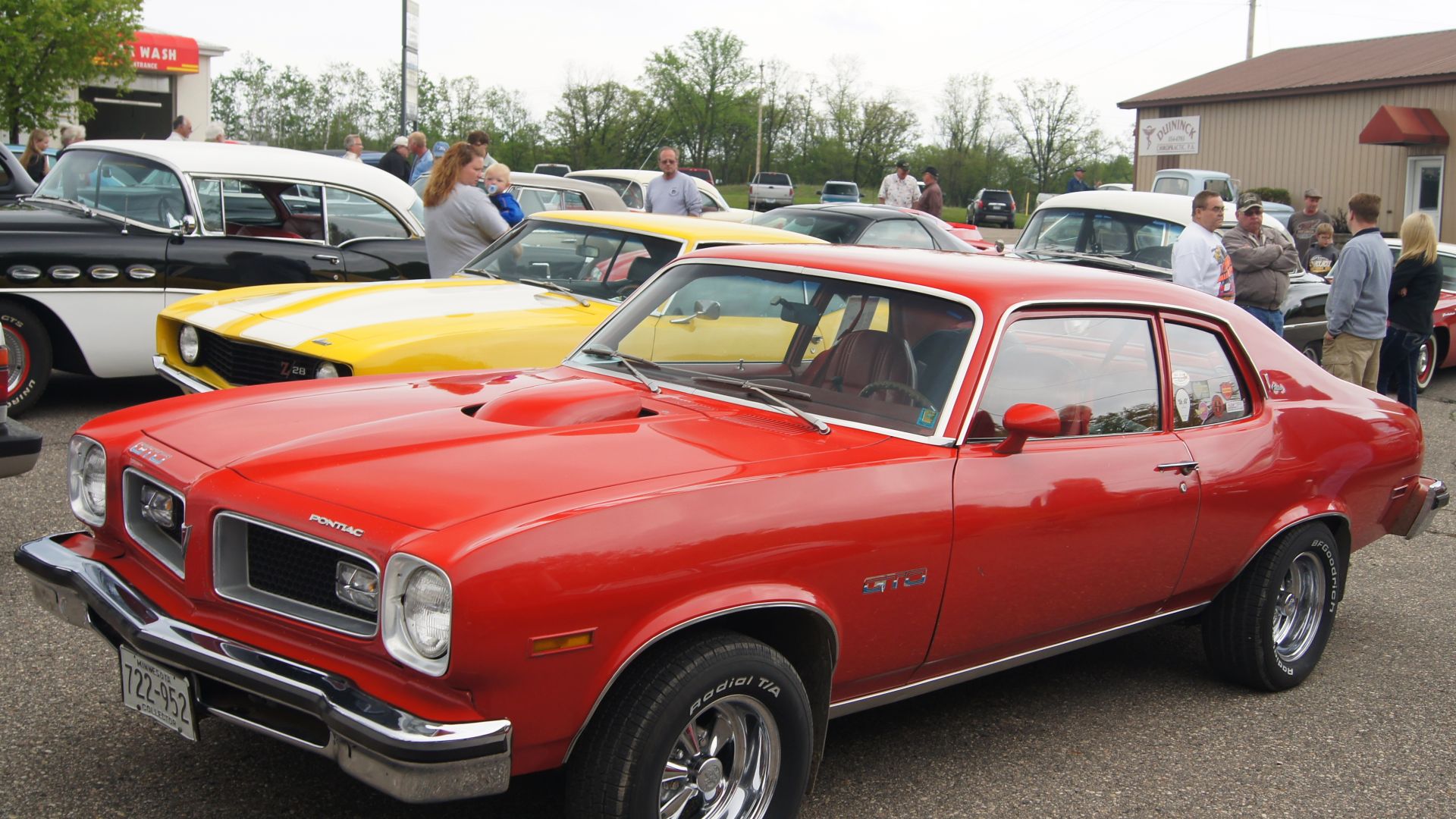
Pontiac GTO Hatchback (1974)
Yes, there was a GTO with a hatch. For 1974, Pontiac moved the GTO package to the smaller Ventura, offering it on both a conventional two-door and a hatchback. A shaker hood scoop helped preserve the muscle-car attitude. Pontiac even offered a camping tent for the hatchback. That's quite a second career for a name associated with stoplight bragging rights.
 Greg Gjerdingen, Wikimedia Commons
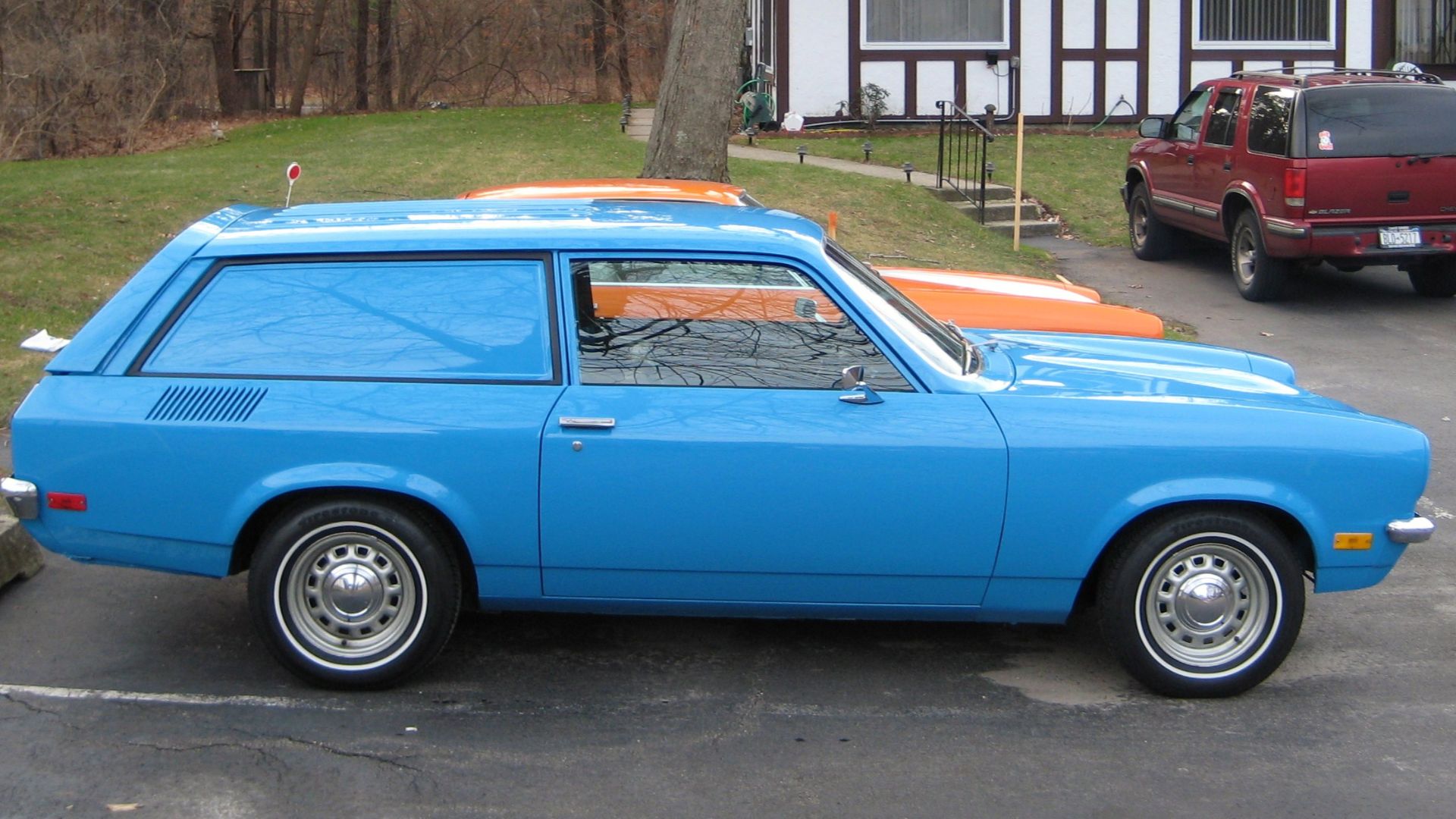
Chevrolet Vega Panel Express (1971–1975)
The Vega also went to work as a tiny delivery vehicle. The Panel Express used the wagon body with solid panels replacing the rear side glass and cargo space taking priority over passengers. Chevrolet's 1974 brochure listed just a driver's seat as standard, with a passenger seat optional. Your little business could have a little Chevy to match.
 Vegavairbob (talk) 09:24, 4 June 2009 (UTC), Wikimedia Commons
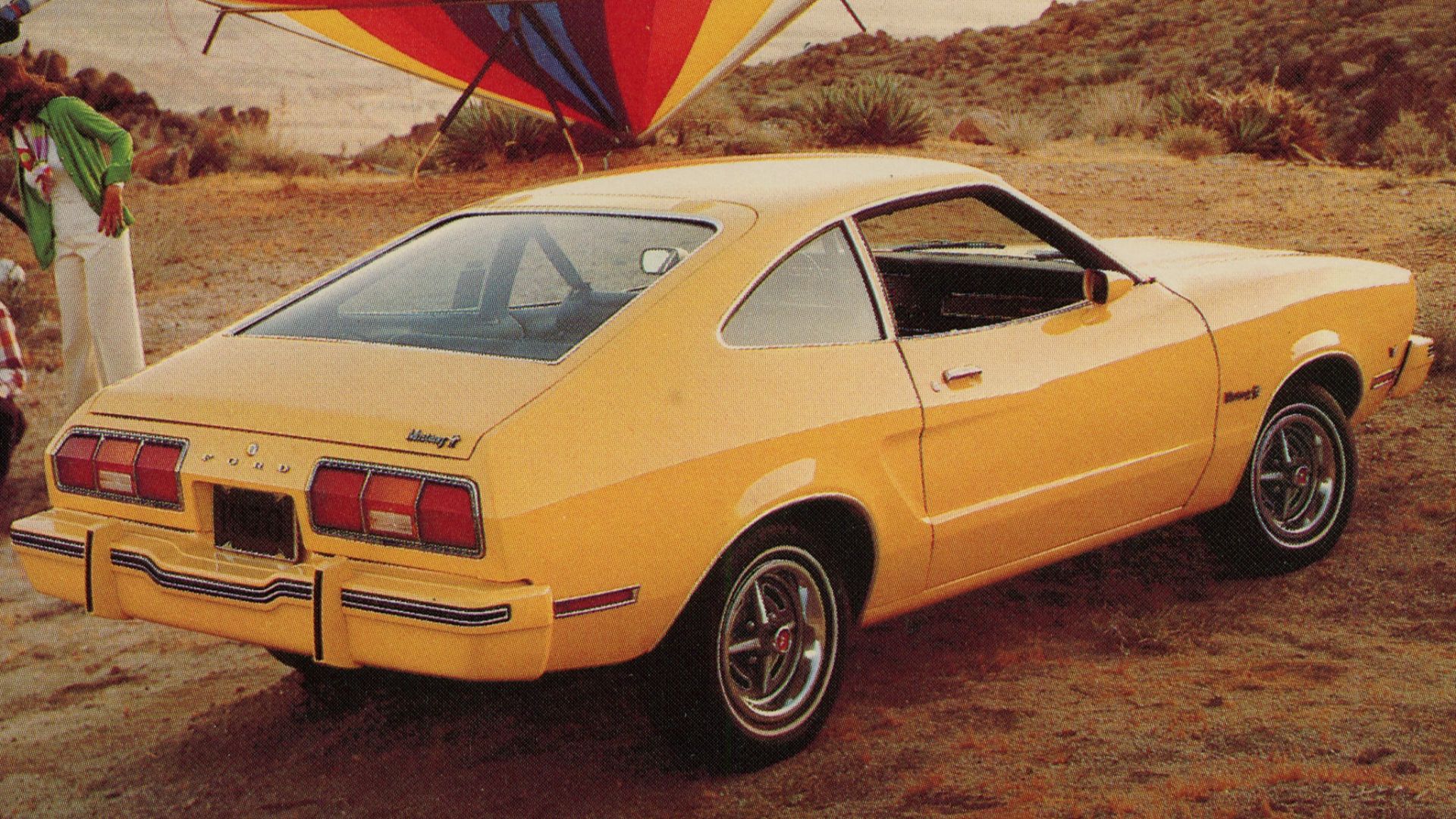
Ford Mustang II Stallion (1976)
The Cobra II tends to get the attention, but Ford offered another dressed-up Mustang II in 1976. The Stallion package brought contrasting black paint, blacked-out trim, styled steel wheels, and distinctive decals. It was an appearance package rather than a special engine upgrade. Even buyers who remember the smaller Mustang sometimes draw a blank on this particular horse.
 Steve Shook from Moscow, Idaho, USA, Wikimedia Commons
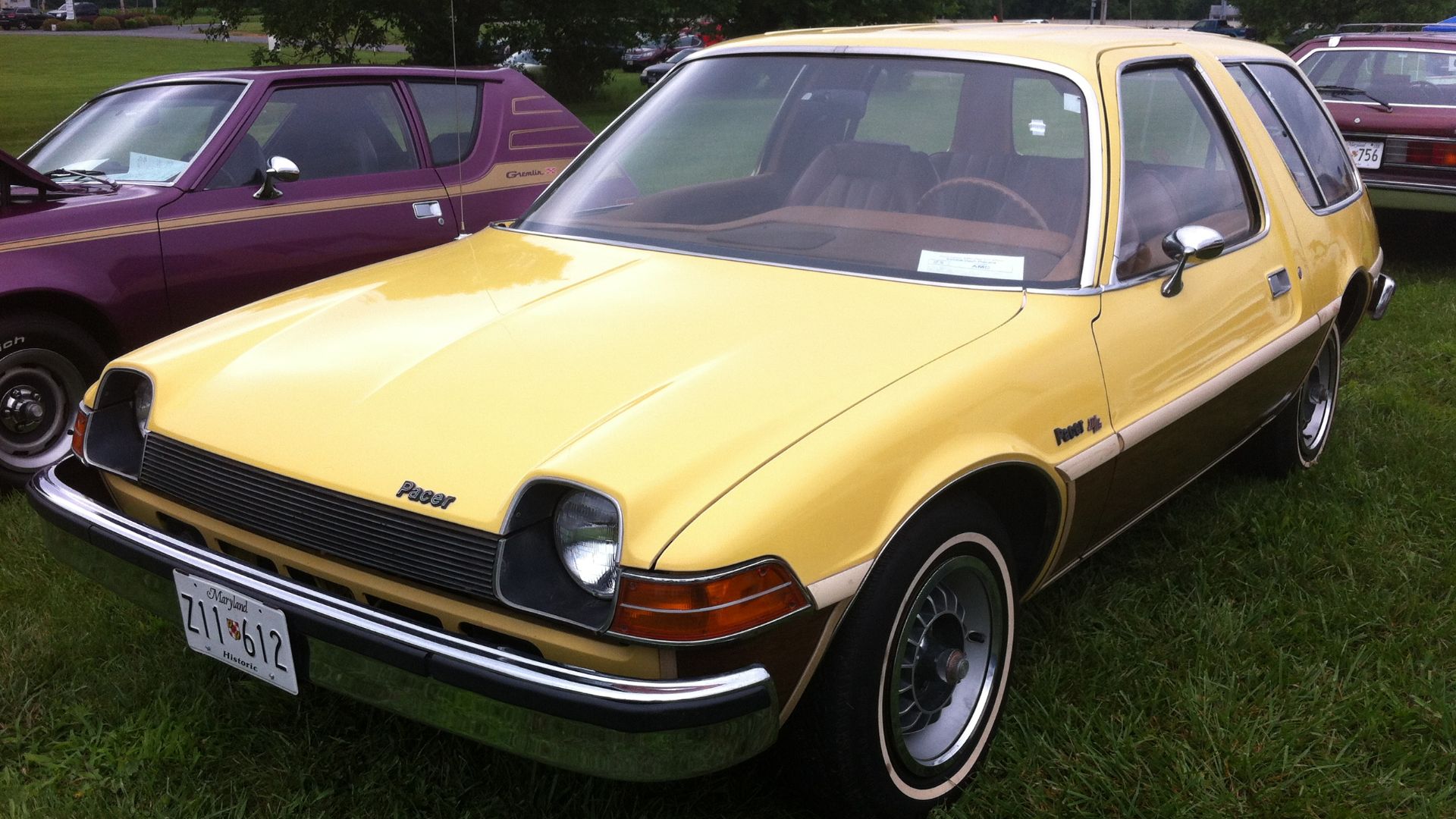
AMC Pacer Wagon (Introduced In 1977)
The Pacer's rounded hatchback shape is easy to remember. The wagon version takes a little more effort. Introduced for 1977, it extended the rear body for more usable cargo room, and D/L trim could add simulated woodgrain outside. The result was still unmistakably a Pacer, just one better equipped to bring home everything from the hardware store.
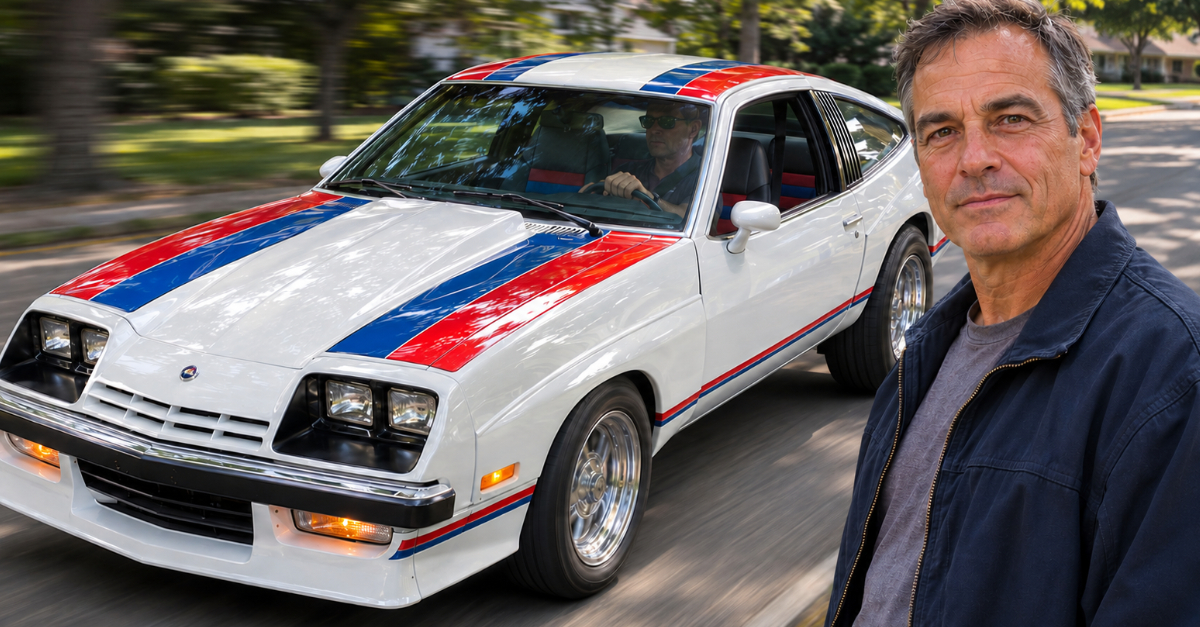
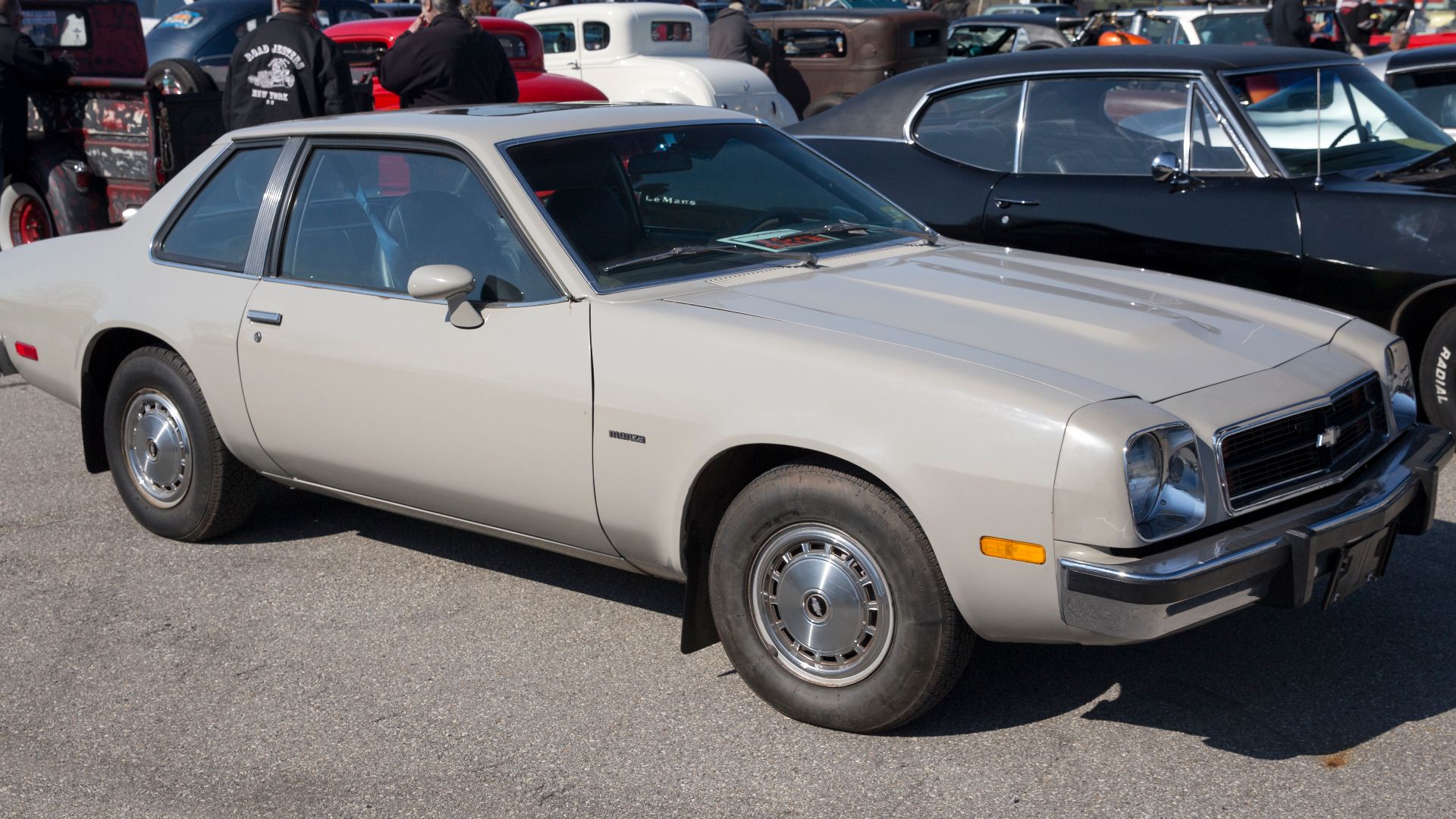
Chevrolet Monza Mirage (1977)
Chevrolet's little Monza could look as though it had wandered out of a race paddock. The Mirage added flared bodywork, spoilers, and red-and-blue stripes over white paint. Ordered through participating Chevrolet dealers, the conversion was generally handled by Michigan Auto Techniques, although some dealers installed the kits themselves. The racing influence was mostly visual, but it certainly gave an ordinary Monza a different presence in the driveway.
 Mr.choppers, Wikimedia Commons
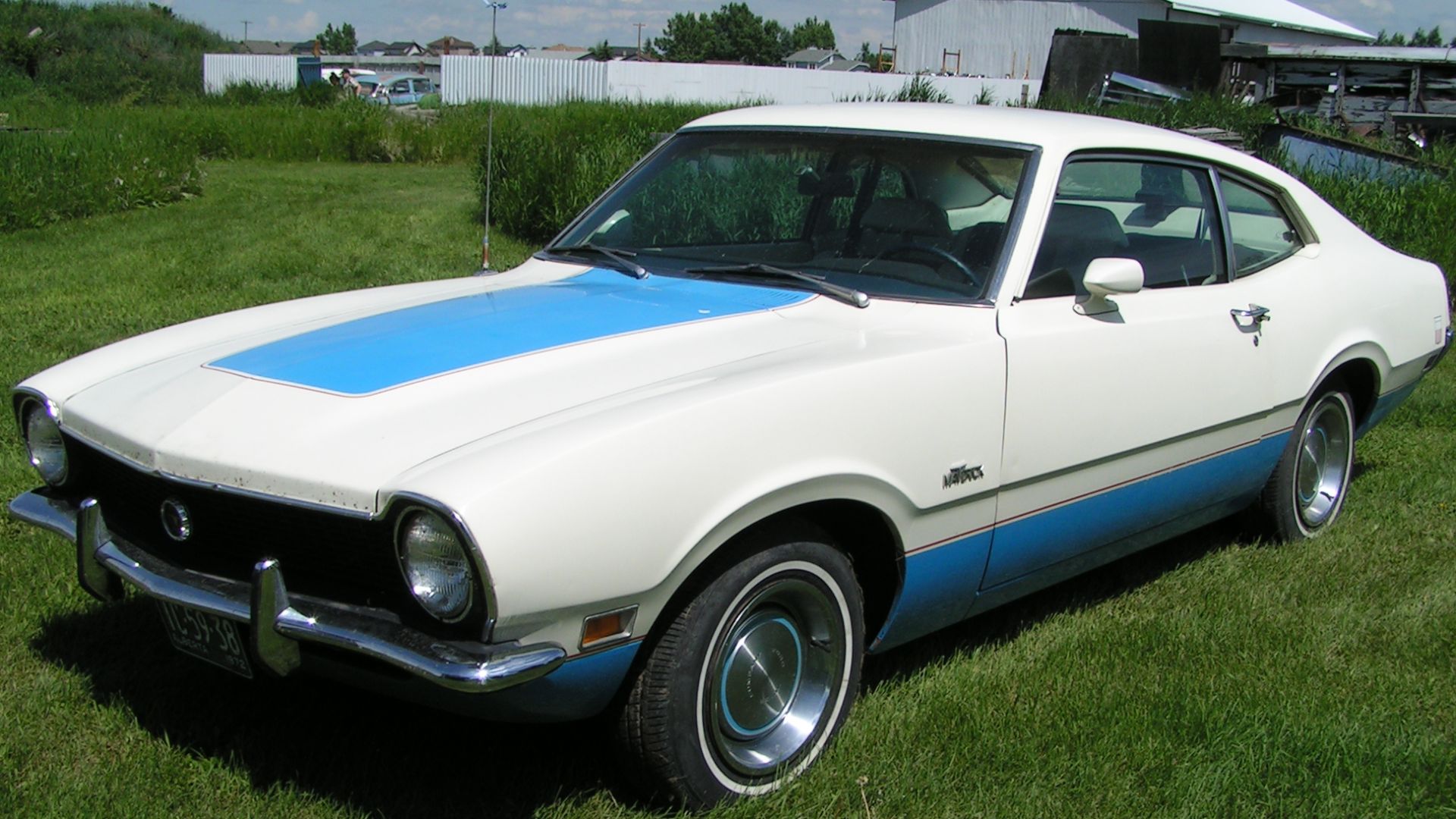
Ford Maverick Sprint (1972)
The Maverick Grabber is the version more people recognize. The Sprint is the one that looks dressed for a parade. Offered for 1972, it combined white-and-blue paint with red accents, special shield graphics, and coordinated interior trim. Ford offered related Sprint packages on the Mustang and Pinto, too. The humble Maverick got to join the celebration.
 dave_7 from Lethbridge, Canada, Wikimedia Commons
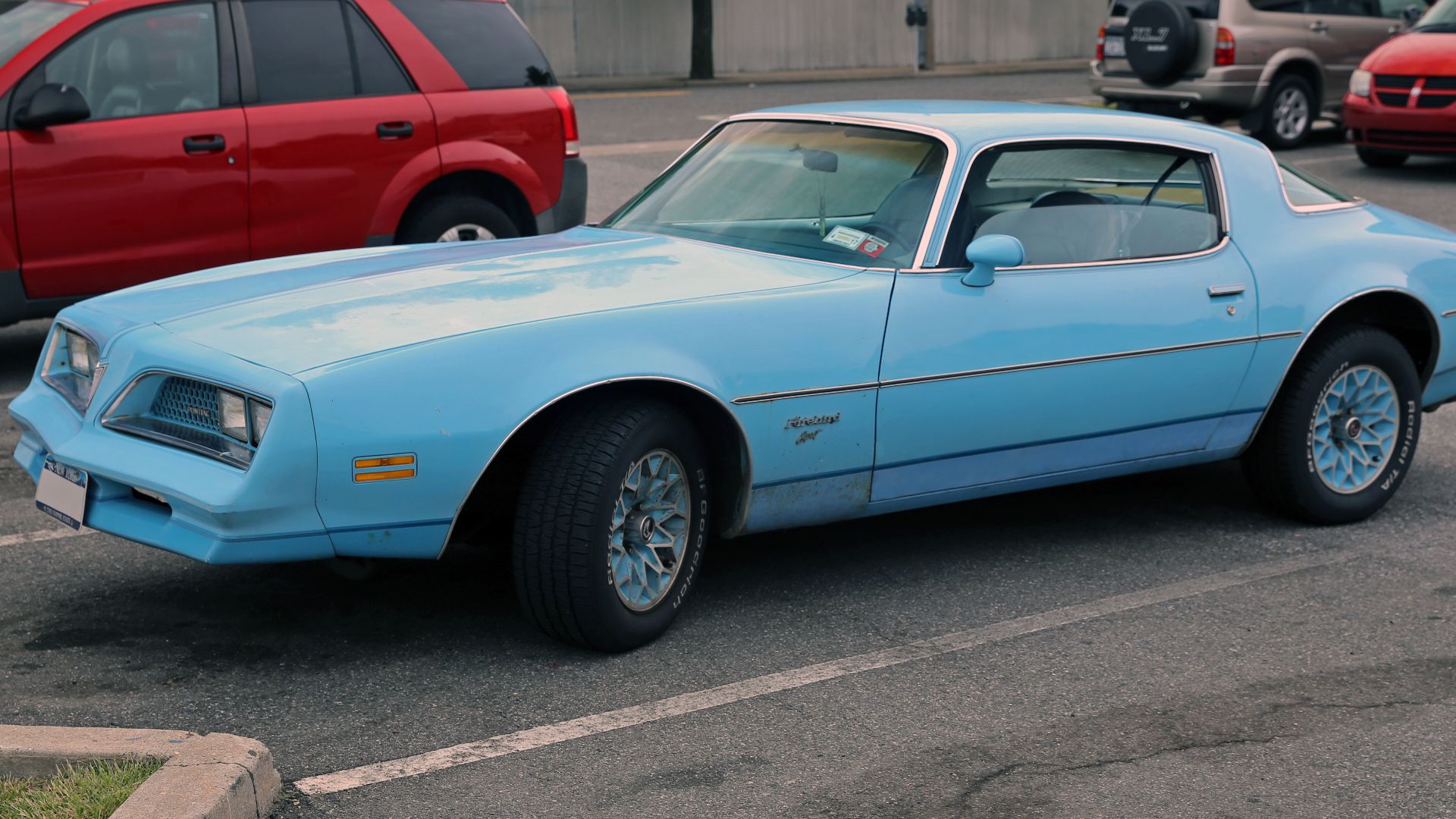
Pontiac Firebird Esprit Sky Bird (1977–1978)
While the Trans Am was busy looking intimidating, the Sky Bird took the Firebird Esprit in a softer direction. Its coordinated blue treatment extended to the exterior, interior, wheels, and trim, with distinctive graphics completing the package. Pontiac's brochure described it as a luxury appearance package. Remembering the big hood bird doesn't necessarily mean you remember this blue bird.
 Mr.choppers, Wikimedia Commons
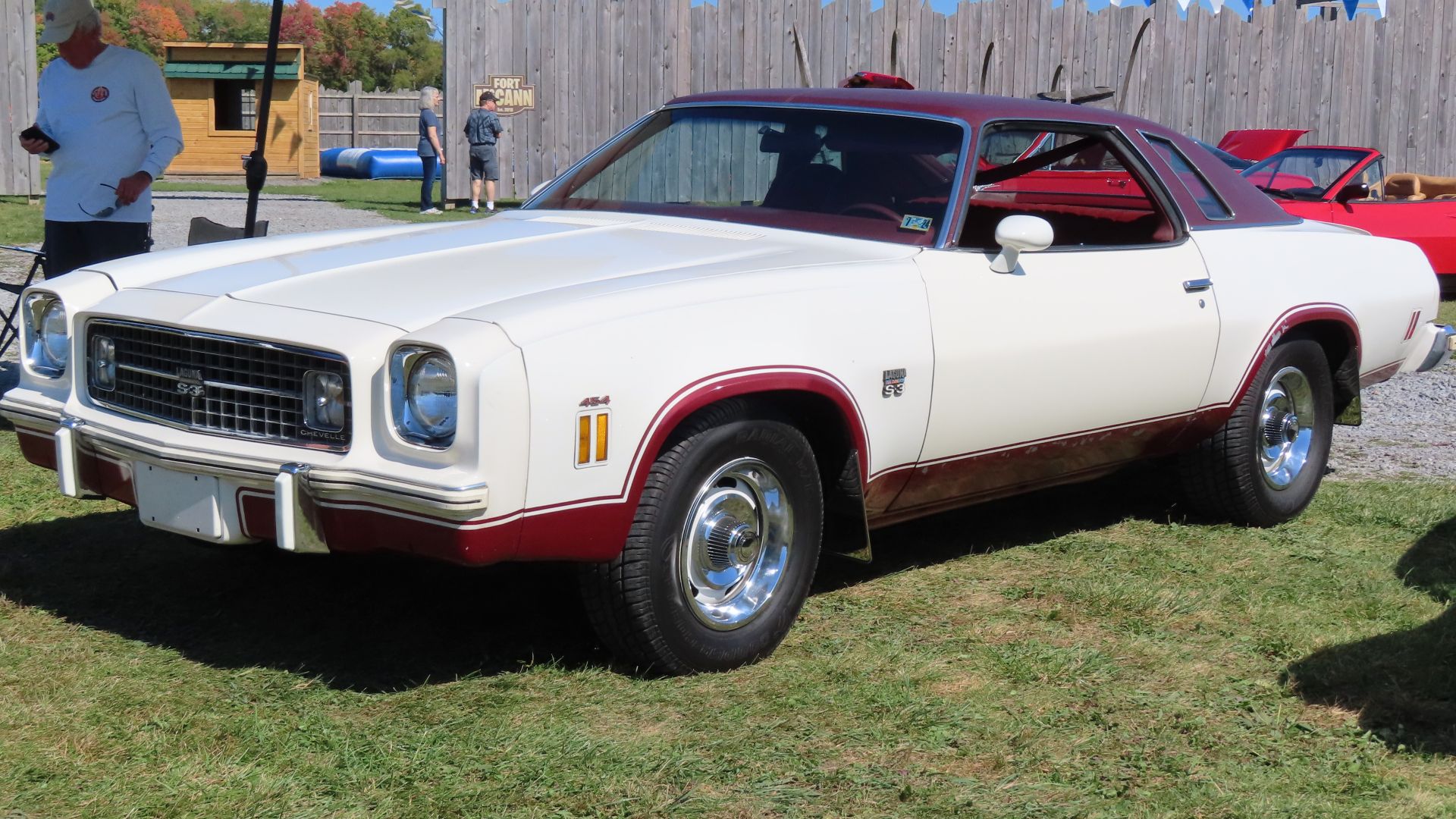
Chevrolet Chevelle Laguna Type S-3 (1974–1976)
Say Chevelle, and plenty of people immediately picture an SS with a big engine. The Laguna Type S-3 was another chapter entirely. This mid-70s coupe blended sporty styling with comfort, and the 1975–1976 versions wore a distinctive sloping front end. Available swivel bucket seats added a wonderfully 70s touch. Even getting out of the car could involve a little theater.
 MercurySable99, Wikimedia Commons
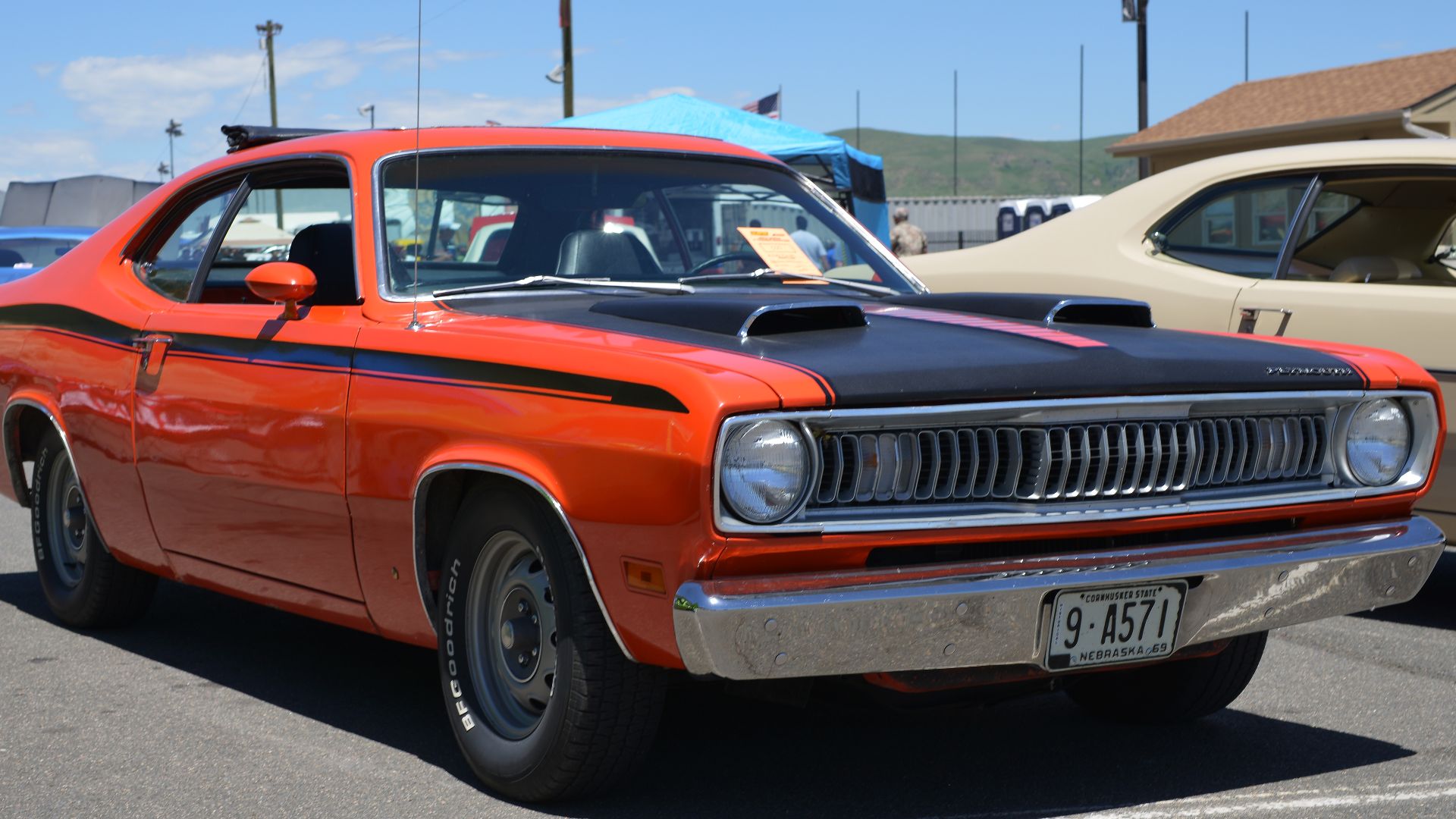
Plymouth Duster Twister (1971–1974)
Plymouth understood that some buyers wanted the tough look without ordering the Duster 340. The Twister supplied sporty trim and stripes, with the early versions borrowing that car's aggressive grille. Underneath, buyers could have a six-cylinder or 318 V8. Those optional hood scoops weren't there to feed a hungry race engine, but they did help sell the impression.
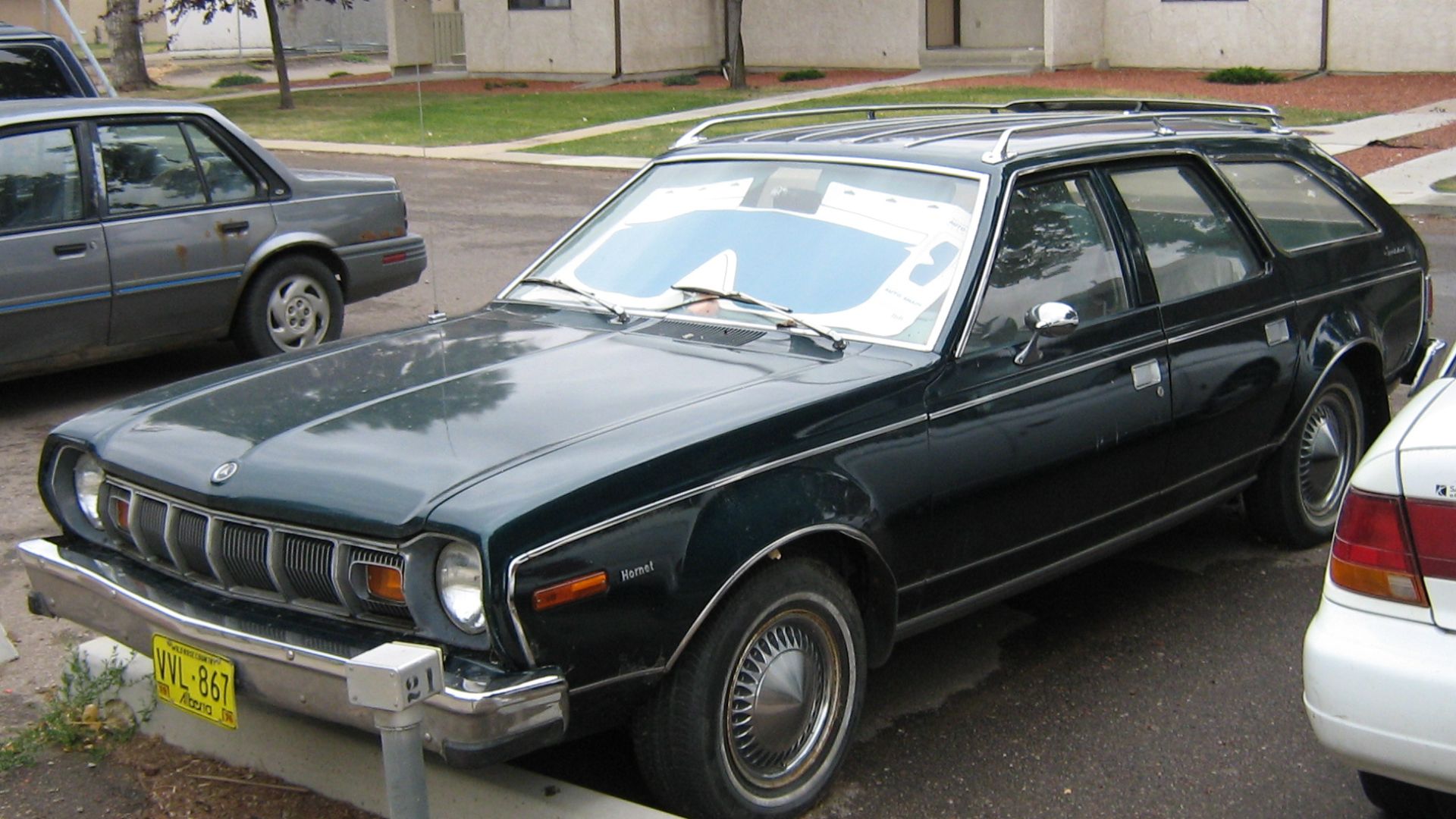
AMC Hornet Sportabout Gucci Edition (1972–1973)
An economical AMC wagon with a Gucci interior sounds like somebody mixed up two dealership brochures. But the Hornet Sportabout really offered it. The package brought coordinated beige, green, and red upholstery, special trim, and Gucci logos inside. The groceries still went in the back. They just traveled in rather more fashionable surroundings than anyone expected from a Hornet.
 dave_7 from Lethbridge, Canada, Wikimedia Commons
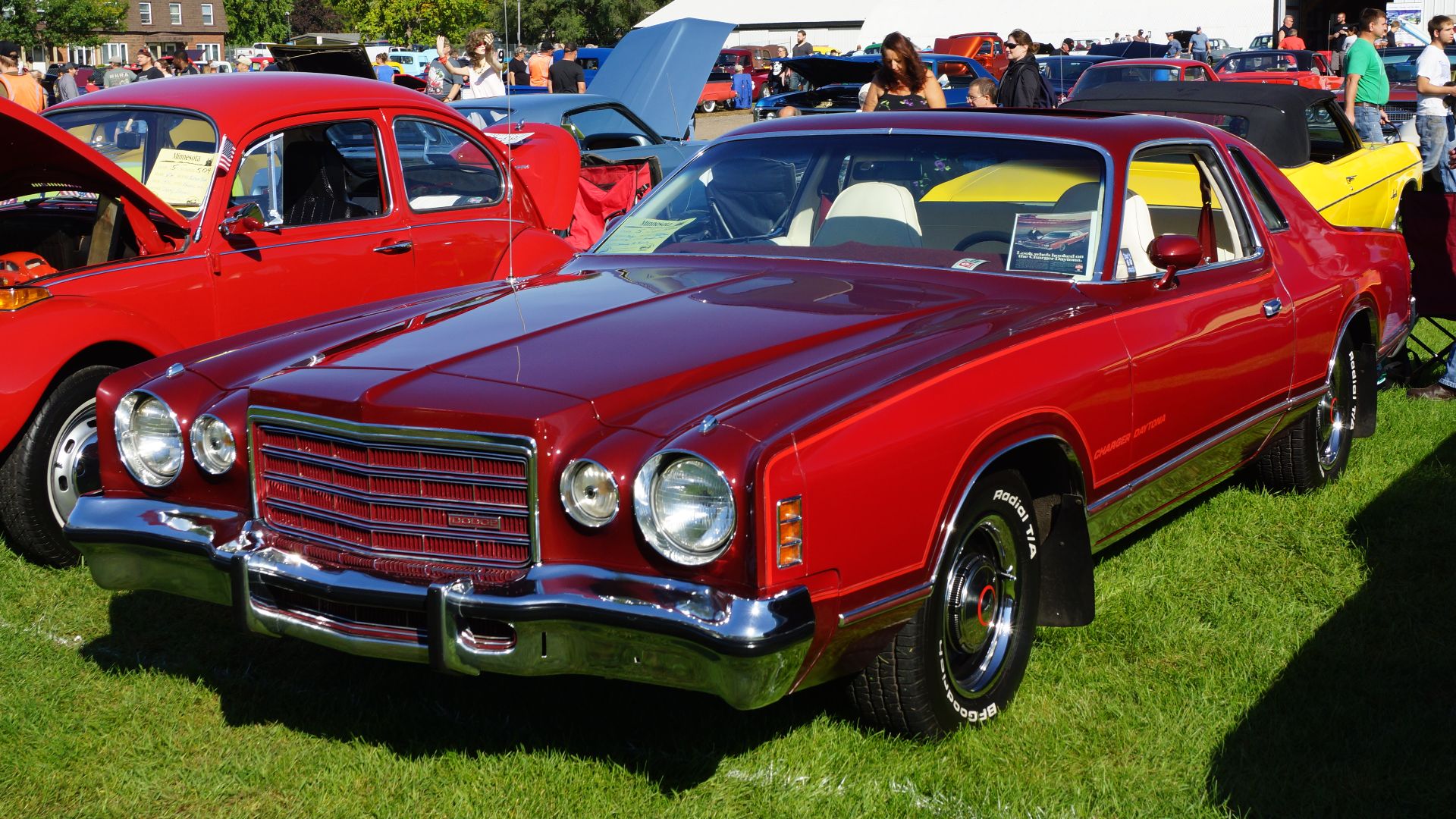
Dodge Charger Daytona (1975–1977)
Mention a Charger Daytona and people usually picture the famous winged 1969 car. Dodge reused the name on its very different mid-70s Charger, which had become a personal luxury coupe. These Daytonas wore distinctive two-tone paint rather than a towering rear wing. You could know the name perfectly well and still walk straight past this version at a car show.
 Greg Gjerdingen, Wikimedia Commons
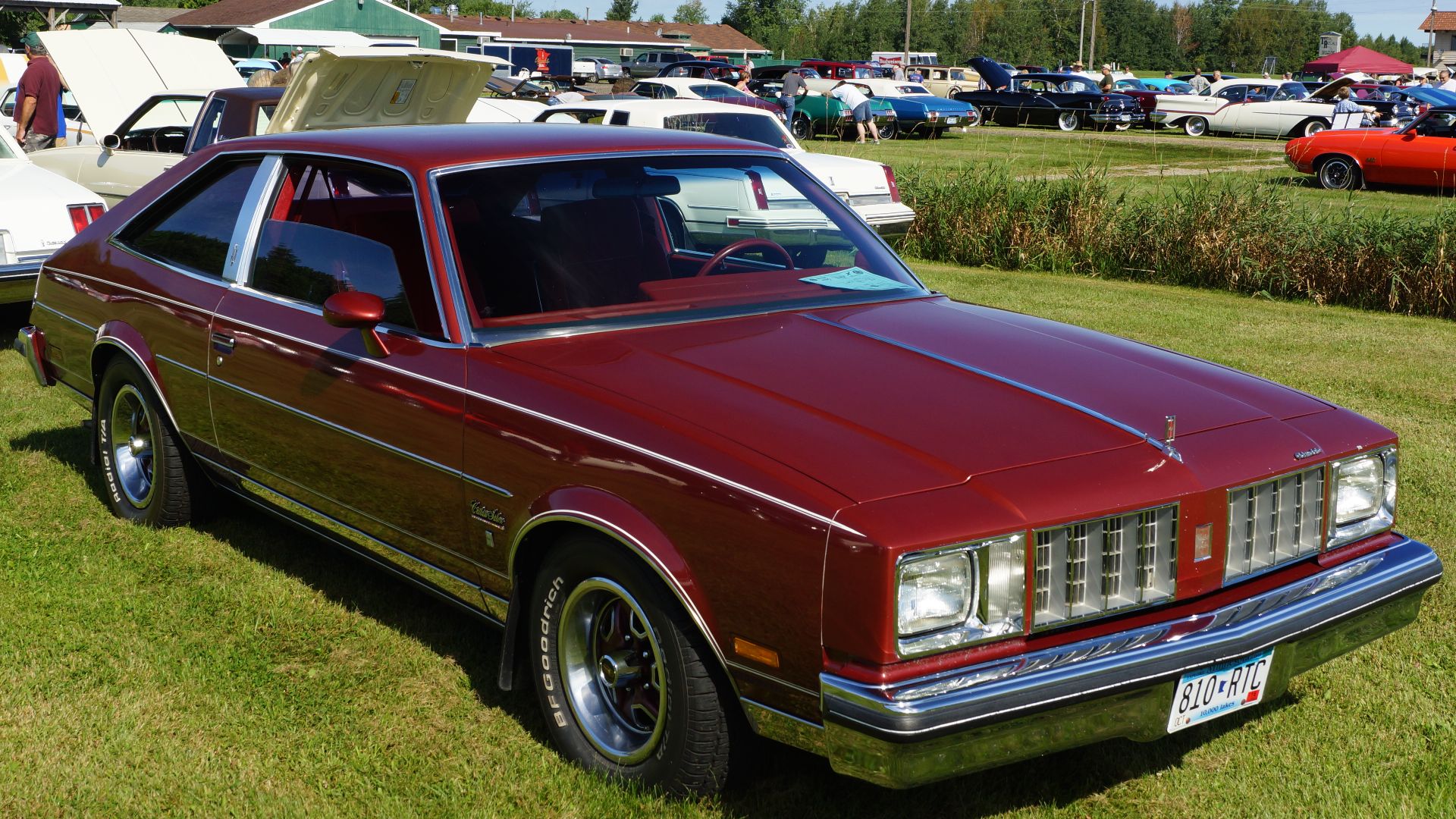
Oldsmobile Cutlass Salon 4-4-2 (1978–1979)
The 4-4-2 badge also appeared on the downsized Cutlass Salon's unusual sloping-roof body. Known as an Aeroback, it looked as though it should have a hatch, but actually used a conventional trunk. Special striping and trim supplied the sporty identity. It's a long way from the big-engine Oldsmobiles that usually spring to mind when someone mentions a 4-4-2.
 Greg Gjerdingen, Wikimedia Commons
AMC Gremlin GT (1978)
By its final model year, the Gremlin had one more outfit to try on. The GT package added flared wheel openings, stripes, blacked-out trim, rally wheels, and a sportier cabin treatment. Its 258-cubic-inch six-cylinder supplied the power. It wasn't a secret supercar, but it gave AMC's familiar little oddball a surprisingly assertive sendoff before the Spirit replaced it.
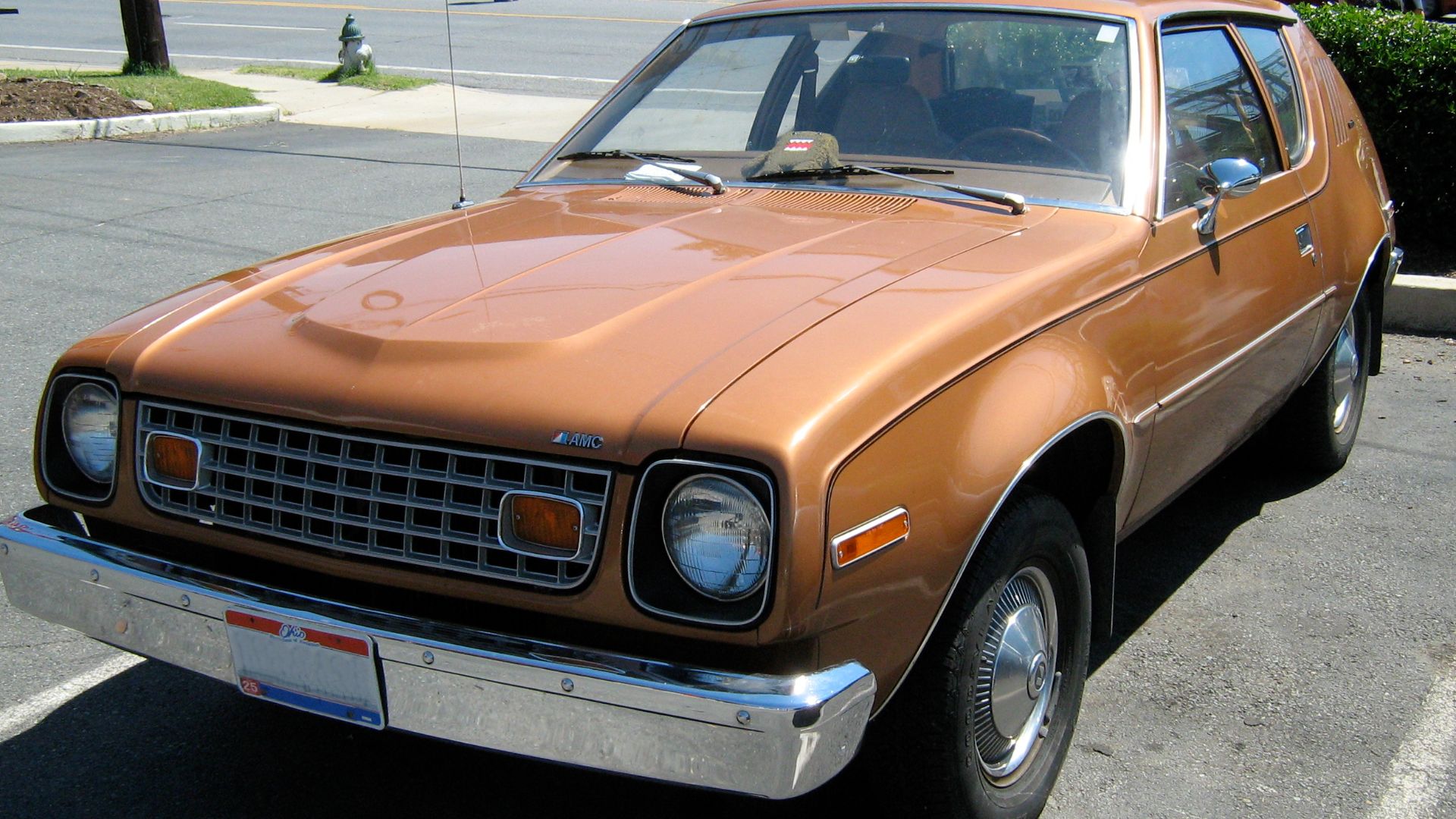
Buick Century Free Spirit Pace Car Replica (1976)
A Buick Century doesn't usually make people think of giant graphics and removable roof panels. The 1976 Free Spirit pace-car replica might change that. Built to celebrate Buick's Indianapolis 500 pace-car appearance, it featured a dramatic exterior treatment, with Hurst roof hatches available. The street replicas were distinct from the specially prepared car doing the actual pacing, but subtle they were not.
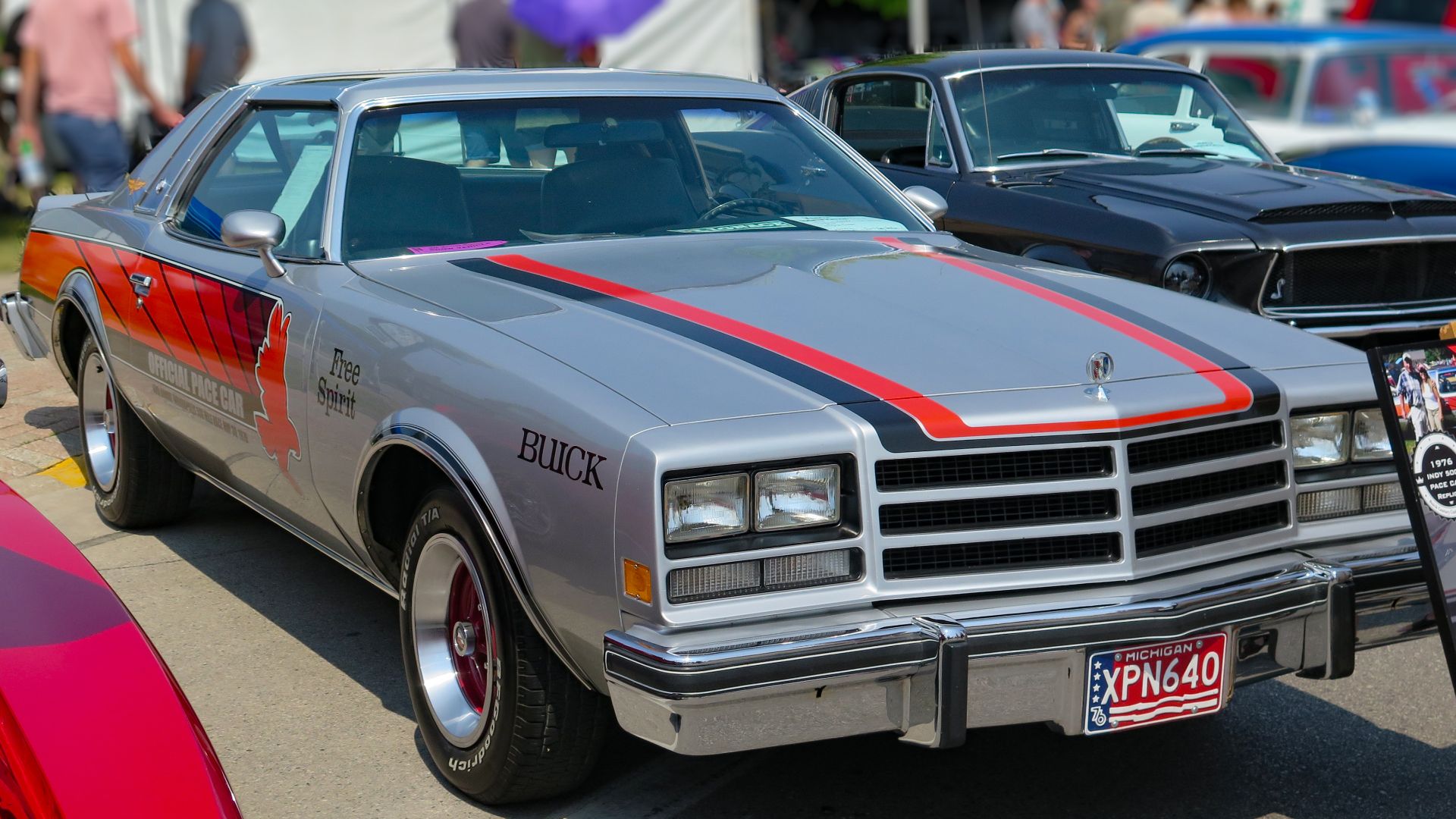
Plymouth Volare Road Runner (Introduced In 1976)
The Road Runner name survived the classic muscle-car years by moving onto the Volare coupe for 1976. Buyers got V8 power, upgraded suspension, and special trim, while a separate decor package added more visual attitude. It was a very different bird from the earlier Road Runner, but the familiar cartoon identity hadn't quite finished its time in Plymouth showrooms.
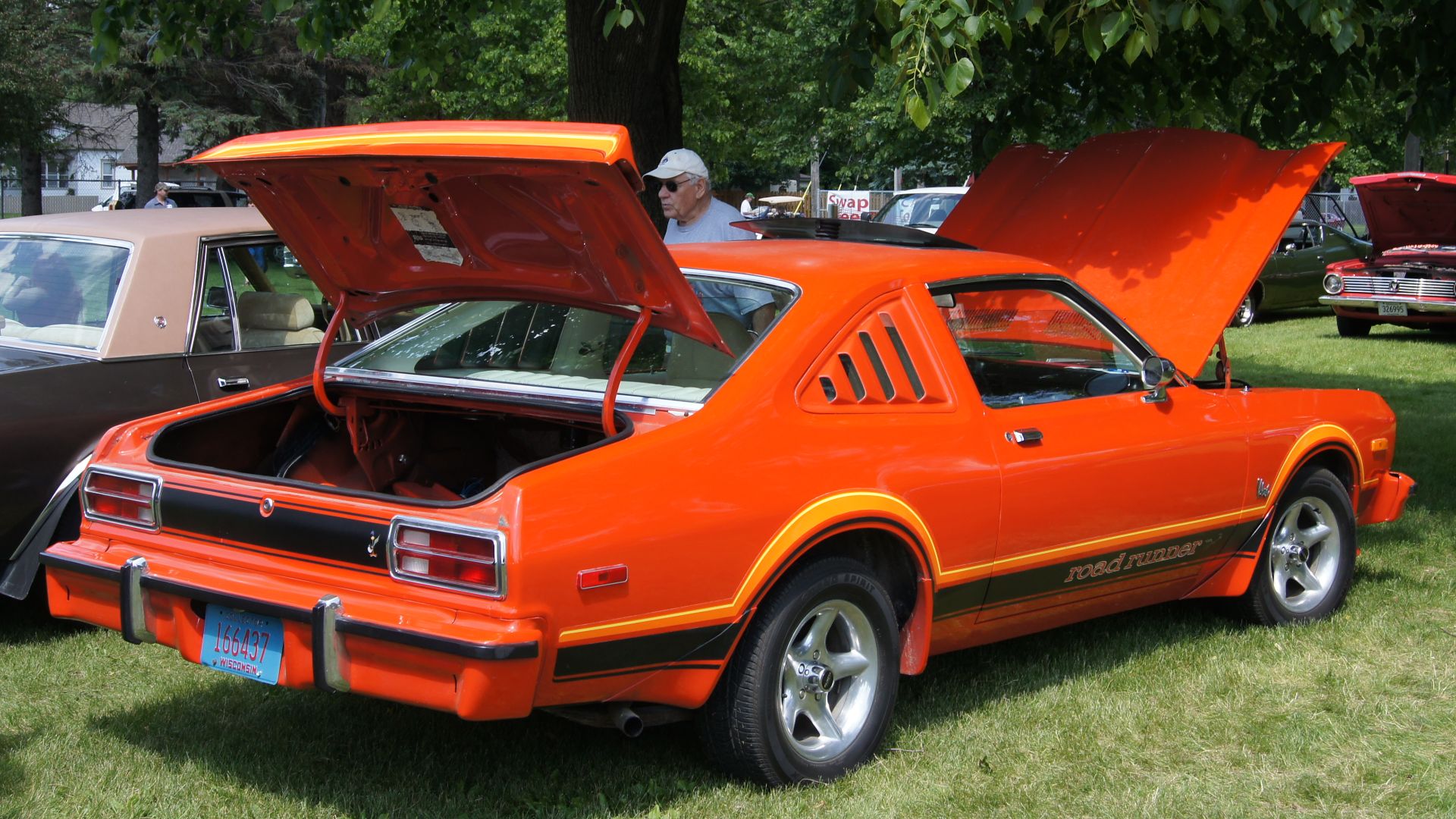 Greg Gjerdingen from Willmar, USA, Wikimedia Commons
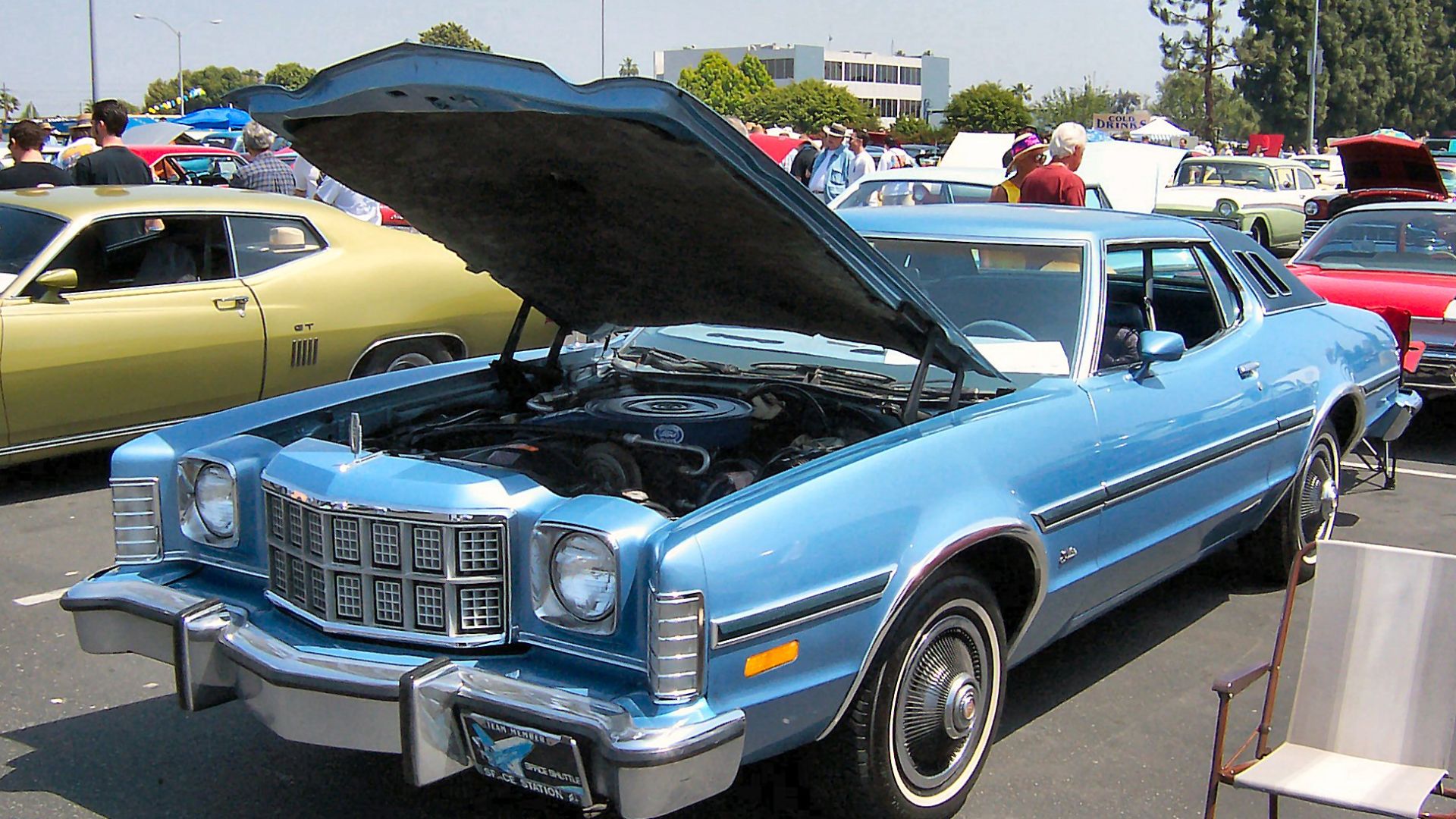
Ford Gran Torino Elite (1974)
Before it became simply the Ford Elite, this personal luxury coupe arrived wearing the Gran Torino name. Introduced during the 1974 model year, it offered a formal roof, opera windows, and plenty of plush-car attitude. The Torino association was brief. If your mental picture involves a sporty fastback or a red television car, this one can slip right past.
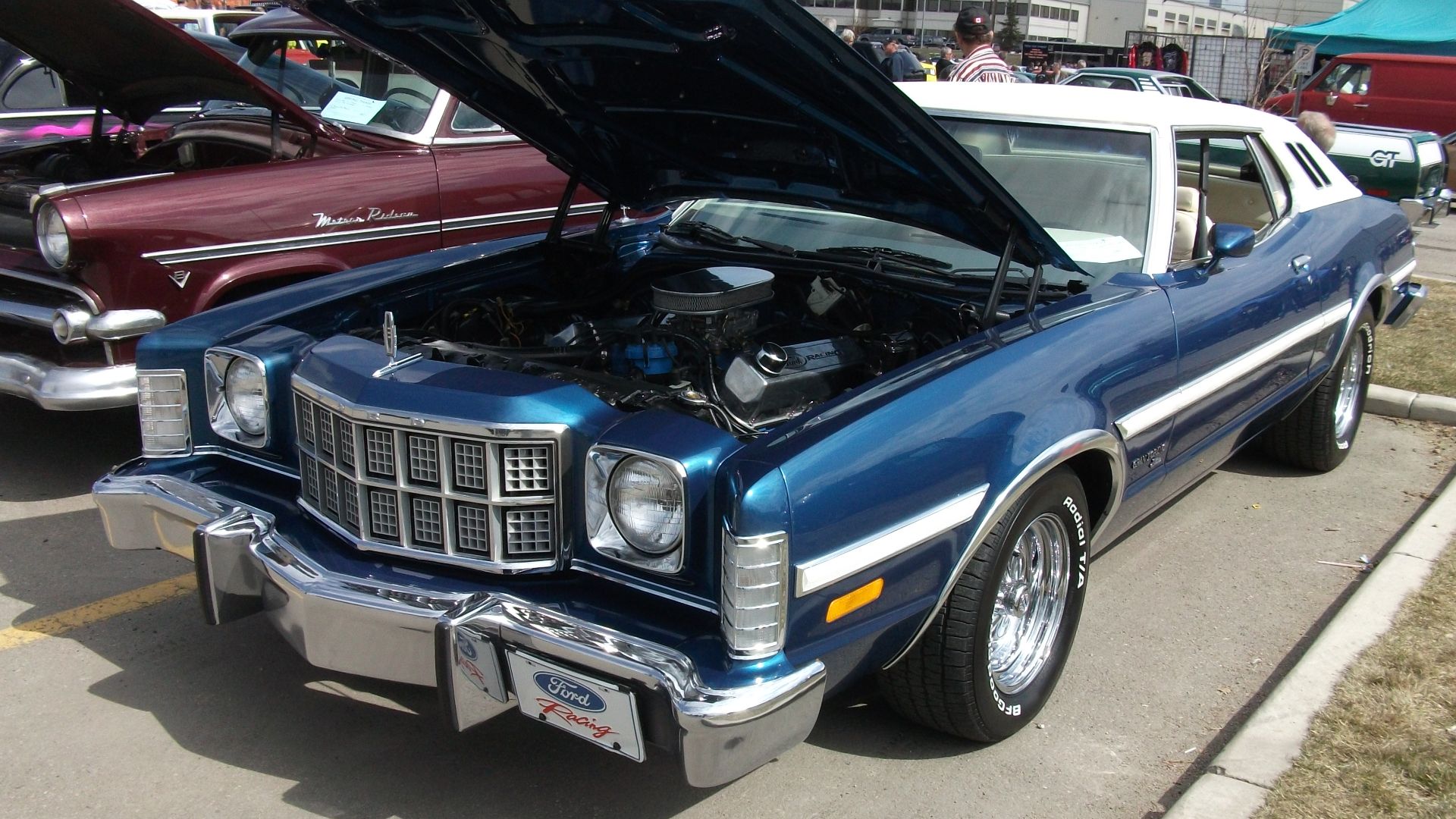
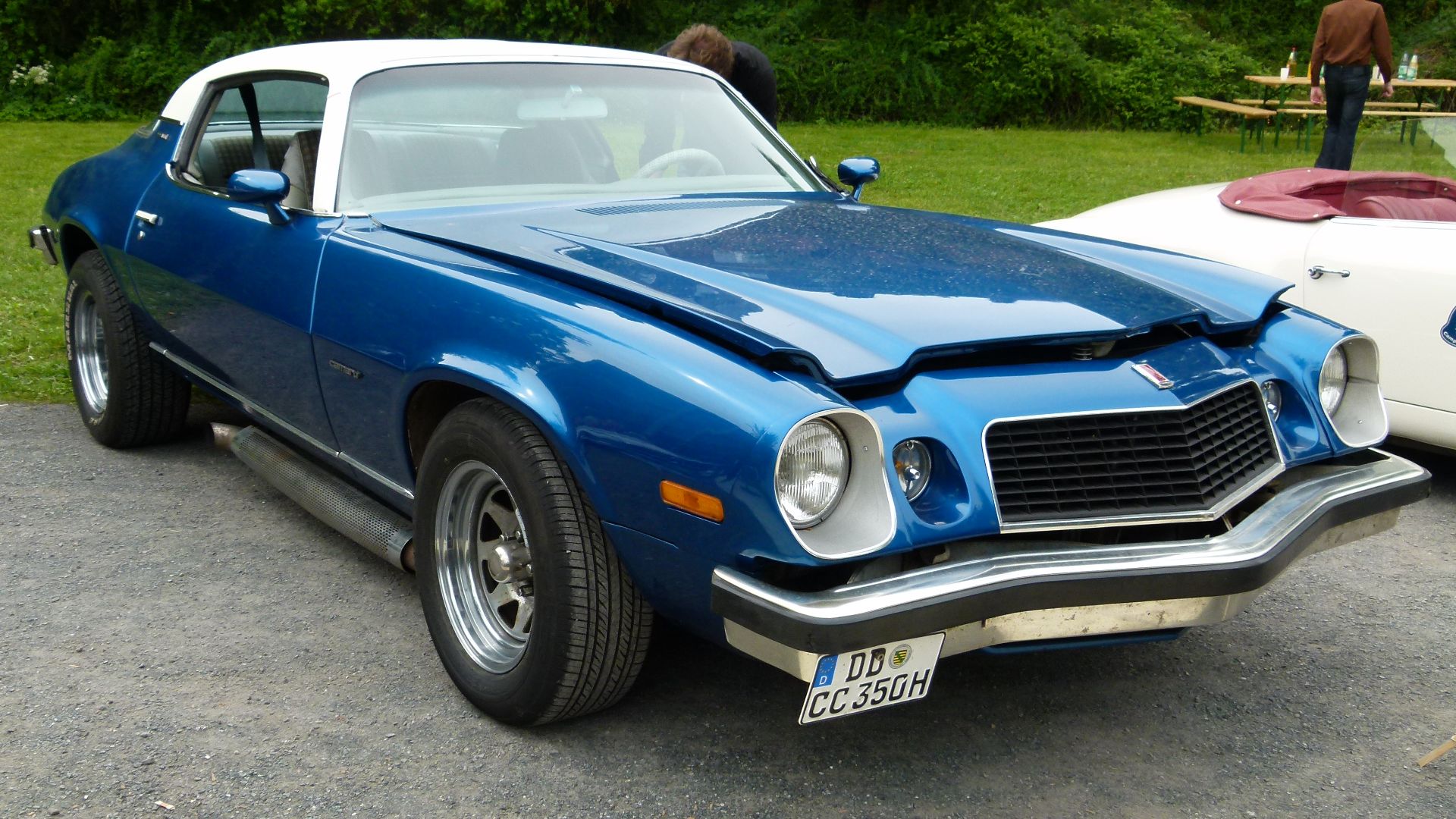
Chevrolet Camaro Type LT (1973–1978)
The Type LT badge stood for Luxury Touring, which tells you where Chevrolet was going. Introduced for 1973, it brought upgraded interior appointments, woodgrain accents, and additional sound insulation to the Camaro. In 1973, buyers could combine it with the Z28 package, too. A Camaro could look ready for trouble outside while making a more comfortable argument once you sat down.
 Brücke-Osteuropa, Wikimedia Commons
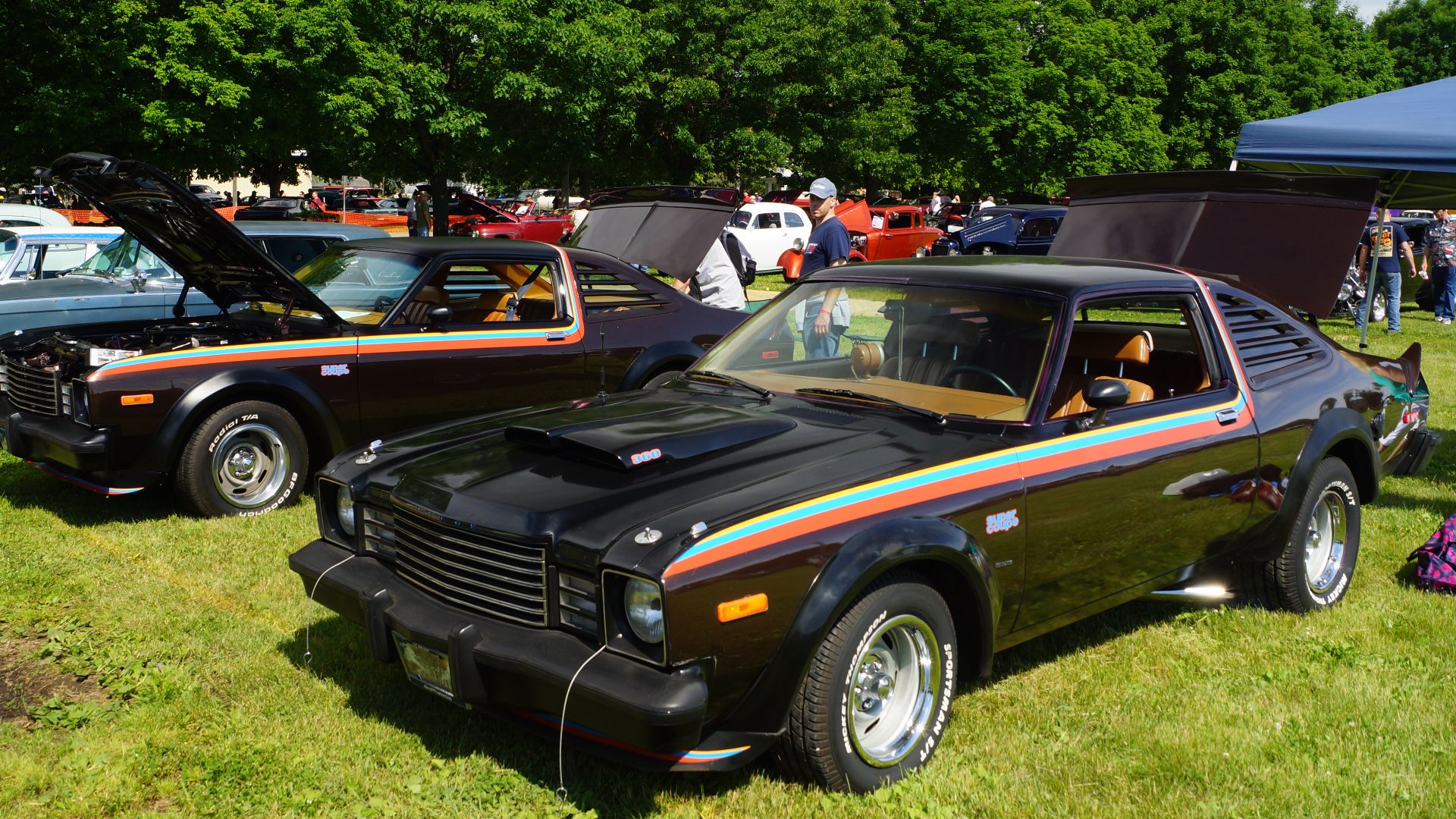
Dodge Aspen Super Coupe (1978)
The Aspen also came in a version that looked far more serious than the family sedan. Offered for 1978, the Super Coupe combined a 360 V8 with upgraded suspension, wider wheels and tires, bold flares, and special exterior trim. Plymouth had a related Volare Super Coupe. Chrysler's compact twins weren't spending their entire lives quietly waiting outside the supermarket.
 Greg Gjerdingen, Wikimedia Commons
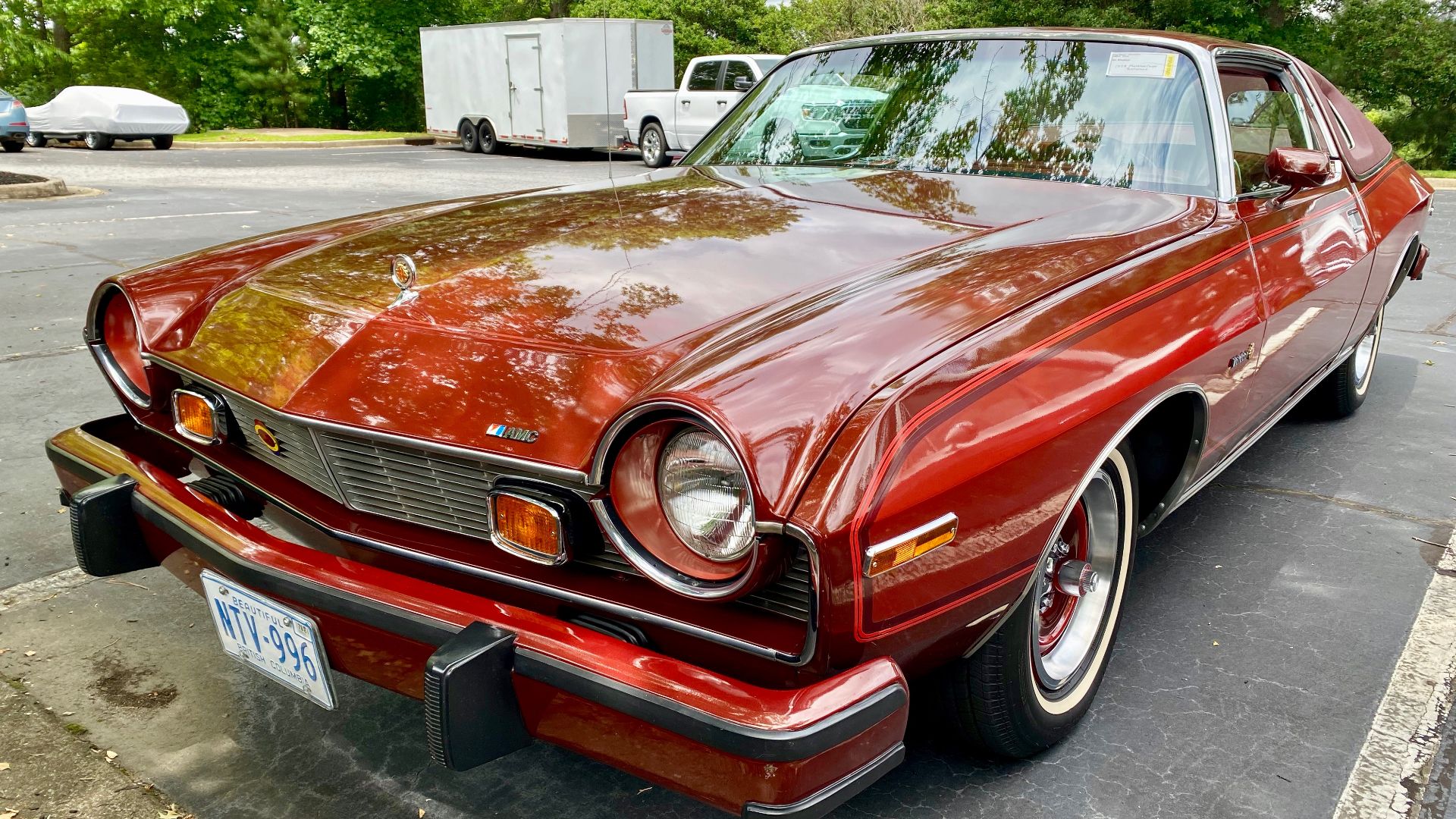
AMC Matador Barcelona II (1977–1978)
The Matador coupe already had a shape that was difficult to overlook. Barcelona II trim added two-tone paint, a landau-style vinyl roof, opera windows, and plush reclining seats. AMC was making a determined play for the personal luxury crowd. If the standard Matador seemed dramatic, this was the version that arrived wearing its best going-out clothes.
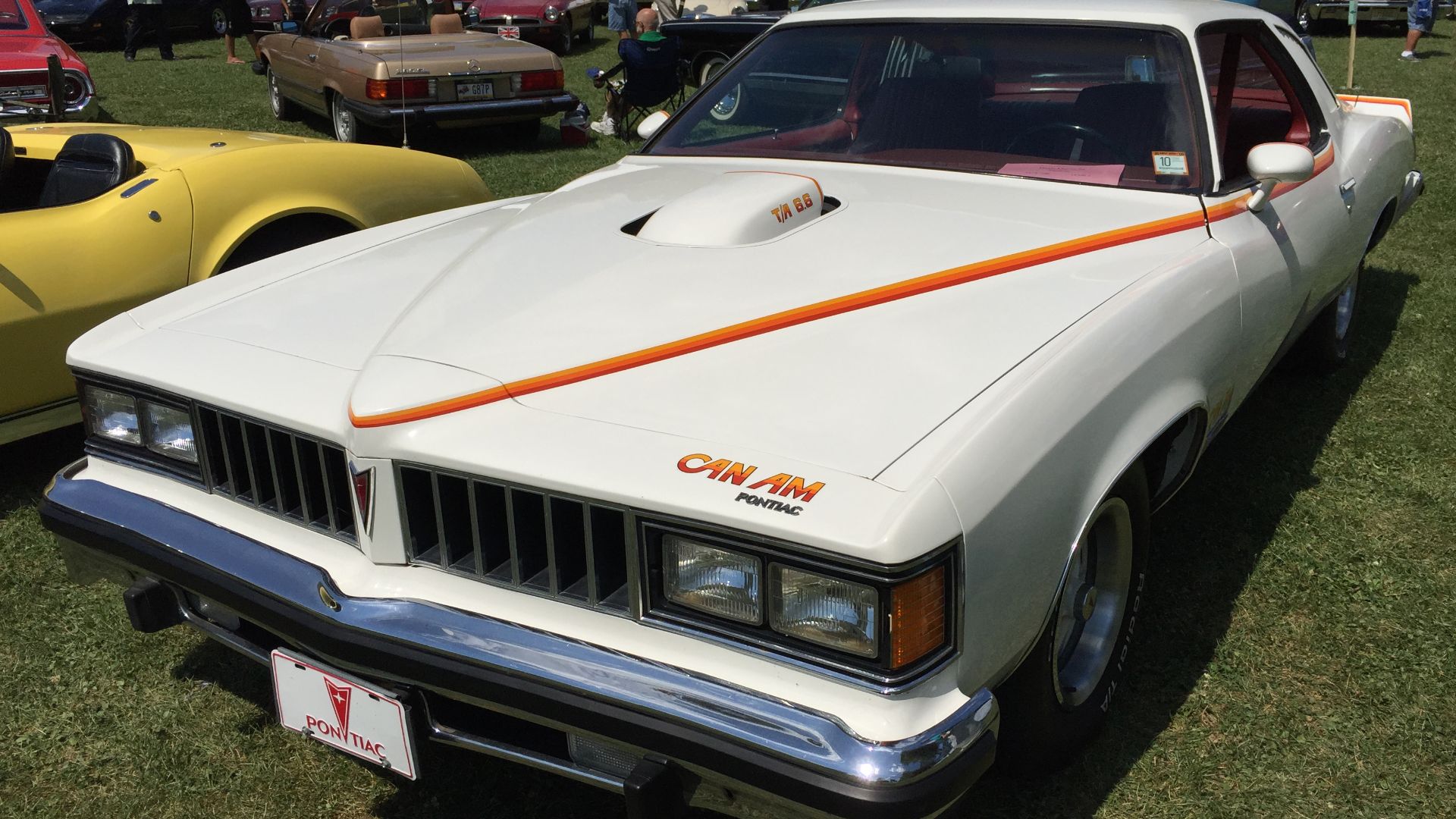
Pontiac LeMans Can Am (1977)
The ordinary LeMans got a much louder personality with the Can Am. This 1977-only version combined white paint, colorful striping, a shaker scoop, a rear spoiler, and V8 power. Just 1,377 were built. It gave Pontiac's midsize coupe some Trans Am attitude, but never had much time to become familiar.
Did You Get To Three?
The familiar badges were the easy part. Remembering which ones came with porthole windows, orange shag carpeting, or a Gucci interior? That takes a little more effort. If you remembered three before reading, give yourself some credit. You clearly paid attention when you walked through those showrooms.
You Might Also Like:
Cars You Could Actually Buy For $5,000 Or Less In The 1980s—Were They Worth It?
Things Drivers Did To Save Gas During The 1970s That Are Making A Comeback