Some Prices Age Better Than Others
Imagine walking into a dealership with a $3,000 budget and actually having choices. In the 70s, that was a reality—and some of the cars you could afford might surprise you.
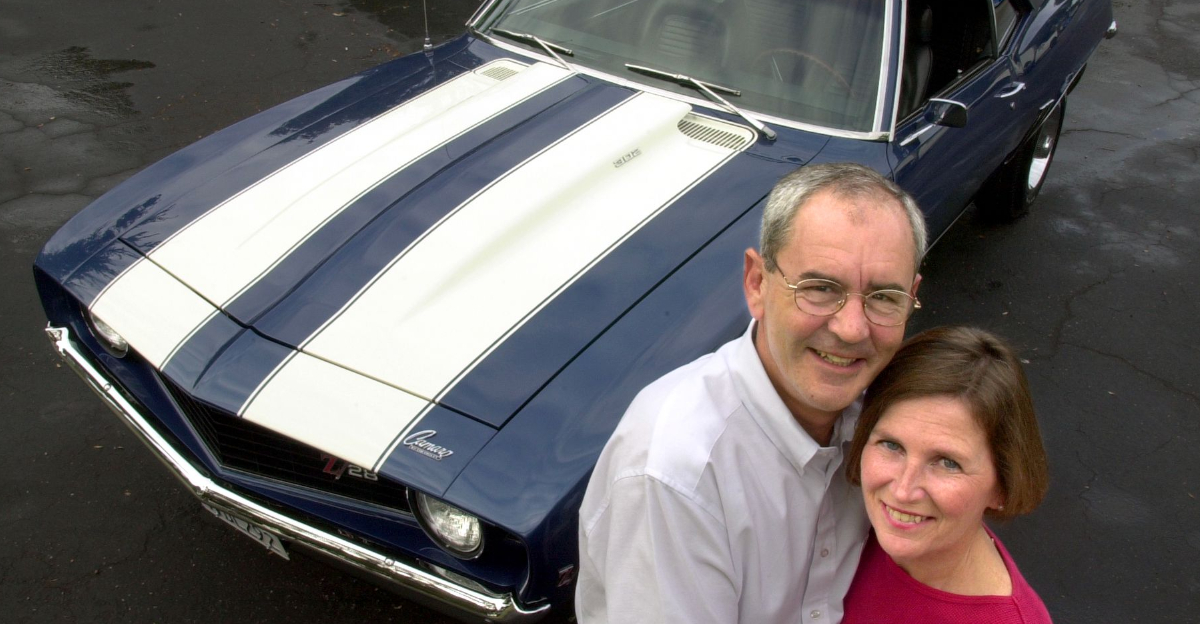
Ford Maverick (1970)
Ford put a $1,995 starting price on the Maverick, which certainly got people through the door. Its six-cylinder engine and straightforward mechanical layout made sense for drivers who wanted affordable transportation with a little style. Exciting? That depended on expectations. But as a practical first car or second family car, this was money sensibly spent.
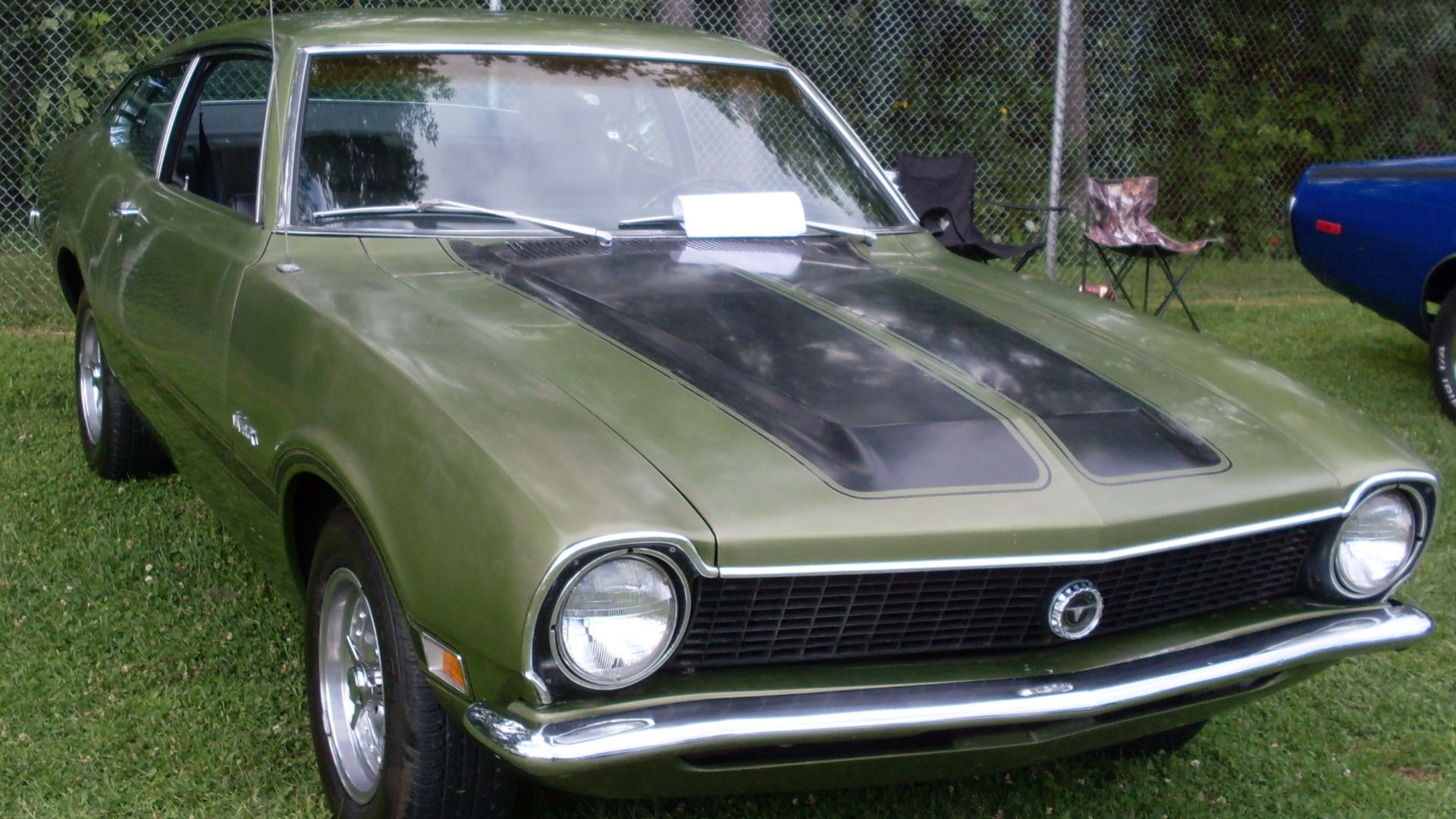
Chevrolet Camaro (1970)
Yes, a brand-new Camaro made the cut. The redesigned 1970 model started at $2,749 with a six-cylinder engine, while a basic V8 version listed for $2,839. That makes the deal considerably more interesting. You could get the dramatic new body and eight cylinders while keeping the starting price below $3,000. Suddenly, choosing the sensible car became a little harder.
 Brian Snelson from Hockley, Essex, England, Wikimedia Commons
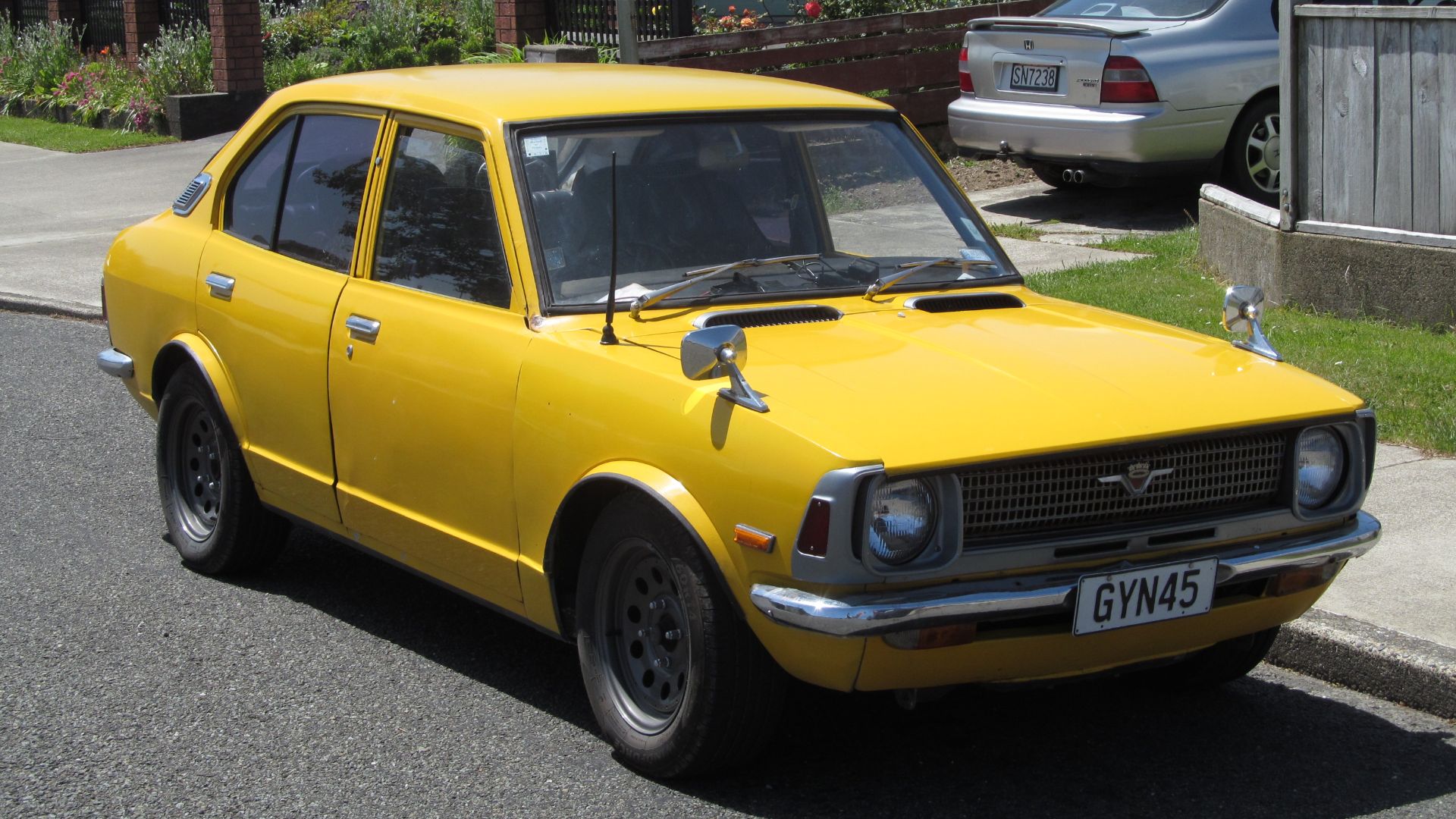
Toyota Corolla (1971)
At an advertised $1,798 for the basic sedan, the Corolla made a strong case for keeping things simple. Contemporary reviewers praised its comfort, quality, and surprisingly useful interior space. The smaller engine wasn’t exactly overflowing with power, but that was hardly the point. If getting to work mattered more than impressing the neighbors, this was an appealing deal.
 Riley from Christchurch, New Zealand, Wikimedia Commons
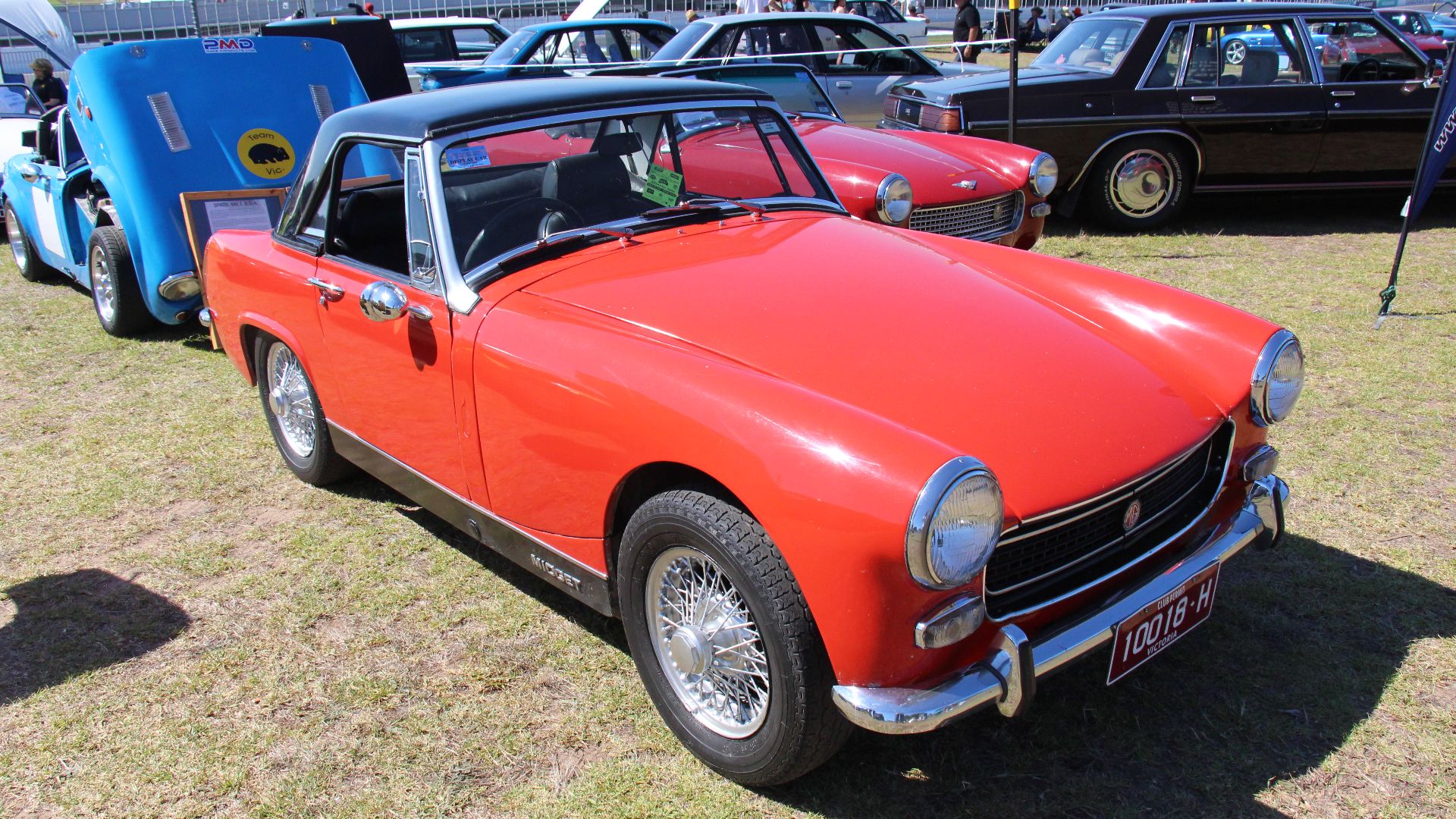
MG Midget Mk III (1970)
For $2,279, MG would sell you an actual two-seat convertible. The Midget’s small engine and light weight made ordinary roads entertaining, although tall drivers could find the interior a little too intimate. Noise and limited space were part of the package. As affordable fun, it made sense. As the only car for a growing family? That required a different conversation.
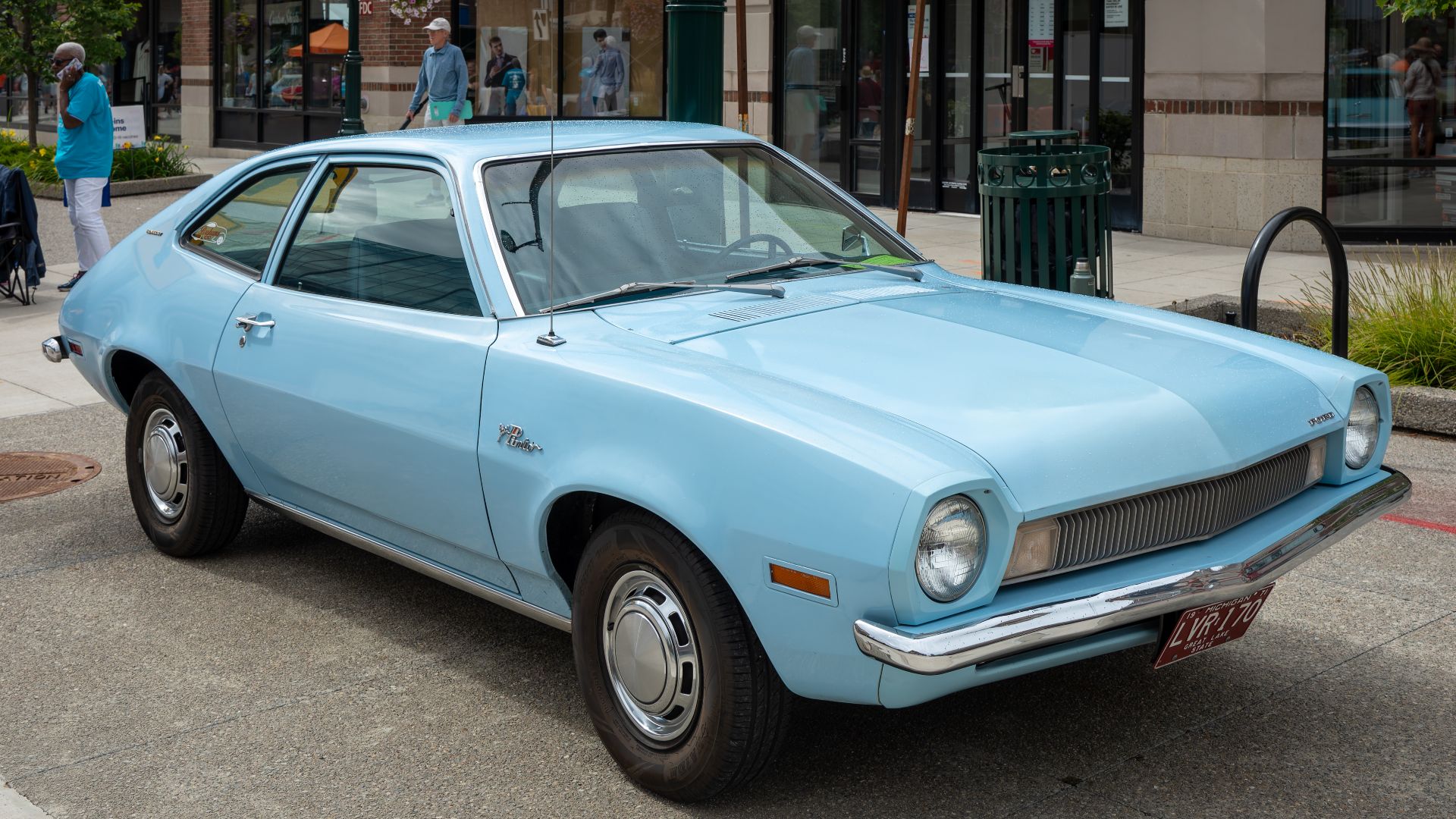
Ford Pinto (1971)
The Pinto’s $1,919 starting price looked very tempting. It was compact, inexpensive, and designed with easy servicing in mind. Unfortunately, the ownership story eventually included a serious fuel-system defect, with affected 1971–76 sedans and Runabouts recalled in 1978. The affordable transportation was real, but so was a safety problem that makes the bargain much harder to celebrate.
 Mustang Joe, Wikimedia Commons
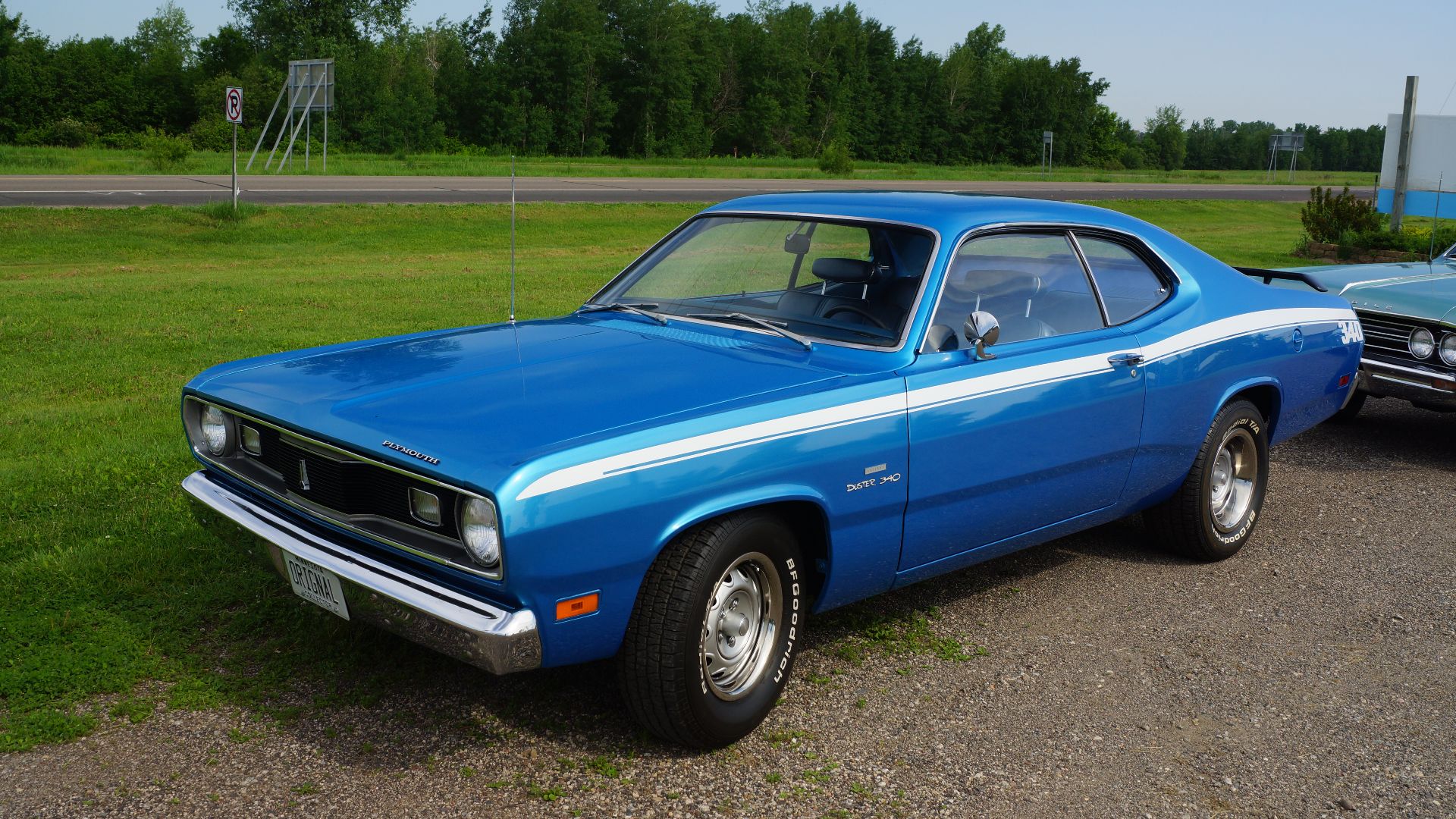
Plymouth Duster 340 (1970)
Here’s where the prices start sounding made up. A 1970 Duster 340 started at $2,547, including a 340-cubic-inch V8 rated at 275 horsepower under the period’s gross rating system. The basic interior reminded you where Plymouth saved money. But for buyers who wanted substantial performance without a substantial sticker price, this was a seriously good deal.
 Greg Gjerdingen from Willmar, USA, Wikimedia Commons
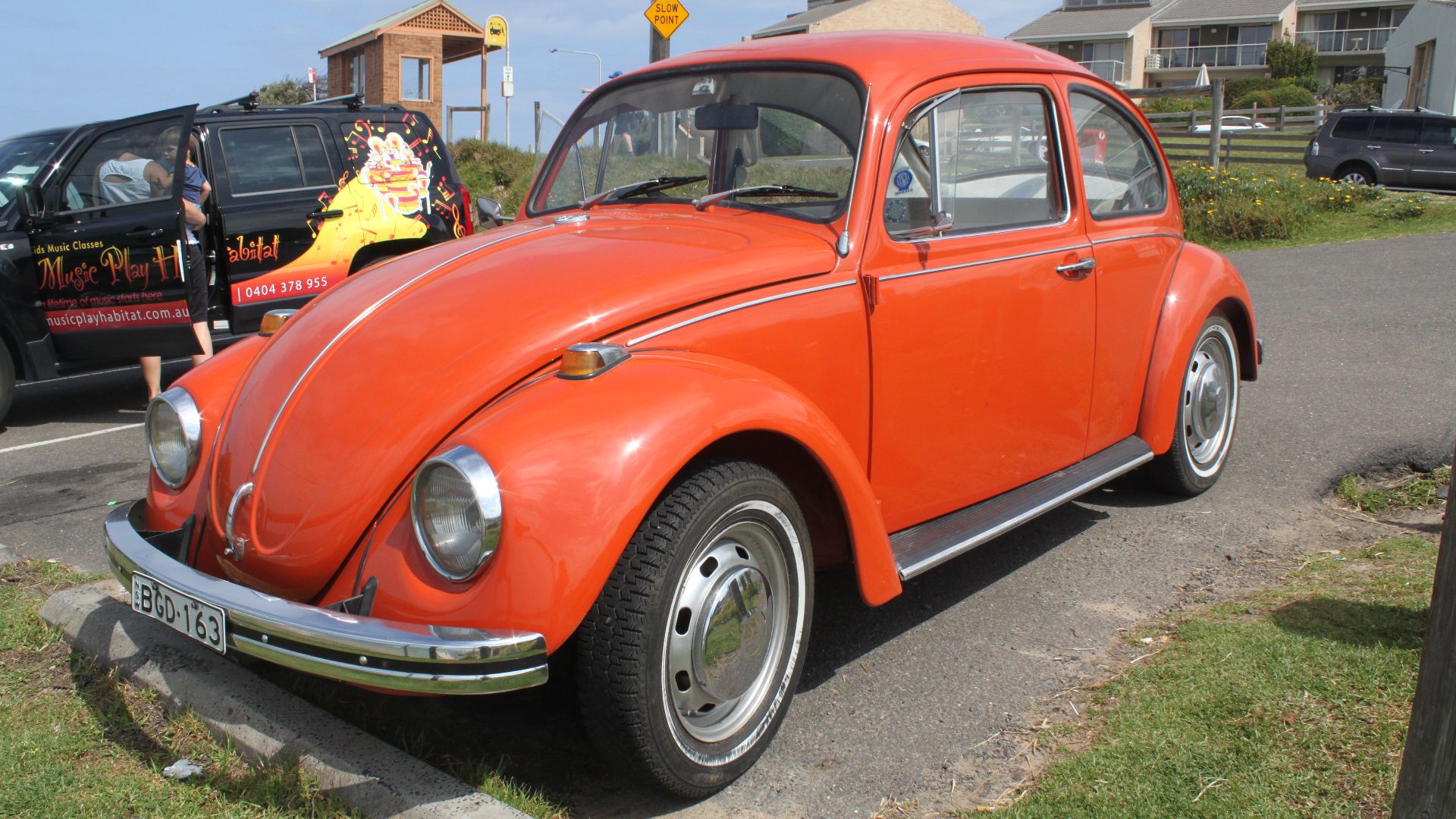
Volkswagen Beetle (1970)
A 1970 Beetle Deluxe Sedan listed for $1,839. Its familiar air-cooled engine and modest dimensions offered an appealingly simple ownership proposition, although speed and spaciousness weren’t the main attractions. By then, the design was already old-fashioned. Whether it was worth the money depended on how much charm—and how little hurry—you brought to the relationship.
 Jeremy from Sydney, Australia, Wikimedia Commons
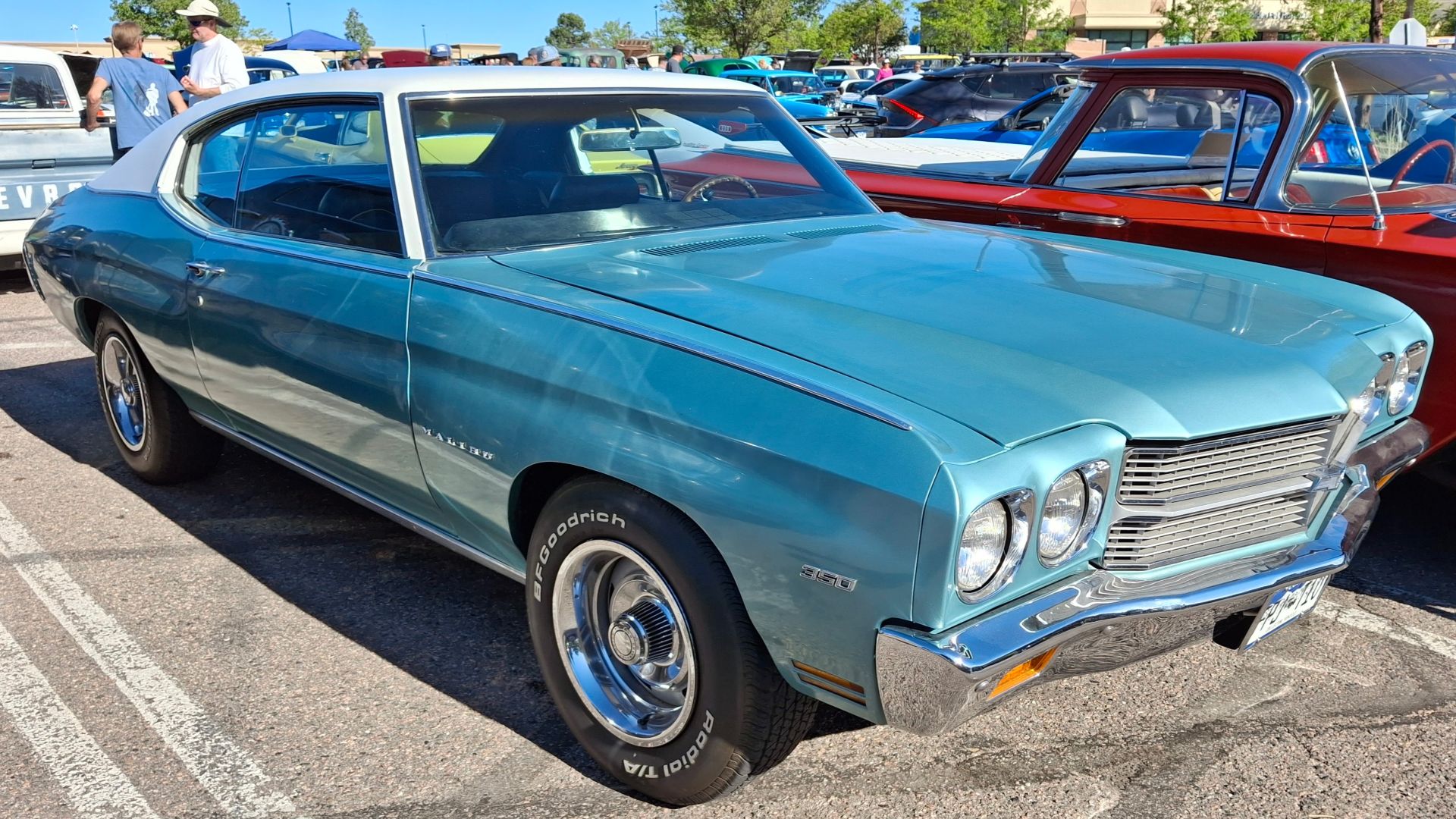
Chevrolet Chevelle Malibu (1970)
A Malibu Sport Coupe started at $2,719 with a six-cylinder engine, or $2,809 with the basic V8. That bought a larger, more accommodating car than many of the bargain-priced compacts. The famous performance packages cost extra, of course. But a regular V8 Malibu offered a convincing middle ground for someone who wanted family usefulness without giving up the coupe.
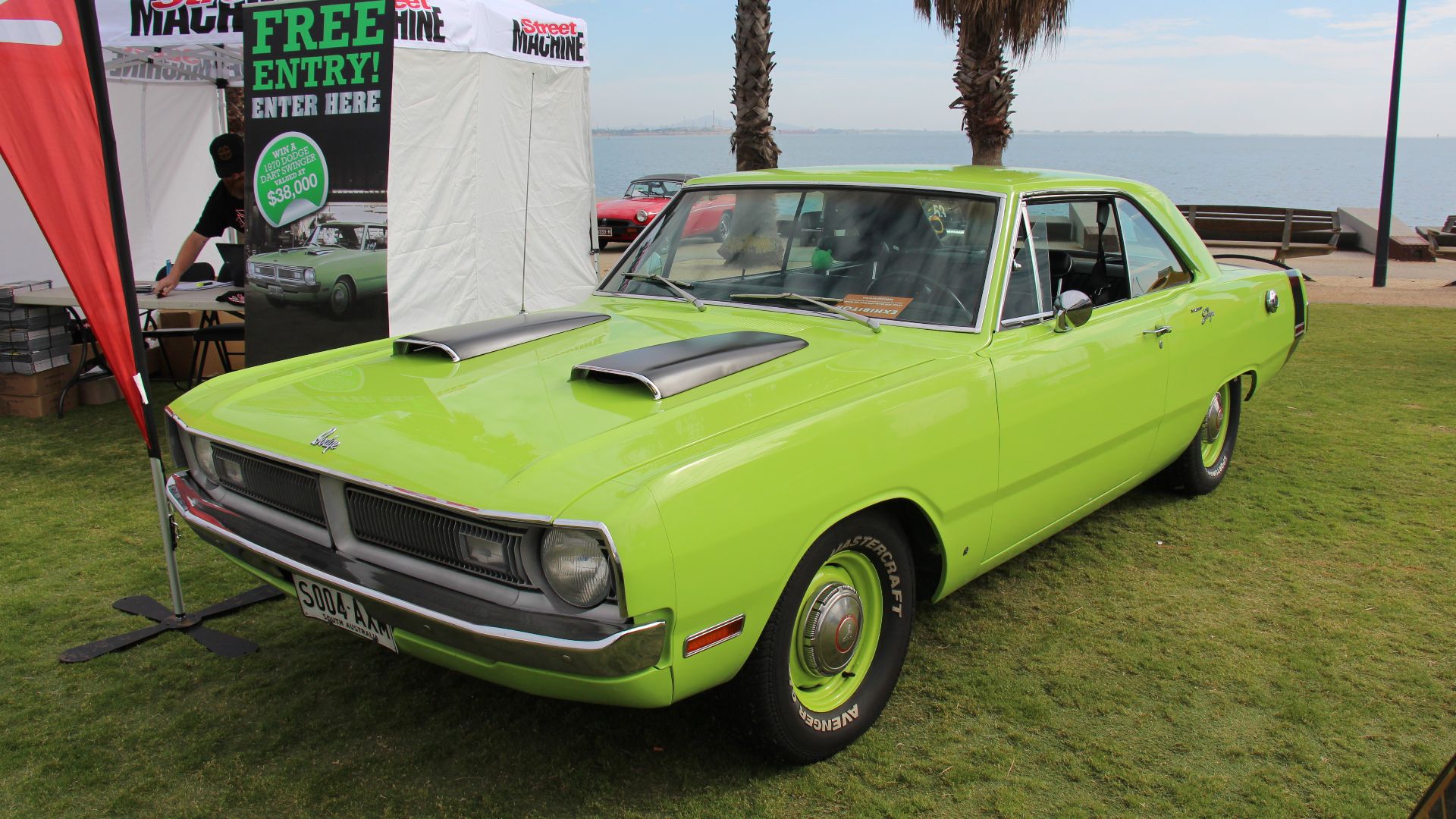
Dodge Dart Swinger (1970)
The name sounded more adventurous than the $2,261 starting price suggested. In basic six-cylinder form, the Dart Swinger was a sensible compact wearing a two-door hardtop body. You could spend more for performance, but the affordable version had its own appeal. Sometimes a car that looked reasonably stylish and kept things mechanically straightforward was exactly what a household needed.
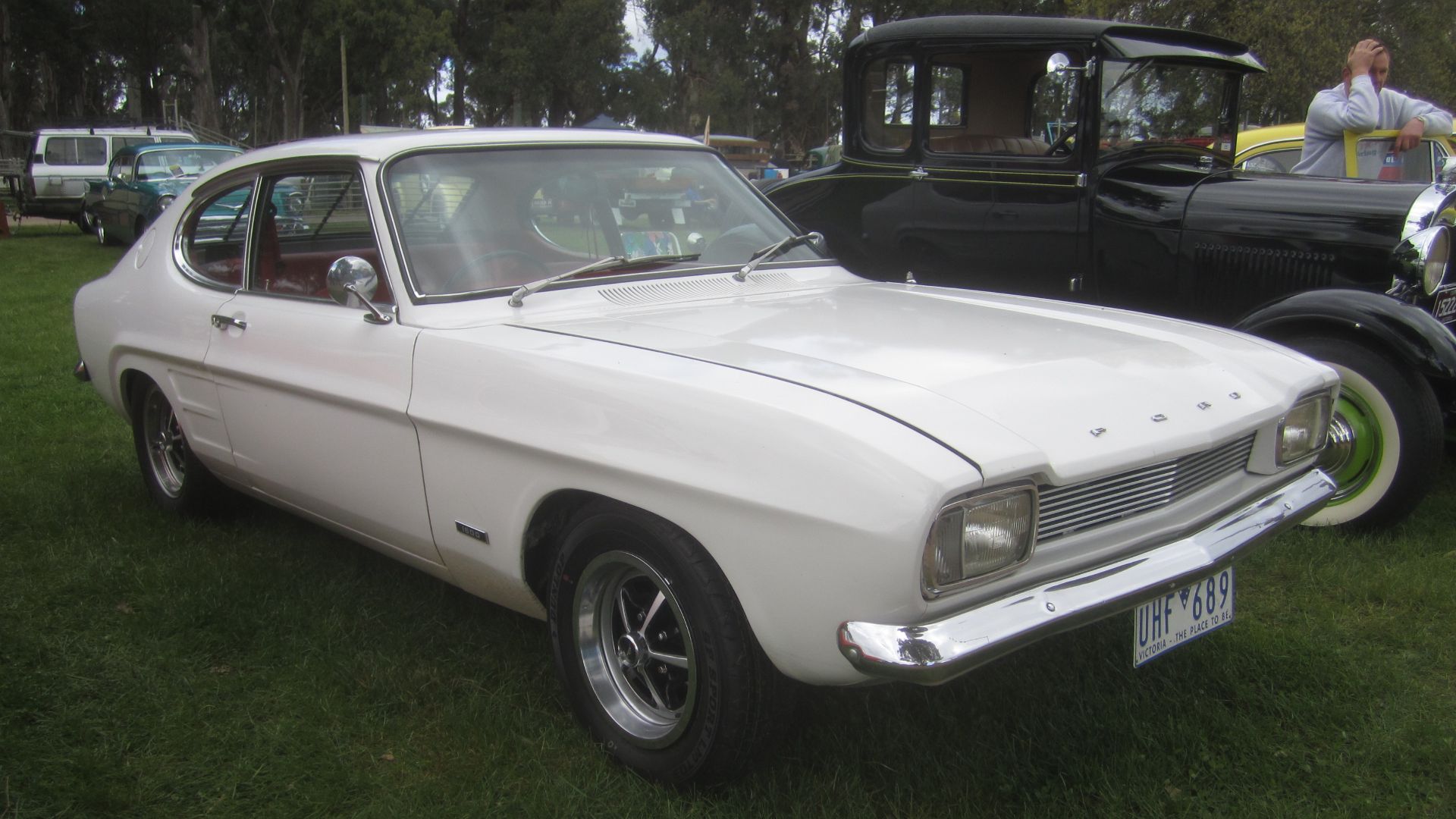
Capri 1600 (1970)
The German-built Capri arrived at Lincoln-Mercury dealers with a $2,295 starting price and the proportions of a smaller pony car. Its 1.6-liter engine didn’t deliver particularly lively acceleration, but the handling gave drivers something to enjoy. For buyers who wanted a European coupe on an everyday budget, it was worth considering. Just don’t let that long hood raise expectations too far.
Toyota Celica ST (1971)
Toyota offered the Celica ST for $2,598, with a four-speed manual transmission, front disc brakes, and an interior that gave buyers plenty to like. Contemporary reviews praised its equipment and build quality, although the handling attracted less enthusiasm. It looked sporty without requiring an American V8 budget. For someone wanting an attractive everyday coupe, that was a convincing combination.
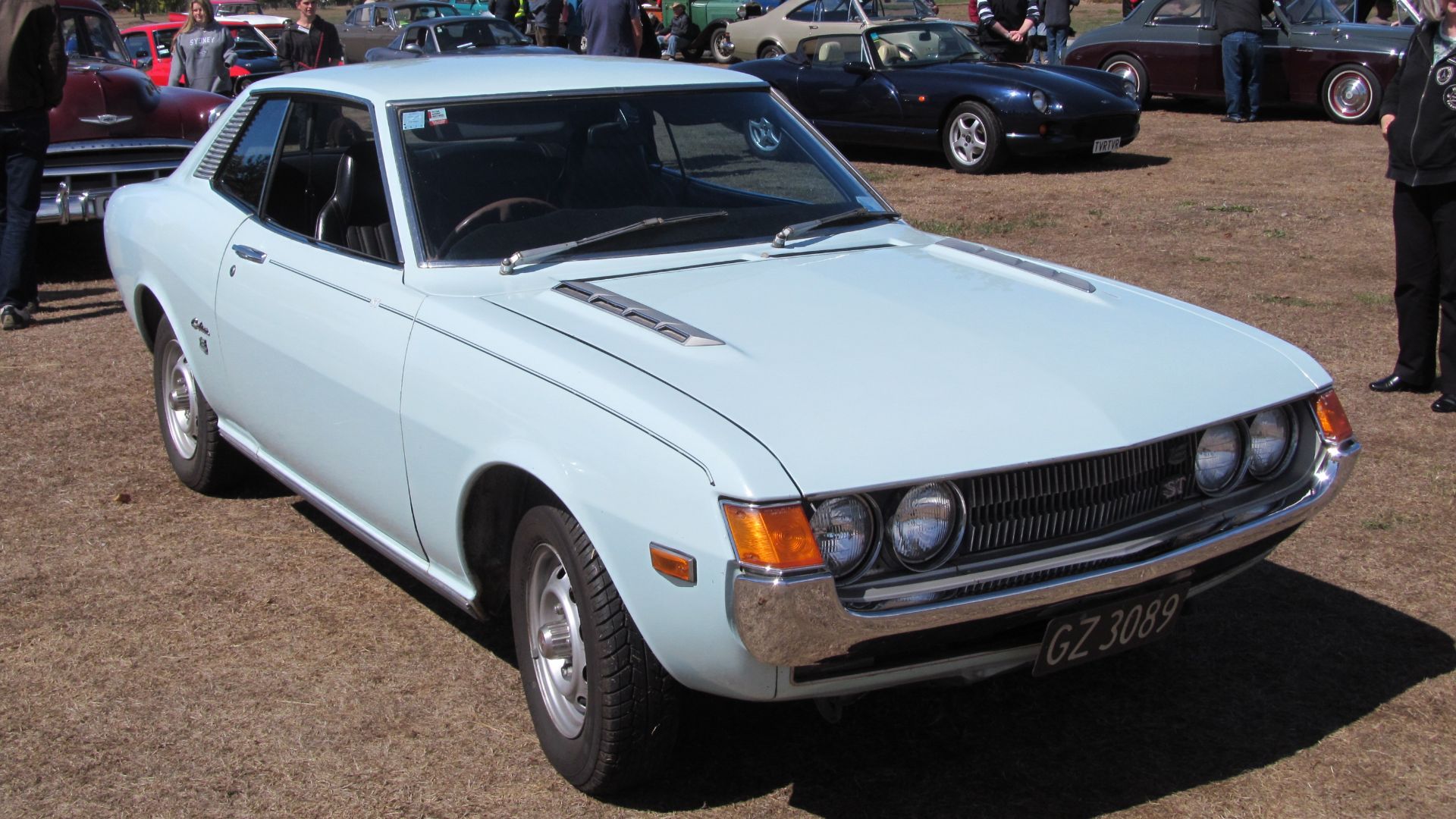 Riley from Christchurch, New Zealand, Wikimedia Commons
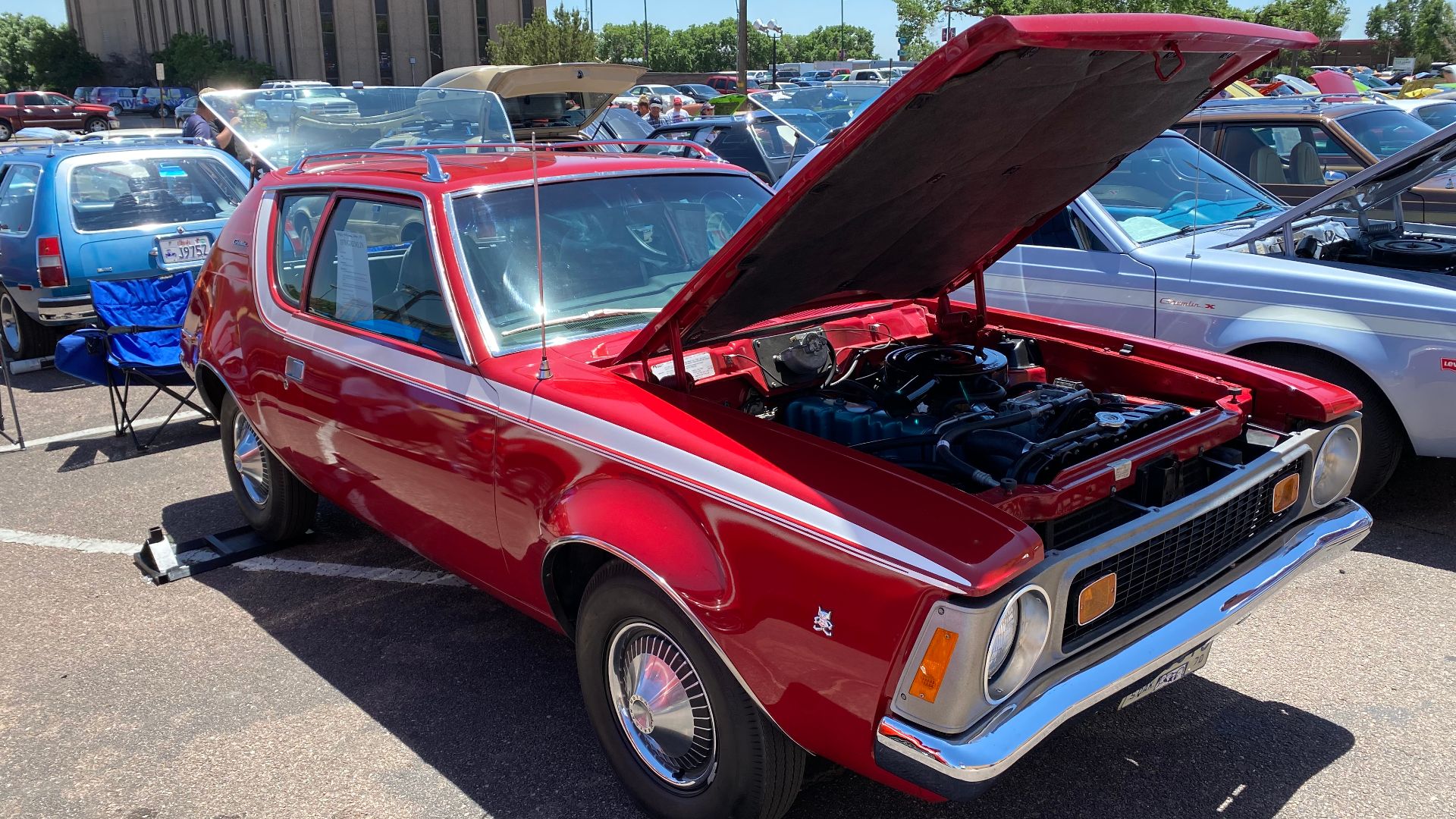
AMC Gremlin (1970)
The headline-grabbing $1,879 Gremlin came without a back seat. Spending $1,959 bought the four-passenger version, which seems like a reasonable use of another $80. Its six-cylinder engine provided more muscle than many little imports, although it also used more fuel. The styling took some explaining, but the Gremlin’s value argument was easier to understand than its rear end.
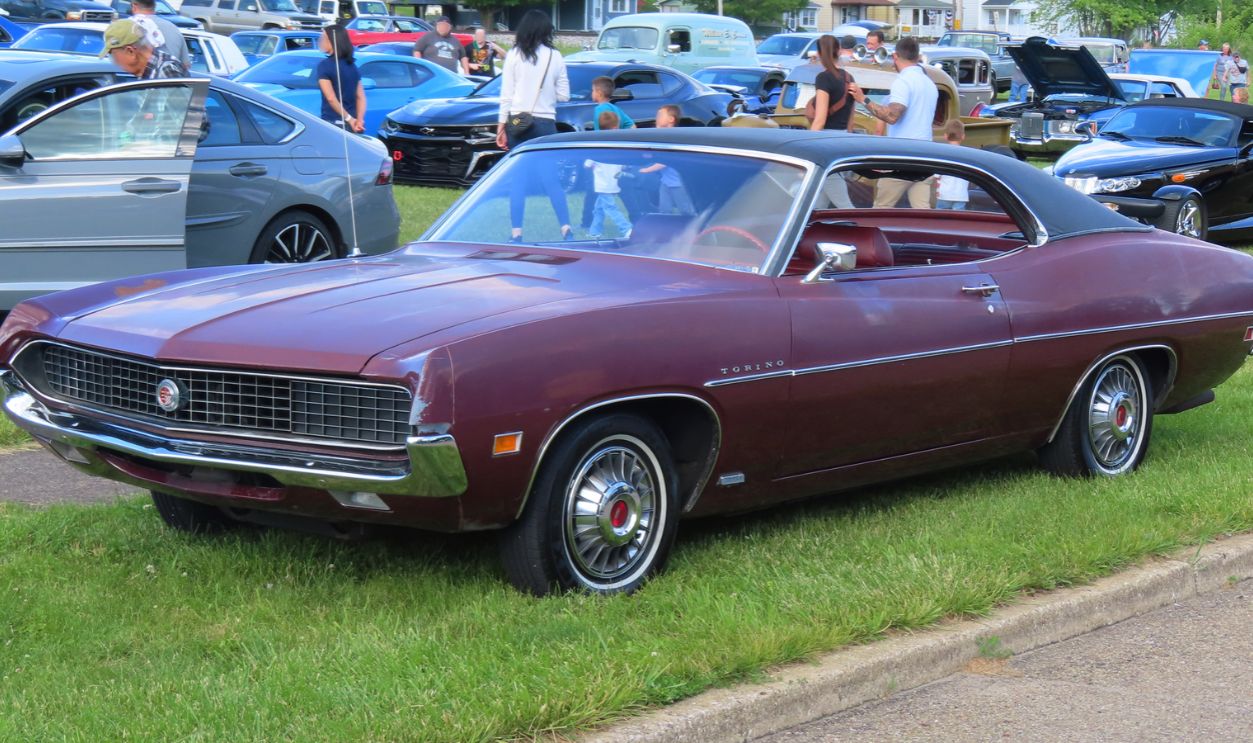
Ford Torino (1970)
A basic Torino two-door hardtop carried an original listed price of $2,812. You were buying a midsize American car, which gave it a different appeal from the little imports competing for budget-conscious buyers. The more glamorous Torino versions required more money. Still, for someone who wanted a substantial coupe rather than the smallest possible payment, the ordinary hardtop belonged on the shopping list.
 MercurySable99, Wikimedia Commons
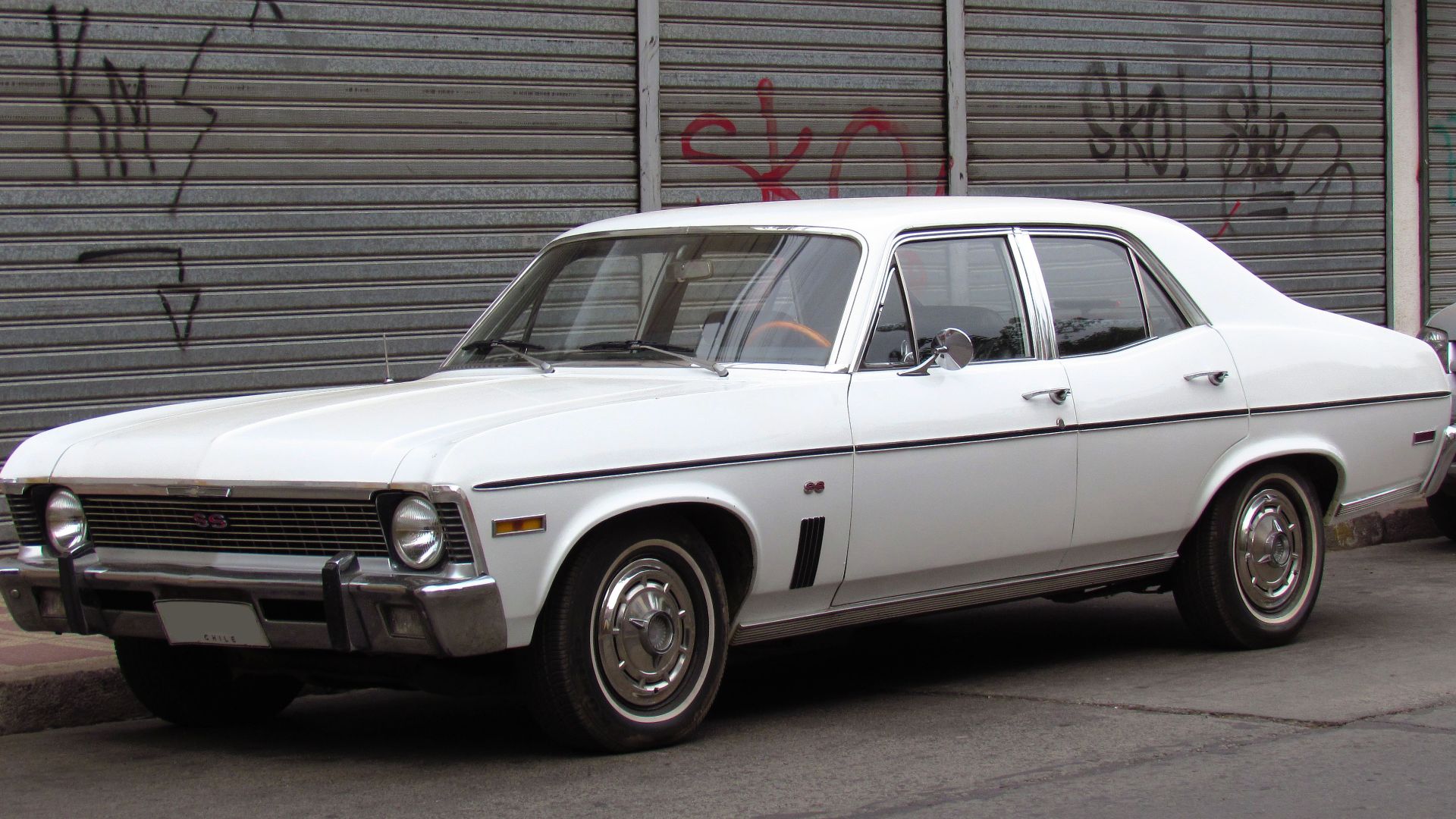
Chevrolet Nova (1970)
A basic four-door Nova could be bought for around $2,300. That bought a far more ordinary car than the muscular Novas collectors usually talk about today. Still, ordinary had advantages when the car needed to carry the family and fit the household budget. The sensible sedan deserves some credit, even if nobody was hanging its picture on the bedroom wall.
 order_242 from Chile, Wikimedia Commons
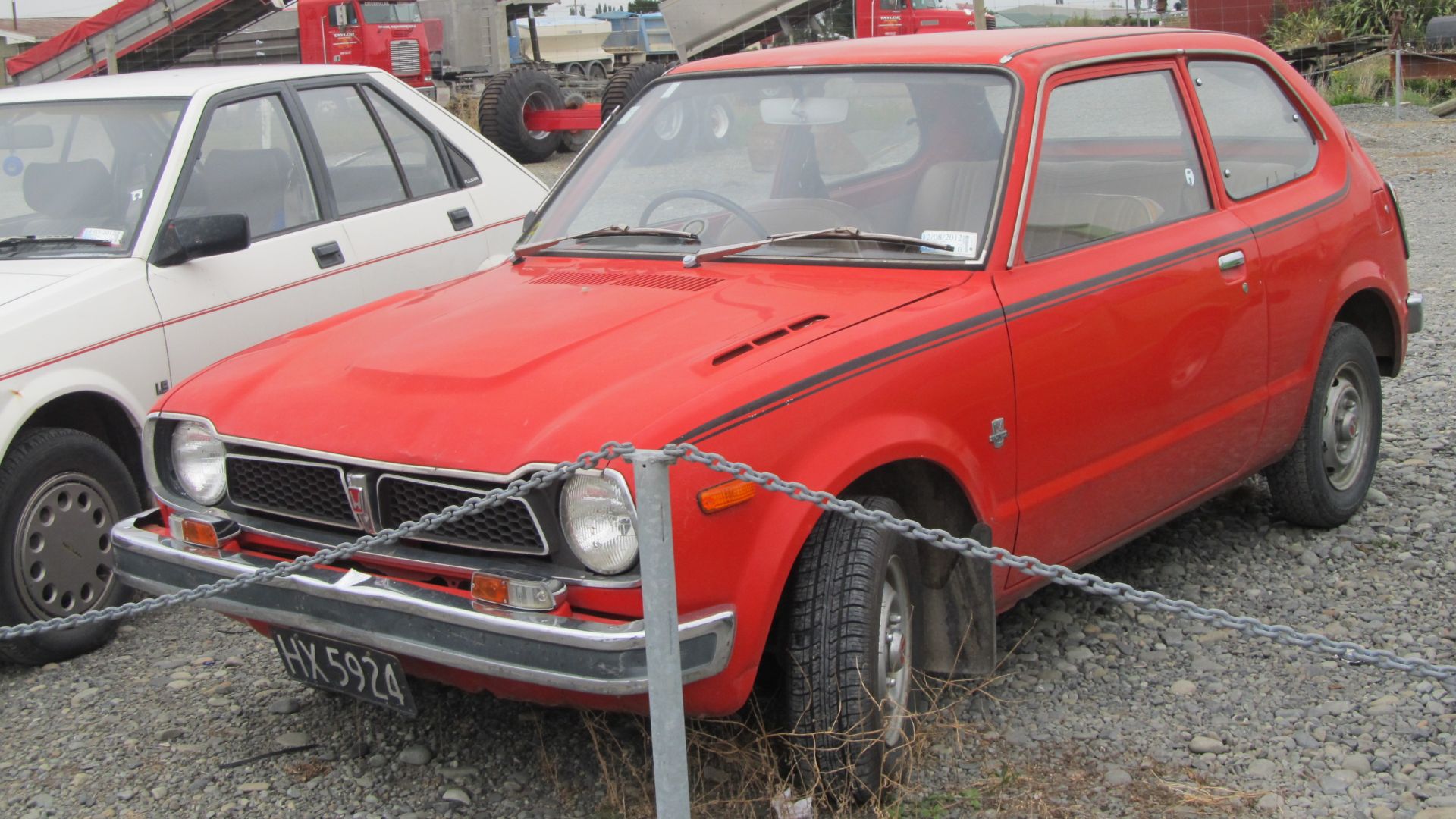
Honda Civic (1976)
Even halfway through the decade, Honda could offer a basic two-door Civic sedan for $2,729. Its small size and economical approach made sense when buyers were watching fuel costs. Early Civics did have a serious weakness in their susceptibility to rust, though. As inexpensive transportation, the appeal was clear; keeping the body intact was another part of the ownership equation.
 Riley from Christchurch, New Zealand, Wikimedia Commons
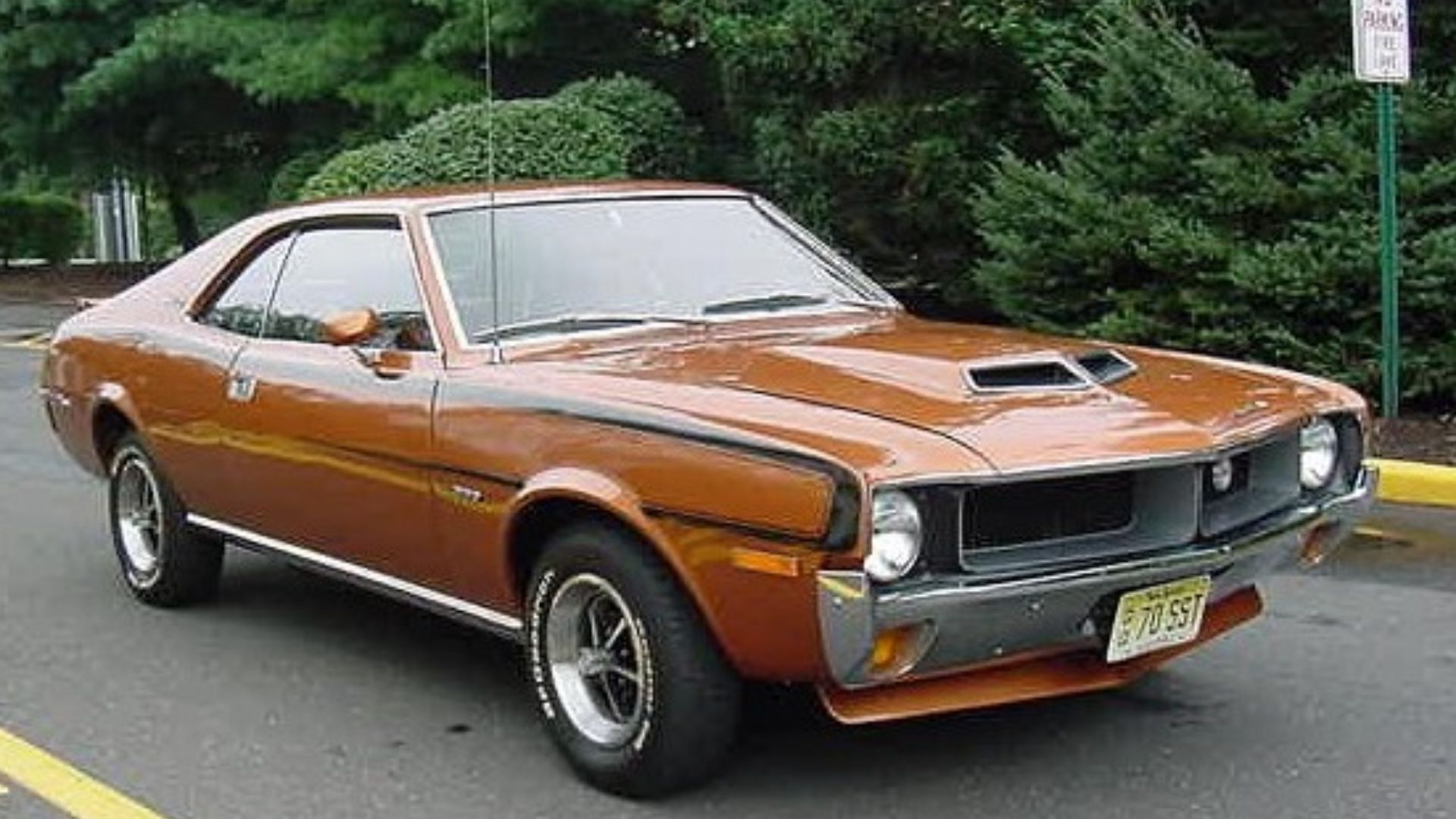
AMC Javelin (1970)
At $2,720, the basic Javelin put another stylish American coupe within reach. That price bought a six-cylinder car, with V8 engines available for buyers willing to spend more. It also offered an alternative to the Mustang and Camaro without a premium for being different. For someone who liked AMC’s styling, the affordable starting point was a perfectly good reason to investigate.
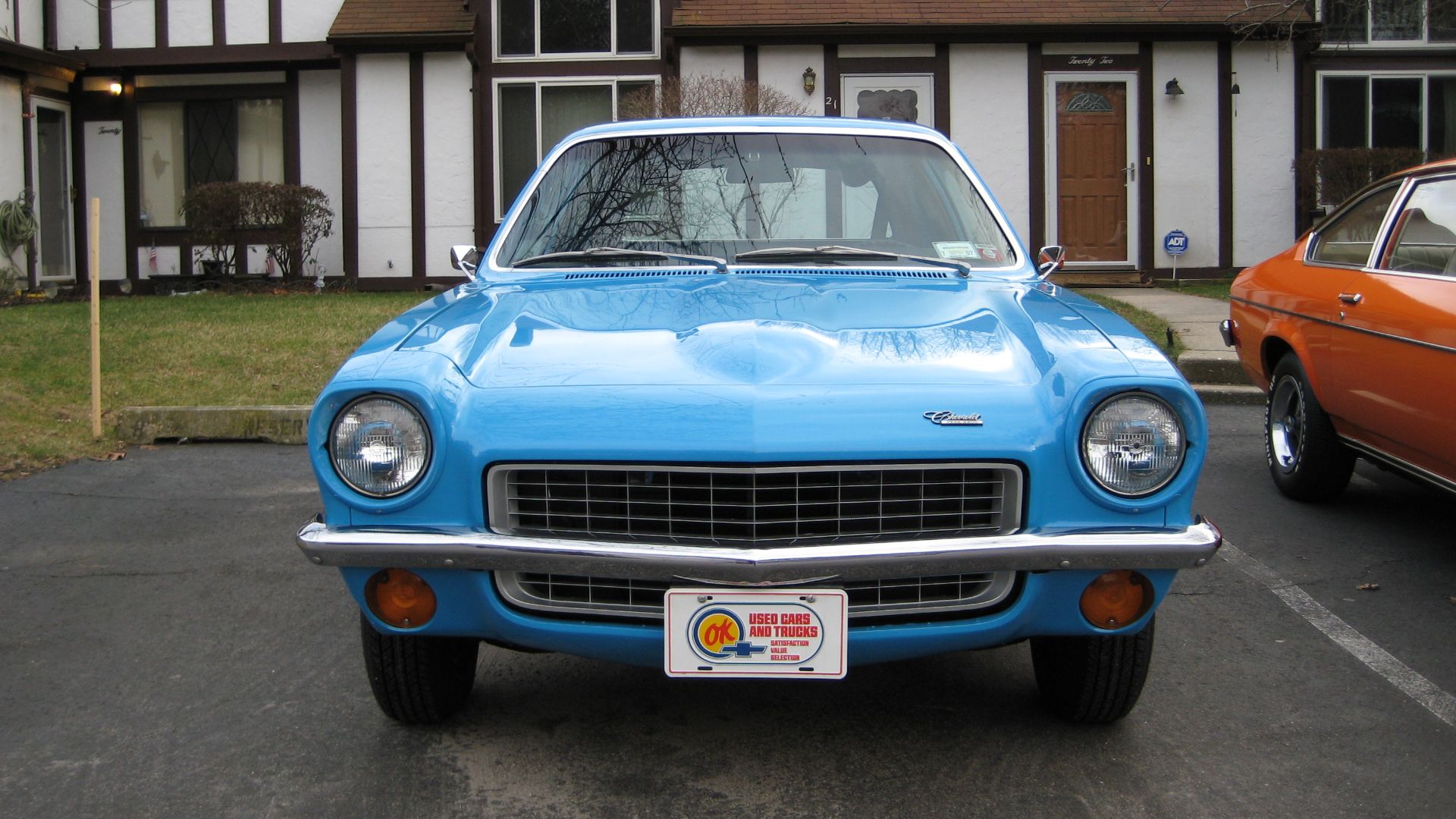
Chevrolet Vega (1971)
The Vega arrived with a starting price around $2,090 and enough promise to win Motor Trend’s 1971 Car of the Year award. Then came the problems with corrosion, overheating, and engine durability. It’s easy to understand why buyers initially liked the package. It’s just as easy to understand why some eventually wished they’d spent their money elsewhere.
 Vegavairbob (talk)Robert Spinello, Wikimedia Commons
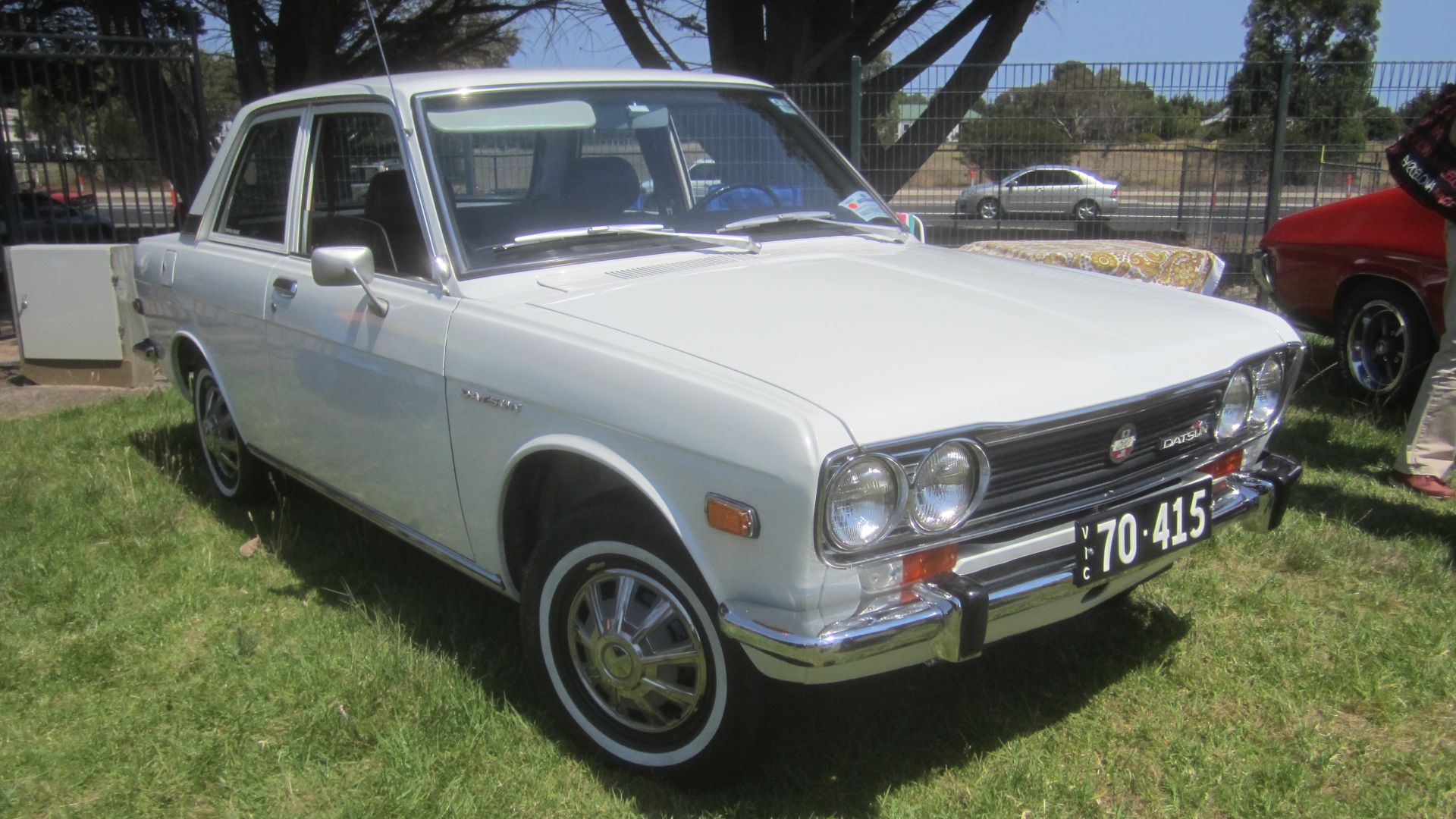
Datsun 510 (1971)
The two-door Datsun 510 sedan started at $1,990. Along with its overhead-cam engine, the sedan had independent rear suspension, giving driving enthusiasts something interesting at an everyday-car price. Rust eventually claimed plenty of them, but the original combination was appealing. If you wanted inexpensive transportation that could also make a winding road enjoyable, this was one worth taking seriously.
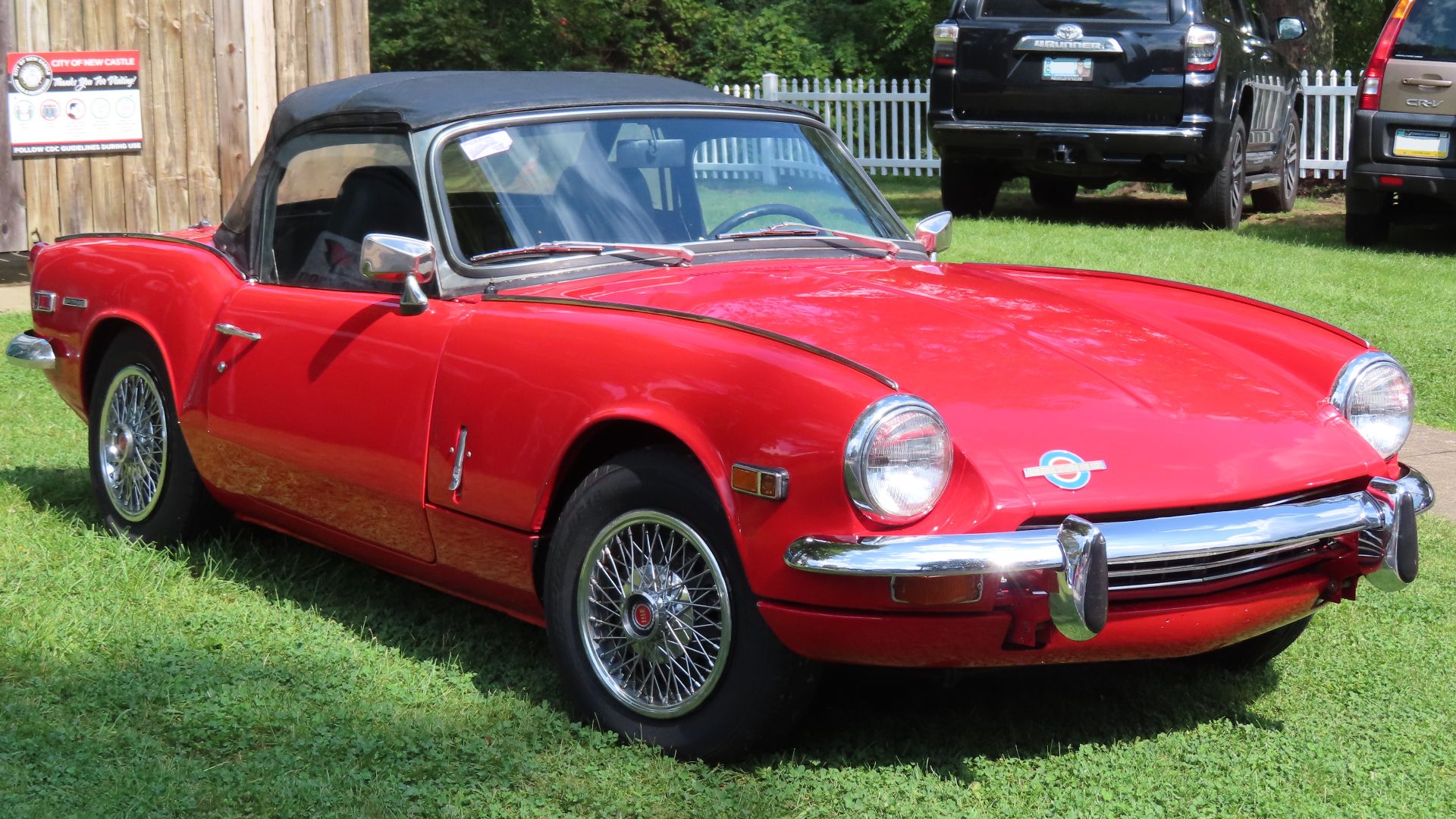
Triumph Spitfire Mk III (1970)
A $2,395 starting price put the Spitfire’s open-air experience within reach of buyers who couldn’t stretch to an expensive sports car. Its little four-cylinder engine and compact body delivered the basics of roadster enjoyment. However, the Mk III’s swing-axle rear suspension demanded respect when pushed. A tempting purchase for an enthusiast, provided enthusiasm came with a little judgment.
 MercurySable99, Wikimedia Commons
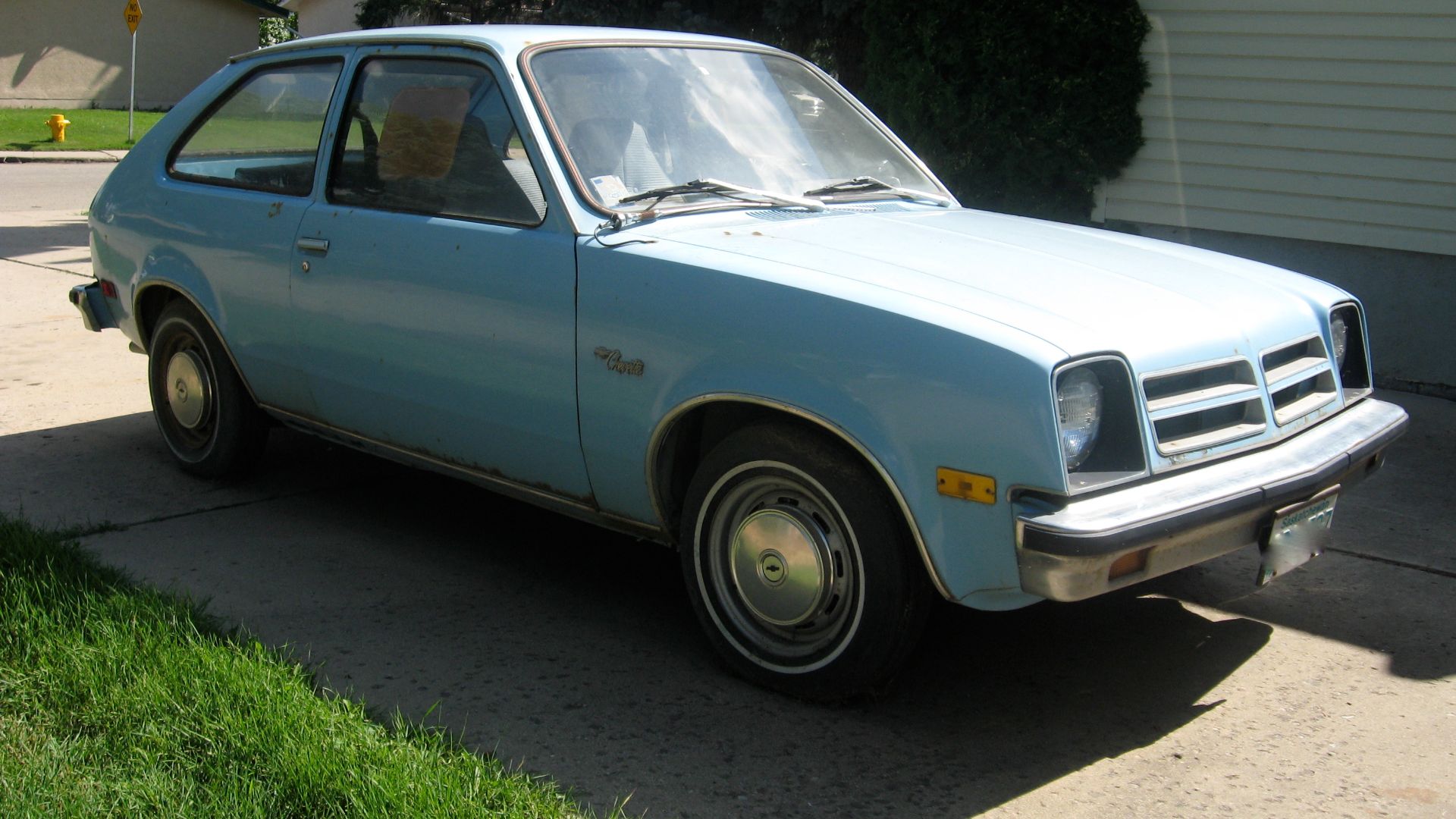
Chevrolet Chevette Scooter (1976)
Chevrolet could advertise a $2,899 Chevette because the entry-level Scooter came with just two seats. The regular four-passenger coupe started above our cutoff at $3,098. That distinction mattered if you planned to bring the kids. For a solo commuter, the Scooter’s basic approach could work, but this was definitely a case of reading past the biggest number in the advertisement.
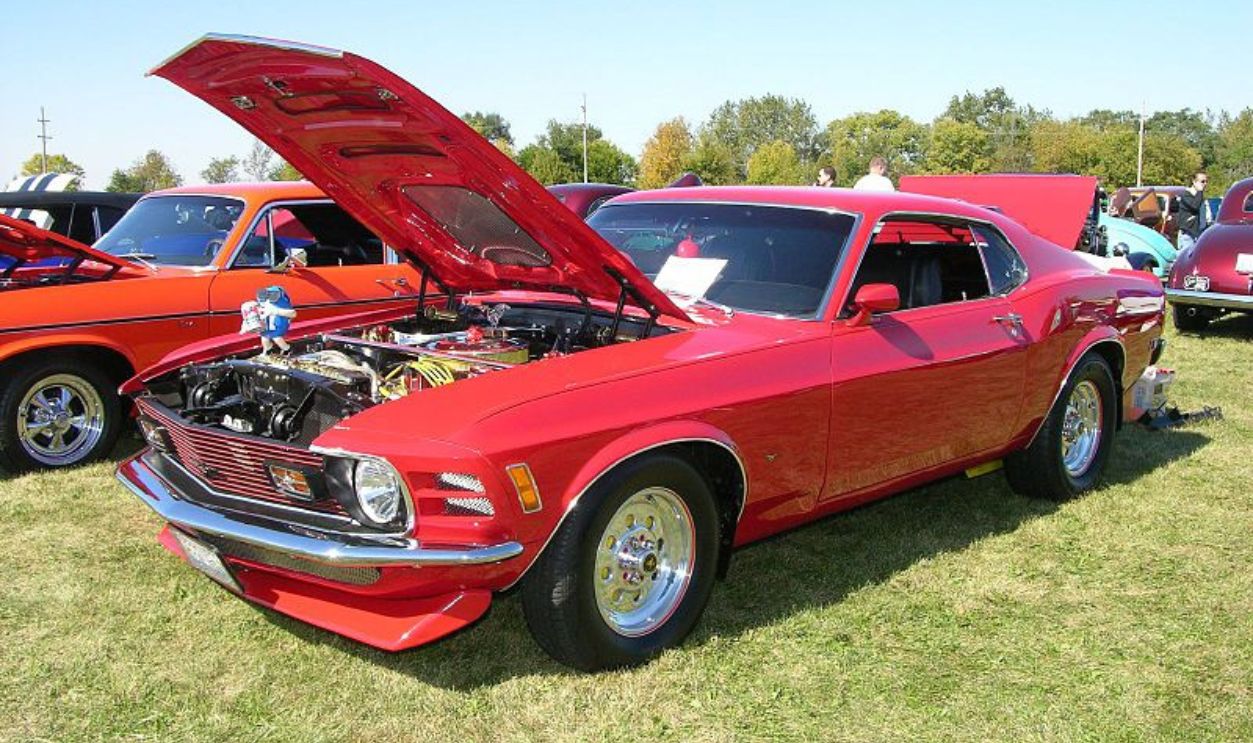
Ford Mustang (1970)
A 1970 Mustang coupe started at $2,721 with a six-cylinder engine. The glamorous performance versions cost more, of course, but the basic coupe still delivered the Mustang shape and name. For a buyer who wanted that experience without paying for extra power, it made sense. The disappointment would come from expecting the cheapest Mustang to perform like the expensive one.
 D. Miller from IL. USA, CC BY 2.0, Wikimedia Commons
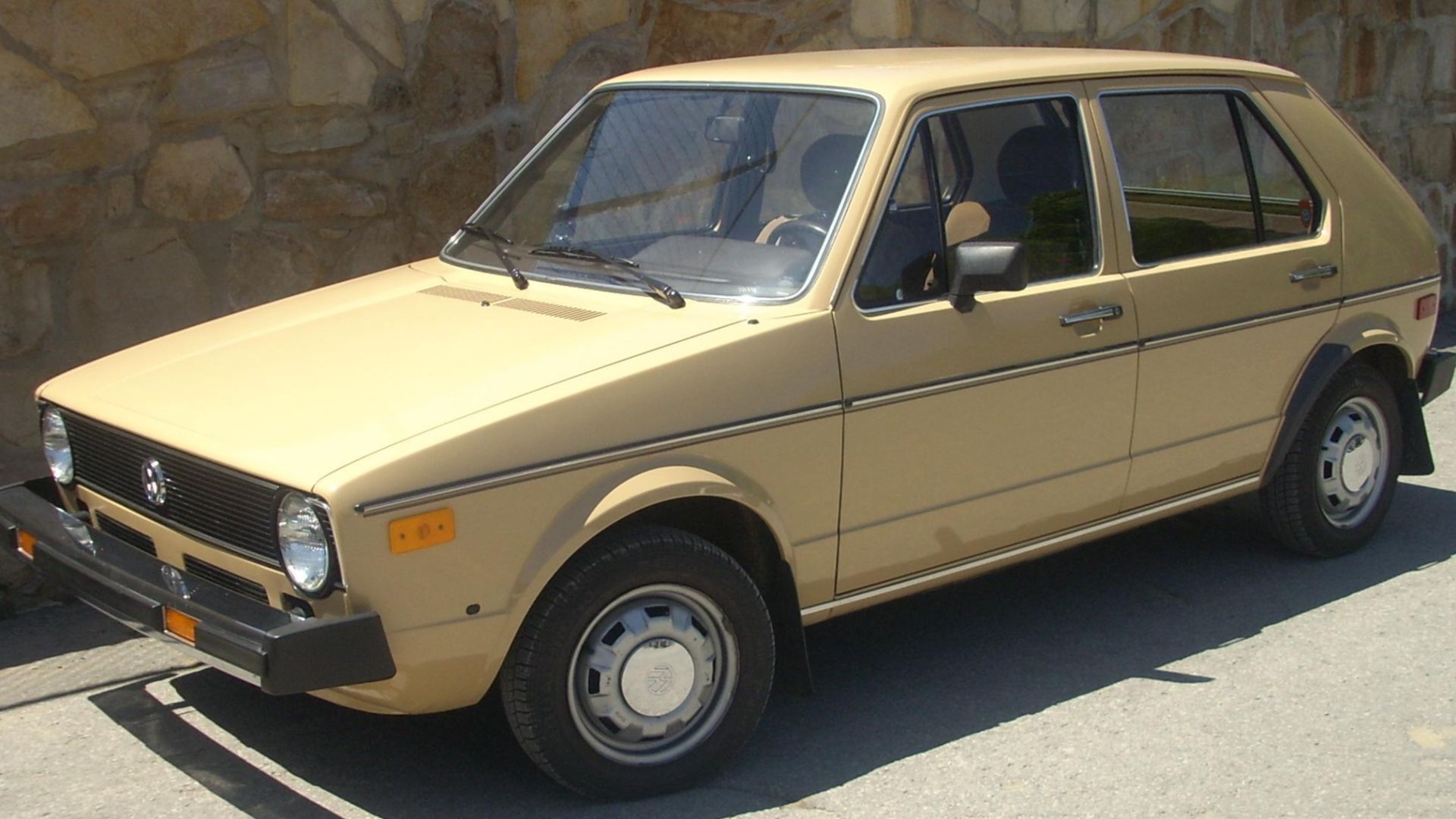
Volkswagen Rabbit (1975)
Volkswagen advertised the Rabbit from $2,999 before transportation and delivery charges, one dollar below the advertised-price cutoff. Its front-wheel-drive layout and useful hatchback body offered a convincing step forward from the Beetle. But the cheapest version was very basic, with front disc brakes among the upgrades that cost extra. The Rabbit had real merits; getting the better-equipped one required a less memorable price.
Pontiac Firebird (1970)
The redesigned Firebird started at $2,875 with a six-cylinder engine. That meant buyers could get Pontiac’s dramatic new coupe without paying for a Trans Am or one of the other more expensive versions. The basic car’s appeal was stylish everyday driving. If that was the assignment, it made sense. Expecting performance-model excitement from the lowest sticker price was another matter.
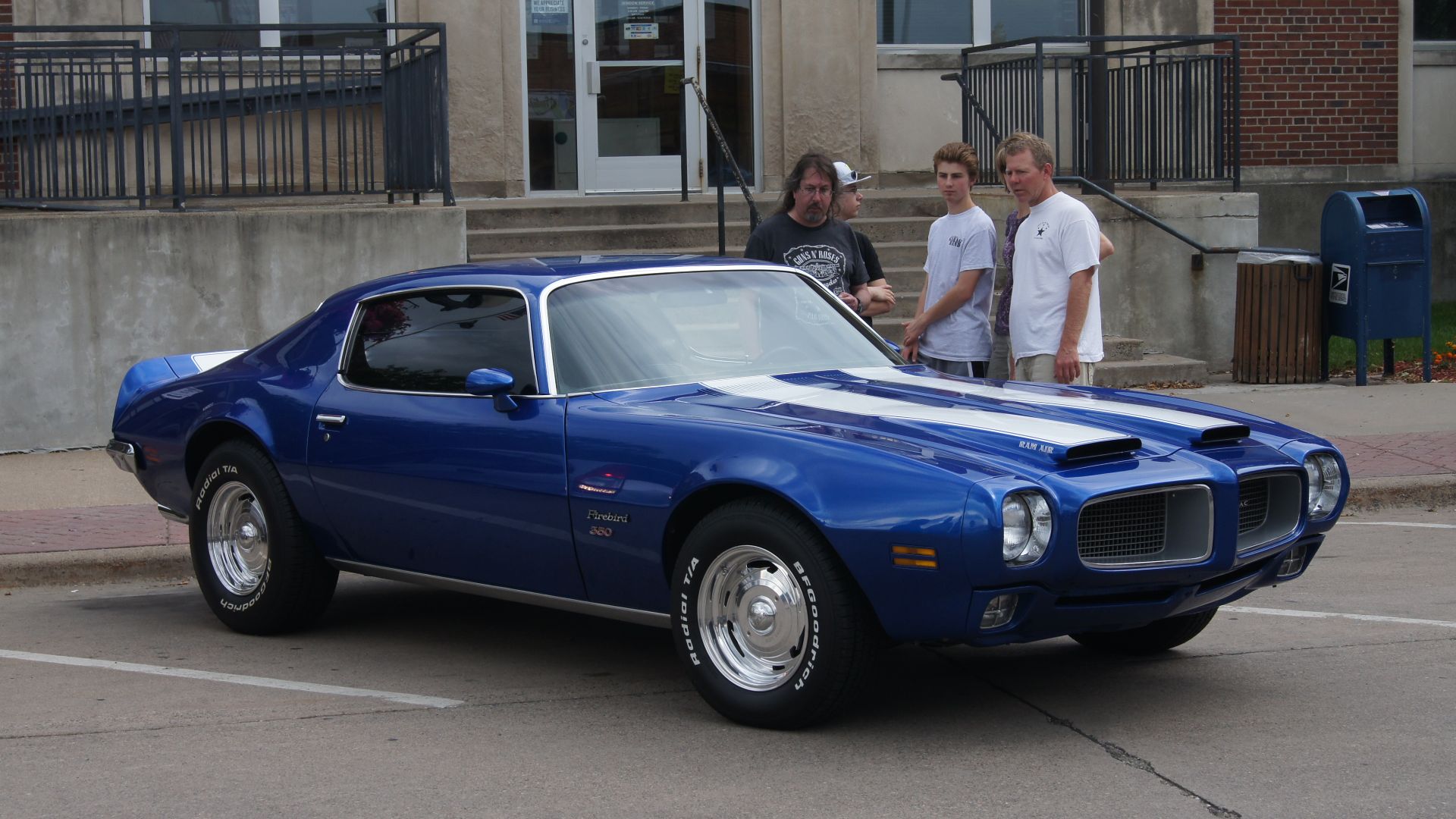 Greg Gjerdingen from Willmar, USA, Wikimedia Commons
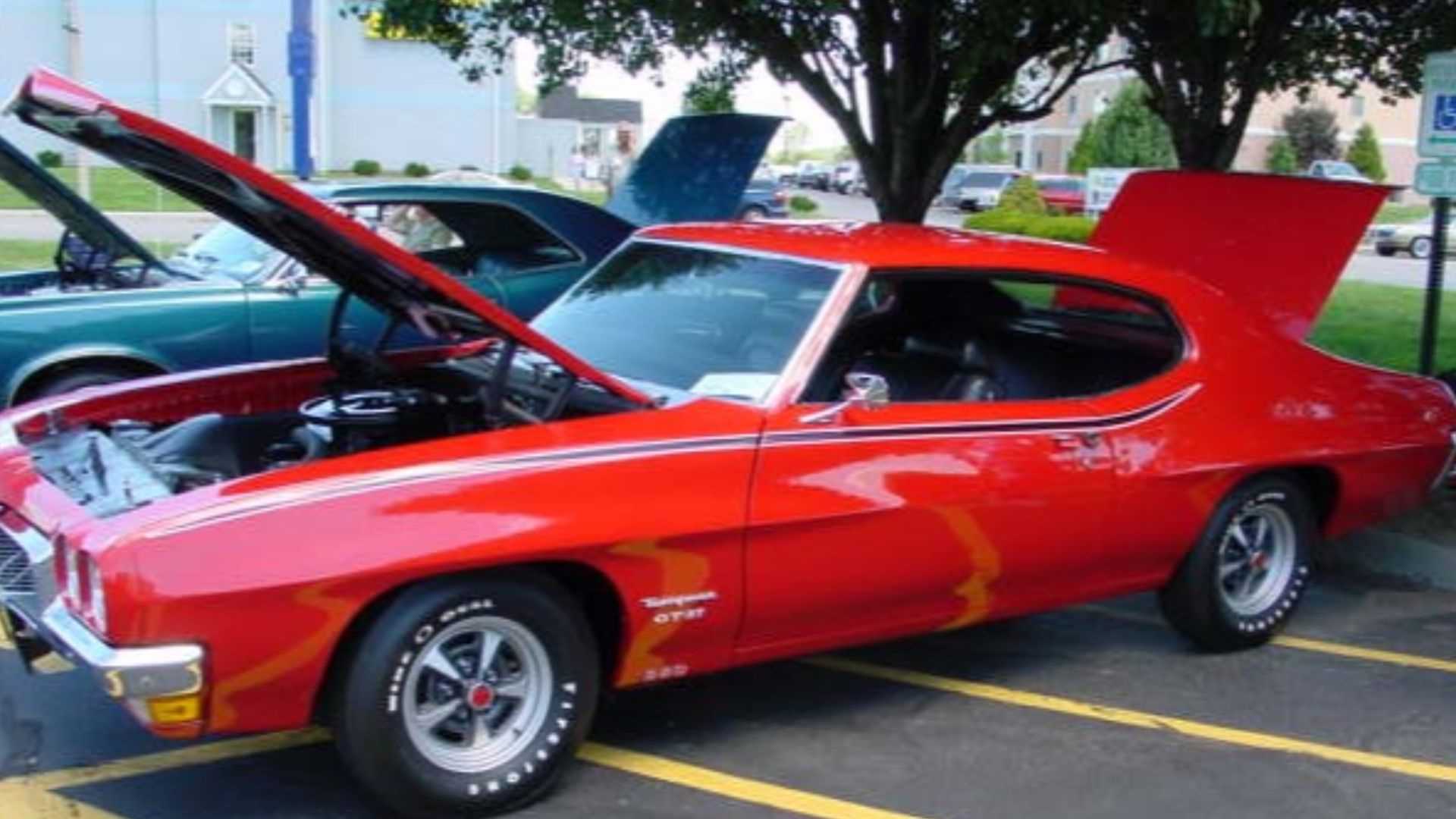
Pontiac Tempest T-37 (1970)
Pontiac introduced the Tempest T-37 hardtop with a $2,683 base price and a 250-cubic-inch six-cylinder engine. The idea was to give buyers an inexpensive way into a midsize hardtop, and it did exactly that. It wasn’t a bargain-priced GTO in standard form. But for someone who wanted the body style without the performance-car expense, the logic was sound.
Plymouth Barracuda (1970)
The basic 1970 Barracuda hardtop started at $2,764 with a six-cylinder engine. That’s an important detail when today’s collector headlines usually involve much more powerful versions. Still, Plymouth gave the affordable car the same striking overall shape. For a driver who wanted a distinctive everyday coupe, the entry-level Barracuda offered an attainable way to get one.
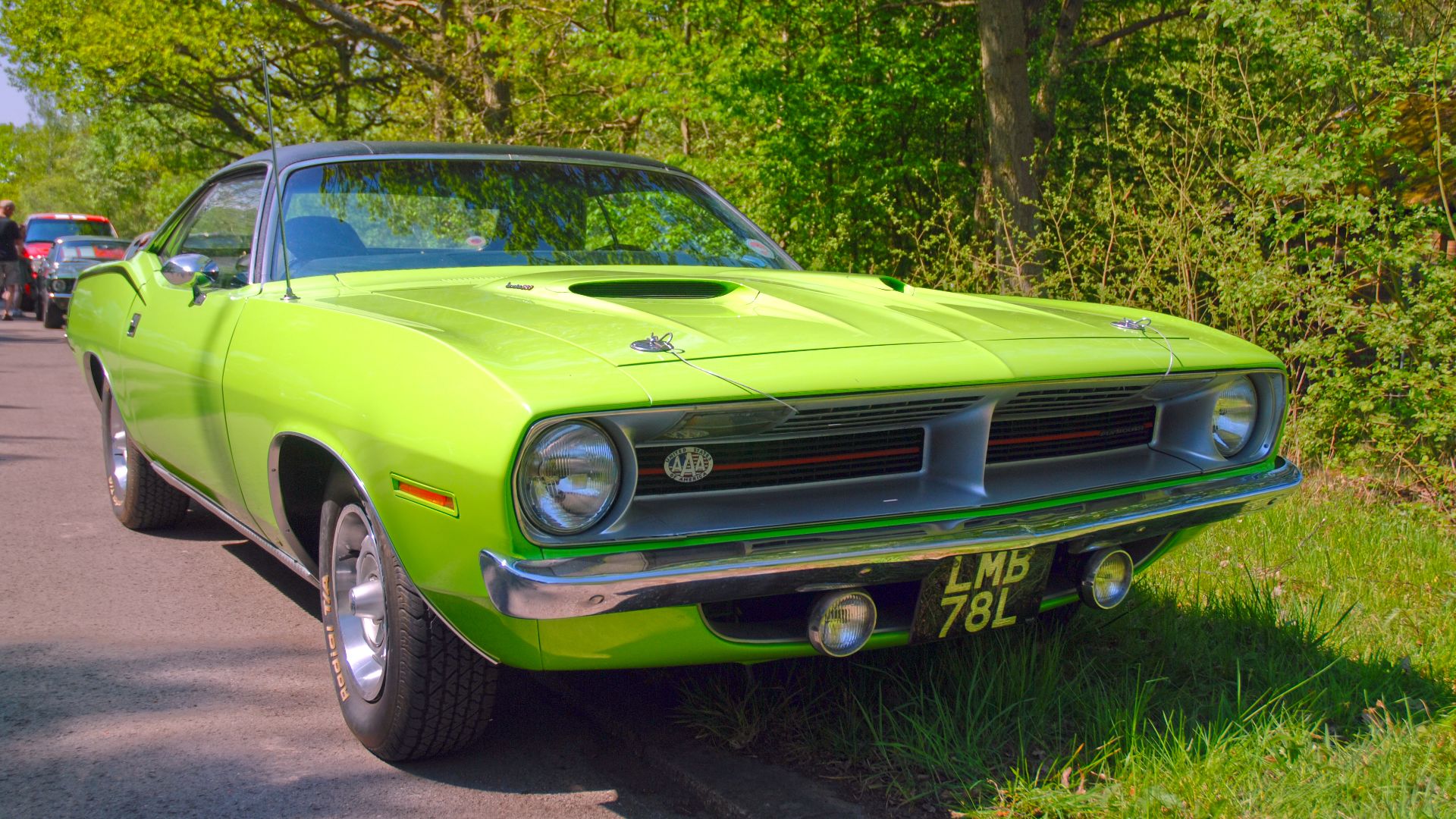 allen watkin from London, UK, Wikimedia Commons
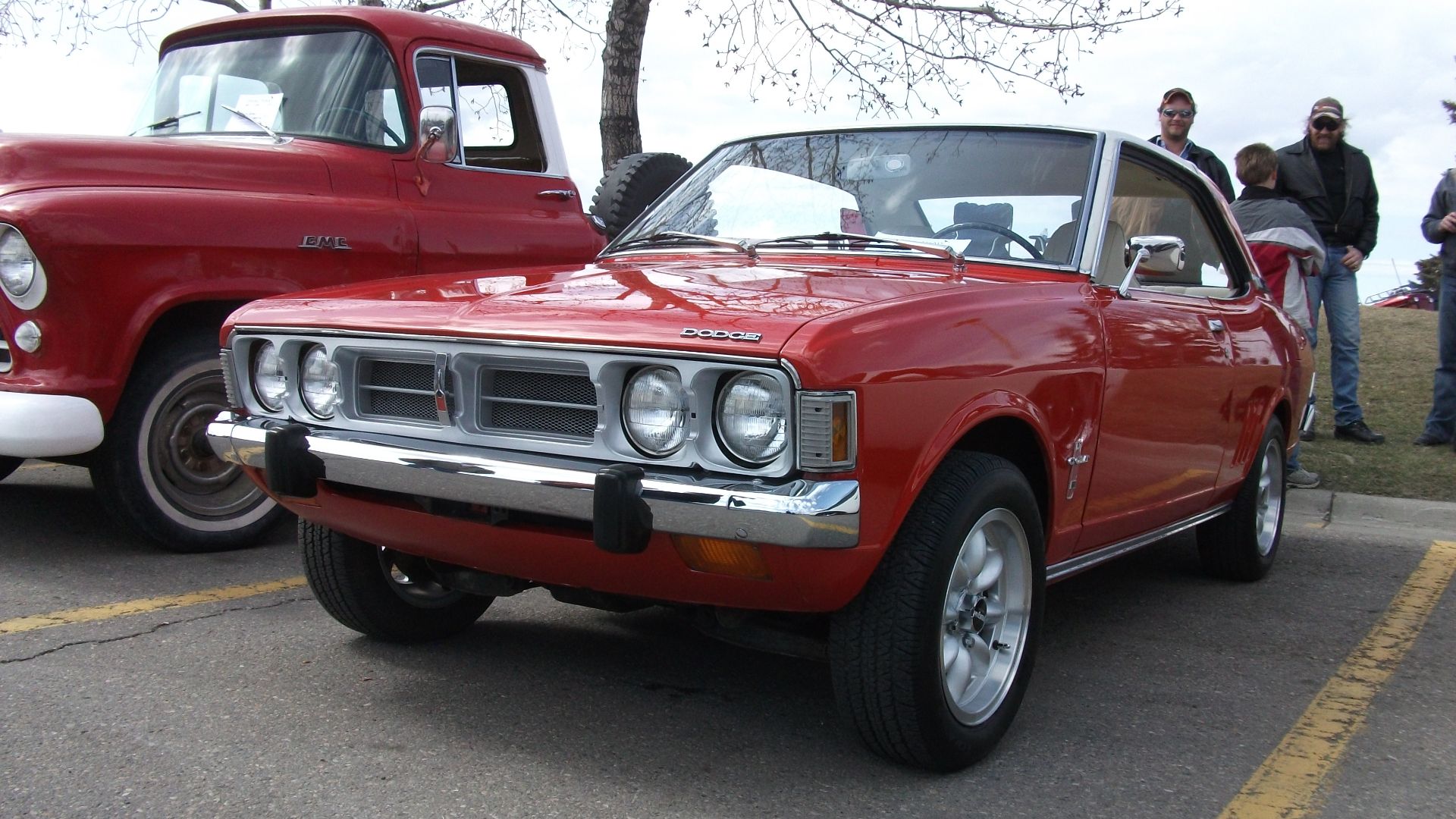
Dodge Colt (1971)
The Colt’s four-door sedan listed for $1,995, adding another genuine sub-$2,000 choice. Under the Dodge name was a Mitsubishi-built Japanese car, giving Chrysler dealers something different to offer small-car shoppers. For buyers who wanted four doors and a low entry price, it deserved consideration. The badge was familiar, even if the car underneath represented something new for Dodge customers.
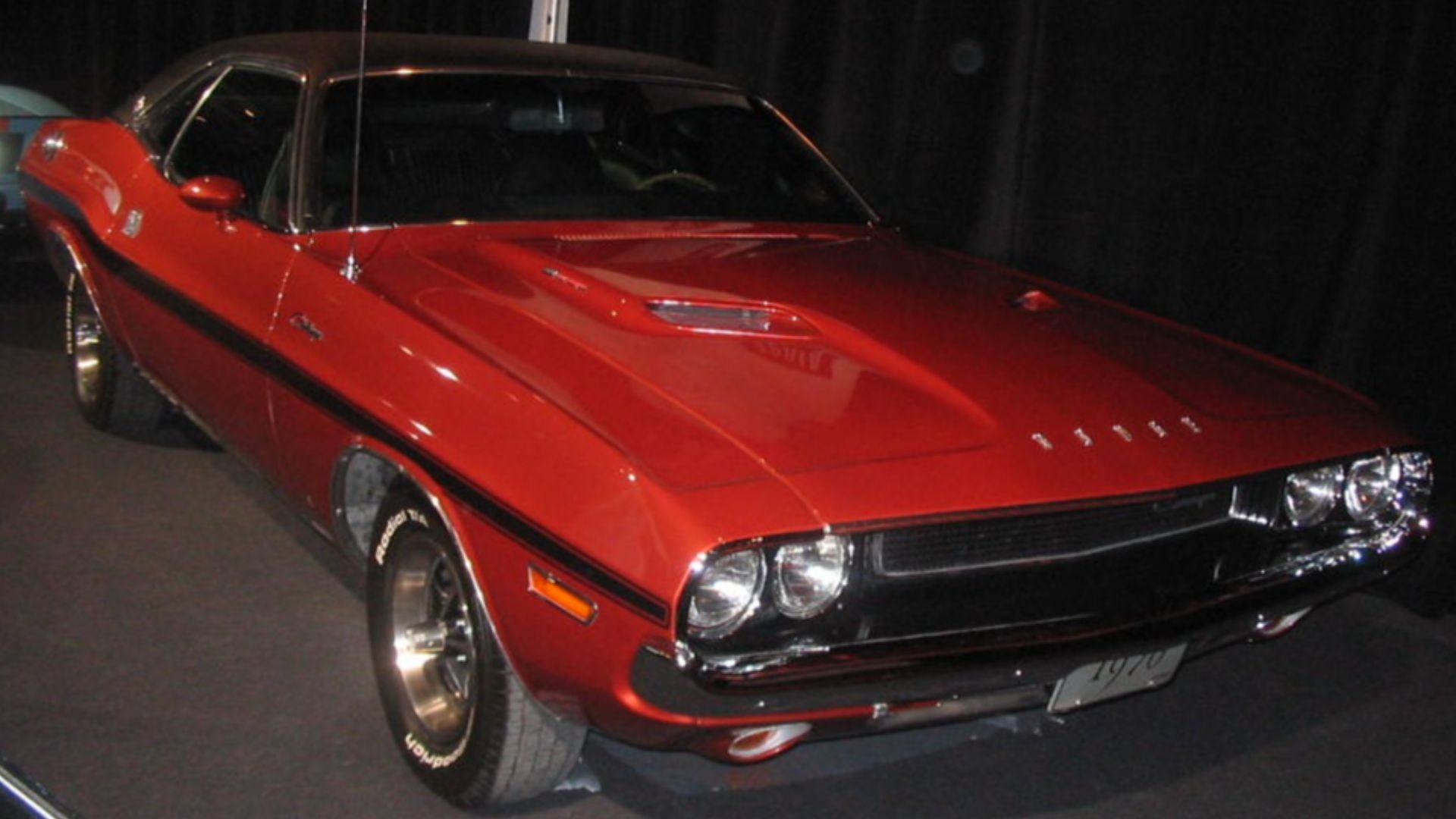
Dodge Challenger (1970)
Dodge’s new Challenger started at $2,851, with a six-cylinder engine in the entry-level hardtop. It offered an attainable way into one of the decade’s most recognizable designs, although options could quickly push the bill higher. As a stylish daily driver, the basic version had a purpose. Buyers expecting the performance of the cars in the exciting advertisements needed to budget more carefully.
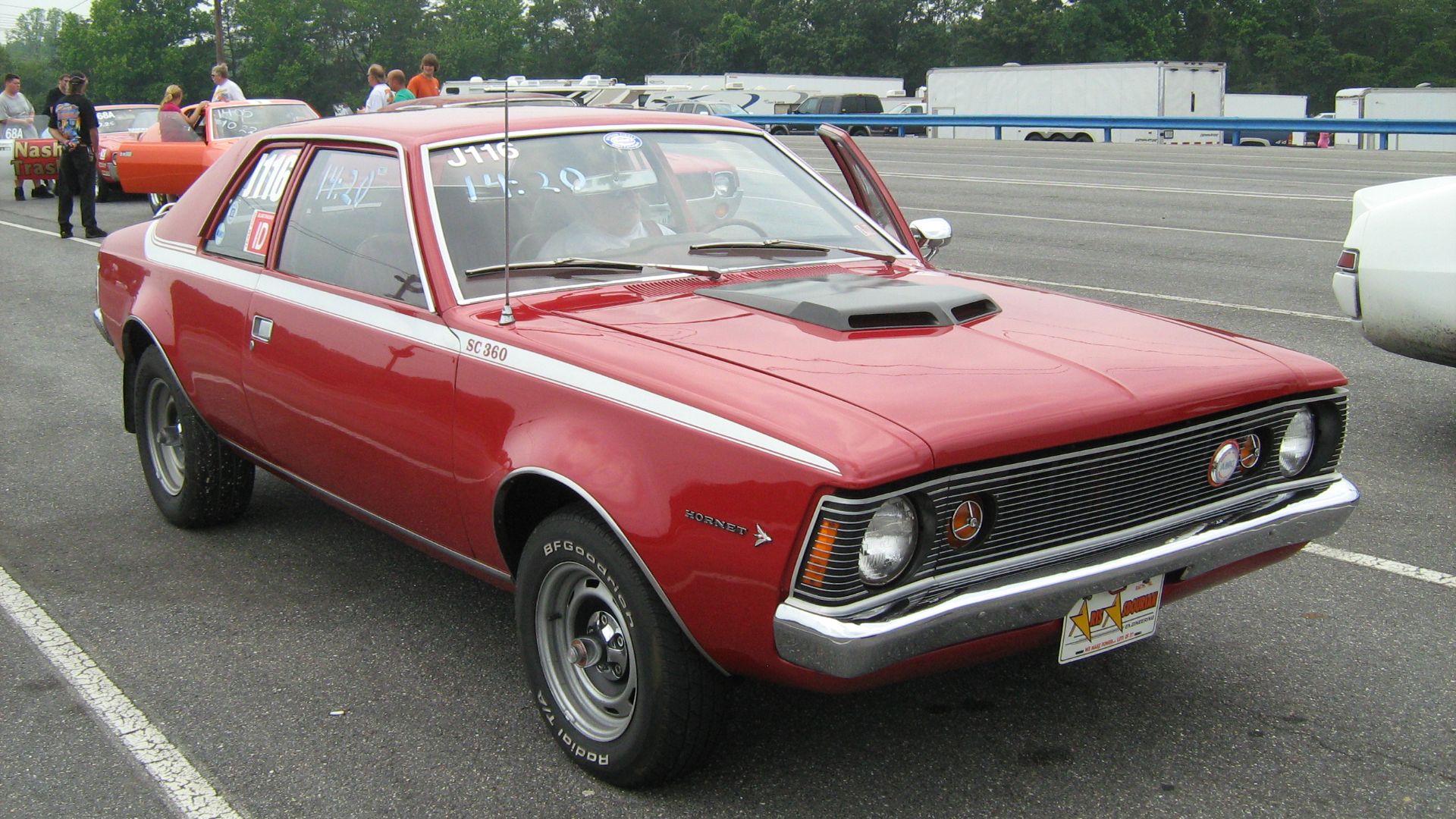
AMC Hornet SC/360 (1971)
Then there was the Hornet that brought an actual V8 to the bargain hunt. The SC/360 started at $2,663 with a 360-cubic-inch engine and a three-speed manual transmission. More powerful equipment cost extra, but the basic package already offered something substantial. It may have lacked the glamour of a Mustang, but that was a lot of engine for the money.
Which One Earned Its Keep?
A cheap window sticker could lead to years of useful driving—or give an owner something to complain about for decades. Which of these would you pick up right now if you had the chance?
You Might Also Like:
Forgotten 1960s Gas Station Brands—Even Baby Boomers Can't Remember 5 Of These
My Classic Car Sits All Winter. Should I Start It Every Week Or Leave It Alone?
Only Baby Boomers Can Explain What These Dashboard Controls Used To Do—Can You?