These Classics Aren't Worth Their Clout, According To Collectors
Classic-car enthusiasts aren't exactly shy about defending their favorites. But spend enough time around collector auctions, car shows, and enthusiast circles, and you'll discover that some of the most celebrated classics aren't nearly as impressive as their reputations suggest. Between eye-watering prices, disappointing performance, questionable reliability, and the occasional nostalgia-fueled bidding war, even automotive legends have their flaws. Here are 25 beloved classics that some seasoned collectors believe are seriously overrated. And fair warning: Your dream car might just be on the list.
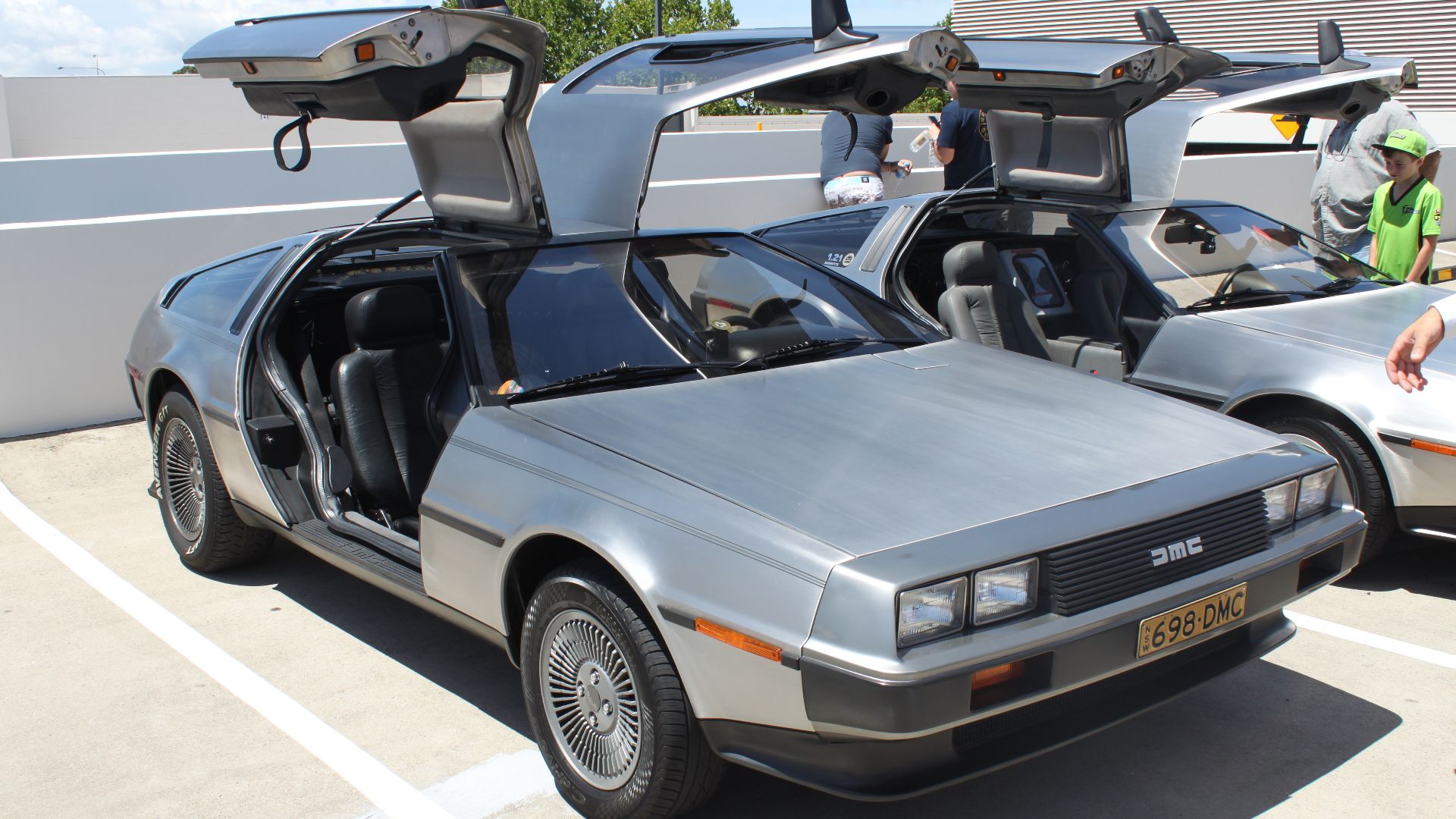
DeLorean DMC-12
Stainless-steel cool and gullwing glam made the DMC-12 a time-capsule star, but experts regularly flag modest performance from the 130-ish hp PRV V-6 and a driving experience that can feel more kit-car than supercar—very different from the poster in your head. Hagerty’s buyer coverage and classic press profiles have long emphasized the underwhelming pace and parts quirks behind the shine.
 Jeremy from Sydney, Australia, Wikimedia Commons
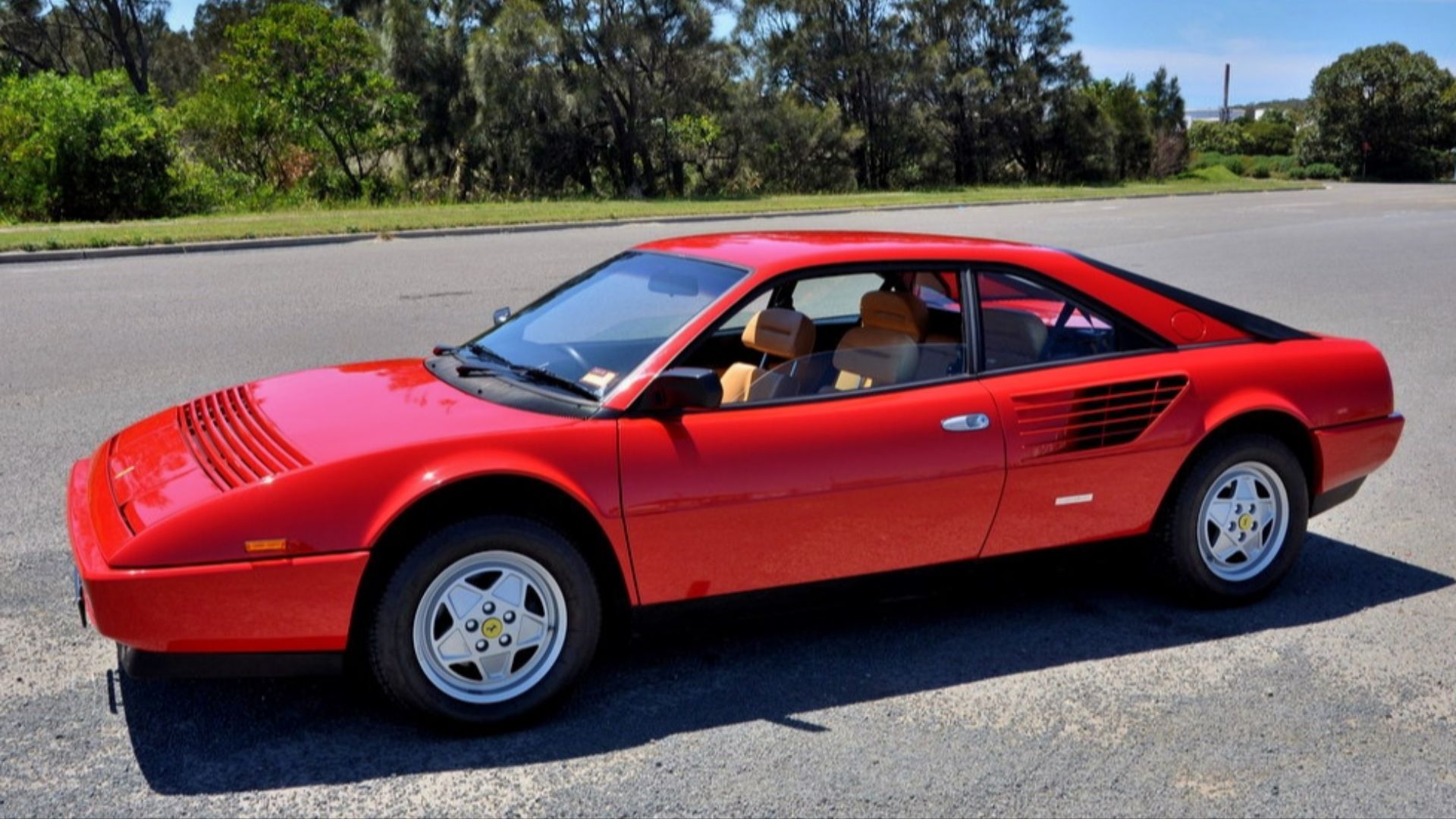
Ferrari Mondial (8/QV/3.2/t)
The Mondial is Ferrari’s perennial “least loved” pick in market roundups—capable and usable, yes, but saddled with a long-standing reputation for being the inexpensive way into a prancing horse rather than the exciting one. Hagerty repeatedly notes its standing as an overlooked, lower-demand Ferrari compared with its stablemates.
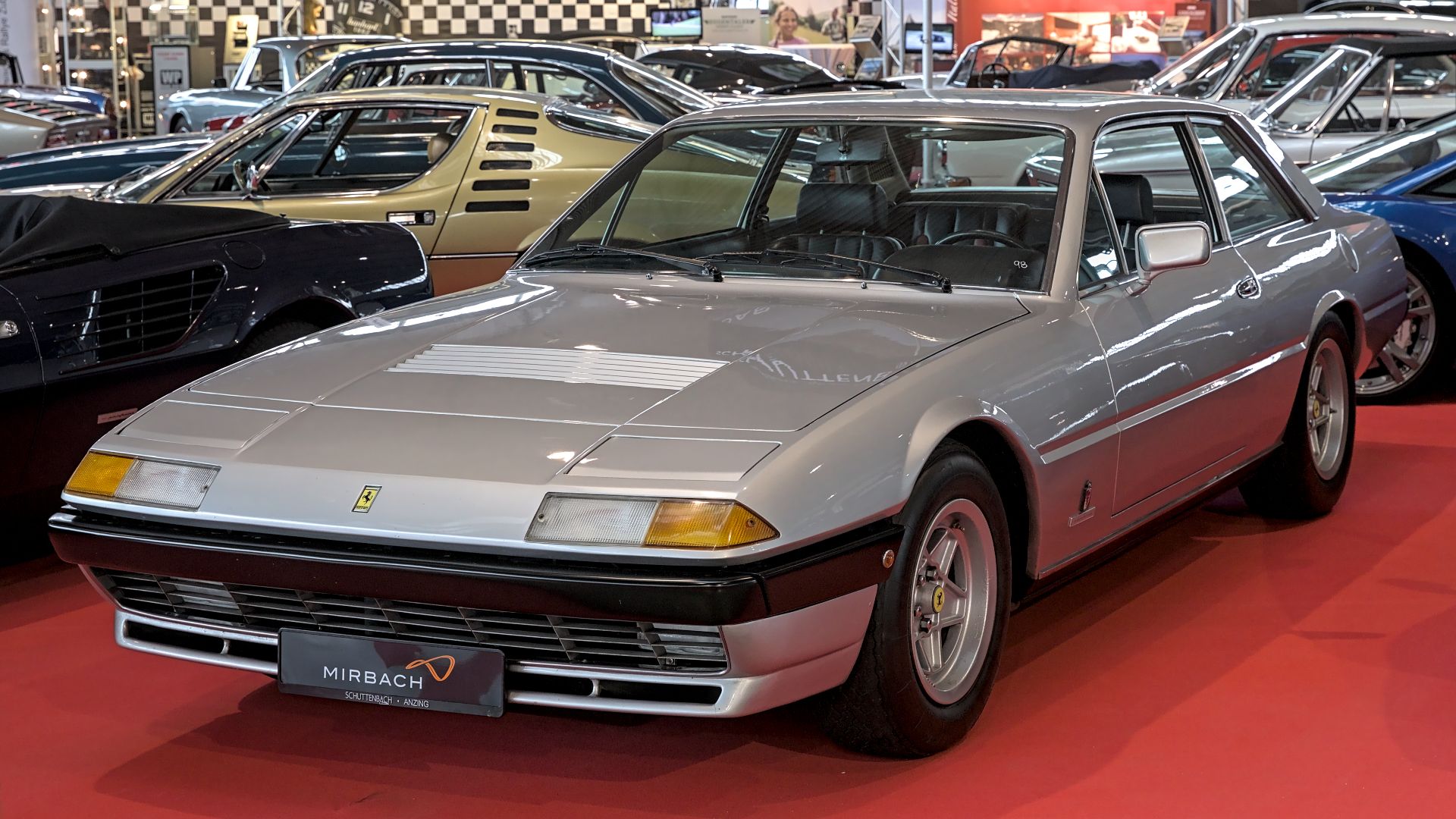
Ferrari 400/412
Front-engine V-12, sharp Pininfarina lines—and a market history defined by soft demand relative to other Ferraris, plus expensive upkeep. Hagerty’s valuation notes show these cars historically trading “affordable (for a Ferrari),” a hint that collector heat hasn’t matched the badge. Honest John and owners’ forums also highlight running costs.
 Alexander-93, Wikimedia Commons
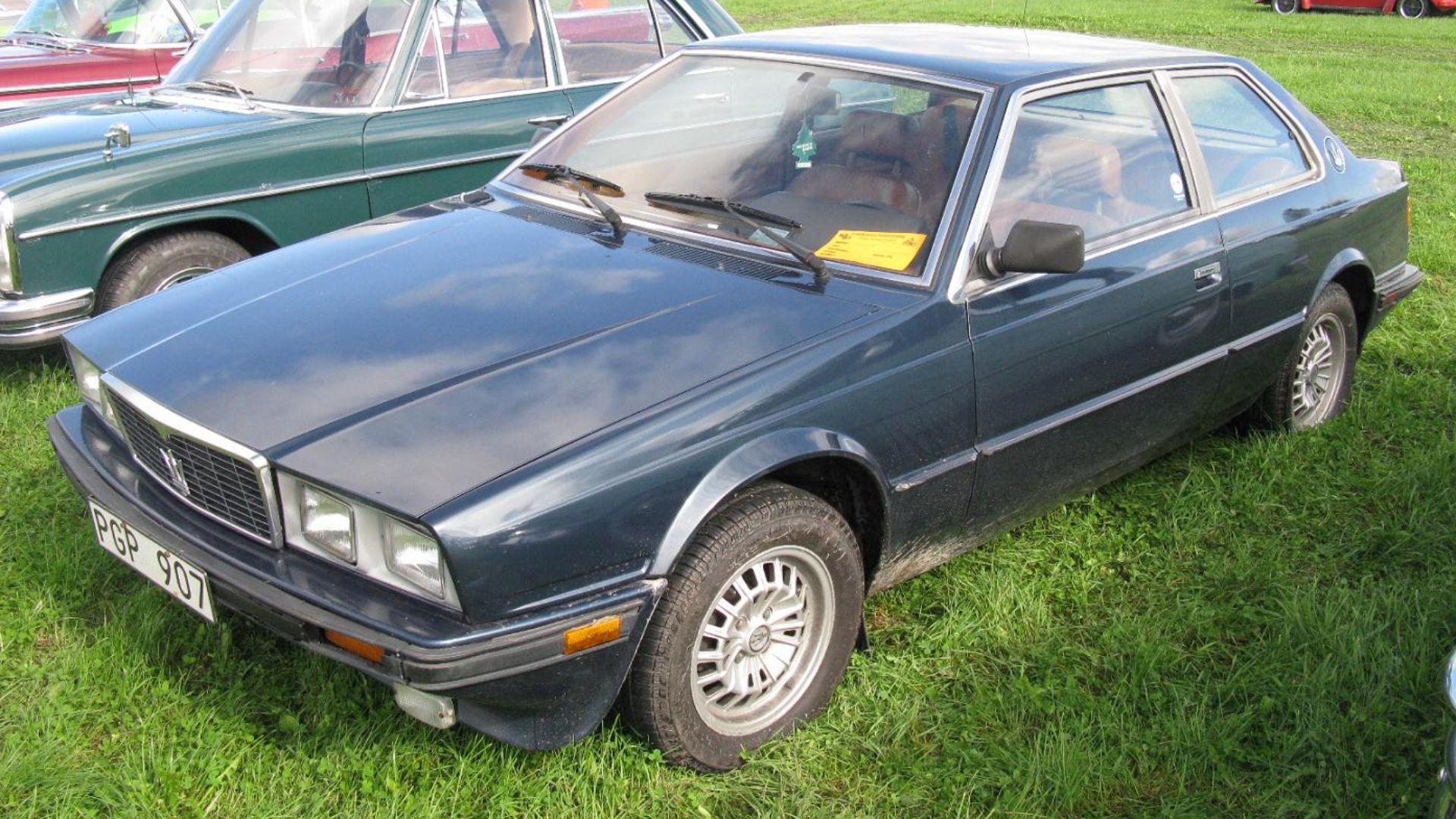
Maserati Biturbo
Turbo V-6 cachet meets ’80s complexity. The Biturbo’s renaissance is real, but most buyer guides still open with reliability caution tape—think electrics, corrosion, and the need for a meticulous service history. Classic-press buyer’s guides underline the pain points that made (and sometimes still make) these cars a gamble.
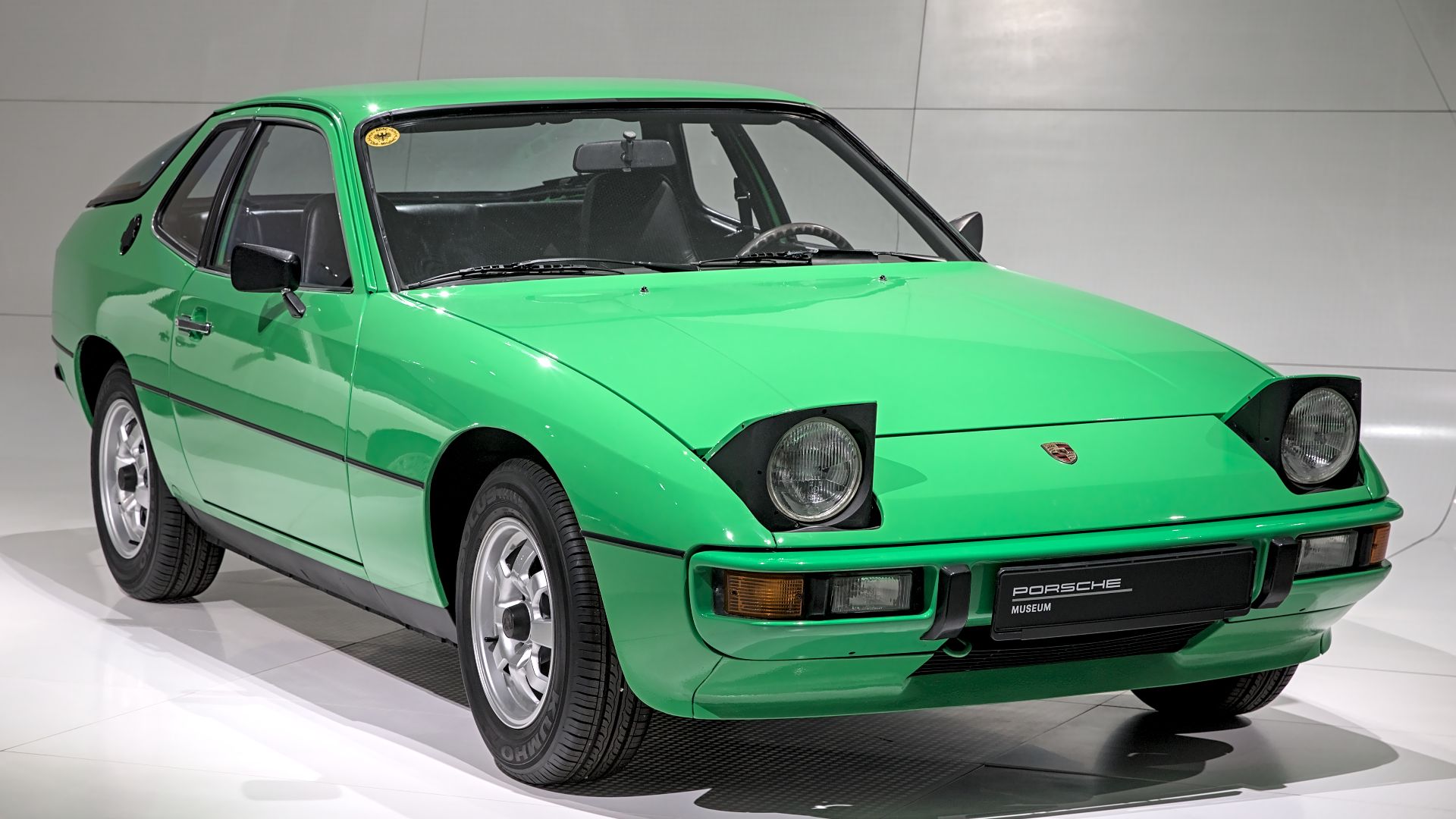
Porsche 924
Today it’s gaining fans, but the 924 long wore a “not a real Porsche” stigma due to VW-Audi roots and modest early outputs. Hagerty has covered that reputation directly—even as they (fairly) note its balanced handling and growing appreciation. If you’re paying a “Porsche tax,” make sure you actually want what the 924 is.
 Alexander Migl, Wikimedia Commons
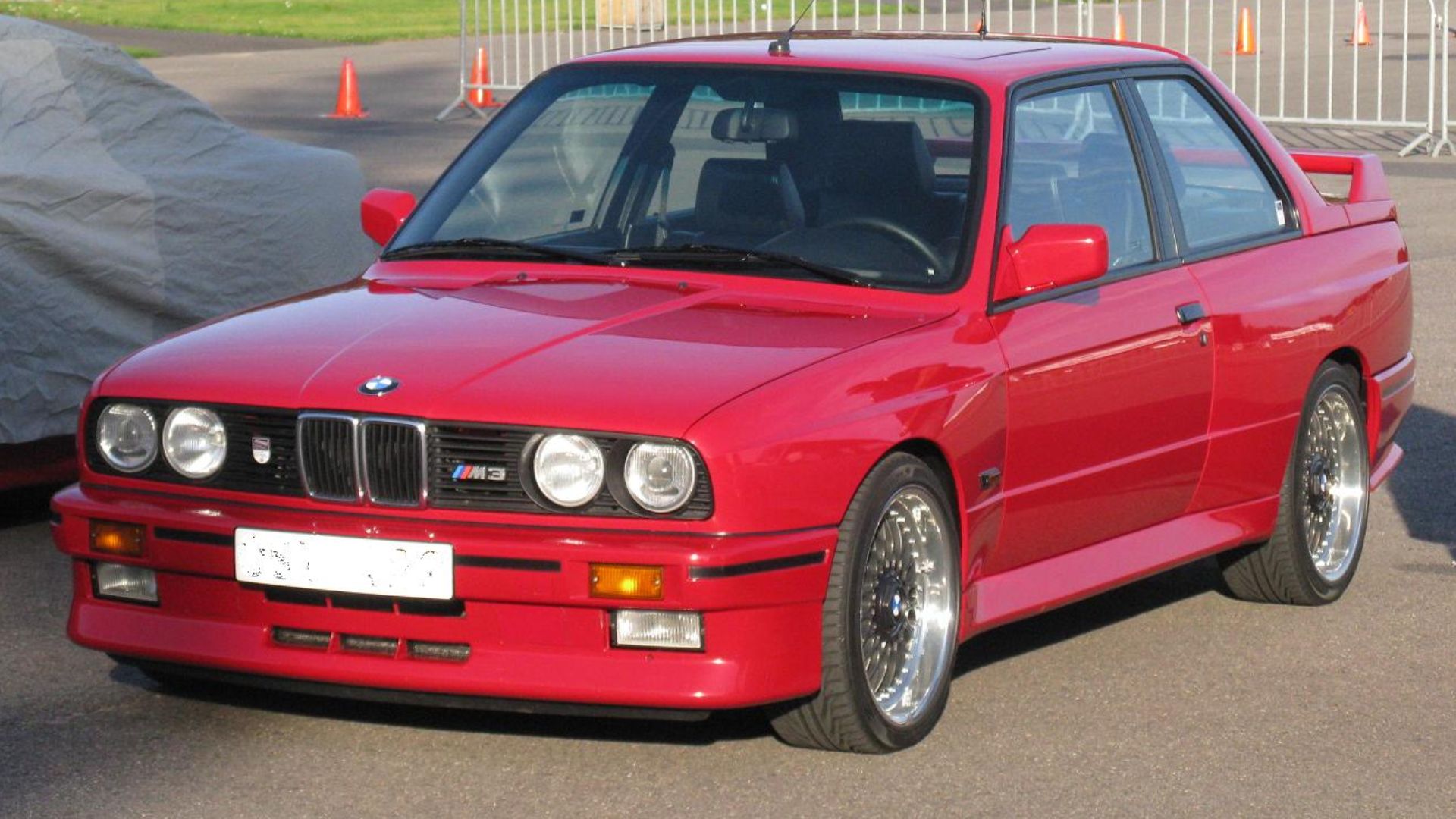
BMW E30 M3
Iconic? Absolutely. But when knowledgeable folks assemble “overrated” lists, the E30 M3 sometimes pops up—not because it’s bad, but because auction premiums and hype can overshadow how peaky and purposeful it feels on modern roads. Goodwood even called it out explicitly in a roundup of overrated classics.
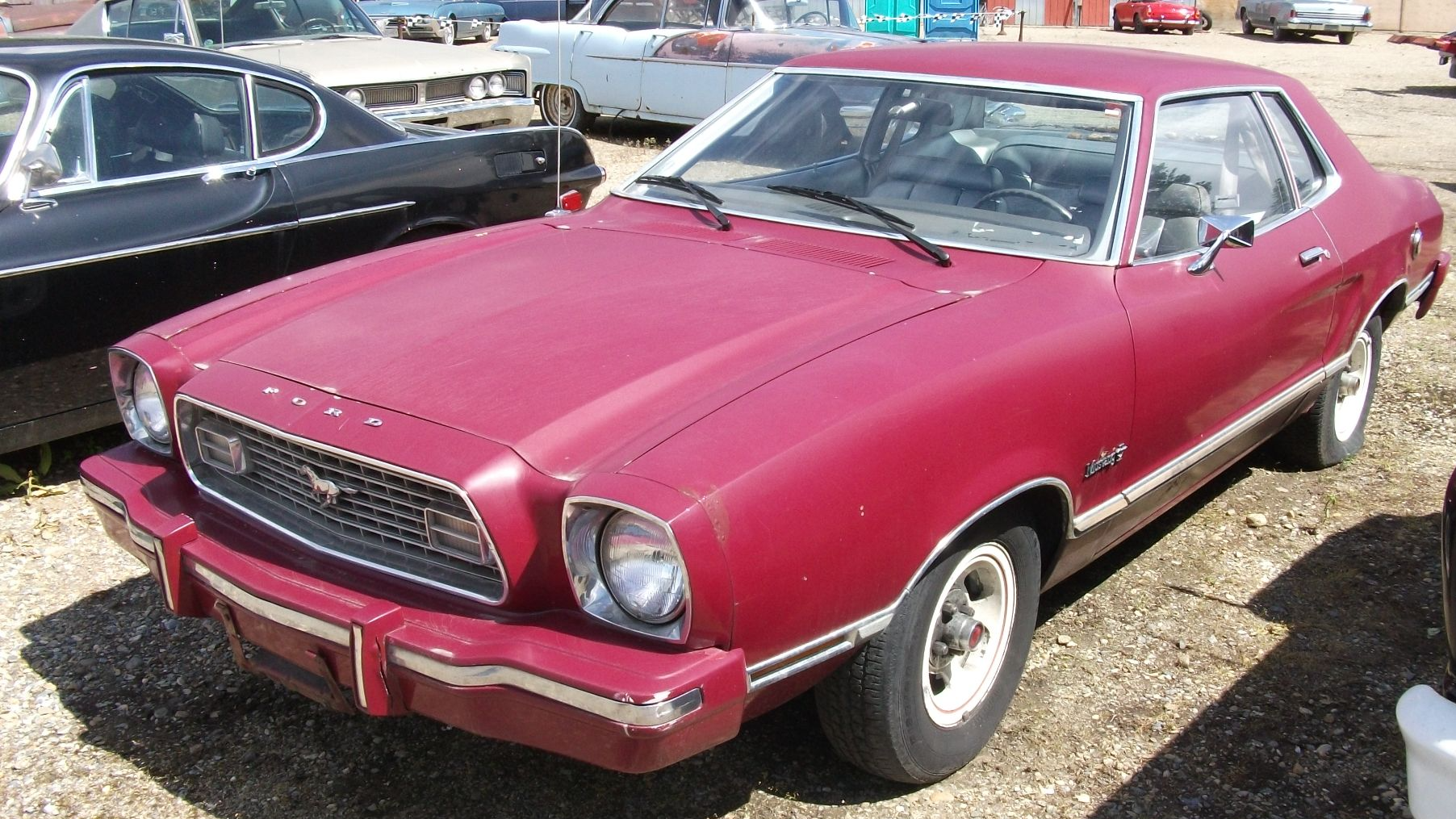
Ford Mustang II
The Mustang II deserves some credit for keeping Ford's iconic pony car alive during the challenging Malaise Era. But historical importance doesn't necessarily make for a great driving experience. With underwhelming performance, uninspiring handling, and styling that hasn't aged particularly well, this Mustang often struggles to live up to its legendary badge. Nostalgia certainly has its fans, but there's a reason collectors generally gravitate toward the Mustangs that came before and after it.
 dave_7 from Lethbridge, Canada, Wikimedia Commons
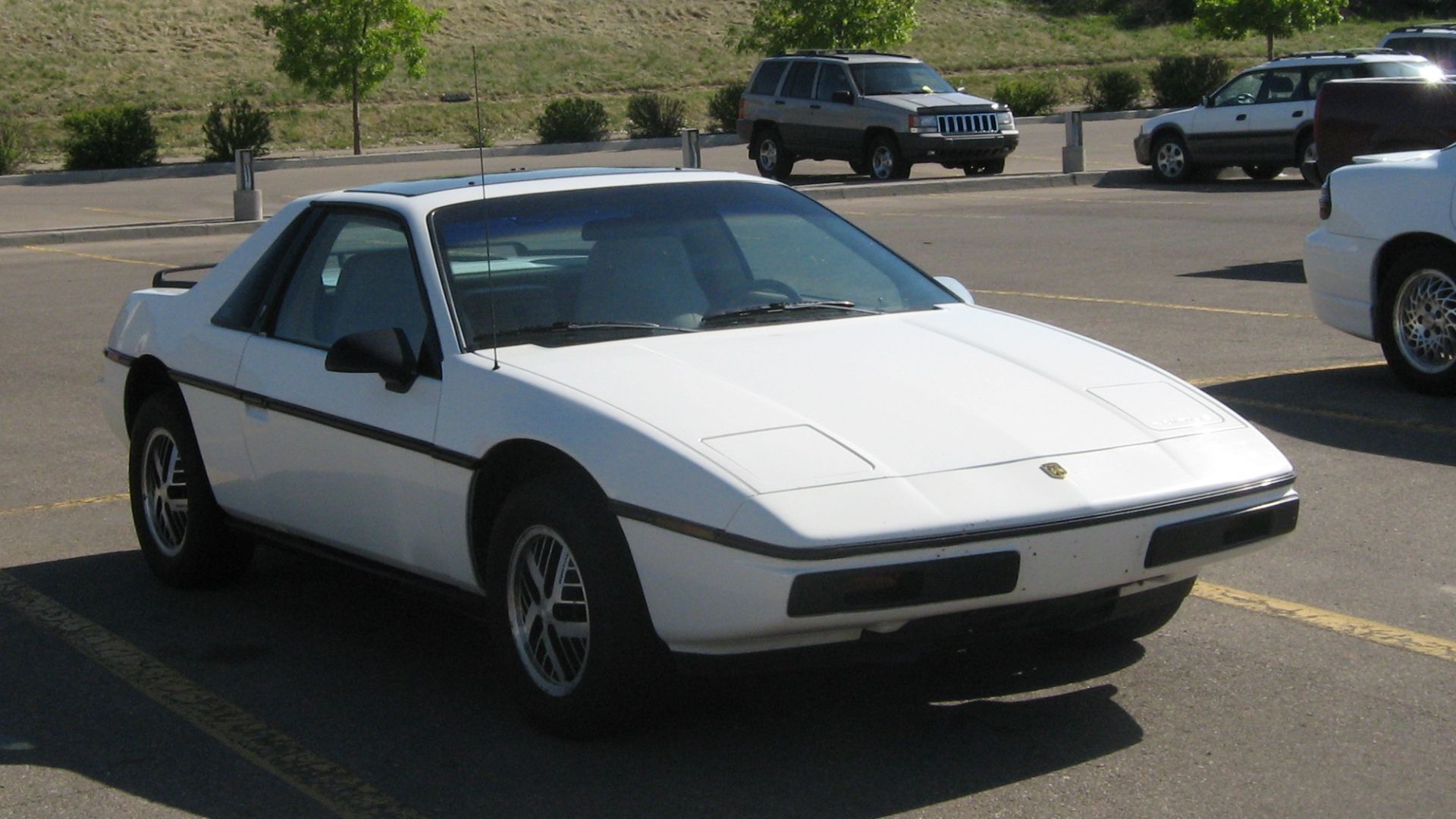
Pontiac Fiero (early years)
Later GTs are fun, but the first-wave cars earned the public-perception scar tissue—quality hiccups and the fire recall story stuck. Value guides and histories advise shopping the best-sorted late cars and budgeting for diligent maintenance, a far cry from the mid-engine exotic the brochure teased.
 dave_7 from Lethbridge, Canada, Wikimedia Commons
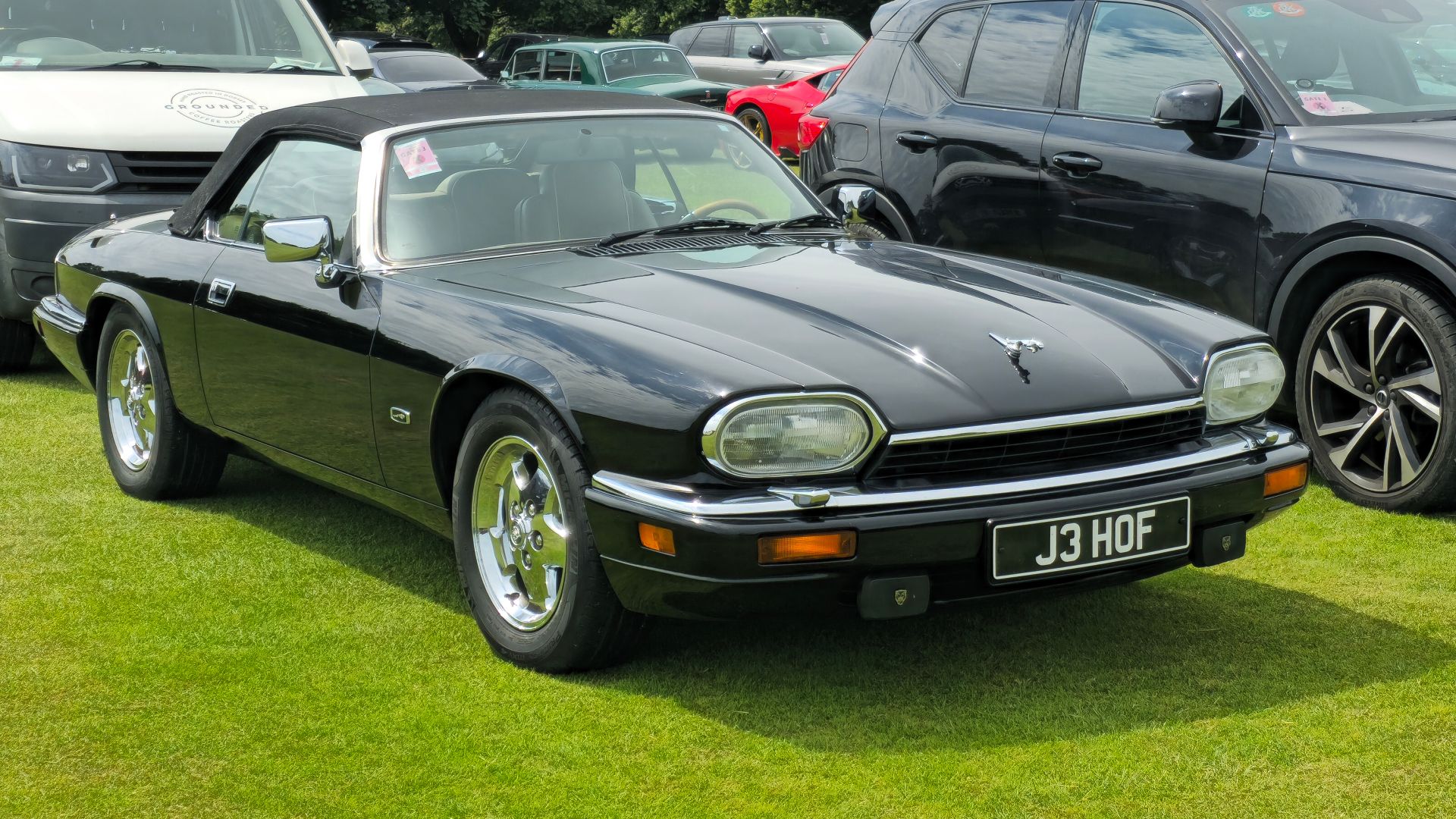
Jaguar XJ-S/XJS (V12)
Silky V-12, grand-touring comfort—and running costs that scared generations. Even fans concede that poor upkeep turns these into money pits. Buyer guides and market notes have, for years, urged pre-purchase inspections with a magnifying glass and a calculator.
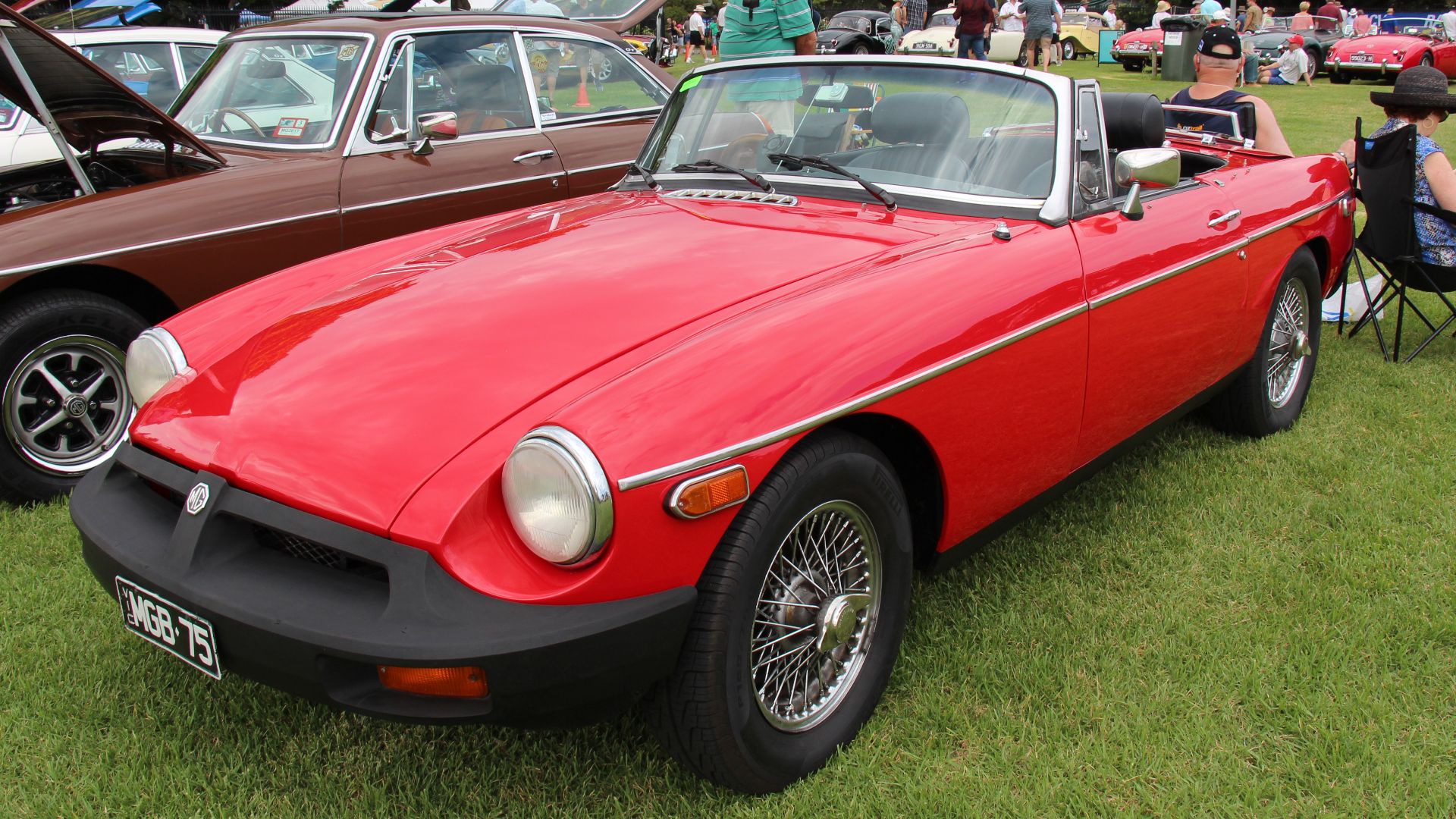
MGB (Rubber-Bumper Era)
We love an MGB, but collectors consistently value chrome-bumper cars more. Rubber-bumper Bs (1974½ onward) added weight and height; period handling suffered until owners lowered/sorted them. Hagerty and other guides reflect the value gap and the common “first mod” fixes these cars often need.
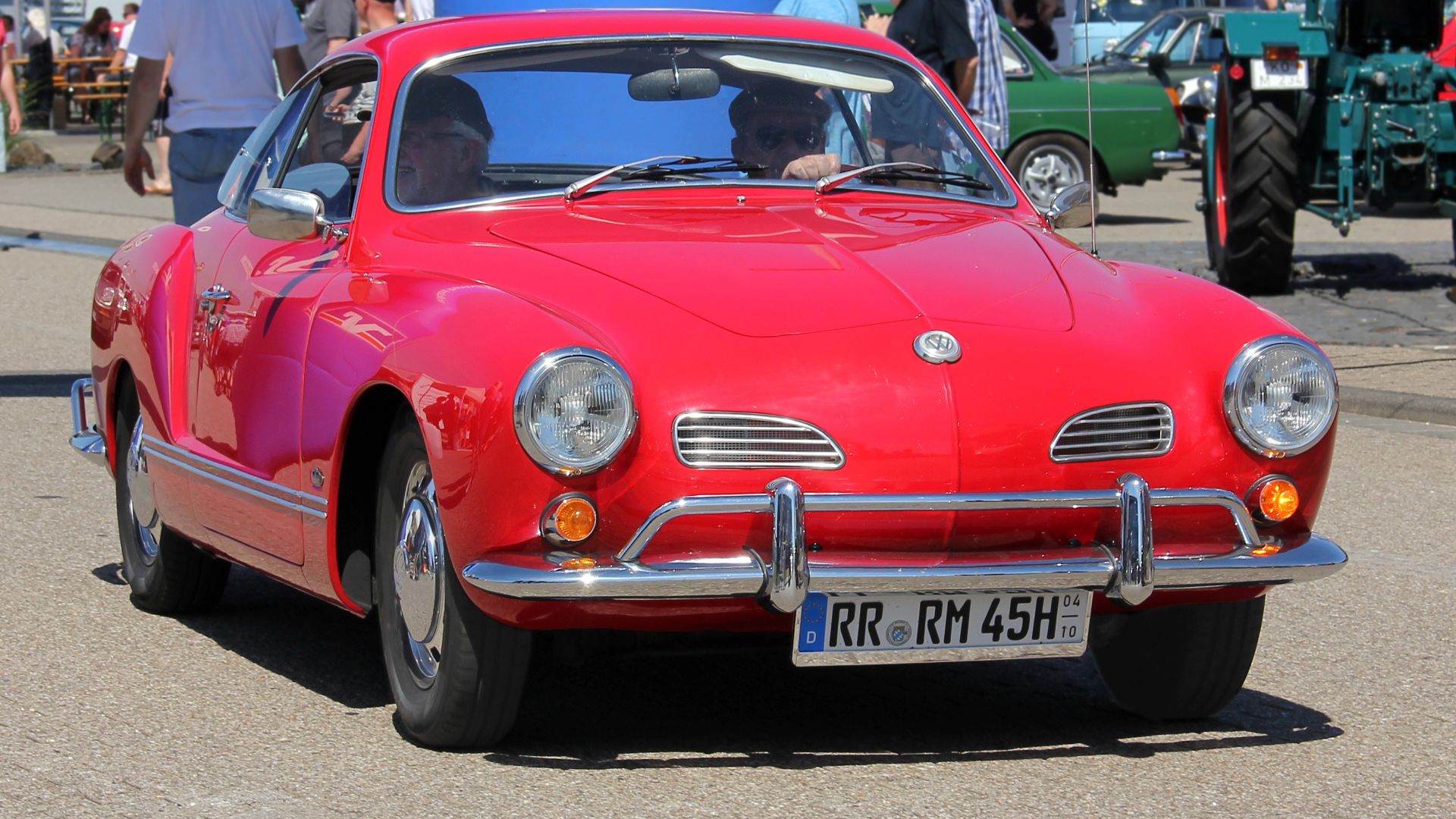
Volkswagen Karmann Ghia
One of the prettiest shapes of the ’50s–’60s—but many buyer guides remind shoppers that the go never matched the show. Expect Beetle-level pace and pay close attention to rust. Hagerty UK and Classics World spell this out plainly (and lovingly).
 Lothar Spurzem, Wikimedia Commons
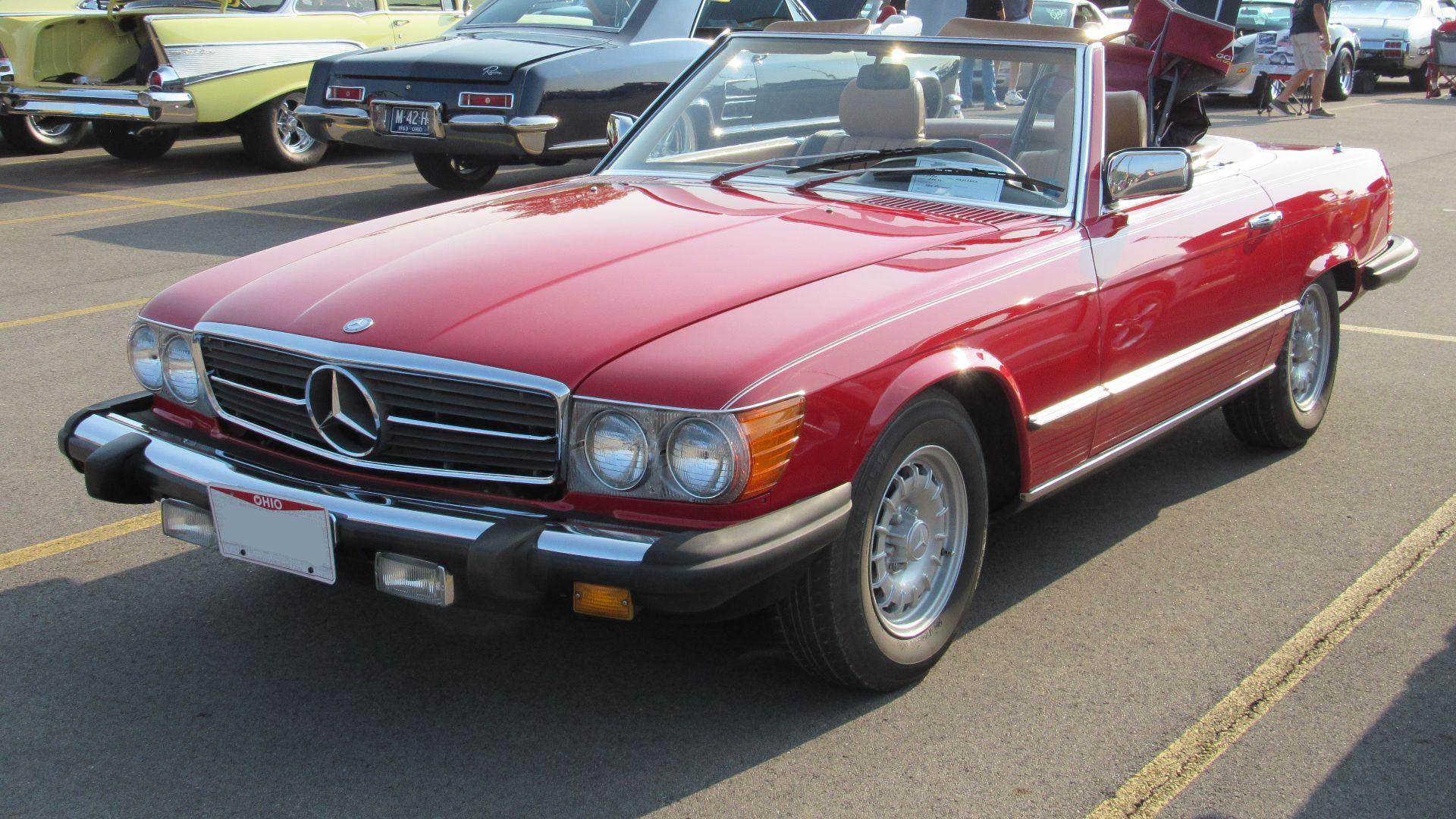
Mercedes-Benz 380SL (R107)
The R107 is status on wheels, but the U.S.-market 380SL’s early single-row timing chain woes and emissions-era performance keep some collectors cautious. Buyer-guide literature has long warned to verify chain updates/maintenance, or spend for the right example.
 Captainpisslord, Wikimedia Commons
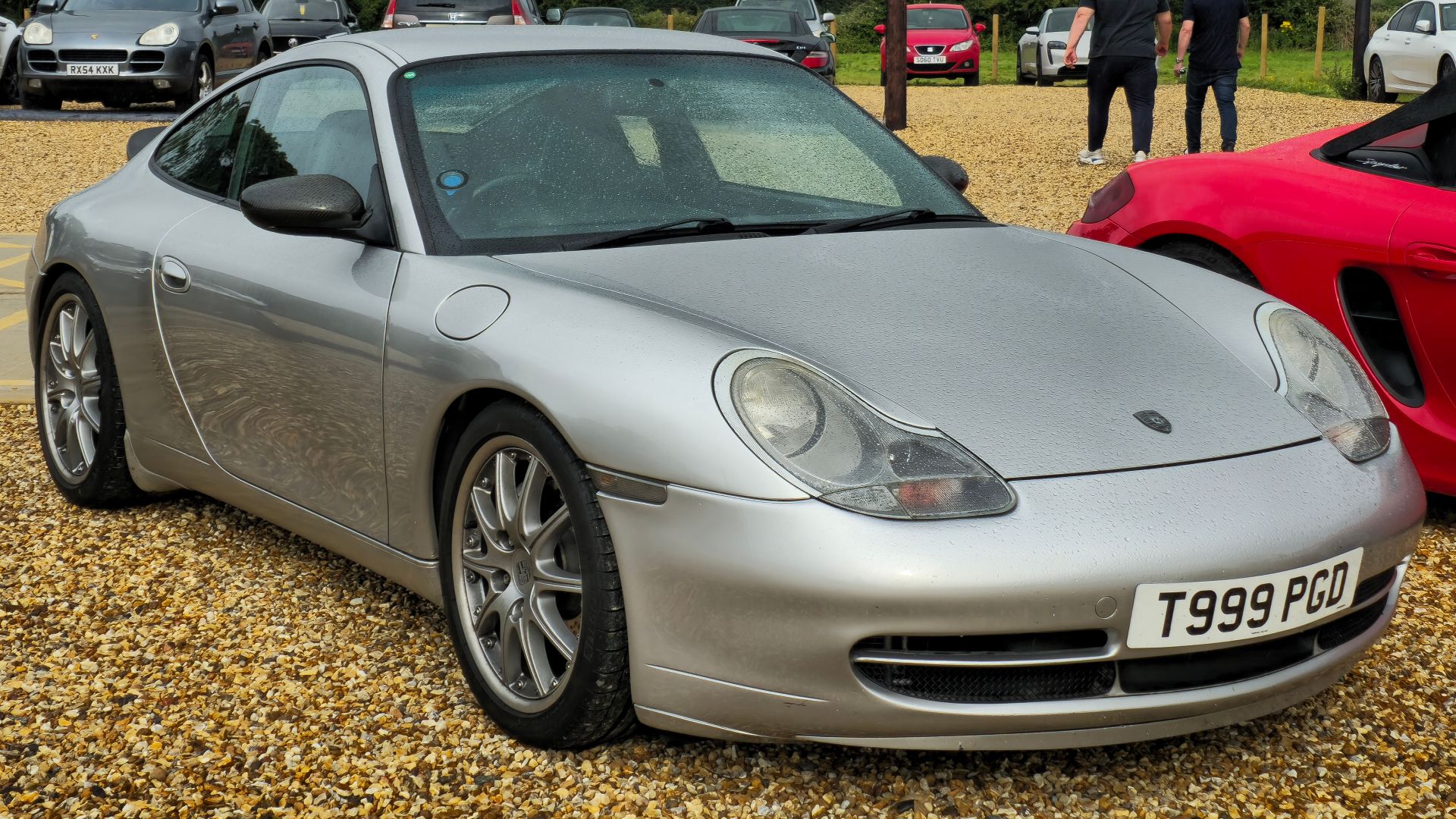
Porsche 911 (996)
A bargain 911… until the IMS bearing conversation starts. Plenty of enthusiasts drive 996s happily, but buyer’s guides universally hammer home the need for documentation/solutions for well-known engine weak points—reality checks that temper the “cheap supercar” narrative.
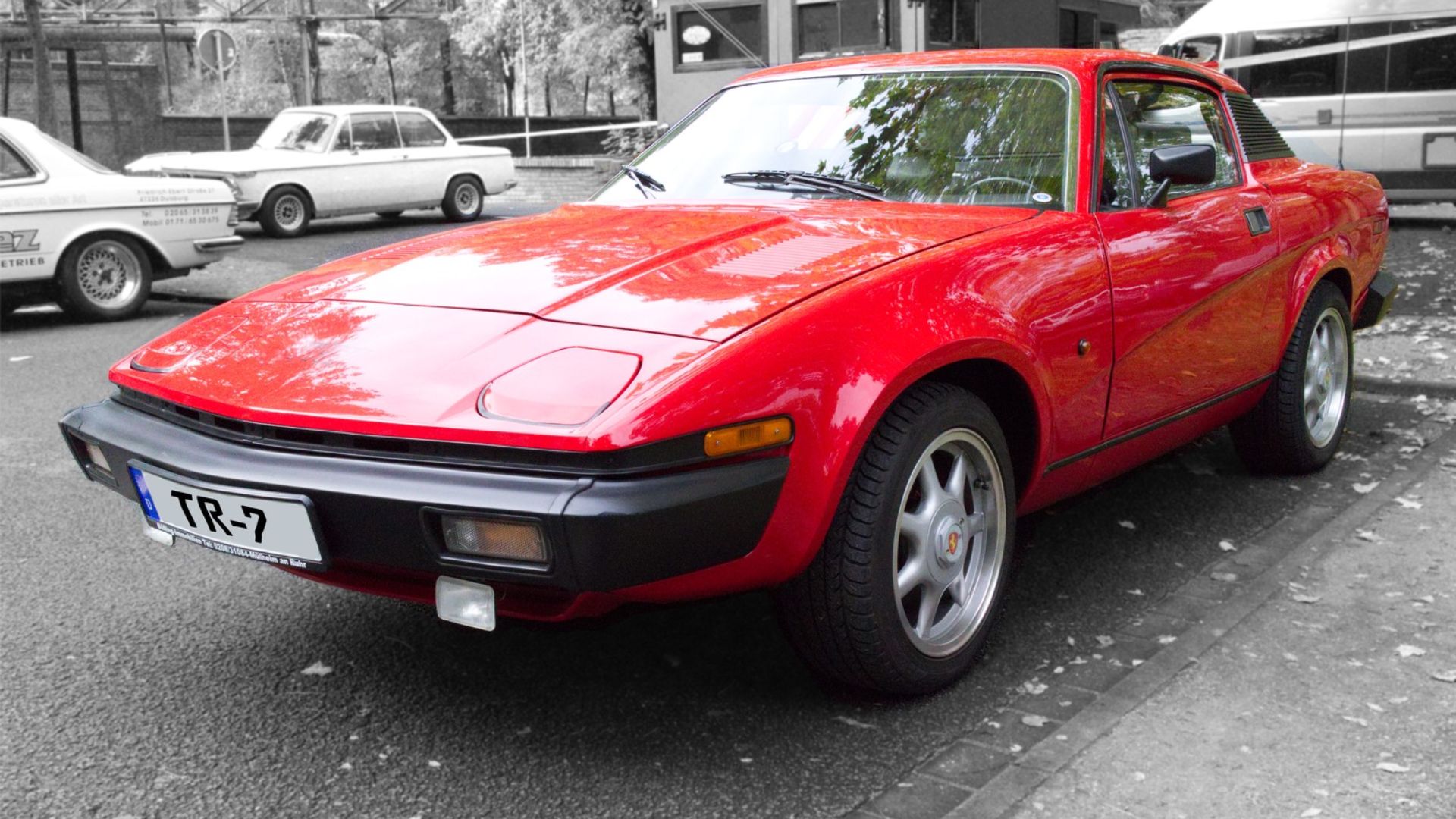
Triumph TR7
With its dramatic wedge-shaped styling, this classic certainly knows how to turn heads. Unfortunately, its reputation for questionable build quality has proven much harder to shake. Collectors may love the striking design, but experienced buyers know that owning one can be a frustrating adventure. That's why experts often recommend hunting down the best-preserved example possible or choosing a later, more refined version. After all, looking like a supercar and living with one are two very different things.
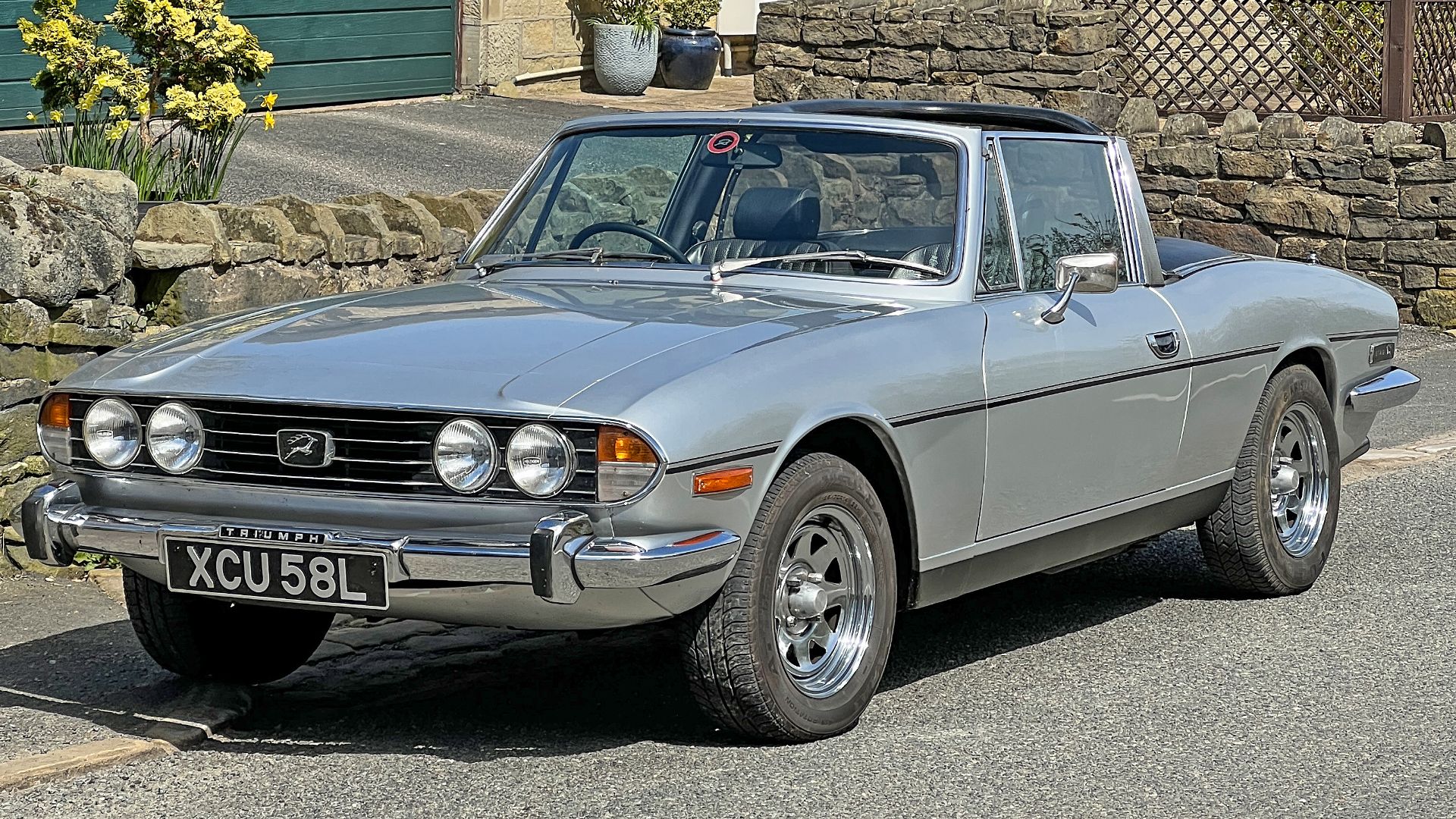
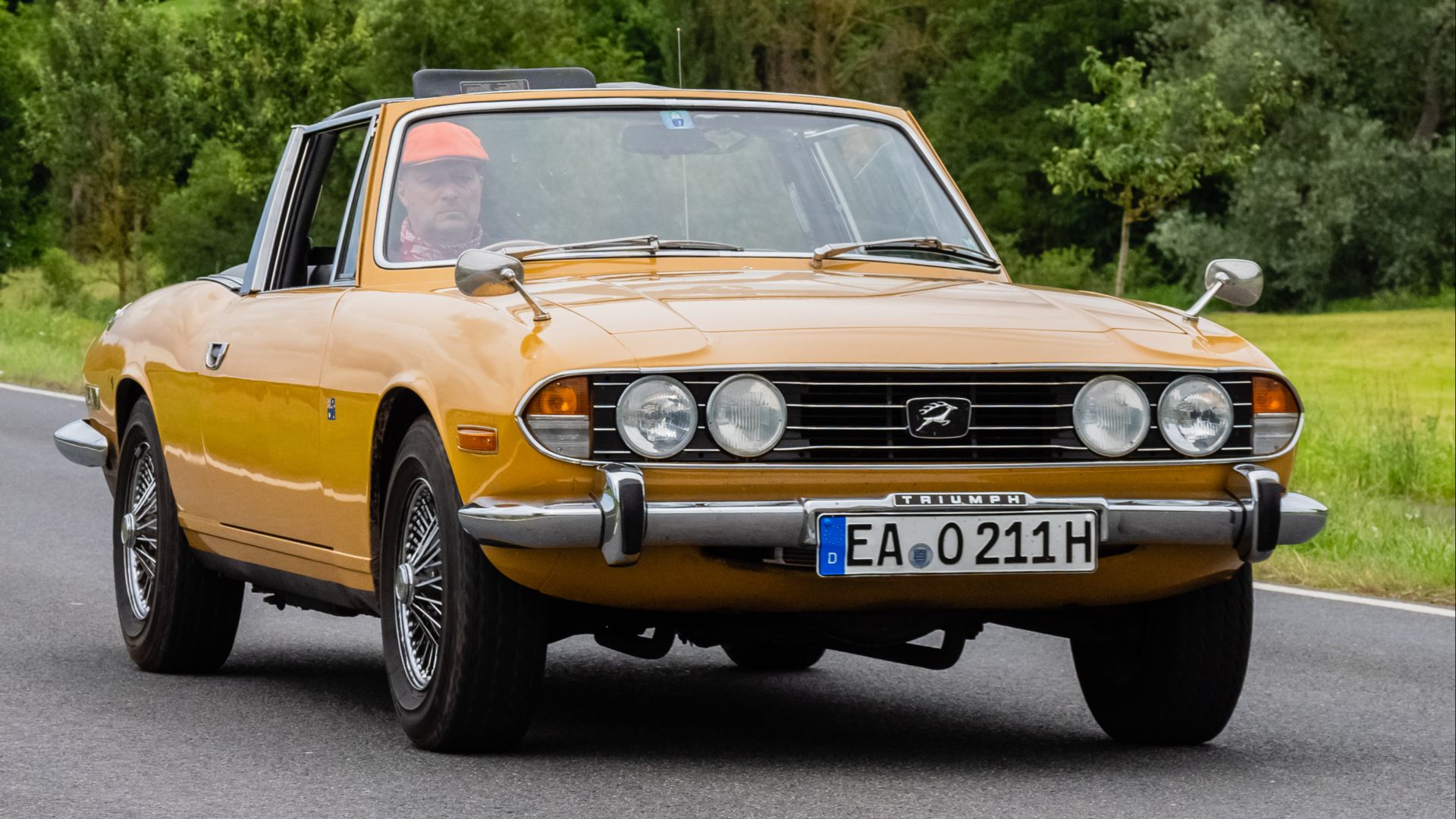
Triumph Stag
A glorious V-8 soundtrack with asterisks: cooling and timing-chain issues gave the Stag its reputation. Clubs and buyer guides have fixes—and a properly sorted car can be delightful—but the myth exists for reasons owners still discuss.
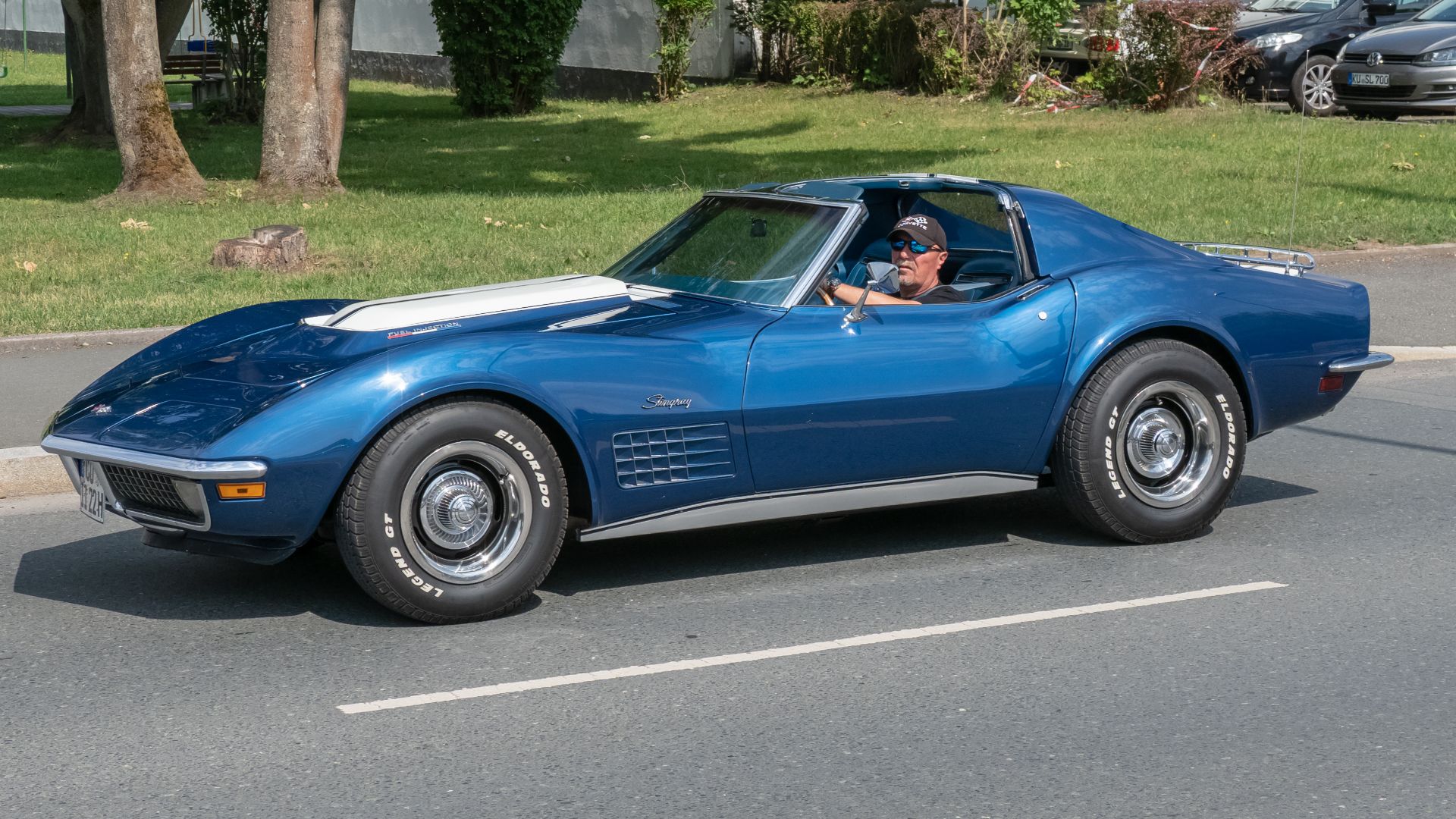
Chevrolet Corvette C3 (Late-’70s)
The looks promise speed the strangled emissions-era outputs can’t always deliver. Even Corvette specialists acknowledge the “all show, not much go” rap for base late-C3s unless you budget for upgrades. Hagerty has covered the generation’s image problem and values.
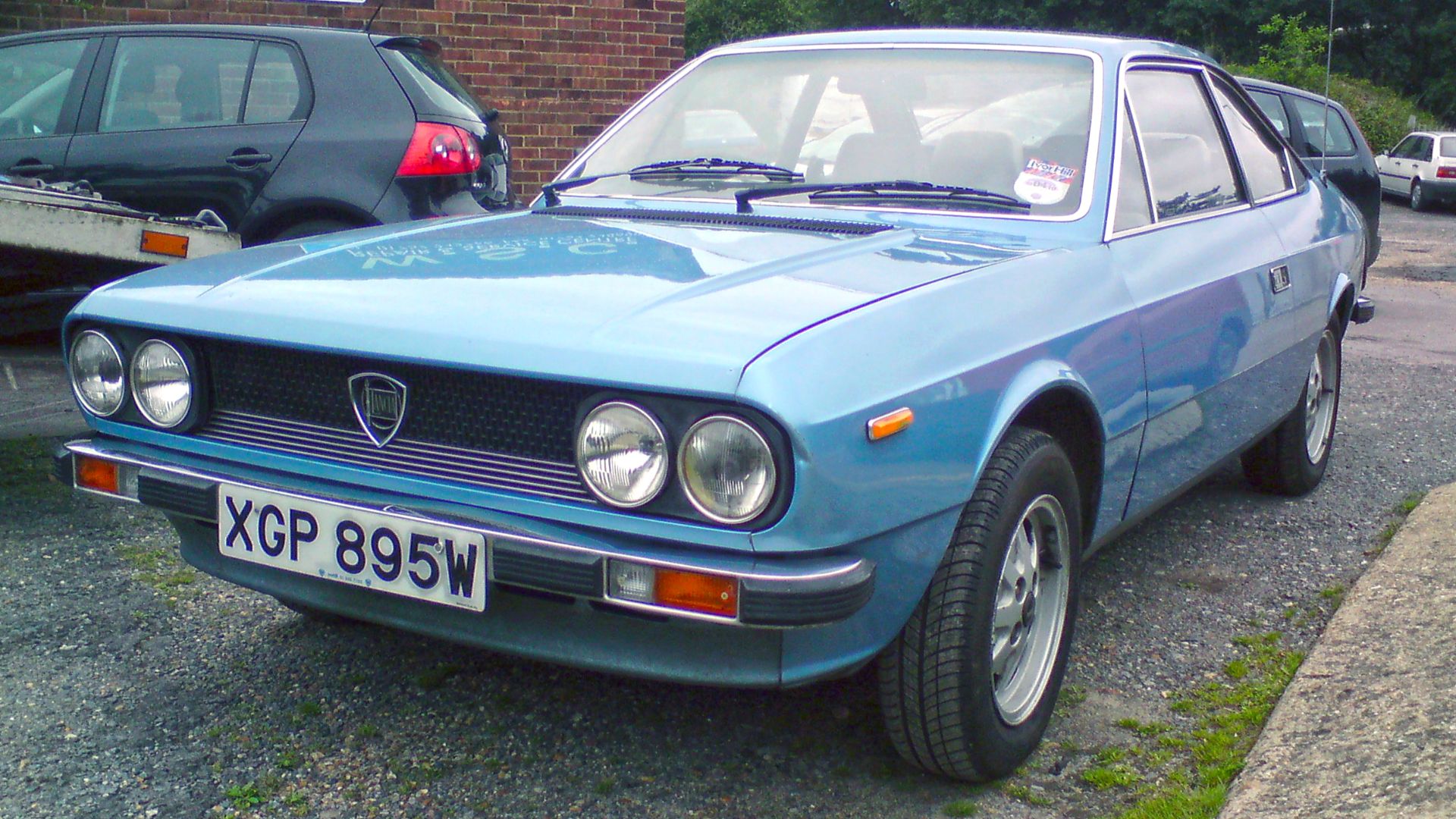
Lancia Beta
Ask any long-timer about “Beta” and you’ll hear “rust.” The model became a byword for corrosion, with UK buybacks becoming legend—collectors still approach with caution and a magnet. Documented histories detail the rot saga that kneecapped Lancia’s reputation.
 allen watkin from London, UK, Wikimedia Commons
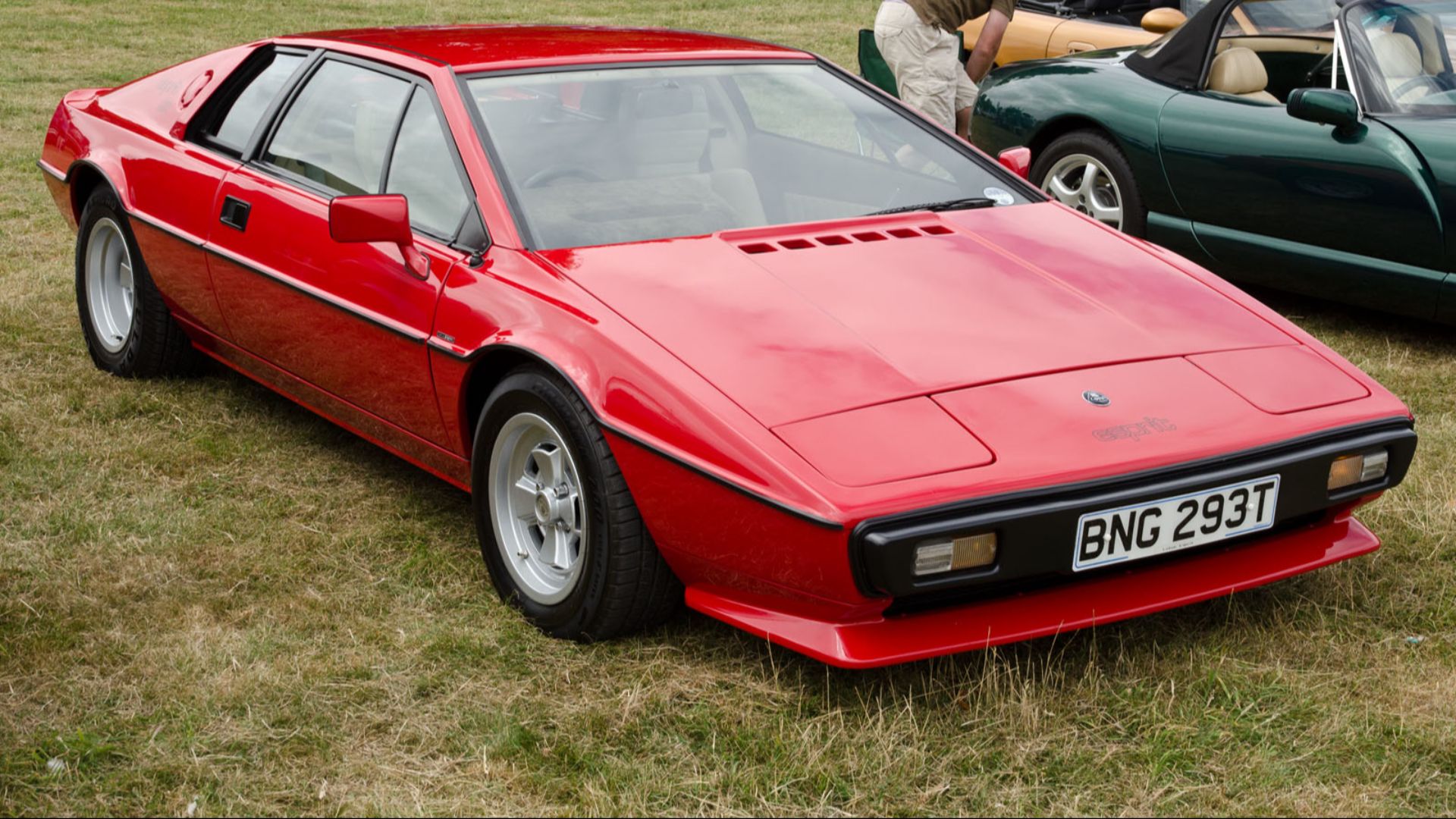
Lotus Esprit (Early Cars)
Bond made it famous; owners made it infamous—for fragility if neglected. Classic buyer guides stress chassis and sealing issues on early S1/S2 cars and the need for meticulous maintenance on all. Even dedicated Lotus owners joke about the “Lots Of Trouble, Usually Serious” acronym for a reason.
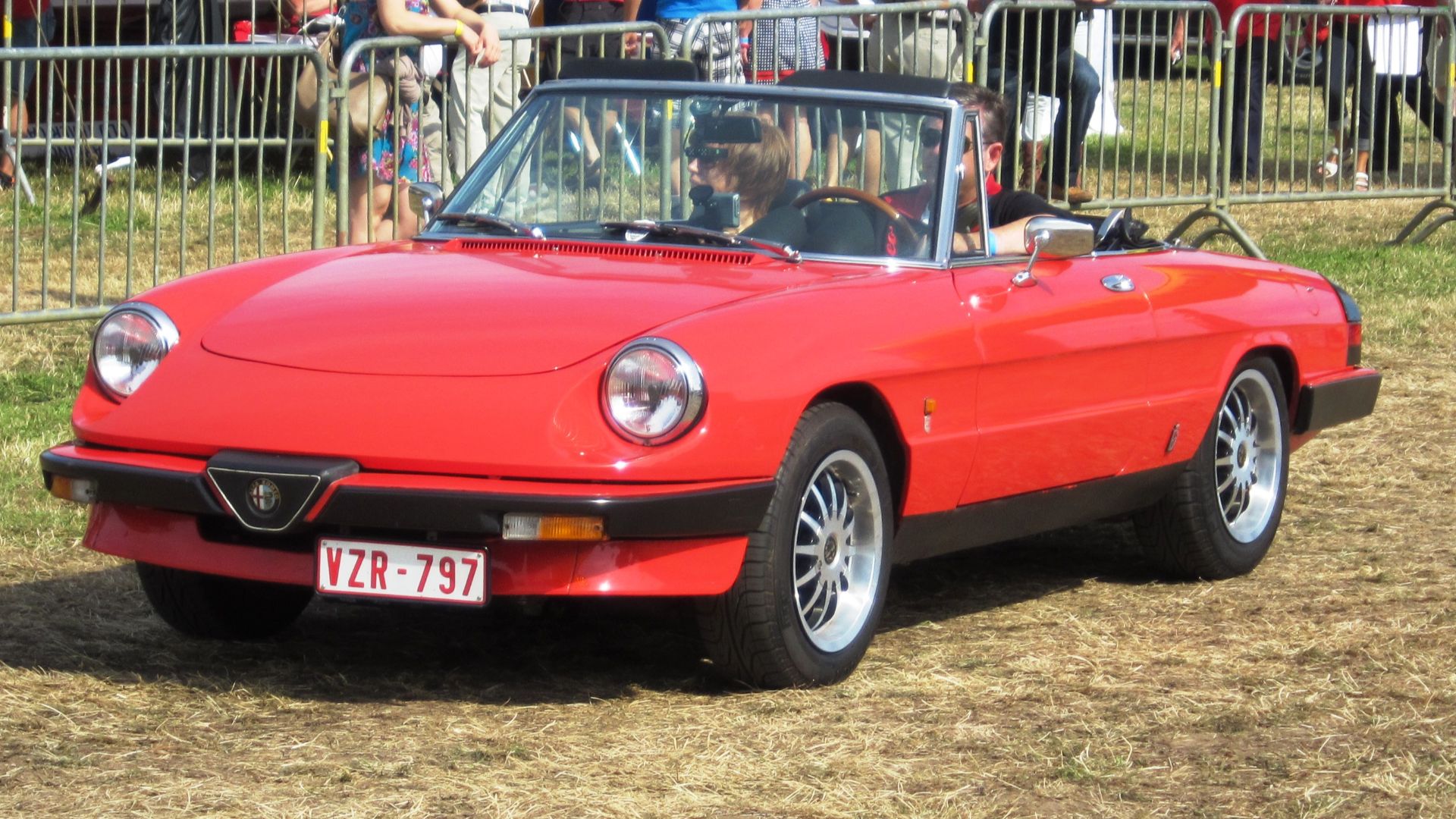
Alfa Romeo Spider (Series 3)
Iconic silhouette, but S3 cars are typically the least-coveted Spiders in price guides, and buyer resources flag leaks, rust, and deferred maintenance. Romantic? Very. Over-romanticized relative to the ownership experience? Sometimes.
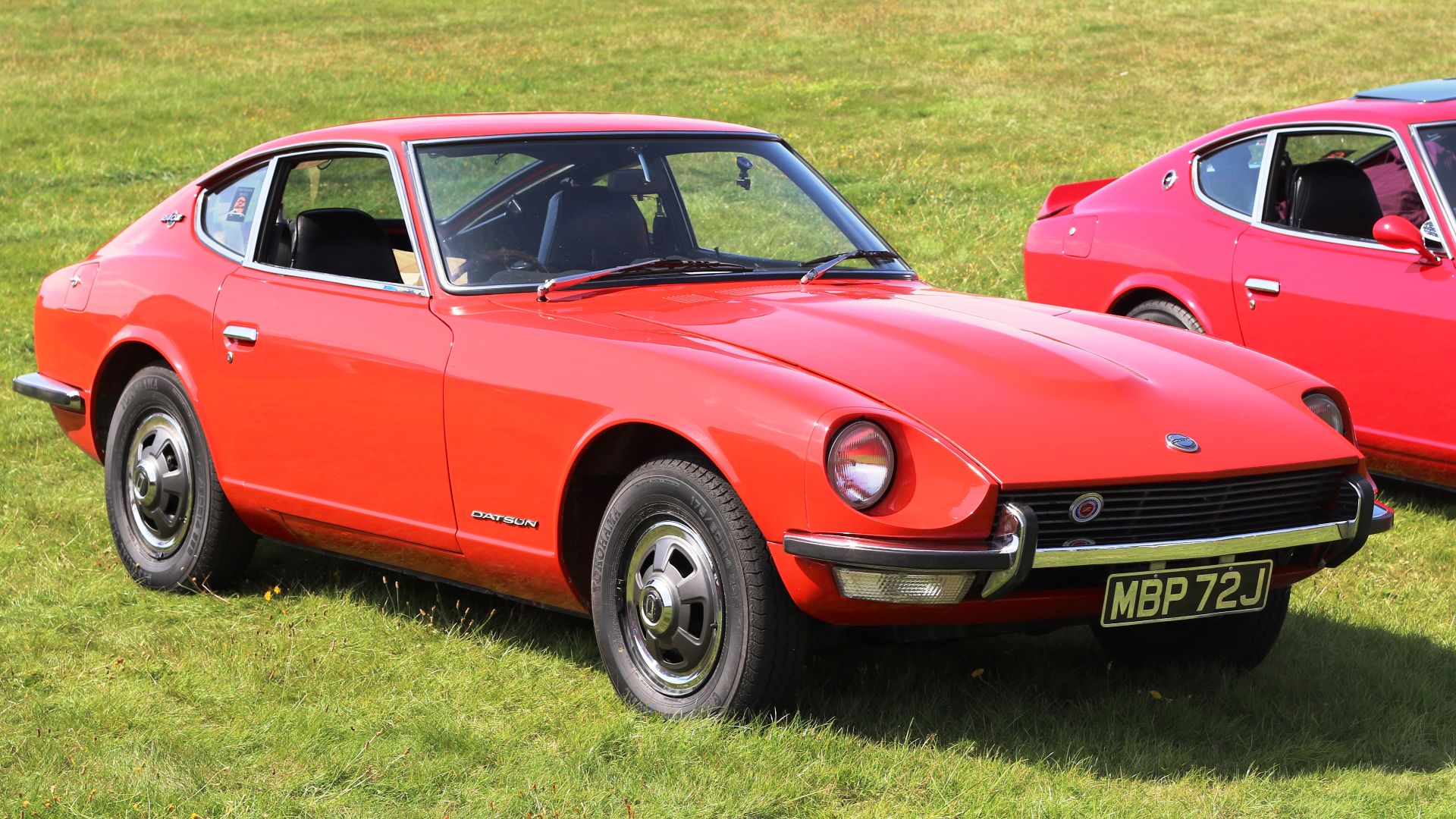
Datsun 240Z
A landmark classic that’s also been subject to frothy results—while rust remains the eternal Z-car villain. Experts and buyer guides urge careful rust inspection and realistic pricing amid market cycles.
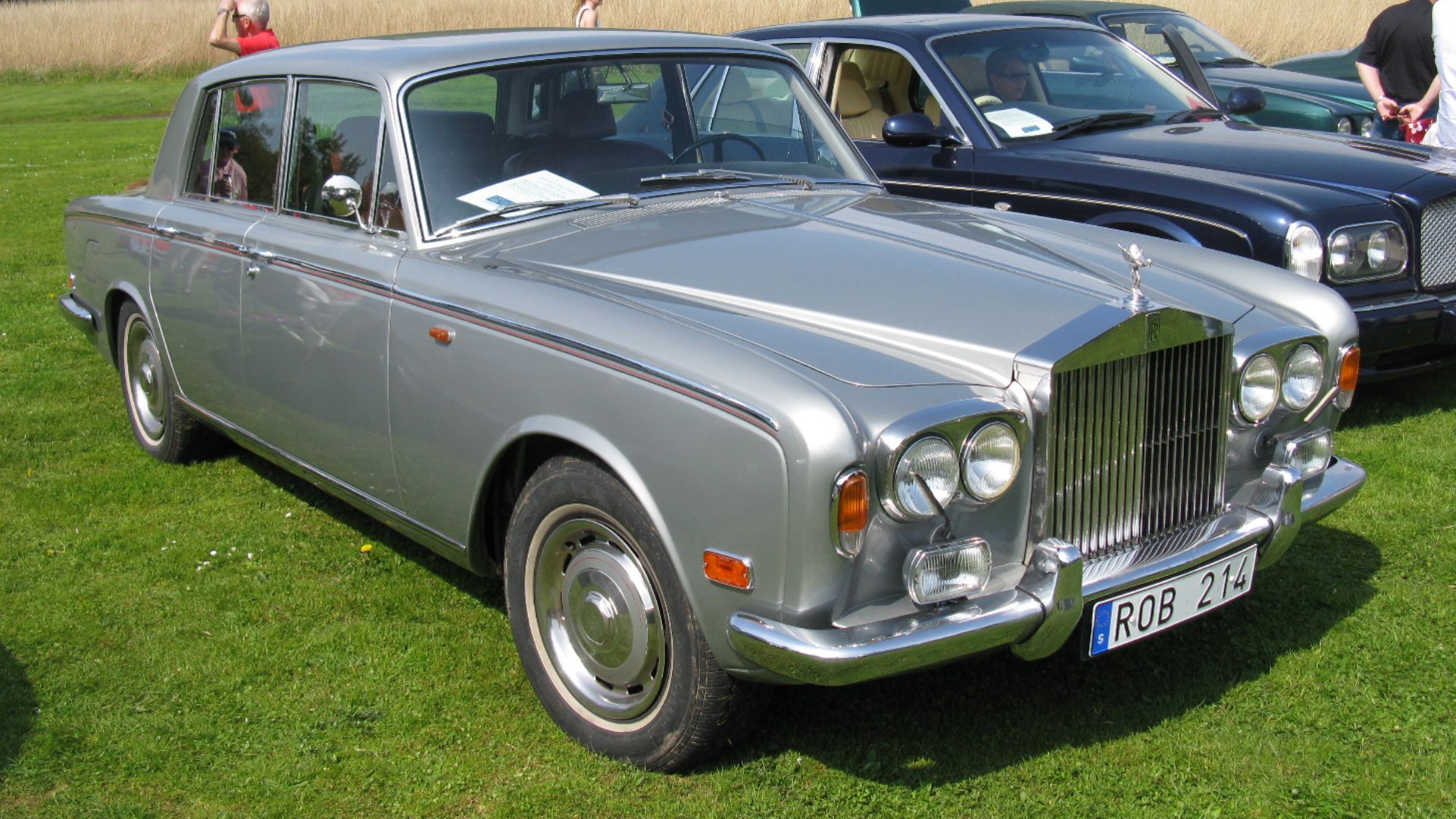
Rolls-Royce Silver Shadow
The affordable price tag might make this classic Maserati seem like the bargain of a lifetime, but don't let those tempting numbers fool you. Its Citroën-derived hydraulic systems, complicated brakes, and self-leveling technology can turn routine maintenance into an expensive headache. Even experienced enthusiasts warn that keeping one running properly requires specialized knowledge and plenty of patience. The purchase price might be surprisingly low, but the ownership bills can be anything but.
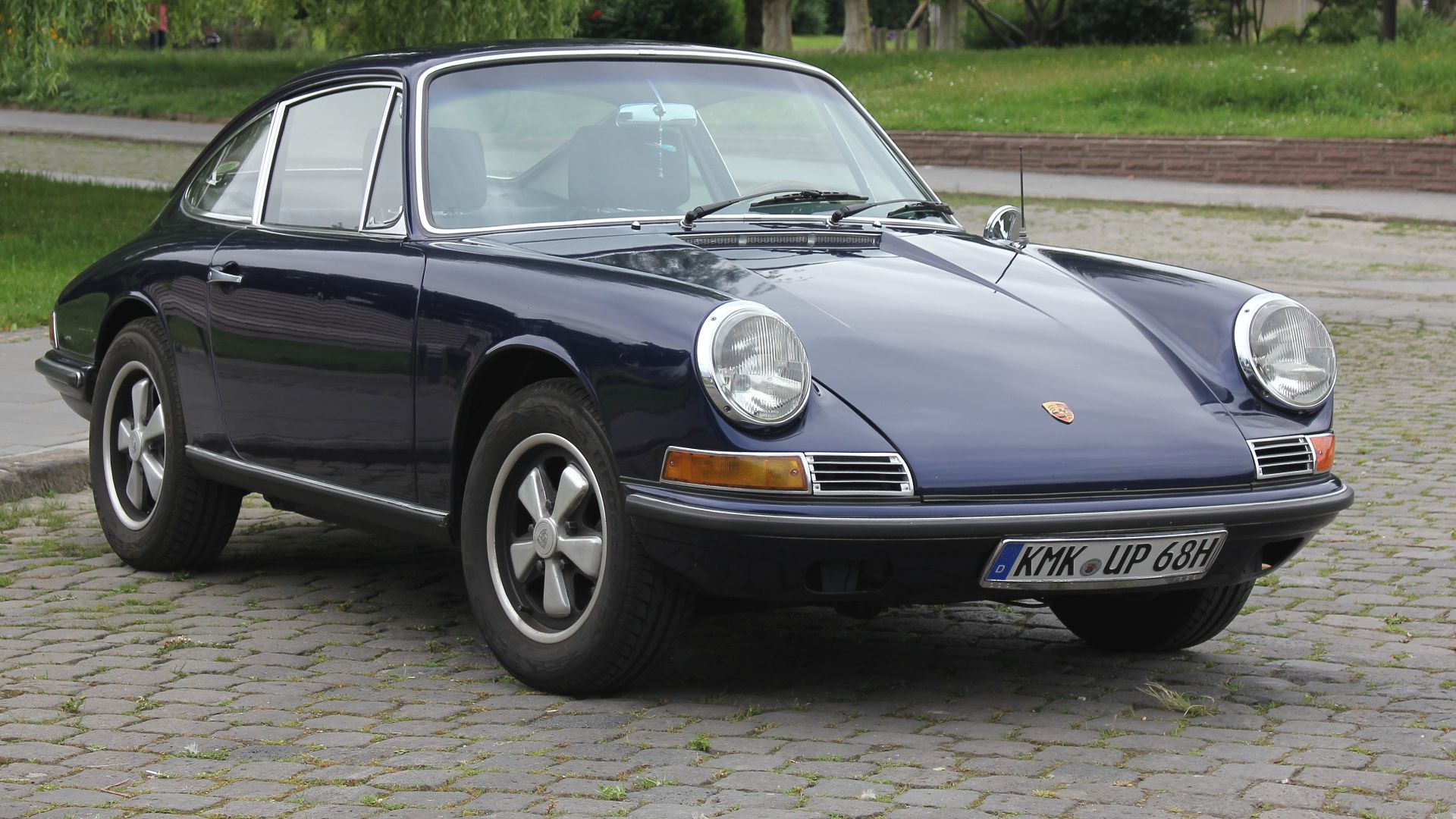
Porsche 912
Looks like a 911, goes like a 90-hp four-cylinder. Many enthusiasts adore its balance, but the “poor man’s 911” tag persists—and when values run hot, seasoned buyers ask whether they’re paying six-cylinder money for four-cylinder pace. Hagerty and Honest John address the identity debate directly.
 Lothar Spurzem, Wikimedia Commons
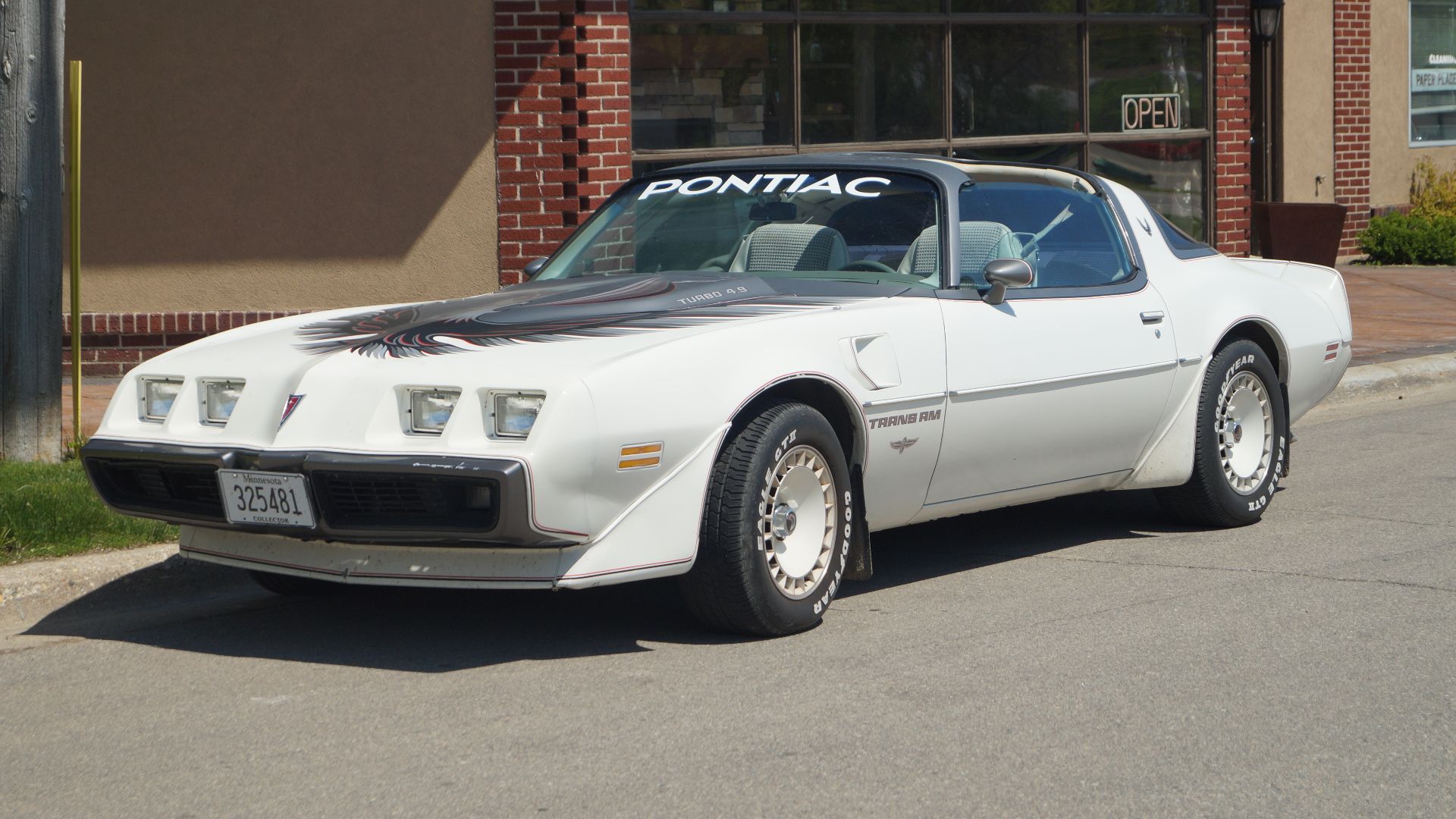
Pontiac Trans Am (Turbo 4.9, 1980–81)
Iconic graphics can conceal emissions-era reality. Period road tests and collector commentary often call out heat-soak fragility and modest real-world pace from the turbo V-8—worth remembering before you pay Bandit-tax premiums.
 Greg Gjerdingen from Willmar, USA, Wikimedia Commons
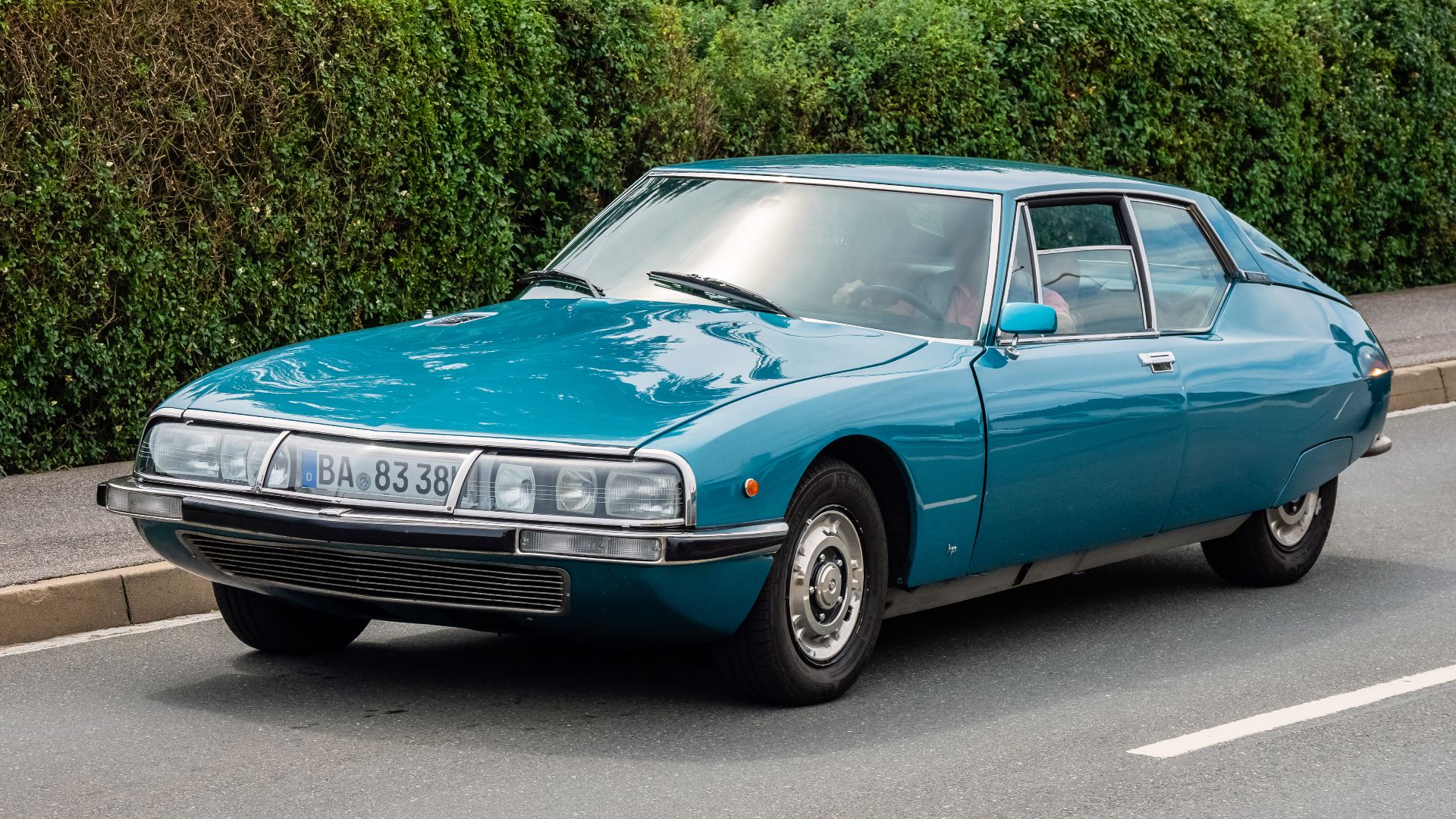
Citroën SM
Utterly magical to drive when perfect; equally capable of draining wallets when not. Buyer resources harp on the Maserati V-6 maintenance and the hydropneumatic system’s complexity—rewarding for the right owner, overrated for casual collectors.
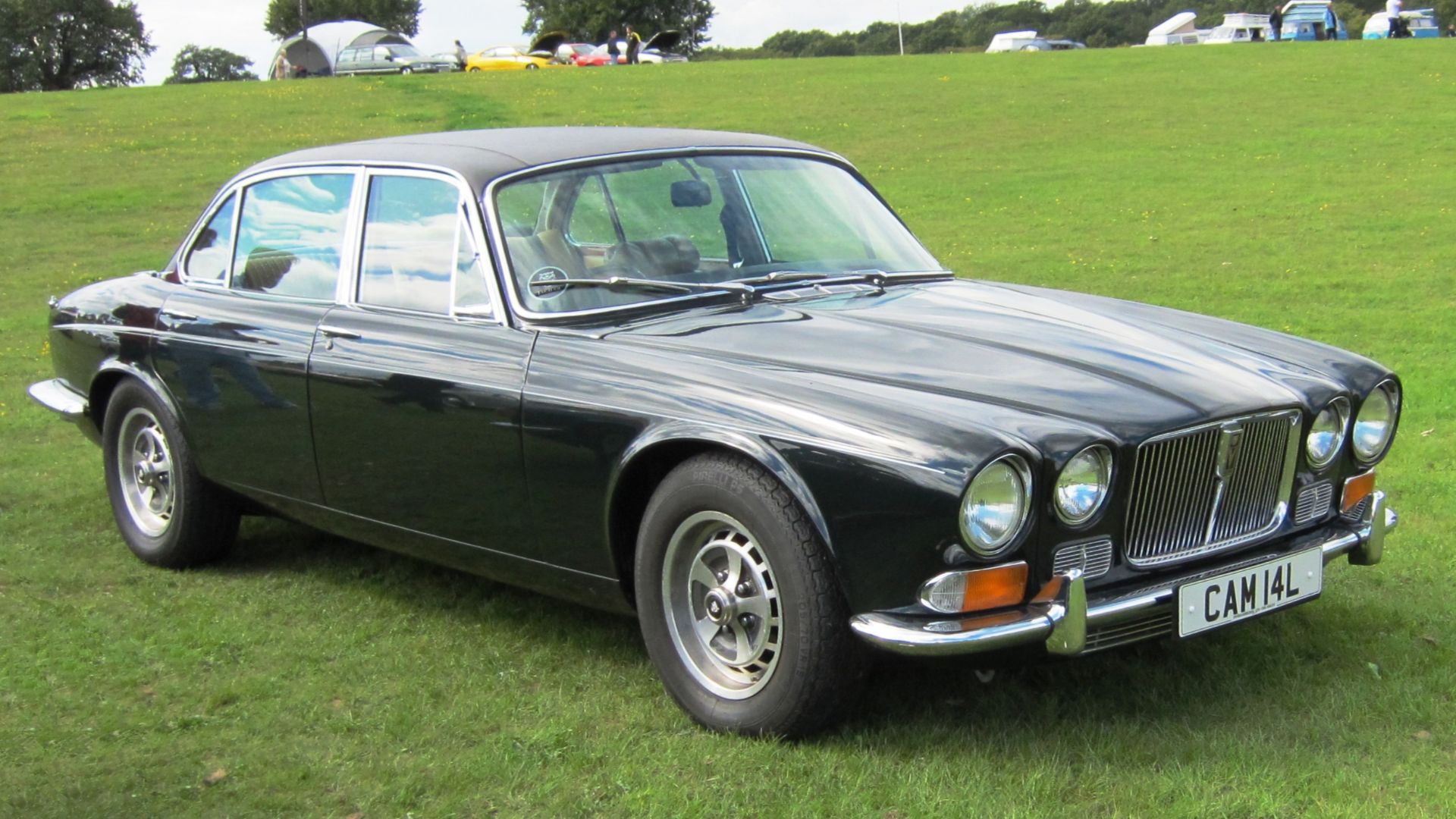
Jaguar XJ12/XJ Series III
A sublime cruiser… that rewards only the most meticulous prior ownership. Veteran buyers warn that deferred maintenance on the V-12 or the car’s many systems can turn a “cheap classic Jag” into a multi-year project. The market’s chronic undervaluation reflects those realities.
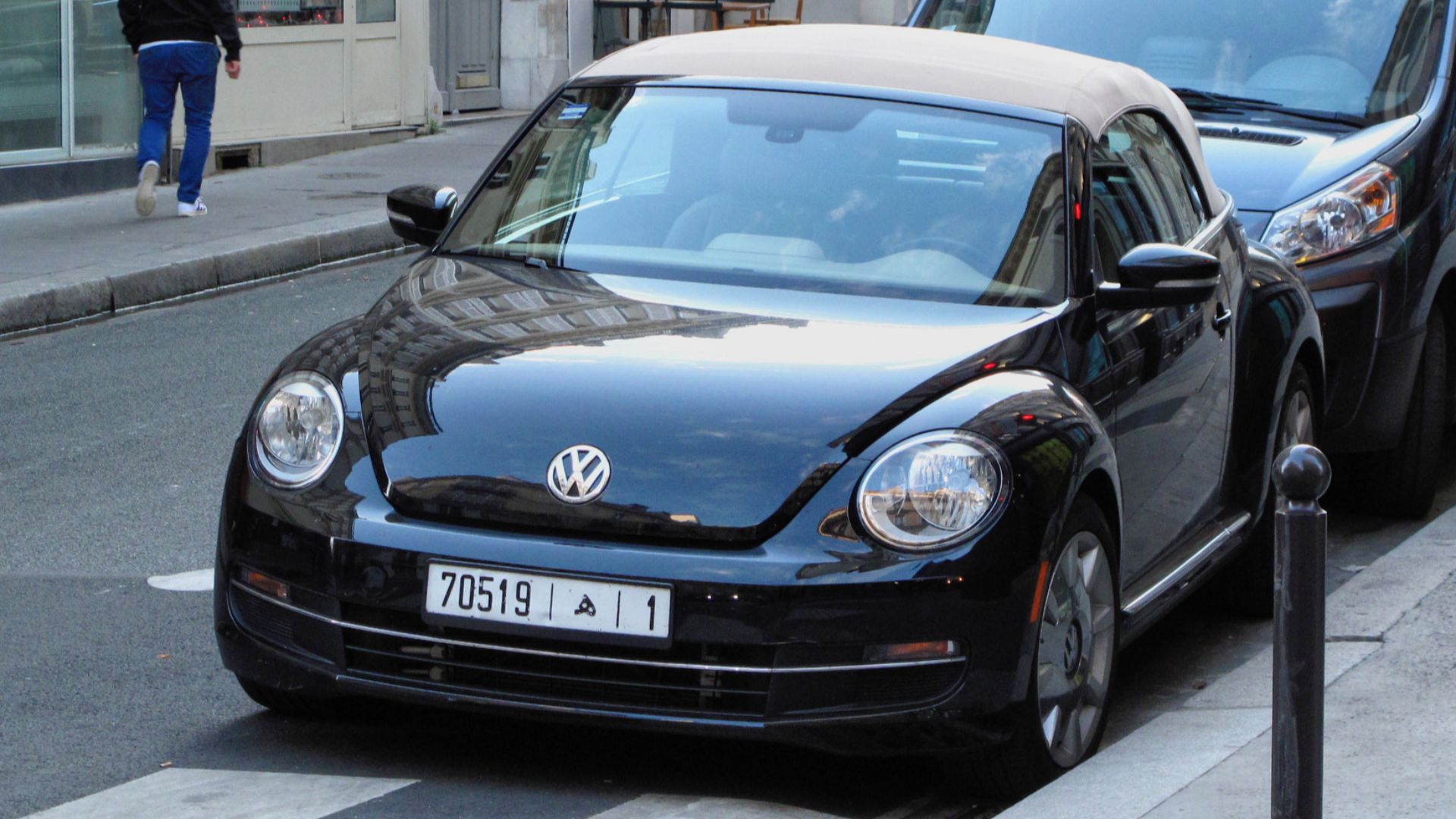
Volkswagen Beetle (Late U.S. Cars)
Universally charming—but when late, emissions-era U.S. Beetles start trading for near-sports-car money, savvy collectors point out you’re buying charm and culture, not speed or sophistication. Buyer guides consistently emphasize modest performance and the need to inspect for rust, heater-channel repairs, and quality of restorations.
 Rutger van der Maar, Wikimedia Commons
Would You Drive Any Of These "Classics"?
Overrated doesn’t mean “bad.” It means “know what you’re actually getting.” Many of these cars have passionate owners who’ve cured common flaws and adore the result. But the experts and long-time collectors quoted above keep repeating the same advice: buy the best example you can, read the buyer’s guides, and budget for the boring stuff (cooling systems, timing chains, hydraulics) before you budget for stripes and spoilers. That way, when the hype machine meets the open road, you’ll still be smiling.
You May Also Like:
JFK's Custom Lincoln: The Car That Made History
Larry Ellison's Garage Is A Billionaire's Playground