These Names Used To Mean A Full Tank
You probably remember the family car, the road trips, and Dad refusing to stop for directions. But what about the name above the gas pumps? These brands served American drivers during the 1960s. But do any of them ring a bell? Do you remember at least 5 of them?
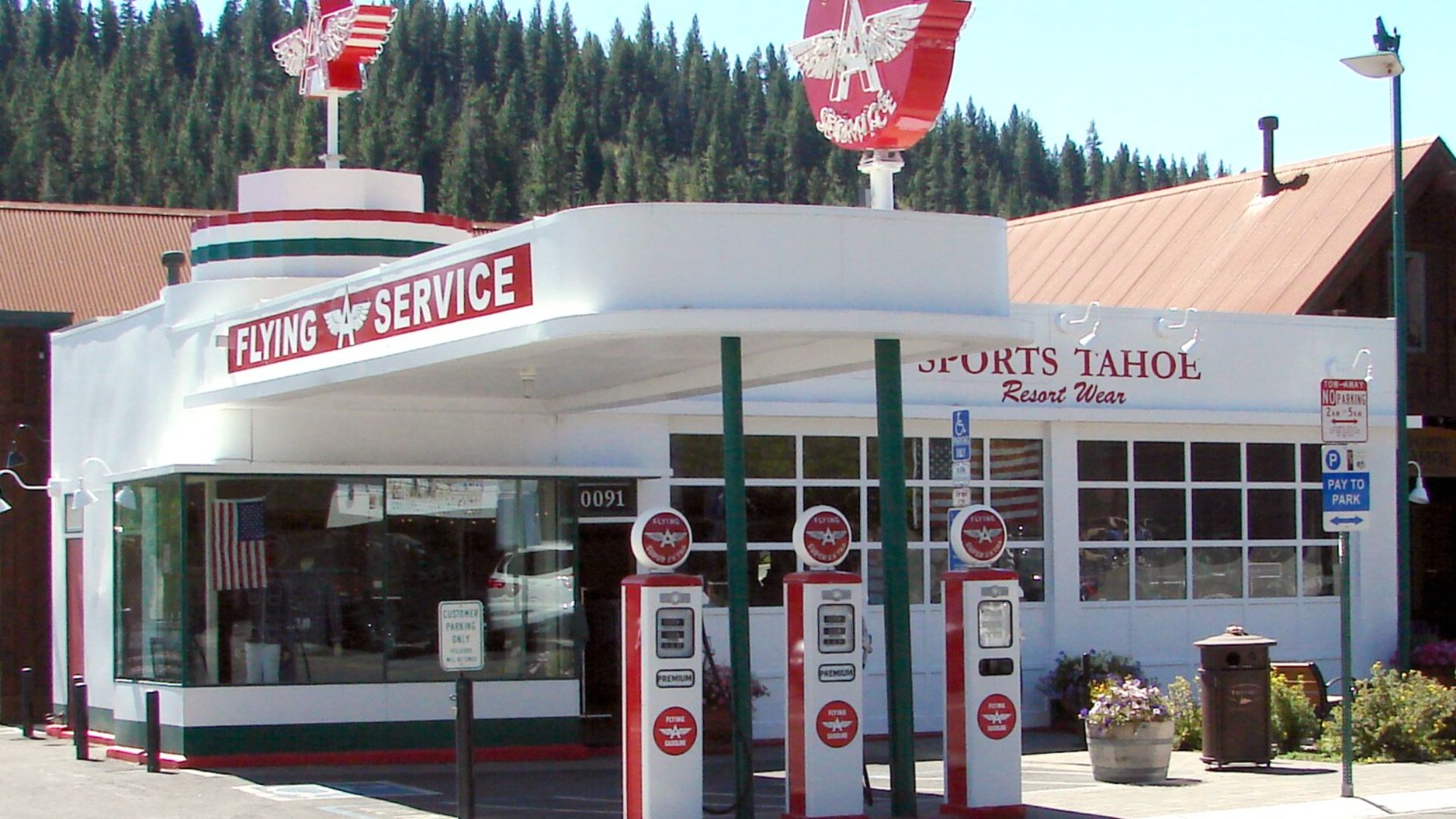
Flying A
That winged “A” once welcomed drivers on both sides of the country. But this familiar gasoline brand had two different exits: Western stations went to Phillips in 1966, while eastern locations became Getty in 1970. Depending on where you lived, you watched a different name take its place.
 inkknife_2000 (7.5 million views +), Wikimedia Commons
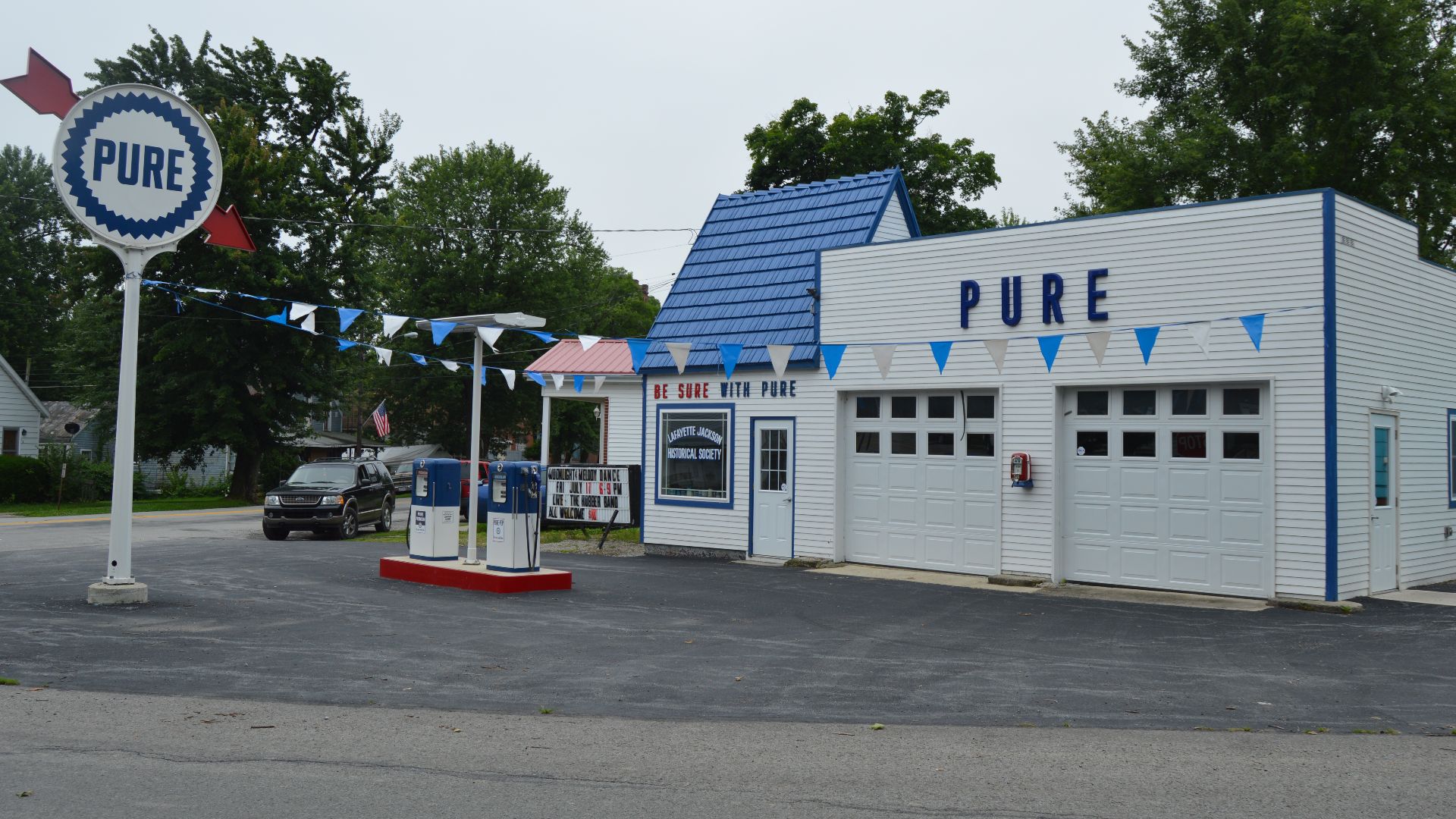
Pure Oil
Those little stations with white walls and steep blue roofs weren’t somebody’s house with gas pumps outside. Pure Oil made cottage architecture part of its identity. Union Oil bought the company in 1965, leading to Union 76 conversions. The Pure name later returned through independent marketers.
Red Head
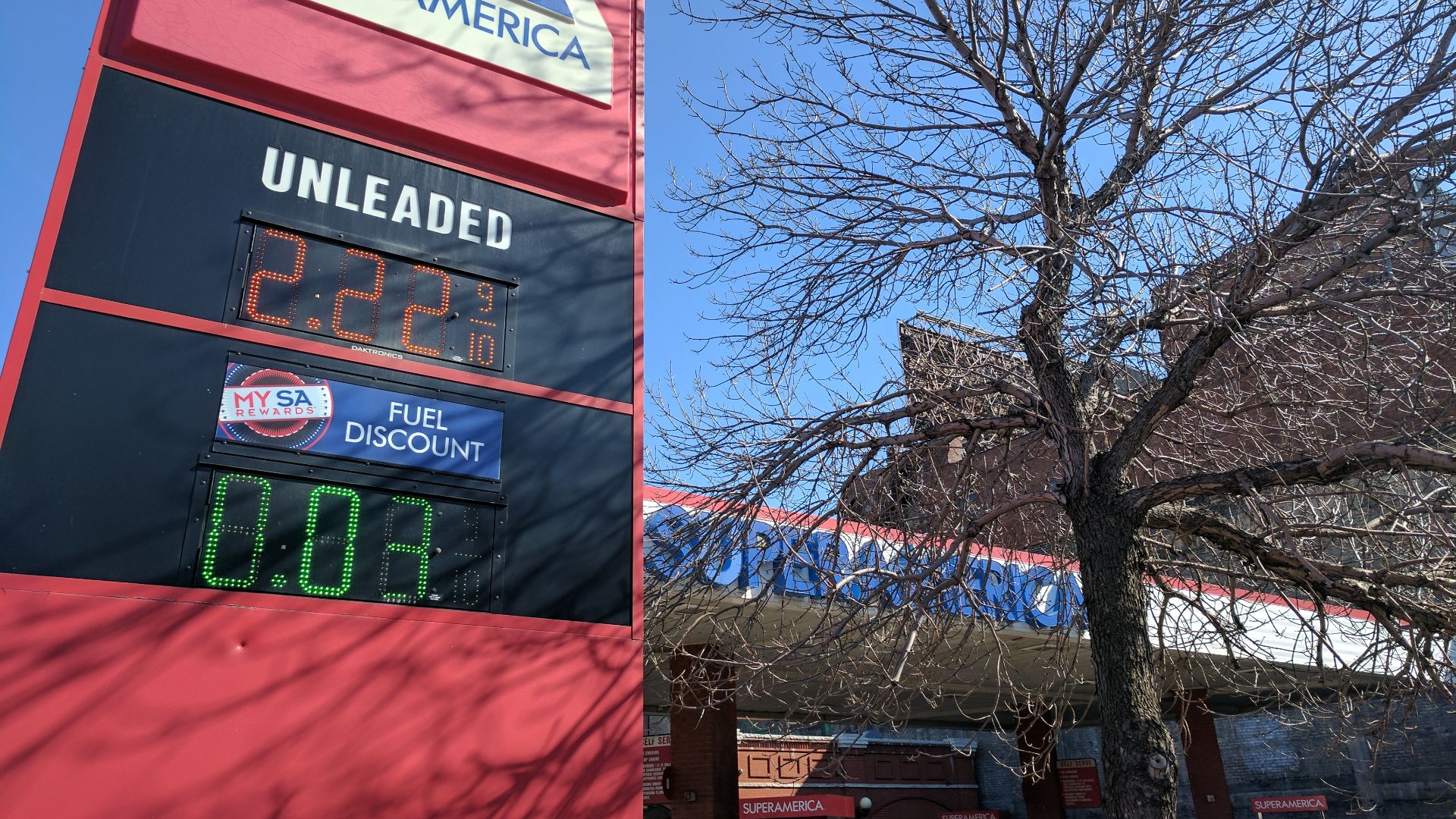
No, this wasn’t a hair salon accidentally included on the list. Ohio-based Red Head sold gasoline in Ohio, Pennsylvania, and West Virginia, with its name appearing on 1960s road maps. Ashland bought the operation in the early 1970s, and most stations became Superamerica.
Richfield
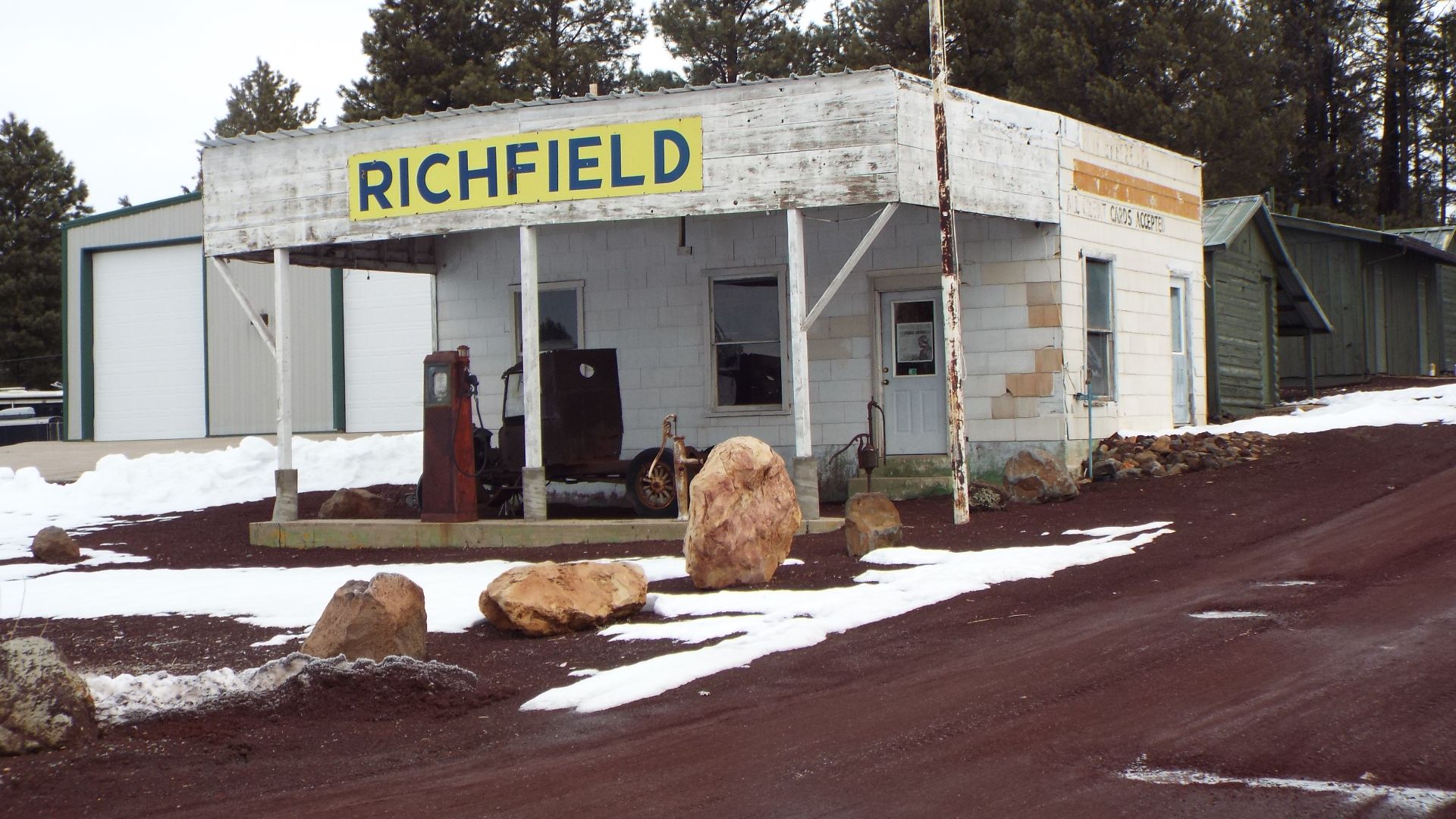
Richfield sponsored Disneyland’s Autopia from 1955 to 1970, so some children encountered the brand before they could legally drive. Out on the real roads, it was a major western gasoline name. Its 1966 merger with Atlantic created Atlantic Richfield—the company behind the shorter ARCO name.
 Marine 69-71, Wikimedia Commons
Vickers
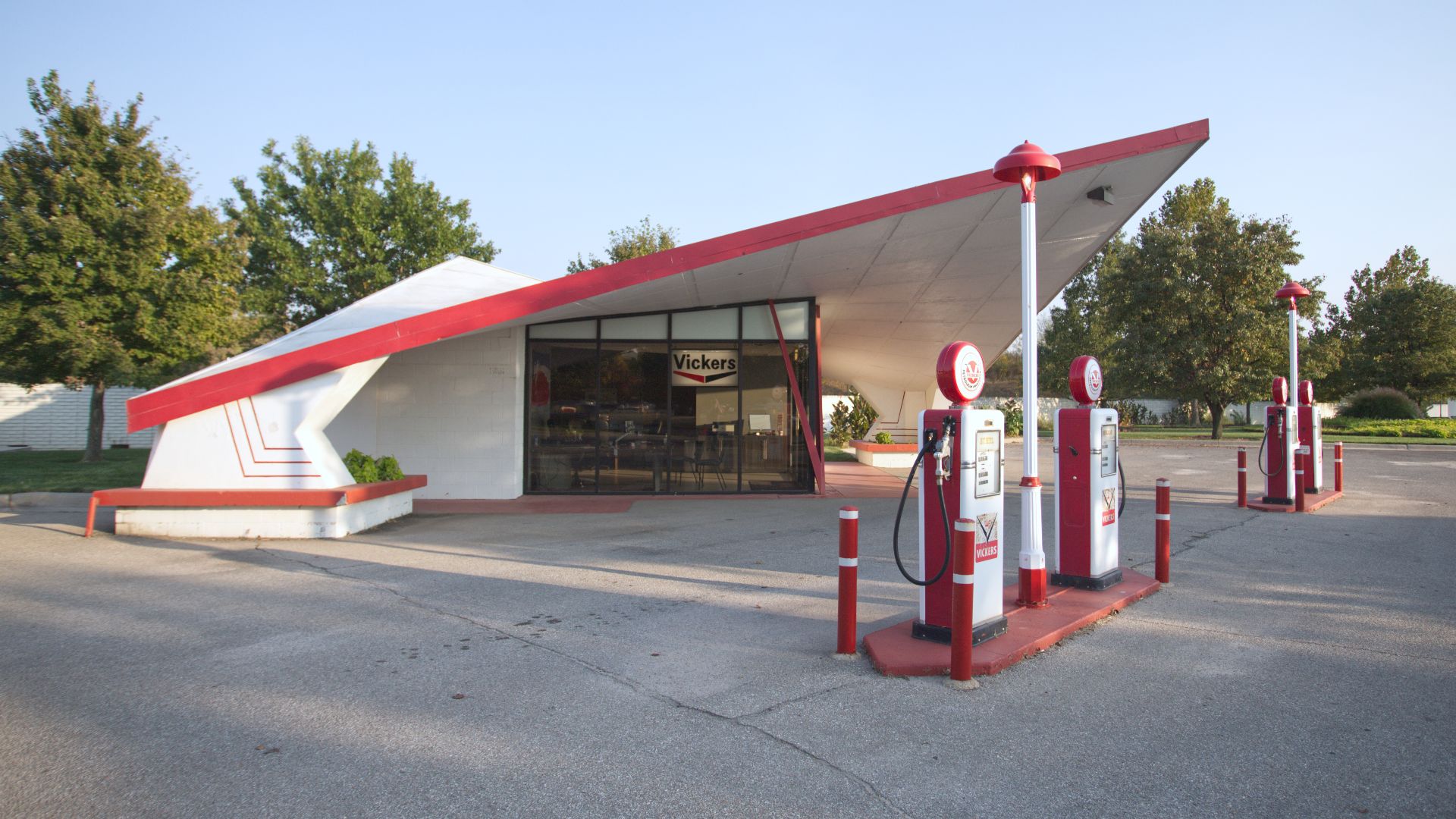
Some Vickers stations had dramatic “batwing” roofs that looked ready to take flight. This Kansas company understood that a memorable building could help sell gasoline. Its surviving Haysville station even withstood the devastating 1999 tornado. You might forget the name, but that roof is harder to erase.
Cities Service
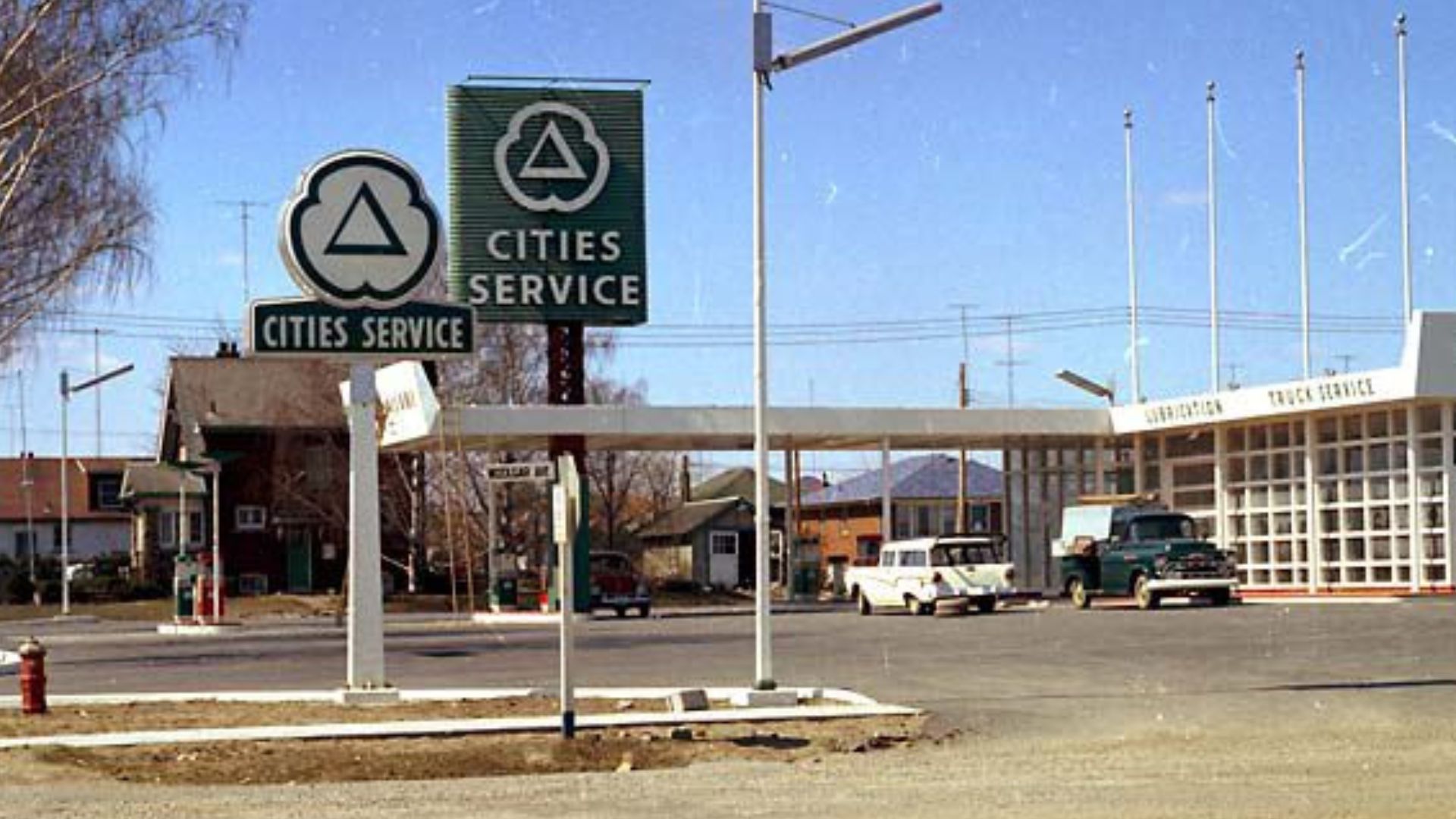
Cities Service sounds more like the people who collect your garbage than a place to fill your Buick. But it was a major gasoline name before introducing the CITGO brand in 1965. Plenty of drivers recognize its replacement without remembering what those stations used to be called.
 Toronto History from Toronto, Canada, Wikimedia Commons
Whiting Brothers
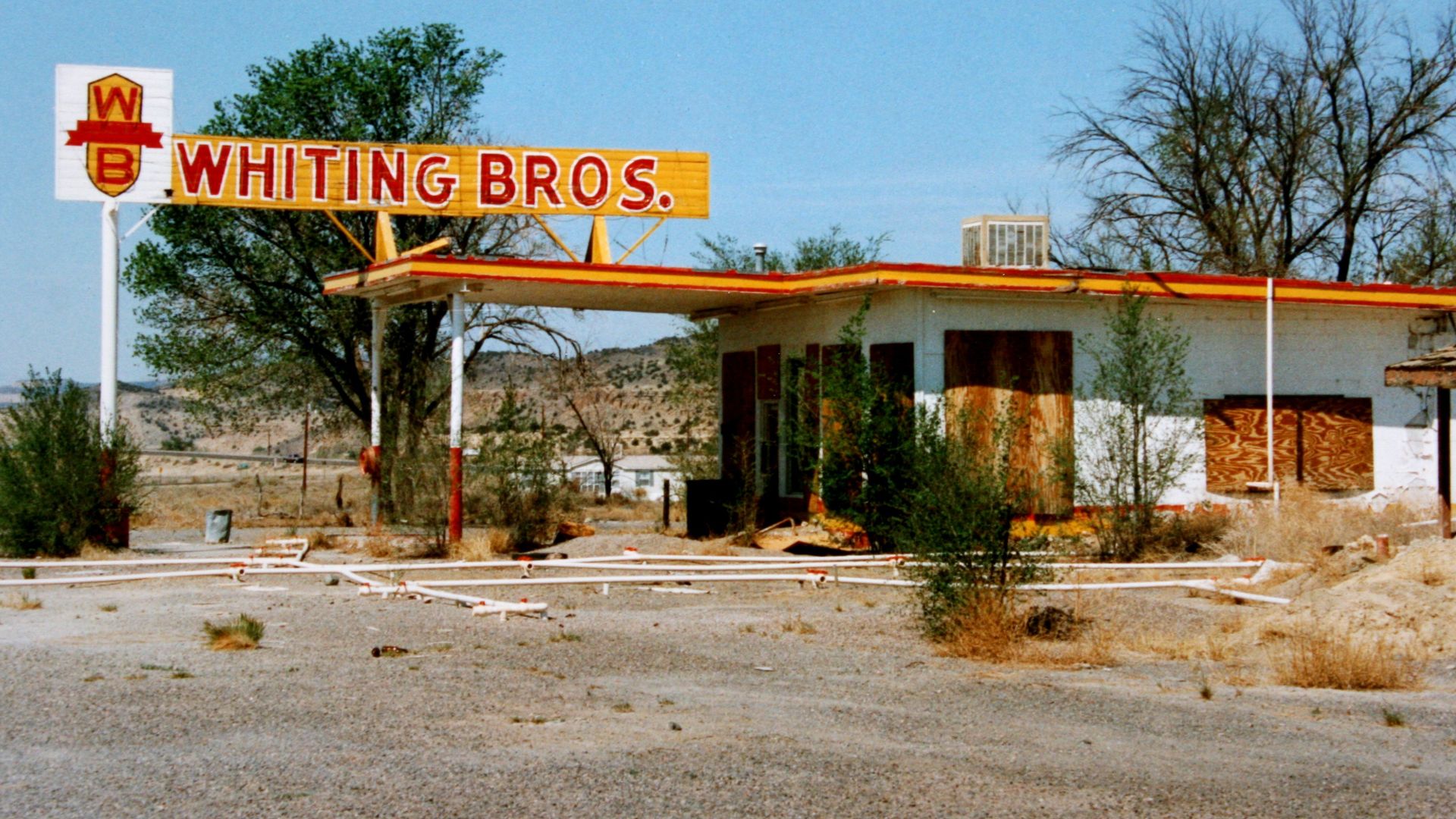
Whiting Brothers promised “quality gas for less,” which was probably enough to get Dad’s attention. The chain became a familiar sight along Route 66 and elsewhere in the Southwest. Its surviving signs now attract nostalgic travelers, but in the 1960s, the attraction was considerably more practical.
Carter
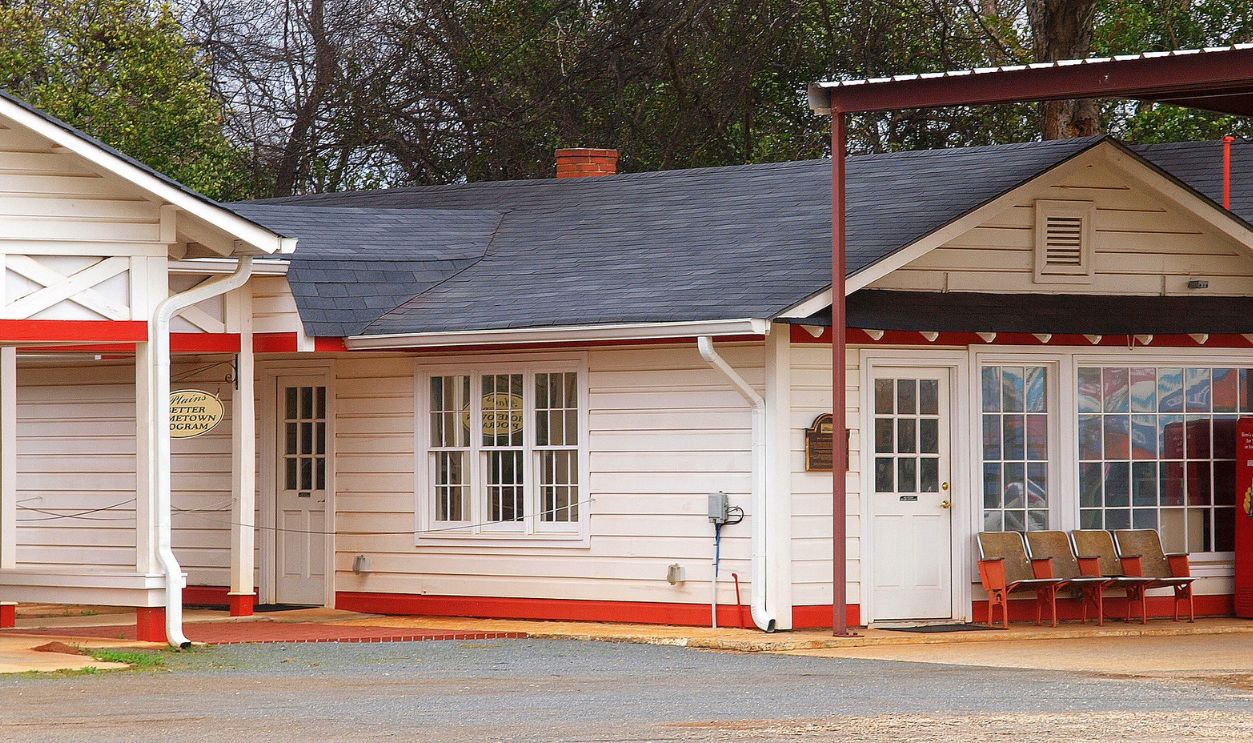
Carter was one of the gasoline names western motorists encountered before Enco took over in the early 1960s. That gives it a particularly small window in this decade. If you remember a Carter station, you’re remembering a name that was already heading toward the exit.
Cosden
Southwestern drivers had a much better chance of knowing Cosden than motorists across the rest of the country. Based in Big Spring, Texas, it had a substantial station network before a 1963 deal brought it into American Petrofina’s operation. Eventually, Fina signs replaced the Cosden name.
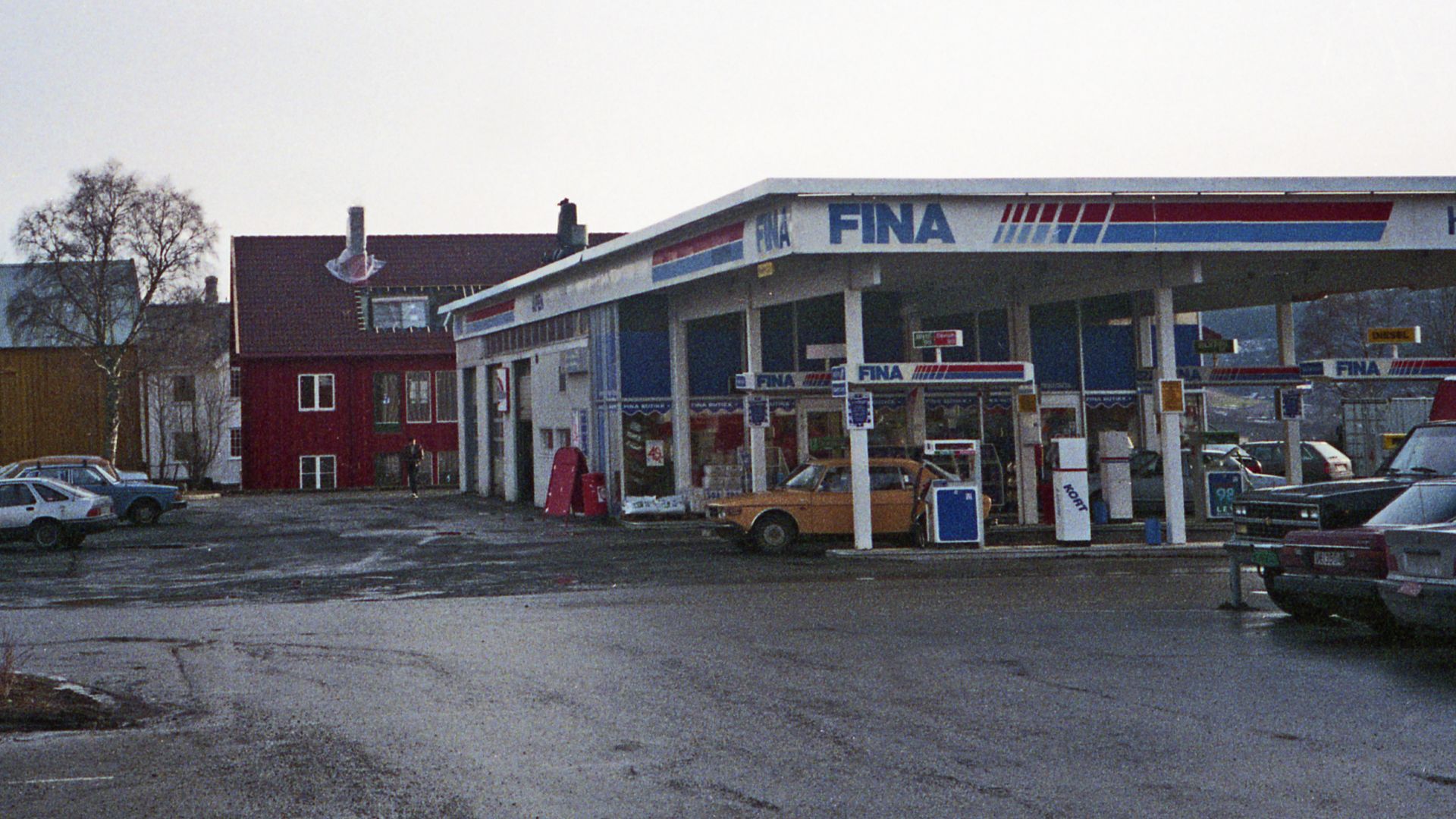 Municipal Archives of Trondheim from Trondheim, Norway, Wikimedia Commons
Parade
Parade sounds cheerful enough, but remembering one of its stations is another matter. Part of H. L. Hunt’s oil empire, the brand operated in several Southern states and was still issuing road maps in 1968. That friendly roadside name had some serious oil money behind it.
Signal
Western motorists could still encounter Signal during much of the 1960s. Standard Oil of California sold its Signal-branded stations to Humble in 1967, with Enco becoming their new identity. Remembering the location is one thing. Remembering which name stood above the pumps before the change is another.
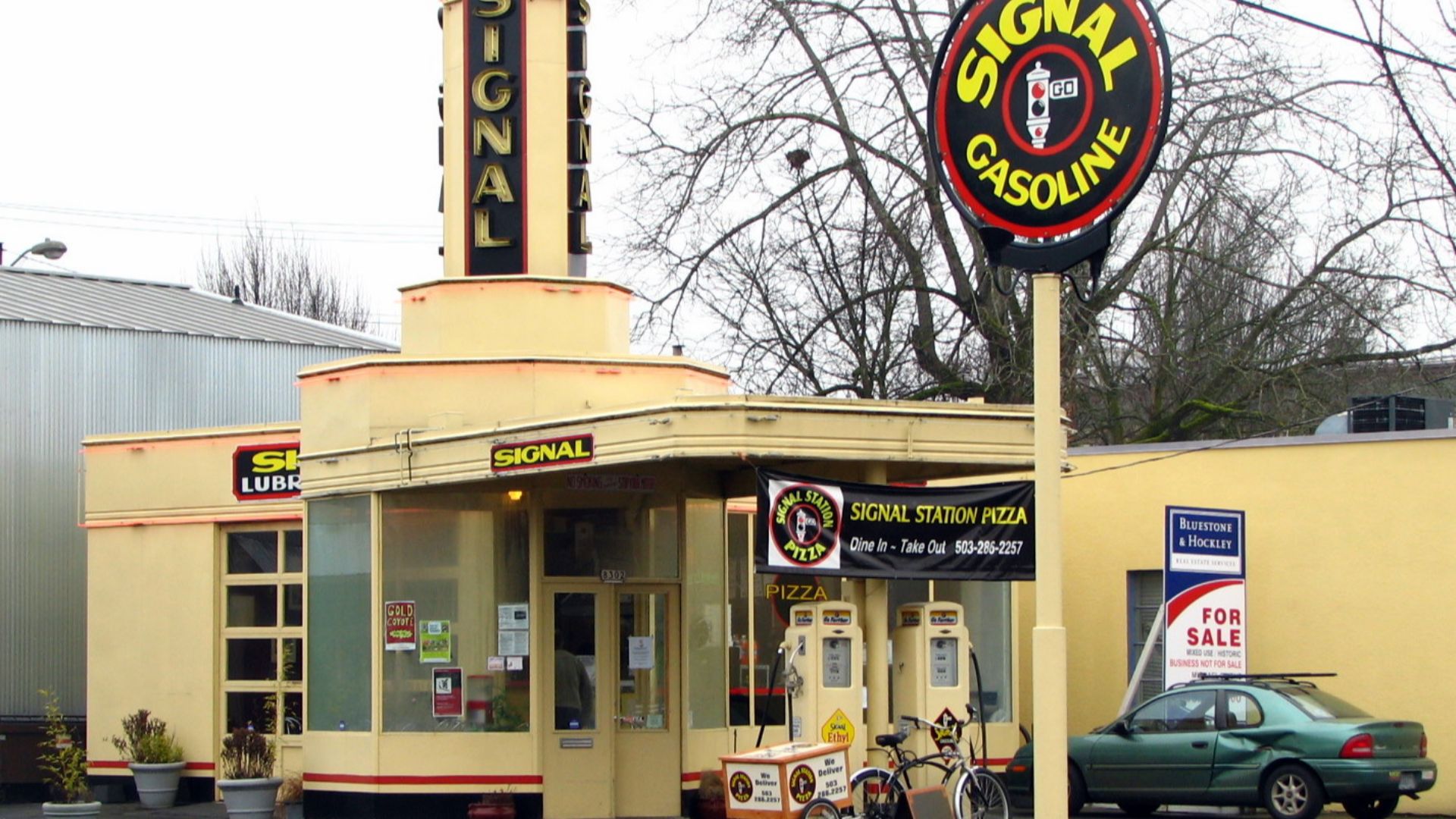 Ian Poellet, Wikimedia Commons
Derby
Despite the name, Derby gasoline came from Kansas, not Kentucky. The Wichita-based refiner sold fuel across the Plains and kept its identity well beyond the 1960s. Coastal acquired the business during the 1970s, but the station rebranding came later. These names didn’t always disappear overnight.
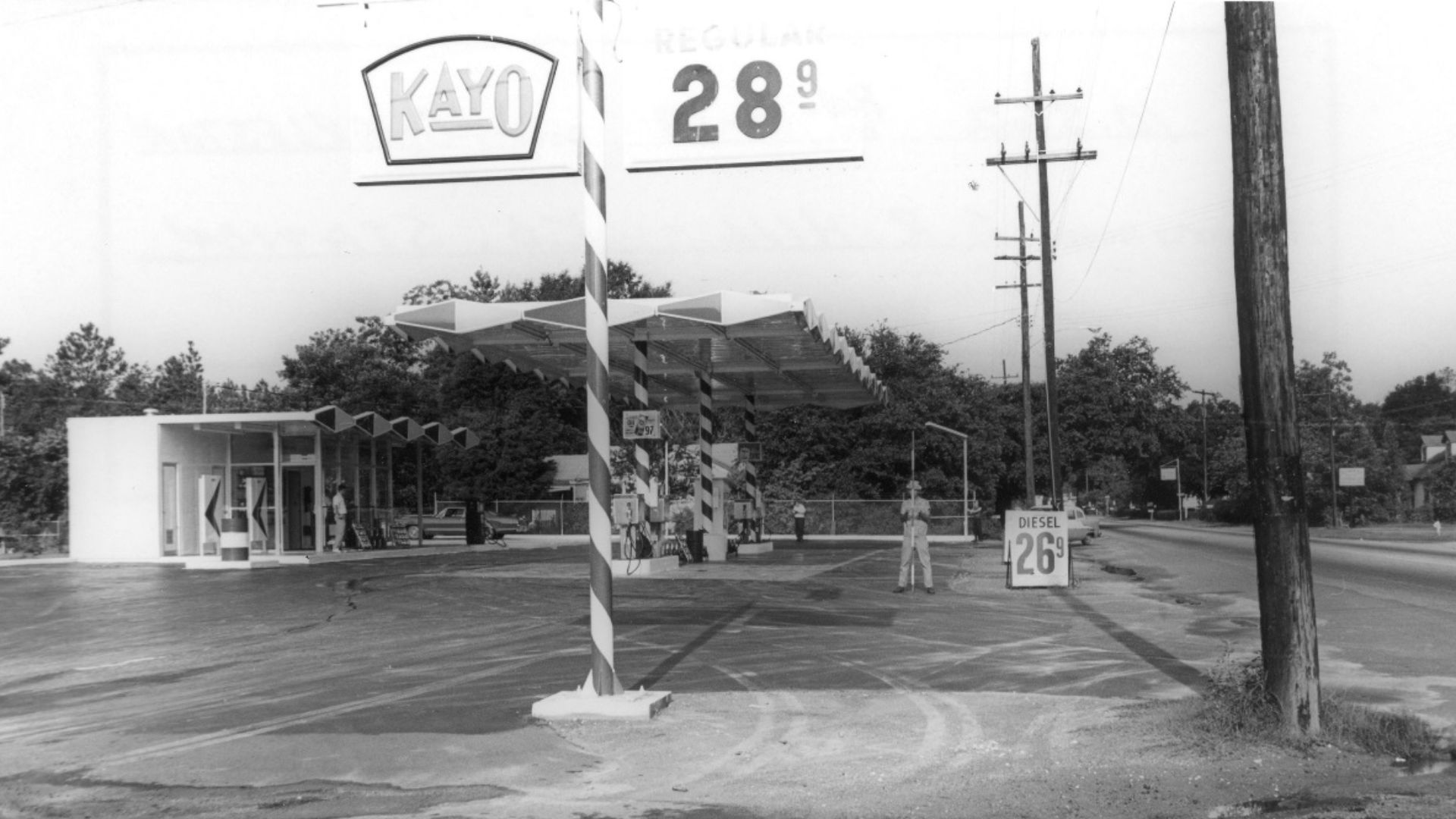
Kayo
Kayo was short, punchy, and apparently still easy to forget. The Chattanooga-based gasoline company used “Speedy” Kayo branding during the 1960s and became part of Conoco’s network. If that name brings back a particular neighborhood station, you’ve probably just earned a point most readers won’t get.
 North Charleston from North Charleston, SC, United States, Wikimedia Commons
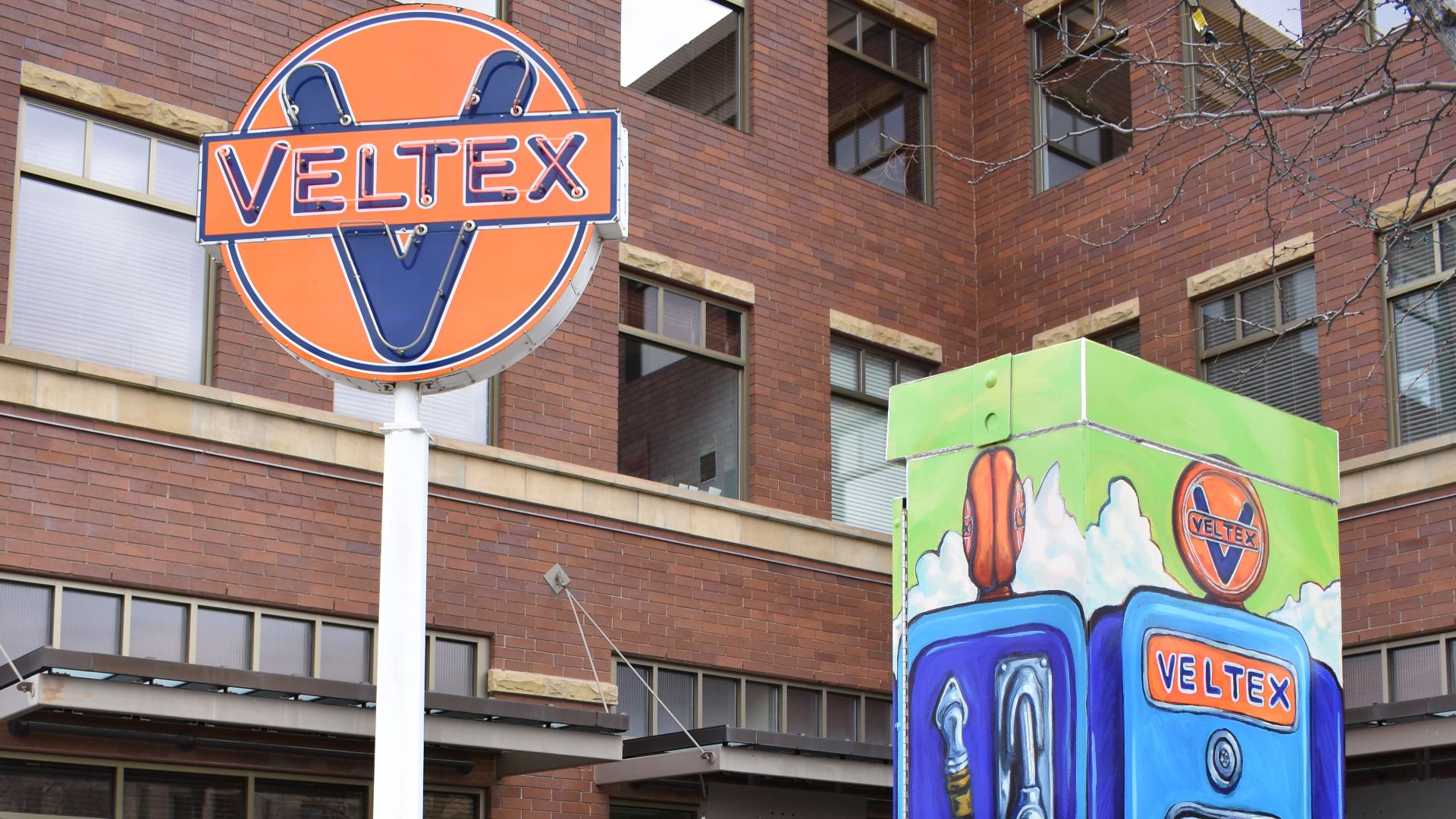
Veltex
Veltex sounds like something you’d spray on a squeaky hinge, but it was Fletcher Oil’s gasoline brand in the Northwest. Boise even retained a landmark Veltex sign after its downtown station disappeared. The sign got a second life. The name has had a harder time staying familiar.
 Tamanoeconomico, Wikimedia Commons
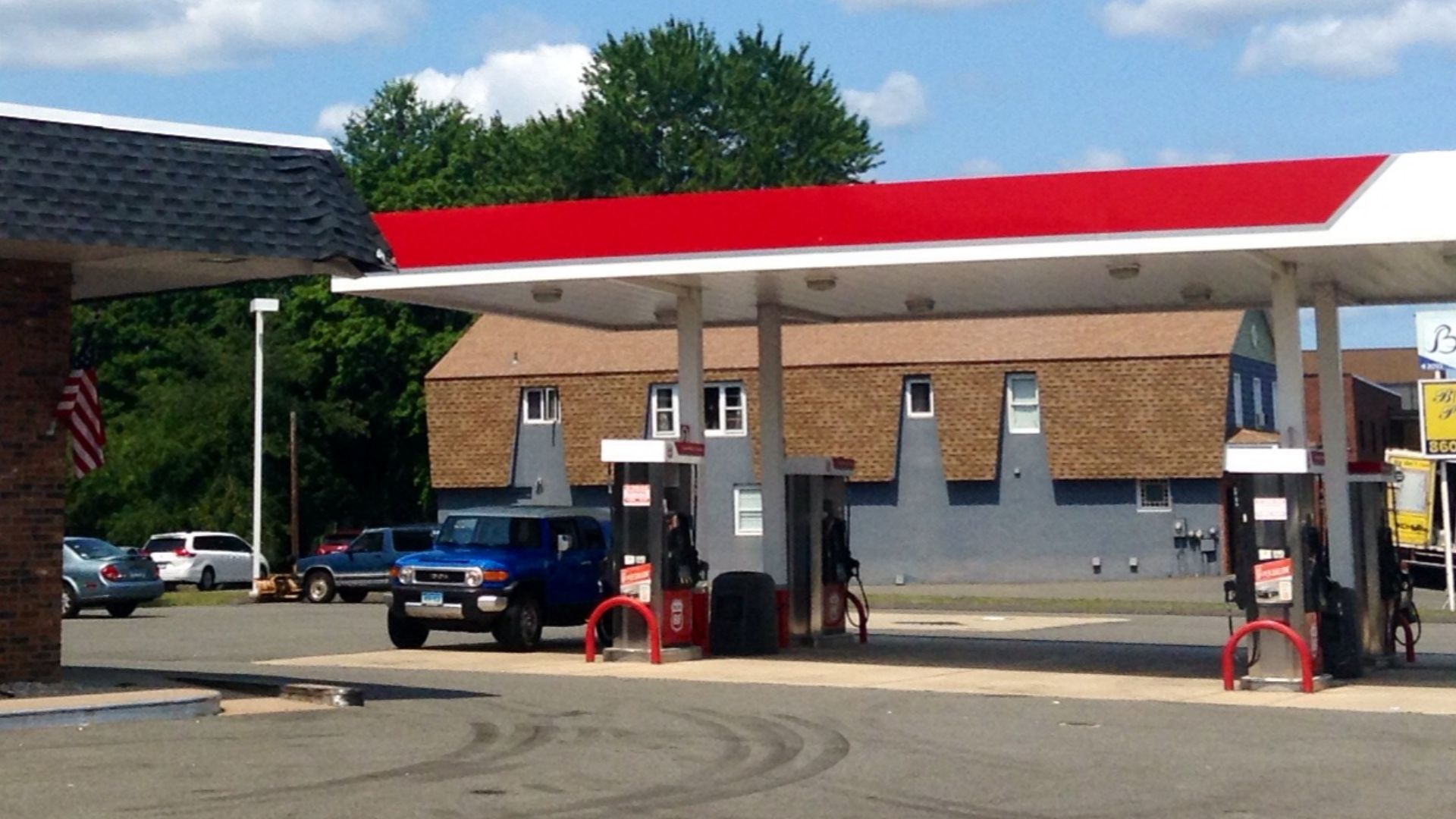
Paraland
Phillips 66 wasn’t the only name Phillips used to sell gasoline. Paraland served as a secondary brand across a broad stretch of its territory, surviving through the 1960s before being discontinued in 1972. Apparently, one oil company could give you multiple gas station names to forget.
 Mike Mozart from Funny YouTube, USA, Wikimedia Commons
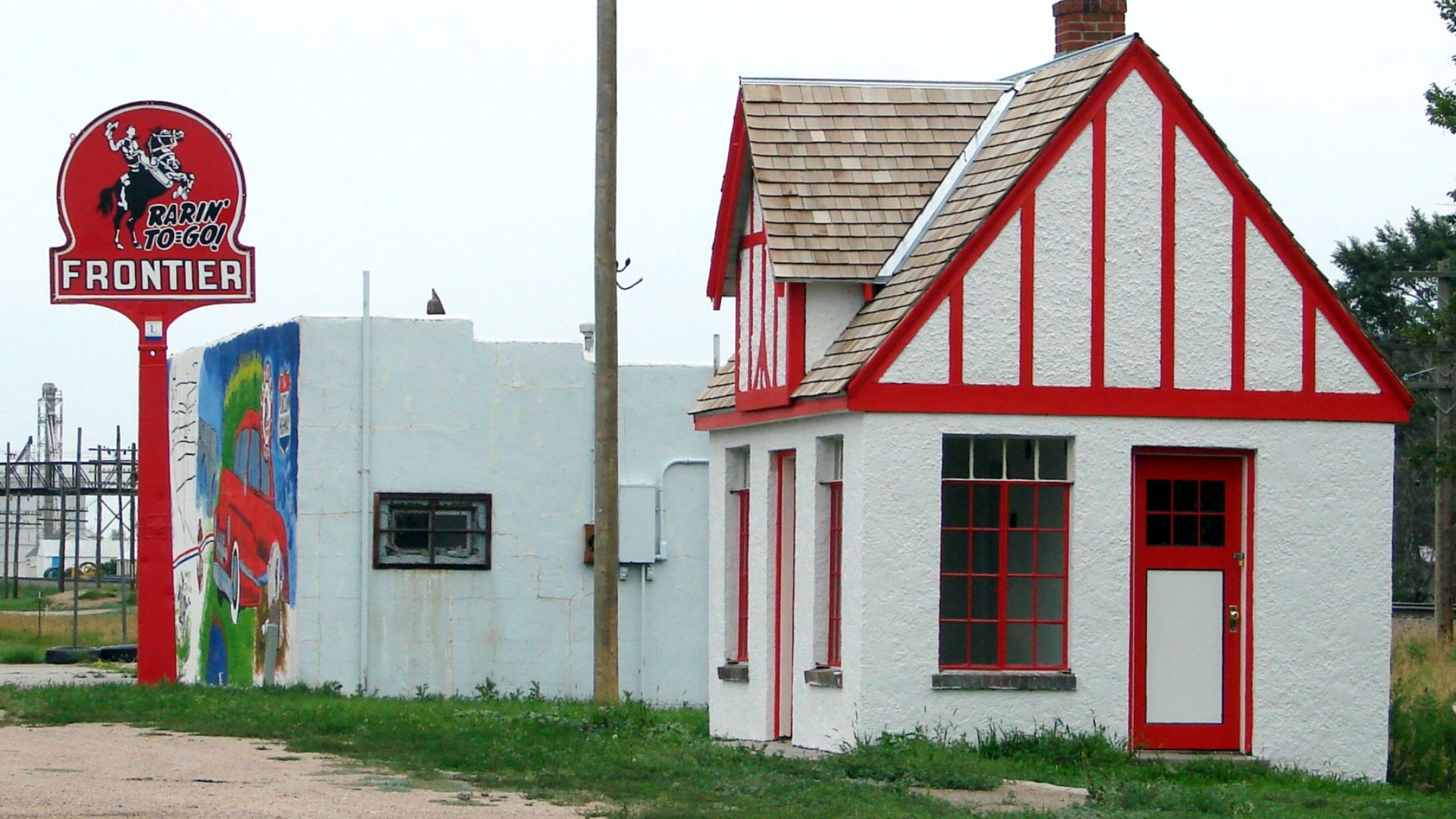
Frontier
Frontier was a fitting name for a gasoline company serving the Rocky Mountain region. Its business included refineries as well as roadside stations, making it more than a catchy sign. Husky bought Frontier’s refining and marketing assets in 1967, and the familiar western name gradually gave way.
 inkknife_2000 (7.5 million views +), Wikimedia Commons
Hudson
Mary Hudson borrowed $200 from her father to open a Kansas City gas station. Her business eventually grew into hundreds of stations across dozens of states. That’s a remarkable story behind a name many drivers have forgotten—and quite a return on getting help from Dad.
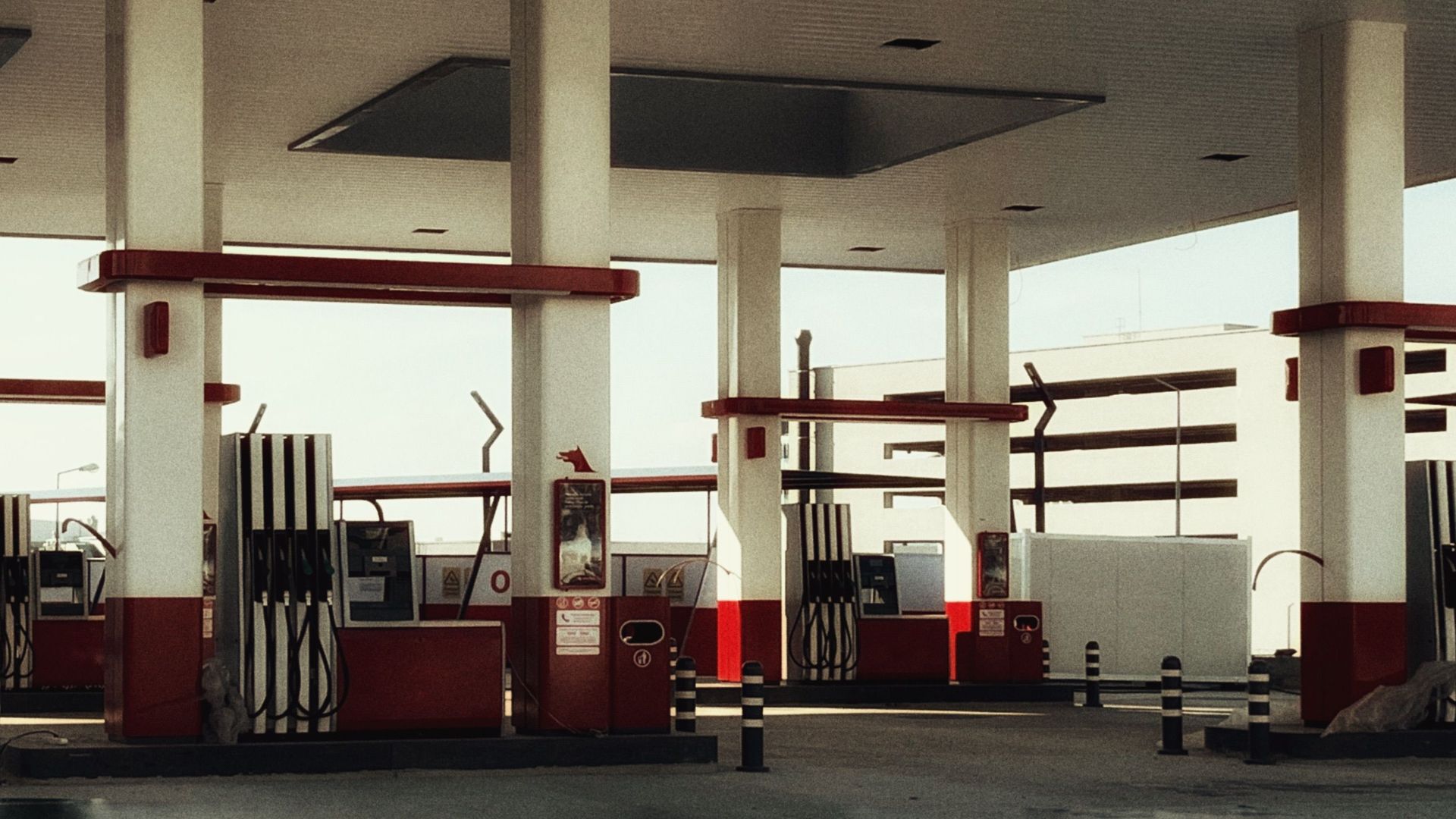
Seaside
California’s Seaside was an early adopter of plastic gasoline credit cards in 1956, when they were called courtesy cards. The brand continued serving drivers through the 1960s, passing to Phillips in 1966. You might have forgotten the stations while remembering Dad’s growing collection of cards in his wallet.
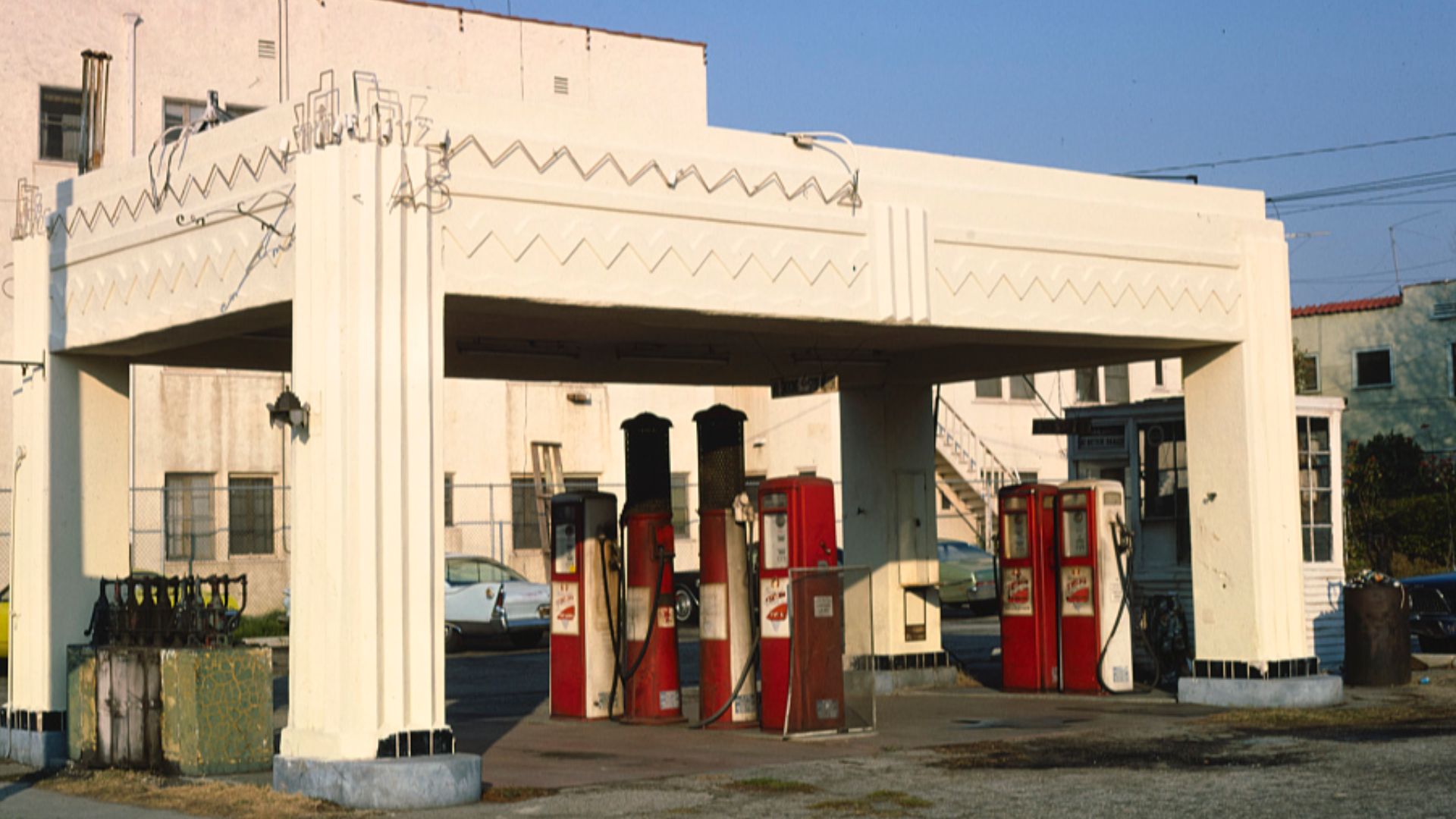 The Library of Congress, Wikimedia Commons
Mohawk
California drivers could encounter Mohawk stations during the 1960s, including documented locations in San Francisco. This was an American gasoline brand, separate from the Canadian chain with the same name. If you remember filling up at Mohawk, where you lived matters to which company you’re remembering.
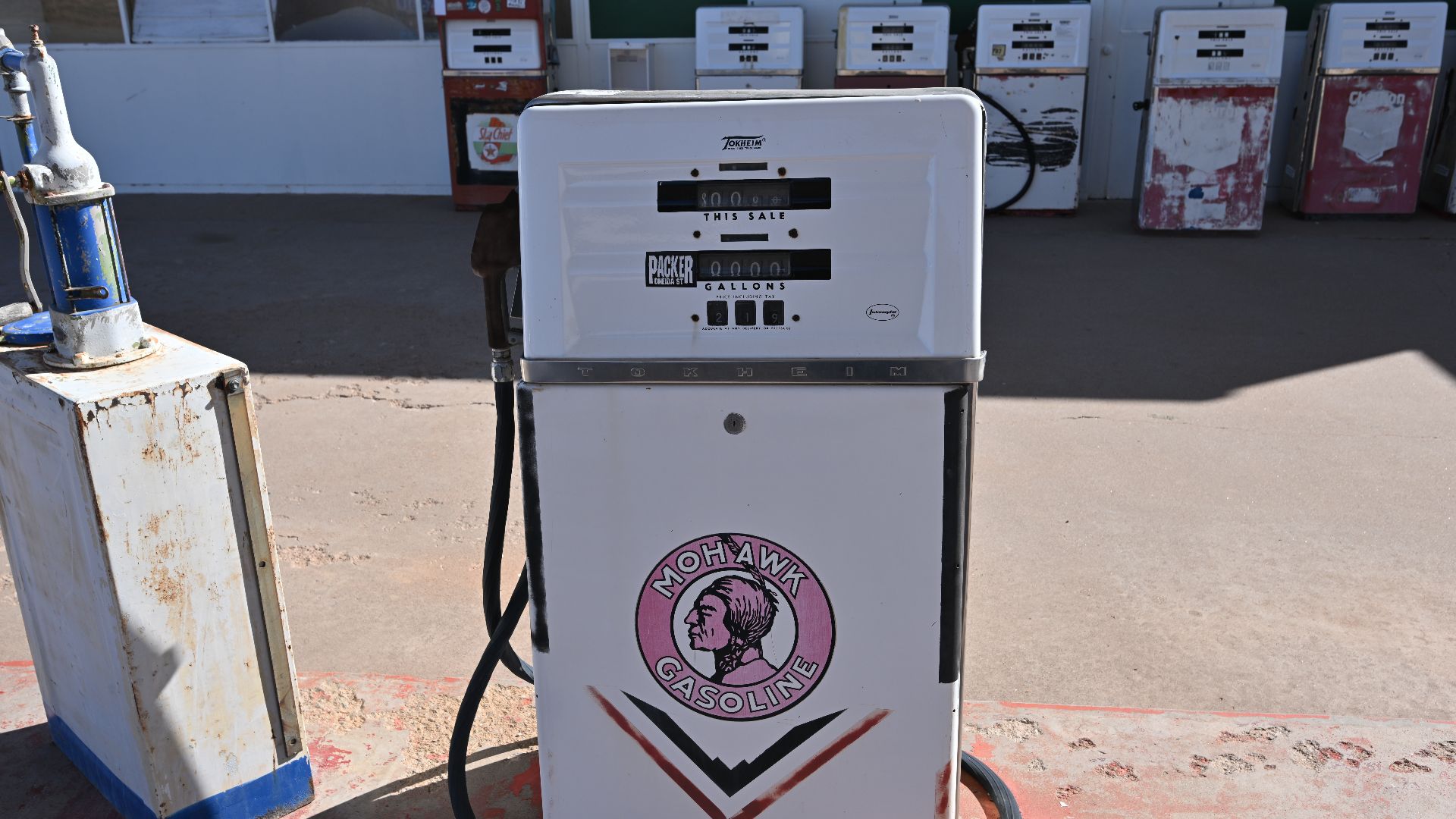 G. Edward Johnson, Wikimedia Commons
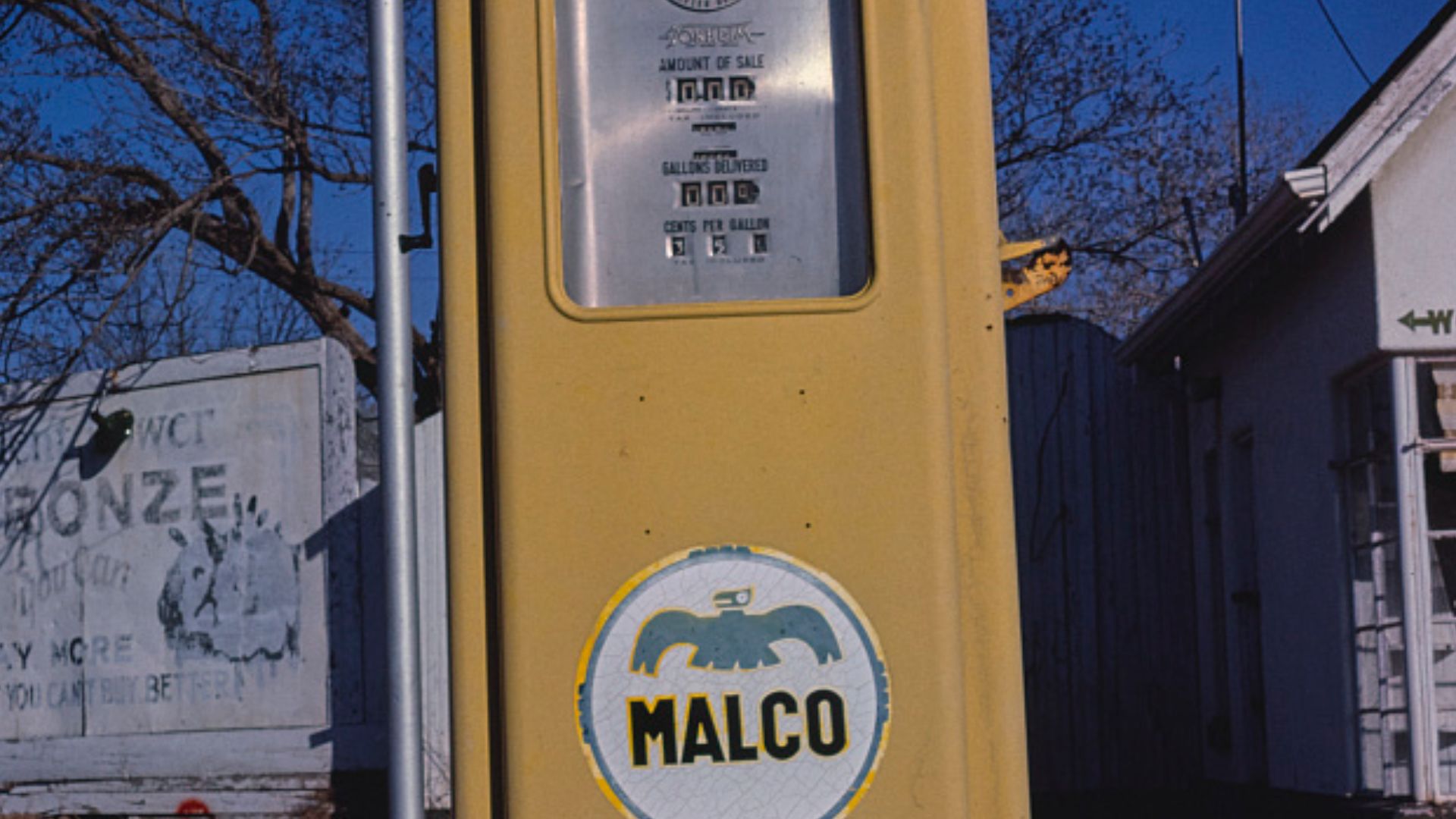
Malco
New Mexico motorists had a better chance of recognizing Malco than drivers across much of the country. Based in Roswell, the regional brand appears on road maps from the early 1960s. It’s a reminder that a familiar hometown gas station could be a complete mystery one state over.
 The Library of Congress, Wikimedia Commons
Harbor
Harbor promoted features that sound pretty ordinary now: round-the-clock operation, fast service, credit card acceptance, and canopies over the pumps. This short-lived Champlin brand advertised those advantages on a 1964 road map. Apparently, being able to fill up without getting soaked was worth mentioning.
Douglas
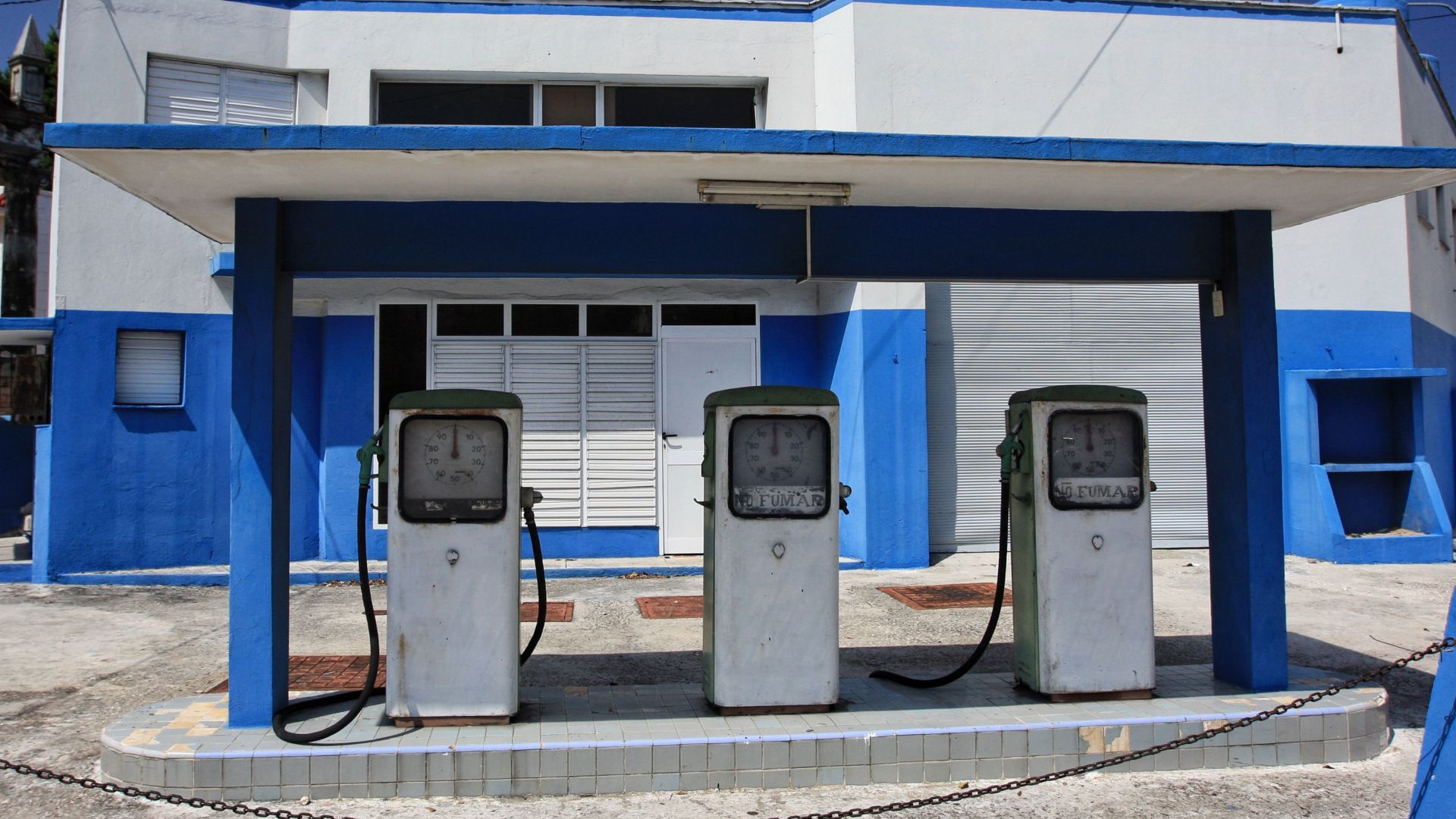
Douglas sounds like the fellow who might check your oil, but it was also a western gasoline company. Conoco bought the California business in February 1961 for an $18 million stock deal. Behind that ordinary name was a purchase that helped a much bigger company expand west.
Beeline
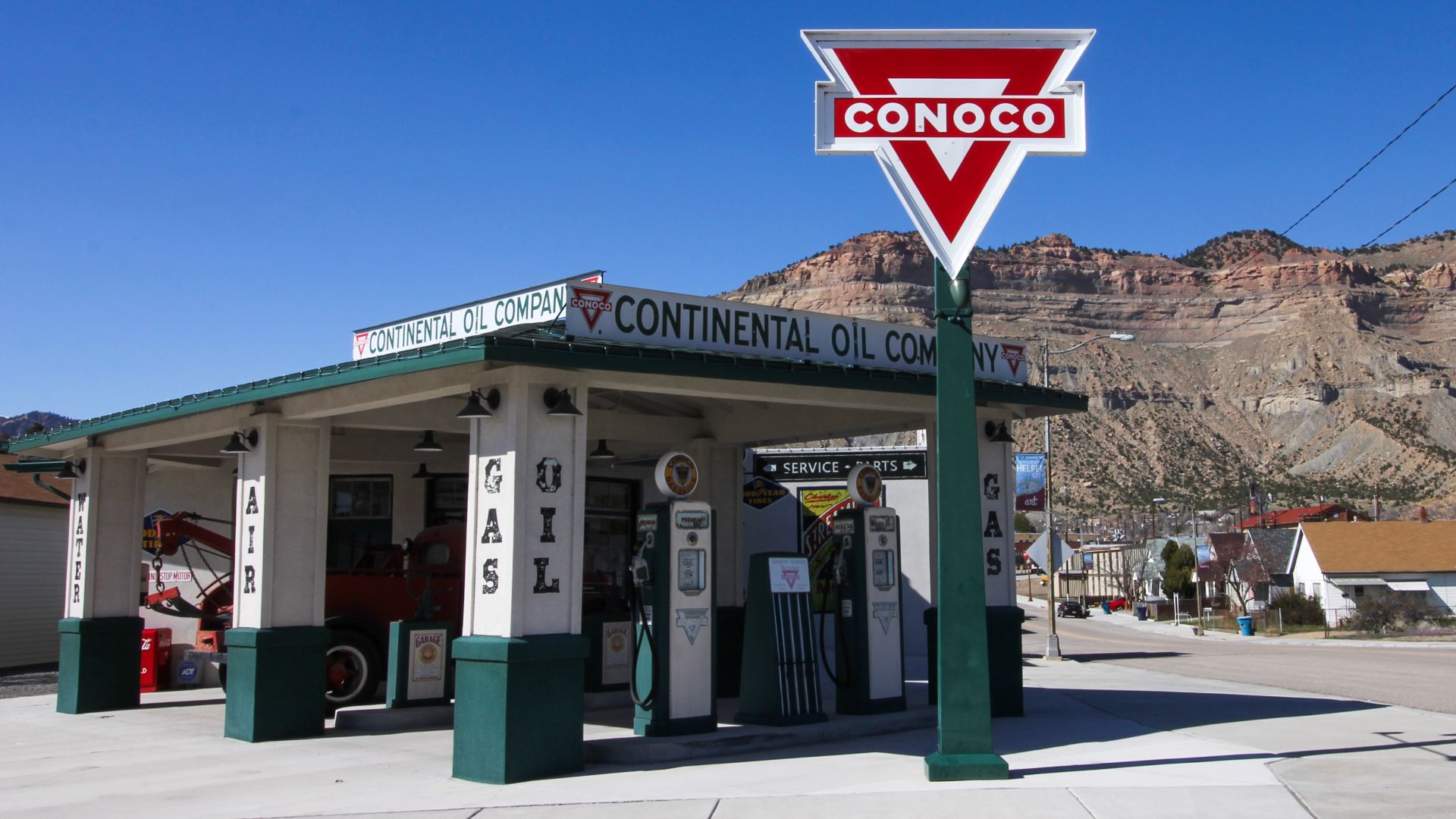
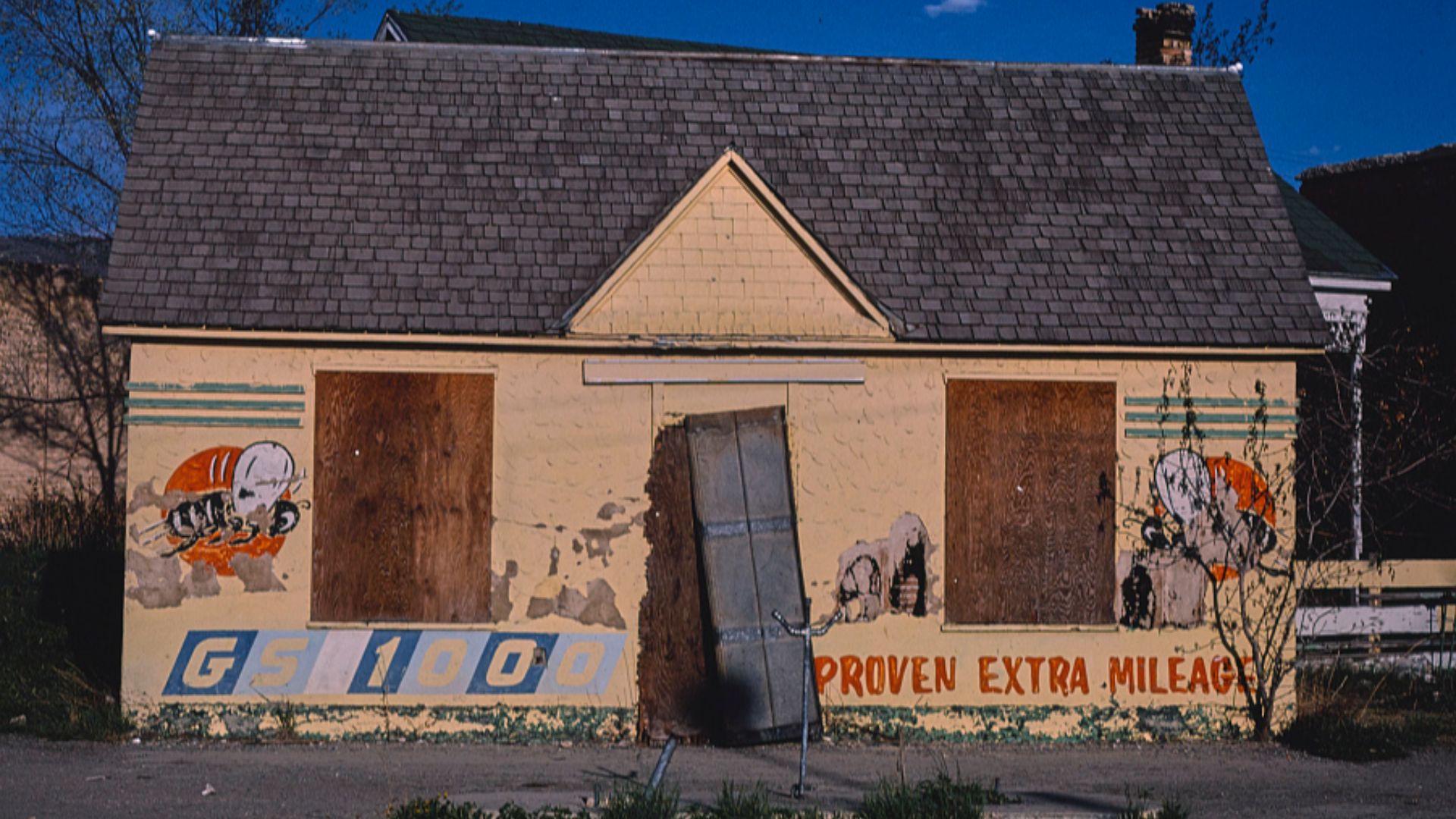
A photograph preserved by Utah State University shows a Salt Lake City Beeline station in October 1960. It’s solid evidence of a name that can now sound almost imaginary. Beeline became part of Frontier’s operation, and that business later passed into Husky’s hands. Small brands had complicated lives.
 The Library of Congress, Wikimedia Commons
Lion
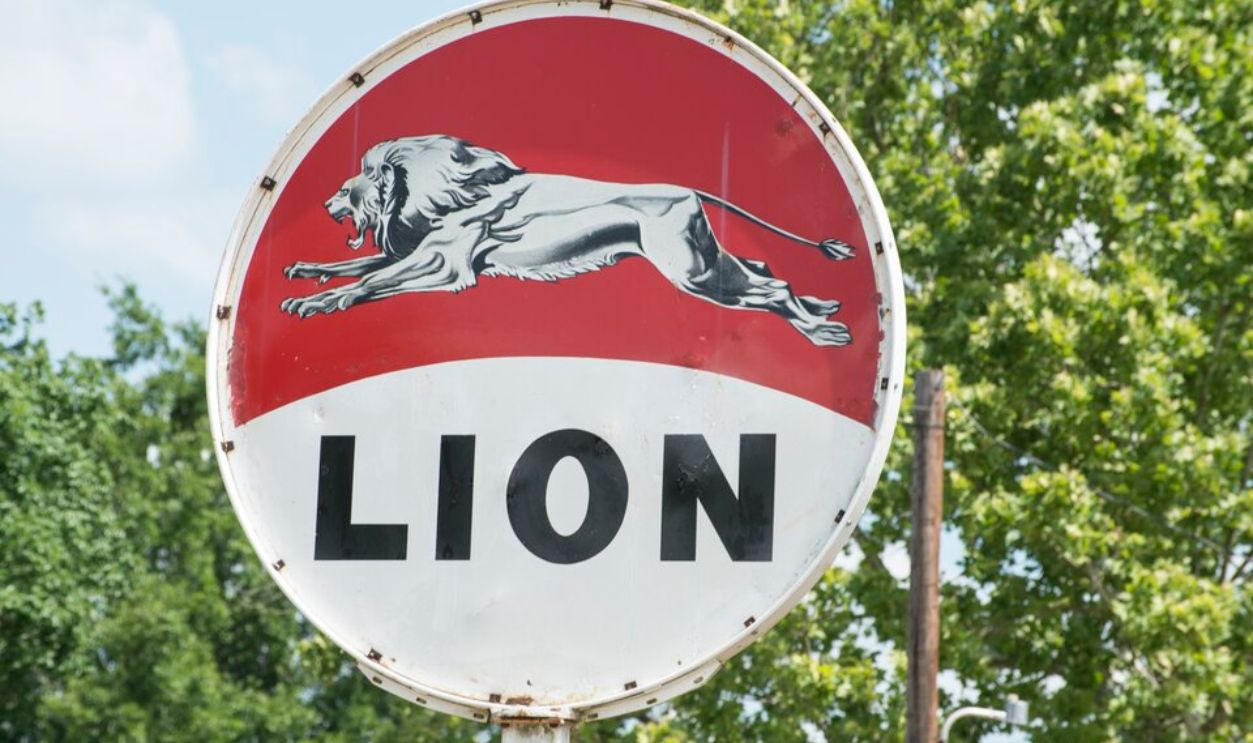
Southern drivers might remember Lion’s leaping animal logo, which appeared around the start of this era. During the 1960s, Monsanto’s name also appeared on pump signage because it owned the business. Yes, the chemical company was involved in selling gasoline, too. Corporate family trees can get surprisingly crowded.
 Carol M. Highsmith, Wikimedia Commons
Mileage
Calling your gasoline brand Mileage certainly got straight to what drivers cared about. It was one of the names used by Minneapolis-based Western Oil and Fuel, appearing on company maps during the 1960s. By 1970, its stations had been converted to Conoco branding.
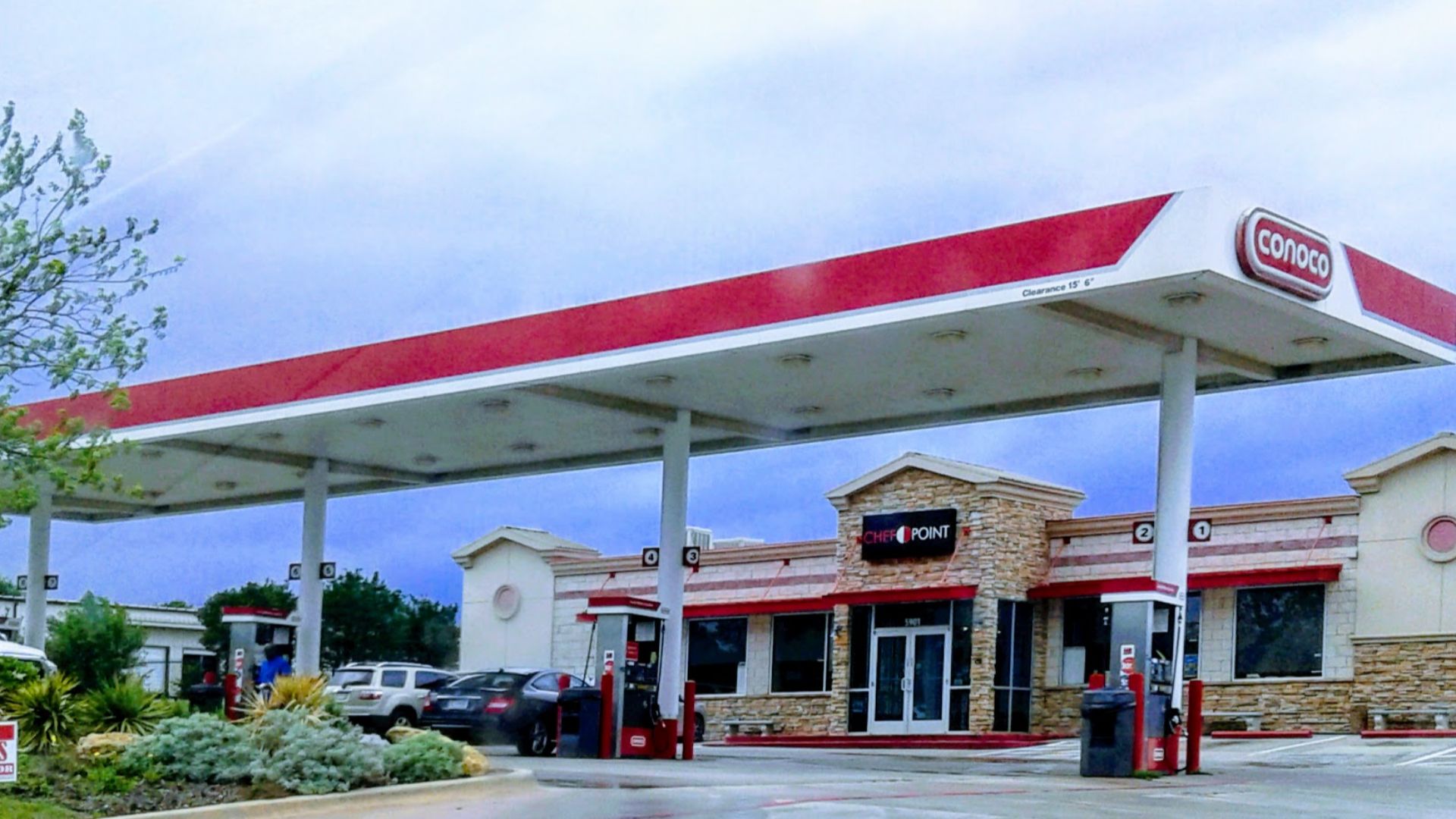
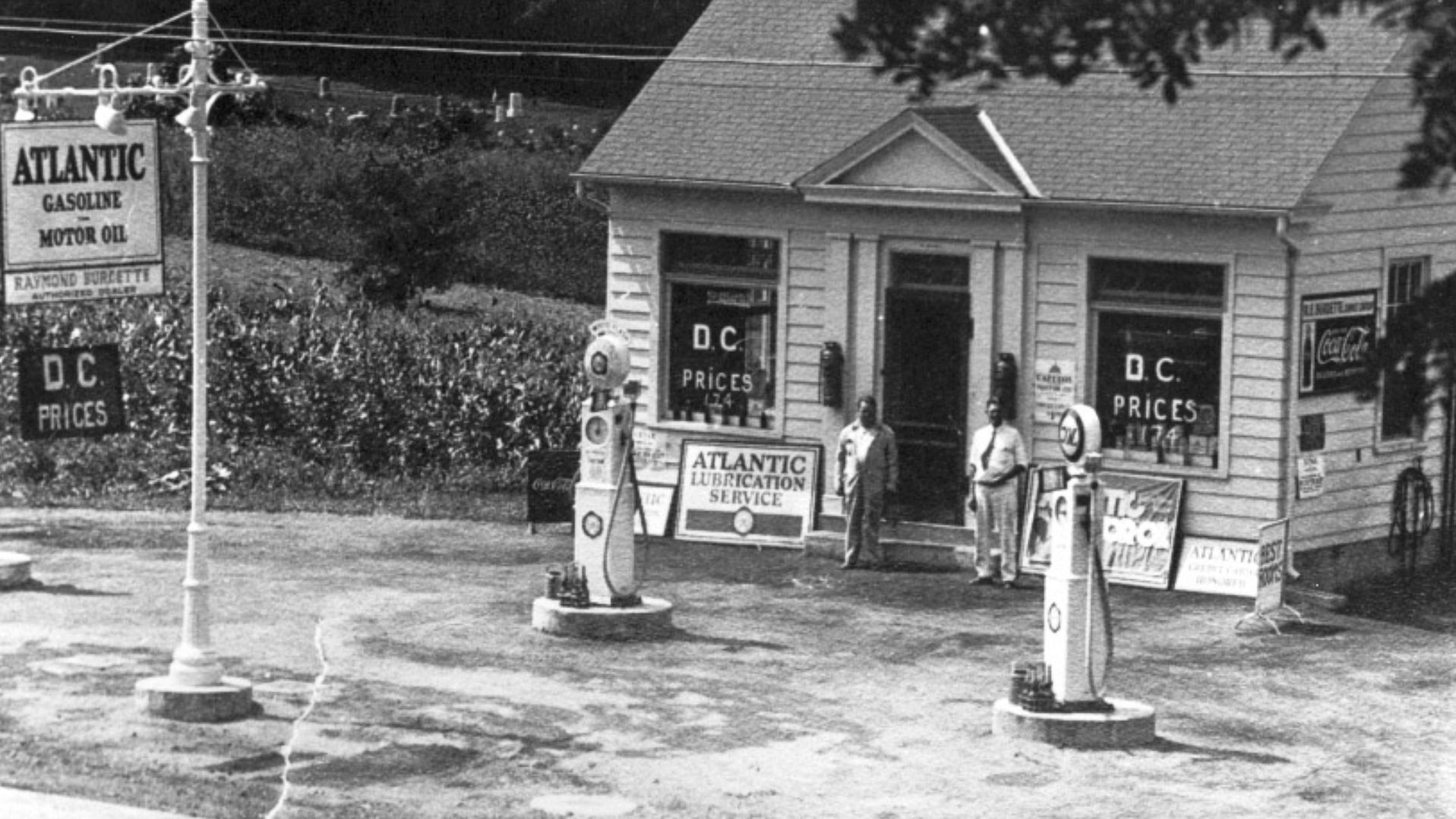
Atlantic
Atlantic sold gasoline along the East Coast, including its premium Imperial grade. Its 1966 merger with Richfield led toward ARCO branding—but the story didn’t end there. Atlantic returned in the 1980s before Sun acquired the business in 1988. Some names needed two farewells.
 City of Gaithersburg, Wikimedia Commons
Did You Remember Even Five?
Some of these brands disappeared before the decade ended. Others lasted much longer, giving their names more time to stick. But, be honest: Did you remember five?
You Might Also Like:
Auto Parts Stores That Used To Be Everywhere, But Now No One Remembers