Two Grand And A Set Of Keys
A brand-new car for less than $2,000. No previous owner, no mysterious stain on the back seat, and no wondering what that noise might cost to fix. In the 60s, you actually had choices at that price. Lots of choices actually...
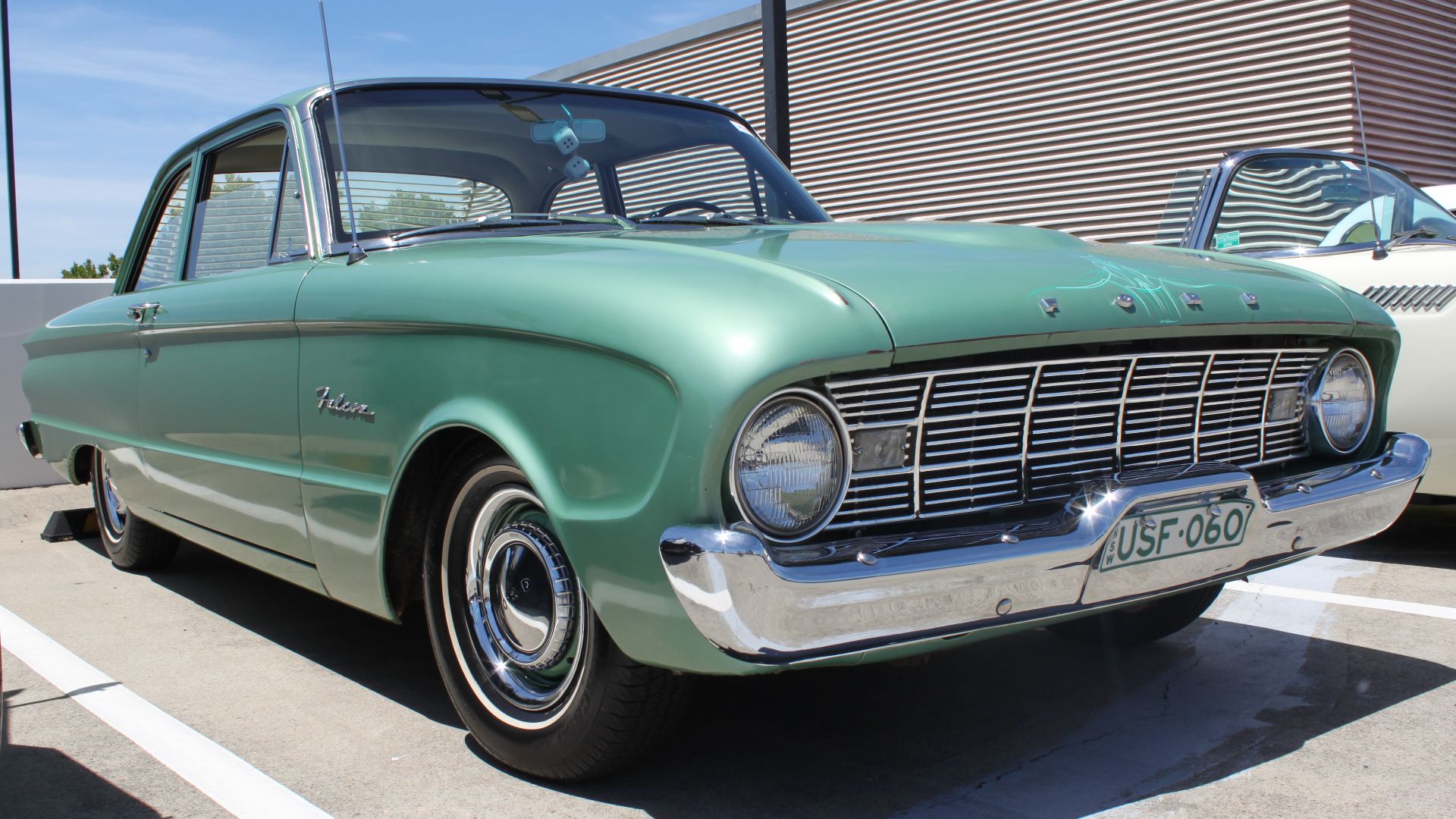
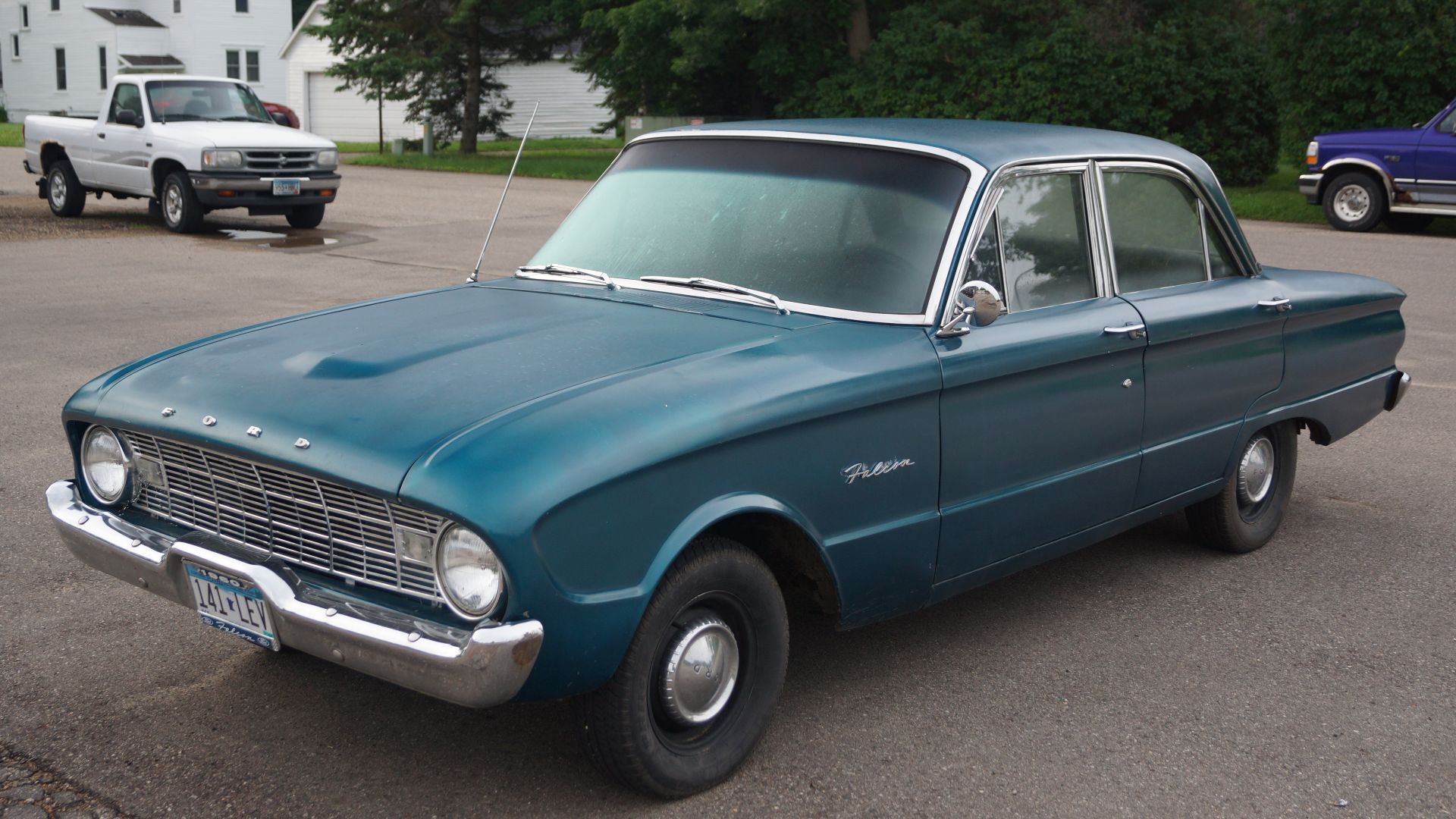
Ford Falcon (1960)
At $1,912 for the basic two-door sedan, the Falcon made owning a new Ford surprisingly attainable. It had room for six, a straightforward six-cylinder engine, and very little interest in impressing anyone at a stoplight. Exciting? Hardly. But for a family that needed affordable transportation and familiar mechanical parts, boring was a pretty good deal.
 Jeremy from Sydney, Australia, Wikimedia Commons
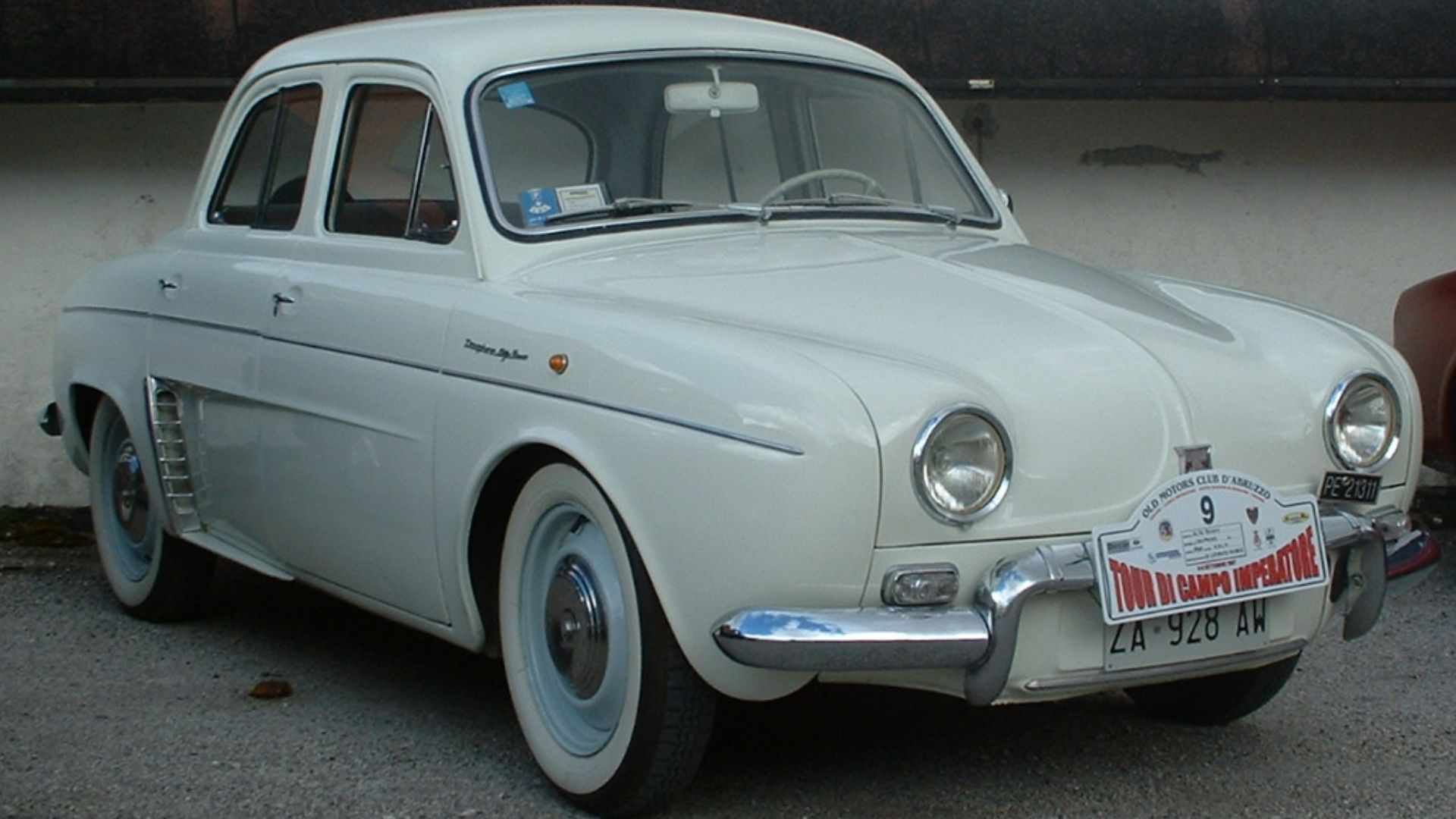
Renault Dauphine (1960)
The Dauphine’s $1,645 price bought four doors and a little French personality. Unfortunately, personality couldn’t protect the body from rust or make the car better suited to the long distances Americans drove. Renault’s early sales success unraveled as disappointed owners discovered the compromises. Cheap to buy? Absolutely. An easy recommendation over a Volkswagen? That became much harder.
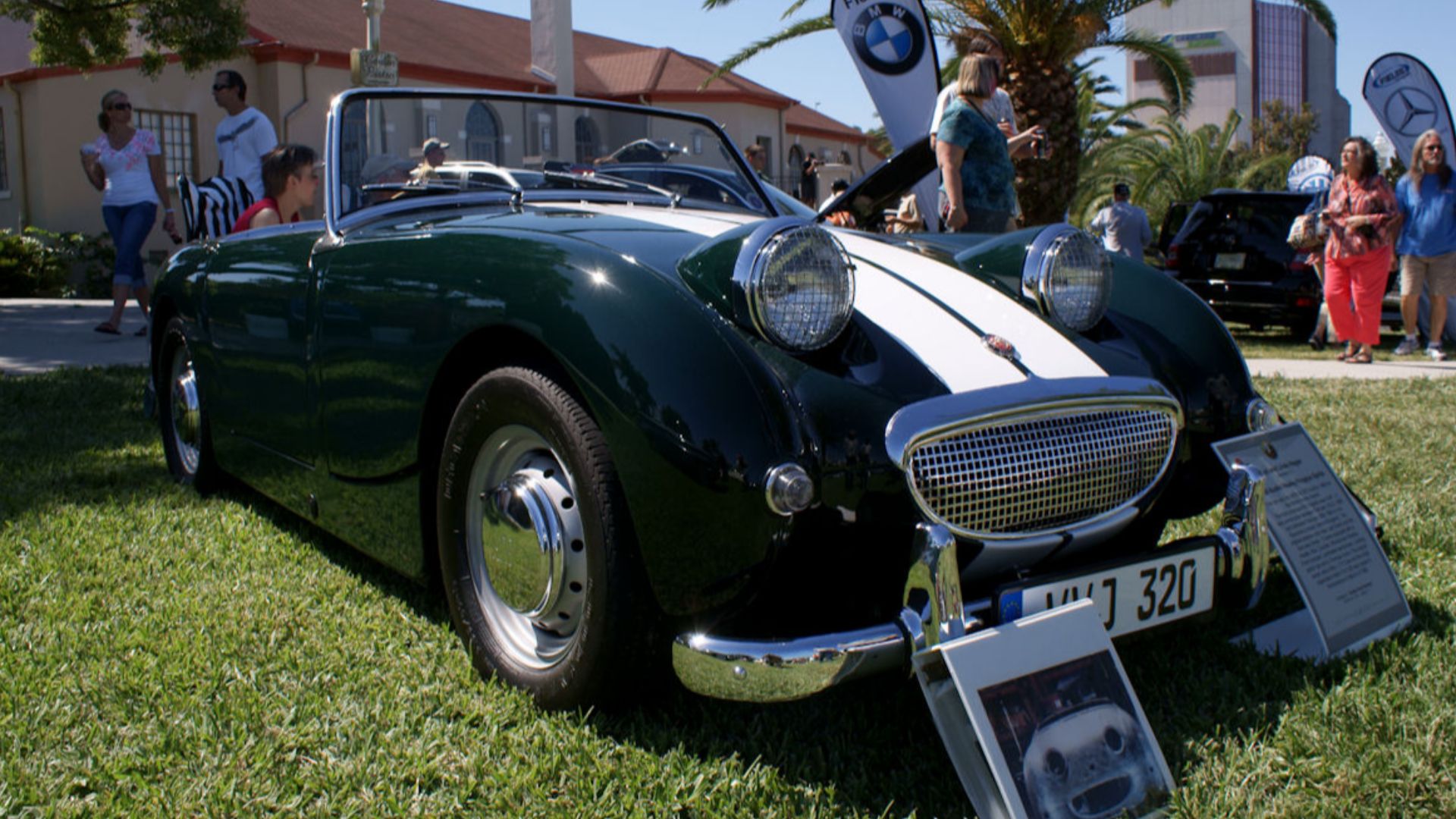
Austin-Healey Sprite (1960)
For $1,795, the little “Bugeye” Sprite offered something the family sedans couldn’t: a proper British sports-car experience. Its 43-horsepower engine wasn’t going to frighten a Corvette, but the lightweight body made modest speeds entertaining. Weather protection and luggage access demanded patience. As practical transportation, it asked a lot. As an affordable excuse to take the long way home? Much more convincing.
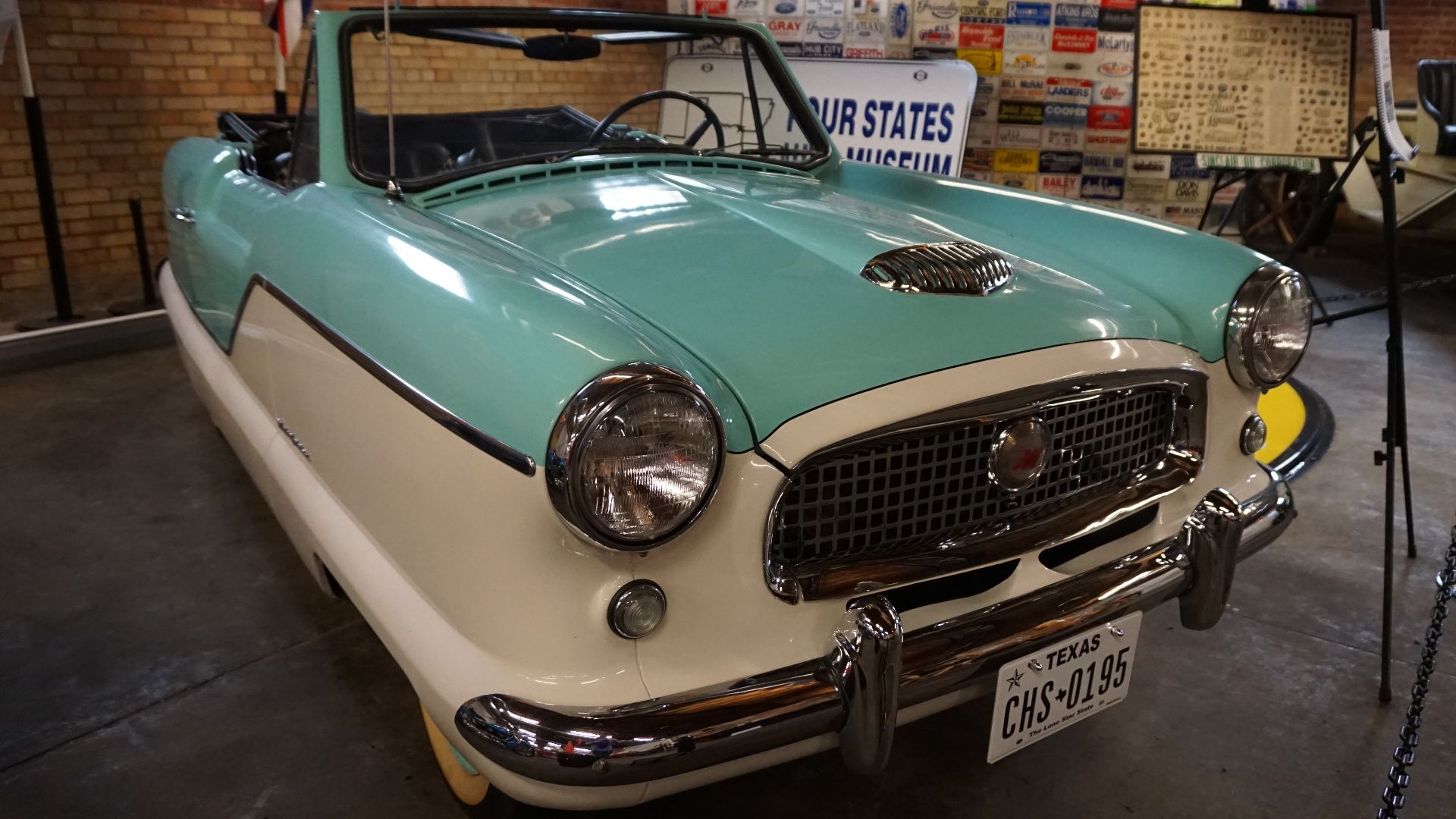
Metropolitan (1960)
The Metropolitan hardtop listed for $1,673, and it certainly didn’t look like every other inexpensive car. Built in Britain and sold through AMC dealers, it squeezed American styling into a remarkably small package. As a second car for local errands, it had an obvious appeal. As the family’s only transportation? That tiny back seat made the sales pitch considerably tougher.
 Michael Barera, Wikimedia Commons
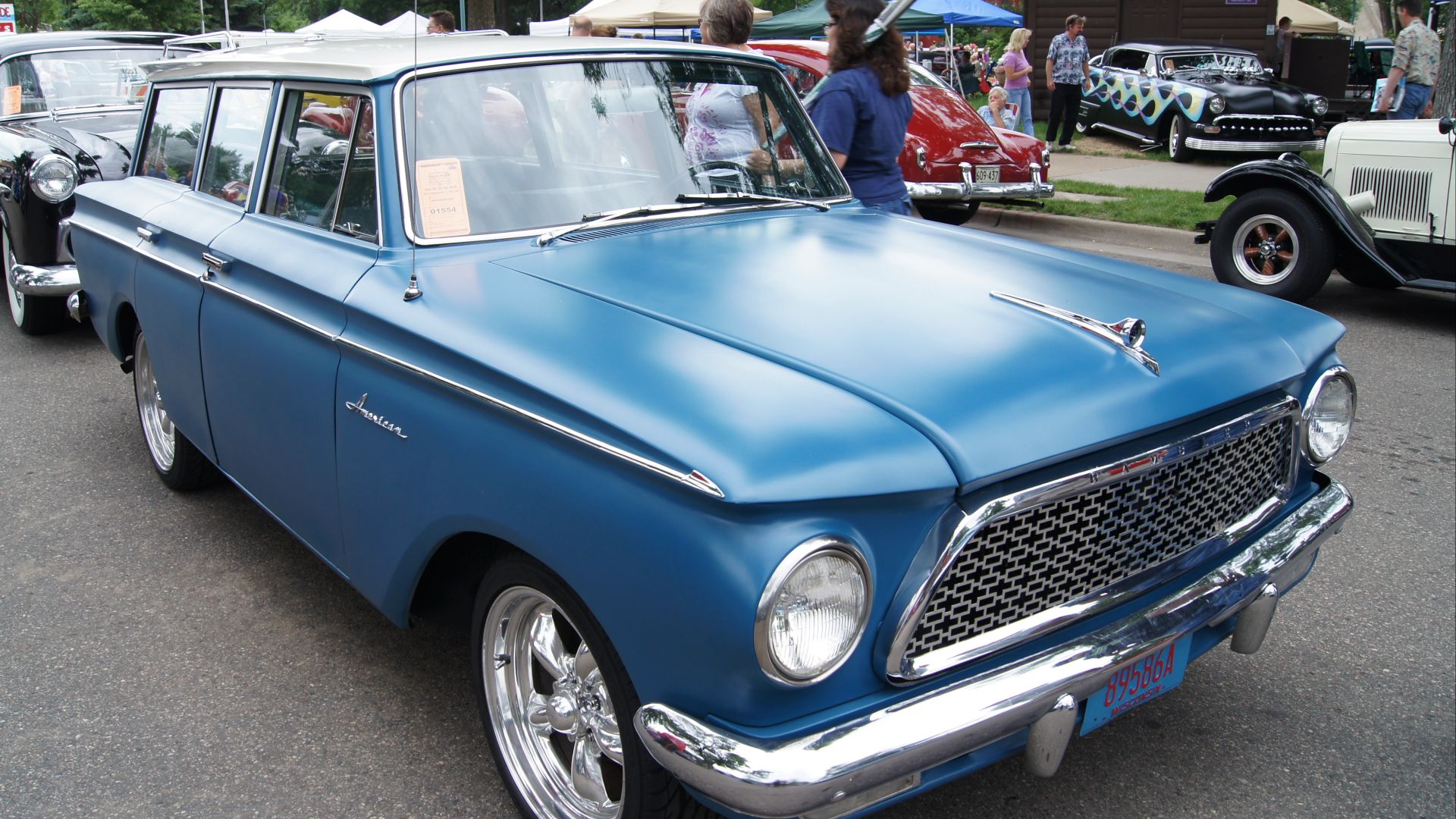
Rambler American (1961)
The Rambler American’s basic two-door business sedan started at $1,831. This was transportation for people who wanted their money going toward the car’s usefulness rather than its styling. Basic versions still used an old-fashioned flathead six. That wasn’t glamorous, but an uncomplicated car at an uncomplicated price had an audience. Just remember that the cheapest business version sacrificed the rear seat.
 Greg Gjerdingen from Willmar, USA, Wikimedia Commons
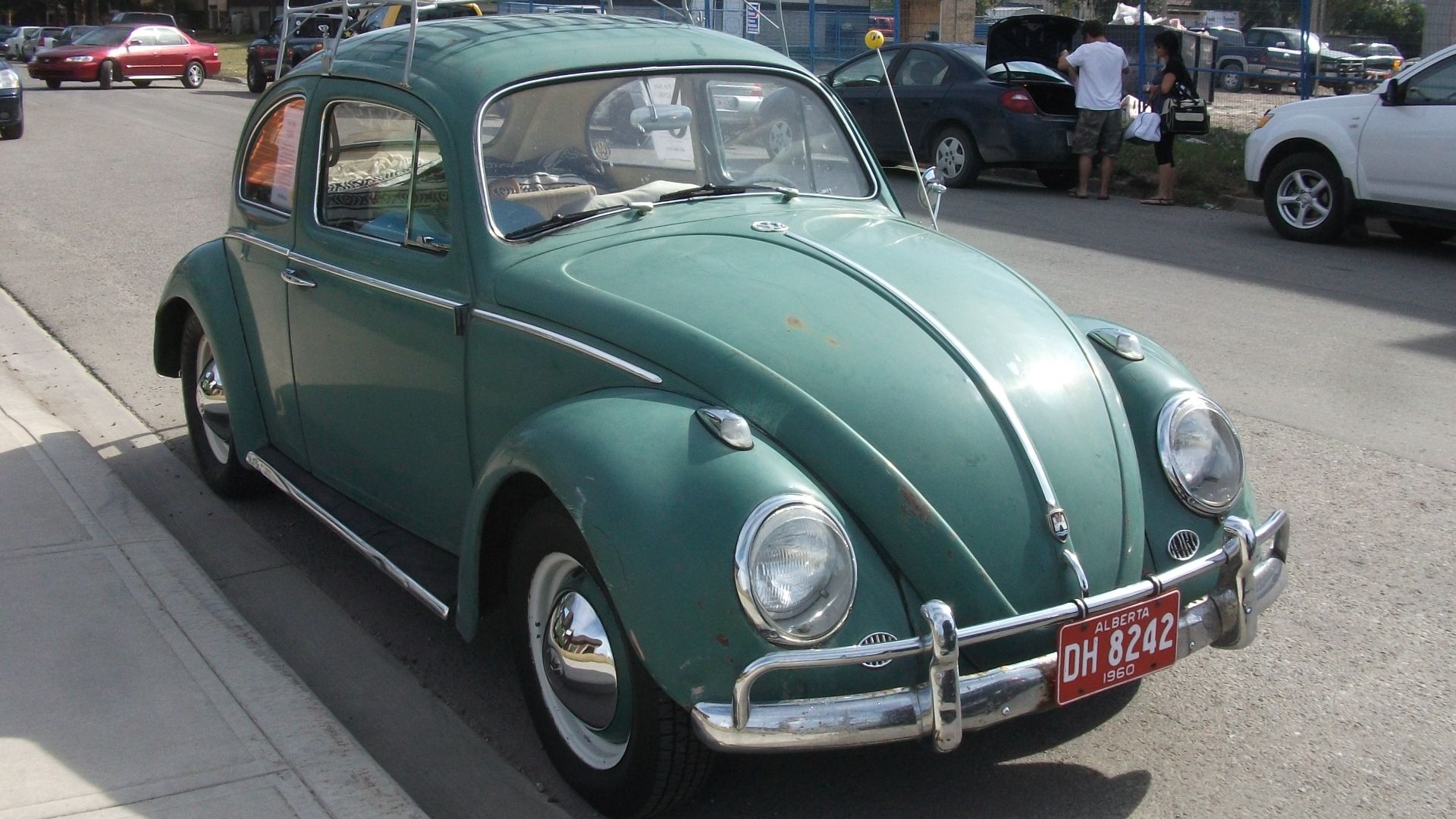
Volkswagen Beetle (1960)
A basic Beetle sedan listed for $1,565, leaving a useful chunk of that $2,000 budget untouched. Its simple, air-cooled engine and established reputation helped make the funny-looking German car a serious purchase. You still had to accept leisurely acceleration and regular maintenance. But unlike some cheap imports, the Beetle offered a compelling reason to keep buying another one.
 dave_7 from Lethbridge, Canada, Wikimedia Commons
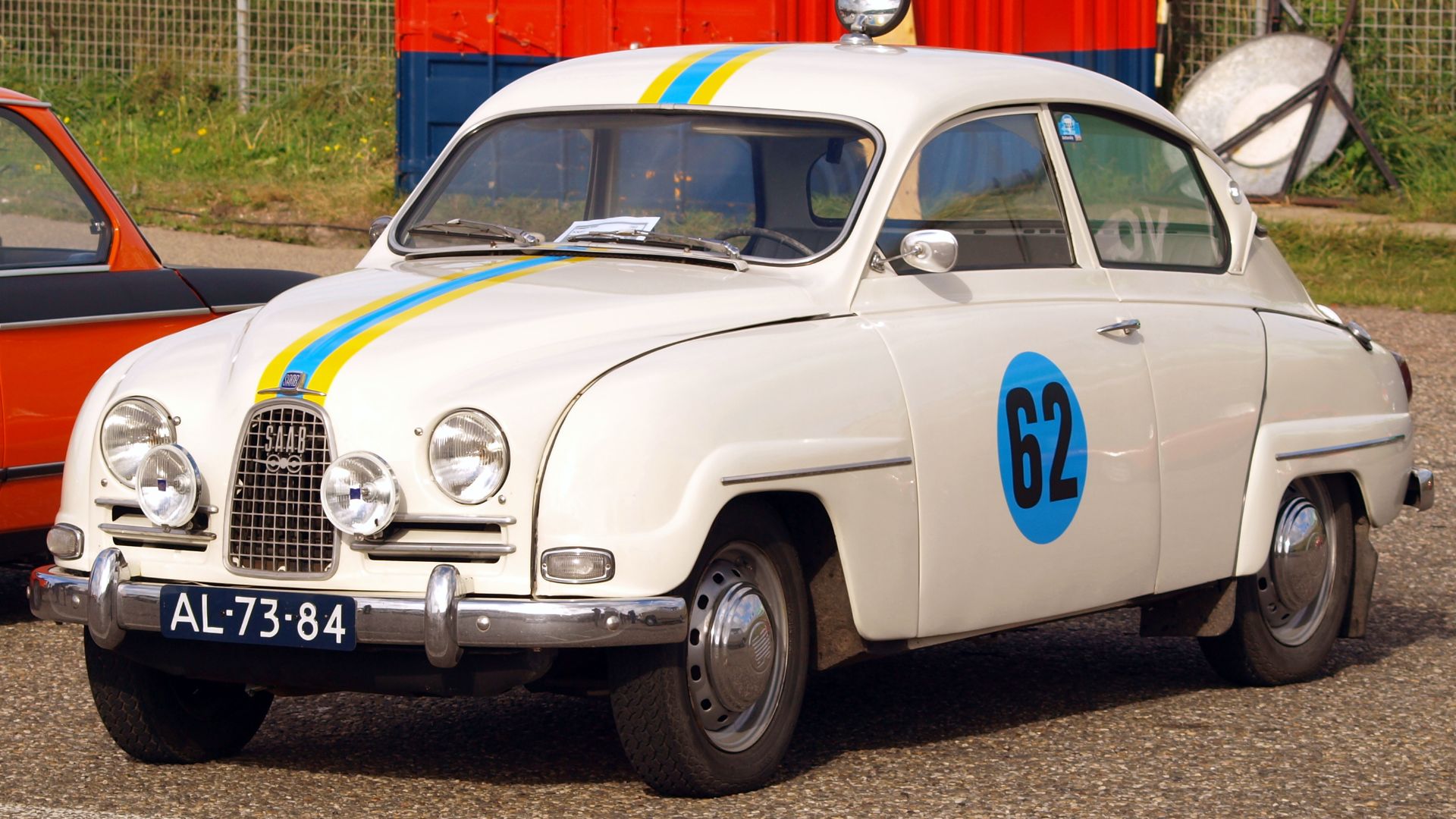
Saab 96 (1962)
For $1,895, the Saab 96 offered front-wheel drive and a three-cylinder two-stroke engine. That already made it rather different from the Ford parked next door. Its rally successes showed there was substance behind the unusual shape, too. For a buyer willing to learn its peculiarities, this was an interesting bargain. Someone expecting a completely conventional ownership experience needed to keep shopping.
 Alf van Beem, Wikimedia Commons
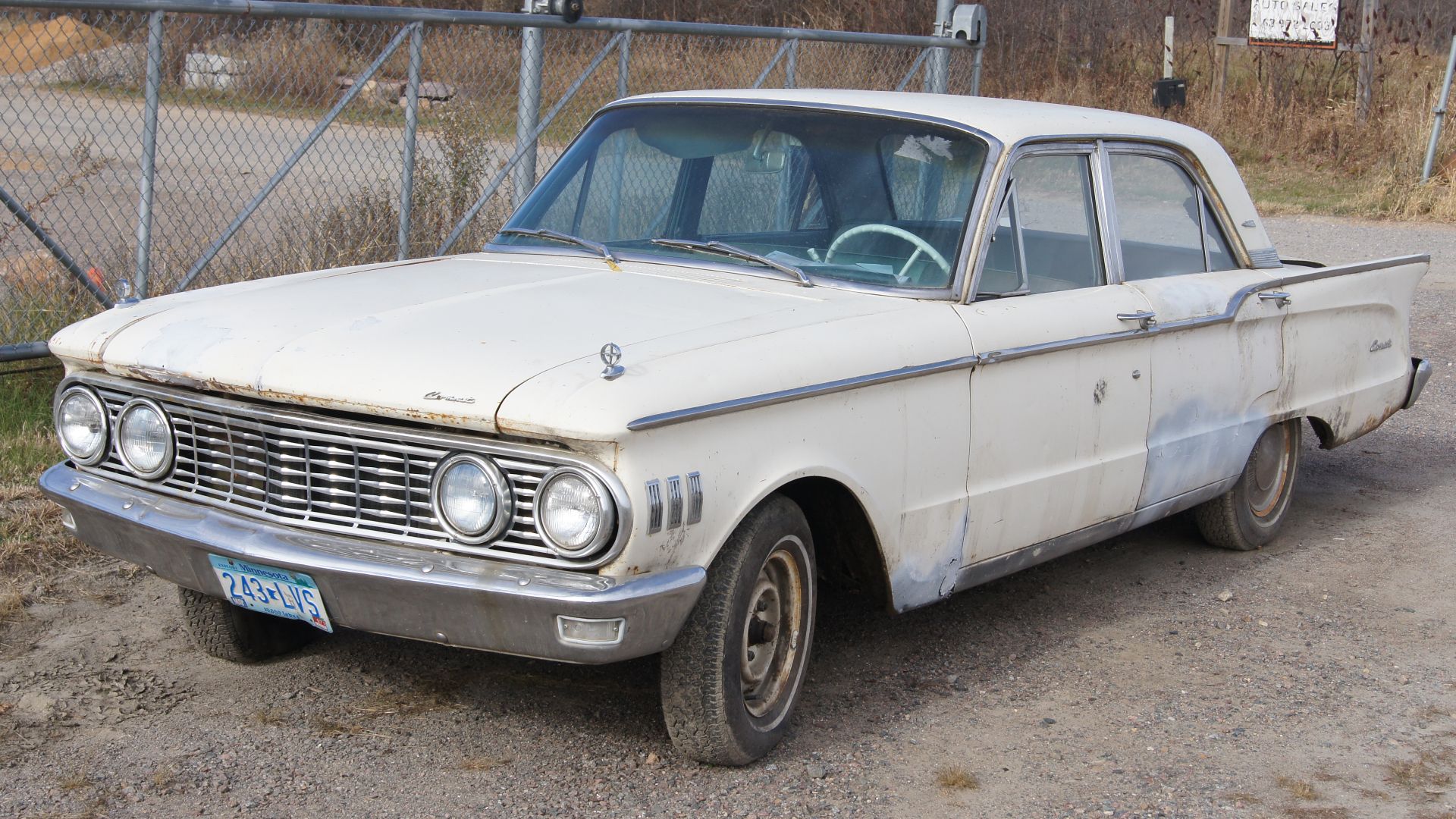
Comet (1961)
The Comet’s basic two-door sedan squeezed under the limit at $1,998. That bought a car related to the Falcon, but with a longer wheelbase and more elaborate styling. The catch? The small standard engine had plenty of car to move. It made sense for someone who wanted a little extra presence, provided they weren’t expecting extra performance to match.
 Greg Gjerdingen from Willmar, USA, Wikimedia Commons
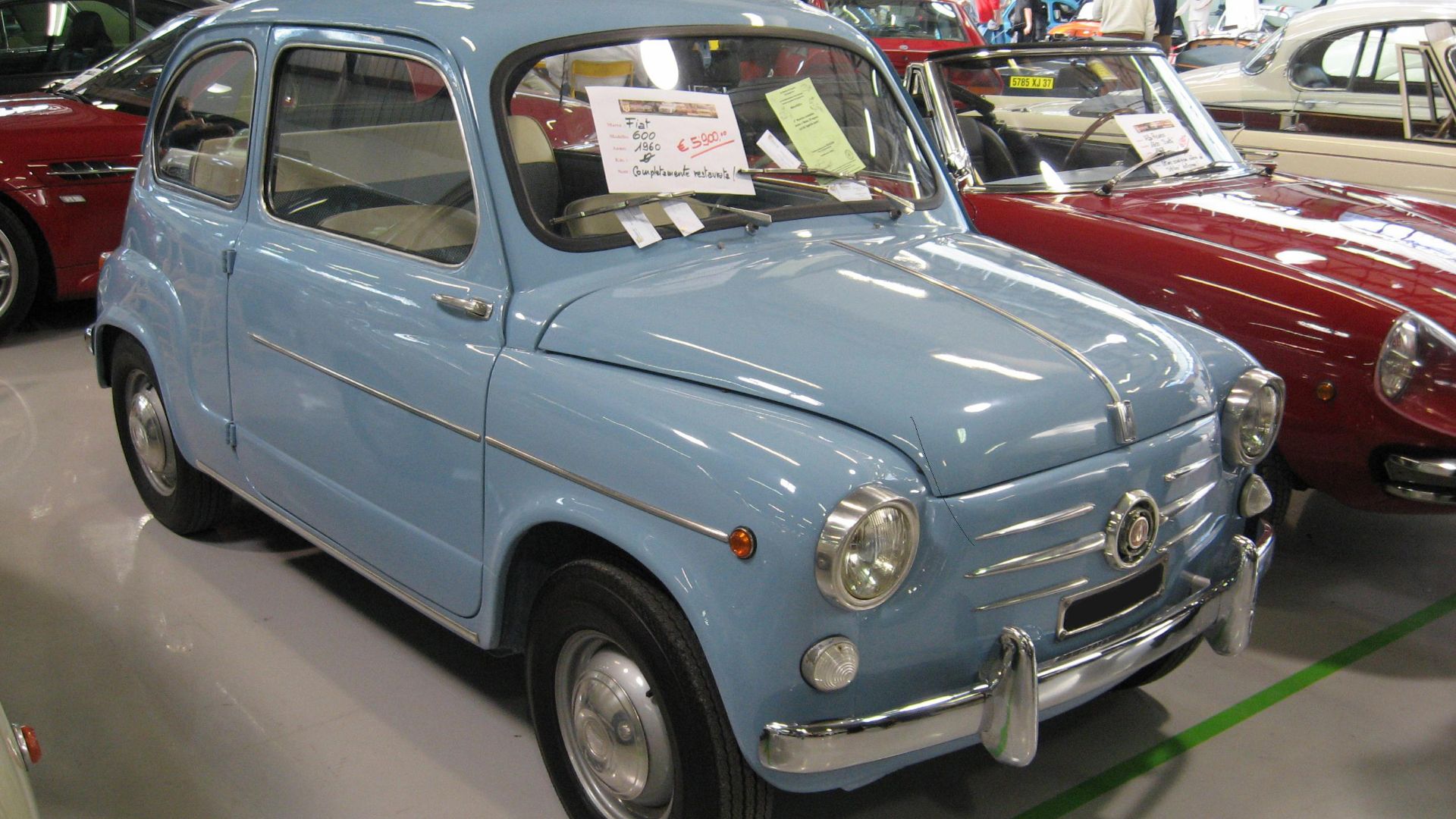
Fiat 600 (1960)
At $1,398, the Fiat 600 undercut even the Beetle. Its tiny dimensions and rear-mounted engine made it an appealing little runabout, especially where parking mattered more than passing power. But a low purchase price couldn’t make it a roomy American family car. For short trips and modest expectations, the savings made sense. For ambitious road trips, the compromises became harder to ignore.
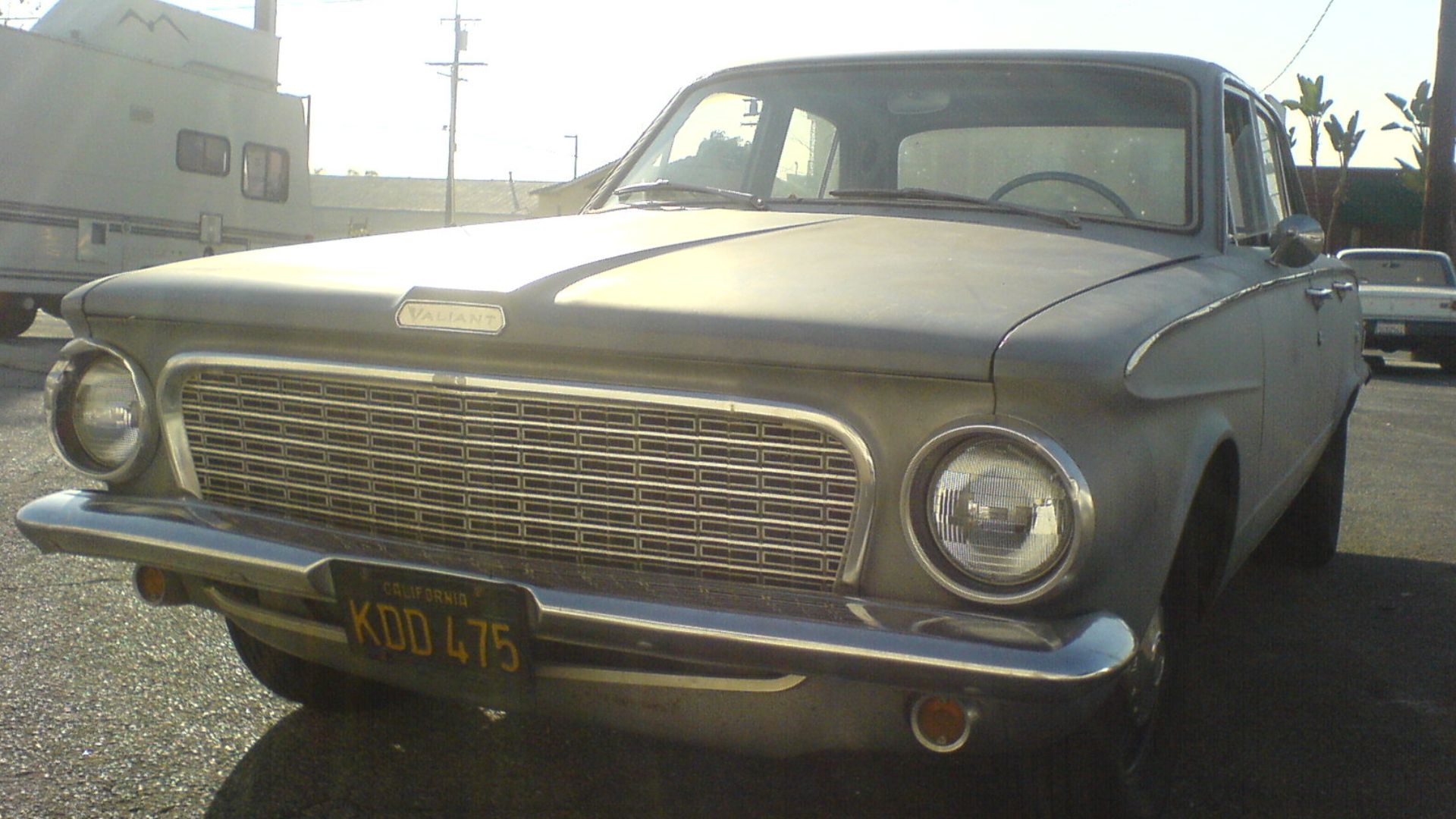
Plymouth Valiant (1963)
The basic V100 two-door sedan listed for $1,910, putting Plymouth’s compact firmly within reach. Its Slant Six engine became one of Chrysler’s most respected workhorses, and the car offered useful space without requiring a full-size-car budget. The cheapest version wasn’t loaded with luxuries. Still, if the goal was buying something sensible and keeping it, this was a strong answer.
 Brother Dave Thompson at en.wikipedia, Wikimedia Commons
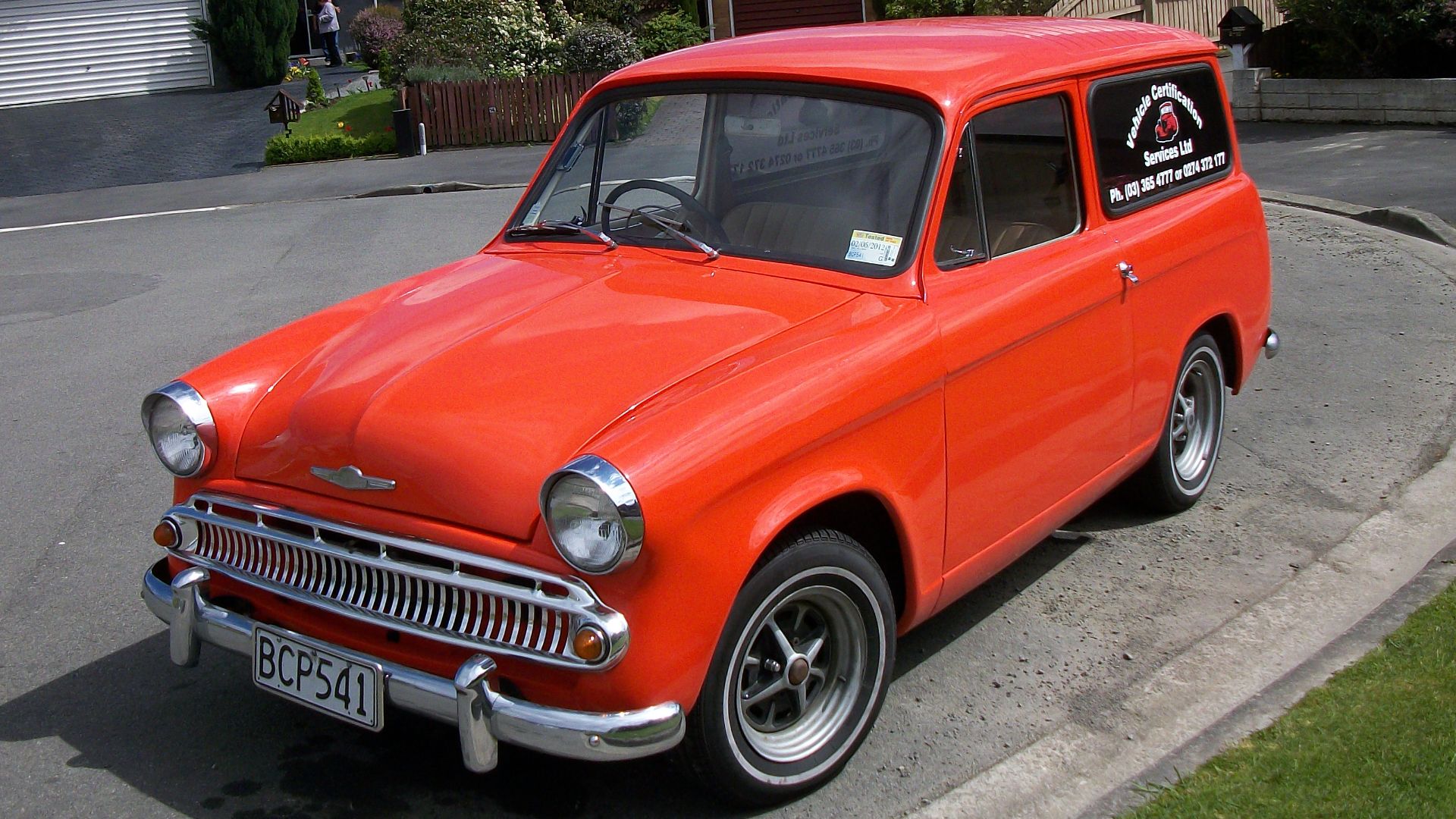
Hillman Husky (1962)
The Husky Series II station wagon listed for $1,599. That bought a small British wagon with room for passengers and the sort of everyday cargo that made a two-seat sports car difficult to justify. Performance wasn’t its great selling point. But for someone hauling groceries, tools, or the occasional awkward purchase, a useful little box could be worth more than something prettier.
 Riley from Christchurch, New Zealand, Wikimedia Commons
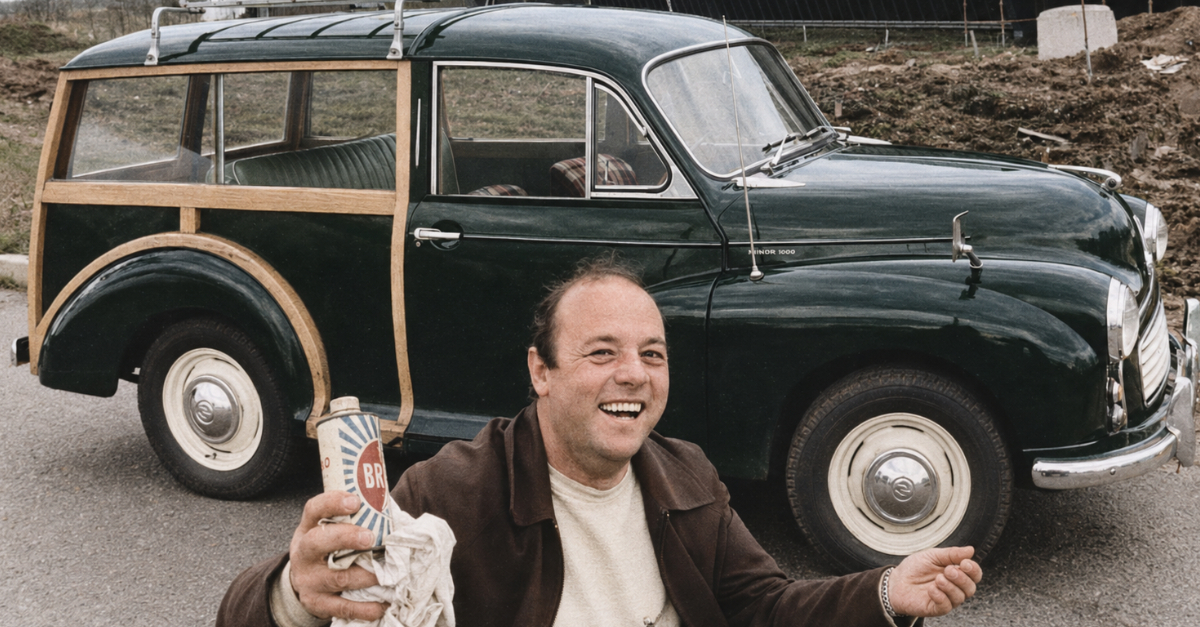
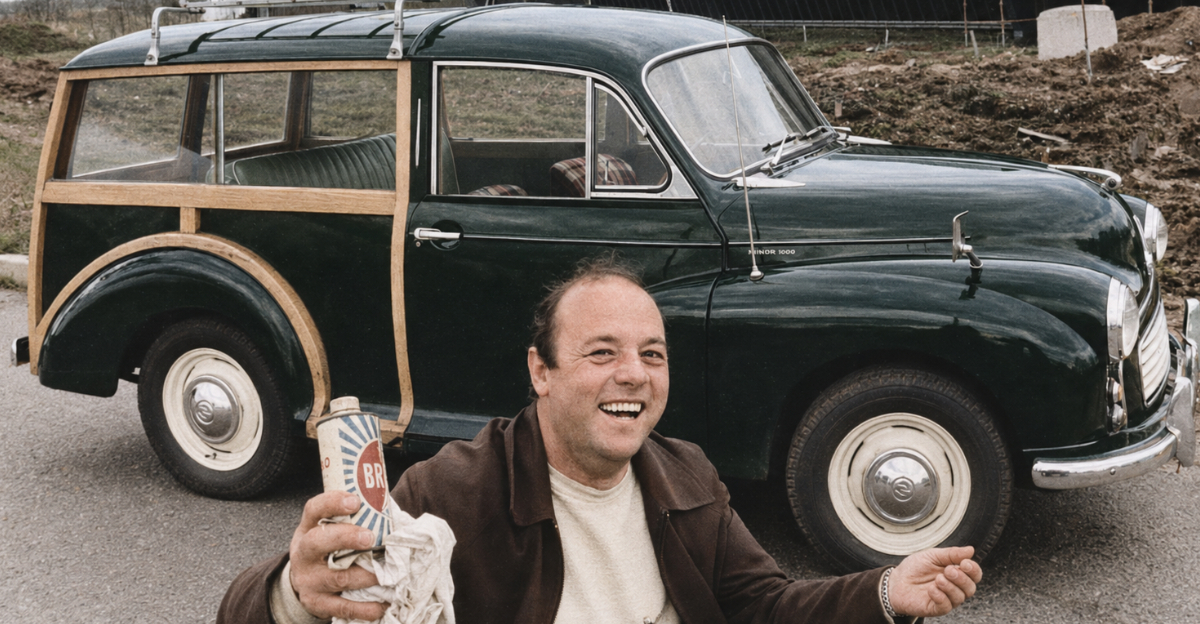
Morris Minor Traveller (1960)
The wood-framed Morris Minor Traveller listed for $1,798, bringing small-wagon usefulness and plenty of character. But that timber wasn’t simply decoration. It formed part of the rear body structure and needed proper care. For an owner willing to maintain it, the Traveller was a useful little companion. Someone hoping to ignore the wood indefinitely was buying themselves a future project.
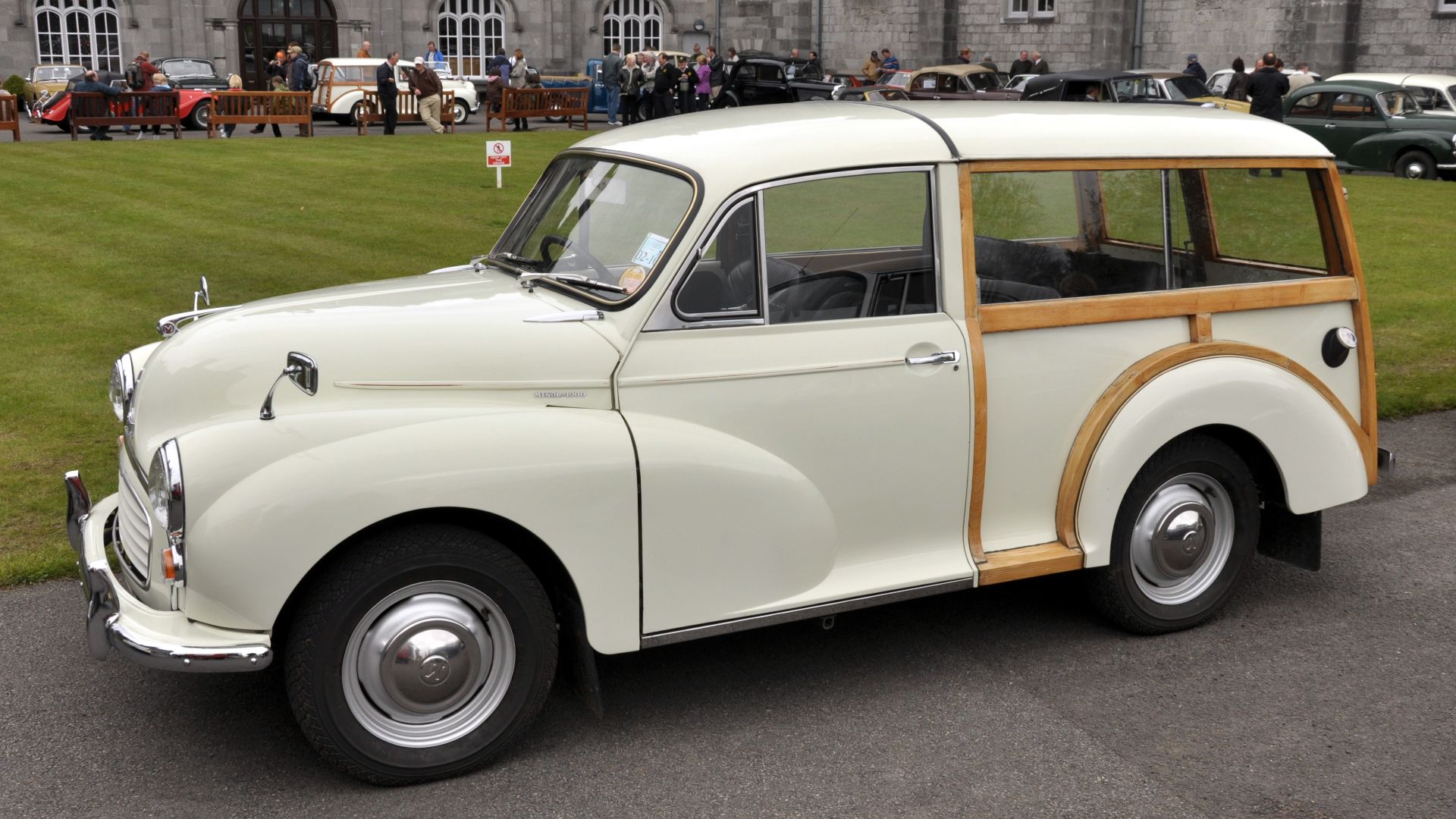 Stephen Hanafin from Kilkenny, Ireland, Wikimedia Commons
Opel Kadett (1967)
The basic two-door Kadett cost $1,657 and was sold through Buick dealers. It offered a conventional front-engine layout and more power than its tiny appearance suggested. For someone wanting an inexpensive import with an established American dealership behind it, the appeal was obvious. It deserved a look, even if the Volkswagen usually got the attention.
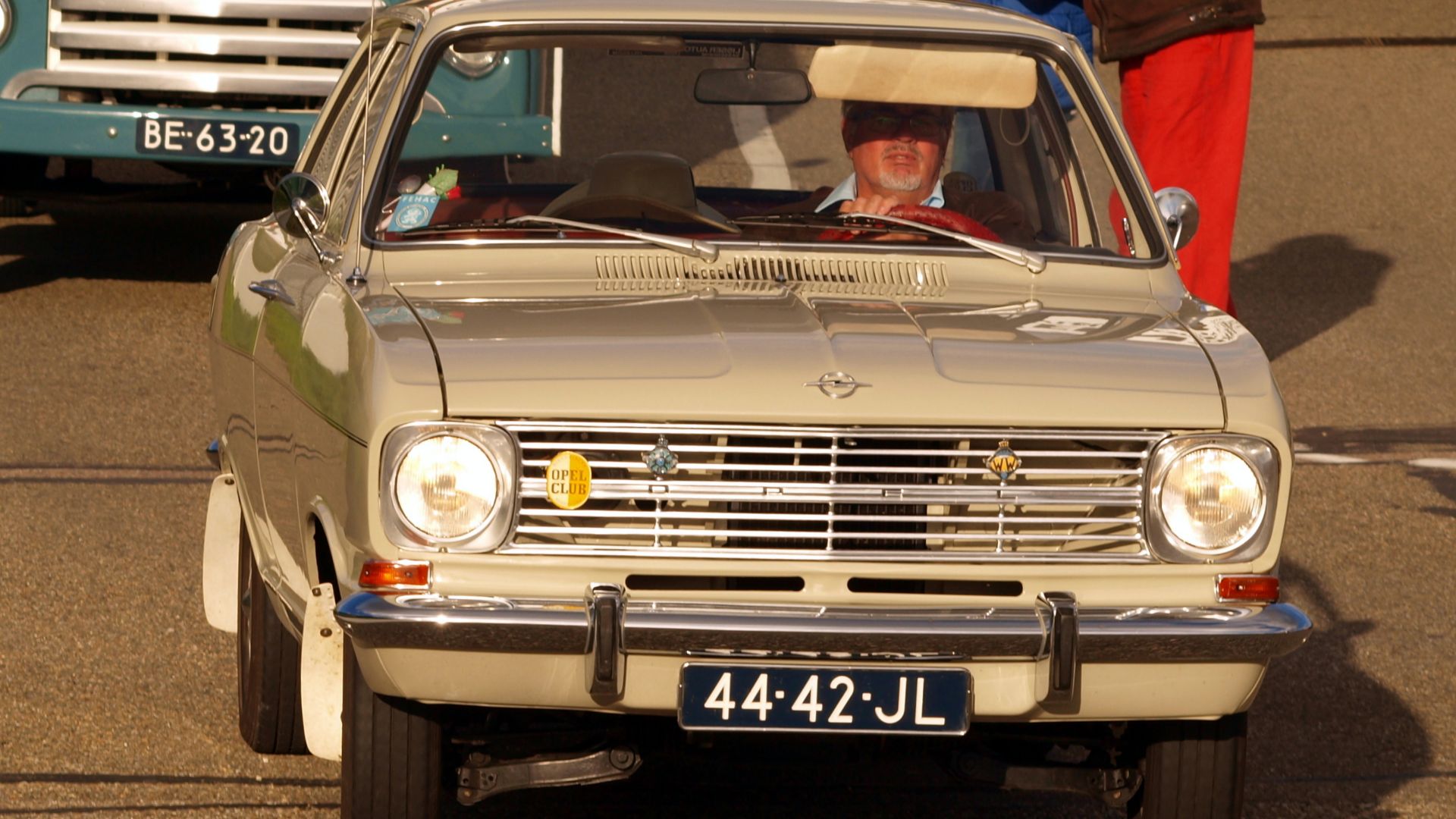 Alf van Beem, Wikimedia Commons
Renault R8 (1963)
At $1,795, the R8 had a feature that might surprise anyone expecting bargain-basement engineering: disc brakes on all four wheels. Its rear-engine layout and boxy body also made it distinctly different from Detroit’s compacts. There was real substance here, although rust remained a concern. It was a more interesting proposition than simply buying whichever car had the lowest advertised payment.
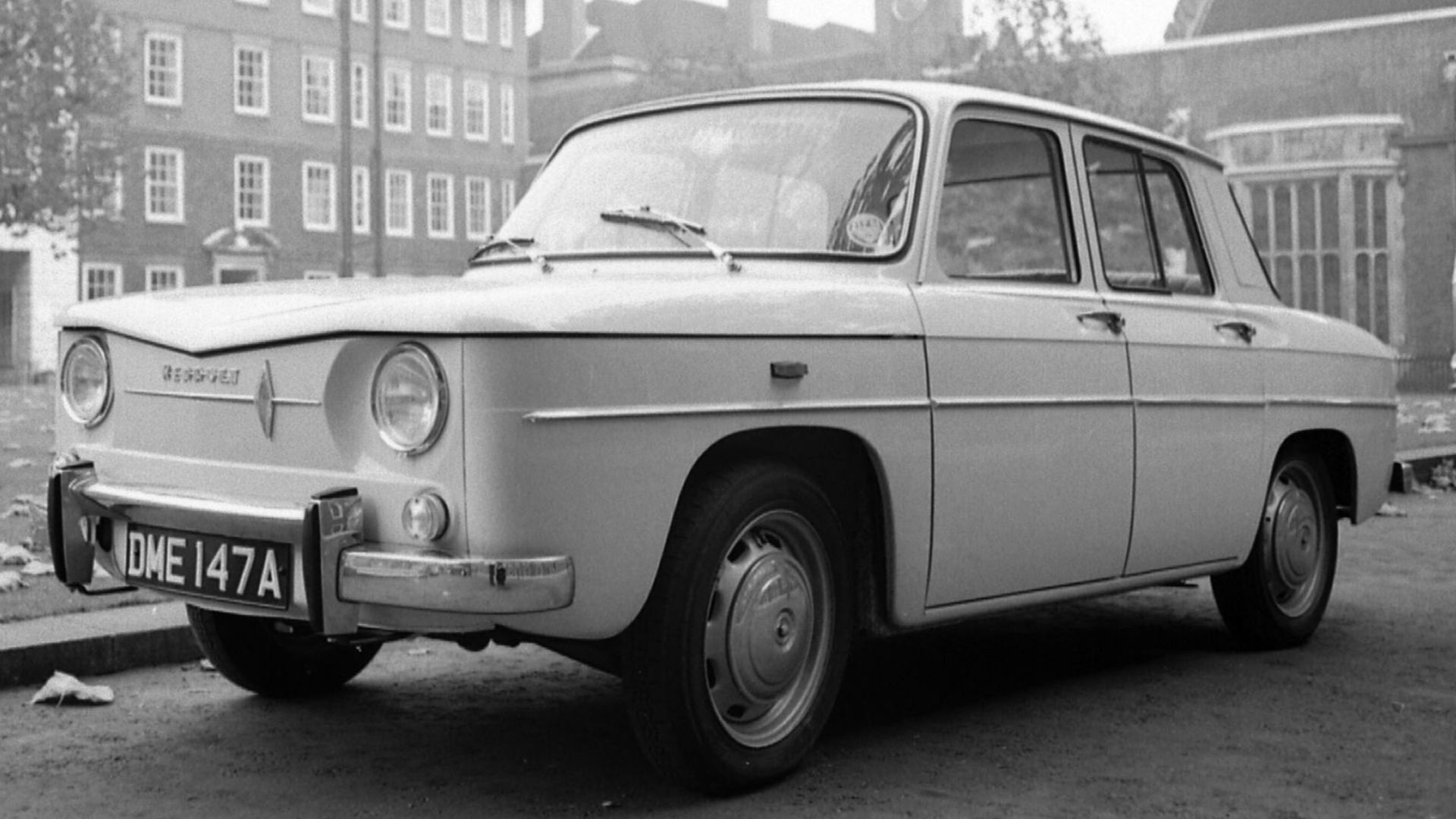 Welkinridge, Wikimedia Commons
Studebaker Lark (1960)
The six-cylinder Lark Deluxe two-door sedan started at $1,976. Studebaker had packaged familiar mechanical ingredients into a shorter car that still offered useful passenger space. It wasn’t the freshest engineering on the market, but that didn’t automatically make it a bad purchase. For someone who liked a traditional American car and needed a smaller bill, the Lark made a reasonable case.
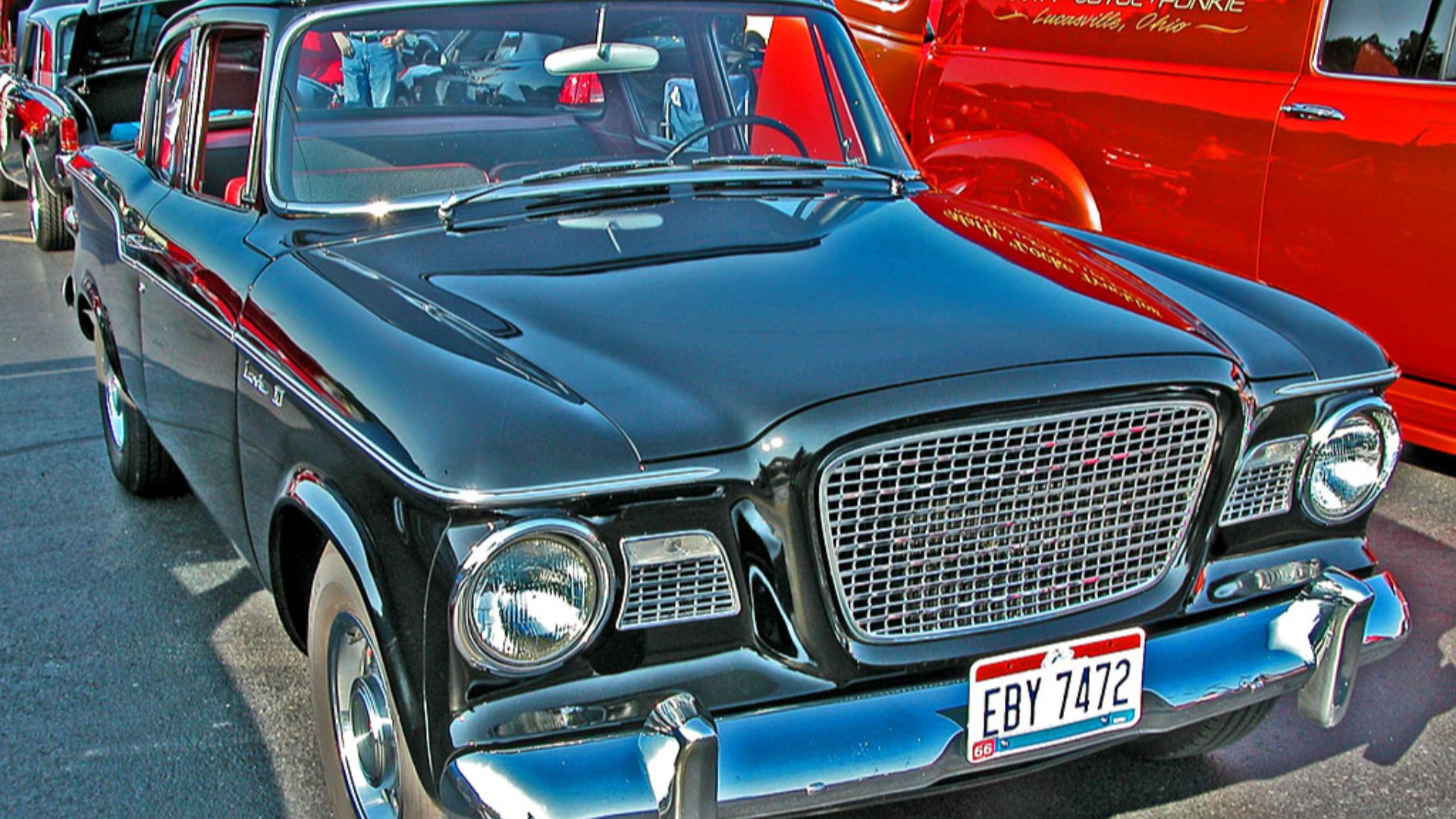 Don O'Brien from Piketon, Ohio, United States, Wikimedia Commons
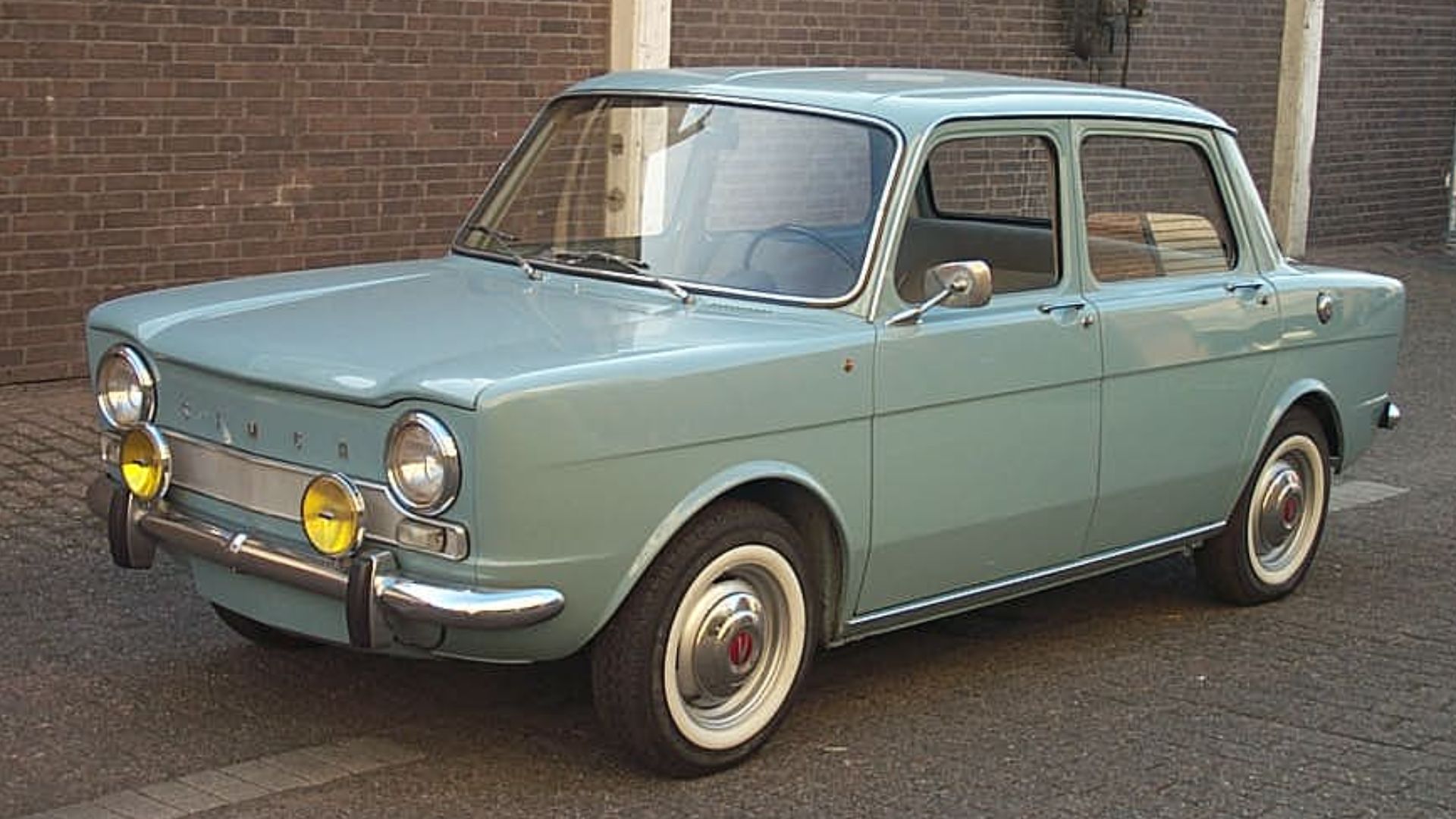
Simca 1000 (1963)
The Simca 1000 started at $1,595, putting it directly in Beetle territory. Four doors and a rear-mounted engine gave this little French sedan an appealing combination on paper. Unfortunately, period criticism included sluggish performance and sensitivity to crosswinds. The price was competitive, but a test drive on a windy day might have done more talking than the salesman.
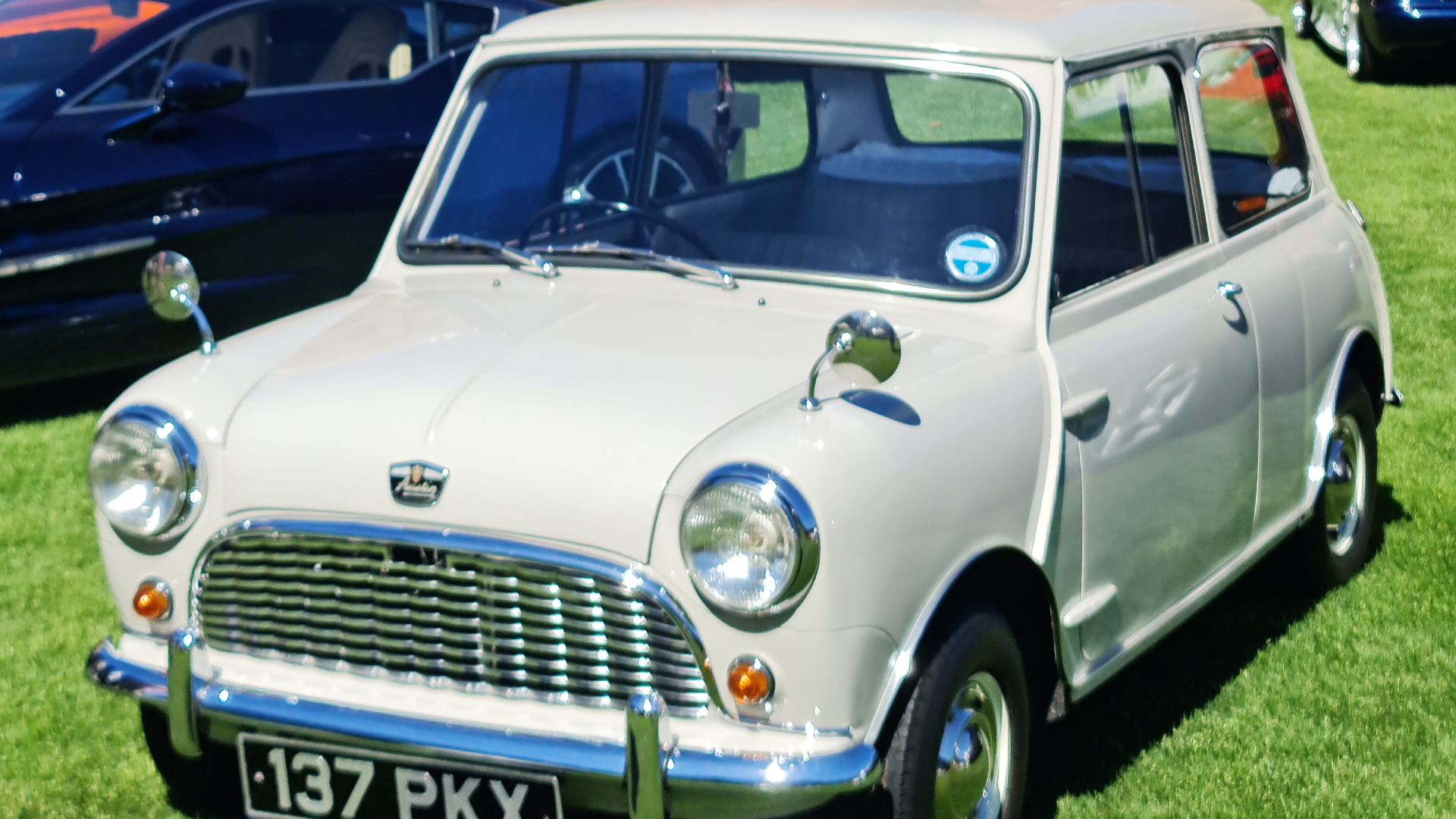
Austin Mini (1960)
The Austin version of the original Mini listed for just $1,295. Its sideways-mounted engine and front-wheel drive helped squeeze remarkable passenger space into a very small footprint. Around town, that clever packaging had obvious advantages. Long American highway journeys were another matter. It was a brilliant little car, but the buyer needed to want what a little car actually offered.
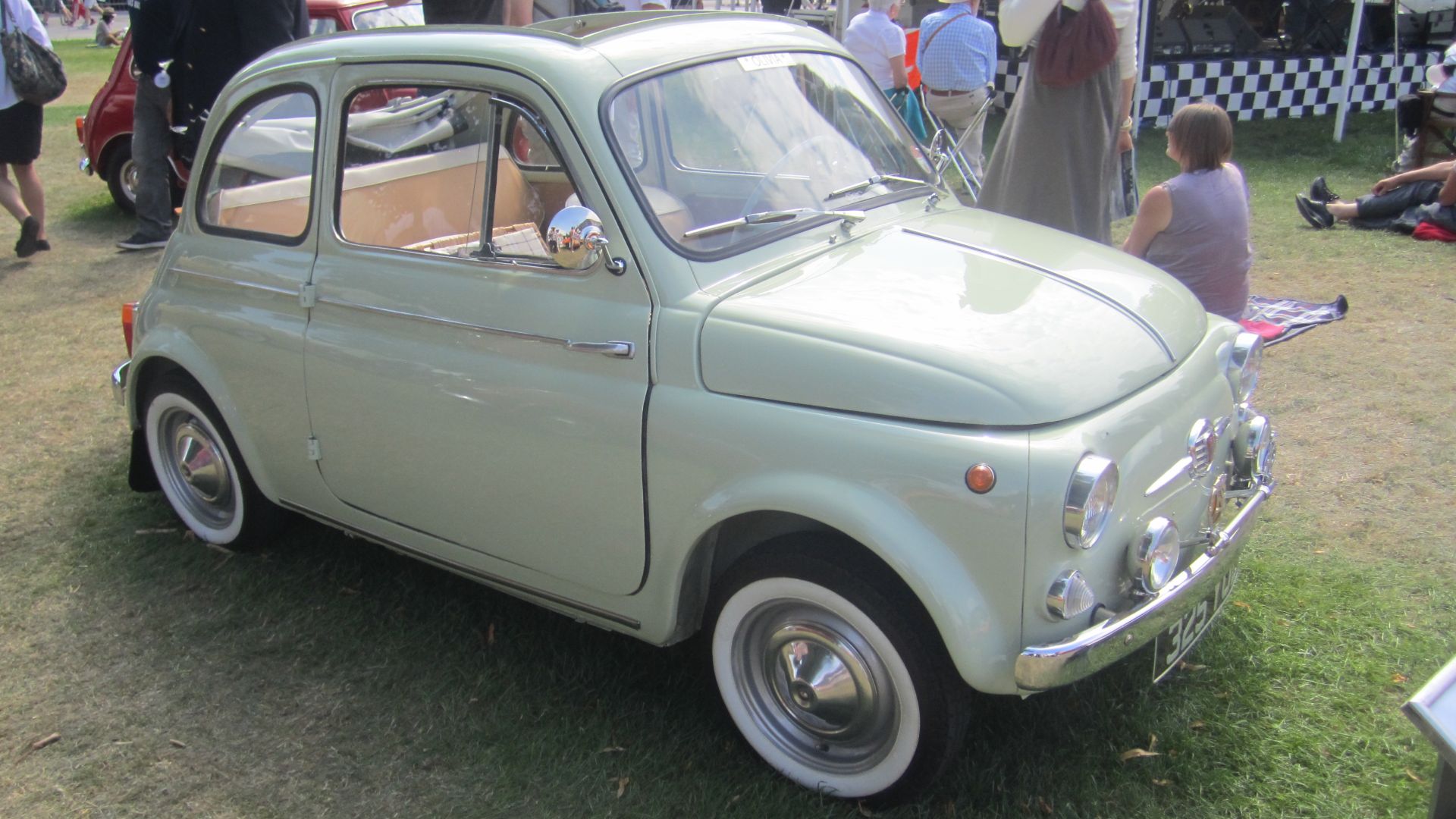
Fiat 500 (1960)
At $1,098, the original Fiat 500 made even some other economy cars look expensive. And yes, American buyers could actually purchase one, complete with the larger headlights fitted to U.S. versions. The trouble was that its tiny size and limited speed were much easier to appreciate around town than on an American highway. A remarkable price didn’t make it suitable for every driveway.
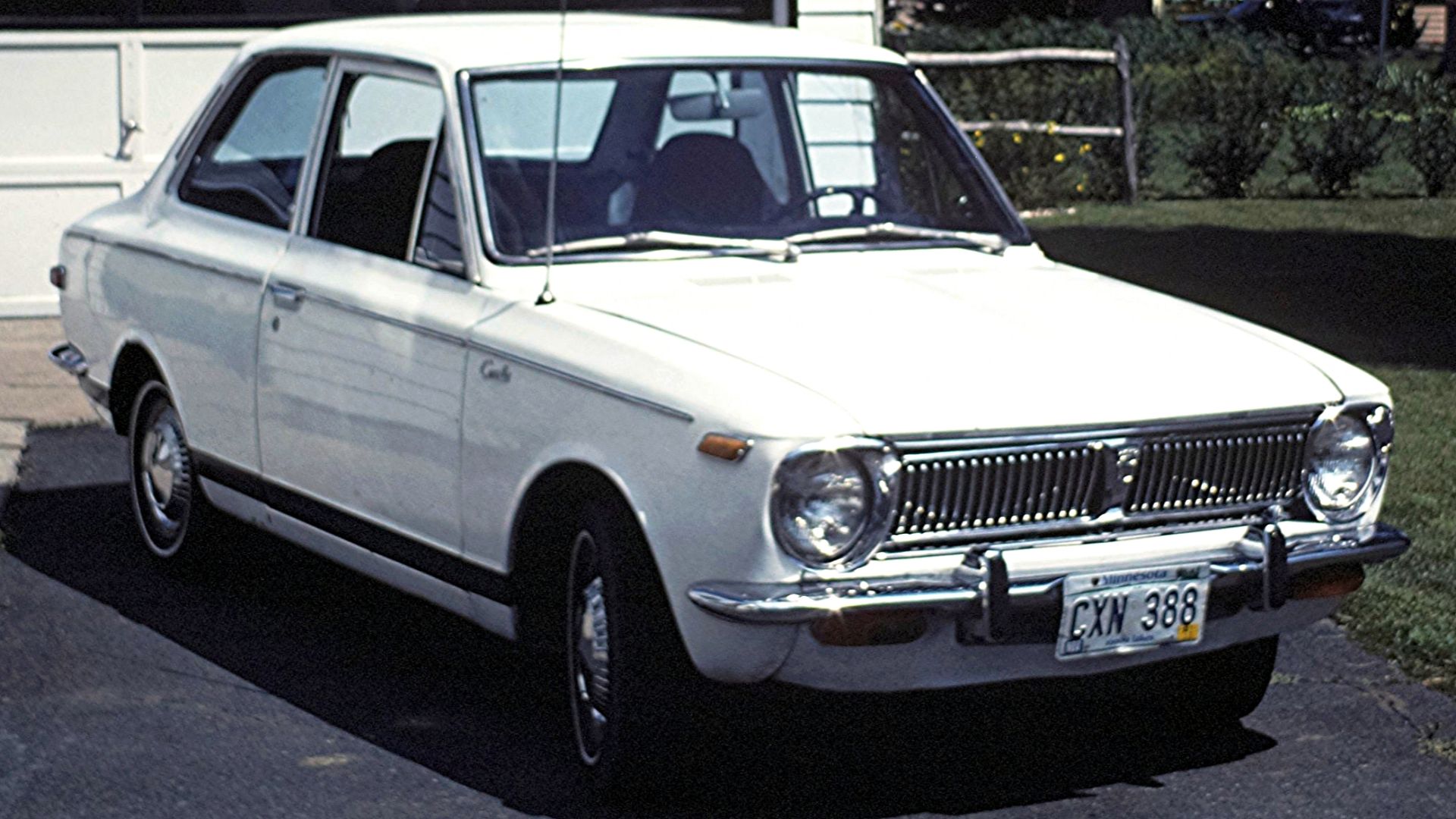
Toyota Corolla (1969)
The Corolla reached American showrooms in 1968 as a 1969 model, with a starting price around $1,700. It was small, straightforward, and aimed squarely at people who cared about economy. Nobody needed to know what the Corolla name would eventually become to see the appeal. For someone willing to try a still-unfamiliar Japanese compact, this was a promising place to start.
 Greg Gjerdingen from Willmar, USA, Wikimedia Commons
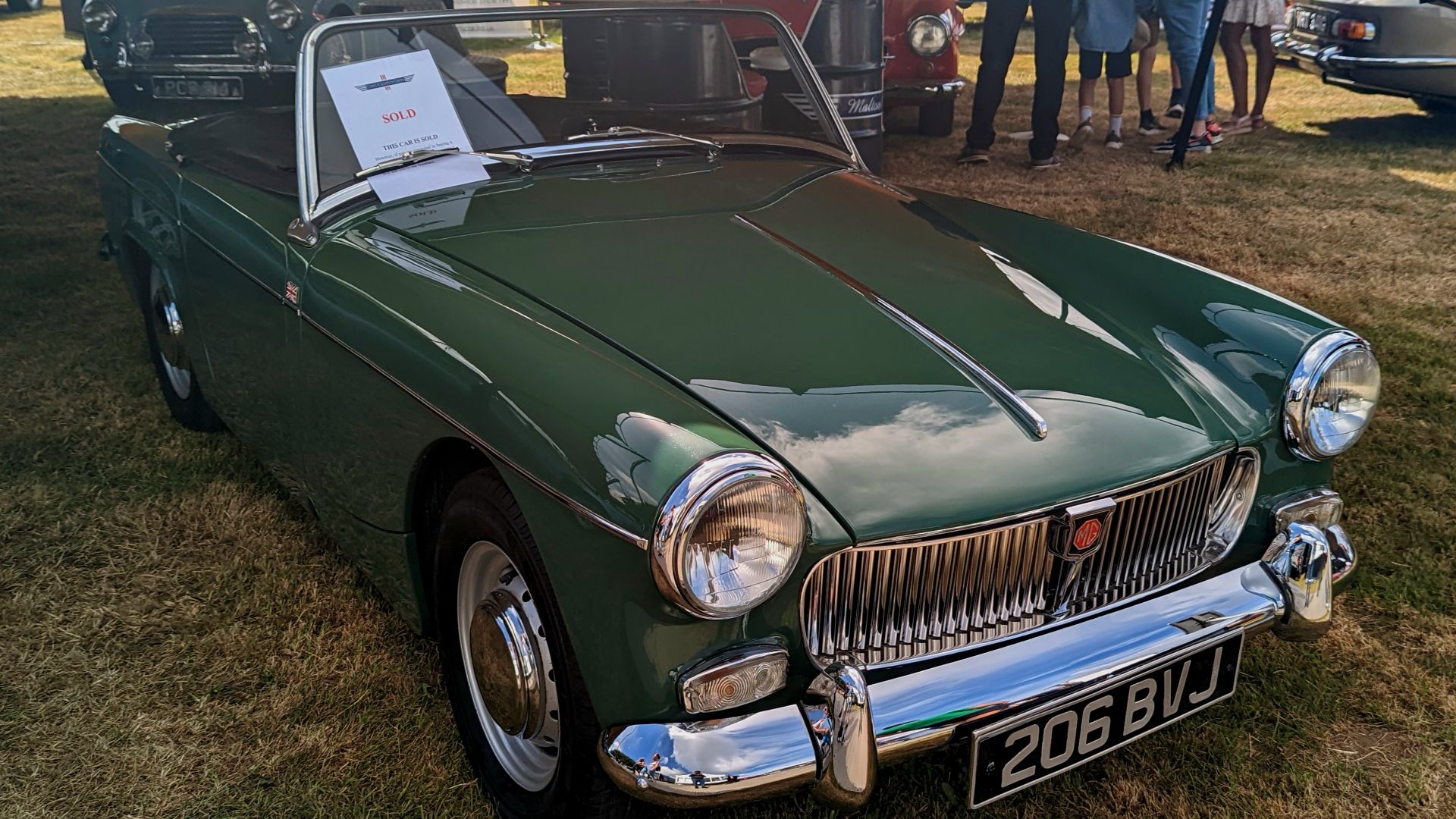
MG Midget (1962)
A $1,939 starting price put a new MG Midget within the same budget as several sensible sedans. Closely related to the Sprite, it offered two seats, light weight, and the sort of driving involvement that didn’t require enormous horsepower. Of course, two seats also meant leaving most of the family behind. Worth it? That depended rather heavily on whether that sounded like a problem.
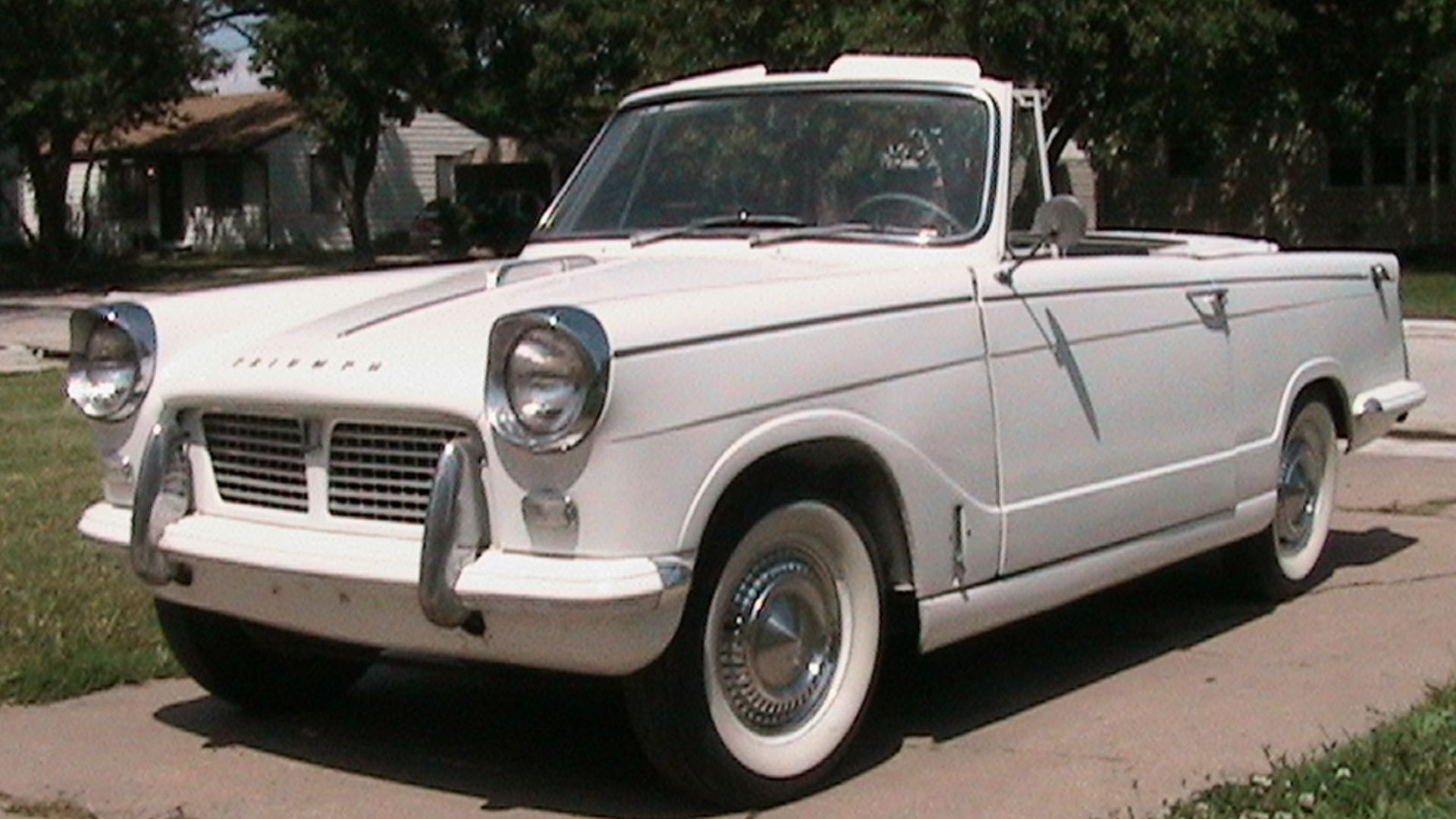
Triumph Herald Convertible (1962)
The Herald convertible listed for $1,979, offering something the Sprite and Midget couldn’t: rear seats. That made the idea of buying a British convertible a little easier to explain at the dinner table. It still wasn’t a spacious American cruiser. But for someone who wanted open-air driving without immediately ruling out bringing the children, the Herald had a convincing little advantage.
 User Joshuablick on en.wikipedia, Wikimedia Commons
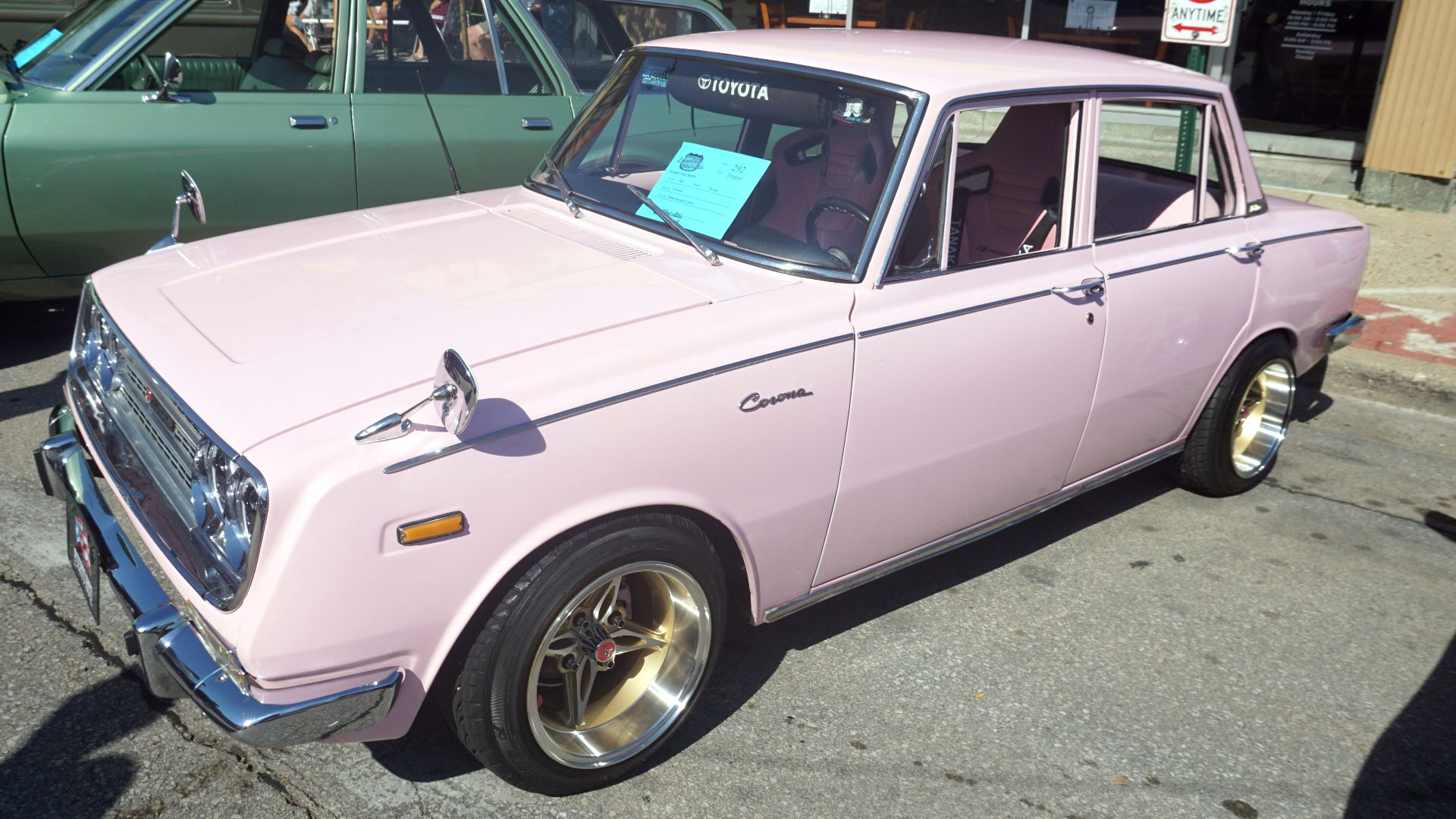
Toyota Corona (1967)
The Corona sedan listed for $1,790, offering four-door practicality at a price below many domestic compacts. This was the model that helped Toyota gain a serious foothold in America. It wasn’t particularly glamorous, but it gave buyers a convincing reason to consider the brand. An unfamiliar badge didn’t necessarily mean an inferior bargain.
 Michael Barera, Wikimedia Commons
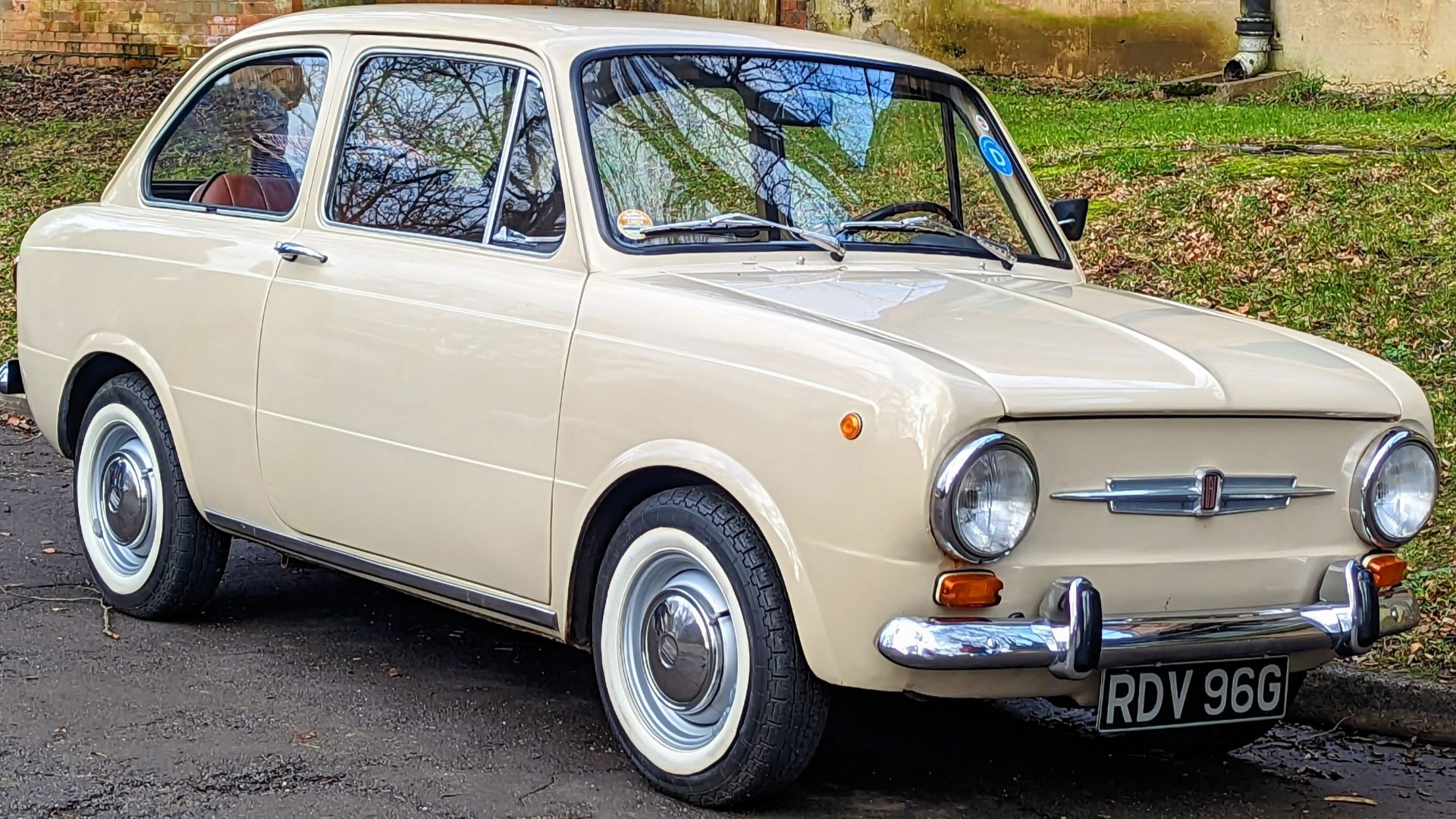
Fiat 850 Sedan (1969)
The Fiat 850 sedan listed for $1,467, so buyers could still get a new Italian car for well under $2,000 near the decade’s end. Its rear-engine layout and compact body suited economical everyday driving. The longer-term worry was rust, which could become a profound problem. The purchase price looked good; keeping the body intact was another part of the calculation.
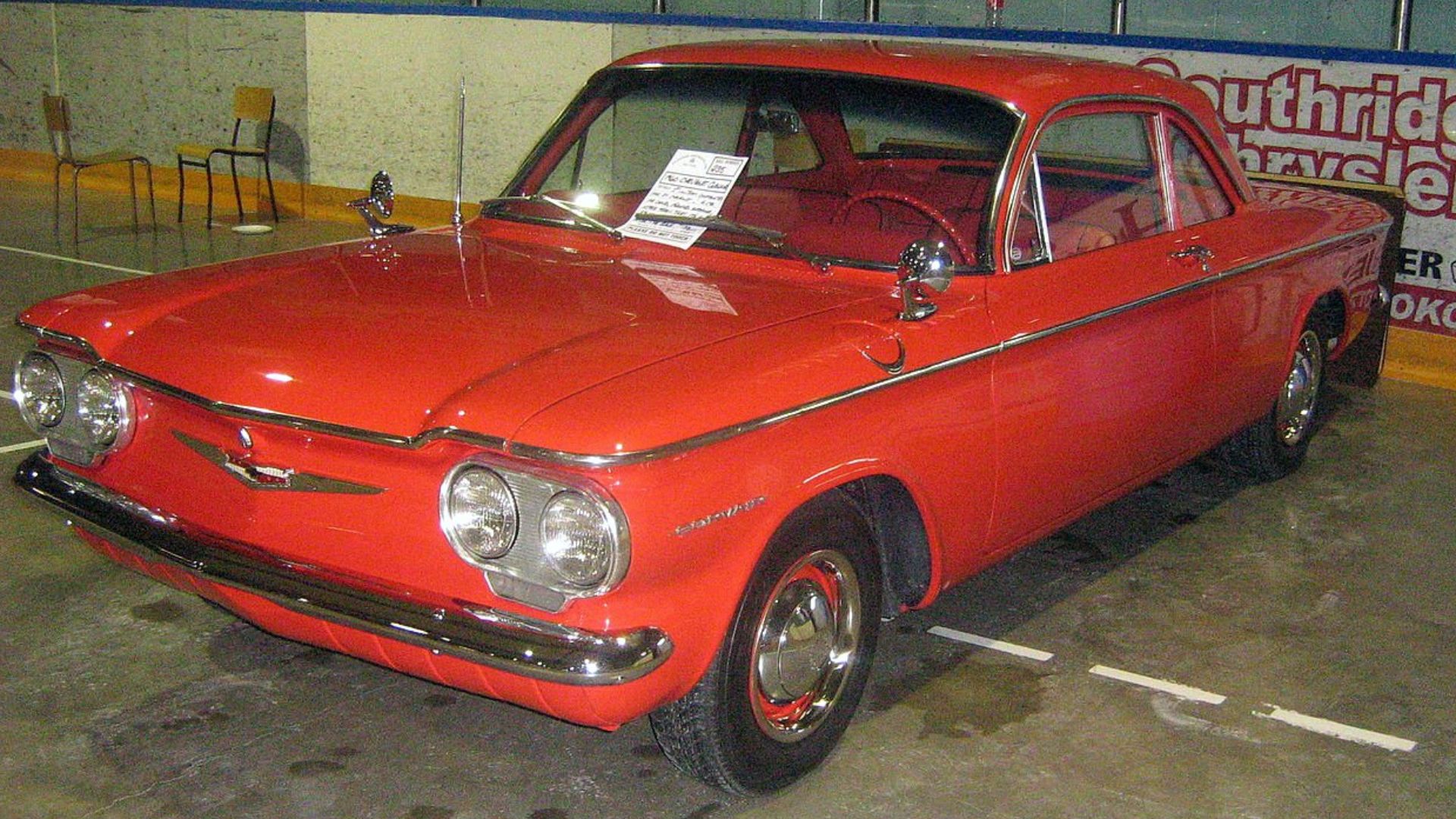
Chevrolet Corvair (1960)
The basic Corvair coupe listed for $1,984, buying a very different Chevrolet with an air-cooled engine in the rear. Its handling later became enormously controversial, although a 1972 federal evaluation found the early cars comparable to contemporary vehicles tested. That complicated history deserves more than a simple “lemon” label. An interesting bargain, certainly, but a conventional Falcon was an easier car to understand.
 dave_7 from Lethbridge, Canada, Wikimedia Commons
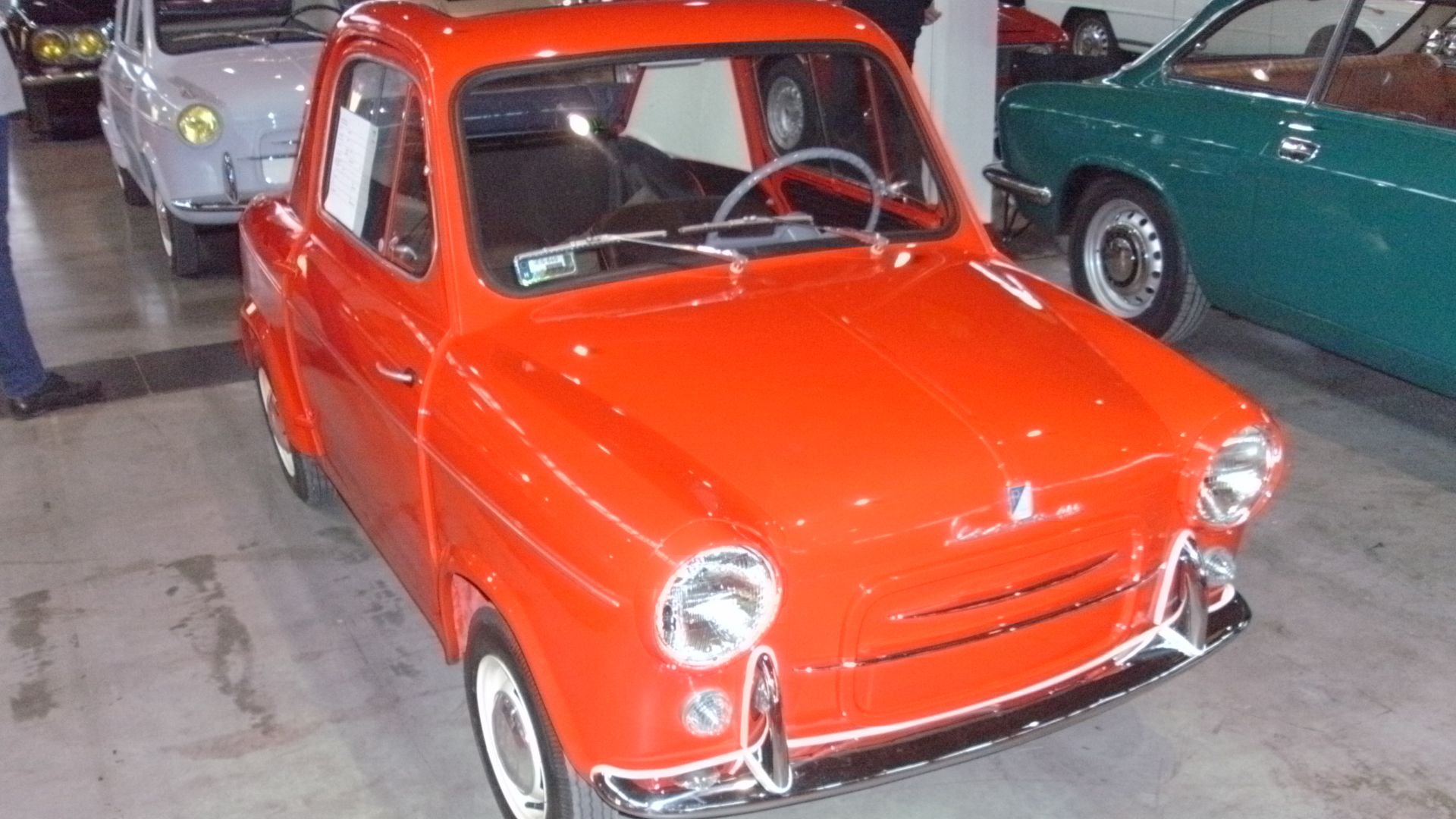
Vespa 400 (1960)
Yes, Vespa sold a car. The little 400 was advertised at $1,080, including a folding sunroof and heater. Its rear-mounted two-cylinder engine and miniature dimensions made it a very different proposition from a full-size American sedan. For local errands, there was something appealing about it. For keeping pace on longer trips, the savings came with plenty of time spent in the slow lane.
Subaru 360 (1968)
The Subaru 360’s $1,297 advertised price sounded almost too good to ignore. Then Consumer Reports tested it. The magazine’s April 1969 review rated it “Not Acceptable,” documenting serious shortcomings in performance, handling, and crash protection. This wasn’t simply a cheap car missing a few comforts. For American driving conditions, saving money on the purchase came with compromises that were much harder to justify.
 Beginning with the simplest steps, Wikimedia Commons
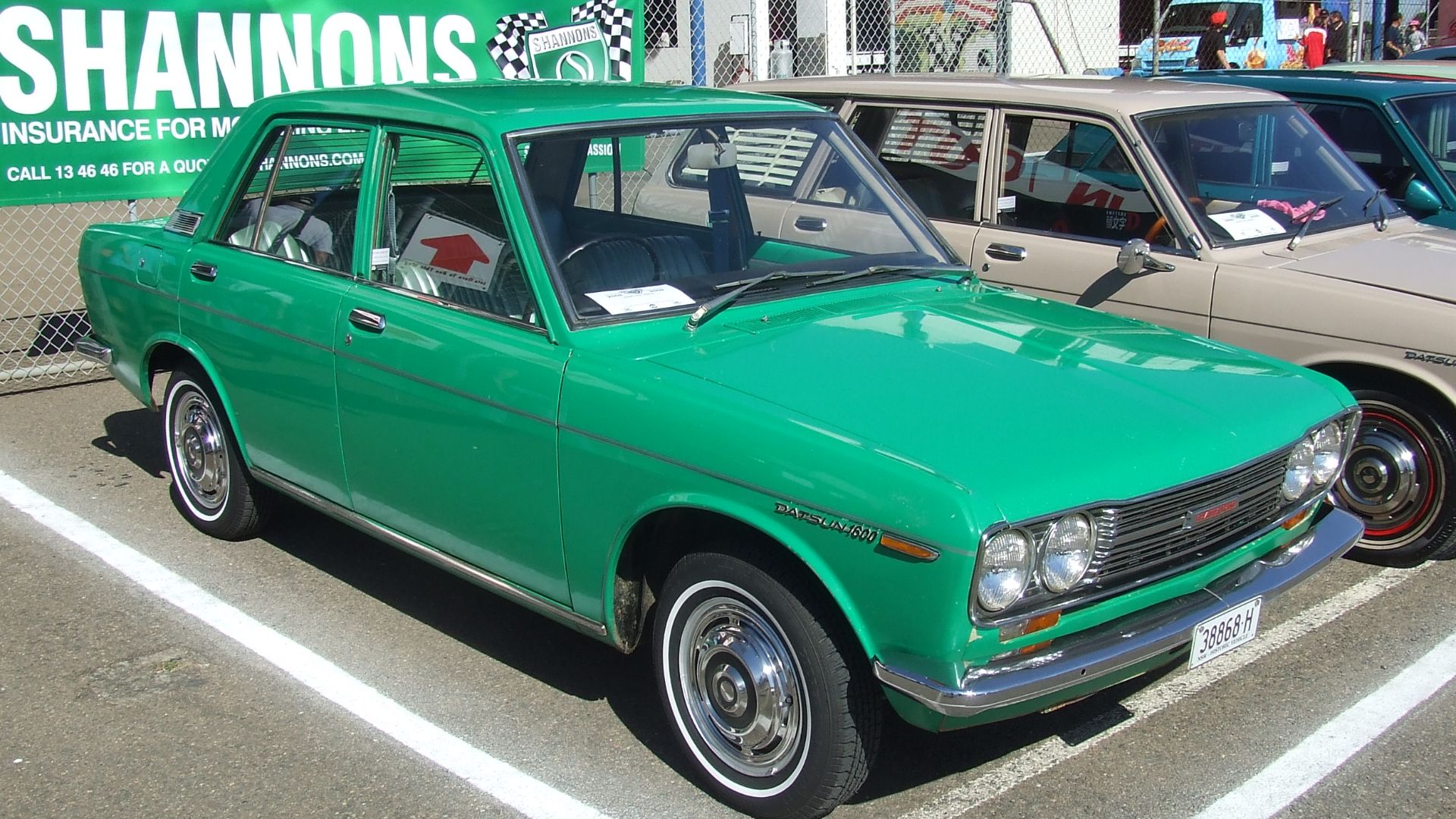
Datsun 510 (1968)
At $1,996 for the four-door sedan, the Datsun 510 barely made the cutoff. But an overhead-cam engine and independent rear suspension gave buyers considerably more than basic transportation. It could handle family duties and still make a winding road entertaining. Among these bargains, it offered one of the strongest combinations of practicality and driving pleasure. Four dollars under budget suddenly looked pretty good.
 Jeremy from Sydney, Australia, Wikimedia Commons
Which One Would Have Gotten Your Money?
So, which would have gotten your signature: a sensible Falcon, a little British roadster, or that Datsun with just four dollars to spare?
 Greg Gjerdingen, Wikimedia Commons
You Might Also Like:
My lease is up next month and the car has a few scratches. Will I be charged for them?