Tomorrow's Features, Yesterday's Cars
Today's ordinary car features once seemed astonishing. Certain models offered them decades before they became familiar. Some caught on immediately; others needed years of refinement.

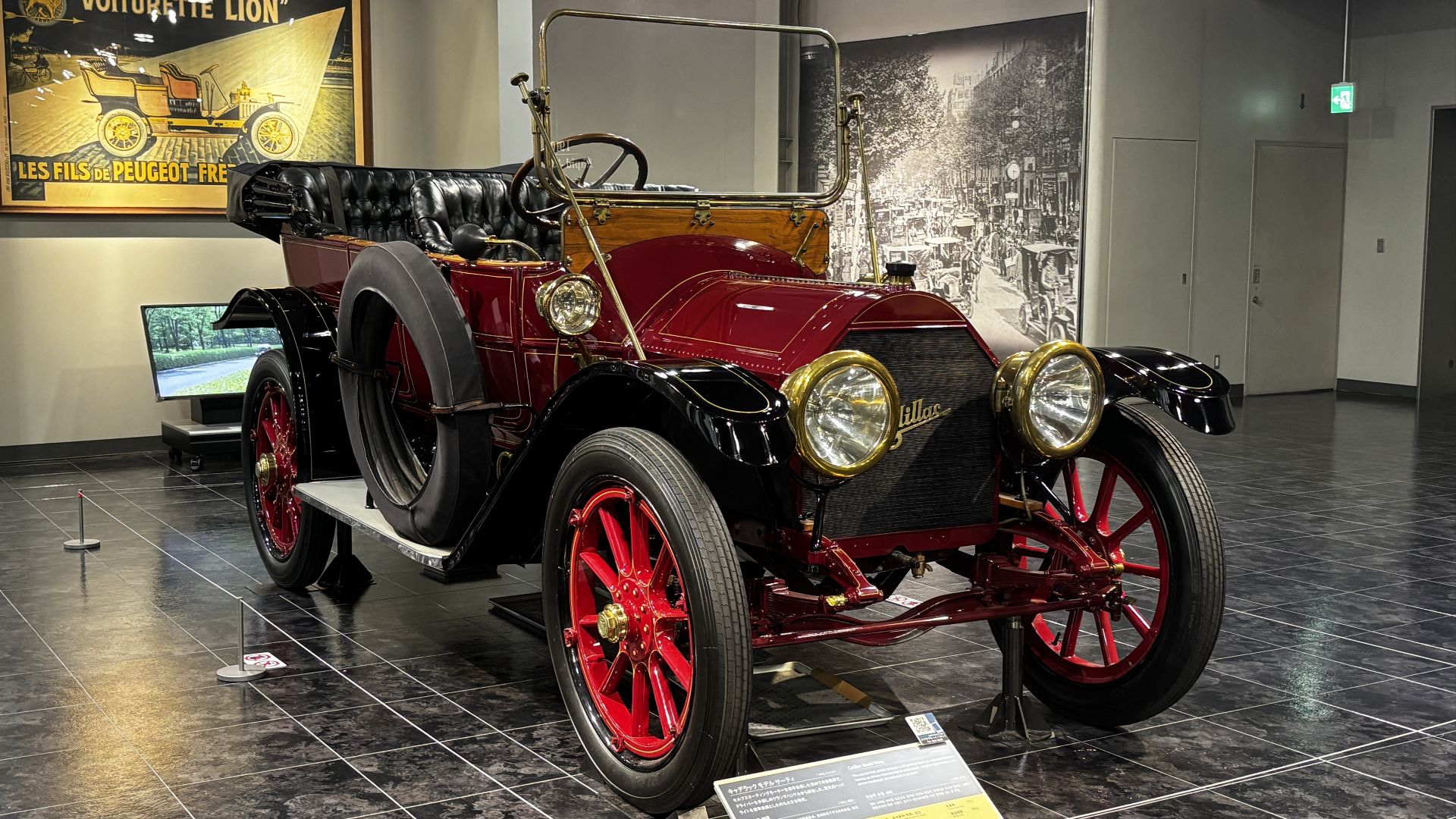
Cadillac (1912): Electric Starting
Starting an early car often meant turning a hand crank outside the vehicle. Cadillac's 1912 electric starter let drivers start the engine with far less fuss. The change was so practical that hand cranking soon began disappearing.
Wills Sainte Claire A-68 (1922): Reversing Lights
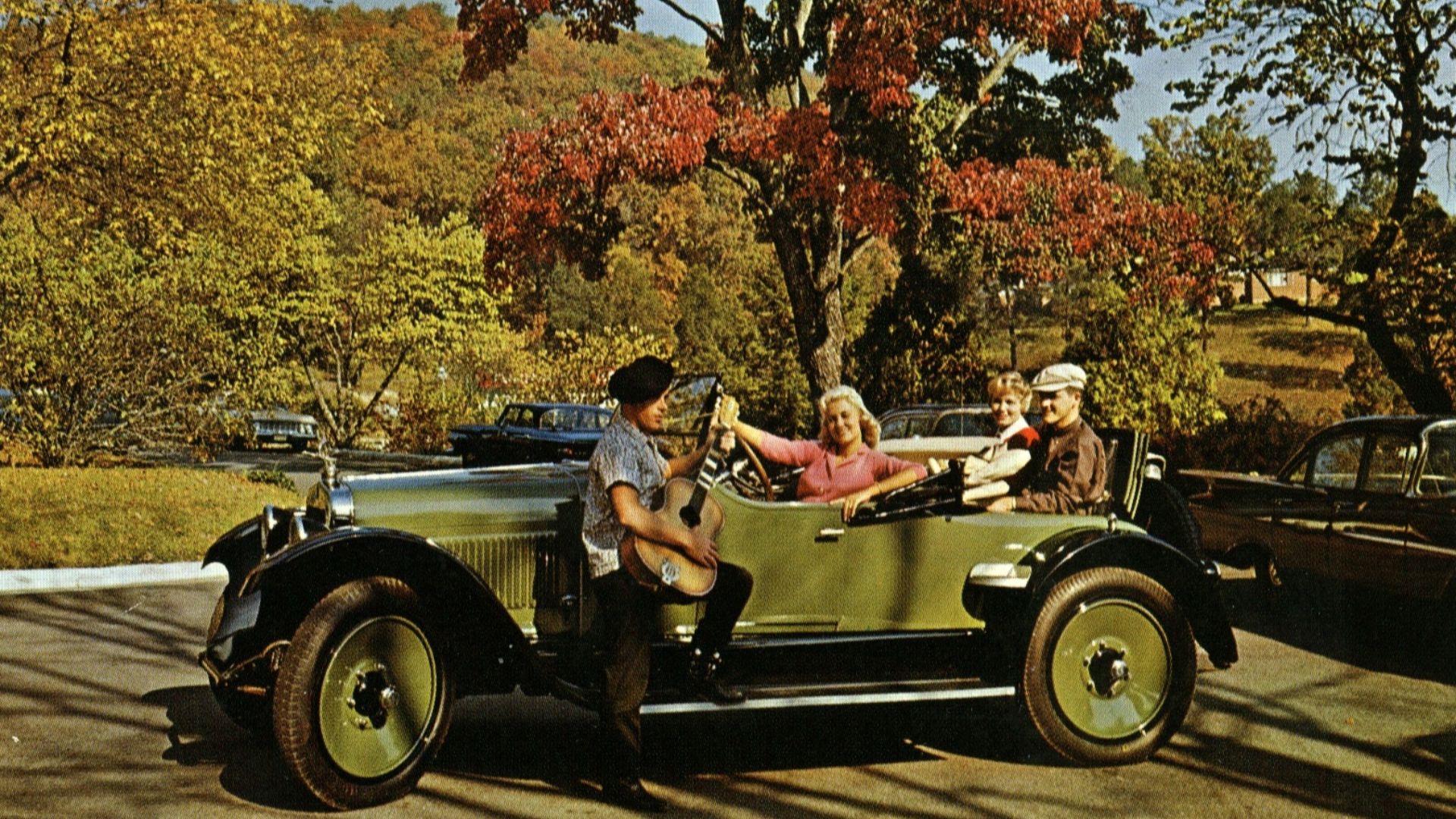
Backing up after dark involved guesswork. The A-68 Roadster featured a lamp that illuminated when reverse gear was selected. It's the kind of modest invention nobody appreciates until they have to park in darkness.
 Bill McChesney from USA, Wikimedia Commons
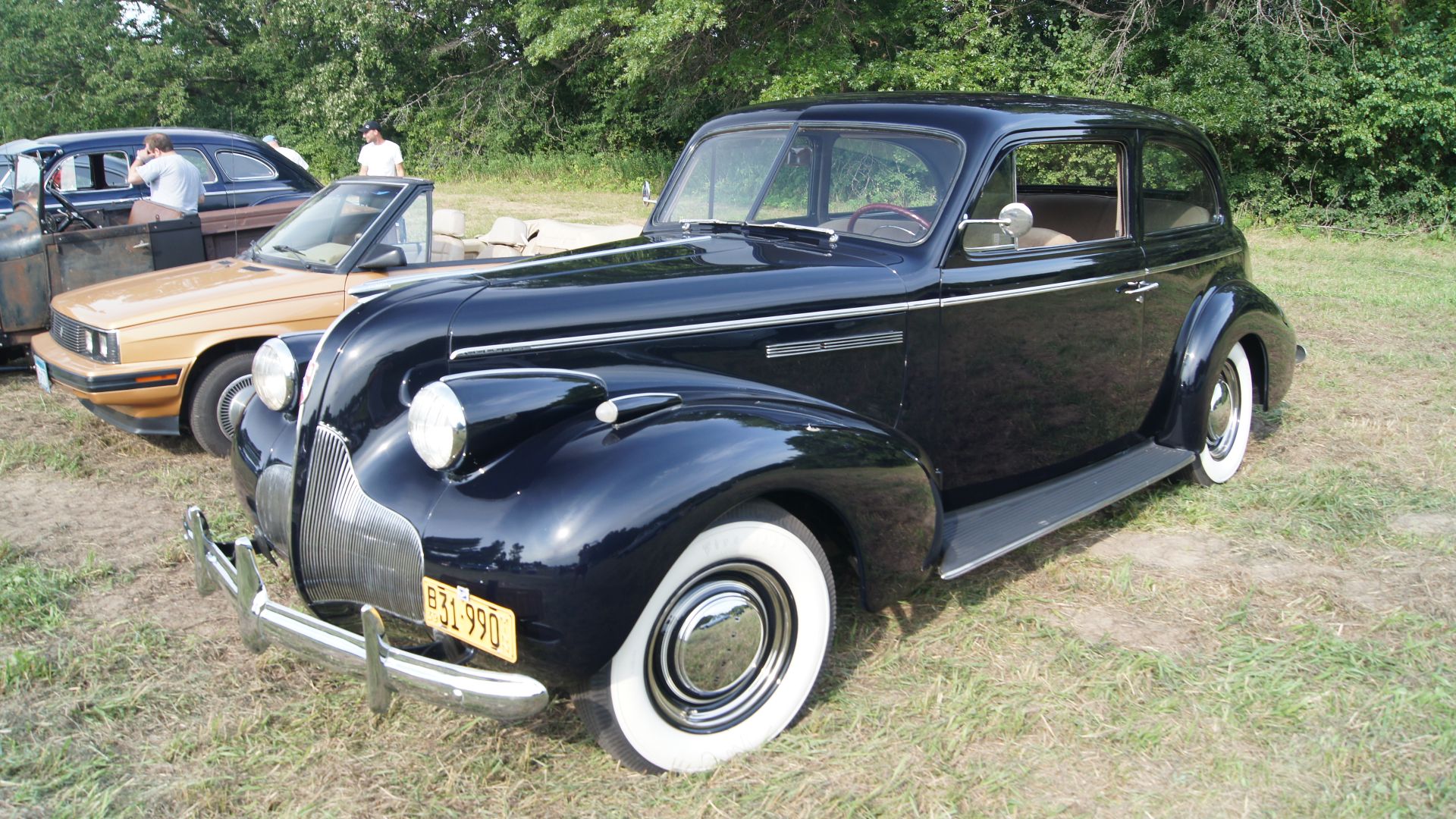
Buick (1939): Flashing Turn Signals
Drivers once indicated turns mainly with hand signals or mechanical arms. Buick's flashing rear indicators offered a clearer message, especially after dark. Other manufacturers soon followed.
 Greg Gjerdingen from Willmar, USA, Wikimedia Commons
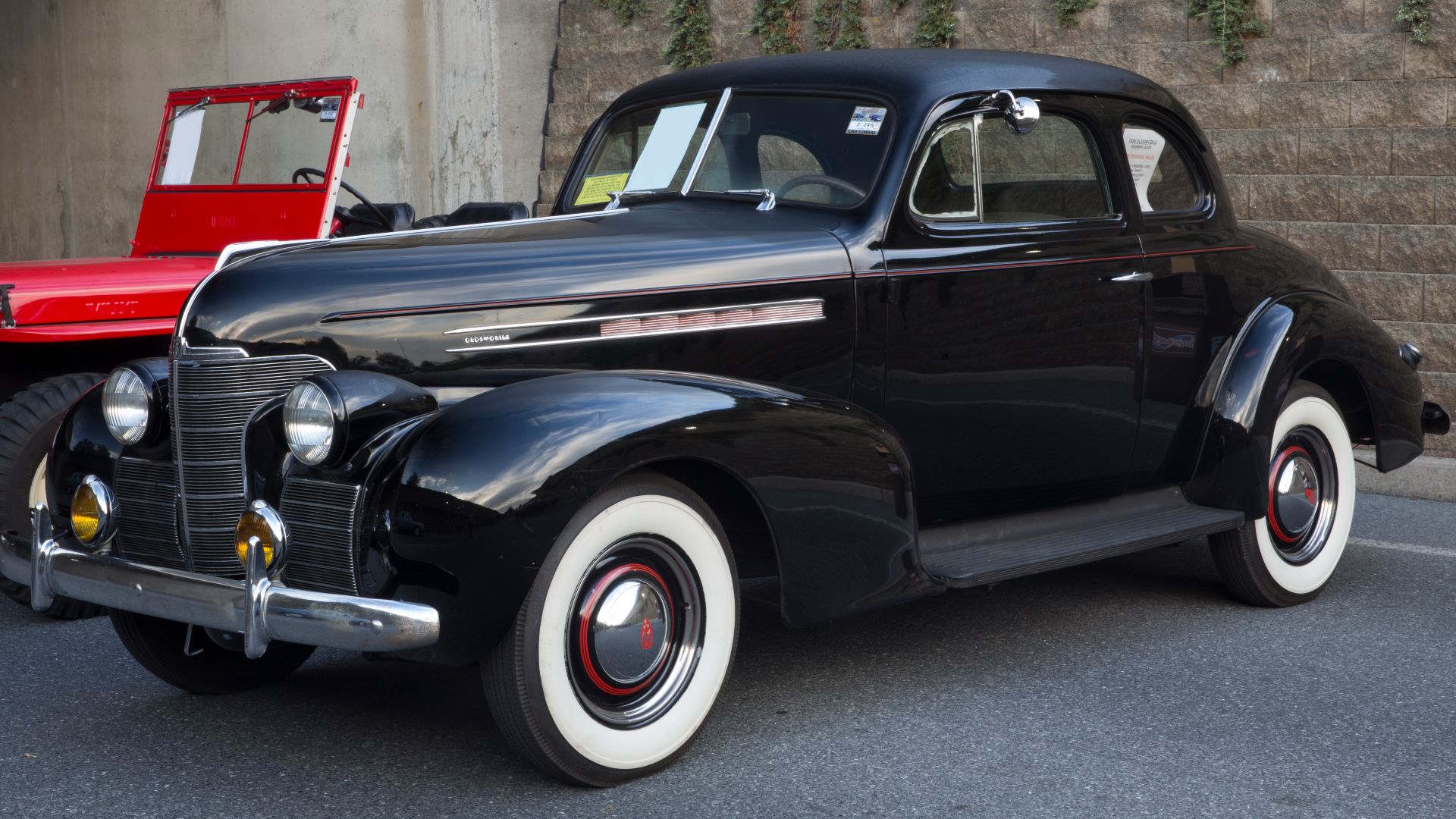
Oldsmobile Series Sixty (1940): Automatic Shifting
Oldsmobile's 1940 models introduced GM's Hydra-Matic, a fully automatic transmission that did the shifting for the driver. It was a dramatic convenience in traffic. Automatic gearboxes eventually became dominant in American passenger cars, but this Oldsmobile helped get things moving.
 Mr.choppers, Wikimedia Commons
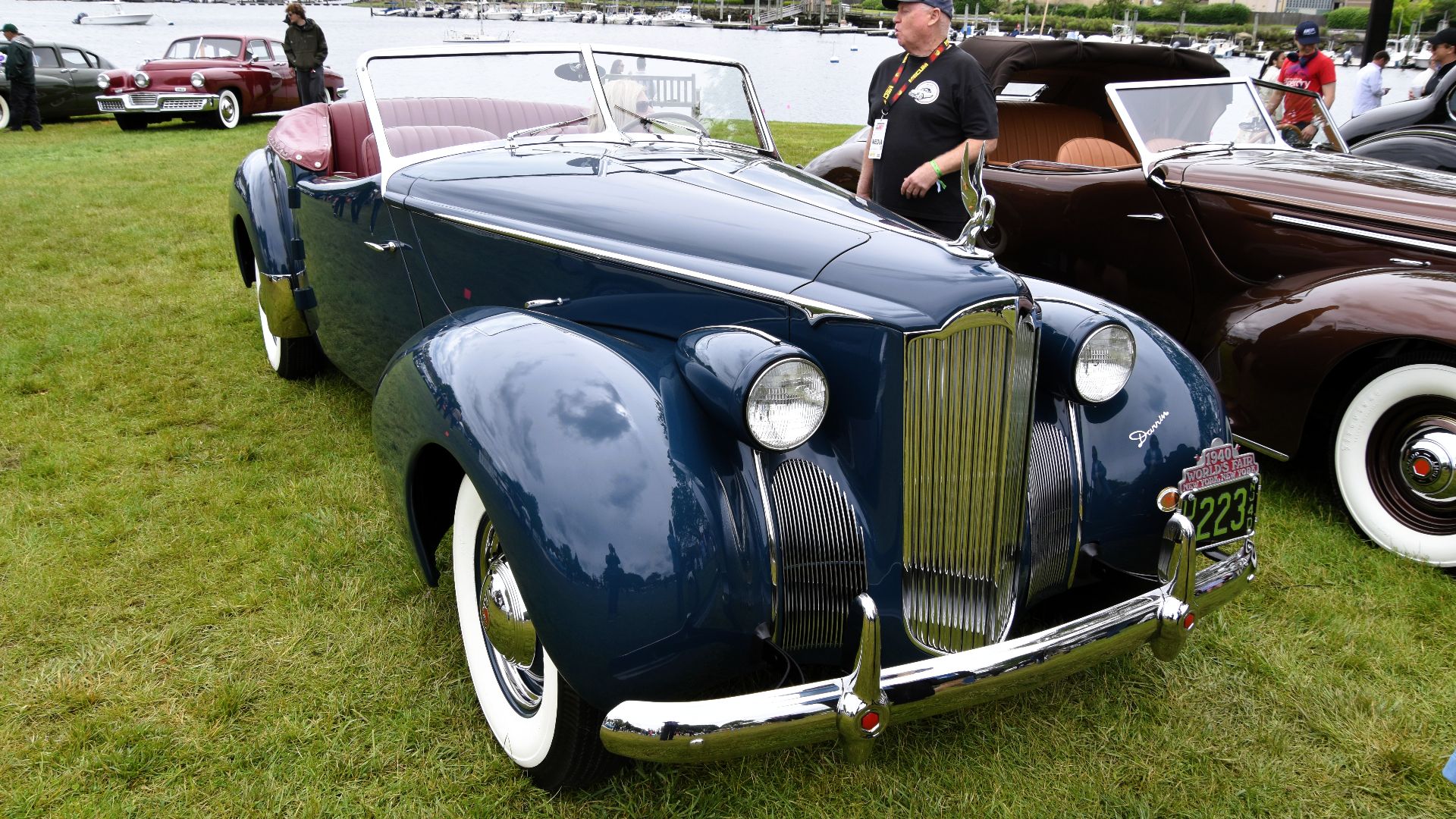
Packard Super Eight (1940): Factory Air Conditioning
Packard offered factory-installed air conditioning when most drivers still relied on open windows for relief. The equipment was bulky and expensive, taking up valuable luggage space. Still, it anticipated today's cooled cabins.
 Charles from Port Chester, New York, Wikimedia Commons
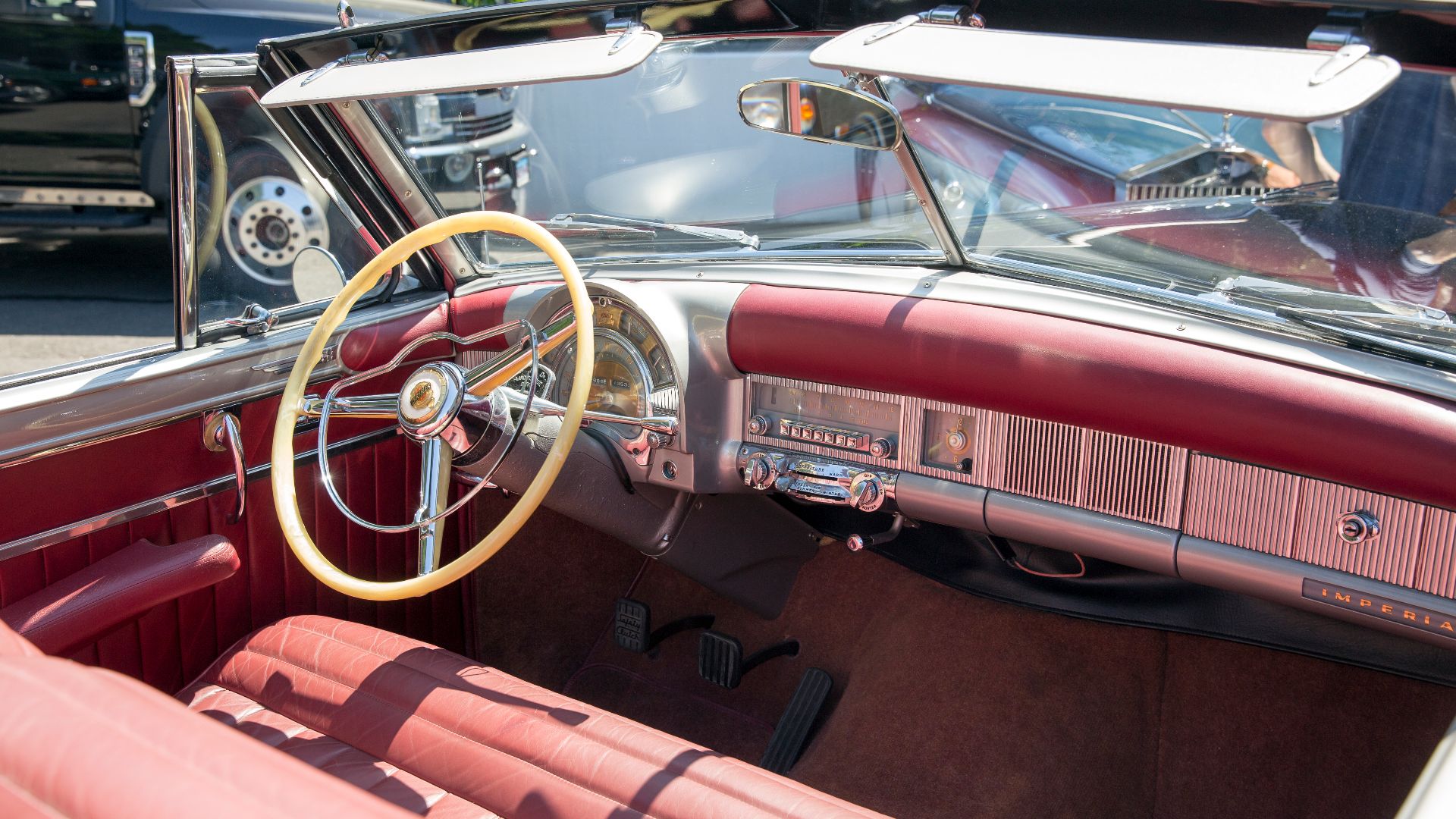
Chrysler Imperial (1951): Power Steering
Maneuvering a large car used to demand serious arm strength. Chrysler's 1951 Imperial introduced its Hydra-Guide power steering system to passenger-car buyers. Once motorists experienced easier parking and low-speed turning, the technology's appeal was hardly difficult to understand.
 Mr.choppers, Wikimedia Commons
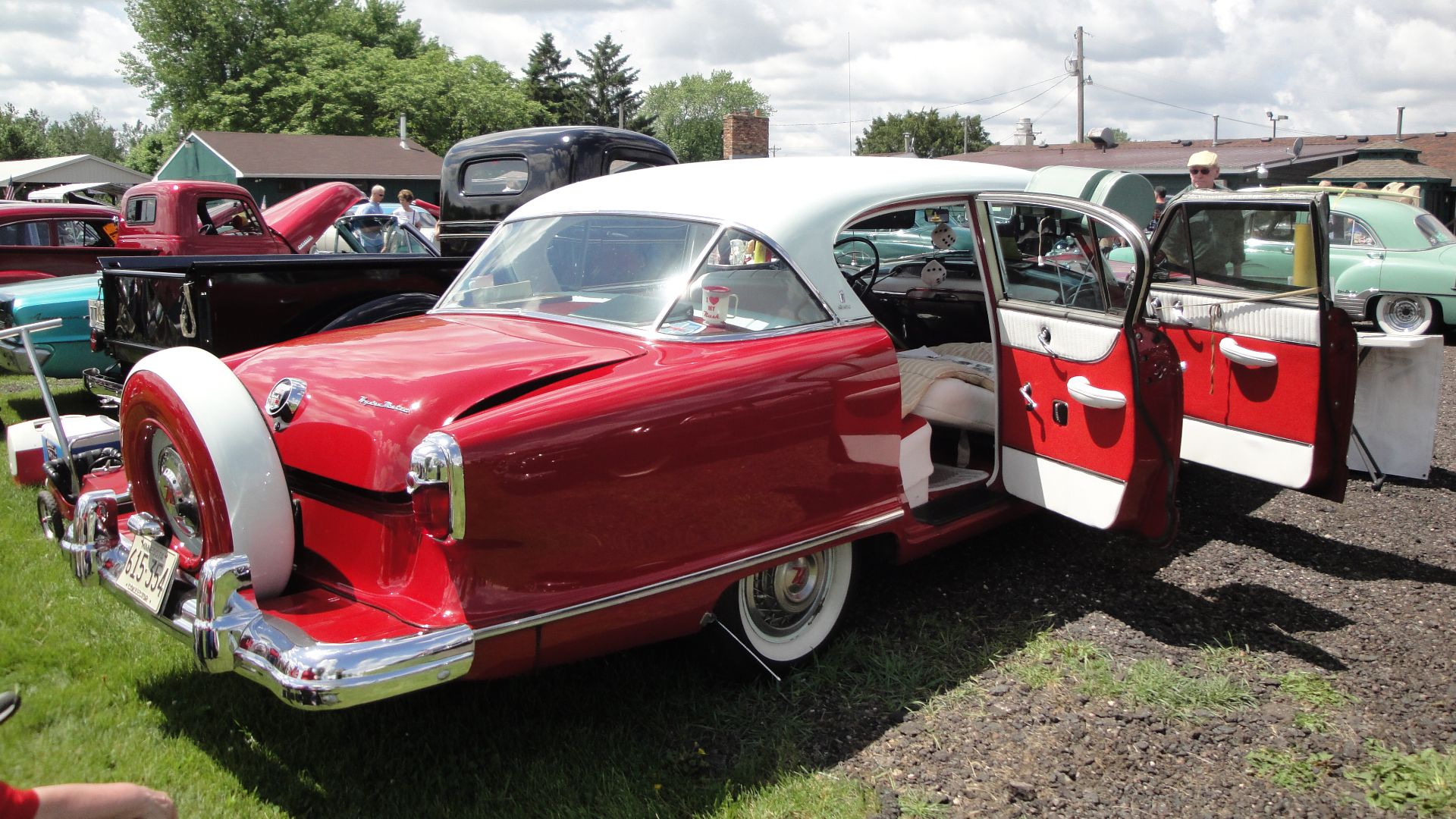
Nash Ambassador (1954): Integrated Cabin Cooling
Earlier air-conditioning systems were awkward additions, sometimes occupying much of the trunk. The Nash Ambassador offered a more practical, integrated heating and cooling arrangement in 1954. Dashboard-controlled climate systems eventually became commonplace.
 Greg Gjerdingen from Willmar, USA, Wikimedia Commons
Citroën DS (1955): Self-Leveling Suspension
The futuristic DS didn't simply look unusual. Its hydropneumatic suspension used pressurized fluid and gas-filled spheres to deliver a remarkably smooth ride while maintaining vehicle height. Decades before today's sophisticated adaptive suspensions, Citroën was already challenging conventional springs.
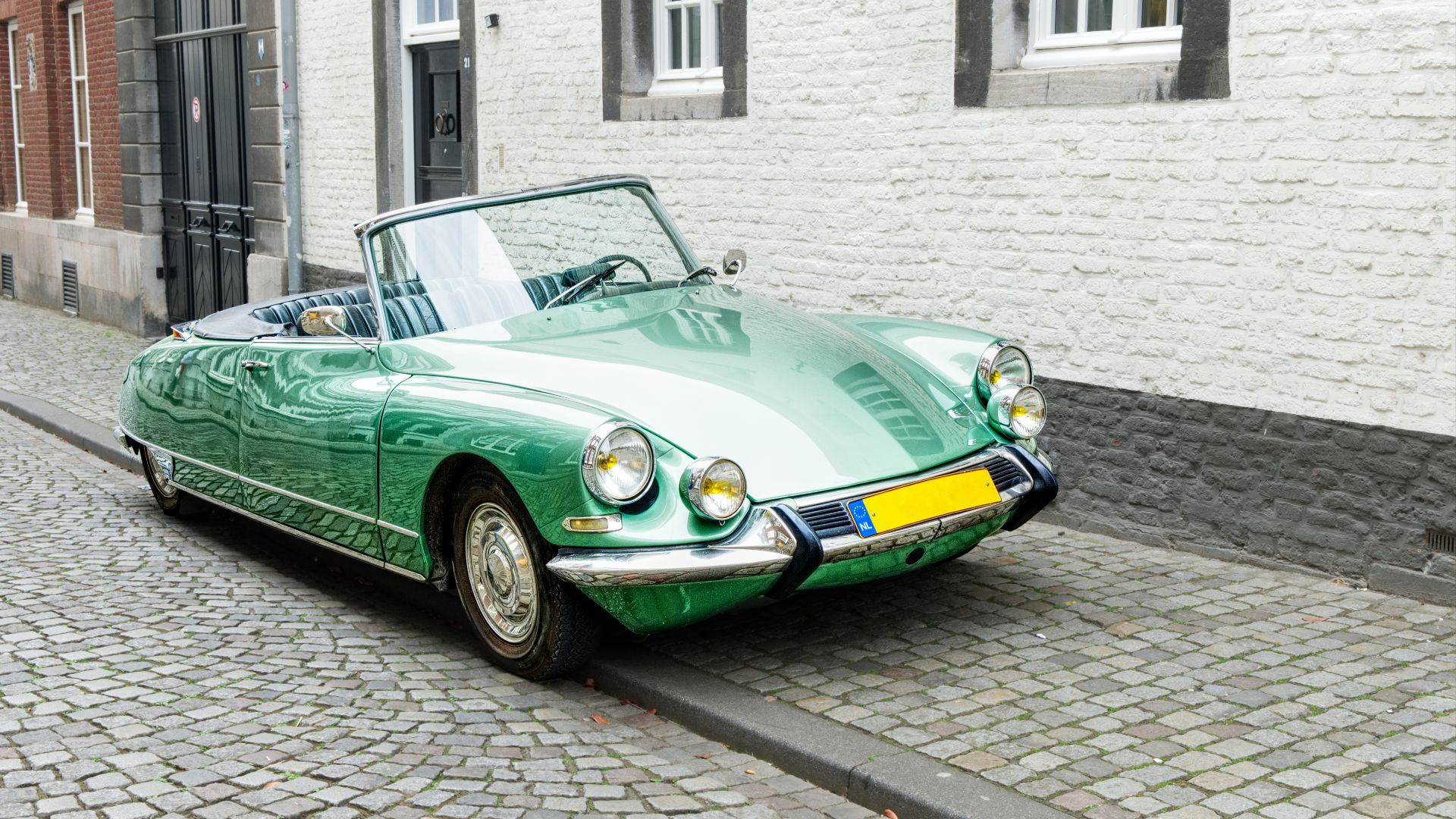 Johan Neven from Borgloon-Gotem, Belgium, Wikimedia Commons
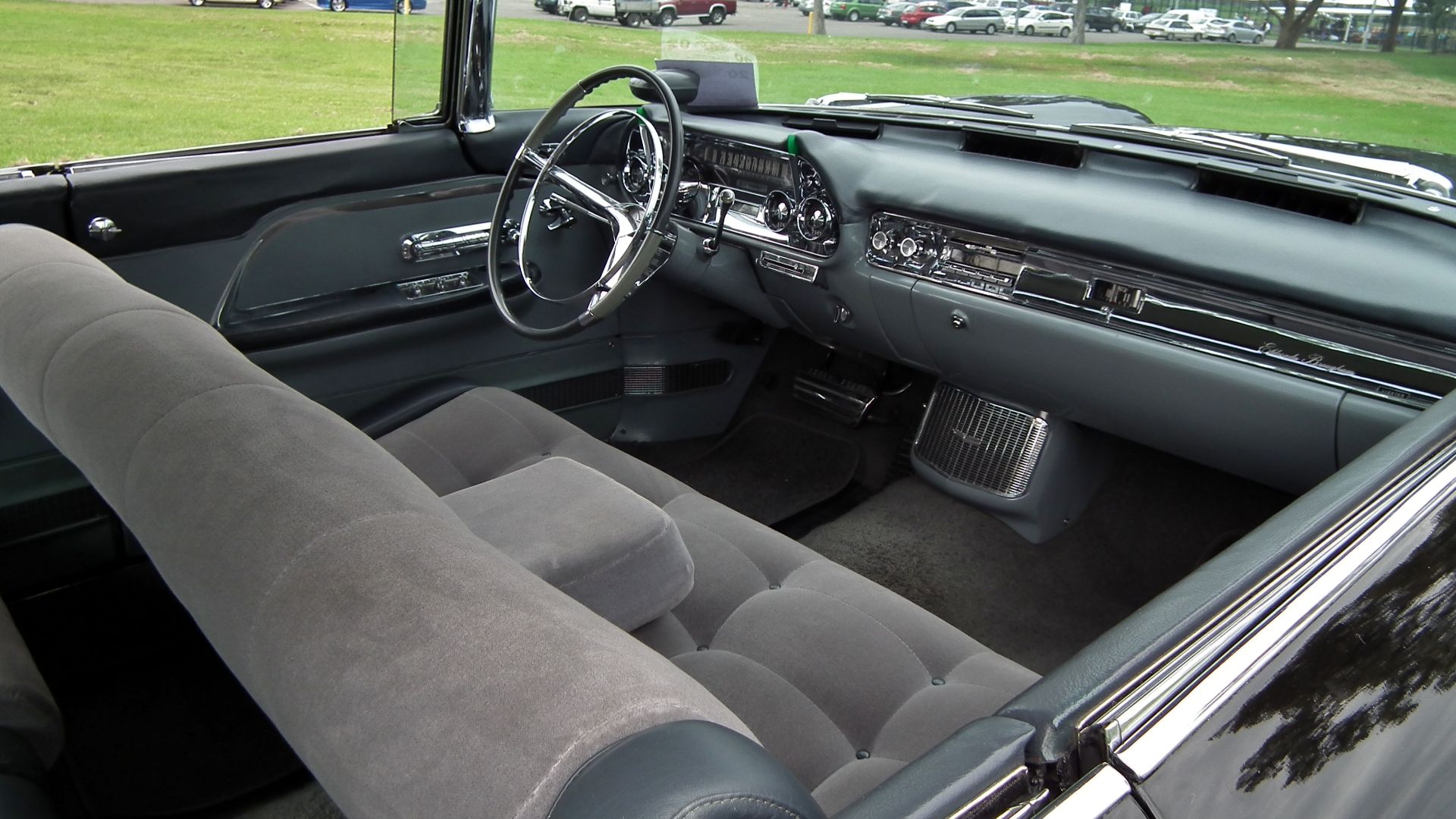
Cadillac Eldorado Brougham (1957): Memory Seats
Programmable seats now seem ordinary. The extravagant Eldorado Brougham offered a seat-memory function in 1957, allowing stored positions to be recalled. It was an extraordinary convenience at a time when many ordinary cars still lacked basic power accessories.
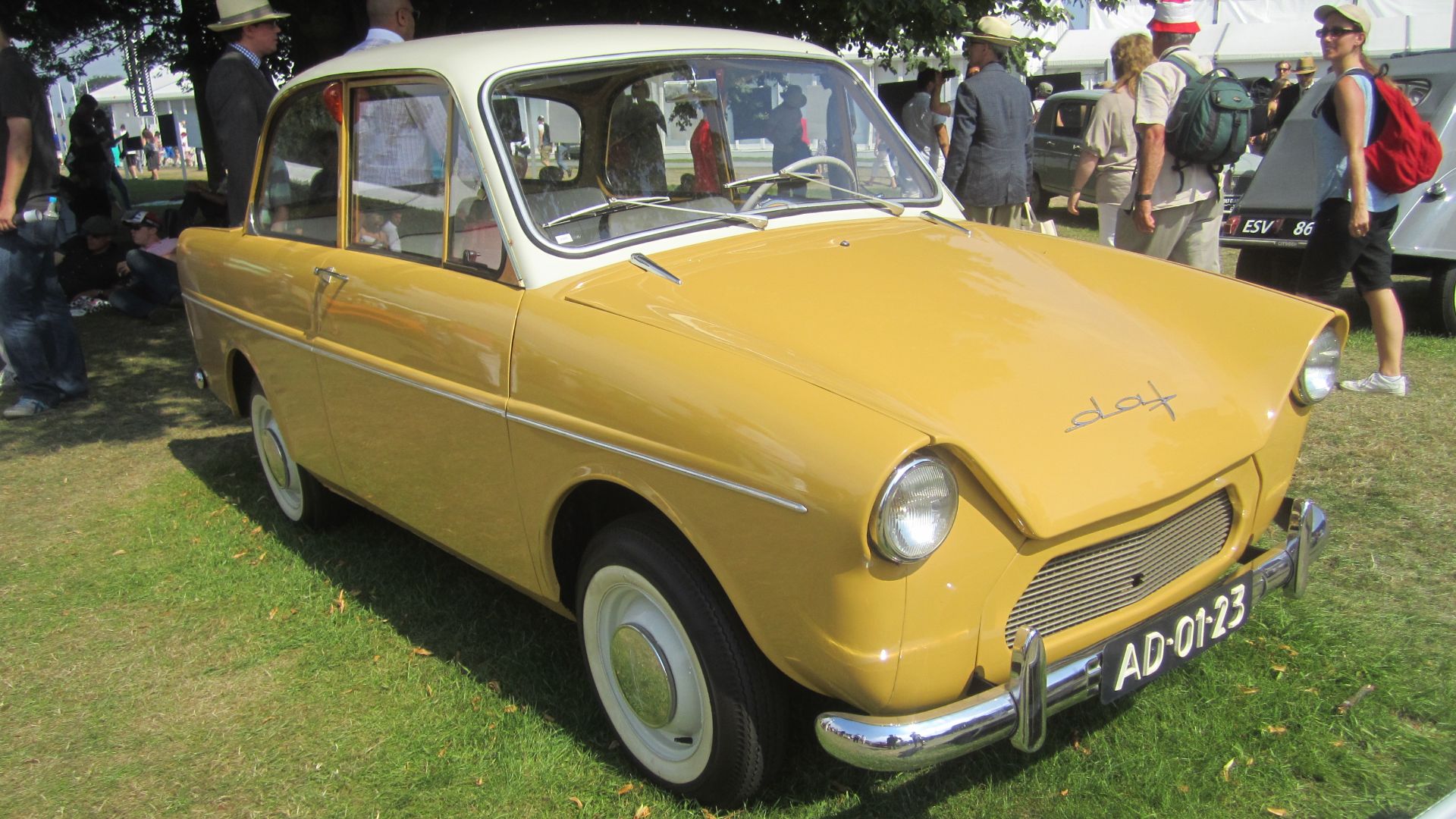
DAF 600 (1958): Continuously Variable Transmission
The little Dutch DAF 600 made gear changes unnecessary using its ingenious Variomatic transmission. Belts and variable pulleys adjusted the drive ratio continuously. Its tiny engine demonstrated seamless acceleration decades early.
Volvo Amazon (1959): Three-Point Seat Belts
Volvo introduced Nils Bohlin's three-point belt as standard equipment on the Amazon and PV544 in Nordic markets in 1959. The practical design secured both torso and lap. Volvo also made its patented technology available to others, helping spread a lasting safety breakthrough.
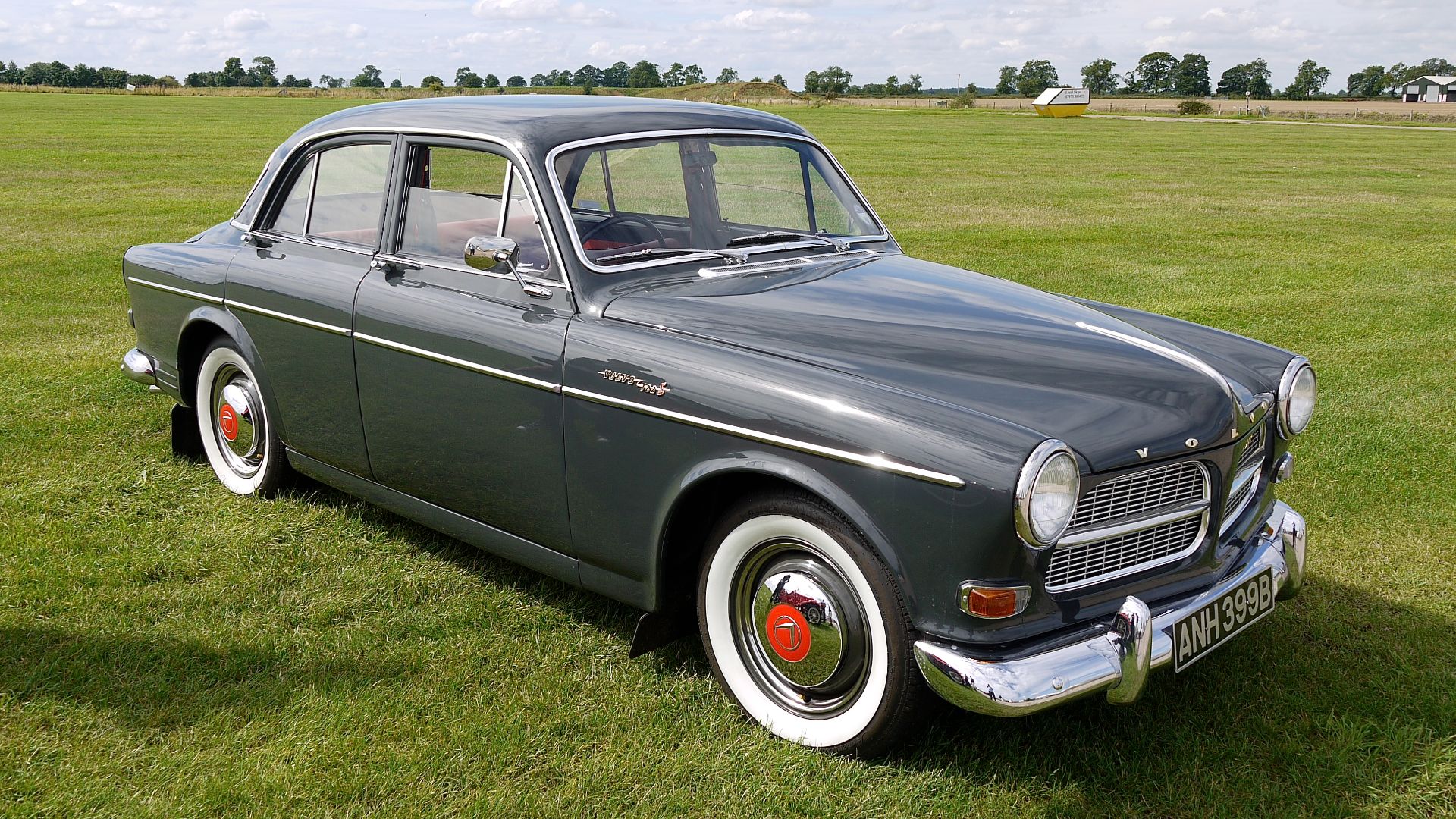 Mick from Northamptonshire, England, Wikimedia Commons
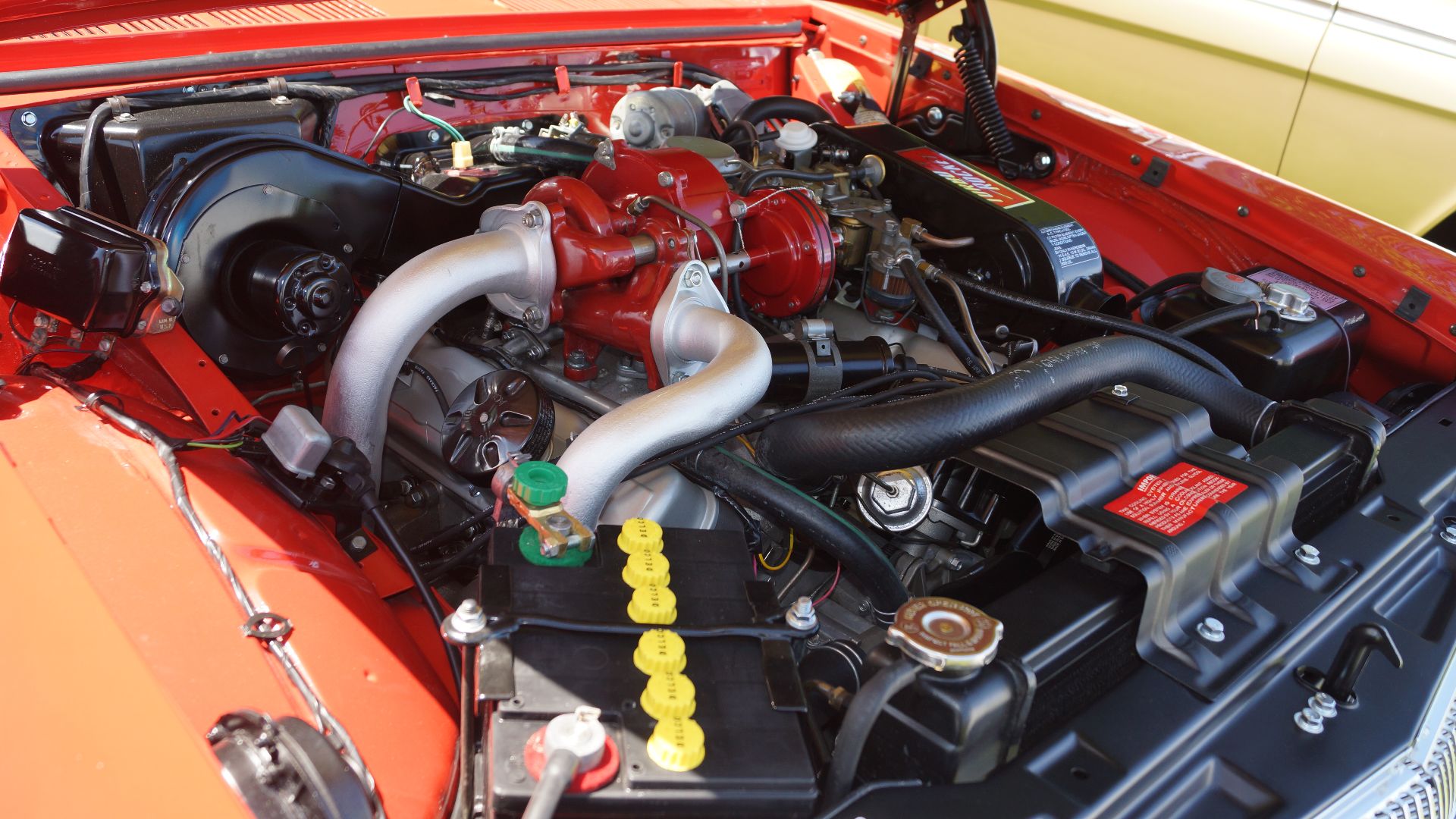
Oldsmobile F-85 Jetfire (1962): Turbocharging
Before turbocharged small engines became commonplace, Oldsmobile squeezed extra performance from the Jetfire's V8 using exhaust-driven boost. The system was complicated and troublesome, but the underlying idea endured. Today turbocharging helps balance power and efficiency.
 Greg Gjerdingen from Willmar, USA, Wikimedia Commons
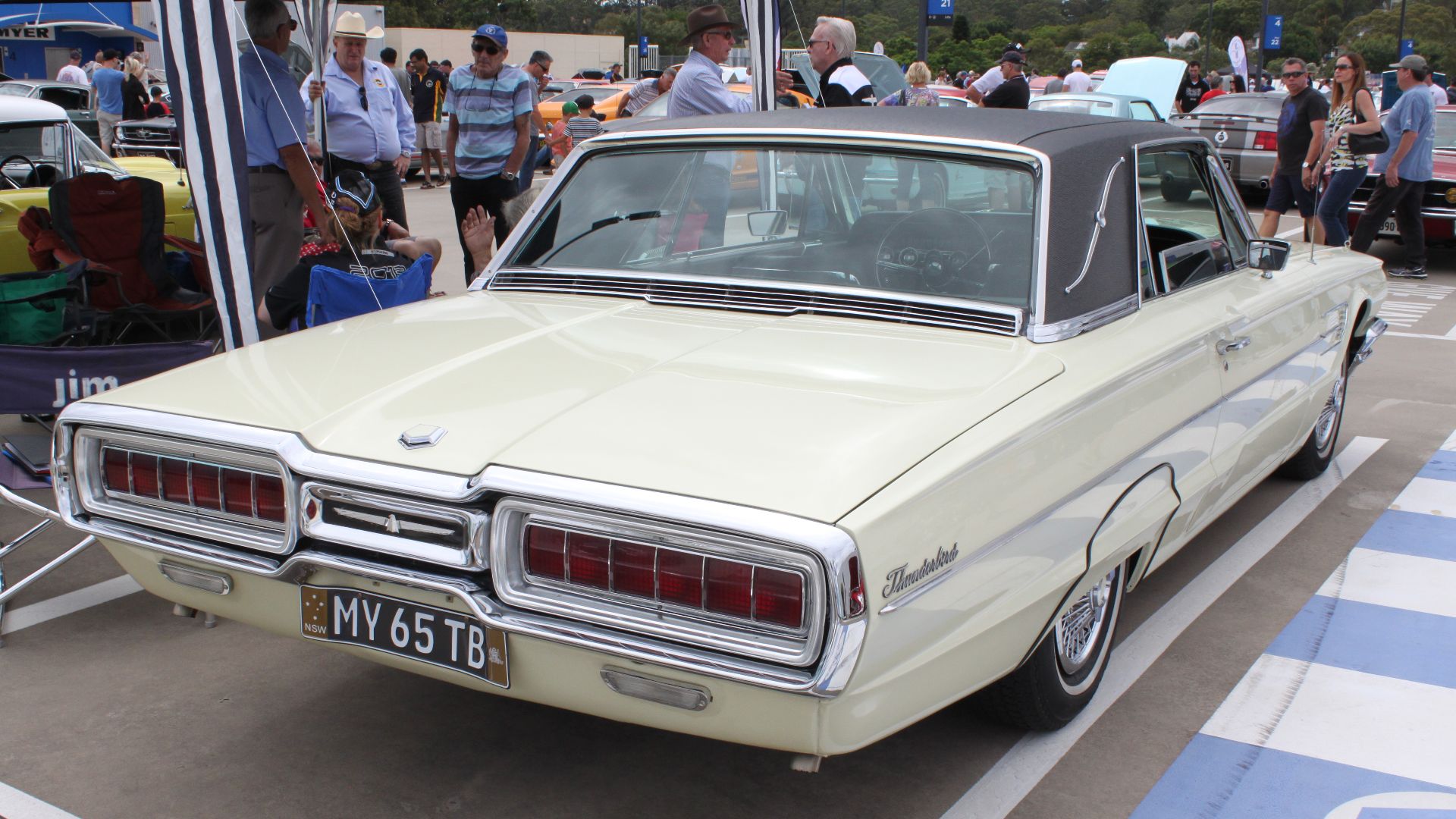
Ford Thunderbird (1965): Sequential Indicators
The Thunderbird's rear turn signals lit up in sequence, visually pointing toward the intended turn. It was dramatic, unmistakably stylish, and useful. Decades later, animated indicators would return on vehicles from brands that once considered such lighting futuristic.
 Jeremy from Sydney, Australia, Wikimedia Commons
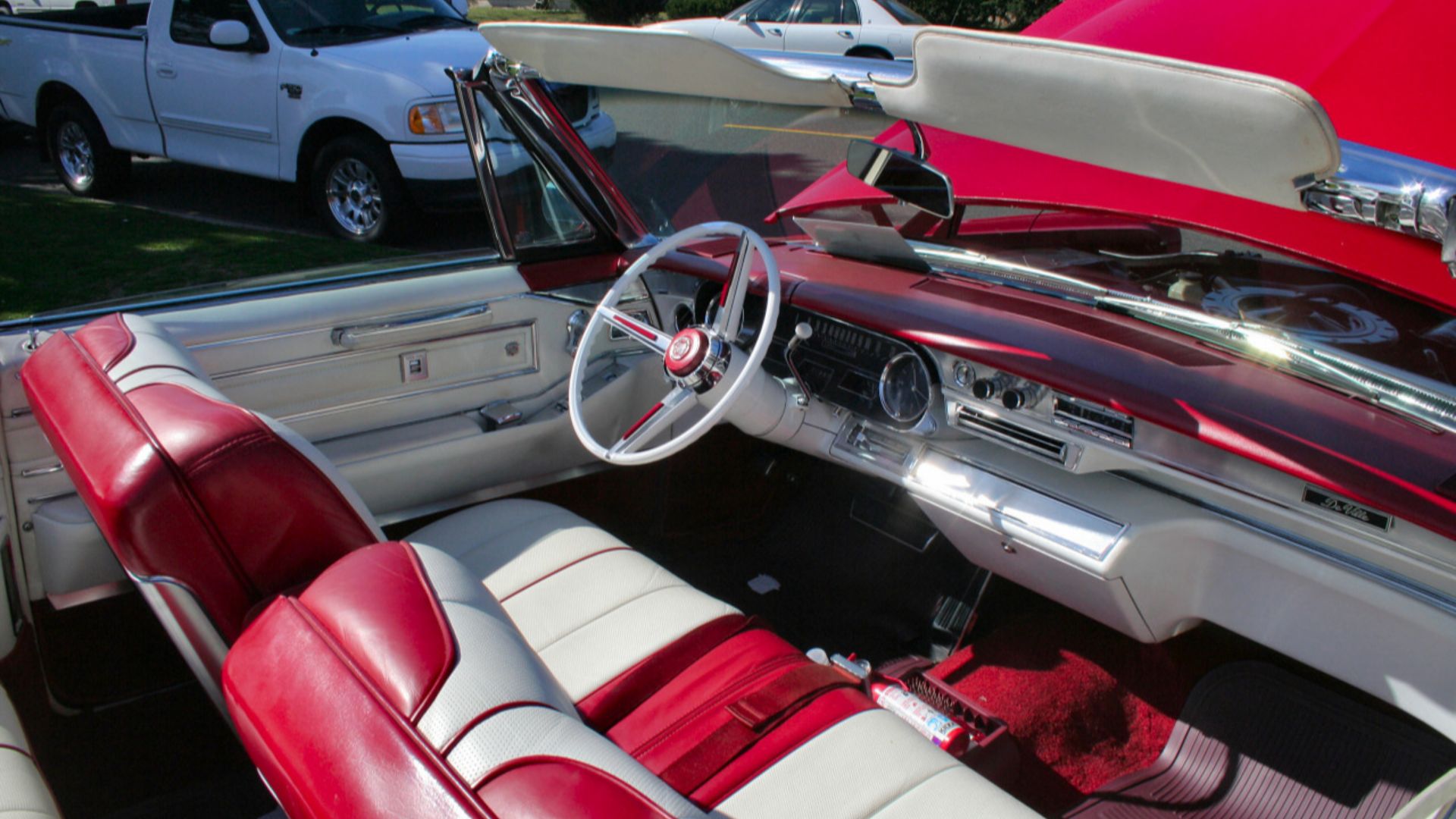
Cadillac DeVille (1966): Heated Seats
Heated seats were once a luxury. Cadillac offered electric seat warmers in its 1966 lineup, including the DeVille. The idea took time to travel beyond luxury motoring, but drivers in colder climates eventually gained plenty of reasons to celebrate.
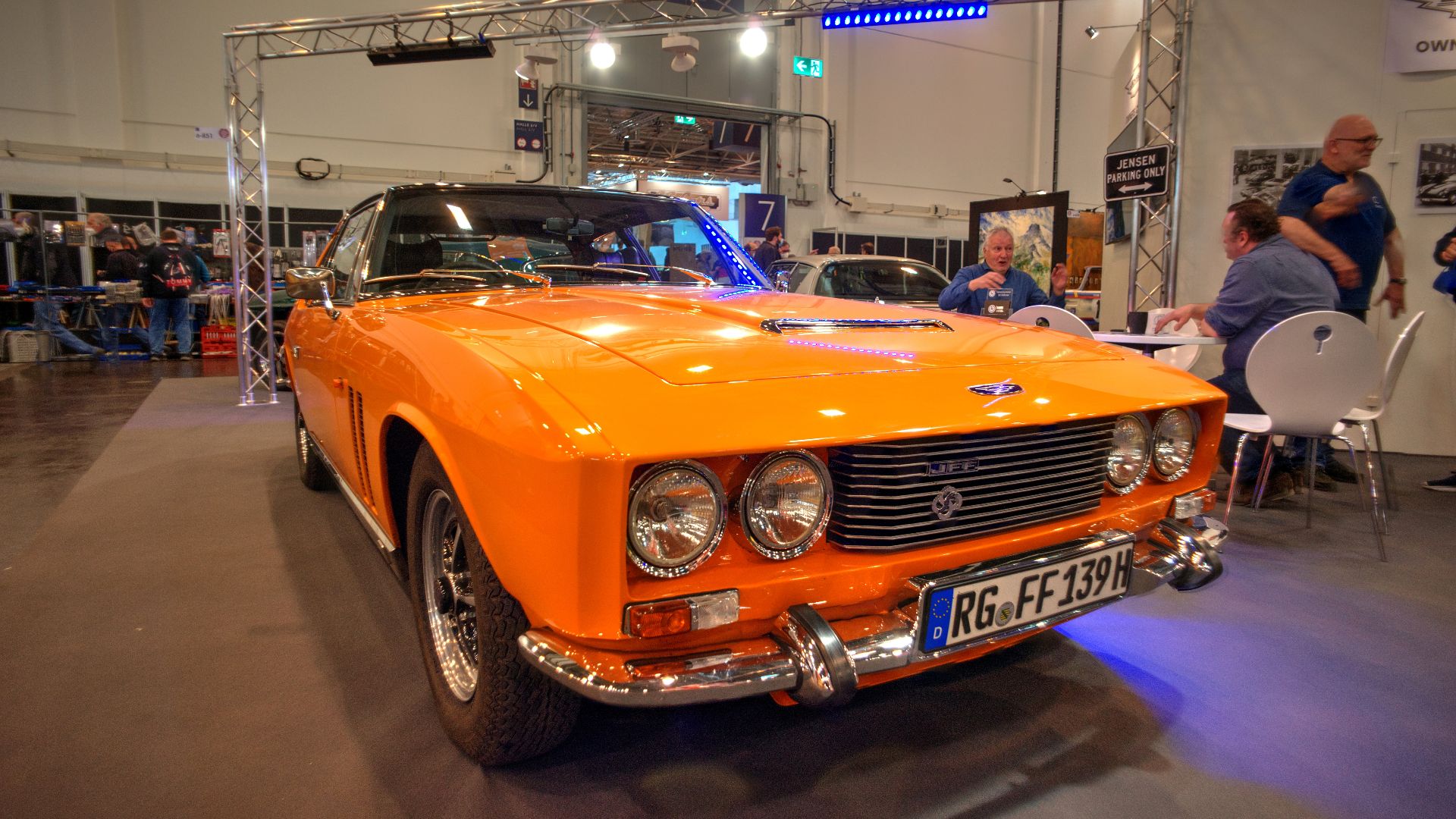
Jensen FF (1966): Lockup-Resistant Brakes
The British Jensen FF combined four-wheel drive with an early mechanical braking system designed to prevent wheel lockup. Few were built. Still, its pioneering approach anticipated the electronic ABS technology that arrived much later.
 Thomas Vogt from Paderborn, Deutschland, Wikimedia Commons
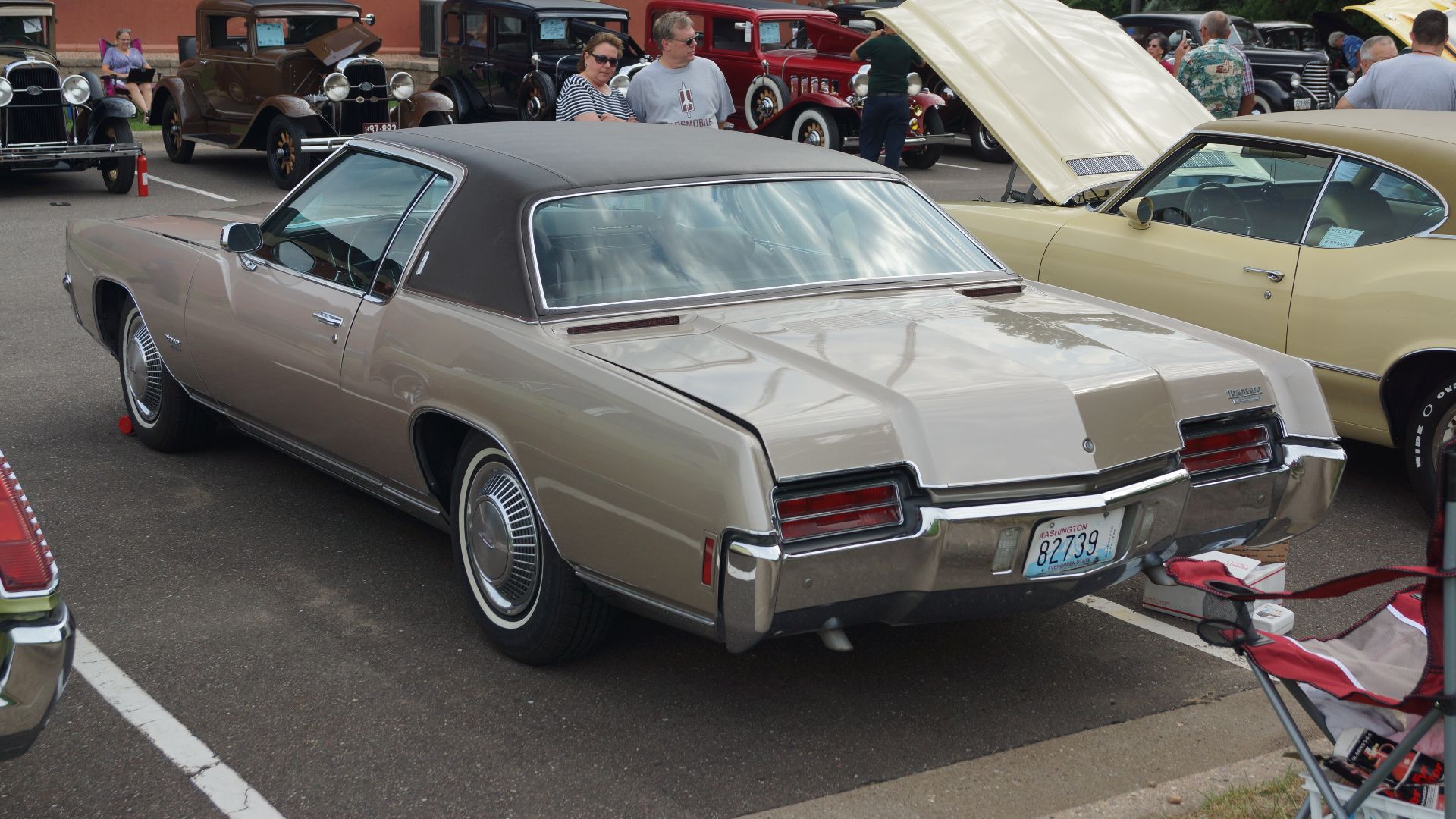
Oldsmobile Toronado (1971): Higher Brake Lights
Oldsmobile placed supplemental stop lamps high on the Toronado's rear deck, making braking easier to notice. Ford had tried something similar. By the mid-1980s, elevated center brake lights were becoming required equipment on new American cars.
 Greg Gjerdingen from Willmar, USA, Wikimedia Commons
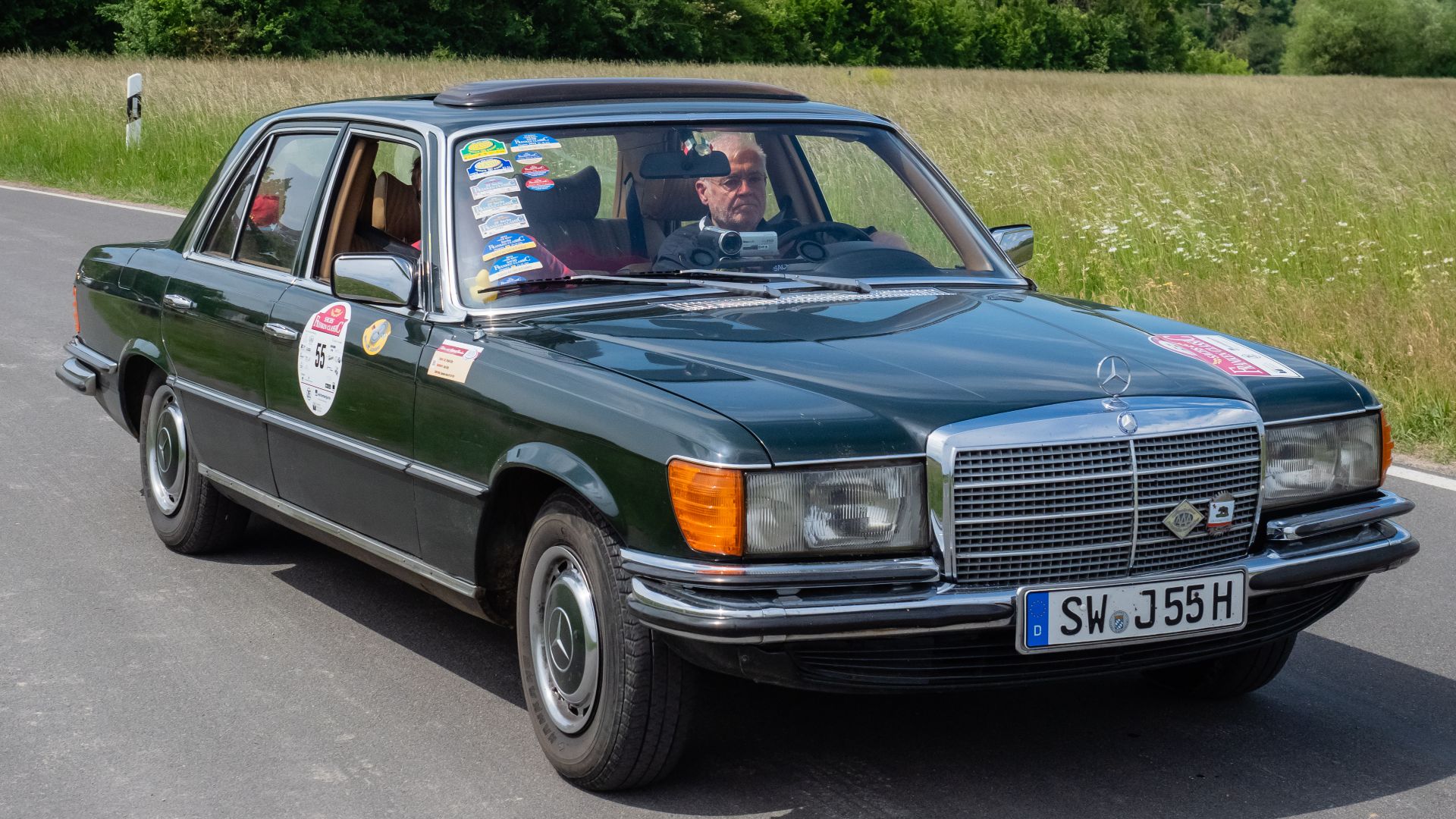
Mercedes-Benz S-Class (1978): Electronic ABS
The 1978 S-Class offered a modern, electronically controlled braking system that helped preserve steering ability during hard stops. Earlier mechanical systems existed, but Mercedes modernized ABS. Electronic ABS eventually became fundamental to modern vehicle safety technology.
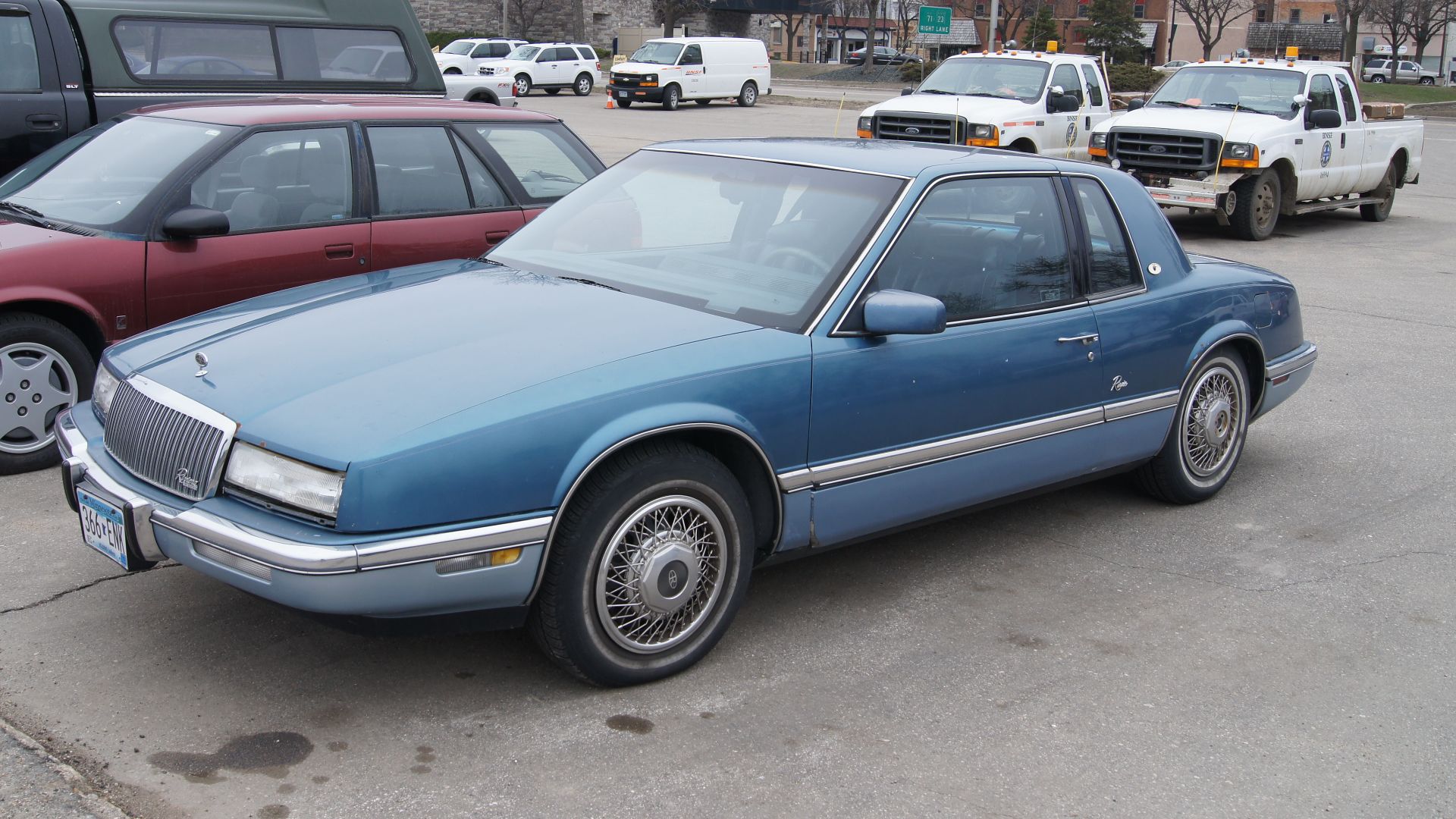
Buick Riviera (1986): Touchscreen Controls
Long before giant dashboards became fashionable, the 1986 Riviera used a touch-sensitive screen to manage audio, climate settings, and trip information. Its glowing display seemed futuristic. The concept survived even as the technology behind modern touchscreens changed completely.
 Greg Gjerdingen from Willmar, USA, Wikimedia Commons
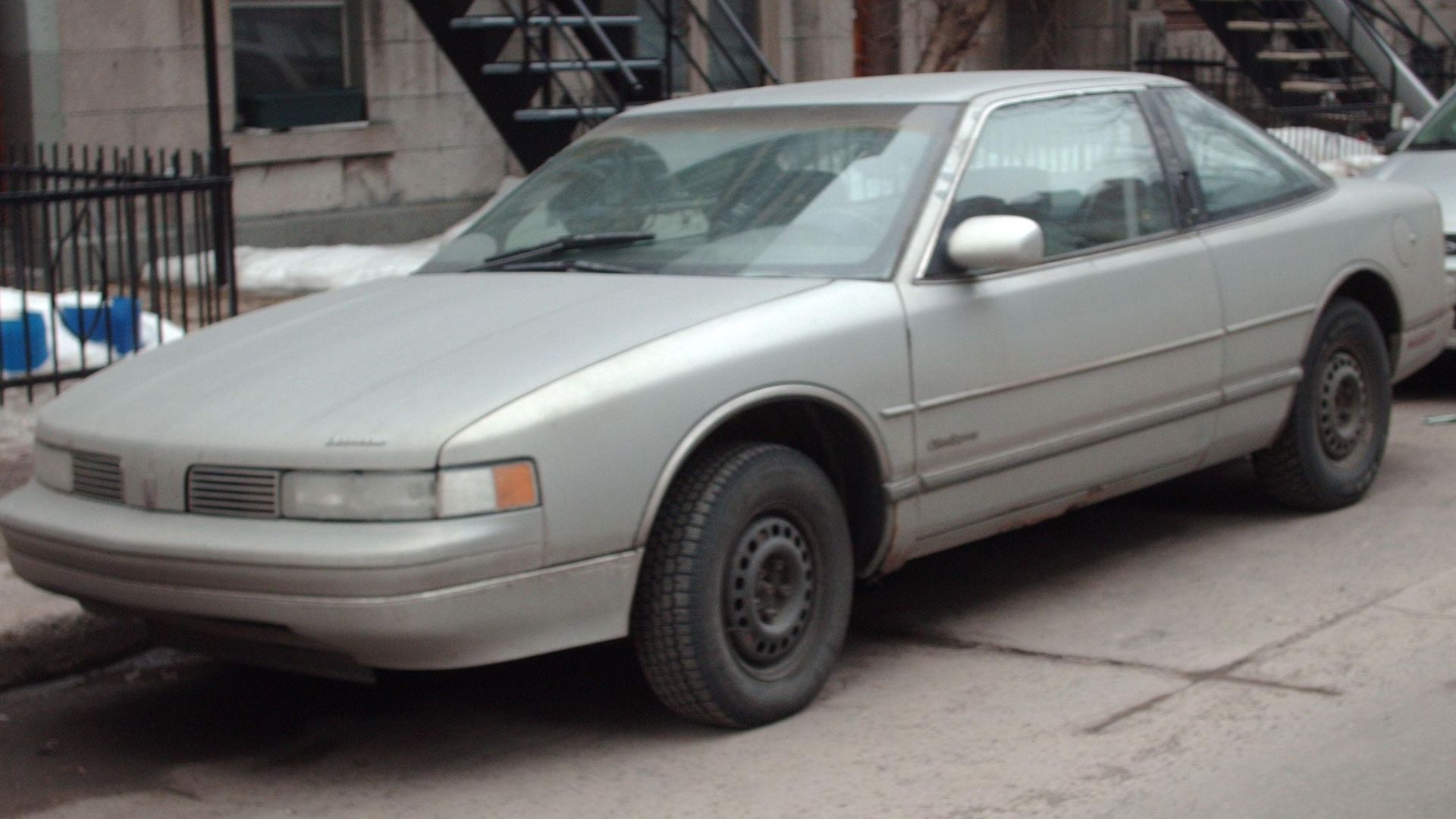
Oldsmobile Cutlass Supreme (1988): Head-Up Display
Special Cutlass Supreme pace-car convertibles projected speed and selected warning information onto the windshield in 1988. Like aircraft displays, it kept information in view. Head-up displays would eventually reach ordinary production vehicles.
Mazda Eunos Cosmo (1990): GPS Navigation
Mazda's Eunos Cosmo offered an integrated GPS navigation system when paper atlases still ruled the glove compartment. The 1990 system was ambitious. Today, turn-by-turn guidance seems mundane, but this Japanese coupe offered an early glimpse of connected driving.
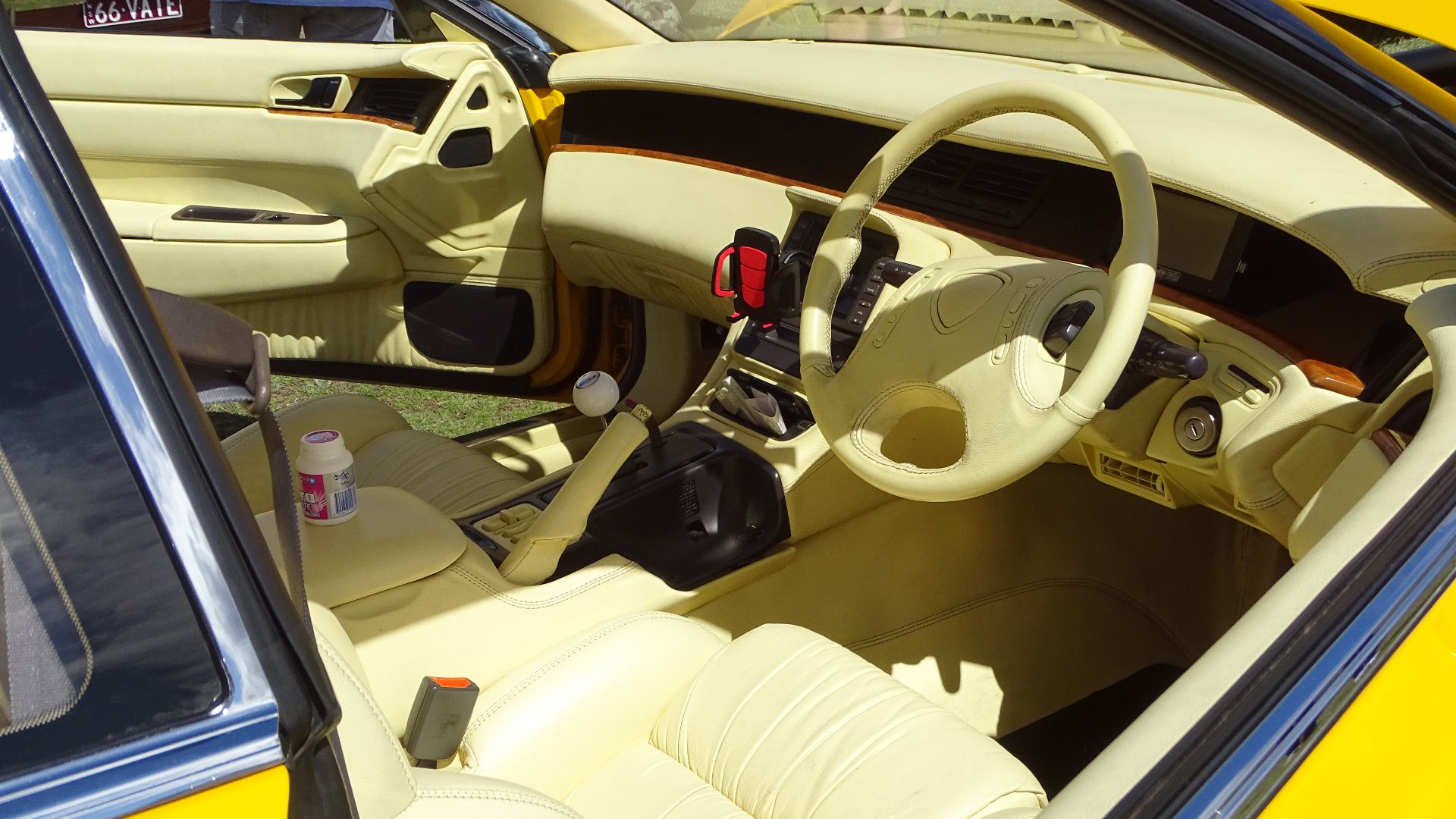
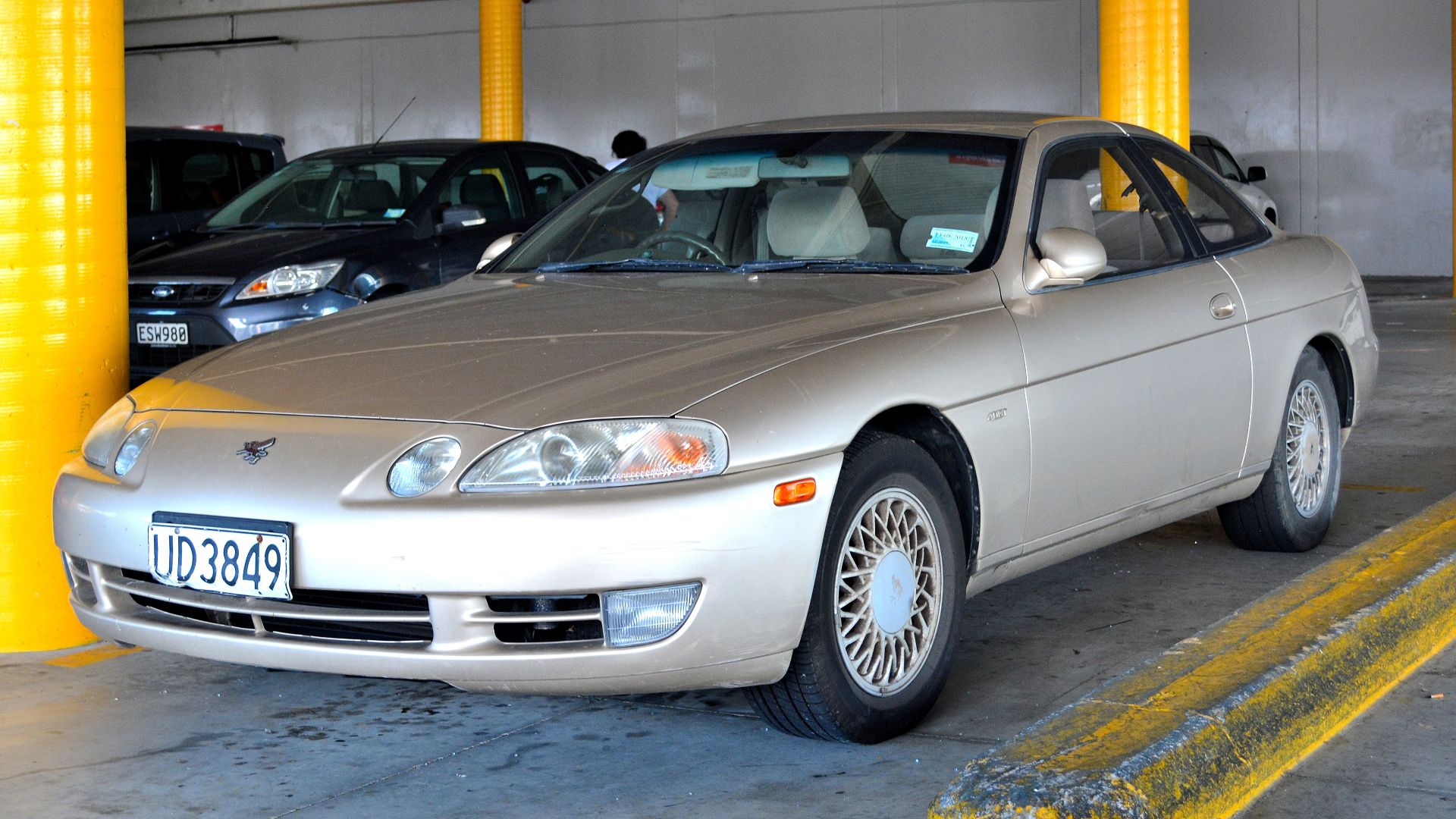
Toyota Soarer (1991): Rearview Camera
Japan's Toyota Soarer featured an early production reversing camera that displayed the view behind the car on a dashboard screen. The comparable North American Lexus lacked it. Years later, backup cameras became standard equipment on American-market vehicles.
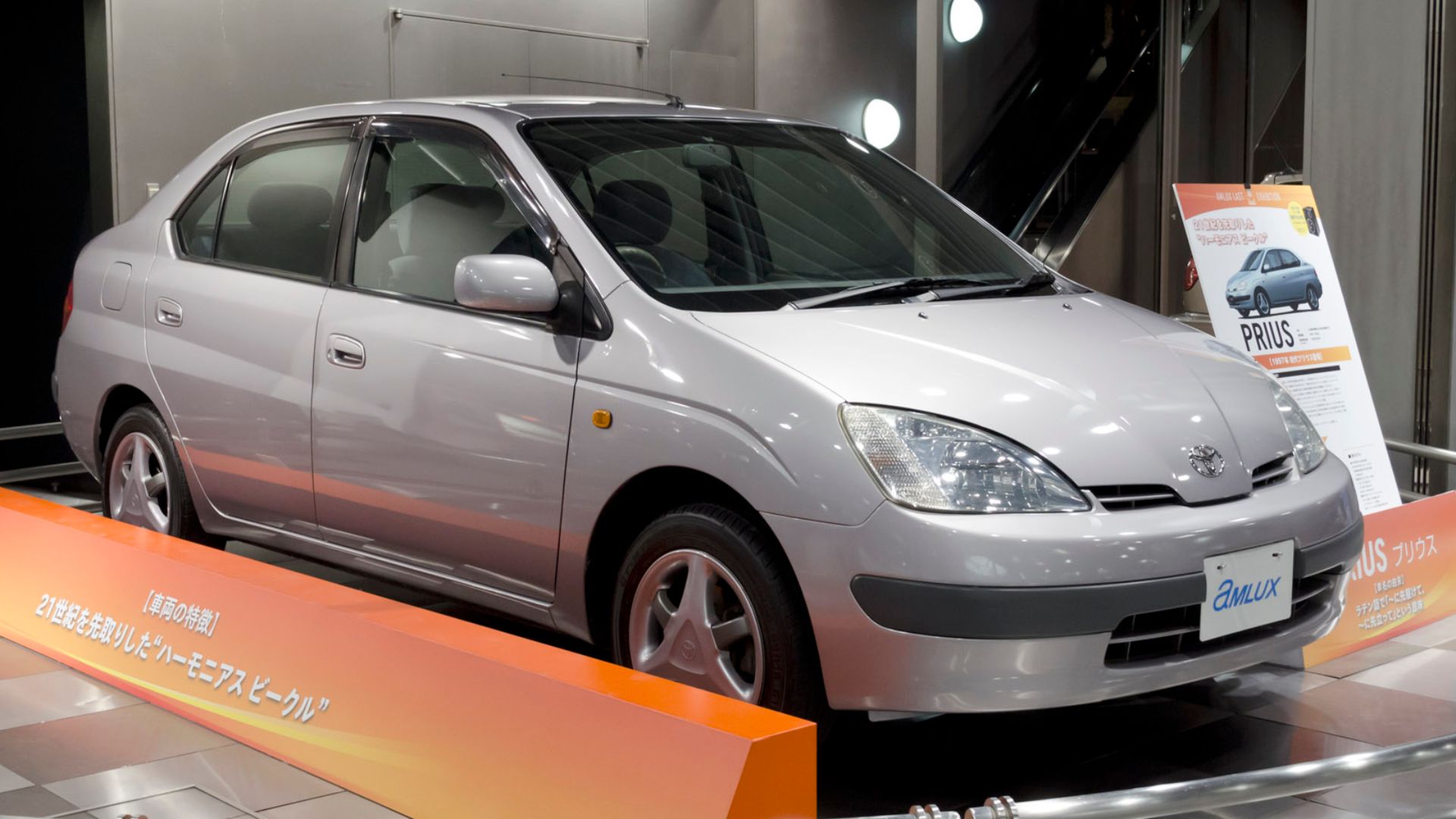
Toyota Prius (1997): Practical Hybrid Power
Toyota wasn't the first company to experiment with electric-gasoline propulsion. The Prius brought a modern, mass-produced hybrid drivetrain to showrooms. Its engine and electric motor worked together automatically, laying groundwork for a technology that eventually spread across many brands.
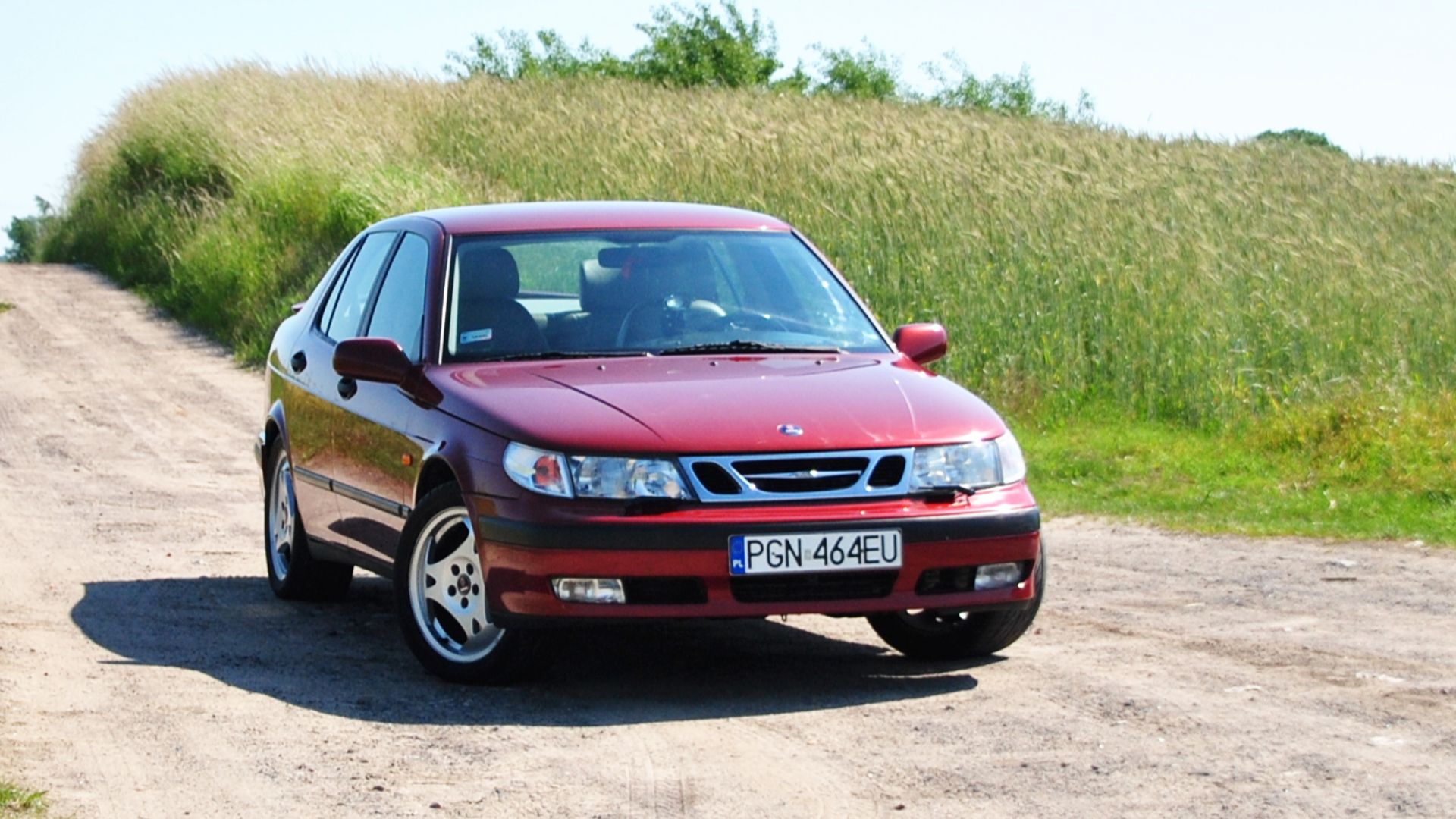
Saab 9-5 (1998): Ventilated Seats
The Saab 9-5 offered front seats with small fans drawing warm air and moisture through perforated upholstery. The late-1990s system improved hot-weather comfort. It was quietly clever, particularly on hot journeys.
 Lukasz19930915, Wikimedia Commons
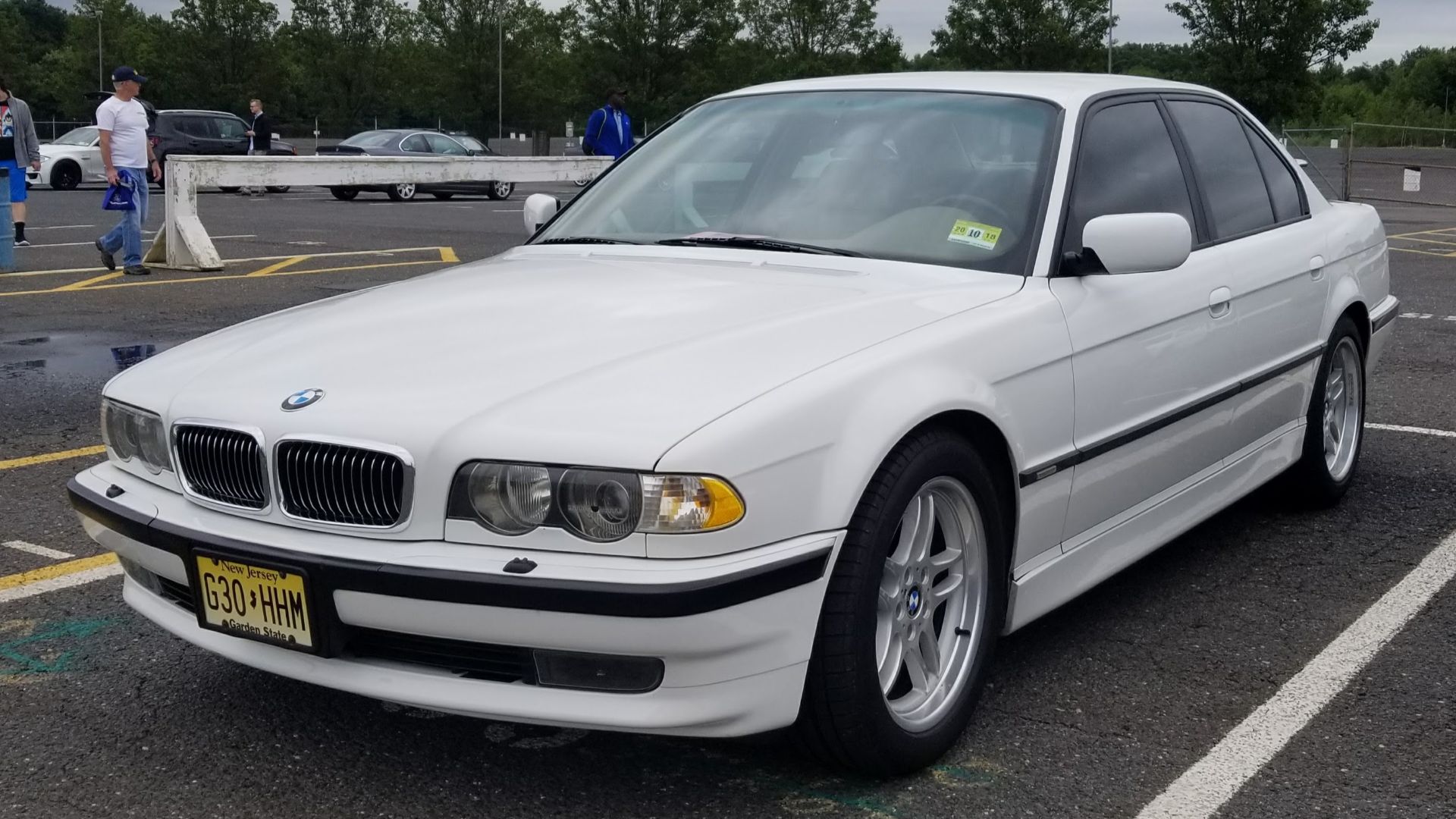
BMW 7 Series (2001): Button-Operated Parking Brake
When BMW introduced the E65-generation 7 Series, it traded the familiar parking-brake lever for an electronically operated system. A button secured the car. Once a luxury-car curiosity, this arrangement eventually appeared in countless mainstream vehicles.
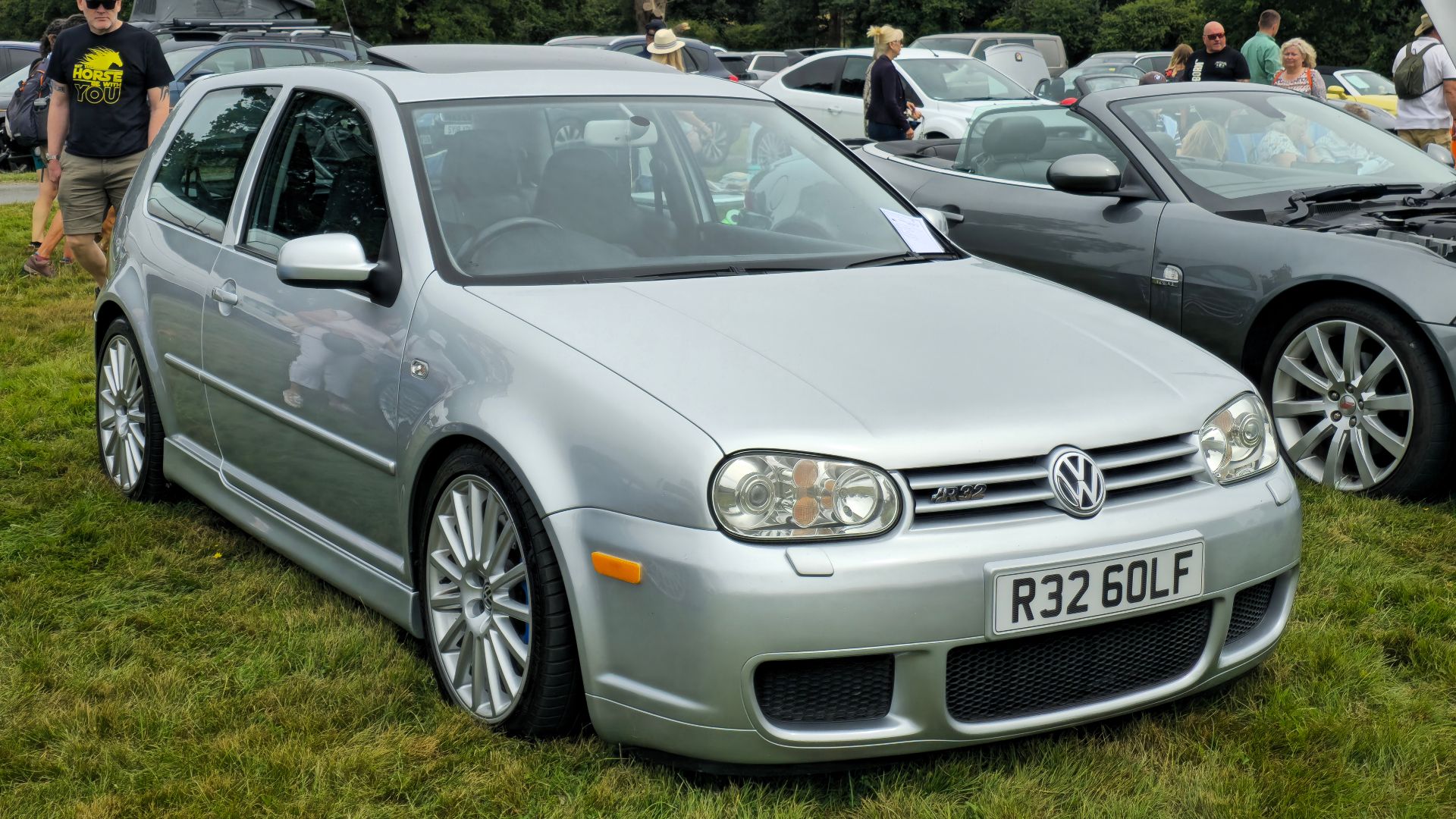
Volkswagen Golf R32 (2003): Dual-Clutch Shifting
The Golf R32 brought a dual-clutch automatic transmission into road-car production in 2003. Twin clutches delivered quick shifts without a clutch pedal. The technology later spread widely through performance cars and everyday models alike.
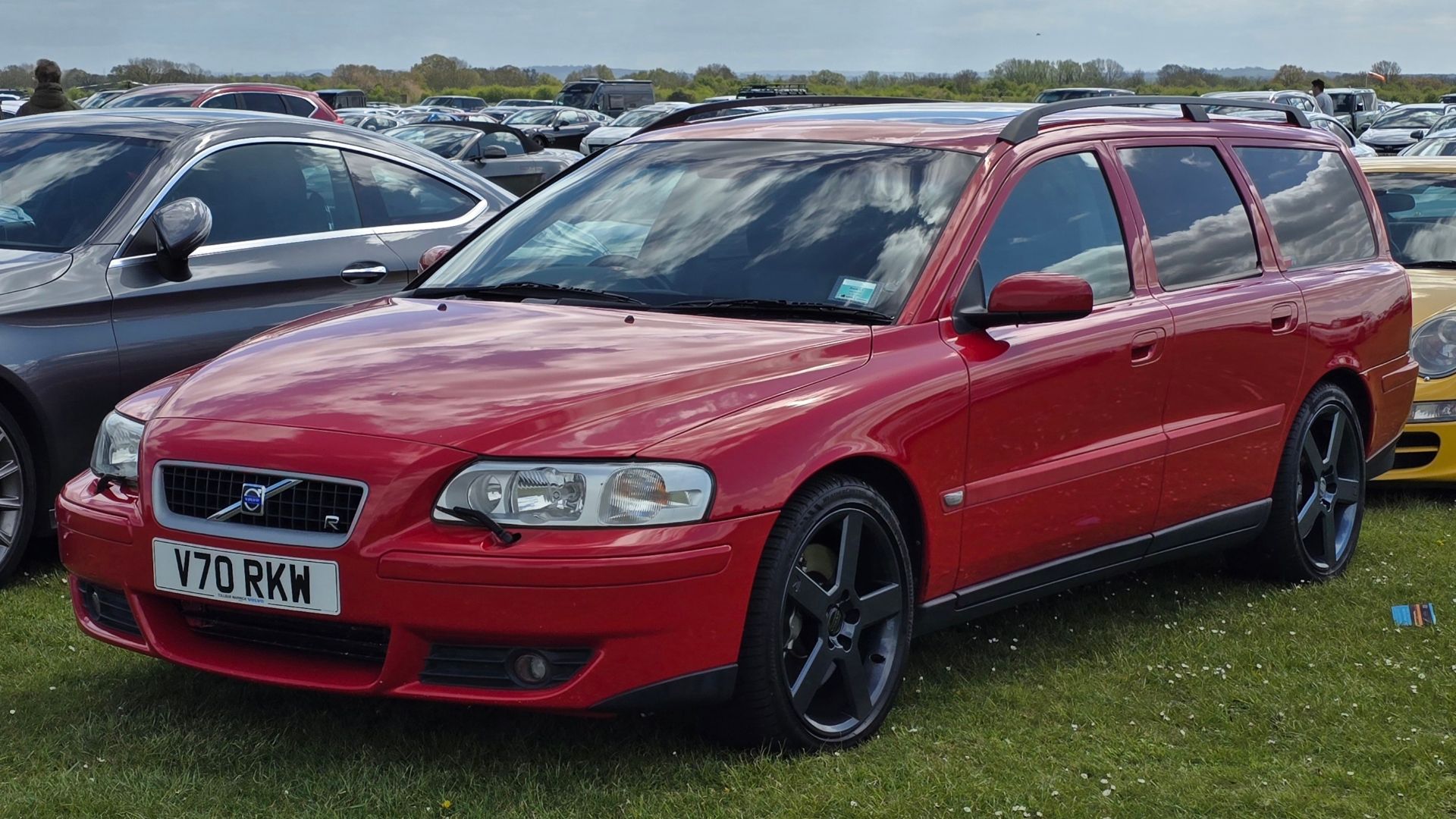
Volvo V70 (2004): Blind-Spot Monitoring
Volvo's early Blind Spot Information System used cameras near the door mirrors to detect nearby vehicles. Warning lights helped V70 drivers judge whether another vehicle occupied a blind spot. Similar alerts later became common across the industry.
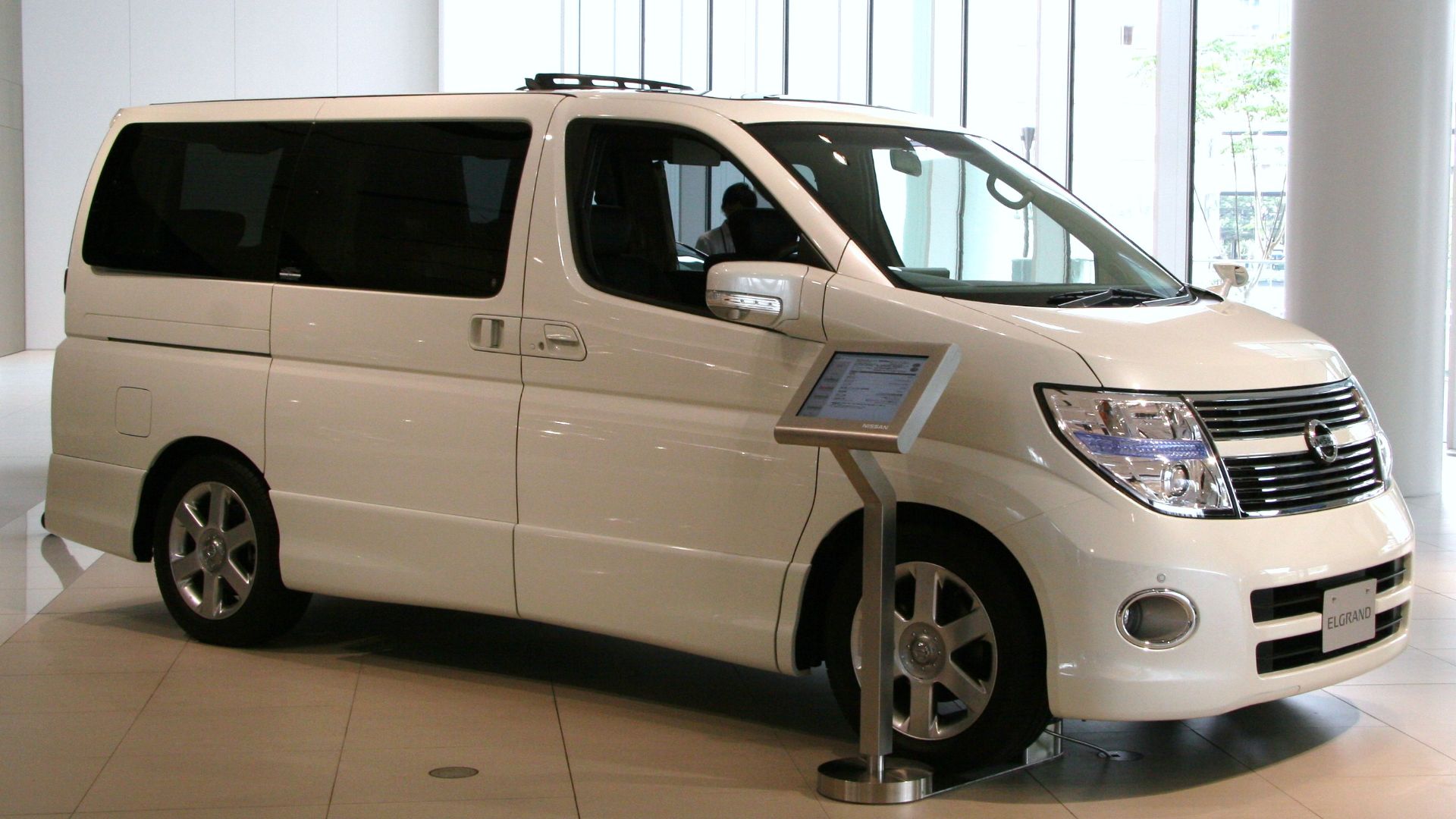
Nissan Elgrand (2007): Surround-View Cameras
Nissan introduced its Around View Monitor on Japan's Elgrand, blending images from four cameras into an overhead-style parking view. Drivers could better judge nearby obstacles. Today's 360-degree camera systems owe much to this remarkably practical early implementation.
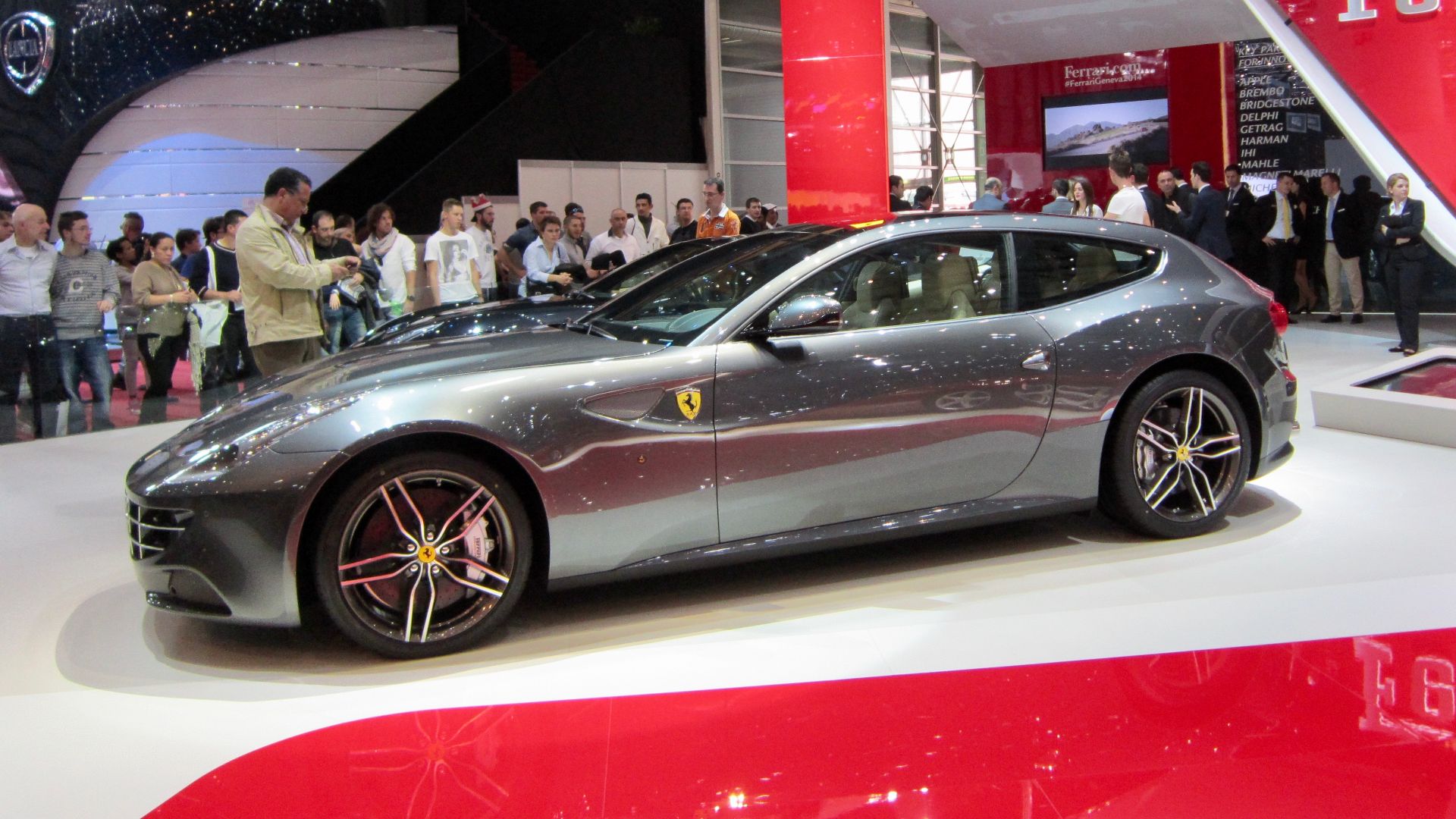
Ferrari FF (2014): Apple CarPlay
One of the earliest cars delivered with Apple CarPlay wasn't an affordable commuter. It was the Ferrari FF. In 2014, buyers could access selected iPhone functions through its display.
You May Also Like:
Why Every Modern Car Has A 17-Digit VIN, And What The Numbers Actually Mean
The "Most Stolen" Cars You've Been Told To Avoid, And Why You Should Buy Them
Cars So Dangerous, The Government Had To Step In To Save Us All
Sources: 1, 2, 3, 4, 5, 6, 7, 8, 9, 10, 11, 12, 13, 14, 15, 16