The Trucks Time Forgot
Some trucks refuse to disappear. The 1980s produced a remarkable collection of pickups that have faded from everyday roads, yet their unusual designs, surprising capabilities, and unmistakable personalities still inspire devoted enthusiasts decades later.
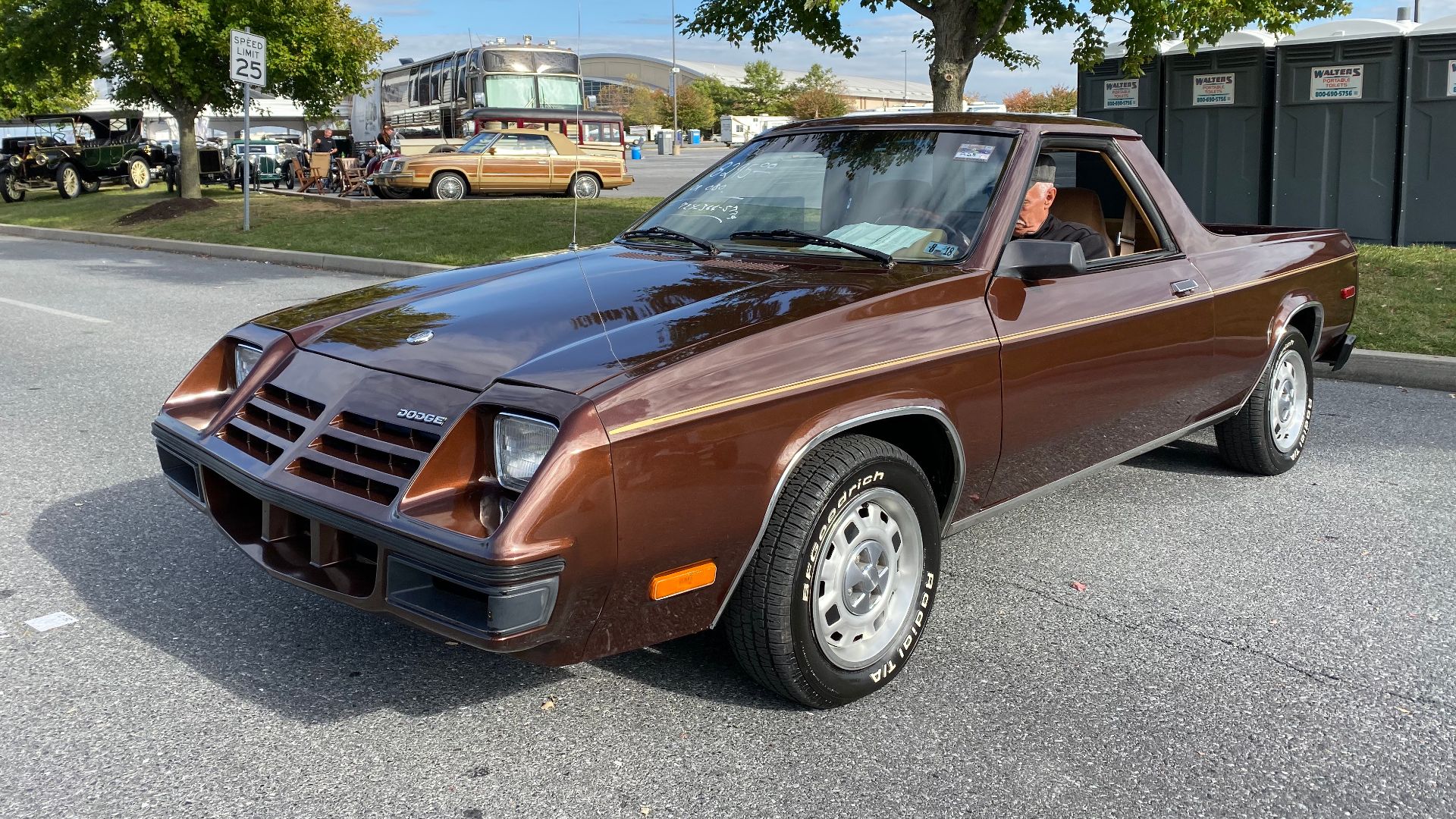
The Dodge Rampage Was A Pickup With A Twist
Dodge took an unconventional approach to the pickup market with the Rampage, produced from 1982 through 1984. Instead of using a traditional truck chassis, Chrysler built this compact utility vehicle around its front-wheel-drive L-body platform. Its 2.2-liter four-cylinder engine delivered modest performance, but the Rampage offered an unusual alternative to conventional pickups. Its distinctive proportions and brief production run make it an especially interesting survivor of early 1980s automotive experimentation.
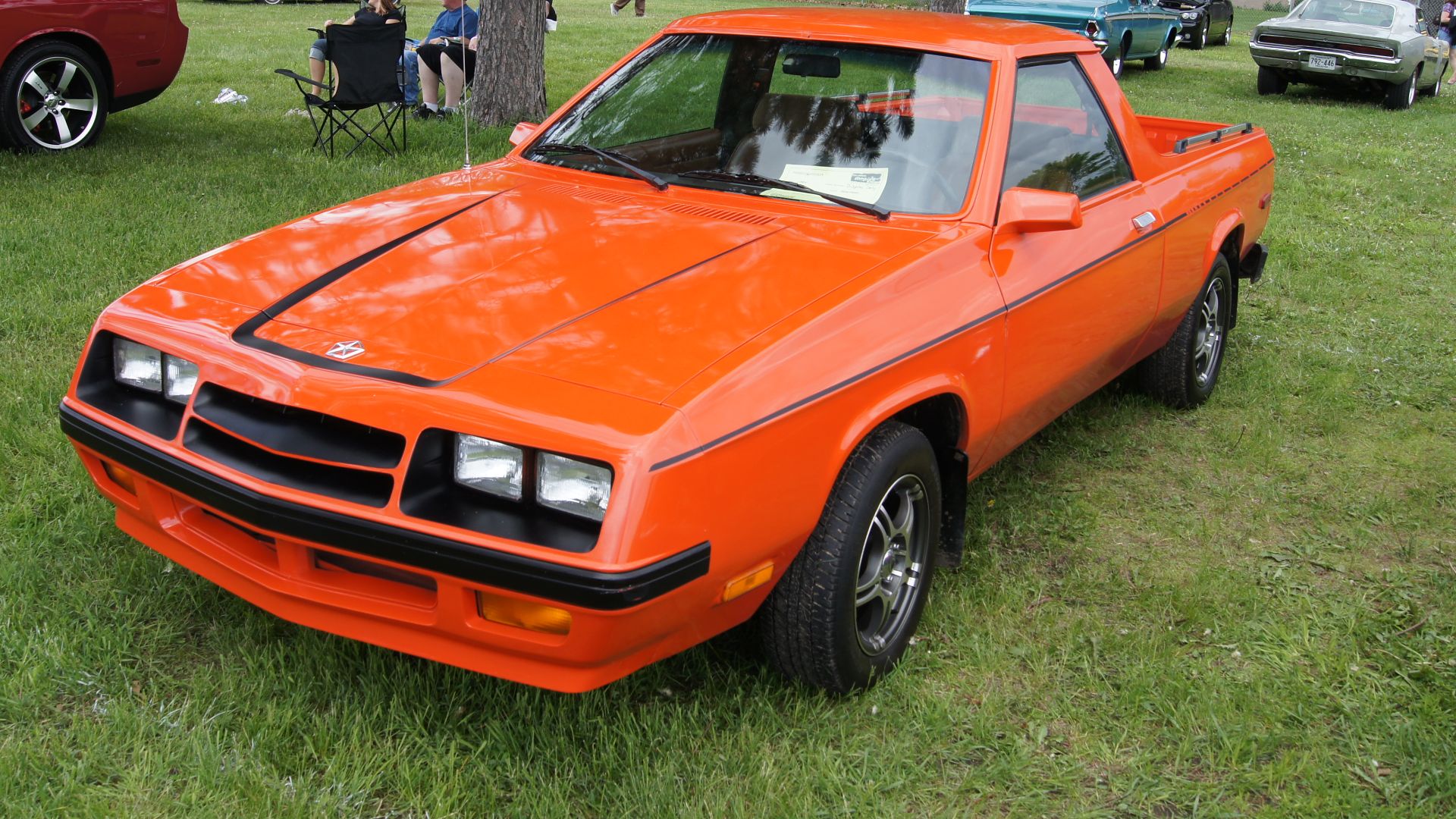 Greg Gjerdingen from Willmar, USA, Wikimedia Commons
The Plymouth Scamp Was Even More Unusual
The Plymouth Scamp pickup arrived for 1983 as a close relative of the Dodge Rampage. Like its Dodge counterpart, it combined front-wheel drive with an open cargo bed and compact-car mechanical components. The Scamp's extremely short market life makes it one of the more obscure American pickups of the decade. Anyone who encounters one today is looking at a particularly unusual piece of Chrysler history.
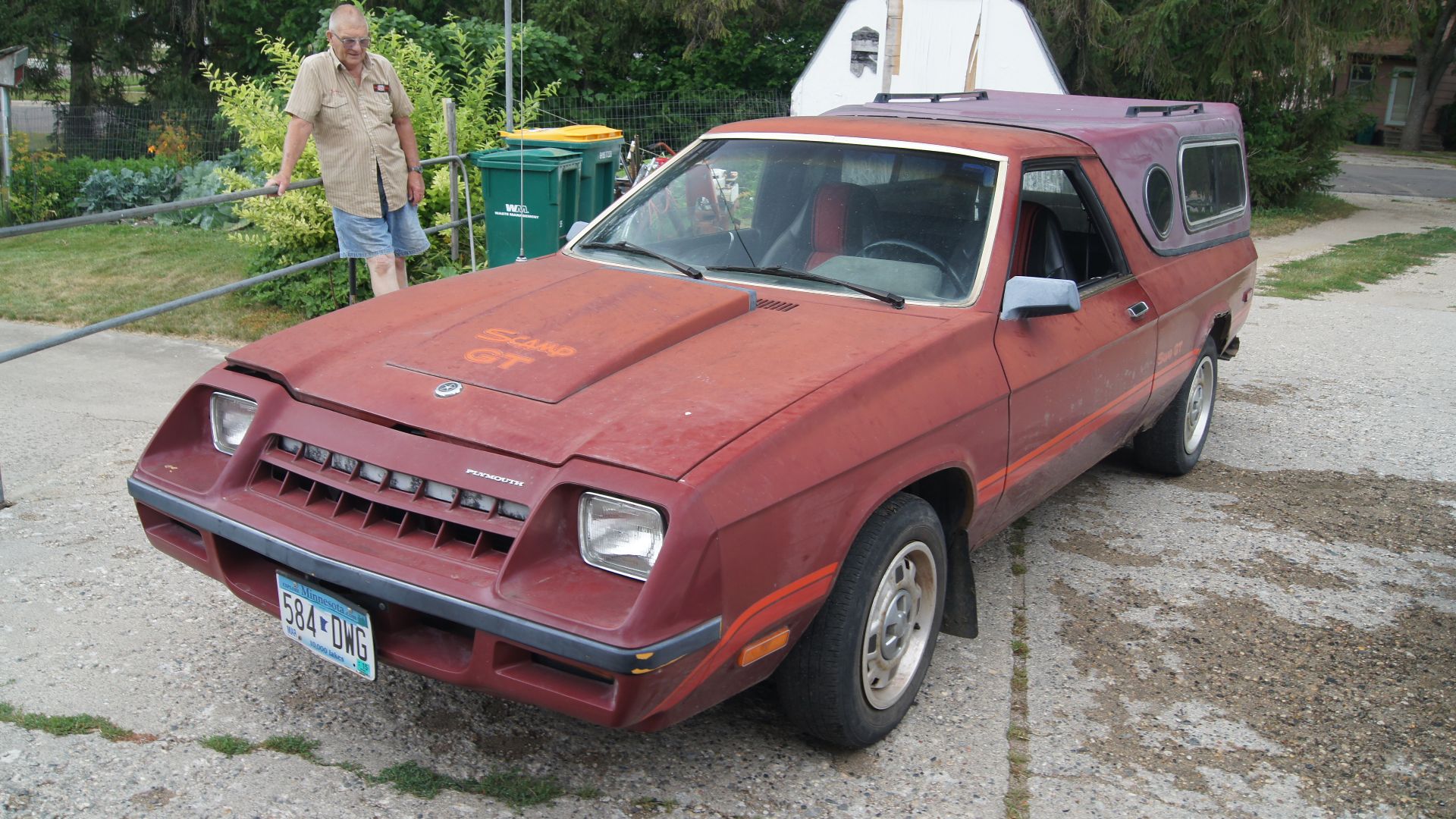 Greg Gjerdingen from Willmar, USA, Wikimedia Commons
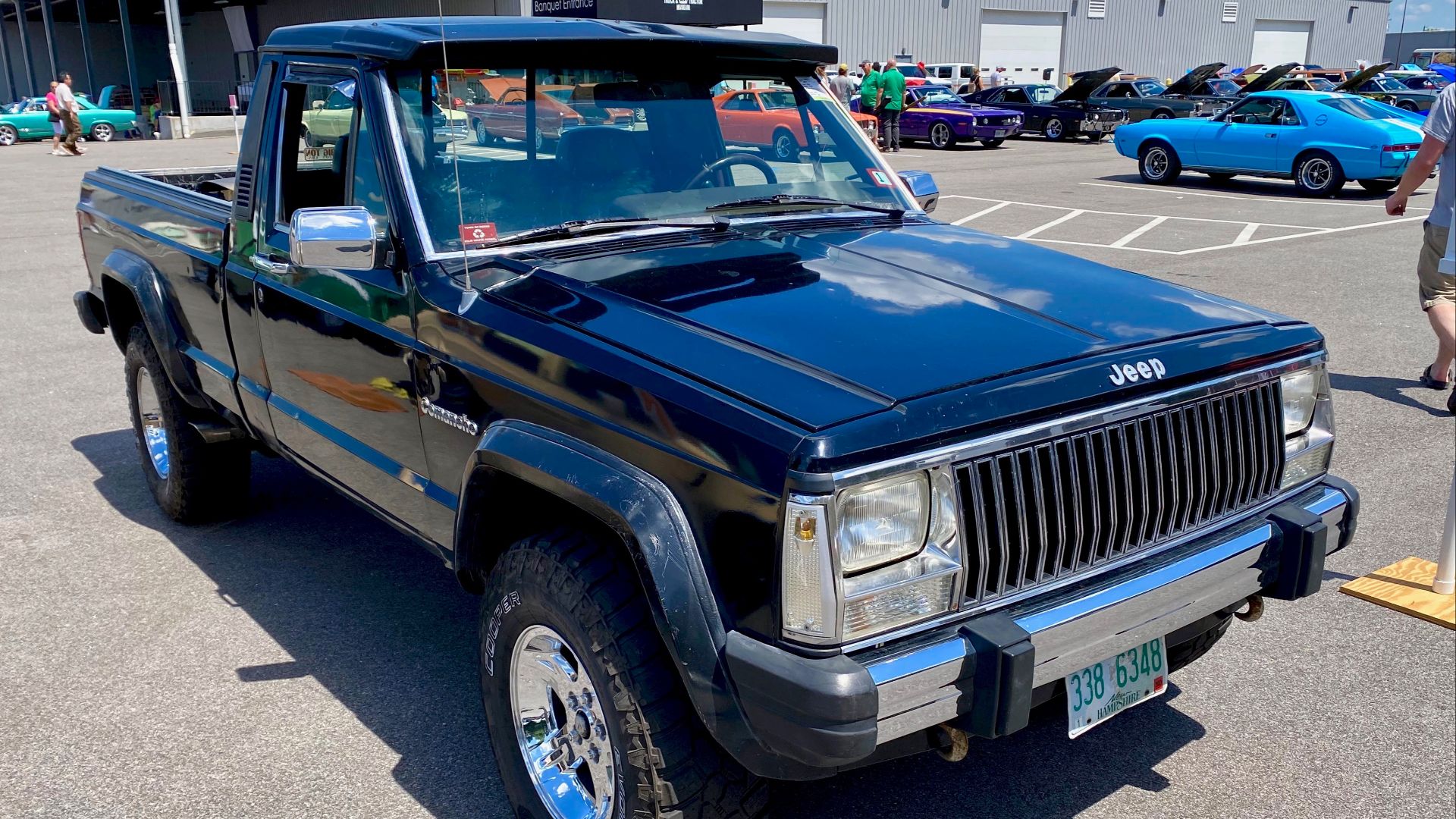
The Jeep Comanche Was More Than A Cherokee With A Bed
Jeep introduced the Comanche for the 1986 model year, borrowing much of its mechanical foundation from the XJ Cherokee. Unlike conventional body-on-frame pickups, the Comanche used a distinctive construction combining a unibody passenger compartment with a separate rear frame structure. Buyers could choose different bed lengths and either two-wheel or four-wheel drive. Its unusual engineering and unmistakable Jeep appearance have helped make surviving examples collectible.
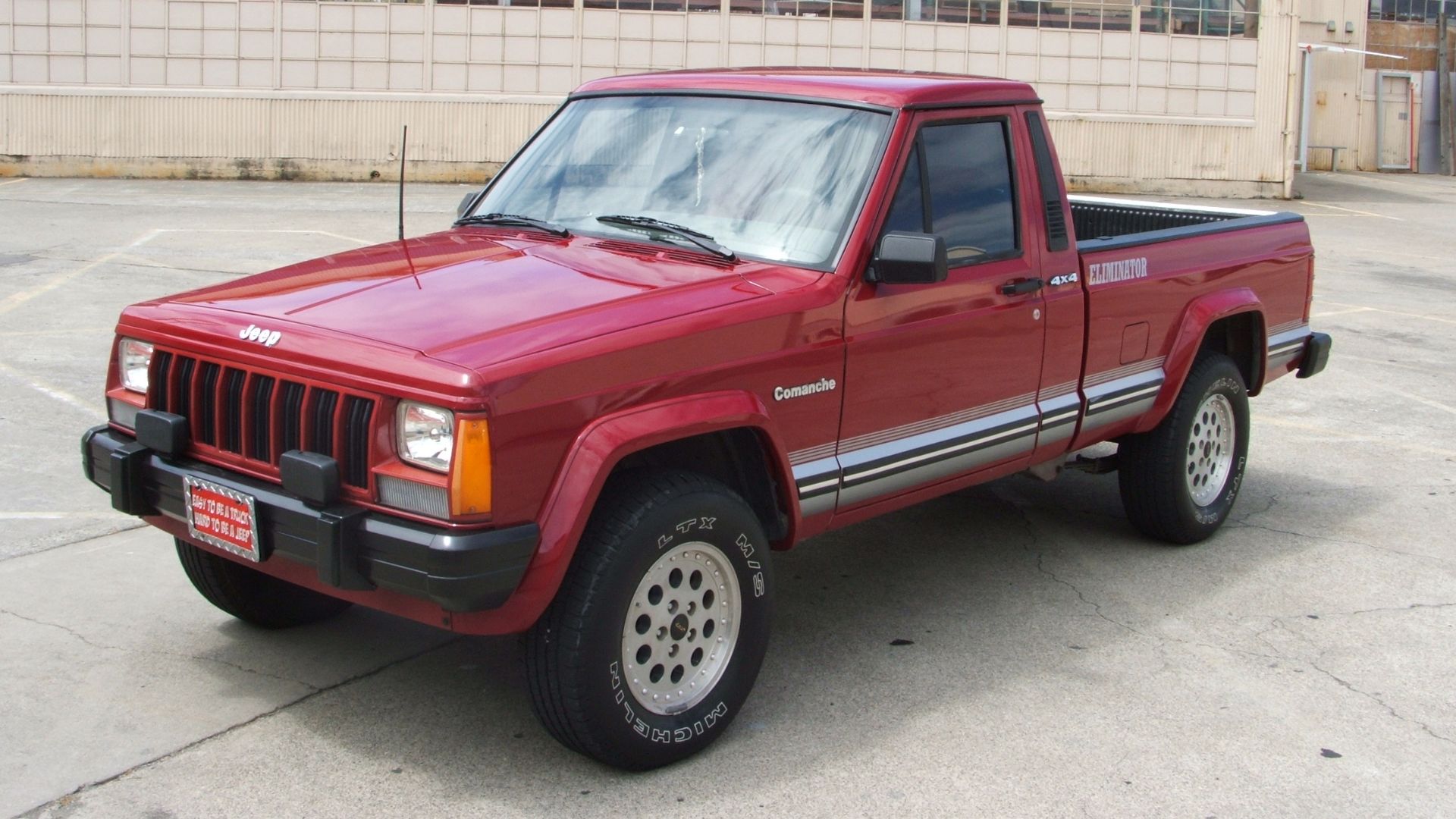
The Comanche Eliminator Added Some Attitude
In 1988, Jeep introduced the Comanche Eliminator, giving its compact pickup a sportier personality. The package included distinctive wheels, body-colored exterior details, and the available strength of Jeep's 4.0-liter inline-six engine. Early versions produced 174 horsepower, while later examples benefited from engine improvements. The Eliminator demonstrated that a compact pickup could offer driving enjoyment alongside everyday utility.
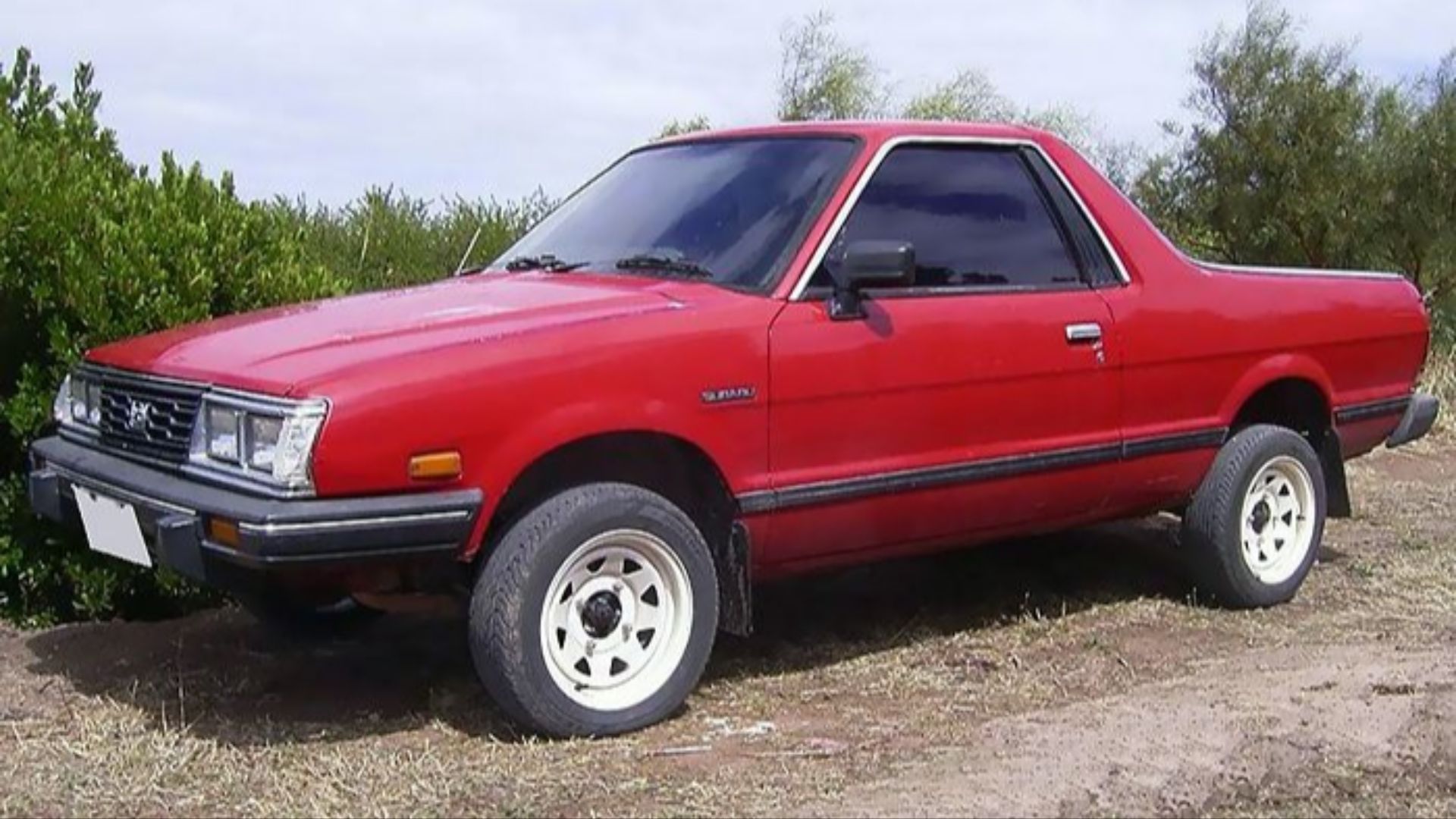
The Subaru BRAT Was Unlike Anything Else
The Subaru BRAT combined the mechanical foundation of the Leone passenger car with a small open cargo bed. Sold in the United States from 1978 through 1987, it offered four-wheel-drive capability in a particularly compact package. Its strangest feature was a pair of rear-facing seats mounted directly in the bed, a solution connected to American import tariff classifications. That unusual arrangement remains one of the defining features of this unconventional little truck.
The Turbocharged BRAT Was A Genuine Oddity
Subaru made the BRAT even more interesting by offering a turbocharged engine for the 1983 and 1984 model years. Its 1.8-liter boxer-four produced approximately 95 horsepower, giving the lightweight utility vehicle a welcome performance increase. The turbocharged version retained the BRAT's unconventional combination of passenger-car engineering and pickup practicality. For collectors who appreciate unusual Japanese vehicles, this version offers an especially distinctive piece of 1980s history.
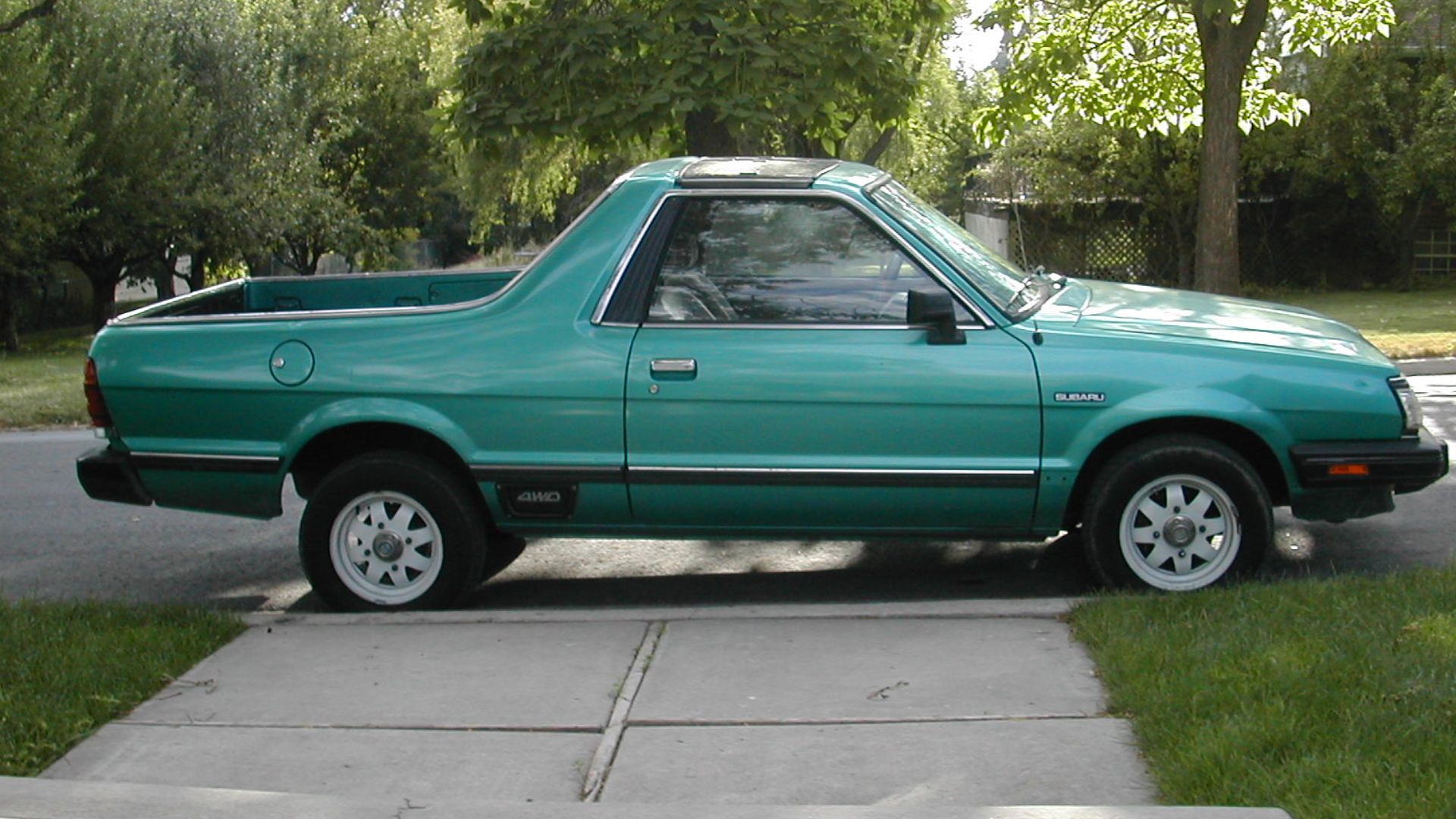 Subarubratman at English Wikipedia, Wikimedia Commons
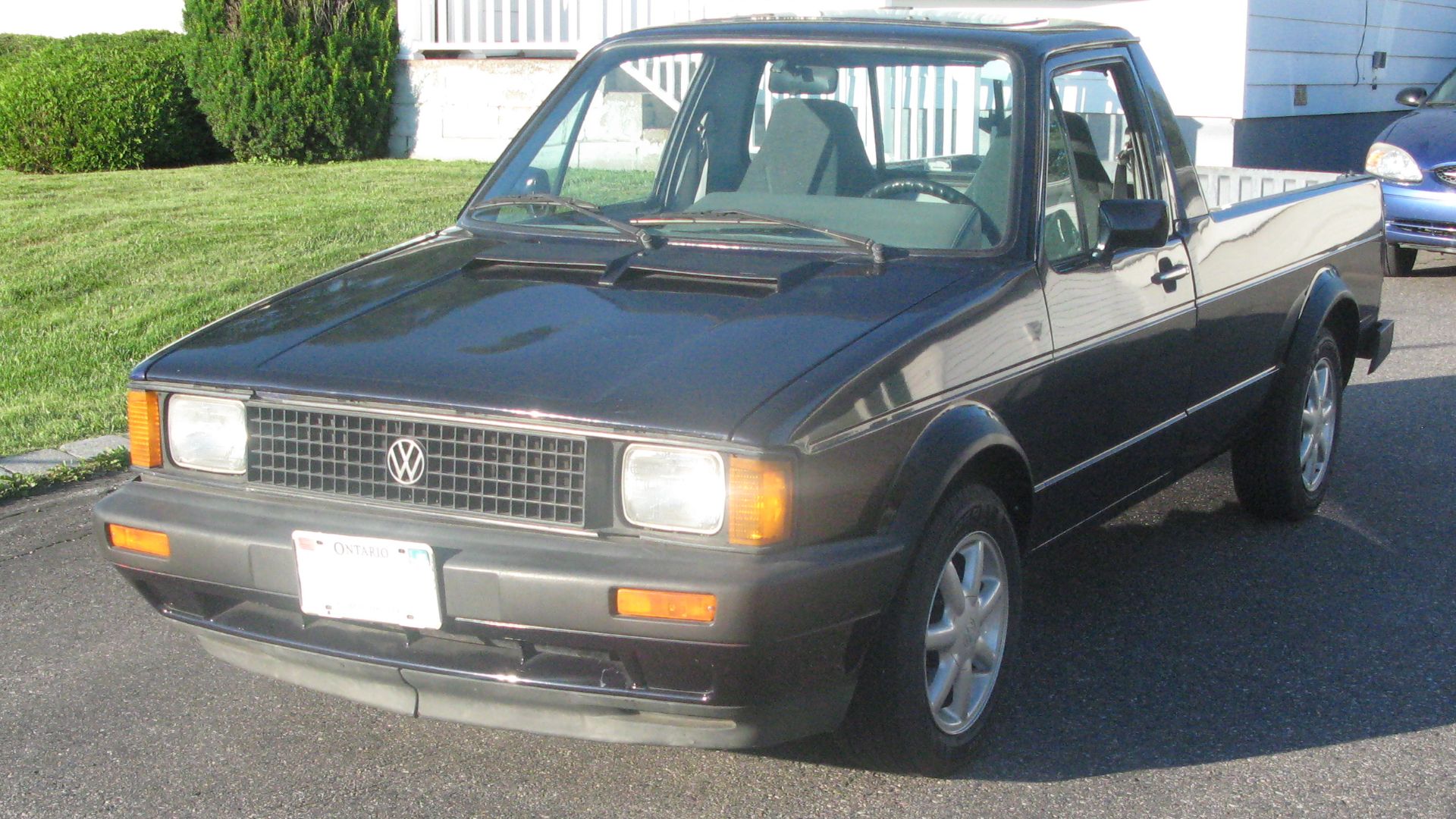
The Volkswagen Rabbit Pickup Had European Roots
Volkswagen created its compact Rabbit Pickup by transforming the familiar front-wheel-drive Rabbit into a small utility vehicle. Built in Pennsylvania for the American market, it offered a cargo bed measuring roughly five and a half feet. Buyers could choose an economical diesel engine, giving the little truck a very different character from traditional American pickups. Its combination of German-inspired engineering and American production made it one of the decade's more distinctive small trucks.
 SsmIntrigue, Wikimedia Commons
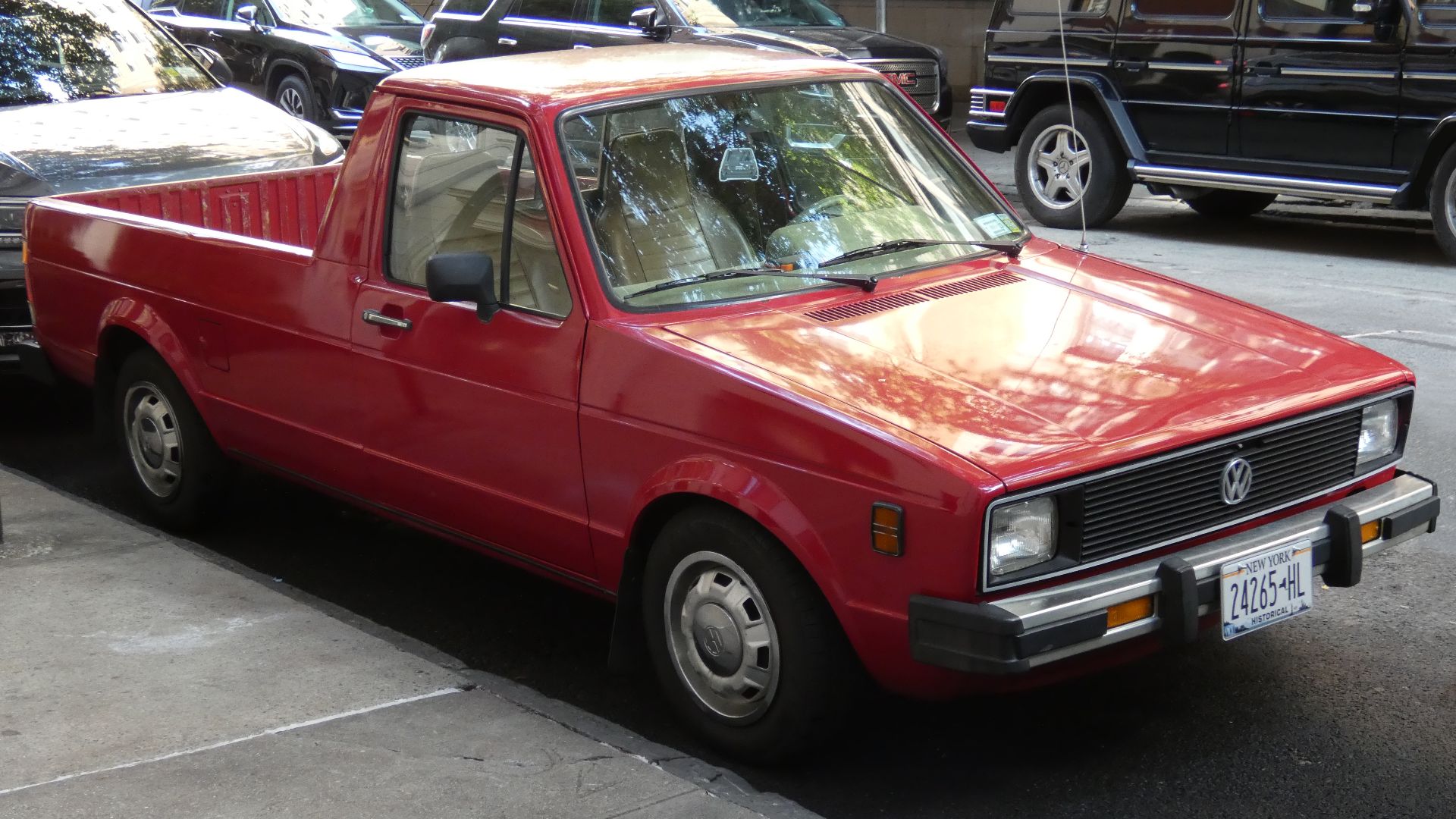
The Rabbit Diesel Was Built For Efficiency
The diesel-powered Rabbit Pickup appealed to drivers who wanted utility without the fuel consumption of a larger truck. Its small diesel engine prioritized economy rather than acceleration, while the front-wheel-drive layout separated it from conventional rear-wheel-drive pickups. The model also helped establish the foundation for Volkswagen's longer-lived Caddy utility vehicles in other markets. Its compact proportions and straightforward mechanical character remain central to its appeal.
 Mr.choppers, Wikimedia Commons
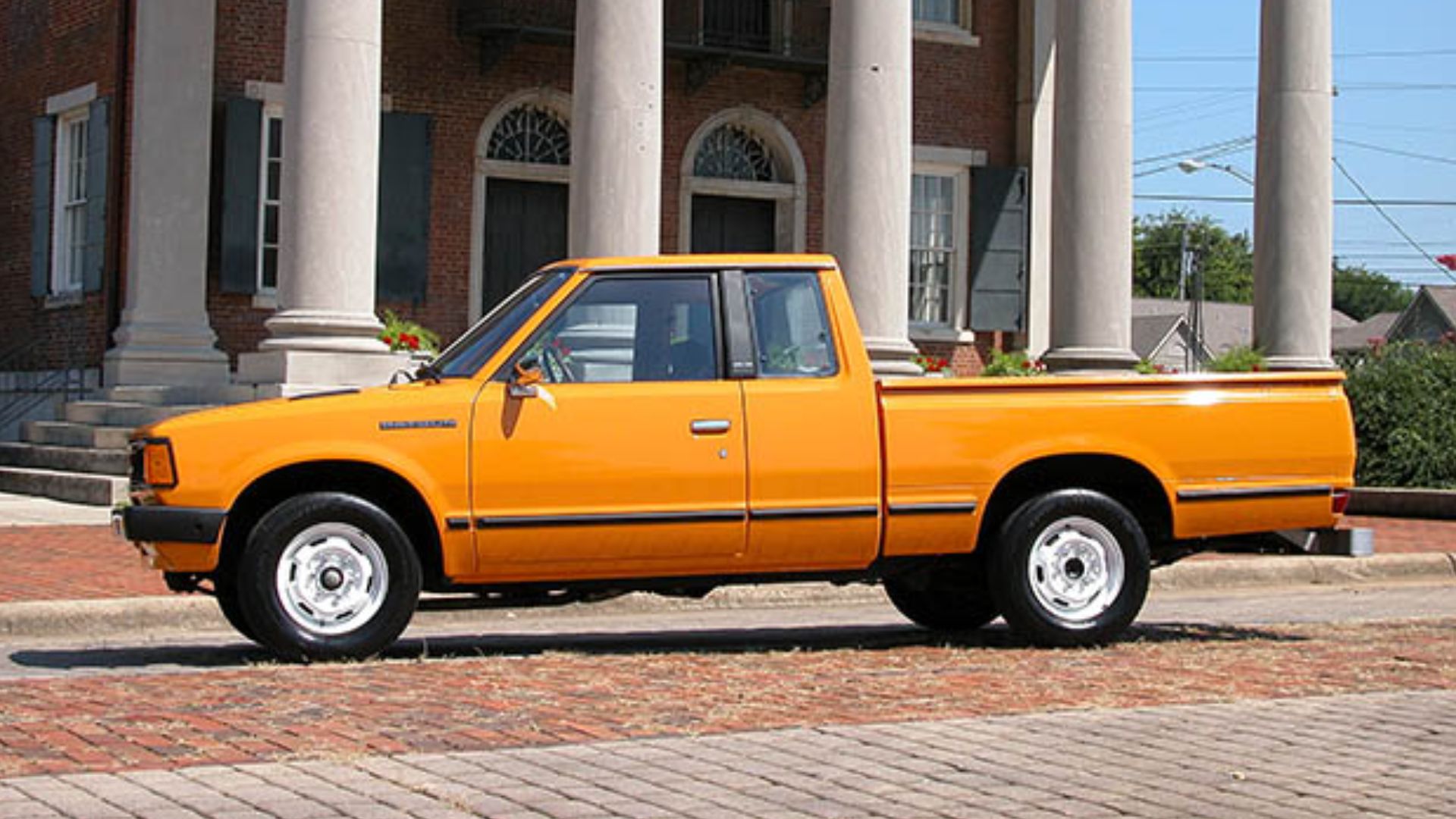
The Datsun 720 Helped Launch An American Factory
The Datsun 720 arrived for 1980 and became an important part of Nissan's transition from the Datsun name. It was available in regular-cab and extended King Cab configurations, with different bed lengths and drivetrain choices. In June 1983, a 720 became the first vehicle produced at Nissan's new assembly plant in Smyrna, Tennessee. That historic achievement gives the modest pickup an important place in American automotive manufacturing history.
 The original uploader was Millsdo at English Wikipedia., Wikimedia Commons
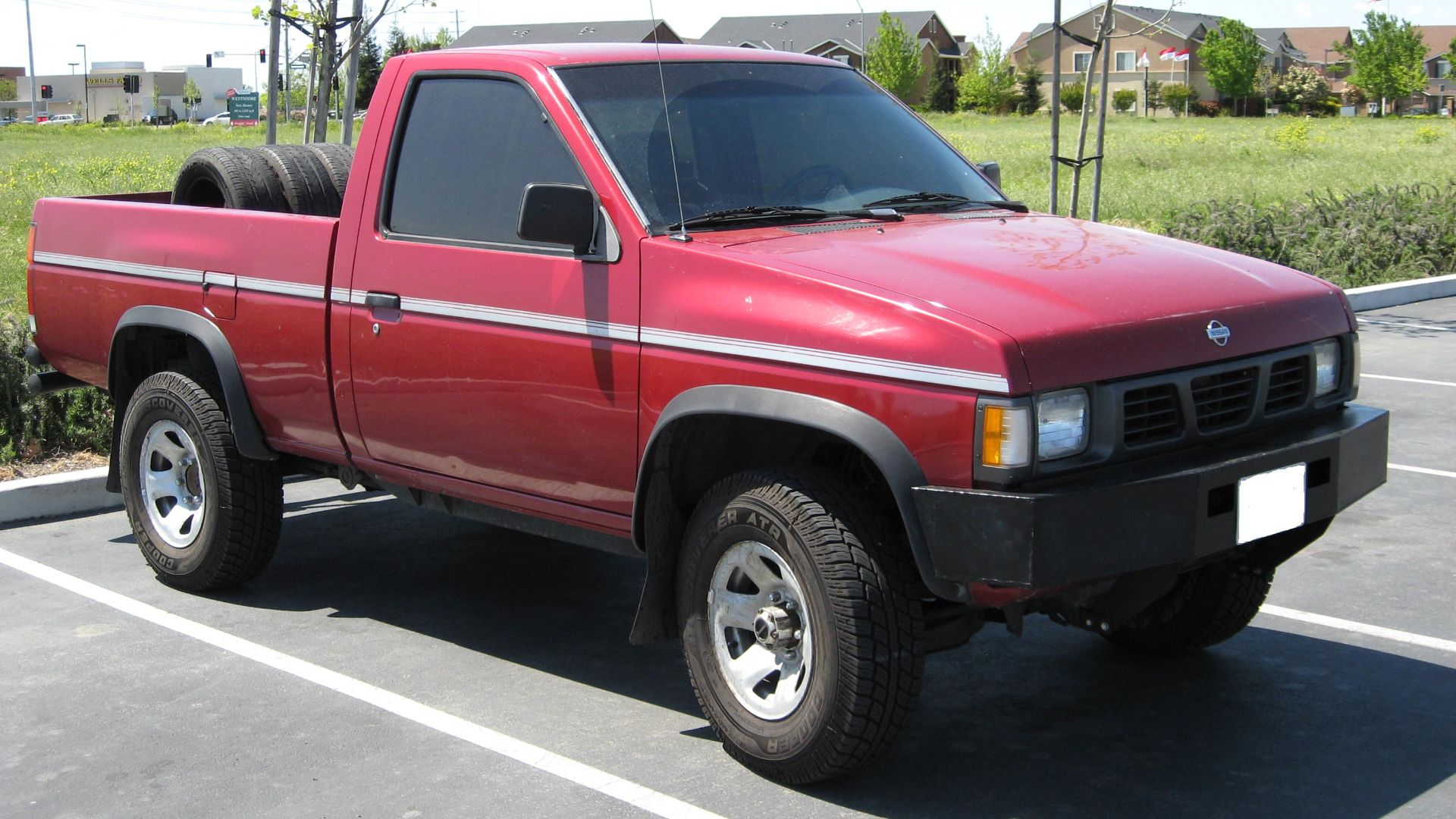
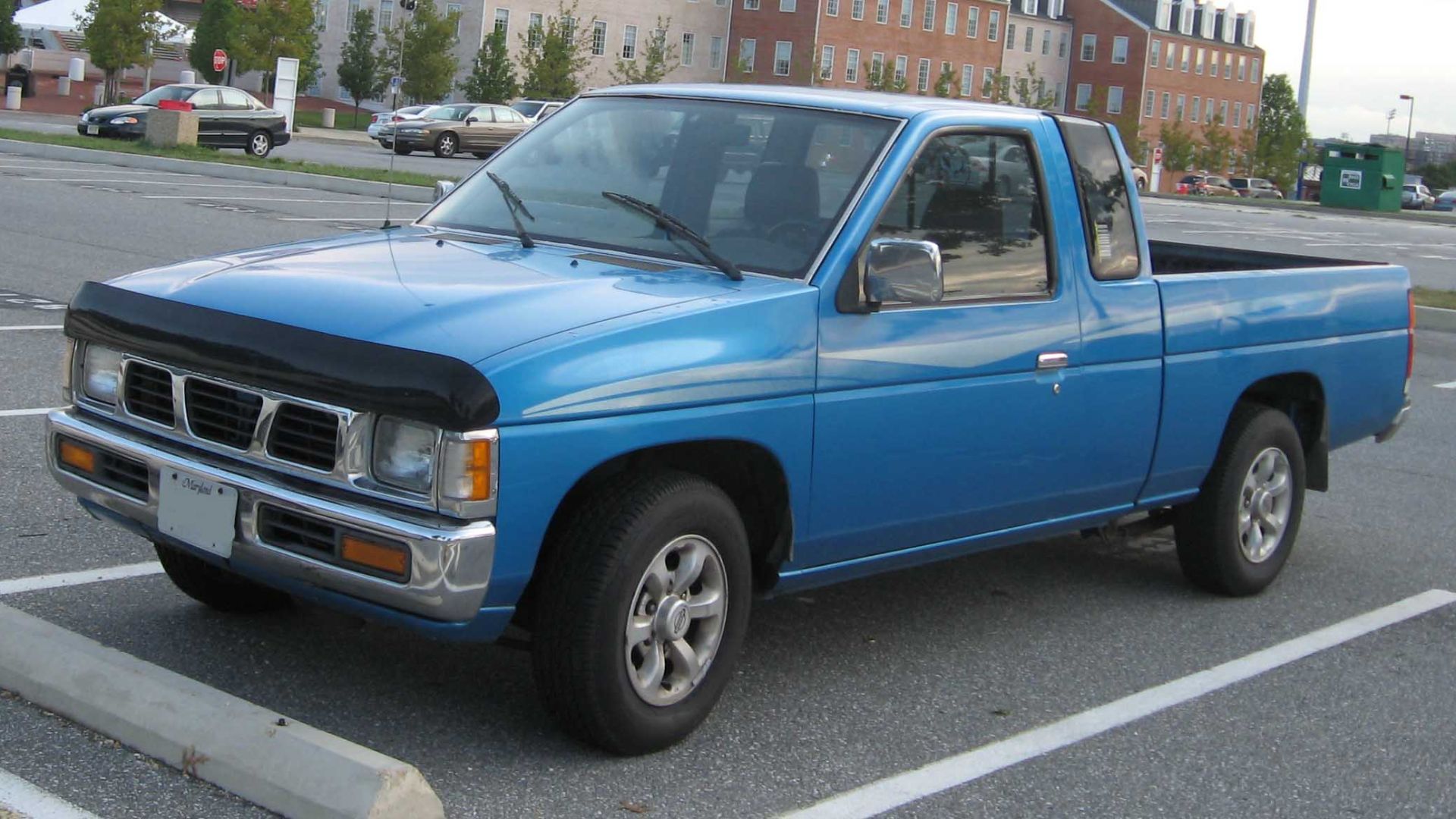
The Nissan Hardbody Made Boxy Look Cool
Nissan introduced the D21 Hardbody during the 1986 model year, replacing the aging 720 with a dramatically different design. Developed with substantial input from Nissan's American design operation, it featured sharply defined bodywork and a distinctive character line running along its sides. The nickname Hardbody referred partly to its double-walled cargo bed and rugged appearance. Its design became a favorite among mini-truck enthusiasts and remains instantly recognizable today.
The Hardbody V6 Offered Something Extra
The early Nissan Hardbody was available with a 3.0-liter V6 producing 140 horsepower. That was a noteworthy figure for a compact pickup in 1986, especially when many competing trucks relied on smaller four-cylinder engines. Buyers could also choose two-wheel-drive or four-wheel-drive configurations and regular or extended cabs. The combination of useful performance, versatile body styles, and distinctive styling helped establish the Hardbody's lasting reputation.
The Mitsubishi Mighty Max Was A Forgotten Workhorse
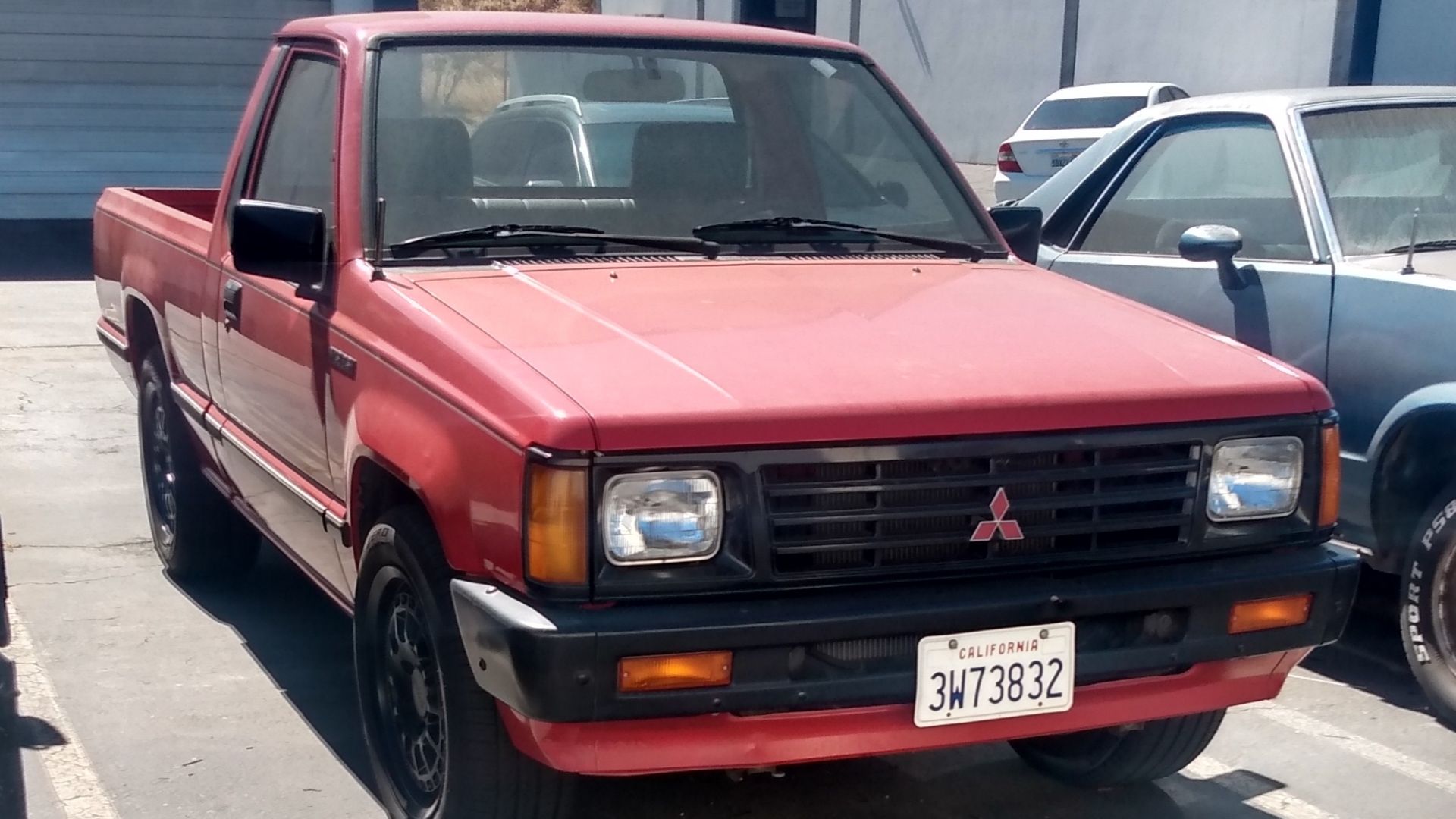
Mitsubishi introduced the Mighty Max to American buyers in 1982, entering a crowded market of compact Japanese pickups. Its mechanical foundations were closely related to the trucks Mitsubishi manufactured for Dodge and Plymouth. A 1986 redesign brought updated styling, while later versions continued the model's emphasis on compact dimensions and practical utility. The Mighty Max remains an interesting alternative for enthusiasts seeking a vintage Japanese pickup outside the familiar Toyota and Nissan lineups.
 DestinationFearFan, Wikimedia Commons
The Dodge Ram 50 Had Japanese Engineering
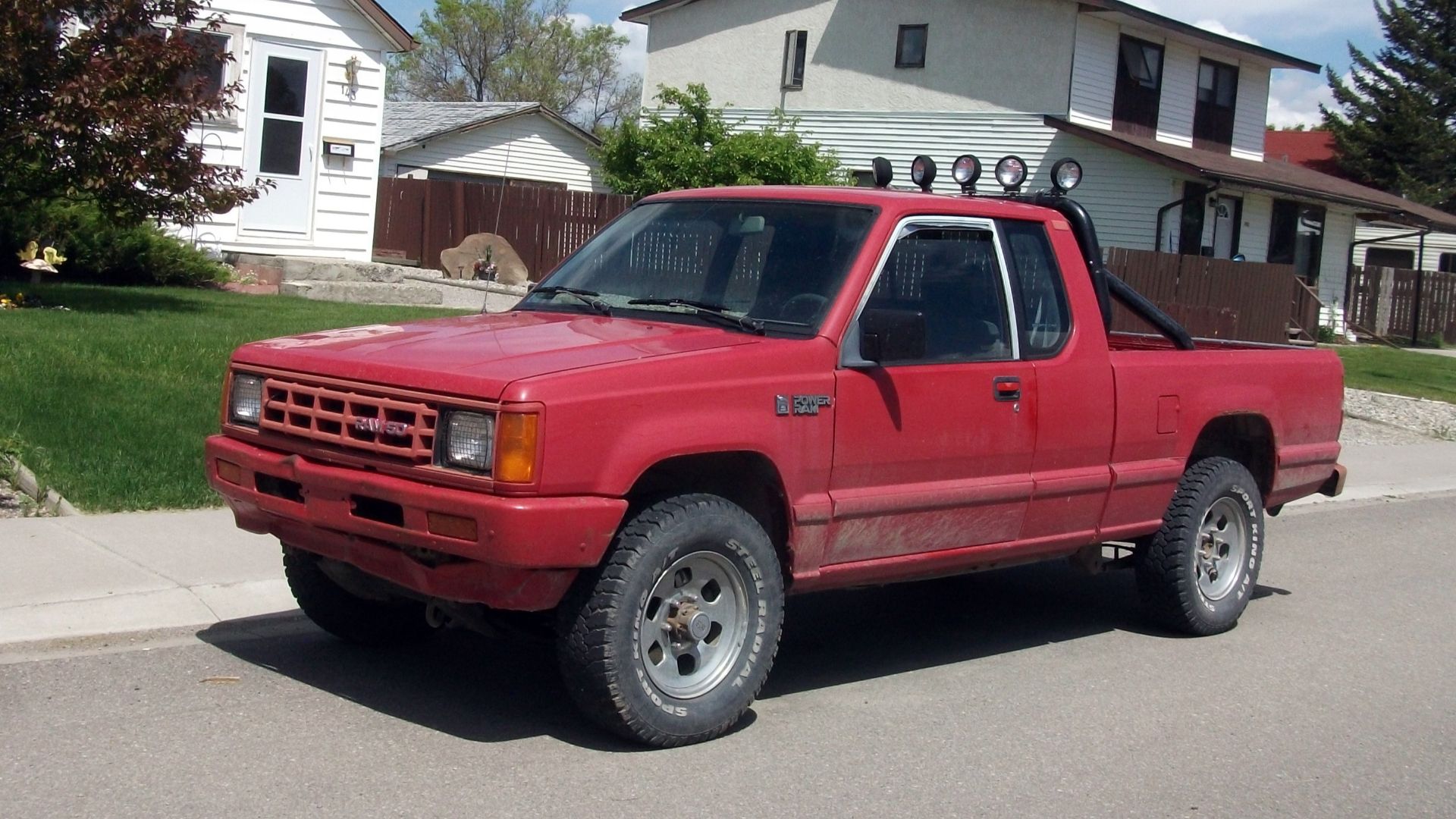
Dodge's Ram 50 originated as a Mitsubishi-built compact pickup rather than an entirely American-designed truck. Earlier versions wore the Dodge D-50 name, while the Power Ram 50 designation identified four-wheel-drive variants. The truck gave Dodge dealerships an economical small pickup during a period when buyers increasingly wanted alternatives to full-size models. Its shared ancestry with the Mitsubishi Mighty Max makes it a particularly interesting example of international automotive cooperation.
 dave_7 from Lethbridge, Canada, Wikimedia Commons
The Plymouth Arrow Pickup Was Easy To Overlook
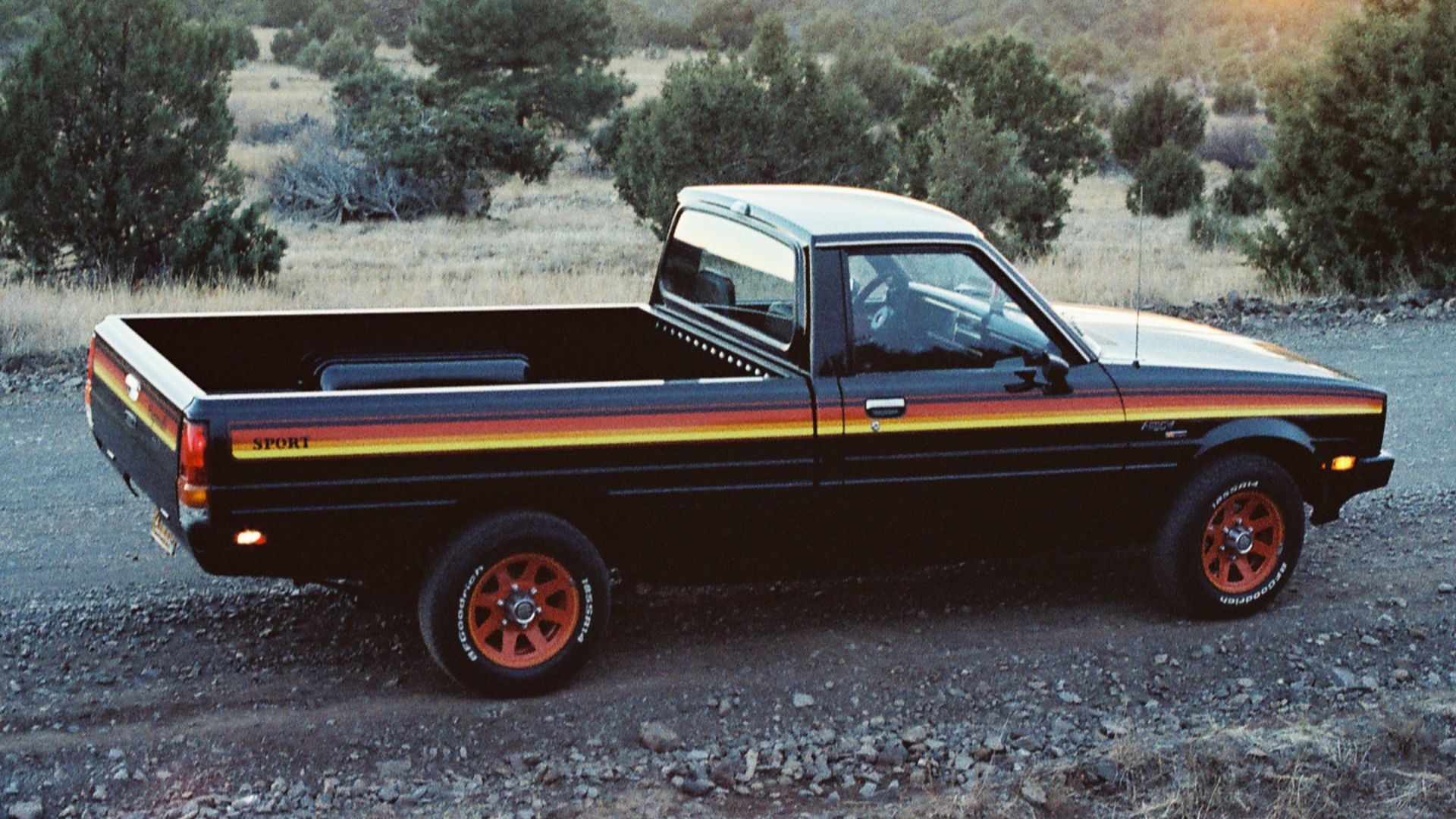
Plymouth offered its own version of Mitsubishi's compact pickup under the Arrow name, with sales extending into the early 1980s. Although related to the Dodge D-50, the Arrow carried Plymouth branding and distinctive exterior identification. The pickup disappeared from the American market after the 1982 model year, leaving Dodge to continue the Mitsubishi partnership. Its short lifespan and relatively obscure identity make it one of the more easily forgotten pickups of the period.
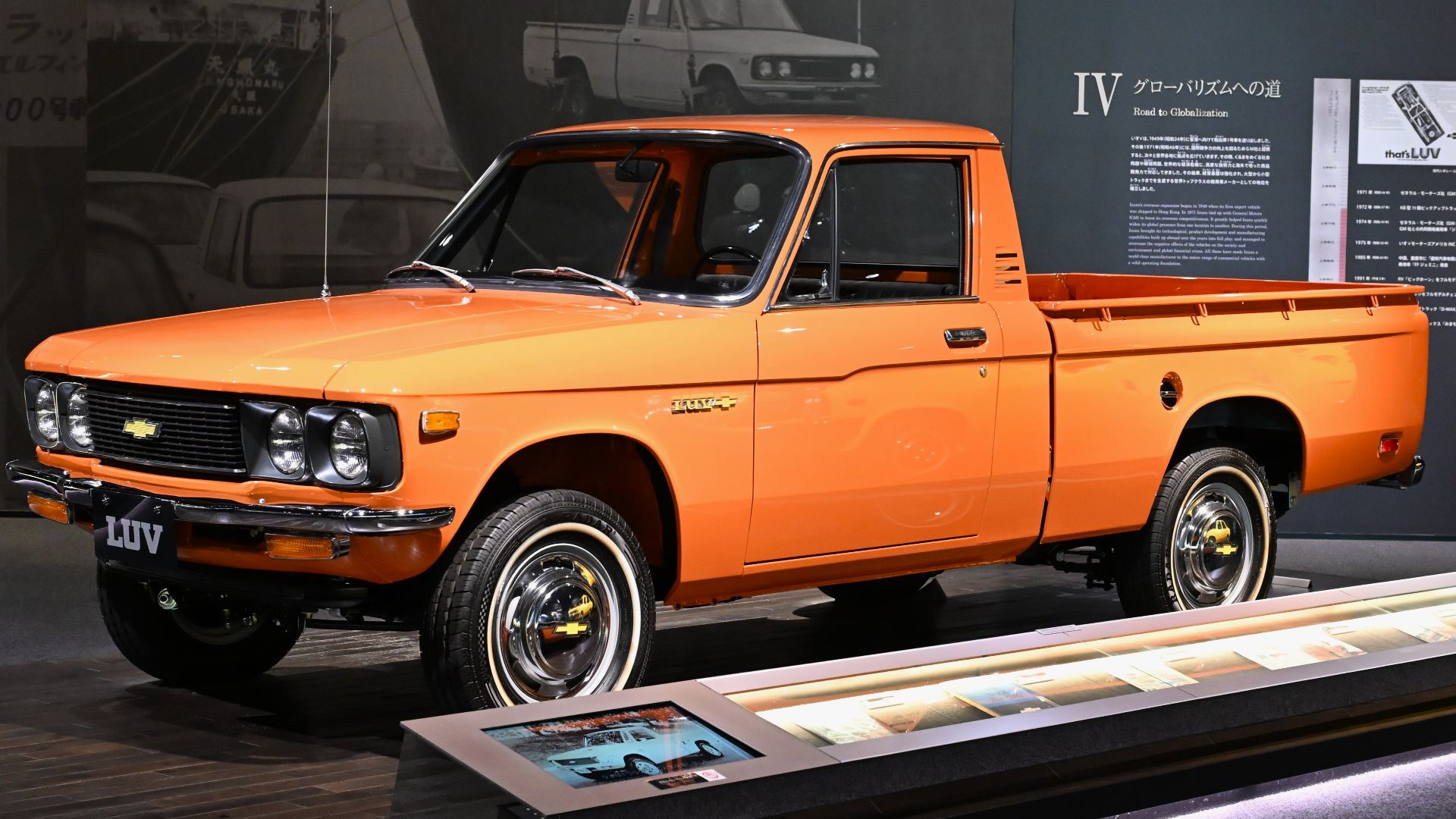
The Chevrolet LUV Was An Import In Disguise
The Chevrolet LUV began as an Isuzu-built pickup marketed through Chevrolet dealerships, with LUV standing for Light Utility Vehicle. A redesigned version arrived for the 1981 model year, offering updated styling and a slightly roomier cabin. The second-generation truck also offered a 2.2-liter diesel engine, an unusual option for an American-market Chevrolet pickup. Its American sales ended as Chevrolet introduced the domestically developed S-10.
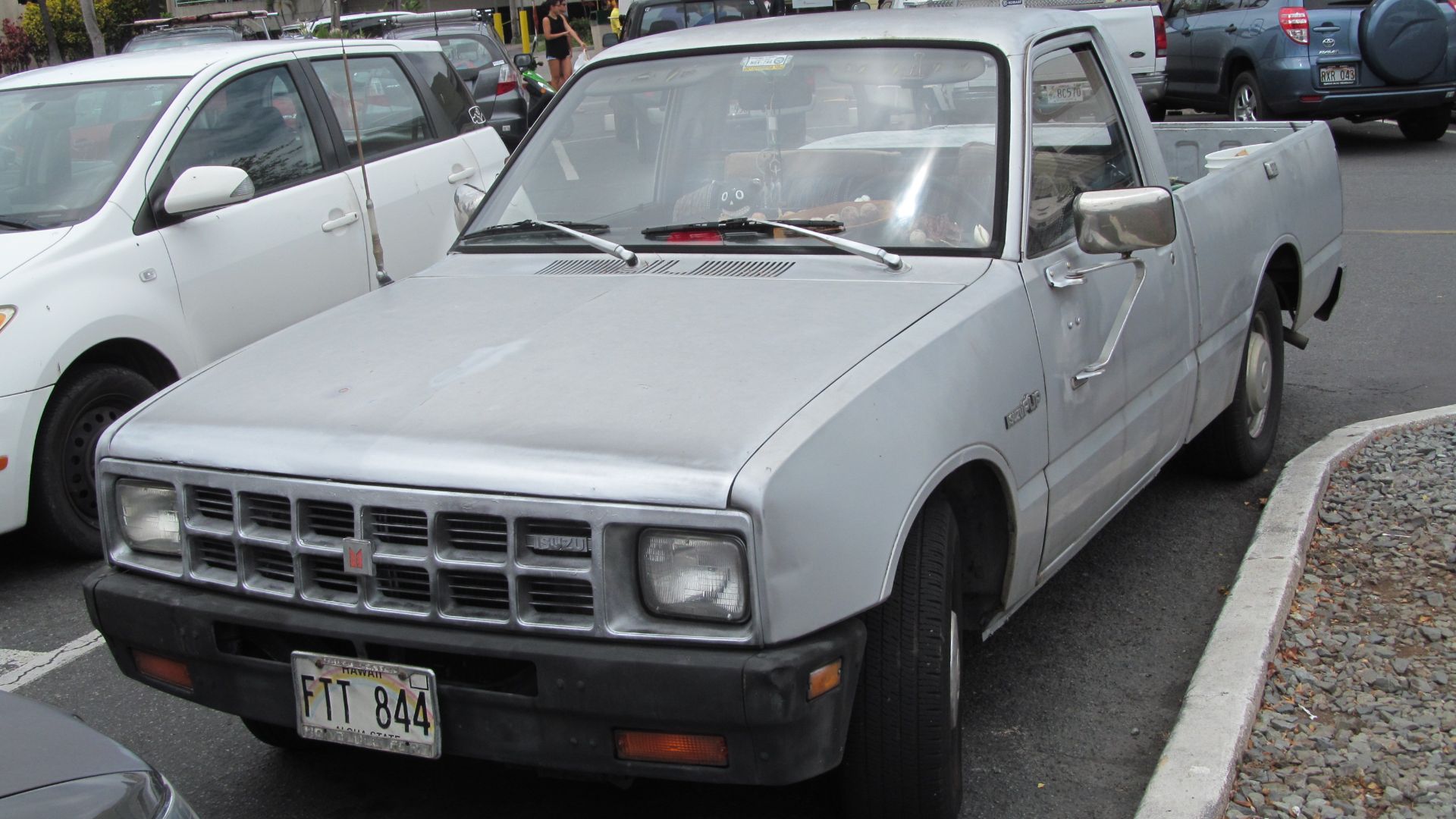
The Isuzu P'up Kept The Little Truck Alive
When Chevrolet moved away from the LUV, Isuzu continued selling a closely related pickup under its own name. The Isuzu P'up offered buyers a compact work truck with gasoline and diesel powertrain choices. Its straightforward design reflected the practical priorities of Japanese pickups during the 1980s. The P'up remained available in the American market through 1989, preserving a vehicle lineage that Chevrolet customers had known for years.
 Riley from Christchurch, New Zealand, Wikimedia Commons
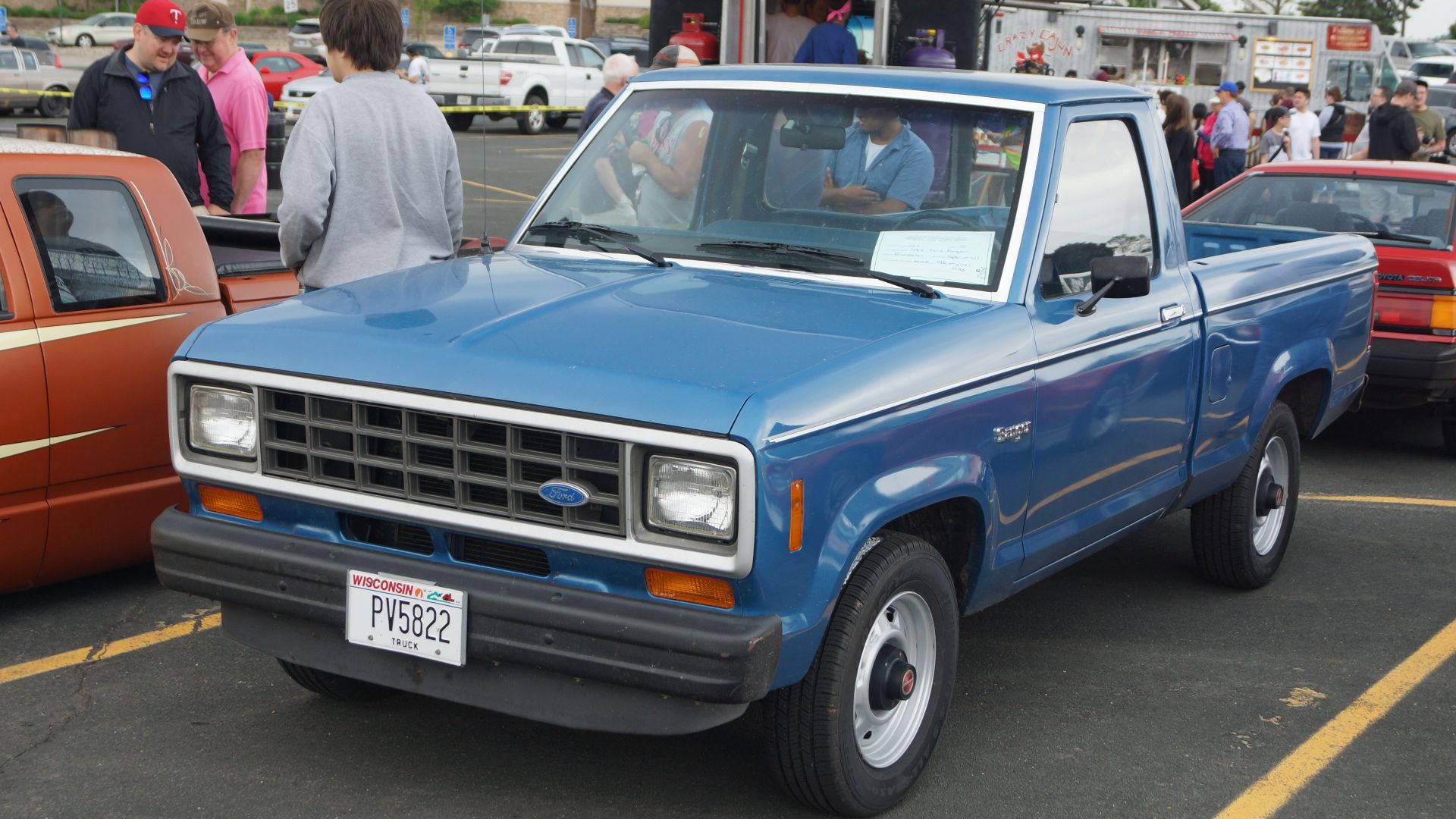
The Ford Ranger Started A Small-Truck Revolution
Ford introduced its American-designed Ranger for the 1983 model year, creating a compact pickup to compete directly with Chevrolet's S-10 and imported rivals. Early versions offered economical four-cylinder engines, while V6 and four-wheel-drive options expanded the lineup. Ford also used its distinctive Twin-I-Beam and Twin-Traction Beam suspension engineering in different configurations. The original Ranger's compact dimensions and straightforward design still distinguish it from the much larger pickups commonly sold today.
 Greg Gjerdingen, Wikimedia Commons
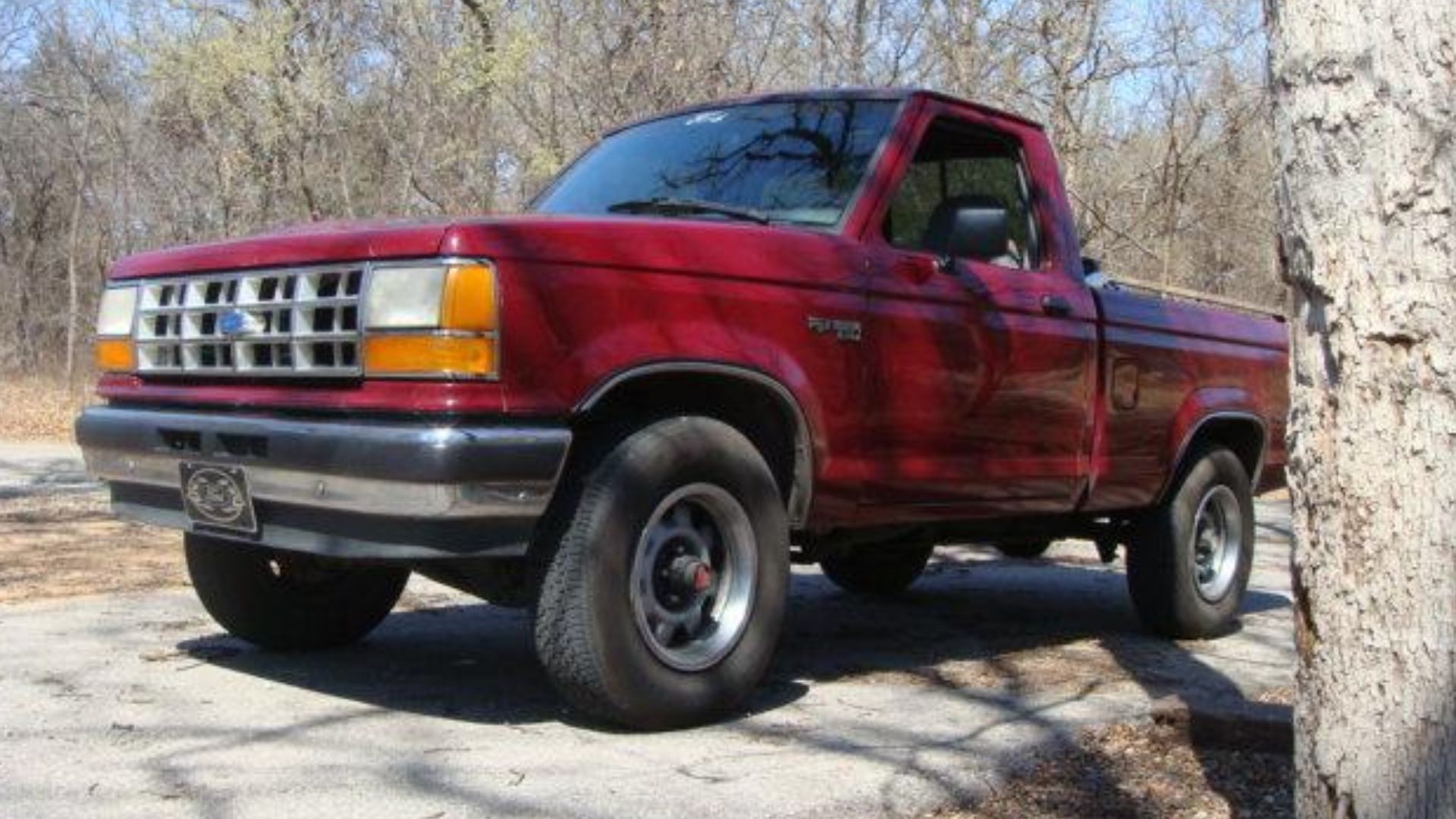
The Ford Ranger GT Was A Sporty Surprise
Ford gave its compact pickup an unexpected performance-oriented makeover with the Ranger GT, offered from 1987 through 1989. It featured aerodynamic-looking body extensions, special exterior trim, and a 2.9-liter V6 producing 140 horsepower. Upgraded suspension components and a limited-slip rear differential helped distinguish it from ordinary work-truck versions. Its unusual combination of mini-truck styling and sporty equipment makes the GT a particularly memorable Ranger variant.
 MitchellCamp, Wikimedia Commons
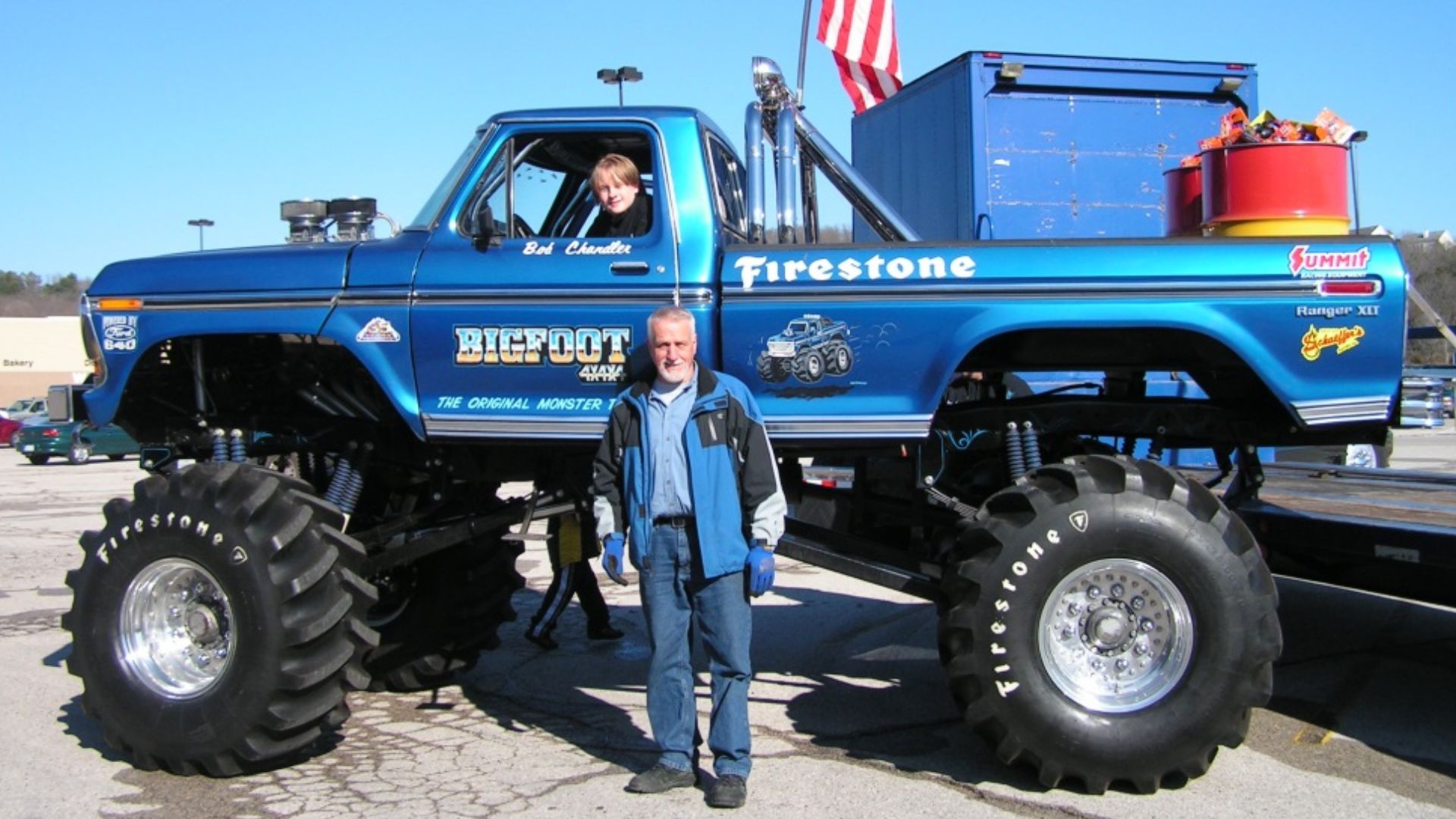
The Ford Bigfoot Cruiser Was Pure 1980s Excess
In 1987, Ford's pickup lineup received a remarkable special-edition treatment inspired by the famous Bigfoot monster truck. The Bigfoot Cruiser program included versions of the Ranger and larger F-Series trucks, with distinctive graphics and off-road-inspired accessories. Regulatory concerns led to a recall affecting equipment on many examples, making intact original configurations particularly noteworthy. Few special-edition pickups better capture the decade's fascination with monster trucks and dramatic styling.
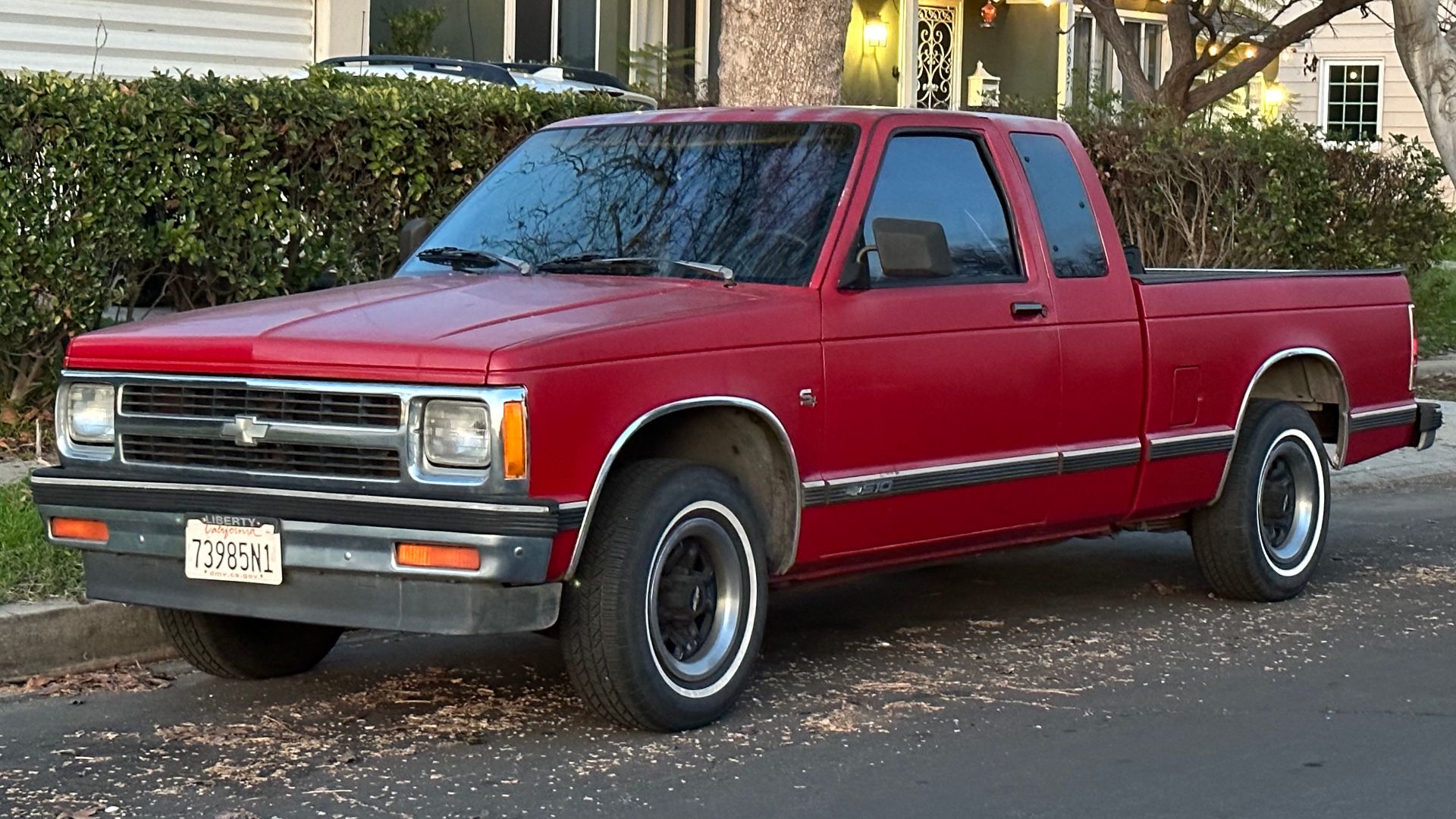
The Chevrolet S-10 Changed The Compact Pickup Market
Chevrolet introduced the S-10 for the 1982 model year as its own domestically developed compact pickup. Unlike the earlier Isuzu-built LUV, the S-10 gave Chevrolet a direct American-designed competitor to imported mini-trucks. Buyers could select four-cylinder or V6 power, with additional cab and drivetrain configurations appearing as the lineup developed. Its compact size and broad range of equipment helped establish an important new chapter in Chevrolet's truck history.
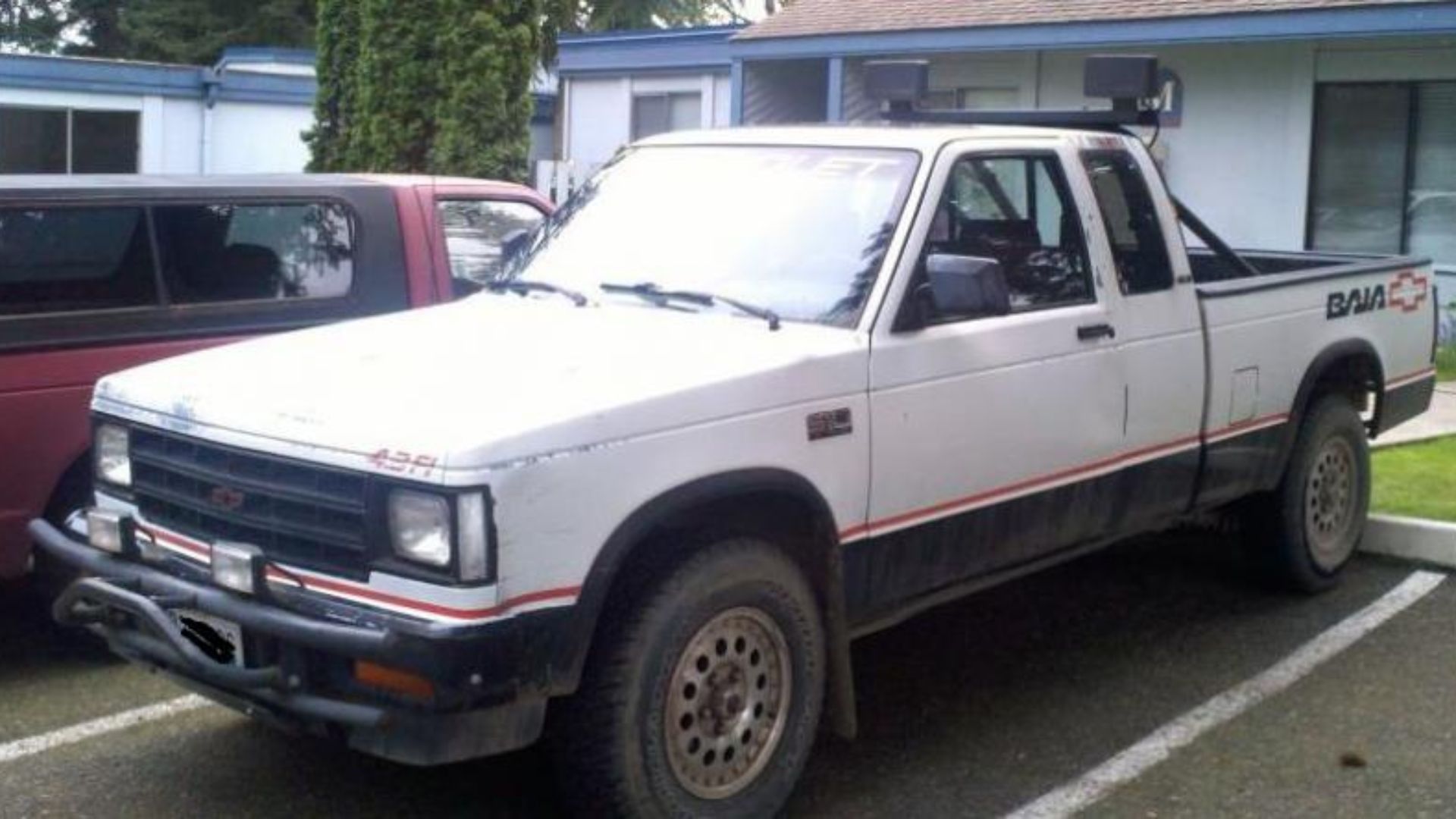
The S-10 Baja Was Ready For Adventure
Chevrolet offered the S-10 Baja package from 1988 through 1991, giving its compact pickup a more aggressive off-road appearance. Available equipment included a roll bar, auxiliary lights, protective skid plates, and an upgraded suspension. Distinctive decals and graphics made the Baja recognizable even when parked among ordinary S-10 pickups. It anticipated the off-road-focused special editions that would become increasingly prominent in the pickup market.
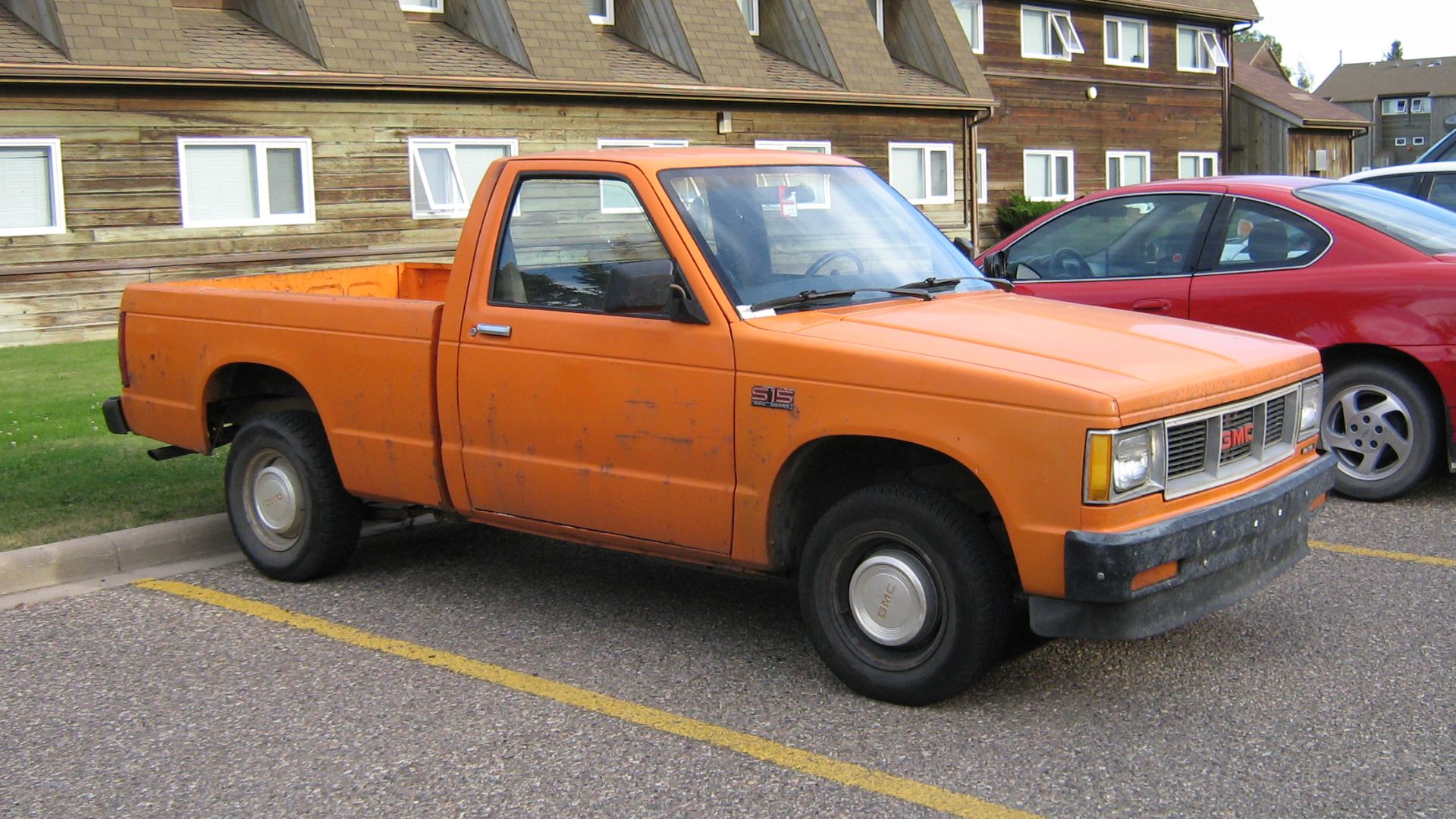
The GMC S-15 Offered A Different Identity
GMC's S-15 was closely related to the Chevrolet S-10, sharing much of its basic engineering and compact-truck architecture. Its GMC-specific grille, badges, and exterior details gave buyers an alternative identity within General Motors' small-pickup lineup. Like the Chevrolet, it represented a move toward domestically developed compact trucks rather than relying entirely on imported models. Early S-15 pickups now represent a distinctive chapter in GMC's history.
 dave_7 from Lethbridge, Canada, Wikimedia Commons
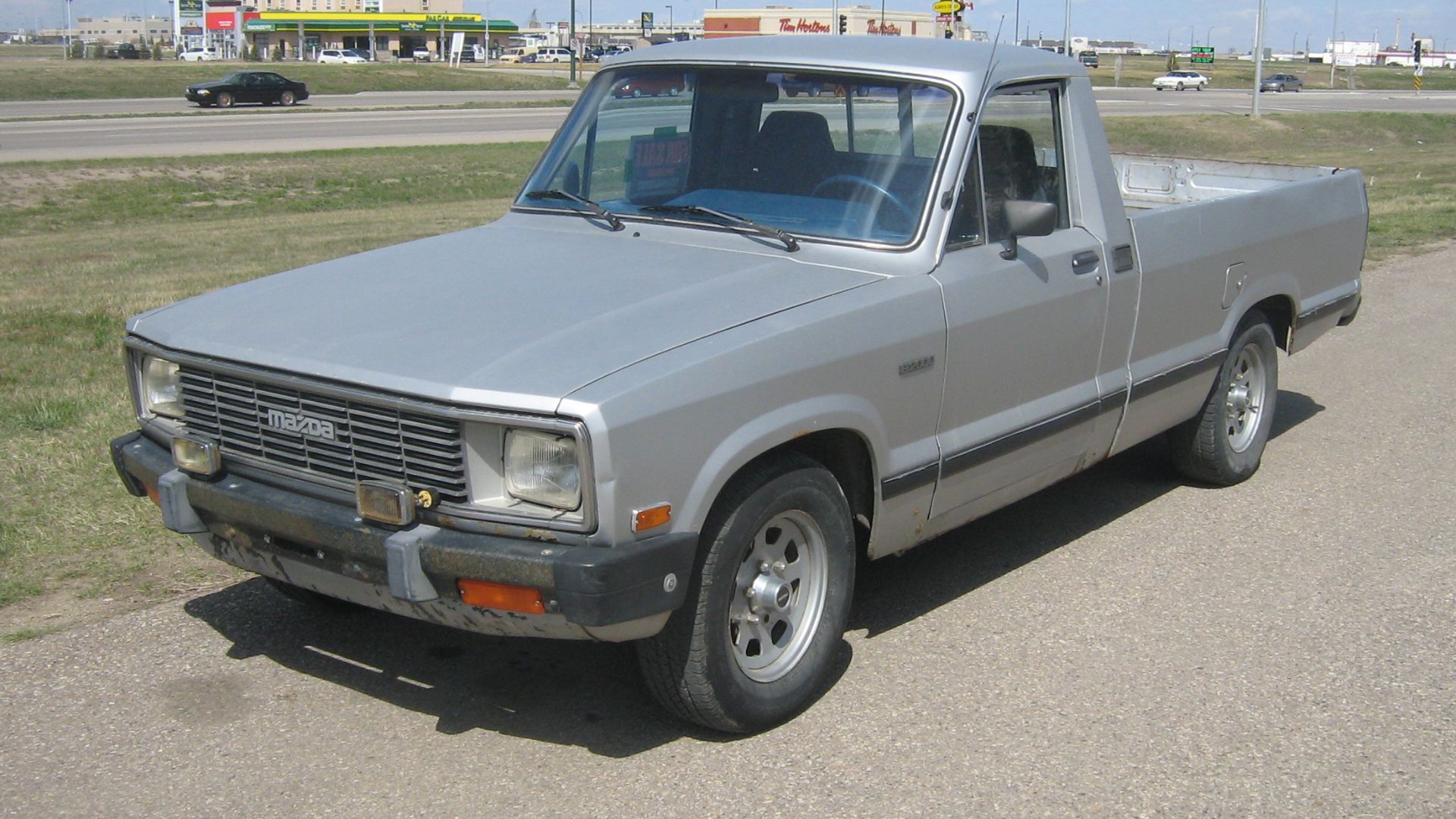
The Mazda B2000 Was A Mini-Truck Favorite
Mazda's B2000 offered an appealing combination of compact dimensions, simple mechanical components, and straightforward styling. The redesigned 1986 version became especially popular with drivers interested in practical transportation and customized mini-trucks. Its clean body lines and distinctive SE-5 graphics captured the visual character of the decade. Enthusiast builds and carefully preserved original examples demonstrate how much affection these humble pickups still inspire.
 dave_7 from Lethbridge, Canada, Wikimedia Commons
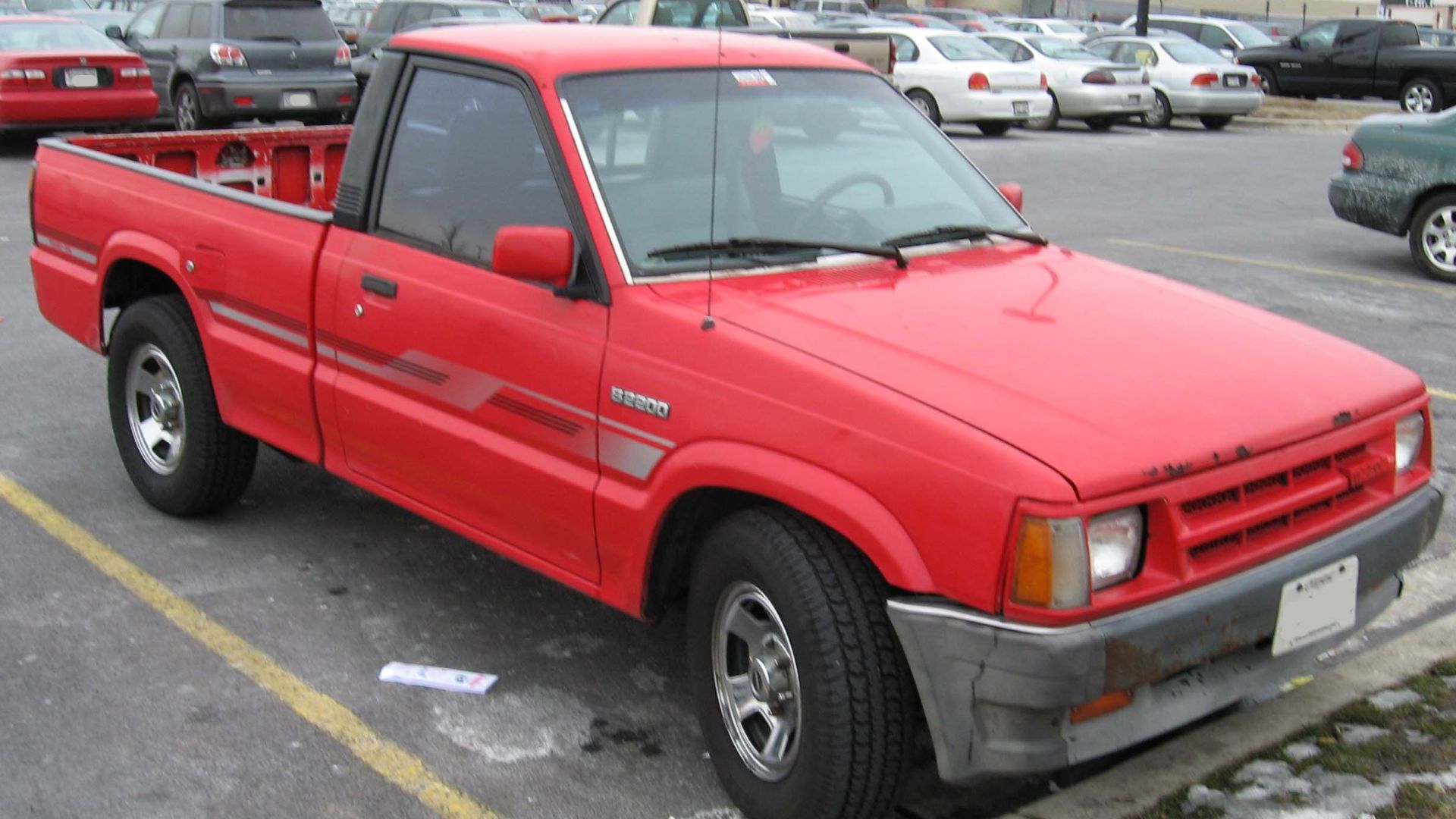
The Mazda B2200 Proved Simple Could Be Special
The Mazda B2200 continued the company's compact-pickup tradition with an emphasis on affordability and everyday usefulness. A 1988 example featured by MotorTrend had a carbureted 2.2-liter four-cylinder producing 85 horsepower and 118 pound-feet of torque. Despite those modest figures, the truck offered a useful cargo bed and practical hauling capability. Its understated design and uncomplicated driving experience have become important parts of its appeal to vintage mini-truck enthusiasts.
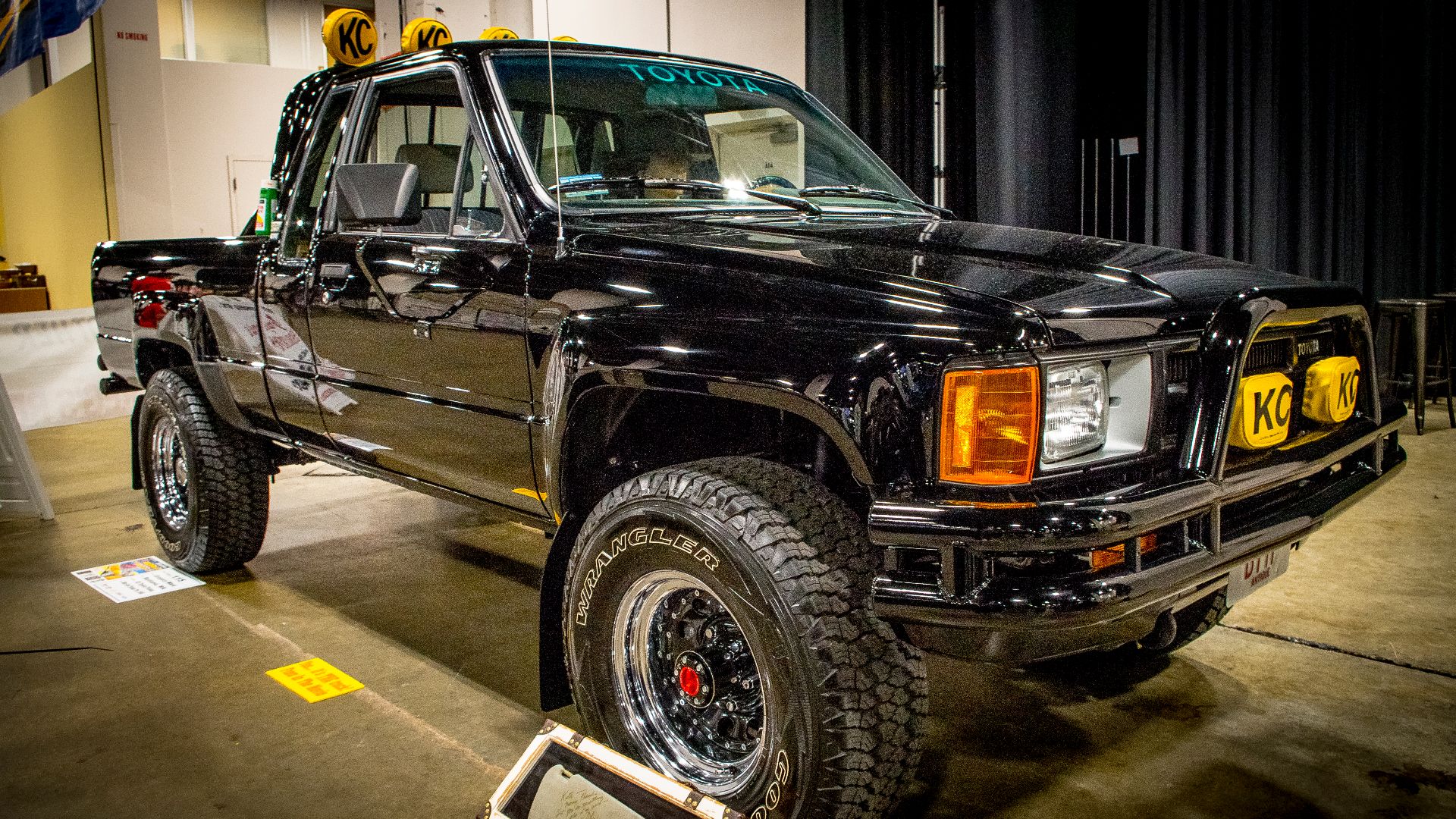
The Toyota SR5 Became A Movie Star
The 1985 Toyota Pickup SR5 earned a memorable place in popular culture through its appearance in Back to the Future. The black four-wheel-drive truck desired by Marty McFly featured the rugged styling that made Toyota's compact pickups so recognizable. Certain 1985 four-wheel-drive versions combined the 22R-E fuel-injected engine with a solid front axle and a five-speed manual transmission. That combination has made the model especially desirable among enthusiasts who appreciate traditional off-road engineering.
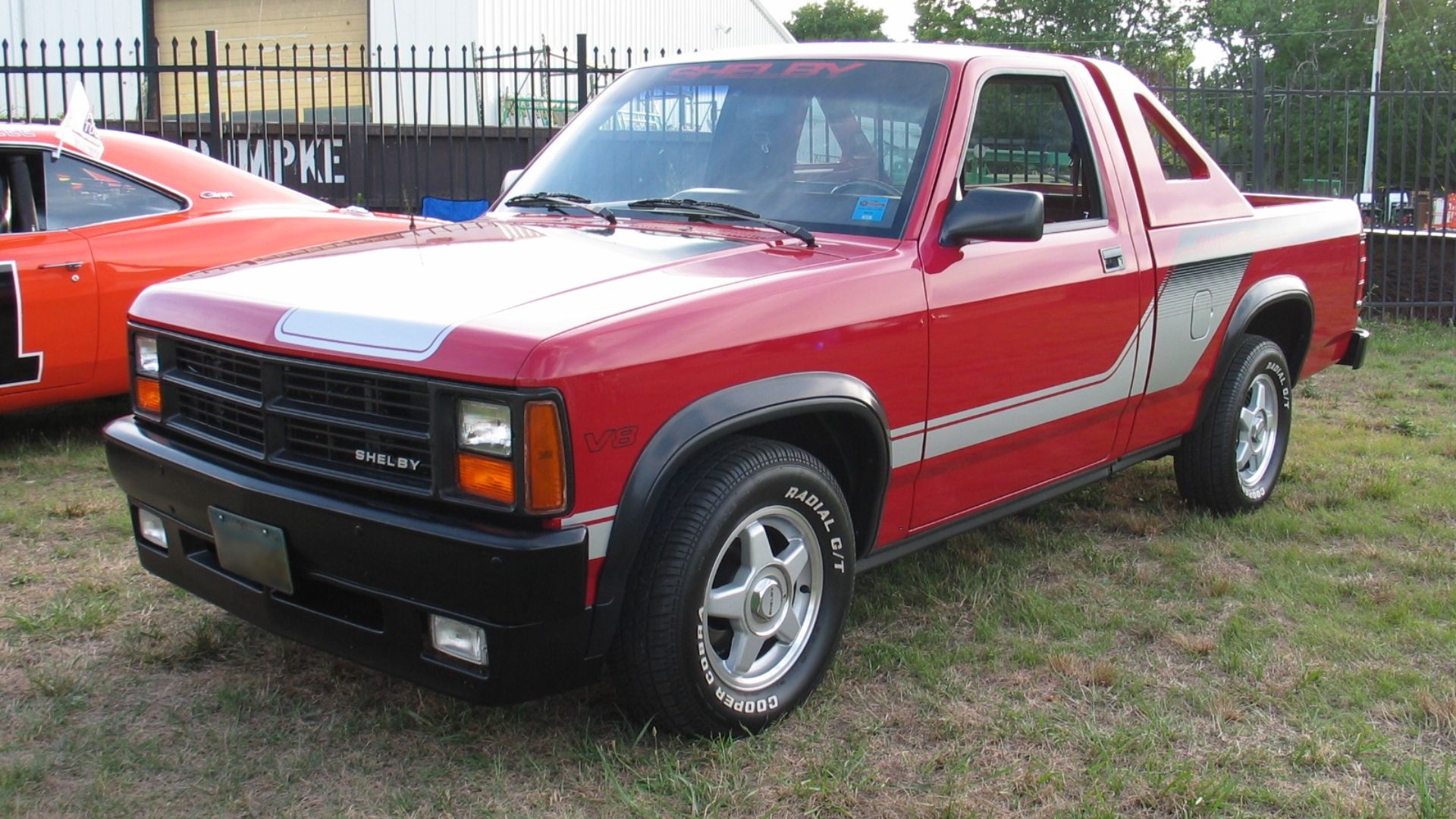
The 1989 Shelby Dakota Brought V8 Muscle
Carroll Shelby's involvement transformed the 1989 Dodge Dakota into one of the decade's most interesting performance pickups. The Shelby Dakota replaced the standard V6 with a 5.2-liter V8 producing 175 horsepower and 270 pound-feet of torque. Special graphics, unique wheels, and a distinctive sports bar helped separate it from ordinary Dakota models. With approximately 1,500 examples produced, it remains an unusual collectible from the partnership between Shelby and Dodge.
The 1982 GMC K25 Became A Television Legend
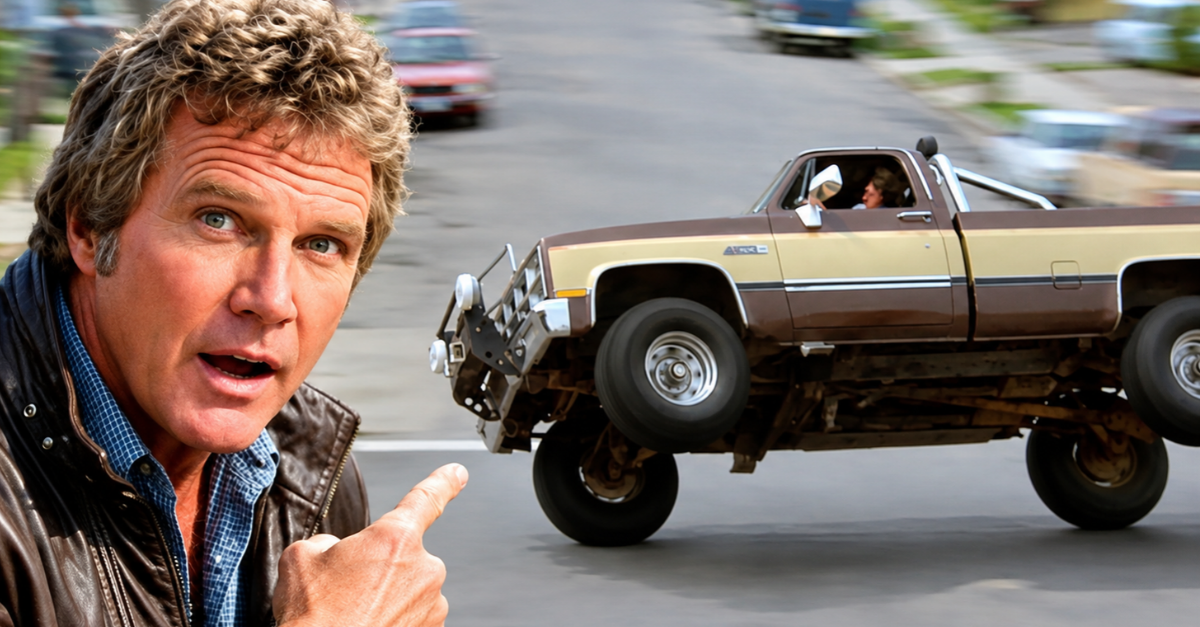
Few pickups captured the imagination of 1980s television audiences quite like the GMC driven by Colt Seavers in The Fall Guy. Lee Majors played the stuntman and bounty hunter, whose brown-and-gold four-wheel-drive truck became one of the show's most recognizable attractions. Early episodes featured a 1980 GMC K25, while the 1982 Sierra Grande version became particularly associated with the series. For many viewers, that truck was every bit as memorable as the star behind the wheel.
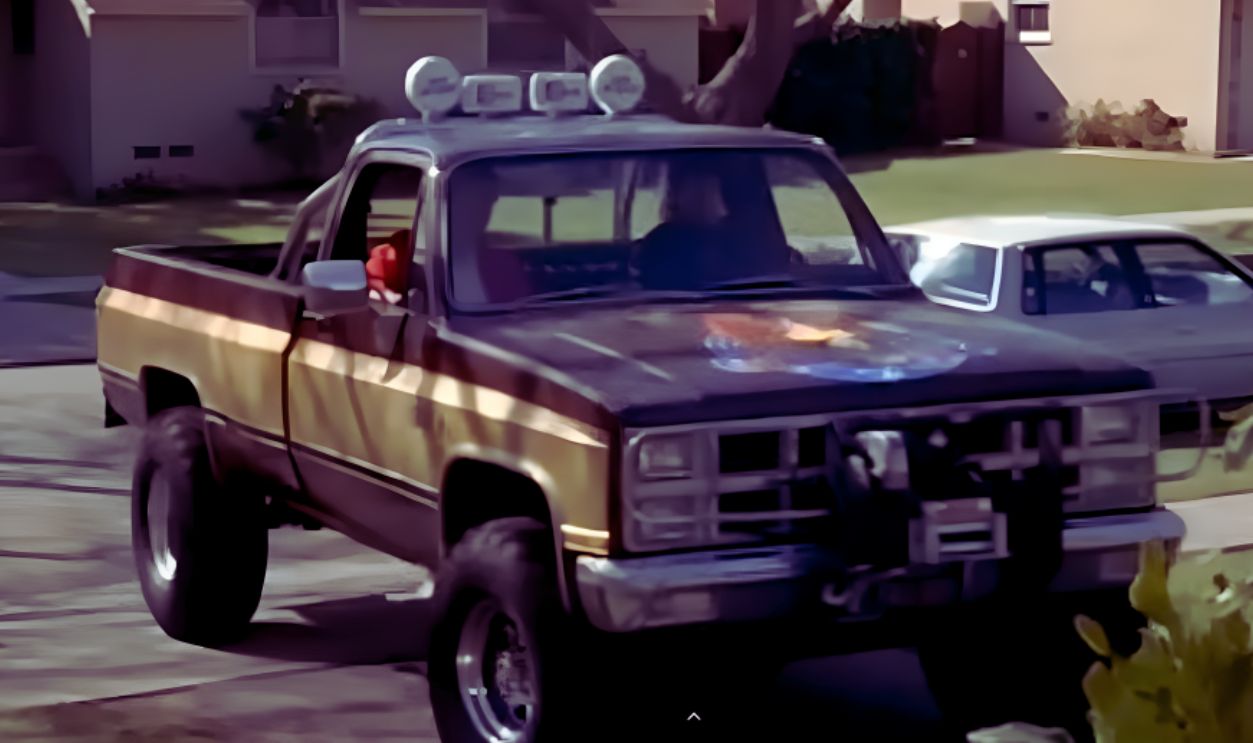 Screenshot from The Fall Guy, ABC (1981–1986), Enhanced
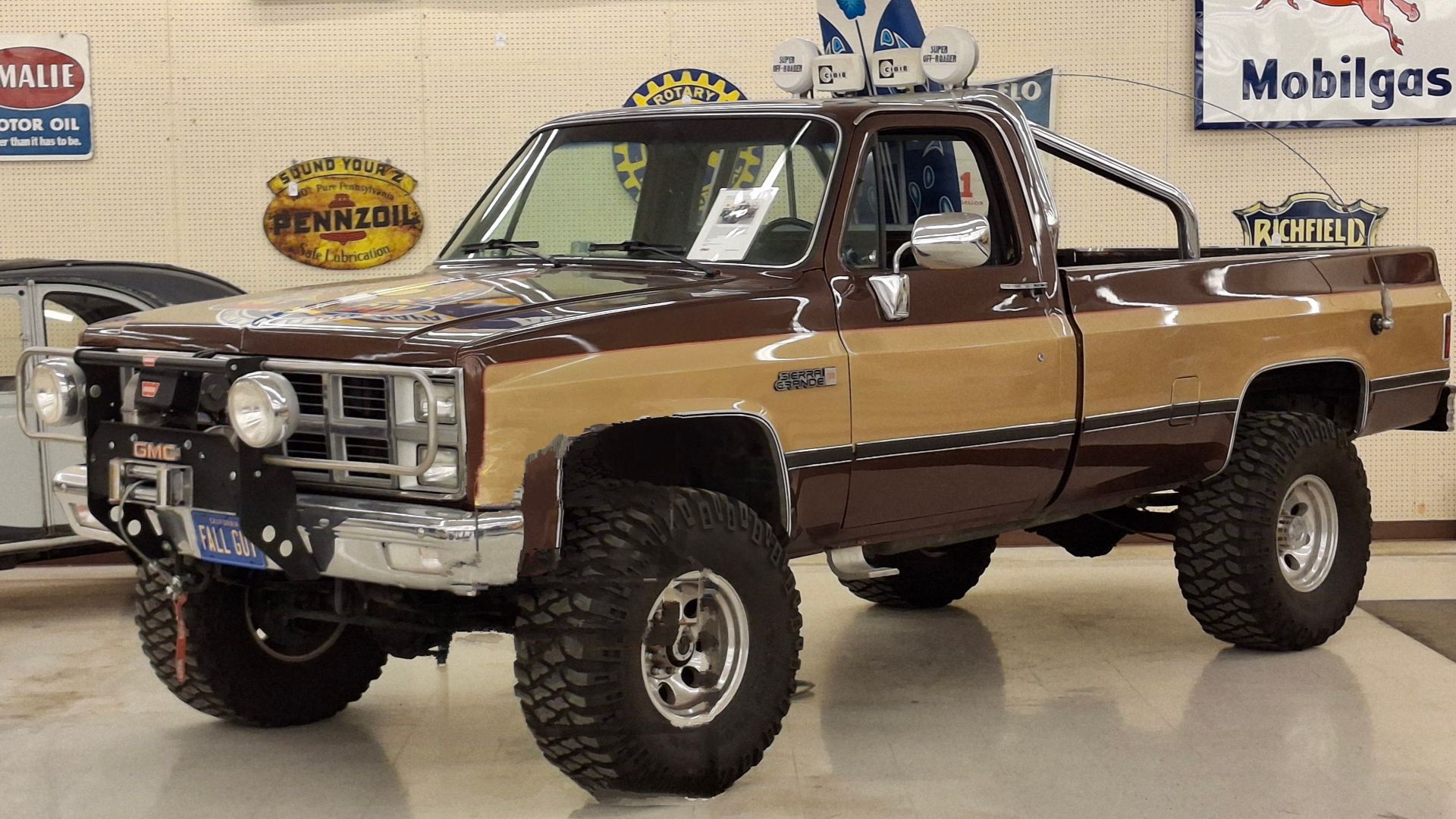
The Fall Guy's GMC Had Some Serious Hardware
The 1982 GMC K2500 Sierra Grande featured a 350-cubic-inch V8 paired with a three-speed automatic transmission. Its towering stance, oversized off-road tires, chrome roll bar, and auxiliary lights gave it an unmistakable appearance. Specially modified trucks handled the show's spectacular jumps, with reinforced components and changes designed to improve their behavior in the air. The combination of genuine truck hardware and Hollywood spectacle helped establish a following that has lasted for generations.
These Forgotten Trucks Still Have Something To Prove
The pickups of the 1980s demonstrate just how varied the truck market once was. Some were practical imports, others were unusual car-based experiments, and a few became famous through television, movies, or special performance packages. Their appeal today goes beyond nostalgia, with enthusiasts continuing to preserve, restore, and customize surviving examples. Which of these forgotten 1980s pickups would you most like to have parked in your driveway?
You May Also Like:
Pickup Trucks From The 1960s That No One Remembers
The Most Iconic Pickup Trucks Of All Time
Pickup Trucks From The 1970s That Everyone Drove—But Nobody Talks About Anymore
Sources: 1, 2, 3, 4, 5, 6, 7, 8, 9, 10, 11, 12, 13, 14, 15, 16, 17, 18, 19, 20, 21