Sometimes Nostalgia Has Terrible Taste
Nostalgia has a funny way of sanding down the rough edges. The car that stranded you twice and rattled at every stoplight somehow becomes “the most fun car I ever owned” 20 years later. Do you miss any of these?
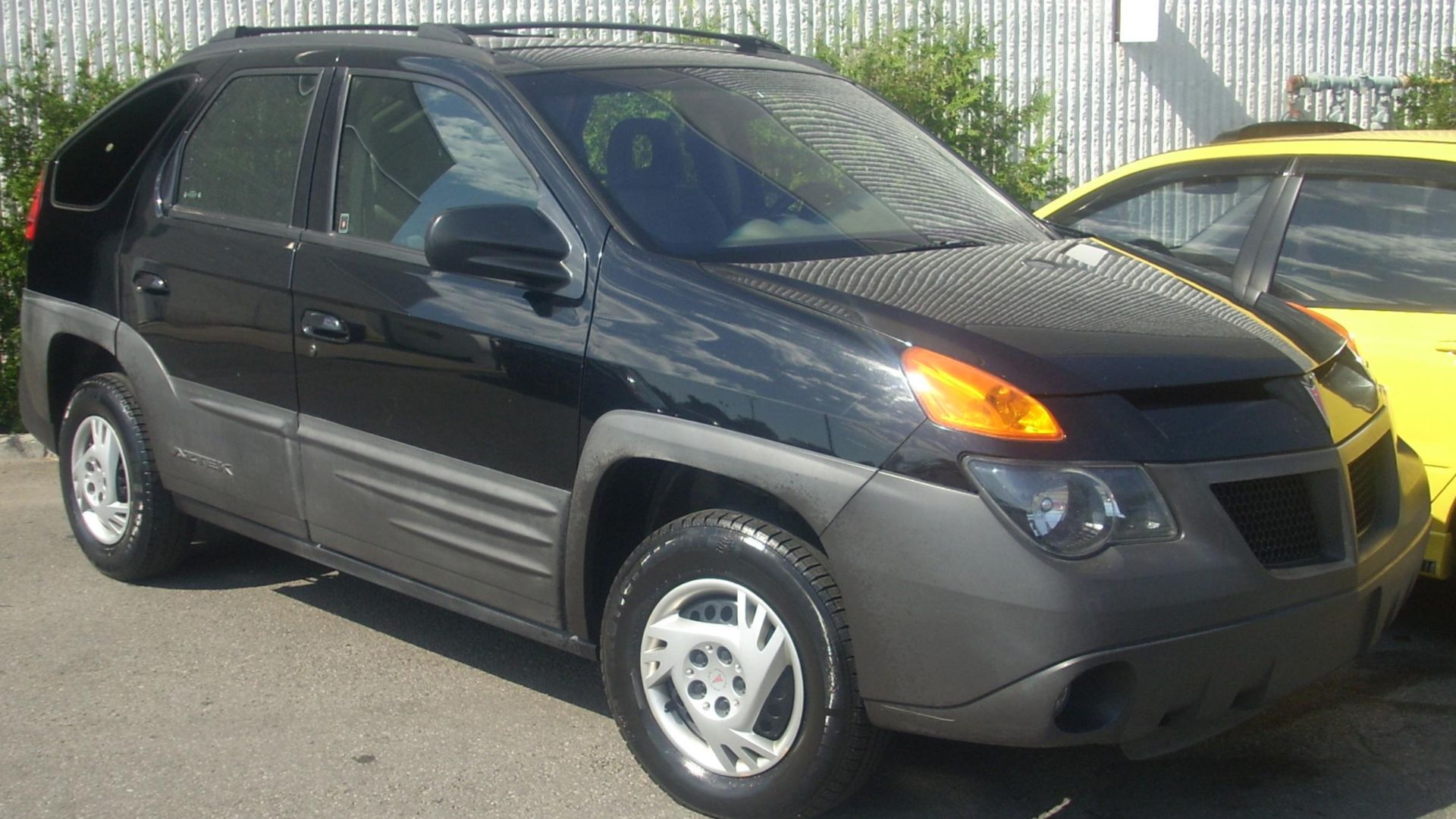
Pontiac Aztek (2001–2005)
The Aztek looked like three different vehicles had collided and decided to remain attached. Yet beneath all that plastic was a roomy, practical crossover with removable cargo accessories and an available camping package. Twenty years later, people finally appreciate how far ahead of the outdoor-lifestyle craze it really was.
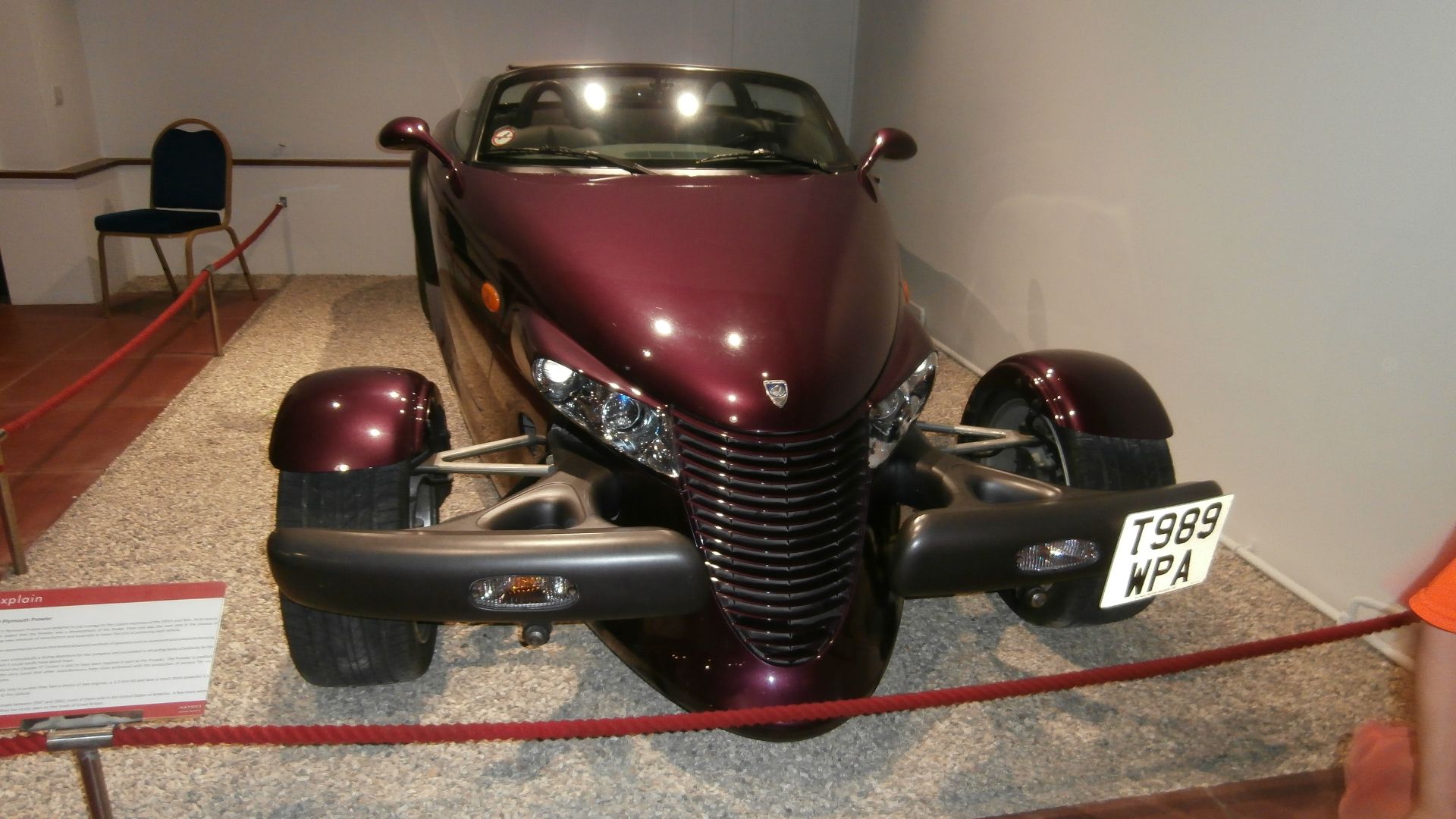
Plymouth/Chrysler Prowler (1997, 1999–2002)
The Prowler looked like a custom hot rod that had escaped from an auto show. Then you discovered its engine came from Chrysler sedans and the only transmission was a four-speed automatic. It never drove quite as wild as it looked—but nothing else on the road looked remotely like it.
 Carfanatic2019, Wikimedia Commons
Chevrolet Vega (1971–1977)
The Vega was handsome, affordable, and advanced enough that GM expected it to redefine the American small car. Instead, owners dealt with rust, overheating, engine trouble, and other problems that gave the car a brutal reputation. Somehow, a clean Vega GT can still make a Baby Boomer stop walking and stare.
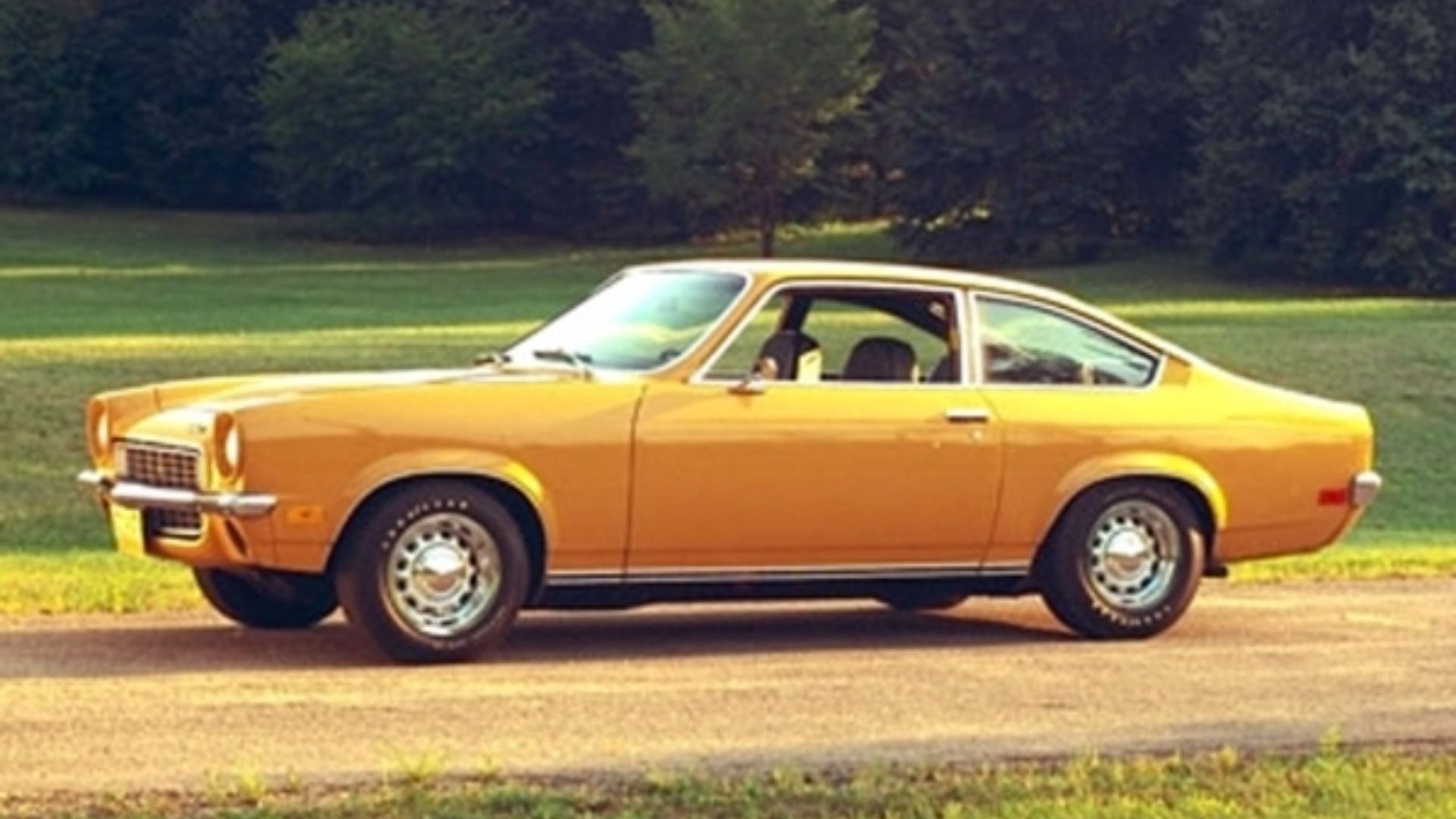 Chevrolet pre-1978, Wikimedia Commons
Chrysler PT Cruiser (2001–2010)
For a brief moment, the PT Cruiser was everywhere. Its retro styling attracted buyers who wanted something different, while the tall cabin made it surprisingly useful. It was not especially quick, refined, or graceful—but Chrysler sold more than a million of them before everyone collectively decided they were embarrassing. Now they are becoming charming again.
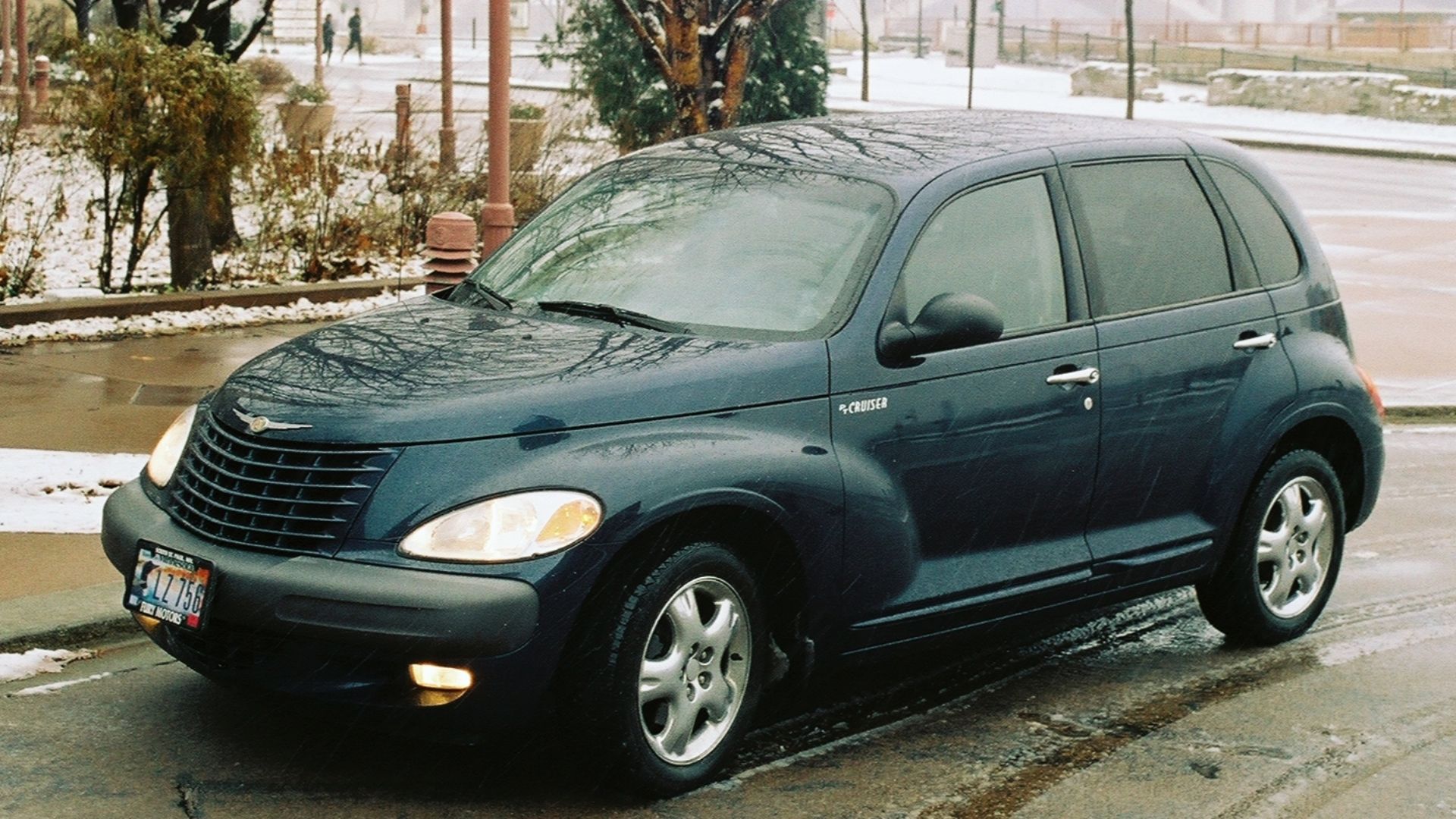 Greg Gjerdingen from Willmar, USA, Wikimedia Commons
Pontiac Fiero (1984–1988)
A mid-engine American two-seater should have been Pontiac’s tiny Ferrari. Instead, early Fieros were underpowered commuters built with borrowed GM components, and even later GT models never quite delivered the handling their looks promised. Pontiac finally improved the formula for 1988—just in time to cancel it.
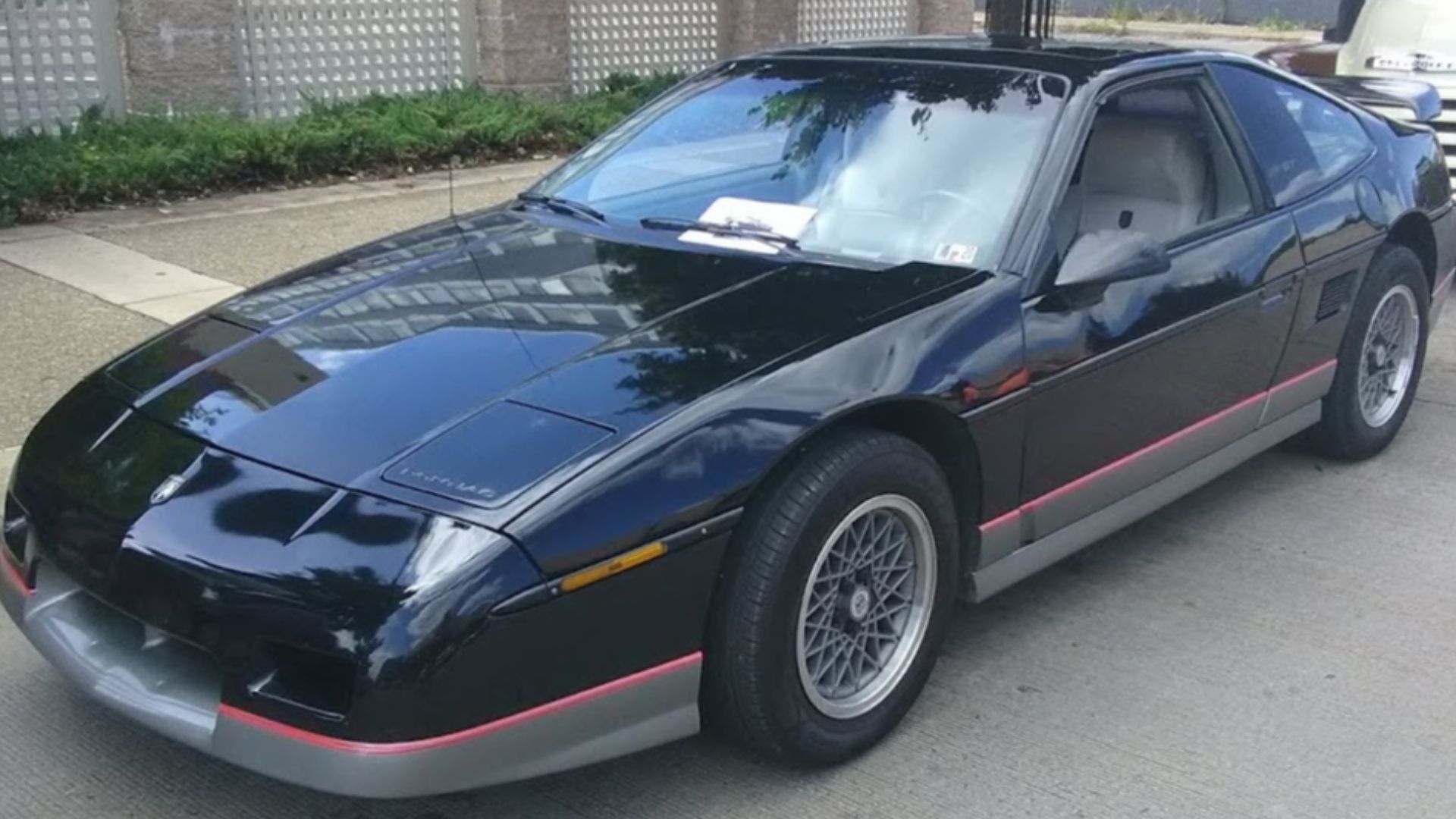 MercurySable99, Wikimedia Commons
Chevrolet SSR (2003–2006)
Was it a pickup, a convertible, a hot rod, or the world’s heaviest toy? Yes. The SSR combined retro styling with a power-folding hardtop and a tiny truck bed, but early versions were too heavy and not nearly quick enough. It made little sense—which is exactly why people still love seeing one.
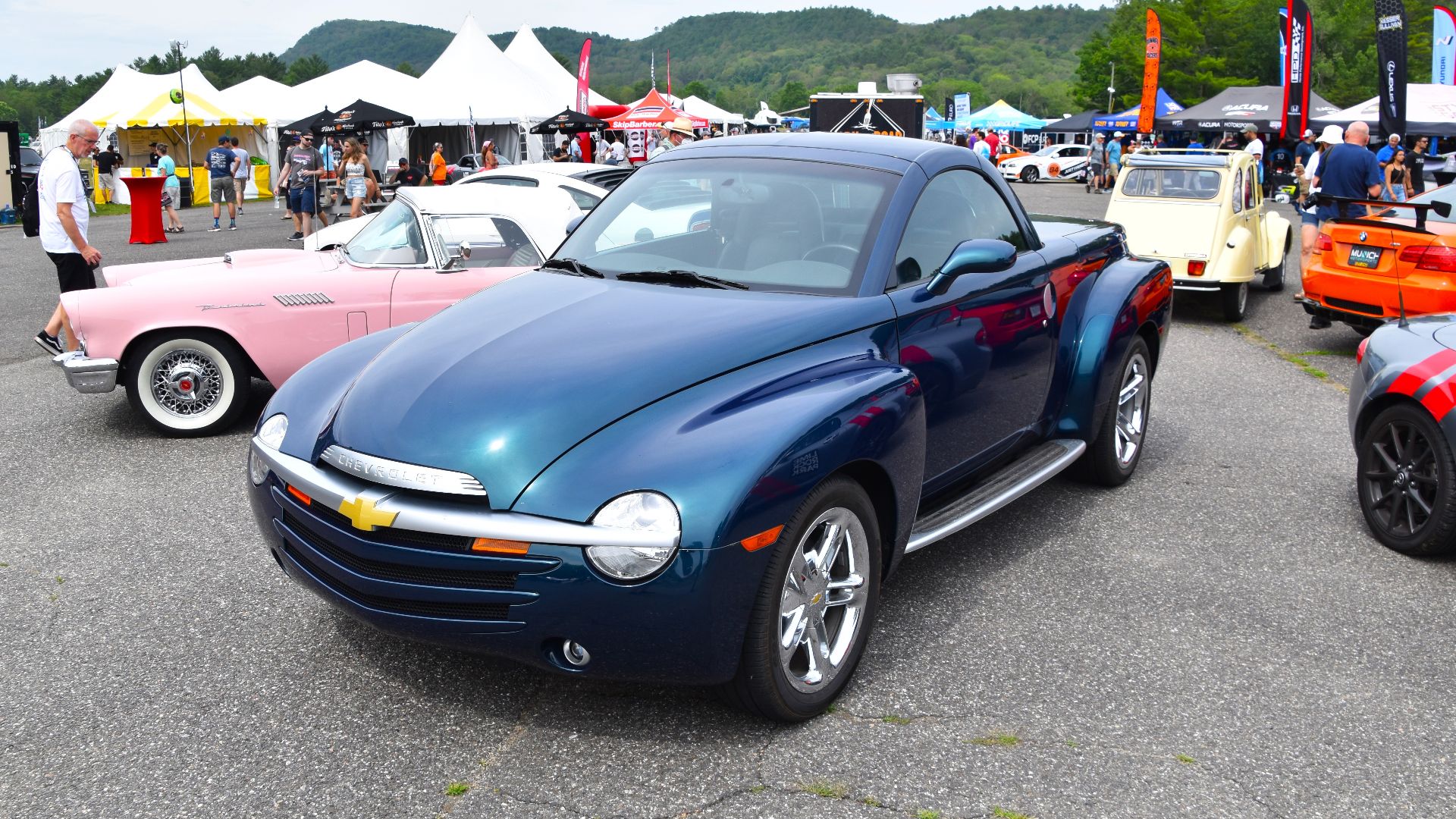 Charles from Port Chester, New York, Wikimedia Commons
DeLorean DMC-12 (1981–1983)
The stainless-steel body and gull-wing doors looked like they had arrived from the future. The 130-horsepower V6 felt like it had arrived late from somewhere much less exciting. Without Back to the Future, the DeLorean might be remembered as a slow, troubled sports car. With it, the thing became immortal.
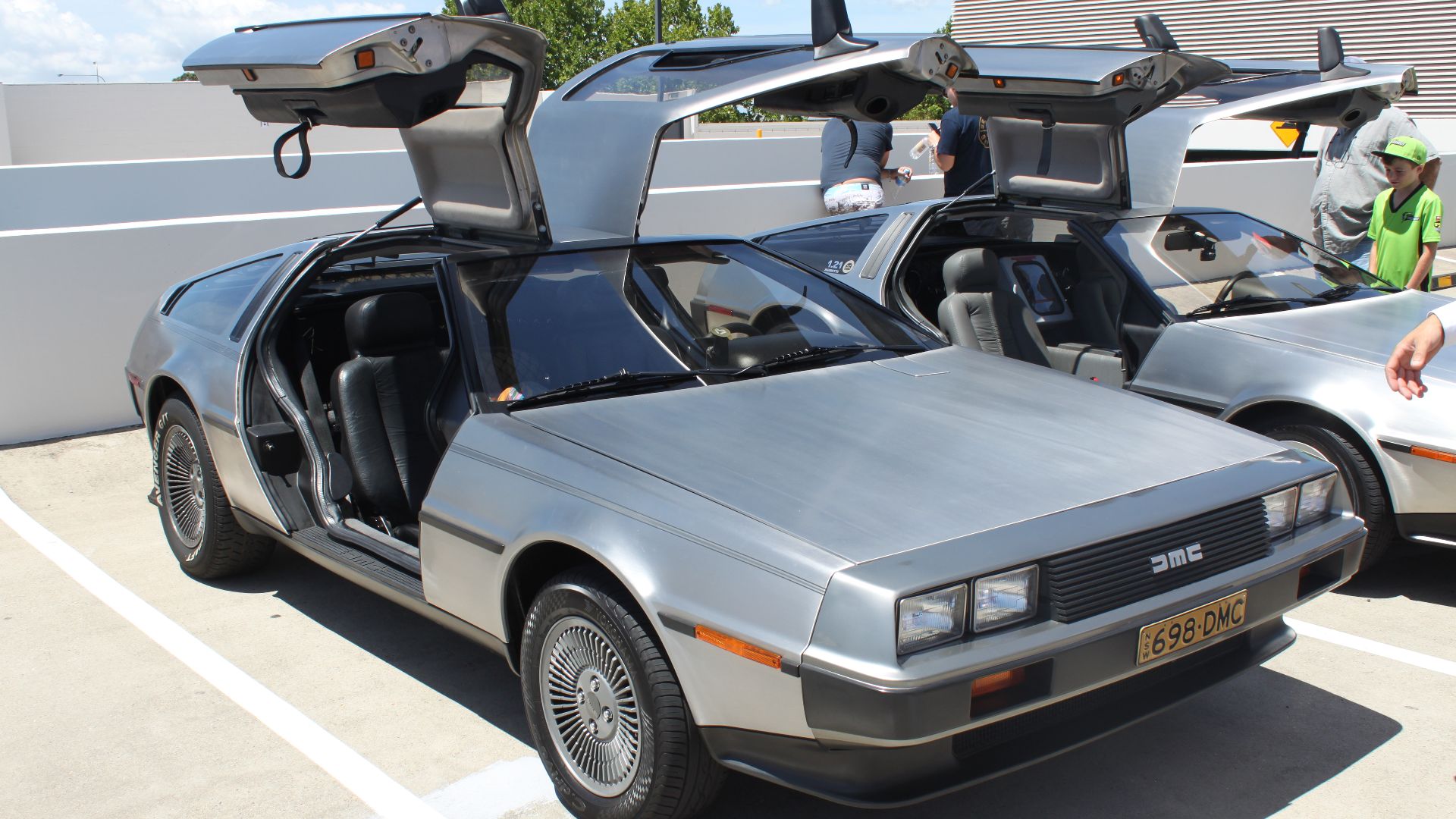 Jeremy from Sydney, Australia, Wikimedia Commons
Saturn Ion (2003–2007)
The Ion had center-mounted gauges, unusual rear half-doors on the coupe, and enough hard interior plastic to supply a patio-furniture factory. Reviews criticized its steering, refinement, and general mediocrity. Yet plenty of owners still miss Saturn’s friendly dealerships, dent-resistant panels, and determination to do things differently—even when differently was not necessarily better.
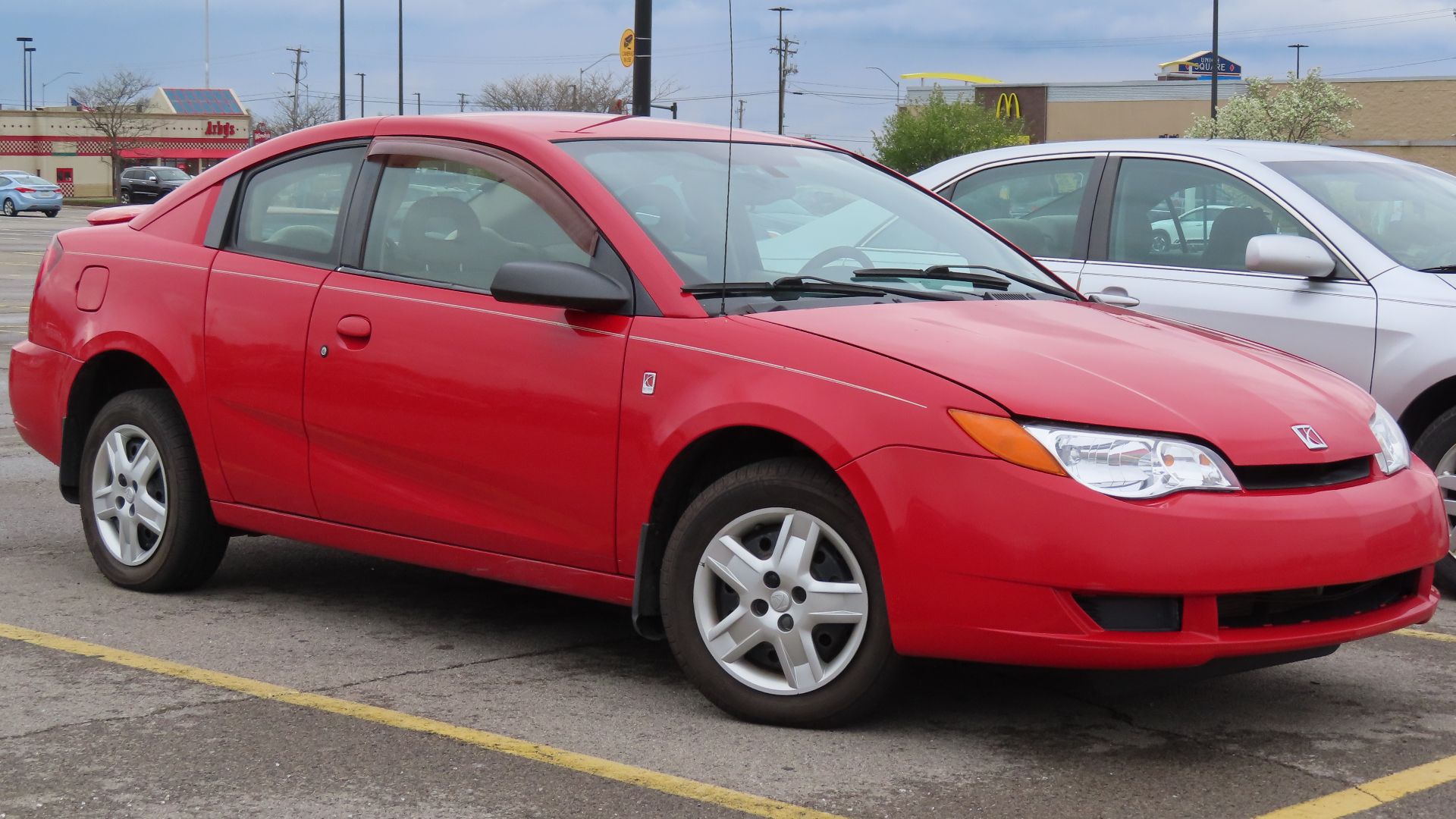 MercurySable99, Wikimedia Commons
Ford Probe (1989–1997)
The Probe became infamous for nearly replacing the rear-wheel-drive Mustang, which guaranteed that Mustang fans would hate it before driving one. In reality, it was a sleek, front-wheel-drive coupe with Mazda roots and some genuinely entertaining GT versions. It was no Mustang—but it was much more interesting than its name suggested.
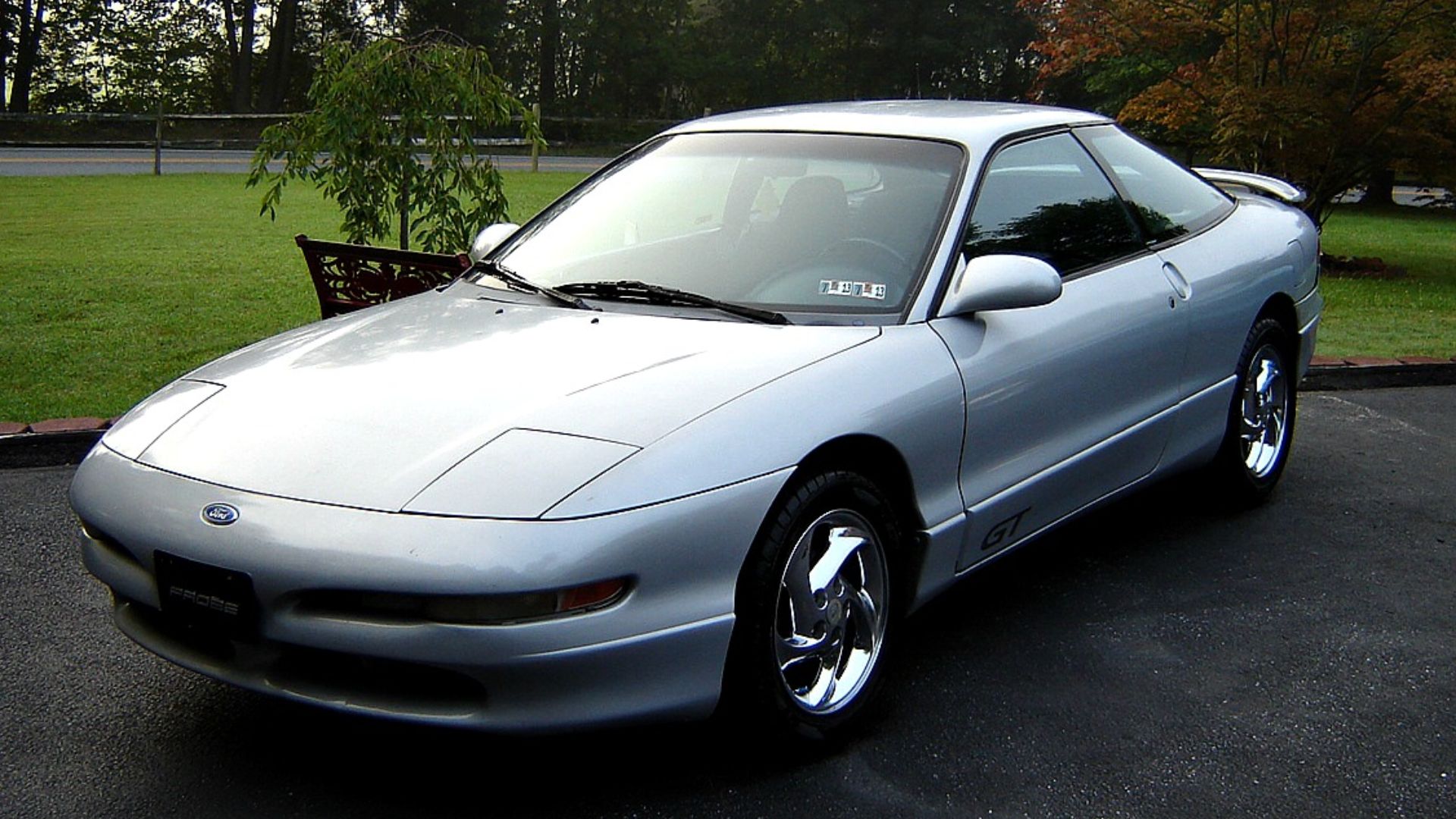
AMC Pacer (1975–1980)
AMC advertised the Pacer as America’s first wide small car. Everyone else called it the fishbowl. Its enormous glass area made the cabin bright and roomy, but also added weight to a car already burdened by thirsty engines. It was awkward, inefficient, and unforgettable—three things nobody has ever said about a beige modern crossover.
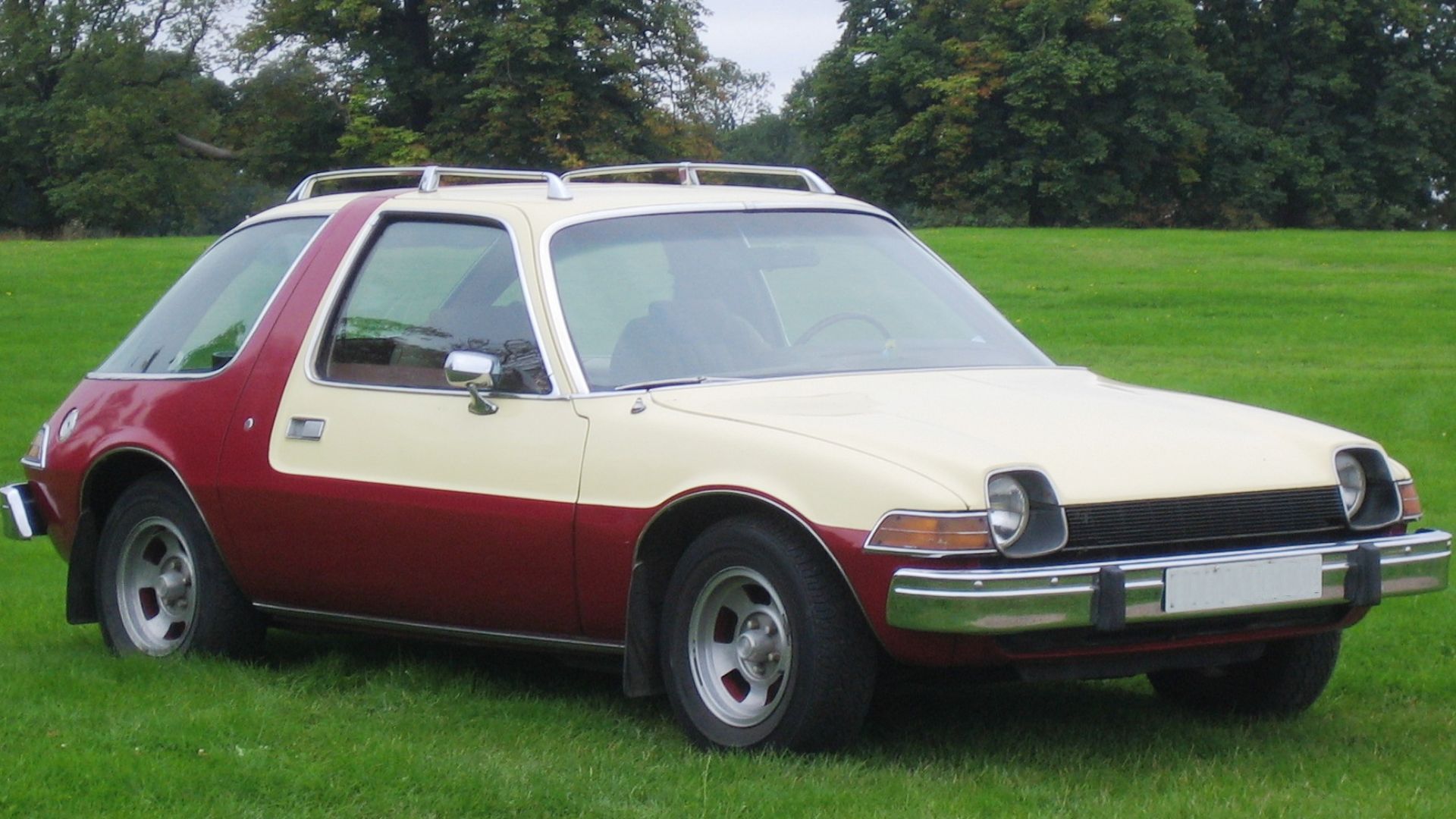
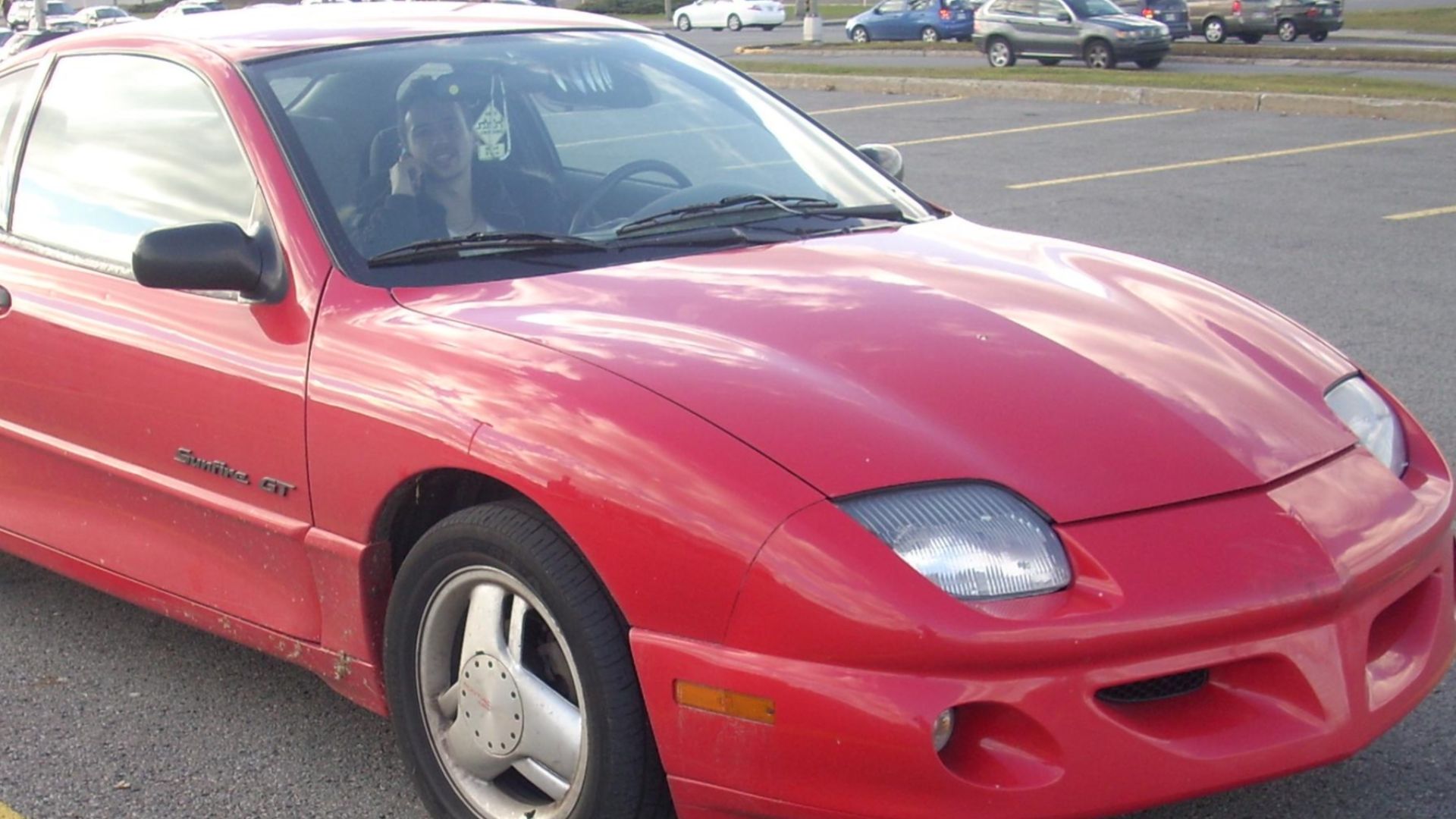
Pontiac Sunfire (1995–2005)
The Sunfire had acres of gray plastic, a back seat best reserved for groceries, and the refinement of a shopping cart rolling across a gravel parking lot. But it was affordable, sporty-looking, and absolutely everywhere. For a generation of young drivers, this was freedom—even if freedom came with a rattling dashboard.
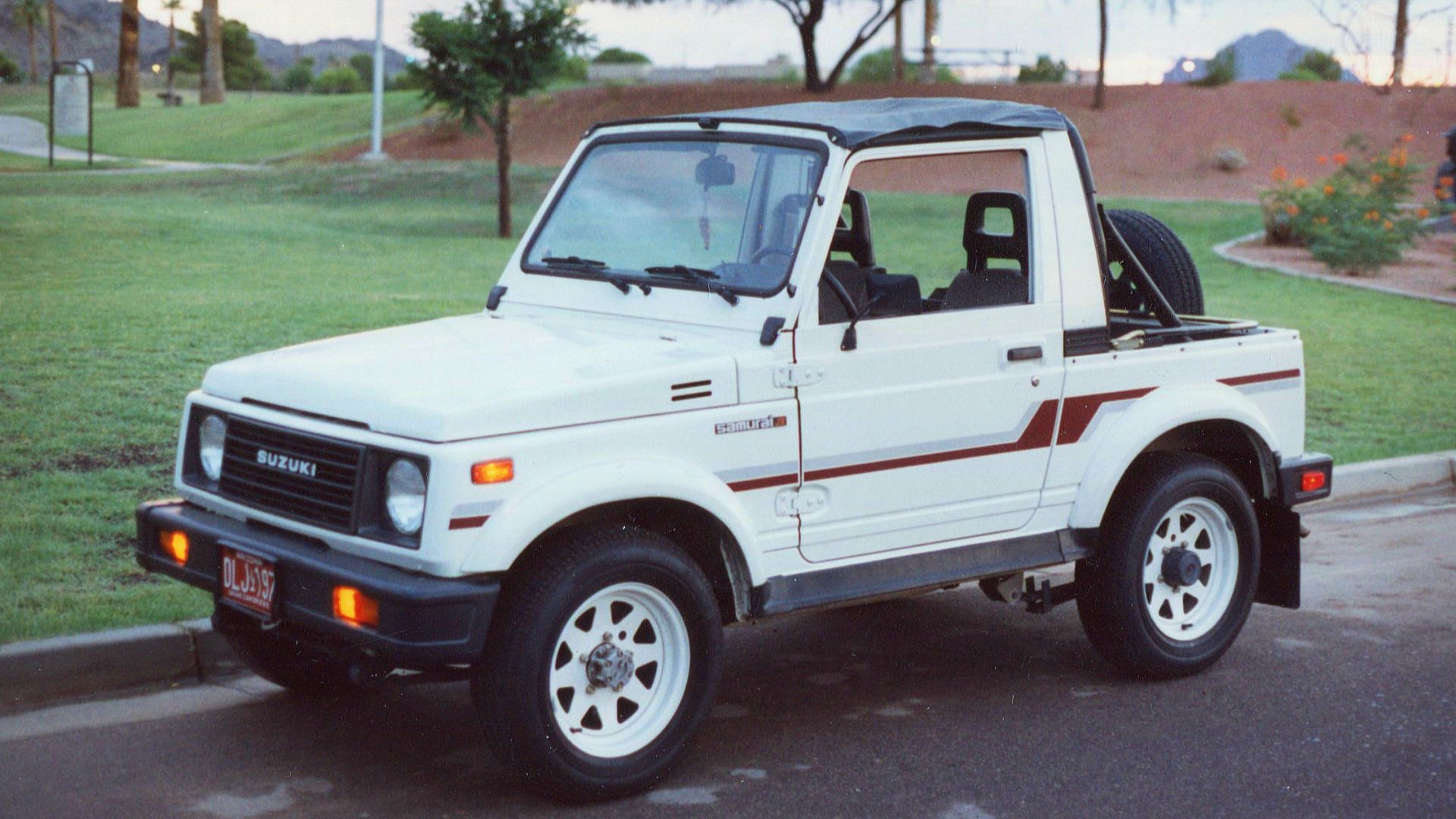
Suzuki Samurai (1986–1995)
The Samurai was tiny, slow, noisy, and not something you wanted to hurry down an interstate. But it was also light, simple, affordable, and remarkably capable away from pavement. After years of rollover controversy and jokes, surviving examples are now sought by people who realize small 4x4s are much more fun than enormous ones.
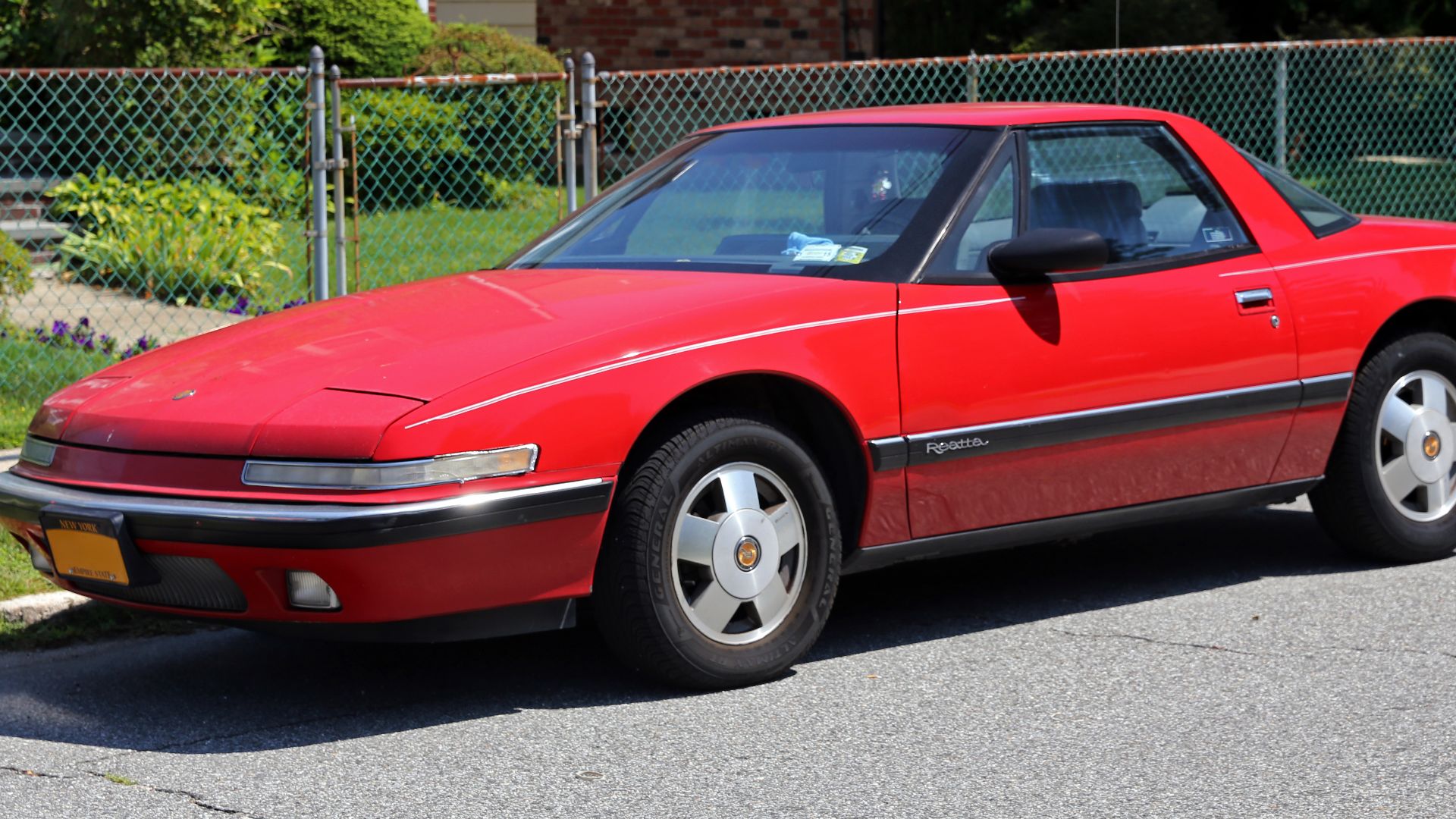
Buick Reatta (1988–1991)
Buick built the Reatta as a two-seat personal luxury car, then gave it front-wheel drive, an automatic transmission, and just 165 horsepower. Early versions did have a wonderfully futuristic touchscreen that controlled the radio, climate system, trip computer, and vehicle diagnostics. It was not a sports car, but it was Buick being gloriously strange—and people miss that Buick.
 Mr.choppers, Wikimedia Commons
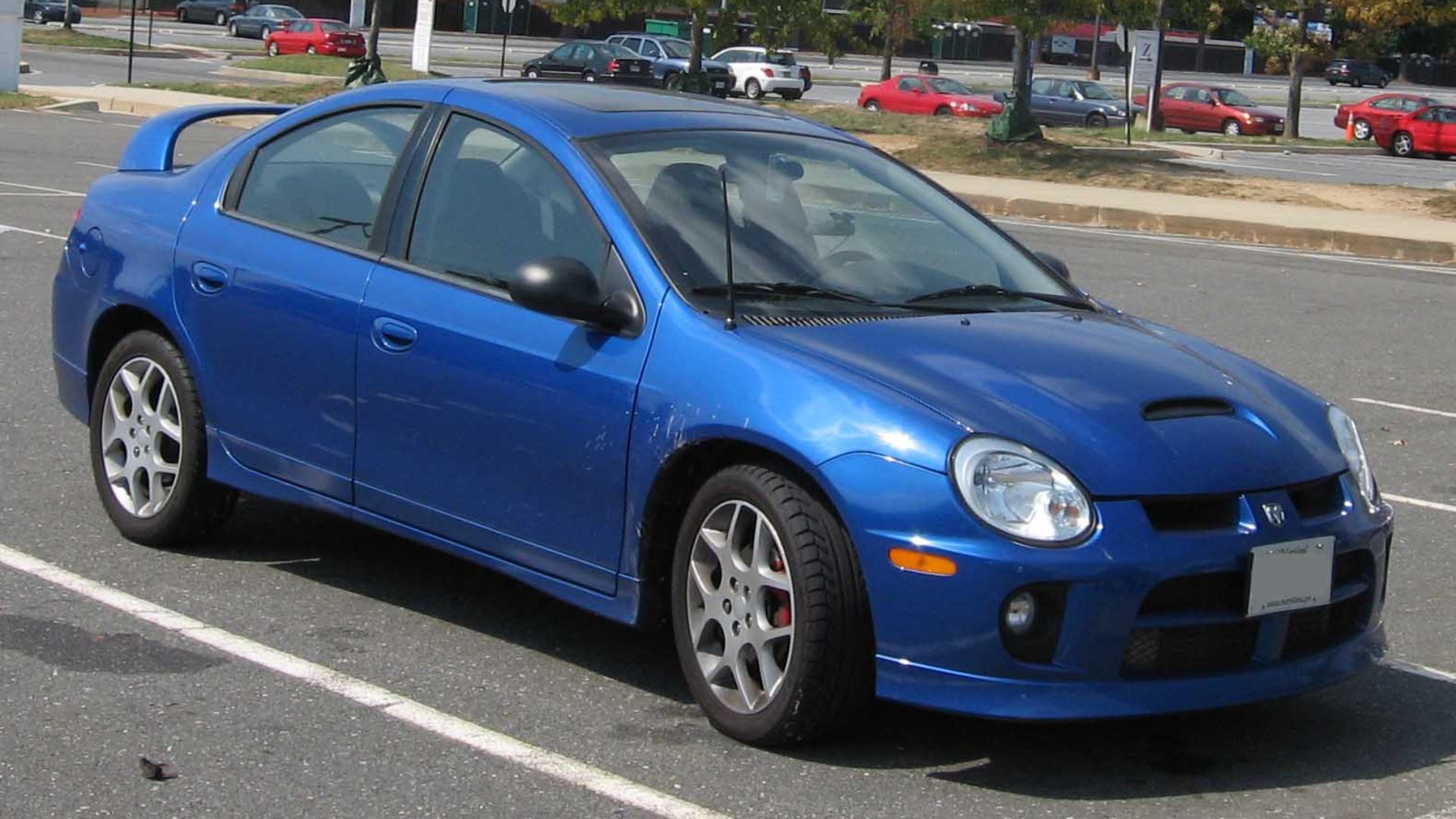
Dodge Neon (1995–2005)
The regular Neon was loud, inexpensive, and assembled from materials that sometimes felt one grade above a disposable cooler. But it was light, eager, and far more playful than most economy cars. Then Dodge created the turbocharged SRT-4 and turned the humble Neon into something capable of ruining a much more expensive driver’s afternoon.
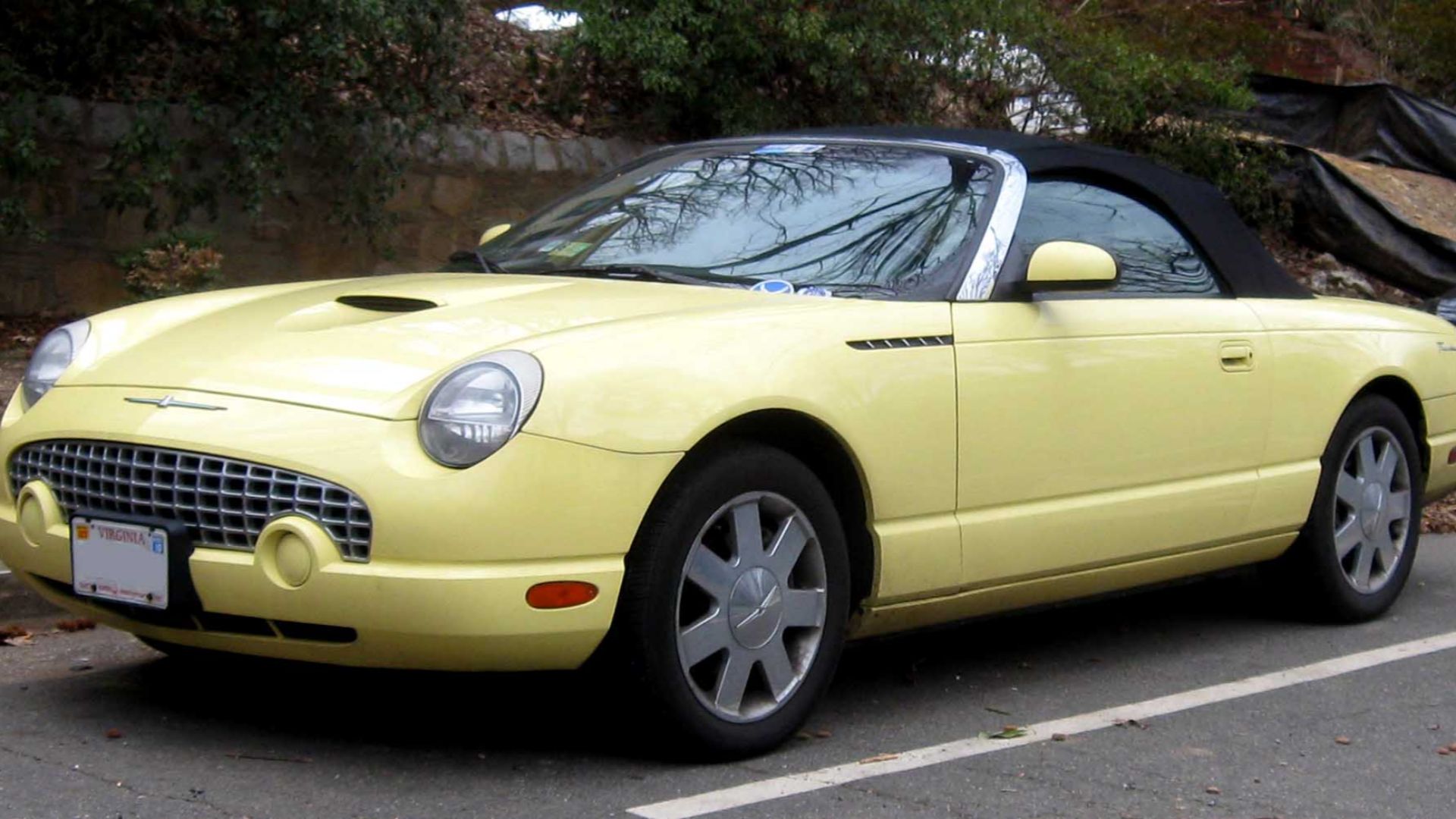
Ford Thunderbird (2002–2005)
Ford revived the Thunderbird as a colorful two-seat convertible with styling pulled directly from the 50s. It looked terrific, but buyers expecting a serious sports car found a soft personal-luxury cruiser with an automatic transmission and limited practicality. It was more boulevard than back road—but the boulevard has looked emptier since it left.
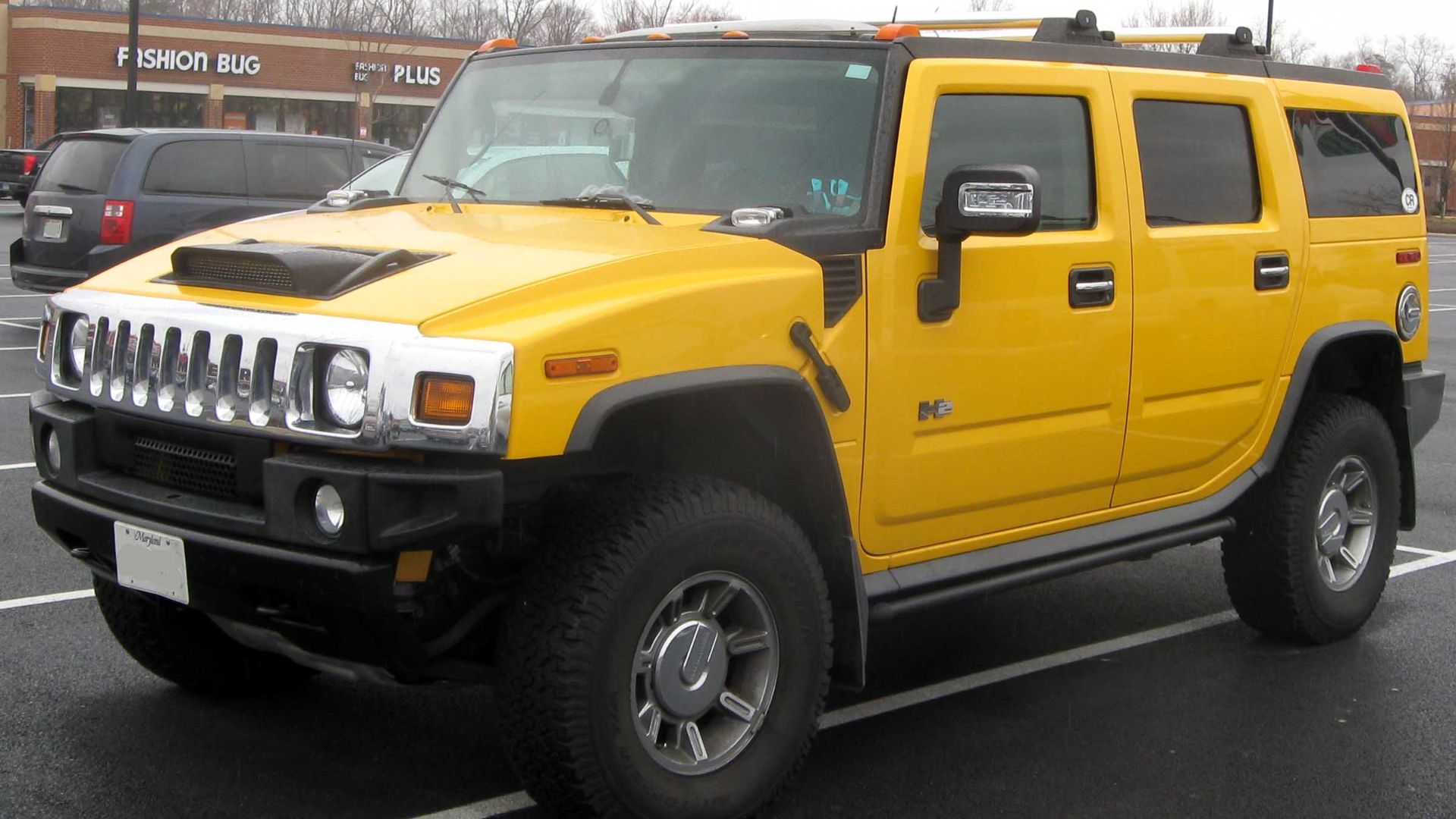
Hummer H2 (2003–2009)
The H2 was enormous, thirsty, difficult to see out of, and subtle in the same way a marching band is subtle. It became the symbol of early-2000s excess almost immediately. Yet compared with today’s endless stream of rounded luxury SUVs, the unapologetically ridiculous H2 suddenly feels almost refreshingly honest.
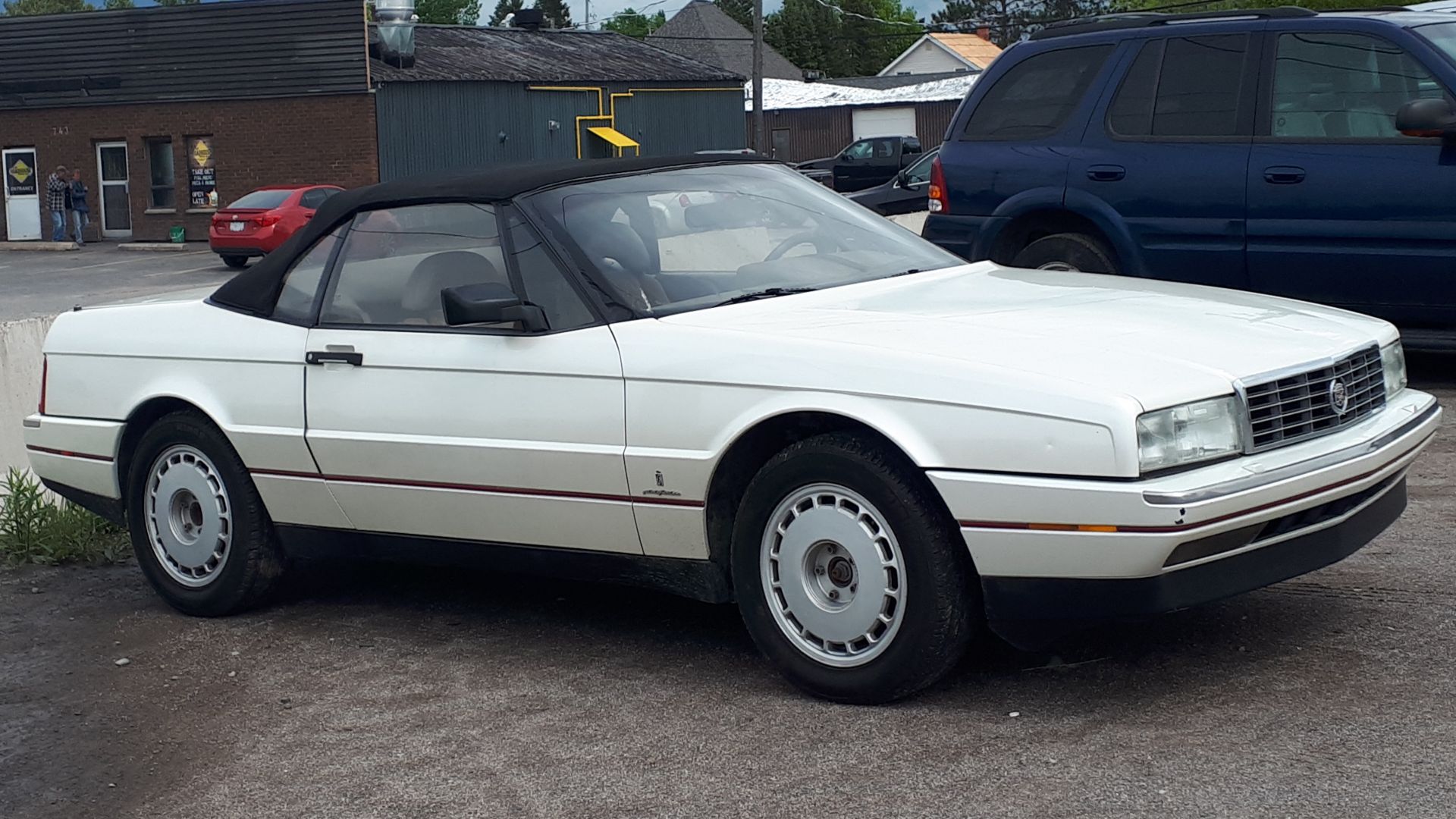
Cadillac Allanté (1987–1993)
Cadillac had Allanté bodies built by Pininfarina in Italy, then flown to Detroit for final assembly—a process nicknamed the world’s longest assembly line. The result was expensive, complicated, and not quite polished enough to defeat its European rivals. The final Northstar-powered version was much better, but Cadillac had already tested everyone’s patience.
 SsmIntrigue, Wikimedia Commons
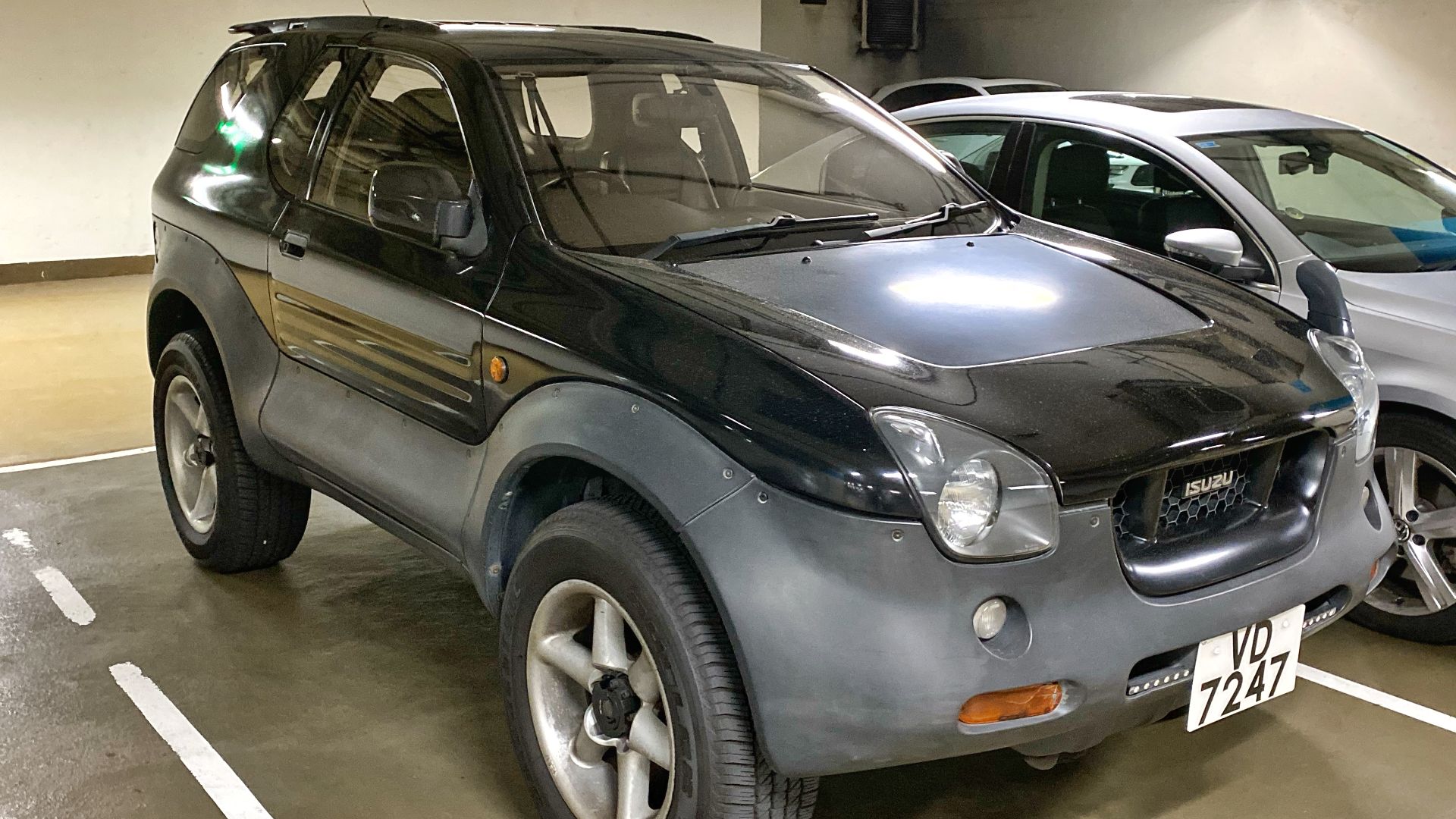
Isuzu VehiCROSS (1999–2001)
The VehiCROSS looked like a concept vehicle that someone forgot to stop before production. It had two doors, limited cargo room, thick body cladding, and styling that made every trip feel like a lunar expedition. It was hardly the ideal everyday SUV—but Isuzu has not built anything half as memorable since.
 Jones028 from Hong Kong, Wikimedia Commons
Ford Mustang II (1974–1978)
The Mustang II arrived smaller, slower, and initially without a V8—three excellent ways to upset Mustang fans. Yet it landed during an oil crisis, sold extremely well, and probably helped keep the Mustang alive. It was not the performance machine people wanted, but plenty of former owners would happily take their Cobra II back.
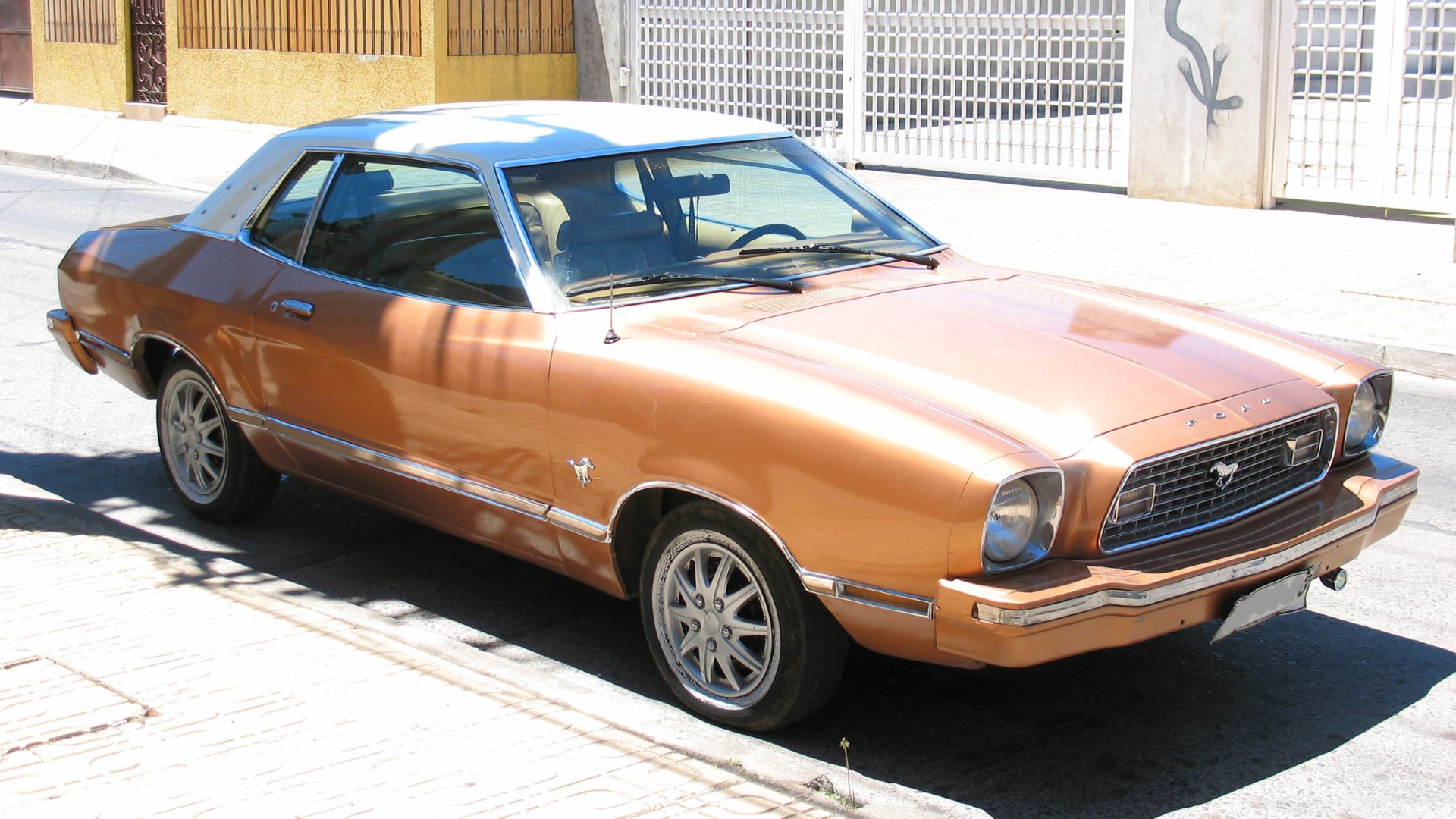 order_242 from Chile, Wikimedia Commons
Chrysler Crossfire (2004–2008)
The Crossfire mixed dramatic American styling with mechanical pieces borrowed from the previous-generation Mercedes-Benz SLK. The cabin was cramped, the interior showed too much bargain-bin Chrysler plastic, and the rear styling inspired some unkind comparisons. Still, it was rear-wheel drive, genuinely unusual, and available with a supercharged engine. Try finding that combination at Chrysler now.
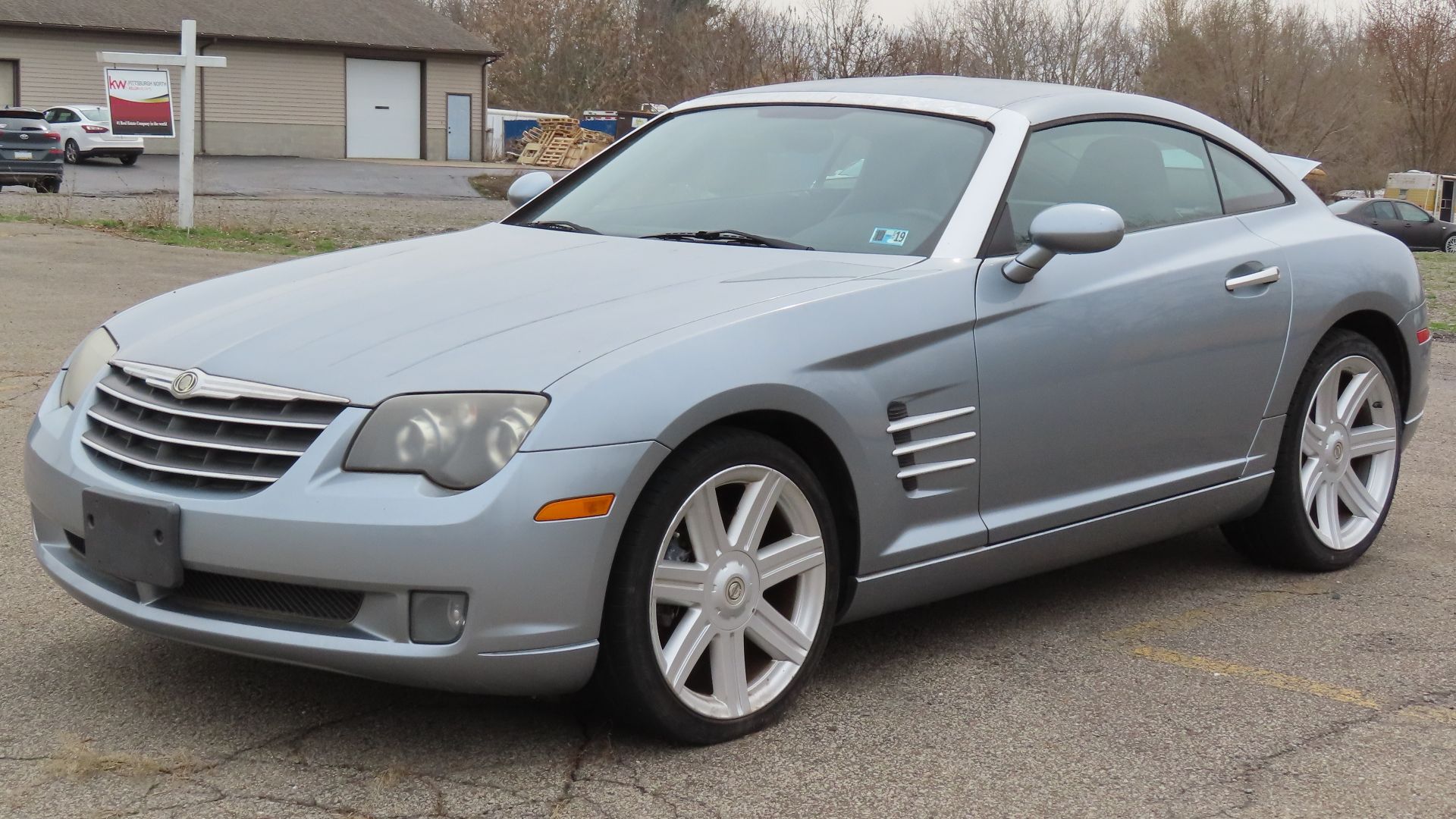 MercurySable99, Wikimedia Commons
Chevrolet Chevette (1976–1987)
The Chevette was slow even when the road tilted downhill. It was basic transportation with rear-wheel drive, little power, and very few distractions from the experience of being inside a Chevette. But it was affordable, easy to understand, and seemingly impossible to eliminate completely. Someone’s aunt had one—and it was usually brown.
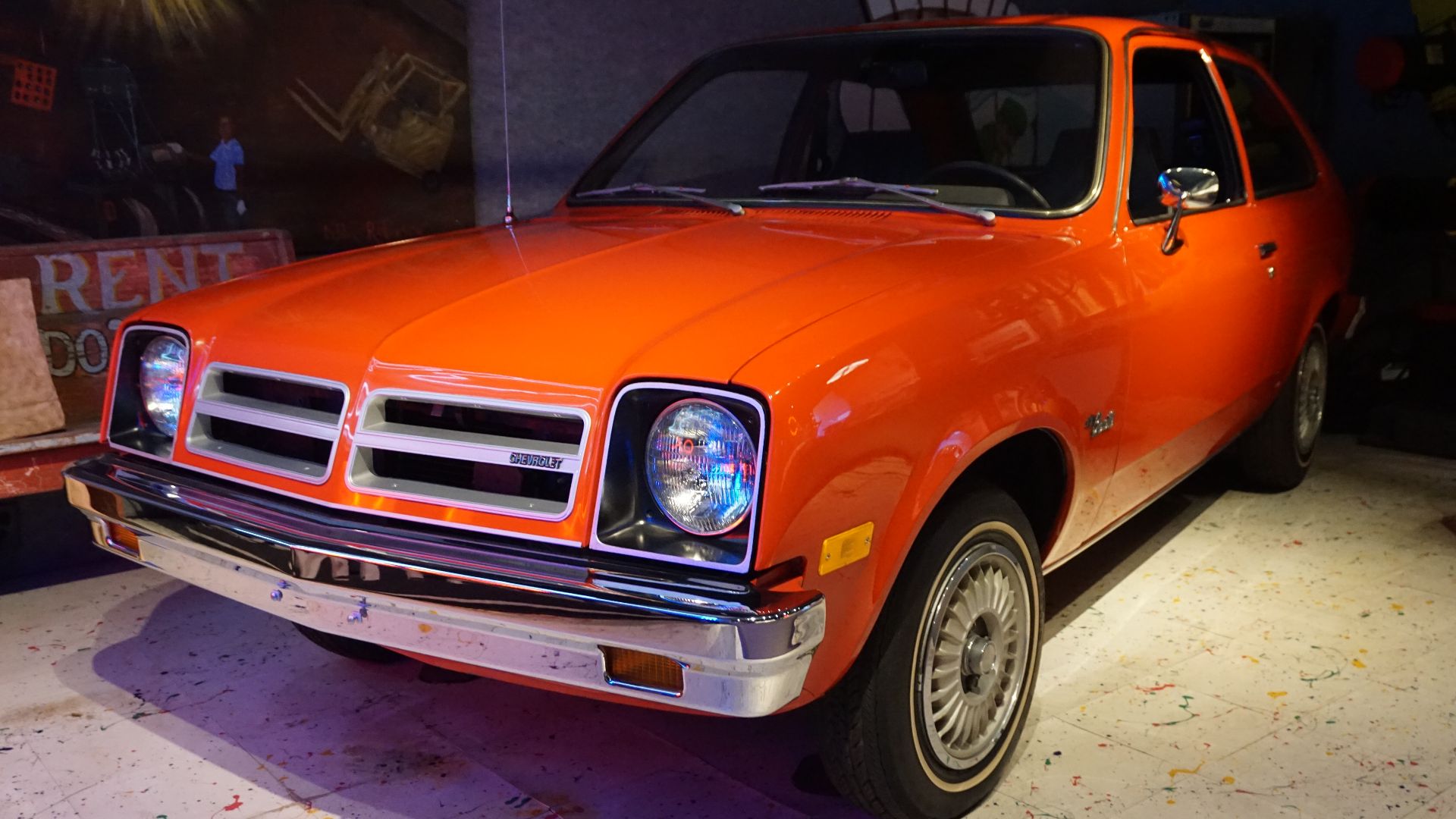 Michael Barera, Wikimedia Commons
Bad Cars Can Still Be Great Cars
Nobody is asking for the Vega’s rust or the Sunfire’s dashboard rattles to make a comeback. But people do miss cars that were cheap, strange, colorful, and easy to recognize from half a mile away.
You Might Also Like: