
Before Everything Became a Crossover
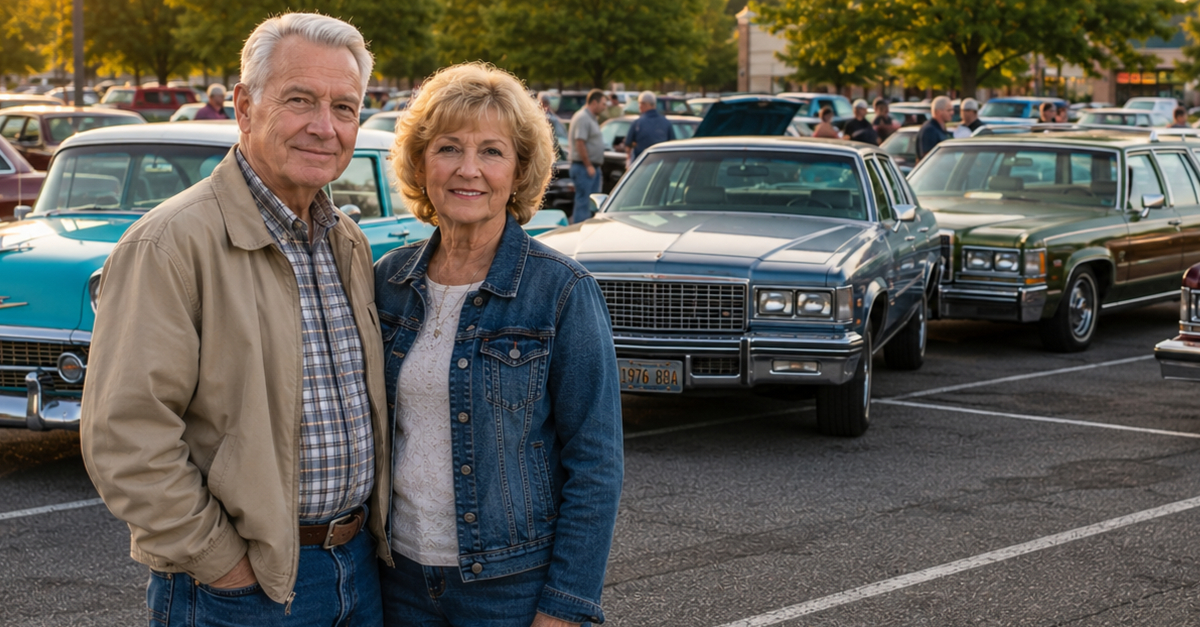
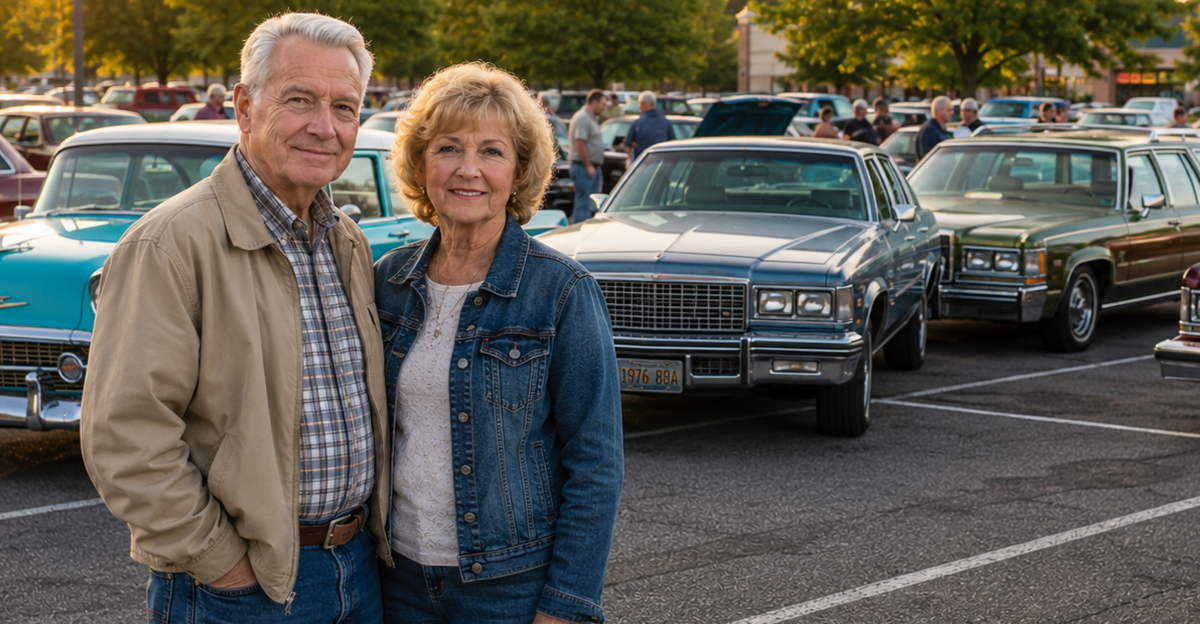
Before SUVs completely took over suburban driveways, boomers loved...Well, they loved cars that were stylish (and yes, some were ridiculous). But honestly, a lot of them still had more personality than today’s endless sea of gray crossovers.
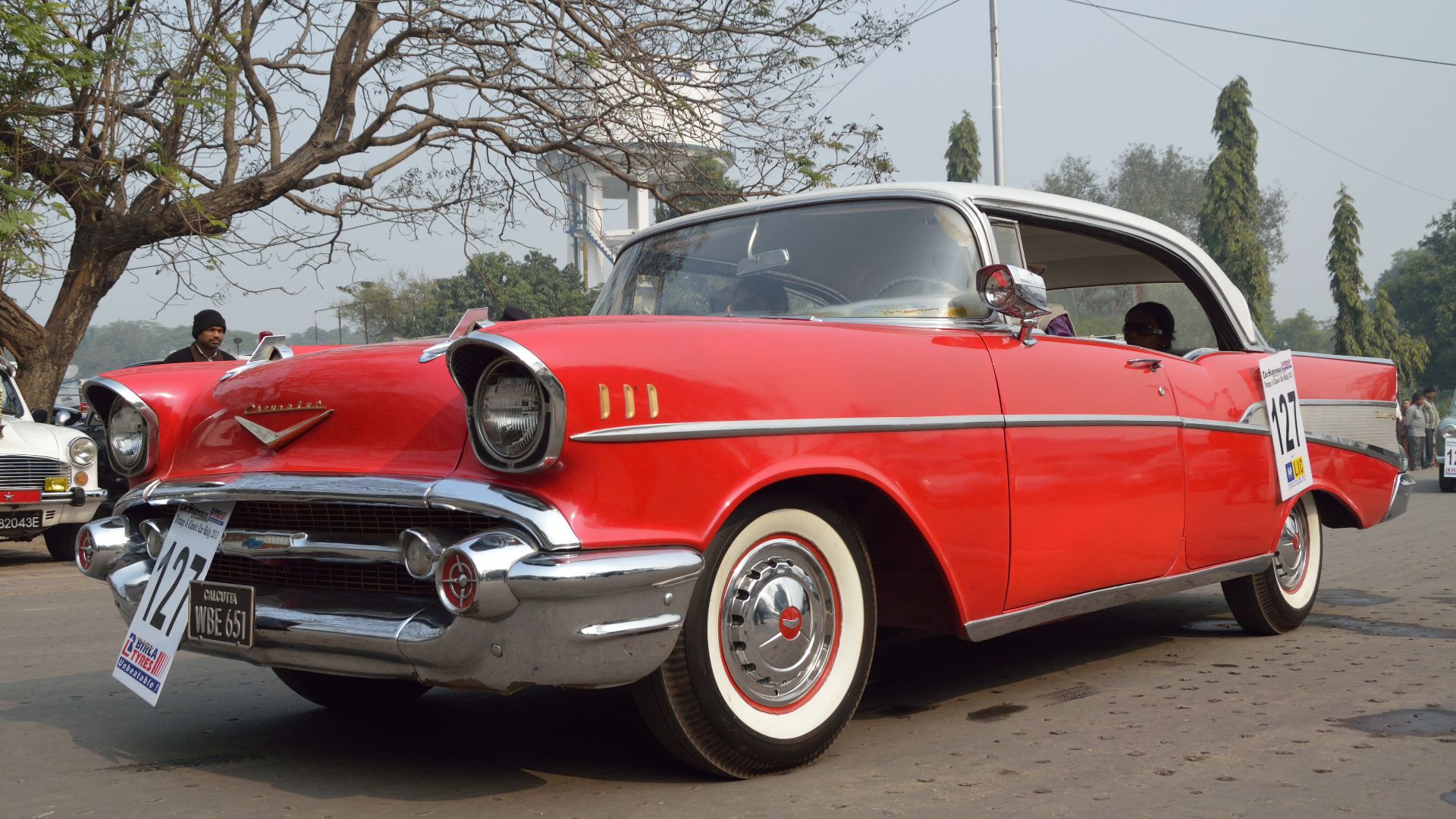
The Chevrolet Bel Air
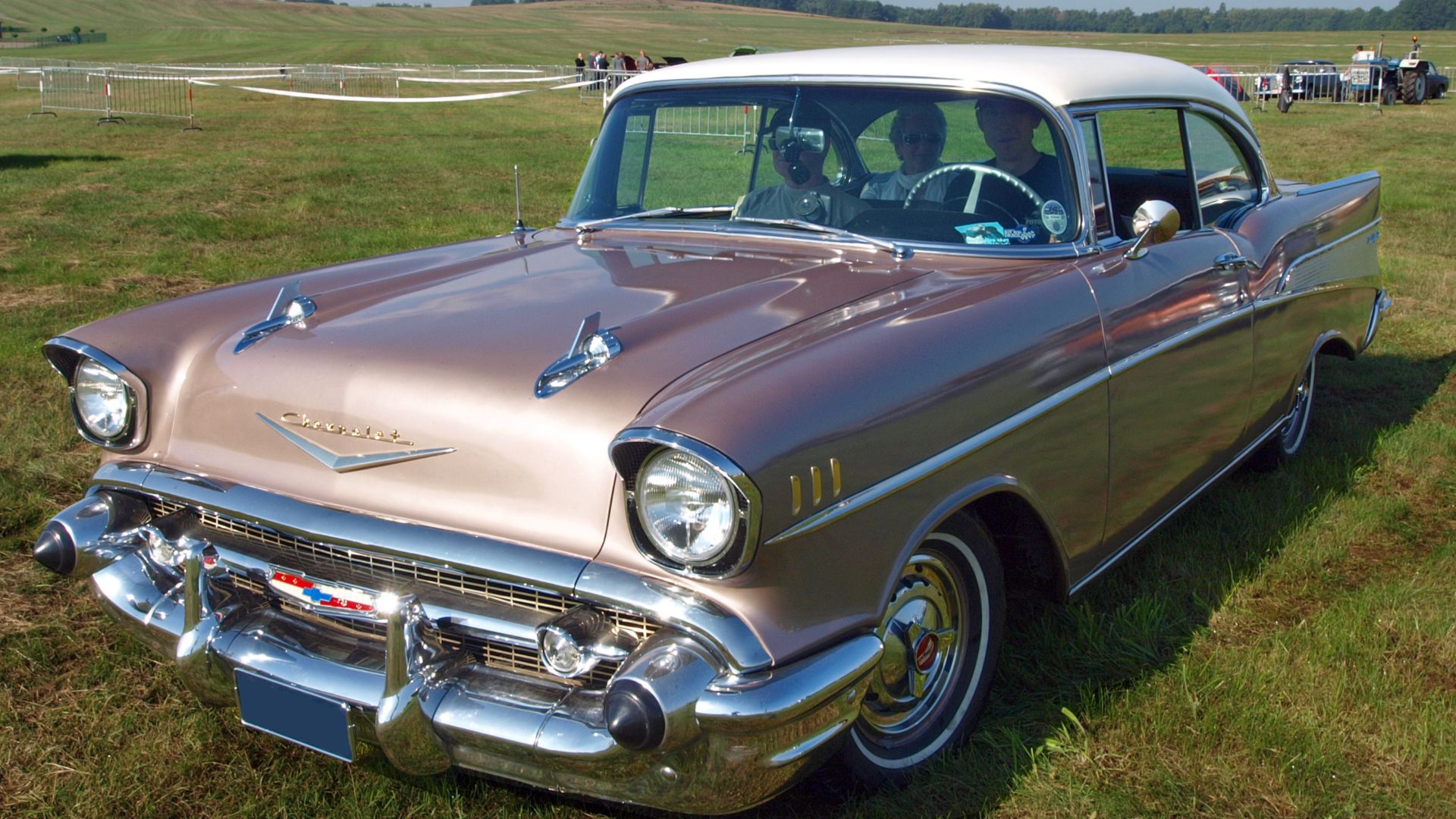
Long before SUVs became family status symbols, the Chevrolet Bel Air was one of the coolest cars you could own in suburban America. Boomers grew up seeing these everywhere in the 50s and 60s, and many still get nostalgic when one rolls past today. The chrome, tailfins, and bright colors gave these cars personality modern family vehicles can only dream about.
The Chevrolet Caprice Classic
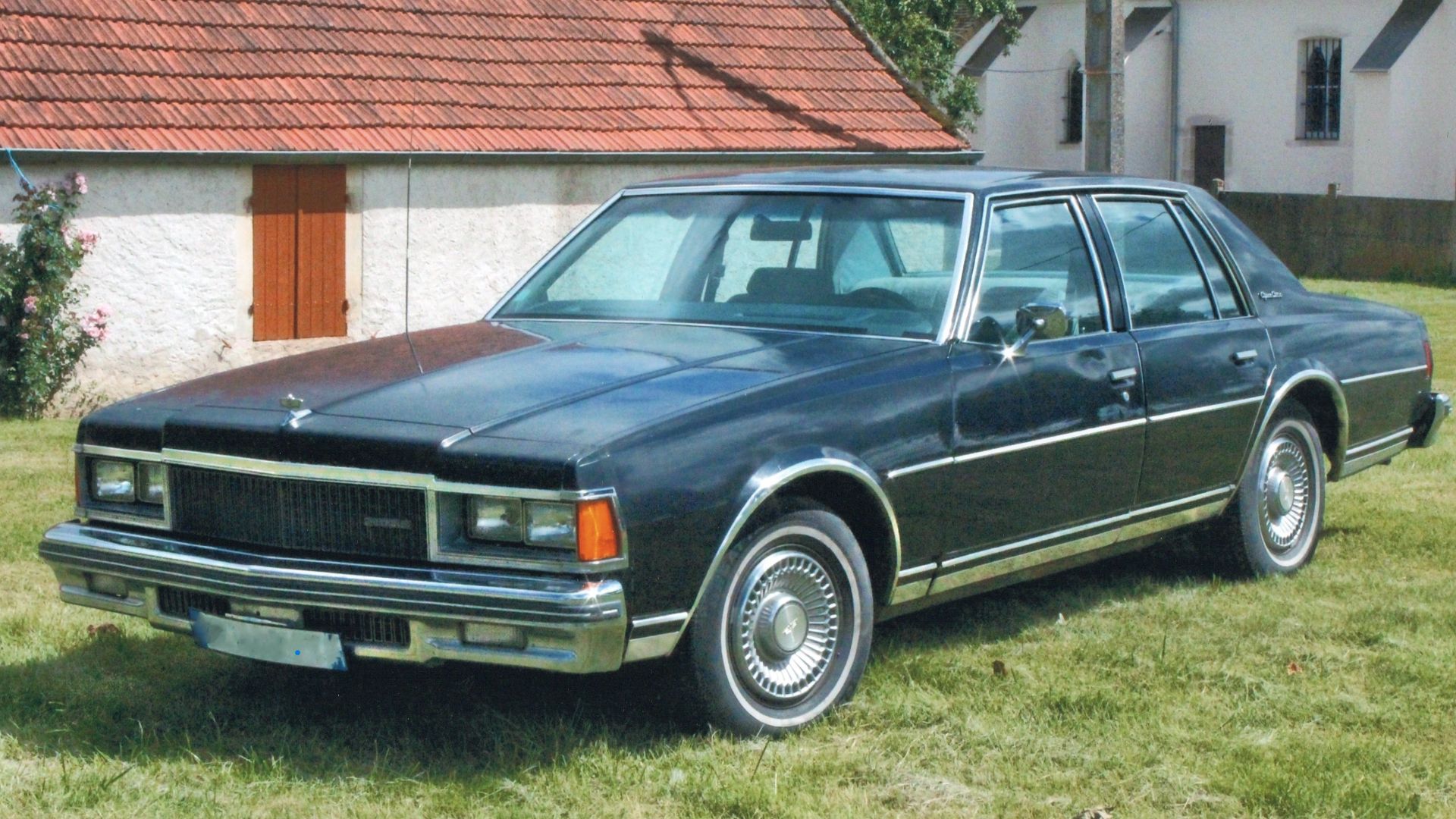
If you grew up in the 70s or 80s, there’s a decent chance somebody’s parents owned one of these. The Chevrolet Caprice Classic became the default “successful suburban family” car for years. It was massive, soft, quiet, and floated down the highway like the suspension was made from marshmallows. Kids loved the giant back seat. Parents loved the giant trunk. Gas stations loved everything else.
 Lilian Tomasini, Wikimedia Commons
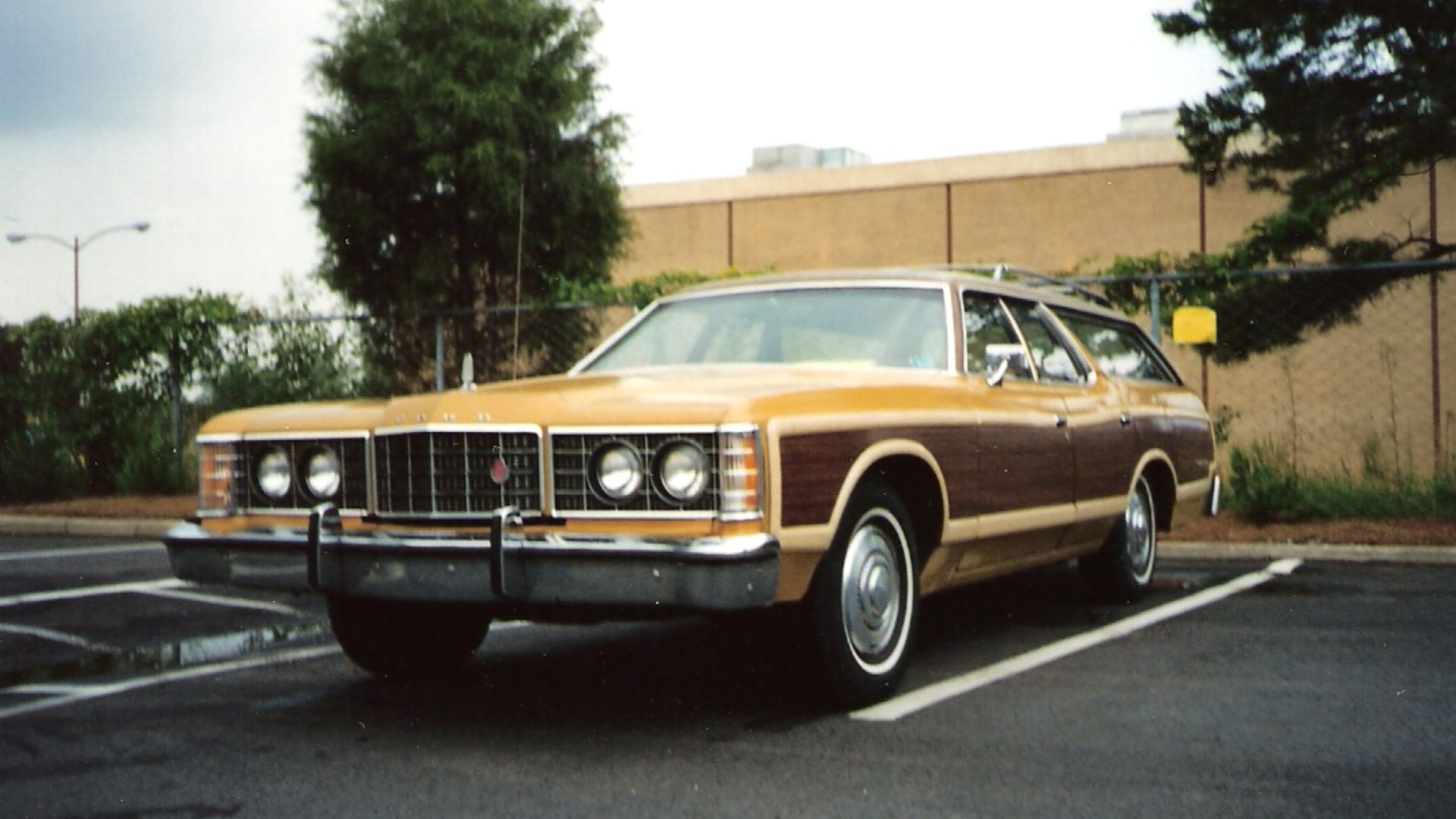
The Ford LTD Country Squire
This thing wasn’t just a station wagon. It was basically a rolling neighborhood landmark. The fake wood paneling became legendary, and boomers absolutely embraced it. Families packed these things with kids, dogs, luggage, coolers, and somehow still had room left over. Modern SUVs love pretending they invented family practicality, but the Country Squire figured that out decades earlier.
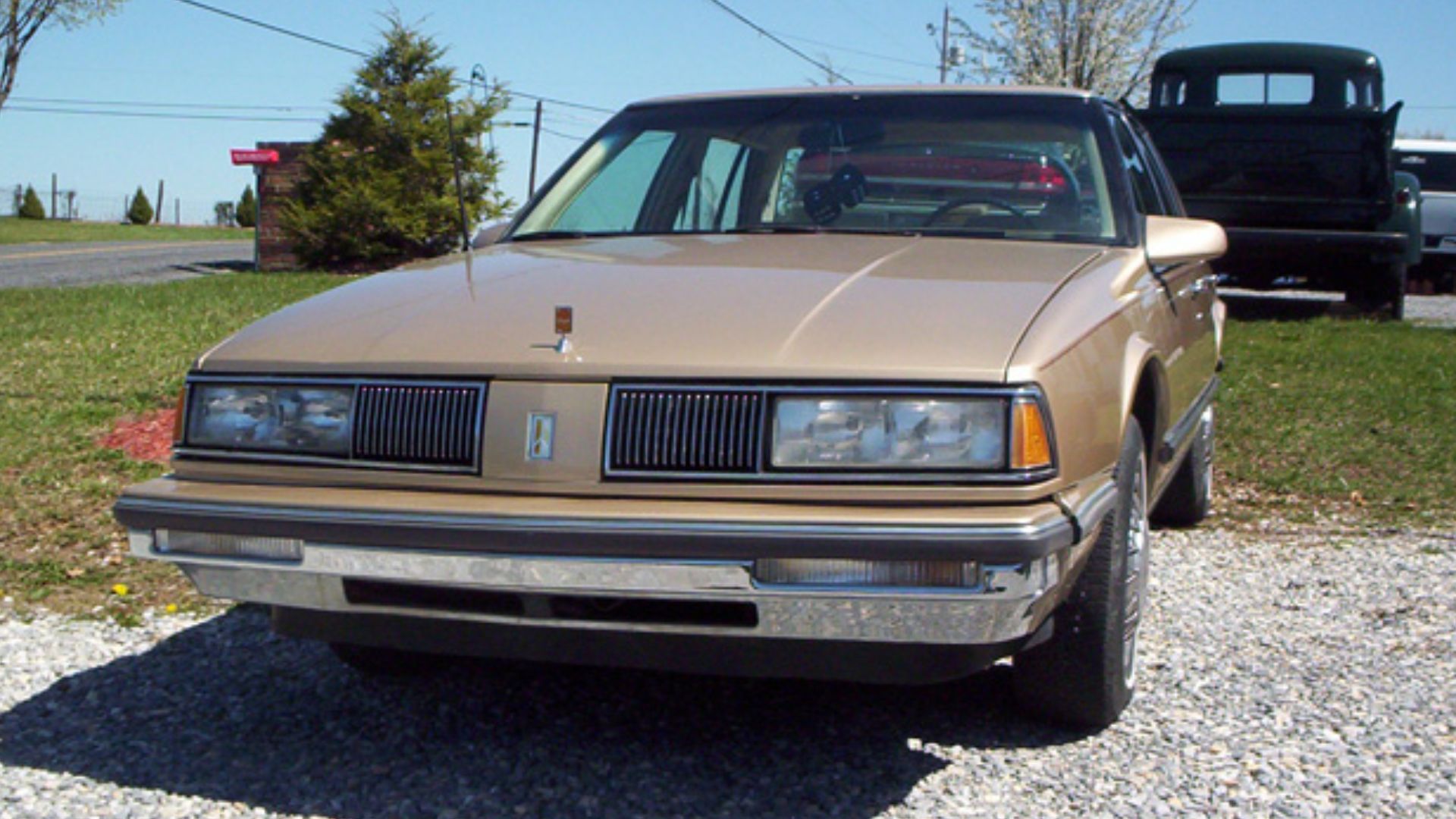
The Oldsmobile Delta 88
The Delta 88 quietly dominated American roads for years without getting much glory afterward. Boomers loved them because they were comfortable, dependable, and big enough to survive a small meteor impact. You could drive six hours in one without feeling destroyed afterward, which honestly feels impossible compared to some modern cars with “sporty” suspensions.
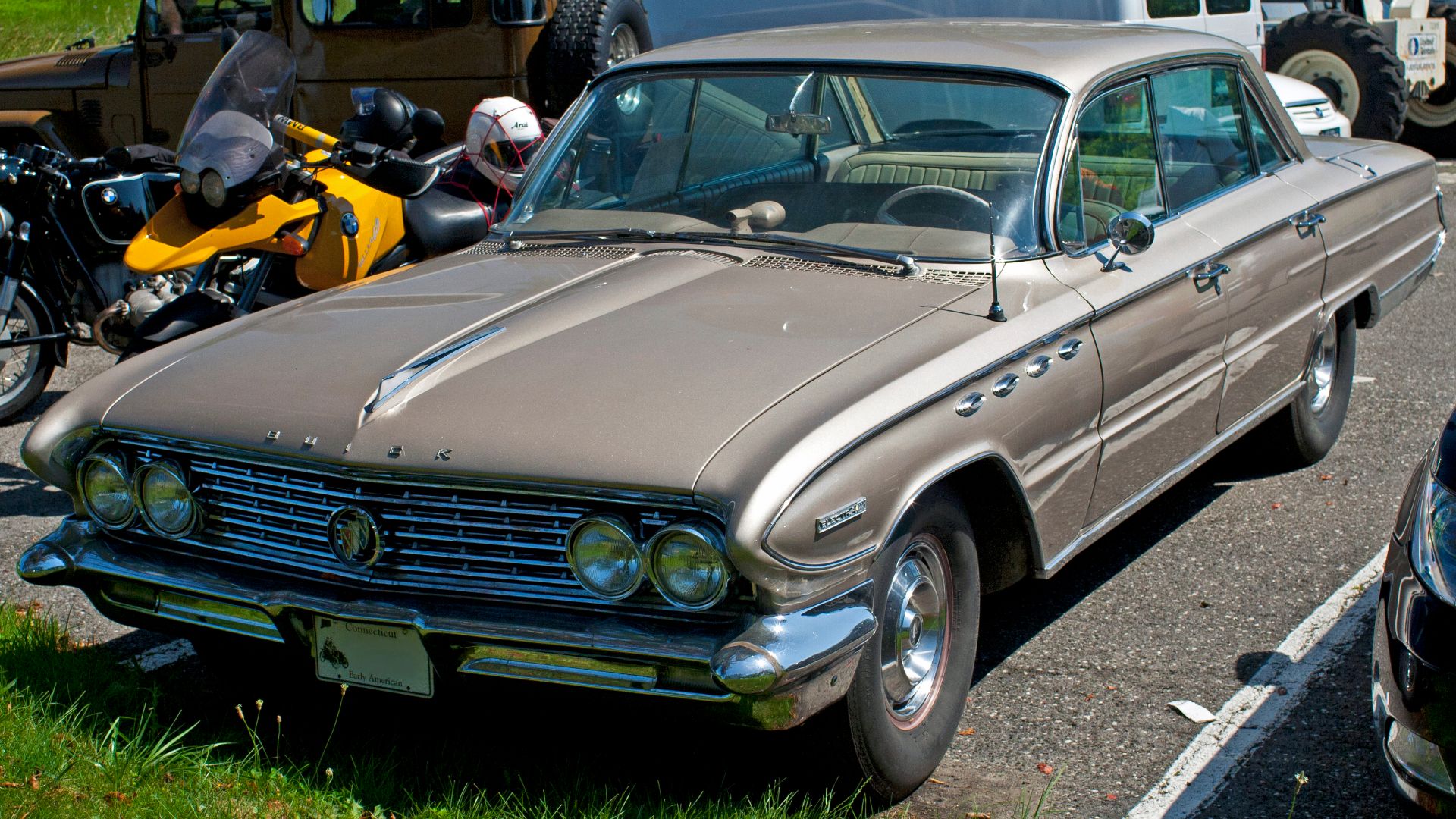
The Buick Electra 225
People didn’t call it the “Deuce and a Quarter” because it was small. The Buick Electra 225 was enormous, and parking one required commitment, confidence, and occasionally divine intervention. But boomers loved the luxury feel without Cadillac pricing. The seats felt like recliners, and the hood stretched so far forward it looked like its own county.
 Mr.choppers, Wikimedia Commons
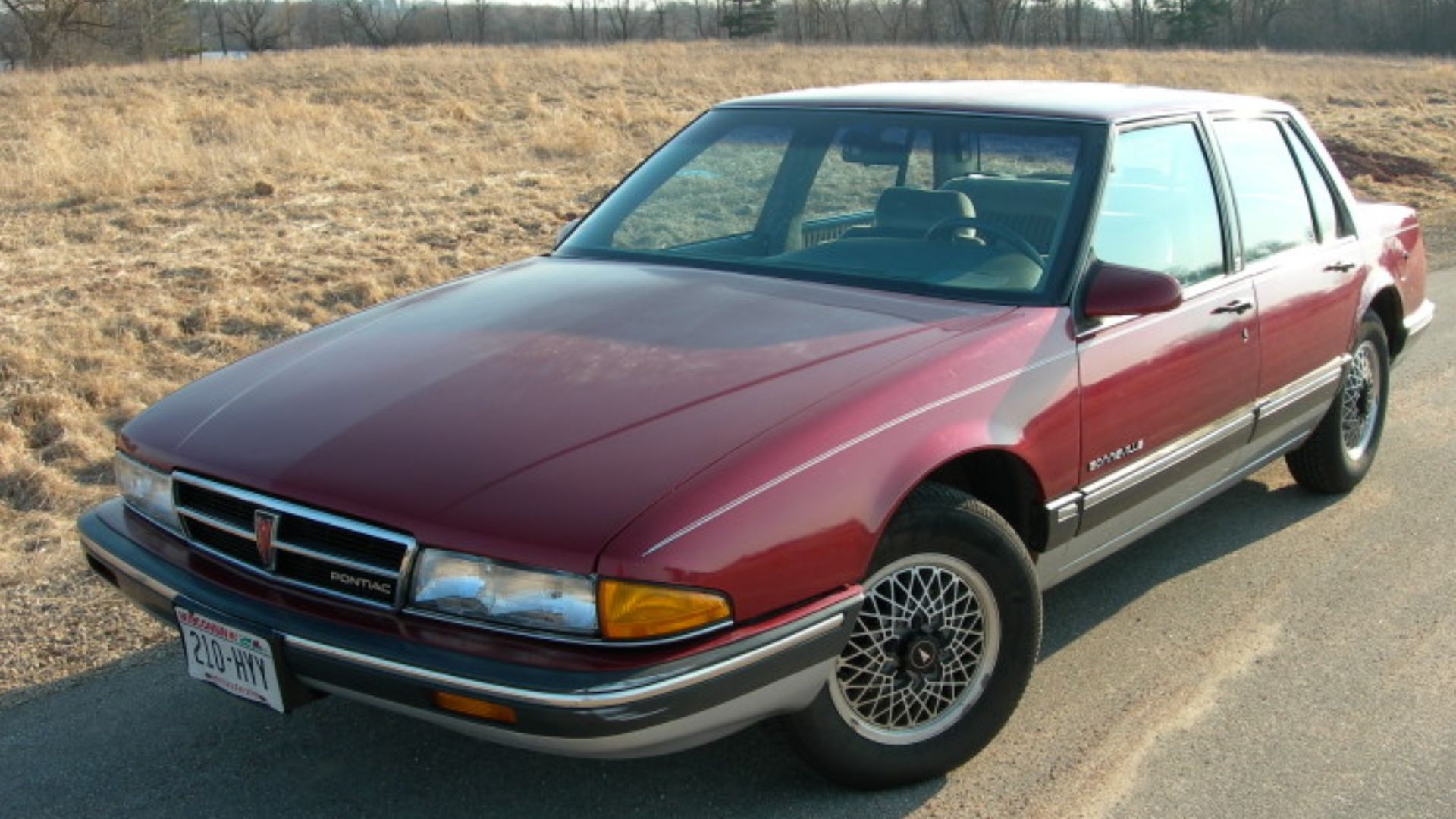
The Pontiac Bonneville
Before Pontiac became associated mostly with rental lots and forgotten sedans, the Bonneville was a genuinely stylish full-size cruiser. Boomers loved the sporty styling mixed with giant-car comfort. It had enough chrome to temporarily blind nearby drivers on sunny afternoons, and many interiors looked like a casino exploded inside them. In the best possible way.
 Wjcollier07 at English Wikipedia, Wikimedia Commons
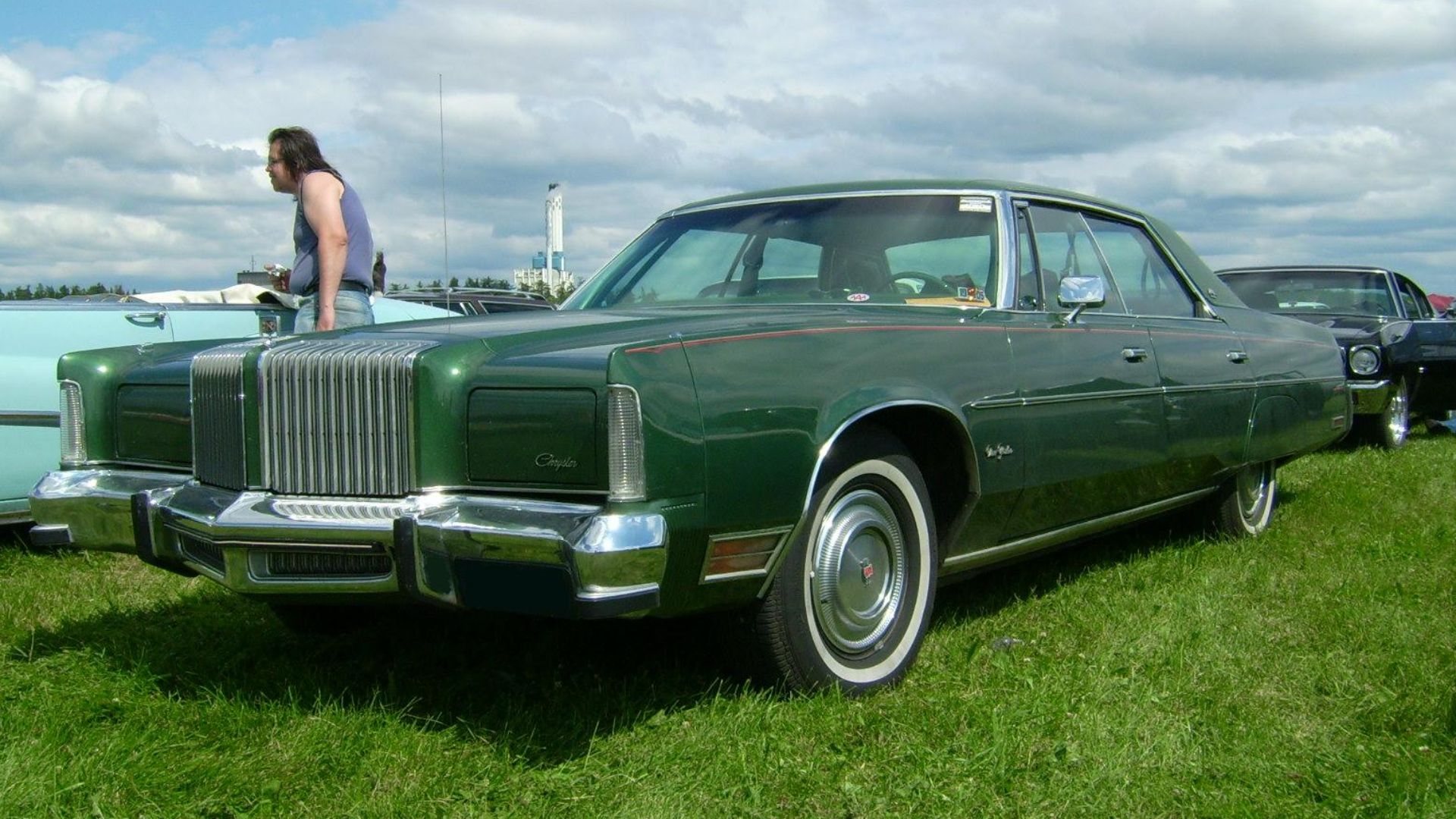
The Chrysler New Yorker
The Chrysler New Yorker represented peak American luxury before downsizing arrived and ruined everybody’s fun. These things were gigantic. Plush velour interiors became almost comically soft by the late 70s, and many came loaded with gadgets that felt futuristic at the time. Boomers loved them because driving one felt expensive, even when it wasn’t technically Cadillac money.
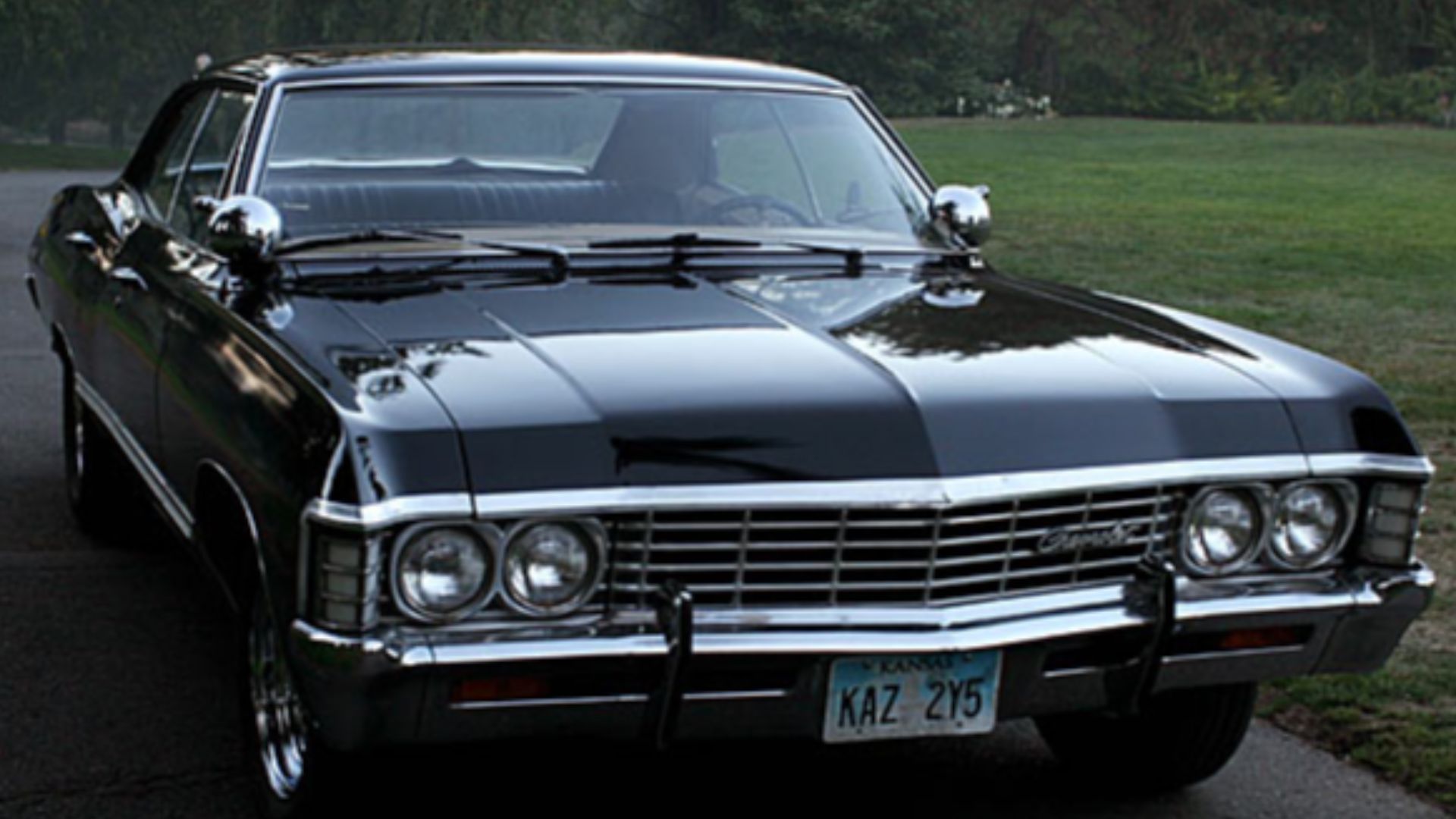
The Chevrolet Impala
The Impala wasn’t just popular. It was everywhere. For years, it was one of America’s best-selling cars because it nailed the formula: roomy, comfortable, affordable, and stylish enough to make owners feel like they had officially “made it.” Entire childhood memories happened inside these things—road trips, drive-ins, and family arguments about directions before GPS existed.
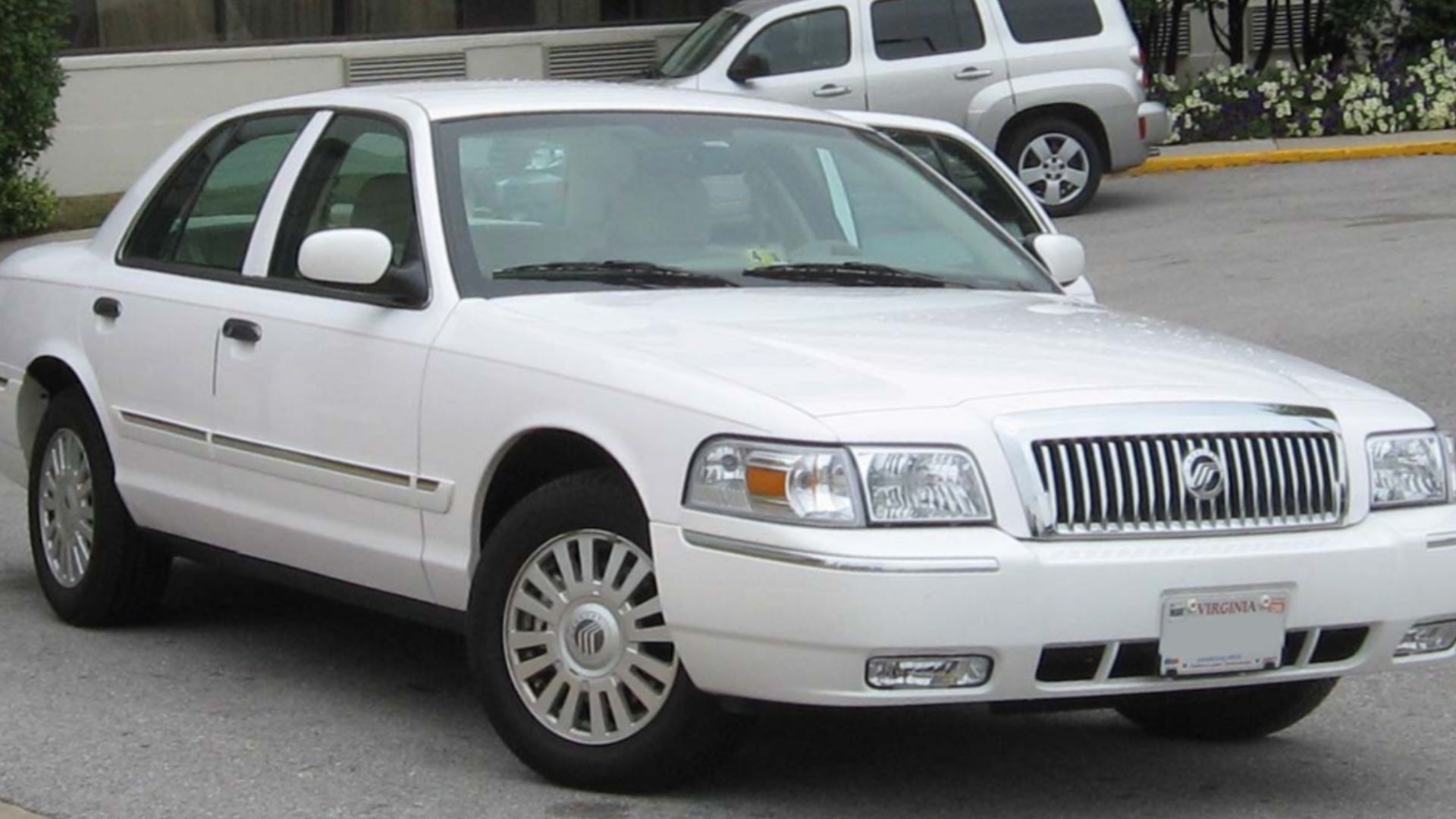
The Mercury Grand Marquis
The Grand Marquis survived so long it basically outlived several automotive eras. Boomers loved them because they were simple, comfortable, and built like they expected civilization to collapse at any moment. The bench seats could practically fit an entire baseball roster, and the ride quality felt softer than some living room furniture.
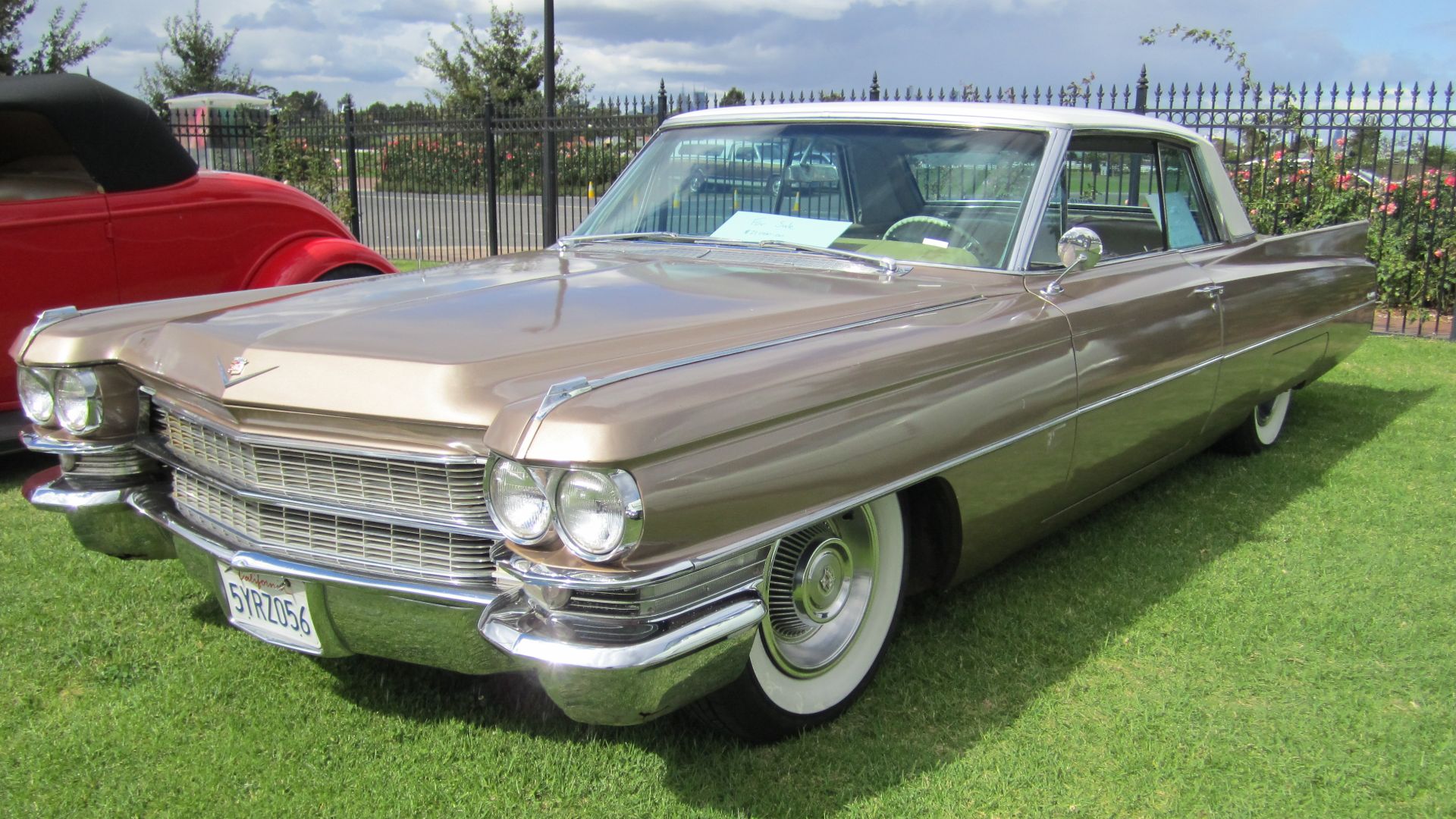
The Cadillac Coupe DeVille
Not everybody could afford one, but almost every boomer wanted one at some point. The Coupe DeVille represented success: giant chrome grilles, ridiculously soft suspensions, and interiors padded like luxury hotel lobbies. Modern luxury SUVs feel expensive. Old Cadillacs felt important. Even sitting still in one somehow made you feel richer.
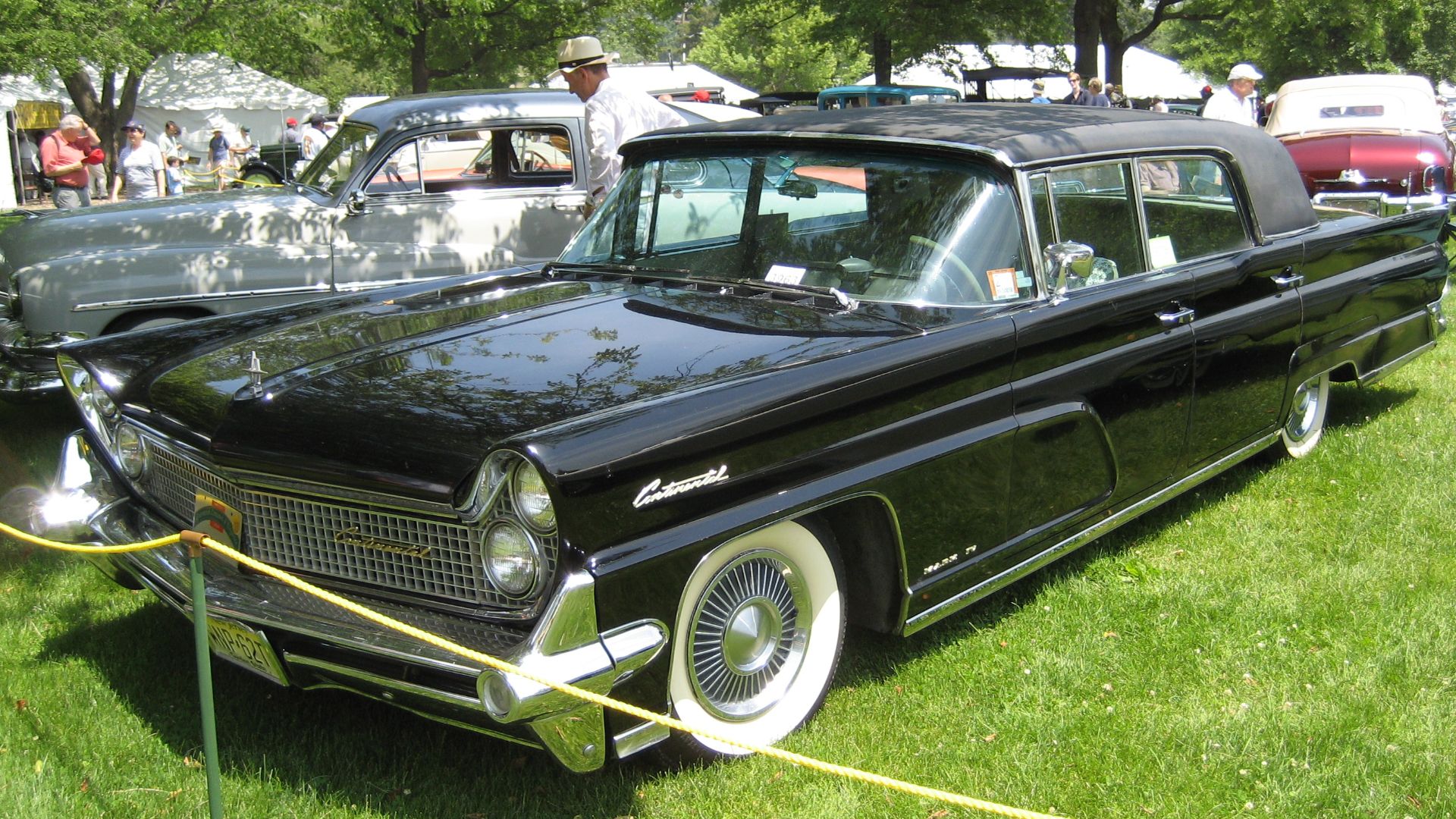
The Lincoln Continental
The Lincoln Continental made ordinary parking lots feel slightly presidential. Boomers loved the smooth ride and ultra-luxurious interiors, but honestly half the appeal was just how imposing these cars looked. Some versions had hoods long enough to require their own weather forecast. And yes, many owners drove them painfully slowly while wearing oversized sunglasses.
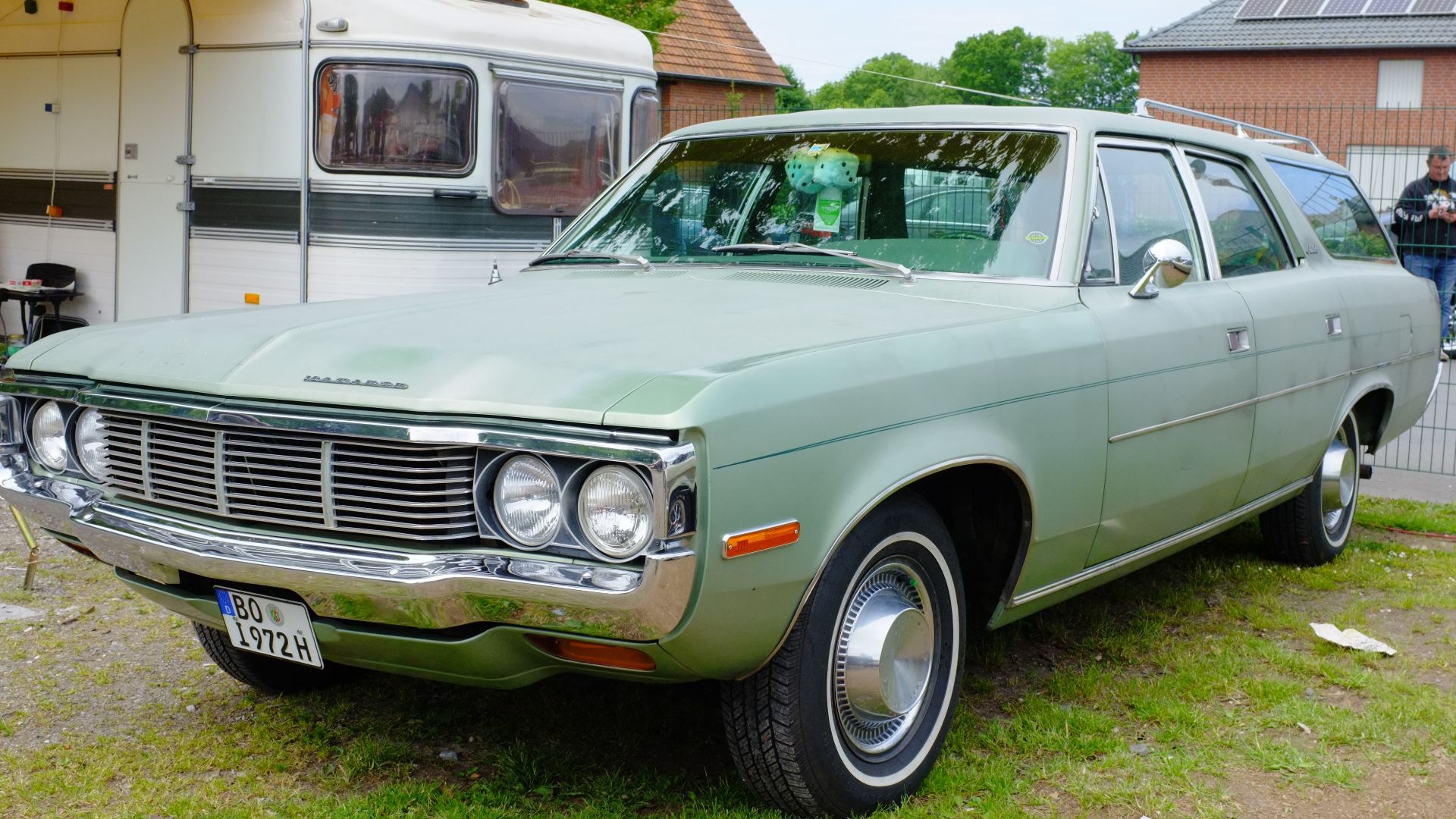
The AMC Matador Wagon
AMC never had the prestige of Ford or GM, but boomers still bought a surprising number of Matador wagons. Why? Because they were practical, weird-looking, and cheaper than competitors. That combination has secretly sold millions of vehicles throughout history. Some versions honestly looked like somebody designed them after briefly hearing a station wagon described over the phone.
 Triple-green, Wikimedia Commons
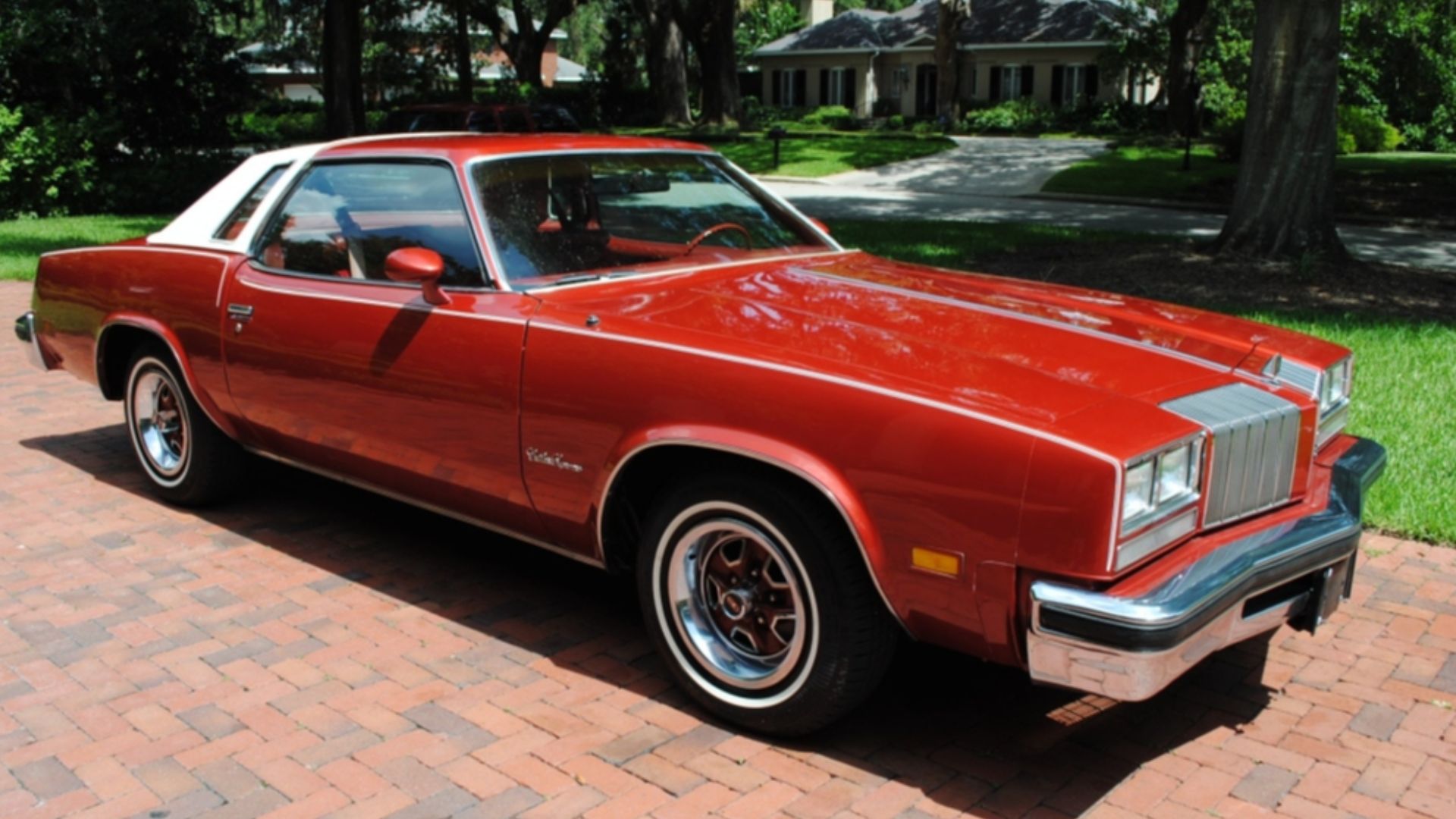
The Oldsmobile Cutlass Supreme
For years, the Cutlass Supreme was one of the best-selling cars in America, and boomers absolutely loved them. They managed to feel sporty and classy at the same time without costing luxury-car money. Whether it was a coupe, sedan, or wagon, these things were everywhere in the 70s and 80s. Half the neighborhood probably had one parked somewhere nearby.
 That Hartford Guy, Wikimedia Commons
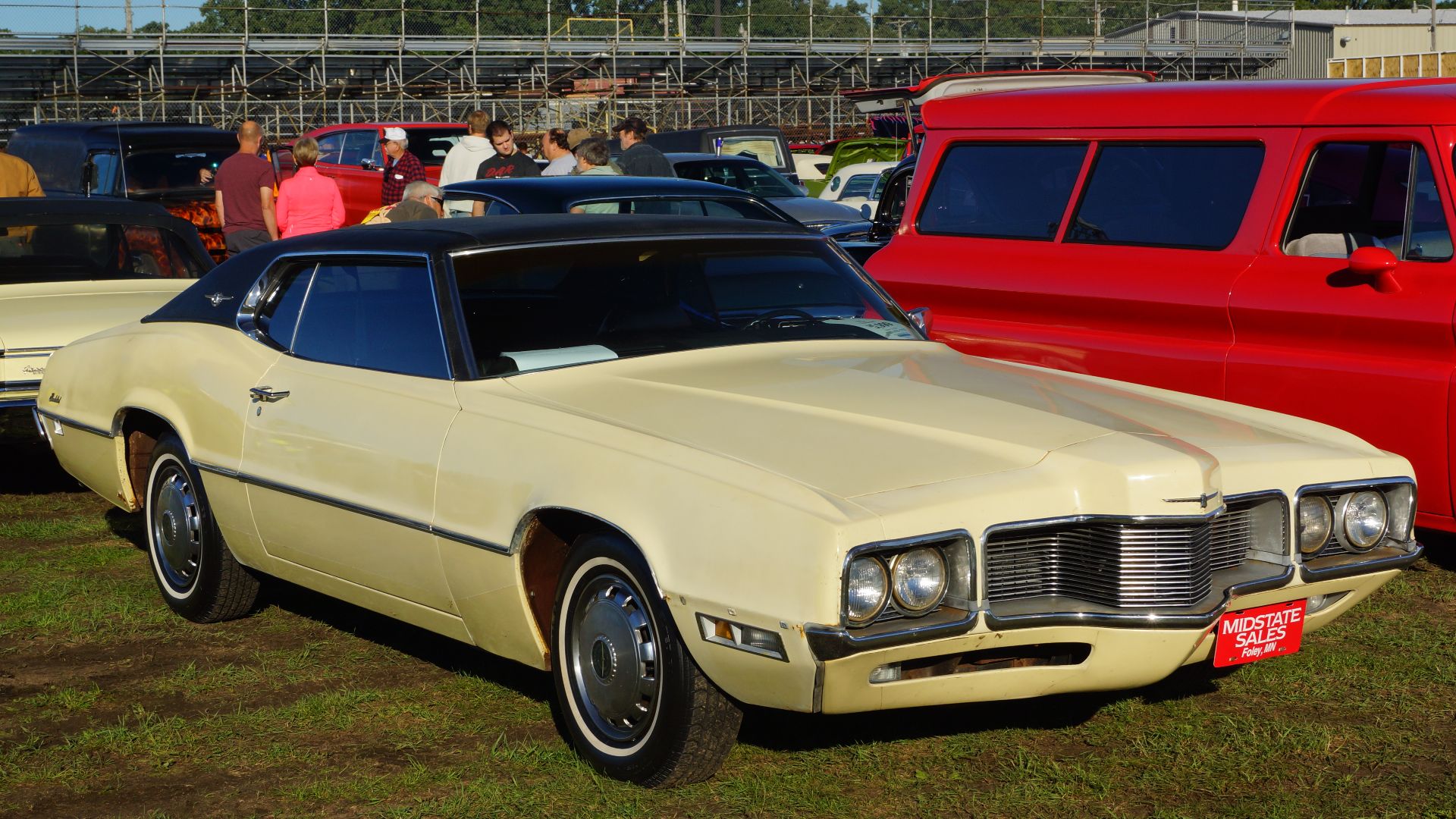
The Ford Thunderbird
The Thunderbird changed personalities constantly over the years, but boomers especially loved the larger luxury-cruiser versions from the 70s and 80s. These weren’t sports cars anymore. They were personal luxury barges built for comfortable highway cruising and arriving places looking important. Mission accomplished.
 Greg Gjerdingen from Willmar, USA, CC BY 2.0, Wikimedia Commons
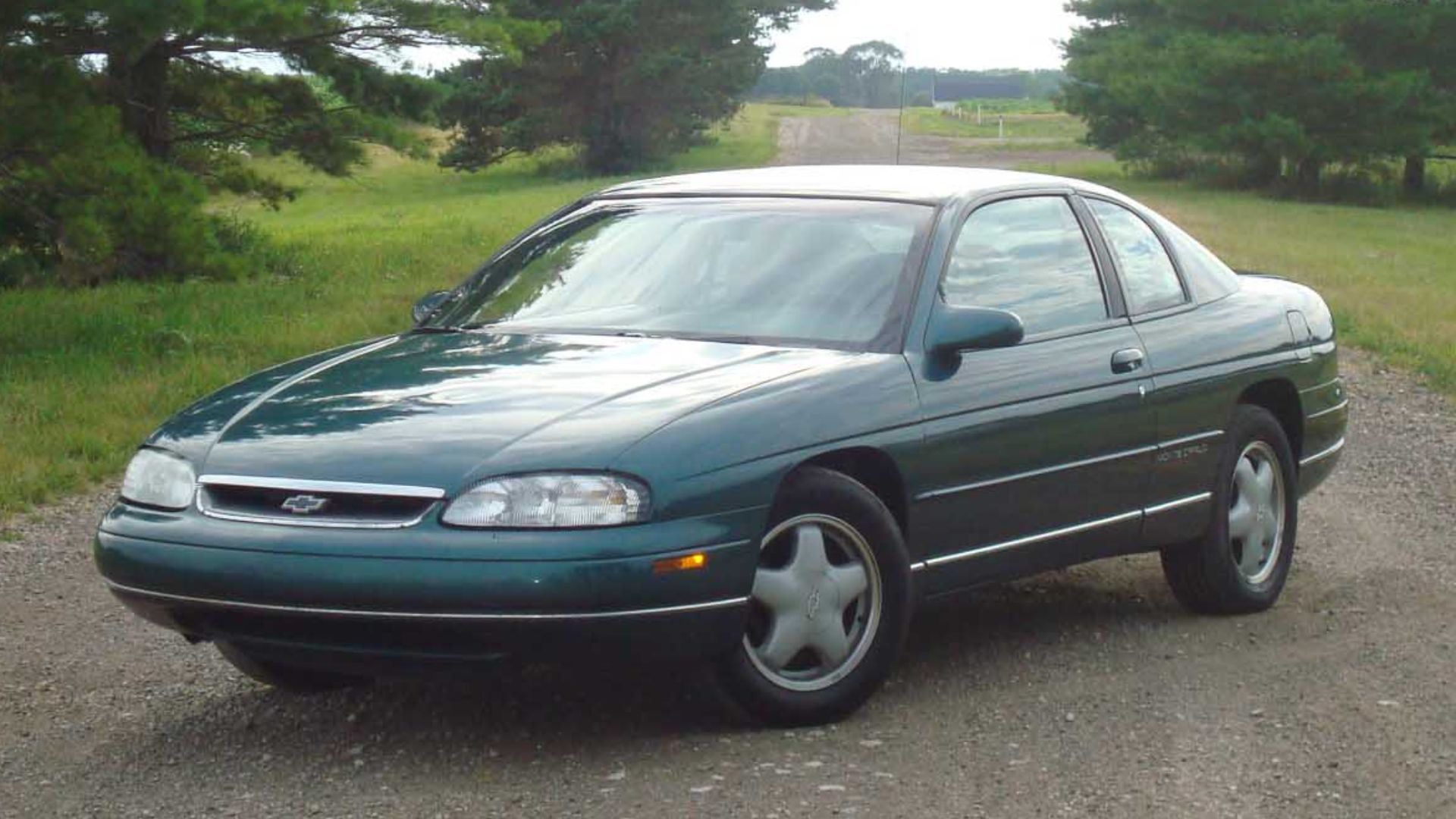
The Chevrolet Monte Carlo
The Monte Carlo became wildly popular because it mixed big-car comfort with just enough sporty styling to make owners feel cooler than they probably were. Boomers absolutely loved that combination. The long hood, plush interiors, and available V8 engines gave it serious appeal, even if most spent their lives doing grocery runs and mall parking lot duty.
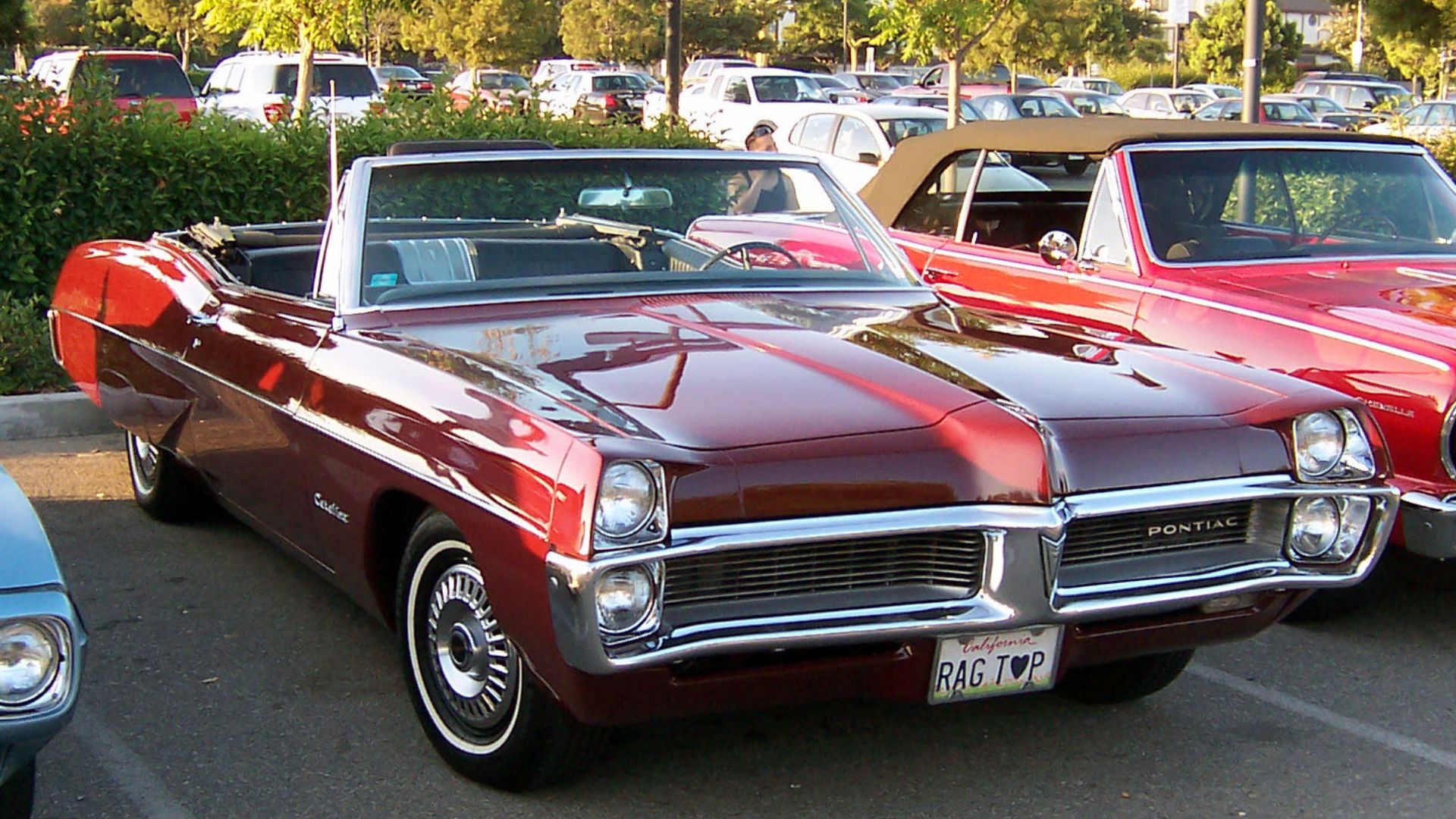
The Pontiac Catalina
The Catalina perfectly captured the giant American sedan formula. Big bench seats. Big trunk. Big engine. Massive body roll around corners. Nobody bought these for precision handling. You bought one because your family road trip felt like sitting on your living room sofa while somehow moving at 70 mph down the interstate.
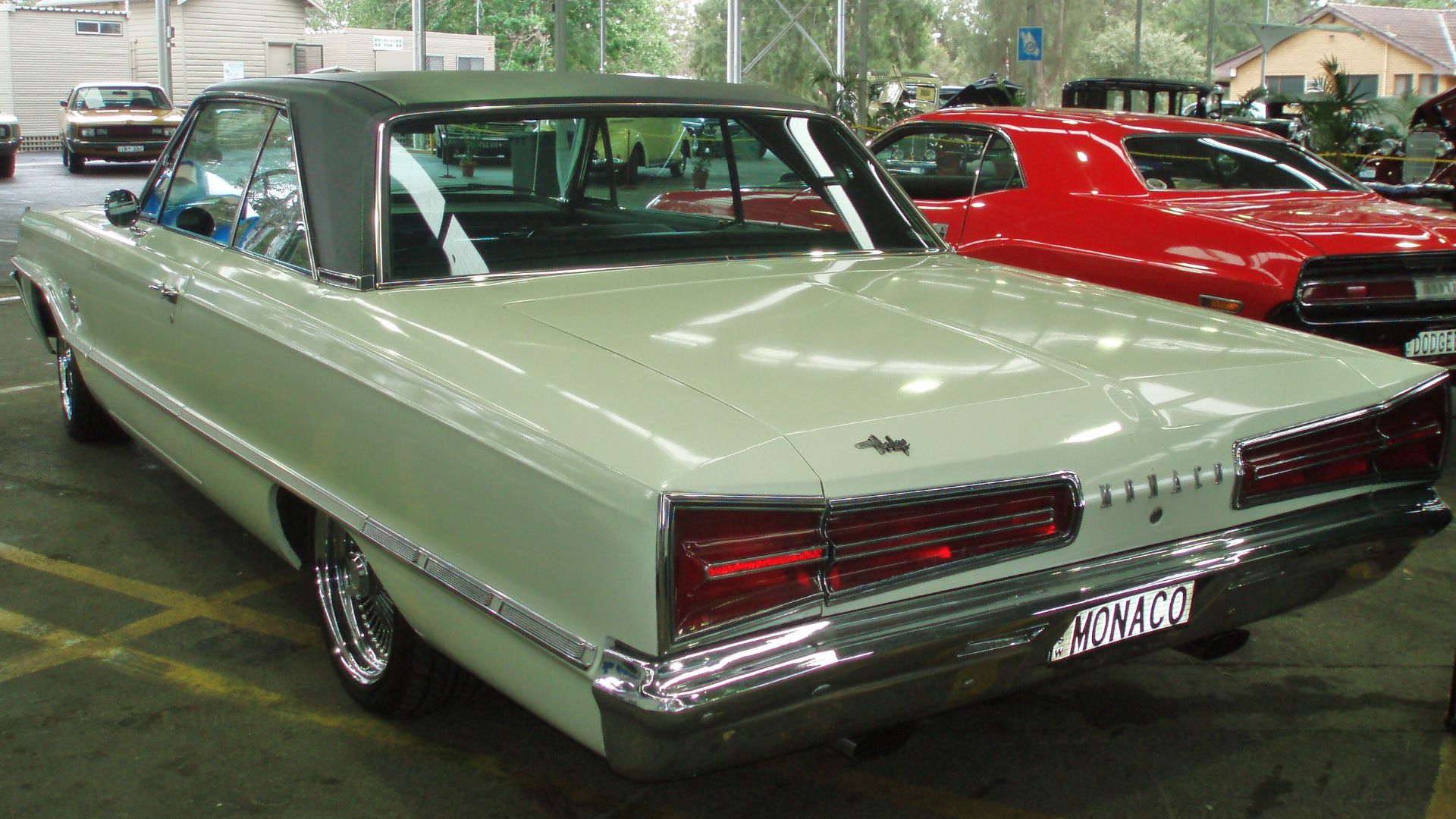
The Dodge Monaco
The Dodge Monaco became iconic partly because of The Blues Brothers, but boomers already loved these giant Mopars long before Hollywood noticed them. They were roomy, powerful, and built with all the subtlety of a brick through a storefront window. There’s honestly something kind of charming about that level of automotive overkill now.
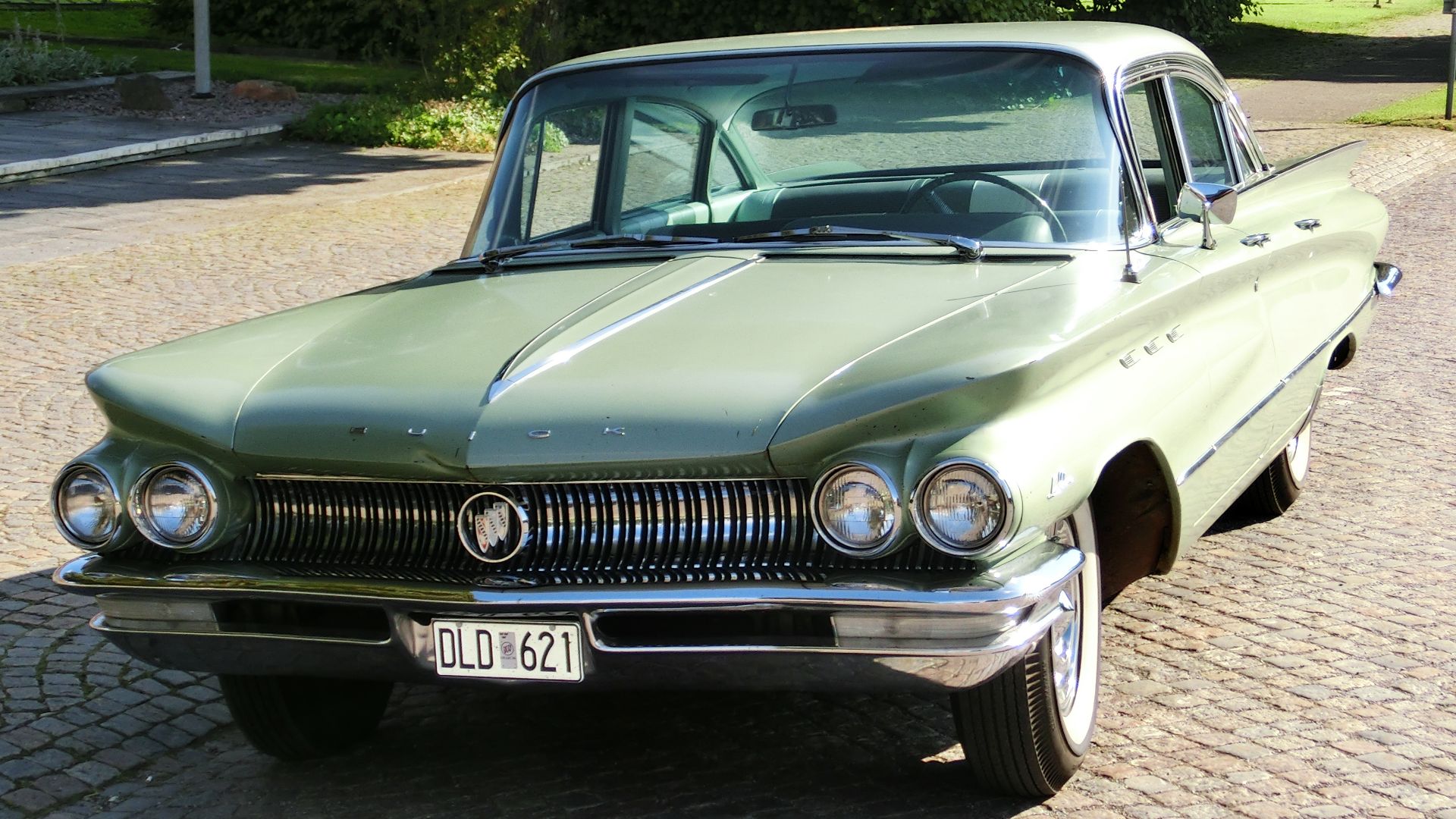
The Buick LeSabre
The Buick LeSabre became one of the ultimate “your grandparents definitely owned one” cars. Boomers loved them because they were comfortable, quiet, and extremely dependable. They weren’t flashy, but that wasn’t the point. The LeSabre was the kind of car people bought planning to keep for fifteen years, and honestly many of them probably did.
The Buick Roadmaster Wagon
This thing was basically the final boss of old-school American family wagons. By the 90s, SUVs were already taking over, but the Buick Roadmaster Wagon held the line a little longer. Some even came with rear-facing third-row seats, which every kid thought was the greatest invention in human history. Waving at confused drivers behind you was practically mandatory.
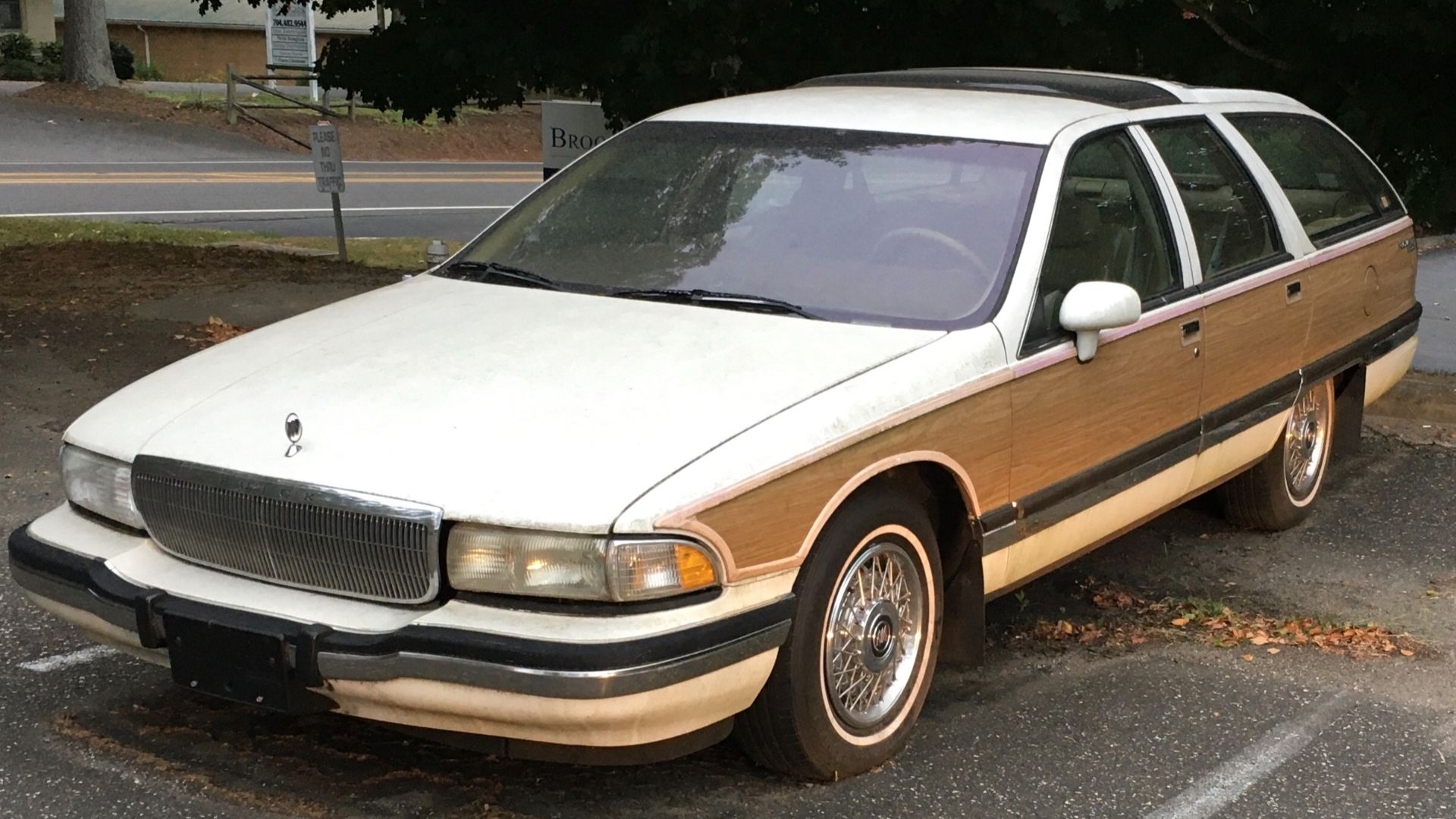 Wagon Master Johnson, Wikimedia Commons
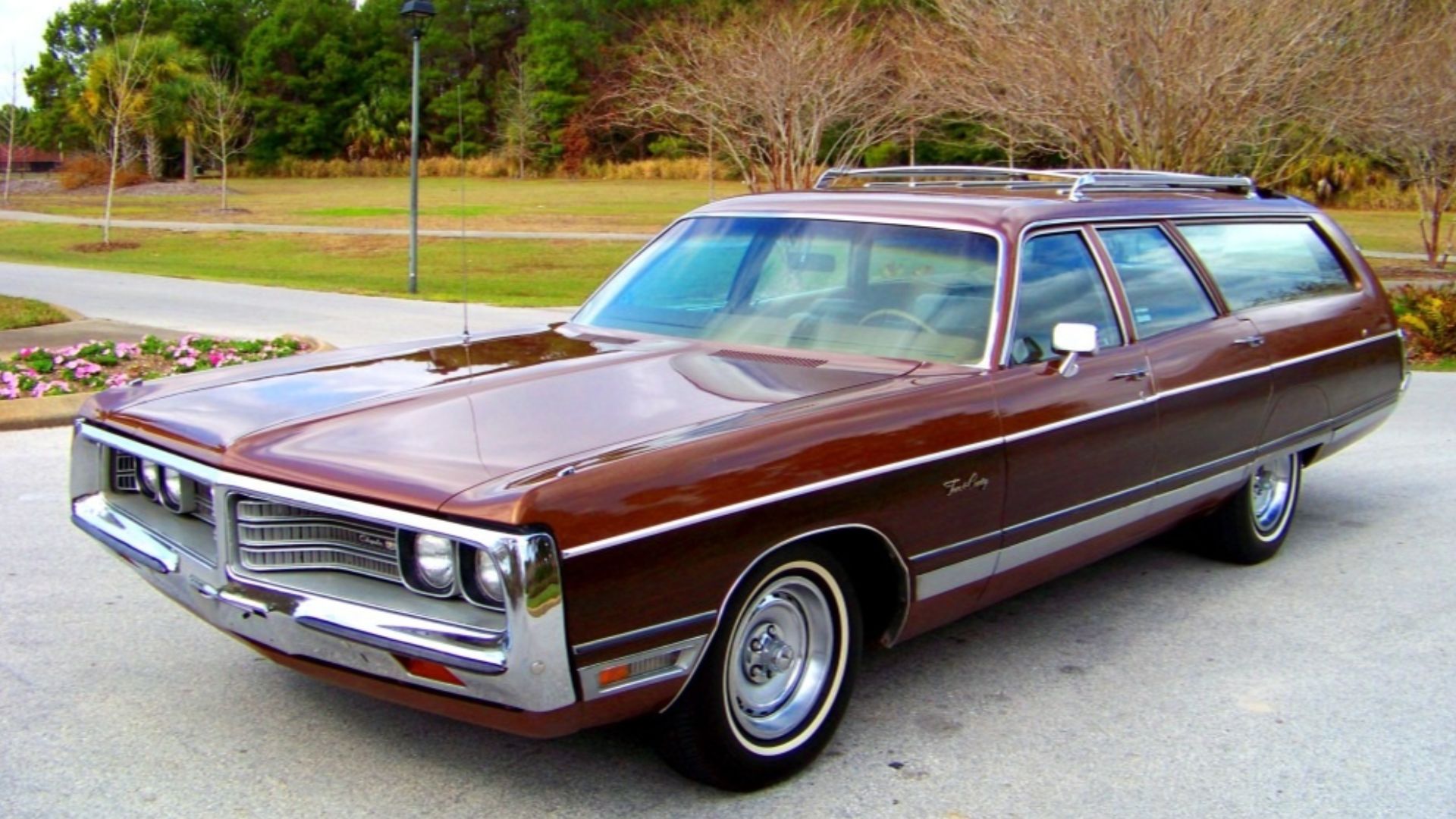
The Chrysler Town & Country Wagon
Wood paneling again. Of course. The Chrysler Town & Country wagons leaned heavily into upscale family comfort, and boomers loved the premium feel. These were the kinds of wagons that made parents feel classy while hauling soccer equipment, groceries, and enough luggage for a small expedition.
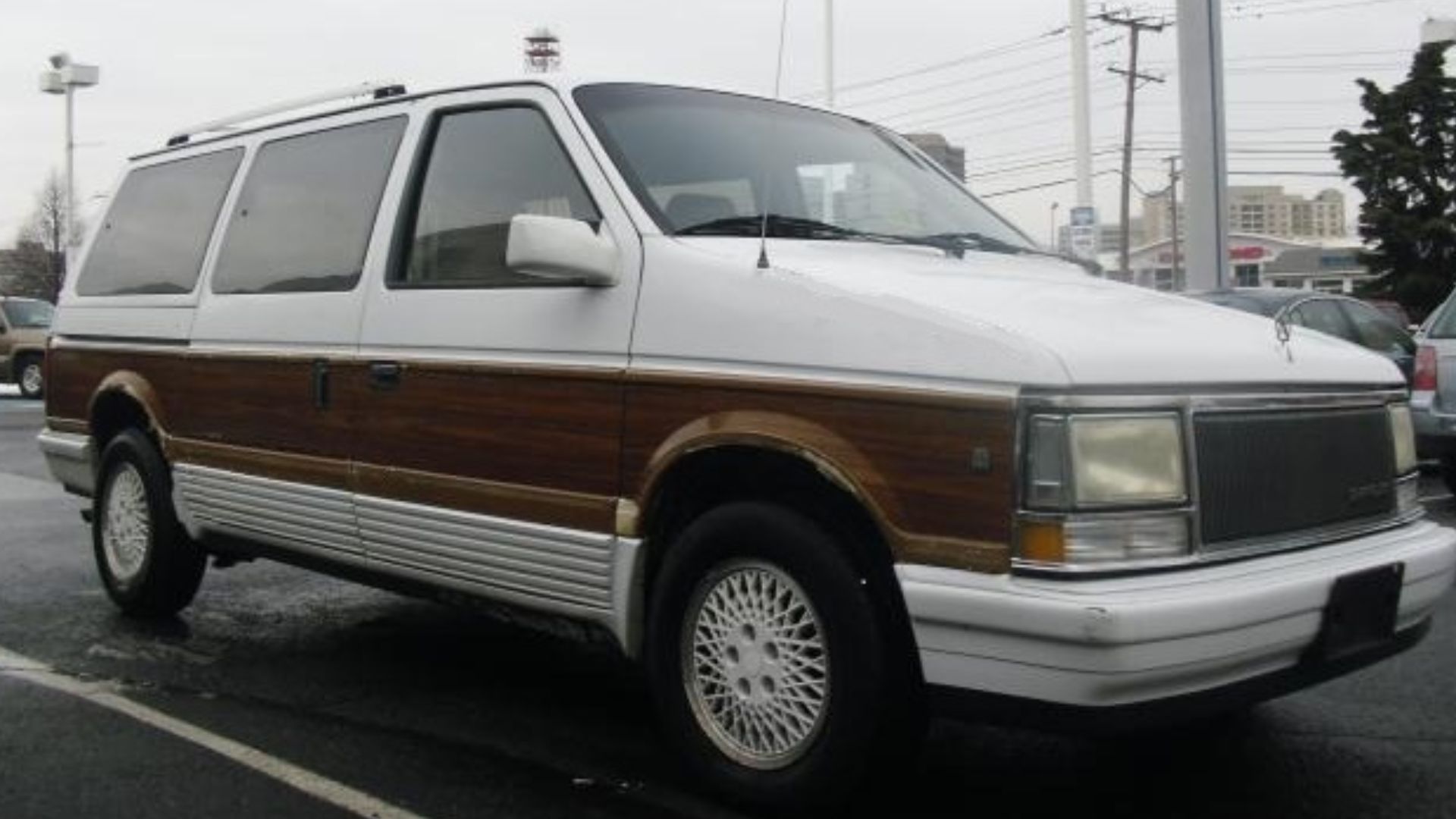
The Chrysler Town & Country Minivan
Before SUVs fully took over suburbia, minivans briefly became the kings of the family driveway. And honestly, boomers embraced them pretty quickly. The Town & Country minivan made sliding doors and cupholders feel luxurious somehow, and parents loved how ridiculously practical they were. Kids, meanwhile, loved not having to climb into the third row like mountain climbers.
 GotAfastcar, Wikimedia Commons
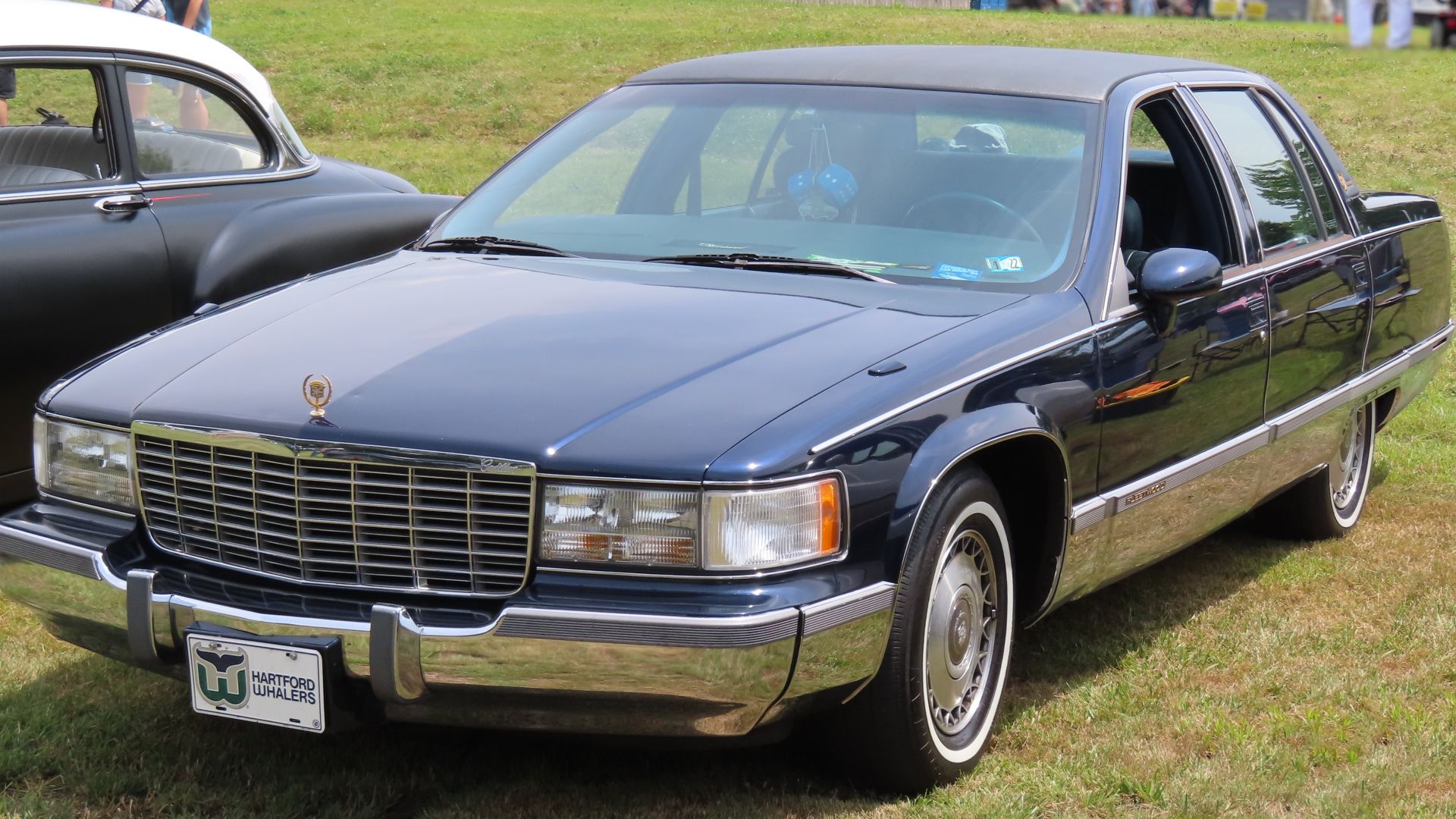
The Cadillac Fleetwood Brougham
The Fleetwood Brougham represented peak land-yacht excess before downsizing finally won the war. Everything about these cars was huge: the seats, the steering wheel, the overhangs, and the confidence that gas prices would somehow stay reasonable forever. They didn’t—but for a while, this was American luxury at its absolute most unapologetic.
 MercurySable99, Wikimedia Commons
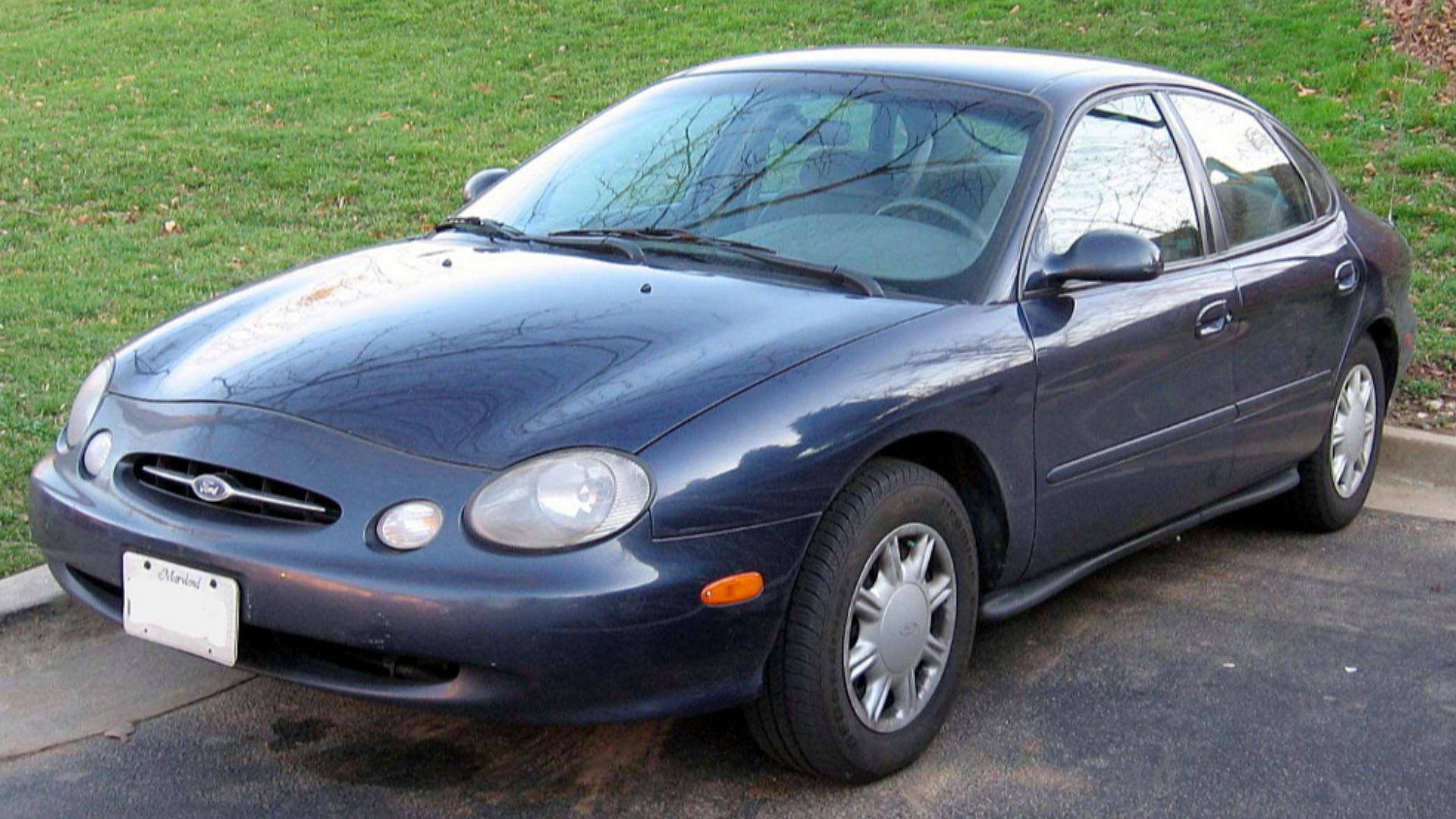
The Ford Taurus
The Ford Taurus completely changed what family cars looked like in the late 80s. Suddenly everything became rounded and aerodynamic instead of giant chrome rectangles. Boomers loved them because they felt modern, futuristic, and surprisingly roomy inside. For a while, the Taurus was absolutely everywhere on American roads before SUVs slowly pushed sedans aside.
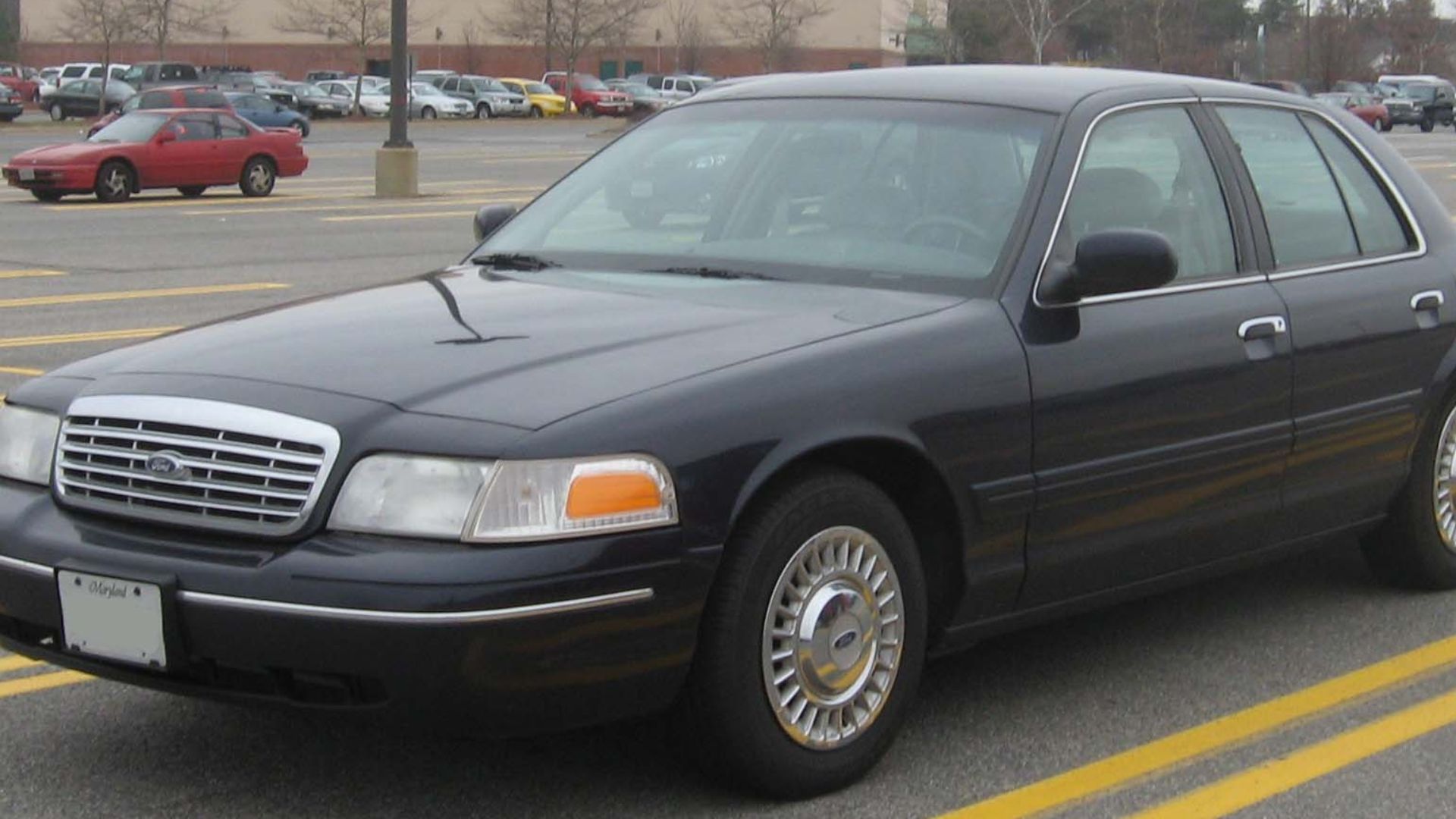
The Ford Crown Victoria
The Crown Victoria outlived almost all its competitors because people simply trusted them. Boomers loved the roomy cabins, soft ride, and old-school simplicity. They weren’t flashy, but they felt dependable in a way many modern vehicles honestly don’t anymore. Also, everybody still instinctively taps the brakes when one appears in the mirror.
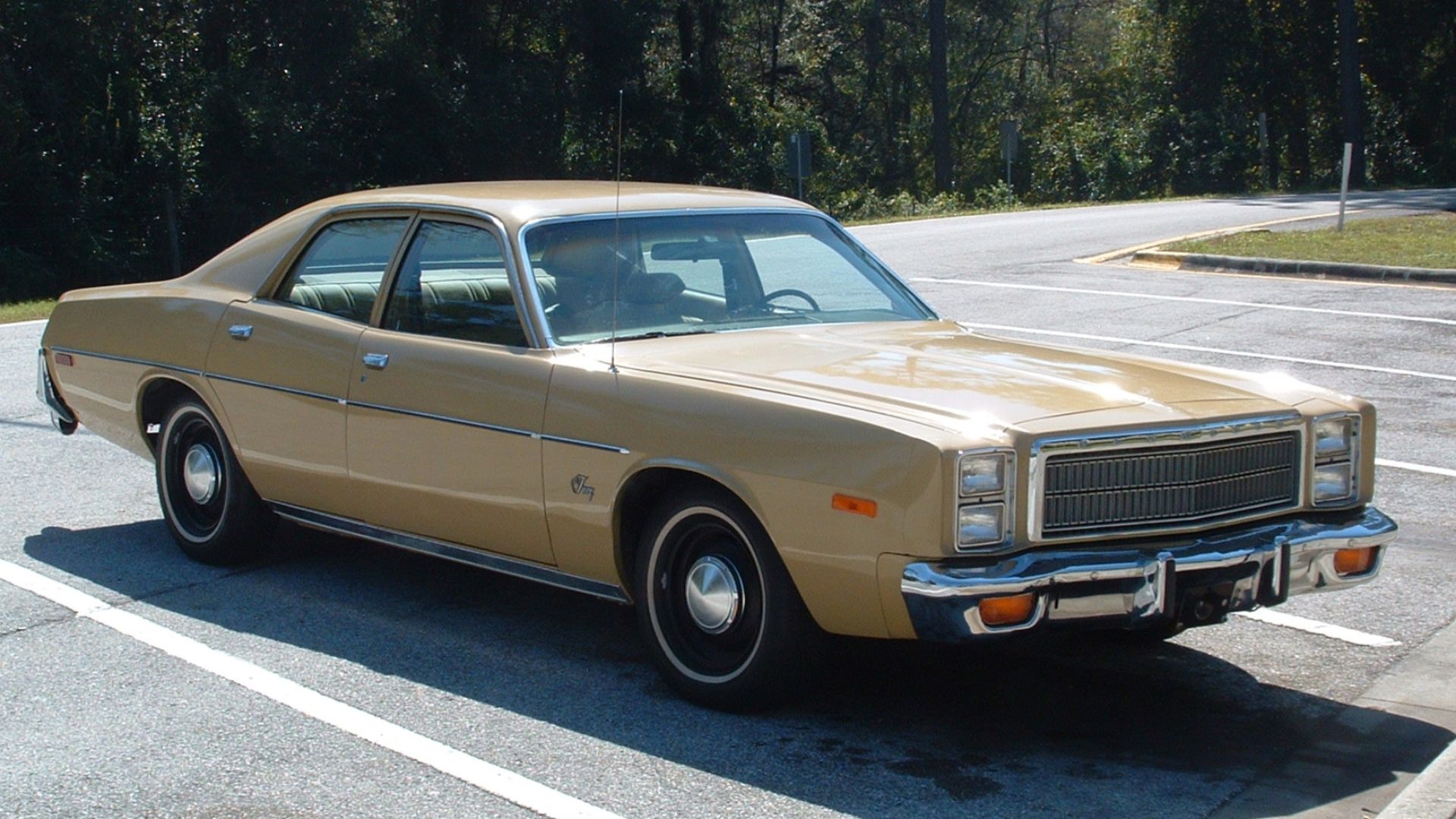
The Plymouth Fury
The Plymouth Fury spent years as one of America’s dependable full-size workhorses. Police departments used them. Taxi fleets used them. Families used them. Basically everybody trusted these things to survive abuse, and somehow they usually did. They weren’t glamorous, but they were everywhere for a reason.
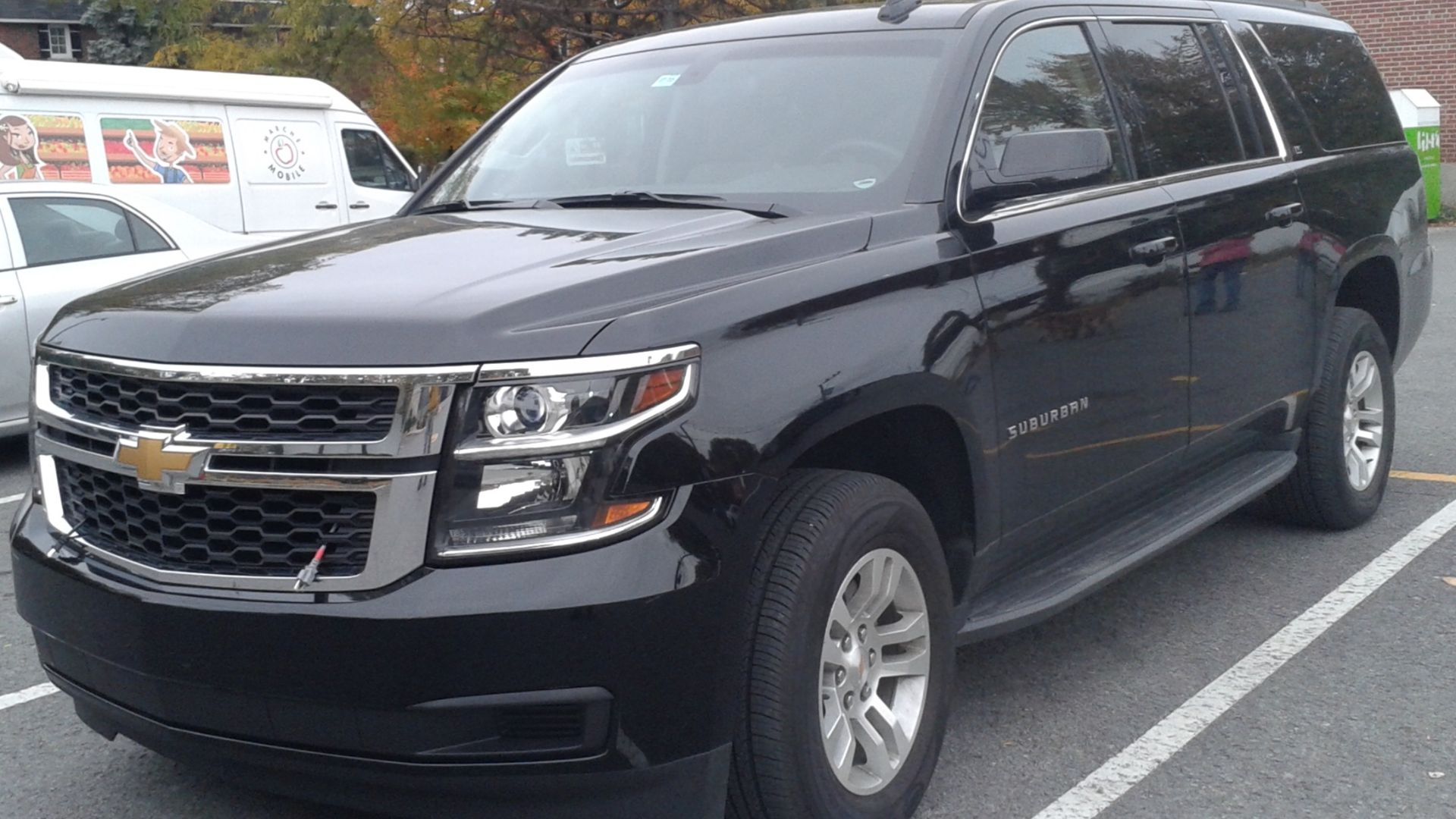
The Chevrolet Suburban
Technically, SUVs already existed long before SUVs took over. But old-school Suburbans felt completely different from the luxury family tanks we know today. Boomers loved them because they were rugged, roomy, and could haul basically anything. These were still work vehicles first and family vehicles second—which honestly made them cooler.
The End Of The Giant Car Era
By the 90s and early 2000s, SUVs slowly replaced these giant sedans and wagons almost everywhere. Families liked the higher seating position, cargo flexibility, and eventually all-wheel drive. Meanwhile, fuel economy rules and changing tastes slowly killed off the massive cruisers boomers once adored.
But honestly? A lot of those old cars still had more personality than today’s endless sea of gray crossovers.
 Biswarup Ganguly, Wikimedia Commons
You Might Also Like:
Driving Habits That Older Boomers Have, But Younger Boomers Don't—According To Data

.jpg)