There Was A Lot More Than Luggage Back There
Open an old car’s trunk, and you could learn quite a bit about the person driving it. Some carried just enough to handle a flat. Others apparently expected to rebuild half the car before reaching their destination.
And a few of those objects would leave plenty of modern drivers wondering which end to hold.

The Family Car Came With Some Responsibilities
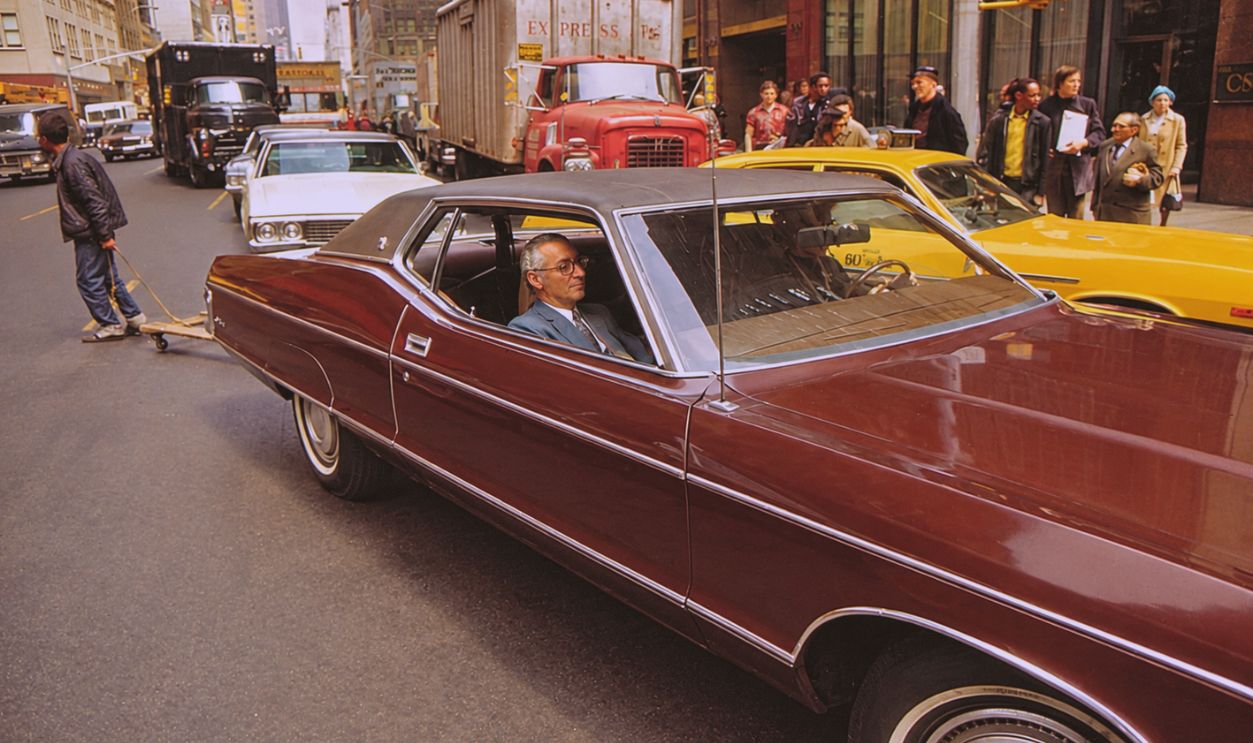
The oldest Baby Boomers were getting behind the wheel during the 60s, while younger Boomers watched their parents deal with roadside trouble: Bring the supplies, learn a few repairs, and hopefully make it home without calling anyone.
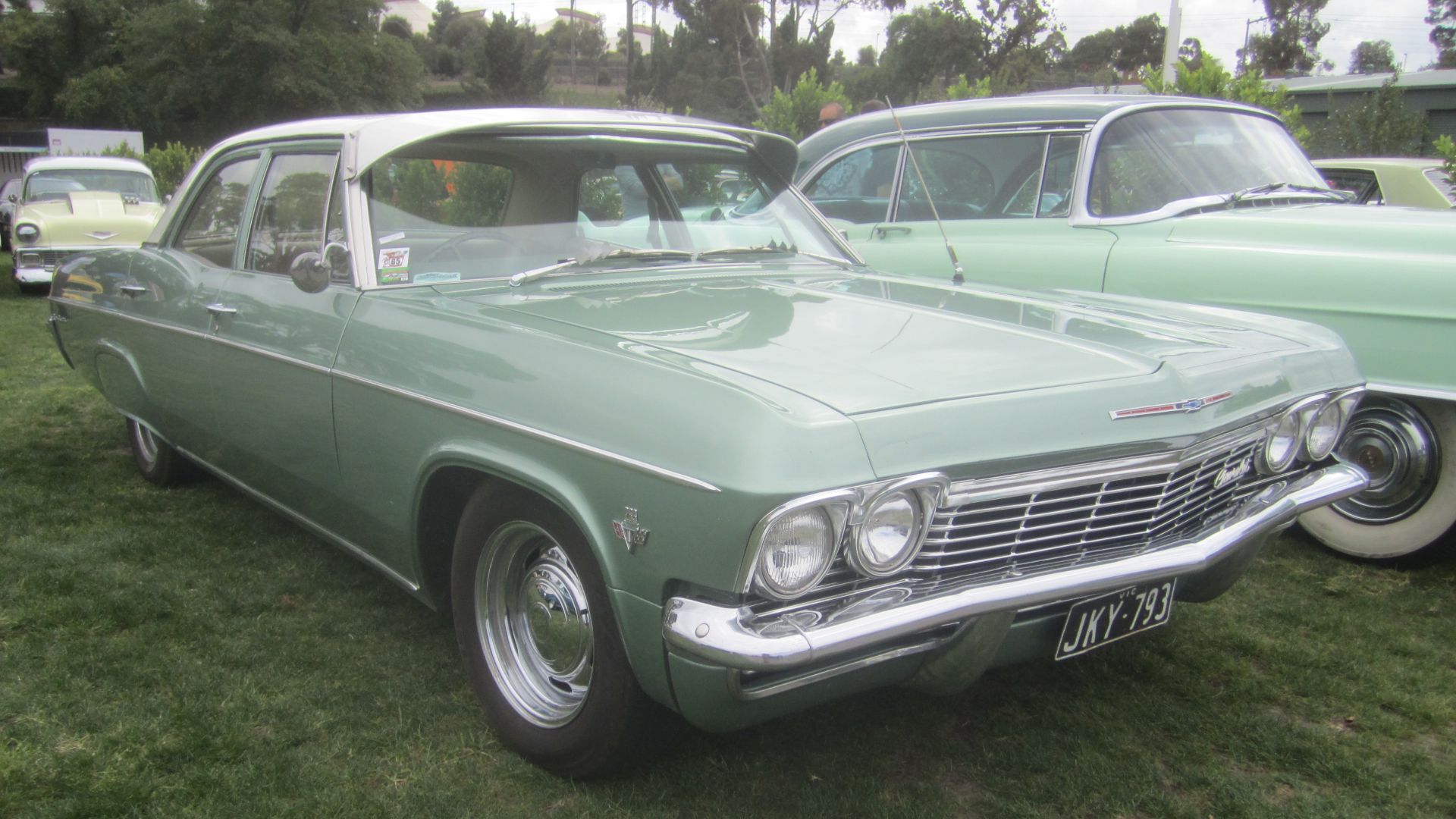
 Dan McCoy, Wikimedia Commons, Modified
A Bumper Jack
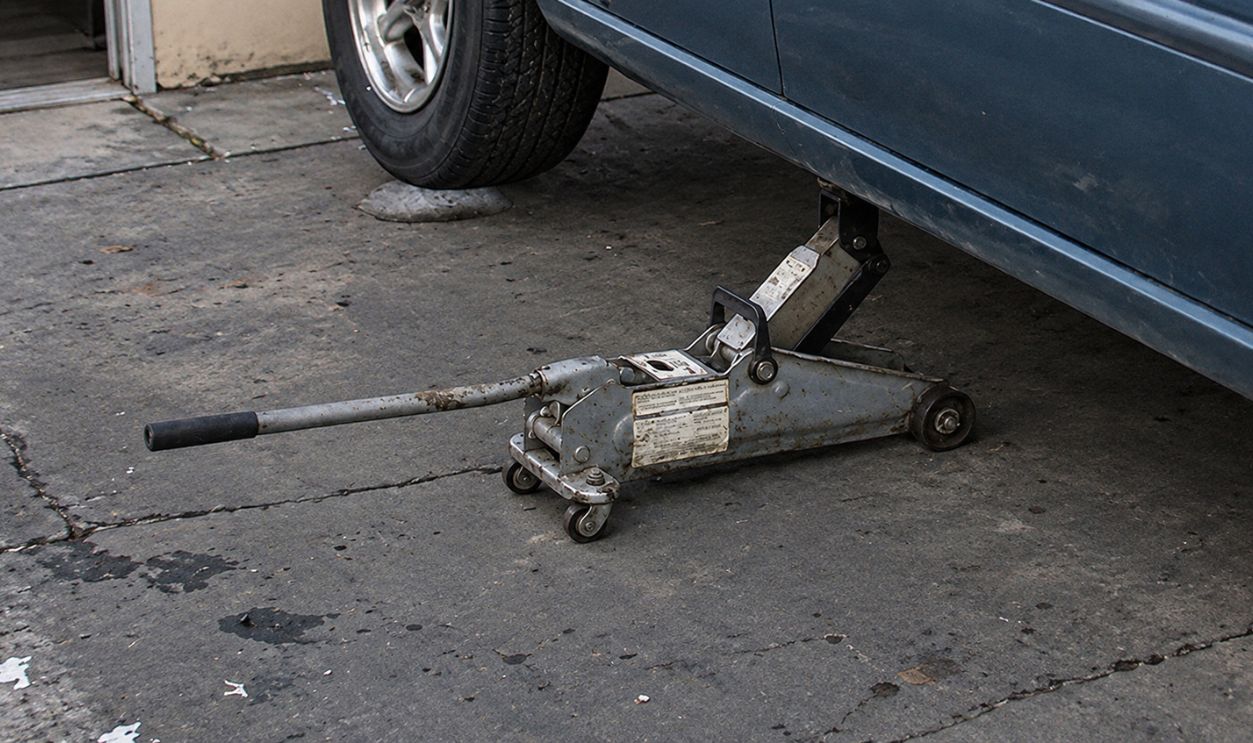
That tall metal contraption rattling around beside the spare tire had a very specific job. It lifted the car by its bumper, with the handle working a ratcheting mechanism. Watching a big sedan rise on that narrow base could make anyone nervous. Modern plastic bumper covers certainly weren’t designed for the same treatment.
An Oil-Can Spout
Before topping up the engine meant unscrewing a plastic cap, motor oil came in sealed cans. The reusable metal spout pierced the top and provided somewhere for the oil to pour. Drivers carrying spare quarts had a reason to keep one handy. Without it, that simple roadside top-up suddenly required a little more imagination.

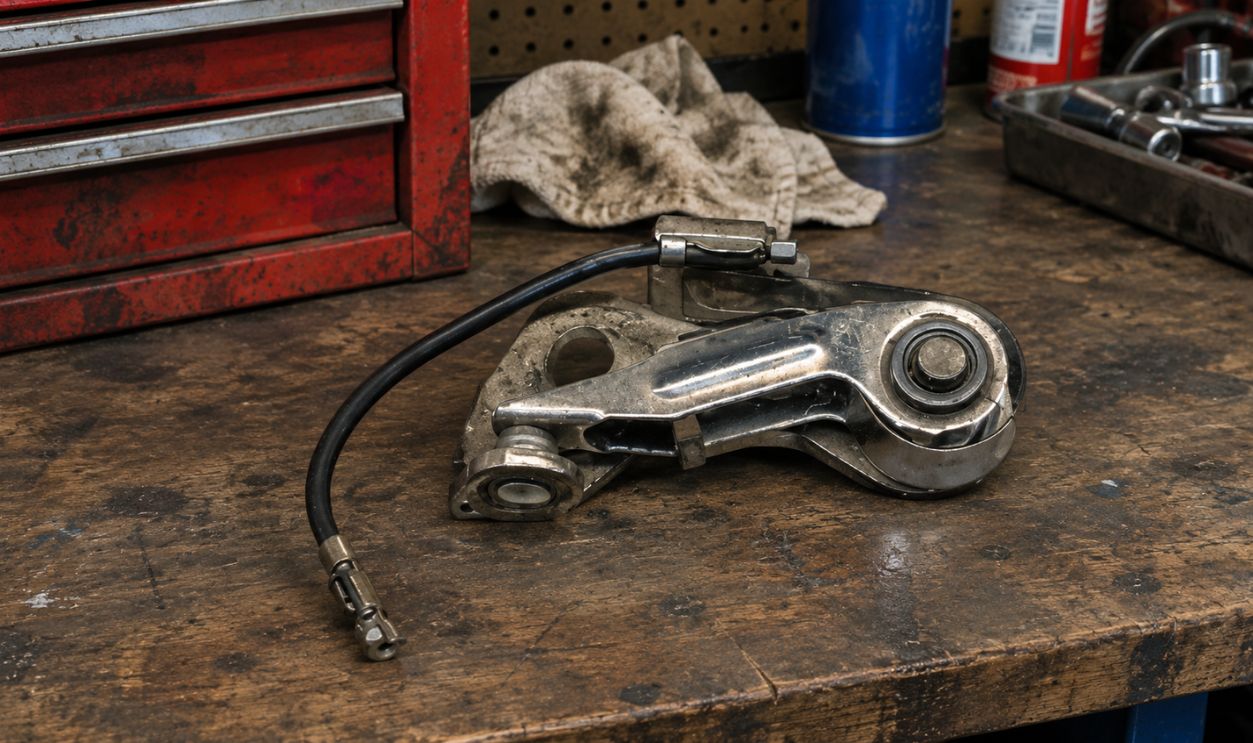
Spare Points And A Condenser
These little ignition parts could mean the difference between continuing the trip and finding a ride home. Mechanically minded drivers sometimes carried replacements because conventional ignition systems depended on them. Today, someone could drive for decades without ever handling a set of contact points. Back then, knowing what they did could save the afternoon.
 Sonett72 at English Wikipedia, Wikimedia Commons, Modified
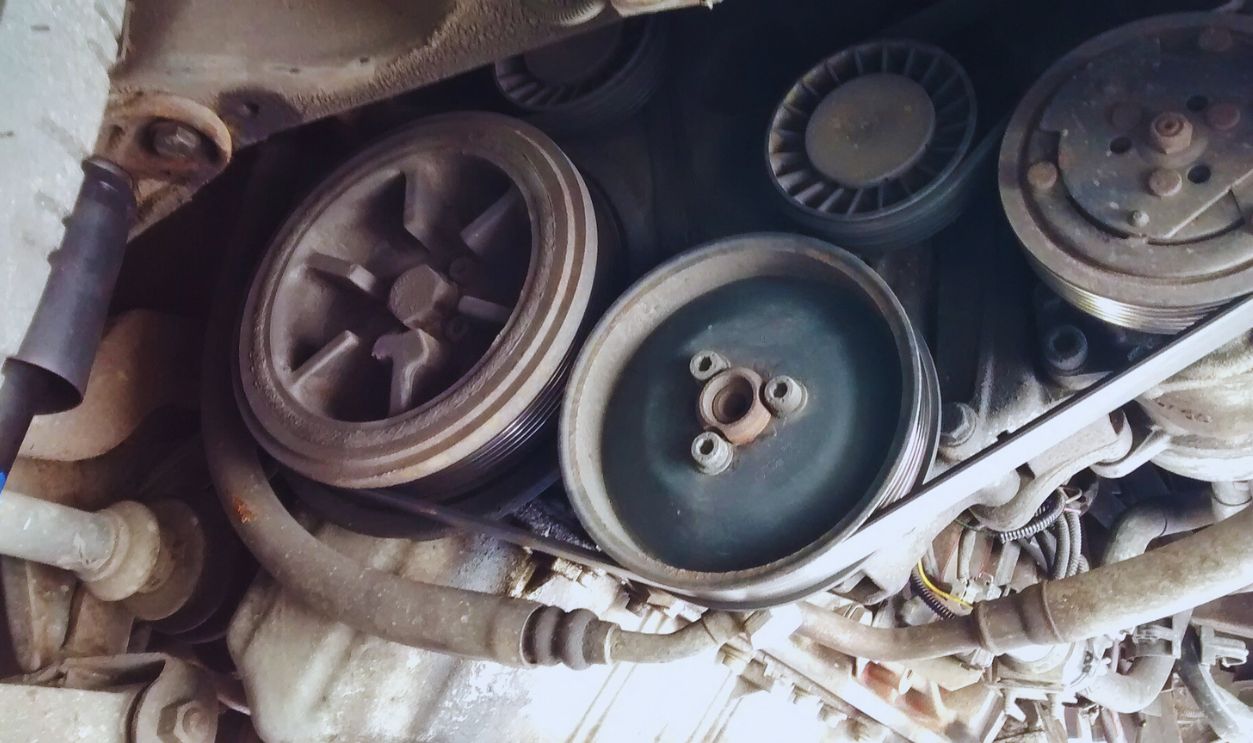
A Spare Fan Belt
A spare belt could sit inside the spare wheel or disappear beneath the tool bag until the day it became the most valuable object in the trunk. On many cars, a broken belt could stop important engine accessories from working. Carrying the correct replacement gave a capable driver a chance to get moving again.
A Feeler Gauge
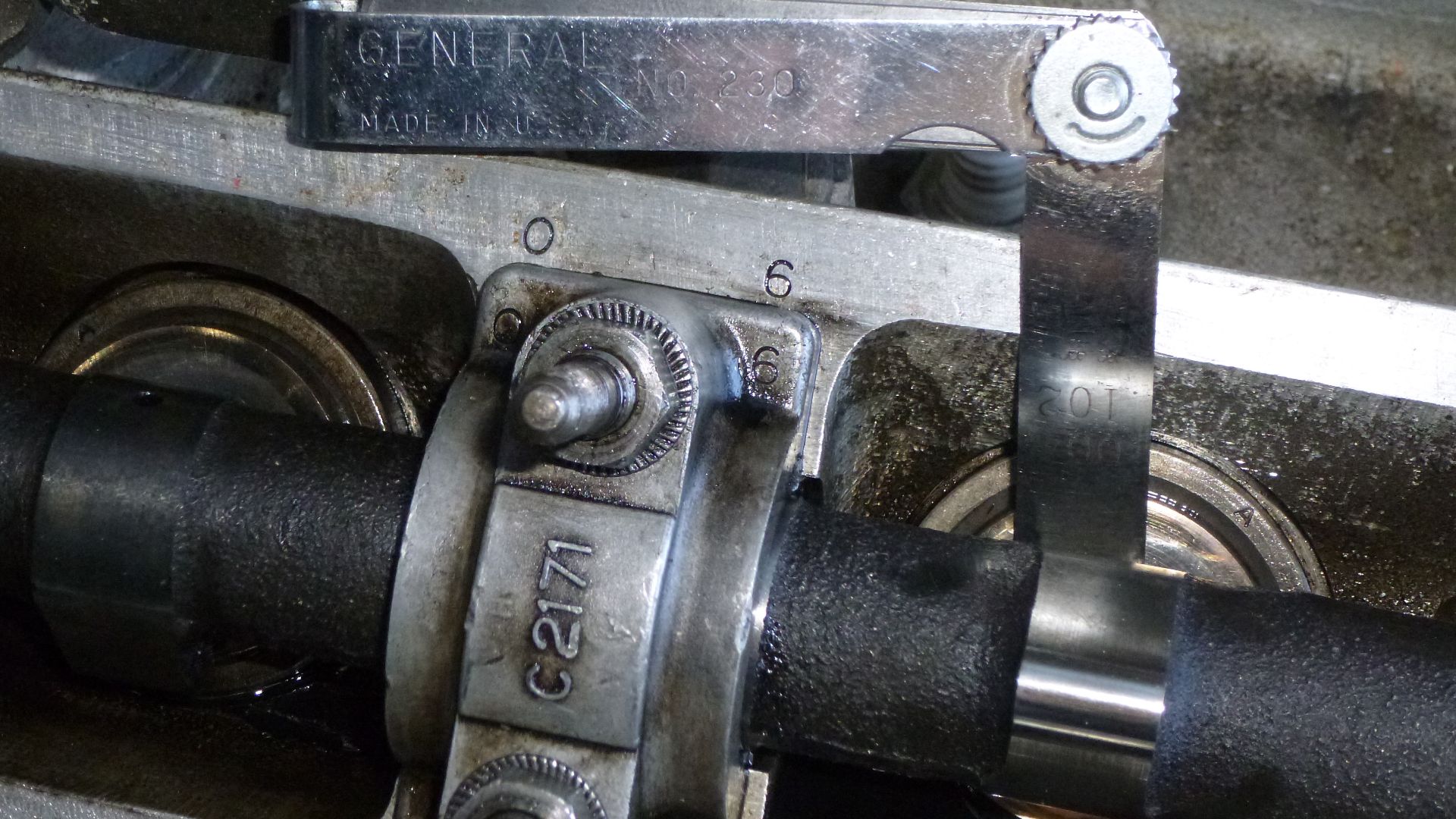
It looked like a little folding collection of metal leaves, each marked with a different thickness. Those leaves helped check precise clearances, including the gap between ignition points on applicable systems. For the driver who intended to do more than stare helplessly under the hood, this small tool earned its place among the roadside supplies.
A Spare-Tire Inflator Bottle
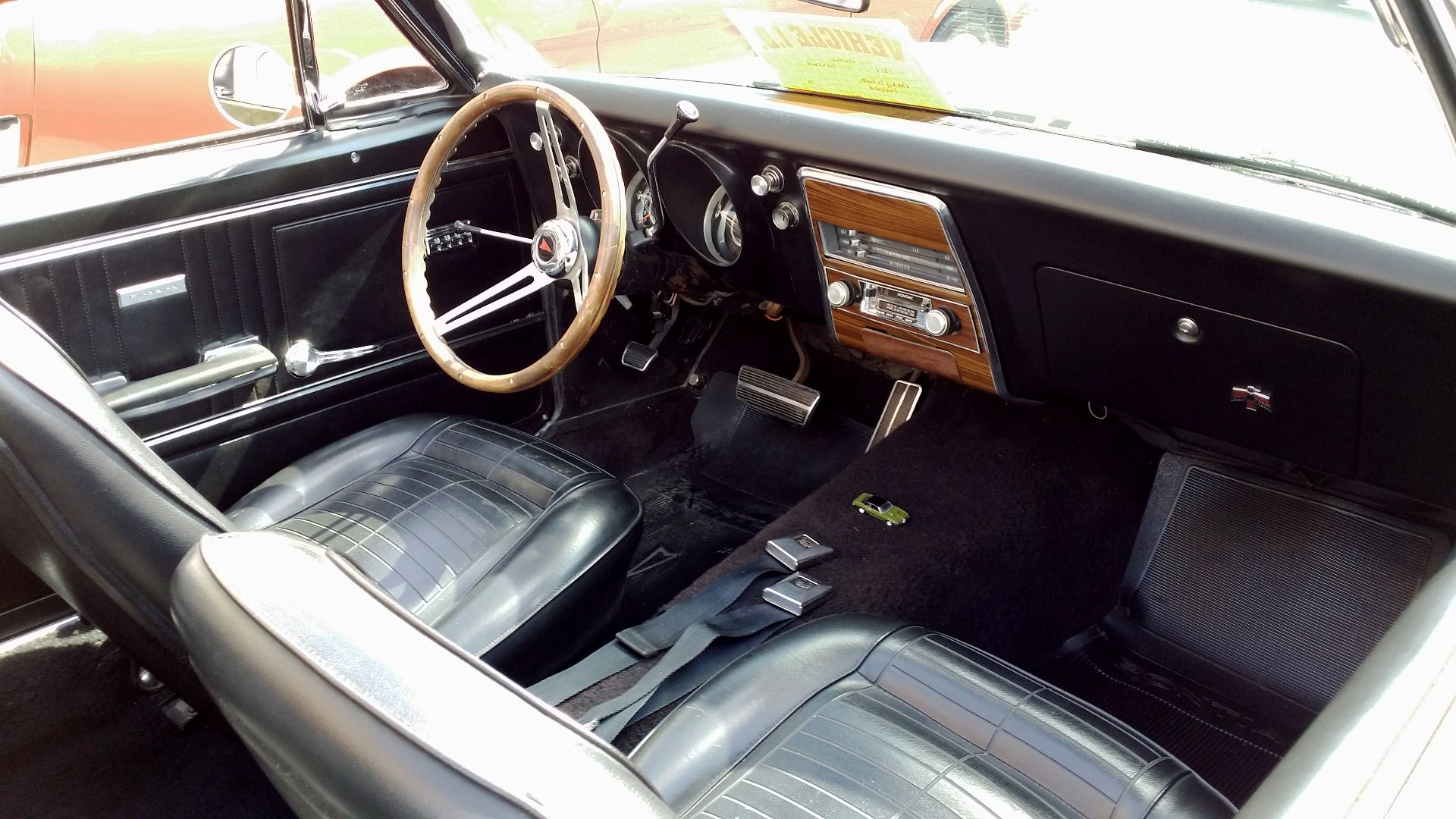
The 1967 Pontiac Firebird carried an unusual space-saving spare: its tire was stored deflated, with a separate compressed-gas can supplied to inflate it when needed. Imagine discovering that the spare itself needed another piece of equipment before it could help. Misplacing that little can could turn a routine flat into a much longer afternoon.
 Eric Friedebach, Wikimedia Commons
A Combination Spark-Plug And Wheel-Bolt Wrench
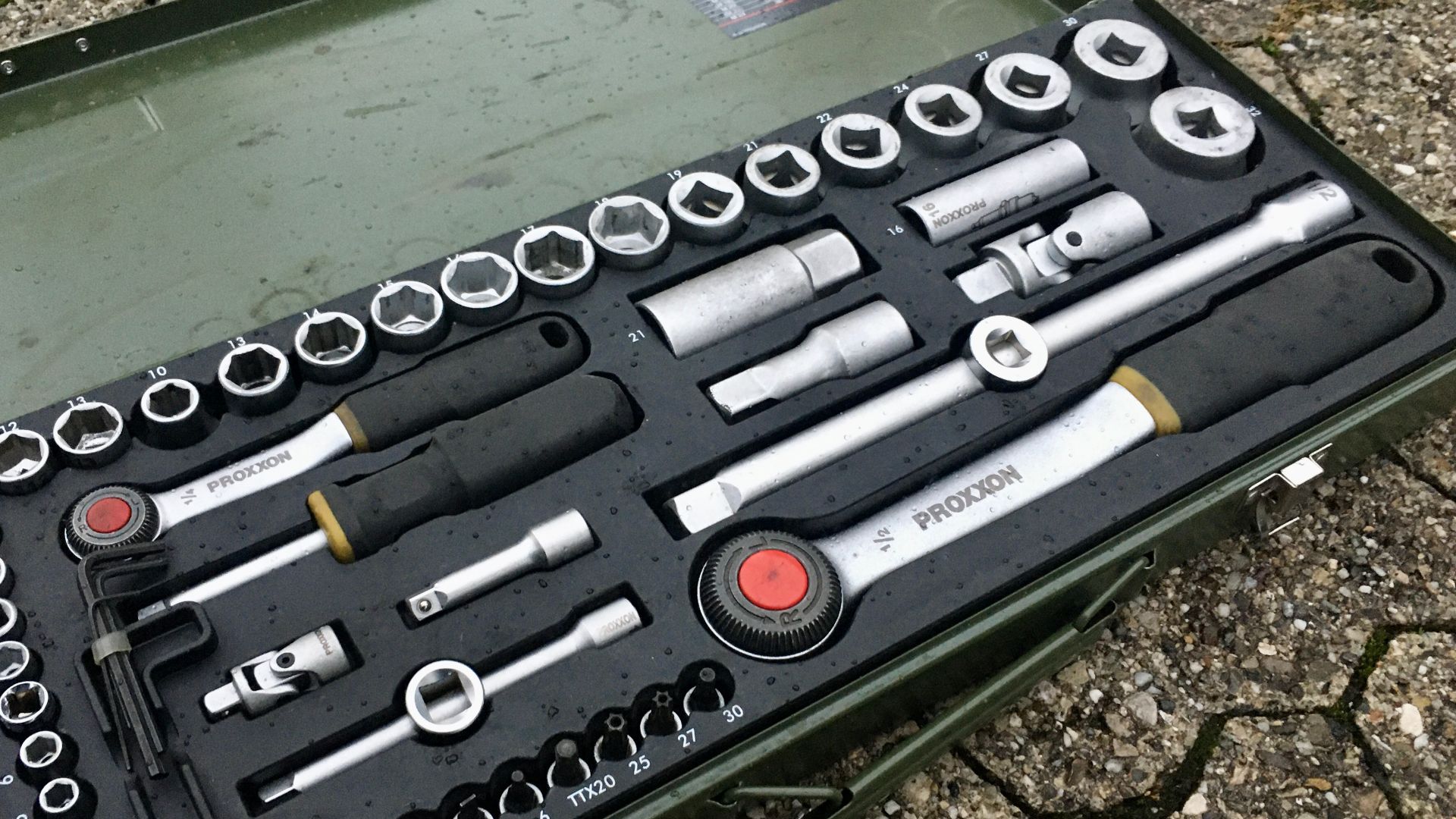
Volkswagen owners had an unusual tool tucked into the front luggage compartment. The company’s 1969 manual lists a socket wrench for both wheel bolts and spark plugs, plus an operating bar that also worked the jack. One modest-looking tool covered several jobs. Someone finding it loose today might struggle to identify even the first one.
 Pittigrilli~commonswiki, Wikimedia Commons
A Rubber Mallet For The Hubcaps
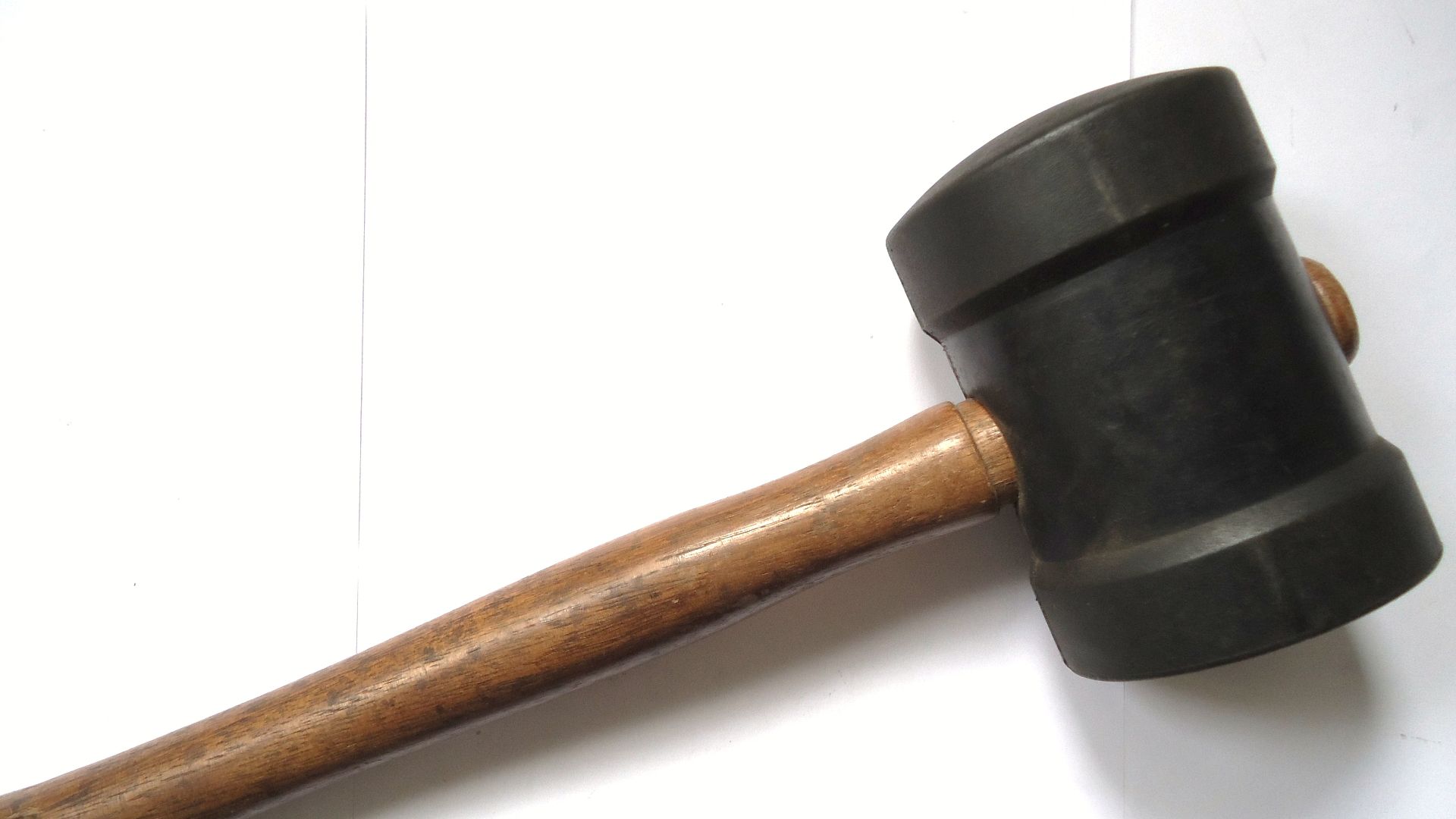
Yes, a rubber mallet actually appeared in roadside kits for putting hubcaps back on. Full wheel covers were part of the look, and getting one seated again could require some persuasion. It’s a wonderfully specific reminder of the era: even after changing the tire, there was still a little cosmetic business to finish.
 Mauro Cateb, Wikimedia Commons
A Selection Of Glass Fuses
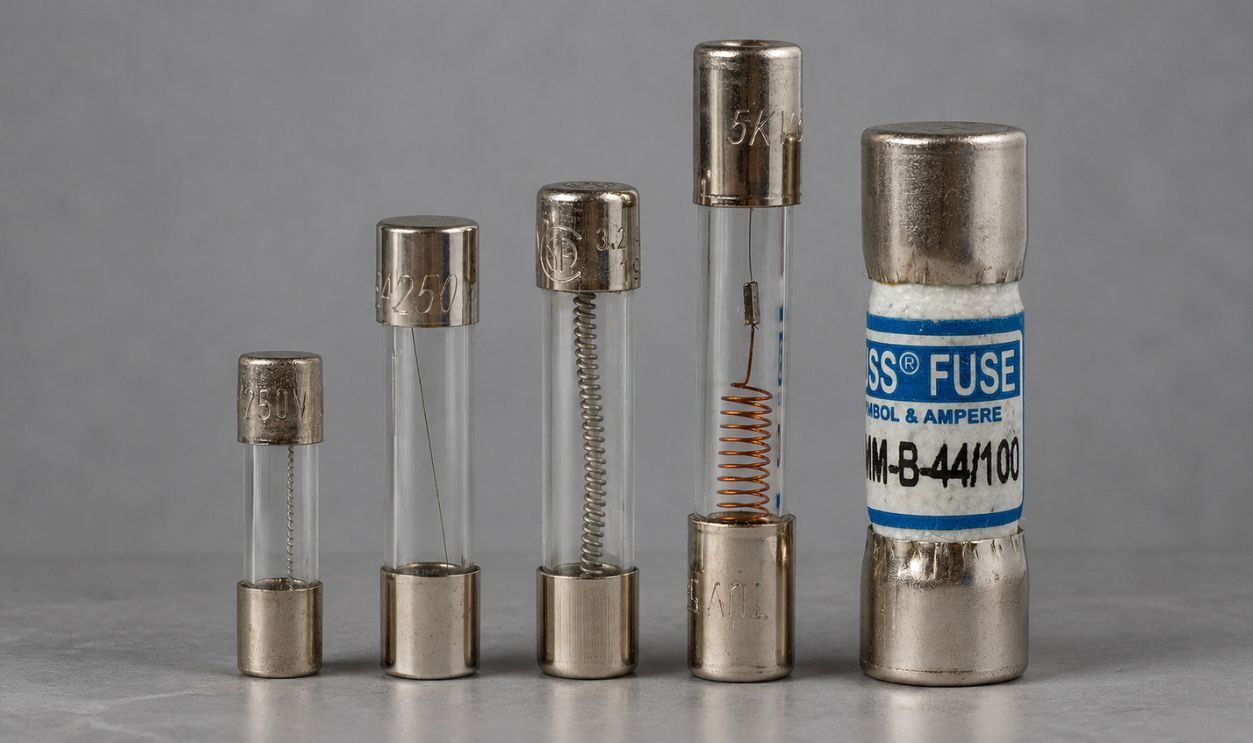
Those little glass cylinders with metal ends were worth keeping somewhere they wouldn’t get crushed. Many cars used them to protect electrical circuits, and the correct spare could restore an accessory that had suddenly stopped working. A driver’s collection might look insignificant until the heater blower or another useful feature quit at the wrong moment.
 Medvedev, Wikimedia Commons, Enhanced
A Trouble Light With A Long Cord
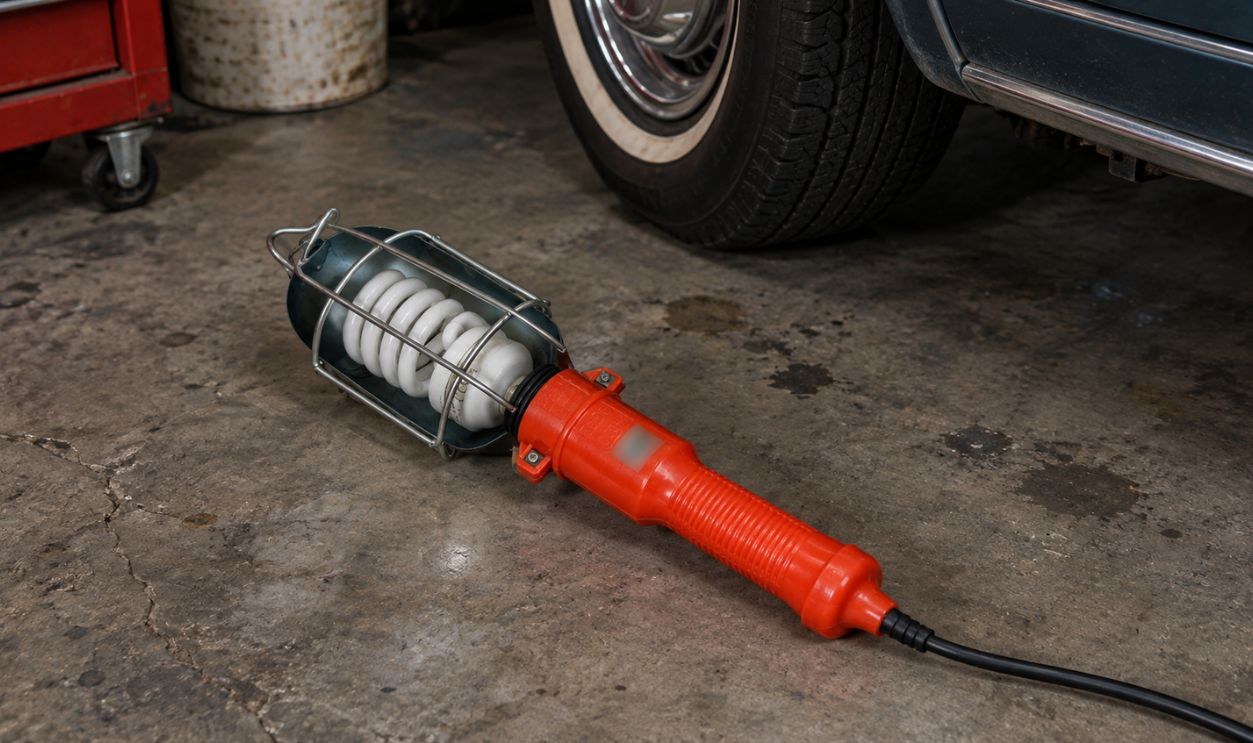
A flashlight was useful, but a dedicated automotive trouble light could leave both hands available for the repair. Depending on the design, it drew power through battery clips or the car’s accessory socket. Hung or positioned near the problem, it made an evening breakdown slightly less dependent on someone holding a light steady.
 Carnby, Wikimedia Commons, Enhanced
A Points File
This tiny file had a much more specific assignment than the larger tools in the box. It cleaned dirty ignition contacts, while the feeler gauge checked their spacing. Chevrolet’s 1965 service instructions called for a clean, fine-cut contact file. A mechanically minded owner could carry one without sacrificing much room for the family’s luggage.
Road Flares
A package of flares gave a stranded driver a way to warn approaching traffic after dark. These were familiar emergency supplies long before compact LED warning lights arrived. They haven’t disappeared, but opening the trunk and preparing a burning roadside signal is an experience plenty of younger drivers have managed to avoid.

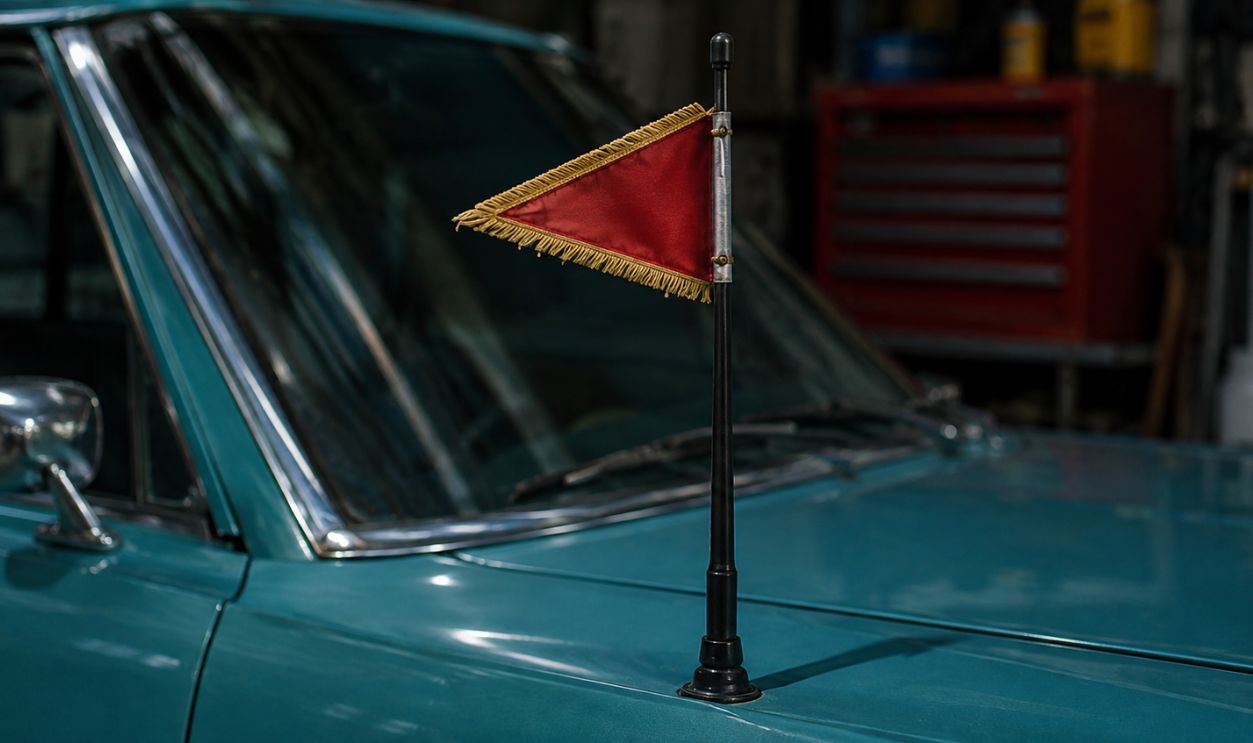
An Emergency Flag For The Antenna
Some roadside kits included a distress flag designed to attach to the car’s antenna. It gave passing motorists another clue that the car’s occupants needed help. That little accessory depended on something else that has become less familiar: a long external antenna standing high enough to make a useful flagpole.
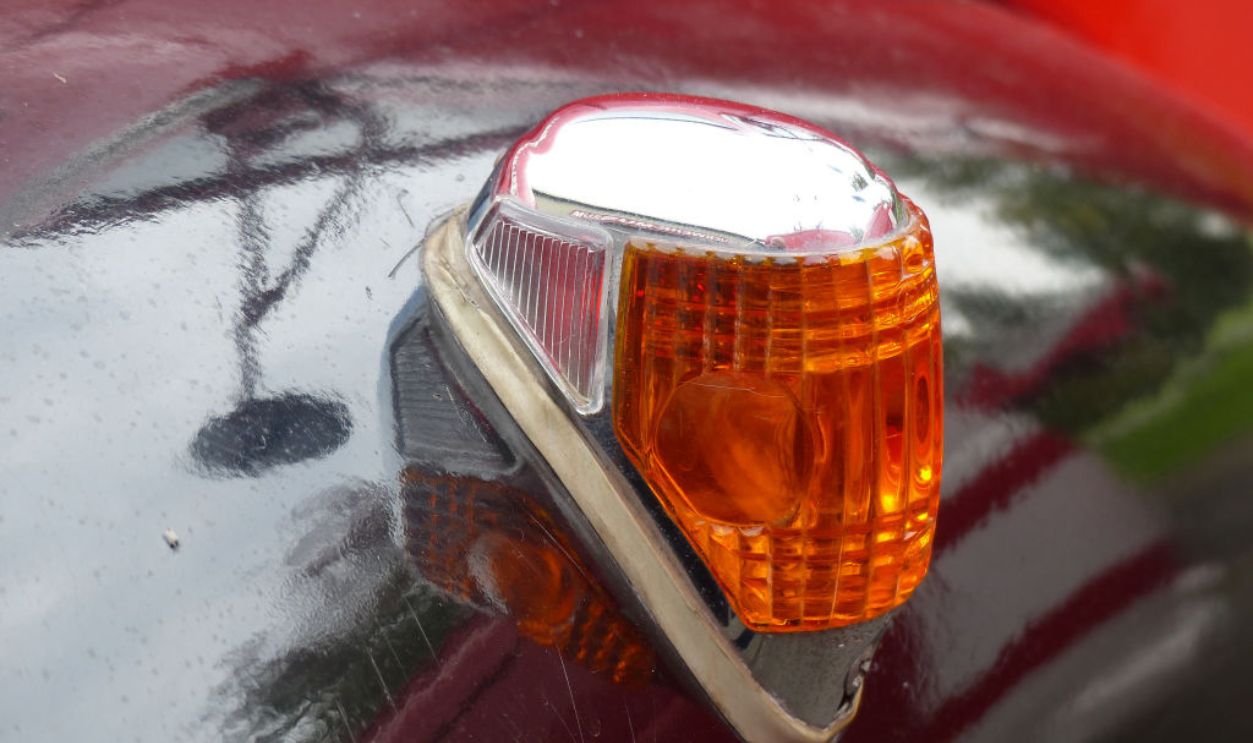
A Magnetic Warning Blinker
Portable warning lights appeared in 60s emergency kits, including versions that attached magnetically to the car. One catalog offered a carrying case that also served as a reflector and stand for its blinker. A stranded driver could reach into the trunk and set up a small warning display while waiting for assistance.
A Collapsible Gas Carrier
Running out of fuel created an awkward question: even after finding a station, how would the driver bring any back? Period emergency kits offered collapsible carriers that took up relatively little space when empty. They were a very specific answer to a problem that could otherwise involve a long walk followed by an uncomfortable conversation.

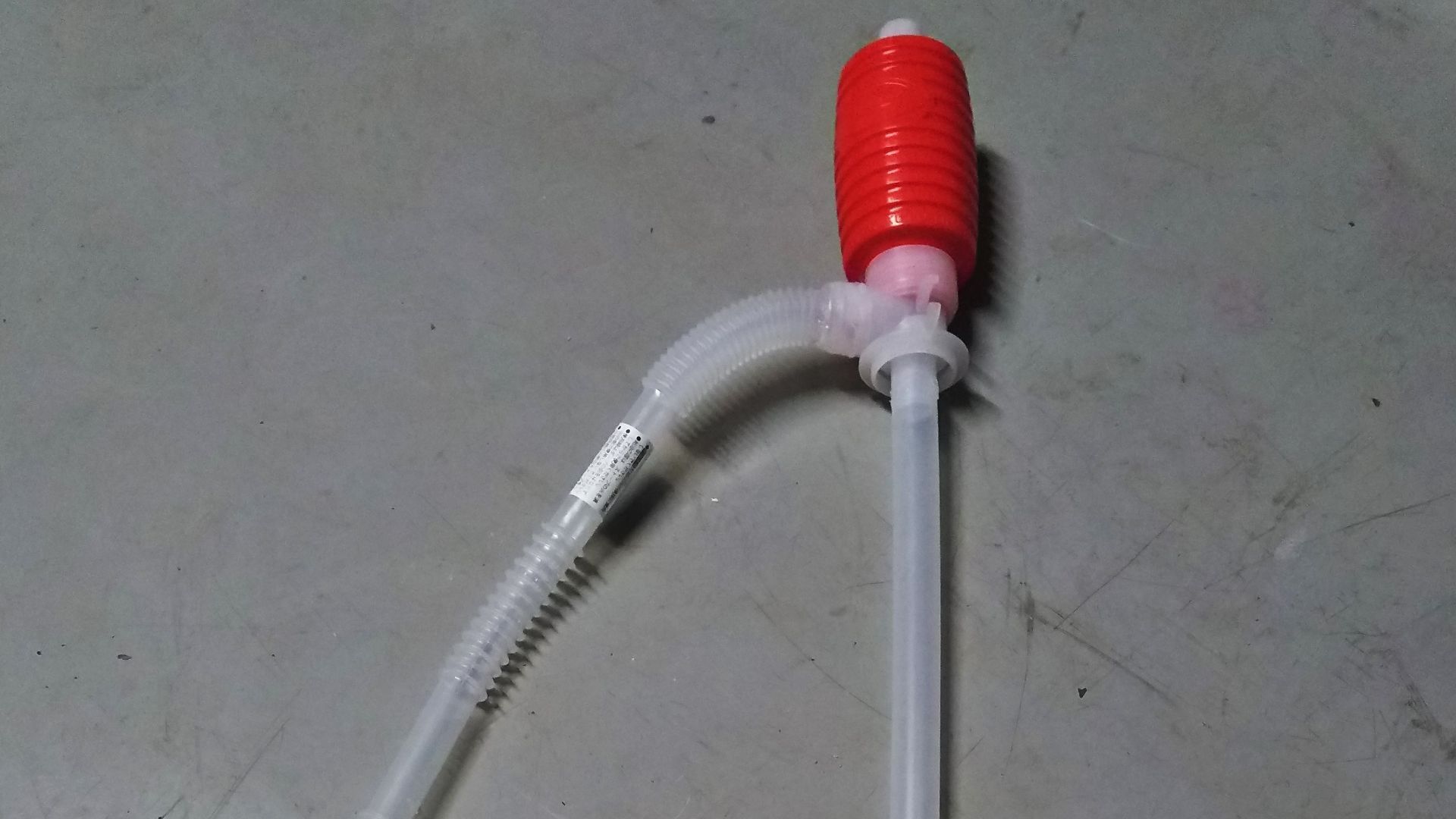
A Hand-Operated Siphon
Accessory catalogs also sold siphons for transferring liquids, including fuel, and some roadside kits included one. To a resourceful owner, it was another possible answer when the car stopped somewhere inconvenient. The equipment belongs to the period, although the improvised fuel-handling habits people remember from those days certainly aren’t all worth bringing back.
A Set Of Tire Chains
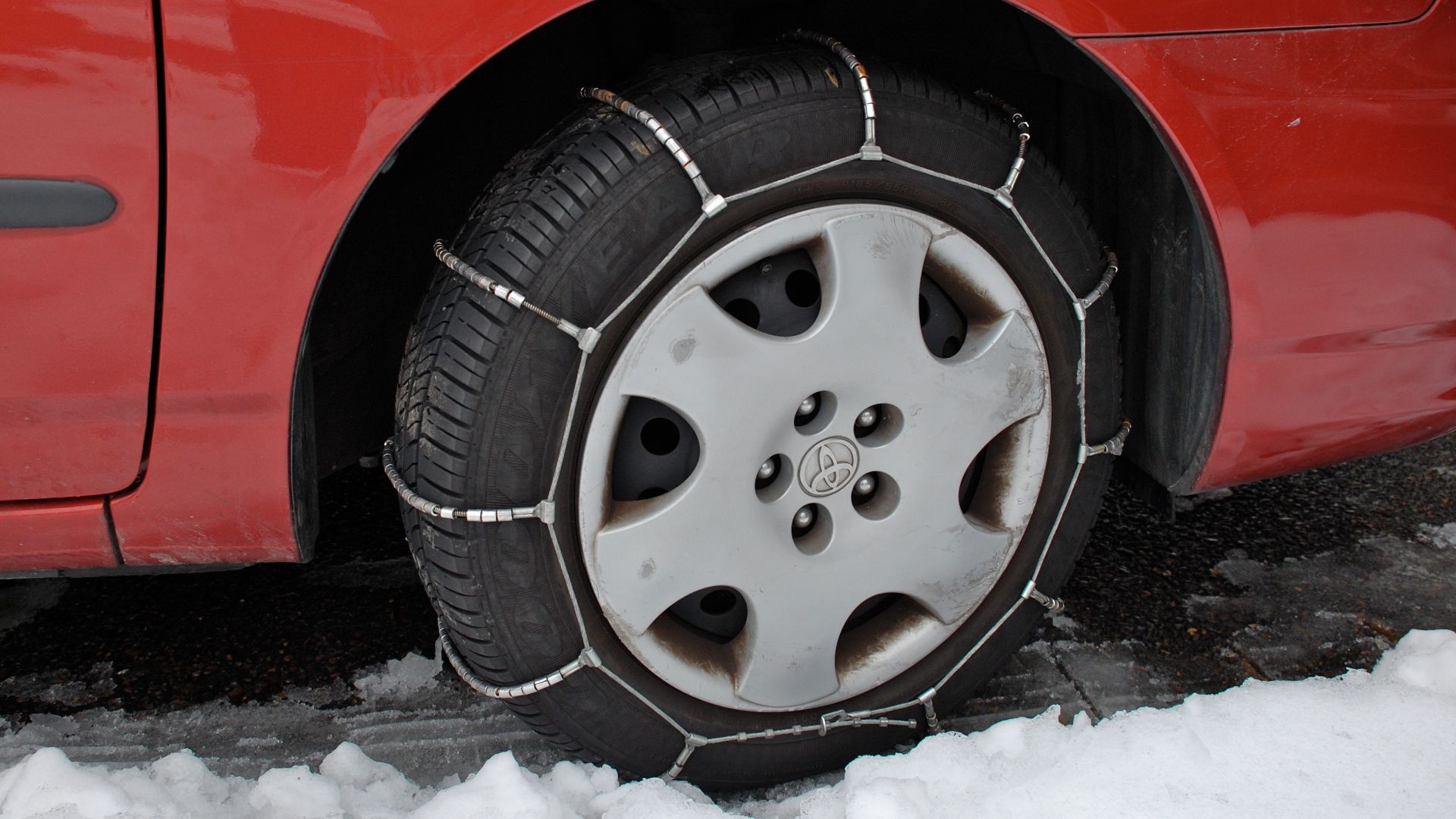
In snowy regions, tire chains could become a seasonal resident of the trunk. Getting them fitted meant dealing with cold metal, awkward fastenings, and weather that rarely improved anyone’s patience. Chains remain useful in certain conditions today, but many drivers have never experienced unpacking a tangled set beside an old rear-wheel-drive sedan.
 Steve Morgan, Wikimedia Commons
A Copper-And-Hide Wheel Mallet
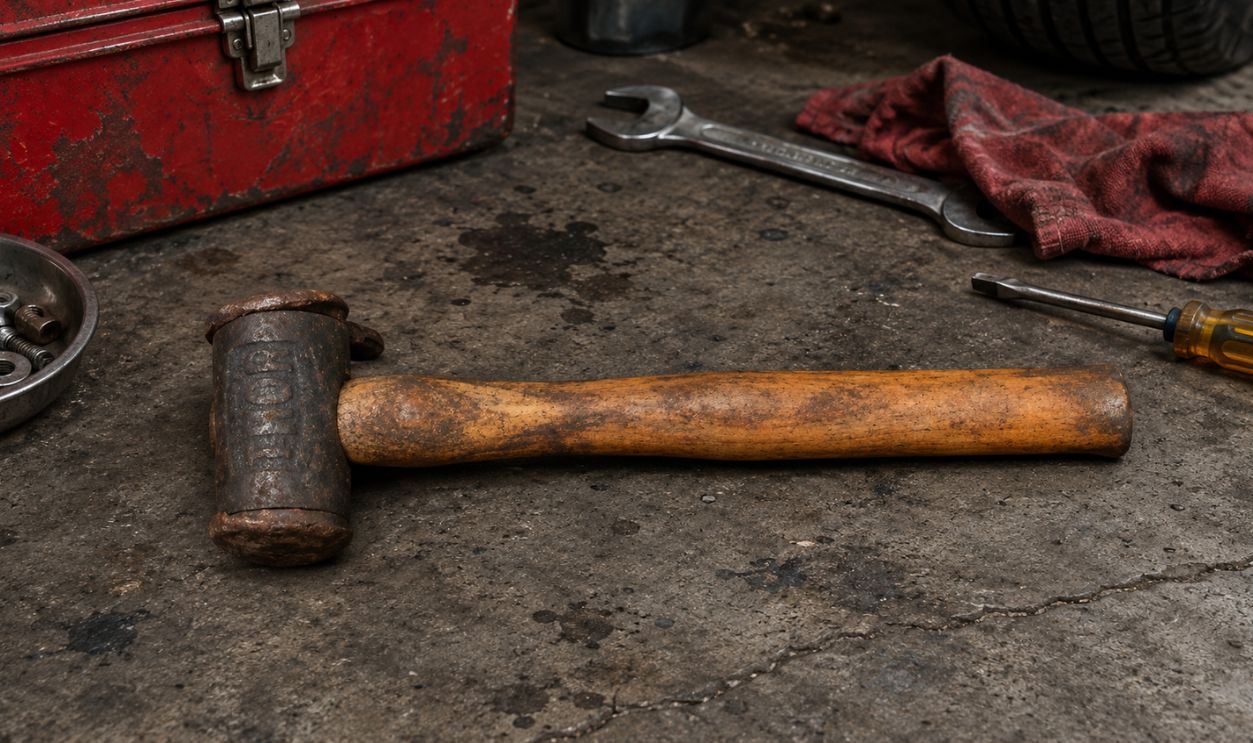
Certain British sports cars brought an entirely different hammer into the picture. Jaguar’s early E-Type instructions describe using a copper-and-hide mallet on the central fasteners securing its wire wheels. This wasn’t for tapping decorative covers into place. The mallet helped release and secure the actual wheels, which gave it a rather important place among the equipment.
 The original uploader was Securiger at English Wikipedia., Wikimedia Commons, Modified
A Paper Repair Manual
For the driver carrying spare ignition parts and tools, a repair manual helped make sense of the job. Diagrams, specifications, and troubleshooting instructions were available without a signal, a charged phone, or a video introduction. A well-used copy could become as much a part of the car as the equipment stored beside it.

The Trunk Was Part Of The Backup Plan
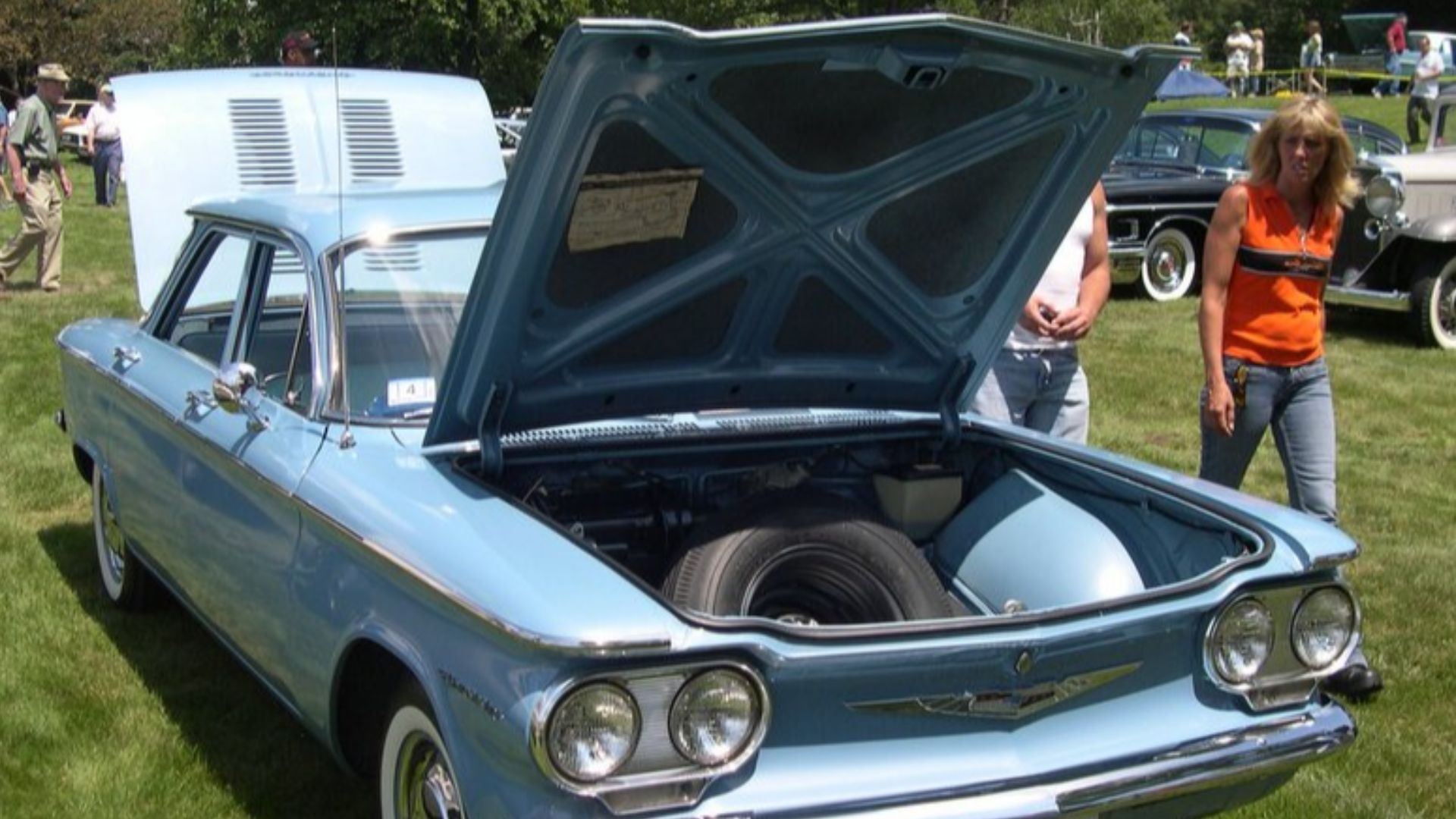
Some of these objects disappeared as cars changed. Others survive in garages, classic-car toolkits, and emergency supplies. Together, they explain why an older driver might open a modern trunk and immediately start asking what’s missing.
 Stephen Foskett (Wikipedia User: sfoskett), Wikimedia Commons
You Might Also Like:
Muscle Cars That Were Everywhere In The 1970s—But Are Rarely Seen Today
When An Eight-Track Player Was One Of The Most Expensive Options In A New Car
Cars You Could Actually Buy Brand-New For Less Than $2,000 In The 1960s—Were They Worth It?