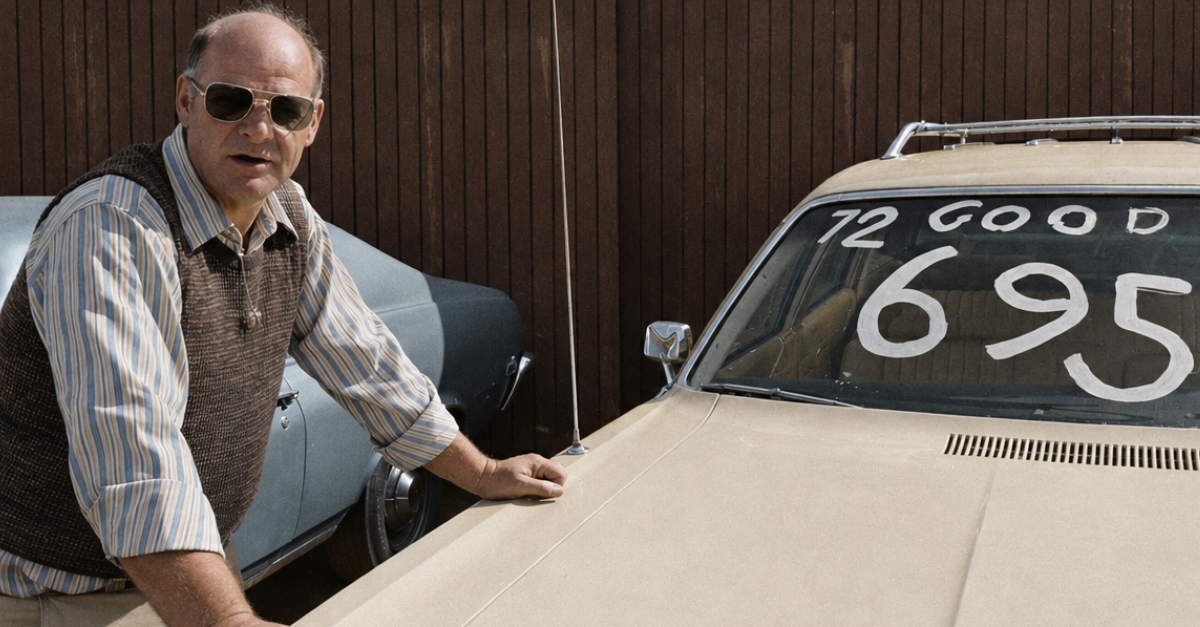
Apparently, The Handshake Cost Extra
The price was settled. Hands were shaken. Then the buyer came back to pay—and the dealer wanted over $2,000 more. Can a dealership really change the deal that easily? What happened during that first visit could make a very expensive difference.
The Dealer Sounds Pretty Sure
The dealership might brush off the objection with "prices change" or "nothing was signed." That can sound final coming from someone who sells cars every day. But before the buyer accepts that explanation, there's a little more to this situation than the sales desk might suggest.

A Handshake Can Mean Something
Under U.S. contract law, an agreement doesn't always need a formal document to exist. Spoken agreements can have legal consequences, and conduct can help establish that both sides intended to make a deal. The problem is that enforcing the sale of a car brings another requirement into the picture.

First, There Has To Be An Agreement
"We'll sell this car for $16,000, and the buyer agrees" is different from "We might be able to do $16,000." Any conditions matter, too. If the price still required management approval or another unresolved step, the buyer may have been hearing a proposal rather than a final commitment.

Was There A Deadline?
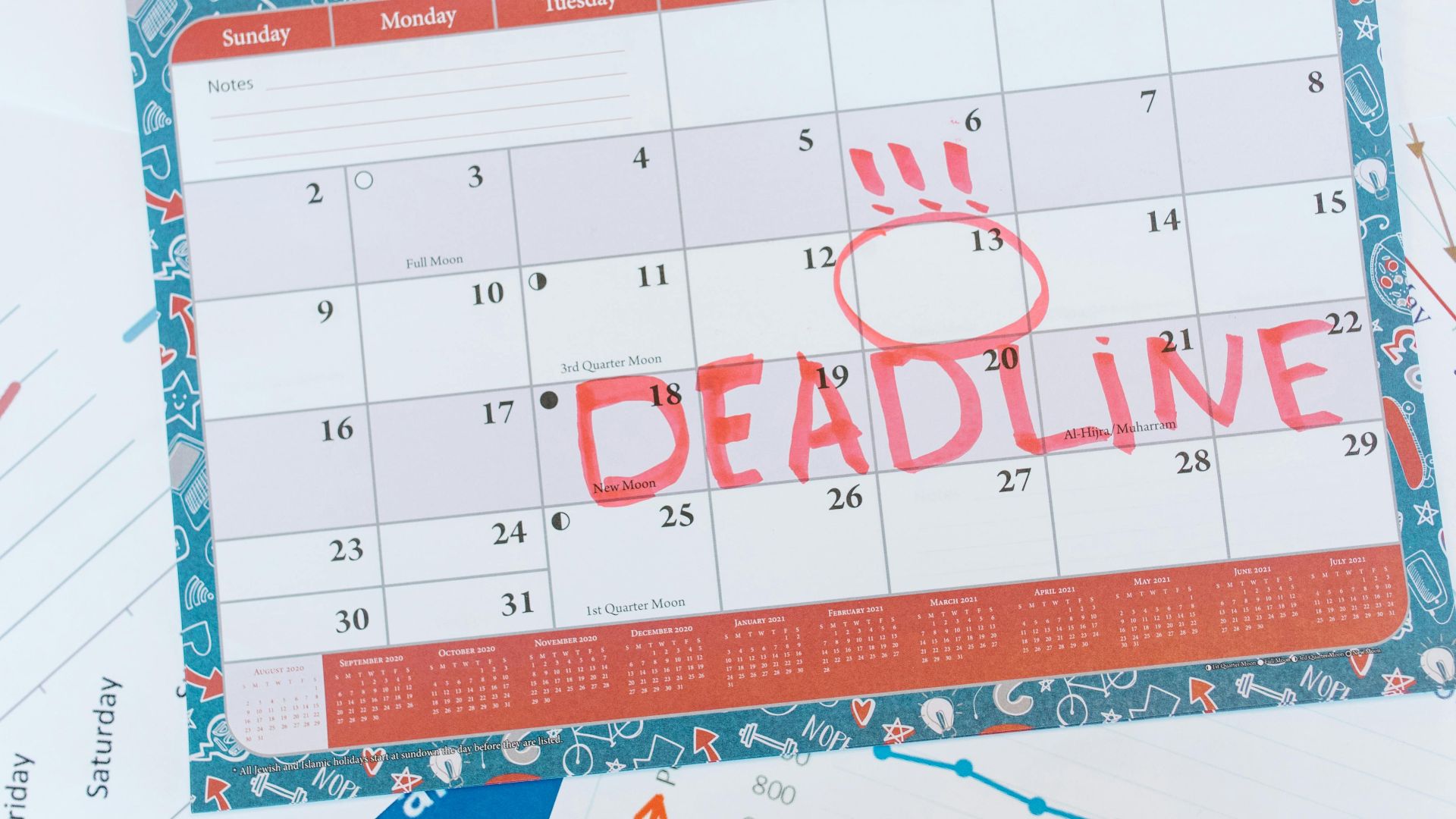
The timing deserves a closer look. An unaccepted offer limited to that day may expire, but an already binding purchase agreement is a different matter. Did both sides agree the buyer would return Saturday to pay? That detail could help establish whether they had completed negotiations or were still discussing a possible sale.
Check What The Price Included
The buyer should also compare the same numbers. A vehicle price and an out-the-door total can differ because of taxes and registration charges. Financing terms can change the overall cost, too. None of that automatically explains a $2,000 increase, but an itemized breakdown shows exactly where the money appeared.

The $500 Rule Is The Catch
In most states, the Uniform Commercial Code generally requires a signed written record to enforce a sale of goods priced at $500 or more, subject to exceptions. Used cars easily clear that threshold. State law and additional vehicle-sale requirements matter, so a handshake alone can leave the buyer in a difficult position.

The Dealer's Signature Matters
For enforcement against the dealership, the usual rule looks for a sufficient record signed by the dealer or an authorized representative. A document signed only by the buyer may fall short. The record must indicate an actual sales agreement; a piece of paper showing a price isn't automatically enough.

A Text Could Change The Picture
That record doesn't necessarily have to be a printed contract. A dealer's email or text confirming the car and agreed price could help satisfy the writing requirement. But it must also meet applicable signature requirements. A typed name can sometimes qualify; simply receiving a price by text doesn't automatically create an enforceable deal.

A Worksheet Isn't Always A Contract
Dealership paperwork can look impressively official while still saying "estimate," "subject to approval," or "not binding until accepted." The buyer should read the actual language and check who signed it. A completed buyer's order may be much stronger evidence than a worksheet used to move numbers around during negotiations.

A Deposit Can Matter, Too
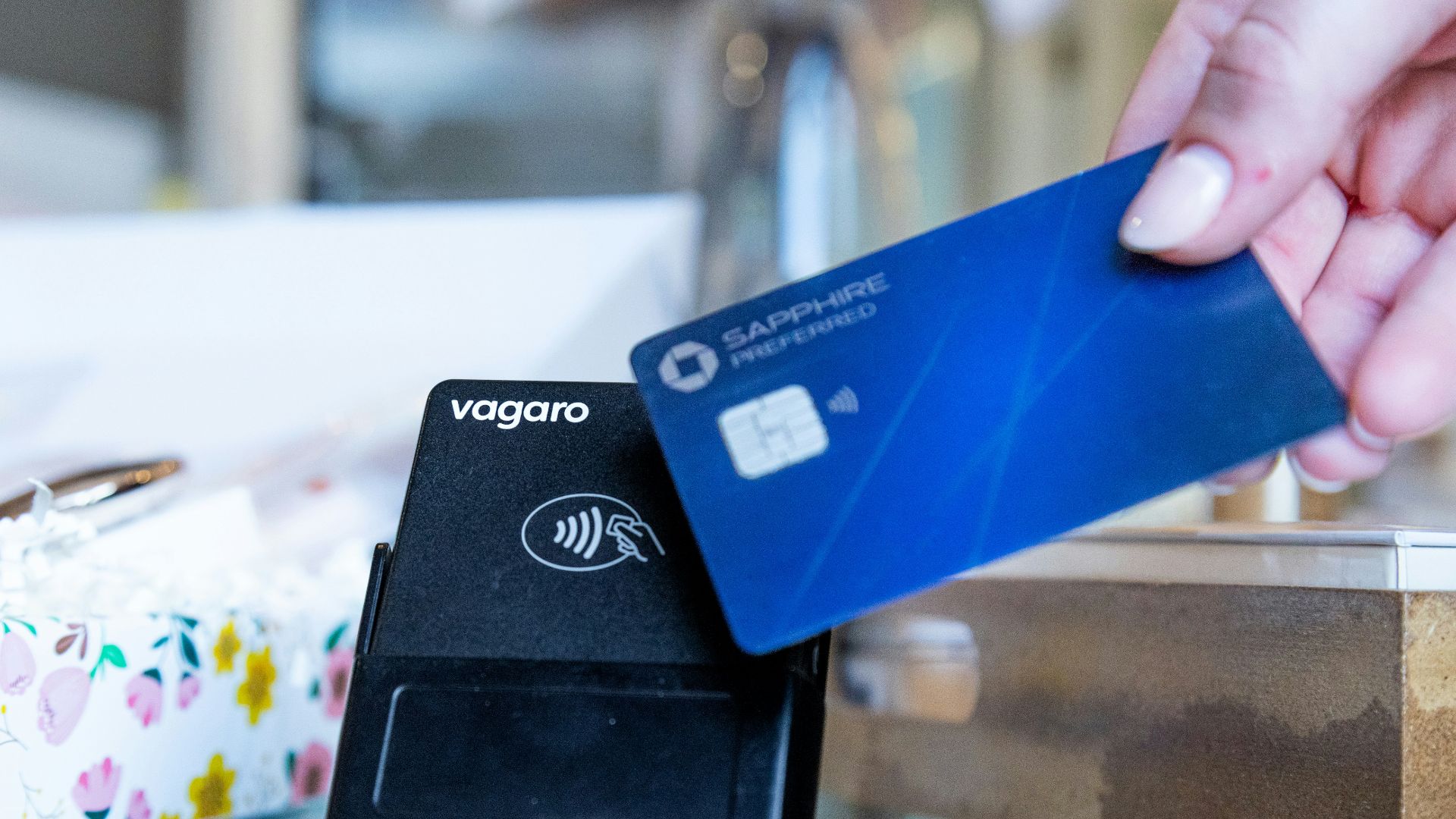
Payment made and accepted toward a sale can support an exception to the usual writing requirement. But a refundable reservation payment may have a different purpose. The receipt, agreed price, identified vehicle, and deposit terms help show whether the dealer accepted part payment on a purchase or merely agreed to hold a car.
An Admission Can Matter
Another exception may apply if the dealership admits in court that a sales contract existed. That is different from a salesperson casually acknowledging that a price was discussed. The admission must concern an actual agreement, and the buyer still needs to establish the terms being enforced.
A Witness Helps, But Has Limits
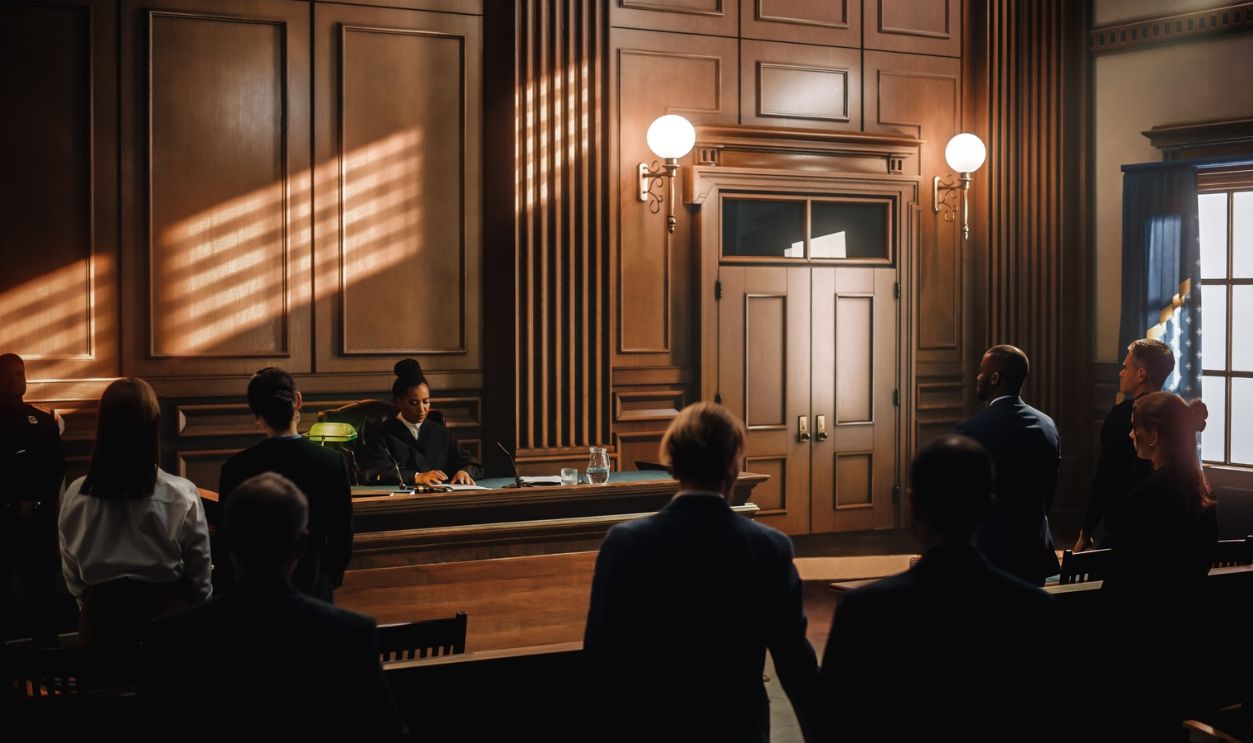
Someone who heard the conversation can help establish what was said. That doesn't necessarily overcome a legal requirement for a signed record. Proving that a promise happened and proving that a court can enforce the sale are related questions, but they aren't always the same question.

A Binding Deal Changes The Argument
If an enforceable contract already fixed the price, the dealership generally cannot rewrite it simply because someone now wants more money. A price change ordinarily requires the buyer's agreement or a valid contractual basis. "Management decided to charge more" doesn't, by itself, establish a right to change an existing deal.

There Is Another Legal Question
Even when enforcing the handshake is difficult, deceptive pricing may raise a separate consumer-protection issue. A price increase alone doesn't automatically prove deception. But misleading the buyer about an available price, hiding mandatory charges, or inventing conditions after the fact can raise concerns even without a signed purchase contract.
 LightField Studios, Shutterstock
Was The Lower Price Advertised?
An online listing, email promotion, or other price representation can be important evidence. FTC guidance says advertised car prices should be truthful and reflect required dealer charges, with an allowance for required government charges. A low number that customers cannot actually obtain may create problems beyond a broken promise.
 Stephen Phillips - Hostreviews.co.uk, Unsplash
What Are Those Extra Charges?
Suppose the car's price supposedly stayed the same, but a mandatory protection package or dealer fee added the extra $2,000. That deserves a close look, too. Calling a charge an "add-on" doesn't settle whether it was properly disclosed, genuinely optional, or included in the price represented to the buyer.

Save The Evidence Right Away
The buyer should save the original listing, complete message threads, worksheets, deposit receipts, and both price quotes. Screenshots should include dates and the vehicle's VIN or stock number where possible. A short timeline helps connect the original agreement to the later increase before memories fade or online prices change.

Ask For The Explanation In Writing
The next step is a written request for the original price, revised price, and an itemized explanation of the difference. The buyer should ask whether the dealership disputes that an agreement existed. "The price went up" is a conclusion. An explanation should identify what changed and why the dealer believes it applies.

Take It To The General Manager
A calm written complaint to the general manager or owner gives the dealership a chance to resolve the dispute. The buyer should identify the car, salesperson, agreed amount, and return date, then attach the supporting records. If the buyer still wants the car, the requested solution can be honoring the original agreement.

Don't Forget About The Deposit
If the dealer refuses to perform an enforceable agreement, the buyer may have a right to cancel and recover money paid. Other deposit disputes depend on state law and the payment terms. The buyer should request any refund in writing and ask for the legal or contractual basis if the dealership refuses.

A Complaint Can Go Further
Unresolved concerns can go to the state attorney general or consumer-protection office, and the state's dealer-licensing agency where appropriate. Suspected deceptive practices can also be reported to the FTC. A report doesn't guarantee an individual refund or force a sale, but the documents give regulators something concrete to examine.

What Could A Legal Claim Recover?
If the dealer breached an enforceable contract, available remedies may include a refund and provable damages, potentially including the reasonable extra cost of a substitute purchase. Forcing delivery of that specific car is a separate question. A local consumer attorney can assess the evidence, state law, and whether small claims makes sense.

Don't Sign Away The Dispute
A buyer who disagrees with the new price should resolve that issue before signing revised purchase documents. Signing a higher-price agreement can complicate an argument about the earlier amount. For future purchases, the buyer should get the accepted out-the-door price, specific vehicle, conditions, and any hold deadline documented before leaving.

So, Does The Handshake Count?
It can, but a handshake alone may be hard to enforce on a used-car purchase. Written confirmations, accepted payments, and the exact terms can change the result. The buyer's best next move is to preserve the evidence and demand an explanation before deciding whether to pay more, walk away, or pursue the dispute.

You Might Also Like:
Cars You Could Actually Buy Brand-New For Less Than $2,000 In The 1960s—Were They Worth It?