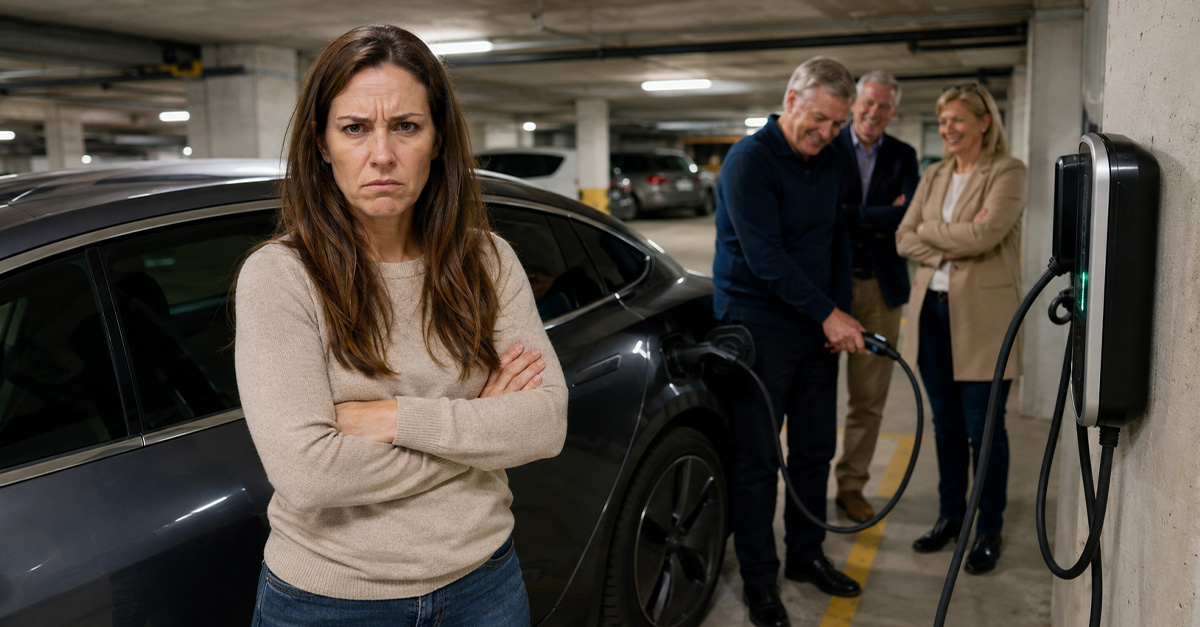
The Charger Is There, So Why Can’t You Use It?
Your condo proudly advertises EV chargers, which sounds great until the rules start changing every few months. One week you need an app, the next week you need permission, and suddenly your usual charging time is banned. Can the building really keep moving the goalposts?
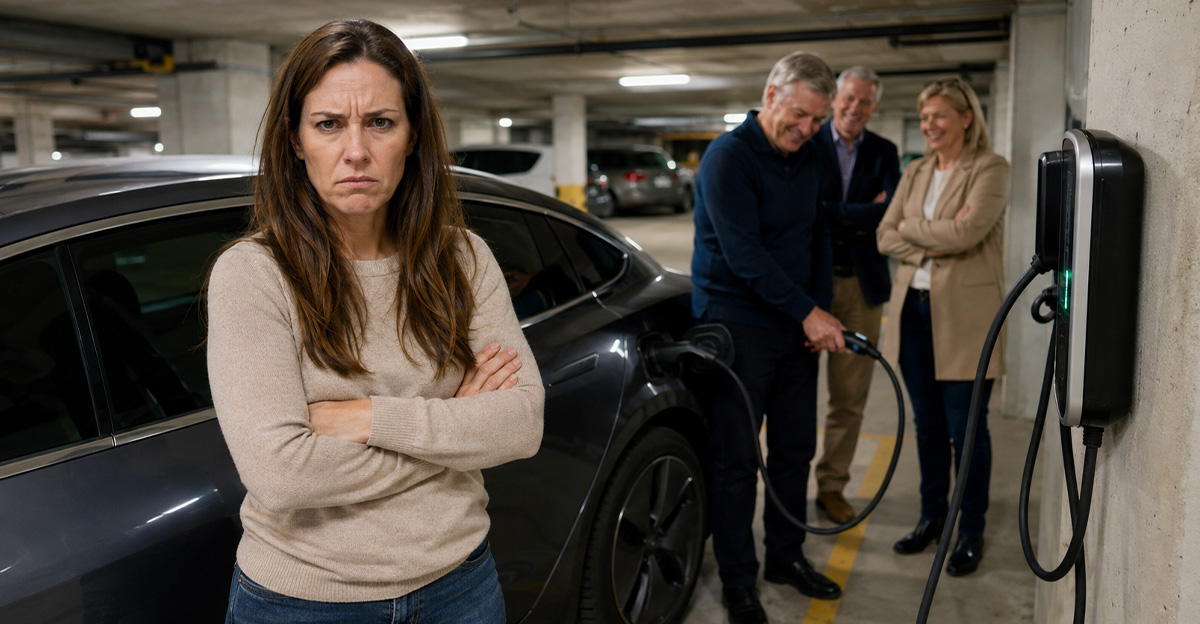
EV Charging Is No Longer A Small Amenity
A few years ago, one or two chargers may have been enough for the whole building. Now, more residents are driving electric vehicles, and demand is growing quickly. Condo boards are discovering that managing charging spaces is much harder than installing them.
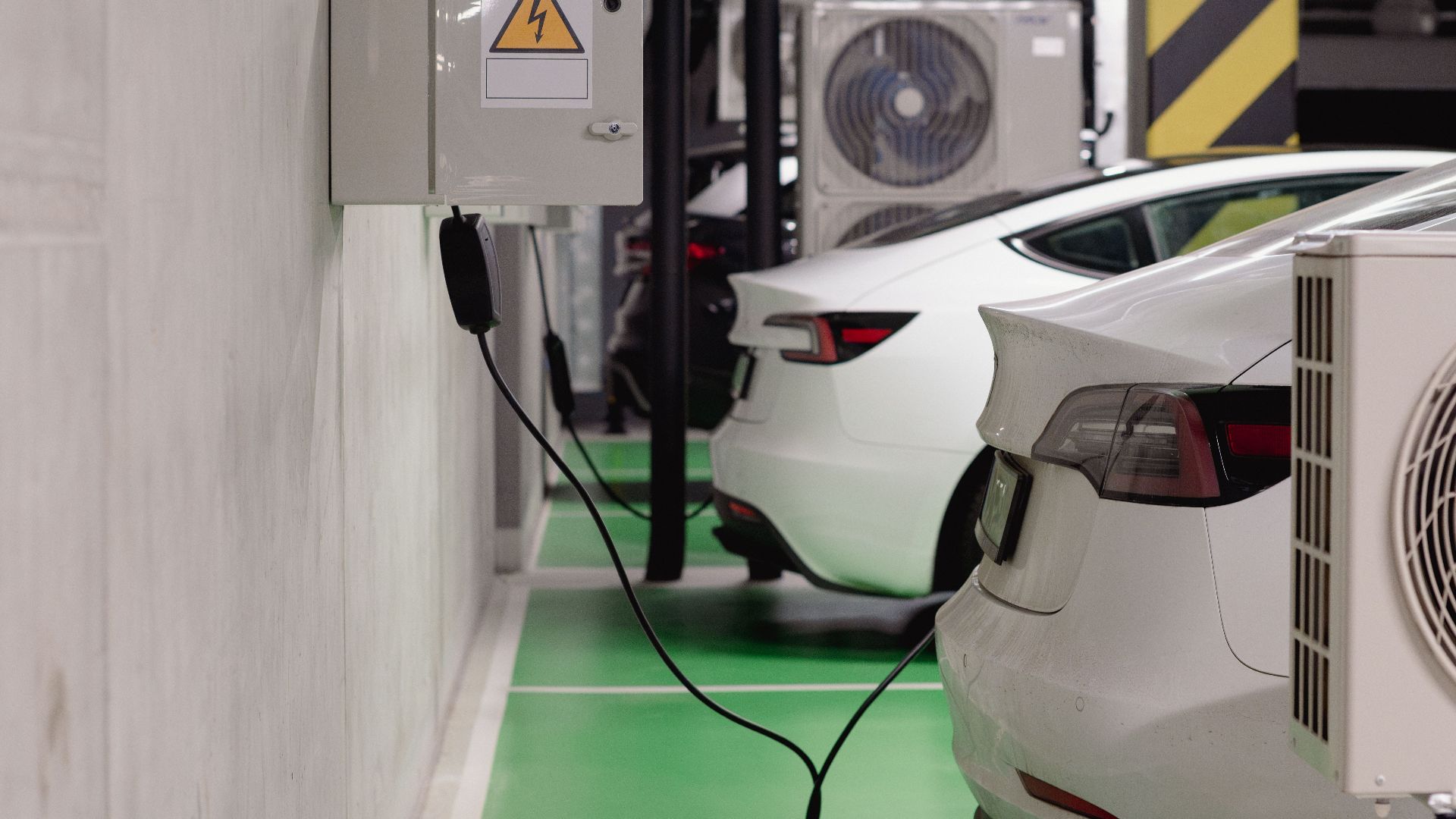
Start With Your Condo Documents
Before firing off an angry email, read the condo declaration, bylaws, rules, and parking agreements. These documents explain who owns the charging equipment, who controls the parking spaces, and how the board is allowed to create or change rules.

Condo Boards Usually Have Broad Powers
In many places, condo boards can make reasonable rules for shared property. That often includes setting charging hours, introducing reservation systems, limiting parking time, and changing fees. However, boards still have to follow the law and their own governing documents.

Written Promises Matter
Did the developer or seller specifically promise you access to EV charging? Check your purchase agreement, disclosure documents, sales materials, and emails. A vague advertisement may offer limited protection, but a written contractual promise could give you a much stronger argument.

Your Parking Space May Change Everything
Some EV chargers are installed in privately owned parking spaces. Others sit in common areas controlled by the condo corporation. If the charger is connected to a space that belongs to your unit, the board may have less freedom to restrict access.
 Boys in Bristol Photography, Pexels
Shared Chargers Come With More Rules
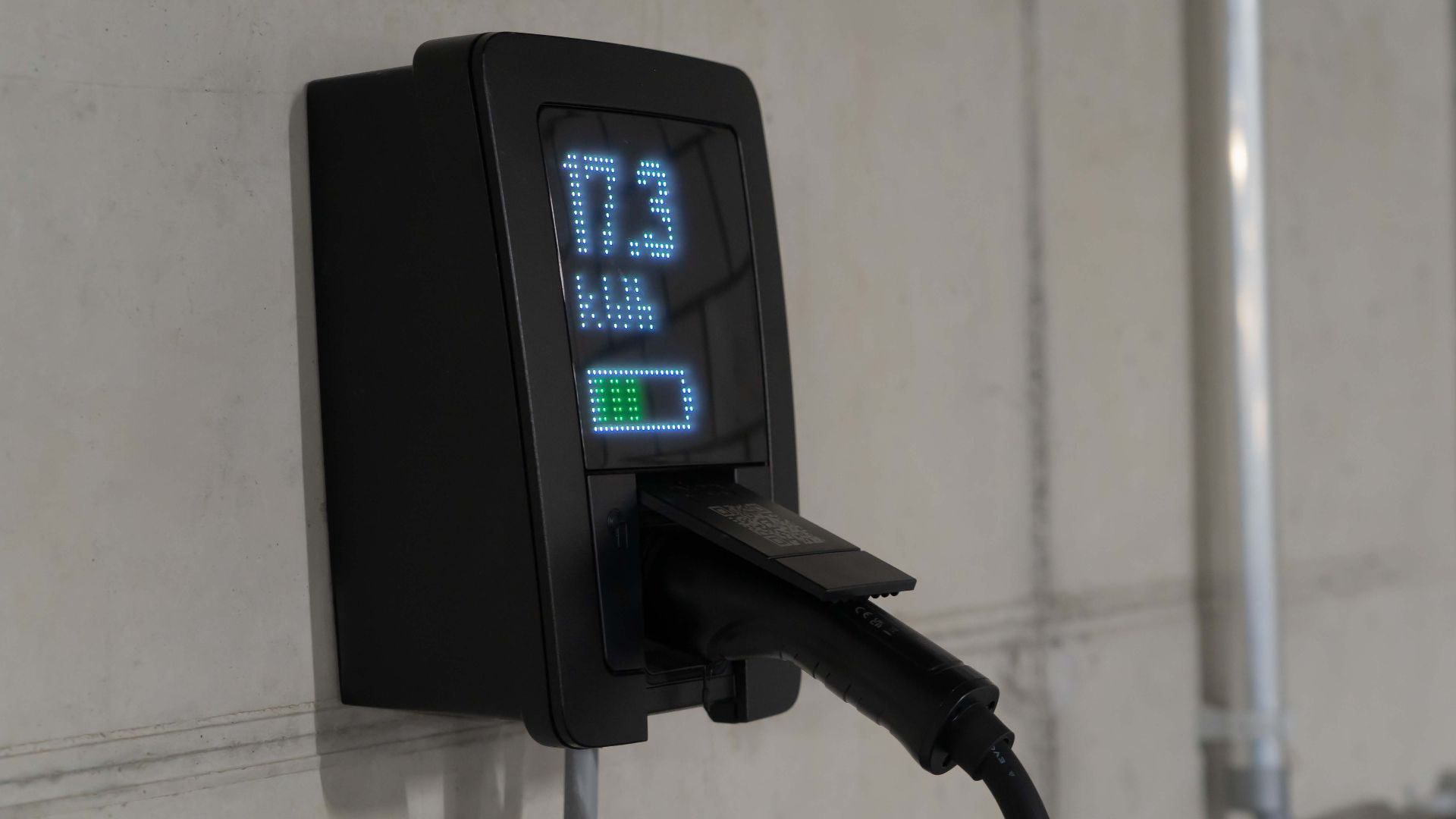
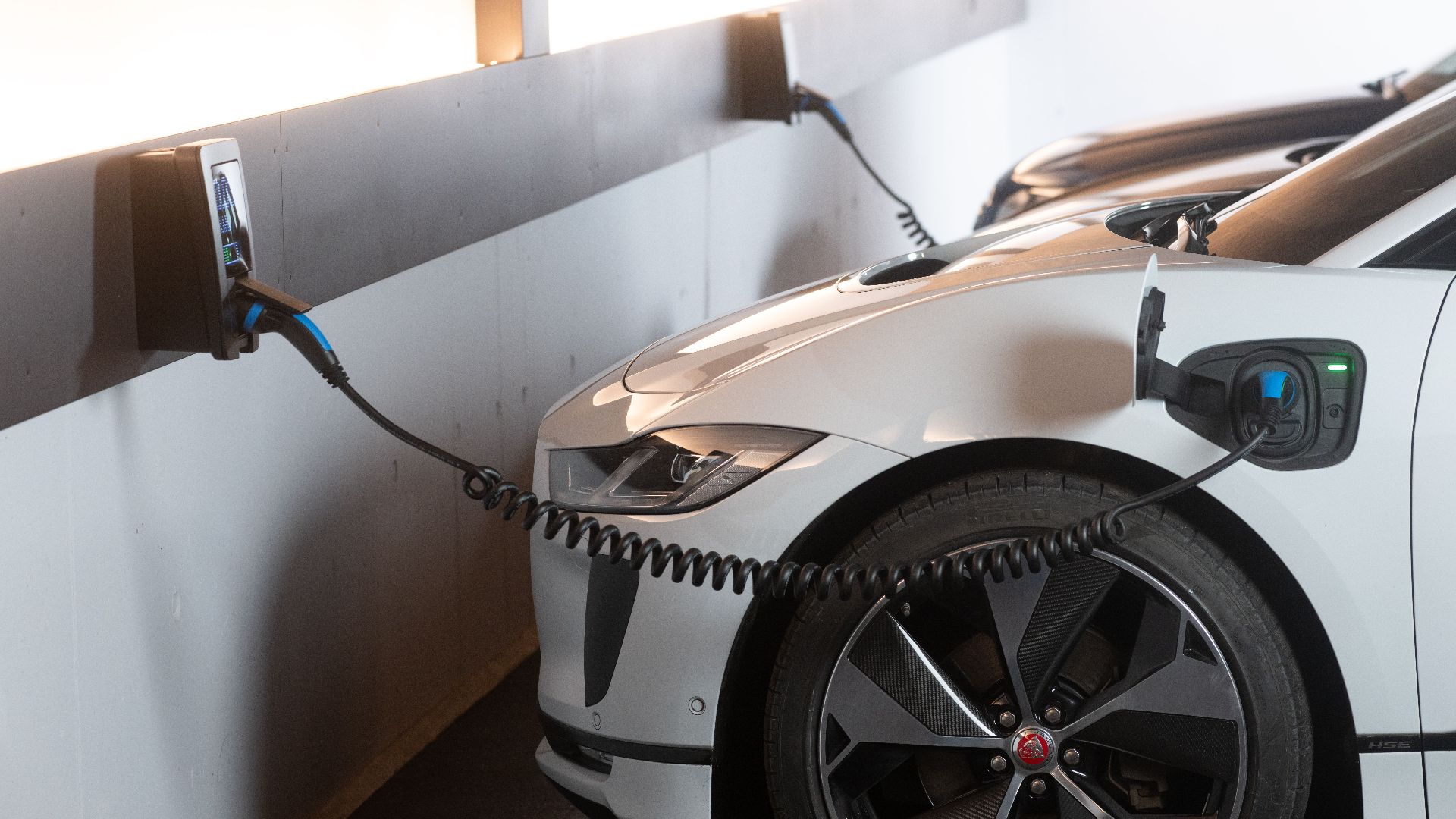
When several owners share the same chargers, the board usually has more reason to regulate them. Without time limits or reservations, one vehicle can stay plugged in all night while other residents circle the garage waiting for a turn.
Rule Changes Should Follow Proper Procedures
A board may be allowed to change charging policies, but it usually cannot ignore required procedures. Depending on local law and the condo documents, owners may need to receive written notice, an explanation, or an opportunity to challenge the new rule.

The Rules Should Be Reasonable
A rule does not become fair simply because the board approved it. Charging restrictions should normally have a sensible purpose, such as improving access, covering electricity costs, protecting equipment, or avoiding conflicts between residents.

Charging Fees Can Usually Change
Free charging often disappears once more residents begin using the system. Buildings may introduce per-kilowatt fees, monthly memberships, connection charges, or idle penalties. These fees should be clearly explained and reasonably connected to the actual service being provided.
Non-EV Owners Also Have A Say
Residents without electric vehicles may object to paying for electricity, repairs, or upgrades they never use. Boards often respond by shifting more costs onto EV drivers. That may feel frustrating, but user-pay systems can be easier to defend than charging everyone equally.

Reservation Systems Can Be Annoying But Helpful
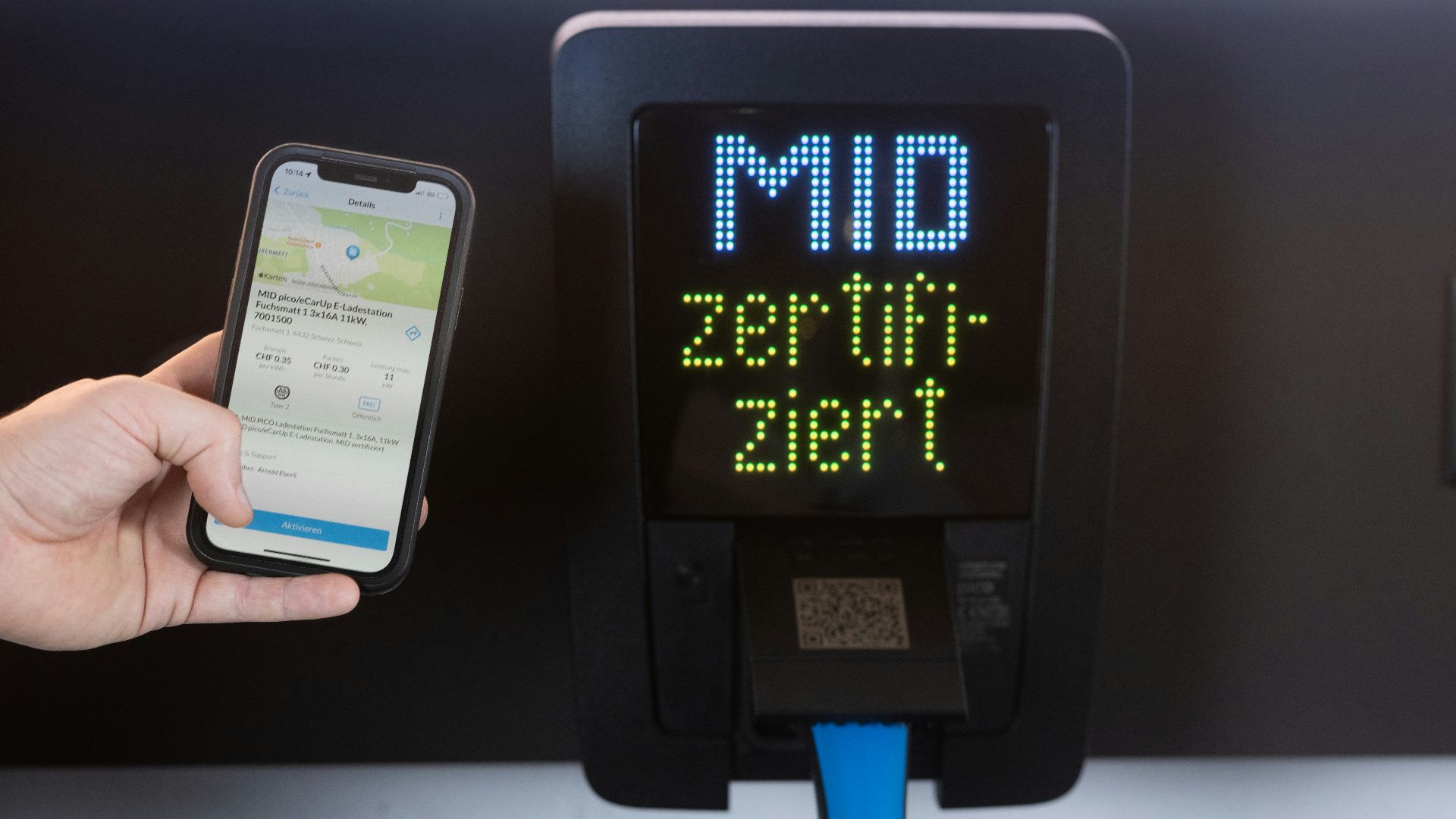
Booking an hour through an app may feel less convenient than simply plugging in. Still, reservations can stop charger hogging and reduce arguments. The real issue is whether the booking system gives owners a fair and realistic chance to charge.
Idle Fees Are Becoming Common
Many buildings now charge drivers who leave their vehicles connected after charging is complete. These fees encourage people to move their cars. However, penalties should not be excessive, hidden, or triggered before residents have a reasonable opportunity to unplug.
 Rathaphon Nanthapreecha, Pexels
Technology Changes Can Create Problems
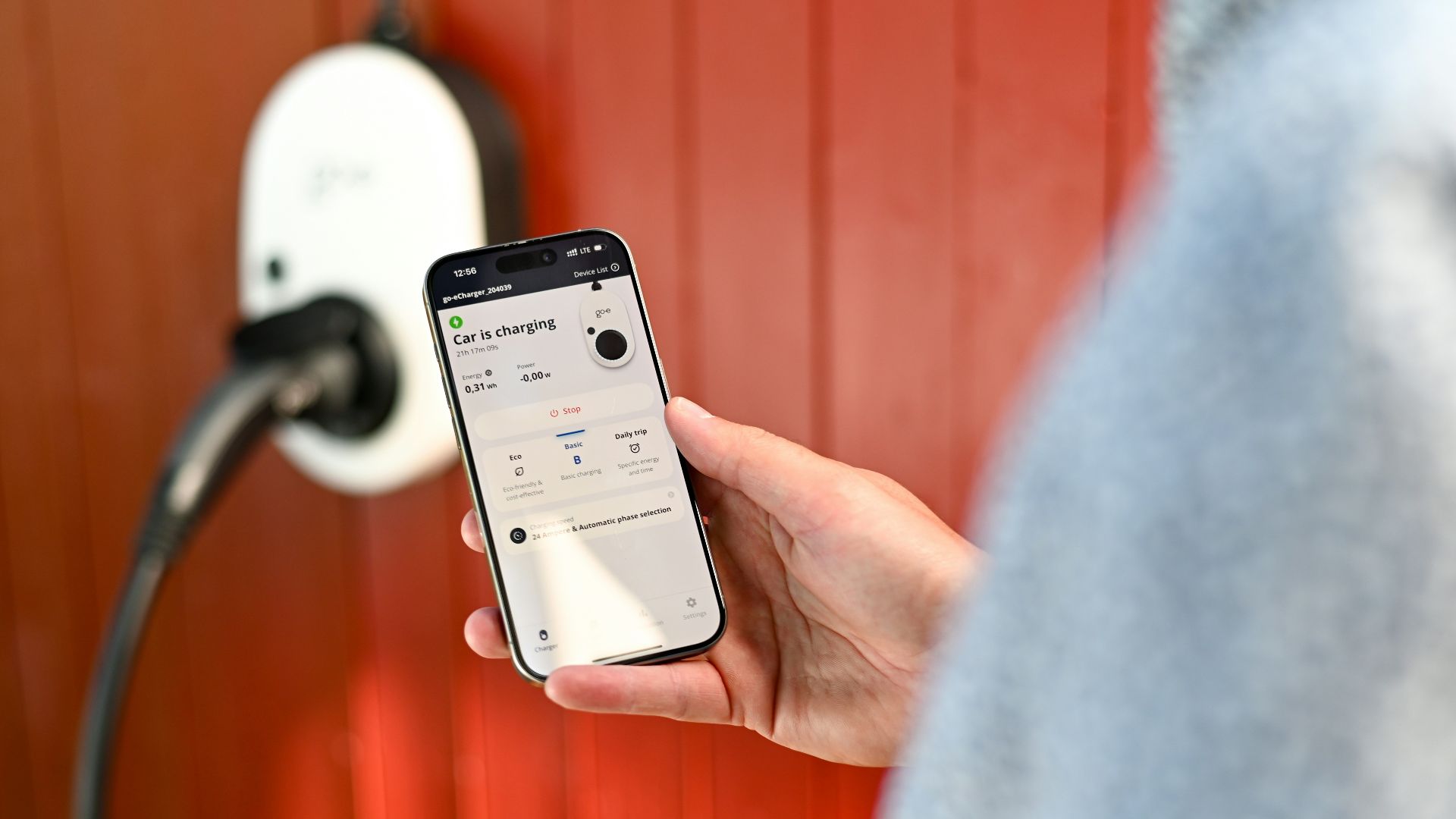
Buildings sometimes switch apps, access cards, payment systems, or charging providers with little warning. Owners may suddenly lose access because their account was not transferred correctly. Management should provide clear instructions and enough time to complete any required setup.
Ask Whether Existing Owners Are Grandfathered
If you bought your unit when charging was free or unrestricted, you may wonder whether the old rules still apply to you. Usually, policies can change for everyone, but contracts, exclusive-use rights, or previous written agreements may create exceptions.

Legal Protection Depends On Where You Live
Condo and strata laws are different in every province, state, and municipality. Some regions give boards wide control, while others protect an owner’s ability to install or access EV charging. That makes local legal advice especially important in serious disputes.

Right-To-Charge Laws May Help
Some jurisdictions have introduced “right-to-charge” rules that prevent condo boards from unreasonably blocking EV charger installations. These laws do not always guarantee free access to shared chargers, but they may limit a board’s ability to reject sensible charging proposals.
Accessibility Rights May Offer Extra Protection
For some residents, reliable vehicle access may be connected to a disability or medical accommodation. In those cases, human rights or accessibility laws could apply alongside condo rules. The board may need to consider an individual solution rather than enforcing a blanket policy.

Request The Records Behind The Decision
Owners may be entitled to review certain condo records, including meeting minutes, contracts, budgets, and policy documents. These records can reveal whether the change was properly approved and whether the board considered costs, complaints, or alternative options.

Read The Meeting Minutes Carefully
Board minutes often explain more than the official notice. You may discover that chargers were regularly damaged, electricity costs doubled, or residents repeatedly ignored time limits. Knowing the real problem makes it easier to suggest a better solution.

Talk To Other EV Owners
You are probably not the only person affected. Speak with other EV drivers in the building and compare experiences. A calm, organized group is more likely to be heard than one furious owner sending increasingly dramatic emails at midnight.

Bring The Board A Practical Proposal
Instead of simply demanding that the old rules return, suggest a workable alternative. You could propose a fair reservation schedule, overnight charging periods, reasonable idle fees, better signage, or a waitlist for residents who need regular access.

Mediation May Be Better Than A Lawsuit
Condo disputes can become expensive very quickly. Mediation gives owners and boards a chance to find a compromise without turning the parking garage into a legal battlefield. Many disagreements are really about poor communication rather than intentional unfairness.

Know When To Call A Lawyer
Legal advice may be worthwhile if the building removes access promised in your purchase documents, interferes with an owned parking space, ignores required procedures, or imposes extreme fees. A condo lawyer can explain whether the rule is merely irritating or actually unlawful.

Future Buyers Should Investigate First
Anyone buying a condo with an EV should ask detailed questions before signing. Find out who owns the chargers, how fees are calculated, whether spaces are reserved, and whether major rule changes are planned. Never rely only on a listing that says “EV charging available.”
Buildings Need A Long-Term Plan
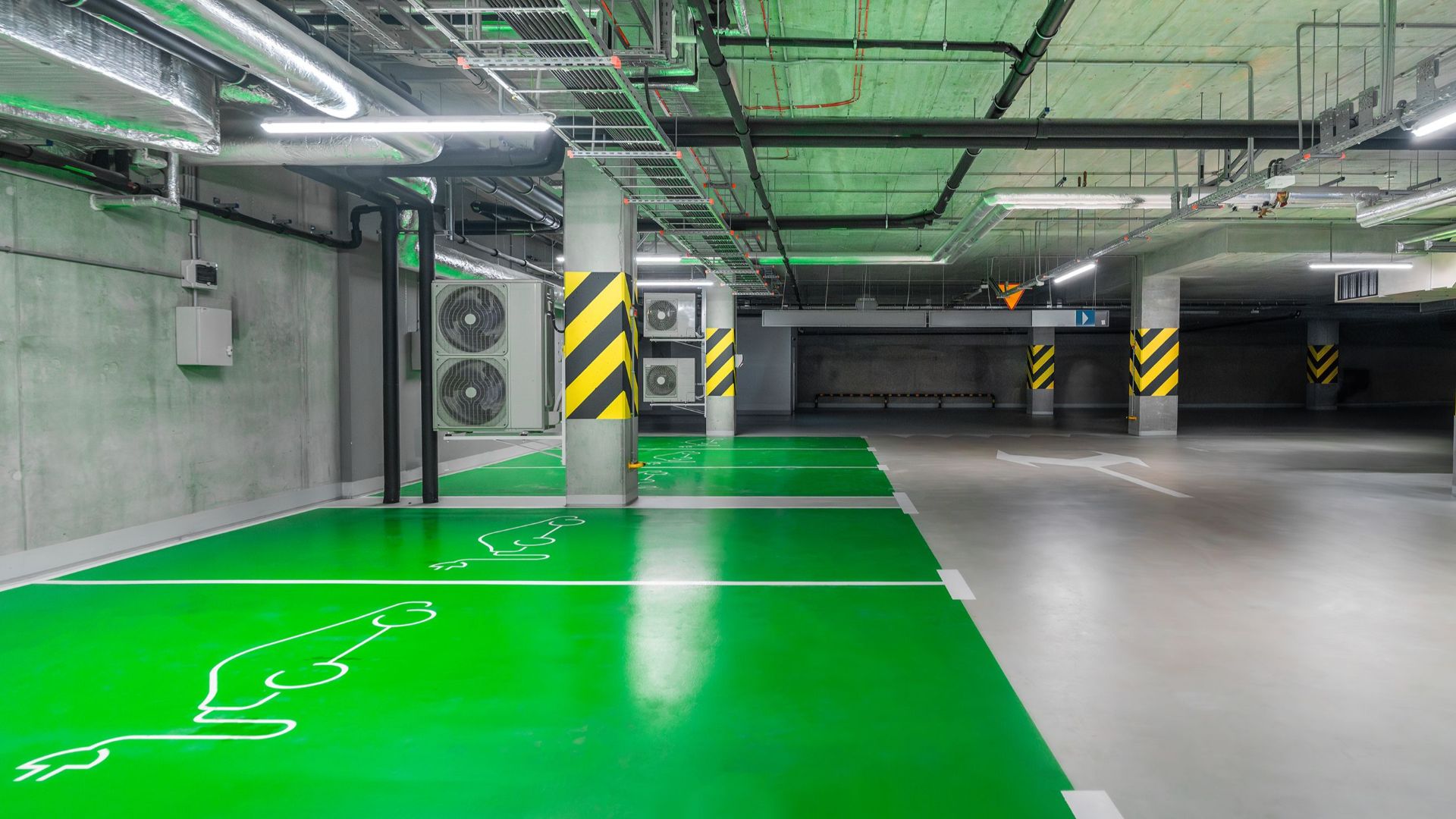
Constant rule changes are often a sign that the building has no real charging strategy. Boards should be planning for more EVs, additional electrical capacity, fair billing systems, equipment maintenance, and enough chargers to meet future demand.
Owners Do Have Protection, But It Varies
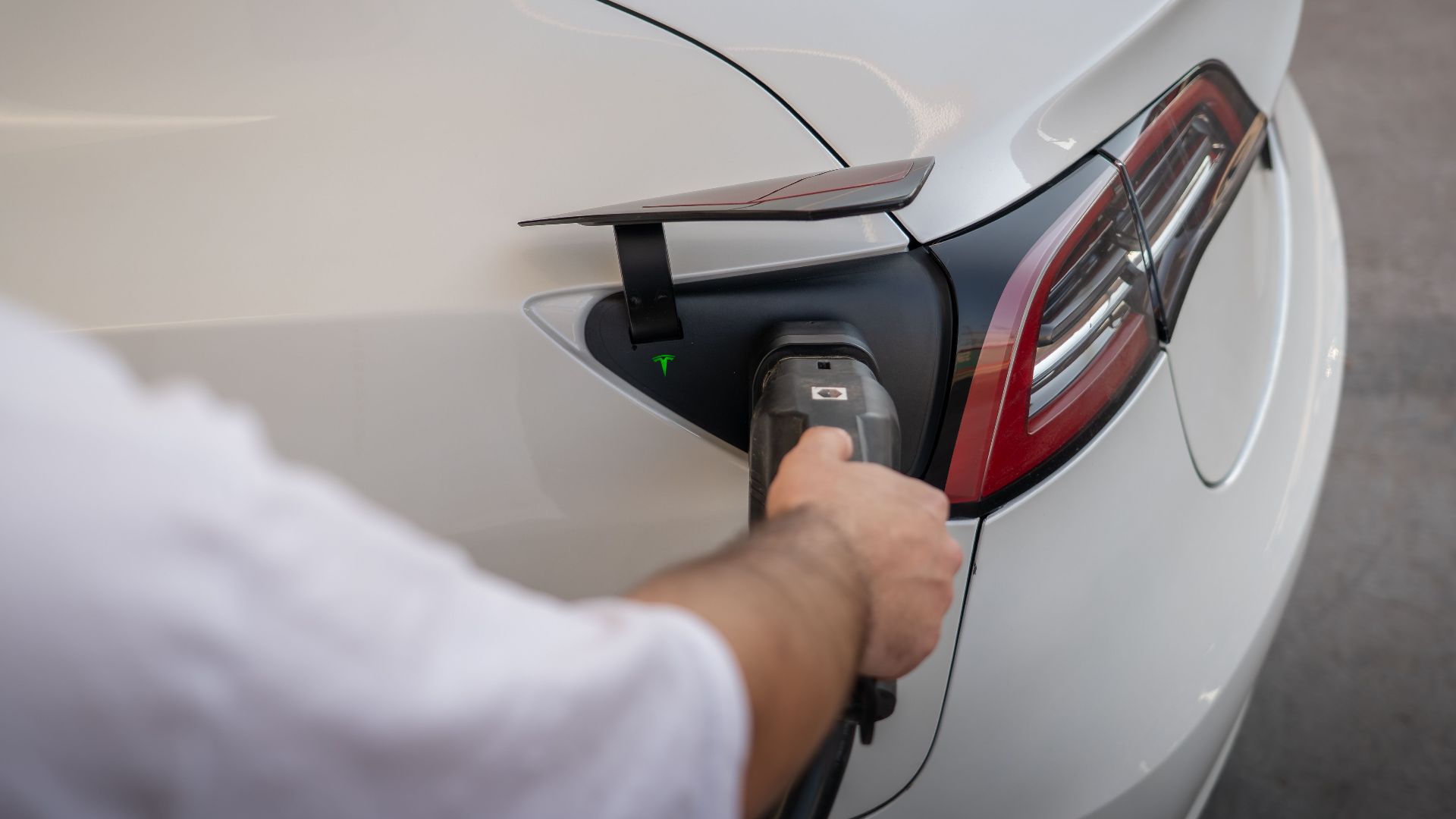
Condo owners are not powerless when EV charging rules change. Boards generally must act reasonably, follow proper procedures, and respect contracts and property rights. Keep every document, ask questions, attend meetings, and challenge unfair policies calmly. The charger may be shared, but the board’s authority is not unlimited.
You May Also Like:
Cars From The 1990s That No One Remembers—Seriously, Do You Remember Even 5 Of These Vehicles?